Introduction
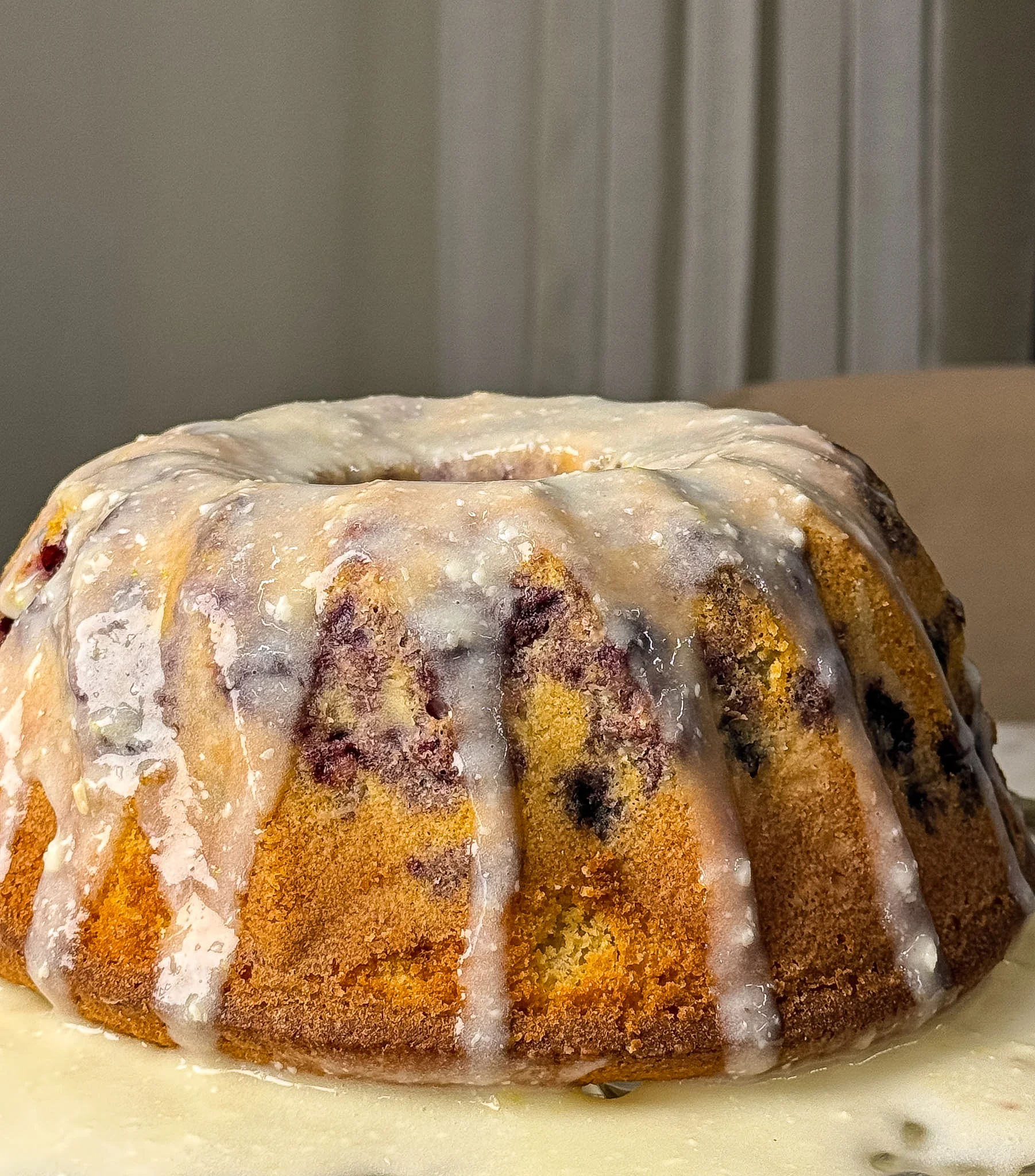
A lemon blueberry bundt cake is one of those desserts that belongs in every baker’s permanent repertoire — soft, buttery, incredibly moist, and packed with juicy blueberries that burst into little pockets of sweetness in every single slice. The moment it comes out of the oven, your kitchen fills with that irresistible combination of warm butter, vanilla, fresh lemon zest, and bubbling fruit that signals something truly special is happening.
A glossy lemon glaze dripped over the beautiful fluted curves of the pan takes the whole thing to another level entirely. If you enjoy recipes that highlight bright, vibrant citrus flavors in elegant baked goods, you will also love this Orange Cake Recipe — it brings that same citrus richness to a stunning, soft result.
What makes this lemon blueberry bundt cake particularly special is how multiple moisture sources work together. Butter, heavy cream, whole milk, eggs, and fresh lemon juice each contribute a distinct layer of richness, tenderness, and flavor.
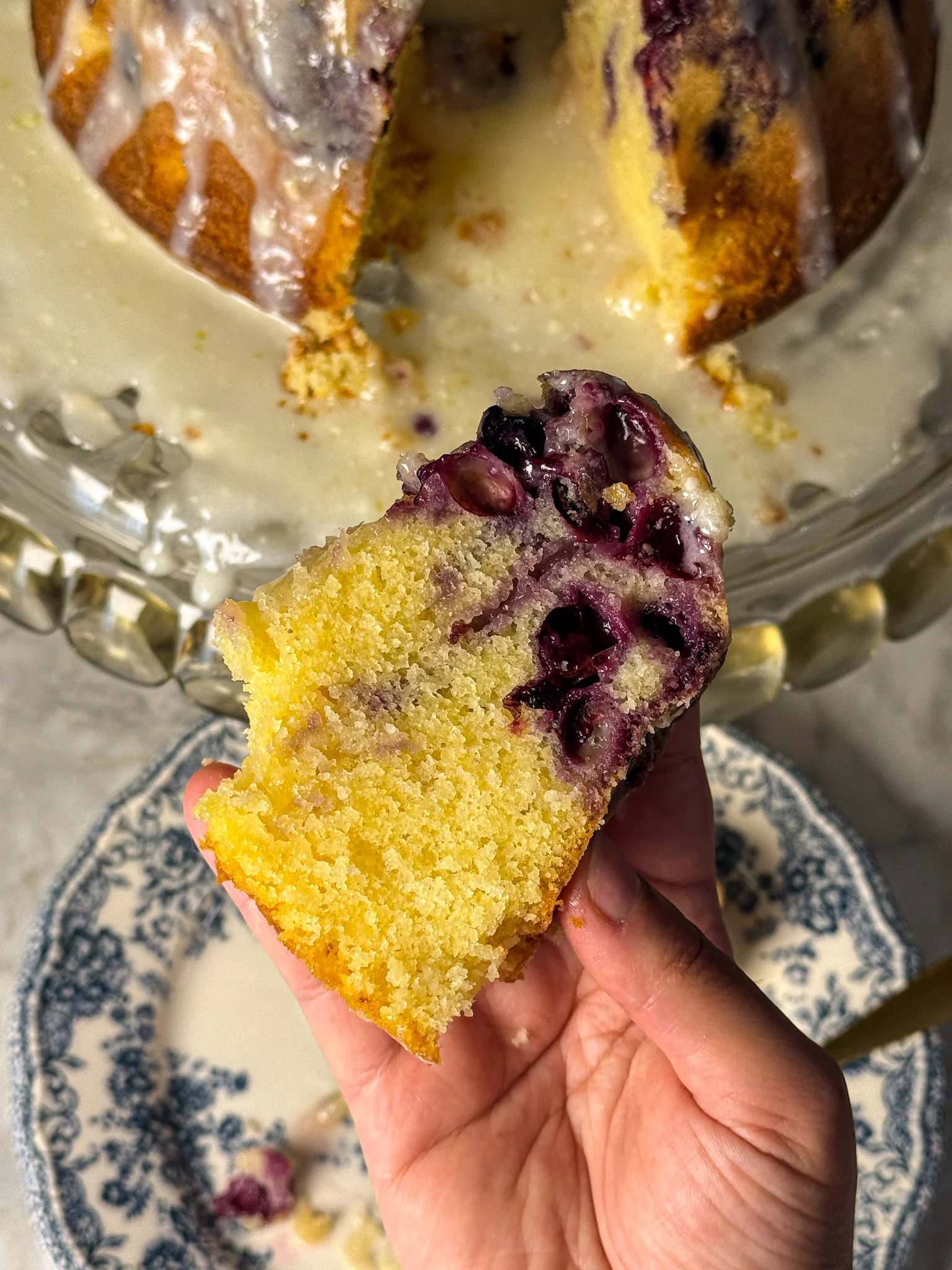
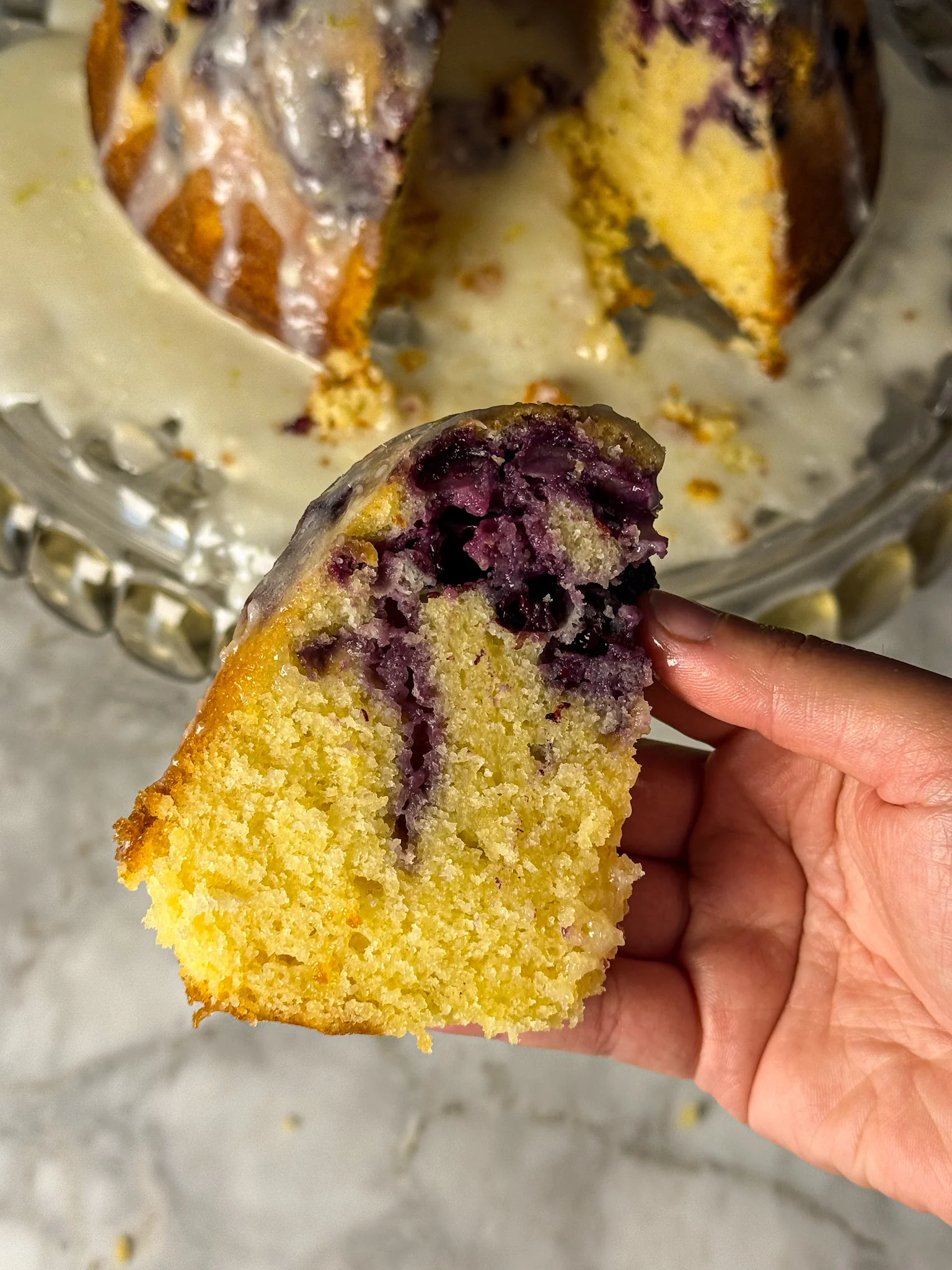
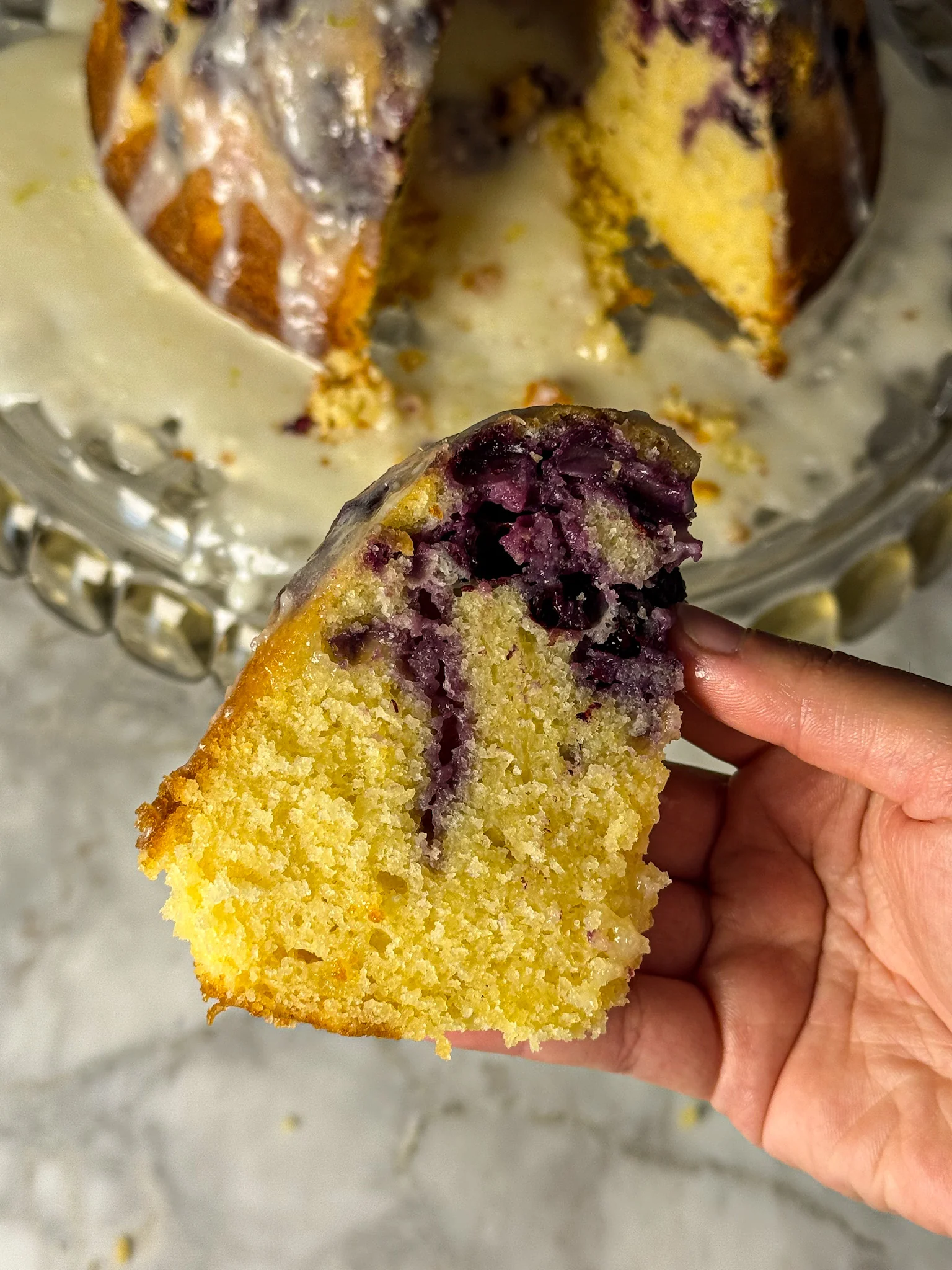
The result is a crumb that is simultaneously light and fluffy, rich and buttery, moist and tender — the kind of texture that makes people stop mid-conversation after their first bite. This is a dessert that earns compliments every single time it appears on a table, whether it is Easter brunch, a summer gathering, a birthday, or simply a cozy weekend afternoon.
Why This Lemon Blueberry Bundt Cake Is Special
Many versions of lemon blueberry bundt cake fall short in one of two ways: beautifully flavored but disappointingly dry, or wonderfully moist but lacking real citrus brightness. This recipe solves both problems by treating lemon as a full-participation ingredient. Both lemon juice and lemon zest go into the batter, and more lemon juice goes into the glaze — so the citrus flavor is layered, persistent, and genuinely present throughout without ever crossing into artificial-tasting sharpness.
The blueberries are handled with equal intention. Tossing them in flour before folding them into the batter is a technique I have relied on after many test batches, and it genuinely works — it keeps the berries suspended throughout the crumb rather than sinking to the bottom of the bundt pan during baking.
When the lemon blueberry bundt cake bakes, those berries soften and burst, releasing their natural juices into the surrounding crumb and creating little patches of intensely fruity sweetness that contrast beautifully with the bright lemon and rich butter flavor.
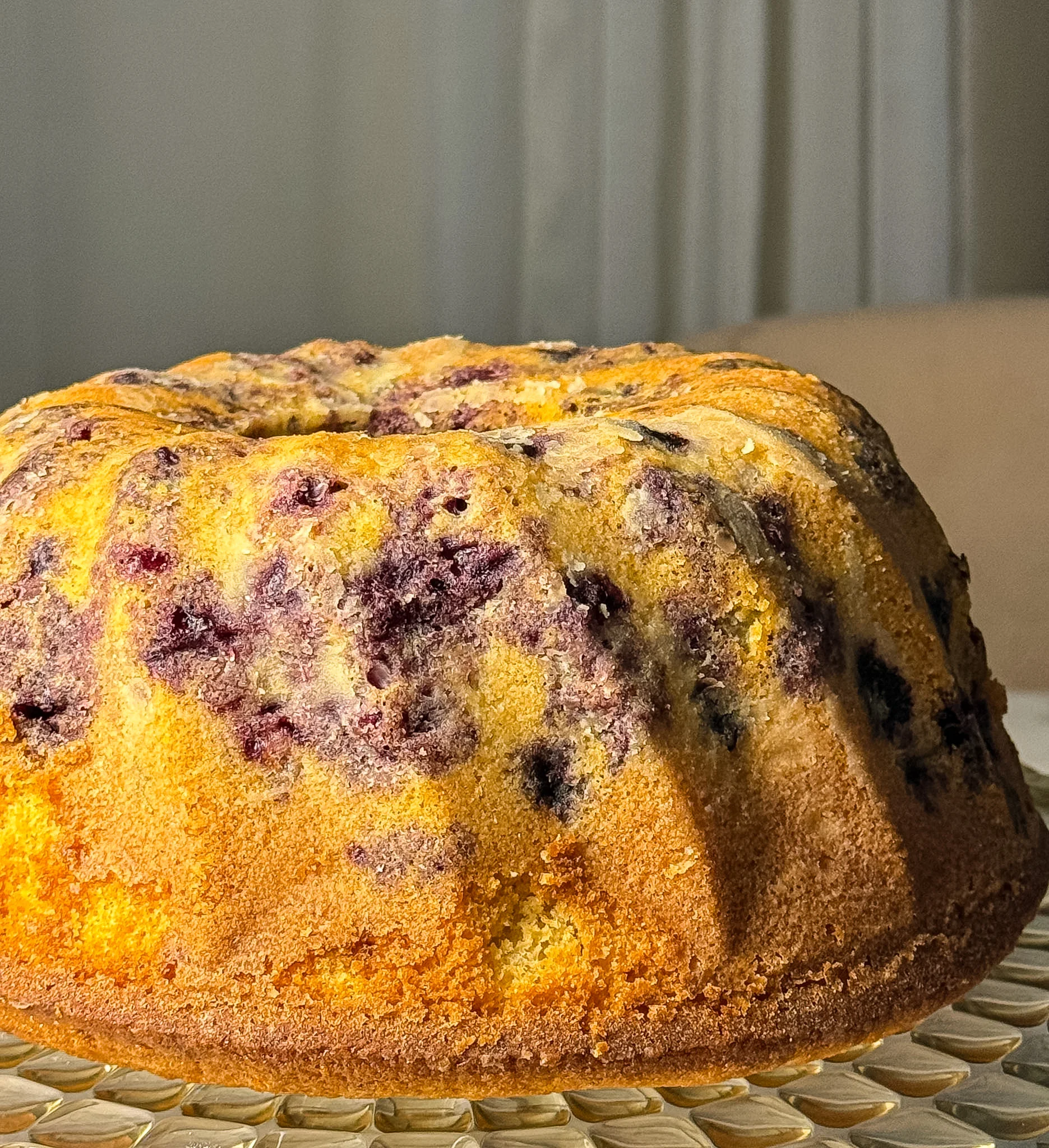
The bundt pan format is a functional choice, not just an aesthetic one. The tube at the center ensures the batter bakes more evenly than it would in a standard round pan — heat circulates through the middle as well as from the outside, which eliminates raw centers and overdone edges. The fluted shape means that once you add a simple glaze, the result looks professionally finished with zero decorating skills required.
Key Ingredients Overview
Every ingredient in this lemon blueberry bundt cake plays a deliberate role. Unsalted butter creates the rich, bakery-style crumb and that characteristic flavor that separates a truly excellent cake from an ordinary one. Creaming it with sugar until pale, light, and fluffy is one of the most important steps — this process incorporates air into the batter that helps the cake rise and creates a lighter, softer crumb.
The heavy cream adds an additional layer of tenderness and luxury that milk alone cannot achieve. For another beautifully moist, soft cake that relies on similar technique, this Tres Leches Cake Recipe is worth adding to your baking rotation.
Fresh lemon zest is arguably the most important flavoring ingredient here. Zest contains the essential oils from the lemon’s skin, which carry a more concentrated, aromatic, and complex flavor than juice alone. Juice contributes the bright, sharp citrus note; zest contributes warmth, fragrance, and depth.
Using both together is what gives this lemon blueberry bundt cake its full, multi-dimensional lemon character. Fresh blueberries are the final essential piece — they hold their shape better during baking than frozen, release a cleaner juice into the crumb, and create more beautiful, defined pockets of color in each slice.
Understanding the Science Behind Lemon Blueberry Bundt Cake
Why Creaming Butter and Sugar Matters
The creaming step creates air. When butter is beaten vigorously with sugar, the sharp sugar crystals cut tiny air pockets into the fat. Those pockets expand during baking as heat activates the leavening agents, producing a lighter, more tender crumb than you would get from simply melting the butter.
This is why room-temperature butter is essential: cold butter cannot trap air effectively, and the resulting lemon blueberry bundt cake will be noticeably denser than it should be.
How Lemon Juice Affects the Batter
Fresh lemon juice is mildly acidic, and that acidity interacts with the baking powder in the batter to enhance leavening. The acid and baking powder together produce additional carbon dioxide bubbles during baking, contributing to a lighter, more open crumb. The acidity also helps tenderize the gluten structure in the flour, which is part of why lemon cakes have such a notably soft, delicate texture compared to plain vanilla cakes.
The Bundt Pan Advantage
A standard round or loaf pan bakes from the outside in, which can create overdone edges while the center remains raw. A bundt pan solves this with its hollow center tube, allowing heat to penetrate from the inside out simultaneously. This is particularly valuable for a dense, moisture-rich batter like this lemon blueberry bundt cake, where the blueberries add extra liquid that would make an already-challenging center even harder to bake through in a solid pan.
Choosing the Right Ingredients
The Lemons
Always use fresh lemons. Bottled lemon juice lacks the volatile aromatic compounds that make fresh lemon so vibrant, and the flavor it produces is flat and noticeably inferior. You will need two to three medium lemons for both the juice and zest. Zest them before juicing — it is much easier to zest an intact lemon than a cut one. A microplane zester produces the finest, most flavorful zest with the least effort.
The Blueberries
Fresh blueberries are strongly preferred for this lemon blueberry bundt cake. They hold their shape during baking, release a clean juice into the crumb, and create beautiful defined pockets of color in each slice. If you must use frozen berries, fold them in directly from the freezer without thawing — thawed frozen blueberries bleed purple throughout the entire batter, turning the crumb grey or blue rather than golden.
The Pan
A 10 to 12-cup bundt pan is the right size for this recipe. Non-stick is helpful but what truly matters is thorough greasing — use softened butter and a pastry brush to coat every groove and curve meticulously, then dust with flour and tap out the excess. This one step is the difference between a perfectly released cake and a heartbreaking one.
Step-by-Step Instructions
Preparation
Preheat your oven to 350°F (175°C). Brush the inside of a 10 to 12-cup bundt pan with softened butter, reaching into every groove, then dust with flour and tap out the excess. Toss the fresh blueberries with one tablespoon of flour and set aside. In a medium bowl, whisk together the flour, baking powder, and salt. In a measuring cup, combine the milk and heavy cream.
Making the Batter
Beat the room-temperature butter with granulated sugar on medium-high for four to five full minutes until the mixture is pale, light, and fluffy. Add the eggs one at a time, beating 30 seconds after each addition. Mix in the vanilla, lemon zest, and fresh lemon juice. Switch to low speed and alternate adding the flour mixture and the milk-cream mixture in three additions each, beginning and ending with flour. Mix only until just combined. Fold in the flour-coated blueberries with a spatula using slow, deliberate strokes that coat without smashing.
Baking
Pour the batter into the prepared pan and smooth the top evenly. Tap the pan on the counter two or three times to settle air bubbles. Bake the lemon blueberry bundt cake for 55 to 65 minutes until a skewer inserted into the thickest part comes out clean or with just a few dry crumbs. Begin checking at the 50-minute mark. If the top is browning too quickly before the cake is baked through, tent loosely with foil.
Cooling and Glazing
Cool in the pan on a wire rack for exactly 10 to 15 minutes — this resting period lets the cake contract away from the pan edges for easier release. Invert onto a wire rack in one confident motion, then let the pan sit over the cake for another 10 minutes before lifting. Once the lemon blueberry bundt cake is fully cool, whisk powdered sugar and fresh lemon juice into a smooth, pourable glaze and drizzle generously over the top.
Professional Tips for Perfect Results
Cream the Butter Fully
Do not rush this step. Four to five full minutes of beating until the mixture is pale and almost white is what creates the light, tender crumb this lemon blueberry bundt cake is known for. If the mixture still looks yellow and grainy after two minutes, keep beating.
Use a Skewer to Test Doneness
A standard toothpick may not reach the deepest part of a thick bundt cake. A long wooden skewer gives you a more reliable reading — insert it all the way to the base of the pan and look for clean removal or just a few dry crumbs.
Add Lemon Zest to the Glaze
For the most fragrant, intensely citrus glaze, stir a quarter teaspoon of finely grated lemon zest into the powdered sugar and juice mixture. The essential oils in the zest transform a basic sweet drizzle into something genuinely complex and aromatic. For another recipe where lemon glaze makes the decisive difference, the THE BEST LEMON POUND CAKE shows exactly how much that one addition can elevate a finished bake.
Never Skip the Flour Coating on Blueberries
Skipping the flour coating results in blueberries concentrated at the base of the inverted lemon blueberry bundt cake rather than evenly distributed throughout. Toss the berries just before folding them in — the coating can start absorbing moisture if it sits too long, which reduces its effectiveness.
Glaze Only Once Fully Cool
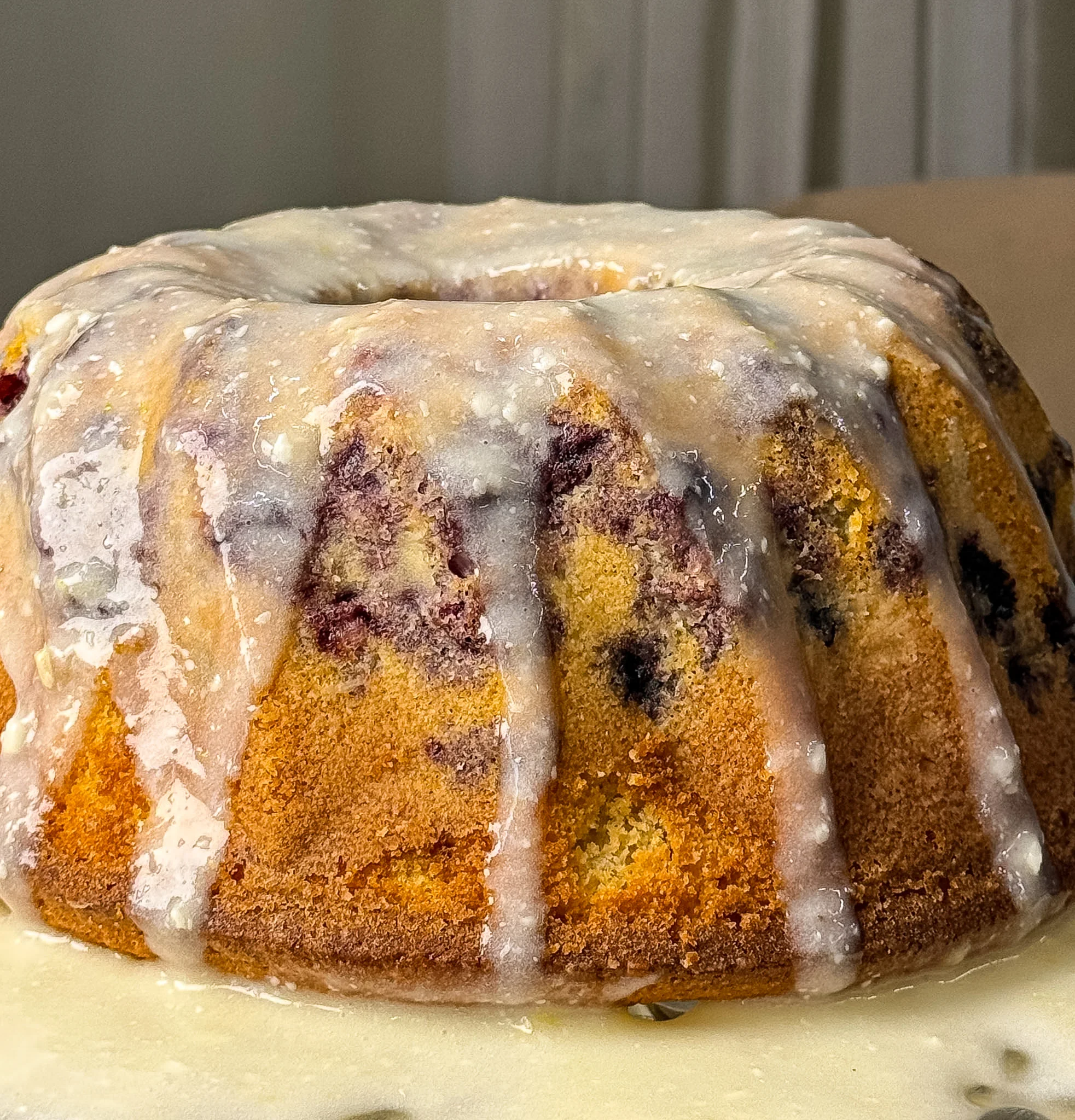
Pouring glaze over a warm lemon blueberry bundt cake results in a thin, invisible wash rather than the beautiful defined drips that make a glazed cake so striking. If you are in a hurry, refrigerate the unmolded cake for 20 minutes before glazing. For another recipe in that same category of beautiful, fruit-forward baked goods that reward patience, these Strawberry Crumble Danishes are well worth making.
Common Mistakes to Avoid
Not Greasing the Pan Thoroughly
Inadequate greasing is the most common cause of bundt cake disasters. Use softened butter and a pastry brush — not spray — to coat every surface, then flour the pan before adding the batter. Cooking spray does not cling to the vertical grooves of a bundt pan as reliably as butter does.
Overmixing After Adding Flour
Once the flour goes in, mix only until the streaks of dry ingredients disappear. Every stir past that point develops gluten and creates a tough, chewy crumb. Finishing with a spatula rather than an electric mixer helps prevent the temptation to over-beat.
Pulling the Cake Too Early
A lemon blueberry bundt cake that is underbaked in the center will collapse when unmolded and have a gummy, unpleasant texture. The blueberries add extra moisture to the surrounding batter, which means this cake needs its full baking time. Trust the skewer test, not the timer alone.
Glazing While Still Warm
A warm lemon blueberry bundt cake will melt the glaze into an invisible thin wash. Wait for the cake to cool completely, or refrigerate for 20 minutes after unmolding to firm it up if you are short on time.
Variations to Try
With Cream Cheese Glaze
Swap the lemon glaze for a cream cheese version by beating four ounces of softened cream cheese with one cup of powdered sugar, two tablespoons of fresh lemon juice, and a splash of vanilla extract until smooth. This richer glaze adds tangy complexity and turns the lemon blueberry bundt cake into something even more decadent.
Mixed Berry Version
Replace half the blueberries with fresh raspberries for a mixed berry variation with a slightly more tart flavor profile and a jewel-toned interior. Keep the total berry quantity the same and coat the mixed berries in flour just as you would the blueberries alone.
Lemon Poppy Seed Blueberry Version
Add two tablespoons of poppy seeds to the dry ingredients for subtle textural interest and a gentle nutty note. This variation brings the classic lemon poppy seed combination into this lemon blueberry bundt cake for a slightly more complex, bakery-style character.
Mini Bundt Cakes
Divide the batter among a six-cavity mini bundt pan and bake for 22 to 28 minutes. Individual lemon blueberry bundt cakes make stunning servings for brunch tables, baby showers, and bridal events — each guest gets their own perfectly formed, individually glazed little cake.
Storage and Reheating
Room Temperature
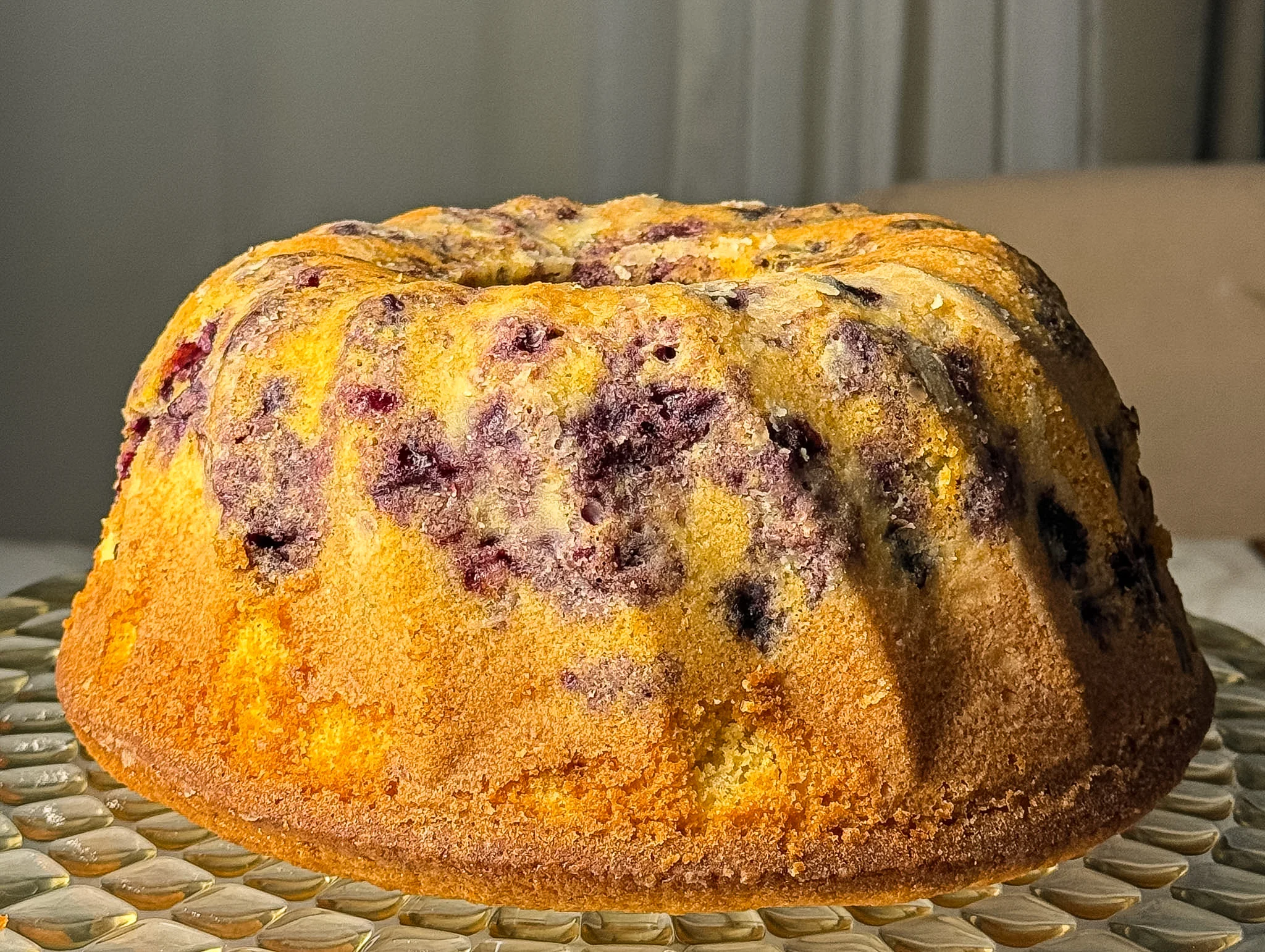
An unglazed lemon blueberry bundt cake can be stored at room temperature, covered tightly, for up to three days. The combination of butter, cream, and fresh fruit gives this cake excellent keeping quality, and the flavor deepens and improves on day two as the lemon and blueberry notes continue to develop.
Refrigeration
Once glazed, store in an airtight container in the refrigerator for up to five days. Remove slices 20 minutes before serving — refrigerating butter-rich cakes firms the crumb, and bringing it back to room temperature restores the ideal soft texture.
Freezing
This lemon blueberry bundt cake freezes beautifully without the glaze. Wrap the completely cooled cake tightly in two layers of plastic wrap followed by heavy-duty foil. It keeps in the freezer for up to two months. Thaw overnight in the refrigerator, bring to room temperature, and add the glaze fresh just before serving.
Reheating
Individual slices can be very gently warmed in the microwave for 10 to 15 seconds to take the chill off a refrigerated slice. Avoid reheating glazed slices, as the glaze will melt and run off.
Frequently Asked Questions
What makes a bundt cake moist?
Moisture in this lemon blueberry bundt cake comes from layering multiple moisture-providing ingredients — butter, heavy cream, whole milk, eggs, and lemon juice working together rather than relying on any single one. Not overbaking the cake and storing it properly after baking are equally important for maintaining moisture over time.
Why do blueberries sink in bundt cake?
Blueberries sink because they are heavier than the surrounding batter. Tossing them in flour before folding them in creates a light coating that increases friction and slows their descent. Using fresh rather than frozen blueberries also helps — frozen berries release more liquid as they bake, which further loosens the batter and accelerates sinking.
Can I use frozen blueberries?
Yes, with adjustments. Do not thaw them — fold them directly from the freezer into the flour coating and then into the batter. Frozen berries bleed more color into the crumb than fresh ones, so the interior of the lemon blueberry bundt cake will have a purple or grey tinge around each berry rather than the clean golden crumb you get with fresh.
How do I get my bundt cake out of the pan cleanly?
Thorough greasing before baking is the most important factor. After baking, cool the lemon blueberry bundt cake in the pan for exactly 10 to 15 minutes before inverting — this window is critical. If it resists coming out after inversion, leave the pan inverted over the cake for five more minutes and gravity will often do the rest.
Can I make lemon blueberry bundt cake ahead of time?
Absolutely, and in fact it is better the next day. The lemon flavor mellows and deepens overnight, and the crumb develops a more cohesive, tender texture as it rests. Bake and cool the day before, wrap it well, and add the glaze fresh just before serving.
How long does lemon blueberry bundt cake last?
An unglazed cake keeps at room temperature for three days or in the refrigerator for five days. A glazed cake is best consumed within four days of refrigeration. The unglazed frozen cake keeps for up to two months with no quality loss.
Watch the recipe video for more clarity!
See our similar recipes:
People also like these recipes:
Final Thoughts
This lemon blueberry bundt cake earns its place in your regular rotation because it delivers every single time. The crumb is soft and buttery, the lemon flavor is vibrant and real, the blueberries burst throughout every slice, and the glossy glaze finishes everything with an elegance that makes people assume you ordered it from a high-end bakery. In reality, it comes together with simple pantry ingredients, one bundt pan, and a single afternoon in your own kitchen.
What I love most about this lemon blueberry bundt cake is how effortlessly it moves between occasions and seasons. It works for Easter brunch and summer garden parties alike. It suits a formal table and a casual Tuesday afternoon with equal grace. The beautiful fluted shape does all the decorating work for you — a simple glaze and a handful of fresh berries scattered on top is the only finishing it ever needs.
Follow the seven tips throughout this post — cream the butter fully, use fresh lemons, flour your blueberries, grease the pan meticulously, use a skewer for doneness, rest before unmolding, and glaze only when fully cool — and you will have a lemon blueberry bundt cake that looks stunning, tastes incredible, and disappears faster than you would believe possible.
- 200 g unsalted butter softened
- 400 g sugar
- 5 eggs room temperature
- 5 g vanilla extract
- 180 g milk
- 240 g heavy cream
- 60 g fresh lemon juice
- Zest of 2 lemons
- 375 g all-purpose flour
- 14 –16 g baking powder
- 250 –300 g fresh blueberries
- 10 g flour for coating blueberries
Step 1 — Prepare the Pan
Preheat oven to 350°F (175°C).
Grease a bundt pan thoroughly.
Step 2 — Cream Butter & Sugar
Beat butter and sugar until light and fluffy.
Step 3 — Add Eggs
Add eggs one at a time.
Mix well after each addition.
Step 4 — Add Wet Ingredients
Mix in vanilla, milk, heavy cream, lemon juice, and lemon zest.
Step 5 — Add Dry Ingredients
Whisk flour and baking powder together.
Fold gently into batter.
Step 6 — Add Blueberries
Toss blueberries with flour.
Fold gently into batter.
Step 7 — Bake
Pour batter into prepared pan.
Bake 50–60 minutes or until toothpick comes out clean.
Step 8 — Cool
Let cake cool before removing from pan.
Step 9 — Glaze & Serve
Add lemon glaze if desired.
Slice and enjoy.
If you've given this recipe a try and it won you over, please share your thoughts by leaving
a rating and comment below! If you have any questions about this recipe, don't hesitate to ask – I'm here to
help and will respond promptly.