Introduction
If you have ever reached past the glazed rings and the filled pockets at a donut shop to pick up one of those golden rectangular bars sitting quietly in the corner, you already understand why old fashioned donut bars deserve a dedicated recipe. They are crisp where they need to be, impossibly tender at the center, and coated in a glaze that clings to every crevice and crinkled edge. These brown butter maple old fashioned donut bars take that familiar bakery experience and elevate it with a glaze that is nutty, warm, and deeply aromatic — the kind of thing that makes a slow autumn morning feel like an event.
In my experience, there are few baking projects more satisfying than a homemade batch of old fashioned donut bars. The process has a rhythm to it — mixing, chilling, rolling, cutting, frying — and at each stage, the dough transforms in a way that teaches you something about how ingredients work together. The chill time is not optional, the oil temperature is everything, and the crackled surface that forms as the bars hit the hot oil is not a flaw. It is the whole point.
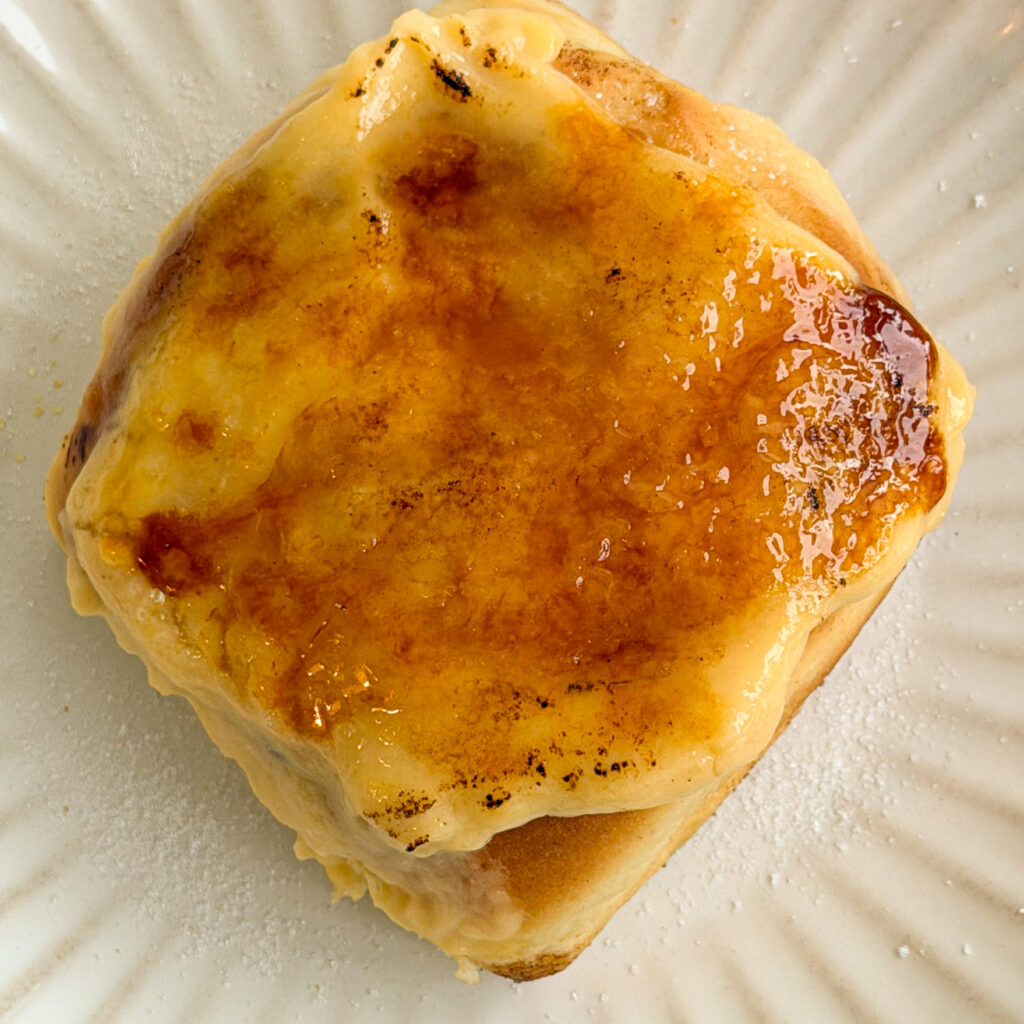
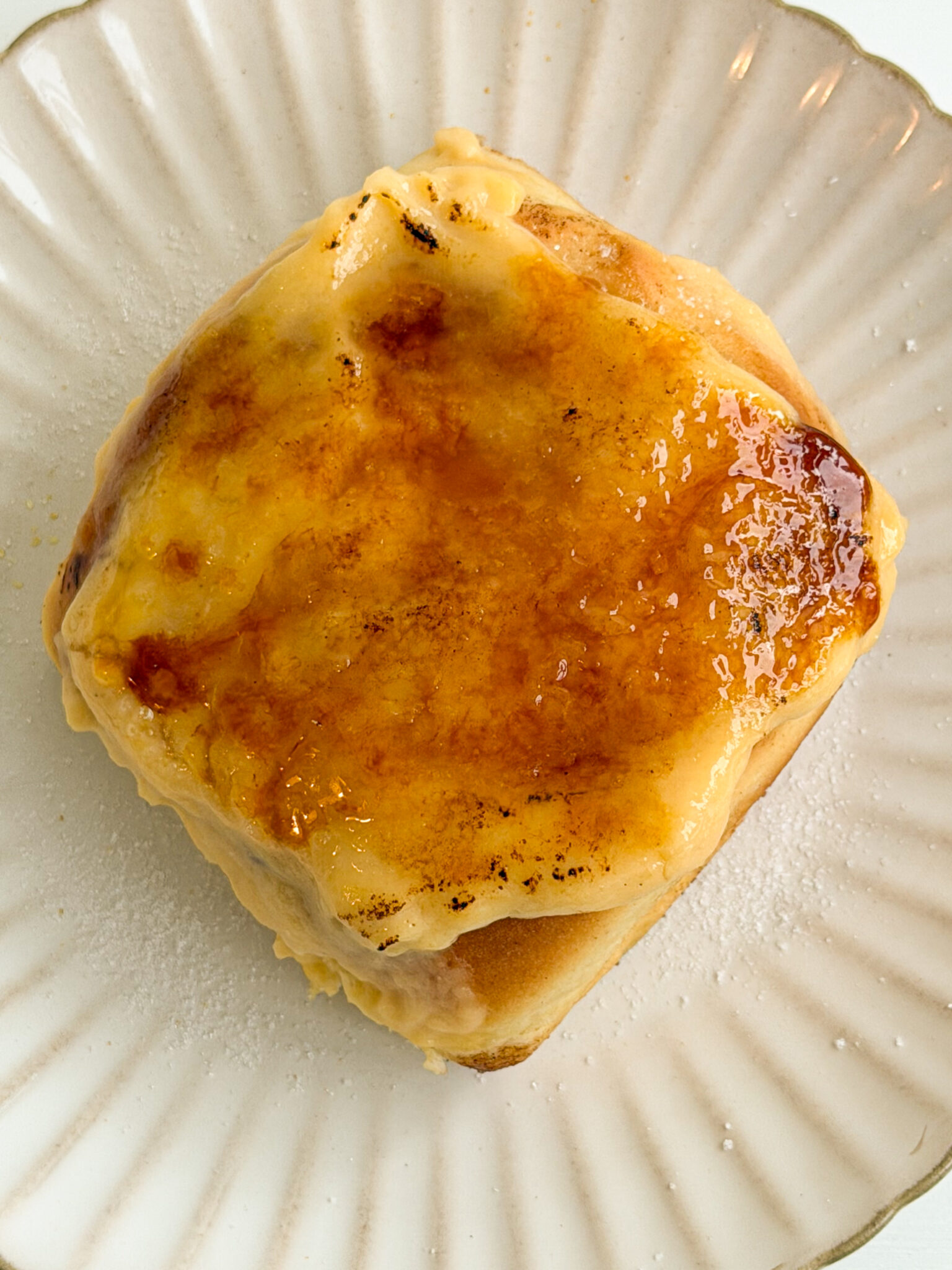
This recipe uses cake flour and buttermilk to build a dough with a genuinely soft, cakey crumb, and it pairs that base with a brown butter maple glaze that adds a layer of warmth and depth you simply cannot get from a standard powdered sugar glaze. If you love indulgent fried desserts, you might also enjoy my CRÈME BRÛLÉE DONUTS, which take a similarly luxurious approach to homemade frying. But today, these old fashioned donut bars are the star, and I cannot wait to walk you through everything.
Why These Old Fashioned Donut Bars Are Special
The appeal of old fashioned donut bars goes beyond flavor. These are a shape-specific experience. The rectangular bar format gives you more surface area than a ring donut, which means more crispy, golden edges per bite. It also means a thicker, more protected center that stays soft and moist long after the bars have cooled. You are not choosing between edge and middle — you get both in every single piece.
What makes this version of old fashioned donut bars stand out is the brown butter maple glaze. Browning the butter before combining it with maple syrup, powdered sugar, and a splash of vanilla creates a glaze that is fundamentally different from anything you would find in a standard bakery. The toasted milk solids in the brown butter add a nutty, almost caramel-like complexity that transforms a simple sweet coating into something that actually has layers of flavor.
These bars also use cake flour rather than all-purpose flour, which makes the dough lighter and more tender. Combined with the acidity of buttermilk — which reacts with the baking soda to create lift and a slight tang — the result is a bar that has all the structural integrity of an old fashioned donut with the delicate crumb of a well-made cake.
Key Ingredients Overview
Understanding the ingredients in old fashioned donut bars gives you the confidence to make smart decisions during the baking process and troubleshoot if something does not go quite right on the first attempt.
The foundation of the dough is cake flour, which has a lower protein content than all-purpose flour. Lower protein means less gluten development, which translates directly into a softer, more tender crumb. Baking powder and baking soda work together to provide lift, with the baking soda specifically reacting to the acid in the buttermilk to create a quick, lively rise during frying. Nutmeg is the spice that defines the flavor profile of a classic old fashioned donut — do not skip it, even if it sounds minor.
The double sugar combination — brown sugar for depth and granulated sugar for structure — builds a dough that fries to an even golden color. Brown sugar contains molasses, which contributes to the caramelization you see on the surface of each bar. Buttermilk is what gives old fashioned donut bars their signature tang and keeps the interior moist. If you do not have buttermilk on hand, you can make a substitute by combining one tablespoon of white vinegar or lemon juice with enough whole milk to reach three-quarters of a cup. Let it sit for five minutes before using.
For anyone who loves fall-flavored homemade fried treats, my Apple Fritter Donuts Recipe uses a similar cake dough base and delivers that same satisfying contrast between a crispy exterior and a soft, spiced interior.
Understanding the Science Behind Old Fashioned Donut Bars
Why Cake Donuts Crack on the Outside
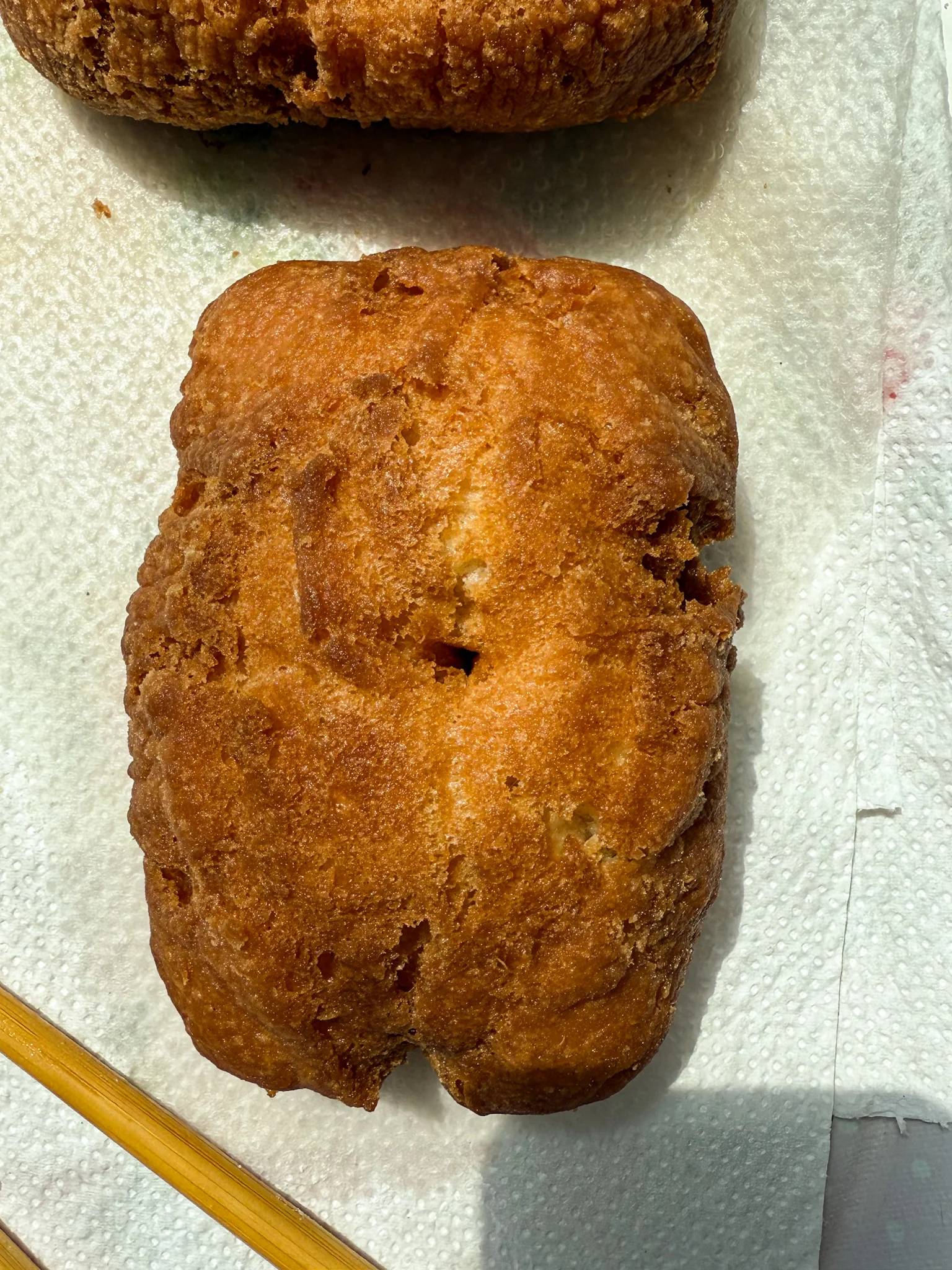
Old fashioned donut bars crack on the surface during frying, and this is by design rather than accident. The dough contains chemical leaveners — baking powder and baking soda — that release carbon dioxide gas rapidly when they contact hot oil. The outside of the bar sets quickly in the high heat, but the interior continues to expand as the gases release. This expansion pushes outward through the already-set crust, creating those signature ridges, fissures, and craggy edges.
Those cracks are not just aesthetic. They create a larger total surface area for the glaze to cling to, which is why every bite of a well-glazed old fashioned donut bar delivers that perfect ratio of sweet coating to tender dough.
How Brown Butter Changes the Flavor of Glaze
Standard glazes for old fashioned donut bars use melted butter in its regular form, which contributes fat and richness but very little flavor complexity. When you brown the butter — cooking it over medium heat until the water evaporates and the milk solids toast to a golden amber — you trigger the Maillard reaction in the solids. This produces dozens of new flavor compounds that taste nutty, toasted, and faintly caramel-like.
Combining browned butter with maple syrup creates a compound flavor that is significantly deeper and warmer than either ingredient alone. The maple’s natural sweetness amplifies the toasted notes of the brown butter, and together they coat the bars in something that feels genuinely indulgent without being cloying.
The Role of Chilling the Dough
Old fashioned donut bar dough is intentionally sticky when first made. Chilling it for at least 30 minutes does two things: it firms the butter and fat in the dough, making it workable enough to roll and cut cleanly, and it allows the flour to fully hydrate, which improves the final texture of the fried bar. Skipping this step results in bars that are too soft to shape properly and may spread unevenly in the oil.
Choosing the Right Ingredients
Choosing Cake Flour vs. All-Purpose Flour
Cake flour is the correct choice for old fashioned donut bars, and substituting all-purpose flour will produce a noticeably denser bar with a slightly chewier texture. If you cannot find cake flour, you can create an approximate substitute by replacing two tablespoons of each cup of all-purpose flour with cornstarch. This lowers the overall protein content and produces a result closer to cake flour.
Choosing Your Butter
The glaze calls for browning the butter, so the quality of butter matters more here than in most recipes. European-style butters with a higher fat content will produce a more pronounced brown butter flavor because they have less water to evaporate before the milk solids begin to toast. That said, standard unsalted or salted butter works perfectly well — the key is patience at the stove and watching for that amber color and nutty aroma.
Choosing Your Oil
The frying oil should have a high smoke point and a neutral flavor so it does not compete with the brown butter maple glaze. Avocado oil and refined vegetable oil are both excellent choices. The oil should be at least two inches deep in your pot to allow the bars to float freely, which ensures even cooking on all sides. Do not use olive oil, which smokes at frying temperatures and imparts a flavor that clashes with the sweetness of old fashioned donut bars.
Choosing Real Maple Syrup
Always use pure maple syrup in the glaze, not pancake syrup or maple-flavored corn syrup. Real maple syrup has a complex flavor with notes of vanilla, caramel, and wood that artificial products simply cannot replicate. The difference in the finished glaze is immediately apparent — real maple syrup produces a coating that tastes alive and warm, while imitation syrup tastes flat and overly sweet.
Step-by-Step Instructions
Preparation
Begin by whisking together your dry ingredients in a large bowl: 3 and 1/2 cups of cake flour, 2 and 1/2 teaspoons of baking powder, 1/4 teaspoon of baking soda, 3/4 teaspoon of ground nutmeg, and 1 teaspoon of salt. Set this aside.
In the bowl of a stand mixer fitted with the paddle attachment, or in a large bowl if mixing by hand, combine 1/2 cup of brown sugar, 1/2 cup of granulated sugar, and 1/4 cup of melted butter. Beat on medium speed until combined, about one minute. Add 2 large eggs, 1 egg yolk, and 1 tablespoon of vanilla extract, and mix until smooth. Pour in 3/4 cup of buttermilk and mix briefly to combine. Add the flour mixture and stir until a soft, slightly sticky dough forms. Do not overmix — stop as soon as no dry streaks remain.
Turn the dough out onto a lightly floured surface, shape it into a disc, wrap it in plastic wrap, and refrigerate for at least 30 minutes and up to 24 hours.
Main Frying Steps
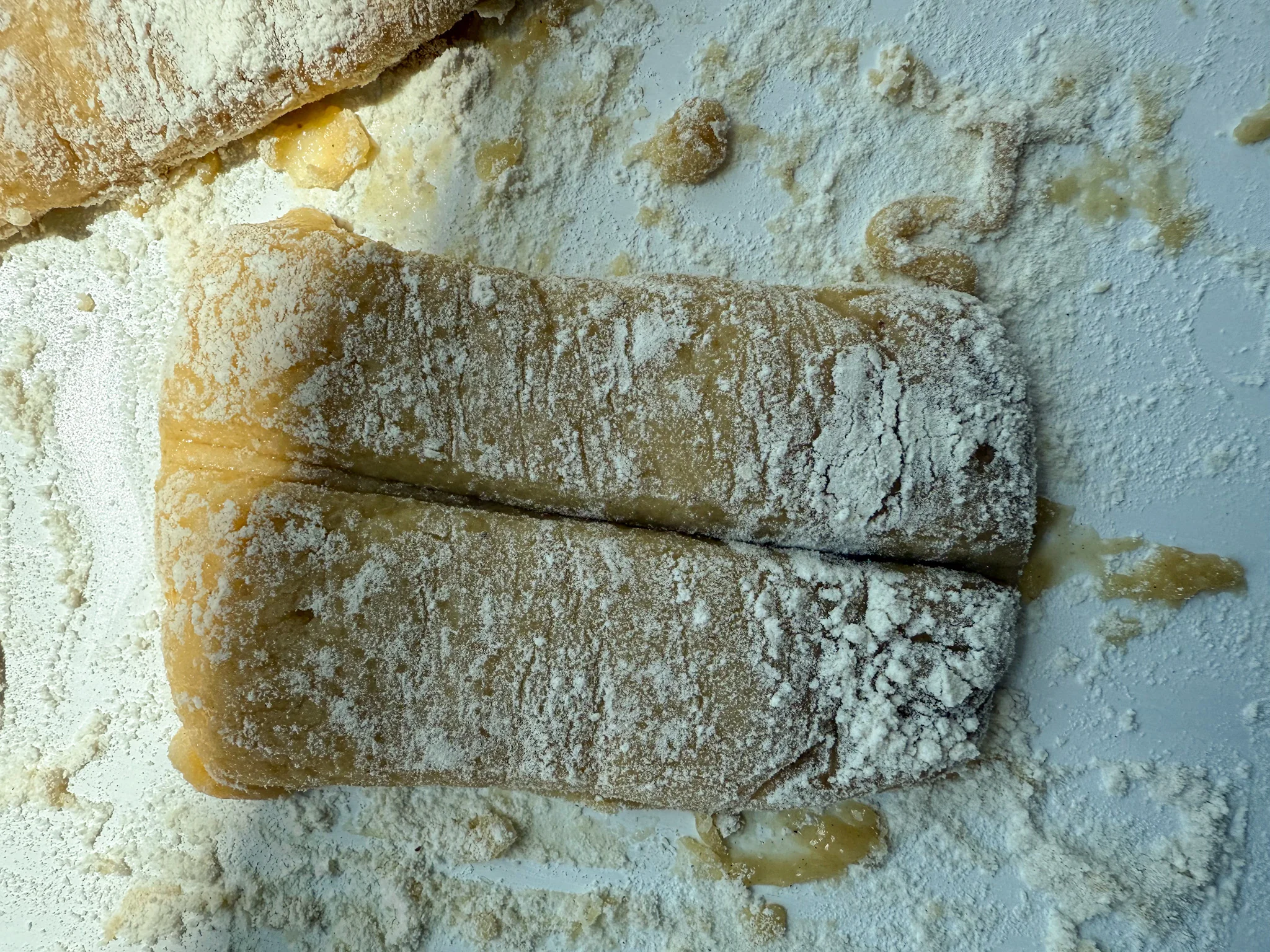
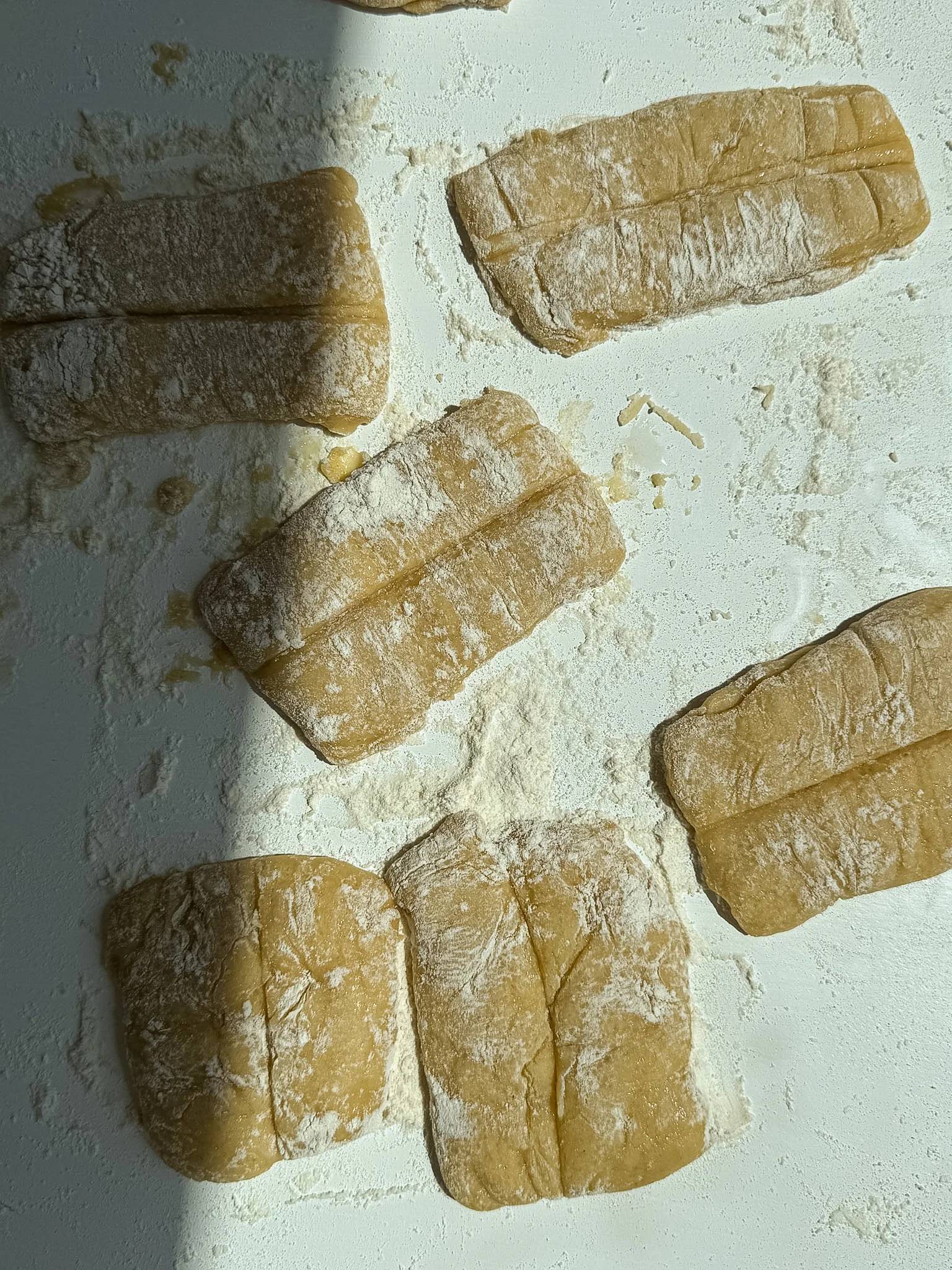
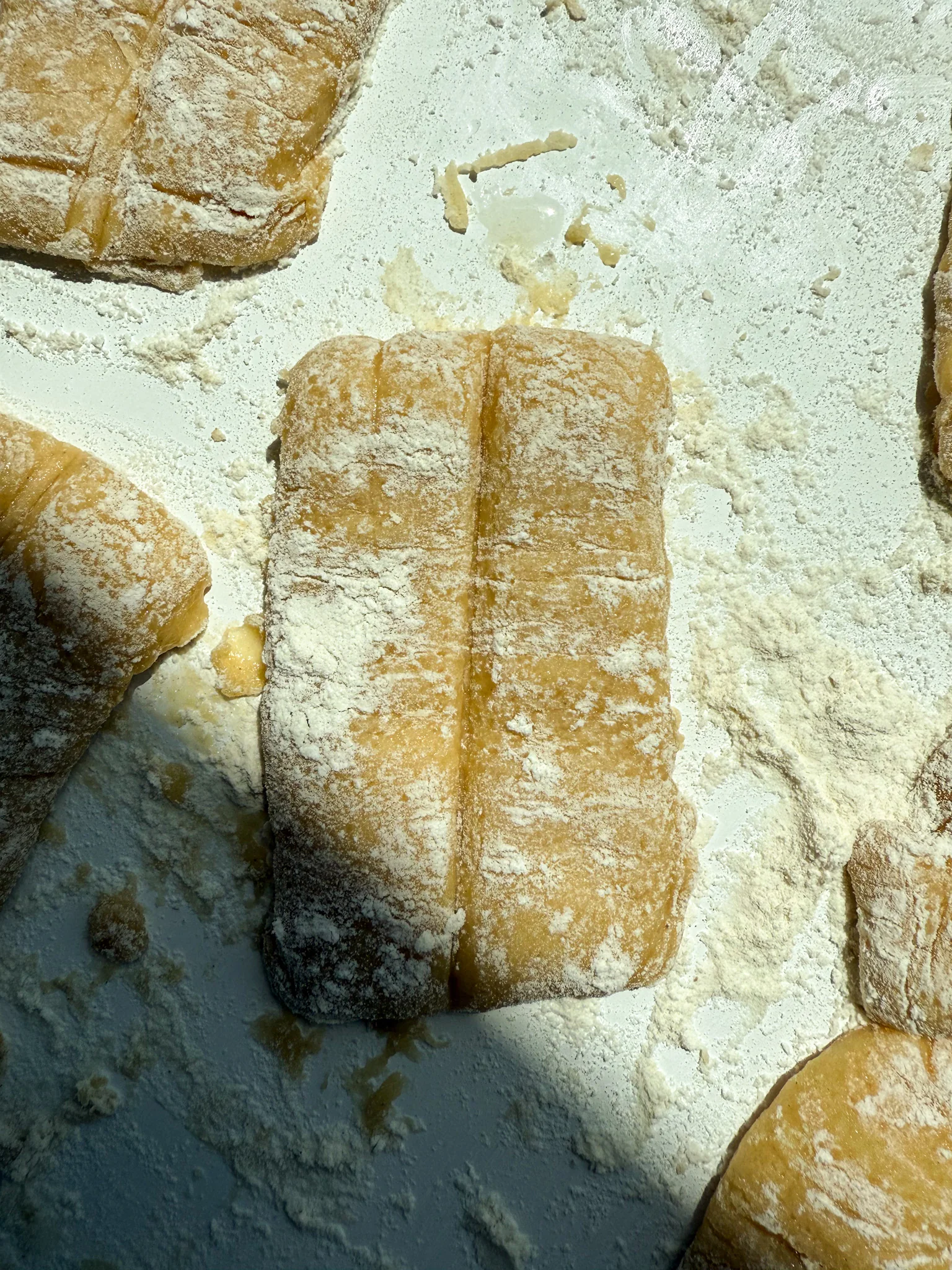
Pour about two inches of neutral frying oil into a large, heavy-bottomed Dutch oven or deep pot. Clip a candy thermometer to the side and heat the oil over medium-high heat to 360°F. While the oil heats, remove the dough from the refrigerator and roll it on a well-floured surface to about 3/4-inch thickness. Use a bench scraper or sharp knife to cut the dough into rectangles approximately 1 and 1/2 by 3 inches. Use the edge of your bench scraper to press a shallow indentation down the center length of each bar without cutting all the way through — this creates the classic buttermilk bar visual.
Carefully lower 3 to 4 bars into the hot oil using a floured spatula or slotted spoon. Fry for 2 to 3 minutes per side, turning once, until they are deep golden brown on both sides. Adjust the heat between batches to keep the oil at 360°F — the temperature will drop slightly with each addition. Transfer the fried old fashioned donut bars to a wire rack set over a baking sheet and allow them to drain for at least 2 minutes before glazing.
Making the Brown Butter Maple Glaze and Finishing
Place 6 tablespoons of butter in a small light-colored saucepan over medium heat. Cook, swirling occasionally, until the butter melts, foams, and then deepens to a golden amber color with a nutty aroma, about 4 to 5 minutes. Pour the browned butter immediately into a bowl to stop the cooking. Whisk in 1/3 cup of pure maple syrup, 1 and 1/2 cups of powdered sugar, 2 tablespoons of milk, 1 teaspoon of vanilla extract, and a pinch of salt until the glaze is smooth and pourable.
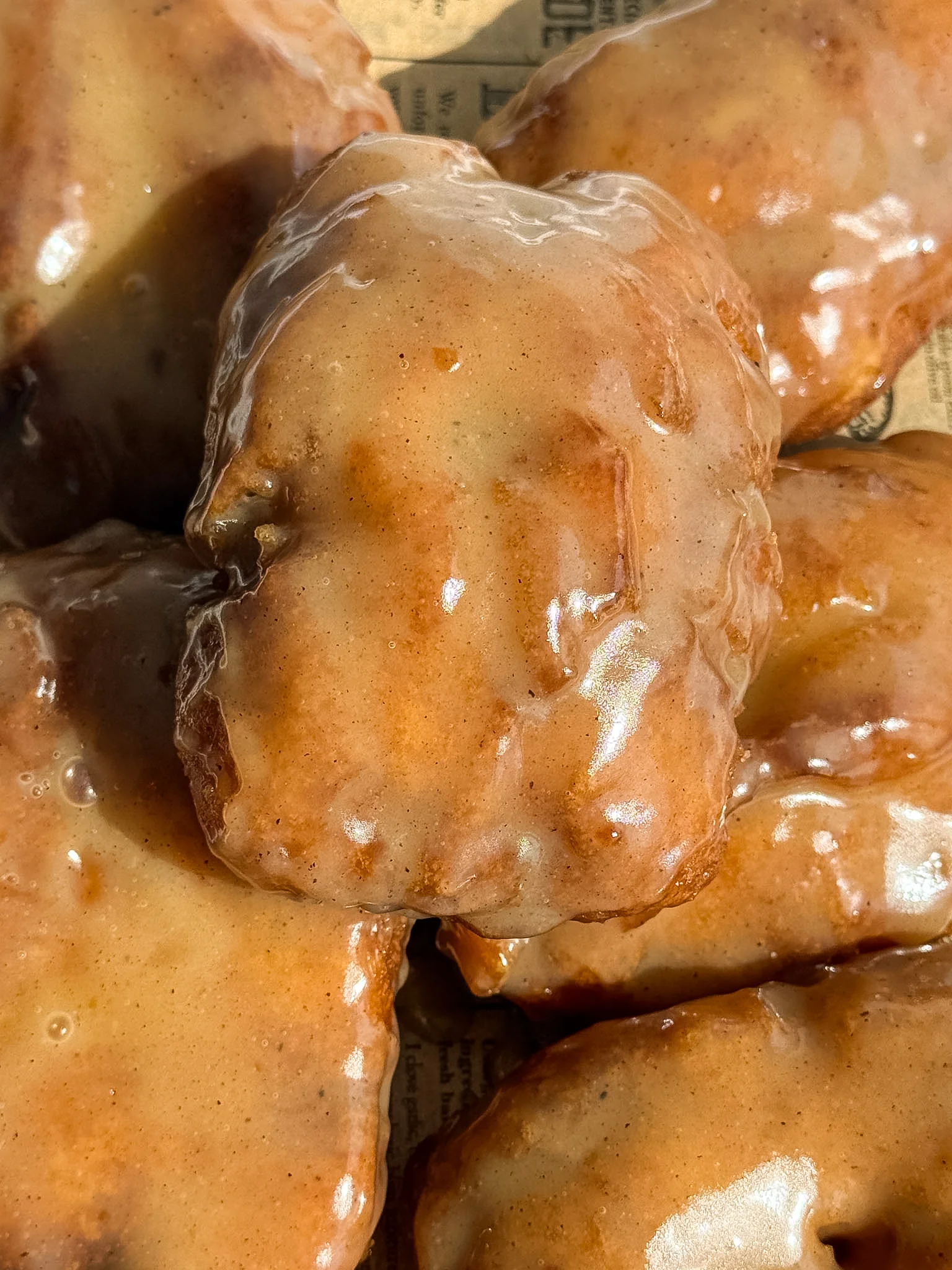
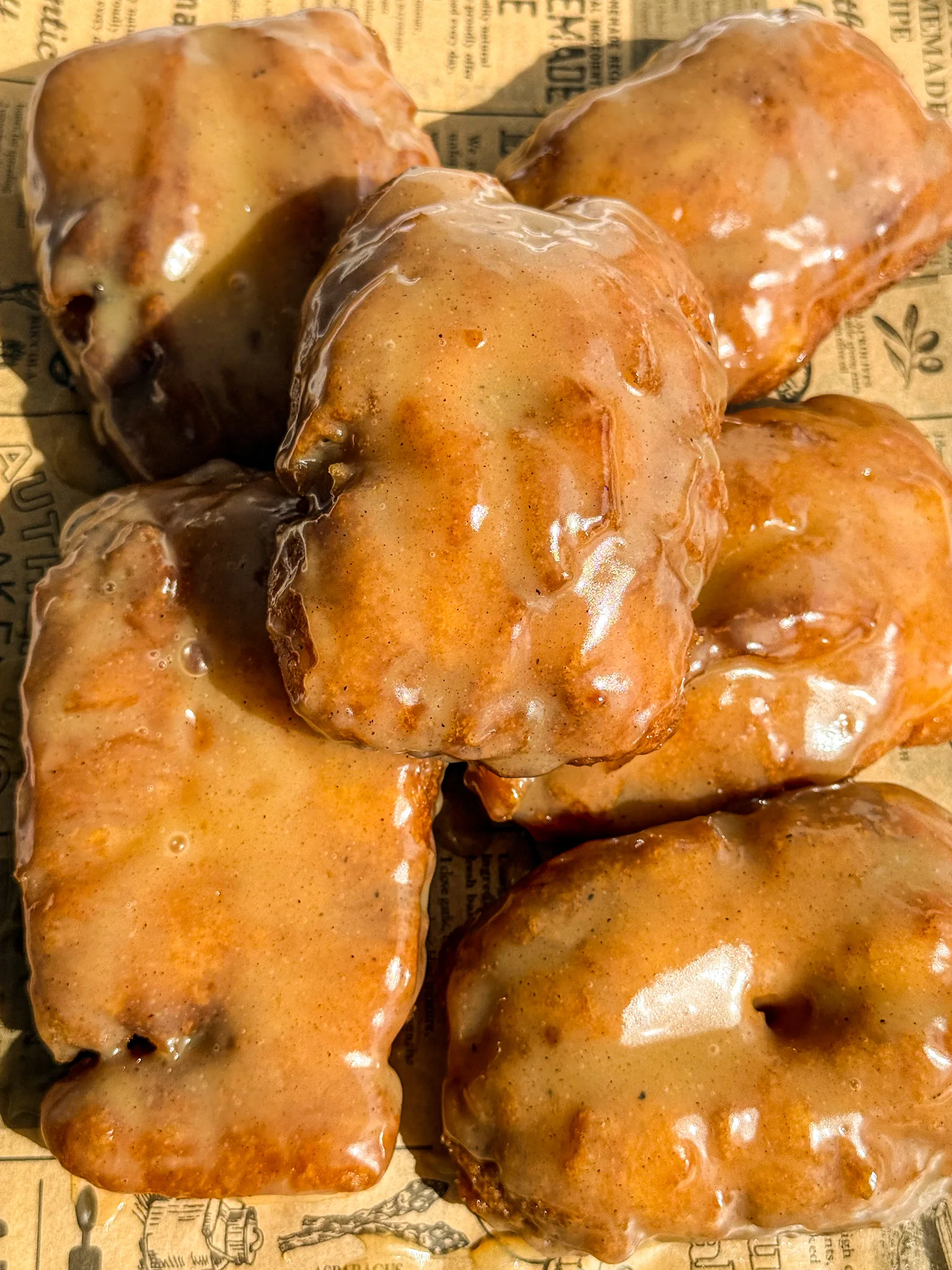
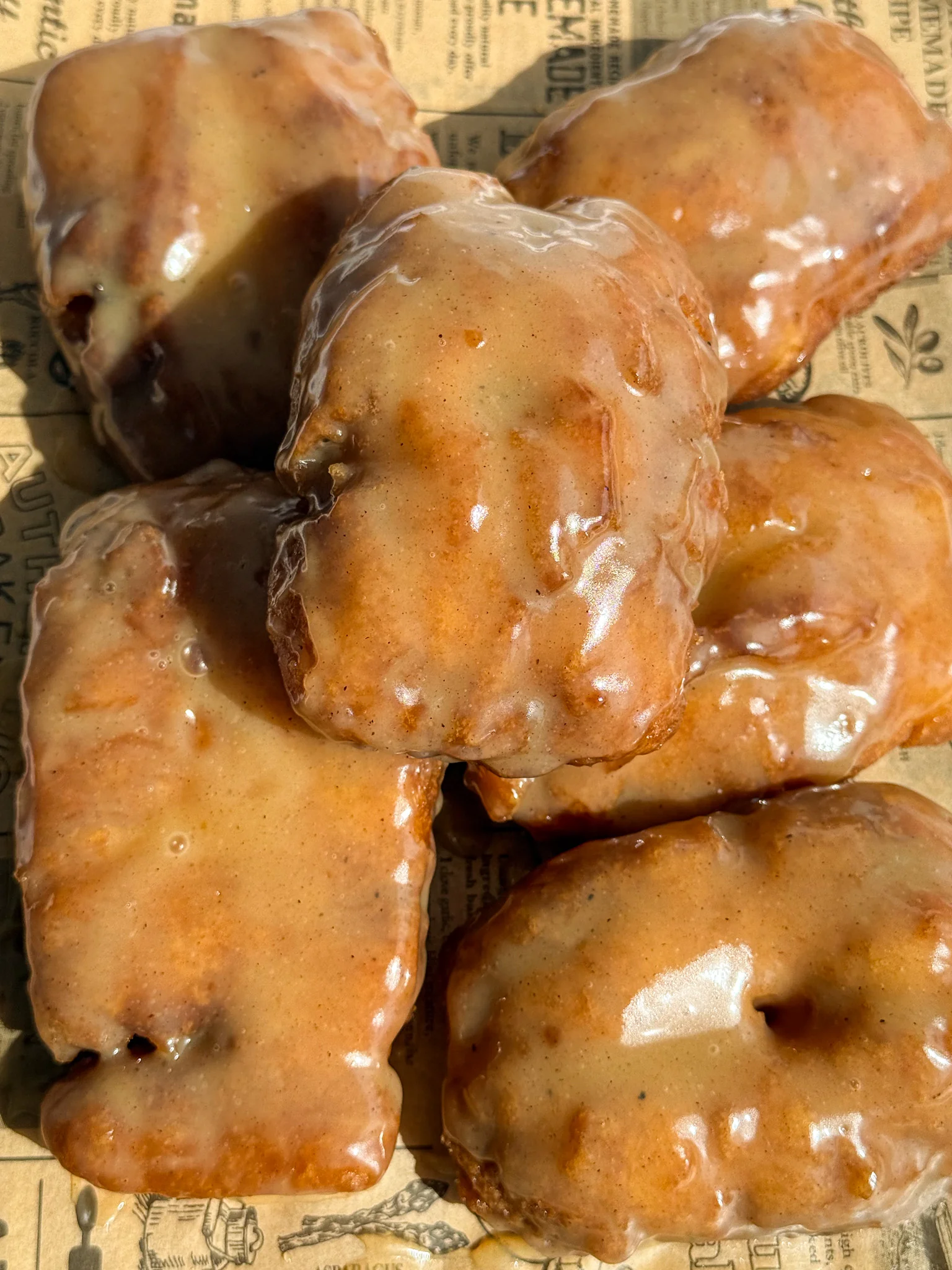
Dip the top of each warm old fashioned donut bar into the glaze, allowing the excess to drip back into the bowl. Place the glazed bars back on the rack and let them set for 5 minutes before serving. The glaze will firm slightly as it cools, creating that glossy, smooth coating that defines this recipe.
Professional Tips for Perfect Results
Tip 1: Maintain Oil Temperature Between Batches
The most important variable in achieving perfectly fried old fashioned donut bars is consistent oil temperature. Frying more than 3 or 4 bars at once drops the oil temperature significantly, which causes the dough to absorb oil rather than crisping quickly. Use a thermometer, fry in small batches, and let the oil return to 360°F between each one.
Tip 2: Do Not Skip the Chilling Step
The dough for old fashioned donut bars is intentionally soft and sticky right after mixing. Attempting to roll and cut it before chilling will result in bars that stick to everything, lose their shape when transferred to the oil, and cook unevenly. A minimum of 30 minutes in the refrigerator is required, but an overnight chill produces the cleanest cuts and the most consistent shape.
Tip 3: Use a Light-Colored Pan for Brown Butter
When browning the butter for the glaze, use a stainless steel or light-colored saucepan rather than a dark nonstick pan. The light-colored surface allows you to monitor the color of the milk solids accurately. In a dark pan, it is very easy to take the butter past the golden amber stage into burnt territory before you notice the color change.
Tip 4: Flour Your Tools Generously
The dough for old fashioned donut bars is stickier than typical biscuit or cookie dough. Flour your rolling surface, your hands, your bench scraper, and the dough itself before and during rolling. Do not be timid with the flour — any excess on the surface of the bars can be gently brushed off before frying.
Tip 5: Glaze While Warm, Not Hot
Dipping the bars into the glaze while they are still warm (but not steaming hot) allows the glaze to melt very slightly into the surface of the dough, creating a more integrated coating. If the bars are too hot, the glaze will run off and pool. If they are fully cool, the glaze sits on top and may crack when the bars are handled.
The same attention to technique that makes old fashioned donut bars exceptional applies to any brown-butter-based dessert. My Brown Butter Cookie Skillet is another recipe where the browning step is what transforms a good result into a genuinely special one — worth adding to your baking rotation.
Common Mistakes to Avoid
Overcrowding the Oil
Frying too many old fashioned donut bars at once lowers the oil temperature, which causes the exterior to soften and the dough to absorb excess fat rather than crisping. The result is greasy, pale bars that lack that signature crunch. Fry in batches of three or four and give each bar enough space to float freely.
Overmixing the Dough
Old fashioned donut bars rely on a delicate gluten structure to stay tender and cakey. Overmixing activates too much gluten, which results in a tough, chewy bar rather than the soft, slightly crumbling texture that defines this style of donut. Mix only until the ingredients are just combined and the dough comes together.
Using Imitation Maple Flavoring
The glaze in this recipe depends on real maple syrup for its complexity. Using pancake syrup or imitation maple flavoring produces a glaze that tastes artificially sweet and one-dimensional. The depth of real maple is what makes the brown butter maple glaze on these old fashioned donut bars taste genuinely memorable.
Not Draining Properly
Placing fried old fashioned donut bars directly on a paper towel-lined plate creates steam underneath them, which softens the crispy edges. A wire rack set over a baking sheet allows air to circulate on all sides and preserves the texture of the exterior while the bars cool enough to handle.
Burning the Brown Butter
The line between perfectly browned butter and burnt butter is narrow and moves quickly. Once the butter begins to foam in the pan, watch it constantly. As soon as the foam subsides and the milk solids turn golden amber, remove the pan from the heat immediately and pour the butter into a heatproof bowl. Burnt butter will make the glaze taste bitter rather than nutty.
Variations to Try
Spiced Apple Donut Bars
Replace the nutmeg with a blend of cinnamon, cardamom, and a pinch of ginger for a warmer, more autumnal spice profile. Use apple cider instead of buttermilk and add a teaspoon of apple cider vinegar to ensure the baking soda activates properly. These pair beautifully with a simple powdered sugar glaze brightened with lemon juice, or with the original brown butter maple glaze for an even richer fall flavor.
If you love apple-spiced autumn baking, my APPLE CIDER BAKED DONUTS offer a baked version of this concept that works beautifully for early-morning baking when you want something festive without the frying setup.
Vanilla Bean Glaze Variation
Omit the maple syrup and brown butter from the glaze and instead use regular melted butter, powdered sugar, milk, and the seeds scraped from one vanilla bean. This creates a classic white glaze similar to the kind you find on bakery old fashioned donut bars, with a cleaner, more floral sweetness that lets the nutmeg in the dough take center stage.
Brown Butter Bourbon Glaze
For a version designed for adults, replace the maple syrup in the glaze with two tablespoons of good bourbon whiskey and one tablespoon of honey. The bourbon amplifies the toasted notes of the brown butter and adds a warm, slightly smoky finish that is genuinely extraordinary on these bars. This variation is particularly good at holiday gatherings where a more sophisticated dessert is called for.
For the same deeply satisfying combination of rich chocolate and brown butter notes, my Ina Garten Brownie Pudding is another recipe worth bookmarking — it delivers that same indulgent, slightly nostalgic warmth in a completely different format.
Storage and Reheating
Room Temperature
Old fashioned donut bars are at their absolute best within a few hours of frying, when the exterior is still slightly crisp and the glaze has set to that characteristic glossy finish. Stored in an airtight container at room temperature, they remain good for up to 24 hours, though the edges will soften as they sit and the glaze may become slightly tacky.
Refrigeration
For storage beyond 24 hours, transfer the bars to an airtight container separated by layers of parchment paper and refrigerate for up to three days. The cold will firm the glaze and the interior will lose some of its softness, but both qualities are largely restored with gentle reheating.
Freezing
Old fashioned donut bars can be frozen before glazing for up to two months. Allow them to cool completely after frying, then freeze individually on a baking sheet until solid before transferring to a freezer-safe bag. Thaw at room temperature for 30 to 45 minutes before glazing and serving. Frozen then thawed bars will not have the same crispness as freshly fried ones, but the flavor and crumb structure hold up very well.
Reheating
To restore some of the crispness of the exterior, place unglazed refrigerated or thawed bars on a wire rack set over a baking sheet and warm in a 325°F oven for 6 to 8 minutes. Apply the glaze immediately after removing from the oven so it melts slightly into the warm surface. Avoid reheating glazed bars in the microwave — the glaze will melt unevenly and the exterior will soften rather than crisp.
Frequently Asked Questions
What is the difference between buttermilk bars and old fashioned donuts?
Old fashioned donut bars and classic ring-shaped old fashioned donuts are made from the same type of dough — a cake donut base leavened with baking powder and baking soda rather than yeast. The primary difference is shape. The rectangular bar format gives you a higher ratio of soft interior to crispy exterior, because more of the dough is protected from direct contact with the oil. Buttermilk bars is the regional term used primarily in California, particularly in Los Angeles, while “old fashioned donut bars” is used more broadly across the country.
Why do my donut bars come out greasy?
Greasy old fashioned donut bars are almost always the result of oil that is too cool. When the oil temperature drops below 340°F, the dough absorbs fat rather than crisping quickly at the surface. The solution is to use a thermometer, fry in small batches, and allow the oil to return to 360°F between each batch. Never add more than three or four bars at a time.
Can I make the dough for old fashioned donut bars the night before?
Yes, and many bakers prefer this approach. After mixing the dough, wrap it tightly in plastic wrap and refrigerate overnight — up to 24 hours. The extended chill actually improves the texture of the bars slightly, as the flour has more time to fully hydrate and the flavors in the dough meld together. Remove it from the refrigerator 10 minutes before rolling to take the edge off the cold.
Can I bake these instead of frying them?
You can bake the dough in a 350°F oven for approximately 18 to 22 minutes, but the result will be a cake bar rather than a donut bar. The signature crispy, crackled exterior that defines old fashioned donut bars only develops through contact with hot oil. If you prefer a baked donut option, a baked cake donut recipe will give you a better result than attempting to bake this particular dough.
How do I know when the oil is the right temperature without a thermometer?
If you do not have a thermometer, drop a small piece of dough into the oil. At the correct temperature of around 360°F, it should sink briefly, then rise to the surface within one or two seconds and begin actively bubbling. If it sinks and stays at the bottom, the oil is too cool. If it browns within 30 seconds, the oil is too hot. A thermometer is strongly recommended for consistent results with old fashioned donut bars.
Why do my old fashioned donut bars not crack on the surface?
Surface cracking in old fashioned donut bars depends on a few factors: the leaveners must be active (check expiration dates on your baking powder and baking soda), the oil must be at the correct temperature, and the dough must not be overworked. Overmixing develops gluten, which creates a smoother, more elastic surface that resists cracking. Mix only until combined and handle the dough as gently as possible.
Watch the recipe video for more clarity!
See our similar recipes:
People also like these recipes:
Final Thoughts
Old fashioned donut bars are one of those recipes that feel like a discovery the first time you make them at home. There is something genuinely exciting about pulling a tray of golden, crinkled bars out of the hot oil and watching them drain on a rack before you dip each one into a glossy brown butter maple glaze. The process is hands-on and rewarding in a way that most baked goods simply are not.
What I love most about this recipe is how it rewards patience and attention. Keep your oil at the right temperature, chill the dough before rolling, brown the butter slowly and carefully, and these old fashioned donut bars will deliver results that are genuinely better than what you can find at most bakeries. The combination of a soft, nutmeg-scented crumb with a rich, warm glaze is not something you forget easily.
Whether you make these for a cozy fall weekend, a holiday brunch table, or just because your kitchen deserves something extraordinary today, I hope these old fashioned donut bars become a staple in your home baking repertoire. The effort is completely worth it, and the look on everyone’s face when they take the first bite will tell you everything you need to know.
Dough:
- 3½ cups 440g cake flour
- 2½ tsp baking powder
- 1 tsp salt
- ¾ tsp nutmeg
- ¼ tsp baking soda
- ½ cup brown sugar
- ½ cup granulated sugar
- ¼ cup butter melted
- 2 eggs + 1 yolk
- 1 tbsp vanilla
- ¾ cup buttermilk
- Oil for frying
Glaze:
- 1½ cups powdered sugar
- 6 tbsp butter browned
- ⅓ cup maple syrup
- 2 tbsp milk
- 1 tsp vanilla
- Pinch of salt
Mix dry ingredients.
Mix wet ingredients.
Combine into dough.
Chill 30–60 minutes.
Roll, cut, and shape bars.
Heat oil to 350–370°F.
Fry until golden.
Drain on paper towels.
Brown butter and make glaze.
Dip donuts and let set.
Serve warm.
If you've given this recipe a try and it won you over, please share your thoughts by leaving
a rating and comment below! If you have any questions about this recipe, don't hesitate to ask – I'm here to
help and will respond promptly.