Introduction
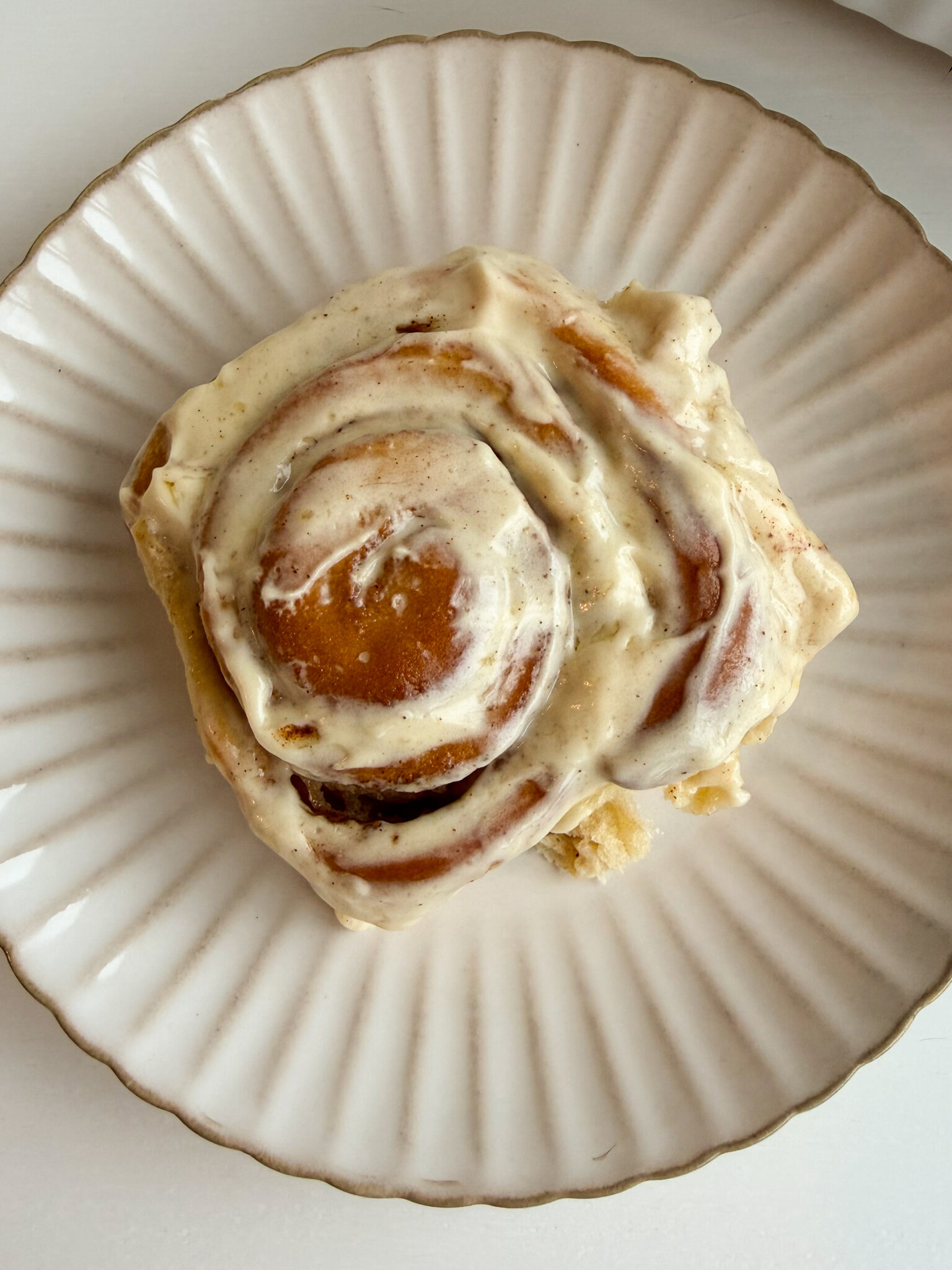
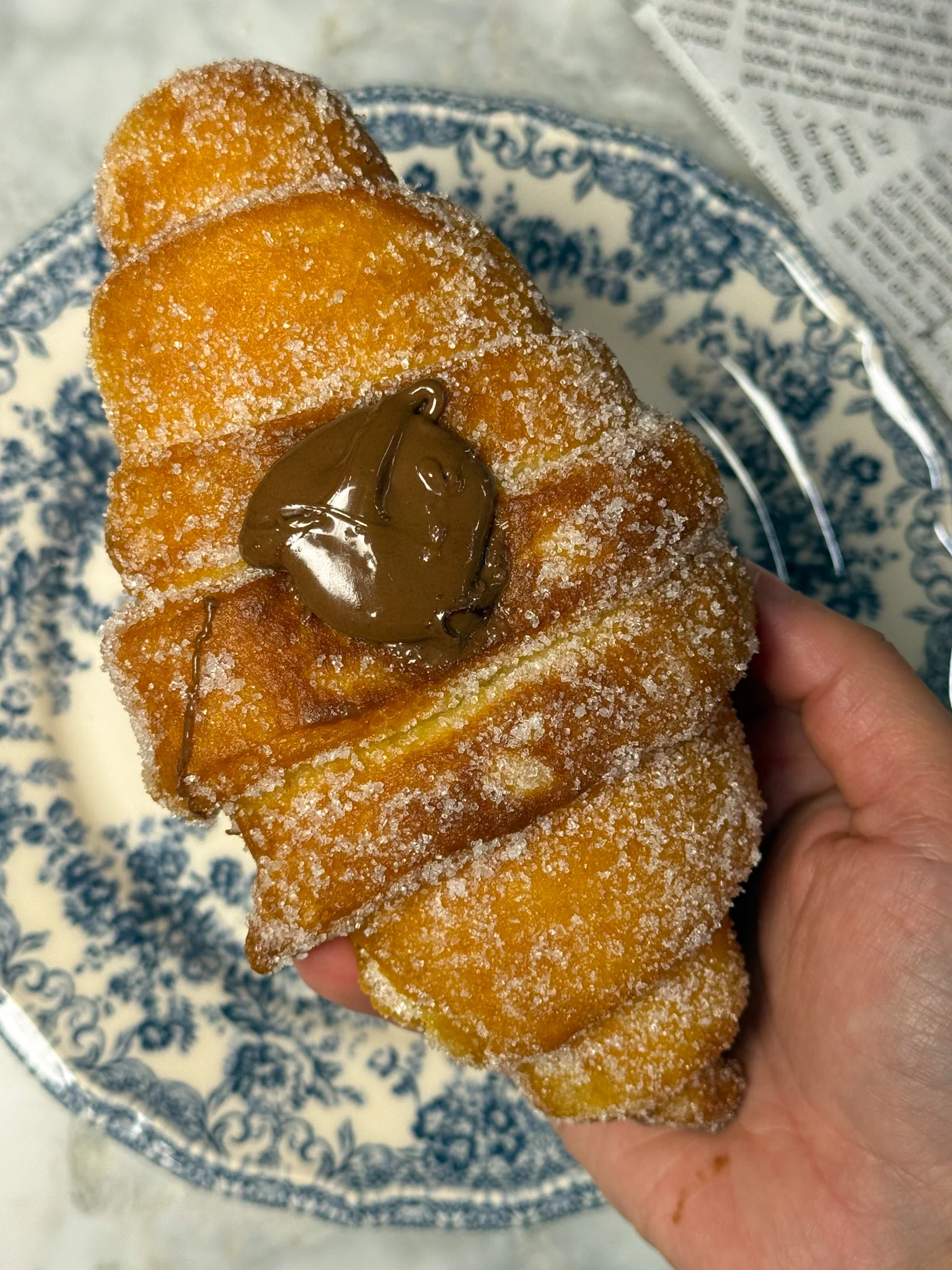
This doughssants recipe is the kind of baking project that rewards every minute you put into it — and the result looks and tastes like something you would pull from a display case at your favorite bakery. Doughssants are croissant-shaped fried donuts with an enriched yeast dough: soft and airy on the inside, golden and slightly crisp on the outside, rolled in granulated sugar while still warm, and then filled generously with either silky Nutella or bright, fruity jam. If you have been searching for a recipe that genuinely feels special without being impossibly complicated, this doughssants recipe is it.
The name says everything you need to know about what these pastries are. They sit at the perfect intersection of a donut and a croissant — shaped and rolled like a croissant, but fried like a yeast donut, giving you the best of both worlds in a single bite. If you love pastries that push beautifully into indulgent territory, our DUBAI CHOCOLATE CROISSANTS are another stunning option in the same spirit — but for now, let us walk through everything you need to know to make this doughssants recipe perfectly.
Why This Doughssants Recipe Is Special
There are countless donut recipes out there, and there are plenty of croissant tutorials too. This doughssants recipe occupies a category of its own precisely because it is not trying to be either of those things — it is genuinely something new. The enriched dough is built with warm milk, Greek yogurt or sour cream, melted butter, eggs, and a small amount of sugar, which creates a tender crumb that is soft and pillowy long after frying. That combination of dairy fat, egg richness, and yeast lift is what gives every doughssant its light, airy interior.
What truly separates a great doughssants recipe from an average one is structure. Because these are shaped into croissant-style rolls rather than cut into rounds, each pastry has a slightly layered interior formed by the tight rolling technique. When fried, these micro-layers puff and separate just enough to create pockets of softness that hold the filling beautifully without becoming soggy. The Nutella or jam has somewhere to go, and every bite delivers filling from edge to center.
The finishing details matter too. Rolling the doughssants in sugar while they are still warm means the granules adhere in a thin, even layer that adds a satisfying crunch without overwhelming the delicate dough. It is a small step that makes a significant difference to the final eating experience, and it is one reason this doughssants recipe consistently produces a bakery-quality result that feels impressive to serve and even better to eat.
Key Ingredients Overview
Every ingredient in this doughssants recipe has a specific function, and understanding those functions helps you work through the process with confidence rather than guesswork.
Warm milk is the liquid base for the dough and the activating medium for the yeast. Its warmth — ideally between 100 and 110 degrees Fahrenheit — is what brings the yeast to life. Too cold and the yeast will not activate; too hot and you risk killing it. This temperature range is precise and important, and taking thirty seconds to check with a thermometer is worth the effort.
Greek yogurt or sour cream is the ingredient that makes this doughssants recipe notably different from a standard donut dough. Both of these dairy products add tang, which enhances flavor complexity, and they also add fat in a way that keeps the crumb tender and moist even after frying. If your doughssants ever feel dry or too bready, the dairy component is the first place to look. For another recipe that leans into richly flavored enriched dough, our Nutella babka uses a similar principle of layering fat and flavor into a yeasted base.
Melted butter is added after the initial dough is formed, which allows the gluten to develop first. This is a technique borrowed from brioche-style baking and it is what gives the finished doughssants their characteristically soft, pull-apart texture without making the dough greasy or heavy. The eggs do double duty — providing structure through their proteins while also adding richness through their yolks. Vanilla extract rounds everything out with warmth and a background sweetness that makes the dough smell extraordinary as it fries.
Understanding the Science Behind This Doughssants Recipe
How Yeast Creates the Airy Interior
The yeast in this doughssants recipe does not just make the dough rise — it creates the entire textural character of the finished pastry. As yeast consumes the sugars in the dough, it produces carbon dioxide gas. That gas becomes trapped within the gluten network that forms during kneading, creating thousands of tiny bubbles throughout the dough. When the shaped doughssants proof for the second time, these bubbles multiply and expand, making each piece visibly puffy and about fifty percent larger than before shaping.
When the proofed doughssants hit the hot oil, two things happen simultaneously. The heat causes the remaining gas bubbles to expand rapidly, creating a final burst of rise in the first sixty seconds of frying. At the same time, the exterior proteins and starches set almost immediately on contact with the oil, locking in that expanded, airy structure and forming the golden crust. The result is a donut that is genuinely light and airy rather than dense and bready.
Why the Shaping Technique Matters
The croissant-rolling technique used in this doughssants recipe is not purely aesthetic. When you roll each triangle of dough tightly from the base to the tip, you create tension in the dough that helps it hold its shape during the second proof and through frying. Loose rolling creates slack dough that spreads unevenly in the oil, producing an irregular shape and uneven cooking. A firmly rolled doughssant fries evenly, develops a consistent golden color on all sides, and holds the filling cleanly once piped.
The Role of Temperature in Frying
Maintaining oil temperature between 350 and 365 degrees Fahrenheit throughout frying is not a suggestion — it is one of the most critical variables in the entire doughssants recipe. At this temperature range, the outside of each piece sets within fifteen to twenty seconds of entering the oil, creating a crust before the inside has a chance to absorb excess fat. Below 350 degrees, the dough begins to absorb oil rather than fry, resulting in a greasy, heavy doughssant. Above 365 degrees, the exterior browns before the interior is cooked, leaving a raw center inside an already-golden shell.

Choosing the Right Ingredients
Choosing Your Yeast
Active dry yeast is specified in this doughssants recipe because it requires proofing in warm liquid first — a step that gives you an immediate visual confirmation that your yeast is alive and working before you invest time in the full dough. When the yeast, sugar, and warm milk mixture becomes foamy within five to ten minutes, you know the yeast is active. If it stays flat and liquid, the yeast is dead and the dough will not rise. Instant yeast can be substituted at the same quantity and added directly to the dry ingredients, but you skip that reassuring foam check.
Choosing Your Flour
All-purpose flour works well in this doughssants recipe and produces a soft, tender crumb. Bread flour, with its higher protein content, creates slightly more chew and a sturdier structure that holds the rolling tension better during shaping. Either works — bread flour gives you a more bakery-style chew, while all-purpose keeps things softer and more delicate. Whichever you use, add it gradually rather than all at once, because humidity, altitude, and even the specific brand of flour can affect how much the dough needs.
Choosing Your Fillings
Nutella is the classic choice for this doughssants recipe because it pipes beautifully at room temperature, carries a rich, hazelnut-chocolate flavor that pairs perfectly with the sugared exterior, and requires no preparation beyond spooning it into a piping bag. Jam offers a completely different experience — fruity, bright, and slightly tart against the sweet dough. Strawberry jam, raspberry jam, and apricot jam all work exceptionally well. For the widest appeal when serving a group, make both fillings and let people choose. The contrast between the two options is one of the things that makes a doughssants recipe batch feel like a true bakery spread.
Step-by-Step Instructions
Preparation: Activating the Yeast and Building the Dough
Begin by combining the warm milk, a tablespoon of the measured sugar, and the active dry yeast in a small bowl or measuring cup. Stir gently and set aside for five to ten minutes. During this time, the yeast will bloom and foam — this is your confirmation that it is active and ready to use. While the yeast activates, gather and measure all remaining dough ingredients so they are ready to combine without delay.
In a large mixing bowl or the bowl of a stand mixer fitted with a dough hook, combine the foamy yeast mixture with the Greek yogurt, remaining sugar, eggs, vanilla extract, and about two-thirds of the flour. Mix on low speed — or stir by hand — until a shaggy dough forms. Add the salt and continue mixing. Gradually add the remaining flour, a few tablespoons at a time, until the dough becomes smooth and slightly tacky but not sticky. The dough should pull away cleanly from the sides of the bowl but still feel soft and supple to the touch.
Add the melted butter and mix or knead until it is fully absorbed and the dough is glossy and elastic. This takes four to five minutes by machine on medium speed, or eight to ten minutes by hand. The finished dough should pass the windowpane test — stretch a small piece between your fingers, and it should become thin and translucent without tearing, a sign that the gluten is well-developed. Transfer the dough to a lightly oiled bowl, cover tightly with plastic wrap or a clean kitchen towel, and set in a warm, draft-free spot to rise for one to one-and-a-half hours, until doubled in size.
Shaping the Doughssants and Second Proof
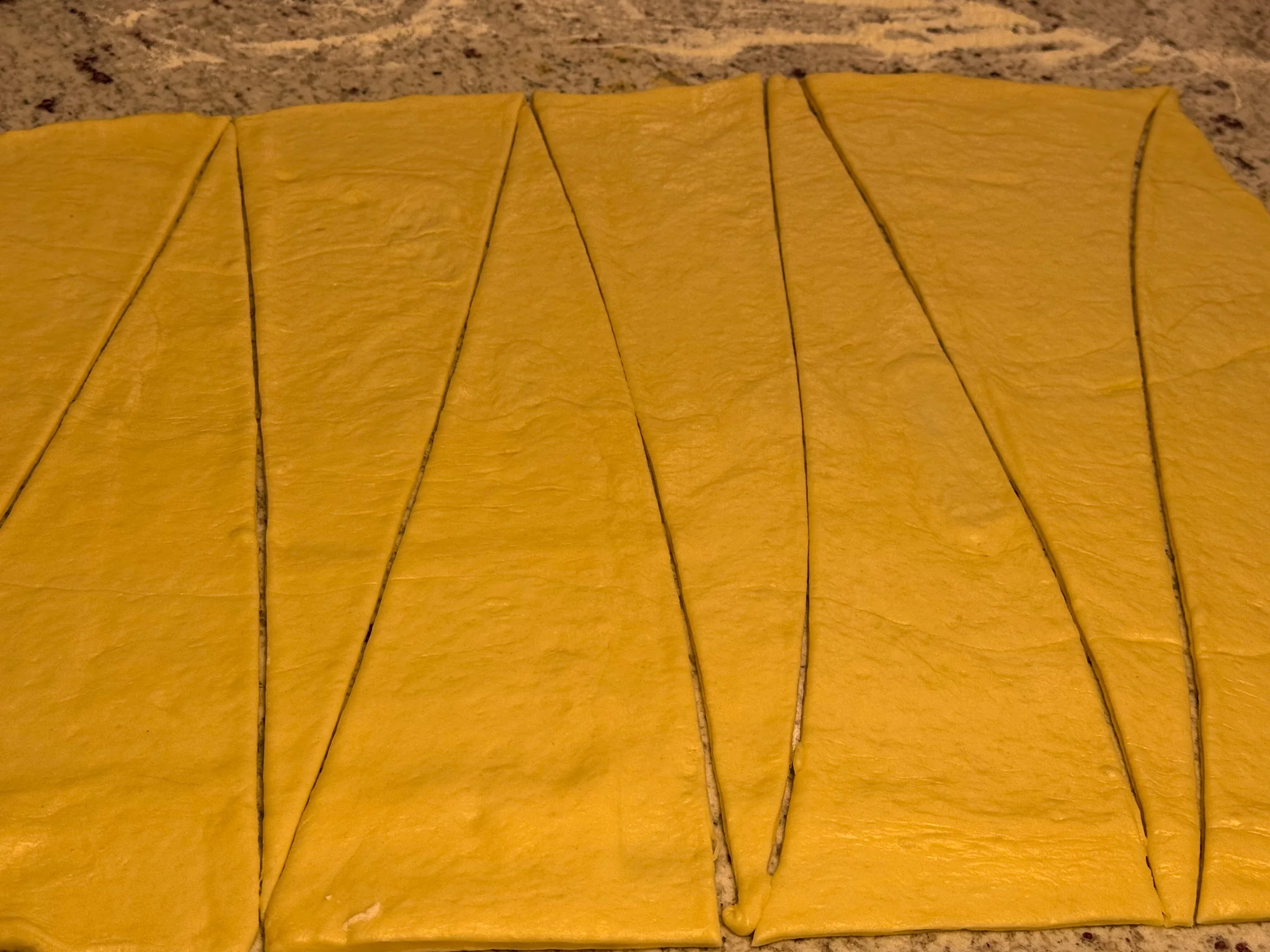
Once the dough has doubled, turn it out gently onto a lightly floured surface. Press it down to release the gas, then use a rolling pin to roll it into a large rectangle approximately twelve inches wide and twenty inches long, and about a quarter inch thick. Use a sharp knife or dough scraper to cut the rectangle into long triangles — you should be able to cut eight even pieces from this size of dough.
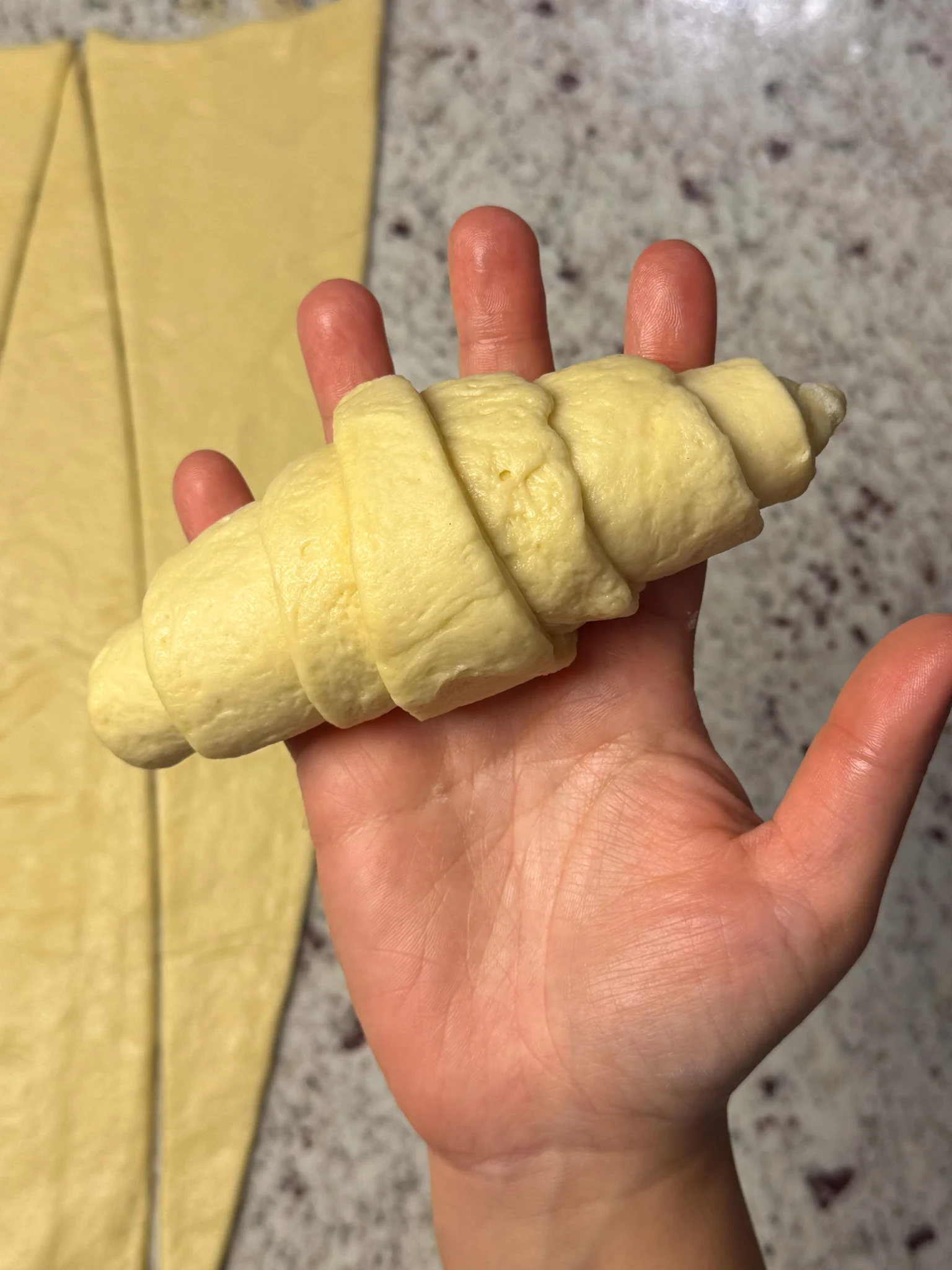
Working with one triangle at a time, hold the wide base and begin rolling it tightly toward the pointed tip, applying light, even pressure as you go. Curl the ends slightly inward, mimicking a classic croissant shape. Place each shaped doughssant on a parchment-lined baking sheet, leaving at least two inches between pieces. Loosely cover the tray and allow the shaped doughssants to proof for thirty to forty-five minutes at room temperature, until visibly puffy and about fifty percent larger than when first shaped.
Frying, Coating, and Filling
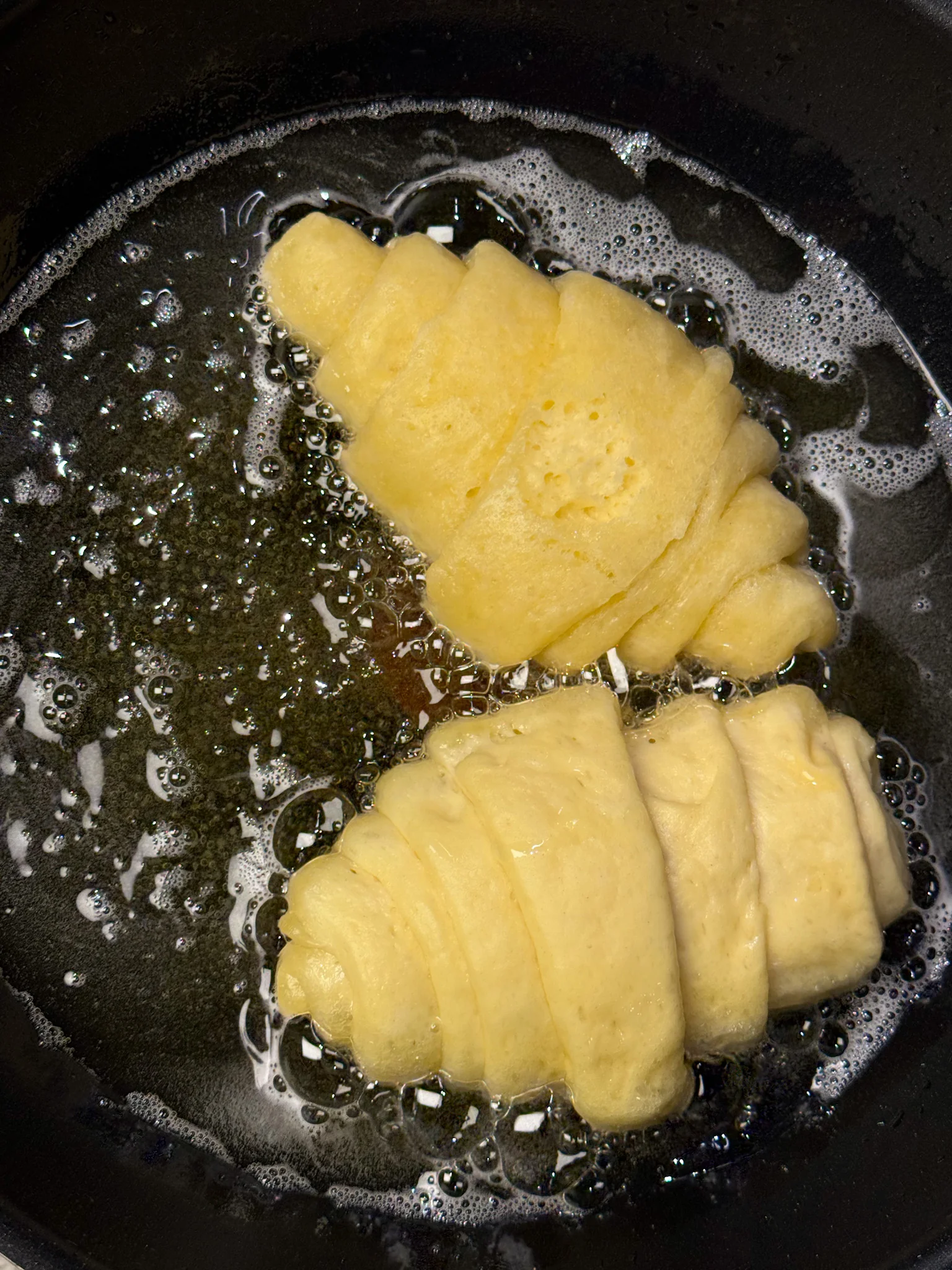
Pour neutral oil into a deep, heavy-bottomed pot to a depth of at least three inches. Heat over medium-high until the oil reaches 350 to 365 degrees Fahrenheit, measured with a thermometer. Reduce the heat slightly to maintain this temperature throughout frying. Working in batches of two to three doughssants at a time — never crowding the pot — gently lower each piece into the oil using a slotted spoon or spider. Fry for one to two minutes per side, turning gently, until both sides are a deep, even golden-brown. The full frying time per doughssant is typically three to four minutes total.
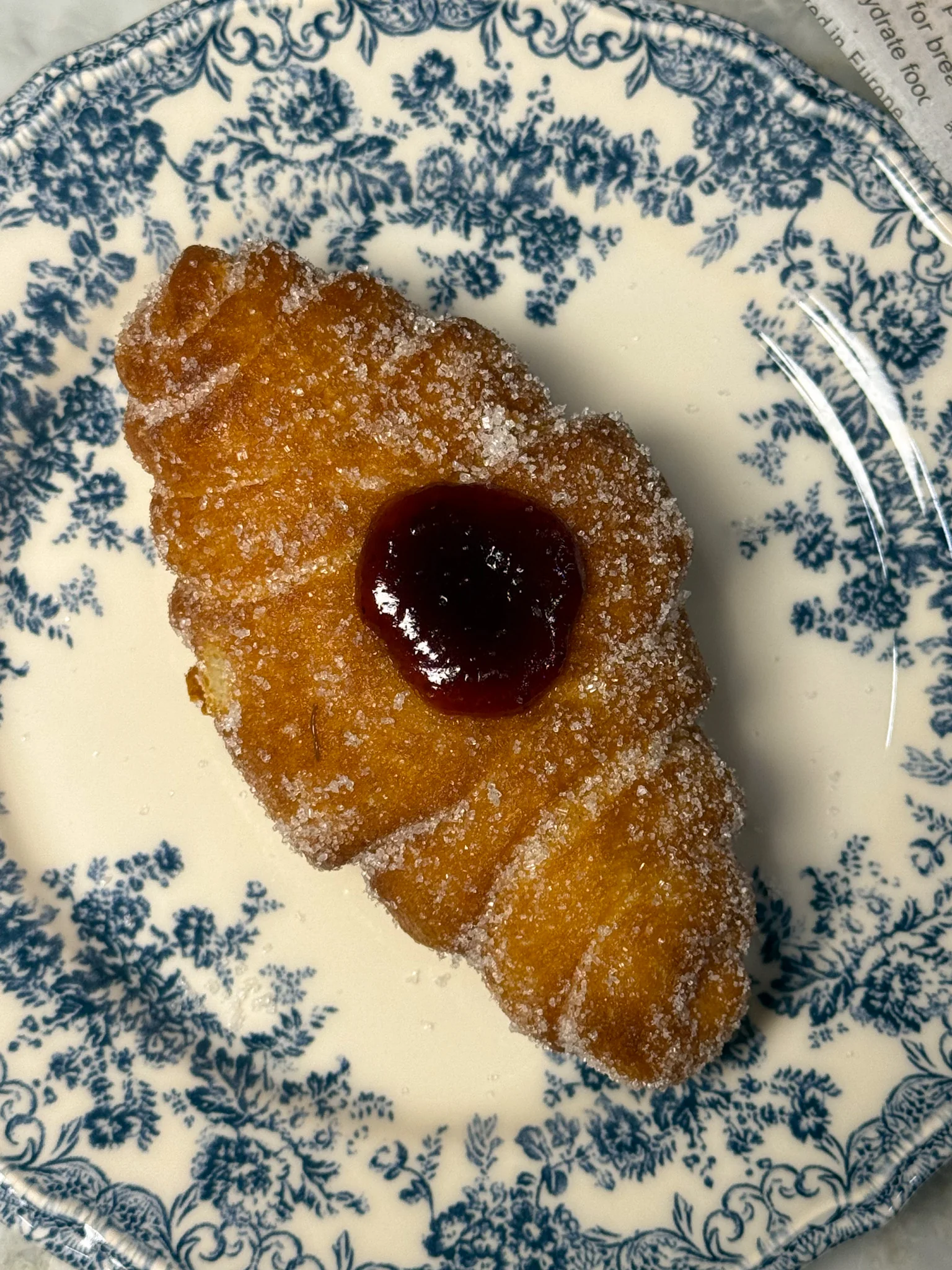
Transfer fried pieces to a paper-towel-lined plate for thirty seconds to absorb excess oil, then immediately roll each one in a shallow bowl of granulated sugar while still warm. The residual heat causes the sugar to adhere in a light, even coating. Set the coated doughssants on a wire rack to cool for ten to fifteen minutes before filling — they need to be warm but not hot, or the filling will melt and leak.
To fill, spoon Nutella or jam into a piping bag fitted with a long, narrow tip. Insert the tip into one end of the doughssant, angling it toward the center, and apply gentle, steady pressure as you slowly withdraw the tip. This motion distributes the filling evenly from the center outward. Stop just before the tip exits to avoid overfilling. Each doughssant should feel noticeably heavier after filling but should not burst or leak at the entry point.
Professional Tips for Perfect Results
Check Your Oil Temperature Every Batch
Oil temperature drops slightly each time a cold or room-temperature doughssant enters the pot. A thermometer is not optional in this doughssants recipe — it is the single tool that most reliably prevents the two most common frying failures: greasy underdone pastries and burnt-outside, raw-inside results. Check the temperature between every batch and allow the oil to return to 350 degrees before adding the next pieces.
Do Not Rush the Proofing
The second proof — after shaping and before frying — is the step most home bakers are tempted to shorten. Resist this urge. An underproofed doughssant will have a dense, bready interior and will spring back when pressed. A properly proofed one will feel light, hold an indentation briefly when gently poked with a fingertip, and look noticeably puffy. This thirty-to-forty-five minute window is not wasted time — it is what separates a good doughssants recipe result from a great one.
Fill Only When Warm, Not Hot
Filling a hot doughssant will melt Nutella to the point where it runs out of the hole, and it will cause jam to bubble and thin. Ten to fifteen minutes of cooling on a wire rack is the right window — warm enough that the dough is still soft and pliable, cool enough that the filling holds its shape inside. For a similarly indulgent filled pastry experience with a different dough format, our CLASSIC JELLY BRIOCHE DONUTS use the same filling principle in a brioche-based round donut.
Roll in Sugar Immediately After Frying
The window for sugar coating is narrow. If you let the doughssants cool completely before rolling them in sugar, the coating will not adhere properly and will fall off in sheets rather than forming the light, even crust that makes this doughssants recipe so satisfying. Move quickly — thirty seconds on the paper towel to drain, then straight into the sugar bowl.
Common Mistakes to Avoid
Using Milk That Is Too Hot or Too Cold
Yeast is alive, and temperature sensitivity is not a quirk — it is biology. Milk above 115 degrees Fahrenheit will kill the yeast before it has a chance to activate. Milk below 90 degrees will not provide enough warmth for the yeast to bloom properly, resulting in an extremely slow or non-existent rise. Use a thermometer or test the milk on your inner wrist — it should feel warm but not uncomfortable, similar to a warm bath.
Adding Too Much Flour
The dough in this doughssants recipe should feel slightly tacky — this is correct and intentional. A common mistake is to keep adding flour until the dough feels completely dry and smooth, which produces a stiff, dense final pastry. If the dough sticks to your hands moderately, that is not a problem to solve with more flour. Lightly oiling your hands is a better approach than loading the dough with extra flour.
Skipping the Second Proof
Shaping doughssants and frying them immediately produces results that look the part but disappoint in texture. The dough will be dense and heavy rather than light and airy, and the fried exterior will feel tough rather than crisp. The second proof is essential — it is not an optional rest period. Build it into your timeline from the start.
Overcrowding the Oil
Frying more than three pieces at a time in a standard pot drops the oil temperature significantly and causes the doughssants to steam against each other rather than frying in free-floating oil. The result is pale, soft, unevenly cooked pastry. Patience with batch sizes is one of the most impactful things you can do to ensure this doughssants recipe delivers consistent results.
Overfilling
More filling is not always better. Overfilling causes the doughssant to burst at the piping hole or leak from the sides, making the pastry messy to eat and collapsing the interior structure near the entry point. Aim for a generous but controlled fill — the doughssant should feel heavier than before, but the dough should remain fully intact.
Variations to Try
Double Filled
Pipe half the doughssant with Nutella from one end and the other half with jam from the opposite end. Each bite from the center outward delivers a different flavor, and this variation is visually stunning when cut in half to show the interior. Our Apple Fritter Donuts Recipe uses a similarly playful approach to filling and layering inside a fried dough base — worth exploring once you have this doughssants recipe mastered.
Cream Cheese Filling
Replace Nutella or jam with sweetened cream cheese blended with vanilla and a touch of lemon zest. The cream cheese filling is tangy, dense, and creamy — a rich alternative that pairs particularly well with a dusting of powdered sugar in place of the granulated sugar coating. Our Strawberry Crumble Danishes use a similar cream cheese and fruit pairing in a laminated pastry context that you might find inspiring.
Chocolate Glazed
Instead of rolling the warm doughssants in sugar, dip them in a simple chocolate glaze made from melted dark chocolate and a splash of cream. The glaze sets quickly on the warm pastry and creates a shell that cracks slightly when bitten — a delightful textural contrast against the soft, airy interior. Sprinkle with crushed hazelnuts or sea salt flakes before the glaze fully sets.
Baked Version
For a lighter result, brush the proofed doughssants with egg wash and bake at 375 degrees Fahrenheit for twelve to fifteen minutes until golden. The interior will be softer and the exterior less crisp than the fried version, but the flavor of the enriched dough still comes through beautifully. This is a good option when you want the experience of making a doughssants recipe without the active monitoring that frying requires.

Storage and Reheating
Room Temperature
These doughssants are at their absolute best within two to three hours of frying and filling. The sugar coating is still slightly crisp, the filling is at its ideal consistency, and the dough has not yet begun to lose its delicate, airy texture. If you are serving them for brunch or a gathering, time your frying to finish about thirty minutes before guests arrive.
Refrigeration
Filled doughssants can be stored in an airtight container in the refrigerator for up to three days. The sugar coating will soften during storage, and the dough will lose some of its lightness, but the flavor remains excellent. Allow refrigerated pieces to come to room temperature for twenty minutes before serving, or warm briefly in the oven.
Freezing
The best approach for this doughssants recipe if you want to work ahead is to freeze the shaped but uncooked doughssants after the second proof — lay them flat on a parchment-lined tray until solid, then transfer to a freezer bag with parchment between each piece. Fry directly from frozen at a slightly lower oil temperature (around 340 degrees), adding one to two extra minutes of frying time. This method preserves the airy texture far better than freezing already-fried pieces.
Reheating
To restore some crispness to refrigerated or leftover doughssants, place them on a wire rack in an oven preheated to 325 degrees Fahrenheit for five to seven minutes. Avoid the microwave — it softens the exterior and heats the filling unevenly, often making the jam or Nutella too runny to stay in place when bitten.

Frequently Asked Questions
What exactly is a doughssant?
A doughssant is a fried pastry made from an enriched yeast dough that is shaped like a croissant — rolled into a triangular shape and then curled at the ends — and then fried until golden in the same way a classic yeast donut would be. The name is a portmanteau of donut and croissant. After frying, doughssants are typically rolled in sugar and filled with a cream, jam, Nutella, or custard filling. They are not to be confused with cronuts, which are made from laminated puff pastry dough.
How is a doughssant different from a cronut?
A cronut uses laminated dough — a technique where layers of butter are folded repeatedly into the dough to create hundreds of thin, flaky layers, similar to a traditional croissant. This process takes many hours and requires temperature-controlled resting periods between each fold. A doughssant uses a simple enriched yeast dough that is shaped to look like a croissant but is much more approachable and faster to make. The interior of a cronut is distinctly flaky; the interior of a doughssant is soft, airy, and tender like a brioche donut.
Can I make the dough the night before?
Yes, and in my experience this is one of the best ways to approach this doughssants recipe. After the first rise, punch down the dough, cover it tightly, and refrigerate overnight. The cold slows the yeast significantly without stopping it entirely, allowing a slow fermentation that develops deeper, more complex flavor. The next morning, remove the dough from the refrigerator, allow it to come to room temperature for thirty minutes, then shape, proof for the second time, and fry as directed.
Why did my doughssants come out greasy?
Greasy doughssants are almost always caused by oil that was not hot enough when the doughssants entered the pot. When the oil temperature is below 340 degrees, the dough absorbs fat rather than forming an immediate crust. To fix this, always bring the oil fully up to temperature before adding any pieces, check with a thermometer, and allow the oil to recover between batches rather than adding new pieces immediately after removing the previous ones.
Can I use store-bought dough for this doughssants recipe?
You can use a store-bought enriched dough or brioche dough as a shortcut, but the result will be somewhat different — typically a bit denser and less nuanced in flavor than the homemade version. The shaping, proofing, frying, and filling steps all remain the same. If convenience is the priority, it is a reasonable substitute, but the homemade dough in this doughssants recipe is genuinely not difficult to make and produces a significantly better result.
How do I keep my doughssants soft after filling?
The key is not letting them dry out. Store filled doughssants in an airtight container at room temperature (for up to one day) or in the refrigerator (for up to three days). The filling itself helps maintain moisture in the interior of the doughssant, which is one reason filled pastries often stay soft longer than unfilled ones. Avoid exposing them to air for extended periods, which dries out the sugar coating and toughens the exterior.
Watch the recipe video for more clarity!
See our similar recipes:
People also like these recipes:
Final Thoughts
This doughssants recipe is the kind of project that pays dividends far beyond the pastries themselves. The process of making enriched dough, watching it rise, shaping it into those recognizable croissant-style rolls, and then frying them to golden perfection teaches you a set of skills that transfers to dozens of other baking projects. Every time you make a doughssants recipe batch, you will feel slightly more confident with yeast, slightly more comfortable reading dough texture, and slightly more at ease managing frying temperature.
The fillings are where this recipe truly becomes personal. Nutella and jam are the starting point, but once you have made this doughssants recipe a few times, you will naturally begin thinking about what else could go inside — vanilla custard, caramel cream, raspberry curd, or whipped ganache. The dough is a vehicle for your imagination, and the shape means every bite delivers something different depending on where you bite in.
Serve your doughssants recipe results warm, stacked on a plate with a small bowl of extra jam or Nutella on the side for dipping. Watch them disappear in minutes. Then start thinking about the next batch — because once your household has tasted a homemade doughssant, there is no going back to ordinary donuts.
Dough:
- 3/4 cup warm milk
- 1/4 cup sugar
- 2 1/2 tsp yeast
- 1/2 cup yogurt or sour cream
- 1/2 cup melted butter
- 2 eggs
- 1 tsp vanilla
- 4 cups flour
- 1 tsp salt
Activate yeast in warm milk with sugar.
Mix in remaining ingredients to form dough.
Knead until smooth and elastic.
Let rise until doubled (1–1.5 hours).
Roll out and cut into triangles.
Shape into croissant forms.
Let rest 30–45 minutes.
Fry at 350°F until golden.
Coat in sugar while warm.
Fill with Nutella or jam and serve.
If you've given this recipe a try and it won you over, please share your thoughts by leaving
a rating and comment below! If you have any questions about this recipe, don't hesitate to ask – I'm here to
help and will respond promptly.