Introduction
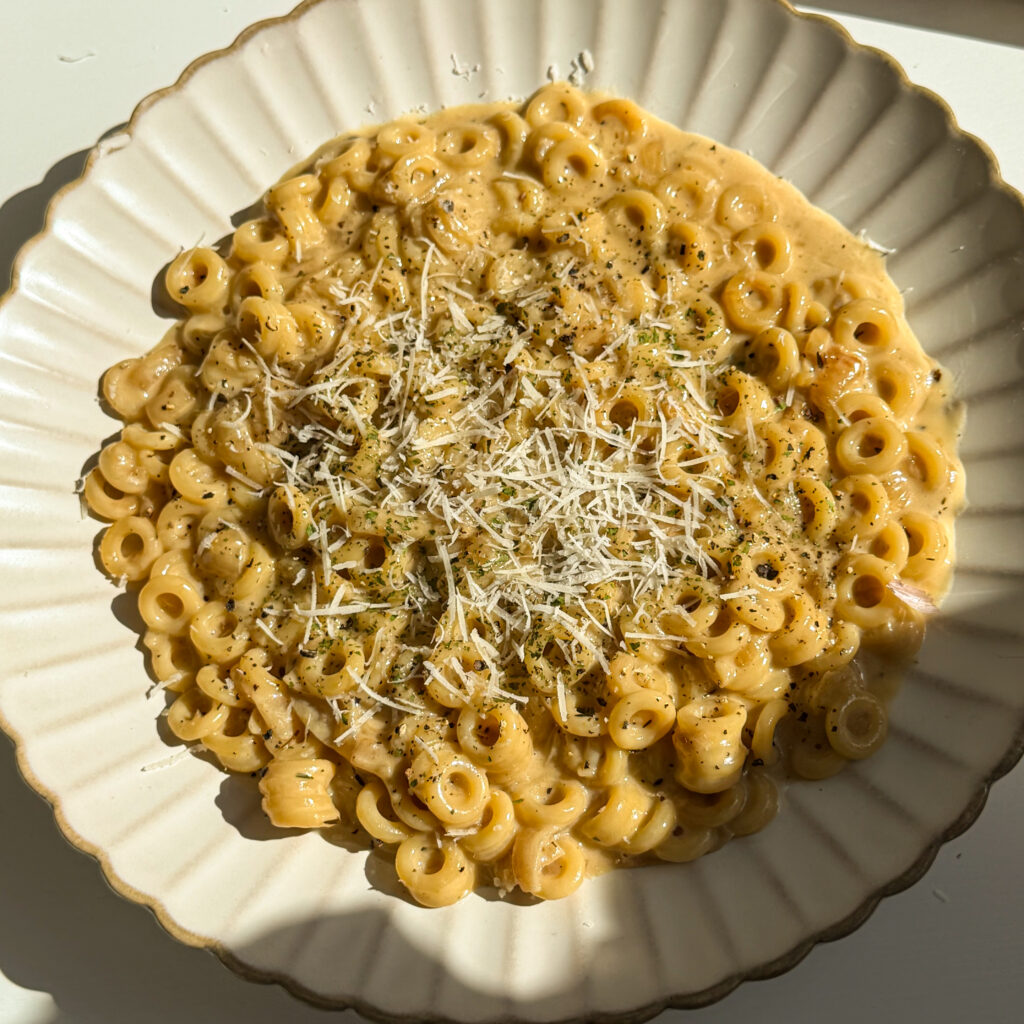
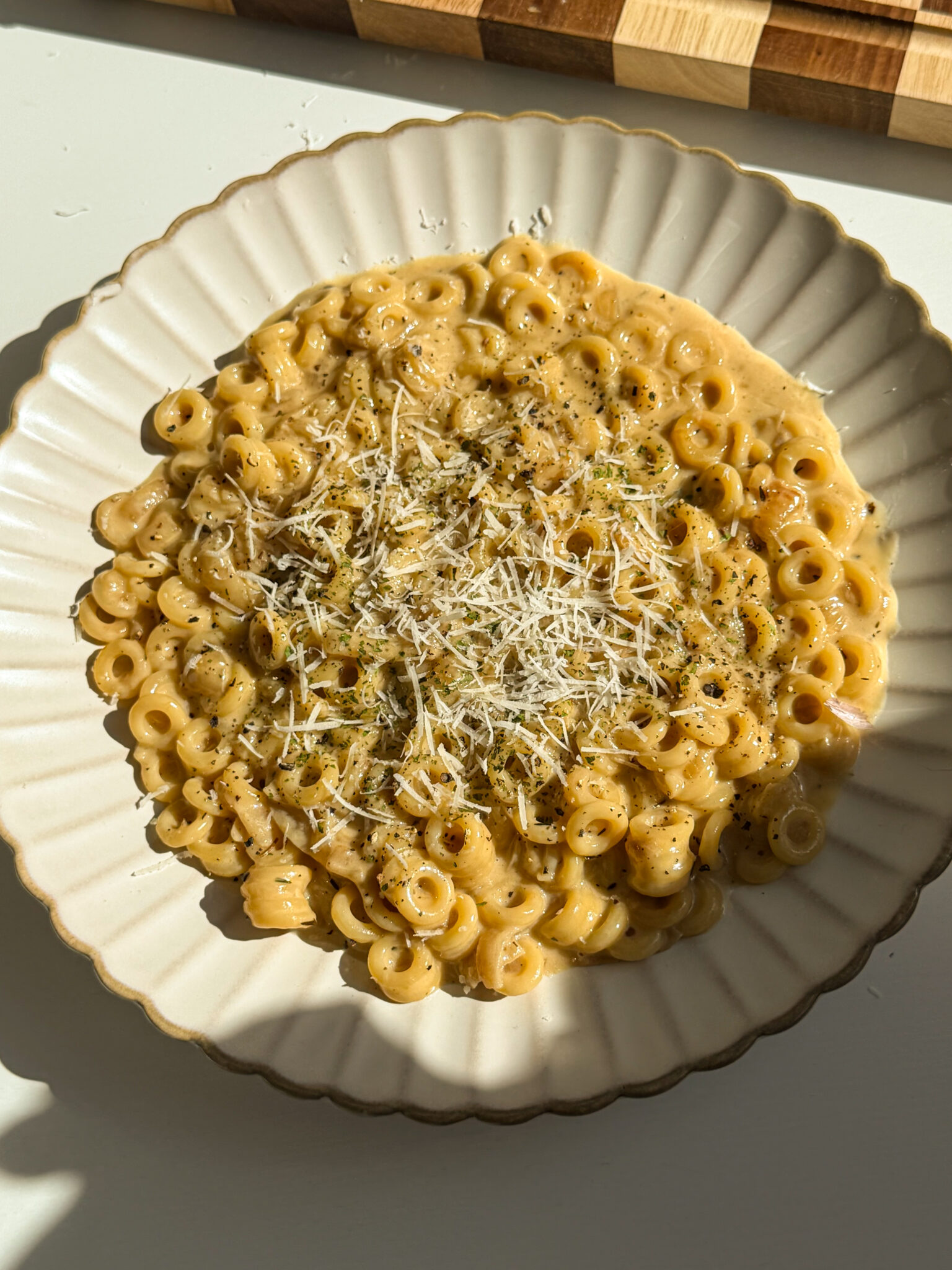
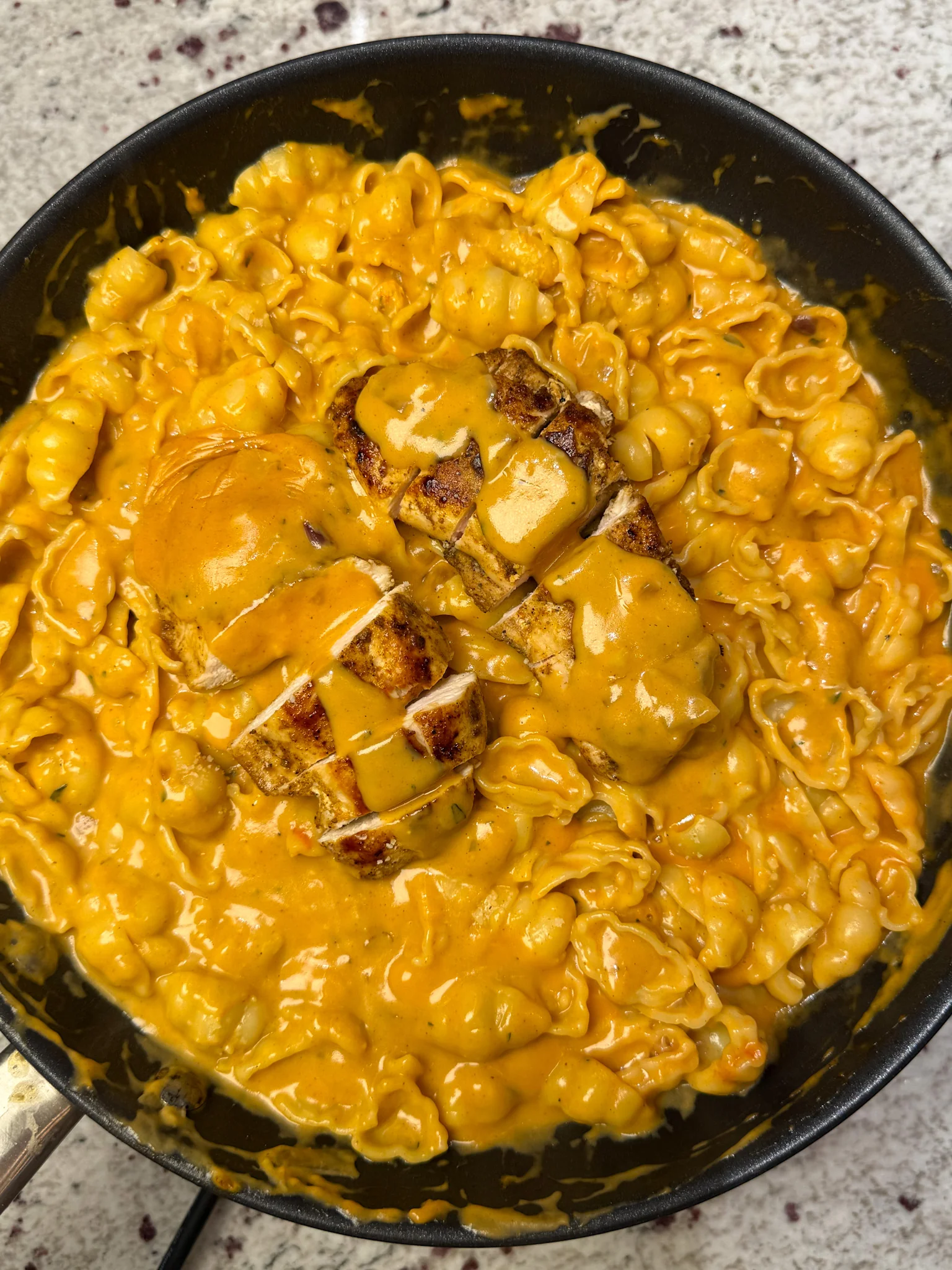
There are meals that feed you, and then there are meals that completely change the mood of your evening. This garlic parmesan pasta is firmly in the second category. It is the kind of dish that turns an ordinary Tuesday into something worth sitting down for — a silky, deeply savory bowl of tender seared chicken, perfectly coated pasta, and a cream sauce built on real Parmesan and a generous amount of fragrant garlic.
What makes this garlic parmesan pasta stand apart from the dozens of similar recipes online is the deliberate layering of flavor at every stage. The chicken is seasoned, rested, and seared until golden. The sauce base is built in the same pan so every caramelized bit left behind gets absorbed into the cream. The Parmesan is freshly grated and added off direct heat so it melts smoothly rather than clumping. None of these steps are complicated. Together, they produce something that tastes like restaurant food made at home — for a fraction of the cost.
If you love rich, creamy pasta dinners, this one sits comfortably alongside our Marry Me Chicken Lasagna on the list of pasta dishes that absolutely deserve a permanent spot in your rotation. Both are built around the same principle: build flavor slowly, use real ingredients, and never rush the sauce.
Why This Garlic Parmesan Pasta Is Special
Most creamy pasta recipes fail in one of two ways. They either taste flat — like cream and cheese with nothing beneath it — or they taste overwhelmingly heavy, leaving you feeling sluggish before the meal is even finished. This garlic parmesan pasta avoids both problems, and the reason comes down to how each element contributes to the finished dish.
The chicken is not just cooked and tossed in. It is seasoned with smoky paprika, garlic powder, and black pepper, then rested before slicing so the juices stay inside the meat rather than flooding the pan. When those slices land in the finished sauce, they bring their own seasoning into every bite.
The sauce itself balances richness with depth. Heavy cream provides the luscious, velvety texture. Chicken broth — used alongside the cream rather than replacing it — adds a savory base note that prevents the sauce from tasting purely of dairy. The garlic and onion are cooked until soft and slightly golden before the liquids are added, which means their flavor is fully drawn out rather than raw and sharp. The result is a garlic parmesan pasta where the garlic is present in every bite but never aggressive.
The real Parmesan finish is the element that ties everything together. Pre-shredded cheese will not melt properly here — the anti-caking agents it contains prevent a smooth sauce. Freshly grated Parmigiano-Reggiano, added off direct heat and stirred slowly, becomes part of the sauce rather than sitting in lumps on top of it.
Key Ingredients Overview
This garlic parmesan pasta has three distinct components: the seasoned seared chicken, the layered cream sauce, and the pasta itself. Each one matters, and understanding what they contribute will help you make better decisions as you cook.
The chicken is the protein foundation. Boneless chicken breast, pounded to an even thickness, ensures it cooks evenly without drying out. The seasoning — smoked paprika especially — adds a subtle smokiness that complements the garlic and cream without competing with the Parmesan.
The sauce relies on a few key elements working together. Butter and ghee create a rich cooking fat for searing. Garlic and onion form the aromatic base. A small amount of flour creates a light roux that holds the sauce together as it simmers. Chicken broth and heavy cream are added in sequence, building body gradually. The Parmesan cheese finishes the sauce and carries the saltiest, nuttiest notes in the entire dish.
The pasta choice affects the final texture. Short tubes like penne or rigatoni hold sauce inside as well as outside, so every forkful delivers a full hit of the garlic parmesan flavor. Fettuccine works beautifully too, wrapping the sauce around each strand. The pasta should always be cooked to al dente — slightly firm — because it will continue to soften briefly once combined with the hot sauce.
For another approach to garlic-forward pasta, our Shrimp Scampi Linguine uses a similar technique of building a sauce from butter, garlic, and starchy pasta water to achieve that same glossy, cling-to-every-strand result.
Understanding the Science Behind Garlic Parmesan Pasta
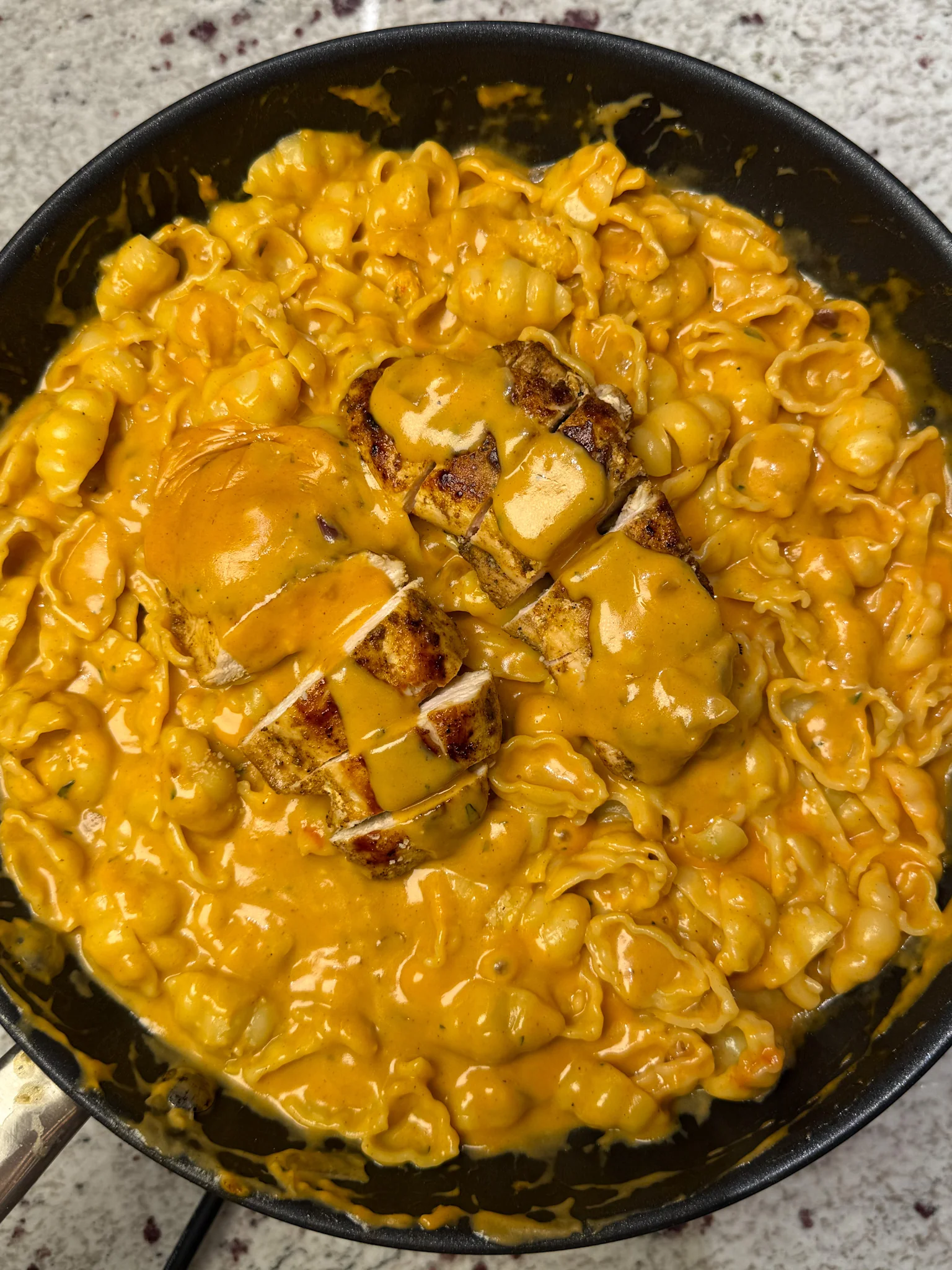
Good garlic parmesan pasta is not luck. There are specific reasons why some batches turn out silky and others break or taste flat, and most of them come down to heat management and emulsification.
How the Roux Prevents Breaking
The small amount of flour added to the butter and aromatics before the liquids go in creates a roux — a starch matrix that traps fat molecules and prevents them from separating from the water-based broth and cream. Without it, rapid heat changes or aggressive stirring can cause the fat and liquid to separate, giving you an oily, thin sauce rather than a cohesive cream. Cook the flour for a full minute before adding any liquid, and stir constantly during that time to eliminate the raw flour taste.
Why Parmesan Must Go in Last
Parmesan cheese contains proteins that tighten and clump when exposed to high heat. If you add it while the sauce is still at a rolling simmer, those proteins seize before the cheese can melt smoothly into the sauce. Removing the pan from direct heat — or reducing to the lowest setting — before stirring in the Parmesan gives the cheese time to melt gradually. The residual heat is more than sufficient. This single habit is the difference between a grainy garlic parmesan pasta sauce and a velvety one.
Why the Pan Should Never Be Cleaned Between Steps
The caramelized residue left in the pan after searing the chicken is called fond, and it carries enormous concentrated flavor. When butter and onion hit that pan and begin to soften, they lift and absorb those browned bits. By the time the broth goes in, that fond has dissolved completely into the sauce base, contributing a depth of savoriness that no amount of seasoning added later can replicate. Cleaning the pan between the chicken and the sauce strips out the very thing that makes this garlic parmesan pasta taste like it was cooked for hours.
Choosing the Right Ingredients
The Chicken
Boneless chicken breast works best for this garlic parmesan pasta because it slices cleanly into strips that integrate visually and texturally with the pasta. The key is thickness. An uneven breast will have overcooked thin sections and undercooked thick ones. Lightly pounding the thicker end to match the rest — or slicing it horizontally into cutlets — solves this entirely. Allow the seasoned chicken to rest for at least 30 minutes before cooking if time permits. In my experience, even a brief marinating period noticeably deepens the flavor once the chicken is seared.
The Cream
Heavy whipping cream with a fat content of 35 percent or higher is the right choice here. Lower-fat creams and half-and-half are more susceptible to curdling when exposed to the acidic proteins in Parmesan and the heat of the pan. The higher fat content in heavy cream stabilizes the sauce. After many test batches of this garlic parmesan pasta, I have found that cutting the cream to save calories almost always results in a thinner, less stable sauce that separates more easily on reheating.
The Parmesan
Freshly grated Parmigiano-Reggiano is worth every extra minute it takes to grate at home. The difference in a finished garlic parmesan pasta sauce is immediately obvious — fresh Parmesan melts into a smooth, glossy emulsion, while the pre-shredded variety (coated with cellulose or starch to prevent clumping in the bag) produces a gritty texture and a noticeably duller flavor. A microplane grater or the fine side of a box grater produces the best results. Grana Padano is a solid and more affordable alternative if Parmigiano-Reggiano is not available.
The Pasta
Penne, rigatoni, ziti, and fettuccine all perform well in this garlic parmesan pasta. The critical factor is timing — cook the pasta to al dente and add it to the sauce immediately after draining. Pasta that sits and cools before being added to the sauce absorbs less of it and tends to clump together. Reserve half a cup of starchy pasta water before draining; this is useful later for adjusting the sauce consistency without diluting the flavor.
Step-by-Step Instructions
Preparation
Begin by lightly pounding the chicken breast to an even thickness of roughly half an inch. This one preparatory step eliminates the most common problem with seared chicken — uneven cooking. Season both sides generously with salt, black pepper, garlic powder, and smoked paprika. Drizzle with oil and rub the seasoning in until every surface is coated. Let the chicken rest while you gather and prepare the remaining ingredients.
Finely chop the onion and mince the garlic. Measure the chicken broth, cream, and spices into small bowls so the cooking process moves smoothly without pausing to search for ingredients. Bring a large pot of well-salted water to a boil for the pasta.
Searing the Chicken and Building the Sauce
Heat a wide pan over medium heat and add the ghee. Once it is melted and shimmering — not smoking — add the chicken. Cook without moving it for 4 to 5 minutes, then flip and cook the second side. The chicken is done when it reads 165°F internally and has a golden crust on both sides. Remove it to a plate and tent loosely with foil. Do not clean the pan.
Reduce the heat to medium-low and add the butter to the same pan. Once melted, add the chopped onion and sauté for about a minute until soft and just beginning to turn translucent. Add the minced garlic and cook for 30 seconds, stirring constantly. The kitchen should smell extraordinary at this point.
Add all the dry spices — the smoked paprika, garlic powder, red chili flakes, black pepper, Italian seasoning, dried parsley, and salt. Stir everything together for 15 seconds so the spices bloom in the butter. Add the flour and stir for a full minute, cooking out the raw taste. This is the roux that will hold your garlic parmesan pasta sauce together.
Finishing the Sauce and Assembly
Pour in the chicken broth slowly, stirring continuously. The sauce will look thin at first — that is correct. Let it simmer for 2 to 4 minutes, stirring frequently, until it begins to thicken noticeably. Reduce the heat to low and add the heavy cream. Whisk gently until smooth. The sauce should now coat the back of a spoon lightly.
Remove the pan from direct heat and stir in the freshly grated Parmesan. Work slowly, stirring in a figure-eight motion until the cheese has completely dissolved into the sauce. Taste and adjust seasoning.
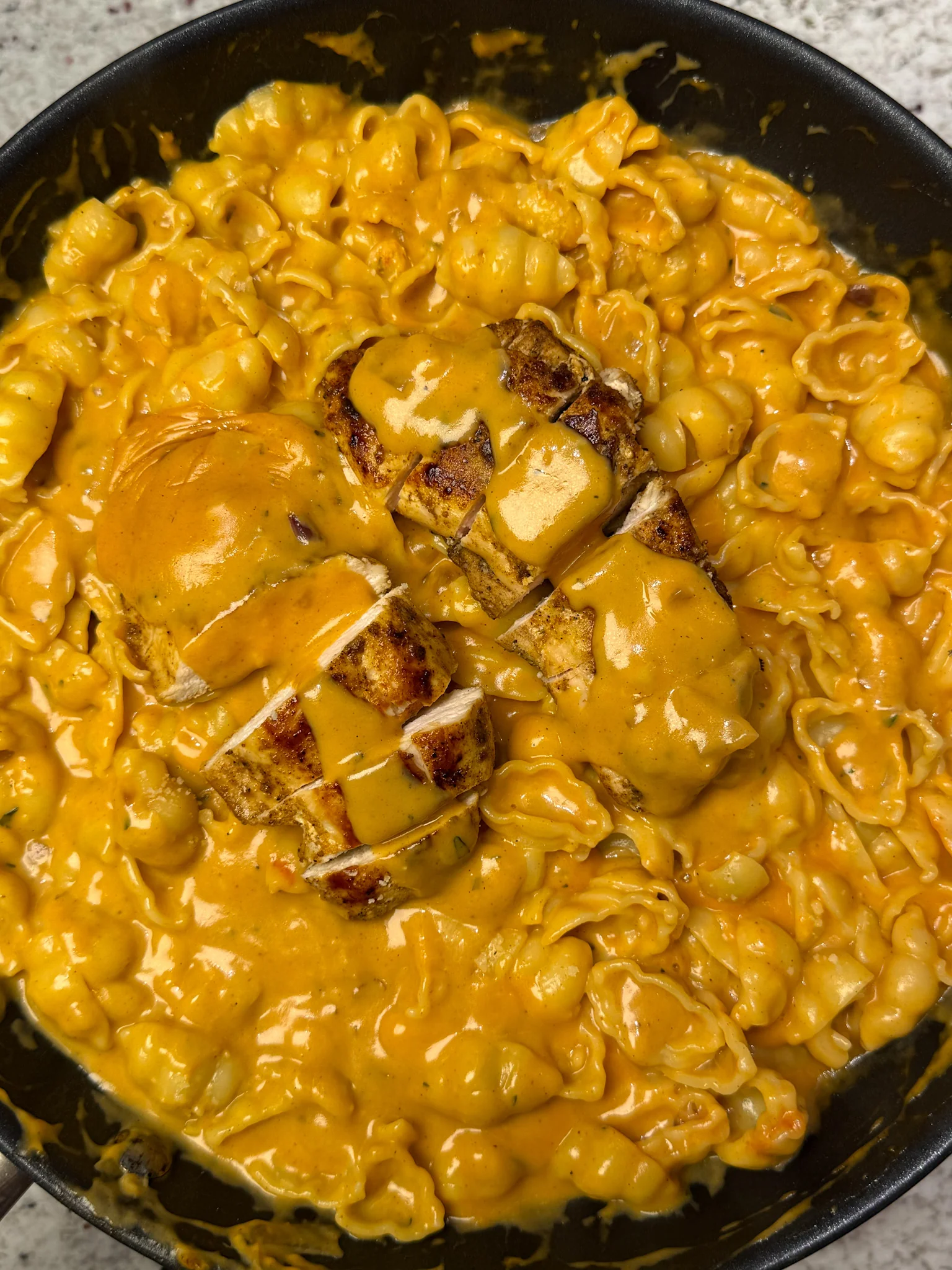
Cook the pasta according to package instructions and drain, reserving pasta water. Add the pasta directly to the sauce and fold to coat every piece. Slice the rested chicken into strips and add them on top. Fold everything together gently and let the dish rest for one minute on low heat before serving. Finish with extra Parmesan, a scatter of dried parsley, and optional chili flakes.
Professional Tips for Perfect Results
Control Your Heat Throughout
The single most common failure point in garlic parmesan pasta at home is too-high heat during the sauce stage. High heat causes the cream to reduce too fast, which concentrates the flavor unevenly and often causes the fat to separate before the Parmesan can be added. Medium-low heat throughout the sauce stage gives you full control. If the sauce ever looks like it is starting to break — the fat separating to the edges — immediately remove the pan from heat and whisk in a tablespoon of cold pasta water.
Always Rest the Chicken Before Slicing
Slicing chicken immediately after searing forces all the internal juices out onto the cutting board rather than redistributing through the meat. A five-minute rest — loosely tented with foil — makes a measurable difference. The chicken stays juicy in the finished garlic parmesan pasta dish rather than becoming dry and stringy once combined with the hot sauce.
Reserve Pasta Water as Insurance
The starchy pasta water that most people pour down the drain is one of the most useful tools for finishing this garlic parmesan pasta. If the sauce tightens too much after the pasta is added, a splash of pasta water loosens it instantly without diluting the flavor. Add it in small amounts — two tablespoons at a time — and stir before deciding if more is needed.
If you enjoy building complex pasta sauces from scratch, our Chili Onion Burrata Pasta uses a similarly thoughtful approach to sauce construction, with slow-cooked aromatics forming the flavor foundation before the dairy goes in.
Taste and Adjust Before Serving
The Parmesan brings significant salt to this garlic parmesan pasta, and the amount of salt already in your broth varies by brand. Always taste the sauce after the Parmesan has been incorporated, before you add the pasta. Adjusting at that stage — rather than after everything is combined — is far more effective.
Common Mistakes to Avoid
Adding Parmesan Over High Heat
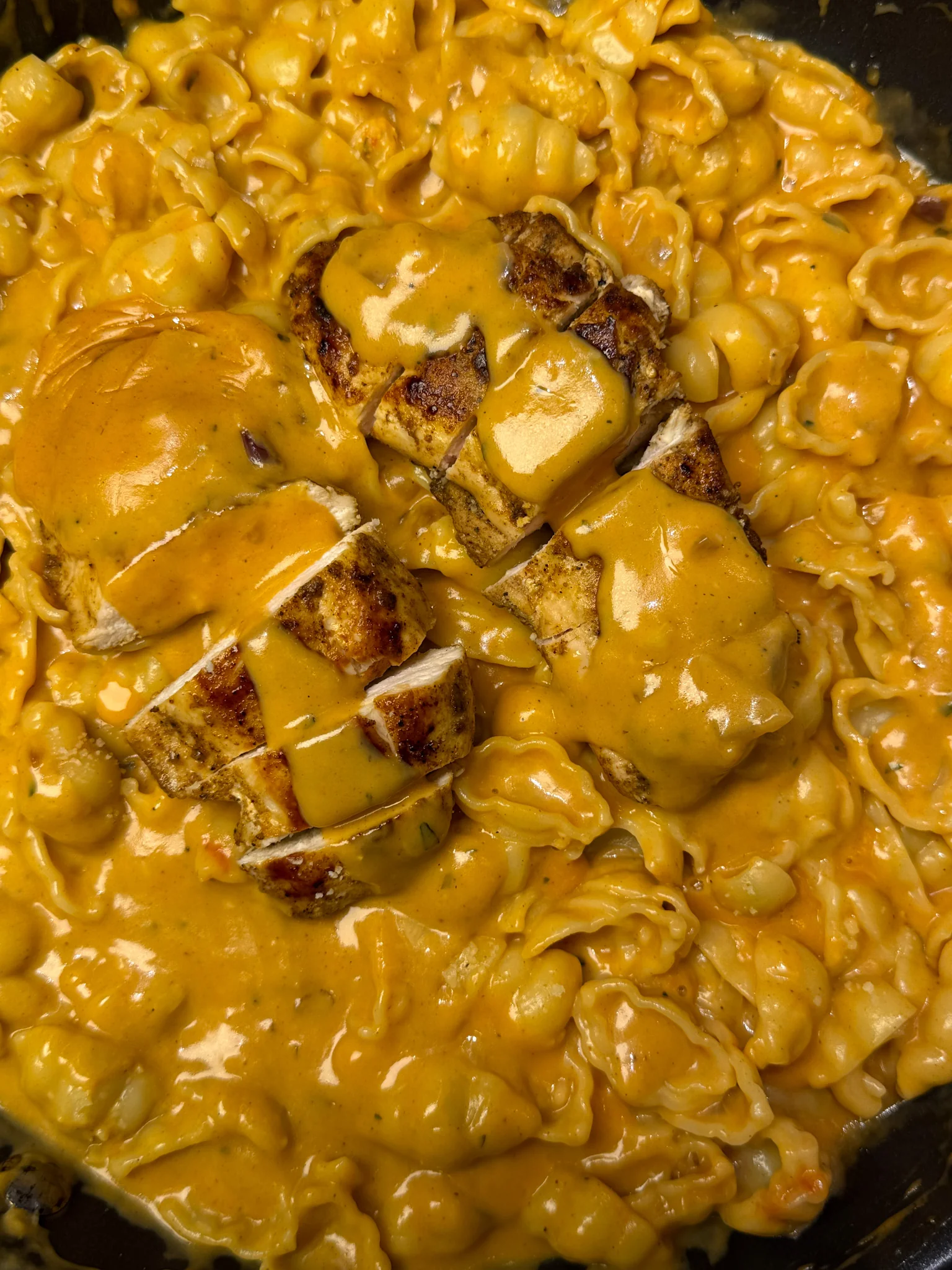
This is the most widespread mistake in garlic parmesan pasta recipes. Parmesan added to a sauce that is still at a full simmer will seize into grainy clumps within seconds. Remove the pan from heat completely, or drop the temperature to its absolute lowest setting, before the Parmesan goes in. Stir slowly and patiently. If it clumps despite this, a tablespoon of warm pasta water stirred in vigorously will usually rescue the sauce.
Skipping the Roux
Some garlic parmesan pasta recipes skip the flour step and rely entirely on cream reduction for body. This produces a sauce that tastes fine immediately but separates aggressively when reheated the next day. The roux takes one extra minute but creates a sauce that holds together beautifully as leftovers — which matters if you are meal prepping or cooking ahead.
Using Pre-Shredded Parmesan
The bag of pre-grated Parmesan from the store shelves is a shortcut that will cost you the texture of the entire dish. The anti-caking agents in commercial pre-shredded cheese prevent it from melting smoothly. The result in garlic parmesan pasta is a sauce with visible granules of cheese that never fully integrate. Grate fresh cheese at home. It takes under three minutes for the half-cup needed here and it changes the result dramatically.
Overcooking the Garlic
Garlic that has been cooked past golden and into brown carries a bitter edge that runs through the entire sauce of a garlic parmesan pasta. It is easy to overshoot — garlic goes from raw to perfect to bitter in under a minute. Once you add it to the pan, stir constantly and add the spices within 30 seconds. The spices and butter slow the cooking immediately.
Not Salting the Pasta Water
Pasta cooked in undersalted water has a flat, bland taste no matter how flavorful the sauce around it is. The water should taste noticeably salty — roughly the saltiness of well-seasoned soup. This is the only opportunity to season the pasta itself, and it makes the finished garlic parmesan pasta significantly more cohesive in flavor.
Variations to Try
The Mushroom Addition
Sautéed mushrooms are one of the best additions to this garlic parmesan pasta. Cremini, shiitake, or a combination of both bring a deep umami note that complements the Parmesan without competing with the garlic. Sauté them in butter before building the sauce, remove them when golden, and add them back when the pasta is folded in. They should not go in early or they will release moisture into the sauce and thin it.
The Spinach Version
Fresh baby spinach stirred into the finished garlic parmesan pasta just before serving adds color, a mild earthiness, and nutritional value without changing the flavor profile. Add it off heat and let the residual warmth wilt the leaves — about one minute. Two generous handfuls is the right amount for four servings.
The Spicy Version
Adding an extra teaspoon of red chili flakes to the spice bloom stage, plus a few dashes of hot sauce stirred into the cream, produces a version of this garlic parmesan pasta with genuine heat beneath the richness. The creaminess of the sauce buffers the spice slightly, so it builds gradually through the meal rather than hitting all at once.
The Seafood Swap
Replacing the chicken with large peeled shrimp or seared salmon pieces produces a seafood version of this garlic parmesan pasta that is equally satisfying. Shrimp cook in under three minutes per side and can be added directly to the finished sauce without a separate sear. For something with a completely different flavor profile but the same idea of protein over a rich cream sauce, our Creamy Garlic Butter Pasta offers a beautifully simple stripped-back version of the garlic cream sauce concept that works with any protein you prefer.
The Cajun Spice Variation
Swapping the Italian seasoning in this garlic parmesan pasta for a cajun spice blend — smoked paprika, cayenne, onion powder, thyme, and oregano — produces a dish with bold, earthy, slightly spicy character. This variation works particularly well if you enjoy a pasta with more assertive seasoning. For a dedicated version of this flavor direction, our Chili Onion Burrata Pasta and the full cajun experience in our recipe collection both explore that seasoning profile in depth.
Storage and Reheating
Room Temperature
This garlic parmesan pasta should not be left at room temperature for more than two hours. The cream sauce creates conditions where bacterial growth accelerates quickly in warm environments. Serve immediately after cooking and refrigerate any leftovers promptly.
Refrigeration
Store leftover garlic parmesan pasta in an airtight container in the refrigerator for up to three days. The sauce will thicken considerably as it cools — this is normal and expected behavior from a Parmesan-based cream sauce. The flavor often deepens slightly overnight, making day-two leftovers genuinely delicious.
Freezing
Freezing this garlic parmesan pasta is possible but not ideal. Cream sauces emulsified with cheese tend to separate on thawing, producing a grainy or watery texture rather than the smooth finish of the freshly made dish. If freezing is necessary, freeze the chicken and sauce together in a sealed container for up to two months, but cook the pasta fresh when you are ready to serve. This approach preserves the sauce quality better than freezing everything assembled.
Reheating
Reheat refrigerated garlic parmesan pasta in a pan over low heat rather than in a microwave on high. Add a splash of milk, broth, or reserved pasta water before heating — the sauce needs liquid reintroduced to return to a smooth consistency. Stir frequently. Microwave reheating on high causes the cream and cheese to separate; if using a microwave, use 50% power in 30-second intervals and stir between each.
Frequently Asked Questions
What pasta shape works best for garlic parmesan pasta?
Penne and rigatoni are the top choices because their tubular shape holds the cream sauce both inside and outside, delivering maximum flavor per forkful. Fettuccine and linguine also work beautifully for garlic parmesan pasta because the flat, wide surface area allows the sauce to cling evenly. Avoid very thin pasta like angel hair, which can become overcooked and limp before the sauce coats it properly.
Can I use milk instead of heavy cream?
You can, but the result will be significantly different. Whole milk produces a much thinner sauce that is also more prone to curdling when the Parmesan is added, since the lower fat content provides less stability. If you need a lighter version, half-and-half is a better compromise — it provides some creaminess without the full richness of heavy cream. Expect the sauce to be less glossy and somewhat thinner than the original garlic parmesan pasta recipe.
Why did my sauce turn grainy or separate?
The two most common causes are adding Parmesan over high heat and using pre-shredded cheese. Parmesan proteins seize when overheated, and the starches in pre-shredded varieties prevent smooth melting. To rescue a grainy sauce, remove the pan from heat completely, add a tablespoon of warm pasta water, and whisk vigorously. This usually smooths the sauce within 30 seconds.
Can I make this garlic parmesan pasta ahead of time?
The sauce and chicken can be prepared up to two days ahead and stored separately in the refrigerator. Cook the pasta fresh when you are ready to serve — pasta that sits in sauce for extended periods becomes soft and absorbs the sauce unevenly. When reheating the sauce, do so gently over low heat with a splash of broth, then add the fresh pasta and chicken.
How do I know when the chicken is cooked through?
The most reliable method is an instant-read thermometer inserted into the thickest part of the breast — it should read 165°F (75°C). Visual cues include a fully golden exterior, no translucency at the center when you cut into the thickest point, and clear juices running from the meat when pressed. Allow the chicken to rest before slicing to keep those juices inside.
What can I serve alongside this garlic parmesan pasta?
Because this dish is rich and creamy, the best sides are light and fresh. A simple green salad with a sharp vinaigrette cuts through the richness effectively. Roasted broccoli or asparagus adds texture and nutrition without competing with the pasta’s flavor. Garlic bread on the side is a classic pairing for garlic parmesan pasta — it is ideal for soaking up the sauce left at the bottom of the bowl.
Watch the recipe video for more clarity!
See our similar recipes:
People also like these recipes:
Final Thoughts
This garlic parmesan pasta is not the kind of recipe you make once and forget. It is the kind that becomes part of your regular rotation — the answer to the question of what to cook on a weeknight when you want something genuinely satisfying without spending an hour at the stove. Once you have made it a few times and the steps become automatic, a complete bowl of garlic parmesan pasta from cold pan to table takes under 35 minutes.
The nine techniques that matter most — pounding the chicken even, building the fond rather than discarding it, blooming the spices in butter, using a roux, adding broth before cream, removing from heat for the Parmesan, resting the chicken, using fresh cheese, and reserving pasta water — are not complicated. Each one is a small choice that costs seconds. Together, they account for the entire difference between a garlic parmesan pasta that tastes like a restaurant dish and one that tastes like it was made from a packet.
Start with the recipe exactly as written the first time. Then begin adapting it — more garlic, a handful of mushrooms, a spice blend you prefer, a different pasta shape you have on hand. A good garlic parmesan pasta recipe is a framework, not a rigid formula. The goal is always the same: a bowl that is rich, balanced, and worth every minute it took to make.
chicken:
- 1 lb boneless chicken breast. Pound the chicken slightly for even cooking Salt to taste
- 1 tsp smoked paprika powder
- 1 tbsp garlic powder
- 1 tsp black pepper
- 2 tbsp oil for marinade
- 2 tbsp clarified butter/ghee
- 1 tbsp butter
sauce:
- 1 small yellow onion finely chopped
- 1 tbsp fresh garlic minced
- 2 tbsp all purpose flour 1
- 1/2 cup chicken broth or 1 cube chicken bouillon + 1
- 1/2 cup water 1
- 1/2 cup unsweetened heavy whipping cream Salt to taste
- 1 tbsp smoked paprika powder
- 1 tsp red chili flakes
- 1/2 tsp black pepper
- 1 tsp garlic powder
- 1 tbsp dried parsley
- 1 tbsp Italian seasoning
- 1/2 cup Parmesan cheese freshly grated To assemble
- 10 oz pasta of choice boiled according to package
Season the chicken with salt, pepper, garlic powder, smoked paprika powder.
Drizzle oil and mix to coat evenly.
Let it marinate for at least one hour.
Heat a pan on medium heat add clarified butter, once the butter is hot.
Add the chicken and cook for 8 to 10 minutes flipping sides in between or until the chicken is cooked through and the internal temperature reaches 165°F.
Remove the chicken from the pan , slice and sat aside .
In the same pan add butter once the butter is melted.
Add onions sauté for one minute until translucent.
Add the garlic and sauté until fragrant for about 30 seconds.
Then add the seasoning, salt, pepper, garlic powder, smoked pepper powder, red chili flakes and Italian seasoning.
Mix everything together and add the flour.
Stir in the flour and cook for one minute.
Gradually add the chicken broth and mix until the sauce thickens.
Cook on medium heat for 2-4 minutes.
Stir in the heavy whipping cream and whisk until the sauce thickens further.
Add the freshly grated Parmesan cheese and parsley, mixing well.
Add in pasta and top it with sliced chicken.
Mix everything together and chop it with more Parmesan cheese if desired. Enjoy!
If you've given this recipe a try and it won you over, please share your thoughts by leaving
a rating and comment below! If you have any questions about this recipe, don't hesitate to ask – I'm here to
help and will respond promptly.