Introduction
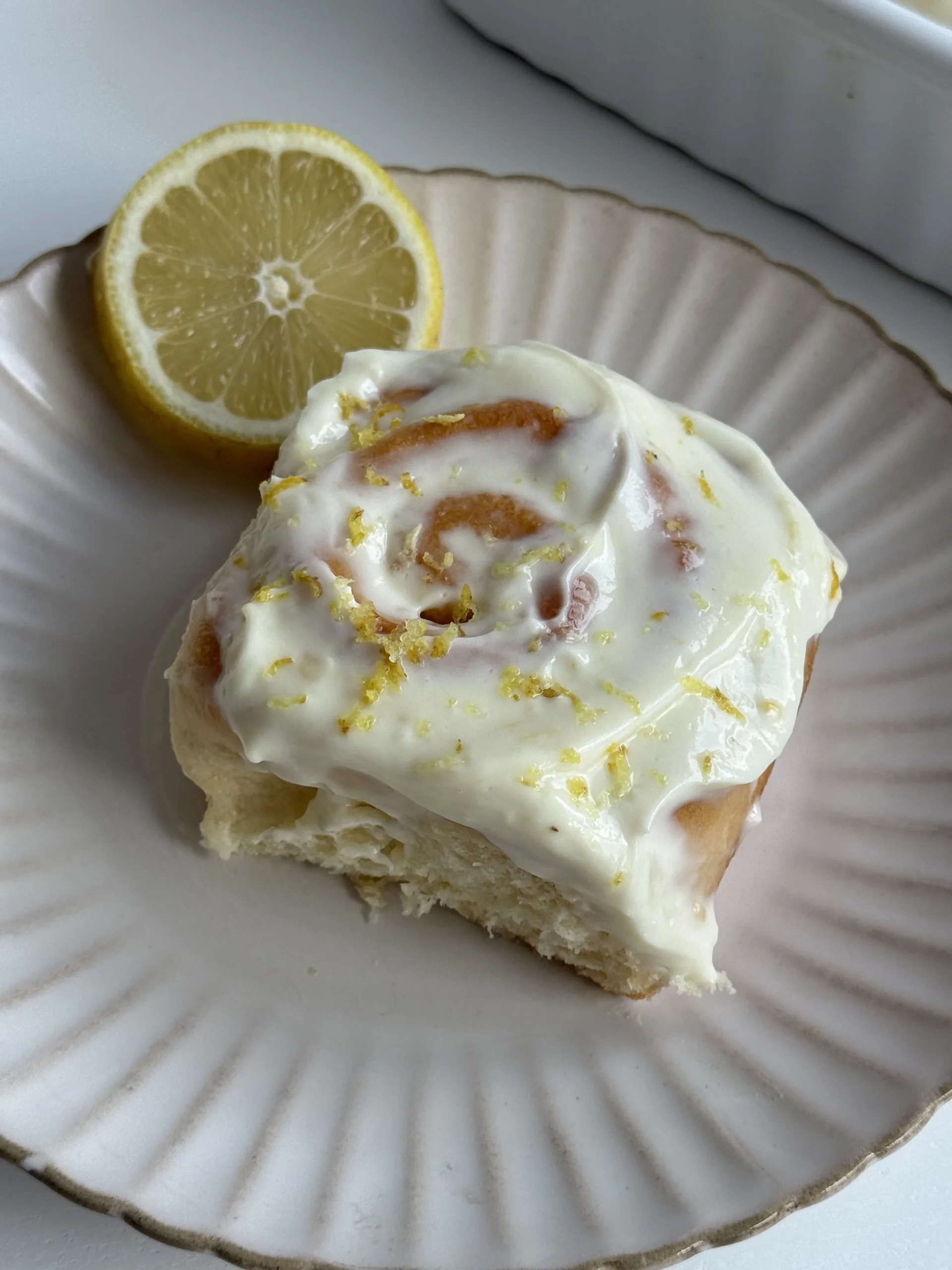
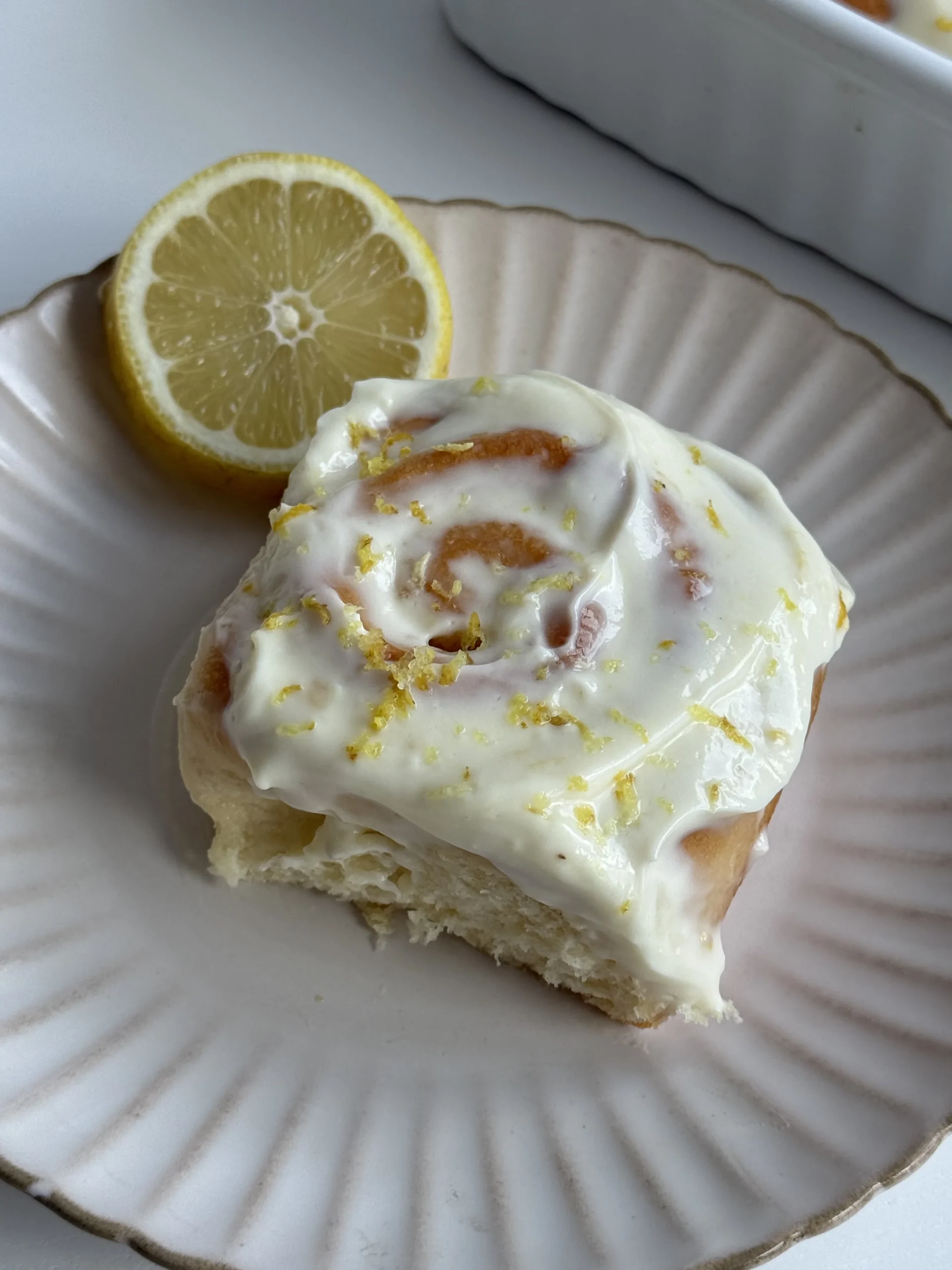
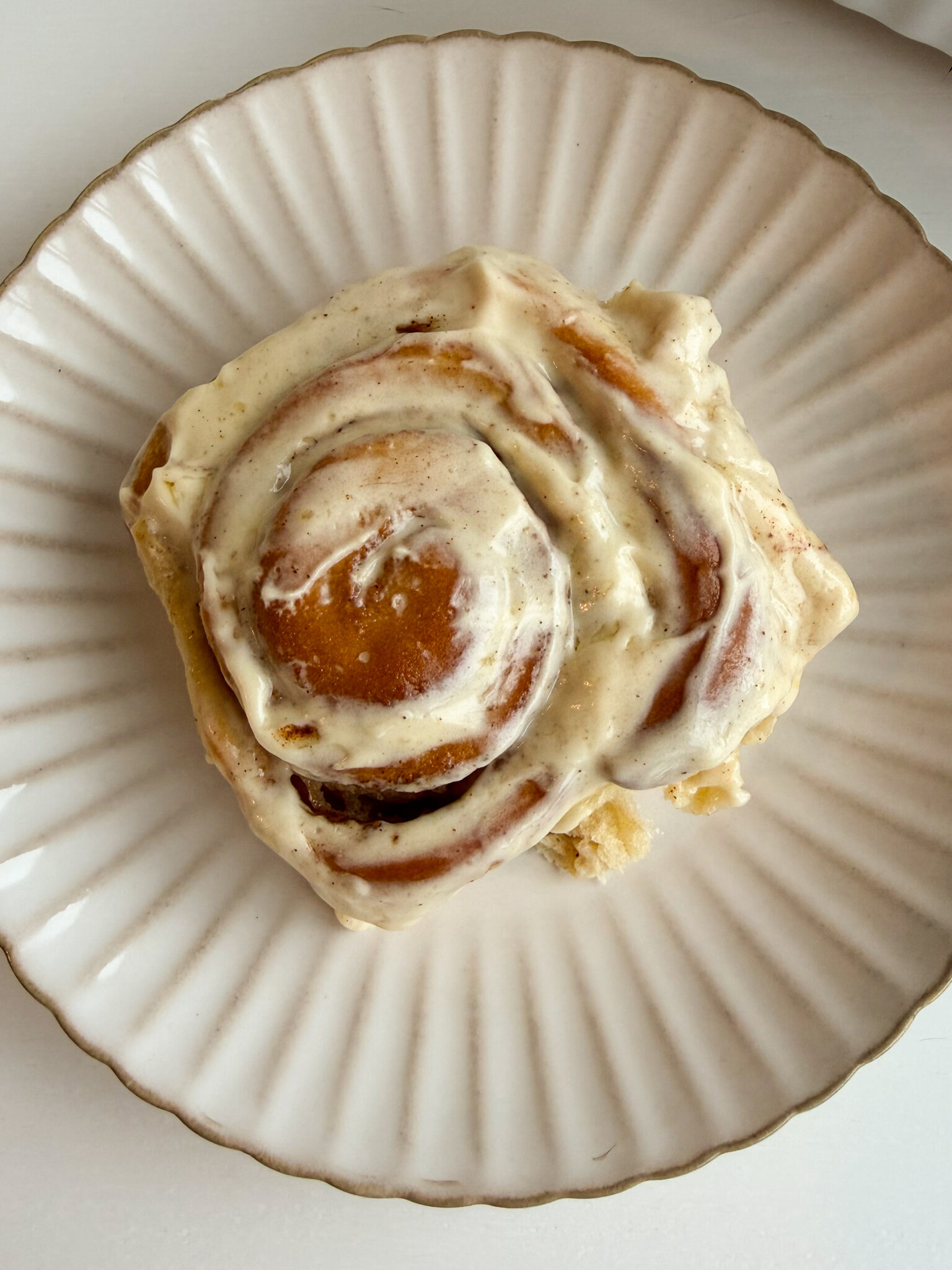
If you have ever wondered what happens when a classic comfort bake meets the brightness of citrus season, lemon cinnamon rolls are the delicious answer. These pillowy, citrus-scented rolls come together with a soft enriched dough, a sweet lemon sugar filling, and a creamy lemon cream cheese frosting that melts gently into every warm layer. The result is something that feels both cozy and refreshing at the same time — a bake that smells like a warm kitchen on a slow Saturday morning.
I developed this recipe after wanting something that offered the familiarity of a classic roll but with a lighter, more vibrant character. The lemon zest in the filling creates a fragrant, golden layer that caramelizes slightly during baking, giving you those beautifully defined swirls with a bright, sweet tang. These lemon cinnamon rolls have become one of my most-requested recipes, and in my experience, they tend to disappear from the pan far faster than any other sweet roll I have made.
If you love baking with yeast and enjoy experimenting with citrus-forward flavors, you might also enjoy my Tres Leches Cinnamon Rolls, which take a similarly indulgent approach to the classic roll format. But today, it is all about lemon, and I cannot wait to show you everything you need to know.
Why These Lemon Cinnamon Rolls Are Special
There are no shortage of sweet roll recipes in the world, so what makes lemon cinnamon rolls worth choosing over the rest? It comes down to three things: texture, flavor balance, and technique. This recipe is engineered to give you a bakery-quality result at home, without requiring specialized equipment or an overnight rest.
The dough is enriched with milk, butter, and egg, which makes it tender and soft while still having enough structure to hold those beautiful swirls. The lemon zest in the filling releases its essential oils when it bakes, infusing the entire roll with a sunny, floral citrus aroma that warm spice simply cannot replicate. And the cream cheese frosting adds a gentle tang and creamy richness that ties the whole experience together.
What also sets these lemon cinnamon rolls apart is how balanced they feel. They are sweet, but not cloying. Bright, but not sharp. Rich, but not heavy. That equilibrium is what makes you reach for a second one, and then quietly reach for a third.
Key Ingredients Overview
Understanding what goes into lemon cinnamon rolls helps you achieve consistent results every time you bake them. Every ingredient plays a specific role, and knowing why each one is there makes it easier to troubleshoot, substitute wisely, and build confidence in the process.
The dough relies on all-purpose flour for its structure, whole milk for richness, and rapid-rise yeast to ensure a reliable rise without long wait times. Butter tenderizes the crumb, giving the rolls that melt-in-your-mouth quality. The egg adds protein and structure, which helps the rolls hold their shape during baking.
For the filling, the real star is fresh lemon zest. Dried or bottled lemon flavoring simply cannot replicate the depth of flavor you get from rubbing fresh zest into granulated sugar. That process releases the lemon oils and coats the sugar crystals, creating an intensely aromatic filling that blooms in the heat of the oven.
The frosting uses cream cheese as its base, which adds a pleasant tang that complements the citrus notes in the filling. A touch of lemon juice and zest in the frosting reinforces the lemon flavor without overwhelming the sweetness.
For anyone who loves bright, citrus-forward baking, my Orange Cake Recipe offers a similarly sun-drenched experience and uses many of the same flavor-building principles.
Understanding the Science Behind Lemon Cinnamon Rolls
How Yeast Works in Enriched Dough
Lemon cinnamon rolls use an enriched yeast dough, which means the dough contains fat (butter), sugar, and dairy in addition to flour, water, and yeast. These additions slow down yeast activity slightly compared to lean dough, which is why it is important to use rapid-rise yeast or to ensure your milk is warmed to the ideal temperature range of 105°F to 115°F. Too cold and the yeast will not activate. Too hot and it will be killed before the dough rises at all.
The sugar in the dough feeds the yeast initially and contributes to the golden color of the baked rolls through a process called the Maillard reaction. This is what gives the surface of your lemon cinnamon rolls that beautiful amber hue without requiring a high baking temperature.
What Lemon Zest Does During Baking
Lemon zest contains the essential oils of the lemon peel, which are highly aromatic and fat-soluble. When you rub zest into sugar, you are releasing and binding those oils to the sugar crystals, amplifying the lemon flavor significantly. During baking, the heat drives those volatile aromatic compounds deeper into the layers of dough, which is why lemon cinnamon rolls have such a vibrant fragrance even before the frosting is applied.
The Role of Cream Cheese in Frosting
Cream cheese frosting behaves differently from a simple glaze or buttercream because the fat content and acidity of cream cheese slow how quickly it melts into a warm roll. This means you get that ideal frosting consistency — thick enough to coat each roll generously, soft enough to melt slightly into the crevices, and stable enough to hold its shape for serving.
Choosing the Right Ingredients
Choosing the Right Flour
All-purpose flour is the best choice for lemon cinnamon rolls because it gives you a soft, tender crumb without the chewiness you would get from bread flour. If you substitute bread flour, the rolls will be slightly denser and more structured, which is not ideal for this style of sweet roll. Measure your flour by spooning it into the measuring cup and leveling off, rather than scooping directly from the bag, which compacts the flour and can lead to a stiff dough.
Choosing Fresh Lemons
Always use fresh lemons for lemon cinnamon rolls, both for the zest and for the juice in the frosting. After many test batches, I have found that Meyer lemons, when in season, produce a slightly sweeter, more floral result than standard Eureka lemons. Either variety works beautifully, but avoiding bottled lemon juice is non-negotiable — the flavor is noticeably flat in comparison.
Choosing the Right Yeast
This recipe calls for rapid-rise yeast, which is also labeled instant yeast in some brands. Rapid-rise yeast does not require proofing in water before use and can be mixed directly with the dry ingredients. If you only have active dry yeast on hand, you can use it, but dissolve it in the warm milk for 5 to 10 minutes before adding the remaining ingredients, and expect the rise time to be slightly longer.
Choosing Your Cream Cheese
Use full-fat block cream cheese for the frosting, not the spreadable variety that comes in a tub. Spreadable cream cheese has a higher water content and will result in a frosting that is too thin and will not hold its shape on the warm rolls. Let the cream cheese come to room temperature before mixing so the frosting comes together smoothly without lumps.
Step-by-Step Instructions
Preparation
Begin by warming your milk. Pour 1 and 1/2 cups of whole milk into a small saucepan or a microwave-safe bowl and heat it until it reaches between 105°F and 115°F. If you do not have a thermometer, the milk should feel warm on your wrist but not hot. In a large mixing bowl, whisk together 4 cups of all-purpose flour, 1/3 cup of granulated sugar, one packet of rapid-rise yeast, and 1 teaspoon of salt.
While the milk is warming, prepare the lemon sugar filling. Combine 1 cup of granulated sugar with 1 tablespoon of fresh lemon zest and 1/4 teaspoon of salt. Use your fingertips to rub the zest into the sugar until the mixture is fragrant and slightly damp. Set it aside.
Main Dough Steps
Add the warm milk, 6 tablespoons of softened butter (cut into pieces), and 1 large egg to the dry ingredients. Mix until a shaggy dough forms, then turn it onto a lightly floured surface and knead for 8 to 10 minutes, adding flour a tablespoon at a time only if the dough sticks excessively. A properly kneaded dough should be smooth, slightly tacky, and elastic — it should spring back slowly when you press a floured finger into it.
Shape the dough into a ball, place it in a lightly greased bowl, and cover it with a clean kitchen towel or plastic wrap. Let it rise in a warm spot for 45 to 60 minutes, or until it has roughly doubled in size. A good trick is to place the covered bowl in a turned-off oven with just the oven light on — the gentle warmth creates an ideal proofing environment.
Assembly and Baking
Once the dough has risen, punch it down gently and turn it onto a lightly floured surface. Roll it into a rectangle approximately 12 by 16 inches. Spread the softened 1/4 cup of butter across the surface in an even layer, leaving a 1/2 inch border along one of the long edges. Sprinkle the lemon sugar filling evenly over the buttered dough. Starting from the long edge closest to you, roll the dough into a tight log, then pinch the seam closed.
Using a sharp knife or unscented dental floss, cut the log into 12 even rolls. Place them cut side up in a greased 9-by-13-inch baking dish, spacing them slightly apart. Cover loosely and let them rise for another 20 to 25 minutes, until they are puffed and touching each other. While they rest, preheat your oven to 350°F (175°C).
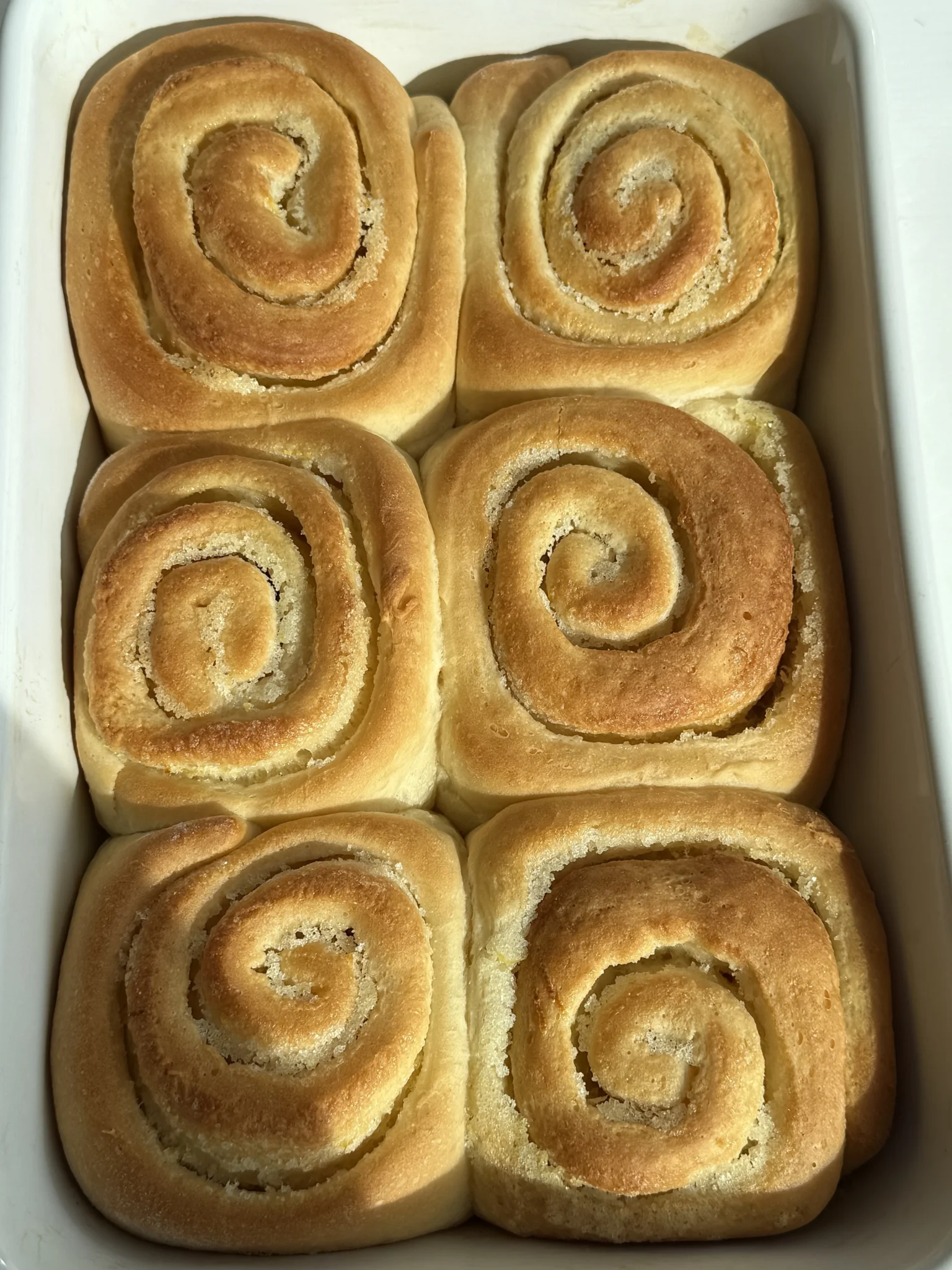
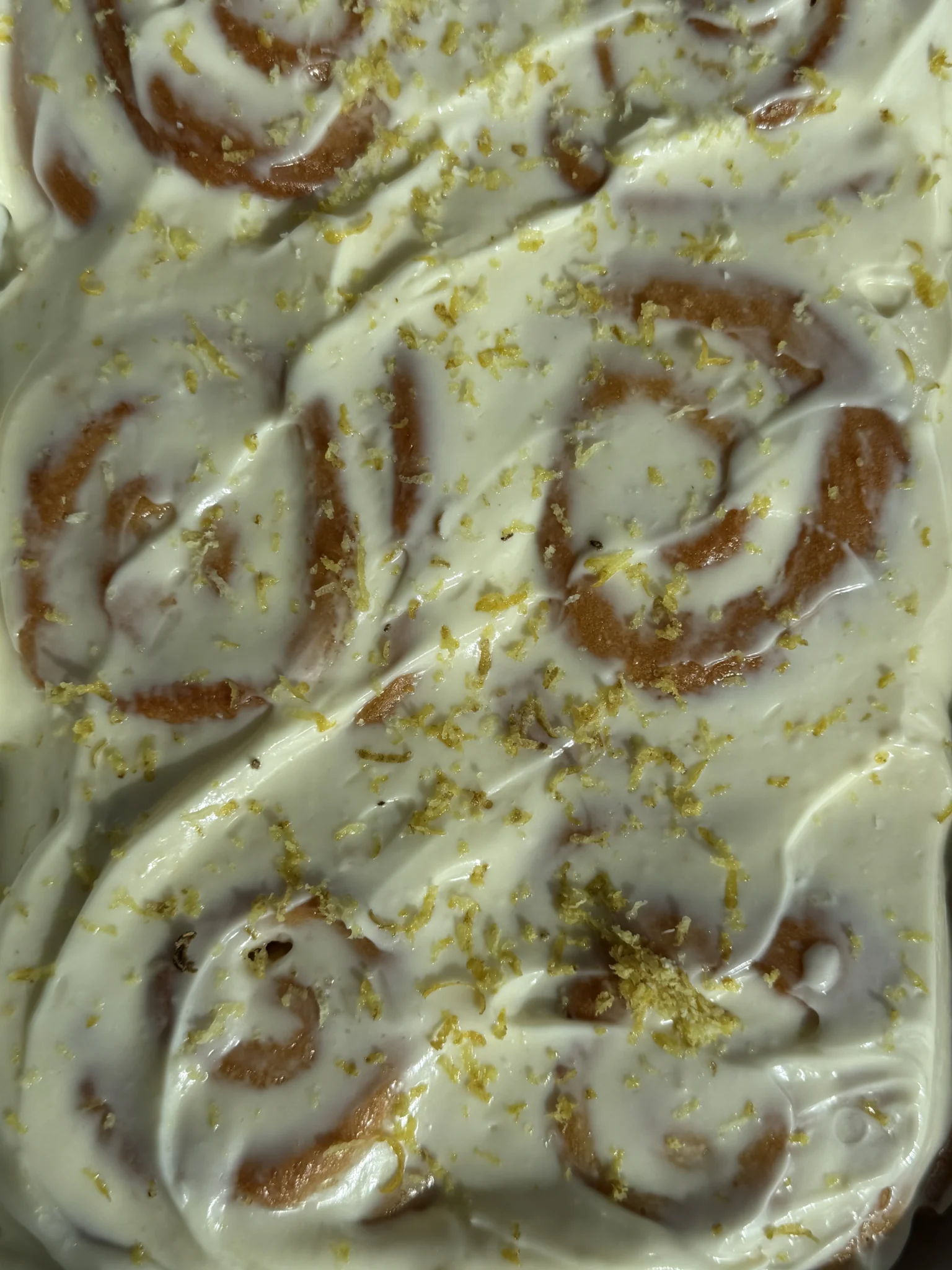
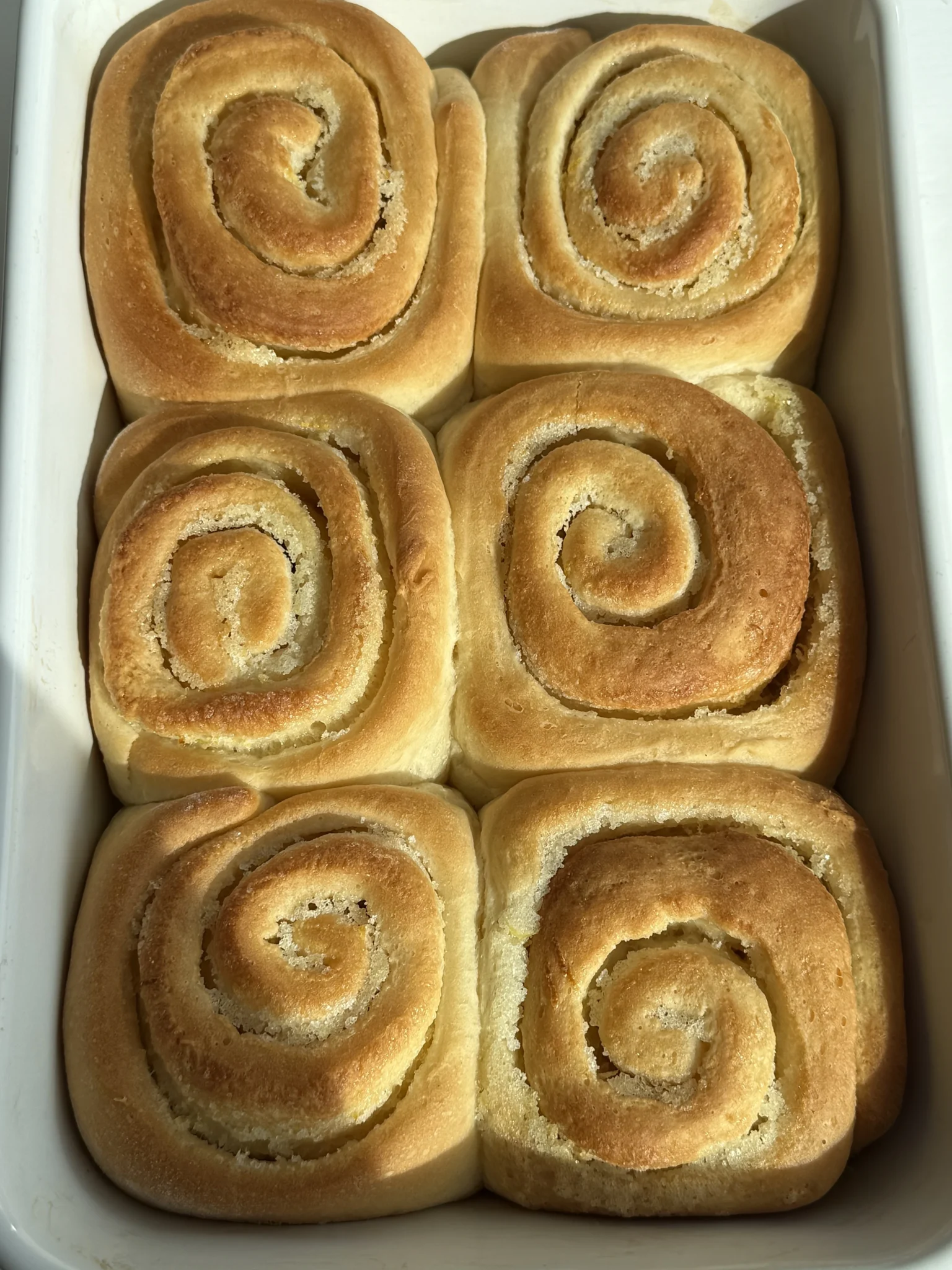
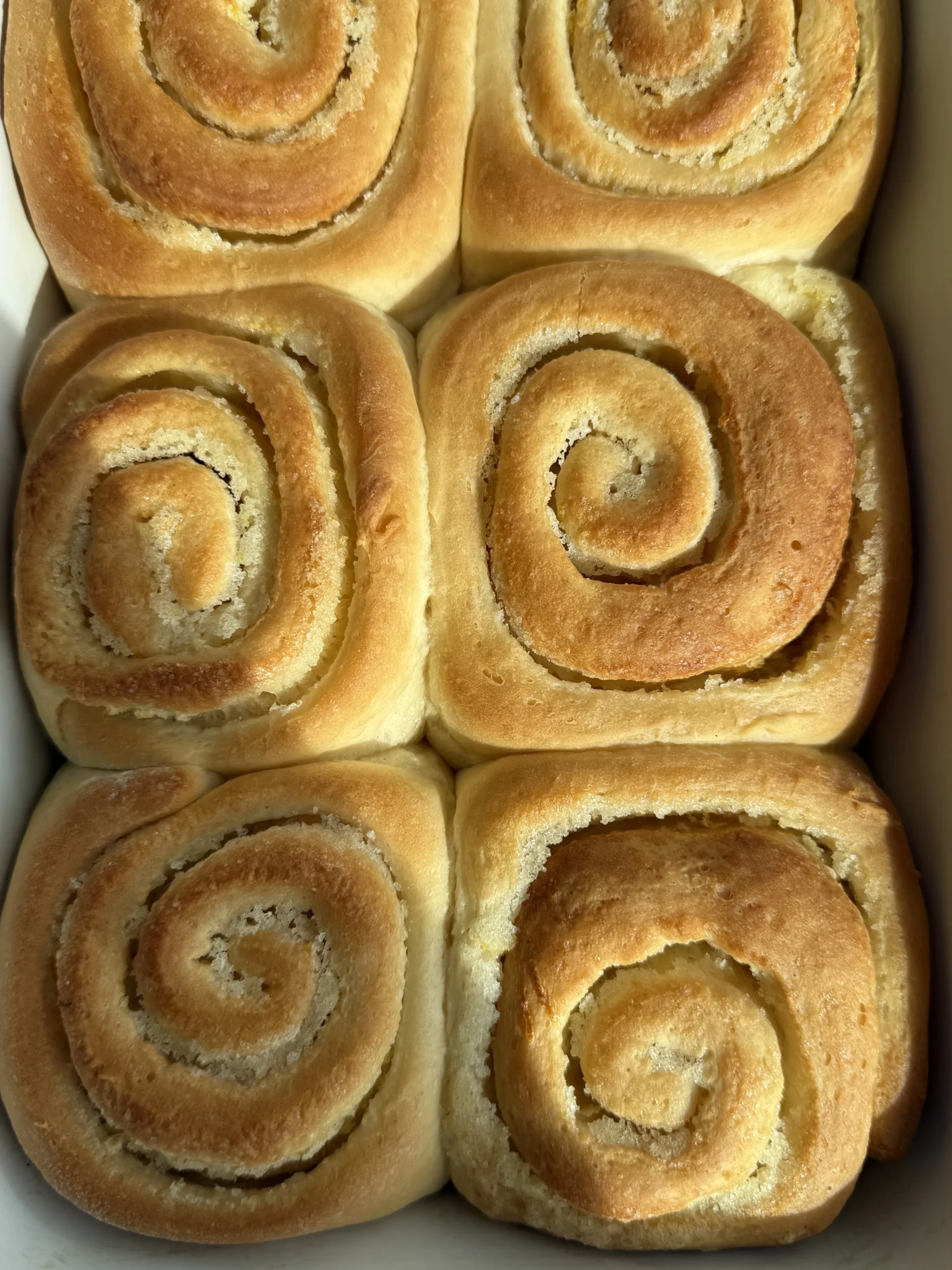
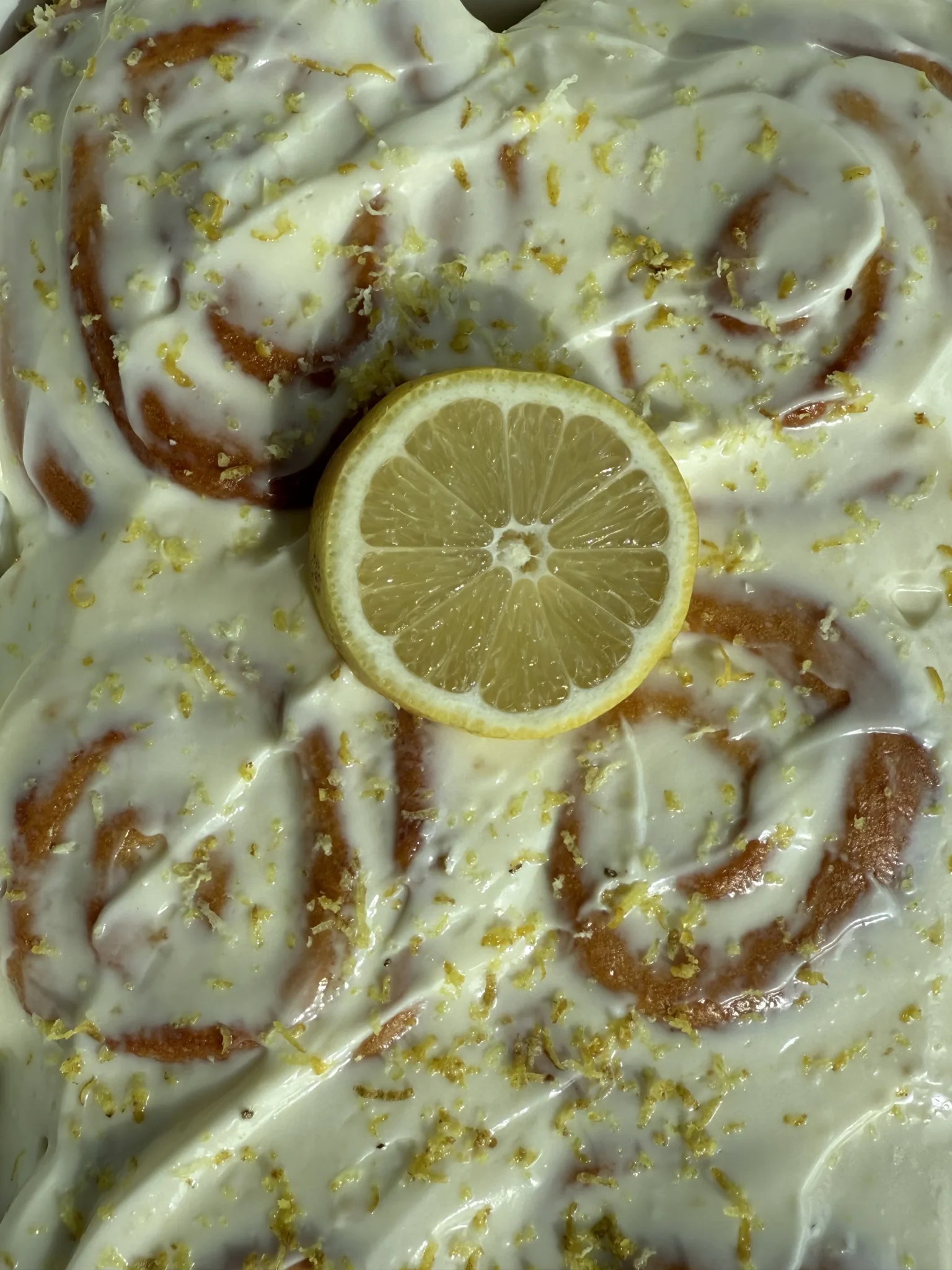
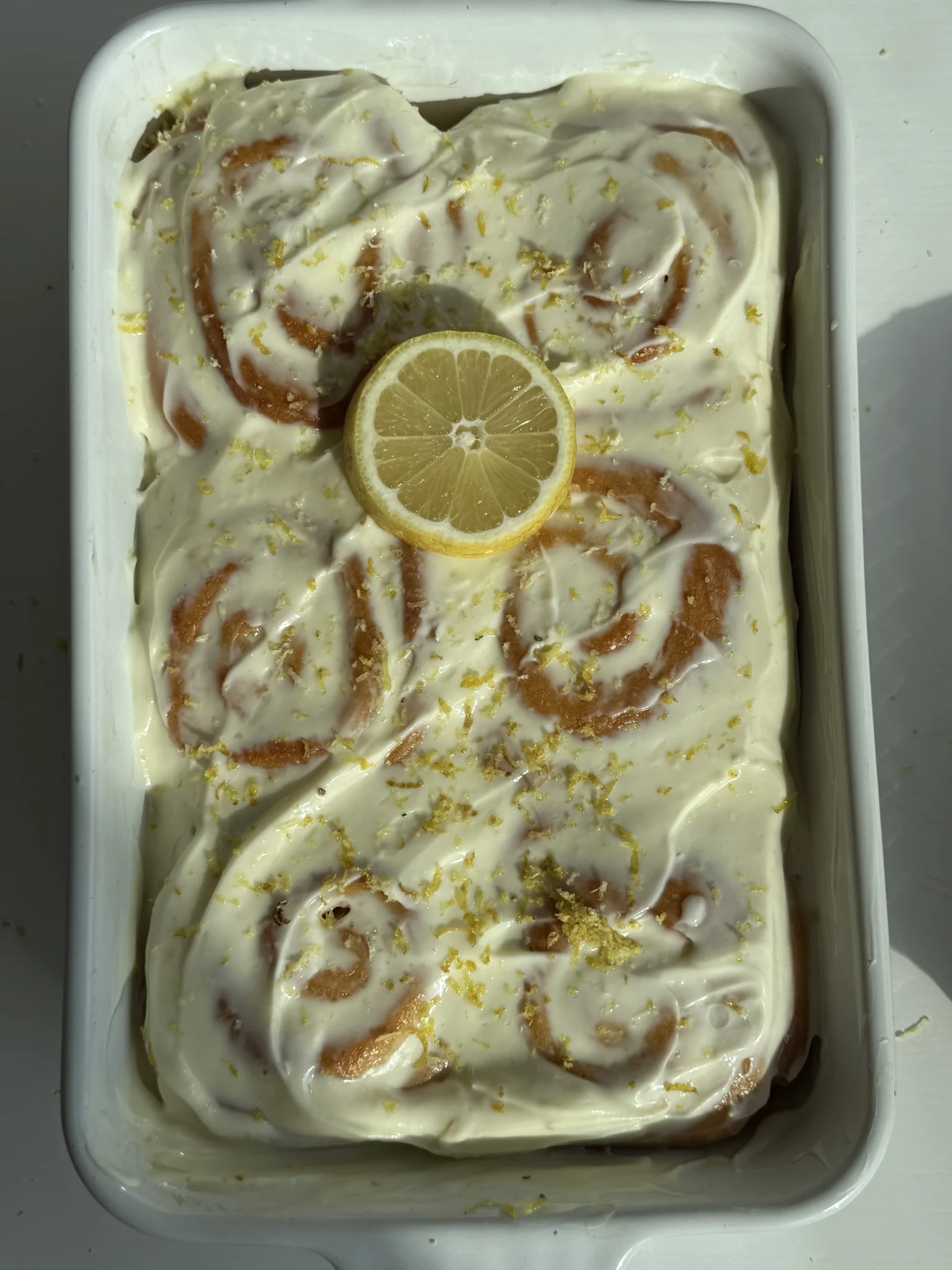
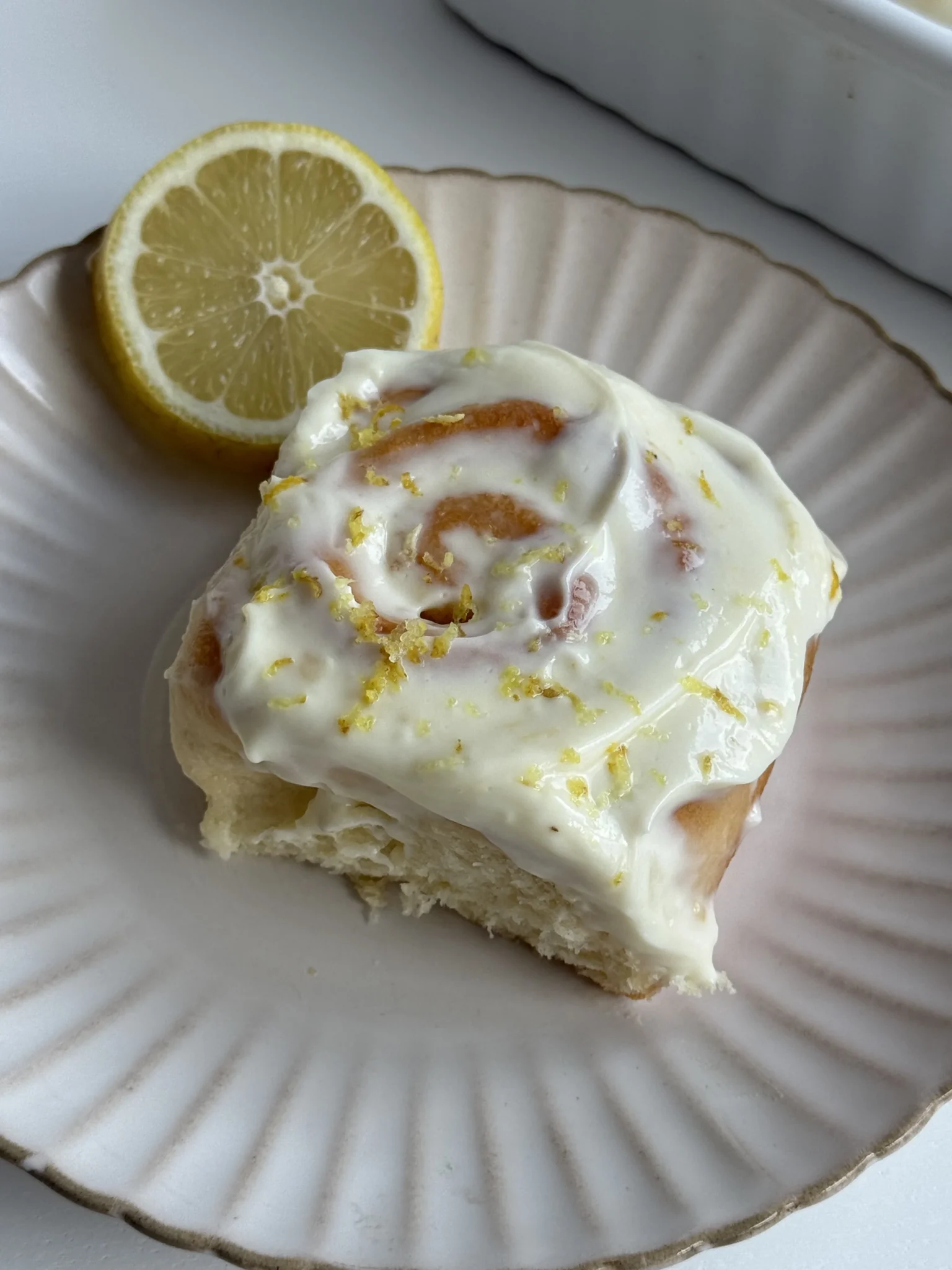
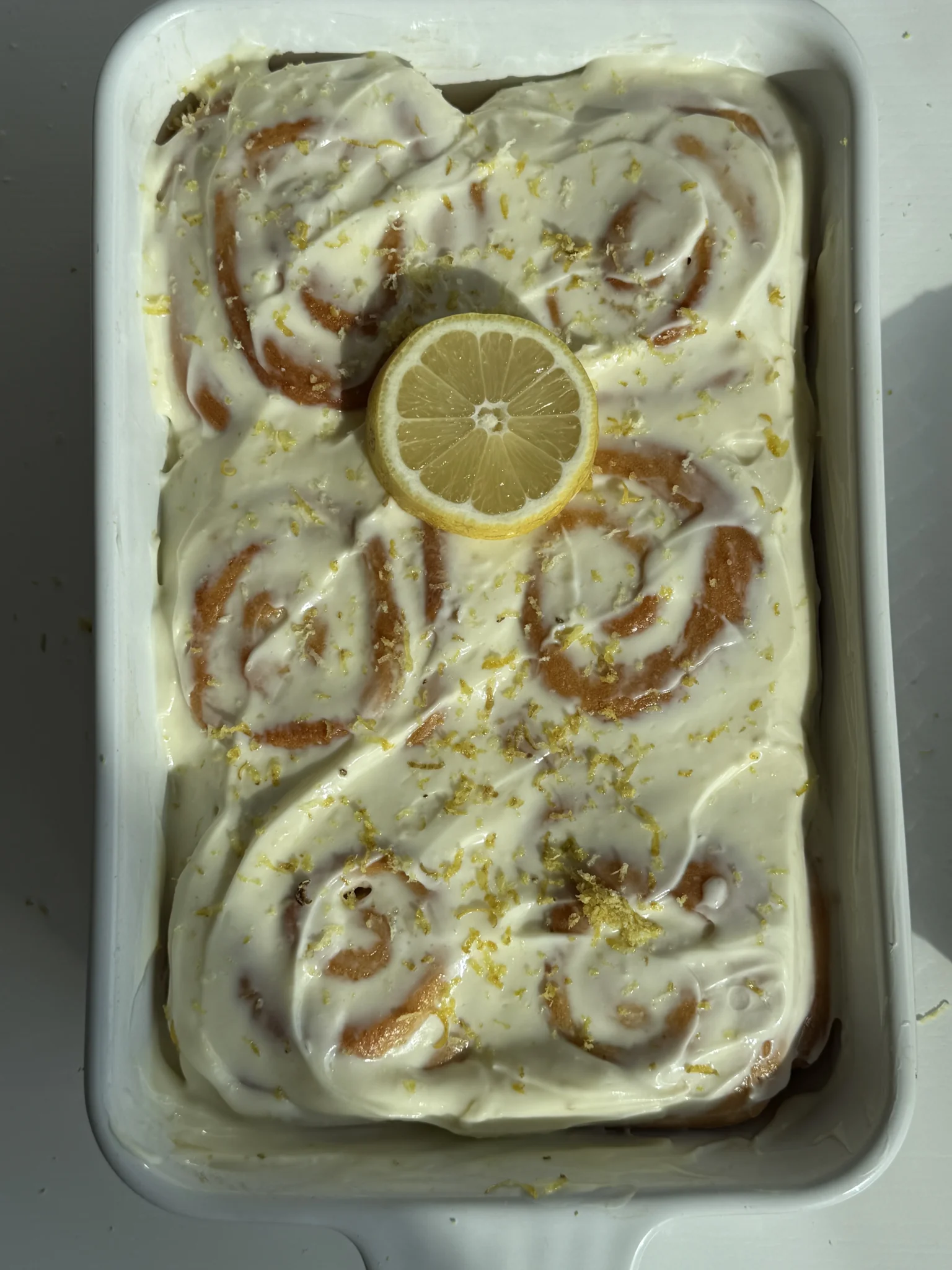
Bake the lemon cinnamon rolls for 25 to 30 minutes, until the tops are lightly golden. Do not overbake — you want the centers to remain soft and just set. While they bake, prepare the frosting by beating together 4 ounces of room-temperature cream cheese, 1/4 cup of softened butter, 1 and 1/2 cups of powdered sugar, 1/4 cup of milk, 1 tablespoon of lemon zest, and 2 tablespoons of fresh lemon juice until smooth and creamy. Spread the frosting over the warm rolls immediately after they come out of the oven.
Professional Tips for Perfect Results
Tip 1: Do Not Overflour the Dough
The most common mistake with lemon cinnamon rolls is adding too much flour during kneading. The dough should feel slightly tacky — if it does not stick to your hands at all, you have likely added too much flour. A drier dough produces denser, less tender rolls. Resist the urge to add flour every time the dough sticks; instead, use a bench scraper to work with it and only add a tablespoon at a time, waiting to see if the stickiness resolves with continued kneading.
Tip 2: Roll Tightly for Clean Layers
When rolling the dough into a log, apply even pressure along the entire length and pull the dough slightly toward you as you roll. This creates a tighter spiral, which means your lemon cinnamon rolls will have those beautiful, defined layers when sliced and baked.
Tip 3: Use Dental Floss to Slice
A sharp knife can compress the soft dough and produce uneven, lopsided rolls. Unscented dental floss gives you a clean, precise cut every time. Slide a length of floss under the log, cross the ends over the top, and pull firmly. The rolls will maintain their round shape and even height.
Tip 4: Do Not Skip the Second Rise
After cutting and placing the rolls in the pan, the second rise (sometimes called the proof) is essential. This is when the rolls expand into their pan-ready size and develop an airy, open crumb structure. Skipping or shortening this step results in dense, compact lemon cinnamon rolls that lack that pillowy quality.
Tip 5: Frost While Warm
Spread the cream cheese frosting over the lemon cinnamon rolls while they are still warm, not piping hot. The gentle heat allows the frosting to melt slightly into the crevices, creating that indulgent, bakery-style finish. If you wait until they are completely cool, the frosting will sit on top rather than seeping in.
If you enjoy experimenting with other creative bread and roll formats, my Cinnamon Roll Focaccia is another recipe that uses a similarly satisfying yeast dough and produces spectacular results with very little hands-on effort.
Common Mistakes to Avoid
Using Milk That Is Too Hot
Heating milk beyond 120°F will kill the yeast before it has a chance to leaven the dough. Always test the temperature with a thermometer or use the wrist test. If you accidentally overheat the milk, let it cool to the correct range before adding the yeast.
Skipping the Lemon Zest Rub
Simply mixing lemon zest into the sugar without rubbing it in is a missed opportunity. The rubbing step is what releases the essential oils and creates a truly aromatic, deeply flavored filling. Spend an extra 60 seconds on this step and you will taste the difference.
Overbaking
Lemon cinnamon rolls continue to cook slightly from residual heat after they come out of the oven. Pull them when the tops are a light golden color — if you wait for a deep golden-brown, the centers will be dry by the time you serve them. A digital thermometer inserted into the center of a roll should read around 190°F when done.
Using Cold Cream Cheese in the Frosting
Cold cream cheese will not blend smoothly and will leave lumps in your frosting no matter how long you beat it. Always allow the cream cheese and butter to reach room temperature before making the frosting.
Underpowered Frosting Flavor
The frosting should taste distinctly lemony, not just sweet. If your frosting tastes flat, add the lemon juice and zest gradually, tasting as you go. The acidity of the lemon juice also helps cut through the richness of the cream cheese and butter, keeping the overall flavor bright and well-balanced.
Variations to Try
Lemon Blueberry Cinnamon Rolls
Scatter 3/4 cup of fresh blueberries over the lemon sugar filling before rolling up the dough. The berries burst during baking, releasing their jammy juices into the layers and creating a gorgeous purple-tinted filling. Pair this variation with a plain cream cheese frosting rather than a lemon one, so the blueberry flavor can shine.
If you enjoy this style of fruity, layered sweet bake, you might also love my PINK CLASSIC CINNAMON ROLLS, which use a similarly vibrant approach and work beautifully as a springtime treat.
Lemon Poppy Seed Rolls
Add 2 tablespoons of poppy seeds to the lemon sugar filling for a subtle crunch and a visual contrast against the pale, golden dough. This variation pairs beautifully with a lighter lemon glaze made from powdered sugar and lemon juice rather than the cream cheese frosting.
Overnight Lemon Cinnamon Rolls
To make lemon cinnamon rolls ahead of time, complete all the steps through cutting and placing the rolls in the pan, then cover tightly with plastic wrap and refrigerate overnight. The next morning, remove them from the refrigerator and let them sit at room temperature for 45 to 60 minutes before baking as directed. This method is ideal for holidays and weekend brunches when you want fresh rolls without a lengthy morning process.
For another equally impressive citrus-forward bake that pairs beautifully alongside lemon cinnamon rolls on a brunch spread, my THE BEST LEMON POUND CAKE delivers a moist, tender crumb with a bright lemon flavor that never fails to impress.
Storage and Reheating
Room Temperature
Freshly baked lemon cinnamon rolls can be stored at room temperature for up to two days if kept in an airtight container or covered tightly with plastic wrap. The cream cheese frosting is stable at room temperature for this duration, though the rolls are best enjoyed on the day they are baked when the texture is at its softest.
Refrigeration
For longer storage, transfer the rolls to an airtight container and refrigerate for up to four days. The cold environment will firm up the rolls slightly, so always reheat them before serving to restore their soft, pillowy texture.
Freezing
Lemon cinnamon rolls freeze exceptionally well. Allow them to cool completely after baking, then wrap each roll individually in plastic wrap before placing them in a freezer-safe bag or container. They will keep in the freezer for up to two months. You can freeze them with or without frosting — if freezing unfrosted, simply make a fresh batch of frosting when you are ready to serve.
Reheating
To reheat refrigerated or thawed frozen lemon cinnamon rolls, place them on a baking sheet, cover loosely with foil, and warm in a 300°F oven for 10 to 12 minutes. Alternatively, a single roll can be microwaved for 20 to 30 seconds. Avoid overheating in the microwave, as it can make the rolls rubbery and dry out the frosting.
Frequently Asked Questions
What makes lemon cinnamon rolls different from regular cinnamon rolls?
Lemon cinnamon rolls replace the traditional warm spice filling with a bright lemon sugar mixture made from fresh zest rubbed into granulated sugar. The frosting is also lemon-forward, typically using lemon juice and zest in a cream cheese base rather than a plain vanilla buttercream. The overall flavor profile is lighter, more citrusy, and refreshing compared to the deep, caramel-like warmth of traditional cinnamon rolls.
Can I make lemon cinnamon rolls the night before?
Yes, and it is one of the most popular ways to prepare them. After cutting the rolls and placing them in the pan, cover them tightly and refrigerate overnight. The next morning, let them sit at room temperature for about 45 to 60 minutes to take the chill off and allow the yeast to become active again before baking as directed. The results are just as soft and fluffy as same-day rolls.
What kind of frosting goes best on lemon cinnamon rolls?
Lemon cream cheese frosting is the classic choice and for good reason. The tanginess of cream cheese balances the sweetness of the powdered sugar, and the lemon juice and zest in the frosting reinforce the citrus flavor throughout every bite. If you prefer a lighter topping, a simple lemon glaze made from powdered sugar and fresh lemon juice is a lovely alternative that still delivers a bright, citrusy finish.
How do I know when my lemon cinnamon rolls are done baking?
Look for a light golden color on the tops and sides. The rolls should look set and not doughy at the center. The most reliable way is to use an instant-read thermometer — the internal temperature of a fully baked roll should be around 190°F. Remove them from the oven at this point and let residual heat do the rest of the work while you prepare the frosting.
Can I use lemon extract instead of fresh lemon zest?
Fresh lemon zest is strongly recommended over extract for this recipe. Zest contains the naturally occurring essential oils of the lemon peel, which produce a complex, aromatic flavor that extract cannot fully replicate. If you must use extract, start with 1/2 teaspoon and taste the filling before adding more — extract is significantly more concentrated and can quickly become overpowering in lemon cinnamon rolls.
Can I make smaller rolls from this recipe?
Absolutely. After rolling the dough into a log, simply slice it into 16 smaller rolls rather than 12. Reduce the baking time by approximately 5 minutes and check for doneness earlier. Smaller lemon cinnamon rolls are a lovely option for a party or brunch spread where you want bite-sized portions.
Watch the recipe video for more clarity!
See our similar recipes:
People also like these recipes:
Final Thoughts
Lemon cinnamon rolls are one of those recipes that genuinely earns a permanent place in your baking rotation. Every time I pull a pan of these from the oven and spread that lemony cream cheese frosting across the warm, golden swirls, I am reminded of why baking from scratch is always worth the effort. The process is meditative, the result is stunning, and the flavor is so much better than anything you could find in a store.
Whether you make these lemon cinnamon rolls for a slow weekend morning, a spring brunch, or just because your kitchen deserves to smell incredible today, the result will be the same — soft, bright, warm, and impossible to resist. I encourage you to trust the process, resist the urge to add too much flour, and give those rolls the full rise time they deserve. The patience pays off every single time.
If you try this recipe, I would love to hear how it went. Share your results, ask questions, and do not hesitate to make it your own with one of the variations above. These lemon cinnamon rolls are as forgiving as they are delicious, and I am confident they will become a favorite in your home just as they have in mine.
Dough:
- 585 g all-purpose flour
- 70 g sugar
- 1 packet yeast
- 1 tsp salt
- 360 ml milk
- 85 g butter softened
- 1 egg
Filling:
- 1 cup sugar
- 1 tbsp lemon zest
- ¼ tsp salt
- 113 g butter
Frosting:
- 4 oz cream cheese
- ¼ cup butter
- 1½ cups powdered sugar
- ¼ cup milk
- 1 tbsp lemon zest
- 2 tbsp lemon juice
Mix dry ingredients.
Add warm milk, butter, and egg.
Add remaining flour and form dough.
Knead until smooth.
Let rise 1 hour.
Roll out dough.
Add butter and lemon sugar filling.
Roll and slice.
Let rise again.
Bake at 350°F (175°C) for 25–30 minutes.
Make frosting and spread on warm rolls.
If you've given this recipe a try and it won you over, please share your thoughts by leaving
a rating and comment below! If you have any questions about this recipe, don't hesitate to ask – I'm here to
help and will respond promptly.