Ingredients
Method
- Marinate chicken.
- Cook pasta and reserve water.
- Cook chicken.
- Make sauce with butter and flour.
- Add cream and seasonings.
- Add cheese.
- Add lemon.
- Add pasta and pasta water.
- Add chicken and toss.
- Serve immediately.
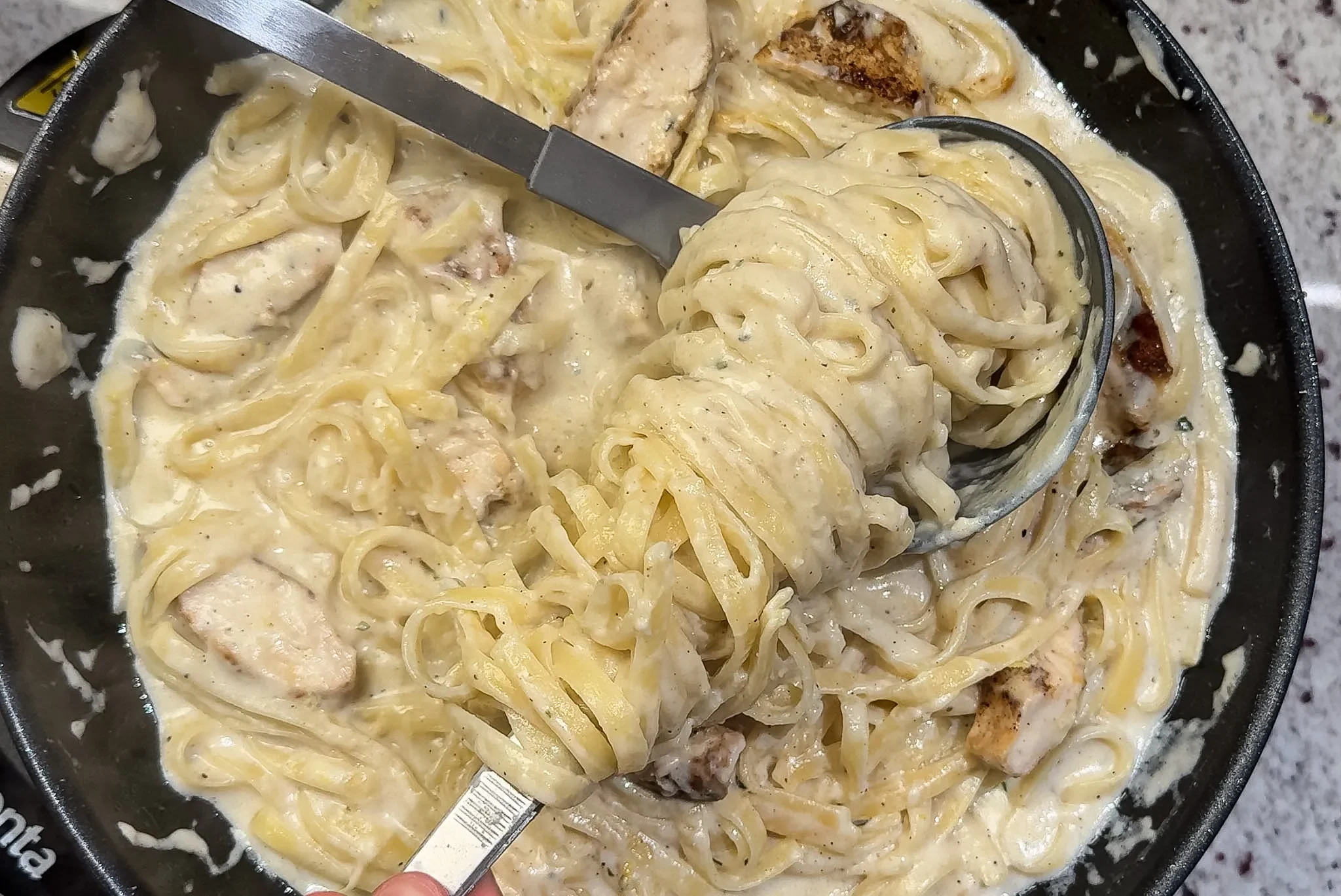
Lemon chicken alfredo is the pasta dish that proves you do not need to choose between indulgence and freshness. If you have ever found traditional Alfredo a little too heavy to finish — too rich, too flat, too one-note after the third bite — this recipe is the answer to that problem. The addition of lemon zest and juice to a classic creamy Parmesan sauce completely transforms the experience: the richness stays, the silkiness stays, but suddenly the dish feels alive. Bright, layered, and genuinely exciting from first bite to last.
And the chicken — seasoned with smoked paprika and garlic powder, seared until golden — takes it from a pasta side into a complete, satisfying dinner. If you already love quick weeknight pasta and want to see how this dish fits alongside another fast classic, the 10 MINUTE FETTUCCINE ALFREDO is a great comparison point for how lemon changes the entire flavor profile.
The problem with most homemade Alfredo is that it peaks on the first bite. The cream and Parmesan deliver immediate richness, but without anything to balance that weight, the dish flattens quickly. Restaurants manage this with technique — building the sauce in stages, using excellent quality dairy, finishing tableside. This lemon chicken alfredo uses the same principles but adds something traditional Alfredo lacks entirely: a citrus element that resets your palate with every forkful and keeps you wanting more.
The lemon in this recipe does two distinct things. The zest provides aromatic brightness — volatile citrus oils that you smell before you even taste. The juice provides acidity — a functional flavor counterweight that cuts through the fat in the cream and Parmesan and prevents the sauce from feeling cloying. Used together, zest and juice create a sauce that still reads as fully creamy Alfredo but finishes clean and light. This is the detail that elevates lemon chicken alfredo above every version you have tried before.
The smoked paprika on the chicken is the second transformation. Most chicken Alfredo recipes use plainly seasoned chicken that essentially disappears into the sauce. Smoked paprika gives the chicken a subtle, complex backdrop — a slight earthiness and gentle smoke that makes each piece interesting to eat on its own, not just as a vehicle for the sauce.
This lemon chicken alfredo uses a relatively short ingredient list, but every item earns its place. Chicken breast, cut into even pieces, provides the protein and absorbs the marinade seasoning deeply when given time to rest. Smoked paprika contributes color and depth to the sear. Garlic powder in the marinade layers garlic flavor into the chicken itself, distinct from the fresh garlic impact in the sauce. Butter forms the base of the sauce and contributes the richness that makes Alfredo satisfying. The flour roux stabilizes the sauce and prevents it from breaking when the cream is added.
Heavy cream is the non-negotiable heart of lemon chicken alfredo — not half-and-half, not milk. Heavy cream has enough fat content to stay stable when lemon juice is introduced. Lower-fat dairy is much more likely to curdle when acidic ingredients are added, which is why substitution here produces unpredictable results. Freshly grated Parmesan is equally non-negotiable: the anti-caking coating on pre-shredded Parmesan prevents it from melting smoothly into the sauce, creating a grainy texture that ruins the dish.
Lemon zest and fresh lemon juice should both come from the same fresh lemon — bottled lemon juice lacks the aromatic compounds that make the brightness work. The reserved pasta water is the finishing tool that transforms a thick sauce into something perfectly silky and coating. If you enjoy creamy pasta with bold aromatics, the Shrimp Scampi Linguine is another recipe worth exploring that uses similar sauce-building principles.
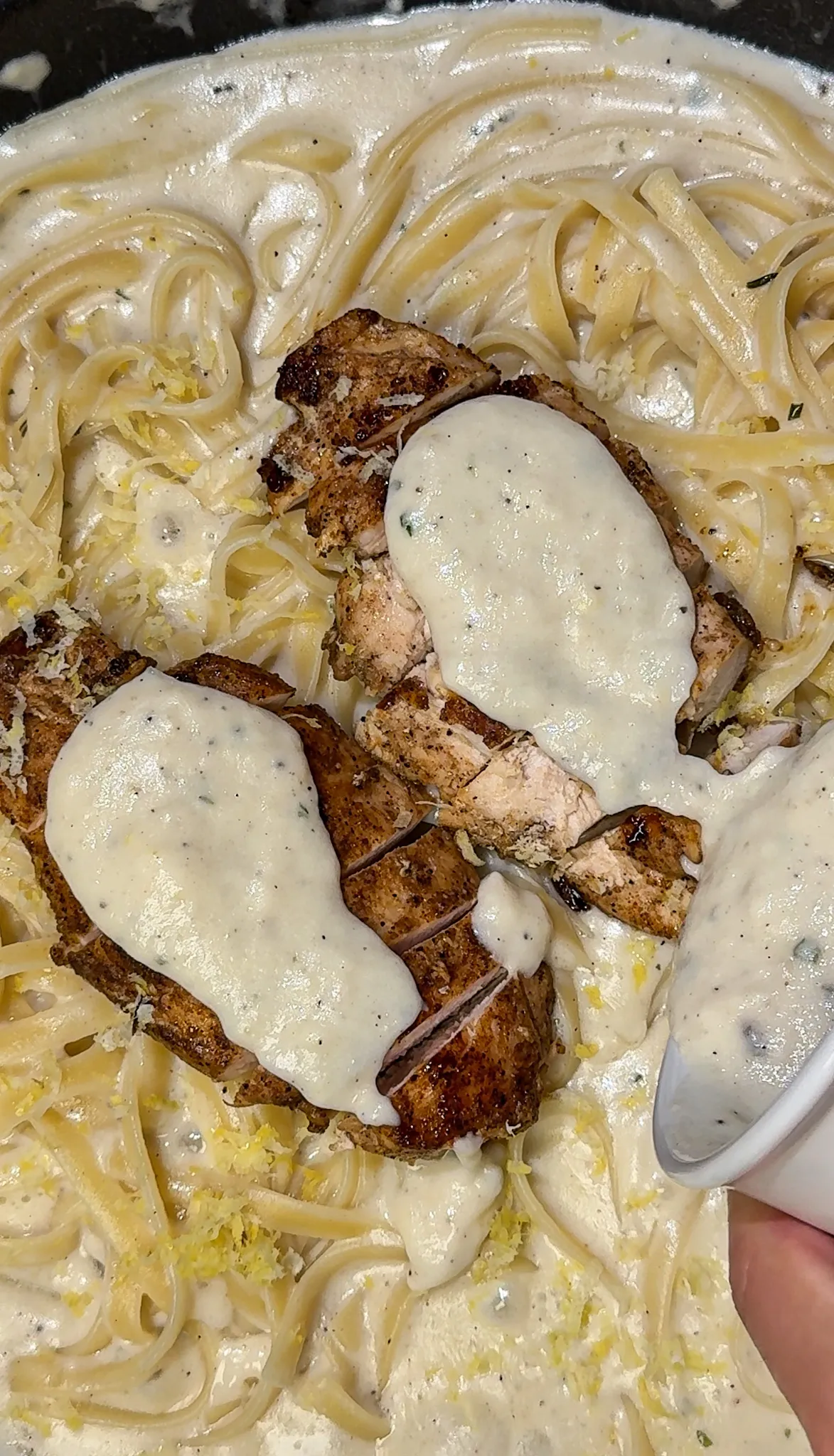
Cream sauces curdle when proteins denature — a process accelerated by acid and heat. Heavy cream’s high fat content (at least 36 percent) creates a barrier that insulates the proteins from sudden acidic shock. This is why heavy cream can accept lemon juice without breaking, while milk or half-and-half often cannot. The key additional safeguard is temperature control: add the lemon juice off the heat or over very low heat, and stir continuously so the acid is diluted into the sauce gradually rather than introduced as a sudden concentrated dose.
Pasta water contains dissolved starch from the cooking pasta. This starch acts as an emulsifier — it bridges the fat molecules in the cream sauce and the water molecules naturally present in the sauce, creating a stable, glossy, clingy texture that cannot be achieved with plain water. In Italian pasta cooking, pasta water is used exactly this way: added in small splashes to tighten or loosen a sauce while simultaneously helping it adhere to the pasta.
In lemon chicken alfredo, it is the tool that converts a thick, potentially heavy sauce into one that flows beautifully and coats every strand of fettuccine evenly.
When chicken breast is seared over high heat, the muscle fibers contract and drive moisture toward the center of the meat. If you slice into it immediately, that moisture flows out and the chicken turns dry and rubbery on the plate. Resting the chicken — even just five minutes, loosely covered — allows the fibers to relax and reabsorb that moisture evenly throughout the meat. The result is chicken that stays juicy when sliced and added to the pasta rather than drying out while it sits waiting.
Chicken breast works best here because its mild flavor lets the lemony, garlicky sauce take center stage. For the most even sear, slice the breast in half lengthwise to create two thinner cutlets before marinating — this ensures the center cooks through before the outside overcooks and dries. Chicken thighs are a valid alternative and will be more forgiving if slightly overcooked, producing a richer, juicier result, though the extra fat can make the overall dish slightly heavier.
Fettuccine is the classic pairing for lemon chicken alfredo and for good reason: the wide, flat shape provides maximum surface area for sauce adhesion. Every strand gets fully coated. Linguine is an excellent alternative with a slightly firmer bite. Avoid short pasta shapes like penne or rigatoni — they trap sauce inside rather than wearing it on the outside, which changes the balance of pasta to sauce per bite. Cook the pasta to al dente — it will continue softening slightly when tossed in the hot sauce.
Buy a wedge of genuine Parmigiano-Reggiano and grate it yourself on the fine holes of a box grater immediately before using. The difference in flavor between freshly grated and pre-packaged shredded Parmesan is significant — the aged, crystalline character of a quality wedge adds complexity that bagged Parmesan cannot replicate. More importantly, freshly grated Parmesan melts into the sauce completely, producing a smooth texture, while pre-shredded Parmesan clumps and grains.
Use unwaxed lemons when possible, since you are using the zest. Zest only the bright yellow outer layer — the white pith underneath is bitter and will make the sauce sharp rather than bright. The juice should be added last, off the heat, in a measured amount. Start with the juice of half a lemon, taste, and add more gradually. In my testing, a full lemon’s worth of zest plus the juice of half a lemon produces the ideal balance for this sauce without overwhelming the cream.
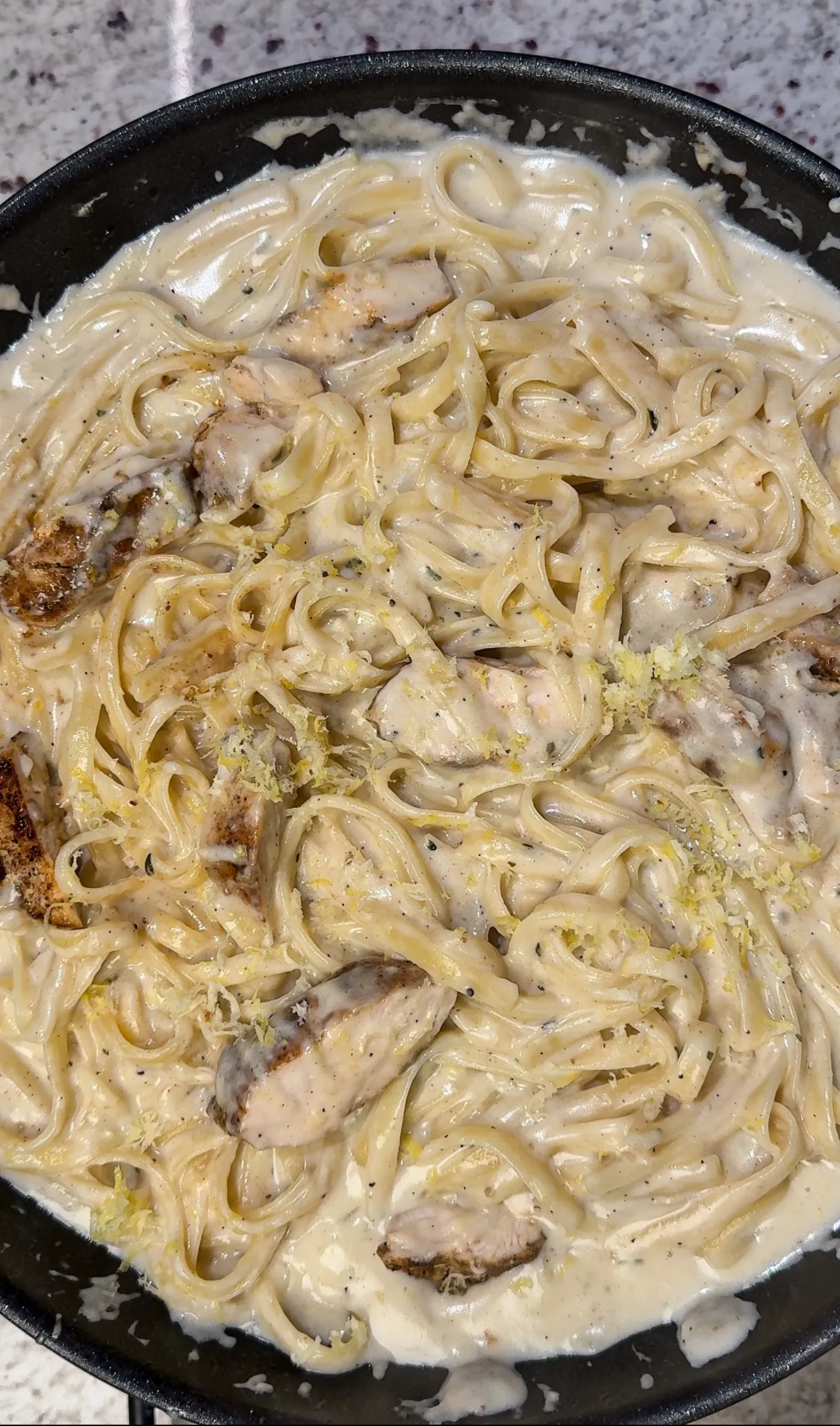
Pat the chicken breast completely dry with paper towels — this is the first step to a proper sear. Moisture on the surface of the chicken creates steam in the pan, which prevents browning. Slice the breast lengthwise into two even cutlets. In a bowl, combine salt, black pepper, garlic powder, and smoked paprika. Add a tablespoon of neutral oil and mix to create a loose paste.
Coat the chicken pieces thoroughly in this mixture, making sure the seasoning reaches all surfaces including the edges. Cover and refrigerate for 30 minutes. This marinating time allows the salt to draw slightly into the meat and the dry spices to bloom, producing chicken that is seasoned throughout rather than only on the surface.
Bring a large pot of water to a rolling boil. Salt it generously — the water should taste pleasantly seasoned, like a light broth. Add the fettuccine and cook according to package directions until al dente, typically 9 to 11 minutes for dried fettuccine. Before draining, use a ladle or measuring cup to reserve at least one full cup of the pasta cooking water. This water is essential for finishing the sauce. Drain the pasta and set aside. Do not rinse it — the surface starch helps the sauce cling.
Heat a tablespoon of neutral oil in a wide, heavy-bottomed skillet over medium-high heat until the oil just begins to shimmer. Add the marinated chicken cutlets and do not touch them for four to five minutes. Resist the urge to move or press them — undisturbed contact with the hot pan is what develops the golden-brown crust. Flip once and cook for another four minutes until cooked through to an internal temperature of 74 degrees Celsius (165 degrees Fahrenheit). Transfer to a cutting board and rest for five minutes, loosely covered with foil. Slice across the grain into strips.
Without cleaning the pan, reduce the heat to medium-low. Add the butter to the same pan — the browned bits from the chicken will melt into the sauce and add depth. Once the butter is fully melted and foaming, add the flour all at once and whisk vigorously for 30 to 40 seconds. This roux step cooks out the raw flour taste and creates the thickening structure for the sauce. Now pour in the heavy cream slowly, whisking continuously to prevent lumps. Add salt, black pepper, garlic powder, Italian seasoning, and dried parsley. Let the sauce simmer gently over medium-low heat for three to four minutes, stirring frequently, until it thickens slightly and coats the back of a spoon.
Reduce the heat to low. Add the freshly grated Parmesan in two additions, stirring completely between each addition until fully melted and smooth. Remove the pan from the heat before adding the lemon zest and lemon juice — this is the critical step that prevents the acid from curdling the cream. Stir the lemon into the sauce off the heat. Taste and adjust seasoning.
Add the cooked fettuccine to the sauce and toss gently, adding reserved pasta water a few tablespoons at a time until the sauce loosens to a consistency that flows and coats every strand without pooling at the bottom. Arrange the sliced chicken on top or toss it through the pasta. Simmer everything together over the lowest heat for one to two minutes. Serve immediately.
This is the single most important technique in lemon chicken alfredo. Heavy cream, while stable, becomes vulnerable to curdling when both heat and acid are present simultaneously at high intensity. Removing the pan from the flame before adding the lemon juice eliminates this risk entirely. The residual heat in the sauce is more than sufficient to incorporate the lemon — you do not need the burner on.
Stir constantly for the first minute after adding it, and the sauce will remain perfectly smooth. For another example of a pasta dish where careful sauce finishing makes all the difference, the CREAMY CAJUN STEAK PASTA demonstrates similar technique principles in a bolder spice profile.
Pre-grated Parmesan is coated with cellulose or potato starch to prevent clumping in the package. These coatings prevent the cheese from melting into the sauce properly, leaving visible clumps and a grainy mouthfeel in the finished lemon chicken alfredo. If you have ever made Alfredo that turned gritty or separated, this was almost certainly the reason. A wedge of Parmigiano-Reggiano grated on the fine side of a box grater immediately before it goes into the sauce melts completely and creates a seamlessly smooth result.
Do not clean the skillet between cooking the chicken and making the sauce. The browned bits left on the pan surface — called fond — are concentrated flavor. When the butter melts over them, they dissolve and integrate into the sauce, adding a savory depth that a clean pan simply cannot produce. This is a fundamental technique in restaurant cooking and one of the easiest ways to elevate a home-cooked lemon chicken alfredo to genuinely professional quality.
The pasta water step separates good lemon chicken alfredo from great lemon chicken alfredo. Add it in small splashes — two to three tablespoons at a time — tossing the pasta continuously between additions. You are looking for a sauce that flows and coats the pasta rather than sitting in a thick puddle at the bottom. This may take four or five additions of pasta water.
Reserve the full cup so you have enough to work with, and stop adding when the consistency feels right. The sauce will thicken slightly as it cools, so err slightly on the looser side when serving. If you enjoy pasta with a bright, garlic-forward character, the Chili Onion Burrata Pasta offers a completely different but equally compelling approach to building a creamy sauce.
Five minutes of resting on the cutting board, loosely tented with foil, makes the difference between juicy chicken and dry chicken in lemon chicken alfredo. Set a timer. Use those five minutes to finish the sauce. Do not skip this step in the rush to plate — it costs you nothing and rewards you with noticeably better texture.
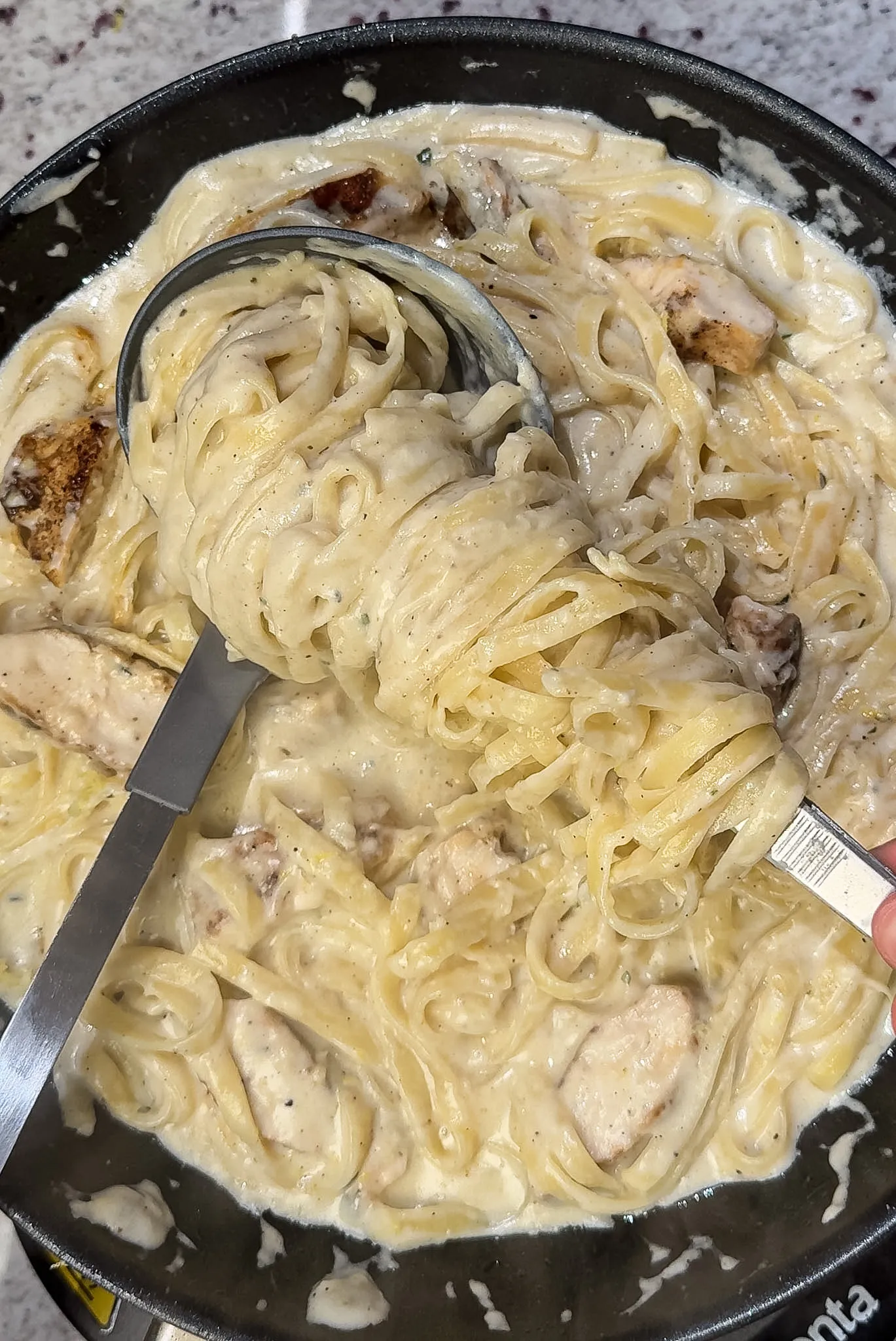
Chicken breast overcooks quickly because it is low in fat. The moment the internal temperature reaches 74 degrees Celsius, remove it from the pan. Carry-over cooking during the five-minute rest will bring it to the perfect final temperature without drying it out. An instant-read thermometer removes all guesswork and is the most reliable investment for chicken dishes.
High heat causes the cream to reduce too rapidly, concentrating the solids and creating a thick, lumpy sauce rather than a smooth one. It also makes Parmesan more likely to seize rather than melt. The Alfredo sauce stage of this lemon chicken alfredo should happen entirely over medium-low to low heat. Patience here is rewarded with a sauce of genuinely restaurant quality.
Lemon juice is an assertive flavor and a small amount of acid goes a long way in a cream sauce. Add the juice of half a lemon first, taste the sauce after stirring, and then decide whether you want more brightness. A small additional squeeze can be added at the table for individual adjustment. The goal is a sauce where lemon is clearly present and balancing but not dominant — it should enhance the Parmesan and cream, not overpower them.
This is the step most home cooks omit, and it is why homemade Alfredo rarely matches the restaurant version. Plain water added to thin a sauce simply dilutes it — it reduces the flavor and disrupts the emulsion. Starchy pasta water adds body while simultaneously loosening the sauce, making it silkier and more cohesive. Reserve it before you drain the pasta, because there is no substitute once it is gone. For another great pasta dinner to master after you have perfected lemon chicken alfredo, the Marry Me Chicken Lasagna builds on similar chicken-and-cream flavor principles in a baked format.
Wilt two large handfuls of baby spinach into the sauce just before adding the pasta. Stir it in after the Parmesan has melted and the pan is back on the lowest heat. The spinach softens in about 60 seconds, adds a mild earthiness that complements the lemon, and turns the dish into a complete one-pan meal with greens included. It also makes the presentation more visually striking with the dark green against the pale cream sauce.
Slice 250 grams of cremini mushrooms and sauté them in the same pan before building the sauce — cook until golden and all their moisture has evaporated, about eight minutes. Remove them, build the sauce as directed, and then stir the mushrooms back in along with the pasta. Mushrooms add an umami depth and meaty texture that makes this version feel even more substantial. The earthiness of the mushrooms pairs exceptionally well with the lemon and Parmesan.
Season the chicken with a tablespoon of Cajun seasoning instead of just smoked paprika. The Cajun spice blend adds heat, herbaceous notes, and complexity that contrasts beautifully with the cool citrus brightness in the sauce. This variation is bolder and more assertive — a great choice when you want comfort food with a kick. Reduce the black pepper in the sauce slightly to account for the extra heat from the seasoning.
Swap heavy cream for a combination of half chicken stock and half crème fraîche. The stock reduces down and adds savory depth, while the crème fraîche contributes creaminess with naturally higher acidity — which means the lemon component can be slightly reduced. This version is noticeably lighter in both flavor and calories while still producing a satisfying, cohesive sauce that coats the pasta properly.
Lemon chicken alfredo is at its best eaten immediately. Like all cream-based pasta dishes, it begins to absorb into the pasta and thicken as it sits at room temperature. Serve it directly from the pan into warm bowls for the best possible experience.
Store leftovers in an airtight container in the refrigerator for up to two days. The sauce will thicken considerably as it chills, which is expected — the reheating process restores its consistency. Always refrigerate the chicken and pasta together to prevent the chicken from drying out separately.
Cream-based pasta sauces do not freeze well. The emulsion breaks upon thawing, and the Parmesan can become grainy and separated. If you want to freeze components for convenience, freeze only the cooked seasoned chicken, not the assembled dish. Make the sauce fresh when you reheat.
Reheating lemon chicken alfredo properly requires low heat and added liquid. Transfer the refrigerated pasta to a saucepan over medium-low heat. Add two to three tablespoons of heavy cream or whole milk per serving and stir gently as it heats. The cream re-emulsifies the sauce and restores its silky consistency. Do not reheat over high heat — it will cause the sauce to separate and the chicken to toughen. Stir continuously and remove from heat as soon as everything is warmed through. A splash of fresh lemon juice added after reheating revives the brightness that fades slightly during refrigeration.
Grainy Alfredo sauce has two common causes: pre-shredded Parmesan added while the sauce was still on high heat, or overheating after the cheese was incorporated. Always grate Parmesan fresh from a block, reduce the heat to low before adding it, and remove the pan from the heat the moment the cheese has melted and the sauce looks smooth. Adding the cheese in two smaller portions rather than all at once also helps ensure it melts evenly without seizing.
Milk is not a reliable substitute in lemon chicken alfredo. The acid in the lemon juice is very likely to curdle milk or low-fat cream alternatives because they lack the fat content that stabilizes heavy cream against acid. If you want a lighter version, use a combination of half chicken stock and half crème fraîche instead — the higher fat and acid content of crème fraîche makes it significantly more stable than regular milk while still lightening the dish considerably.
Fettuccine is the traditional choice and the best for this recipe because its wide, flat surface provides maximum sauce adhesion. Linguine is an excellent alternative. Pappardelle works beautifully if you want a more rustic, restaurant-style presentation. Avoid short pasta shapes — the sauce to pasta ratio per bite is better with long pasta, and the clinginess of the sauce is more dramatic and satisfying with flat noodles.
Reserve at least one full cup of pasta water before draining the pasta and use it gradually when tossing the pasta into the sauce. Add it two to three tablespoons at a time, tossing between additions, until the sauce moves fluidly and coats the pasta without sitting at the bottom. The sauce will continue to thicken slightly as it cools, so err slightly toward a looser consistency when plating. If the sauce thickens too much while serving, a small splash of pasta water or warm cream stirred in off the heat will restore it instantly.
Reheat over medium-low heat in a saucepan with two to three tablespoons of heavy cream or whole milk per portion. Stir continuously and keep the heat low — high heat dries out the chicken and breaks the sauce. The whole process should take about three to four minutes. Add a small fresh squeeze of lemon juice after reheating to restore the brightness that dulls slightly during refrigeration.
The components can be prepped ahead but the dish is best assembled and served fresh. Cook the chicken up to one day ahead and refrigerate it sliced. Make the sauce up to two hours ahead and keep it warm on the lowest setting, adding a splash of cream if it thickens. Cook the pasta fresh when ready to serve — pasta absorbs sauce rapidly when left to sit. Combine everything at the last moment for the best texture and flavor.
Watch the recipe video for more clarity!
See our similar recipes:
People also like these recipes:
Lemon chicken alfredo earns its reputation as one of the most requested pasta dishes in any home kitchen precisely because it delivers everything at once — richness, brightness, satisfying protein, and a sauce so silky it feels like it came from a professional kitchen. Once you understand why the lemon goes in off the heat, why the pasta water is essential, and why freshly grated Parmesan is non-negotiable, this recipe becomes genuinely foolproof. The techniques are simple; they just require knowing why each step matters.
What makes this version of lemon chicken alfredo worth coming back to is that balance. Most cream pasta dishes peak on the first bite and become monotonous quickly. The lemon element here — the zest providing aromatic brightness, the juice cutting the fat — means every subsequent forkful is as interesting as the first. It is a pasta that you actually finish, and then wish you had made a larger portion.
Whether this becomes your weeknight go-to or your dinner party centerpiece, lemon chicken alfredo belongs in your permanent rotation. Make it once with the techniques exactly as described, taste the difference that proper execution produces, and you will understand immediately why restaurant-quality pasta is entirely achievable at home with the right knowledge and a little patience.

If you've given this recipe a try and it won you over, please share your thoughts by leaving a rating and comment below! If you have any questions about this recipe, don't hesitate to ask – I'm here to help and will respond promptly.