Introduction
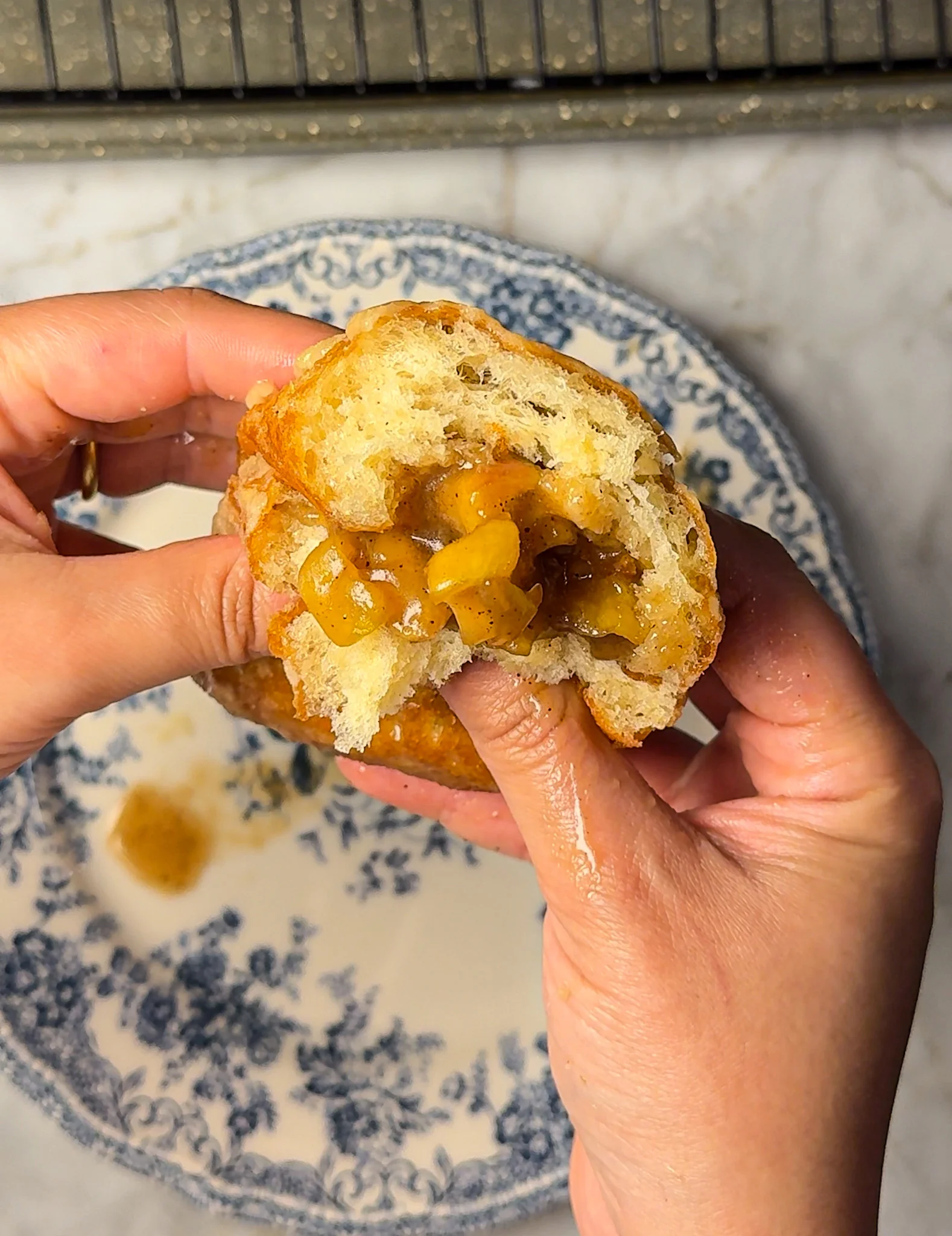
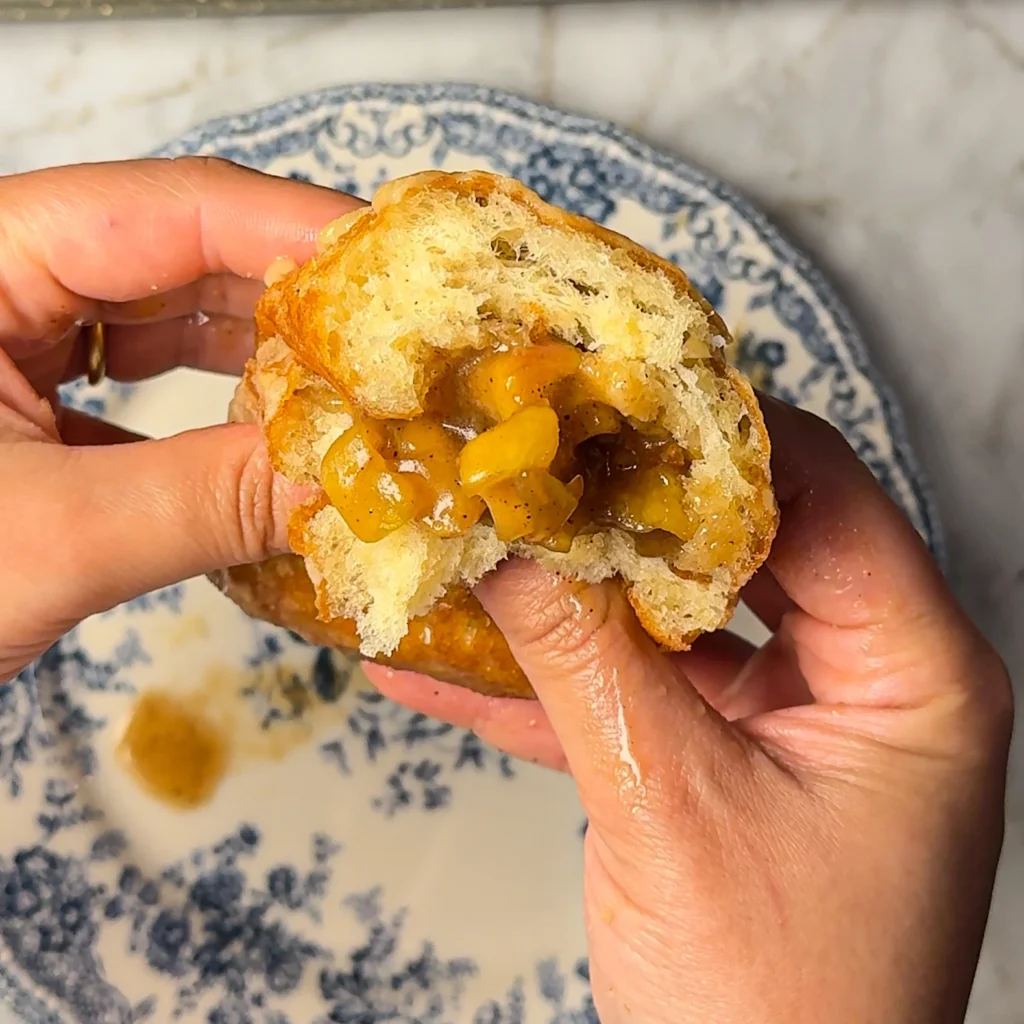
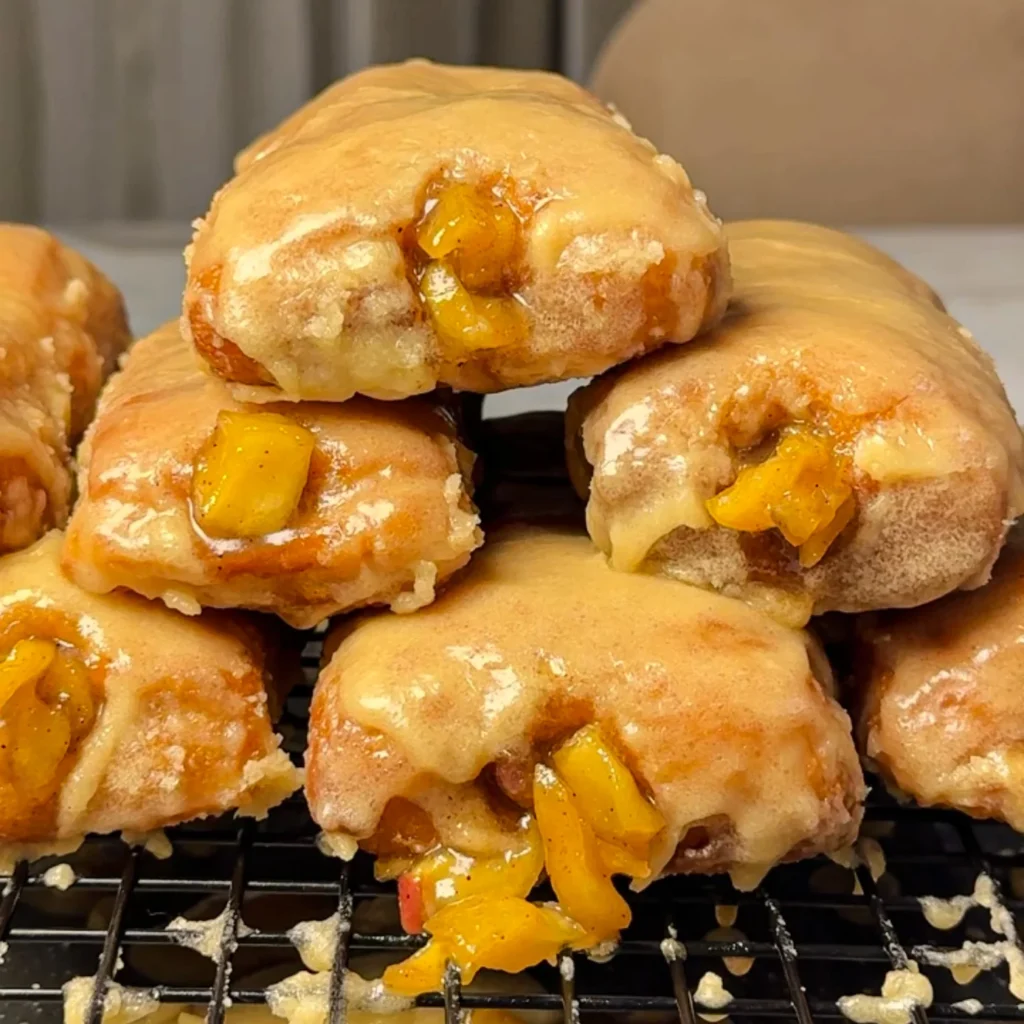
Apple pie donuts are the ultimate autumn treat, and this recipe turns them into golden, fluffy bar-shaped donuts drenched in rich maple glaze and packed with gooey, cinnamon-spiced apple pie filling. If you have been searching for a fall baking project that delivers bakery-quality results in your own kitchen, these apple pie donuts are exactly what you need.
The moment you pull the first batch from the hot oil, your kitchen fills with that warm, irresistible smell of cinnamon, buttery dough, and caramelized apples — and trust me, nobody will be able to wait for them to cool before grabbing one. If you love experimenting with apple-flavored baked goods, you might also enjoy this Apple Pie Bread Pudding that delivers similarly cozy fall flavors in a completely different form.
These apple pie donuts are designed to feel like autumn in dessert form. They are soft, pillowy, and golden on the outside with a tender, chewy interior, and every bite delivers both the warm spice of classic apple pie and the deep caramel sweetness of a maple-glazed donut. This is the kind of recipe you make once and then find yourself returning to every single fall season.
Why These Apple Pie Donuts Are Special
Not all apple pie donuts are created equal. What sets this recipe apart from basic baked apple donuts or store-bought options is the layering of three distinct elements that each bring their own character to the finished bar.
First, the dough itself is enriched with Greek yogurt, butter, and eggs, giving it a brioche-like richness that keeps the bars tender and soft for longer than a standard yeast dough. In my experience, this enriched dough is the single biggest upgrade you can make to homemade apple pie donuts — it is the difference between a donut that stales in three hours and one that stays pillowy well into the next day.
Second, the apple pie filling is made completely from scratch using fresh apples, brown sugar, real maple syrup, and a blend of cinnamon and apple pie spice. There are no shortcuts with canned filling here, because the homemade version cooks down into something glossy, jammy, and deeply spiced that canned filling simply cannot replicate. After many test batches, I found that cooking the apples slowly over medium heat until they are fully soft but still hold their shape is the secret to a filling that feels like real pie rather than applesauce.
Third, the maple glaze is built with actual maple syrup and real butter rather than just maple extract. That distinction matters enormously in the final flavor, giving these apple pie donuts a warm, caramel-forward sweetness that ties all three components together into something genuinely special.
Key Ingredients Overview
Understanding each ingredient in these apple pie donuts helps you make better decisions throughout the recipe and troubleshoot if anything goes sideways. The dough relies on warm whole milk to activate the yeast and create the right gluten structure, while granulated sugar feeds the yeast during the initial rise.
Active dry yeast is the preferred leavening agent because it produces a slower, more controlled rise that results in better flavor than instant yeast options. Bread flour is ideal over all-purpose flour because its higher protein content creates more gluten, which means a chewier, more satisfying donut texture.
For the filling, Granny Smith apples are the gold standard because their tartness perfectly balances the sweetness of brown sugar and maple syrup. You want apples that hold their texture during cooking rather than dissolving into mush — that slight resistance in each apple cube is part of what makes these apple pie donuts feel substantial and satisfying.
The cornstarch slurry added near the end thickens the filling just enough to stay inside the donut without leaking during cutting or serving. If you enjoy experimenting with apple recipes in other baked forms, the APPLE CIDER BAKED DONUTS on this site offer a completely different texture approach using cider-infused batter rather than yeast dough.
The maple glaze comes together quickly with powdered sugar, real maple syrup, melted butter, and vanilla extract. The key detail is using Grade B or dark maple syrup, which has a more intense, caramel-forward flavor than the lighter varieties. This stronger maple character is what makes the glaze taste genuinely rich rather than just sweet.
Understanding the Science Behind Apple Pie Donuts
How Yeast Creates Pillowy Texture
Yeast donuts rise through a biological process in which the active dry yeast consumes the sugars in the dough and produces carbon dioxide gas. This gas creates thousands of tiny air pockets throughout the dough that expand during frying, giving apple pie donuts their signature light and airy interior.
The key is ensuring your milk is warm but not hot — between 100°F and 110°F (38°C to 43°C) is the ideal activation range. Milk that is too cool will produce a sluggish rise, while milk that is too hot will kill the yeast entirely and leave you with dense, flat bars.
Why Enriched Dough Behaves Differently
The butter, eggs, and Greek yogurt in this dough classify it as an enriched dough, meaning it has a higher fat content than lean bread doughs. Fat coats the gluten strands as the dough develops, which limits gluten formation and produces a more tender, softer crumb. This is exactly the quality you want in apple pie donuts — enough structure to hold their bar shape during frying, but tender enough to feel pillowy when you bite in. The trade-off is that enriched doughs often take longer to rise than lean doughs because the fat slows yeast activity slightly, so patience during the rise phase is essential.
The Role of Frying Temperature
Oil temperature is the most technical aspect of making apple pie donuts at home. The ideal range is 350°F to 365°F (175°C to 185°C). At this temperature, the exterior of the dough sets quickly into a golden crust that seals in moisture, while the interior finishes cooking through steam.
If the oil temperature drops below 350°F, the dough absorbs oil rather than forming a crust, resulting in greasy donuts. If the temperature rises above 370°F, the exterior burns before the interior finishes cooking. A reliable thermometer is non-negotiable for consistently good results.
Choosing the Right Ingredients
Flour Selection
Bread flour is the top choice for apple pie donuts because its higher gluten content — typically around 12 to 13 percent protein compared to all-purpose flour’s 10 to 11 percent — creates more structure and chew. If bread flour is not available, all-purpose flour works as a substitute, but the resulting bars will be slightly less chewy and may spread more during frying. Never use cake flour for this recipe, as its low protein content will produce bars that fall apart in the hot oil.
Apple Varieties
As mentioned, Granny Smith apples are the preferred variety for the filling in these apple pie donuts. Their natural tartness creates a flavor contrast with the sweet maple glaze that feels balanced and intentional rather than one-dimensionally sweet. Honeycrisp apples are an excellent alternative with a slightly more complex, honey-like sweetness. Pink Lady and Braeburn apples also perform well. Avoid Red Delicious or McIntosh varieties, as both become mushy when cooked and lose the textural contrast that makes the filling interesting.
Yeast Quality
Always check the expiration date on your yeast before starting. Expired or improperly stored yeast will fail to activate, wasting all of your other ingredients. To test your yeast before committing to the full recipe, combine it with the warm milk and a pinch of sugar and wait 10 minutes. A thick, foamy cap means the yeast is alive and active. If nothing happens, start with fresh yeast.
Maple Syrup Grade
Pure maple syrup is not optional in this recipe. Maple-flavored pancake syrup is made with high-fructose corn syrup and artificial flavoring and will produce a noticeably inferior glaze. For the richest flavor in these apple pie donuts, look for Grade A Dark Robust or Grade B maple syrup. These grades contain more of the naturally occurring compounds that give real maple syrup its deep, caramel-forward complexity.
Step-by-Step Instructions
Preparation: Making the Apple Pie Filling
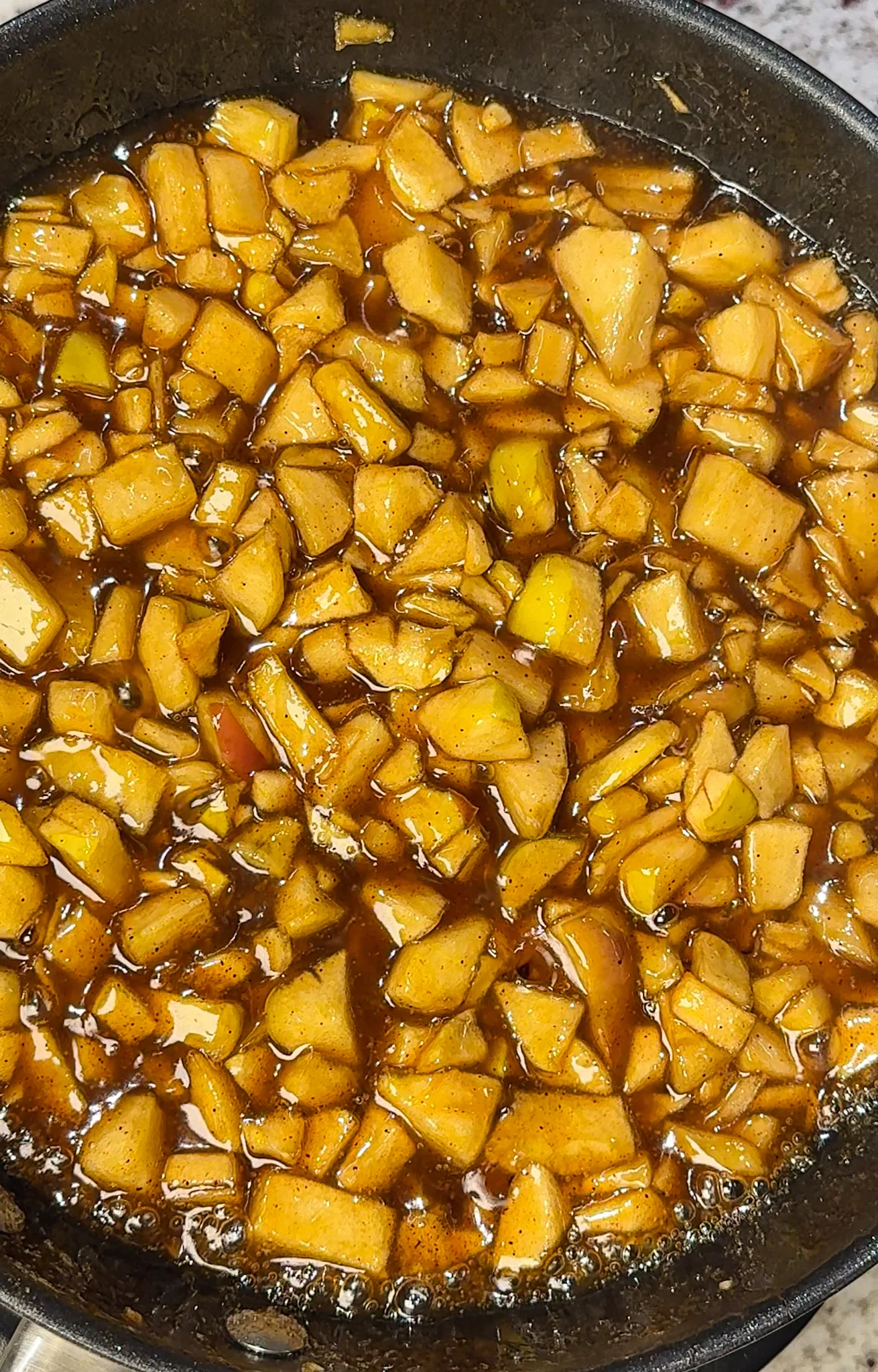
Start by peeling, coring, and dicing 3 medium Granny Smith apples into small, roughly half-inch cubes. Melt 2 tablespoons of unsalted butter in a medium saucepan over medium heat. Add the diced apples along with 3 tablespoons of brown sugar, 2 tablespoons of real maple syrup, 1 teaspoon of ground cinnamon, half a teaspoon of apple pie spice, and a pinch of salt.
Cook, stirring occasionally, for 8 to 10 minutes until the apples are fully softened and the mixture is glossy and fragrant. Stir in 1 tablespoon of vanilla extract and a cornstarch slurry made from 1 tablespoon of cornstarch dissolved in 2 tablespoons of cold water. Cook for another 1 to 2 minutes until the filling thickens slightly, then remove from heat and allow to cool completely before using.
Main Steps: Making and Rising the Dough
In a small bowl, combine 1 cup of warm whole milk (between 100°F and 110°F), 2 teaspoons of active dry yeast, and 2 tablespoons of granulated sugar. Whisk briefly and let stand for 10 minutes until foamy. In the bowl of a stand mixer fitted with a dough hook, combine 3 cups of bread flour, 1 teaspoon of ground cinnamon, and 1 teaspoon of salt.
Add the yeast mixture along with 2 eggs, 3 tablespoons of softened unsalted butter, 3 tablespoons of Greek yogurt, and 1 teaspoon of vanilla extract. Mix on medium speed for 8 minutes until the dough is smooth, elastic, and slightly sticky. Transfer the dough to a lightly greased bowl, cover with plastic wrap, and let rise in a warm place for 60 minutes or until doubled in size.
Once risen, turn the dough onto a lightly floured surface and roll it out to a half-inch thickness. Use a sharp knife or pizza cutter to cut the dough into rectangles approximately 4 inches long and 2 inches wide. Transfer to parchment-lined baking sheets sprayed lightly with cooking spray, cover loosely, and let rest for 20 additional minutes while you heat the oil.
Assembly: Frying, Glazing, and Filling
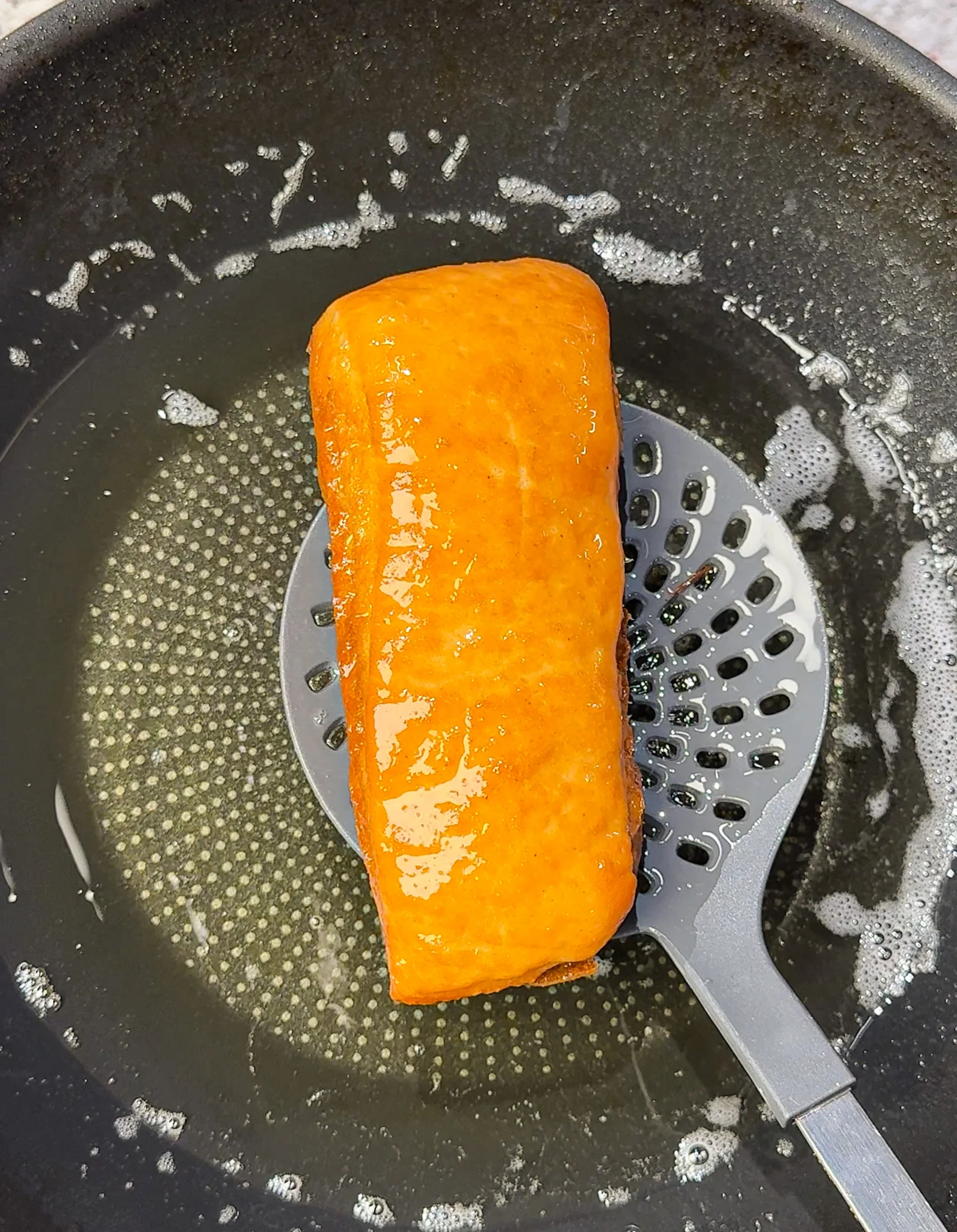
Fill a large, heavy-bottomed pot with about 3 inches of a neutral frying oil such as vegetable or canola oil. Bring the oil to 355°F to 360°F over medium heat, checking the temperature with a candy thermometer. Fry the donut bars in small batches of 3 to 4 at a time, being careful not to crowd the pot. Cook each bar for approximately 90 seconds per side until deep golden brown, then transfer to a wire rack set over a paper towel-lined baking sheet. Allow to drain for 2 minutes.
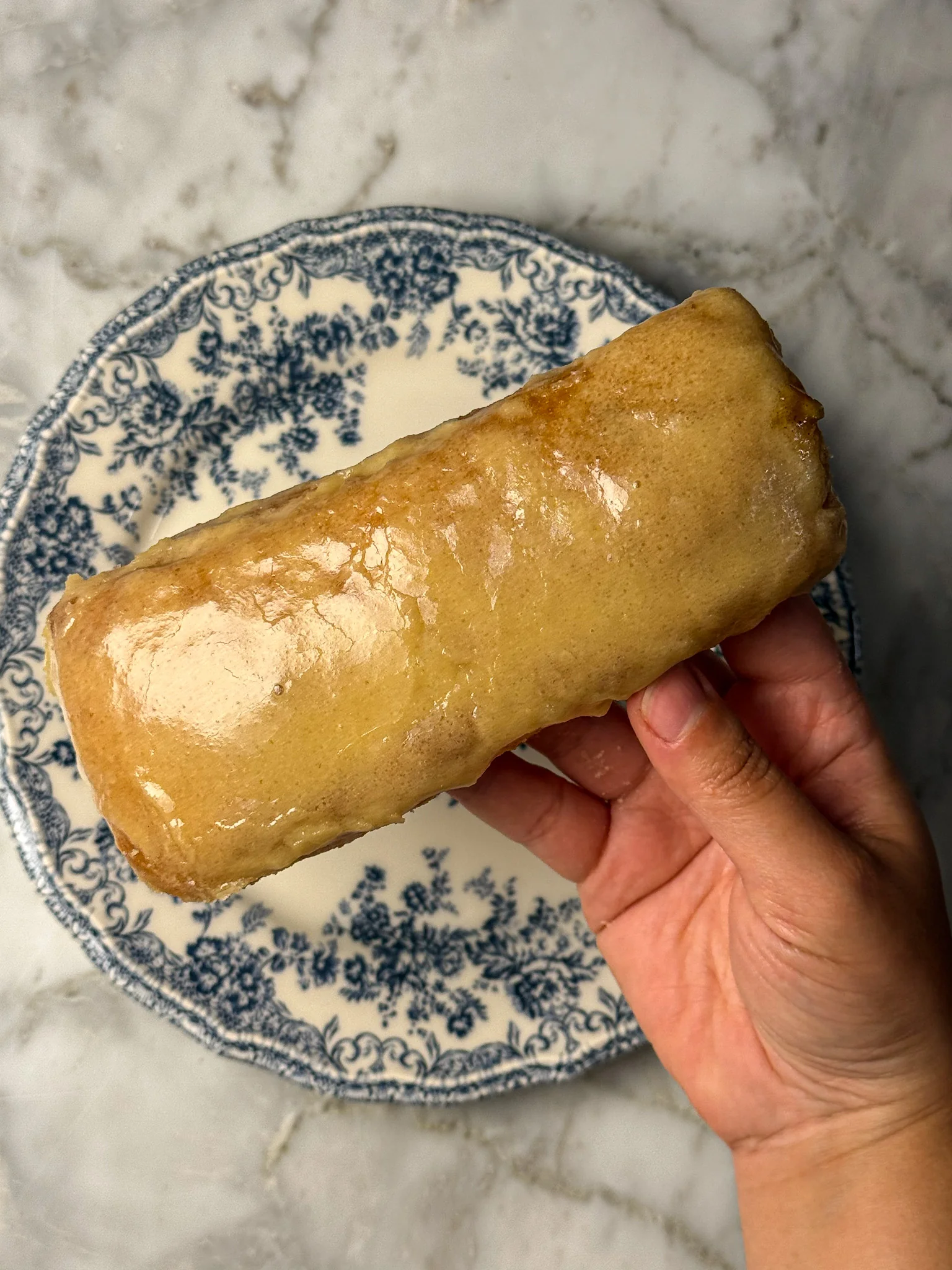
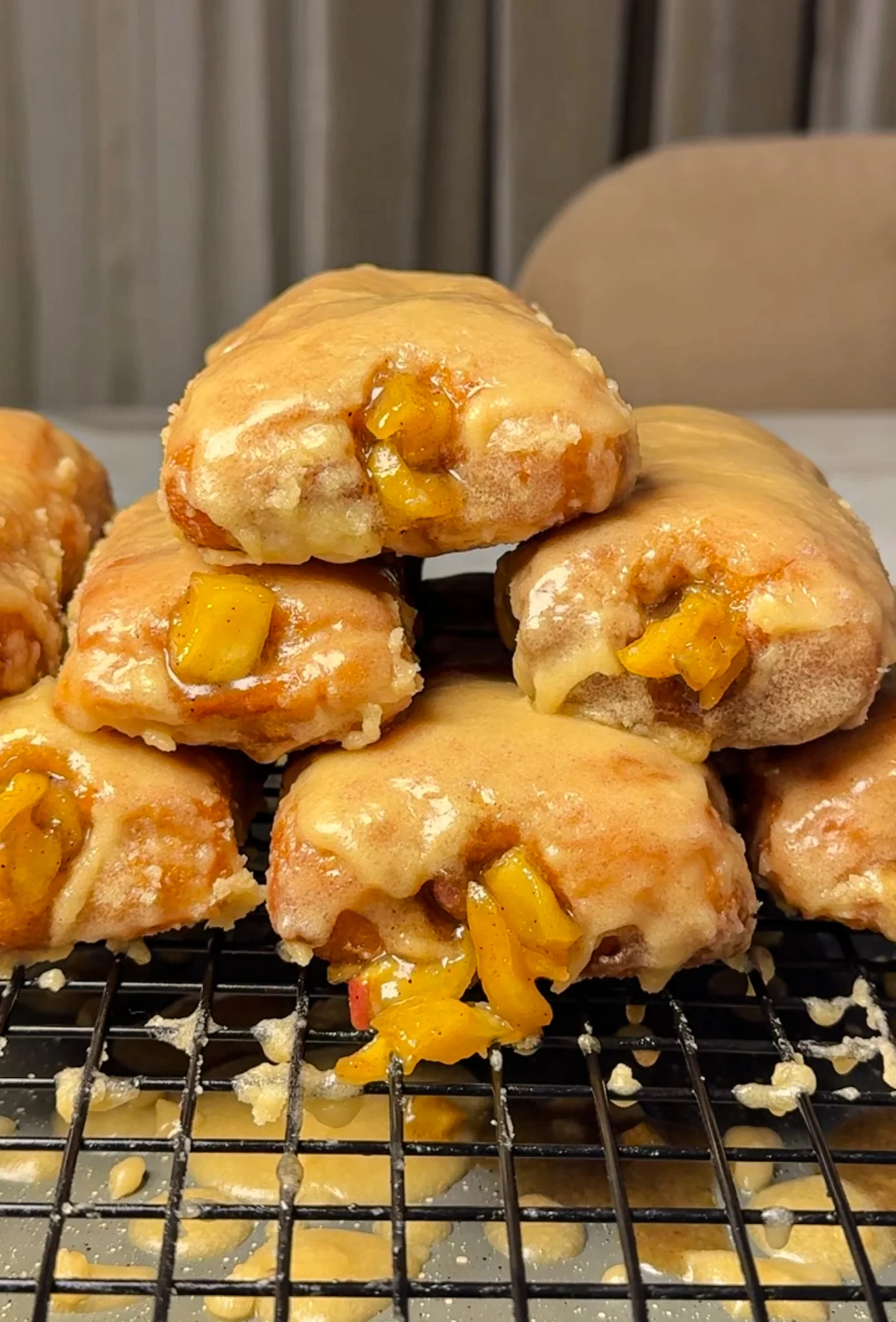
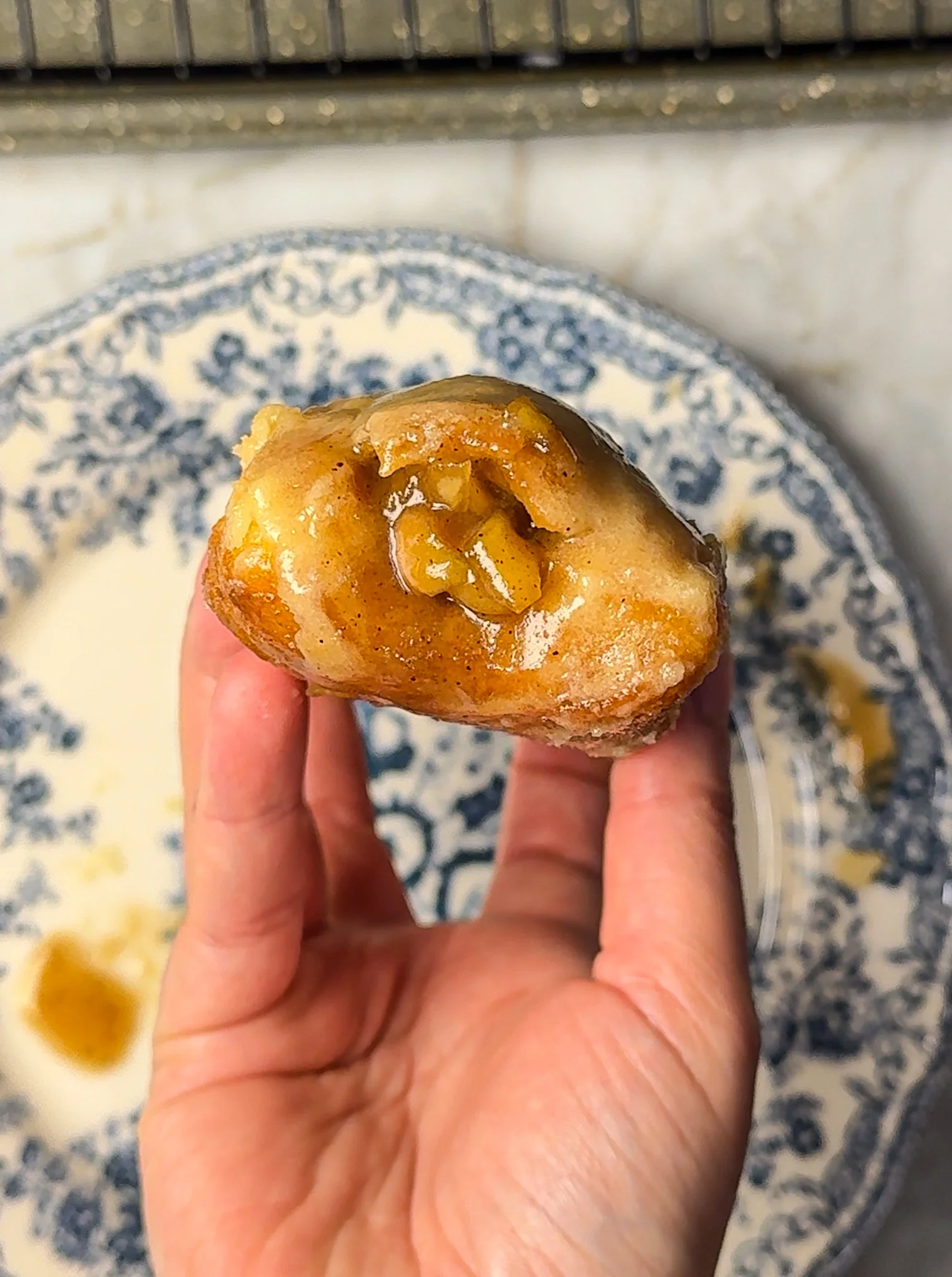
For the maple glaze, whisk together 2 cups of powdered sugar, 3 tablespoons of real maple syrup, 2 tablespoons of melted unsalted butter, 1 teaspoon of vanilla extract, and 2 to 3 tablespoons of warm water or cream until smooth and pourable. While the donuts are still warm, dip the top surface of each bar into the glaze and place glaze-side-up on the wire rack. Once the glaze sets to a matte finish, use a small piping bag or the tip of a sharp knife to cut a small slit in the side of each bar and pipe in 2 to 3 tablespoons of the cooled apple pie filling. Serve immediately for the best texture and flavor.
Professional Tips for Perfect Results
Tip 1: Keep Your Dough Slightly Sticky
This is probably the most counterintuitive tip for making great apple pie donuts: resist the urge to add extra flour when the dough feels sticky. Sticky dough equals soft donuts. A stiff, well-floured dough will fry up dense and dry rather than pillowy and tender. If the dough sticks to your hands during shaping, lightly flour your palms and work surface instead of adding flour to the dough itself.
Tip 2: Let the Filling Cool Completely
Adding warm filling to freshly fried bars creates a steam pocket inside the donut that can make the interior gummy and dense. Always allow the apple filling to cool to room temperature or refrigerate it before use. This also means you can make the filling the day before and simply reheat it gently before piping if you prefer to spread the recipe across two days. Recipes that share this same approach to layered, filled pastries include the Tres Leches Cinnamon Rolls on this site, where the cream filling is always applied after the rolls have cooled.
Tip 3: Double-Dip the Glaze
For a thicker, more bakery-style coating on your apple pie donuts, dip each bar in the maple glaze twice. Allow the first layer to dry for about 10 minutes until it forms a slightly matte surface, then dip again. The second layer adheres to the first and sets into a thicker, glossier coating that looks stunning and adds more maple flavor to each bite.
Tip 4: Use a Thermometer for Oil Temperature
I have said it before but it bears repeating: a candy or deep-fry thermometer is the most important tool in your kit for making these apple pie donuts. Check the oil temperature between every batch, as it drops each time cold dough is added to the pot. Allow the oil to return to temperature fully before adding the next batch.
Tip 5: Shape Bars Evenly
Unevenly sized donut bars fry unevenly, with smaller ones overcooking while larger ones remain underdone in the center. Take a minute to measure your cuts carefully with a ruler or use a consistent reference point. Bars that are as close to the same size as possible will all finish at the same time and produce a more professional, consistent result.
Common Mistakes to Avoid
Over-Proofing the Dough
Apple pie donuts made with over-proofed dough collapse slightly during frying and develop an unpleasant yeasty flavor. The dough should double in size during the initial rise, but it should not triple. If your kitchen is very warm, check the dough after 45 minutes rather than the full 60.
Crowding the Pot
Frying too many bars at once drops the oil temperature rapidly and produces greasy, unevenly cooked apple pie donuts. Work in small batches of 3 to 4 bars and allow the oil to fully return to temperature between each batch. Patience here pays off enormously in the final texture.
Under-Cooling the Filling Before Piping
This mistake is extremely common in first attempts at filled apple pie donuts. Warm filling softens the crumb of the donut from the inside out, making it gummy within 30 minutes of serving. Always ensure your filling is fully cooled — ideally between 65°F and 75°F (18°C to 24°C) — before piping it into the bars.
Using Imitation Maple Syrup
As discussed in the ingredients section, imitation maple syrup produces a noticeably artificial, one-dimensional sweetness in the glaze. Real maple syrup is not a premium or optional ingredient here — it is a fundamental component that defines the character of these apple pie donuts. It is worth the investment.
Skipping the Second Rise
The 20-minute rest period after shaping allows the gluten in the dough to relax and gives the bars a chance to puff slightly. Skipping this step results in tighter, denser apple pie donuts that do not have the same pillowy quality as properly rested bars.
Variations to Try
Brown Butter Caramel Apple Version
For an elevated version of these apple pie donuts, brown your butter before making both the filling and the glaze. Browned butter adds a nutty, toffee-like depth that pairs beautifully with the cinnamon apple filling and makes the maple glaze taste more complex. You will use the same quantities — simply melt the butter over medium heat, continuing to cook until the milk solids turn golden brown and fragrant before proceeding with the recipe. This variation pairs wonderfully with the flavor profile explored in the Brown Butter Pumpkin Bread recipe if you want more inspiration for brown butter baking.
Cinnamon Sugar Coating Version
Skip the maple glaze entirely and instead roll the freshly fried bars in a mixture of granulated sugar and ground cinnamon while they are still hot. This produces a crunchier exterior coating that contrasts beautifully with the soft dough and gives these apple pie donuts a more rustic, fairground-style appeal. The apple filling remains the same in this variation. This approach is similar in spirit to the Apple Fritter Donuts Recipe on this site, which also uses a sugar coating to complement an apple-forward filling.
Cream Cheese Filled Version
Add a layer of sweetened cream cheese alongside the apple filling for a cheesecake-inspired twist on these apple pie donuts. Mix 4 ounces of softened cream cheese with 2 tablespoons of powdered sugar and 1 teaspoon of vanilla extract until smooth and creamy, then pipe a small amount into the bar alongside the apple filling. The tangy cream cheese provides a lovely counterpoint to the sweet maple glaze and warm spiced apples.
Pumpkin Spice Dough Version
For a deeper fall character, replace the cinnamon in the dough with a full teaspoon of pumpkin pie spice and add 2 tablespoons of pumpkin puree to the wet ingredients. The pumpkin adds subtle warmth and moisture to the dough without dramatically altering the flavor, and the combination of pumpkin spice dough with apple pie filling creates a dessert that tastes unmistakably autumnal in the best possible way.
Storage and Reheating
Room Temperature
Freshly made apple pie donuts are best consumed on the day they are made. Stored in an airtight container at room temperature, they will remain acceptably soft for up to 24 hours, though the glaze may lose some of its shine and the dough will gradually firm up.
Refrigeration
For storage beyond 24 hours, place the bars in a single layer inside an airtight container and refrigerate for up to 4 days. The cold temperature will firm up both the dough and the filling, but a brief reheating restores much of the original texture. Note that refrigerating glazed donuts can cause the glaze to become slightly tacky rather than set.
Freezing
The unfilled, unglazed donut bars freeze extremely well for up to 2 months. Wrap each bar individually in plastic wrap, then place in a zip-top freezer bag. To serve, allow to thaw at room temperature for 30 minutes, then warm briefly in a 300°F oven for 5 minutes before glazing and filling fresh. Freezing the filling and glaze separately works equally well — both store for up to 3 months and thaw quickly at room temperature.
Reheating
To reheat refrigerated apple pie donuts, place them unwrapped on a baking sheet and warm in a 300°F (150°C) oven for 5 to 7 minutes. Microwaving on 50 percent power for 15 to 20 seconds also works well. Avoid high heat, which can make the dough tough and cause the filling to become watery.
Frequently Asked Questions
Can I bake these instead of frying them?
Yes, you can bake apple pie donuts instead of frying, though the texture will be noticeably different. Baked bars produce a more cake-like crumb rather than the crisp-exterior, chewy-interior quality that defines a fried yeast donut. If you prefer to bake, place the shaped bars on a parchment-lined baking sheet and bake at 375°F (190°C) for 12 to 15 minutes until golden. Brush with melted butter immediately after removing from the oven before glazing.
What is the best apple for apple pie donuts?
Granny Smith apples are the top choice because their tartness creates a natural flavor contrast with the sweet maple glaze and brown sugar filling. Honeycrisp and Pink Lady apples are excellent alternatives. The key quality to look for is firmness — you want an apple that holds its shape during cooking rather than dissolving into a soft puree.
Can I make the dough ahead of time?
Yes. After the initial mix, you can place the dough in a covered bowl and refrigerate overnight for a slow, cold rise. The next morning, remove the dough from the refrigerator and let it sit at room temperature for 30 minutes before rolling and cutting. Cold-fermented dough often produces slightly more complex flavor due to the extended yeast activity.
Why are my donuts absorbing too much oil?
Greasy apple pie donuts are almost always the result of oil that is too cool. When the oil temperature drops below 340°F (170°C), the dough absorbs oil rather than forming a quick crust. Always monitor your oil temperature between batches and allow it to return fully to 355°F to 360°F before adding the next batch. Overcrowding the pot also lowers the temperature too rapidly.
How much filling should I pipe into each bar?
A generous 2 to 3 tablespoons of filling per bar is the sweet spot. More than that and the filling will leak out of the cut when served, creating a messy presentation. Less than 2 tablespoons and each bite may not consistently deliver filling in every mouthful. Use a piping bag with a wide round tip for the cleanest, most controlled results.
Can I use instant yeast instead of active dry yeast?
Yes, you can substitute instant yeast in a 1:1 ratio. The main difference is that instant yeast does not need to be activated in warm liquid first — you can add it directly to the dry ingredients. The rise time may also be slightly shorter when using instant yeast, so check the dough at 45 minutes rather than waiting the full 60.
Watch the recipe video for more clarity!
See our similar recipes:
People also like these recipes:
Final Thoughts
These apple pie donuts represent everything a great fall baking recipe should be: deeply flavorful, rewarding to make, and impossible to stop eating once they are on the table. The combination of soft yeast dough, warm spiced apple filling, and rich maple glaze creates a dessert that feels both indulgent and genuinely homemade in the best possible way. When you master these apple pie donuts, you have mastered one of fall’s most beloved homemade treats. Whether you are making them for a Saturday morning brunch, a Thanksgiving dessert table, or simply because the craving for warm cinnamon apples and caramelized maple struck on a chilly afternoon, this recipe delivers every single time.
What I love most about making these apple pie donuts from scratch is how the process itself feels like autumn. From the moment the yeast activates in warm milk to the last dip in maple glaze, every step of this recipe rewards patience and care with something truly delicious at the end. The smell alone — warm cinnamon, brown sugar apples, buttery maple glaze — is enough to draw everyone in the house into the kitchen before the first bar is even finished.
I hope these apple pie donuts become a regular fixture in your fall baking rotation. Once you make them, you will understand why this recipe is the kind of thing people ask you to bring to every gathering from September through December. There is simply no store-bought version of these apple pie donuts that comes close to the flavor and texture of a freshly made batch. Make a batch this weekend, share them while they are still warm, and enjoy every single bite.
Donut Dough
- ¾ cup warm milk
- ¼ cup sugar
- 2½ tsp active dry yeast
- ½ cup Greek yogurt or sour cream
- ½ cup softened butter
- 2 eggs
- 1 tsp vanilla
- 4 cups bread flour
- 1½ tsp cinnamon
- 1 tsp salt
- Oil for frying
Apple Pie Filling
- 4 tbsp butter
- 4 apples diced
- ½ cup brown sugar
- 4 tbsp maple syrup
- 2 tsp cinnamon
- Optional apple pie spice
- Pinch salt
- 1 tbsp cornstarch + 2 tbsp water
- 1 tsp vanilla
Maple Glaze
- 2 cups powdered sugar
- ½ cup maple syrup
- 2 tbsp melted butter
- 1 tsp vanilla
- Pinch salt
Make the Dough
Activate yeast in warm milk and sugar.
Mix flour, cinnamon, and salt.
Add wet ingredients and knead until smooth.
Let dough rise 1–1½ hours until doubled.
Make Apple Filling
Cook apples, butter, brown sugar, maple syrup, cinnamon, and salt until softened.
Add cornstarch slurry and cook until thickened.
Stir in vanilla and cool completely.
Shape the Donuts
Roll dough into rectangle.
Cut into 12 bars.
Proof 30–45 minutes until puffy.
Fry
Heat oil to 350°F–365°F.
Fry donuts 1–2 minutes per side until golden.
Drain on paper towels.
Glaze & Fill
Whisk glaze ingredients until smooth.
Dip donut tops into glaze.
Fill centers with apple pie filling.
Serve warm.
If you've given this recipe a try and it won you over, please share your thoughts by leaving
a rating and comment below! If you have any questions about this recipe, don't hesitate to ask – I'm here to
help and will respond promptly.