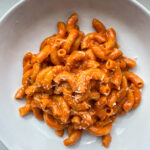
Discover the Magical World of Pink Mac And Cheese
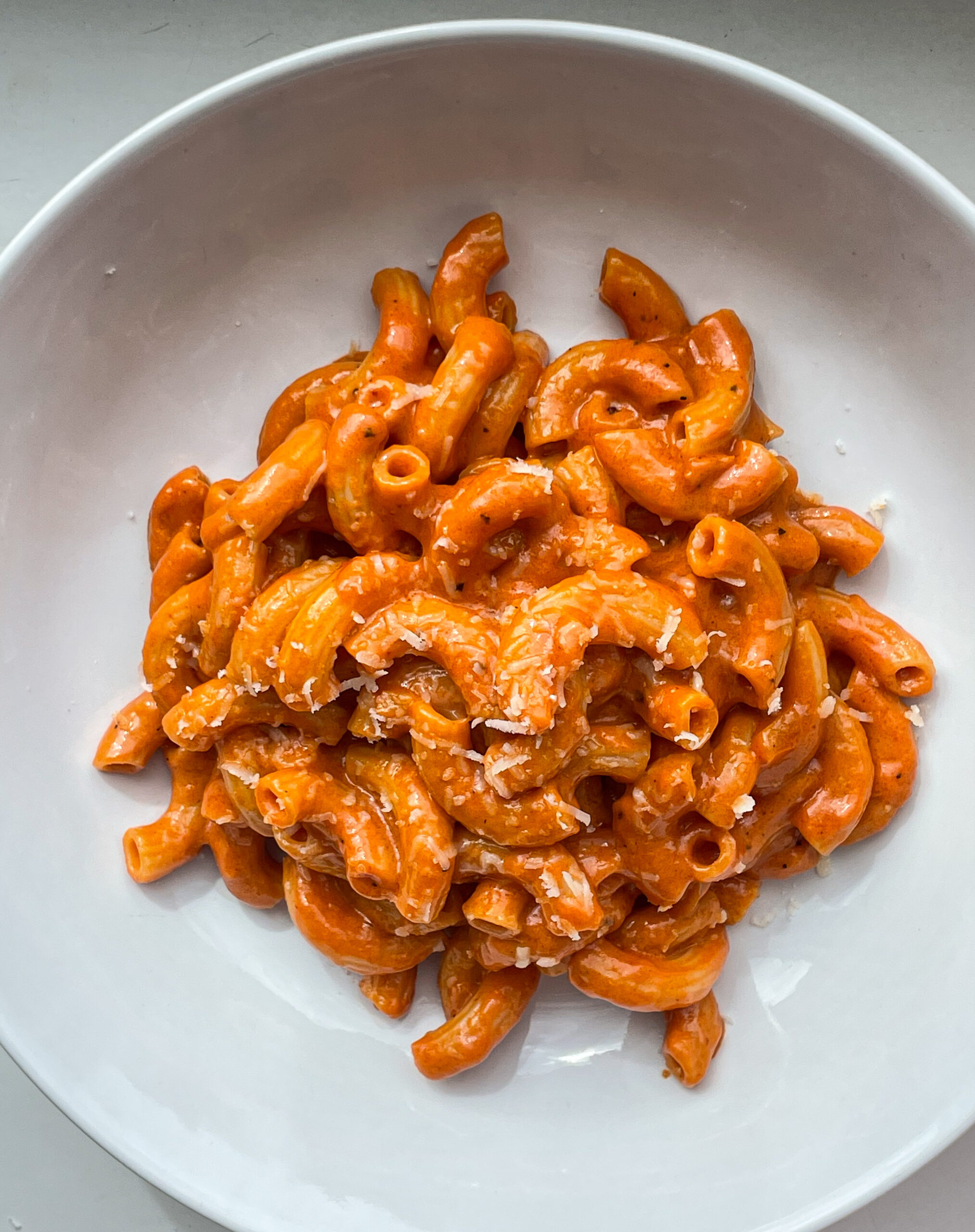
Our pink mac and cheese sauce gives a fun and tasty update to the traditional dish everyone loves. Made with a delightful mix of smooth cheese and a touch of tomato, this vibrant recipe brings a colorful and delicious alteration to your standard mac and cheese. Each bite offers a tasty and lively meal experience that excites both kids and adults alike with its gorgeous pink hue and incredible flavor.
This pink mac and cheese transforms ordinary pasta night into something special without requiring complicated techniques or hard-to-find ingredients. The beautiful color comes naturally from tomato paste blended into creamy cheese sauce, creating an Instagram-worthy dish that tastes even better than it looks. Whether you’re cooking for picky eaters who love fun colors or simply want to bring something new to your dinner rotation, this recipe delivers on every level.
The beauty of pink mac and cheese lies in how it balances familiar comfort with exciting novelty. The base is still that classic, creamy cheese sauce you know and love, but the addition of tomato paste creates subtle sweetness and tanginess that elevates the entire experience. It’s comforting enough to satisfy mac and cheese purists while being different enough to feel like a special treat rather than just another weeknight pasta.
Why This Pink Mac And Cheese is Special
What makes this pink mac and cheese stand out from traditional versions is the gorgeous color combined with enhanced flavor complexity. The tomato paste doesn’t overpower the cheese—instead, it adds subtle sweetness and depth that makes the sauce more interesting without being unfamiliar or challenging. Kids absolutely love the fun pink color, making this an excellent strategy for getting them excited about dinner.
The recipe uses a combination of three cheeses—Parmesan, Gouda, and mozzarella—creating layers of flavor that standard mac and cheese often lacks. Parmesan brings sharp, nutty notes and helps thicken the sauce. Gouda adds creamy richness with subtle smokiness, while mozzarella contributes stretchy texture and mild creaminess. Together, these cheeses create pink mac and cheese that’s sophisticated enough for adult palates but approachable for children.
This dish also comes together remarkably quickly, ready in about twenty minutes from start to finish. The simultaneous cooking of pasta and sauce means everything finishes at the same time, allowing you to get dinner on the table efficiently even on the busiest weeknights. Minimal ingredients and straightforward techniques make this pink mac and cheese accessible for cooks of all skill levels.
Key Ingredients Overview
Creating exceptional pink mac and cheese starts with quality ingredients that work together harmoniously. You’ll need elbow macaroni or your favorite pasta shape, butter and olive oil for richness, and fresh garlic for aromatic depth. Tomato paste provides the signature pink color and subtle sweetness, while heavy cream creates luxurious sauce consistency.
The cheese trio of Parmesan, Gouda, and mozzarella forms the flavor foundation of this pink mac and cheese. Seasonings including salt, black pepper, garlic powder, and onion powder enhance all the other ingredients without overpowering the delicate balance. Each component plays a specific role in building the complex, satisfying flavor that makes this dish so appealing.
Understanding the Perfect Pasta for Pink Mac And Cheese
Choosing the right pasta and cooking it properly are fundamental to creating excellent pink mac and cheese. While the sauce is undoubtedly important, perfectly cooked pasta makes the difference between good and exceptional results.
Best Pasta Shapes for Pink Mac And Cheese
For this recipe, elbow macaroni is the classic choice that most people associate with traditional mac and cheese. The curved tubes hold sauce beautifully both inside and out, ensuring every bite of your pink mac and cheese delivers maximum flavor. The small, manageable size makes it easy to eat with a fork or spoon, which children particularly appreciate.
However, you can choose any pasta you like for this pink mac and cheese. Ziti, penne, or rigatoni are excellent alternatives that work wonderfully with creamy cheese sauce. These tubular shapes have hollow centers that fill with sauce, creating pockets of creamy goodness throughout the dish. Their ridged surfaces also help sauce cling better than smooth pasta.
Shells, cavatappi, or rotini also work beautifully, each bringing unique texture to your pink mac and cheese. Shells create little cups that cradle the sauce, cavatappi’s spiral shape adds visual interest, and rotini’s tight twists hold onto every bit of creamy goodness. Choose based on personal preference or what you have available in your pantry.
Cooking Pasta to Al Dente Perfection
Start by boiling the pasta until it reaches just the right level of al dente by following the directions on the package, and remember to add a generous amount of salt to the water. Properly salted pasta water should taste like the sea—this seasons the pasta from within, ensuring your pink mac and cheese has flavor in every component rather than just on the surface.
Bring a large pot of water to a rolling boil before adding pasta. Use at least four quarts of water per pound of pasta to give it plenty of room to move freely, preventing clumping and ensuring even cooking. Stir the pasta immediately after adding it to the boiling water and occasionally during the first few minutes when starch release is highest.
Test for doneness by tasting a piece one minute before the package directions suggest. Al dente pasta should be tender on the outside with a slight firmness in the center that you can feel when you bite into it. This texture is crucial for pink mac and cheese because the pasta will soften slightly more when combined with the hot sauce.
Reserving Pasta Water
While the pasta cooks, keep about half a cup of the starchy cooking water before draining. This liquid gold contains dissolved starches that act as natural emulsifiers, helping create silky pink mac and cheese sauce that clings perfectly to every piece of pasta. The starch also helps bind the sauce together, preventing it from separating or becoming greasy.
Once the pasta reaches perfect al dente texture, scoop out the reserved water using a measuring cup or ladle, then drain the pasta in a colander. Never rinse the pasta after draining—the surface starch helps the sauce adhere better. Set the drained pasta aside while you finish preparing the pink sauce.
Creating the Signature Pink Sauce
The pink sauce is what makes this dish special, transforming ordinary mac and cheese into something visually stunning and deliciously different. Understanding how to create this sauce ensures perfect results every time you make pink mac and cheese.
The Magic of Pink Sauce
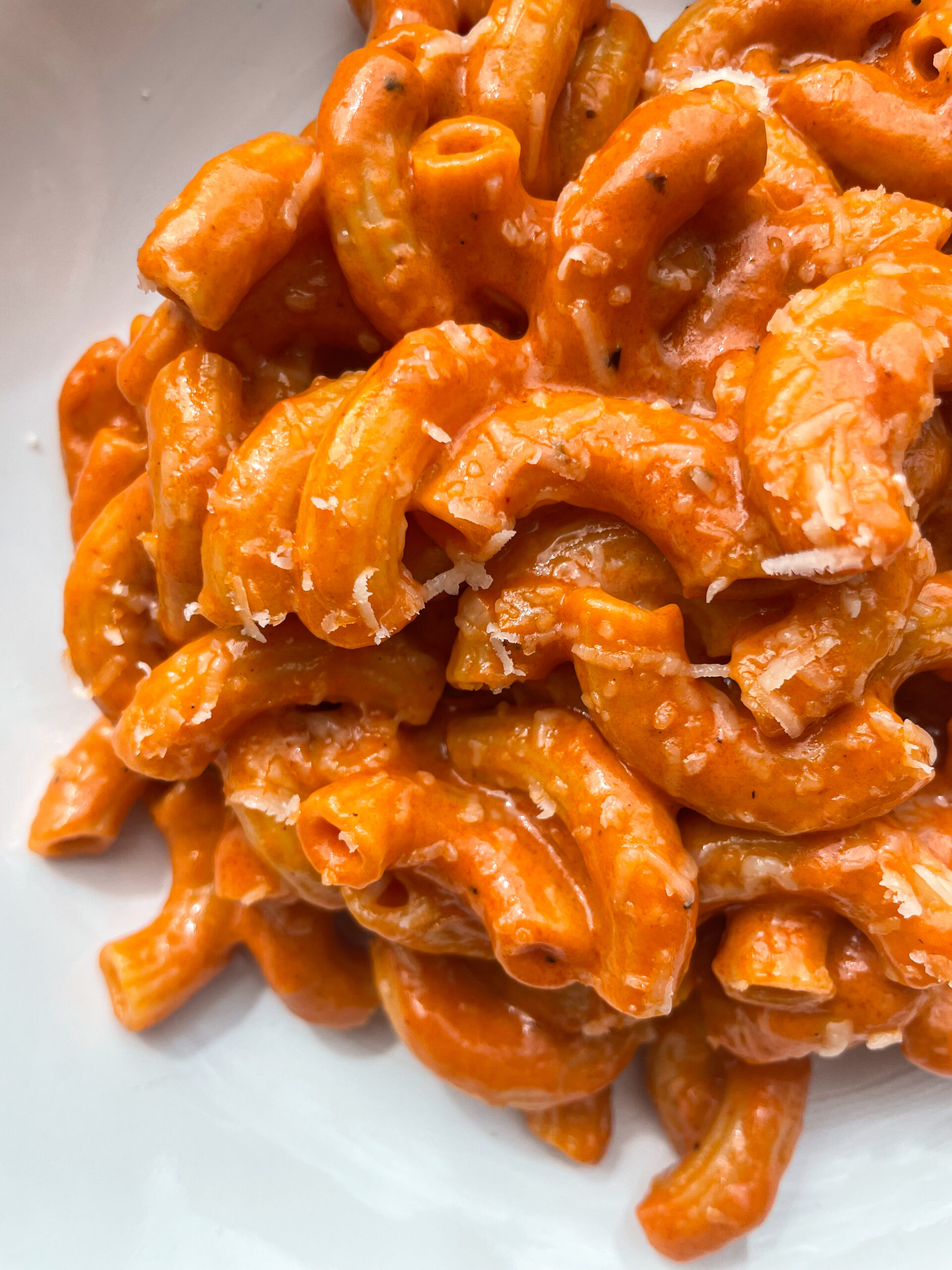
Our pink mac and cheese sauce puts a fun twist on traditional mac and cheese with its gorgeous color and enhanced flavor. It’s a creamy mixture of cheese with a touch of tomato, giving it that fun pink shade that makes the dish so eye-catching. Picture a smooth sauce that embraces the cheese with a hint of sweetness from the tomato paste.
Each spoonful is a flavor journey, blending the comforting taste of classic mac and cheese with the exciting pink creation of our special sauce. The tomato paste adds subtle tanginess and sweetness that balances the rich cheese, creating more complex flavor than standard mac and cheese offers. It’s your beloved comfort food with a bright, beautiful twist.
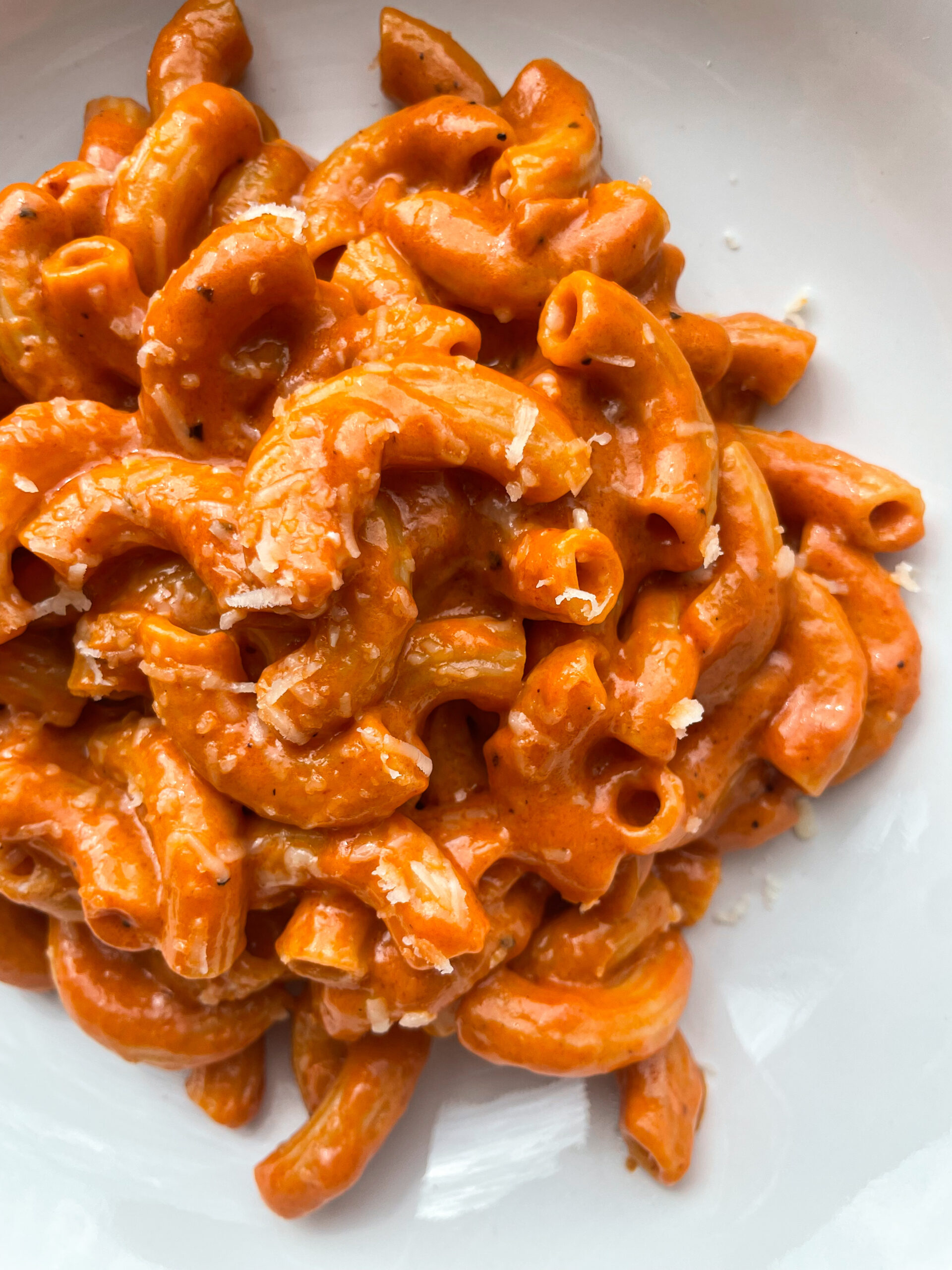
The pink color ranges from soft blush to vibrant rose depending on how much tomato paste you use. Start with the recommended amount and adjust to achieve your preferred shade—more tomato paste creates deeper pink and stronger tomato flavor, while less keeps it lighter and more cheese-forward. This flexibility allows you to customize your pink mac and cheese to your exact preferences.
Building Flavor Layers
Creating exceptional pink mac and cheese requires building flavor in layers rather than simply mixing everything together. Start by heating butter and olive oil in a large skillet or saucepan over medium heat. The combination of butter and oil provides richness while preventing the butter from burning—oil has a higher smoke point that stabilizes the butter.
Add minced garlic and sauté for thirty seconds to one minute until fragrant but not browned. This infuses the fat with aromatic garlic flavor that permeates the entire sauce. Burnt garlic tastes bitter and ruins pink mac and cheese, so watch carefully and stir constantly during this step, removing the pan from heat if the garlic starts browning too quickly.
Stir in tomato paste and cook for about one minute, stirring constantly to coat everything and remove any raw tomato flavor. Cooking the tomato paste briefly deepens its flavor and removes the tinny taste that sometimes occurs when it’s used straight from the can. This step is crucial for developing the rich, sweet tomato notes that make pink mac and cheese so special.
Creating Creamy Consistency
Pour in the heavy cream and stir well to combine with the tomato paste and garlic mixture. The cream will gradually incorporate the tomato paste, transforming from white with red streaks into beautiful, uniform pink. Bring to a gentle simmer over medium heat, stirring frequently to prevent scorching on the bottom of the pan.
Season the sauce with salt, black pepper, garlic powder, and onion powder. These seasonings enhance the natural flavors of the cheese and tomato without overpowering them. Taste and adjust seasoning at this stage, keeping in mind that the cheese will add significant saltiness, so go easy on salt until you’ve added the cheese.
Let the pink sauce simmer gently for about five minutes, allowing it to thicken slightly and the flavors to meld together. The sauce should coat the back of a spoon when ready—if it seems too thin, continue simmering; if too thick, add a splash of reserved pasta water to thin it. Getting the consistency right at this stage ensures your pink mac and cheese has perfect texture.
Incorporating the Cheese
Reduce heat to low and begin adding the grated cheeses gradually, stirring constantly as each addition melts before adding more. Start with Parmesan, which has the strongest flavor and helps establish the cheese base. The sharp, nutty notes of Parmesan create depth in your pink mac and cheese that milder cheeses alone cannot achieve.
Add the Gouda next, stirring until completely melted and incorporated. Gouda brings creamy richness and subtle smokiness that adds sophistication to this pink mac and cheese. Its excellent melting properties help create smooth sauce without graininess. Finally, add the mozzarella, which contributes stretchy texture and mild creaminess that balances the sharper cheeses.
Never let the sauce boil once you’ve added cheese, as high heat can cause proteins to separate and create grainy, broken sauce instead of smooth creaminess. Keep the temperature low and stir constantly to encourage even melting. If the sauce seems too thick after adding cheese, thin it with reserved pasta water one tablespoon at a time until you achieve perfect consistency.
Choosing Quality Ingredients for Pink Mac And Cheese
Ingredient quality significantly impacts the final flavor and texture of your pink mac and cheese. While this recipe uses accessible, everyday ingredients, selecting wisely elevates results from good to exceptional.
Selecting the Right Pasta
Choose pasta made from durum wheat semolina for the best texture and flavor in your pink mac and cheese. Italian brands typically offer superior quality, though many domestic brands also produce excellent pasta. Look for pasta with a slightly rough, matte surface rather than shiny, smooth appearance—the texture helps sauce cling better.
Avoid pasta that looks dull, has white spots, or appears broken in the package, as these indicate age or poor handling. Fresh pasta cooks differently than dried and isn’t ideal for this pink mac and cheese recipe, which is formulated for traditional dried pasta. Store pasta in a cool, dry place and use within one year of purchase for optimal flavor and texture.
Cheese Selection Matters
Real Parmigiano-Reggiano makes a noticeable difference in pink mac and cheese, offering complex, nutty flavor that domestic Parmesan cannot match. Look for cheese with the official consortium stamp and buy it in wedges rather than pre-grated. Grate it yourself just before using for maximum flavor and smooth melting without the anti-caking agents found in pre-shredded cheese.
For Gouda, choose aged Gouda for more complex flavor or young Gouda for milder, creamier taste in your pink mac and cheese. Smoked Gouda adds interesting depth, though it will change the flavor profile slightly. Avoid pre-shredded Gouda when possible, as freshly grated melts more smoothly and tastes significantly better.
Low-moisture mozzarella is ideal for this pink mac and cheese—fresh mozzarella contains too much water and doesn’t melt as well in this application. Look for whole milk mozzarella rather than part-skim for richest flavor and best melting properties. Shred it yourself from a block for superior results compared to pre-shredded versions.
Tomato Paste Quality
Choose tomato paste sold in tubes rather than cans when possible for the freshest flavor and convenient storage. Tube tomato paste stays fresh longer after opening and allows you to use exactly what you need for your pink mac and cheese without waste. Look for brands with just one ingredient—tomatoes—without added salt, sugar, or preservatives.
Double-concentrated tomato paste provides more intense tomato flavor and deeper color with less product, making it ideal for achieving vibrant pink hue in this recipe. Italian tomato paste often has superior flavor compared to domestic brands, though quality varies by individual product. Taste and adjust the amount based on your preferred intensity and color.
Heavy Cream Considerations
Heavy whipping cream with at least thirty-six percent fat content creates the richest, most luxurious pink mac and cheese. Avoid ultra-pasteurized cream if possible, as regular pasteurized cream has better flavor and creates smoother sauces. The high fat content is crucial for creating stable emulsion that doesn’t separate or become grainy.
For lighter versions, you can substitute half-and-half, though the sauce will be thinner and less rich. Whole milk works in a pinch but creates significantly thinner consistency—compensate by reducing it longer or adding a tablespoon of flour to help thicken. Avoid low-fat or skim milk, which produce watery, unsatisfying sauce that doesn’t coat pasta properly.
Fresh Garlic Importance
Fresh garlic cloves provide aromatic punch that jarred minced garlic or garlic powder alone cannot replicate in pink mac and cheese. Look for firm bulbs with tight, papery skin and no green sprouts, which indicate age and can impart bitter flavors. Store garlic in a cool, dry place with good air circulation rather than in the refrigerator.
Smash cloves with the flat side of a knife before mincing to release more flavorful oils. For the smoothest texture in your pink mac and cheese sauce, press garlic through a garlic press or mince it very finely by hand. While garlic powder is included in the seasoning blend, fresh garlic provides vibrant, pungent notes that make the dish taste more dynamic and complex.
Step-by-Step Instructions for Perfect Pink Mac And Cheese
Follow these detailed steps to create flawless pink mac and cheese with gorgeous color, creamy texture, and incredible flavor. Attention to each stage ensures restaurant-quality results you’ll be proud to serve.
Preparing Your Cooking Station
Begin by gathering all ingredients and equipment before starting. This mise en place approach ensures smooth cooking without scrambling for ingredients mid-recipe. Fill a large pot with water for the pasta and set it on high heat to begin boiling. While the water heats, prepare your other ingredients for the pink mac and cheese.
Grate all three cheeses if using blocks rather than pre-shredded. Keep them separate or combine them in one bowl—either works fine. Mince the garlic finely and measure out your tomato paste, heavy cream, and seasonings. Having everything ready before you start cooking ensures perfect timing and prevents any steps from being rushed.
Set up your serving bowl or the pot you’ll use for combining everything at the end. Having your workspace organized makes the cooking process enjoyable and stress-free, allowing you to focus on technique rather than hunting for ingredients or tools.
Cooking the Pasta
Once your water reaches a vigorous, rolling boil, add generous salt—about one tablespoon per four quarts of water. The water should taste noticeably salty, like the sea. Add your pasta and stir immediately to prevent sticking, especially important in the first minute when starch release is highest.
Set a timer according to package directions but check for doneness one minute early. You want perfect al dente texture—tender on the outside with slight firmness in the center. Remember that the pasta will continue softening slightly when combined with the hot pink sauce, so removing it from boiling water when just barely al dente ensures ideal final texture.
Before draining, scoop out half a cup of the starchy pasta cooking water and set it aside. This liquid is your insurance policy for achieving perfect sauce consistency in your pink mac and cheese. Drain the pasta in a colander but do not rinse it—the surface starch helps the creamy pink sauce cling to every piece.
Making the Pink Sauce
While the pasta cooks, make your pink sauce so everything finishes simultaneously. Heat butter and olive oil in a large skillet or saucepan over medium heat until the butter melts and begins to foam. Add the minced garlic and sauté for thirty seconds to one minute until fragrant but not browned, stirring constantly to prevent burning.
Add the tomato paste and cook for about one minute, stirring constantly to coat everything and cook out any raw tomato flavor. The tomato paste will darken slightly and become more fragrant as it cooks. This step is essential for developing the sweet, rich tomato notes that make pink mac and cheese special rather than tasting like raw tomato.
Pour in the heavy cream and stir well until the tomato paste fully incorporates and the mixture turns uniformly pink. Bring to a gentle simmer and add your seasonings—salt, black pepper, garlic powder, and onion powder. Stir to combine and let the sauce simmer gently for about five minutes, stirring occasionally, until it thickens slightly and the flavors meld together beautifully.
Adding the Cheese
Reduce heat to low—this is crucial for smooth, creamy pink mac and cheese without graininess. Begin adding the grated cheeses gradually, starting with Parmesan. Stir constantly as it melts, ensuring smooth incorporation before adding the next batch. Rushing this step or using heat that’s too high causes the cheese to separate and become oily or grainy.
Add the Gouda next, continuing to stir constantly until completely melted and smooth. Finally, add the mozzarella, stirring patiently until it melts into the sauce. The mozzarella may take slightly longer to melt than the other cheeses due to its stretchy nature, so be patient and keep stirring over low heat.
Once all cheese is melted and the sauce is smooth and creamy, taste and adjust seasoning. Add more salt, pepper, garlic powder, or onion powder as needed to achieve your preferred flavor balance. Remember that the bland pasta will dilute seasoning, so the sauce should taste slightly over-seasoned on its own for perfect final results.
Combining Pasta and Sauce
Add the drained pasta to the pink sauce and toss everything together gently but thoroughly. Use a large spoon or silicone spatula to fold the pasta into the sauce, ensuring every piece gets coated in that gorgeous pink creaminess. The residual heat from both the pasta and sauce will help everything meld together beautifully.
If the sauce seems too thick and doesn’t coat the pasta smoothly, add reserved pasta water one tablespoon at a time, stirring well after each addition. The starchy water helps create silky consistency that clings perfectly to the pasta without being gloppy or heavy. Add liquid conservatively—you can always add more but cannot remove it once added.
Continue tossing until every piece of pasta is evenly coated and the sauce reaches your desired consistency. The pink mac and cheese should be creamy enough to coat pasta generously without being soupy or dry. Remember that it will thicken slightly as it sits, so aim for consistency that’s just a bit looser than your ideal final result.
Final Touches and Serving
Transfer your completed pink mac and cheese to a serving bowl or individual plates while still hot. Garnish with extra grated Parmesan cheese for additional flavor and visual appeal. Freshly cracked black pepper adds sophisticated finishing touch that adults particularly appreciate. A small sprinkle of fresh herbs like parsley or basil adds color contrast and fresh flavor.
Serve immediately while the pink mac and cheese is at its creamiest and the cheese is perfectly melted. This dish is best enjoyed fresh, though leftovers can be refrigerated and reheated. The stunning pink color looks beautiful photographed, making this an excellent choice for sharing on social media if that’s something you enjoy.
Professional Tips for Elevating Pink Mac And Cheese
These expert techniques transform good pink mac and cheese into exceptional dishes that rival anything you’d order in restaurants. Professional chefs use these methods to achieve superior texture, flavor, and presentation.
Achieving Perfect Color
The amount of tomato paste you use determines the final color intensity of your pink mac and cheese. Start with two to three tablespoons for soft, pastel pink, or use up to five tablespoons for vibrant, deep rose color. Add tomato paste gradually, stirring and assessing the color before adding more, until you achieve your desired shade.
Keep in mind that the cheese lightens the sauce significantly, so it may appear darker before adding cheese than it will in the final dish. If you want very vibrant pink, you’ll need more tomato paste than you might initially think. The color also deepens slightly as the sauce sits, so factor this into your decision.
For the most uniform, attractive pink color, ensure the tomato paste is completely incorporated into the cream before adding cheese. Any streaks or lumps of tomato paste create uneven color in your pink mac and cheese, so stir thoroughly until perfectly smooth and evenly tinted.
Cheese Melting Mastery
The key to smooth, creamy pink mac and cheese without graininess is temperature control and patience when melting cheese. Always reduce heat to low before adding cheese—medium or high heat causes proteins to separate and fat to break out of emulsion, creating grainy, oily sauce instead of smooth creaminess.
Add cheese gradually rather than dumping it all in at once. This allows each addition to melt smoothly and incorporate completely before more is added. Stir constantly but gently—aggressive stirring can break the emulsion, while no stirring allows hot spots that cause uneven melting and potential scorching.
If your sauce does become grainy despite precautions, remove from heat immediately and whisk in a tablespoon of cold cream. This sometimes helps re-emulsify the sauce and restore smoothness. Prevention is easier than fixing, so maintain low heat and add cheese gradually for foolproof results.
Flavor Balancing Techniques
Creating well-balanced pink mac and cheese requires attention to all taste elements—salt, fat, acid, sweet, and umami. The cheese provides umami and saltiness, cream and butter deliver fat, and tomato paste contributes both sweetness and subtle acidity. These components naturally create good balance, but thoughtful seasoning elevates the dish further.
Taste your sauce before combining with pasta and adjust deliberately. If it tastes flat, add salt or a squeeze of lemon juice for brightness. If too rich, a splash of reserved pasta water or pinch of red pepper flakes cuts through the heaviness. If lacking depth, add more Parmesan or a dash of Worcestershire sauce for extra umami.
Don’t forget the power of finishing touches—freshly grated Parmesan and cracked black pepper added at the table allow each person to customize their portion. A tiny pinch of smoked paprika or cayenne pepper adds complexity without making the dish spicy, appealing to more adventurous palates.
Texture Optimization
The texture of your pink mac and cheese should be creamy and cohesive, coating pasta evenly without being gloppy or soupy. Achieve this by cooking pasta exactly to al dente—overcooked pasta becomes mushy and doesn’t hold sauce well. Stir gently when combining components to avoid breaking up tender pasta.
For added textural interest, consider topping your pink mac and cheese with toasted breadcrumbs, crushed crackers, or crispy fried onions. These crunchy elements provide satisfying contrast to the creamy pasta. Fold in cooked bacon, diced ham, or sautéed vegetables for heartier texture and additional flavor complexity.
The sauce should flow smoothly when you stir it but cling to pasta rather than pooling at the bottom of the bowl. If it seems too thick, thin with pasta water; if too thin, simmer longer uncovered or add a bit more cheese. Perfect consistency makes eating enjoyable rather than messy or difficult.
Common Mistakes to Avoid with Pink Mac And Cheese
Understanding frequent errors helps you sidestep pitfalls and achieve perfect pink mac and cheese on your first attempt. Learning from others’ mistakes is always easier than learning through your own trial and error.
Overcooking the Pasta
Mushy, overcooked pasta ruins otherwise excellent pink mac and cheese. Pasta continues cooking from residual heat after draining and when combined with hot sauce, so removing it from boiling water when just barely al dente ensures perfect final texture. Test for doneness one minute before package directions suggest by tasting a piece.
Using too little water or not stirring enough causes pasta to stick together in clumps. Use at least four quarts of water per pound of pasta and stir immediately after adding pasta to boiling water, then occasionally during cooking. Properly cooked pasta should be tender but still have slight resistance when you bite into it.
Burning the Garlic
Burnt garlic tastes acrid and bitter, permeating your entire pink mac and cheese with unpleasant flavor. This happens when the pan is too hot or when garlic sits in hot oil unattended. Always sauté garlic over medium heat and stir constantly, watching carefully for the first signs of browning.
If garlic begins browning too quickly, immediately remove the pan from heat and reduce temperature before returning it. If you accidentally burn the garlic, don’t try to salvage it—discard everything, wipe out the pan, and start fresh with new oil, butter, and garlic. Burnt garlic cannot be masked and will compromise the entire dish.
Sauce Separating or Becoming Grainy
Grainy, separated sauce results from excessive heat when cheese is added. Cheese contains proteins that coagulate and separate when exposed to high temperatures, creating unpleasant texture. Always reduce heat to low before adding cheese to your pink mac and cheese, and never let the sauce boil once cheese is incorporated.
Adding all the cheese at once rather than gradually can also cause graininess. Add cheese in small batches, stirring constantly and allowing each addition to melt completely before adding more. This gradual incorporation ensures smooth, creamy texture throughout your pink mac and cheese.
Using pre-shredded cheese increases the likelihood of grainy sauce because anti-caking agents interfere with smooth melting. Whenever possible, buy cheese in blocks and grate it yourself just before using for the smoothest, creamiest results.
Incorrect Sauce Consistency
Making the sauce too thick creates gloppy pink mac and cheese that’s heavy and difficult to eat. Too thin and the sauce pools at the bottom of the bowl instead of coating pasta. The ideal consistency is smooth and creamy, coating pasta evenly like a light Alfredo sauce.
If your sauce is too thick, thin it with reserved pasta water one tablespoon at a time, stirring well after each addition. If too thin, let it simmer gently uncovered to reduce and concentrate, or add a bit more cheese which thickens as it melts. Always adjust consistency before adding pasta to avoid overworking the noodles.
Delicious Variations of Pink Mac And Cheese
Once you’ve mastered the basic recipe, explore these creative variations that add new dimensions while maintaining the essential character that makes pink mac and cheese so appealing.
Protein Additions
Transform your pink mac and cheese into a complete meal by adding protein. Crispy bacon pieces folded in at the end provide salty, smoky flavor that contrasts beautifully with creamy sauce. Diced ham creates a more substantial dish reminiscent of ham and cheese, perfect for using leftover holiday ham.
Grilled chicken breast, sliced or diced, makes pink mac and cheese heartier without overwhelming the delicate sauce. Season and cook chicken separately, then fold it in just before serving. For seafood lovers, cooked shrimp adds elegance and transforms this into a special-occasion dish. Italian sausage, browned and crumbled, creates a more robust, dinner-worthy version.
Vegetable Enhancements
Boost nutrition and add color by incorporating vegetables into your pink mac and cheese. Frozen peas stirred in at the end add sweet pops of green that look beautiful against the pink sauce. Roasted cherry tomatoes provide bursts of fresh acidity and intensify the tomato flavor throughout the dish.
Sautéed mushrooms add meaty texture and earthy flavor that appeals to mushroom lovers. Steamed broccoli florets make this a more complete meal with added vitamins and fiber. Roasted red peppers, diced and folded in, contribute sweetness and beautiful color variation. Spinach wilted into the hot sauce adds nutritional value without significantly changing the flavor profile.
Spicy Variations
Add heat to your pink mac and cheese for those who enjoy spicy food. Red pepper flakes stirred into the sauce create warmth that builds gradually. Fresh jalapeños, seeded and diced, provide bright, fresh heat different from dried spices. Hot sauce added at the end allows customization to individual heat preferences.
Cajun or Creole seasoning transforms this into Louisiana-style pink mac and cheese with complex, spicy notes. Chipotle peppers in adobo sauce, finely chopped and stirred in, add smokiness along with heat. Start conservatively with spicy additions—you can always add more but cannot remove heat once incorporated into the dish.
Baked Versions
Transform stovetop pink mac and cheese into baked casserole for crispy-topped variation. After combining pasta and sauce, transfer to a buttered baking dish. Top with mixture of breadcrumbs, melted butter, and Parmesan cheese, then bake at three hundred seventy-five degrees Fahrenheit for twenty to twenty-five minutes until bubbly and golden.
For extra indulgence, add layers of additional cheese between the pasta and breadcrumb topping. The baking process creates textural contrast between creamy interior and crispy top that many people prefer over stovetop versions. Baked pink mac and cheese also holds better for potlucks or buffets where food sits out longer.
Storage and Reheating for Best Results
Proper storage techniques ensure your pink mac and cheese tastes delicious as leftovers. Follow these guidelines to maintain optimal texture and flavor when enjoying this dish a second time.
Storing Cooked Pink Mac And Cheese
Allow leftover pink mac and cheese to cool to room temperature before refrigerating, but don’t leave it out longer than two hours to prevent bacterial growth. Transfer cooled pasta to airtight containers, pressing plastic wrap directly onto the surface before sealing to minimize air exposure and prevent the top layer from drying out.
Store pink mac and cheese in the refrigerator for up to three to four days maximum. The cream-based sauce makes this dish more perishable than tomato-based pastas, so consume it relatively quickly for best quality and food safety. Label containers with the date so you remember when you made it and can track freshness.
The sauce will thicken considerably as pasta absorbs liquid during storage, so leftover pink mac and cheese will appear much drier and thicker than when freshly made. This is completely normal and easily corrected when reheating by adding liquid to restore creamy consistency.
Freezing Guidelines
While pink mac and cheese can be frozen, cream-based sauces sometimes separate or become grainy upon thawing. If you plan to freeze it, slightly undercook the pasta by one minute and use slightly less cream to account for texture changes. Cool completely before freezing to prevent ice crystal formation that damages texture.
Transfer to freezer-safe containers leaving half an inch of headspace for expansion, or use heavy-duty freezer bags pressing out as much air as possible. Label with contents and date—frozen pink mac and cheese keeps for up to two months. Thaw overnight in the refrigerator rather than at room temperature for food safety.
Reheating Methods
The stovetop method produces the best results when reheating pink mac and cheese. Place it in a skillet over medium-low heat and add several tablespoons of milk, cream, or chicken broth to restore moisture. Stir frequently as it heats, adding more liquid gradually until you achieve the desired creamy consistency.
Microwave reheating works in a pinch—place pasta in a microwave-safe bowl, add a splash of liquid, cover with a damp paper towel, and heat in thirty-second intervals, stirring between each. The microwave can create hot spots, so stir thoroughly to distribute heat evenly and prevent some areas from being scalding while others remain cold.
Oven reheating works well for larger quantities. Transfer pink mac and cheese to an oven-safe dish, add liquid to loosen the sauce, cover tightly with foil, and heat at three hundred fifty degrees Fahrenheit for twenty to twenty-five minutes until warmed through. Stir halfway through heating for even temperature distribution throughout the dish.
Refreshing Leftover Pasta
When reheating, treat your pink mac and cheese as if you’re making fresh sauce. Add a pat of butter for richness, stir in freshly minced garlic sautéed briefly in olive oil, or add a spoonful of cream cheese to restore luxurious texture. These additions refresh flavors that may have dulled during storage.
Add extra grated cheese and stir until melted to boost flavor and creaminess. A small spoonful of fresh tomato paste stirred in revives the pink color if it has faded. Top with freshly grated Parmesan and chopped fresh herbs to make leftovers feel like a new meal rather than simply reheated food.
Frequently Asked Questions About Pink Mac And Cheese
These commonly asked questions cover everything from ingredient substitutions to troubleshooting, helping you achieve perfect pink mac and cheese every time you make it.
Why is my pink mac and cheese orange instead of pink?
The color depends on the ratio of tomato paste to cream and cheese. Too much tomato paste creates orange rather than pink hue. Start with two to three tablespoons of tomato paste and add more gradually until you achieve your desired pink shade. Remember that cheese lightens the sauce significantly, so assess color after adding all the cheese.
Different brands of tomato paste vary in intensity, which also affects final color. Some tomato pastes are more concentrated and deeply colored than others. Adjust the amount based on what you’re working with, adding conservatively and assessing color before adding more.
Can I make pink mac and cheese dairy-free?
Yes, create dairy-free pink mac and cheese using plant-based alternatives. Replace butter with vegan butter or olive oil, heavy cream with full-fat coconut milk or cashew cream, and cheese with dairy-free cheese alternatives. Nutritional yeast adds cheesy flavor without dairy products.