Introduction
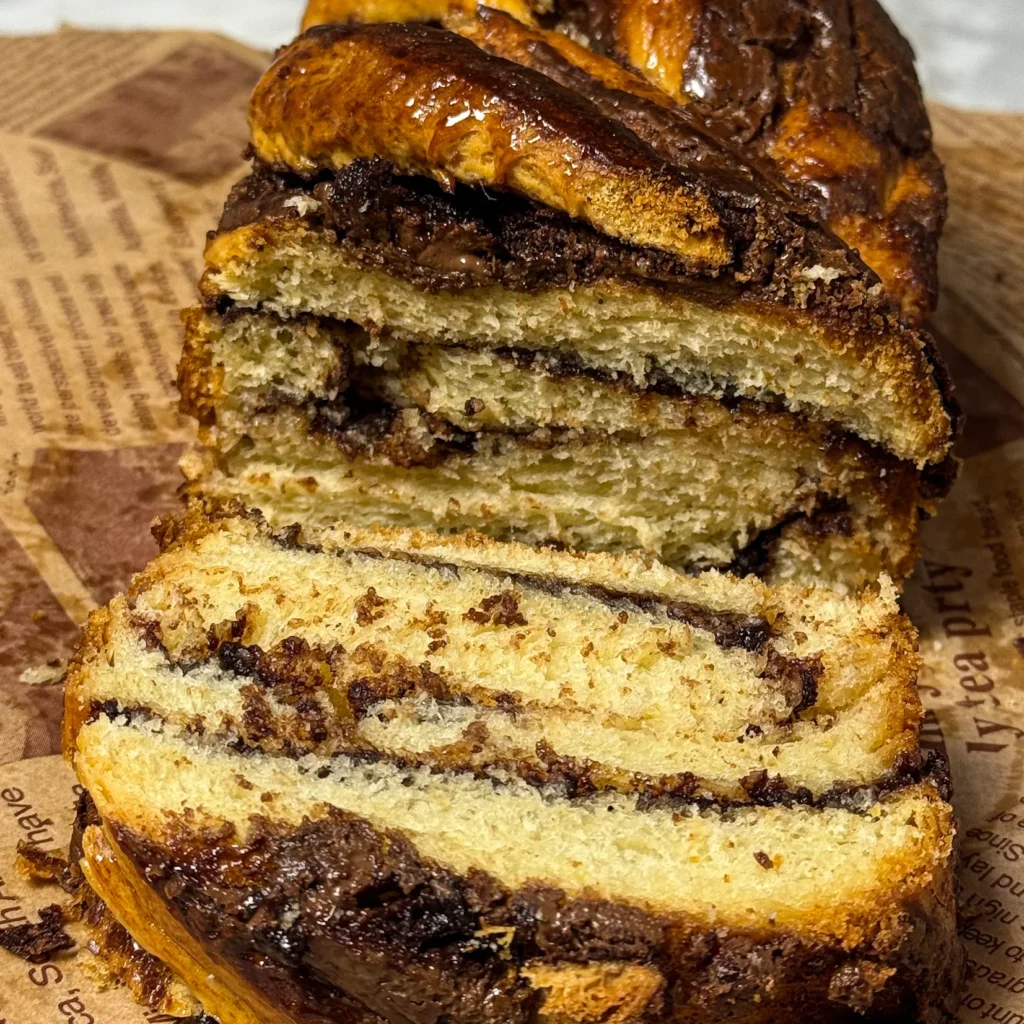
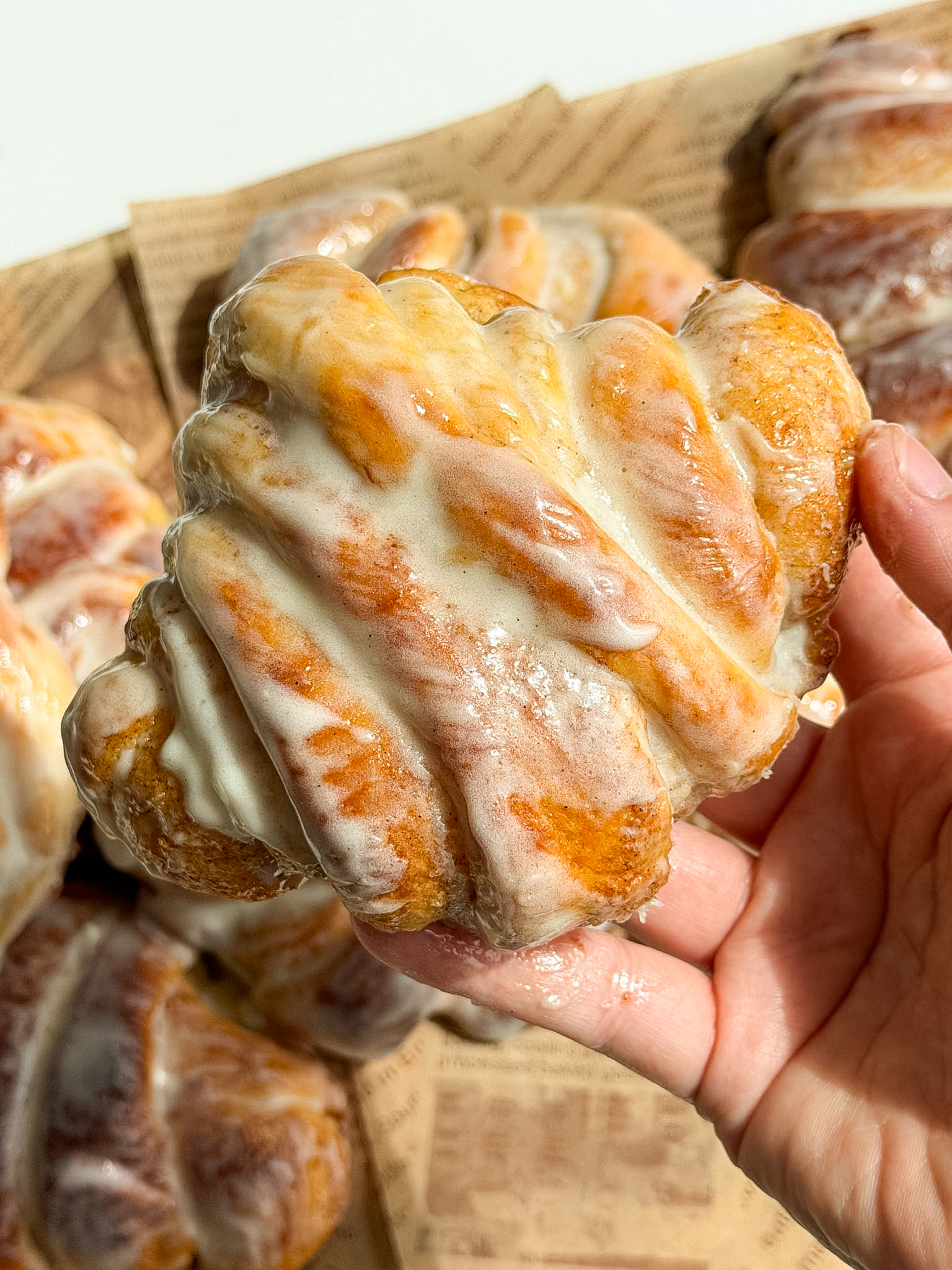
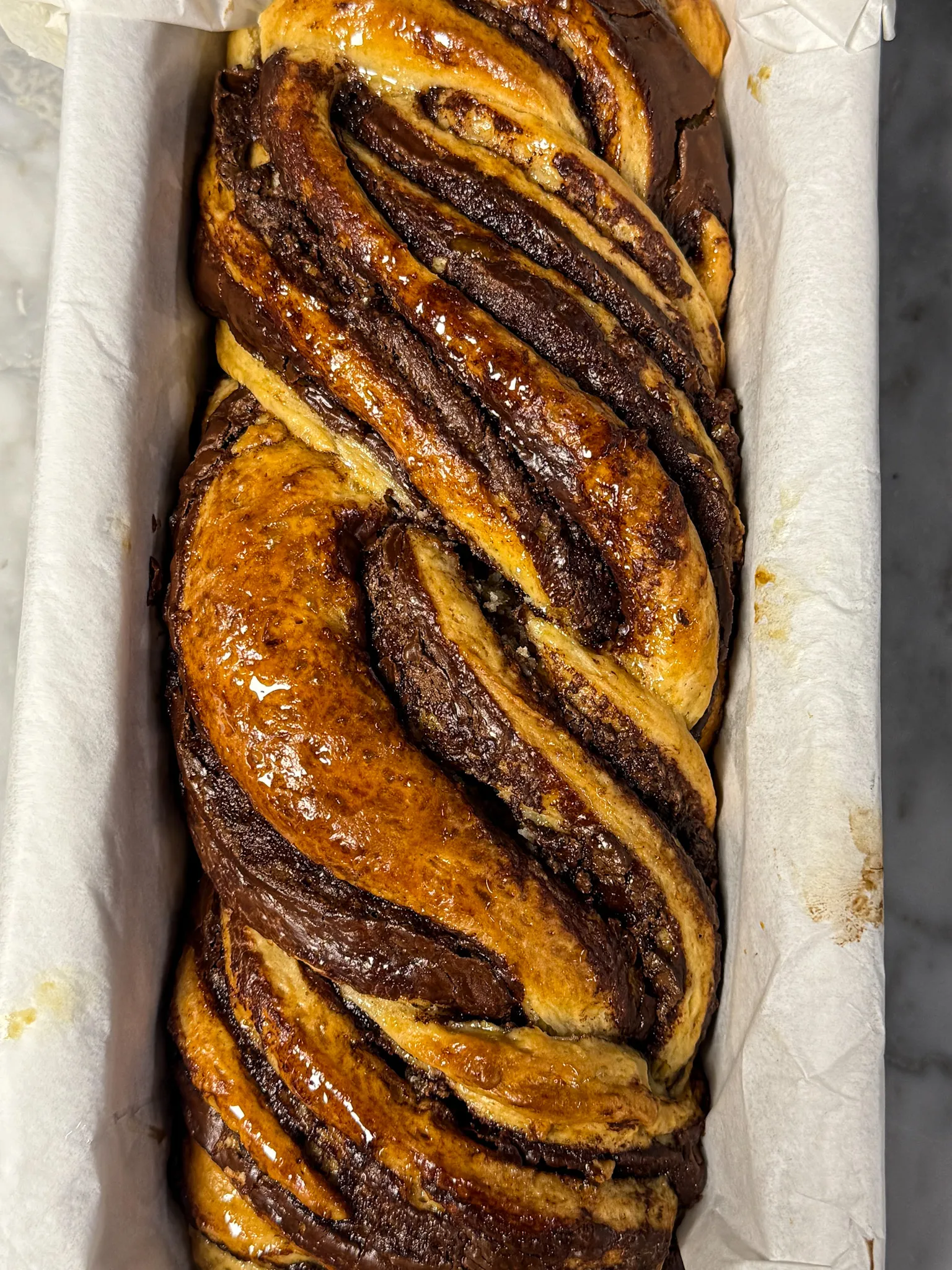
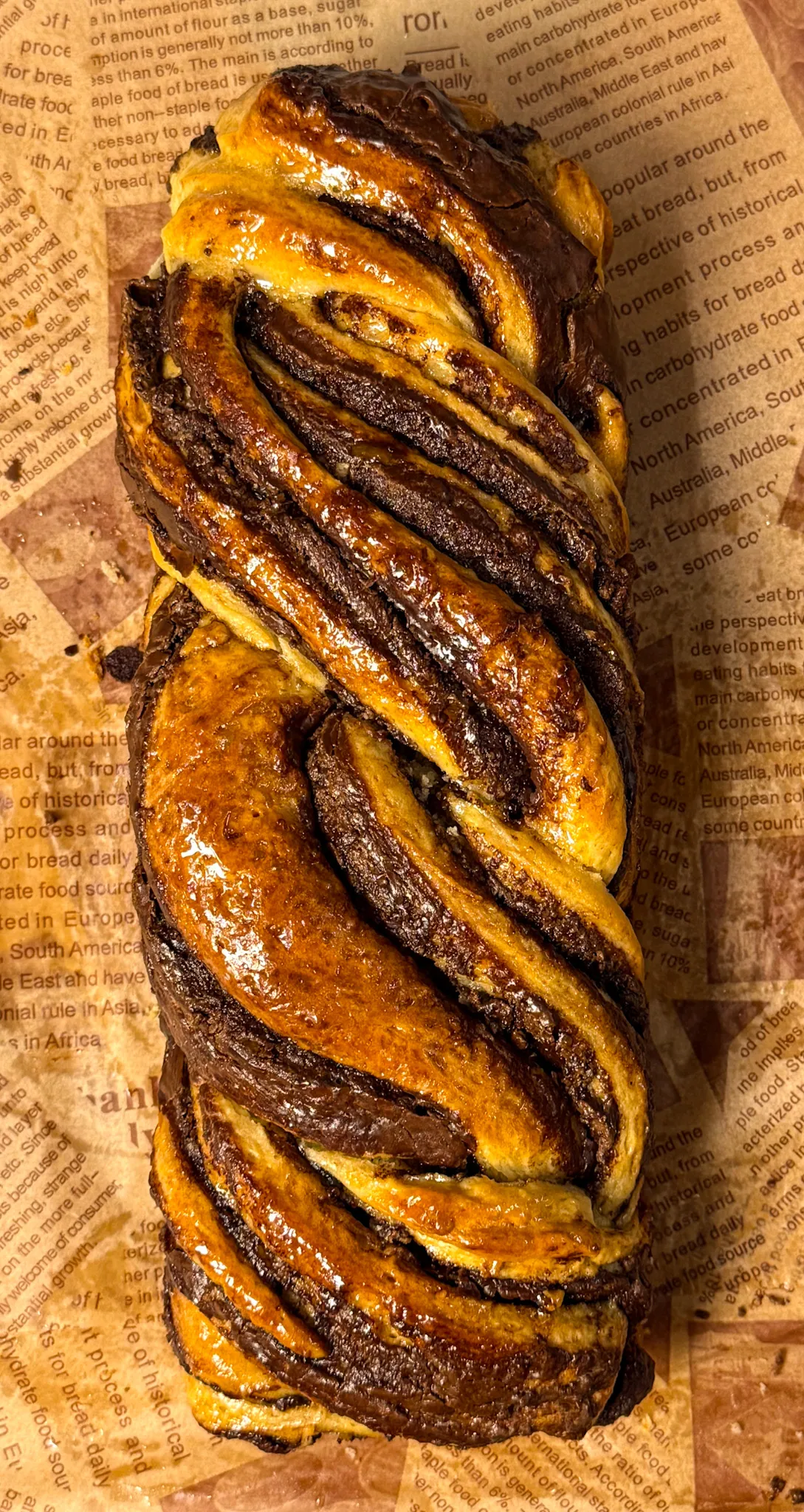
If you have ever walked past a bakery window and stopped cold at the sight of a glossy, spiral-layered loaf sitting perfectly under warm light, then Nutella babka is the recipe you have been waiting to try. This is the kind of bake that looks complicated but rewards every patient step with something genuinely extraordinary — tender enriched dough wrapped around thick, molten ribbons of Nutella, twisted into dramatic spirals, and finished with a shimmering sugar syrup glaze. Nutella babka is, without question, one of the most visually stunning breads you can make at home.
Nutella babka belongs to a long tradition of enriched sweet breads that originated in Eastern European Jewish baking, where babka was made with cinnamon or chocolate fillings and baked in tall loaf pans. Today, Nutella babka has come to mean something much broader — any enriched, twisted, filled bread that feels indulgent, layered, and celebratory.
This version keeps things beautifully simple: the only filling is pure, generous Nutella, and the result is richer and more satisfying than any version that tries to do too much. If you love the chocolate-hazelnut flavor of Nutella in your breakfast bakes — like in NUTELLA FILLED PANCAKES — then this loaf will feel like an exciting new way to enjoy those same beloved flavors in a far more dramatic form.
Why This Nutella Babka Is Special
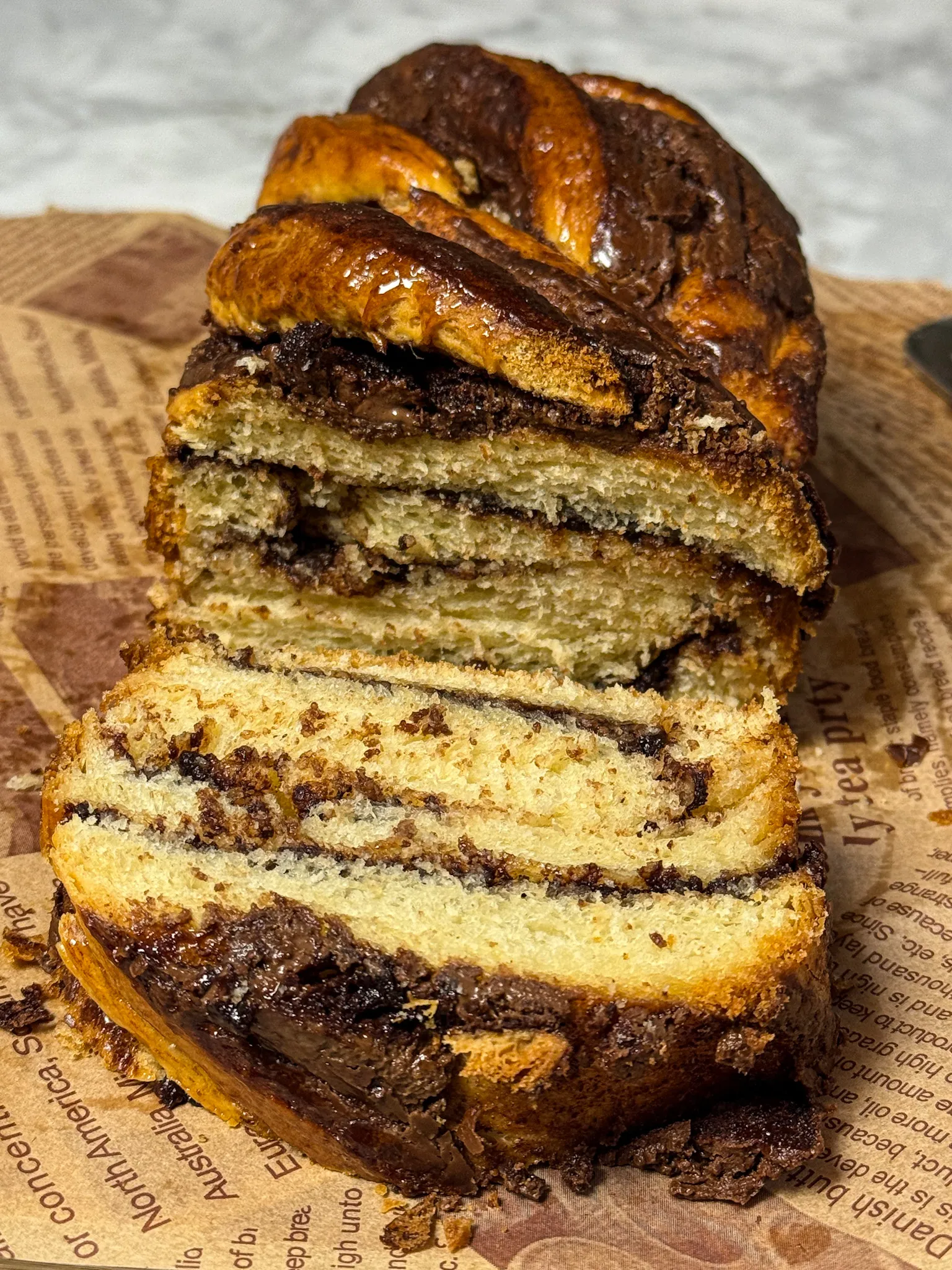
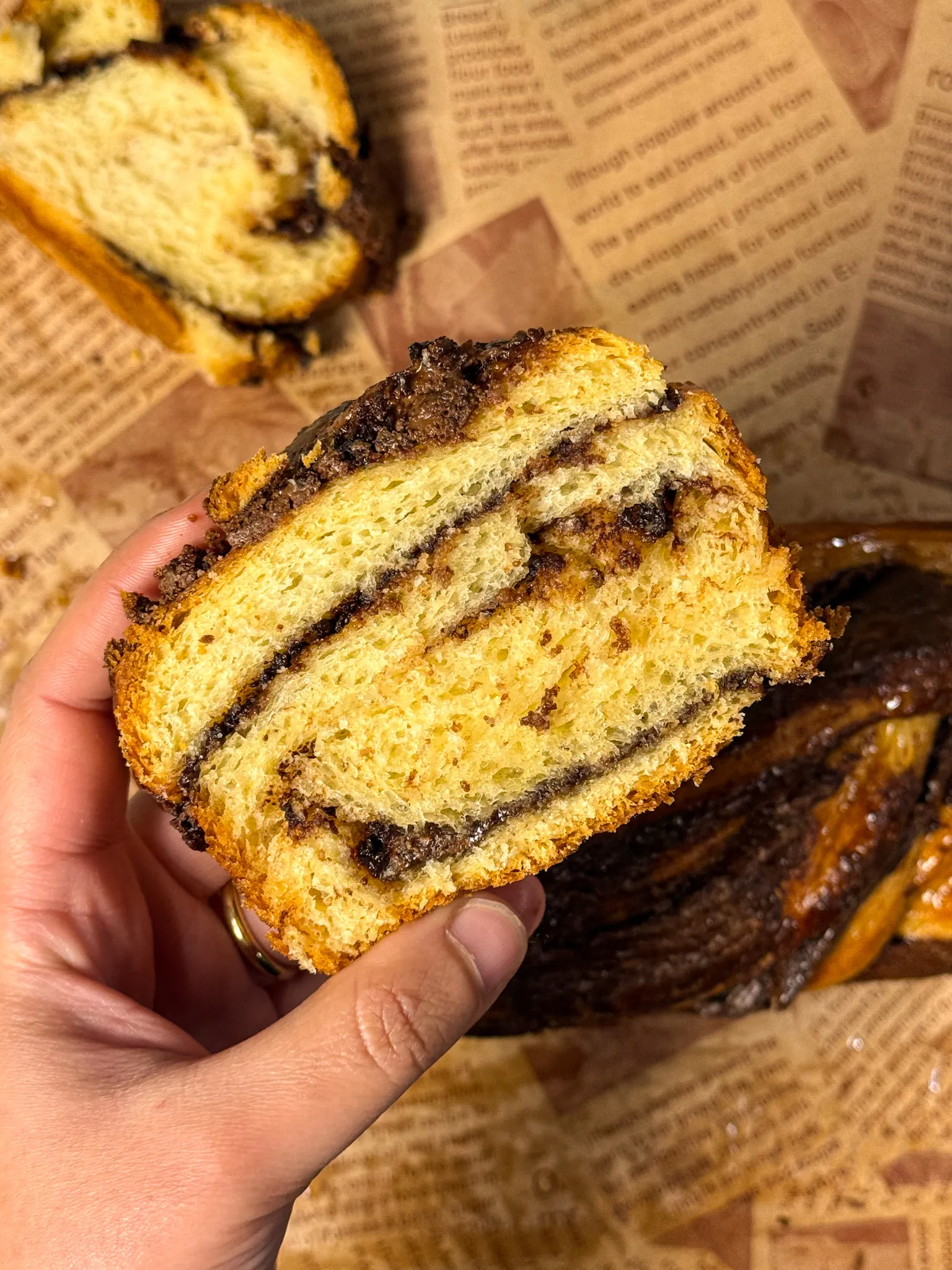
Nutella babka stands apart from most sweet breads because of what happens when enriched dough and Nutella meet inside the oven. The dough is made with eggs, butter, and milk, giving it a soft, pillowy crumb that is closer in texture to a Viennoiserie than a standard loaf. That richness acts as the perfect canvas for Nutella, which melts during baking, caramelizes slightly at the edges of the swirls, and becomes deeply concentrated in flavor.
What makes this Nutella babka recipe worth making over any other is the restraint in the filling. Using only Nutella — no brownie batter, no ganache, no extra butter mixed in — keeps the chocolate-hazelnut flavor clean and recognizable. Every bite delivers that unmistakable Nutella taste, balanced by the lightly sweet, buttery dough. Too many babka recipes overcomplicate the filling and muddy the final result. Here, simplicity is the strategy.
The sugar syrup applied immediately after baking is the final detail that elevates this from a good loaf to a bakery-quality one. It locks in moisture, creates that signature sheen, and ensures the Nutella babka stays soft for days rather than drying out within hours.
Key Ingredients Overview
Every ingredient in this Nutella babka recipe plays a specific structural or flavor role, and understanding those roles helps you make smarter decisions during baking. The flour provides structure — you want a strong bread flour or an all-purpose flour with good protein content. The eggs contribute richness and help bind the dough while giving the crumb a golden color. The butter, added gradually during kneading, creates that signature tender, pull-apart texture that makes enriched breads so irresistible.
The warm milk activates the yeast and contributes softness to the finished crumb. Instant yeast is used here specifically because it can be mixed directly into the dough without a long separate activation step, though you do bloom it briefly in warm milk to confirm it is active. Sugar feeds the yeast and adds balanced sweetness to the dough itself, so the bread never tastes bland even before the Nutella is added.
The Nutella filling needs no modification. Spreading it straight from the jar — slightly warmed if necessary for easier spreading — gives you thick, even layers that hold their shape during the twist without running out of the dough. This is a similar enriched dough philosophy to what makes CHOCOLATE CHIP BRIOCHE BREAD work so well: the fat content in enriched dough creates a soft structure that hugs and complements a chocolate filling perfectly.
Understanding the Science Behind Nutella Babka
How Enriched Dough Behaves Differently from Regular Bread
Standard bread dough contains flour, water, salt, and yeast. Enriched dough adds fat and sugar, which profoundly changes how the dough behaves. Fat coats the gluten strands, making them more extensible and less chewy. This is why babka dough is so pliable and easy to roll thin without springing back. Sugar competes with the gluten for water, which slows down gluten development and results in a more tender crumb. These two factors together create the characteristic pillowy softness that makes Nutella babka so different from a rustic sourdough or a baguette.
How the Twist Creates Visible Layers
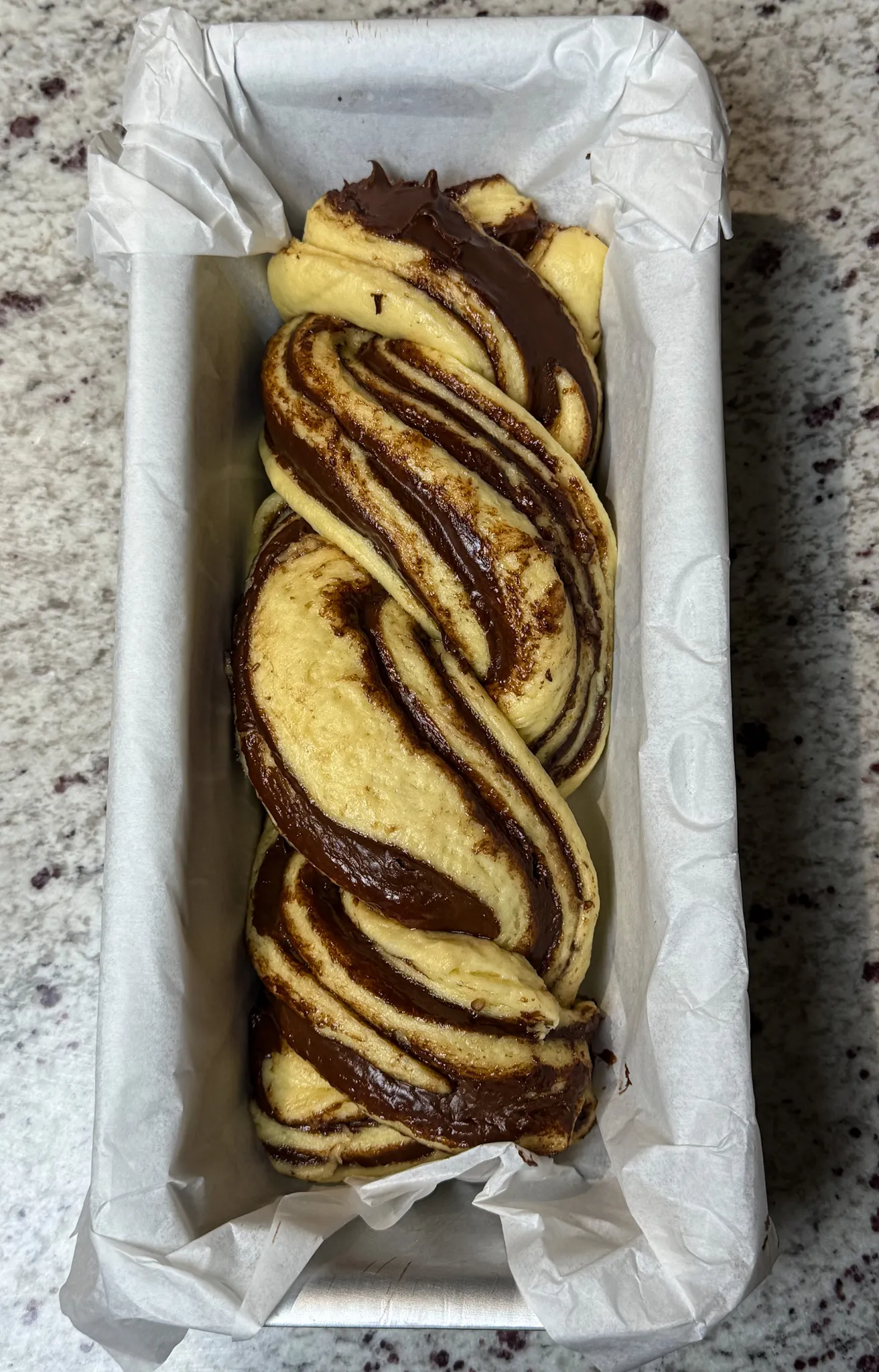
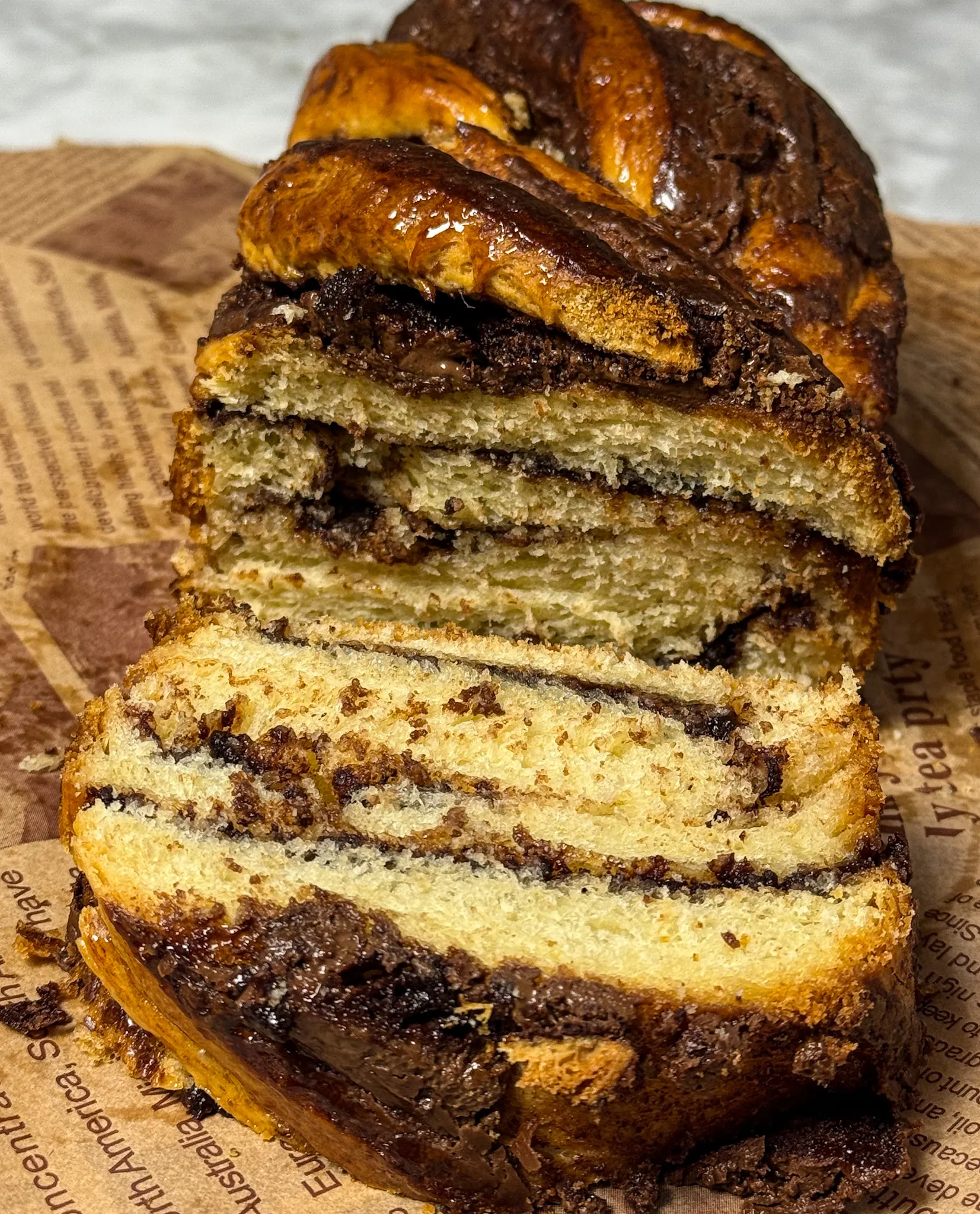
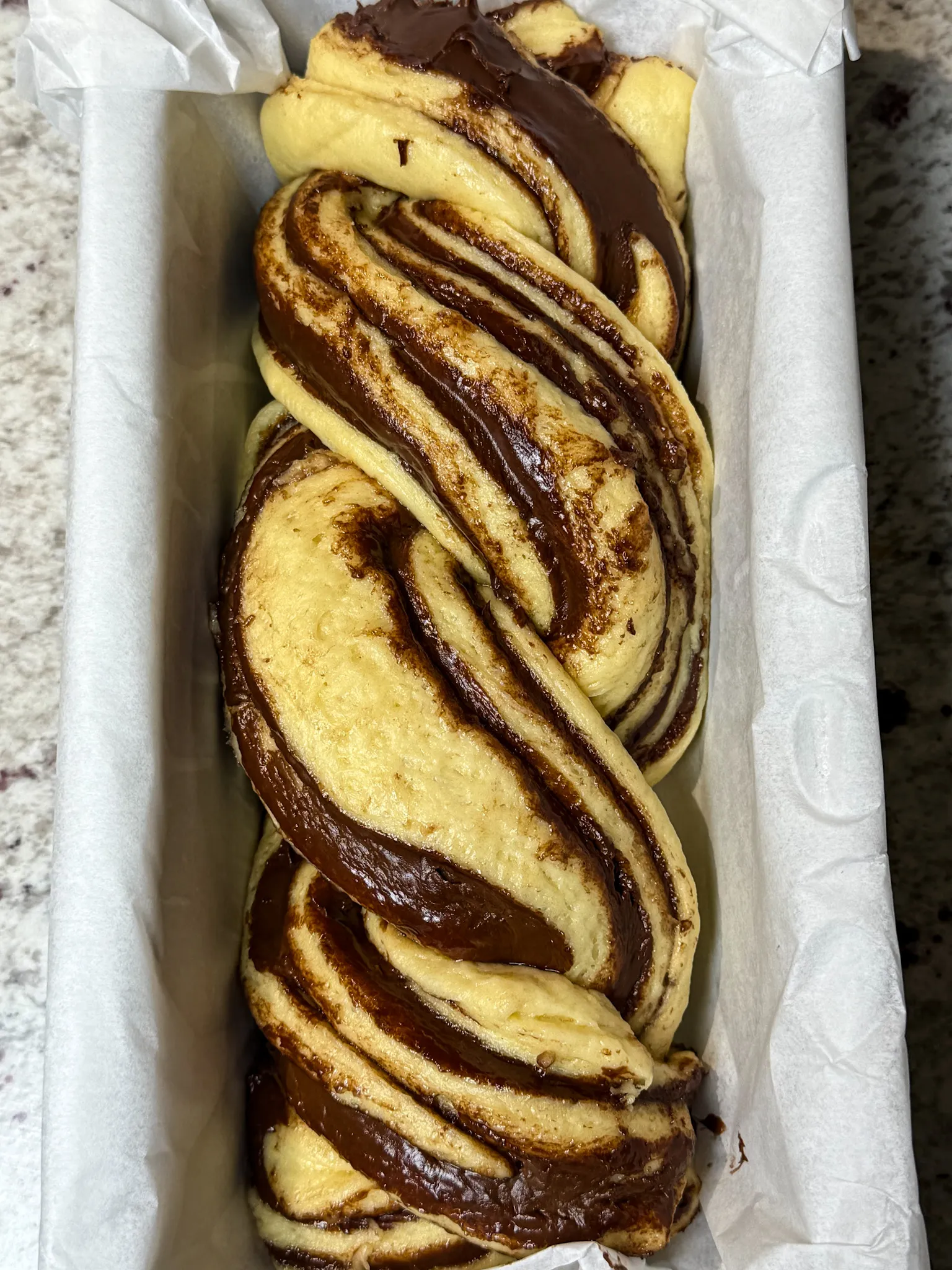
The shaping technique of Nutella babka is not decorative only — it serves a textural purpose. When you roll the dough into a log and then slice it lengthwise, you expose the inner Nutella layers. When you twist the two halves together with the cut sides facing up, those layers open out and expand during proofing and baking, creating visible chocolate ribbons on the surface and throughout the interior. The twist also allows steam to escape more evenly, which prevents the center from being doughy.
How Sugar Syrup Transforms the Finished Loaf
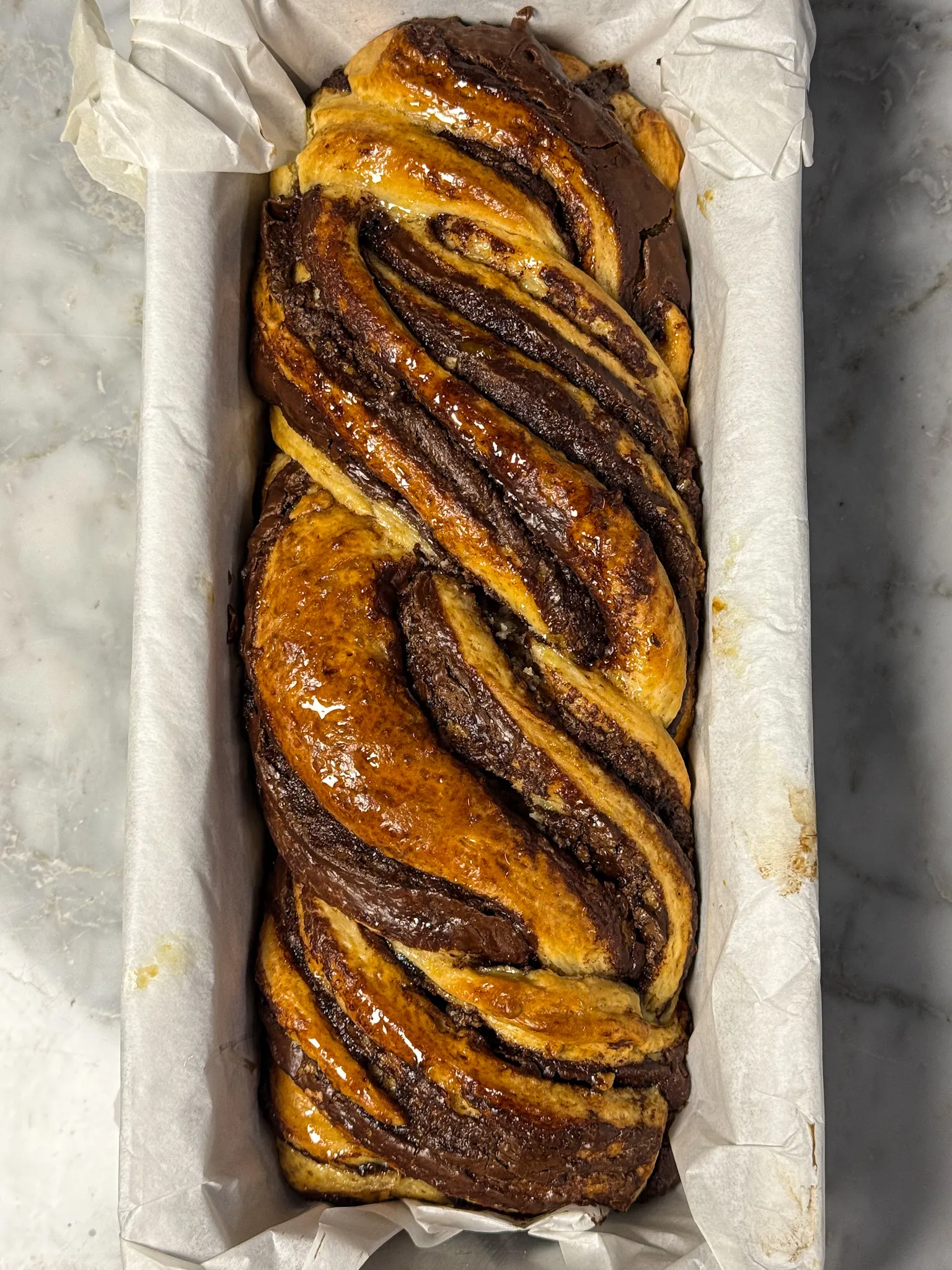
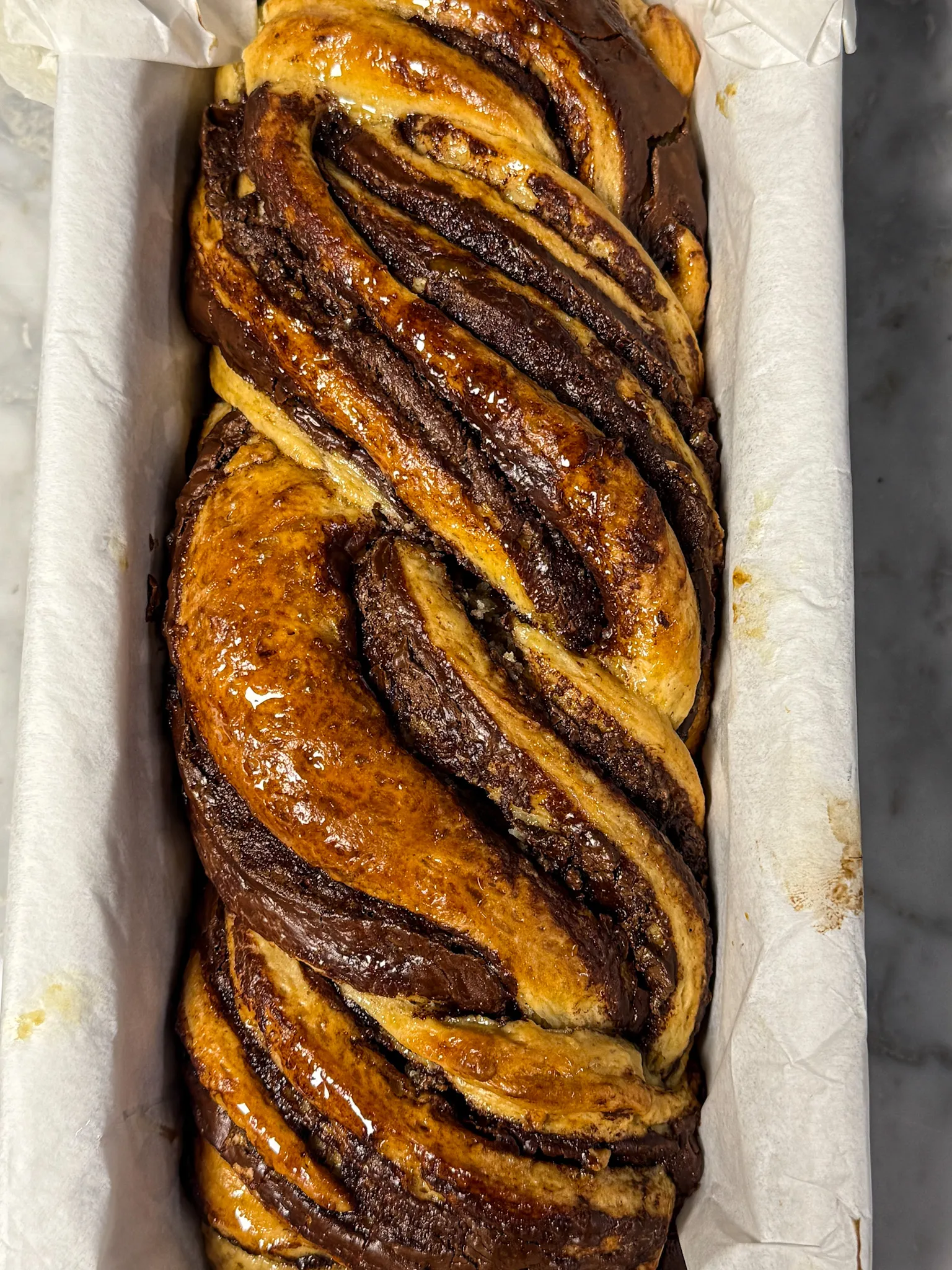
Brushing hot babka with sugar syrup is not optional if you want a professional result. When the syrup hits the hot loaf, it is immediately absorbed into the surface. The sugar molecules bind with the outer crumb, creating a moisture barrier that slows staling. The result is a loaf that stays soft and moist for two to three days rather than becoming dry within hours of baking.
Choosing the Right Ingredients
Flour
Use a strong all-purpose flour or bread flour with at least 11–12% protein. High-protein flour develops the gluten network needed to support all the fat and eggs in enriched dough. Lower-protein cake flours will produce a structure that is too weak to hold the Nutella babka’s twisted shape during baking.
Butter
The butter must be at room temperature — genuinely soft enough to press a finger through easily, but not melted. Cold butter will not incorporate into the dough properly and will leave greasy lumps. Melted butter weakens the gluten structure prematurely. Room-temperature butter emulsifies into the dough gradually, creating that silky, elastic texture. This is the same principle that makes doughs like CLASSIC JELLY BRIOCHE DONUTS so light and airy — the slow, careful addition of butter is the technique that makes or breaks enriched doughs.
Yeast
Instant yeast is the most reliable choice here. It has a longer shelf life than fresh yeast and activates faster than active dry yeast. If you are unsure whether your yeast is still active, the brief blooming step in warm milk with a pinch of sugar will confirm it within ten minutes. Look for visible foam before proceeding.
Eggs
Use large, room-temperature eggs. Cold eggs can shock the dough and make it harder for the gluten to develop properly during kneading. If you forgot to take them out ahead of time, place them in a bowl of warm water for five minutes.
Nutella
Any jar of Nutella at room temperature will spread easily enough in most kitchens. If your kitchen is cold, warm the Nutella in the microwave for ten to fifteen seconds and stir well before spreading. The goal is a thick, spreadable consistency — not liquid, not stiff.
Step-by-Step Instructions
Preparation
Begin by combining your warm milk, instant yeast, and one tablespoon of the measured sugar in the bowl of a stand mixer. Stir lightly, cover with a cloth, and allow to sit for ten minutes until the surface shows visible foam. This confirms the yeast is active. Meanwhile, measure out all your remaining ingredients. Have your butter cut into small cubes and sitting at room temperature.
Making and Kneading the Dough
Add the flour, remaining sugar, vanilla, and eggs to the yeast mixture. Using the dough hook attachment, mix on low speed for about one minute, then add the salt and continue mixing until a rough dough forms. It will look somewhat shaggy at this stage, which is normal.
Now begin adding the room-temperature butter, one or two pieces at a time. This step requires patience — do not rush it. Each addition of butter must be fully incorporated before the next goes in. Once all the butter is added, increase the mixer speed slightly and knead for a full fifteen minutes. The dough is ready when it is smooth, elastic, slightly tacky but not sticky, and passes the windowpane test: stretch a small piece between your fingers and it should form a thin, translucent membrane before tearing. Transfer the dough to a lightly greased bowl, cover tightly with plastic wrap, and refrigerate overnight.
Shaping and Filling
The next day, remove the dough from the refrigerator and divide it into two equal portions. Work with one portion at a time, keeping the other refrigerated. On a lightly floured surface, roll the first portion into a rectangle approximately 25 cm by 45 cm, keeping the edges as straight as possible. Spread Nutella generously and evenly across the surface, leaving a 2 cm border around all edges.
From the long edge, roll the dough tightly into a log, working slowly to avoid air pockets. Transfer the log to the freezer for ten minutes to firm it up. Once firm, use a sharp knife to trim the ends and then cut the log lengthwise down the center to expose the Nutella layers. Lay the two halves side by side with the cut sides facing up, cross them into an X shape, and twist each side over the other, keeping the cut sides facing upward throughout.
Assembly and Second Rise
Transfer the twisted Nutella babka into a greased, parchment-lined 8×4 inch loaf pan. Cover loosely and allow to rise for ninety minutes until noticeably puffy. Repeat the entire process with the second portion of dough.
Professional Tips for Perfect Results
Always Chill the Dough Overnight
An overnight refrigerator rise is the single most important tip for clean, beautiful Nutella babka. Cold dough is firm, easy to handle, and far less sticky than room-temperature enriched dough. It also develops a more complex, slightly tangy flavor during the slow fermentation. Bakers who skip the overnight rest often end up with sticky, hard-to-shape dough and less defined swirls in their Nutella babka.
Freeze the Log Before Slicing
After rolling the Nutella-covered dough into a log, placing it in the freezer for ten minutes firms the Nutella enough to hold its shape cleanly when you cut the log lengthwise. This one small step makes the difference between messy, smeared layers and clean, defined chocolate spirals that look stunning in the finished loaf.
Keep Cut Sides Facing Up During Twisting
When you twist the two halves of the log together, the cut sides — where the Nutella is exposed — must always face upward. This ensures those chocolate ribbons remain visible on the top of the babka after baking. If the cut sides fall inward, you lose the dramatic, bakery-style appearance that makes Nutella babka so visually striking. This shaping principle applies to many enriched and laminated doughs, including the beautiful spirals you see in JELLY CUSTARD BRIOCHE BUNS.
Never Skip the Sugar Syrup
Brush the entire surface of the babka generously with warm sugar syrup the moment it comes out of the oven. The contrast between the hot loaf and the warm syrup allows maximum absorption. Use all of the syrup — it may look like too much, but the loaf will absorb it fully without becoming soggy.
Use a Thermometer
The most reliable way to know whether your Nutella babka is fully baked is an instant-read thermometer. The internal temperature of the dough section (not a Nutella pocket) should reach approximately 88°C (190°F). This removes all guesswork and prevents the common mistake of pulling the loaf too early.
Common Mistakes to Avoid
Under-Kneading the Dough
Fifteen minutes of kneading is not an exaggeration. Enriched doughs require extended kneading because the fat makes gluten development slower. Under-kneaded dough will not have the elasticity to hold the twisted shape and may collapse during baking.
Adding Cold Butter
Cold butter tears the dough rather than incorporating smoothly. It creates a greasy, lumpy texture instead of the silky emulsification that produces a soft, even crumb. Set your butter out at least one hour before you plan to begin.
Skipping the Overnight Chill
Room-temperature risen dough is soft and sticky and nearly impossible to roll into a clean rectangle. The overnight chill makes the dough manageable, improves flavor, and is not optional if you want professional results.
Overfilling the Edges
Leaving a 2 cm border around the Nutella layer is essential. Filling right to the edges causes the Nutella to ooze out during rolling and twisting, creating leaks in the pan and uneven distribution in the finished loaf.
Slicing Too Soon
Allow the baked Nutella babka to cool in the pan for at least thirty minutes before transferring to a wire rack, and wait at least another fifteen to twenty minutes before slicing. The interior structure needs time to set after baking. Cutting too soon causes the loaf to collapse inward and ruins the spiral presentation.
Variations to Try
Cinnamon Sugar Nutella Babka
Before spreading the Nutella, dust the rolled dough lightly with a mixture of cinnamon and sugar. The cinnamon amplifies the chocolate-hazelnut notes in this Nutella babka variation and adds a warming spice note that is particularly lovely in cooler months. This variation bridges the flavors of Nutella babka and classic cinnamon babka in a single loaf. If you are a fan of cinnamon-infused enriched bakes, you will also love the swirled layers of PINK CLASSIC CINNAMON ROLLS, which use a similar lamination concept to create pull-apart layers.
Cream Cheese Nutella Babka
Spread a thin layer of lightly sweetened cream cheese over the dough before adding the Nutella. The cream cheese adds a subtle tang that contrasts beautifully with the sweetness of the hazelnut filling, and it creates a slightly more complex flavor profile that feels almost like a cheese Danish crossed with chocolate bread.
Espresso-Scented Nutella Babka
Dissolve one teaspoon of instant espresso in the warm milk before adding the yeast. Espresso deepens and intensifies the chocolate notes in this Nutella babka without making the bread taste like coffee — it simply makes the chocolate richer and more complex. This is the same technique used in many chocolate cake recipes and works equally well in Nutella babka.
Mini Individual Babka Loaves
Divide each dough portion into smaller pieces and bake individual Nutella babka loaves in mini loaf pans. Mini Nutella babka loaves bake faster — approximately twenty-five to thirty minutes — and make beautiful gifts or brunch centerpieces. They also freeze exceptionally well, allowing you to defrost individual loaves as needed.
Storage and Reheating
Room Temperature
Store Nutella babka covered tightly in plastic wrap or in an airtight container at room temperature for up to two to three days. The sugar syrup helps this Nutella babka retain moisture longer than most breads, so it should remain soft and pliable throughout that window.
Refrigeration
You can refrigerate Nutella babka, but it is not ideal — the cold tends to dry out enriched breads more quickly than room-temperature storage. If you must refrigerate, wrap it very tightly and plan to reheat it before serving.
Freezing
Nutella babka freezes beautifully. Allow the Nutella babka to cool completely, wrap the entire loaf (or individual slices) tightly in plastic wrap followed by a layer of aluminum foil, and freeze for up to two months. The double-wrapping prevents freezer burn and preserves both the texture and the flavor of the Nutella swirls.
Reheating
To reheat from frozen, thaw at room temperature for several hours, then warm in a 150°C (300°F) oven for eight to ten minutes. This revives the soft, fresh-baked texture beautifully. To reheat a room-temperature slice, thirty seconds in the microwave or a few minutes in a low oven both work well. Avoid microwaving for too long — it can make the bread chewy rather than soft.
Frequently Asked Questions
Can I make Nutella babka without a stand mixer?
Yes, though it requires significantly more effort. You can mix the dough by hand, kneading for twenty to twenty-five minutes instead of fifteen. The most difficult part is incorporating the butter — add it in very small amounts and knead vigorously between each addition. The result will be the same, but your arms will know the difference.
Why did my Nutella leak out during baking?
This is almost always caused by two things: spreading Nutella too close to the edges of the dough (always leave a 2 cm border), or not firming the log in the freezer before slicing. Skipping the ten-minute freeze step means the Nutella is still too soft to hold its shape when you cut and twist, leading to leaks.
Can I use a different chocolate spread instead of Nutella?
Yes. Any smooth, spreadable chocolate-hazelnut spread will work. The texture and spreadability should be similar to Nutella — creamy and not too stiff. Avoid using ganache, melted chocolate, or anything that is liquid at room temperature, as these will flow out of the dough and not hold their shape during shaping.
How do I know when my dough has kneaded long enough?
Use the windowpane test. Take a small piece of dough and gently stretch it between your fingers. If it stretches into a thin, semi-transparent membrane without tearing, the gluten is fully developed. If it tears quickly and unevenly, continue kneading.
Can I proof Nutella babka in the refrigerator for the second rise instead of at room temperature?
Yes, this is a useful option if you want to bake it in the morning without a long wait. After shaping and placing the twisted loaf in the pan, cover and refrigerate overnight for a slow second rise. In the morning, take it out and let it come to room temperature for thirty to forty-five minutes before baking.
Why does the recipe make two loaves?
Because the dough yield is generous, and because Nutella babka freezes so well that making two at once is always a smart decision. One to enjoy immediately, and one to freeze for the next occasion when you want something spectacular without the full day of effort.
Watch the recipe video for more clarity!
See our similar recipes:
People also like these recipes:
Final Thoughts
Nutella babka is one of those recipes that asks a lot of you — patience during kneading, restraint during the overnight wait, precision during shaping — and then repays every bit of that effort in the most satisfying way possible. When you pull this loaf from the oven, glossy and golden with chocolate spirals visible across every surface, you will understand immediately why Nutella babka has become one of the most celebrated home baking projects in recent years. It is not just a loaf of bread. It is a genuine accomplishment.
What makes this recipe particularly rewarding is that despite the drama of the presentation, it is genuinely achievable at home. The techniques are learnable, the ingredients are accessible, and the steps — while numerous — are clearly logical. Each one builds on the last to produce a result that looks and tastes like something from a professional bakery. Nutella babka is the kind of bake that makes people stop mid-bite to ask where you bought it, and then look genuinely surprised when you tell them you made it yourself.
Whether you are making Nutella babka for a weekend brunch, a holiday gathering, or simply because you deserve something extraordinary on an ordinary day, this loaf delivers. Keep the leftovers wrapped tightly and warm individual slices before serving — each day it is slightly different, and each day it is still delicious. That is the true magic of a well-made Nutella babka: it gives generously, every single time.
For the Dough:
- 530 g all-purpose flour
- 100 g refined sugar
- 10 g instant yeast
- ¾ cup warm milk
- 3 eggs
- 2 teaspoons vanilla extract
- 150 g butter room temperature
- ½ tablespoon fine salt
Filling:
- Nutella about 1½–2 cups, as needed
Activate the Yeast
In a mixer bowl, combine warm milk, yeast, and 1 tablespoon of sugar.
Mix gently, cover with a cloth, and let sit for 10 minutes until foamy.
Make the Dough
Add flour, remaining sugar, vanilla, and eggs.
Using the dough hook, mix on low speed.
After 1 minute, add the salt.
Continue mixing until a uniform dough forms.
Add the Butter
Add softened butter gradually, piece by piece.
Knead on medium speed for about 15 minutes until:
The dough pulls away from the bowl
It becomes smooth and elastic
It is slightly tacky but not sticky
First Rise
Transfer dough to a lightly greased bowl.
Cover and refrigerate overnight (recommended for flavor and easier shaping).
Alternatively, let rise at room temperature until doubled in size.
The Next Day
Roll the Dough
Remove dough from fridge and divide into 2 equal pieces.
Roll one piece into a rectangle approximately 25 cm x 45 cm.
Add the Nutella
Spread a generous, even layer of Nutella over the dough.
Leave about 2 cm border on all sides.
Roll & Chill
Roll tightly into a log (from the long side).
Place in the freezer for 10 minutes to firm up.
Shape the Babka
Trim off the ends.
Cut the log lengthwise down the middle to expose the layers.
Cross the two halves into an X shape and twist them together, keeping the cut sides facing up.
Transfer into a greased 8x4 inch loaf pan lined with baking paper.
Repeat with the second dough piece.
Second Rise
Cover and let rise for 1–1.5 hours until puffy.
Bake
Preheat oven to 175°C (350°F).
Brush with egg wash.
Bake for 40–45 minutes.
Check after 30 minutes.
If it browns too quickly, loosely cover with foil.
The internal temperature should reach 88–90°C (190°F).
Make the Syrup
In a small saucepan, combine sugar and water.
Bring to a boil for a few minutes until sugar dissolves.
Remove from heat.
Finish
As soon as the babka comes out of the oven, pour the syrup evenly over the top.
Let cool for at least 30 minutes before slicing.
If you've given this recipe a try and it won you over, please share your thoughts by leaving
a rating and comment below! If you have any questions about this recipe, don't hesitate to ask – I'm here to
help and will respond promptly.