Introduction
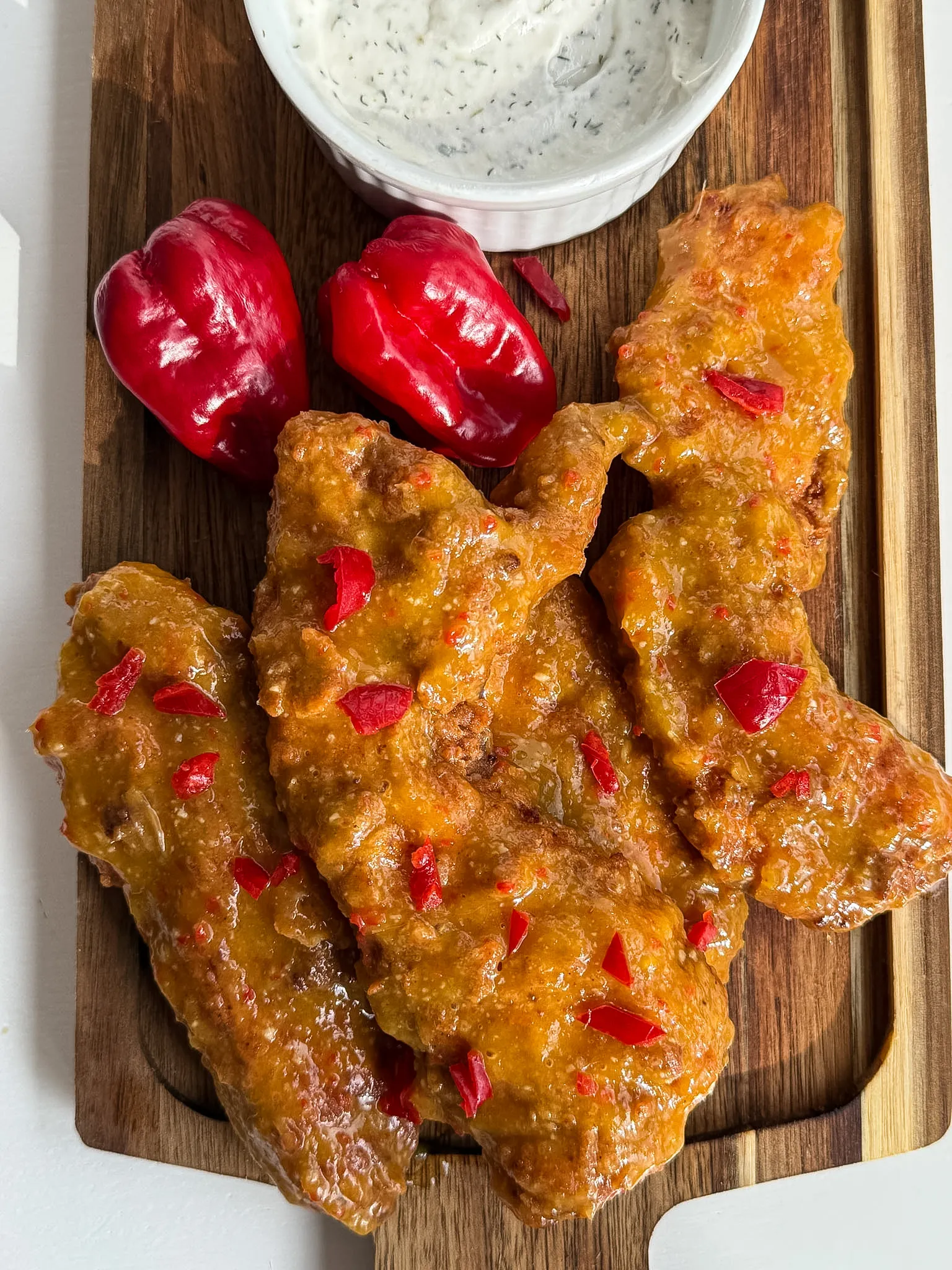
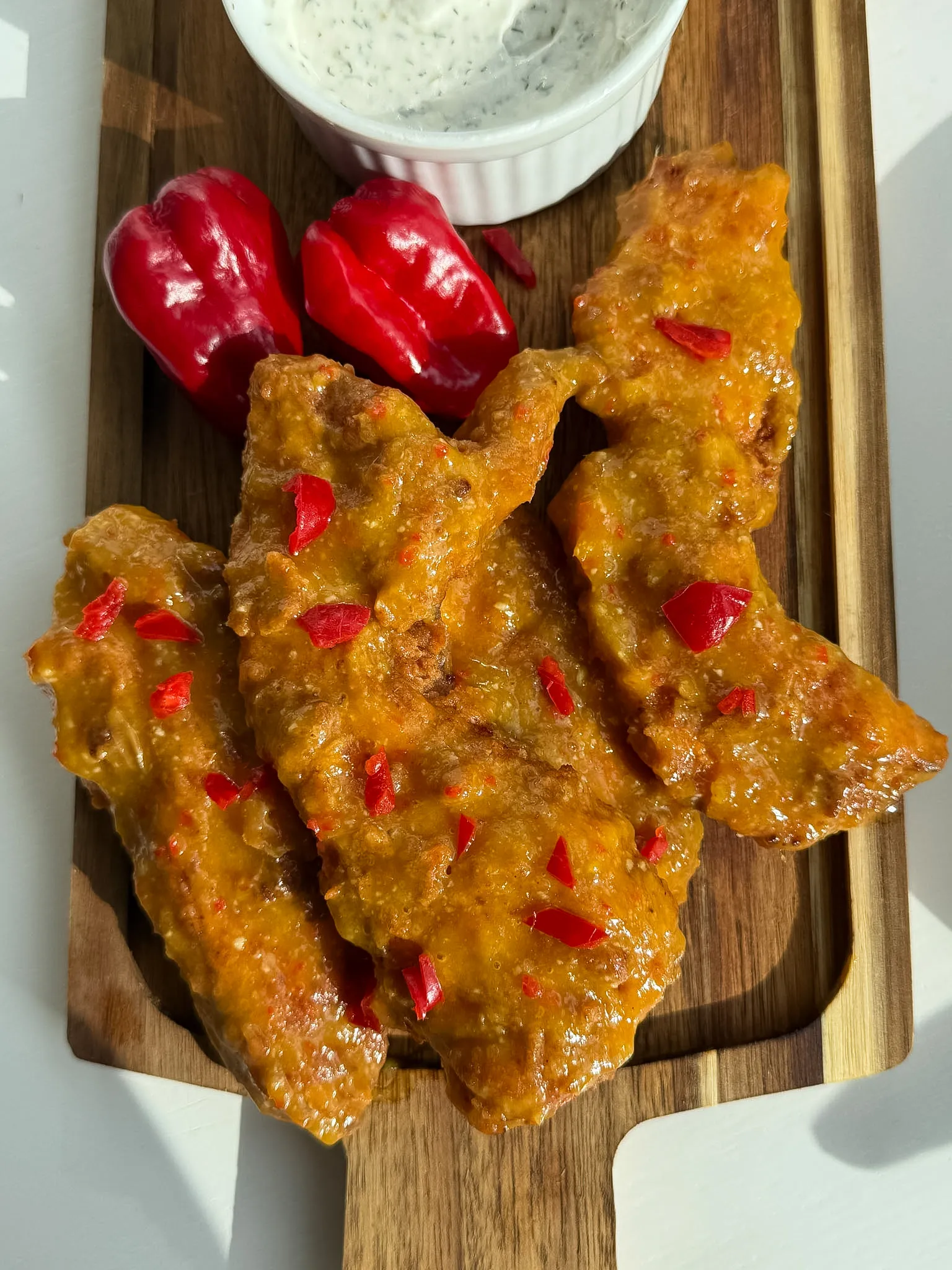
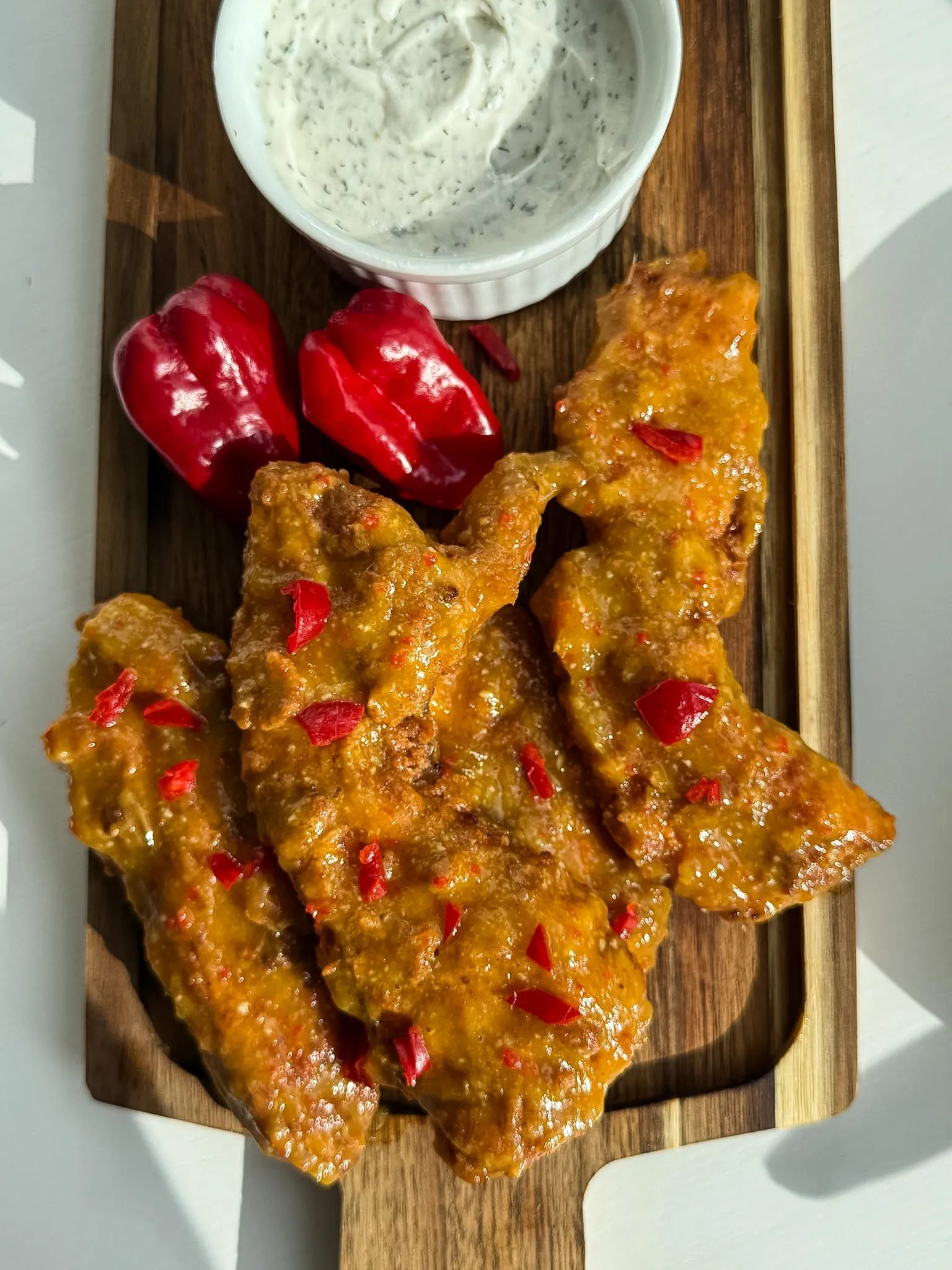
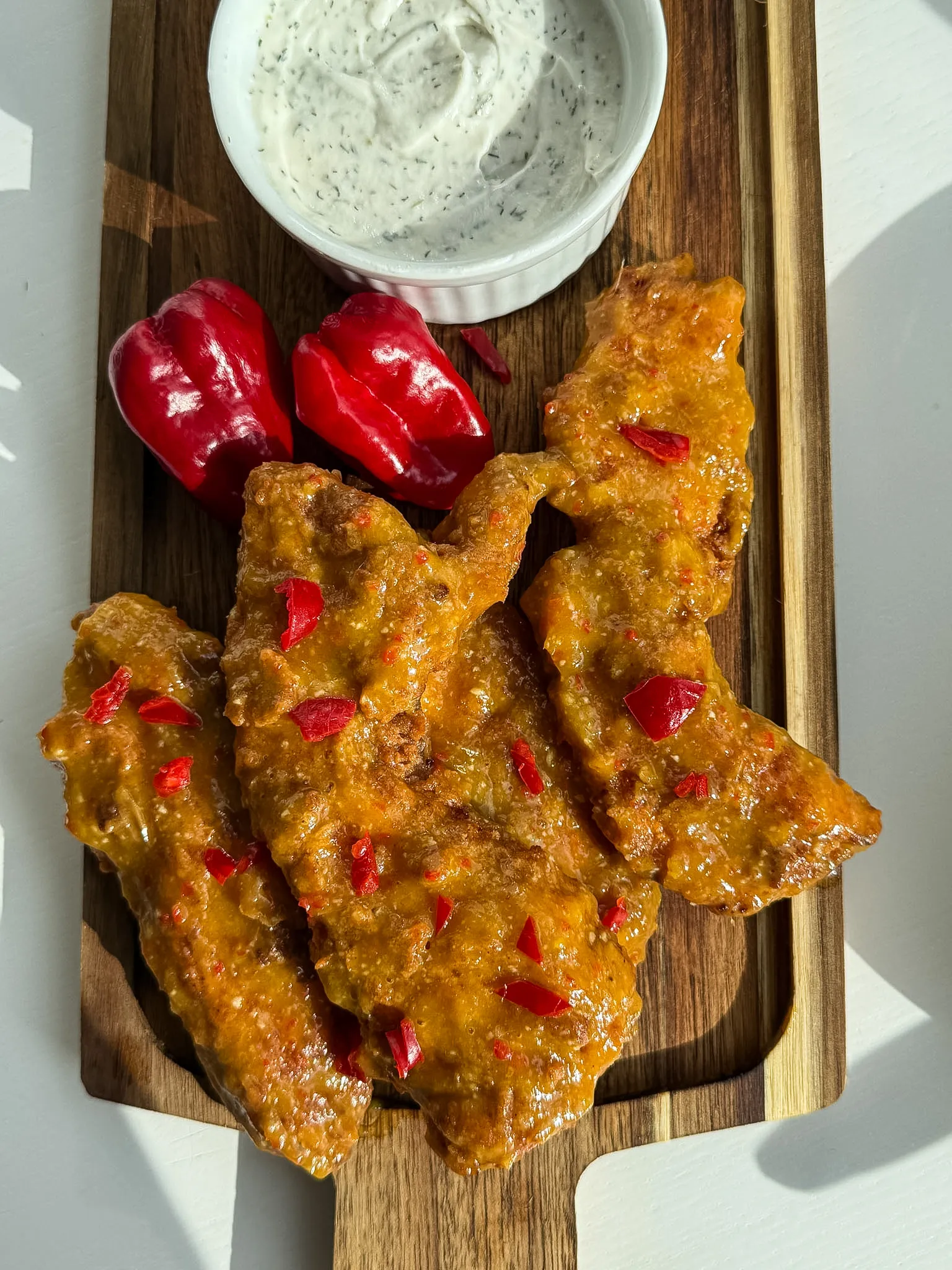
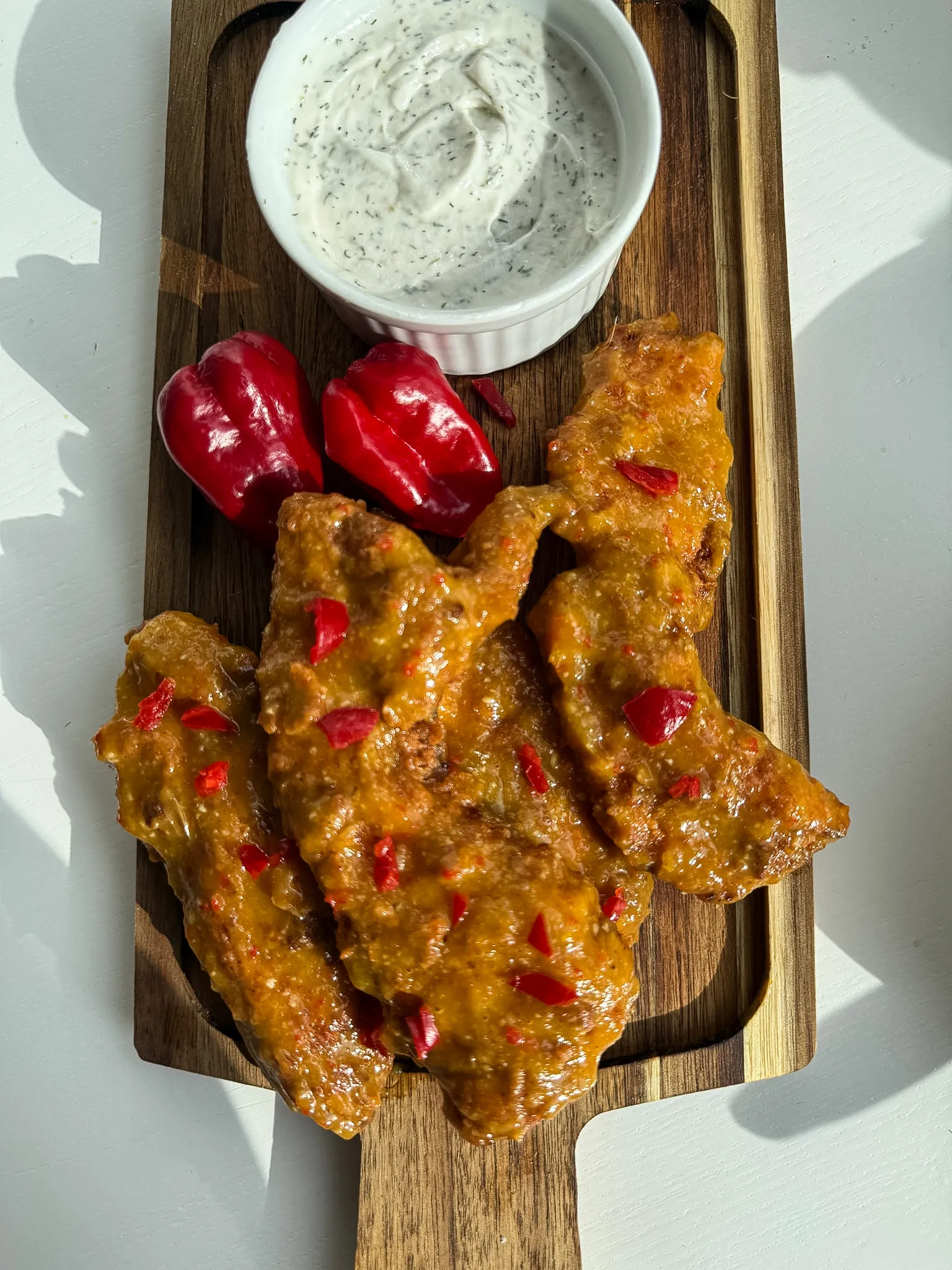
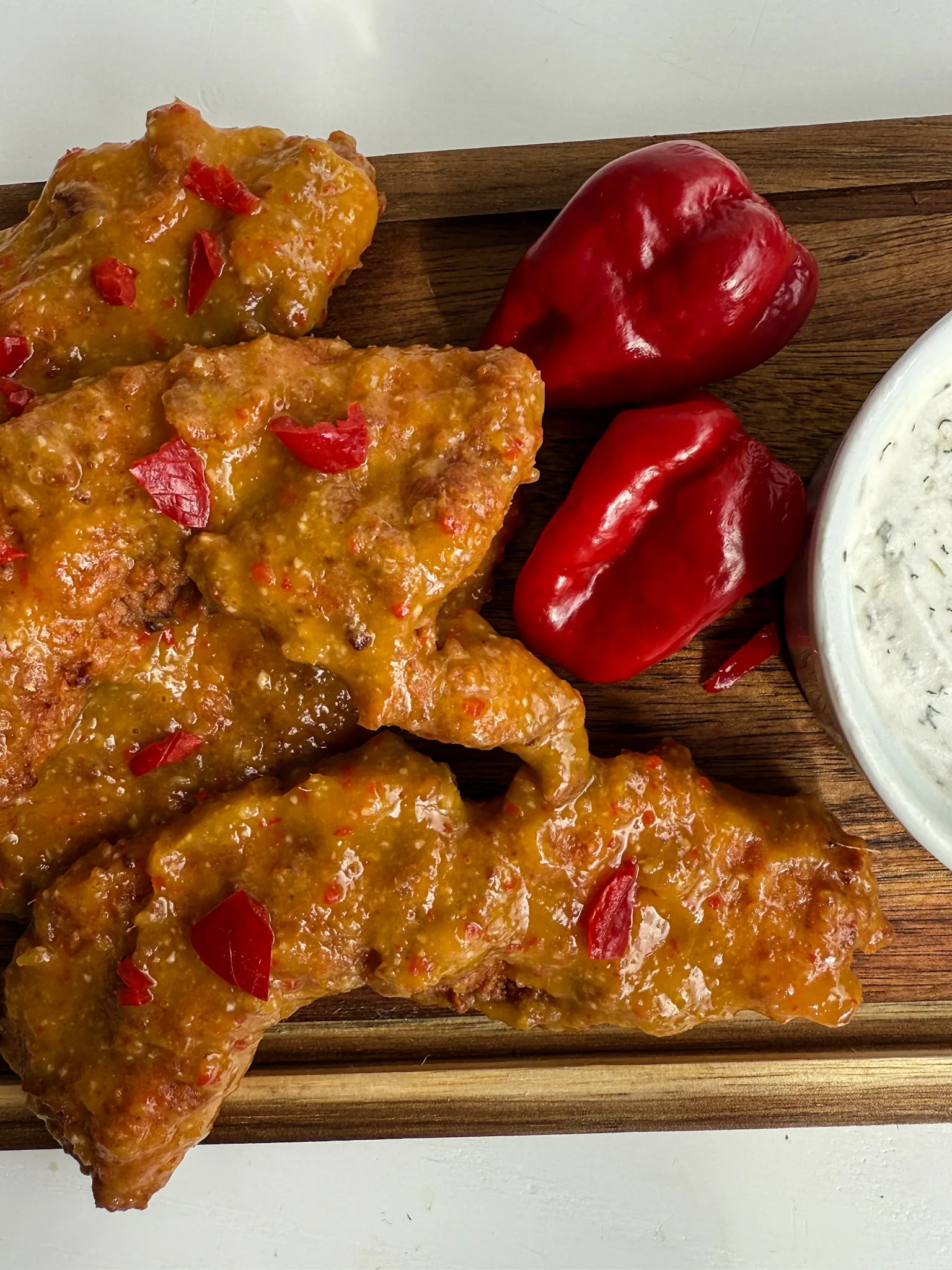
If you have ever wanted a recipe that disappears the moment you set it on the table, mango habanero chicken tenders are exactly that dish. These are not ordinary tenders. They are golden, shatteringly crispy on the outside, juicy and tender within, and finished in a sticky glaze that delivers sweet tropical mango, fiery habanero heat, garlic, honey, and lime in every single bite. The contrast between the crunch of the coating and the boldness of the sauce is what makes this recipe so completely irresistible.
Mango habanero chicken tenders hit a flavor note that very few recipes manage to achieve. The sweetness of ripe mango softens the sharp heat of the habanero, while honey adds body and shine to the glaze and lime cuts through the richness with a burst of brightness. Together, these elements create a sauce that coats every tender in a glossy, intensely flavored layer that clings beautifully to the crispy crust underneath.
Whether you are making these for game day, a weekend dinner, a party spread, or simply because you want something extraordinary on a regular Tuesday, this recipe is surprisingly easy to pull off at home. If you enjoy bold-flavored crispy chicken, you are also going to love these BUTTERY GARLIC PARMESAN CHICKEN TENDERS, which use a similar frying technique with a completely different flavor profile.
Why This Mango Habanero Chicken Tenders Recipe Is Special
Mango habanero chicken tenders stand out from the endless world of fried chicken recipes for one very specific reason: the sauce is built on real fruit. Many restaurant-style sweet and spicy glazes rely on artificial flavoring, bottled sauces, or syrups to achieve that tropical note. This recipe uses fresh or frozen mango, which gives the glaze an authentic richness and natural sweetness that you simply cannot replicate any other way.
The second thing that makes this recipe exceptional is the balance between heat and sweetness. Habanero peppers are genuinely hot, but they are also intensely fruity, making them the ideal pairing for mango. The fruitiness in the pepper and the sweetness of the mango speak the same flavor language, so instead of a one-dimensional blast of heat, you get something nuanced and layered. The honey rounds out the edges, the garlic adds savory depth, and the lime keeps the whole glaze from feeling heavy or cloying.
Finally, the coating on these mango habanero chicken tenders is built for crispiness. A combination of all-purpose flour and cornstarch creates a crust that fries up light and airy rather than thick or heavy. Paired with a buttermilk marinade that keeps the chicken moist and helps the coating adhere, the result is a tender that stays crispy even after being tossed in a generous amount of sauce.
Key Ingredients Overview
The ingredient list for mango habanero chicken tenders is short, but each item is doing meaningful work in the final dish.
Chicken tenders, or chicken breast cut into strips, are the base. They cook quickly, stay juicy under proper frying conditions, and have just enough surface area to hold a generous coating of both breading and glaze. Using chicken thighs is also possible for extra juiciness, though the cook time will need to be adjusted slightly.
Buttermilk is the marinade of choice for a reason. Its mild acidity gently breaks down the surface proteins in the chicken, which tenderizes the meat and makes it noticeably more succulent after frying. It also creates a slightly tacky surface on the chicken that helps the flour and cornstarch coating stick evenly and thoroughly.
The coating itself is a blend of all-purpose flour and cornstarch. Flour provides structure and browning, while cornstarch creates a lighter, crispier outer layer. This combination is used across many great fried chicken styles, from KOREAN FRIED CHICKEN to Japanese karaage, because it consistently produces a coating that remains crunchy rather than turning soft after a few minutes.
Mango is the star of the sauce. A ripe mango with vibrant yellow-orange flesh and a fragrant stem is ideal. During the off-season, frozen mango works just as well and is often more consistent in sweetness and flavor. The mango is blended smooth and reduced into the glaze, contributing both its natural sugars and its characteristic tropical acidity.
Habanero peppers bring heat and fruity complexity. Unlike jalapeños, which are mostly sharp and grassy, habaneros carry a distinctive fruity undertone that pairs naturally with mango. The seeds and inner membrane contain most of the capsaicin, so removing them reduces the heat significantly while keeping the flavor intact. Leaving them in produces a sauce with a bold, lingering burn that spice enthusiasts will appreciate.
Understanding the Science Behind Mango Habanero Chicken Tenders
Why Cornstarch Is the Key to a Crispy Coating
The addition of cornstarch to the flour dredge is one of the most impactful techniques in all of fried chicken cookery, and it is worth understanding exactly why it works. Cornstarch molecules do not absorb moisture the same way wheat flour does. When submerged in hot oil, they form a very thin, rigid layer on the outside of the chicken that shatters cleanly when you bite through it. Flour alone produces a slightly thicker, chewier crust that tends to absorb the sauce and soften quickly. The cornstarch creates the crisp, light crunch that holds up beautifully even after the mango habanero chicken tenders are tossed in the glaze.
How Buttermilk Transforms the Chicken
The chemistry of buttermilk marination is straightforward but genuinely effective. Lactic acid, which is naturally present in buttermilk, begins to denature the proteins in the outer layers of the chicken during the marinade period. This process essentially pre-tenderizes the meat before it ever hits the oil. The result is chicken that is visibly more tender and moist in the finished dish. Even a 30-minute marinade makes a noticeable difference, though marinating overnight in the refrigerator produces an even more succulent result.
The Mango Habanero Glaze: Building Heat and Sweetness in Layers
A well-made glaze is not simply sweet sauce with heat added. It is a reduction where the natural sugars in the mango and honey caramelize slightly over heat, deepening in flavor and thickening in texture. The habanero loses a small amount of its raw sharpness during cooking, integrating more smoothly into the fruit. Garlic and lime are added off the heat to preserve their brightness and prevent them from turning bitter. The result is a glaze that has depth, complexity, and an addictive quality that goes far beyond what any bottled sauce can deliver.
Choosing the Right Ingredients
Selecting the Best Mango
The quality of the mango has a direct impact on the flavor of the entire sauce. A ripe mango should feel slightly soft when gently pressed and emit a sweet, fragrant aroma near the stem. The flesh should be deeply colored, ranging from golden yellow to vivid orange. Mangoes that are pale, fibrous, or watery will produce a glaze that is thin, less sweet, and lacking the tropical character this recipe needs. Frozen mango is an excellent and consistent alternative, especially outside of peak season.
Habanero Pepper Selection and Heat Control
Fresh habanero peppers should look vibrant and firm with no wrinkled skin or soft spots. Their color ranges from green when underripe through orange and red at full ripeness. Fully ripe habaneros are sweeter and slightly more complex in flavor. For those new to working with habaneros, start with half a pepper with all seeds and membrane removed. This will produce a sauce with mild to moderate heat. Adding a full pepper with seeds intact creates a sauce with genuine intensity that most spice lovers will find deeply satisfying.
Choosing the Right Oil for Frying
Neutral oils with high smoke points are the best choice for frying mango habanero chicken tenders. Vegetable oil, canola oil, sunflower oil, and peanut oil all perform well. Avoid olive oil for deep frying, as its lower smoke point means it will begin to break down at the temperatures needed for properly crispy chicken. Aim for an oil temperature of 175°C (350°F) and maintain it as consistently as possible throughout the frying process.
For a completely different but equally impressive take on crispy chicken, the JAPANESE KARAAGE FRIED CHICKEN on this site uses a similar high-heat frying method with a soy and ginger marinade, and the technique transfers beautifully if you ever want to experiment with different flavor profiles.
Step-by-Step Instructions
Preparing the Buttermilk Marinade
Place 500 grams of chicken tenders or chicken breast cut into strips into a bowl. Pour over 240 milliliters of buttermilk. Season with 1 teaspoon of garlic powder, 1 teaspoon of onion powder, half a teaspoon of smoked paprika, half a teaspoon of salt, and a pinch of black pepper. Stir to coat the chicken thoroughly. Cover the bowl with plastic wrap and refrigerate for at least 30 minutes. For the best results, marinate for 2 to 4 hours or overnight.
Making the Mango Habanero Sauce
While the chicken marinates, prepare the glaze. Combine one ripe mango, peeled and roughly chopped, with one habanero pepper (seeds removed for medium heat), three cloves of garlic, two tablespoons of honey, two tablespoons of lime juice, and a pinch of salt in a blender. Blend until completely smooth. Pour the blended sauce into a small saucepan over medium heat. Bring to a gentle simmer, stirring frequently, and cook for 8 to 10 minutes until the sauce thickens slightly and deepens in color. Remove from the heat and stir in an additional half tablespoon of lime juice. Set aside.
Preparing the Coating and Frying
In a wide, shallow bowl, whisk together 150 grams of all-purpose flour, 50 grams of cornstarch, one teaspoon of garlic powder, one teaspoon of paprika, half a teaspoon of onion powder, half a teaspoon of cayenne pepper, and one teaspoon of salt. Remove the chicken tenders from the marinade one at a time, letting the excess buttermilk drip off. Dredge each tender in the flour mixture, pressing firmly to coat all surfaces. Shake off any loose excess. Heat oil to 175°C (350°F) in a deep pan or Dutch oven. Fry the tenders in batches of three to four, never overcrowding the pan, for 4 to 5 minutes until deep golden brown and cooked through. Transfer to a wire rack.
Glazing and Serving
Once all the mango habanero chicken tenders are fried and resting on the wire rack, transfer them to a large bowl. Pour the warm mango habanero sauce over the tenders and toss gently but thoroughly to coat each one evenly. Serve immediately while the coating is still at its crispiest.
Professional Tips for Perfect Results
Maintain Your Oil Temperature
Oil temperature is the single most important variable when frying mango habanero chicken tenders. When chicken is added to oil that is too cool, the coating absorbs oil before it has a chance to form a crust, resulting in tenders that are greasy and soft. Oil that is too hot will brown the outside rapidly while leaving the interior undercooked. A kitchen thermometer removes all guesswork and is the most reliable investment you can make for consistent frying results. Keep the oil between 170°C and 180°C throughout the entire frying session.
Fry in Batches Every Time
Overcrowding the pan is one of the most common frying mistakes. When too many pieces of chicken are added at once, the oil temperature drops sharply, and the tenders begin to steam rather than fry. This leads to a pale, soft coating instead of the golden, crispy crust you are aiming for. Three to four tenders at a time is the right amount for most home frying setups. Frying in batches takes a few extra minutes but produces dramatically better results.
Let the Excess Buttermilk Drip Off
Before dredging each tender in the flour and cornstarch mixture, hold it over the bowl and let the excess buttermilk drain away for a few seconds. Too much liquid in the coating makes it dense and gummy rather than light and crispy. A thin, even coat of buttermilk is all you need for the flour to adhere properly.
Toss in Sauce Right Before Serving
The mango habanero glaze is sticky and moisture-rich, which means it will begin to soften the crispy coating within a few minutes of contact. For the best texture, toss the mango habanero chicken tenders in the sauce only right before serving. If you are making these for a party or gathering, keep the sauce warm in a small saucepan and glaze the tenders in batches as they are served.
If you enjoy bold, sauced chicken recipes, DAVE’S HOT CHICKEN TENDERS is another outstanding option on this site that delivers serious heat with a different but equally addictive flavor profile.
Common Mistakes to Avoid
Skipping the Marinade
The buttermilk marinade is not optional. Without it, the chicken will be less tender, the coating will not adhere as evenly, and the finished texture will be noticeably drier. Even a 30-minute marinade makes a significant difference. If you are pressed for time, marinate for at least 20 minutes at room temperature rather than skipping the step entirely.
Using Under-Ripe Mango
An under-ripe mango produces a sauce that is thin, sour, and lacking the deep tropical sweetness that defines this recipe. If your mango is not yet ripe, leave it on the counter for a day or two. The skin will deepen in color and the flesh will soften. If no ripe mangoes are available, frozen mango is a better choice than a firm, under-ripe fresh one.
Adding Too Much Flour to the Coating
When dredging the chicken, press the flour mixture firmly onto the surface, but shake off any thick excess before frying. A very heavy, clumpy coat of flour will not fry evenly. It tends to crack away from the chicken in large pieces or remain pale and doughy in the center. A thin, even, well-pressed coat is all you need for great crunch.
Saucing Too Early
Tossing the mango habanero chicken tenders in the glaze too far in advance is the quickest way to lose the crispiness you worked hard to build. The sugar in the mango and honey begins to absorb into the coating almost immediately after contact. Time the glaze application so the tenders hit the plate within two minutes of being coated.
Not Seasoning the Flour
The coating is a significant part of every bite of these tenders. If it is not well seasoned, even a great glaze will not compensate. Taste the flour mixture before using it. It should taste well-seasoned and slightly bold on its own, because the flavor will be diluted once the chicken is coated and fried.
Variations to Try
Air Fryer Mango Habanero Chicken Tenders
For a lighter version, the air fryer produces excellent results with significantly less oil. After dredging the tenders in the buttermilk and flour mixture as directed, spray them generously on all sides with a neutral cooking spray. Place in a single layer in the air fryer basket and cook at 200°C (390°F) for 12 to 15 minutes, flipping halfway through, until golden and cooked through. The coating will not be quite as shattering as the deep-fried version, but the flavor of the glaze shines just as brightly. For another bold chicken recipe that works beautifully in both the oven and air fryer, SPICY MAYO BAKED CHICKEN is well worth adding to your rotation.
Mango Habanero Chicken Slider Variation
Transform these tenders into impressive sliders by serving them in toasted brioche buns with a crunchy cabbage slaw dressed lightly in lime juice and mayonnaise. The soft, slightly sweet bun complements the spicy mango glaze perfectly, and the slaw adds a cool, creamy contrast to the heat. These make an exceptional party dish that can be assembled quickly once the tenders are fried.
Extra Spicy Double Habanero Version
For those who want maximum heat, use two full habanero peppers with all seeds and membranes intact. Add a teaspoon of cayenne pepper to the blended sauce as well. The result is a mango habanero glaze with a persistent, building heat that will challenge even committed spice lovers. Balance the intensity with a side of cool avocado slices or a simple yogurt dipping sauce.
Pineapple Habanero Swap
Replace the mango with the same quantity of fresh or frozen pineapple for a slightly sharper, more acidic variation of the glaze. Pineapple brings a brighter, more aggressive sweetness compared to mango, and the result is a glaze with a slightly different character but the same addictive quality. This variation works particularly well with the extra spicy version described above.
Storage and Reheating
Room Temperature
Mango habanero chicken tenders are at their absolute best immediately after being glazed and served. At room temperature, glazed tenders should not sit out for more than 2 hours for food safety reasons. If serving at a party or gathering, keep the fried tenders warm in a low oven at 90°C (200°F) on a wire rack and glaze individual portions right before serving.
Refrigeration
Store leftover mango habanero chicken tenders in an airtight container in the refrigerator for up to 3 days. The coating will soften during storage as it absorbs moisture from the glaze. Store any remaining sauce separately in a small sealed container. The sauce keeps well in the refrigerator for up to 5 days and is equally delicious drizzled over rice, used as a dipping sauce, or tossed with grilled chicken.
Freezing
Freeze cooked, un-glazed tenders for up to 2 months. Allow them to cool completely, then arrange in a single layer on a baking sheet and freeze until solid before transferring to a freezer bag. Reheat from frozen directly in the oven or air fryer and glaze fresh after reheating. Freezing tenders that are already coated in glaze is not recommended, as the sauce tends to separate and the texture of the coating degrades significantly.
Reheating
The best way to reheat mango habanero chicken tenders and restore crispiness is in an oven preheated to 190°C (375°F) for 8 to 10 minutes, placed on a wire rack over a baking sheet. The elevated rack allows hot air to circulate underneath the tenders, which helps re-crisp the coating rather than steaming it. An air fryer at 180°C (360°F) for 5 to 6 minutes also works well. Avoid the microwave, which produces limp, soggy chicken regardless of how good the original coating was.

Frequently Asked Questions
How spicy are these mango habanero chicken tenders?
The heat level is adjustable based on how you prepare the habanero. Using half a pepper with all seeds and membrane removed produces a mild to moderate heat that most people find very manageable. Using one full pepper with seeds removed gives a medium heat with a pleasant lingering warmth. Using one to two peppers with seeds intact creates a genuinely spicy sauce that spice enthusiasts will love. The mango and honey in the glaze naturally soften the habanero’s edge, so the heat is always somewhat tempered by sweetness.
Can I use chicken breast instead of chicken tenders?
Yes. Boneless, skinless chicken breast cut into strips of roughly the same thickness as standard tenders works perfectly. The key is consistency in thickness so that all pieces cook at the same rate. Chicken thighs, cut into strips, are an equally excellent choice and produce a slightly juicier result because of their higher fat content.
What can I substitute if I cannot find habanero peppers?
Scotch bonnet peppers are the closest substitute and will produce a nearly identical flavor profile and heat level. If you want something significantly milder, serrano peppers provide good heat without the fruity habanero quality. For a much gentler version, jalapeños can be used with seeds removed, though the flavor character of the sauce will be noticeably different.
Can I make the sauce ahead of time?
Absolutely. The mango habanero sauce can be made up to 5 days in advance and stored in an airtight container in the refrigerator. Reheat it gently in a small saucepan over low heat before tossing with the freshly fried tenders. Making the sauce ahead of time actually improves the depth of flavor, as the ingredients have more time to meld together.
Do I need a thermometer for frying?
A thermometer is strongly recommended. Guessing oil temperature by eye is unreliable and frequently results in oil that is either too cool, producing greasy tenders, or too hot, burning the outside before the inside is fully cooked. An inexpensive instant-read or clip-on thermometer removes all the guesswork and makes consistent frying straightforward.
Can I double-dip the chicken for an extra thick coating?
Yes, and it produces an impressive result. After the first dredge in the flour mixture, dip the tender back into the remaining buttermilk, then dredge a second time in fresh flour mixture. This double coating creates a thicker, crunchier crust with more surface area for the glaze to cling to. Allow the coated tenders to rest on a wire rack for 5 minutes before frying to help the coating set.
Watch the recipe video for more clarity!
See our similar recipes:
People also like these recipes:
Final Thoughts
Mango habanero chicken tenders are proof that two bold flavors, when properly balanced, can create something greater than the sum of their parts. The sweet-heat combination at the heart of this recipe is not a gimmick or a trend. It is a flavor pairing that works at a fundamental level, and once you make it at home with real mango and fresh habanero, you will understand immediately why it is so addictive. These mango habanero chicken tenders belong in your regular rotation.
The technique is just as satisfying as the flavor. Mastering the buttermilk marinade, the cornstarch coating, and the timing of the glaze gives you a set of skills that transfers to countless other recipes. Every crispy chicken dish you make from this point forward will benefit from what this recipe teaches you about oil temperature, coating technique, and the art of keeping things crunchy.
Whether you serve mango habanero chicken tenders as a game day centerpiece, a weekend dinner, or a party platter, they will be the first thing to disappear from the table. Make them once, and they will become one of the recipes you come back to again and again.
- For the Chicken Tenders
- 1 lb chicken tenders or chicken breast sliced into strips
- 1 cup buttermilk
- 1 tsp garlic powder
- 1 tsp onion powder
- Salt and pepper to taste
- 1 cup all-purpose flour
- ½ cup cornstarch
- 1 tsp paprika
- Oil for frying
For the Mango Habanero Sauce
- 1 ripe mango fresh or frozen
- 1 –2 habanero peppers seeds removed for less heat
- 2 –3 tbsp honey
- 2 tbsp white vinegar or rice vinegar
- Juice of ½ lime
- 1 tbsp soy sauce optional
- 1 –2 garlic cloves
- Pinch of salt
- 1 tbsp butter
Marinate the Chicken
In a bowl combine:
buttermilk
garlic powder
onion powder
salt
pepper
Add the chicken tenders and mix well.
Cover and marinate for at least 30 minutes (or up to 4 hours in the refrigerator).
Prepare the Coating
In another bowl mix:
flour
cornstarch
paprika
salt
pepper
Remove chicken from marinade.
Coat each piece thoroughly in the flour mixture.
Press the coating so it sticks well.
Make the Mango Habanero Sauce
In a blender combine:
mango
habanero peppers
honey
vinegar
lime juice
soy sauce
garlic
salt
Blend until completely smooth.
Pour the mixture into a small saucepan.
Simmer over medium heat for 5–7 minutes until slightly thickened.
Stir in the butter until melted and glossy.
Set aside.
Fry the Chicken
Heat oil in a deep skillet or pot to 350°F (175°C).
Fry the chicken in batches for 4–5 minutes until:
golden brown
crispy
fully cooked inside.
Transfer to a paper towel-lined plate.
Toss in the Sauce
Place the hot chicken tenders in a bowl.
Pour warm mango habanero sauce over them.
Toss gently until evenly coated.
Serve
Serve immediately while hot and crispy.
If you've given this recipe a try and it won you over, please share your thoughts by leaving
a rating and comment below! If you have any questions about this recipe, don't hesitate to ask – I'm here to
help and will respond promptly.