Introduction
There are mornings that deserve more than ordinary breakfast, and pumpkin pancakes were made for exactly those mornings. Soft, warmly spiced, and golden from a generous pour of vanilla brown sugar syrup, pumpkin pancakes are the definition of a cozy fall breakfast that you will want to recreate again and again. The kind of morning that calls for a favorite sweater, a hot cup of coffee, and a stack of something truly special on the table.
This recipe is inspired by the world of Gilmore Girls, where food is never just fuel — it is comfort, connection, and a whole mood. Picture the smell of pancake batter hitting a buttered griddle, the sound of coffee brewing, and the particular stillness of an autumn morning before the day begins. These pumpkin pancakes carry all of that warmth in every bite, from the real pumpkin purée folded into the batter to the spiced syrup that drips down the sides of each perfectly golden stack.
What sets this recipe apart from a standard pancake morning is the combination of real pumpkin, warm fall spices, and a homemade vanilla brown sugar syrup that is richer and more interesting than anything you will find in a bottle. Pumpkin pancakes are endlessly satisfying, genuinely easy to make, and the kind of breakfast that feels special even on a perfectly ordinary Saturday. If you love pumpkin at breakfast, you will also want to check out these PUMPKIN CINNAMON SWIRL PANCAKES, which bring a swirled cinnamon ribbon to a very similar style of batter.
Why These Pumpkin Pancakes Are Special
Pumpkin pancakes appear on every fall menu and in every autumn baking round-up for good reason, but not all versions are created equal. The difference between a mediocre stack and a truly excellent one comes down to a handful of decisions made before a single pancake ever hits the pan.
This recipe uses real pumpkin purée, not pumpkin pie filling, which means you are getting the clean, earthy flavor of actual pumpkin with none of the extra sugar or pre-mixed spices that can make store-bought filling taste artificial. The spices are added separately and in carefully considered proportions, so the warmth of cinnamon, nutmeg, and pumpkin pie spice comes through as a backdrop to the pumpkin rather than overwhelming it.
The buttermilk in the batter is the second key decision. Its gentle acidity reacts with the baking soda to create a lift that you simply cannot achieve with regular milk, producing pumpkin pancakes that are genuinely fluffy all the way through rather than dense and flat in the middle. The texture is soft, pillowy, and slightly tender, which is exactly what a great fall pancake should feel like.
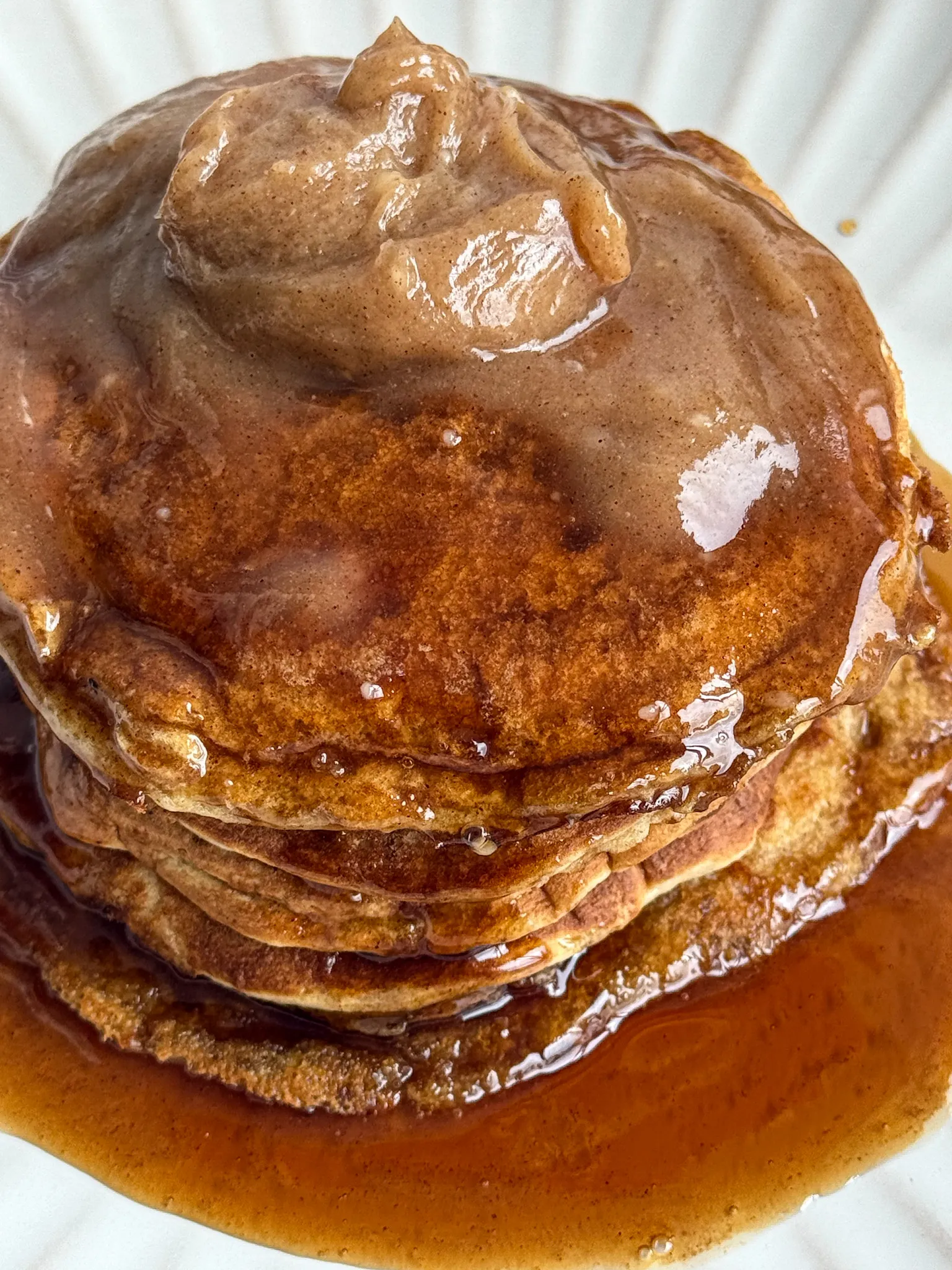
Finally, the vanilla brown sugar syrup is what elevates the whole experience. Regular maple syrup is lovely, but this simple homemade syrup has a deeper, almost caramel-like quality that pairs with pumpkin in a way that feels intentional and complete. It is the finishing touch that makes these pumpkin pancakes taste like something you would order at a cozy diner and then try to recreate at home for weeks afterward.
Key Ingredients Overview
The ingredients for pumpkin pancakes are pantry-friendly and accessible, but understanding what each one contributes will help you make better choices and troubleshoot if anything goes unexpectedly.
Pumpkin purée is the heart of this recipe. Use canned 100% pure pumpkin, which is available year-round and delivers a consistent flavor and moisture level. Avoid pumpkin pie filling, which contains added sugars and spices that will throw off the balance of the recipe. Fresh pumpkin can also be roasted and puréed at home, though this adds time and tends to produce a wetter purée that may require a small adjustment to the liquid quantities in the batter.
All-purpose flour provides the structure. It absorbs the moisture from the pumpkin and buttermilk and, together with the leavening agents, creates a batter that rises on the griddle into a tall, soft pancake. Cake flour can be substituted for an even more delicate crumb, though the pancakes will be slightly more fragile to flip.
Baking powder and baking soda work together here. Baking powder provides steady, consistent lift throughout cooking, while baking soda reacts specifically with the buttermilk’s acidity to produce an immediate burst of bubbles that aerate the batter from the moment the two come into contact. Using both is what makes these pumpkin pancakes reliably fluffy rather than flat.
Buttermilk, as discussed, is not replaceable with plain milk if you want the best result. It adds tang, creates chemical leavening, and produces a more tender crumb than any other liquid option in this recipe. A quick substitute can be made by adding a teaspoon of white vinegar or lemon juice to a cup of regular milk and allowing it to sit for five minutes before using.
Brown sugar adds a subtle molasses depth to both the batter and the syrup. In the batter, it amplifies the warmth of the spices. In the syrup, it is the star, producing a rich, glossy pour that behaves like a cross between caramel and golden syrup.
Understanding the Science Behind Pumpkin Pancakes
How Leavening Agents Create Fluffy Pumpkin Pancakes
The fluffiness in pumpkin pancakes is not accidental. It is the result of two separate chemical reactions happening in quick succession. When baking soda meets the lactic acid in buttermilk, carbon dioxide bubbles form almost instantly, creating the initial rise you see in the batter as soon as the wet and dry ingredients are combined. Baking powder, which contains both an acid and a base within itself, activates twice: once when it contacts moisture and again when exposed to heat in the pan. This double activation is what keeps the pumpkin pancakes rising evenly throughout cooking rather than collapsing after the first few seconds on the griddle.
Why Overmixing Ruins the Texture
The most reliable way to ruin a batch of pumpkin pancakes is to mix the batter too thoroughly. Wheat flour contains proteins called glutenin and gliadin that, when combined with water and agitated, link together to form gluten. Gluten is essential for bread and pizza dough, but in pancakes it works against you, creating a tough, elastic structure that traps the gas from the leavening agents rather than allowing it to expand gently and create open, airy bubbles. Mix the batter only until the last streak of flour disappears, and do not worry about the lumps. They are proof that you have not overmixed.
The Role of Pumpkin in the Batter’s Moisture Balance
Pumpkin purée is a naturally wet ingredient, which means adding it to a pancake batter changes the overall hydration of the mix. This is why pumpkin pancakes tend to be slightly thicker and more substantial than plain buttermilk pancakes made from the same base recipe. The moisture in the pumpkin keeps the finished pancakes soft and prevents them from drying out as they cool, which also makes them ideal for meal prepping ahead of time. It is important not to add extra pumpkin beyond the recipe’s quantity, as an over-wet batter will spread too thin on the griddle and produce flat, dense pumpkin pancakes instead of the tall, fluffy stack you are aiming for.
Choosing the Right Ingredients
Selecting the Best Pumpkin Purée
The most important thing when buying canned pumpkin is to read the label carefully. The only ingredient should be pumpkin. Some brands label their product as “pumpkin purée” while actually selling a blend of squash varieties, which is perfectly fine in terms of flavor and texture. What you want to avoid is “pumpkin pie filling,” which contains sugar, cinnamon, cloves, and other additions that will make the spice balance in your pumpkin pancakes difficult to control.
Choosing Your Spices
Pre-mixed pumpkin pie spice is a convenient option and works beautifully in this recipe. However, mixing your own from scratch allows more control over the flavor profile. A simple blend of ground cinnamon, ground nutmeg, ground ginger, and a small amount of ground cloves will produce a warm, balanced spice mix that complements pumpkin without any single note dominating. Freshly grated nutmeg, if you have it, adds a noticeably brighter and more aromatic quality compared to pre-ground.
The Right Pan for Perfect Pancakes
A wide, flat non-stick skillet or a cast-iron griddle are the best surfaces for cooking pumpkin pancakes. Cast iron retains heat exceptionally well and produces beautifully even browning across the entire surface of each pancake. Non-stick skillets are more forgiving for beginners and require less butter for proper release. Whatever pan you use, preheat it thoroughly before adding the first pancake. An under-heated pan produces pale, rubbery results, while a properly preheated surface creates that golden crust in the first few seconds of contact.

Step-by-Step Instructions
Preparing the Vanilla Brown Sugar Syrup
Begin with the syrup, as it only improves as it sits. Combine 200 grams of light brown sugar with 120 milliliters of water in a small saucepan over medium heat. Stir gently until the sugar dissolves. Bring to a gentle simmer and cook for 3 to 4 minutes until the syrup thickens slightly. Remove from the heat and stir in one teaspoon of pure vanilla extract and a small pinch of salt. The syrup will continue to thicken as it cools. Set aside while you prepare the batter.
Making the Pumpkin Pancake Batter
In a large mixing bowl, whisk together 200 grams of all-purpose flour, 2 teaspoons of baking powder, half a teaspoon of baking soda, 1 teaspoon of pumpkin pie spice, half a teaspoon of ground cinnamon, half a teaspoon of salt, and 2 tablespoons of brown sugar. In a separate bowl, whisk together 240 milliliters of buttermilk, 180 grams of pumpkin purée, 2 large eggs, 2 tablespoons of melted butter, and 1 teaspoon of vanilla extract. Pour the wet ingredients into the dry ingredients and fold gently with a spatula until just combined. Stop as soon as no dry streaks of flour remain. The batter will be thick and slightly lumpy. Let it rest for 5 minutes before cooking.
Cooking the Pumpkin Pancakes
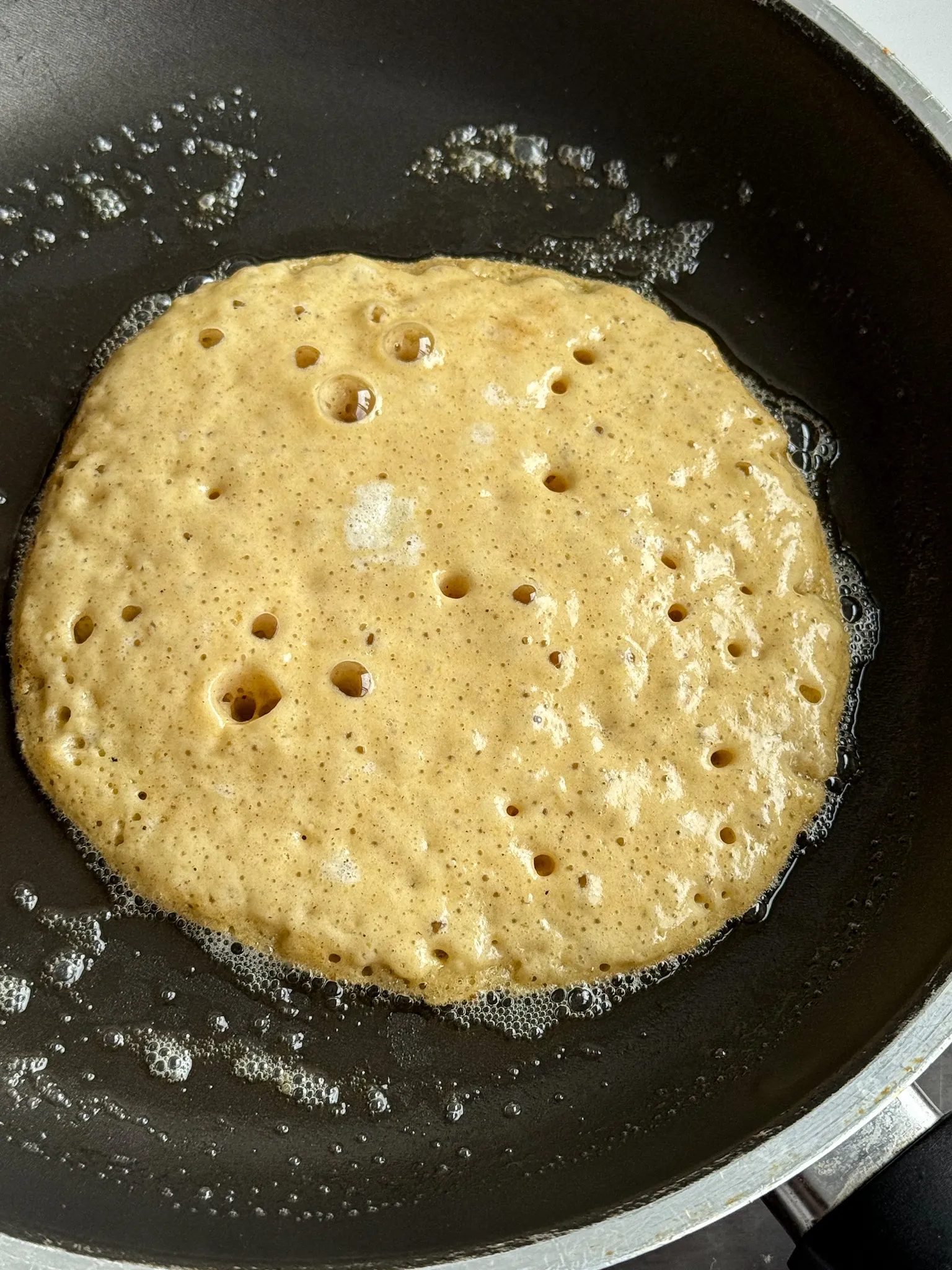
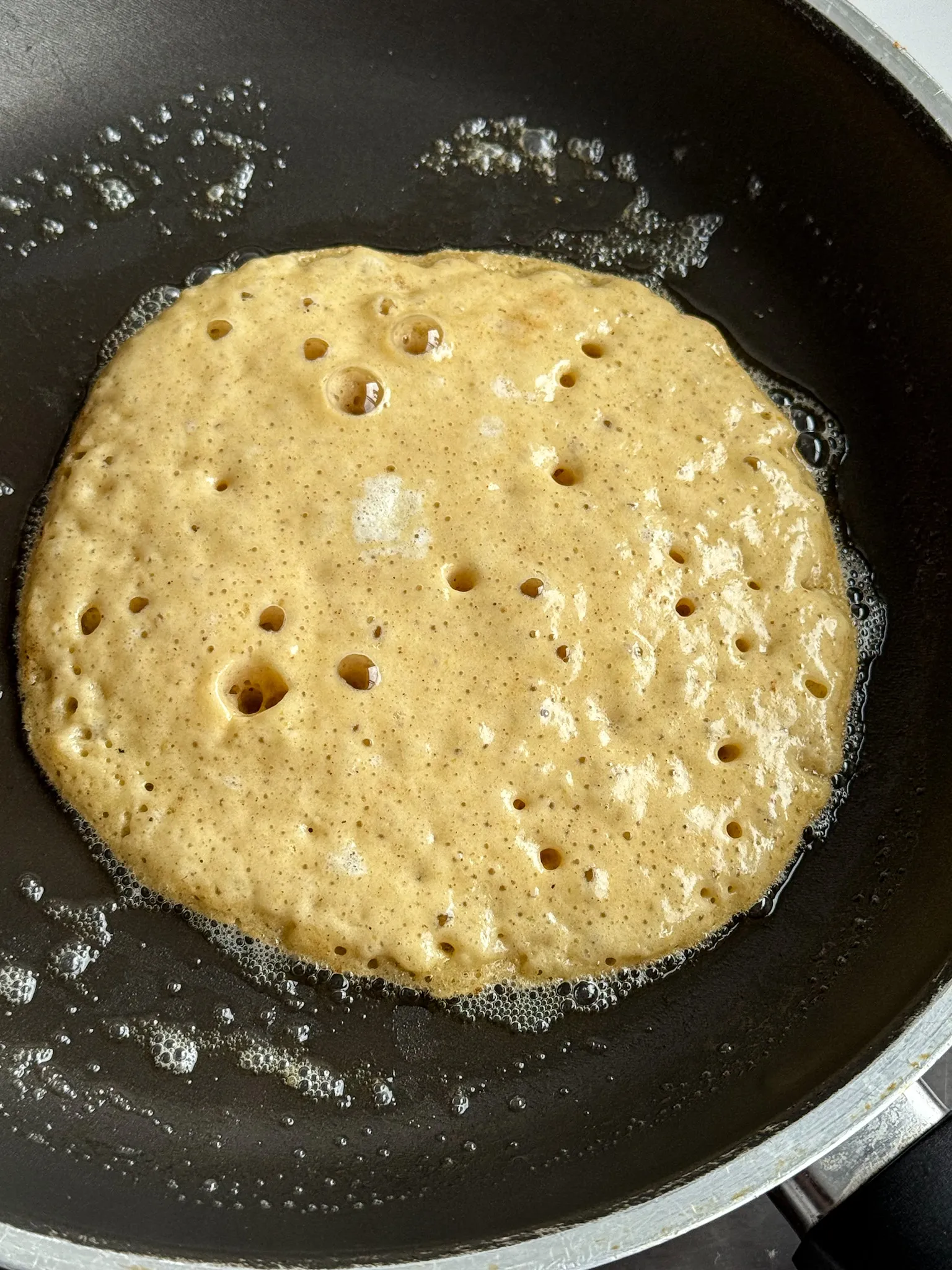
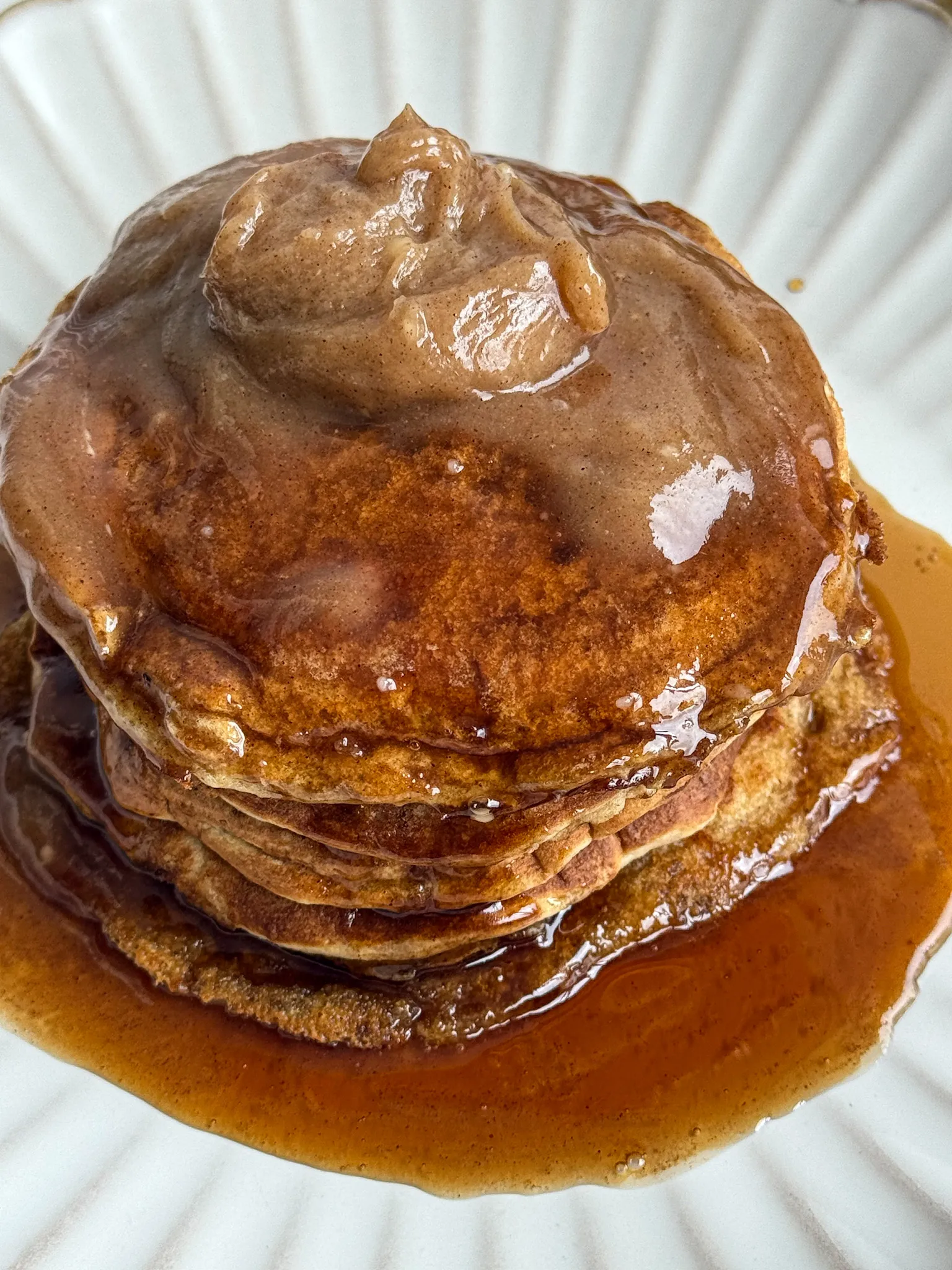
Heat a non-stick skillet or griddle over medium heat and add a small knob of butter, spreading it evenly across the surface. Using a quarter-cup measure, pour the batter onto the pan. Cook the pumpkin pancakes undisturbed for 2 to 3 minutes, until bubbles appear across the surface and the edges look set and matte rather than shiny and wet. Flip once and cook for a further 1 to 2 minutes until the underside is golden and the pancake is cooked through. Repeat with the remaining batter, adding a small amount of butter to the pan between each batch. Serve immediately, stacked high, with the warm vanilla brown sugar syrup poured generously over the top.
Professional Tips for Perfect Results
Nail Your Pan Temperature Before the First Pancake
The first pancake is almost always a test pancake, and that is fine. It tells you exactly what the pan temperature is doing. If the pancake browns too quickly on the outside while remaining raw in the center, the heat is too high. If it spreads thin and pale, the pan is not hot enough. Medium heat on most stovetops is the right setting, but every stove is different. Let the pan preheat for at least 2 minutes before adding butter, and adjust as needed after your first test pancake.
Rest the Batter for Noticeably Better Texture
Allowing the batter to rest for 5 minutes after mixing is a small step with a meaningful payoff. During this time, the flour fully hydrates, the leavening agents begin their initial activation, and the overall structure of the batter relaxes slightly. The result is pumpkin pancakes that are noticeably more tender and rise more evenly on the griddle than batter that is cooked immediately after mixing.
Use Butter, Not Oil, for Flavor and Color
Cooking pumpkin pancakes in a small amount of butter rather than neutral oil adds a nutty, rich flavor to the crust of each pancake that complements the warm spices in the batter beautifully. Butter does have a lower smoke point than oil, so watch the heat carefully. If the butter begins to brown too quickly between batches, wipe the pan briefly with a paper towel and start fresh with a new small knob.
Keep Cooked Pancakes Warm in the Oven
If you are cooking a full batch for multiple people and want everyone to eat together, place cooked pumpkin pancakes on a wire rack set over a baking sheet in an oven preheated to 90°C (200°F). This keeps them warm and prevents them from steaming and softening as they would if stacked directly on a plate. Do not cover them with foil, as the trapped steam will make the surface sticky.
The Syrup Is Better Warm
The vanilla brown sugar syrup pours beautifully when warm and becomes quite thick as it cools to room temperature. If you made it ahead of time or if it has been sitting for a while, reheat it briefly in the microwave or in a small saucepan over low heat, adding a splash of water if needed to loosen the consistency before pouring.
If you are building a cozy fall brunch spread, APPLE PIE PANCAKES are another spectacular option to make alongside this batch, since they use a completely different flavor profile but the same fundamental technique.
Common Mistakes to Avoid
Using Pumpkin Pie Filling Instead of Purée
This is the most common ingredient mistake with pumpkin pancakes. Pumpkin pie filling contains sugar and pre-mixed spices in quantities designed for a custard-filled pie, not a pancake batter. Using it will make the batter too sweet, throw off the spice balance, and affect the chemical leavening by introducing additional sugar that interacts differently with the buttermilk. Always use pure pumpkin purée and add your own sugar and spices as directed.
Flipping the Pancakes Too Early
Pumpkin batter is thicker and denser than plain buttermilk batter, which means it takes slightly longer to cook through before it is ready to flip. Flipping too early produces pancakes that are wet and undercooked in the center and that deflate as soon as they hit the other side. Wait for bubbles to appear across the full surface of the pancake and for the edges to look set before flipping. Once flipped, do not press down on the pancake, as this forces out the air you have worked to build.
Making the Batter Too Far Ahead
Pancake batter that contains baking soda and buttermilk begins to lose its leavening power relatively quickly once mixed. The carbon dioxide produced by the acid-base reaction starts escaping from the batter as soon as mixing occurs, and within 30 to 40 minutes a significant amount of that lift is gone. Make the batter close to when you plan to cook, and do not prepare it the night before for morning cooking. The syrup, on the other hand, can be made days in advance.
Cooking on Too High a Heat
High heat is the enemy of pumpkin pancakes. Because pumpkin batter is thicker and more moist than standard pancake batter, it needs time to cook through before the exterior sets. High heat creates a dark, somewhat burnt crust before the center has cooked, resulting in pancakes that look done on the outside and remain raw inside. Medium heat, or even medium-low on a powerful stovetop, is the correct setting for this recipe.
Variations to Try
Pumpkin Chocolate Chip Pancakes
Fold 80 grams of semi-sweet chocolate chips into the finished batter just before cooking. The chocolate melts slightly against the warm pumpkin batter, creating pockets of richness throughout each pancake. Serve these with the standard vanilla brown sugar syrup for an indulgent fall breakfast that works just as well as a dessert. For another take on chocolate and pumpkin together, the NUTELLA FILLED PANCAKES on this site offer a completely different but equally indulgent breakfast experience.
Cream Cheese Stuffed Pumpkin Pancakes
Before flipping, drop a teaspoon of softened sweetened cream cheese onto the center of each cooking pancake. Once flipped, the heat softens the cream cheese into a creamy, tangy center that melts into the pumpkin batter beautifully. This variation is inspired by coffee shop-style stuffed pancakes and turns an already impressive breakfast into something genuinely show-stopping.
Pecan Streusel Pumpkin Pancakes
Make a quick streusel by combining 40 grams of roughly chopped pecans, 2 tablespoons of brown sugar, and a pinch of cinnamon. Sprinkle a small amount of this mixture onto the surface of each pancake immediately after pouring the batter onto the griddle. When the pancake is flipped, the pecans toast against the pan and create a nutty, caramelized crust on the underside that adds incredible texture and flavor. For a complete fall breakfast spread that pairs perfectly with these pumpkin pancakes, the PUMPKIN COFFEE CAKE is an excellent companion recipe with its own streusel topping and deeply spiced pumpkin base.
Savory Pumpkin Pancakes
Reduce the sugar in the batter to just half a teaspoon and omit the vanilla. Add a pinch of smoked paprika, half a teaspoon of garlic powder, and a small handful of finely chopped fresh sage. Serve these savory pumpkin pancakes topped with crème fraîche, crispy sage leaves fried in butter, and a drizzle of honey. This unexpected variation works beautifully as a brunch side dish alongside eggs or smoked salmon.
Storage and Reheating
Room Temperature
Freshly cooked pumpkin pancakes are at their best within the first 10 to 15 minutes of coming off the griddle. At room temperature, they can sit for up to 2 hours without significant quality loss, though the texture will soften as they cool. Keep them loosely covered rather than sealed, as trapping steam accelerates softening.
Refrigeration
Store leftover pumpkin pancakes in an airtight container or wrapped tightly in plastic wrap in the refrigerator for up to 3 days. Stack them with a small piece of parchment paper between each pancake to prevent sticking. The syrup can be stored separately in a sealed jar or container in the refrigerator for up to 2 weeks.
Freezing
Pumpkin pancakes freeze exceptionally well, making them an ideal candidate for batch cooking. Allow the pancakes to cool completely on a wire rack, then arrange them in a single layer on a baking sheet and freeze until solid, about 1 hour. Transfer to a freezer bag, separating layers with parchment paper, and freeze for up to 2 months. The syrup does not freeze well due to its sugar content, but it keeps easily in the refrigerator.
Reheating
The toaster is the best reheating method for pumpkin pancakes, producing a slightly crisp surface and warm interior in about 2 minutes. A skillet over medium-low heat with a small amount of butter works equally well. The oven at 160°C (325°F) for 5 to 8 minutes is a good option for reheating a large batch at once. Avoid the microwave if possible, as it produces a soft, slightly gummy texture rather than restoring the original light and fluffy quality.
Frequently Asked Questions
Can I make the batter the night before?
Making the complete batter the night before is not recommended because the leavening agents lose effectiveness once they are activated by contact with the buttermilk. However, you can mix all of the dry ingredients together the night before and store them in a sealed container, then combine with the wet ingredients in the morning. This significantly speeds up the process on the day without sacrificing any of the rise or texture.
What if I do not have buttermilk?
A very effective substitute can be made by combining 240 milliliters of whole milk with 1 tablespoon of white vinegar or fresh lemon juice. Stir briefly and allow the mixture to sit for 5 minutes. It will curdle slightly and thicken, replicating the acidity of real buttermilk well enough to produce excellent pumpkin pancakes. Full-fat milk produces the best result.
How do I know when to flip the pancakes?
Watch the surface of the pumpkin pancakes carefully as they cook. You will see small bubbles begin to form across the entire surface, starting from the edges and moving inward. Once the bubbles cover most of the surface and the edges appear set and matte rather than shiny and wet, the pancake is ready to flip. This usually takes 2 to 3 minutes on medium heat. Flipping before this point will result in an undercooked, deflated pancake.
Can I use fresh pumpkin instead of canned?
Yes, but it requires a bit of preparation. Cut a sugar pumpkin or butternut squash in half, scoop out the seeds, place face-down on a baking sheet, and roast at 190°C (375°F) for 40 to 50 minutes until completely soft. Scoop out the flesh and blend until smooth. Strain through a fine-mesh sieve or squeeze through a clean kitchen towel to remove excess moisture before using in the batter, as fresh pumpkin purée tends to be wetter than canned.
Can I make these gluten-free?
A good gluten-free all-purpose flour blend that contains xanthan gum will work well as a substitute in this recipe. The texture will be slightly different, with a more tender and slightly denser crumb than the original. The leavening and spice quantities remain the same. Allow the batter to rest for a full 10 minutes before cooking, as gluten-free flours take longer to hydrate properly.
What drinks pair best with this breakfast?
These pumpkin pancakes were designed with a specific morning atmosphere in mind: cozy, leisurely, and autumnal. A hot latte, a spiced chai tea, or a warm apple cider all complement the flavors beautifully. For a cold option, a CARAMEL ICED LATTE makes a surprisingly wonderful pairing, as the caramel echoes the vanilla brown sugar syrup and provides a cool contrast to the warm pancakes.
Watch the recipe video for more clarity!
See our similar recipes:
People also like these recipes:
Final Thoughts
Pumpkin pancakes are one of those recipes that earn a permanent place in your seasonal rotation the very first time you make them. The combination of real pumpkin purée, warm fall spices, and a light, buttermilk-based batter produces a breakfast that tastes like autumn condensed into a single stack. Add the vanilla brown sugar syrup, and you have something that genuinely feels special every single time it lands on the table.
What makes this version of pumpkin pancakes worth returning to is the balance. The spices support the pumpkin rather than overwhelming it. The syrup complements rather than competes. The texture is soft and fluffy without being heavy or dense. Every element is in service of a single goal: the most satisfying, most comforting fall breakfast you can make at home with simple ingredients and about 30 minutes of your morning.
Whether you make these pumpkin pancakes for a slow Saturday solo breakfast, a cozy autumn brunch with friends, or a weekday treat that makes the whole week feel a little more special, the result is always the same. Once they are on the table, warm and golden and drizzled with syrup, the morning immediately becomes exactly what it was supposed to be.
Pumpkin Pancakes
- 1 cup all-purpose flour
- 2 tablespoons brown sugar
- 1 teaspoon baking powder
- ½ teaspoon baking soda
- ½ teaspoon salt
- 1 teaspoon ground cinnamon
- ½ teaspoon nutmeg
- ½ teaspoon pumpkin pie spice optional
- ¾ cup buttermilk
- ½ cup pumpkin purée
- 1 egg
- 1 tablespoon melted butter
- 1 teaspoon vanilla extract
- Butter for cooking
Vanilla Brown Sugar Syrup
- ½ cup brown sugar
- ½ cup water
- 1 teaspoon vanilla extract
Mix the Dry Ingredients
In a bowl whisk together:
flour
brown sugar
baking powder
baking soda
salt
cinnamon
nutmeg
pumpkin pie spice
Set aside.
Mix the Wet Ingredients
In another bowl whisk together:
buttermilk
pumpkin purée
egg
melted butter
vanilla extract
Combine Batter
Pour the wet ingredients into the dry ingredients.
Mix gently until just combined.
Do not overmix. A few small lumps are fine.
Cook the Pancakes
Heat a skillet or nonstick pan over medium heat.
Add a small amount of butter.
Pour ¼ cup batter for each pancake.
Cook until bubbles form on the surface and the edges look set.
Flip and cook the other side until golden brown.
Repeat with remaining batter.
Make the Vanilla Brown Sugar Syrup
In a small saucepan combine:
brown sugar
water
Bring to a gentle boil.
Simmer for 3–4 minutes until slightly thickened.
Remove from heat and stir in the vanilla extract.
Serve
Stack the warm pancakes on a plate.
Drizzle generously with the vanilla brown sugar syrup.
Optional toppings:
whipped cream
toasted pecans
butter
extra cinnamon
Serve immediately and enjoy.
If you've given this recipe a try and it won you over, please share your thoughts by leaving
a rating and comment below! If you have any questions about this recipe, don't hesitate to ask – I'm here to
help and will respond promptly.