Introduction
Apple pie bread pudding is what happens when two of the most comforting desserts in the world come together and discover they were meant for each other all along. Think about everything you love most in an apple pie — the buttery, caramelized apple filling, the warm spice of cinnamon and nutmeg, that irresistible aroma that makes the whole house feel like October. Now imagine all of that absorbed into thick, pillowy slices of brioche, soaked in a silky custard, and baked until the edges turn golden and the center stays gloriously soft. That is exactly what this recipe delivers: a dessert with the heart of a pie, the soul of a pudding, and the elegance of a cake.
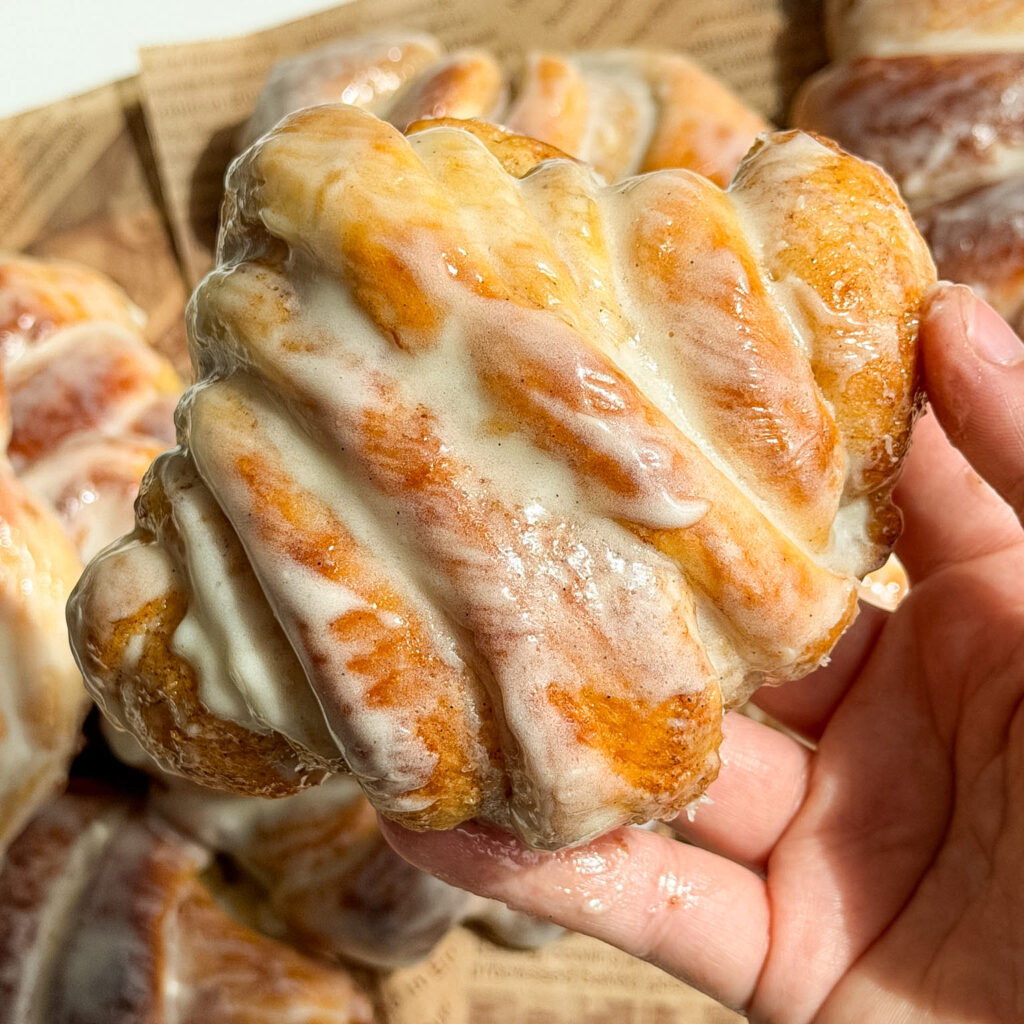
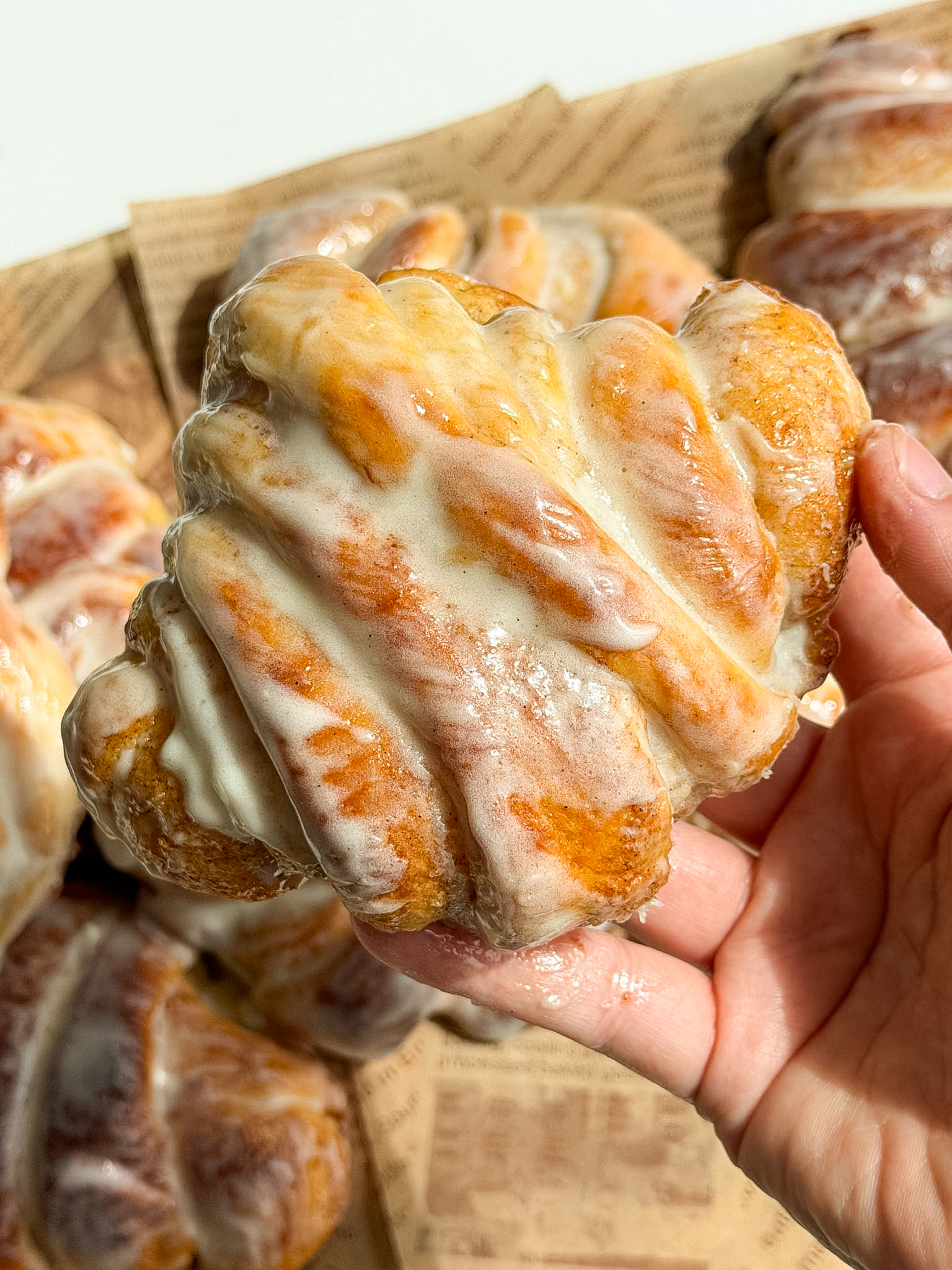
What makes this apple pie bread pudding so special is the way the caramelized apple layer integrates with the bread. Unlike most bread puddings that simply layer raw fruit with custard, this version calls for cooking the apples first in butter and brown sugar until they become glossy, jammy, and deeply fragrant. The resulting sauce does not just sit on top of the bread — it seeps in between every layer, infusing the custard with caramel, spice, and fruit in every single bite. If you enjoy apple-forward baked goods, our APPLE CINNAMON ROLLS are another beautiful option for fall baking — soft, pillowy rolls with that same warm apple spice character.
This guide covers every aspect of apple pie bread pudding from ingredient selection to assembly, from the science of custard to the seven professional steps that guarantee a perfect result. Whether you are making this apple pie bread pudding for a quiet Sunday at home, a Thanksgiving dessert table, or an autumn dinner party, you will find everything you need right here to succeed on the very first attempt.
Why This Apple Pie Bread Pudding Is Special
Most bread puddings are simple and honest — cubed bread, a custard, perhaps some raisins or a splash of vanilla. They are comforting and reliable, but they rarely feel exciting. This apple pie bread pudding earns a different category entirely. It is rustic enough to feel approachable yet visually striking enough to genuinely impress. The distinction comes from a handful of deliberate decisions made at every stage of the recipe.
The first is the pre-cooked apple filling. Cooking the apples before assembly transforms them from raw fruit into something far more complex: soft, caramelized, glossy pieces that release a thick, buttery sauce as they cook. This sauce becomes the primary flavor driver in the finished dessert, seeping into the bread and mingling with the custard in ways that raw apples simply cannot achieve. The depth of flavor it adds is the difference between a dessert that tastes like bread with fruit and one that truly tastes like apple pie.
The second distinction is the choice of bread. Brioche and challah, with their enriched, slightly sweet crumb structure, absorb custard in a way that plain white bread or baguette cannot replicate. They become tender and soft rather than soggy, holding their shape while still becoming fully saturated with custard. The result is an apple pie bread pudding with a custardy interior and a lightly caramelized, golden top — soft where it should be soft, with enough structure to slice and serve cleanly. This careful attention to bread choice is one of the things that makes this apple pie bread pudding stand apart.
Key Ingredients Overview
The ingredient list for this apple pie bread pudding is short and all of the items are likely already in your pantry and refrigerator. But each one plays a specific role, and understanding those roles will help you make confident decisions about substitutions and help you troubleshoot if anything goes unexpectedly.
The bread is the structural foundation. Brioche or challah is strongly recommended because both are enriched breads — meaning they contain butter and egg in the dough — which gives them a tender, slightly rich crumb that absorbs custard without disintegrating. A loaf that is one to two days old is ideal; the slight dryness allows it to absorb more liquid more efficiently. If your bread is fresh, you can replicate the effect by cutting it into cubes and spreading them on a baking sheet in a 300-degree oven for about ten minutes before assembly.
The custard is built from eggs, whole milk, heavy cream, sugar, vanilla, and a pinch each of cinnamon and nutmeg. Eggs provide the structure that allows the custard to set during baking. The milk keeps the mixture light and prevents it from becoming overly rich. The heavy cream adds body and a luxurious silkiness to the finished texture. This combination produces a custard that is set enough to hold sliceable portions but still moist, custardy, and tender at the center. If you enjoy the principles of custard-based desserts, our THE BEST APPLE FRITTER SKILLET CAKE uses a similar technique to achieve that same satisfying soft-yet-structured interior.
The apple filling requires only five ingredients: fresh apples, unsalted butter, brown sugar, cinnamon, and vanilla extract. The combination of butter and brown sugar creates a quick caramel as it melts together in the pan, and the apples cook in this caramel until soft and thoroughly infused. Tart apples like Granny Smith work particularly well because their acidity balances the sweetness of the brown sugar. Sweeter varieties like Honeycrisp or Fuji are equally valid if you prefer a milder, sweeter filling.
Understanding the Science Behind Apple Pie Bread Pudding
How Custard Sets During Baking
The custard in apple pie bread pudding sets through a process called egg protein coagulation. When raw eggs are whisked together with milk and cream, the proteins are loosely folded and fluid. As the mixture heats in the oven, those proteins gradually unfold and bond together, forming a network that traps liquid within it. The result is a semi-solid structure that is tender and moist rather than firm — what we call a soft-set custard. The exact texture of the finished custard depends on the ratio of eggs to liquid. Too many eggs and the pudding becomes rubbery and dry. Too few and it never fully sets and remains unpleasantly liquid at the center.
The key to a perfect apple pie bread pudding custard is a gentle, moderate oven temperature. Baking at 180 degrees Celsius (350 degrees Fahrenheit) ensures the custard sets slowly and evenly. Higher temperatures cause the proteins to coagulate too quickly, leading to a grainy, curdled texture in the apple pie bread pudding. This is the same principle behind baking a great cheesecake or a smooth custard tart — patience and moderate heat are always rewarded. Our CRÈME BRÛLÉE is another excellent recipe for understanding exactly how custard temperature and timing affect the final texture.
Why Pre-Cooking the Apples Makes a Difference
Raw apples contain a significant amount of water — up to 85 percent by weight. When baked directly in a custard without pre-cooking, this water releases during baking and dilutes the custard, leading to a thinner, less flavorful result. It also creates pockets of raw-apple texture that have not fully softened by the time the custard around them sets. Pre-cooking the apples solves both problems simultaneously: the excess water cooks off in the pan, concentrating the apple flavor, and the caramelization process creates the thick, glossy sauce that replaces simple fruit with something richer and more complex.
The Role of Fat in Texture and Flavor
Both the custard and the apple filling in this apple pie bread pudding rely on fat to carry flavor. Fat molecules bind to flavor compounds — particularly the volatile aromatics in cinnamon, vanilla, and apple — and hold them on your palate longer than water-based foods do. This is why custard made with heavy cream tastes richer and more aromatic than custard made with skim milk, even when every other ingredient is identical. The butter in the apple filling performs the same function, coating each apple piece and carrying its flavor into the bread as the pudding bakes.
Why Day-Old Bread Works Best
Fresh bread has a higher moisture content and a more closed, springy crumb structure. When you pour custard over it, the bread resists absorption — the liquid beads on the surface and takes far longer to soak in. Day-old or slightly dried bread, by contrast, has already lost much of its surface moisture and has a more open, porous crumb. It absorbs the custard quickly and completely, saturating all the way through without becoming mushy. This is the same reason classic French onion soup croutons are always made from stale bread — stale bread is simply a better vehicle for liquid flavors.
Choosing the Right Ingredients
The Best Apples for Apple Pie Bread Pudding
Not all apples behave the same way during cooking. The best choices for this apple pie bread pudding are varieties that hold their shape through both the stovetop caramelization step and the oven baking step, while also contributing a noticeable flavor. Granny Smith apples are the classic choice: firm, tart, and reliably consistent in texture. Their high acidity balances the sweetness of the brown sugar caramel and keeps the filling from tasting cloying. Braeburn and Pink Lady are excellent alternatives that offer a slightly sweeter flavor profile while still holding up well to heat. Avoid very soft varieties like McIntosh, which tend to break down completely and become saucy rather than holding their shape in pieces.
Brioche vs. Challah vs. Other Breads
Brioche is the first choice for apple pie bread pudding because its high butter content gives it a richness that complements the caramel apple filling beautifully. Its crumb is tender enough to absorb custard fully but structured enough to hold its shape when sliced. Challah is an excellent alternative with very similar custard-absorption properties, though it is slightly less rich since it is typically made with less butter than brioche. If neither is available, a good-quality white sandwich bread or even a day-old croissant can work, though the flavor and texture will be noticeably different. Avoid sourdough, rye, or any bread with a very tight, chewy crumb, as these resist custard absorption and produce a dense, unpleasant result.
Whole Milk vs. Lower-Fat Alternatives
The custard in this apple pie bread pudding is designed around whole milk and heavy cream working together. Whole milk provides the necessary protein and enough fat to create a smooth, creamy custard without being overly heavy. Heavy cream adds richness and a silky mouthfeel. Using lower-fat milk changes the custard in meaningful ways: the texture becomes slightly thinner and less luxurious, and the flavor is noticeably less rich. If you need a lighter version, substituting two percent milk for the whole milk is acceptable, but avoid going below that. Non-dairy milk alternatives can be used in a pinch but often produce a custard that does not set as cleanly.
Step-by-Step Instructions
Step 1: Prepare and Caramelize the Apples
Peel, core, and slice your apples into pieces about half an inch thick — thin enough to soften fully during cooking, thick enough to hold their shape. Melt two tablespoons of unsalted butter in a wide skillet over medium heat. When the butter begins to foam, add the apple slices and stir to coat. Sprinkle the brown sugar over the apples and stir gently to combine. The mixture will begin to bubble and the sugar will melt into the butter, forming a glossy caramel sauce around the apples.
Cook the apples for 6–8 minutes, stirring occasionally, until they are softened but not falling apart and the sauce is thick, fragrant, and deeply golden. Add the cinnamon and vanilla in the last minute of cooking and stir to combine. Remove the pan from heat. Reserve approximately three tablespoons of the caramel sauce separately — this will become your finishing drizzle after baking. Allow the apples and remaining sauce to cool slightly while you prepare the custard and bread.
Step 2: Make the Custard
In a large mixing bowl, whisk together four large eggs, one cup of whole milk, half a cup of heavy cream, a quarter cup of granulated sugar, one teaspoon of vanilla extract, half a teaspoon of cinnamon, and a pinch of nutmeg until smooth and fully combined. The custard should look pale yellow, silky, and completely homogenous with no streaks of egg visible. Set aside.
Step 3: Prepare the Bread
Cut or tear your brioche or challah into pieces approximately one and a half to two inches across. If using fresh bread, spread the pieces on a baking sheet and place them in a 300-degree Fahrenheit oven for 8–10 minutes until they feel dry and slightly firm to the touch. This pre-drying step is optional if your bread is already a day or two old, but it is strongly recommended for fresh bread to prevent a soggy interior.
Step 4: Assemble the Pudding
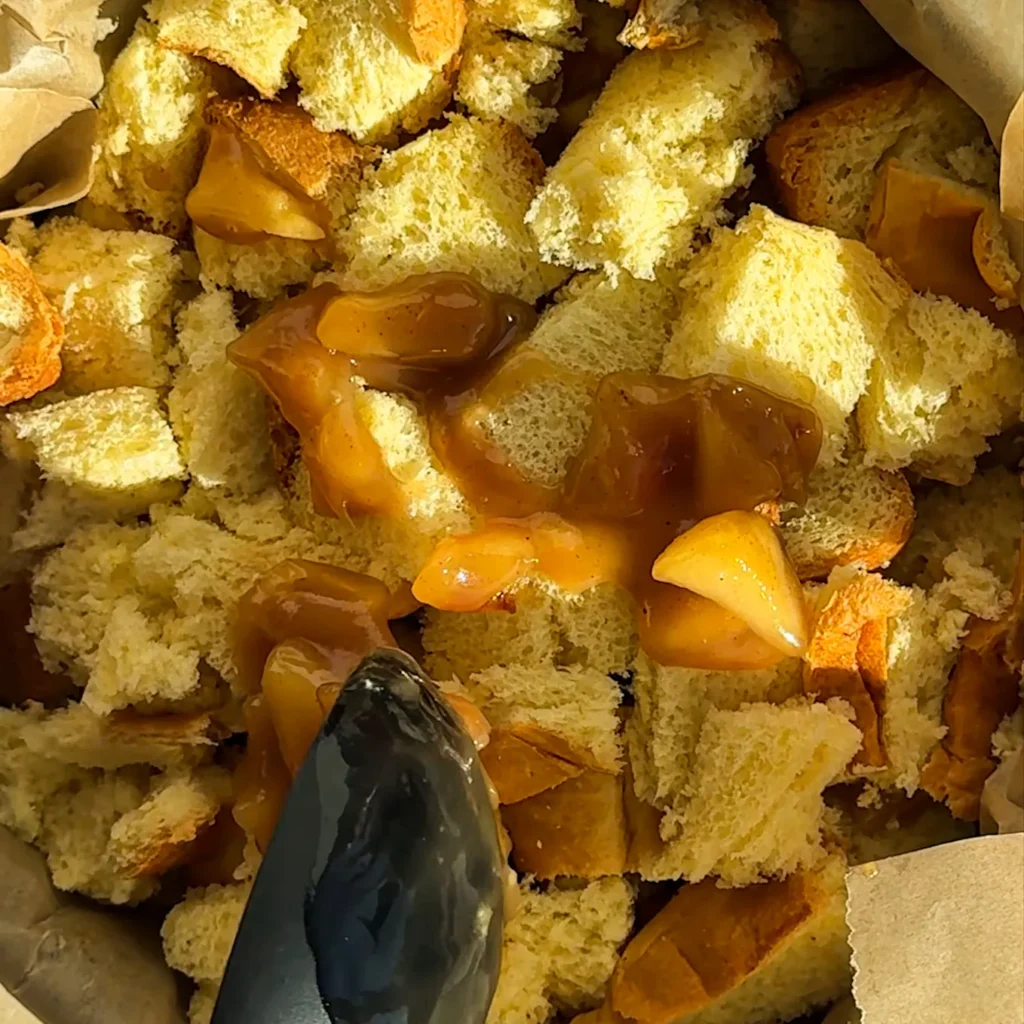
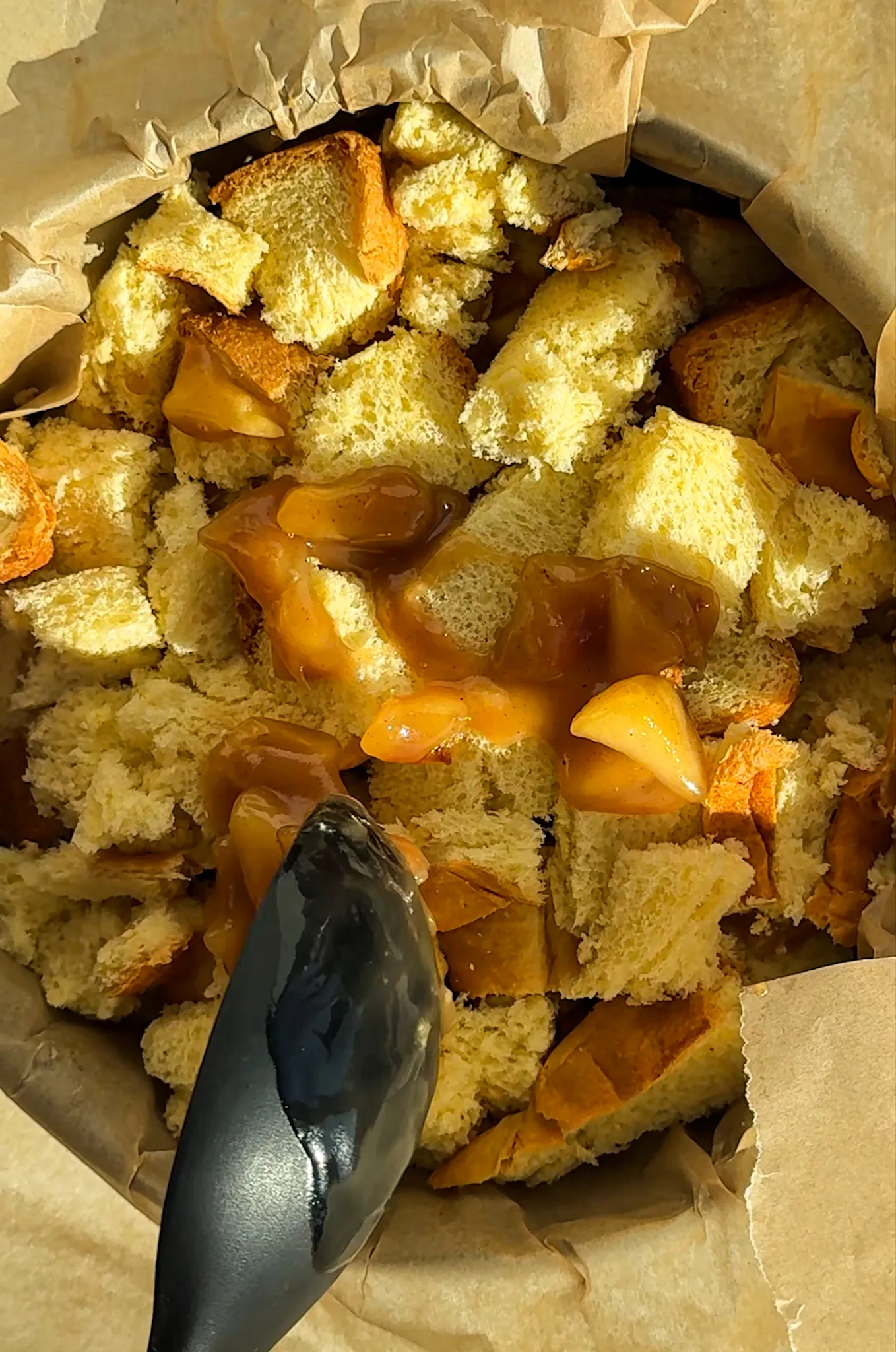
Preheat the oven to 350 degrees Fahrenheit (180 degrees Celsius). Generously grease a 9-by-13-inch baking dish with butter or baking spray. Arrange roughly half of the bread pieces in an even layer in the bottom of the dish. Spoon about half of the caramelized apple mixture over this layer, distributing the apples and sauce as evenly as possible. Add the remaining bread pieces in a second layer over the apples. Spoon the rest of the apple mixture over the top layer, again distributing evenly.
Pour the custard mixture slowly and evenly over the entire assembled pudding. As you pour, tilt the baking dish gently from side to side to encourage the custard to flow into every gap between the bread and apple pieces. Using the back of a large spoon or your clean hand, gently press the bread pieces down into the custard to encourage absorption. Allow the assembled pudding to rest for 10–15 minutes before baking, giving the bread time to begin soaking up the custard.
Step 5: Bake
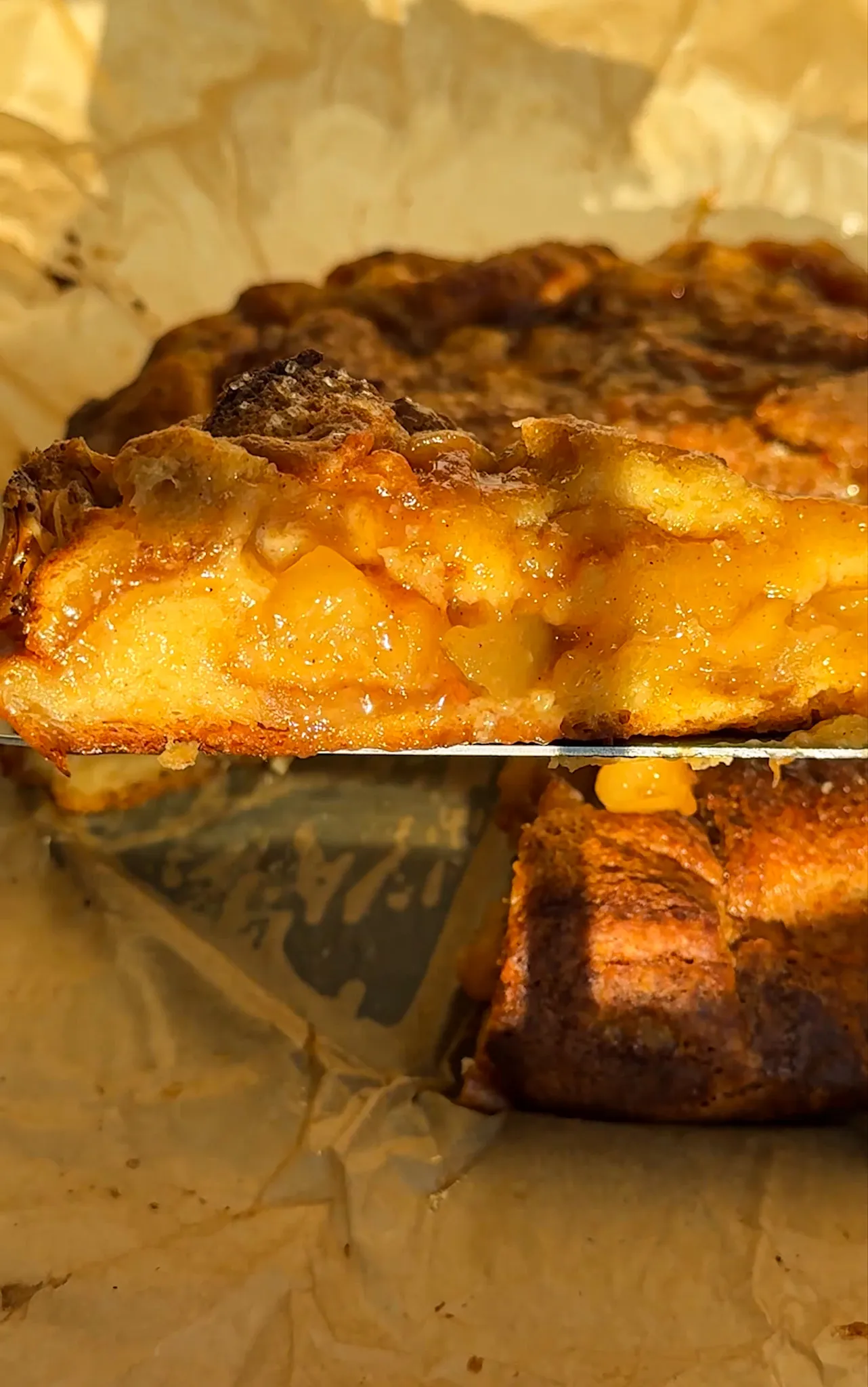
Place the baking dish in the preheated oven and bake the apple pie bread pudding for 35–40 minutes. The pudding is done when the top is golden brown, the edges are set and slightly pulling away from the sides of the dish, and a thin knife inserted into the center comes out clean with no liquid custard clinging to it. The center of the apple pie bread pudding should have a very slight wobble when you gently shake the pan — this is correct and will firm up during the resting period. If the top begins to brown too quickly before the center sets, loosely tent the dish with aluminum foil.
Step 6: Rest and Finish
Remove the apple pie bread pudding from the oven and allow it to rest on a wire rack for at least 10 minutes before serving. This resting time is important — the custard continues to set as it cools, firming up from a loose, custardy wobble to a texture that slices cleanly and holds its shape on the plate. While the apple pie bread pudding rests, gently warm the reserved apple caramel sauce in a small saucepan or in the microwave for 20–30 seconds until it is pourable again.
Step 7: Drizzle and Serve
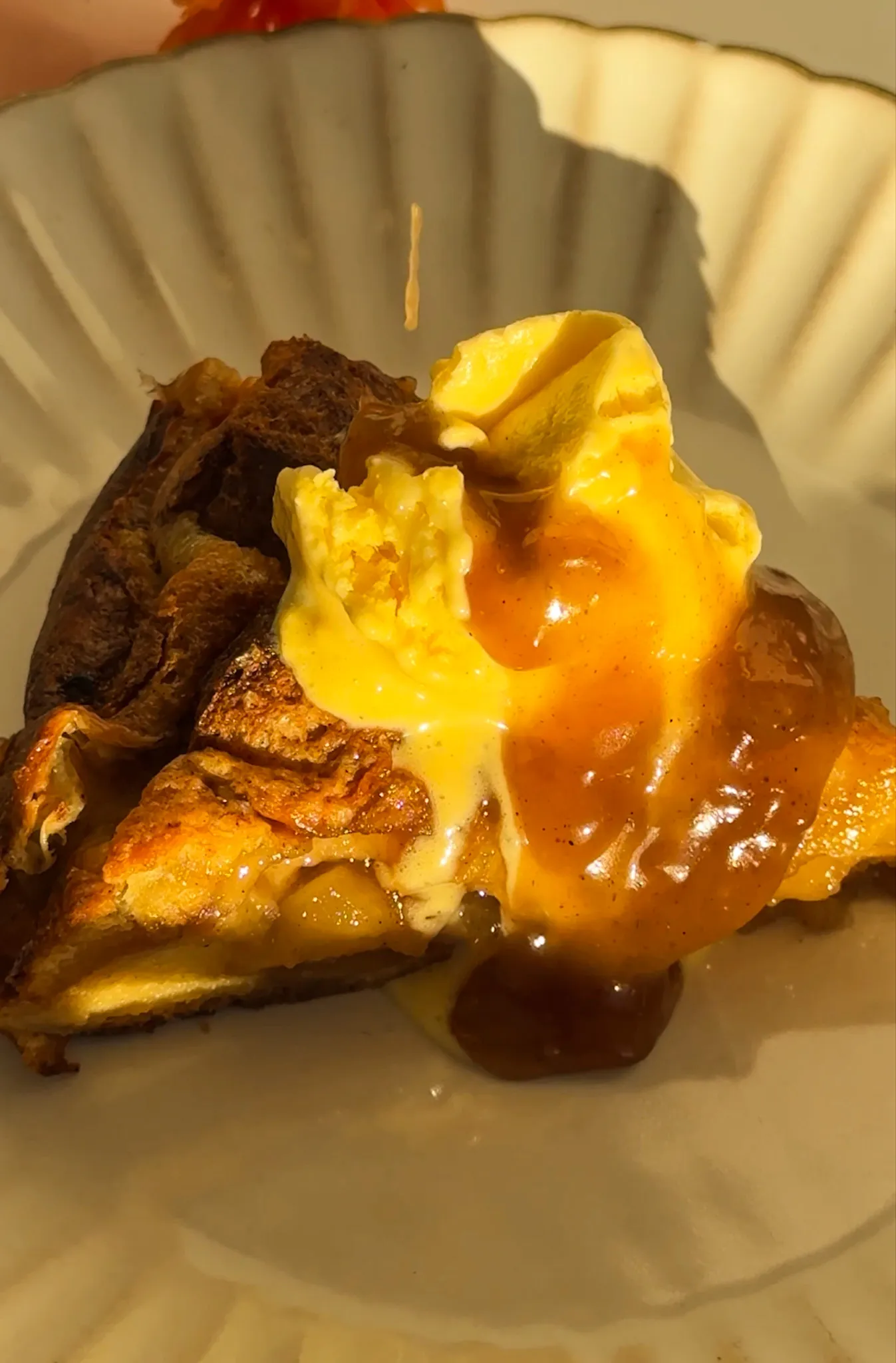
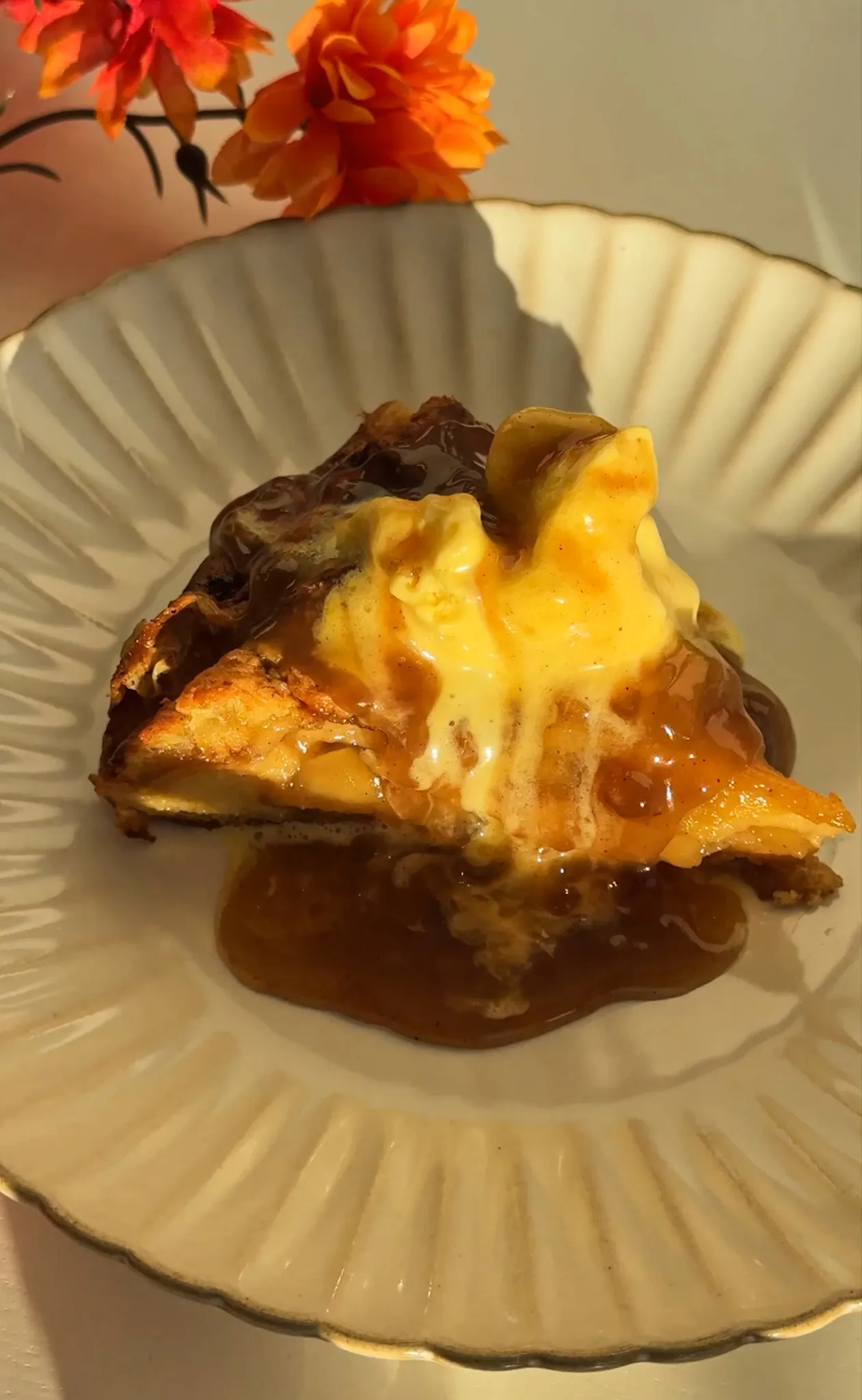
Just before serving, drizzle the warm reserved caramel sauce generously over the surface of the apple pie bread pudding. The sauce will seep into the top layer, adding another dimension of flavor and a beautiful glossy sheen. Serve warm, either directly from the baking dish in generous scoops or sliced and transferred to individual plates. A scoop of vanilla ice cream or a dollop of lightly whipped cream alongside makes this apple pie bread pudding genuinely extraordinary.
Professional Tips for Perfect Results
Always Reserve Some Caramel Sauce
The reserved caramel sauce drizzle is not optional garnish — it is a meaningful flavor step. During baking, the caramel that is layered within the pudding soaks into the bread and becomes part of the interior. The reserved sauce stays concentrated and punchy, and when drizzled over the warm finished pudding, it coats the surface and seeps into the crevices with a brightness and intensity that the interior sauce no longer has. Never skip this step.
If you want to serve this apple pie bread pudding alongside something equally apple-forward, our APPLE PIE STUFFED FRENCH TOAST uses a very similar flavor profile — caramelized apples and warm spice — but in a breakfast format that would make a stunning companion dish for a brunch spread.
Do Not Skip the Resting Soak Before Baking
Those 10–15 minutes between assembly and baking are critical for texture. During this rest, the custard begins to absorb into the bread pieces, softening and saturating them before any heat is applied. Bread that has not absorbed enough custard before baking tends to dry out on the surface during baking while the interior remains underdone. Pressing the bread gently into the custard when you first assemble the pudding, and then leaving it to soak, are the two steps that prevent this.
Use a Water Bath for an Ultra-Silky Custard
If you want an exceptionally silky, almost quivering custard in your apple pie bread pudding, place the baking dish inside a larger roasting pan and fill the roasting pan with enough hot water to come about one inch up the sides of the baking dish. This water bath technique insulates the apple pie bread pudding from direct oven heat, preventing it from overheating at the edges while the center catches up. It also maintains a humid environment inside the oven, which keeps the top from drying out. This technique is worth the extra setup if you want truly restaurant-quality results.
Choose Your Apple Size Carefully
The size of your apple pieces has a real impact on the texture of the finished apple pie bread pudding. Very thin apple slices (under a quarter inch) will cook down to near-mush during both the stovetop caramelization and the oven bake, effectively disappearing into the custard rather than remaining as distinct, satisfying pieces. Pieces that are too thick (over three-quarters of an inch) may not soften completely during baking. Half-inch slices hit the sweet spot: tender enough to eat comfortably but thick enough to maintain their identity as pieces of caramelized apple in every bite.
Common Mistakes to Avoid
Using Fresh, Untoasted Bread
This is the most common cause of soggy, underseasoned apple pie bread pudding. Fresh bread is too moist to absorb custard efficiently and tends to clump together into a dense, wet mass rather than creating the airy, custardy texture you are after. Always use bread that is at least a day old, or pre-dry it briefly in the oven as described in the instructions. A few extra minutes of preparation here makes an enormous difference in the final result.
Under-Cooking the Apple Filling
The apple filling should be genuinely caramelized before it goes into the apple pie bread pudding — not just warmed through. The brown sugar needs to fully melt and begin to darken, the butter needs to combine with it into a glossy sauce, and the apples need to soften perceptibly. Under-cooked apple filling produces a finished apple pie bread pudding that tastes raw and sharp rather than warm, sweet, and deeply caramelized. Give the filling the full six to eight minutes it needs on the stovetop, and resist the urge to rush it.
Pouring Custard Over Cold Bread
If your bread has just come out of a cold refrigerator or has been pre-dried and is still very cold, it will resist absorbing the custard. Room temperature bread absorbs liquid far more readily. Allow any refrigerated bread to sit at room temperature for at least 20 minutes before assembling the pudding, and allow pre-dried bread to cool to room temperature after its brief oven stint before adding custard.
Overbaking
Overbaked custard is dry, grainy, and unpleasant — a far cry from the soft, silky interior that makes apple pie bread pudding so satisfying. Start checking at the 35-minute mark by inserting a thin knife into the center. If it comes out clean with no liquid custard on it, the pudding is done. That slight wobble in the center when you shake the pan is desirable, not alarming. It will continue to set as it cools. When in doubt, underbake slightly rather than overbake.
Skipping the Resting Drizzle
Serving apple pie bread pudding without the reserved caramel drizzle is like serving a pie without its filling. The drizzle is a flavor layer in its own right, not mere decoration. It adds a bright, concentrated caramel-apple punch to the surface that contrasts beautifully with the milder, custard-infused interior. Always drizzle just before serving, not in advance, so the sauce retains its glossy, pourable texture.
Variations to Try
Maple Bourbon Apple Pie Bread Pudding
Add two tablespoons of pure maple syrup and one tablespoon of bourbon to the apple filling as it cooks, stirring them in during the last two minutes before removing from heat. The maple deepens the caramel flavor with a warm, woodsy sweetness, and the bourbon adds a complex, slightly smoky note that pairs exceptionally well with the cinnamon and nutmeg in the custard. This variation of apple pie bread pudding is particularly well-suited to serving at adult holiday gatherings where a slightly more sophisticated flavor profile is appropriate.
Caramel Pecan Apple Bread Pudding
Scatter half a cup of roughly chopped toasted pecans between the apple and bread layers during assembly, and add another small handful on top of the pudding before baking. The pecans add crunch, nutty depth, and a textural contrast that is especially welcome in a dessert as soft and custardy as this one. Toast the pecans first in a dry pan over medium heat for three to four minutes until fragrant — toasted nuts always have a richer, more developed flavor than raw ones. If you enjoy fruit-based cobbler-style desserts with a crunchy element, our APPLE CRISP delivers that same satisfying contrast between soft filling and crunchy topping in a more traditional format.
Cream Cheese Swirl Variation
Before pouring the custard, dot small spoonfuls of a sweetened cream cheese mixture across the assembled layers. Make the cream cheese mixture by beating four ounces of softened cream cheese with two tablespoons of powdered sugar and half a teaspoon of vanilla until smooth. The cream cheese melts slightly during baking, creating pockets of tangy, creamy filling distributed throughout the apple pie bread pudding. This variation gives the finished dessert an almost cheesecake-like quality in certain bites.
Pear and Apple Variation
Replace half of the apples with an equal weight of firm, ripe pears — Bosc or Bartlett both work beautifully. Pears are slightly softer and sweeter than apples, and their flavor profile is more floral and subtle. In combination with the caramelized apple, they add a gentle complexity without overwhelming the dominant apple pie character. The caramelized pear-apple filling has a more nuanced flavor than either fruit alone, and it pairs exceptionally well with the warm custard and buttery brioche.
Storage and Reheating
Room Temperature
Apple pie bread pudding is best served warm and freshly baked, but it holds quite well at room temperature for up to four hours if covered loosely with plastic wrap or a clean kitchen towel. Beyond that, refrigeration is necessary both for food safety and for maintaining the best texture. The custard in the apple pie bread pudding will continue to firm up slightly as it cools, which some people actually prefer — a chilled slice with its firm, almost flan-like interior can be a genuinely different and equally enjoyable eating experience.
Refrigeration
Store leftover apple pie bread pudding covered tightly in the refrigerator for up to three days. The custard may become slightly firmer and the caramel notes slightly less pronounced after refrigeration, but the flavor remains excellent. Cover the apple pie bread pudding tightly with plastic wrap or transfer portions to airtight containers to prevent it from absorbing refrigerator odors, which can subtly affect the delicate vanilla and cinnamon notes.
Freezing
This apple pie bread pudding freezes reasonably well, though the custard texture will change somewhat after thawing — it becomes slightly more porous and less silky than it was when freshly baked. For best results, freeze individual portions tightly wrapped in plastic wrap and then a layer of foil. Freeze for up to two months. Thaw overnight in the refrigerator and reheat as directed. If you plan to freeze, slightly underbake the pudding before freezing — remove it from the oven when the custard just barely sets, as the texture holds better through the freeze-thaw cycle when it has not been fully baked initially.
Reheating
Individual portions of apple pie bread pudding reheat beautifully in the microwave in 30–45 seconds on medium power — long enough to warm through without overheating the custard. For reheating a larger portion or the whole dish, cover with foil and place in a 300-degree oven for 15–20 minutes until heated through. Adding a teaspoon of water or cream to the dish before covering helps introduce steam and prevents the surface from drying out during reheating. Drizzle any reserved caramel sauce again after reheating, or make a fresh small batch to restore that final glossy finish.
Frequently Asked Questions
Can I make apple pie bread pudding the day before?
Yes, and this is actually a great approach for dinner parties or holiday gatherings. Assemble the entire apple pie bread pudding — apple layer, bread, custard — cover tightly with plastic wrap, and refrigerate for up to 8 hours before baking. When ready to bake, remove the dish from the refrigerator and allow it to sit at room temperature for 20–30 minutes to take the chill off before going into the oven. You may need to add 5–10 minutes to the baking time to account for the cold start.
Can I use croissants instead of brioche?
Croissants make an exceptional substitute for brioche in this apple pie bread pudding. Their high butter content and flaky, layered structure absorb custard beautifully, and their subtle buttery flavor is an excellent complement to the caramelized apple filling. Use day-old croissants cut into rough pieces of about the same size as the brioche cubes. The finished apple pie bread pudding will be slightly richer and more buttery than the brioche version — which is not necessarily a bad thing.
How do I know when the custard is fully set?
Insert a thin knife or a toothpick into the center of the pudding, about halfway through its depth. If liquid custard clings to the knife when you pull it out, the pudding needs more time. If the knife comes out with only moist crumbs or nothing at all, the custard is set. The pudding is ready when it has a very slight wobble across the center when you gently shake the pan, but the edges are visibly set and not moving. That slight central wobble will firm up completely during the 10-minute rest period after baking.
Can I make this without heavy cream?
Yes, though the texture will be slightly less rich. Replace the heavy cream with an equal amount of additional whole milk and add one tablespoon of unsalted melted butter to compensate partially for the lost fat. The custard will still set and the apple pie bread pudding will still be delicious, but it will have a slightly lighter, thinner custard character compared to the full-cream version. For a dairy-free apple pie bread pudding, full-fat coconut milk is the best substitute for both the whole milk and heavy cream, and it adds a subtle tropical note that pairs surprisingly well with the apple and cinnamon.
What should I serve with apple pie bread pudding?
Vanilla ice cream is the classic pairing and it genuinely works — the cold creaminess contrasts beautifully with the warm, gooey pudding and amplifies the caramel flavors. Lightly whipped cream is a subtler alternative that lets the apple filling remain the star. A small drizzle of caramel sauce beyond the reserved portion is always welcome. For a brunch presentation, a dusting of powdered sugar gives the pudding an elegant finish without adding significant sweetness. A hot cup of coffee, spiced cider, or French hot chocolate makes the perfect accompaniment on a cool autumn morning.
Can I add other spices beyond cinnamon and nutmeg?
Absolutely. Cardamom adds a floral, slightly citrusy note that pairs beautifully with apple. A small pinch of clove adds depth and warmth but should be used very sparingly, as its flavor is intense. Allspice is another classic choice that adds a rounded, complex warmth. Ginger — either ground or a tiny amount of freshly grated — adds a bright, slightly spicy note that works particularly well in the apple filling. The key with all additional spices is restraint: add one-eighth to one-quarter teaspoon at most of any secondary spice, so the primary cinnamon-apple character of the pudding is not overwhelmed.
Watch the recipe video for more clarity!
See our similar recipes:
People also like these recipes:
Final Thoughts
Apple pie bread pudding is one of those recipes that earns a permanent place in your baking rotation the moment you make it the first time. It is the kind of dessert that does not require a special occasion to justify — it justifies itself through the warmth it creates in the kitchen, the satisfaction it delivers at the table, and the way it somehow tastes exactly like every good autumn memory you have ever had. The combination of caramelized apples, silky custard, and buttery brioche is so fundamentally comforting that it feels less like making a recipe and more like arriving somewhere familiar.
What sets this apple pie bread pudding apart from other versions you may have tried is the intentionality behind every step. Pre-cooking the apples. Choosing the right bread. Respecting the custard with a moderate oven temperature and a proper resting time. Reserving that caramel drizzle for the very end. None of these steps is difficult, but each one matters. Together they produce a finished apple pie bread pudding that is genuinely greater than the sum of its parts — a dessert that looks beautiful, smells incredible, and tastes like it came from a very good restaurant kitchen rather than a home oven.
Make this apple pie bread pudding on the first cool weekend of autumn and it will set the tone for the entire season. Share it with people you love, serve it warm with ice cream, and do not be surprised when the pan is empty before you expected it to be. Happy baking.
For the Apple Filling
- 3 apples peeled and diced
- 2 tbsp butter
- 2 tbsp brown sugar
- 1 tsp cinnamon
- 1/4 tsp nutmeg
- 1 tsp vanilla extract
For the Custard
- 3 large eggs
- 1 ½ cups milk
- 1/2 cup heavy cream
- 1/3 cup sugar
- 1 tsp vanilla extract
- Pinch of salt
For the Bread Base
- 6 slices brioche or challah bread day-old or lightly toasted
- 1 tbsp butter for greasing
Make the caramelized apple filling:
In a pan, melt butter over medium heat.
Add diced apples, brown sugar, cinnamon, nutmeg, and vanilla.
Cook until apples soften and a thick caramel sauce forms.
Reserve a few spoonfuls of sauce for topping later.
Prepare the custard:
In a bowl, whisk together eggs, milk, cream, sugar, vanilla, and salt until smooth.
Assemble:
Preheat oven to 180°C (350°F).
Grease a baking dish with butter.
Layer bread pieces evenly and spoon apple mixture between layers.
Pour custard evenly over the bread.
Gently press bread down to help it soak.
Bake:
Bake for 35–40 minutes, until golden on top and slightly puffed.
Finish:
Drizzle reserved warm apple caramel over the baked pudding.
Serve warm.
If you've given this recipe a try and it won you over, please share your thoughts by leaving
a rating and comment below! If you have any questions about this recipe, don't hesitate to ask – I'm here to
help and will respond promptly.