Transform Your Table with Luxurious Truffle Garlic Bread
Truffle garlic bread takes everything you love about classic garlic bread and elevates it to something truly memorable. This isn’t just another side dish. It’s an experience that combines soft brioche bread, slow-cooked garlic confit, whipped garlic-truffle butter, melted mozzarella, and aromatic thyme finished with a delicate drizzle of truffle oil. When you serve truffle garlic bread at your next gathering, you’re offering something that feels both comforting and refined. The rich, earthy aroma fills your kitchen while golden edges crisp perfectly in the oven. Each bite delivers a harmonious blend of sweet garlic, buttery richness, and that distinctive truffle essence that makes this recipe unforgettable. Whether you’re planning a cozy pasta night or hosting a dinner party, truffle garlic bread adds an elegant touch without complicated techniques.
Why This Recipe is Special
What makes truffle garlic bread stand out from traditional versions is the careful layering of complementary flavors. Rather than simply spreading butter and garlic on bread, this recipe builds depth through multiple components that work together seamlessly. The garlic confit provides sweetness and mellowness. The garlic-truffle butter adds richness and aroma. The brioche contributes a tender, slightly sweet base. The mozzarella melts into creamy perfection. Every element serves a purpose, and nothing overwhelms the delicate truffle notes that make this dish special.
Key Ingredients Overview
Creating exceptional truffle garlic bread requires selecting the right components. You’ll need soft brioche bread for its rich texture and subtle sweetness. Fresh garlic gets transformed into sweet, spreadable confit through slow cooking. High-quality truffle oil provides that distinctive earthy aroma without overpowering other flavors. Unsalted butter forms the creamy base for your spread. Mozzarella cheese melts beautifully without competing with truffle. Dried thyme adds herbal complexity. Each ingredient plays a specific role in creating the balanced, luxurious result you’re looking for.

Understanding What Makes Truffle Garlic Bread Extraordinary
The magic of truffle garlic bread lies in understanding how truffle oil works with other ingredients. Truffle has gained a reputation for being intense, and when misused, it absolutely can dominate a dish. However, when you pair it thoughtfully with mellow, sweet garlic confit and rich butter, truffle becomes warm, earthy, and deeply aromatic rather than sharp or overwhelming. This recipe demonstrates the principle of flavor layering, where each component enhances the others without competition.
The Science of Flavor Balance
Creating balanced truffle garlic bread means respecting the potency of your ingredients. Truffle oil contains compounds that are incredibly aromatic even in small quantities. When you blend it into butter along with garlic confit, you distribute that aroma evenly throughout the spread. The butter acts as a carrier, mellowing the truffle while the sweet garlic confit prevents any harshness. Garlic powder reinforces the savory notes without adding sharpness. This combination creates depth rather than intensity, which is exactly what you want in truffle garlic bread that people will love.
Why Layering Matters
The best truffle garlic bread doesn’t rely on a single strong flavor. Instead, it builds complexity through layers. First comes the garlic confit, providing a sweet, mellow foundation. Then the garlic-truffle butter adds richness and aroma. The brioche contributes tender structure and subtle sweetness. Mozzarella brings creaminess. Thyme ties everything together with herbal notes. Finally, a light drizzle of truffle oil just before baking ensures the aroma stays fresh and vibrant. Each layer supports the others, creating a cohesive whole that’s greater than the sum of its parts.
Choosing the Right Ingredients for Perfect Results
Quality ingredients make all the difference when preparing truffle garlic bread. Since this recipe relies on relatively few components, each one needs to shine.
Selecting Your Bread
Brioche is the ideal choice for truffle garlic bread, though it might seem unconventional at first. Traditional garlic bread typically uses French bread or Italian loaves, but brioche offers distinct advantages. Its soft, pillowy texture comes from enrichment with butter and eggs. That slight sweetness balances the savory garlic and earthy truffle beautifully. The structure holds up to toppings without becoming soggy. When toasted, brioche develops crisp, golden edges while maintaining a tender interior. This contrast between crisp and soft is essential for exceptional truffle garlic bread. If brioche isn’t available, challah makes an acceptable substitute due to its similar enriched dough.
Understanding Truffle Oil Quality
Not all truffle oils are created equal, and this matters significantly for truffle garlic bread. Many commercial truffle oils contain synthetic compounds rather than real truffle. While these can provide aroma, they often lack the complexity and depth of authentic truffle oil. Look for products that list real truffle in the ingredients. White truffle oil tends to be more delicate and aromatic, while black truffle oil offers earthier, more robust notes. For this recipe, either works beautifully. Store your truffle oil in a cool, dark place and use it within a few months of opening, as the aroma fades over time.
Garlic Selection and Preparation
Fresh garlic forms the foundation of your truffle garlic bread, so choose firm, plump bulbs without soft spots or sprouting. You’ll transform this fresh garlic into confit, which requires patience but delivers incredible results. Garlic confit means cooking garlic cloves slowly in oil until they become soft, sweet, and spreadable. This process removes the harsh bite of raw garlic and replaces it with mellow, almost nutty flavor that won’t overpower the truffle. The gentle cooking is essential. High heat would create bitterness instead of sweetness.
Butter Basics
Unsalted butter gives you complete control over the seasoning in your truffle garlic bread. It should be fully softened to room temperature, not melted, so it whips into a smooth, spreadable consistency. European-style butter with higher fat content creates an even richer result, though standard unsalted butter works perfectly well. The butter serves as the base that carries all your other flavors, so quality matters.
Cheese Considerations
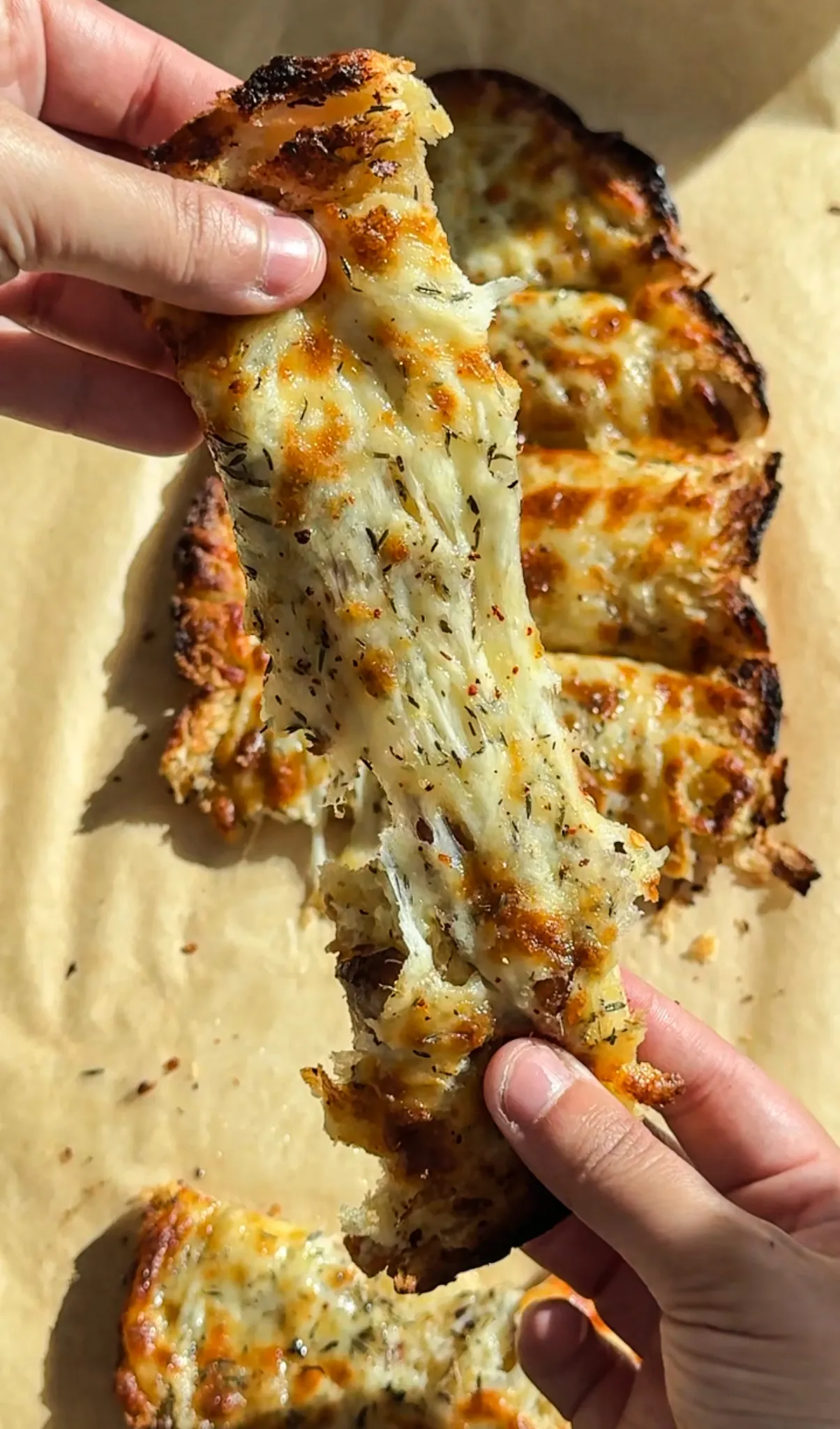
Mozzarella is the ideal cheese for truffle garlic bread because it melts smoothly, stretches beautifully, and has a mild flavor that doesn’t compete with truffle. Use whole milk mozzarella for the best texture and flavor. Pre-shredded cheese contains anti-caking agents that can affect melting, so shredding your own block of mozzarella yields superior results. Strong cheeses like aged parmesan, sharp cheddar, or blue cheese would overpower the delicate truffle aroma. This dish isn’t about heavy cheesiness. It’s about harmony and balance.
Creating Perfect Garlic Confit
Garlic confit is the secret weapon that makes truffle garlic bread exceptional rather than ordinary. This simple technique transforms sharp, pungent garlic into something sweet, mellow, and spreadable.
The Confit Process
Start by peeling fresh garlic cloves and placing them in a small saucepan. Cover them completely with olive oil. The oil should come at least halfway up the sides of the cloves. Add a small drizzle of truffle oil to the pan. This early addition infuses subtle truffle aroma throughout the confit without intensity. Place the pan over the lowest heat setting your stove offers. The oil should barely simmer. You’ll see tiny bubbles around the garlic, but nothing vigorous. This gentle cooking is crucial for developing sweet, mellow flavor in your truffle garlic bread.
Timing and Temperature
Garlic confit requires patience. Cook the cloves for 30 to 45 minutes, depending on their size. They’re ready when completely soft and lightly golden. You should be able to easily mash them with a fork. The oil will be fragrant and golden. This slow, gentle process removes harsh compounds and develops natural sugars in the garlic. High heat would create bitterness and destroy the delicate balance you’re building for your truffle garlic bread.
Storage and Usage
Once your garlic confit cools, you can store it in an airtight container in the refrigerator for up to two weeks. The infused oil is wonderful for cooking or drizzling over vegetables. For truffle garlic bread, you’ll mash the soft cloves into a smooth paste that blends seamlessly into your butter mixture.
Preparing the Garlic-Truffle Butter
The garlic-truffle butter is where all your flavors unite. This spread is the heart of your truffle garlic bread, so getting it right is essential.
Combining Your Ingredients
Start with softened unsalted butter in a mixing bowl. Add your mashed garlic confit, including some of the infused oil for extra richness. The confit should blend smoothly into the butter without any chunks. Add garlic powder next. This might seem redundant when you already have garlic confit, but garlic powder provides a different dimension. It adds savory warmth that fresh garlic alone doesn’t deliver. This layering of garlic forms creates complexity in your truffle garlic bread.
Adding Truffle Oil Correctly
Truffle oil is potent, so restraint is important. Start with a small amount, perhaps half a teaspoon per stick of butter. You can always add more, but you can’t remove it once mixed. Drizzle the truffle oil over your butter mixture and whisk or beat everything together until completely smooth and uniform. The truffle aroma should be noticeable but not overwhelming. It should whisper rather than shout. When you get the balance right, your truffle garlic bread will be aromatic and inviting without being overpowering.
Incorporating Herbs
Dried thyme is the perfect herb for truffle garlic bread. Fresh thyme can release too much moisture, while dried thyme provides concentrated flavor that distributes evenly. Thyme complements both garlic and truffle with earthy, slightly floral notes that round out the richness. Add about half a teaspoon of dried thyme to your butter mixture and incorporate it thoroughly. The result should be a pale golden butter flecked with herbs and garlic, smooth enough to spread easily but thick enough to stay put on the bread.
Step-by-Step Assembly Instructions
Building your truffle garlic bread is straightforward once your components are prepared. Order matters for achieving the best texture and flavor.
Preparing Your Bread
Slice your brioche loaf into pieces about three-quarters of an inch thick. Thinner slices become too crispy, while thicker pieces don’t toast properly in the center. Arrange the slices on a large baking sheet lined with parchment paper or a silicone mat. This prevents sticking and makes cleanup easier. If your baking sheet is small, work in batches rather than crowding the slices.
Applying the Butter
Spread your garlic-truffle butter generously over each brioche slice. Don’t be shy here. The butter carries all the flavor in your truffle garlic bread, so each piece should have a good coating. Spread it all the way to the edges to prevent dry corners. Use a butter knife or small offset spatula for even coverage. The butter should be thick enough that you can see it but not so thick that it pools or runs off during baking.
Adding Cheese and Herbs
Sprinkle shredded mozzarella evenly over the buttered bread. You want good coverage without piling it too high. About a quarter cup of shredded cheese per slice works well. The cheese should melt into an even layer rather than clumping in spots. Add an extra pinch of dried thyme over the cheese. This creates aromatic pockets throughout your truffle garlic bread.
The Final Touch
Just before baking, drizzle a tiny bit of truffle oil over each prepared slice. This final application ensures the truffle aroma stays fresh and vibrant. The oil applied earlier in the butter and confit will have mellowed through mixing and will be more integrated. This last drizzle provides that immediate aromatic impact when the bread comes out of the oven. Use a light hand. A few drops per slice is sufficient.
Baking to Golden Perfection
Proper baking technique ensures your truffle garlic bread achieves the ideal texture with crisp edges and a tender center.
Oven Temperature
Preheat your oven to 375 degrees Fahrenheit. This moderate temperature allows the cheese to melt completely while the bread toasts without burning. Higher temperatures would brown the edges too quickly before the center warms through. Lower temperatures would dry out the bread without achieving proper crispness.
Monitoring Progress
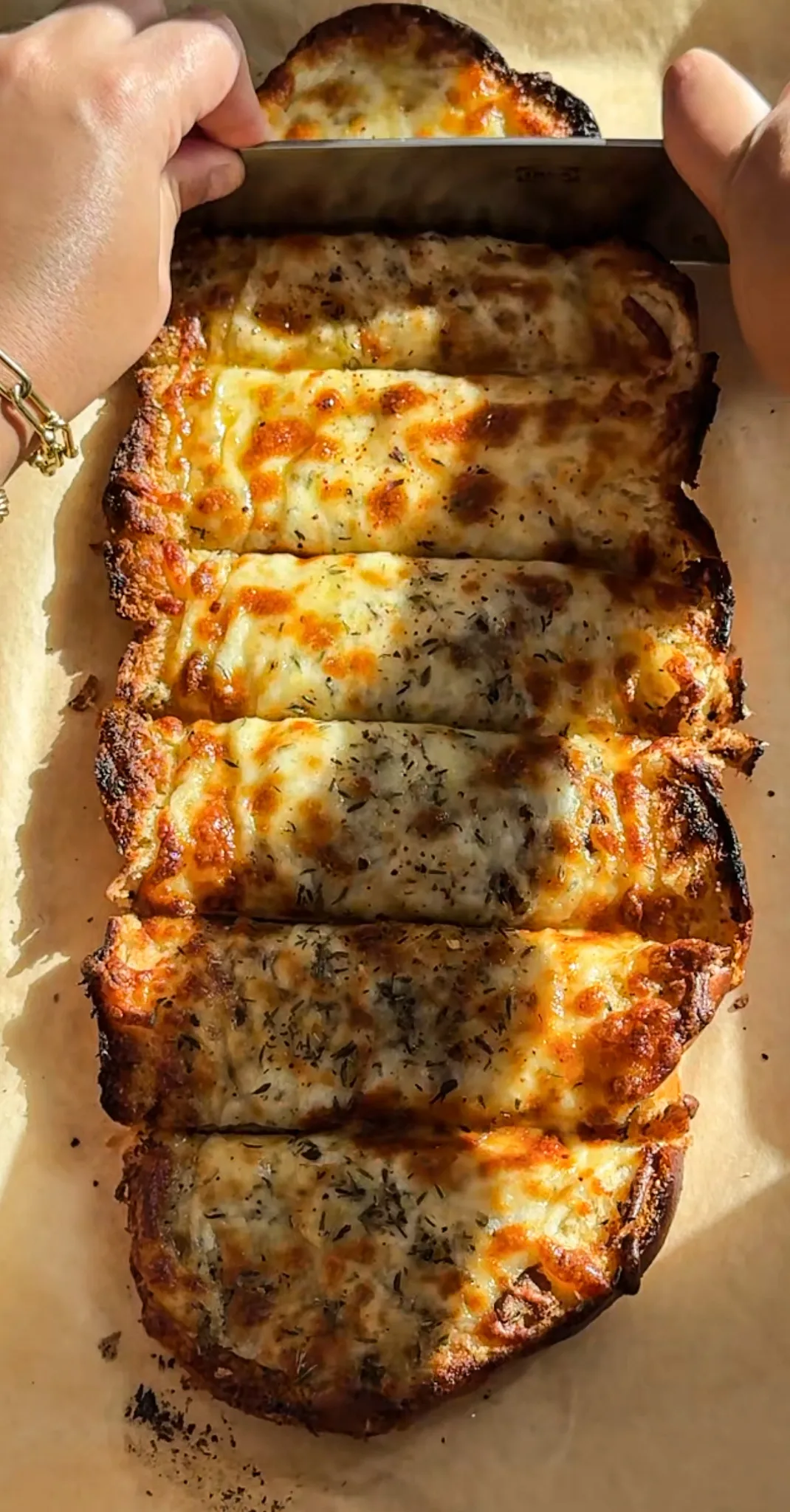
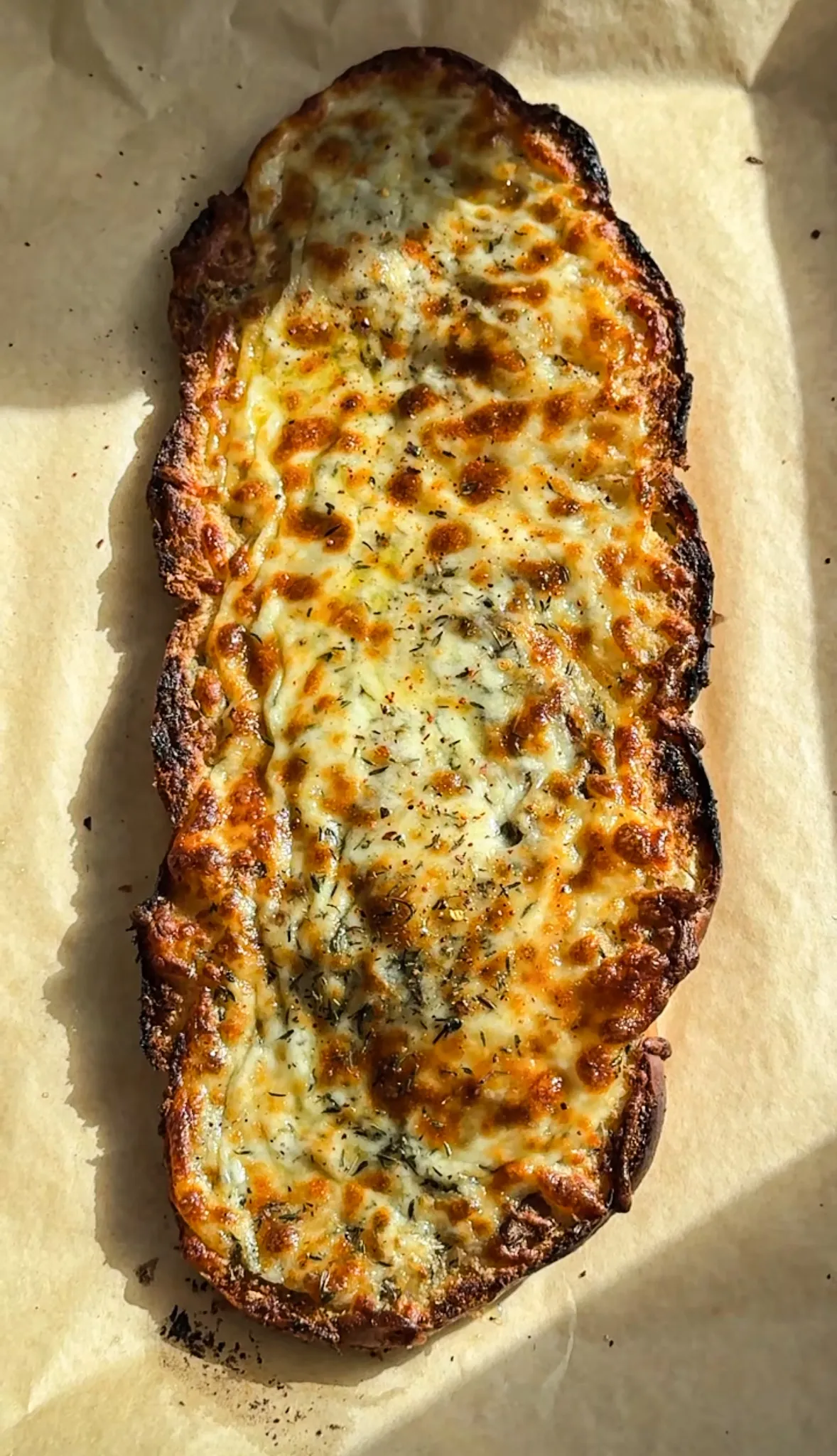
Place your prepared truffle garlic bread in the preheated oven. Bake for 10 to 15 minutes, checking frequently after the 10-minute mark. You’re looking for the cheese to be fully melted and bubbly, with the edges of the bread turning golden brown. The butter should be sizzling gently. Your kitchen will fill with an incredible aroma of garlic, truffle, and toasted bread. This sensory cue often indicates doneness as accurately as visual cues.
Avoiding Common Pitfalls
Don’t overbake your truffle garlic bread. Truffle oil is sensitive to prolonged heat exposure, and too much time in the oven can dull its delicate aroma. Remove the bread as soon as the cheese melts and the edges brown. The bread should still feel tender in the center when you press it gently. Overbaking also dries out the brioche, eliminating that wonderful contrast between crisp edges and soft interior that makes this recipe special.
Professional Tips for Outstanding Results
These techniques separate good truffle garlic bread from truly exceptional versions.
Temperature Management
Ensure all your dairy ingredients reach room temperature before mixing. Cold butter won’t incorporate smoothly with garlic confit. Cold cheese won’t melt evenly during baking. Taking 30 minutes to bring everything to room temperature before you start makes the entire process easier and improves your final results.
Batch Preparation
You can prepare the garlic-truffle butter mixture several hours ahead, even the day before. Store it covered in the refrigerator and bring it back to room temperature before spreading on bread. This advance preparation actually improves flavor as the ingredients have time to meld. The garlic confit can be made up to two weeks ahead and stored in the refrigerator. However, assemble and bake your truffle garlic bread immediately before serving for the best texture and aroma.
Customizing Intensity
Everyone has different sensitivity to truffle aroma. Start with conservative amounts of truffle oil and taste your butter mixture before spreading it on bread. You can always add a bit more truffle oil if desired. Remember that the aroma intensifies during baking as the heat releases volatile compounds. What seems subtle raw often becomes more pronounced once heated.
Presentation Matters
Slice larger pieces of truffle garlic bread into smaller portions for serving at parties or gatherings. The smaller sizes make elegant appetizers. Arrange them on a wooden board or platter while still warm. Garnish with a few fresh thyme sprigs for visual appeal, though the dried thyme in the recipe provides the actual flavor.
Common Mistakes to Avoid
Learning from these common errors helps you achieve perfect truffle garlic bread every time.
Using Too Much Truffle Oil
The number one mistake people make with truffle garlic bread is heavy-handed truffle oil application. More is not better with this ingredient. Truffle oil contains concentrated aromatic compounds that become overpowering quickly. When you use too much, the dish smells artificial and chemical rather than earthy and appetizing. Start with small amounts and build gradually. Your truffle garlic bread should smell inviting, not overwhelming.
Skipping the Garlic Confit
Some cooks try to shortcut by using raw minced garlic or jarred garlic instead of making confit. This fundamentally changes the flavor profile of truffle garlic bread. Raw garlic is sharp and pungent. It competes with truffle instead of complementing it. Jarred garlic often has metallic or sour notes from preservatives. The sweet, mellow quality of properly prepared garlic confit is essential for balanced results. Don’t skip this step.
Using the Wrong Cheese
Strong, aged cheeses overwhelm the delicate truffle aroma in truffle garlic bread. Parmesan, aged cheddar, gruyere, and similar cheeses have their place in cooking, but not in this recipe. Their assertive flavors mask the subtle complexity you’ve built through careful preparation. Mild, creamy mozzarella melts beautifully and supports other flavors without dominating them.
Overbaking
Leaving truffle garlic bread in the oven too long dries out the bread and dulls the truffle aroma. Heat degrades the volatile compounds that give truffle oil its distinctive scent. Watch your bread carefully during the final minutes of baking. Remove it as soon as the cheese melts and edges brown. The residual heat will continue cooking it slightly even after you remove it from the oven.
Serving Cold
Truffle garlic bread must be served warm for the best experience. As it cools, the butter solidifies, the cheese becomes rubbery, and the truffle aroma fades significantly. If you must prepare it ahead, bake it just before serving time. If leftovers cool completely, reheat them gently in the oven rather than the microwave to restore texture and aroma.
Delicious Variations to Try
Once you master the basic technique, these variations let you customize truffle garlic bread to your preferences.
Cheese Variations
While mozzarella is ideal, you can experiment with mild variations. A combination of mozzarella and fontina adds nutty richness. A small amount of cream cheese mixed into your butter creates extra creaminess. Fresh burrata torn over the top after baking provides luxurious, creamy pockets. Remember that any cheese substitution should remain mild to avoid overpowering the truffle.
Herb Adjustments
Thyme is the recommended herb for truffle garlic bread, but other options work in specific contexts. Fresh parsley added after baking provides brightness and color. Dried Italian seasoning offers more complex herbal notes. A tiny amount of fresh rosemary, finely minced, adds pine-like aromatics that complement truffle beautifully. Keep amounts modest to maintain balance.
Adding Proteins
Transform truffle garlic bread into a more substantial dish by adding toppings. Crispy prosciutto pieces provide salty contrast. Sautéed mushrooms enhance the earthy truffle notes. Caramelized onions add sweetness and depth. These additions should complement rather than compete with the core flavors.
Bread Alternatives
If brioche isn’t available, other options can work. Challah has a similar enriched texture. Sourdough provides tangy contrast to rich butter and truffle. French bread works in a pinch, though it lacks the soft texture of brioche. Each bread type changes the character slightly, so experiment to find your preference.
Perfect Pairings and Serving Suggestions
Truffle garlic bread complements many dishes and occasions, though some pairings work particularly well.
With Pasta Dishes
Serve truffle garlic bread alongside creamy pasta dishes. It pairs beautifully with fettuccine alfredo, carbonara, or mushroom pasta. The buttery, garlicky flavors echo and enhance the richness of cream sauces. The bread also provides textural contrast to soft pasta and helps capture sauce.
With Proteins
This elegant bread elevates simple protein preparations. Serve it with grilled steak, allowing the truffle to complement beef’s natural earthiness. Roasted chicken benefits from the rich, aromatic accompaniment. Even simple salmon or white fish pairs well, as the mild fish doesn’t compete with the complex bread flavors.
As an Appetizer
Cut truffle garlic bread into smaller portions and serve as an sophisticated appetizer. Arrange pieces on a wooden board with other elegant offerings. Pair with wine, olives, and cured meats for a complete starter spread. The rich flavors make a strong first impression at dinner parties.
With Soups and Salads
Balance lighter dishes with this indulgent bread. Serve truffle garlic bread with simple green salads dressed in vinaigrette. The richness contrasts beautifully with bright, acidic greens. It also complements tomato soup, mushroom soup, or butternut squash soup, turning simple bowls into satisfying meals.
Storage and Reheating Guidelines
While truffle garlic bread tastes best fresh from the oven, proper storage and reheating preserve quality when necessary.
Storing Leftover Bread
Cool any leftover truffle garlic bread to room temperature before storing. Wrap pieces individually in aluminum foil or place them in an airtight container. Store in the refrigerator for up to two days. The butter solidifies and the truffle aroma fades somewhat during storage, but you can revive much of the original character through proper reheating.
Storing Components Separately
For best results, store the garlic-truffle butter separately from bread. The prepared butter keeps refrigerated for up to one week. You can then spread it on fresh bread and bake just before serving. This approach ensures optimal texture and aroma in your truffle garlic bread. The garlic confit itself stores for up to two weeks refrigerated in its oil.
Reheating Methods
Never reheat truffle garlic bread in the microwave. Microwaves make the bread rubbery and don’t restore the crispy edges. Instead, wrap refrigerated pieces loosely in foil and place them in a 325-degree oven for 8 to 10 minutes until warmed through. For extra crispness, unwrap the foil during the last 2 minutes. This gentle reheating revives much of the original texture and aroma.
Freezing Considerations
Freezing is not recommended for fully assembled and baked truffle garlic bread. The delicate truffle aroma dissipates during freezing and thawing. However, you can freeze the prepared garlic-truffle butter for up to three months. Thaw it overnight in the refrigerator, then use it on fresh bread for the best results.
Frequently Asked Questions
Can I use regular garlic bread instead of making confit?
Garlic confit is essential for proper truffle garlic bread because it provides sweet, mellow flavor that complements truffle oil. Raw or pre-minced garlic creates sharpness that competes with the delicate truffle aroma rather than enhancing it. The slow cooking process transforms garlic from pungent to sweet, which is fundamental to this recipe’s balance. Taking the time to make confit significantly improves your results.
How much truffle oil should I actually use?
For truffle garlic bread serving four to six people, start with about one teaspoon of truffle oil total, divided between the confit, butter mixture, and final drizzle. This conservative amount provides noticeable aroma without overwhelming other flavors. You can always increase slightly in future batches if you prefer stronger truffle presence. Remember that truffle oil is extremely potent, and less truly is more with this ingredient.
What if I can’t find brioche bread?
Challah makes the best substitute for brioche in truffle garlic bread because it shares similar enriched dough characteristics. Texas toast or thick-sliced white bread works in a pinch, though results will be less rich and tender. Sourdough provides interesting tangy contrast but creates a different flavor profile. French bread is acceptable but lacks the soft, tender quality that makes brioche ideal for this recipe.
Can I make this recipe vegan?
Creating vegan truffle garlic bread requires several substitutions but remains possible. Use vegan butter in place of dairy butter. Replace mozzarella with cashew-based mozzarella or other vegan cheese that melts well. Choose bread made without eggs or dairy. The garlic confit and truffle oil remain the same. The flavor profile shifts slightly due to different fat characteristics in vegan butter, but you can still create a delicious result.
Why does my truffle oil smell artificial?
Many commercial truffle oils contain synthetic compounds rather than real truffle. These chemical additives create an artificial aroma that many people find off-putting. For authentic truffle garlic bread, invest in quality truffle oil that lists real truffle in the ingredients. White truffle oil tends to be more delicate, while black truffle oil offers earthier notes. Store truffle oil properly in a cool, dark place and use it within a few months of opening.
How far ahead can I prepare this?
You can make the garlic confit up to two weeks ahead and store it refrigerated in its oil. The garlic-truffle butter can be prepared up to one week ahead and refrigerated, then brought to room temperature before use. However, assemble and bake your truffle garlic bread immediately before serving for optimal texture and aroma. The fresh-baked quality cannot be fully recaptured through reheating.
Final Thoughts
Truffle garlic bread represents the perfect balance between familiar comfort and elegant refinement. By understanding how to layer flavors properly, use truffle oil with restraint, and choose complementary ingredients, you create something truly special. The sweet garlic confit, rich butter, tender brioche, and aromatic truffle oil come together into a dish that elevates any meal. Whether you’re serving truffle garlic bread at a dinner party or enjoying it with a simple pasta night at home, the careful preparation shows in every bite. The techniques you’ve learned here, from making garlic confit to properly applying truffle oil, will serve you well in many other recipes. Most importantly, this recipe demonstrates that luxury doesn’t require complicated techniques or exotic ingredients. Sometimes it’s simply about understanding your ingredients, treating them with respect, and allowing quality components to shine. Your truffle garlic bread awaits.
Watch the recipe video for more clarity

People also like our these recipes:
Garlic Confit
- 1 cup garlic cloves about 10 cloves
- ½ cup olive oil
- A drizzle of truffle oil
Garlic–Truffle Butter
- 100 g unsalted butter softened
- 4 –5 garlic confit cloves or more to taste
- 1 tbsp garlic powder
- 1 –2 tsp truffle oil
- 1 tbsp dried thyme
Bread & Topping
- Brioche bread
- 1 cup shredded mozzarella
- 1 tsp truffle oil drizzled before baking
- Dried thyme
Make the Garlic Confit
Add garlic cloves and olive oil to a small saucepan. Cook gently on low heat until garlic is soft and lightly golden. Remove from heat and add a small drizzle of truffle oil. Let cool.
Prepare the Garlic–Truffle Butter
Mash garlic confit cloves and mix into softened butter with garlic powder, truffle oil, and dried thyme until smooth.
Assemble
Spread garlic–truffle butter generously over brioche slices. Top with shredded mozzarella and a sprinkle of dried thyme.
Finish & Bake
Drizzle lightly with truffle oil and bake at *375°F (190°C)* until cheese is melted and bread is golden.
Serve
Serve warm and enjoy immediately.
If you've given this recipe a try and it won you over, please share your thoughts by leaving
a rating and comment below! If you have any questions about this recipe, don't hesitate to ask – I'm here to
help and will respond promptly.