Making Authentic Buttery Garlic Naan at Home
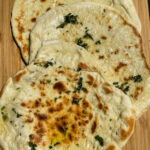
Buttery garlic naan is a delicious, soft, and fluffy flatbread that’s perfect for mopping up sauces or enjoying on its own. Brushed with melted butter and infused with the rich flavor of garlic, each piece is warm and comforting. This buttery garlic naan is a great addition to any meal, especially when paired with your favorite Indian dishes. Easy to make and always a hit, buttery garlic naan is sure to become a favorite in your kitchen.
Making buttery garlic naan from scratch might seem intimidating, but it’s actually quite simple. With just a few basic ingredients and some patience, you can create restaurant-quality flatbread in your own kitchen. The aroma of freshly baked buttery garlic naan filling your home is absolutely irresistible.
This traditional Indian flatbread has gained popularity worldwide for good reason. The combination of soft, pillowy bread with rich garlic butter creates an unforgettable taste experience. Whether you’re hosting a dinner party or simply craving comfort food, buttery garlic naan delivers every time.
Why This Buttery Garlic Naan Recipe is Special
This recipe stands out because it uses bread flour, which creates a superior texture compared to all-purpose flour. The higher protein content in bread flour develops more gluten, resulting in that characteristic chewy yet tender texture that makes buttery garlic naan so addictive. You’ll notice the difference from the very first bite.
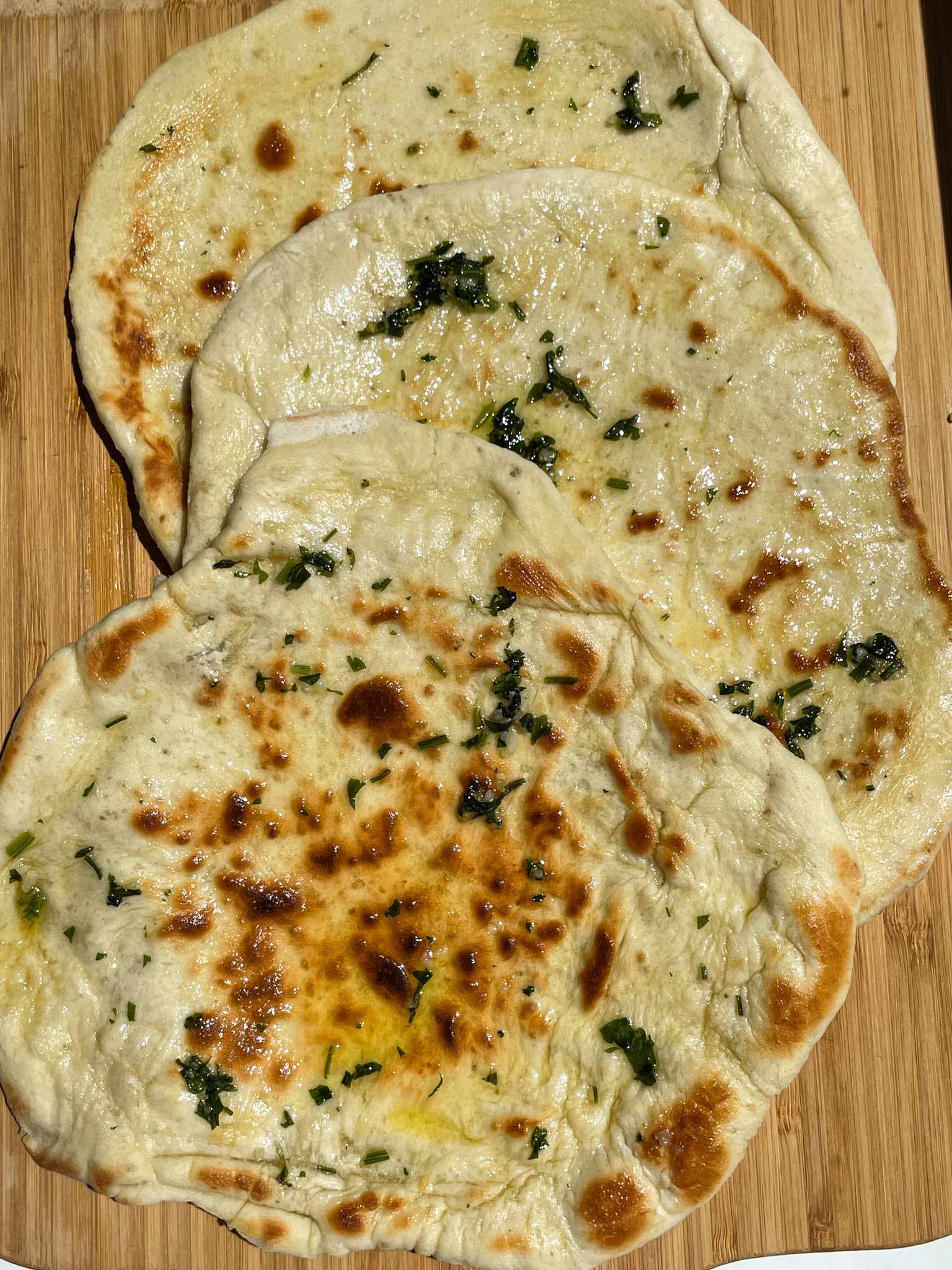
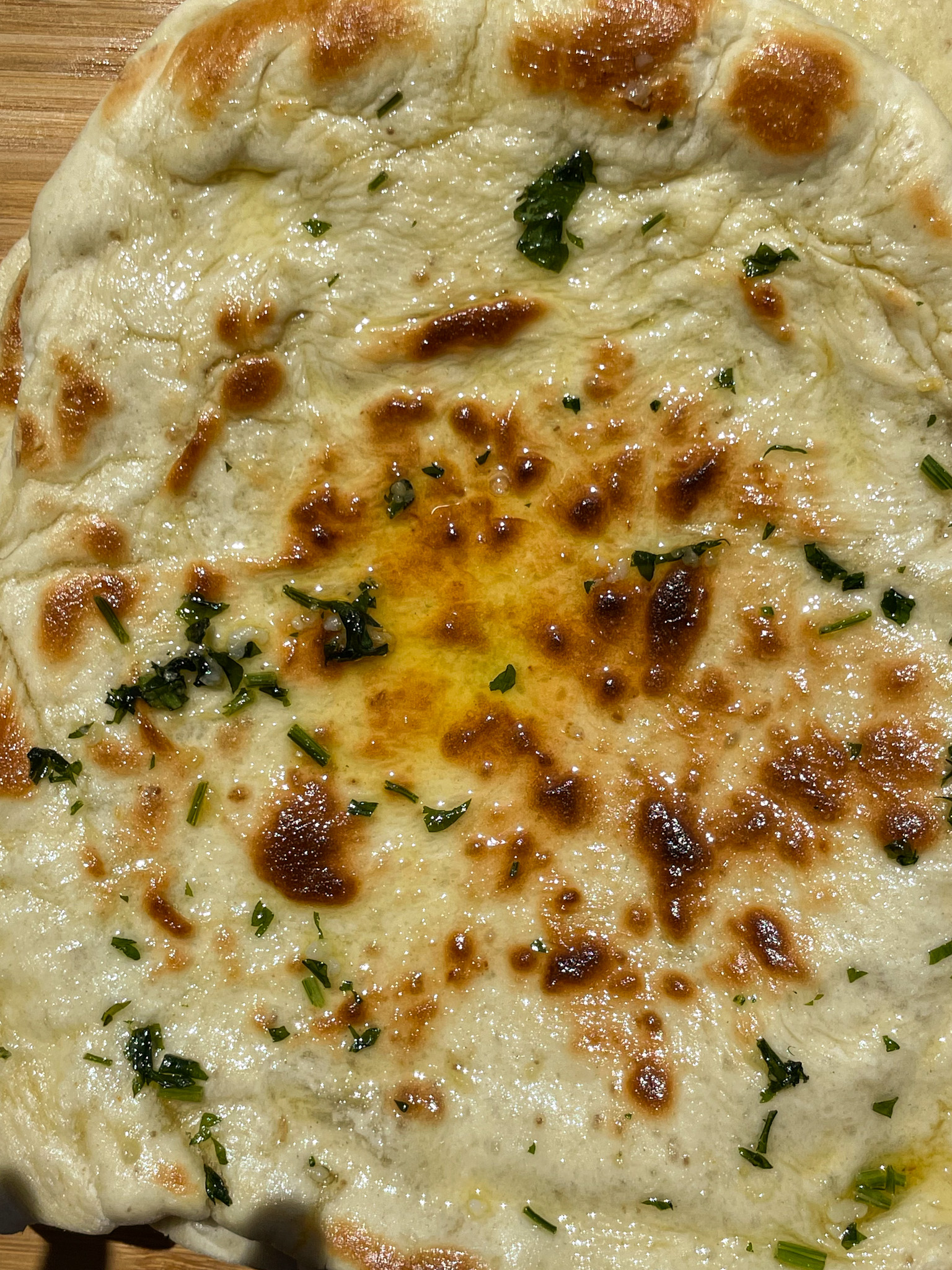
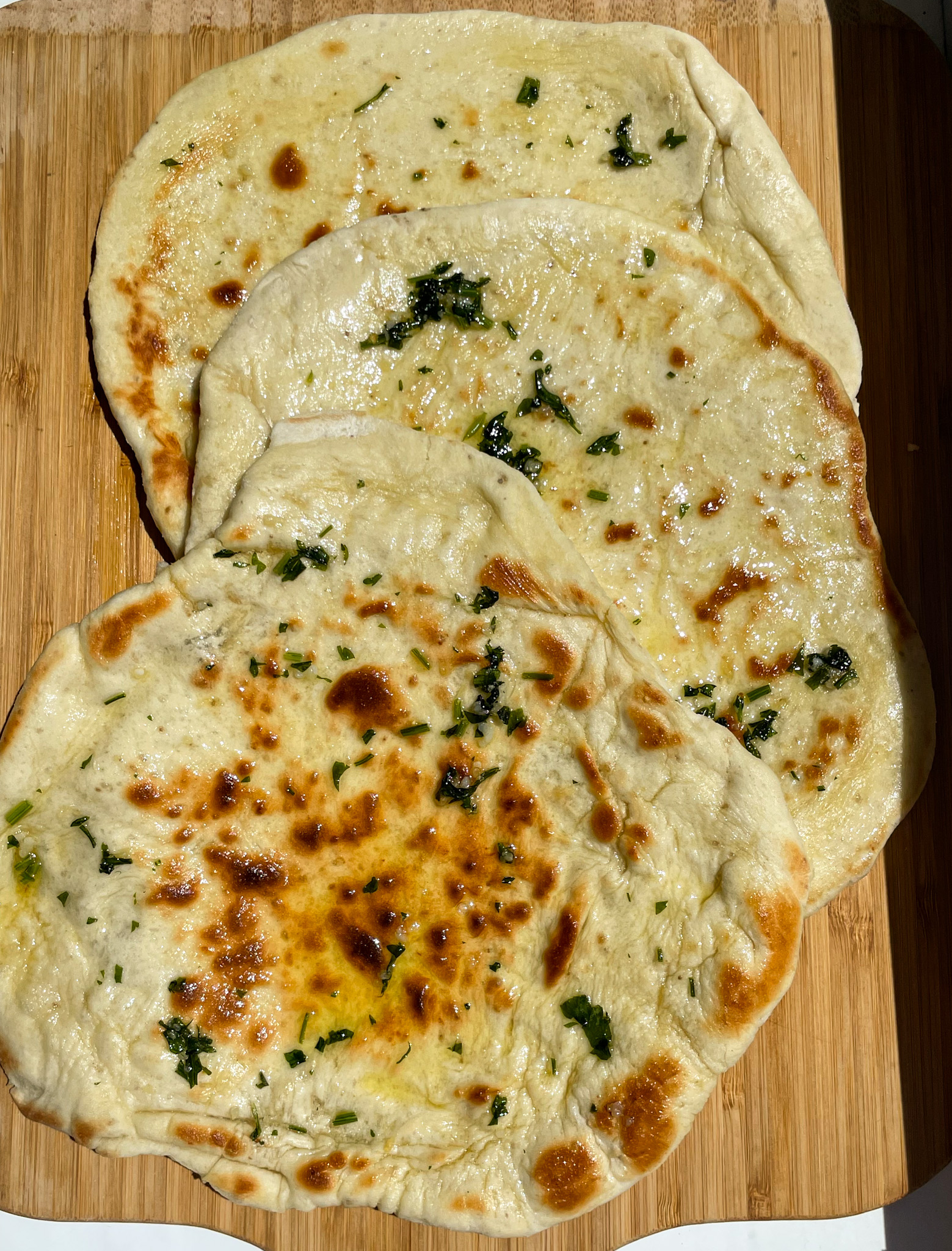
The garlic-infused butter mixture takes this flatbread to another level. Unlike plain naan, buttery garlic naan gets brushed with a generous amount of melted butter mixed with fresh garlic and parsley. This finishing touch creates a golden, slightly crispy exterior while keeping the interior soft and fluffy.
What makes this buttery garlic naan truly special is its versatility. It pairs beautifully with Indian curries, works as a pizza base, makes an excellent sandwich wrap, or can be enjoyed simply on its own. The recipe yields consistently delicious results that rival your favorite Indian restaurant.
Key Ingredients Overview
The foundation of great buttery garlic naan starts with quality ingredients. Bread flour provides the essential structure and chewiness. Active dry yeast gives the dough its rise and creates those characteristic air bubbles. Warm water activates the yeast and brings everything together.
Olive oil enriches the dough and adds subtle flavor. Unsalted butter serves as the base for the garlic topping, allowing you to control the salt level. Fresh garlic cloves deliver that pungent, aromatic quality that defines buttery garlic naan. Chopped fresh parsley adds color and a bright herbal note.
Each ingredient plays a crucial role in creating the perfect buttery garlic naan. Using fresh garlic instead of garlic powder makes a significant difference in flavor intensity. The combination of these simple ingredients transforms into something truly extraordinary.
Understanding Traditional Naan Bread
Naan bread has been a staple in South Asian cuisine for centuries. Traditionally cooked in a tandoor oven, this leavened flatbread has a distinctive teardrop shape and characteristic charred spots. Buttery garlic naan represents a popular variation of this ancient bread.
The word “naan” comes from Persian, reflecting the bread’s journey along the Silk Road. Over time, different regions developed their own versions, each with unique characteristics. The addition of garlic and butter creates the beloved buttery garlic naan variation we enjoy today.
Understanding the traditional methods helps appreciate this modern home-kitchen adaptation. While we may not have a tandoor oven, a hot skillet or oven can produce remarkably similar results. The key is achieving high heat to create those signature bubbles and char marks.
The Role of Yeast in Naan
Yeast is essential for creating the light, airy texture in buttery garlic naan. Active dry yeast feeds on sugars in the dough, producing carbon dioxide bubbles that make the bread rise. This fermentation process also develops complex flavors that enhance the final product.
Properly activating yeast ensures successful buttery garlic naan. The water temperature should be warm but not hot, ideally between 105-115 degrees Fahrenheit. Too hot, and you’ll kill the yeast. Too cold, and it won’t activate properly.
Giving the yeast time to bloom creates a strong foundation. You’ll know it’s ready when the mixture becomes foamy and fragrant. This step is crucial for achieving that perfect rise in your buttery garlic naan.
Why Bread Flour Makes a Difference
Bread flour contains more protein than all-purpose flour, typically 12-14 percent compared to 10-12 percent. This higher protein content develops more gluten when mixed with water. The result is a chewier, more elastic dough perfect for buttery garlic naan.
The gluten network created by bread flour traps air bubbles during rising. This creates the characteristic texture with both soft and slightly chewy areas. All-purpose flour can work in a pinch, but bread flour produces superior buttery garlic naan.
Professional bakers prefer bread flour for yeasted breads for good reason. The extra gluten strength means the dough can withstand more handling and produces more consistent results. Your buttery garlic naan will have better structure and a more authentic texture.
Choosing the Right Ingredients
Ingredient quality directly impacts the final taste and texture of buttery garlic naan. Fresh, high-quality components make all the difference. While the ingredient list is simple, selecting the best versions of each elevates the entire recipe.
Start with fresh yeast that hasn’t expired. Check the expiration date on your packet before beginning. Old yeast won’t rise properly, leaving you with dense, flat buttery garlic naan instead of light and fluffy bread.
Invest in good bread flour from a reputable brand. Store it in an airtight container in a cool, dry place to maintain freshness. Fresh garlic cloves should be firm and aromatic. Avoid pre-minced garlic in jars for this recipe, as fresh garlic provides superior flavor in buttery garlic naan.
Garlic Selection and Preparation
Fresh garlic is non-negotiable for authentic buttery garlic naan. Look for bulbs with tight, papery skin and firm cloves. Avoid garlic with green shoots, which can taste bitter. The garlic flavor is central to this recipe, so quality matters significantly.
Mincing garlic properly ensures even distribution throughout the butter. Use a sharp knife or garlic press for best results. Finely minced garlic releases more oils and flavor, infusing the butter that coats your buttery garlic naan with intense aroma.
Some cooks prefer roasted garlic for a milder, sweeter flavor. While traditional buttery garlic naan uses raw garlic in the butter, feel free to experiment. Roasted garlic creates a different but equally delicious variation.
Butter Quality Matters
Unsalted butter gives you control over the salt content in your buttery garlic naan. Different brands vary significantly in salt levels, so starting with unsalted butter ensures consistency. You can always add salt to taste later.
European-style butter with higher fat content creates richer buttery garlic naan. These butters typically contain 82-86 percent fat compared to 80 percent in standard American butter. The extra richness enhances the final flavor noticeably.
Let the butter come to room temperature before mixing with garlic and parsley. Softened butter combines more easily and creates a smoother mixture. This ensures even coverage when brushing your finished buttery garlic naan.
Fresh Herbs Enhance Flavor
Fresh parsley adds visual appeal and a bright, fresh note to buttery garlic naan. Italian flat-leaf parsley has a more robust flavor than curly parsley. Chop it finely so it distributes evenly in the garlic butter mixture.
Some variations of buttery garlic naan include cilantro instead of or in addition to parsley. Cilantro provides a distinctly different flavor profile that pairs beautifully with Indian cuisine. Choose based on your personal preference and what you’re serving alongside.
Fresh herbs should be washed and thoroughly dried before chopping. Excess moisture can dilute the butter mixture. Store fresh herbs wrapped in damp paper towels inside a plastic bag in the refrigerator to maintain freshness.
Step-by-Step Instructions for Perfect Buttery Garlic Naan
Creating buttery garlic naan at home is a rewarding process. Following these detailed steps ensures success even for beginners. Take your time with each stage, and you’ll be rewarded with restaurant-quality flatbread.
The process involves several stages: activating yeast, mixing dough, kneading, rising, shaping, and cooking. Each step builds on the previous one. Rushing through any stage can compromise the final texture and flavor of your buttery garlic naan.
Preparation is key to smooth execution. Gather all ingredients before starting. Set up your workspace with enough room for kneading. Having everything ready makes the process much more enjoyable and ensures better results.
Preparing the Dough
Begin by activating your yeast in warm water. The water should feel warm to the touch but not hot. Add a pinch of sugar to feed the yeast and accelerate activation. Let this mixture sit for five to ten minutes until it becomes foamy and bubbly.
In a large mixing bowl, combine bread flour and salt. Create a well in the center and pour in the activated yeast mixture along with olive oil. Mix with a wooden spoon until the ingredients come together into a shaggy dough.
Turn the dough out onto a lightly floured surface. The dough will feel sticky at first, which is normal for buttery garlic naan. Resist the urge to add too much flour, as this can make the bread tough.
Kneading and Rising
Knead the dough for eight to ten minutes until it becomes smooth and elastic. Push the dough away with the heel of your hand, fold it back over itself, and rotate. This repetitive motion develops the gluten that gives buttery garlic naan its characteristic texture.
You’ll know the dough is ready when it springs back when poked and has a smooth, slightly tacky surface. Form it into a ball and place it in a lightly oiled bowl. Turn the dough to coat it with oil, which prevents a dry skin from forming.
Cover the bowl with a damp kitchen towel or plastic wrap. Place it in a warm, draft-free location. The dough should double in size, typically taking one to two hours. This rise is crucial for developing flavor and texture in your buttery garlic naan.
Shaping the Naan
Once risen, punch down the dough to release air bubbles. Divide it into six to eight equal portions, depending on your preferred size. Roll each portion into a smooth ball between your palms.
Let the dough balls rest for ten minutes under a damp towel. This resting period relaxes the gluten, making the dough easier to shape. Attempting to roll them out immediately will result in dough that constantly springs back.
Roll each ball into an oval or teardrop shape about one-quarter inch thick. Don’t worry about making them perfectly uniform. Slight irregularities are part of the charm of homemade buttery garlic naan. The uneven thickness creates varied textures when cooked.
Cooking Methods
The traditional method uses a tandoor oven, but a hot cast-iron skillet works beautifully for buttery garlic naan. Heat your skillet over medium-high heat until very hot. A drop of water should sizzle and evaporate immediately.
Place one naan in the dry skillet. It should start bubbling within seconds. Cook for two to three minutes until the bottom develops golden-brown spots. Flip and cook the other side for another one to two minutes.
Alternatively, you can use your oven broiler. Preheat the broiler on high and place naan on a baking sheet. Broil for one to two minutes per side, watching carefully to prevent burning. This method creates nice char similar to a tandoor.
Applying the Garlic Butter
While the buttery garlic naan cooks, prepare your garlic butter mixture. Melt unsalted butter in a small saucepan. Add minced garlic and cook gently for thirty seconds until fragrant. Remove from heat and stir in chopped parsley.
As each piece of buttery garlic naan comes off the heat, immediately brush it generously with the garlic butter mixture. The hot bread absorbs the butter, creating an incredibly flavorful coating. Don’t be shy with the butter here.
Stack the finished buttery garlic naan on a plate and cover with a clean kitchen towel. This keeps them warm and soft while you finish cooking the remaining pieces. The steam trapped under the towel maintains perfect texture.
Professional Tips for Restaurant-Quality Results
These expert tips will elevate your buttery garlic naan from good to exceptional. Small details make a significant difference in the final product. Professional bakers use these techniques to ensure consistent, high-quality results every time.
Temperature control is crucial throughout the process. Keep ingredients at proper temperatures for optimal yeast activity. Cook at high enough heat to create char marks while keeping the interior soft and fluffy.
Practice makes perfect with buttery garlic naan. Your first batch might not be flawless, but you’ll improve quickly. Each time you make this recipe, you’ll develop better instincts for dough consistency and cooking times.
Achieving the Perfect Texture
The key to soft, pillowy buttery garlic naan is proper hydration. The dough should be slightly sticky but manageable. Too dry, and your bread will be tough. Too wet, and it won’t hold its shape during cooking.
Don’t skip the resting periods. Both the initial rise and the bench rest after dividing are essential. These periods allow gluten to relax and flavors to develop. Rushing these steps results in tough, less flavorful buttery garlic naan.
Cook over high heat for the characteristic bubbles and char marks. Lower heat will cook the bread through but won’t create those desirable textural variations. The contrast between soft, bubbly areas and slightly crispy charred spots defines great buttery garlic naan.
Temperature Tips
Water temperature for activating yeast should be around 110 degrees Fahrenheit. Use a kitchen thermometer for precision if you’re uncertain. Water that’s too hot kills yeast, while water that’s too cold won’t activate it properly.
The rising environment should be warm but not hot. An ideal temperature is around 75-80 degrees Fahrenheit. In cooler kitchens, try placing the covered bowl near a warm oven or in a turned-off oven with the light on.
Preheat your cooking surface thoroughly before starting. A properly heated skillet or oven ensures the buttery garlic naan begins cooking immediately upon contact. This quick initial sear creates the signature texture and appearance.
Garlic Butter Application Techniques
Apply garlic butter while the buttery garlic naan is still piping hot from the cooking surface. The residual heat helps the butter soak in rather than just sitting on top. This creates deeper flavor penetration throughout the bread.
Use a pastry brush for even distribution of garlic butter. Brush in one direction rather than scrubbing back and forth. This technique ensures complete coverage without tearing the delicate surface of your freshly cooked buttery garlic naan.
Reserve some garlic butter for serving alongside the finished buttery garlic naan. Guests can add more to their individual pieces as desired. Some people prefer extra garlic butter, while others enjoy the bread with a lighter coating.
Common Mistakes to Avoid
Even experienced cooks sometimes encounter issues when making buttery garlic naan. Understanding these common pitfalls helps you avoid them. Learning what not to do is just as important as learning proper techniques.
Many problems stem from impatience. Rushing the rising times, cooking at incorrect temperatures, or skipping resting periods all compromise results. Give each step the time it needs for optimal buttery garlic naan.
Ingredient substitutions can cause unexpected issues. While some swaps work fine, others fundamentally change the recipe outcome. Stick closely to the recipe, especially when first learning to make buttery garlic naan.
Yeast Activation Failures
Dead or expired yeast is a common culprit when buttery garlic naan doesn’t rise. Always check expiration dates and store yeast in the refrigerator. If your yeast mixture doesn’t foam after ten minutes, start over with fresh yeast.
Water temperature mistakes kill many batches before they begin. Too hot, and you’ll kill the yeast organisms. Too cold, and they won’t activate. The water should feel pleasantly warm to the touch, like comfortable bath water.
Adding salt directly to yeast can inhibit activation. Always mix salt with flour first, then add the activated yeast mixture. This simple step prevents potential problems and ensures reliable rising in your buttery garlic naan dough.
Overworking or Underworking Dough
Insufficient kneading results in weak gluten development. The dough won’t rise properly and the finished buttery garlic naan will be dense. Knead for the full recommended time until the dough passes the windowpane test.
Conversely, over-kneading makes the dough too tight and elastic. This happens more easily with stand mixers than hand kneading. Over-kneaded dough springs back excessively when rolling and produces tough buttery garlic naan.
Watch for visual and tactile cues rather than strictly following times. Properly kneaded dough should be smooth, elastic, and slightly tacky. It should hold its shape but still feel pliable and soft.
Cooking Temperature Issues
Cooking buttery garlic naan at too low a temperature produces pale, tough bread. High heat is essential for creating the signature bubbles and char marks. The exterior should cook quickly while the interior remains soft.
Burning happens when the heat is too high or cooking time is too long. Watch carefully during cooking and adjust heat as needed. Each stovetop and skillet heats differently, so you may need to experiment to find your ideal temperature.
Undercooked buttery garlic naan will be doughy in the center. Make sure the bread cooks through completely while achieving proper browning. If the outside browns too quickly, reduce heat slightly and increase cooking time.
Delicious Variations to Try
Once you’ve mastered basic buttery garlic naan, countless variations await. Experimenting with different flavors and additions keeps this recipe exciting. These adaptations maintain the fundamental technique while introducing new taste dimensions.
Traditional buttery garlic naan is wonderful, but customization makes it your own. Consider your menu when choosing variations. Different flavored naans can complement specific dishes beautifully.
Start with small batches when testing new variations. This approach lets you experiment without committing to a full recipe. Once you find favorites, you can make larger quantities of your customized buttery garlic naan.
Herb and Spice Additions
Beyond parsley, many herbs enhance buttery garlic naan beautifully. Fresh cilantro provides authentic Indian flavor and pairs wonderfully with curries. Basil creates an Italian-inspired version perfect for serving with pasta dishes.
Spices can be kneaded directly into the dough before rising. Cumin seeds, nigella seeds, or caraway seeds add aromatic complexity. These whole spices provide bursts of flavor throughout each bite of buttery garlic naan.
Za’atar seasoning creates a Middle Eastern twist. Mix this herb blend into the garlic butter before brushing. The combination of dried herbs, sesame seeds, and sumac transforms ordinary buttery garlic naan into something extraordinary.
Cheese-Stuffed Options
Cheese-stuffed naan takes buttery garlic naan to an indulgent new level. Roll out the dough, place grated cheese in the center, and seal the edges. Roll gently to flatten while keeping the cheese enclosed.
Mozzarella melts beautifully and creates wonderful cheese pulls. Paneer provides authentic Indian flavor and a different texture. Mix cheeses for more complex flavor profiles in your stuffed buttery garlic naan variation.
Add chopped jalapeños or green chilies to the cheese filling for heat. The spicy cheese combined with garlic butter creates an addictive combination. This variation pairs especially well with milder curries or dal.
Sweet Variations
Dessert naan might sound unusual, but it’s absolutely delicious. Replace the garlic butter with cinnamon-sugar butter or honey butter. These sweet versions of naan make excellent breakfast treats or desserts.
Brush finished naan with melted butter mixed with honey and crushed pistachios. This Middle Eastern-inspired variation works beautifully after a spicy meal. The sweetness provides a pleasant contrast to savory dishes.
Stuff sweet naan with Nutella or sweetened cream cheese before cooking. Seal the edges well and cook as usual. Dust with powdered sugar after brushing with plain butter for an incredible dessert version.
Storage and Reheating Guidelines
Proper storage maintains the quality of buttery garlic naan between servings. While fresh is always best, stored naan can still be delicious when handled correctly. Follow these guidelines to extend the life of your homemade bread.
Different storage methods work for different timeframes. Consider when you plan to eat the buttery garlic naan when deciding how to store it. Room temperature, refrigeration, and freezing each have their place.
Reheating technique matters as much as storage method. The goal is to restore the soft, warm texture of freshly made buttery garlic naan. Proper reheating makes day-old bread taste nearly as good as fresh.
Short-Term Storage
For consumption within one to two days, room temperature storage works perfectly. Place cooled buttery garlic naan in a resealable plastic bag or airtight container. This prevents the bread from drying out while maintaining its soft texture.
Keep stored naan away from direct sunlight and heat sources. A bread box or kitchen cabinet works well. The bread should remain soft and pliable at room temperature for this short period.
Don’t store buttery garlic naan in the refrigerator for short-term storage. Refrigeration actually speeds up staling in bread products. The cold temperature causes starch molecules to crystallize, making the bread tough and dry faster than room temperature storage.
Refrigerator Storage
For medium-term storage of five to seven days, refrigeration becomes necessary despite its drawbacks. Wrap each piece of buttery garlic naan tightly in aluminum foil or plastic wrap. This prevents moisture loss and protects against absorbing refrigerator odors.
Place wrapped naan in an airtight container or resealable bag for extra protection. The double layer of wrapping significantly extends freshness. Label the container with the date to track storage time.
Before serving refrigerated buttery garlic naan, always reheat it. Cold naan straight from the refrigerator won’t have the appealing texture that makes this bread special. Proper reheating restores much of the original quality.
Freezer Storage
Freezing is ideal for long-term storage up to three months. Buttery garlic naan freezes exceptionally well when properly wrapped. This method lets you always have homemade naan available without the work of making fresh batches constantly.
Wrap each piece individually in plastic wrap, then aluminum foil. The double wrapping prevents freezer burn and maintains quality. Place wrapped pieces in a freezer-safe bag or container, removing as much air as possible.
Label the package with contents and date. Frozen buttery garlic naan maintains best quality for three months but remains safe to eat beyond that time. The texture and flavor gradually decline after three months, though.
Reheating Methods
The oven provides the best reheating results for buttery garlic naan. Preheat to 350 degrees Fahrenheit. Wrap naan in aluminum foil and heat for ten minutes. Unwrap for the last two minutes to crisp the exterior slightly.
A toaster oven works well for smaller quantities. Use the same temperature and timing as a regular oven. Watch carefully to prevent burning, as toaster ovens can have hot spots.
Microwave reheating is fastest but produces the least desirable texture. Wrap buttery garlic naan in a damp paper towel and microwave for twenty to thirty seconds. The moisture from the towel prevents excessive drying, but microwaved naan will never match oven-reheated quality.
Frequently Asked Questions About Buttery Garlic Naan
Common questions arise when making buttery garlic naan for the first time. These answers address the most frequent concerns. Understanding these points helps troubleshoot issues and improve results.
Don’t hesitate to experiment and learn through practice. Every kitchen and cook is different. What works perfectly in one situation might need adjustment in another when making buttery garlic naan.
These questions cover both technical aspects and practical considerations. Whether you’re wondering about substitutions or solving texture problems, you’ll find helpful information here.
Can I make buttery garlic naan without a tandoor oven?
Absolutely, a tandoor oven is not necessary for making delicious buttery garlic naan at home. A cast-iron skillet, regular frying pan, or oven broiler all produce excellent results. While a tandoor creates unique char and flavor, home methods come remarkably close.
Cast-iron skillets are particularly effective because they retain heat well. The heavy bottom creates even cooking and nice char marks. Preheat the skillet thoroughly for best results with your buttery garlic naan.
The oven broiler method most closely mimics tandoor cooking. The intense top-down heat creates similar bubbling and charring. Watch carefully to prevent burning, as broilers work quickly on thin flatbreads like buttery garlic naan.
Why isn’t my naan rising properly?
Several factors can prevent proper rising in buttery garlic naan dough. Most commonly, the yeast is dead or inactive. Check expiration dates and ensure water temperature stays in the optimal range of 105-115 degrees Fahrenheit.
Insufficient rising time is another common cause. Dough needs adequate time to double in size, typically one to two hours. Rushing this process results in dense buttery garlic naan without the characteristic light texture.
Cold environments slow yeast activity significantly. Find a warm spot for rising, around 75-80 degrees. Some bakers place dough in a turned-off oven with just the light on, creating an ideal rising environment for buttery garlic naan.
Can I use all-purpose flour instead of bread flour?
All-purpose flour can substitute for bread flour in buttery garlic naan, though results will differ slightly. The lower protein content produces less gluten development, resulting in softer, less chewy bread. Some people actually prefer this texture.
If using all-purpose flour, you might need slightly less water. Start with ninety percent of the called-for water and add more as needed. All-purpose flour typically absorbs less liquid than bread flour.
For best results with all-purpose flour, knead slightly longer. The extra kneading helps compensate for lower protein content by maximizing gluten development. Your buttery garlic naan will still be delicious, just with a slightly different texture.
How can I make my naan softer?
Several techniques produce exceptionally soft buttery garlic naan. Don’t overkneading the dough, as this can make it tough. Knead just until smooth and elastic, then stop.
Adding yogurt to the dough creates extra tenderness. Replace one-quarter cup of water with yogurt for softer results. The acidity in yogurt tenderizes gluten while adding subtle tang to your buttery garlic naan.
Brush with plenty of butter immediately after cooking. The butter soaks into the hot bread, creating moisture and richness. Stack cooked naan and cover with a towel to trap steam, which keeps them incredibly soft.
What dishes pair well with buttery garlic naan?
Buttery garlic naan pairs beautifully with virtually any Indian curry. The bread is perfect for scooping up rich, saucy dishes. Try it with chicken tikka masala, butter chicken, palak paneer, or dal makhani.
Beyond Indian cuisine, this versatile bread works with many dishes. Use it for Mediterranean meals with hummus and baba ganoush. Serve alongside Greek salads or grilled meats. The garlic butter flavor complements many cuisines.
Buttery garlic naan also makes an excellent base for creative pizzas or wraps. The garlic flavor adds dimension to these applications. Some people even enjoy it simply torn and dipped in olive oil or balsamic vinegar.
Final Thoughts on Making Buttery Garlic Naan
Creating homemade buttery garlic naan is a rewarding culinary experience that’s more accessible than many people realize. With basic ingredients and straightforward techniques, you can produce restaurant-quality flatbread in your own kitchen. The process might seem involved at first, but it becomes second nature with practice.
The aroma of freshly baked buttery garlic naan is absolutely irresistible. Few things compare to serving warm, homemade bread to family and friends. The smiles and satisfaction make every minute of preparation worthwhile.
Don’t be discouraged if your first batch isn’t perfect. Like many bread recipes, buttery garlic naan improves with practice. Each time you make it, you’ll develop better instincts for dough consistency, cooking times, and temperature control. Soon you’ll be making buttery garlic naan with confidence.
This versatile bread enhances countless meals and occasions. Whether you’re preparing an elaborate Indian feast or simply want something special with weeknight dinner, buttery garlic naan delivers. Keep the ingredients on hand and you’ll always be ready to whip up a batch.
The satisfaction of making bread from scratch is deeply fulfilling. There’s something almost meditative about kneading dough and watching it transform. Buttery garlic naan connects you to centuries of bread-making tradition while creating something delicious for today’s table.
Start your buttery garlic naan journey today. Gather your ingredients, follow the steps, and enjoy the process. Before long, you’ll have golden, fragrant flatbread emerging from your kitchen. Your homemade buttery garlic naan will become a cherished addition to your cooking repertoire.
If you’ve given this recipe a try and it won you over, please share your thoughts by leaving a rating and comment below! If you have any questions about this recipe, don’t hesitate to ask – I’m here to help and will respond promptly.
To see more recipes and behind-the-scenes, follow along on Youtube,Instagram&Tiktok!
Watch the recipe video for more clarity
See our similar recipes:
People also like our these recipes:
FOR THE DOUGH
- 1 cup warm water
- 1 tsp sugar
- 1 tsp yeast
- 2 1/4 cup bread flour
- 1 tsp salt
- 1 tbsp olive oil
FOR THE TOPPING
- 1/4 cup unsalted butter
- 3 garlic cloves
- 1/8 cup chopped parsley
In a bowl of a stand mixer, add in warm water, yeast, sugar and mix. Wait for 10 minutes till it foams up.
Add in the flour, salt, and olive oil. Mix it well. If the dough is too sticky, add some flour. Let it rest covered for 30 minutes.
Divide the dough into equal balls and spread well till nice and thin.
In a pan over medium heat, add some butter, the dough and cook on both sides for about 2-3 minutes.
To make the topping, in a saucepan, add in the butter, garlic, parsley and mix till it simmers.
Top the bread with the garlic butter topping and enjoy while warm!
If you've given this recipe a try and it won you over, please share your thoughts by leaving
a rating and comment below! If you have any questions about this recipe, don't hesitate to ask – I'm here to
help and will respond promptly.