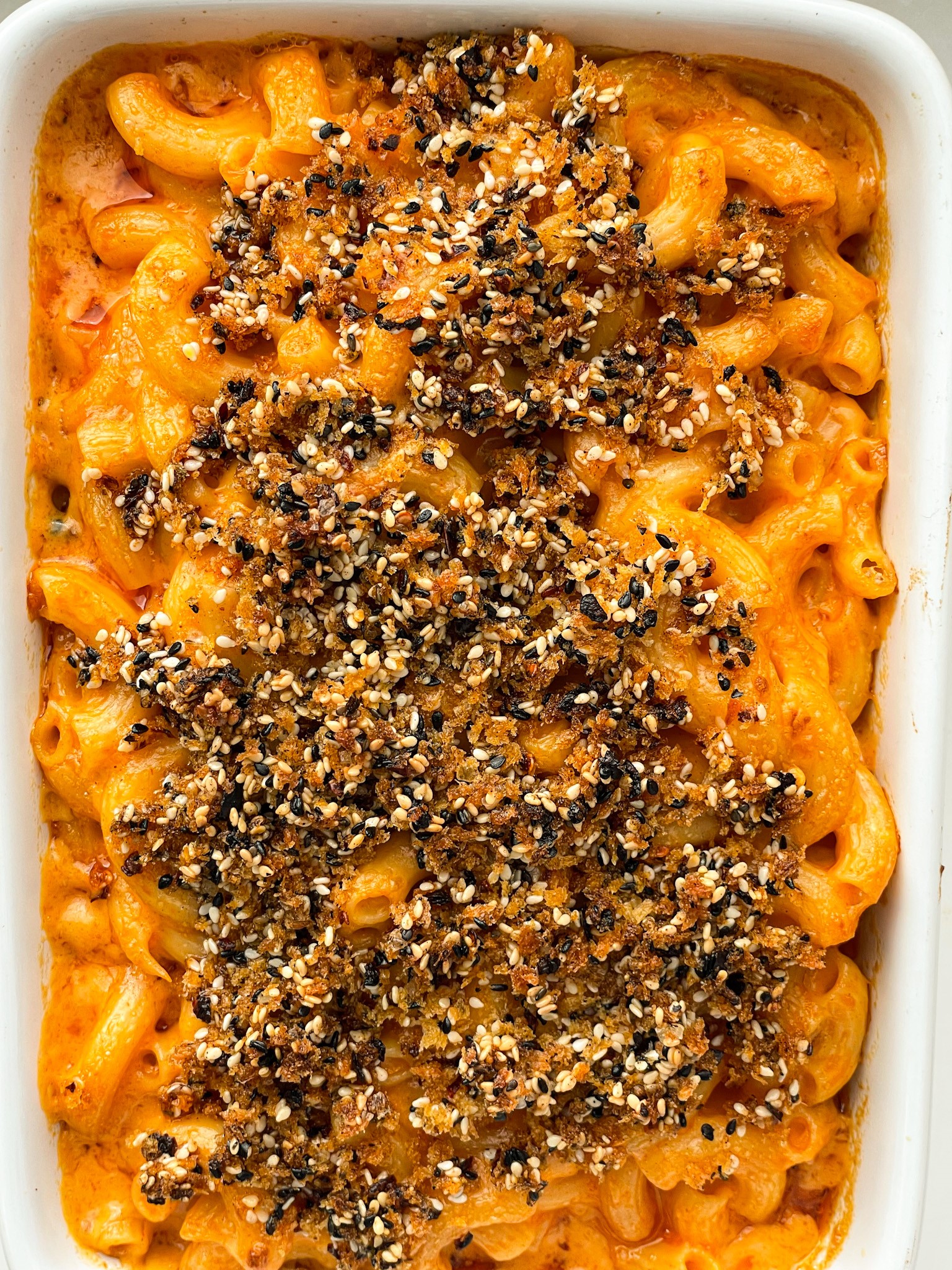
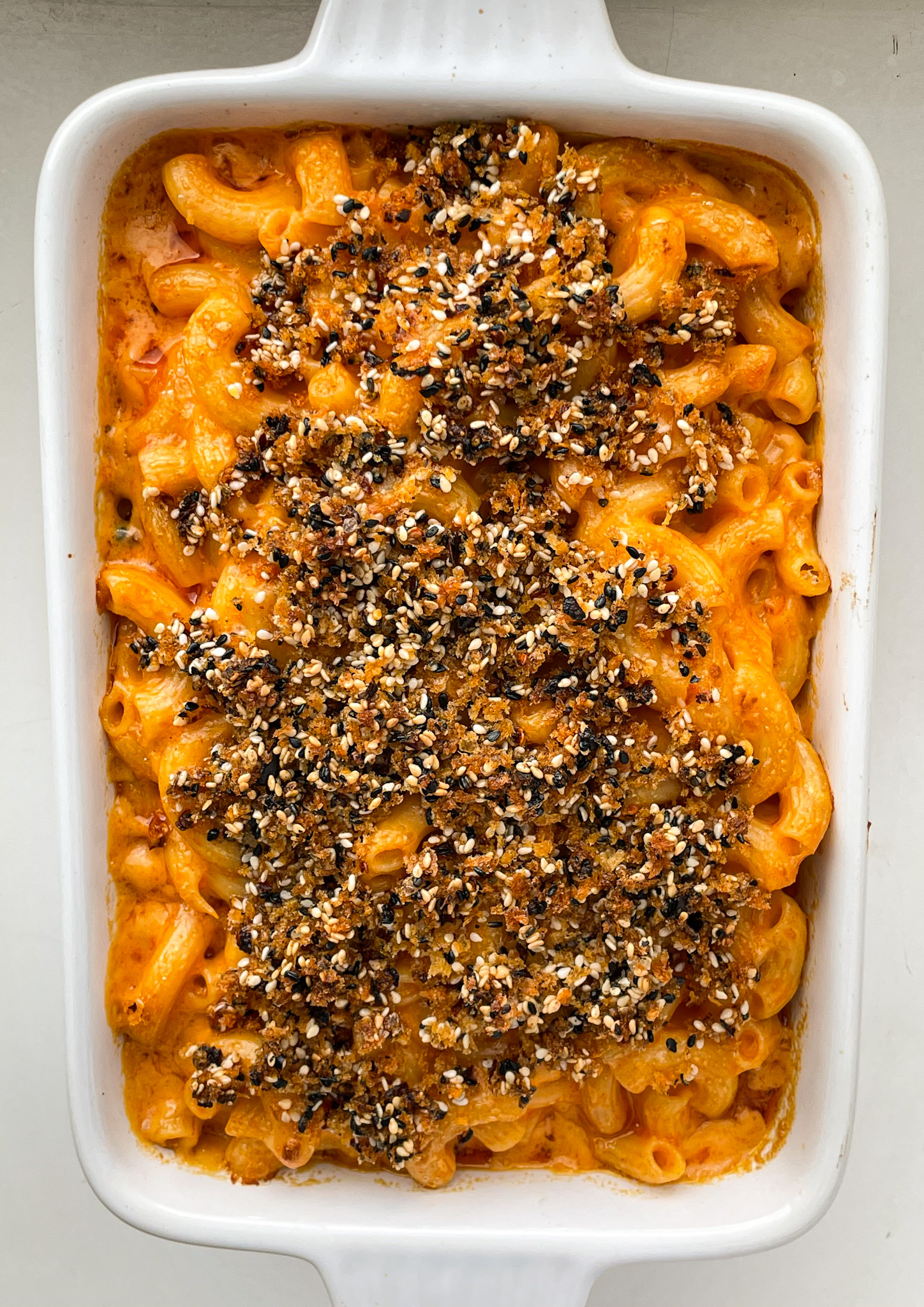
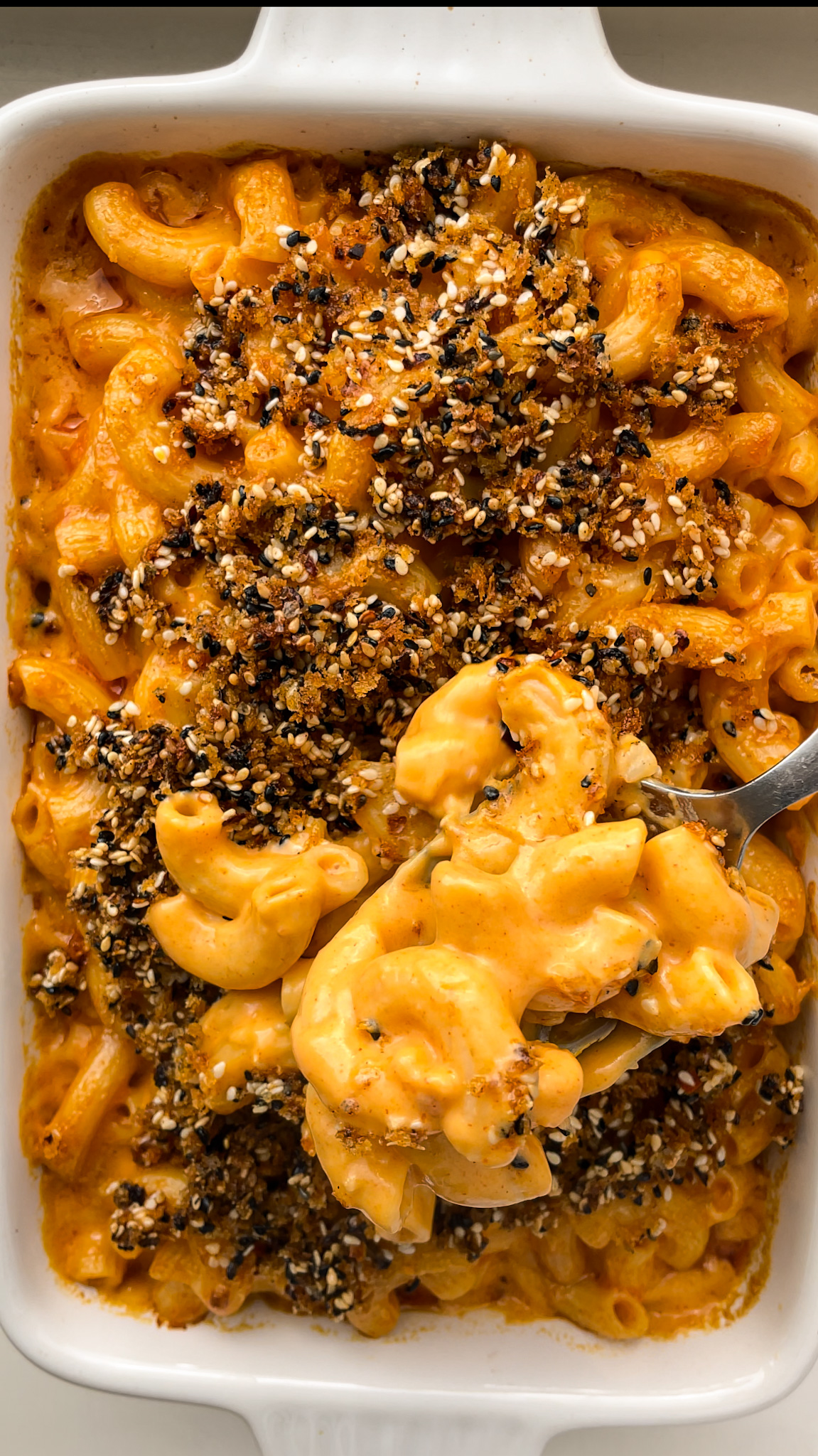
Common Mistakes to Avoid with Korean Mac and Cheese
Even straightforward recipes like Korean Mac and Cheese can go wrong if you’re not aware of common pitfalls. Understanding these mistakes helps you avoid them and ensures success every time you make this delicious fusion dish.
Many home cooks make the same errors when preparing Mac and Cheese, but these are all easily preventable. Learning what not to do is just as important as learning the correct techniques for creating perfect fusion mac and cheese every time.
Overcooking the Pasta
The most common mistake with Mac and Cheese is overcooking the pasta initially. Remember that the pasta continues cooking when mixed with hot sauce and again when baked. Mushy, overcooked pasta cannot hold sauce properly and creates an unpleasant texture in your Korean Mac and Cheese.
Cook pasta to al dente or even slightly firmer for Mac and Cheese. Test it 2-3 minutes before package directions indicate it should be done. The pasta should have a tiny white dot in the center when bitten, indicating it’s almost but not quite fully cooked.
If you accidentally overcook your pasta for Mac and Cheese, there’s no fixing it. Overcooked pasta becomes mushy and waterlogged, unable to provide the proper texture. The only solution is to start over with a fresh batch of pasta, paying closer attention to timing.
Breaking the Cheese Sauce
Adding cheese to sauce that’s too hot causes the proteins to seize and separate, creating a grainy, broken sauce for your Korean Mac and Cheese. Always reduce heat to low before adding cheese, and add it gradually while stirring constantly for smooth results.
Using pre-shredded cheese often leads to grainy Mac and Cheese sauce. The anti-caking agents prevent smooth melting and can make your sauce gritty. Always grate cheese fresh from blocks for the silkiest, creamiest sauce in your Mac and Cheese.
Boiling the sauce after adding cheese is another common mistake that ruins Korean Mac and Cheese. Keep the sauce at a gentle simmer or below. High heat causes the fats to separate from the proteins, creating an oily, broken sauce instead of creamy perfection.
Gochujang Mishaps
Using too much gochujang overwhelms your Mac and Cheese with heat and saltiness. Start conservatively—you can always add more but cannot remove excess. Taste the sauce before combining with pasta and adjust the gochujang level to your preference.
Not mixing the gochujang thoroughly creates pockets of intense spice in your Mac and Cheese. Stir the paste vigorously when adding to ensure even distribution throughout the sauce. Every bite should have consistent flavor rather than random spicy spots.
Substituting regular hot sauce for gochujang fundamentally changes Mac and Cheese. The fermented complexity, sweetness, and umami of gochujang cannot be replicated by simple hot sauce. If you don’t have gochujang, it’s worth making a special trip to get it for authentic Mac and Cheese.
Topping Troubles
Burning the breadcrumb topping ruins otherwise perfect Korean Mac and Cheese. Broilers vary in intensity, so watch carefully during the final browning. The topping should be golden brown, not dark brown or black. Check every minute or two to prevent burning.
Adding the topping too early causes sogginess in Korean Mac and Cheese. If you assemble the dish ahead of time, wait to add the breadcrumb mixture until just before baking. Moisture from the sauce will soften breadcrumbs that sit too long.
Using too little topping on your Korean Mac and Cheese means some bites lack that essential crunch. Distribute the breadcrumb mixture evenly and generously over the entire surface. Every portion should include crispy topping for the complete Korean Mac and Cheese experience.
Variations to Try with Korean Mac and Cheese
Once you’ve mastered the basic Korean Mac and Cheese recipe, endless variations allow you to customize this fusion dish to your preferences. These alternatives maintain the essence of Korean Mac and Cheese while introducing new flavors and textures.
Experimenting with variations keeps Korean Mac and Cheese interesting and allows you to adapt it for different occasions or dietary needs. The base recipe is forgiving and welcomes creative additions that complement the gochujang-cheese foundation.
Protein Additions
Adding bulgogi beef transforms Mac and Cheese into a complete meal. Cook thinly sliced beef in bulgogi marinade (soy sauce, sugar, garlic, sesame oil, and pear juice) until caramelized, then fold into the mac and cheese before baking. The sweet-savory beef complements the spicy cheese sauce beautifully.
Crispy bacon adds smoky richness to Mac and Cheese. Cook bacon until crispy, crumble it, and fold half into the pasta while sprinkling the rest on top before baking. The combination of bacon, cheese, and gochujang creates an indulgent version of Mac and Cheese.
Grilled chicken, shredded rotisserie chicken, or Korean fried chicken pieces make Mac and Cheese heartier. The protein additions transform it from side dish to main course while adding textural variety. Dice the chicken small so it distributes evenly throughout the Mac and Cheese.
Vegetable Variations
Kimchi is a natural addition to Mac and Cheese. Chop kimchi finely and fold it into the pasta before baking. The tangy, fermented flavor adds authentic Korean character and probiotic benefits. Use about 1 cup of well-drained kimchi per standard batch of Korean Mac and Cheese.
Scallions throughout and on top enhance Korean Mac and Cheese with fresh flavor and color. Slice them thinly and stir half into the pasta, reserving the rest for garnish. The mild onion flavor and bright green color make Korean Mac and Cheese more visually appealing and flavorful.
Roasted vegetables like broccoli, cauliflower, or bell peppers add nutrition and texture to Korean Mac and Cheese. Roast until caramelized, then fold into the pasta before baking. The vegetables provide pops of texture and flavor that lighten the rich cheese sauce.
Cheese Variations
While mozzarella and cheddar are recommended for Korean Mac and Cheese, experimenting with other cheeses creates interesting variations. Pepper jack adds extra heat, while Gruyère contributes nutty complexity. Gouda melts beautifully and provides subtle sweetness that balances the gochujang.
Korean corn cheese inspired topping transforms Korean Mac and Cheese. Mix canned corn (drained) with mayonnaise and additional mozzarella, then spread over the top instead of breadcrumbs. This popular Korean appetizer topping creates a different but equally delicious version.
Cream cheese stirred into the sauce makes Korean Mac and Cheese extra creamy and tangy. Add 4-8 ounces of softened cream cheese when adding the other cheeses. The cream cheese creates incredibly smooth sauce and adds subtle tang that complements the gochujang beautifully.
Spice Level Adjustments
For milder Korean Mac and Cheese, reduce the gochujang and use sweet red pepper paste (gochujang’s milder cousin) instead. You can also add extra cream or cheese to mellow the heat while maintaining the Korean flavor profile.
For spicier Korean Mac and Cheese, add Korean chili flakes (gochugaru) to both the sauce and topping. Fresh sliced Korean green chilies folded into the pasta add vegetable texture along with heat. A drizzle of Korean chili oil over the finished dish provides finishing spice.
Balance extreme heat in Korean Mac and Cheese by adding a dollop of sour cream or plain yogurt when serving. The dairy cools the palate while adding tangy contrast. This allows heat-seekers to enjoy spicy versions while others can moderate the intensity.
Storage and Reheating Korean Mac and Cheese
Properly storing Mac and Cheese extends its life and maintains quality for later enjoyment. While this dish is best fresh from the oven, understanding how to store and reheat it means you can make extra or enjoy leftovers without sacrificing too much quality.
Cream-based pasta dishes like Mac and Cheese present special challenges for storage because the sauce can separate or become grainy when reheated. Following specific storage and reheating methods helps minimize these issues.
Storing Instructions
Allow your Mac and Cheese to cool to room temperature before storing, but don’t leave it out for more than two hours. Transfer the mac and cheese to an airtight container or cover the baking dish tightly with plastic wrap or aluminum foil before refrigerating.
Store Mac and Cheese in the refrigerator for up to 4 days. The cheese sauce maintains better quality than plain cream sauces due to the stabilizing proteins in cheese, but quality declines after day three. The pasta will continue absorbing sauce as it sits, so leftovers may seem drier than freshly made Korean Mac and Cheese.
Freezing is possible for Korean Mac and Cheese, though texture changes are inevitable. Freeze in airtight containers for up to 2 months. The cheese sauce may separate slightly when thawed and reheated, but stirring vigorously often brings it back together. The breadcrumb topping loses crispiness when frozen.
Reheating Methods
The oven method produces the best results for reheating Mac and Cheese. Preheat to 350 degrees Fahrenheit, cover the dish with foil, and heat for 20-25 minutes until warmed through. Remove foil for the last 5 minutes to crisp the topping if desired.
For microwave reheating of Mac and Cheese, use 50% power and heat in 1-minute intervals, stirring between each. Add a splash of cream or milk before heating to prevent dryness. Cover loosely to create steam that helps heat the pasta evenly without drying it out.
Stovetop reheating works well for smaller portions of Mac and Cheese. Place in a skillet over medium-low heat, adding cream or milk to loosen the sauce. Stir frequently until heated through. This method won’t crisp the topping but creates creamy results for the pasta.
Reviving Leftover Korean Mac and Cheese
If your leftover Mac and Cheese seems dry, add liquid to revive it. Milk, cream, or even pasta water stirred in while reheating helps restore the sauce’s creamy consistency. Add liquid gradually while stirring until you achieve the desired texture.
The gochujang flavor may fade slightly in leftover Mac and Cheese. Brighten it with a small amount of fresh gochujang stirred in during reheating. Start with 1/2 teaspoon, taste, and add more if needed to refresh the Korean flavors.
If the sauce has separated in your leftover Korean Mac and Cheese, whisk vigorously while reheating and add a splash of cream. Often the sauce will come back together with gentle heat and agitation, though it may not be quite as smooth as freshly made.