Experience the Ultimate Baked Mac Cheese
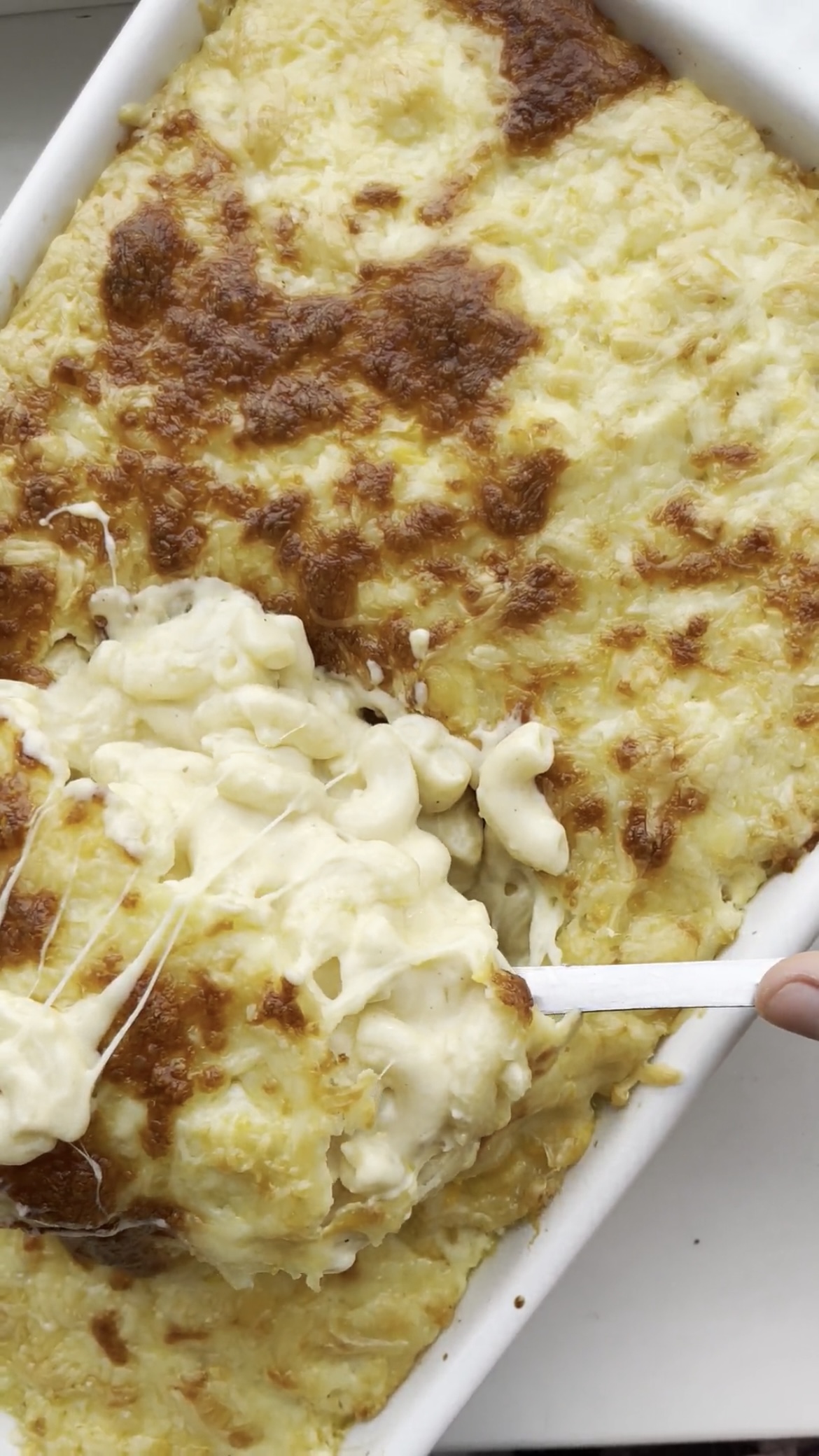
Prepare for the best experience of homemade mac and cheese in your life! Treat yourself to this extremely cheesy, ultra-creamy Baked Mac Cheese goodness that’s topped with a crispy golden layer that creates perfect textural contrast. This recipe is undoubtedly a keeper, featuring a luxurious blend of three different cheeses and a homemade cheese sauce that takes comfort food completely over the top. Every forkful delivers that ideal combination of creamy interior and crunchy topping that makes baked mac and cheese so beloved.
This Baked Mac Cheese represents the pinnacle of comfort food – taking the classic stovetop version and elevating it through baking to create something truly extraordinary. The oven transforms good mac and cheese into spectacular mac and cheese by developing a golden, bubbly top while the interior remains luxuriously creamy. The three-cheese blend of gouda, yellow cheddar, and white cheddar creates complexity and depth you simply cannot achieve with a single cheese. Each variety contributes unique characteristics that work together in perfect harmony.
What sets this Baked Mac Cheese apart from ordinary versions is the attention to detail in both sauce and topping. The homemade cheese sauce starts with a proper roux for stability and smoothness, then incorporates cream cheese for extra richness and heavy cream for decadent texture. Fresh garlic and onion build savory depth, while paprika, onion powder, and garlic powder enhance complexity. The result is a sauce so good you’ll want to eat it with a spoon before it even touches the pasta.
Why You’ll Love This Baked Mac Cheese
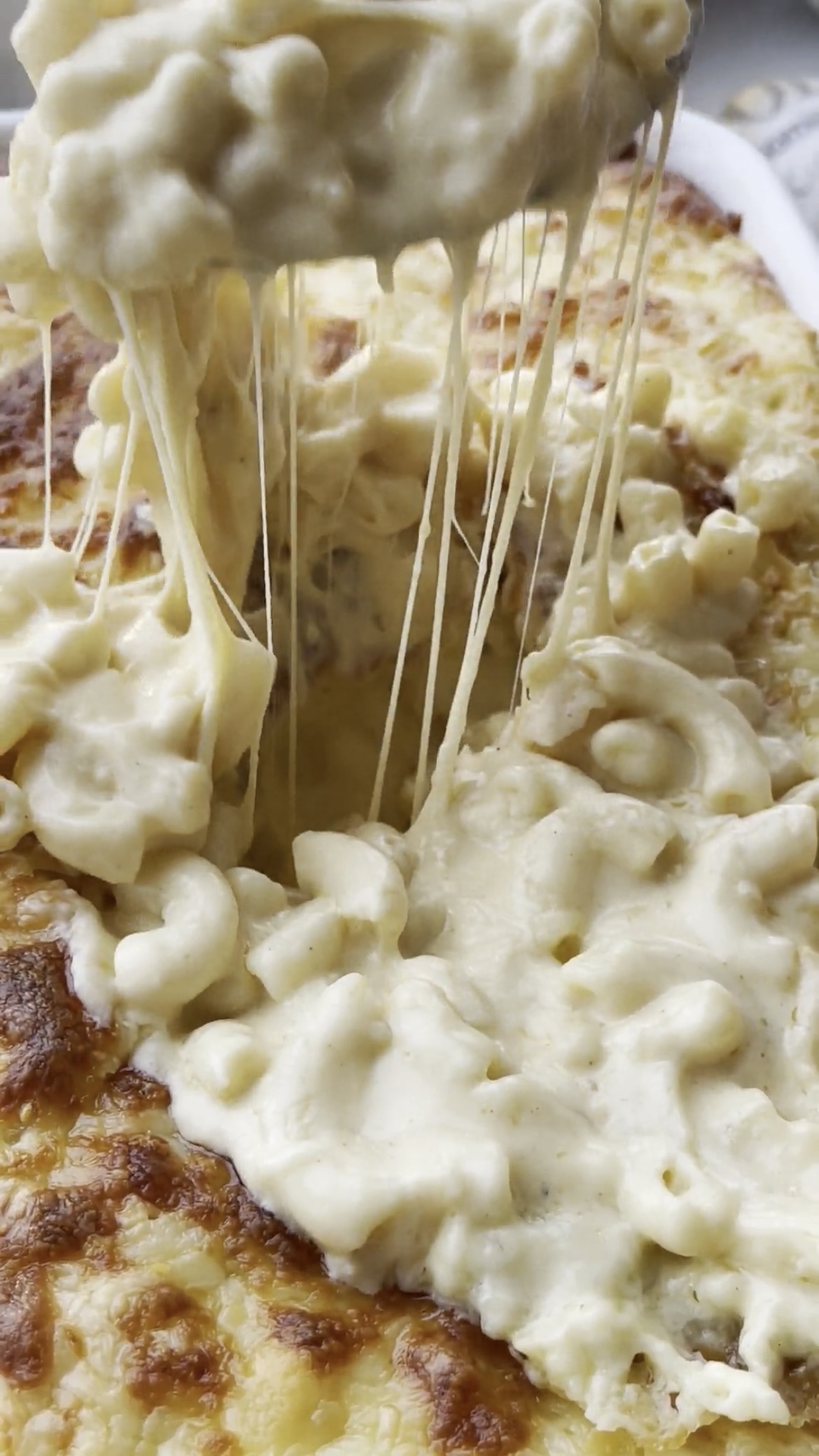
This Baked Mac Cheese is super creamy and cheesy with a luscious cheese sauce that coats every single bite. The sauce clings to pasta beautifully, ensuring you never encounter a dry, under-sauced piece. The three-cheese combination delivers bold flavor that satisfies cheese lovers while the creamy texture provides pure comfort in every mouthful.
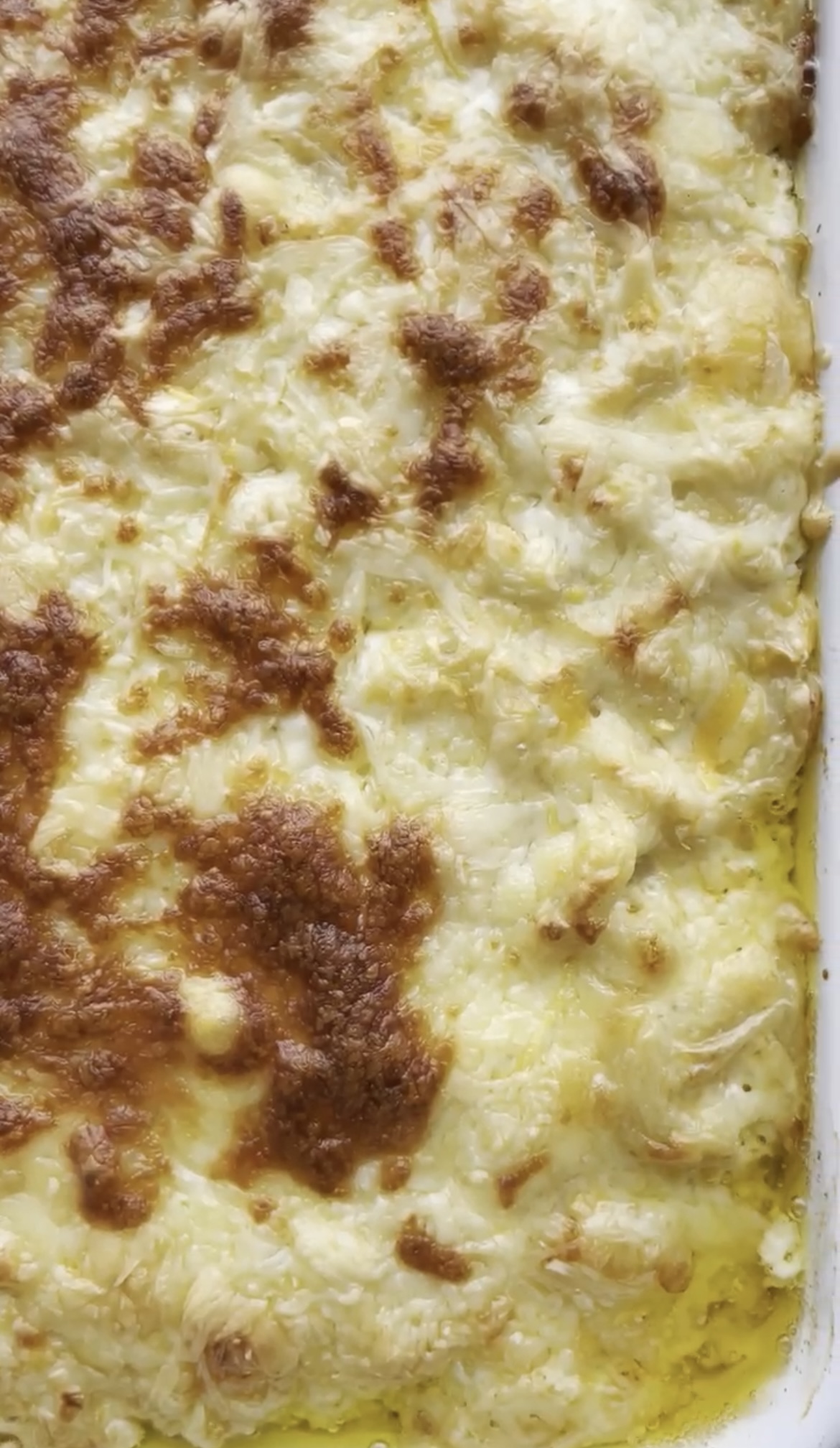
The golden, crispy topping makes this Baked Mac Cheese next-level delicious. Whether you choose buttery breadcrumbs, extra shredded cheese, or a combination of both, this crunchy layer adds textural contrast that transforms the dish from simple to spectacular. The topping browns beautifully in the oven, creating those coveted crispy edges that everyone fights over.
This recipe is perfect for any occasion, serving equally well as a cozy weeknight meal or a star attraction at holiday feasts. Baked Mac Cheese works for casual family dinners, potluck contributions, holiday side dishes, or even as a main course. Its universal appeal means it satisfies picky eaters and gourmets alike. Plus, it’s completely customizable – add proteins like bacon or chicken, mix in different cheese combinations, or spice it up with jalapeños. The flexibility makes this Baked Mac Cheese adaptable to any preference or dietary need.
What Makes Baked Mac Cheese Special
The secret to the best Baked Mac Cheese lies in the perfect cheese sauce and exceptional topping. The cheese sauce should be thick, creamy, and silky smooth, made with real ingredients like butter, flour, milk, heavy cream, and genuine cheese – no artificial powders or processed cheese products here. This from-scratch approach ensures superior flavor and texture that boxed versions simply cannot match.
The topping is what truly distinguishes Baked Mac Cheese from stovetop versions. It should be golden brown and perfectly crispy, adding ideal contrast to the creamy pasta beneath. Whether you choose buttery breadcrumbs, extra shredded cheese, or crushed crackers, this crunchy layer takes your dish to the next level. The topping provides textural variety and visual appeal while adding another dimension of flavor.
Great for meal prep, this Baked Mac Cheese can be assembled ahead and refrigerated until you’re ready to bake. This make-ahead capability makes it invaluable for entertaining or busy weeknights when you want homemade quality without last-minute stress. Simply prepare through assembly, cover, refrigerate, then bake when ready to serve for fresh-from-the-oven results with minimal day-of effort.
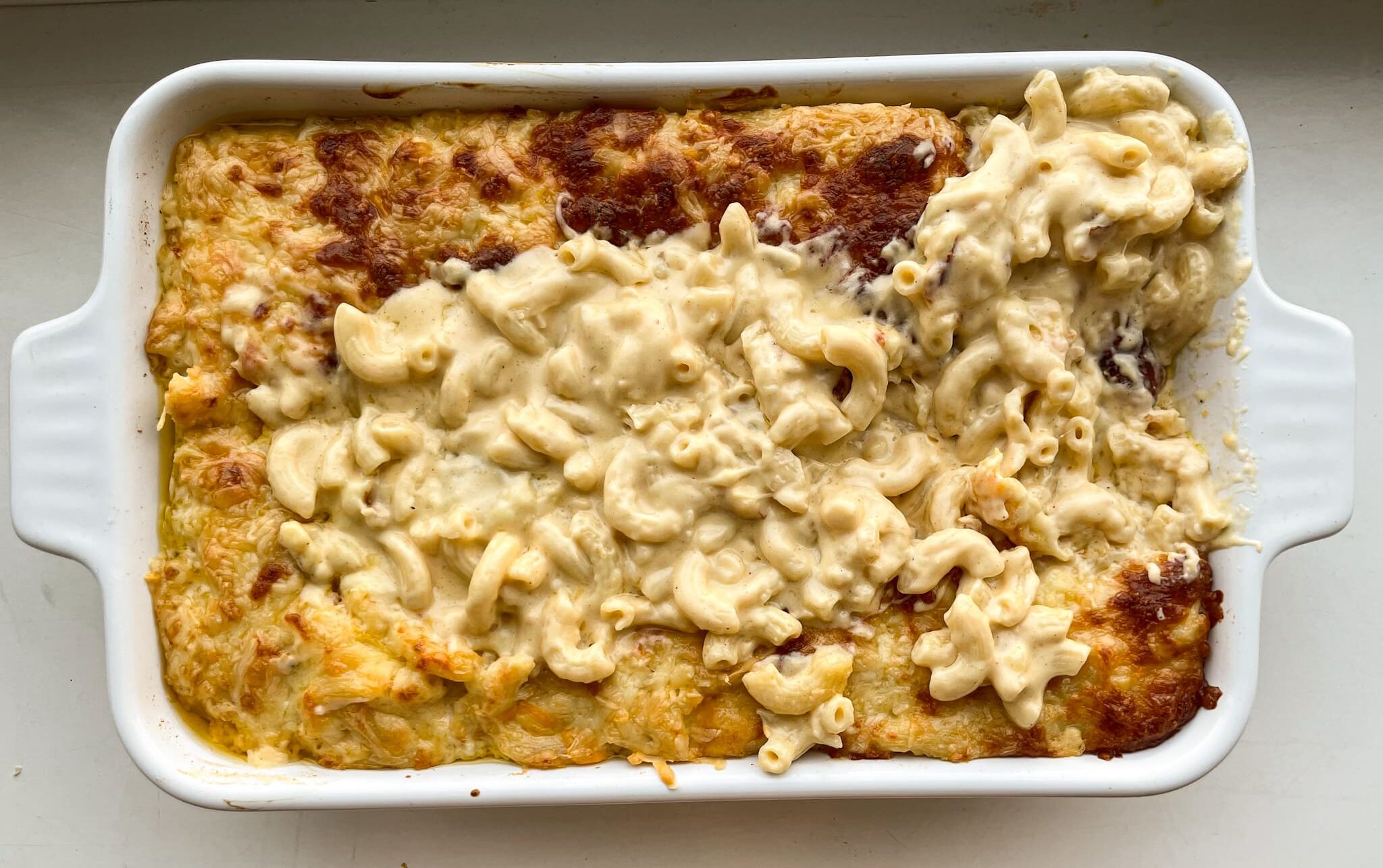
Understanding Baked Mac Cheese
Baked Mac Cheese represents the elevated version of classic stovetop mac and cheese, where the dish receives additional oven time that transforms it into something extraordinary. Understanding the science behind baking and how it affects both texture and flavor helps you appreciate why this extra step is worthwhile and how to execute it perfectly.
The baking process creates several beneficial effects. It concentrates flavors through slight reduction of liquid, develops the crispy topping through browning reactions, and creates those coveted crispy edges where sauce meets the baking dish. These elements combine to create Baked Mac Cheese that’s more complex and satisfying than its stovetop cousin.
The Science of the Perfect Cheese Sauce
Creating smooth, creamy cheese sauce for Baked Mac Cheese requires understanding emulsification and proper technique. The roux – a cooked mixture of butter and flour – provides starch that stabilizes the sauce and prevents separation. This foundation allows cheese to melt smoothly into the liquid without breaking or becoming grainy.
Temperature control is crucial throughout sauce-making. Too much heat causes cheese proteins to seize and separate, creating greasy, grainy texture. The proper technique involves making a stable béchamel base, then adding cheese off heat or over very low heat while stirring gently. This careful approach ensures your Baked Mac Cheese has that silky, luxurious sauce everyone craves.
Why Three Cheeses Work Best
Using three different cheeses in Baked Mac Cheese creates optimal balance of flavor and texture. Yellow cheddar provides sharp, tangy taste and beautiful golden color. Its bold flavor ensures the mac and cheese tastes distinctly cheesy without being bland. White cheddar contributes similar flavor profile with slightly milder, nuttier notes and doesn’t add color, allowing other ingredients’ hues to show.
Gouda offers superior melting properties and mild, buttery flavor that smooths out cheddar’s sharpness. Its creamy texture when melted creates that silky mouthfeel you want in perfect Baked Mac Cheese. The combination of these three cheeses delivers complexity you cannot achieve with a single variety, with each contributing unique characteristics that enhance the overall experience.
Choosing the Right Ingredients
Every ingredient in your Baked Mac Cheese plays a specific role in creating the final flavor and texture. Selecting quality components ensures the best possible results. Understanding why each ingredient matters helps you make informed choices and achieve consistent success.
The beauty of this recipe is that while it uses simple, accessible ingredients, the quality of those ingredients dramatically impacts your final results.
Pasta Selection
Choose pasta shapes that trap cheese sauce effectively for optimal Baked Mac Cheese. Elbow macaroni is traditional and works beautifully with its curves and hollow center. Cavatappi’s spiral shape and ridges hold even more sauce. Shells create little pockets perfect for capturing creamy cheese. Penne or rigatoni tubes work well for more substantial texture.
Avoid delicate pasta like angel hair or long pasta like spaghetti for Baked Mac Cheese. You want sturdy, short shapes with surface area and structure to hold thick, heavy cheese sauce. The right pasta shape ensures every bite includes adequate sauce distribution and prevents dry, under-sauced pieces.
Cheese Quality and Types
The cheese you choose determines your Baked Mac Cheese quality and flavor. For cheddar, select sharp or extra-sharp aged varieties for maximum flavor impact. These mature cheeses have concentrated taste that stands up to dilution from milk and cream. Both yellow and white cheddar work – yellow provides classic color while white offers slightly nuttier flavor.
Gouda should be young rather than aged for Baked Mac Cheese. Young gouda has higher moisture content and melts incredibly smoothly, creating that silky texture you want. Look for regular gouda rather than smoked unless you specifically desire that flavor profile. Some excellent alternatives include Gruyère for nutty sophistication, fontina for earthy richness, or Monterey Jack for mild creaminess.
Critical: Always grate cheese fresh from blocks. Pre-shredded cheese contains anti-caking agents like cellulose or potato starch that prevent smooth melting, often resulting in grainy, separated sauce. Taking time to grate cheese yourself dramatically improves your Baked Mac Cheese and is absolutely essential for best results.
Dairy Components
Whole milk provides the primary liquid base for your Baked Mac Cheese sauce while contributing body and richness. Never use skim or low-fat milk, which produces thin, watery sauce with poor mouthfeel. The fat in whole milk is essential for creating proper creamy texture.
Heavy cream elevates Baked Mac Cheese from good to exceptional, adding luxurious richness that coats your palate beautifully. The high fat content also helps stabilize the sauce and prevents separation during baking. Cream cheese contributes additional creaminess and slight tang that enhances flavor complexity while making the sauce even more stable and rich.
Aromatics and Seasonings
Fresh onion and garlic build savory depth in your Baked Mac Cheese that powdered versions cannot match. Sautéing them in butter before adding flour creates aromatic foundation that permeates the entire dish. The onion adds subtle sweetness and complexity while garlic contributes pungent, savory notes.
Paprika adds beautiful color and subtle smoky-sweet flavor. Onion powder and garlic powder reinforce the fresh aromatics, providing concentrated flavor that distributes evenly throughout the sauce. Salt and black pepper are essential for proper seasoning. These simple additions transform good Baked Mac Cheese into something truly exceptional.
Step-by-Step Instructions for Perfect Baked Mac Cheese
Creating exceptional Baked Mac Cheese requires following specific steps in the correct order. While the process is straightforward, attention to detail and proper technique ensures optimal results. Understanding the purpose of each step helps you execute the recipe confidently.
Organization is essential for smooth workflow. Preheat your oven, prepare your baking dish, and gather all ingredients before starting to prevent interruptions.
Cooking the Pasta
Bring a large pot of water to a rolling boil for your pasta. Add a generous tablespoon of salt – this is crucial for seasoning pasta from within. Once water reaches vigorous boil, add your chosen pasta shape and stir immediately to prevent sticking. Cook according to package directions but reduce cooking time by 2 minutes for proper al dente texture.
This slightly undercooked pasta is essential for Baked Mac Cheese because it continues cooking during baking time. Fully cooked pasta becomes mushy and unpleasant after oven time. Before draining, reserve one cup of starchy pasta cooking water for adjusting sauce consistency later. Drain pasta in a colander but do not rinse – the residual starch helps sauce adhere. Set aside while you prepare the cheese sauce.
Making the Cheese Sauce
In a large, heavy-bottomed saucepan or Dutch oven, melt butter over medium heat. Add finely chopped onion and minced garlic, sautéing for 3 to 4 minutes until softened and fragrant. This creates aromatic foundation for your Baked Mac Cheese sauce. Add flour all at once and whisk constantly for 2 to 3 minutes to create a roux, cooking out the raw flour taste.
Gradually add whole milk while whisking constantly, incorporating it in three or four additions to prevent lumps. Once all milk is smooth, add heavy cream and continue whisking. Bring to gentle simmer and cook for 4 to 5 minutes until sauce thickens enough to coat the back of a spoon. Add cream cheese, stirring until completely melted and incorporated. Season with salt, black pepper, paprika, onion powder, and garlic powder.
Incorporating the Cheese
Remove the sauce from heat completely and let it cool for 30 to 60 seconds. This brief cooling prevents cheese proteins from seizing when added. Add your grated cheeses in three or four additions, stirring gently but thoroughly after each. Use a wooden spoon or silicone spatula rather than a whisk at this stage – gentle stirring is less likely to break the sauce.
Allow each cheese addition to melt completely before adding more. The residual heat should melt cheese perfectly without returning to direct heat. If cheese isn’t melting adequately, return to very low heat briefly, but remove as soon as melting occurs. Your Baked Mac Cheese sauce should be smooth, thick, and incredibly creamy at this point.
Combining and Assembling
Add drained pasta to the cheese sauce, folding gently to coat every piece thoroughly. The sauce should generously coat all pasta without pooling excessively at the bottom. If sauce seems too thick, add reserved pasta water a few tablespoons at a time until you reach ideal consistency. Remember it will thicken slightly during baking.
Transfer the sauced pasta to a buttered 9×13-inch baking dish or similar size casserole. Spread evenly, pressing down gently to eliminate air pockets and create level surface. For the topping, sprinkle with additional shredded cheese, or mix panko breadcrumbs with melted butter and parmesan cheese, then distribute evenly over the surface. This topping will become golden and crispy during baking, creating that signature Baked Mac Cheese contrast.
Baking to Perfection
Place your Baked Mac Cheese in a preheated 350°F oven and bake for 25 to 30 minutes until bubbly around the edges and topping is golden brown. If the topping browns too quickly, tent loosely with foil. The mac and cheese is done when you see bubbling around the edges and the topping has achieved beautiful golden color.
For extra-crispy topping, broil for the final 2 to 3 minutes, watching very carefully to prevent burning. Remove from oven and let rest for 5 to 10 minutes before serving. This resting period allows sauce to thicken slightly and makes serving easier. Your Baked Mac Cheese should be creamy inside with perfectly crispy, golden topping – absolute perfection.
Professional Tips for Outstanding Results
Mastering Baked Mac Cheese involves understanding subtle techniques that separate good from exceptional. These professional insights help you achieve restaurant-quality results at home every time you prepare this beloved comfort food.
Attention to small details makes a significant difference in the final quality and presentation of your dish.
Preventing Grainy Sauce
Grainy sauce is the most common problem with Baked Mac Cheese, but it’s completely avoidable. Always remove sauce from heat before adding cheese. Let it cool briefly so cheese melts from residual heat rather than direct flame. Use only freshly grated cheese – pre-shredded varieties with anti-caking agents cannot melt smoothly.
Stir gently once cheese is added rather than whisking vigorously. Over-stirring can break the delicate emulsion. If sauce does become slightly grainy, sometimes whisking in a tablespoon of cold cream while off heat can smooth it out. Prevention is easier than correction, so control temperature carefully throughout sauce-making.
Achieving Perfect Consistency
Ideal Baked Mac Cheese sauce should be slightly thinner than you want in the final dish because it thickens during baking as pasta absorbs liquid and moisture evaporates. Aim for consistency that generously coats pasta and flows slowly when you tilt the pan. Too thick and your baked result will be dry and paste-like.
If sauce is too thick before baking, thin with reserved pasta water or additional milk. If too thin, simmer gently for a few more minutes to reduce. The sauce should look almost too saucy when you put it in the oven – this ensures creamy Baked Mac Cheese rather than dry casserole.
Creating the Perfect Topping
The topping makes Baked Mac Cheese special, so don’t skimp or rush this element. For breadcrumb topping, use panko for superior crunch and toss with melted butter and grated parmesan before sprinkling. The butter helps breadcrumbs brown evenly while parmesan adds savory flavor.
For cheese topping, use freshly grated cheese rather than pre-shredded for best melting and browning. A combination of both breadcrumbs and cheese creates ultimate textural contrast. Distribute topping evenly across the entire surface so every serving gets crispy bits. Don’t make topping too thick or the center won’t cook through properly.
Timing and Temperature
Bake Baked Mac Cheese at 350°F rather than higher temperatures. This moderate heat allows the interior to heat through while the topping browns gradually without burning. Higher temperatures brown the topping before the center is hot, while lower temperatures take too long and can dry out the sauce.
Watch for visual cues that signal doneness – bubbling around the edges and golden-brown topping. Every oven varies slightly, so check at 25 minutes even if the recipe says 30. Overbaking dries out your Baked Mac Cheese and makes it grainy, so remove it as soon as it’s bubbly and golden.
Common Mistakes to Avoid
Even straightforward recipes like Baked Mac Cheese have potential pitfalls that can compromise your results. Understanding these common mistakes helps you avoid them and achieve perfect mac and cheese every time.
Learning what not to do is just as valuable as learning proper technique when mastering any new recipe.
Overcooking the Pasta
The most common mistake is cooking pasta to full tenderness before baking. Pasta continues cooking significantly during the 25 to 30 minute bake time. If it starts fully cooked, it becomes mushy and unpleasant in the finished Baked Mac Cheese. Always undercook pasta by about 2 minutes compared to package directions.
The pasta should be slightly firmer than al dente when you drain it – almost bordering on slightly undercooked. It should still have noticeable firmness in the center. This ensures that after baking time, your Baked Mac Cheese has perfectly tender pasta rather than mushy, baby-food texture.
Using Pre-Shredded Cheese
This cannot be emphasized enough – pre-shredded cheese ruins Baked Mac Cheese texture. The anti-caking agents prevent smooth melting, resulting in grainy, separated sauce that looks broken. The convenience of pre-shredded cheese is not worth the dramatic quality sacrifice.
Buy cheese blocks and grate them yourself. A box grater works fine, or use a food processor with grating attachment for speed. This takes maybe 5 extra minutes but transforms your Baked Mac Cheese from mediocre to exceptional. There is no substitute for freshly grated cheese in this recipe.
Overbaking
Baking too long or at too high temperature dries out Baked Mac Cheese and makes the sauce grainy and separated. Watch carefully during the last 10 minutes of baking. The dish is done when edges are bubbly and topping is golden brown. It doesn’t need to bubble vigorously in the center.
If you notice the topping browning too quickly, tent loosely with foil to prevent burning while the center finishes heating. Remove from oven as soon as the visual cues indicate doneness. The resting period after baking allows carryover cooking to finish the process without drying out your Baked Mac Cheese.
Not Seasoning Adequately
Under-seasoned Baked Mac Cheese tastes flat despite using quality cheese. Salt is essential at multiple stages – in pasta water, in the béchamel sauce, and in final adjustments. The cheese contributes some saltiness, but you still need additional seasoning for proper flavor development.
Taste your sauce before combining with pasta and adjust seasoning. The sauce should taste well-seasoned on its own. Black pepper, paprika, garlic powder, and onion powder add complexity beyond just saltiness. Don’t be timid about seasoning – proper salt levels make the difference between mediocre and exceptional Baked Mac Cheese.
Skipping the Resting Time
Many people serve Baked Mac Cheese immediately out of the oven, but letting it rest for 5 to 10 minutes dramatically improves texture and makes serving easier. The sauce thickens slightly as it cools, making it less runny and easier to portion neatly. The resting period also allows flavors to settle and meld.
Patience during this brief wait results in Baked Mac Cheese that holds its shape on the plate rather than spreading into a puddle. The dish will still be plenty hot after 10 minutes of resting, but the texture will be vastly improved and more appealing.
Variations and Customizations
Once you’ve mastered basic Baked Mac Cheese, exploring variations keeps the recipe exciting and allows personalization. These adaptations maintain the core technique while introducing new flavors, textures, or accommodating different preferences.
Experimenting with variations helps you understand the recipe’s flexibility and discover your perfect version.
Protein Additions
Transform Baked Mac Cheese into a complete meal with protein additions. Crispy bacon pieces add smoky, salty richness. Cook bacon until crispy, crumble, and fold half into the mac and cheese before baking, reserving half for topping. Diced ham creates similar effect with milder flavor.
Shredded rotisserie chicken makes it hearty and substantial. Lobster creates luxurious, special-occasion version. Pulled pork adds BBQ flair. Browned ground beef or Italian sausage creates heartier casserole. These protein additions make Baked Mac Cheese suitable as a main course rather than just a side dish.
Vegetable Additions
Add vegetables to your Baked Mac Cheese for nutrition and color. Steamed broccoli florets complement cheese beautifully. Roasted cauliflower adds nutty flavor. Sautéed mushrooms contribute earthy umami depth. Diced roasted red peppers provide sweetness and beautiful color.
Caramelized onions add complex sweetness. Spinach or kale increase nutrition. Roasted butternut squash puréed into the sauce adds subtle sweetness and beautiful color. These vegetable additions make Baked Mac Cheese more balanced without compromising its comfort food character.
Cheese Combination Variations
While the three-cheese blend works wonderfully, experimenting creates interesting results. Try Gruyère and Emmental for Swiss-inspired Baked Mac Cheese with nutty complexity. Sharp white cheddar and Monterey Jack create milder, kid-friendly version.
Smoked gouda adds subtle smokiness. Fontina contributes earthy richness. Blue cheese creates sophisticated, intensely flavored version for adventurous eaters. Pepper Jack adds spicy kick. Mix four or five cheeses for maximum complexity, ensuring at least one melts smoothly like gouda or fontina.
Topping Variations
The topping offers endless customization opportunities for Baked Mac Cheese. Classic panko breadcrumbs tossed with butter and parmesan create golden crunch. Crushed Ritz crackers add buttery richness. Crushed potato chips provide salty, unexpected crunch.
French fried onions create savory topping reminiscent of green bean casserole. Crushed cornflakes offer nostalgic crunch. Bacon bits add smoky flavor. Combine multiple topping elements – perhaps breadcrumbs mixed with bacon and extra cheese. These creative toppings personalize your Baked Mac Cheese and add visual interest.
Spicy Variations
Add heat to your Baked Mac Cheese for those who enjoy spice. Mix diced jalapeños into the mac and cheese before baking. Add cayenne pepper or hot sauce to the cheese sauce. Use pepper Jack as one of your cheeses for integrated heat throughout.
Top with sliced jalapeños before baking. Drizzle with hot sauce or sriracha before serving. Mix in diced green chiles. These spicy additions transform mild comfort food into something with exciting heat that appeals to spice lovers while maintaining that creamy, cheesy character.
Storage and Reheating
Proper storage extends the life of your Baked Mac Cheese while maintaining quality. Understanding correct storage and reheating techniques prevents food waste and allows you to enjoy leftovers or make the dish ahead for convenient entertaining.
Baked Mac Cheese is actually excellent for make-ahead preparation and reheats better than many pasta dishes.
Storing Guidelines
Allow leftover Baked Mac Cheese to cool to room temperature before storing, but don’t leave it out longer than two hours for food safety. Cover the baking dish tightly with plastic wrap or foil, or transfer portions to airtight containers. Press plastic wrap directly onto the surface before covering to prevent skin formation.
Refrigerate promptly and consume within 3 to 4 days for best quality and safety. The pasta will absorb more sauce as it sits, and the topping will lose its crispiness during storage. These texture changes are normal and partially reverse during reheating. Store Baked Mac Cheese in portion-sized containers for convenient single servings.
Make-Ahead Instructions
Baked Mac Cheese is perfect for advance preparation. Assemble completely through adding the topping, then cover tightly and refrigerate for up to 24 hours before baking. When ready to serve, remove from refrigerator and let sit at room temperature for 30 minutes, then bake as directed, adding 5 to 10 extra minutes to account for starting cold.
This make-ahead capability makes Baked Mac Cheese invaluable for holiday meals or dinner parties when you want to minimize day-of cooking. All the work is done ahead, and you simply pop it in the oven when needed. The results are indistinguishable from freshly made.
Reheating Methods
For best results, reheat Baked Mac Cheese in the oven at 350°F. Cover tightly with foil to prevent drying and bake for 20 to 25 minutes until heated through. Add a splash of milk or cream before reheating if it seems dry. Remove foil for the last 5 minutes to re-crisp the topping slightly.
Microwave reheating works for individual portions though results aren’t as good. Place portions in a microwave-safe bowl, add a tablespoon of milk, and cover with a damp paper towel. Heat in 1-minute intervals, stirring between each, until hot throughout. The topping won’t be crispy, but the Baked Mac Cheese will still taste delicious.
Freezing Instructions
Baked Mac Cheese freezes well for convenient future meals. Assemble completely but don’t bake. Cover tightly with plastic wrap and then foil. Freeze for up to 2 months. Thaw overnight in refrigerator, then let come to room temperature for 30 minutes before baking as directed.
Alternatively, bake completely, let cool, then freeze in portions. Reheat from frozen in a 350°F oven for 35 to 45 minutes, covered with foil, until hot throughout. While texture won’t be identical to fresh, frozen Baked Mac Cheese is still quite good and incredibly convenient.
Frequently Asked Questions
These commonly asked questions address concerns and curiosities people have when preparing Baked Mac Cheese. Understanding these details helps ensure success and builds confidence in the kitchen.
Can I use different types of pasta?
Absolutely! While elbow macaroni is traditional, any short pasta shape works beautifully in Baked Mac Cheese. Shells, cavatappi, penne, rigatoni, or rotini all work wonderfully. Choose shapes with curves, ridges, or hollows that trap cheese sauce effectively. Avoid long pasta like spaghetti or delicate shapes like angel hair.
Why is my sauce grainy?
Grainy sauce results from adding cheese to excessively hot liquid, using pre-shredded cheese with anti-caking agents, or overheating after cheese is incorporated. Always remove sauce from heat before adding freshly grated cheese, stir gently, and avoid high heat. These precautions prevent protein seizure that causes graininess in Baked Mac Cheese.
How do I know when it’s done baking?
Baked Mac Cheese is done when you see bubbling around the edges and the topping has turned golden brown. The center doesn’t need to bubble vigorously – just be hot throughout. Visual cues are more reliable than timing since all ovens vary. Check at 25 minutes even if recipe says 30.
Can I make this without baking it?
Yes, you can serve the mac and cheese directly from the stovetop for ultra-creamy, saucy results. Skip the baking step and serve immediately after combining pasta with sauce. This stovetop version is quicker but lacks the crispy topping and concentrated flavors that make Baked Mac Cheese special.
What’s the best cheese combination?
The combination of sharp cheddar, white cheddar, and gouda recommended in this recipe creates excellent balance of flavor and texture. However, feel free to experiment with Gruyère, fontina, Monterey Jack, or other good melting cheeses. Ensure at least one cheese in your blend melts smoothly for proper sauce texture.
How do I prevent it from drying out?
Prevent dry Baked Mac Cheese by not overbaking, using adequate sauce, and covering with foil if the topping browns before the interior is hot. The sauce should look almost too saucy before baking since pasta absorbs liquid and some evaporates. Remove from oven as soon as edges bubble and topping is golden.
Final Thoughts
Baked Mac Cheese represents the pinnacle of comfort food – transforming simple ingredients into something extraordinary through proper technique and a little oven time. This recipe proves that with quality cheese, careful attention to sauce-making, and thoughtful assembly, you can create mac and cheese that rivals any restaurant version. The combination of ultra-creamy interior and golden crispy topping delivers satisfaction on every level.
Whether you’re preparing this Baked Mac Cheese for casual weeknight dinner, holiday gathering, or potluck contribution, it consistently impresses and satisfies. The techniques you learn – making stable cheese sauce, proper baking methods, creating crispy toppings – transfer to countless other recipes, building your confidence and skills in the kitchen. This dish teaches fundamental cooking principles while producing delicious results.
The beauty of Baked Mac Cheese lies in its versatility and universal appeal. Follow the recipe exactly for classic perfection, or customize with your favorite cheese combinations, add-ins, and toppings to make it uniquely yours. Add proteins for complete meals, incorporate vegetables for balance, or experiment with different toppings for variety. Each variation showcases the fundamental appeal of tender pasta enveloped in rich cheese sauce with crispy contrast on top.
Don’t be intimidated by making cheese sauce from scratch or worried about common pitfalls like graininess. Armed with the knowledge in this guide about temperature control, cheese selection, and proper technique, you’ll achieve perfect Baked Mac Cheese every time. This recipe is worth mastering because once you taste homemade baked mac and cheese done right, you’ll never go back to boxed versions. Make it for your next gathering and watch it become the dish everyone requests repeatedly. This is comfort food at its absolute best – creamy, cheesy, crispy, and utterly irresistible!
Watch the recipe video for more clarity
People also like our these Recipes:
- 450 g macaroni
- 1 onion finely chopped
- 4 garlic cloves finely minced
- 150 g cream cheese
- 4 cup heavy cream
- Salt and pepper
- 1 tsp paprika
- 1 tsp onion powder
- 1 tsp garlic powder
- 8 tbsp butter
- 3 tbsp flour
- 1/2 cup pasta water
- 230 g shredded gouda cheese
- 230 g shredded yellow cheddar cheese
- 230 g shredded white cheddar cheese
In a saucepan, add in the heavy cream, cream cheese, paprika, onion powder, garlic powder, salt, pepper and mix. Let it simmer for a bit.
In another saucepan, add in the butter, chopped onion, mined garlic, flour and whisk them well. Add in the heavy cream sauce to this mixture and whisk well.
Add some pasta water, cheddar cheese and gouda cheese. Mix until melted.
Add in the cooked pasta and mix well.
Add in the pasta in the baking dish and top with extra cheese.
Bake at 180 degrees until top is golden brown.
- Cook the pasta to a perfect al dente to avoid mushy noodles.
- Shred your own cheese! Pre-shredded cheeses have additives that can keep them from clumping, which also makes it so they don’t melt smoothly.
- Remove the sauce from the heat before adding the cheese to keep it from separating or getting grainy.
- Do not overbake (or the mac and cheese will be dry). Once the macaroni is bubbling and heated and the topping is browned, you know it is ready. Everything is cooked, the baking is to meld the flavors and brown the topping.
- Mac and cheese can be prepared ahead of time and refrigerated for up to 2 days.
If you've given this recipe a try and it won you over, please share your thoughts by leaving
a rating and comment below! If you have any questions about this recipe, don't hesitate to ask – I'm here to
help and will respond promptly.