Introduction
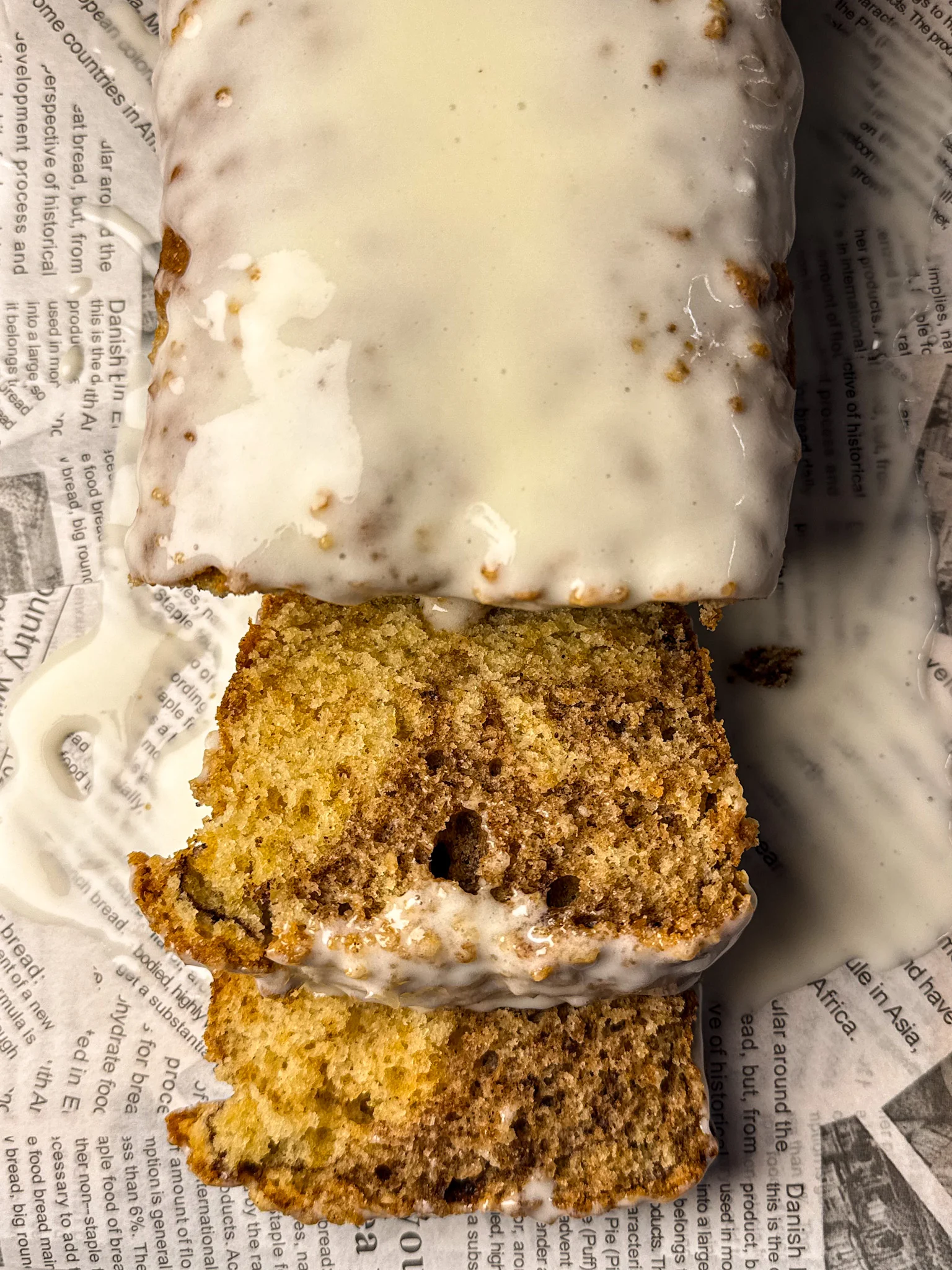
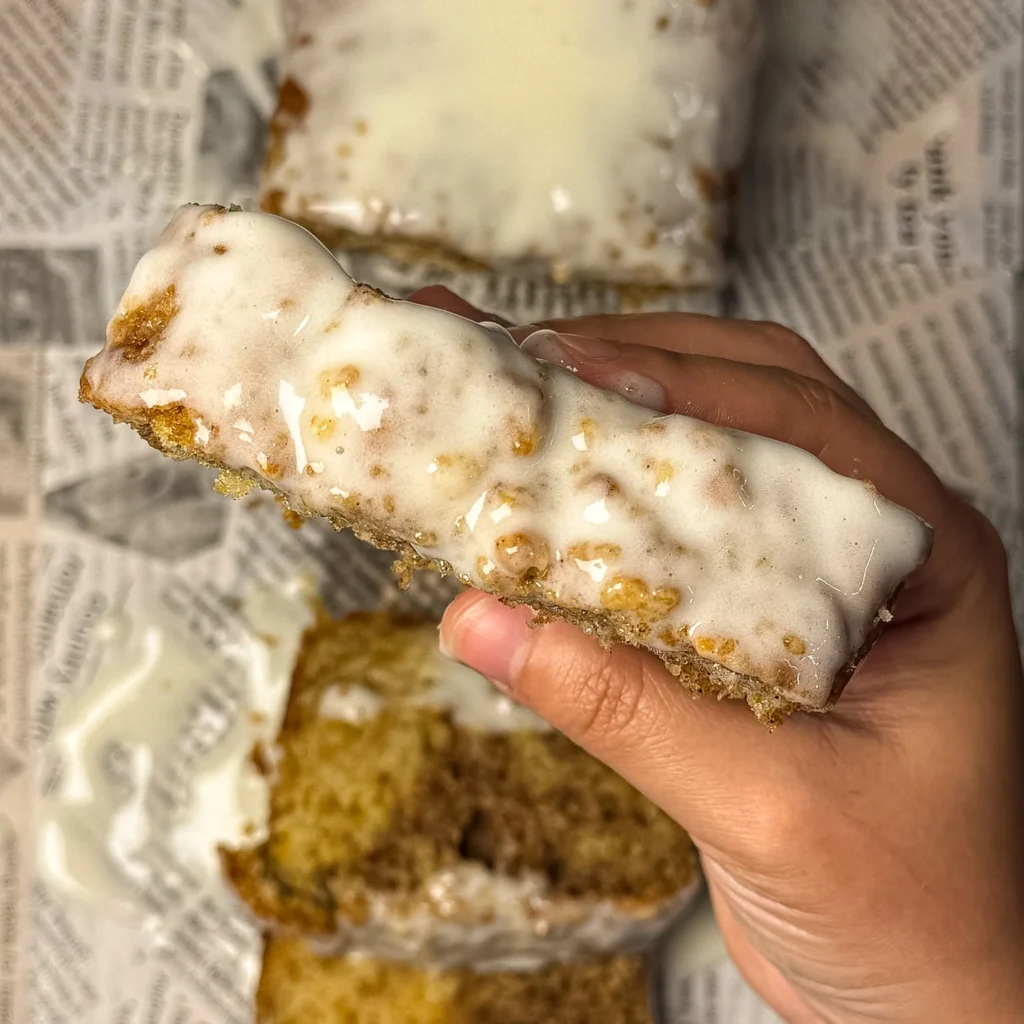
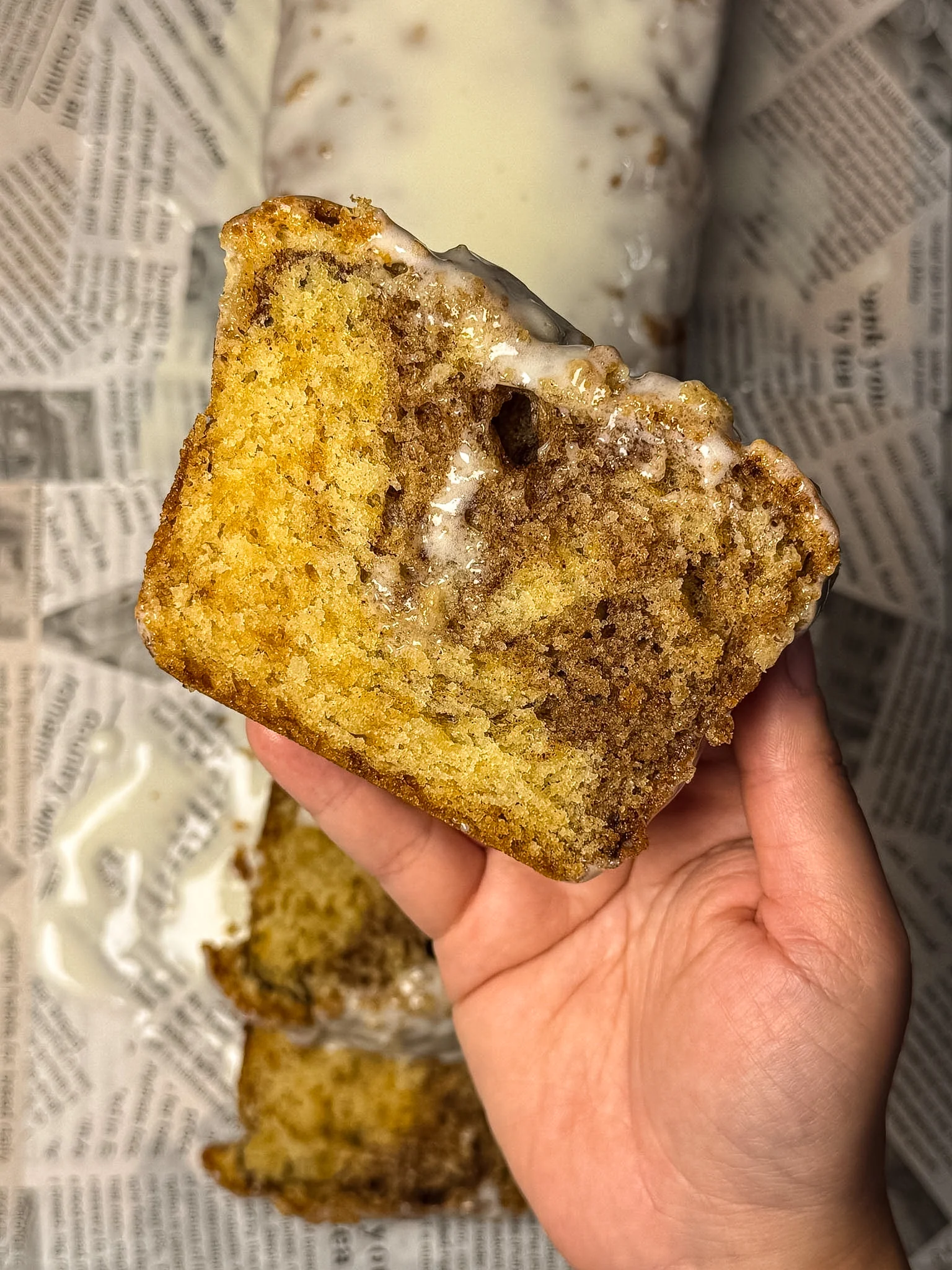
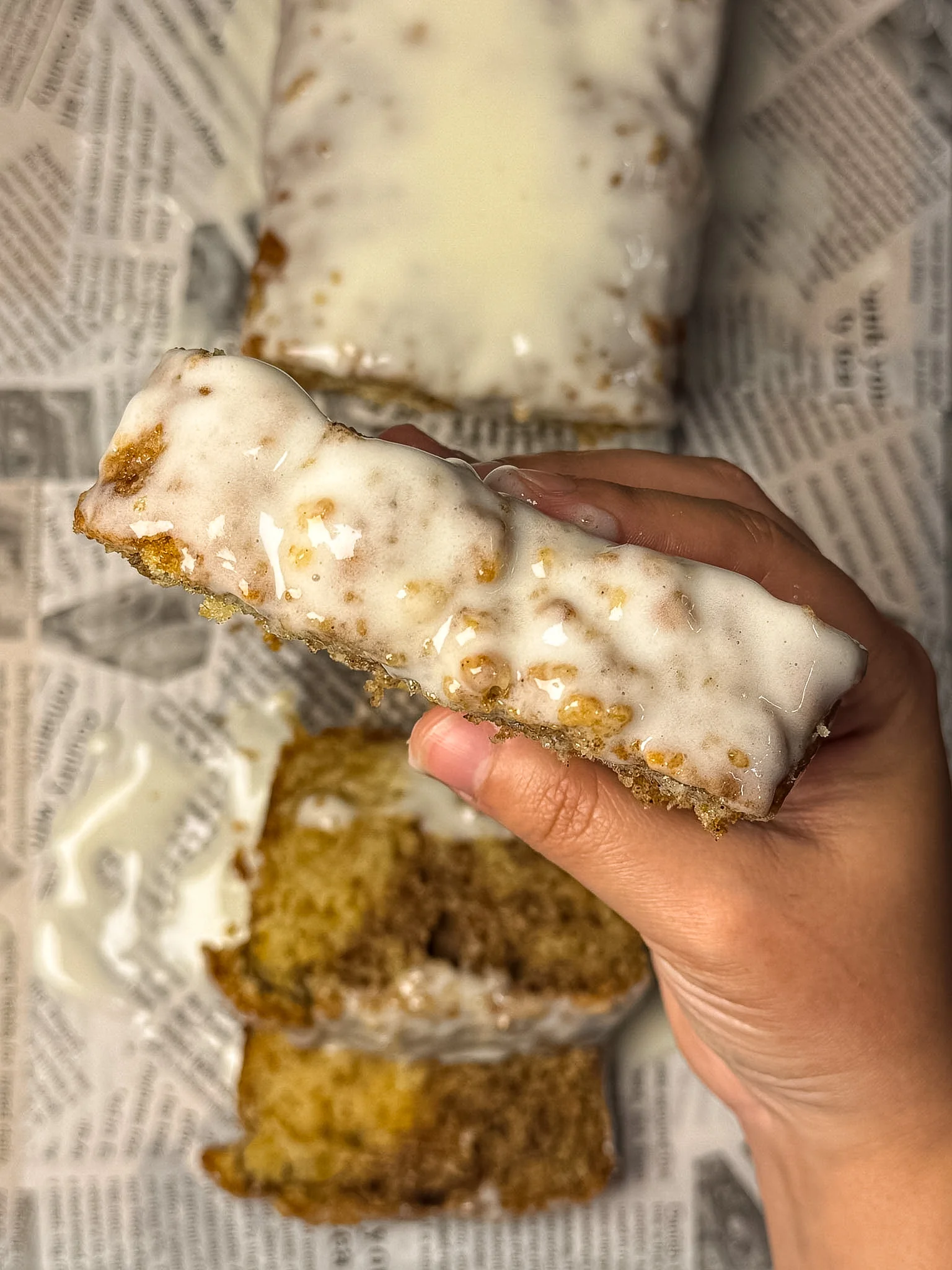
If there is one recipe that captures the full comfort of homemade baking in a single loaf pan, it is a cinnamon swirl loaf cake. The moment this goes into the oven, your kitchen fills with the kind of aroma that feels almost too good to be real — warm butter, brown sugar, vanilla, and cinnamon combining into something that is equal parts cozy and irresistible. Every slice reveals beautiful ribbons of spiced batter running through a soft, tender crumb, finished with a buttery streusel topping and a smooth cream cheese glaze that melts slightly into the warmth of the loaf.
This cinnamon swirl loaf cake is the kind of bake that feels special without requiring special equipment or advanced technique. I developed this recipe because I wanted something that delivered bakery-level results with the ease of a standard quick loaf. The sour cream and oil combination in the batter produces a texture that stays genuinely soft and moist for days, and the layered swirl effect makes every single slice visually distinct and beautiful.
Whether you serve it sliced for a weekend brunch, wrap it up as a gift, or simply cut yourself a thick piece with your morning coffee, this cinnamon swirl loaf cake delivers every time. If you love cinnamon baked goods in all their forms, my CINNAMON SWIRL BUNDT CAKE is another stunning expression of the same warm flavor profile — but today, the loaf format is where the magic lives.
Why This Cinnamon Swirl Loaf Cake Is Special
There are hundreds of cinnamon loaf recipes available, and many of them are good. What makes this cinnamon swirl loaf cake genuinely stand out comes down to three things: texture engineering, flavor balance, and the streusel topping.
The texture in this recipe is built deliberately. Sour cream adds moisture and a rich, velvety crumb that holds up even after several days in the refrigerator. Vegetable oil keeps the loaf soft at room temperature in a way that an all-butter batter cannot fully achieve, because oil remains liquid at cooler temperatures while butter firms up. Using both butter for flavor and oil for moisture is the trick that gives this cinnamon swirl loaf cake that unmistakable bakery quality — rich and flavorful, but never dense or greasy.
The flavor balance is equally thoughtful. The cinnamon swirl is made by adding ground cinnamon and brown sugar to a portion of the batter, which means the spice is fully integrated into the cake structure rather than just sitting as a dry layer between baked sections. The cream cheese glaze ties everything together with a gentle tang that cuts through the sweetness of the streusel and prevents the whole loaf from tasting one-dimensional.
Key Ingredients Overview
Understanding the role of each ingredient in this cinnamon swirl loaf cake makes you a more confident baker and helps you make smart decisions when substitutions become necessary.
The all-purpose flour gives the loaf structure, and it is essential to measure it correctly — spoon it into the measuring cup and level off rather than scooping directly from the bag, which compacts the flour and can lead to a dense, heavy crumb. Baking powder and baking soda work together to provide a gentle, even rise. The baking soda specifically reacts with the acidity in the sour cream to create lift and a slightly tender crumb texture.
Butter is beaten with sugar to create the primary flavor base. This creaming step incorporates air into the batter, which contributes to a lighter texture. The granulated sugar sweetens the cake, while the brown sugar in the streusel topping and the cinnamon swirl layer adds a deeper, more caramel-forward sweetness that gives the loaf its warm character.
Sour cream is the ingredient that most people ask about substituting — and while full-fat Greek yogurt works as a 1:1 replacement, I always prefer sour cream in this cinnamon swirl loaf cake because its fat content is slightly higher, producing a marginally richer crumb. Vegetable oil keeps the loaf moist across multiple days, and vanilla extract rounds out the flavor of both the cake batter and the cream cheese glaze.
If you enjoy the idea of a beautifully layered loaf that plays with swirled flavors and textures, my Nutella babka is a wonderful companion bake — a yeasted loaf that takes the swirl concept into an entirely different and equally spectacular direction.
Understanding the Science Behind Cinnamon Swirl Loaf Cake
Why the Swirl Forms the Way It Does
The visual appeal of a cinnamon swirl loaf cake depends on a specific technique during batter layering. Half of the batter is poured into the prepared loaf pan, and cinnamon sugar is distributed across the surface before the remaining batter is added on top. A knife or skewer is then dragged through the layers in slow, deliberate strokes — not aggressively, and not more than three or four passes in each direction.
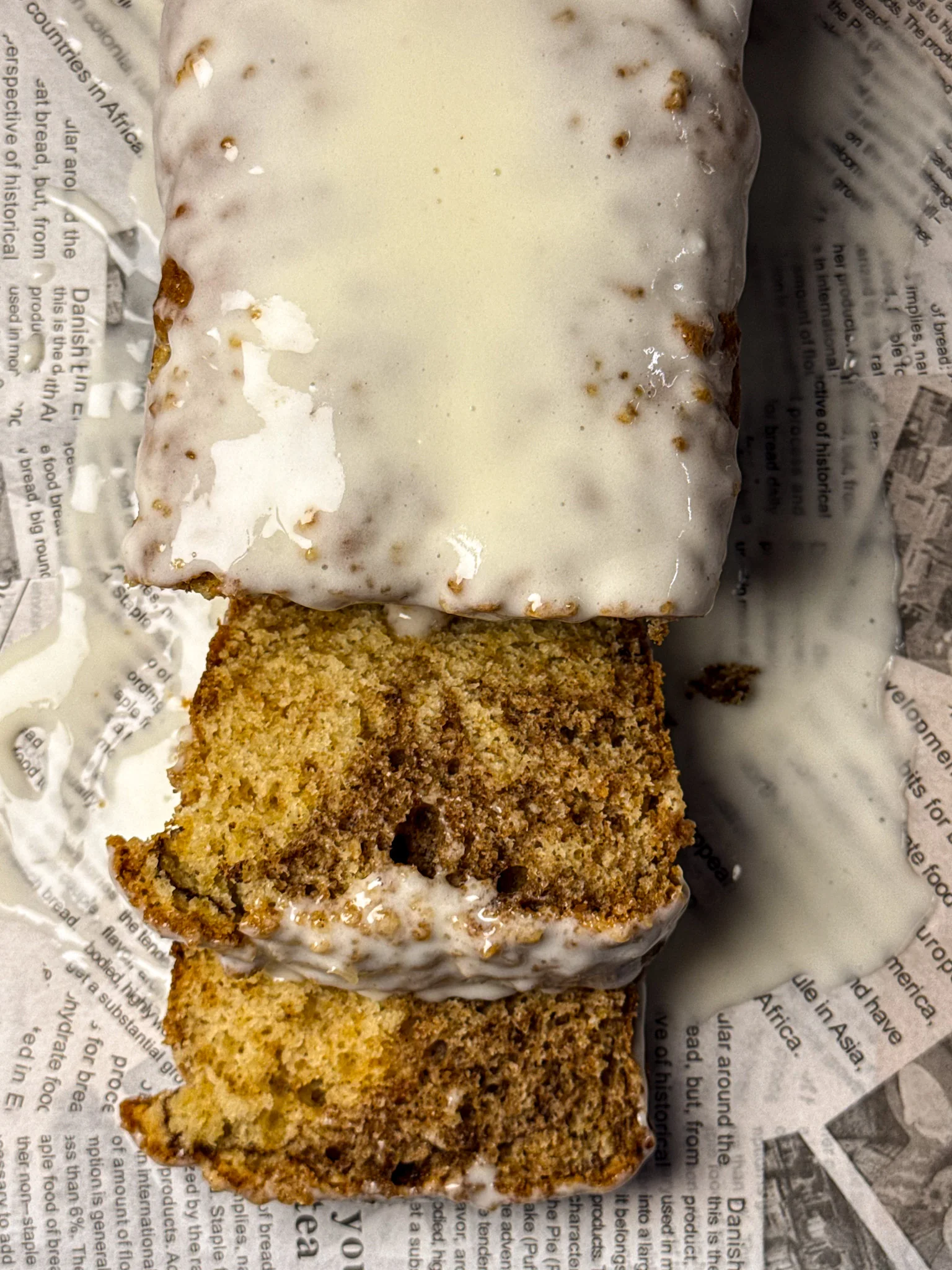
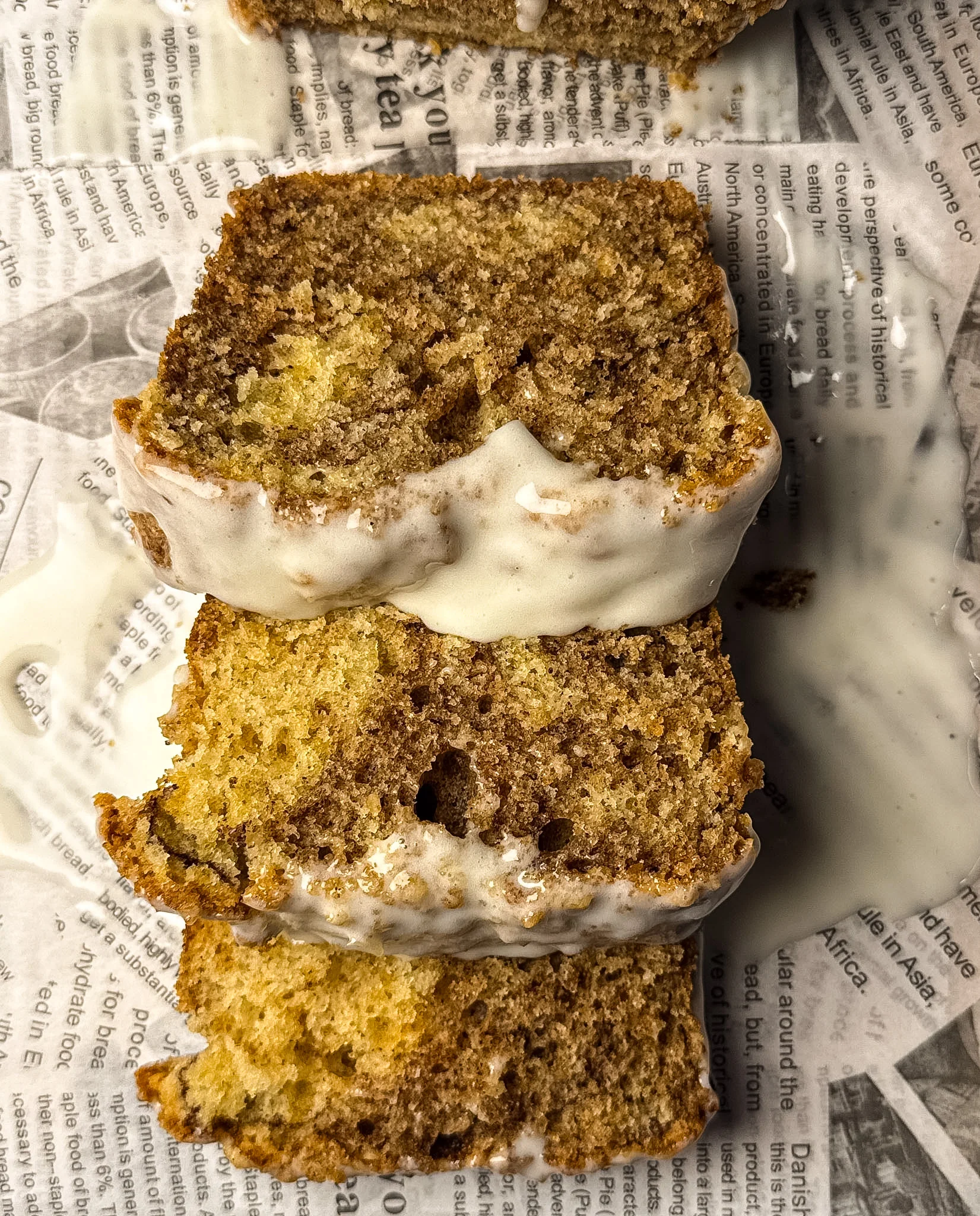
What happens during baking is that the heavier cinnamon sugar layer sinks and spreads slightly as the loaf rises, creating those characteristic ribbons that you see when the loaf is sliced. If you swirl too aggressively, the batters blend completely and you lose the visual contrast. A light hand produces the most beautiful results.
How Sour Cream Changes the Crumb
Sour cream is an acidic dairy product, and that acidity does two things in a loaf cake. First, it reacts with the baking soda in the recipe, producing carbon dioxide and creating a more open, tender crumb structure. Second, it denatures some of the proteins in the eggs and flour, which prevents too much gluten from developing and keeps the cake soft rather than chewy or tough.
The fat content in sour cream also coats the gluten strands that do form, creating what bakers describe as a “velvety” crumb — that soft, almost melt-in-your-mouth quality that distinguishes a great loaf cake from a merely acceptable one.
The Role of the Streusel Topping
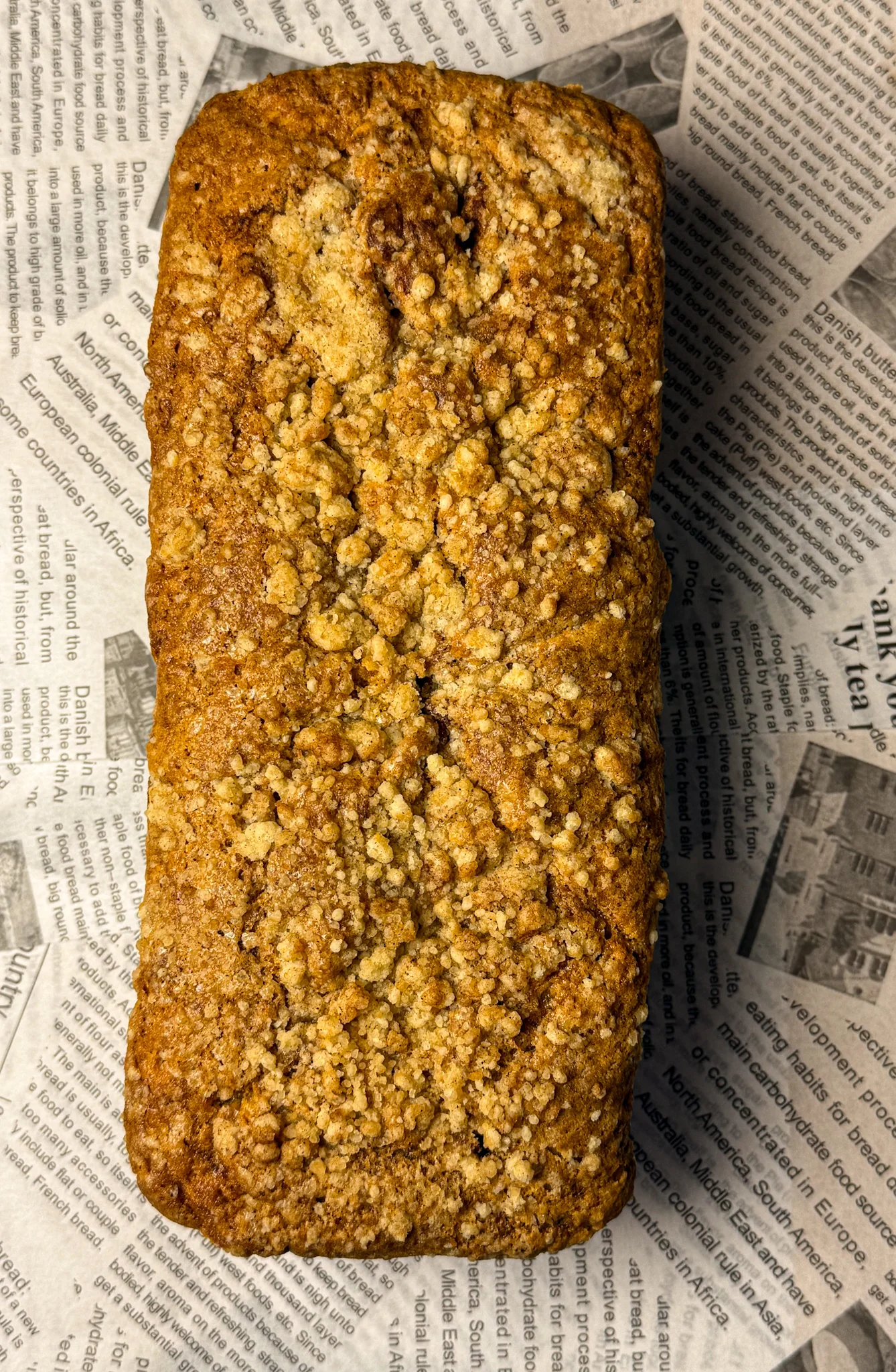
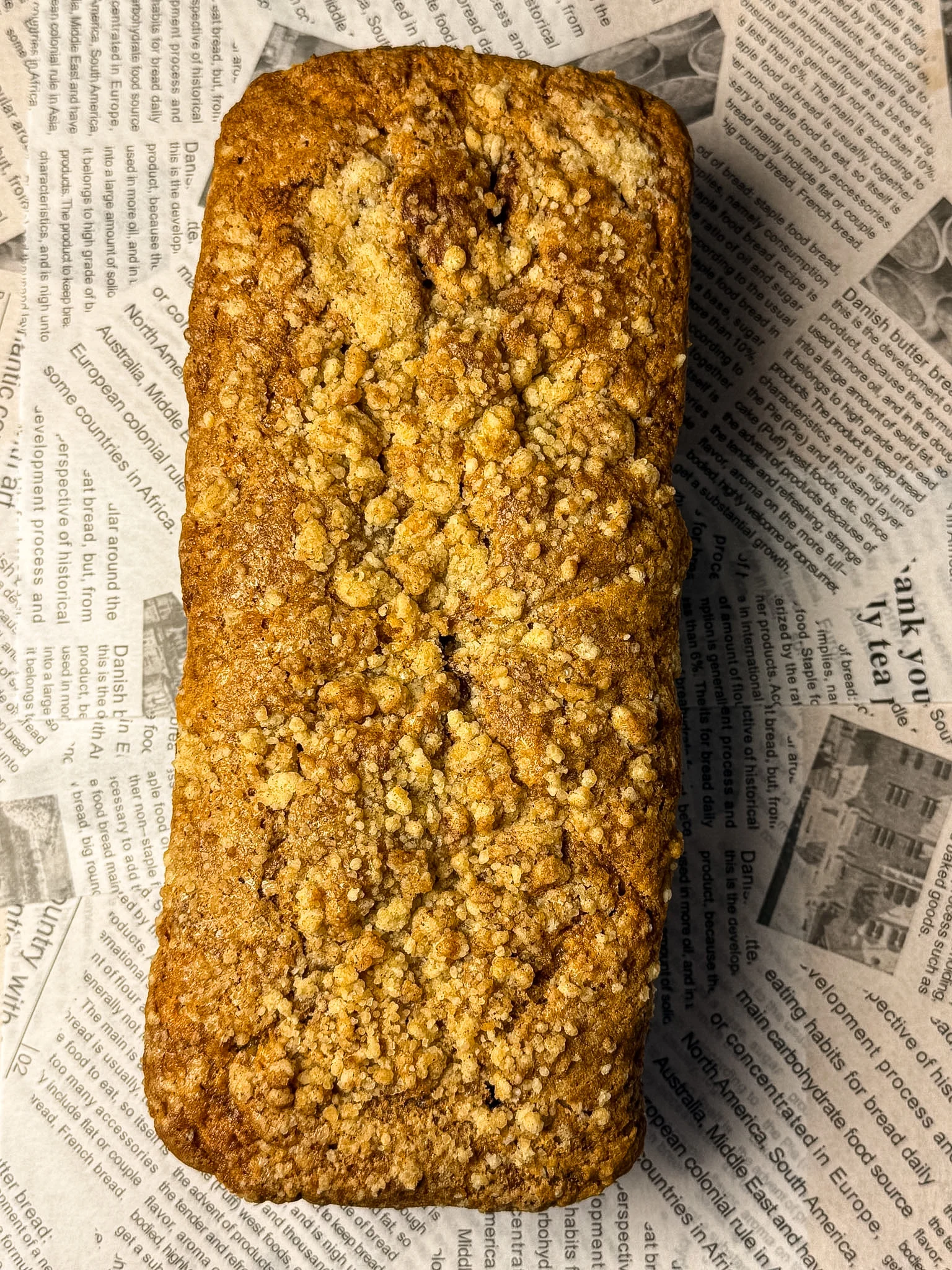
Streusel is made from butter, flour, sugar, and cinnamon rubbed together until the mixture forms crumbly clusters of different sizes. During baking, the butter melts and the clusters crisp slightly, creating a sandy, slightly crunchy texture that contrasts with the soft crumb beneath. This contrast is what makes the streusel so valuable in a cinnamon swirl loaf cake — without it, every bite is uniform in texture. With it, the surface of each slice delivers a different sensory experience from the interior.
Choosing the Right Ingredients
Choosing Sour Cream
Always use full-fat sour cream in this cinnamon swirl loaf cake. Reduced-fat sour cream has a higher water content, which can make the batter slightly thinner and the finished loaf marginally less tender. If you only have Greek yogurt on hand, use the full-fat variety and it will work well as a substitute. Avoid non-fat versions of either product, as they will alter the texture noticeably.
Choosing Your Cinnamon
Ground cinnamon varies significantly in potency and flavor depending on its origin. Ceylon cinnamon (sometimes labeled “true cinnamon”) is lighter, more floral, and slightly less intense than the more common Cassia cinnamon found in most grocery stores. Either works well in this recipe, but Cassia cinnamon will produce a more assertive, spicy-sweet flavor that many people associate with classic American cinnamon baking. In my experience, freshly purchased cinnamon makes a meaningful difference — if your spice jar has been sitting in the cupboard for more than 18 months, replace it before baking.
Choosing the Right Loaf Pan
This recipe is designed for a standard 9-by-5-inch loaf pan. Using a smaller pan, such as an 8-by-4-inch, will result in a taller loaf that may require additional baking time and is more prone to sinking at the center if underbaked. A light-colored aluminum pan is ideal because it conducts heat evenly without absorbing it, which prevents over-browning on the sides and bottom of the loaf. Dark nonstick pans bake faster and can cause the exterior of your cinnamon swirl loaf cake to darken before the interior is fully set.
Choosing Your Cream Cheese
The cream cheese glaze calls for full-fat block cream cheese, not the spreadable variety that comes in a tub. Block cream cheese has less water and more fat, which produces a glaze that is smoother, richer, and more stable. Allow the cream cheese to come to full room temperature before mixing — this is essential for a lump-free glaze. Cold cream cheese will not blend smoothly no matter how long you beat it.
Step-by-Step Instructions
Preparation
Preheat your oven to 350°F (175°C). Grease a 9-by-5-inch loaf pan with butter or nonstick spray, then line it with a sheet of parchment paper that extends slightly over the long sides of the pan to create handles for easy removal.
In a medium bowl, prepare the streusel by combining 1/2 cup of all-purpose flour, 1/3 cup of dark brown sugar, 1 teaspoon of ground cinnamon, and a pinch of salt. Add 4 tablespoons of cold, cubed butter and work it into the dry ingredients using your fingertips until the mixture forms crumbly, irregular clusters. Set it aside in the refrigerator to keep it cold while you prepare the batter.
In a small bowl, mix together 1/3 cup of granulated sugar and 1 and 1/2 teaspoons of ground cinnamon to make the swirl mixture. Set aside.
Making the Batter and Assembling the Loaf
In the bowl of a stand mixer fitted with the paddle attachment, or in a large bowl using a hand mixer, beat 1/2 cup of softened unsalted butter with 3/4 cup of granulated sugar on medium speed for 3 to 4 minutes, until the mixture is pale, light, and noticeably fluffy. Add 2 large eggs one at a time, beating well after each addition and scraping down the sides of the bowl. Mix in 1 teaspoon of vanilla extract.
In a separate bowl, whisk together 1 and 3/4 cups of all-purpose flour, 1 and 1/2 teaspoons of baking powder, 1/4 teaspoon of baking soda, and 1/2 teaspoon of salt. With the mixer on low, add half of the flour mixture to the butter mixture, then add 3/4 cup of sour cream and 3 tablespoons of vegetable oil, then add the remaining flour mixture. Mix only until just combined — the batter should be smooth but should not be overworked.
Spoon half of the batter into the prepared loaf pan and smooth it into an even layer. Sprinkle the entire cinnamon sugar mixture over the surface. Spoon the remaining batter over the cinnamon layer and smooth it gently with an offset spatula. Using a butter knife, make 3 to 4 slow, deliberate passes through the batter from one end of the pan to the other to create the swirl. Do not over-swirl. Scatter the streusel evenly across the top of the loaf.
Baking and Glazing
Bake the cinnamon swirl loaf cake for 50 to 60 minutes, until a wooden skewer inserted in the center comes out with just a few moist crumbs attached. If the streusel begins to brown too quickly before the center is set, tent the loaf loosely with a piece of aluminum foil at the 40-minute mark and continue baking. Allow the loaf to cool in the pan for 15 minutes before using the parchment handles to lift it onto a wire rack to cool completely.
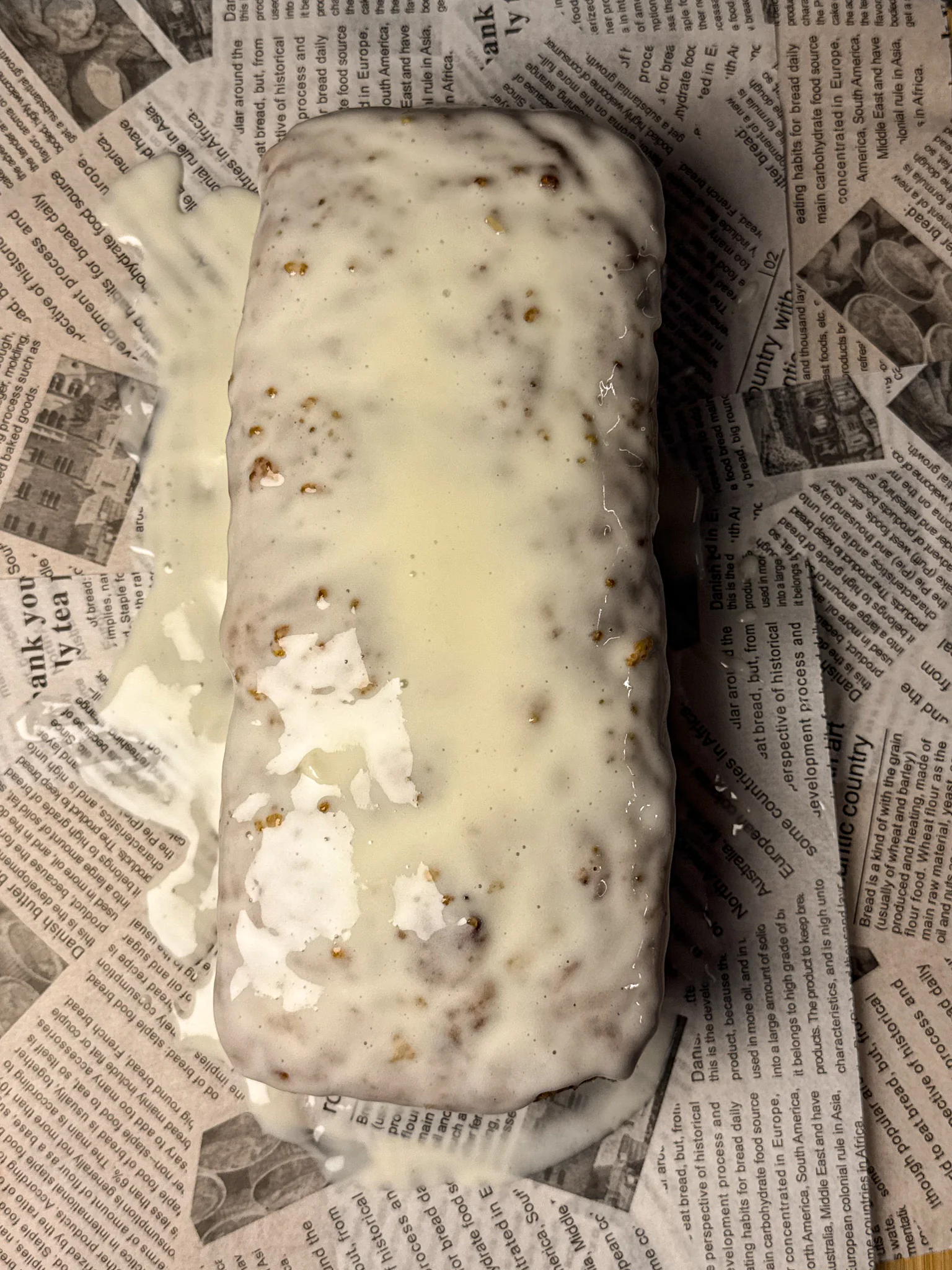
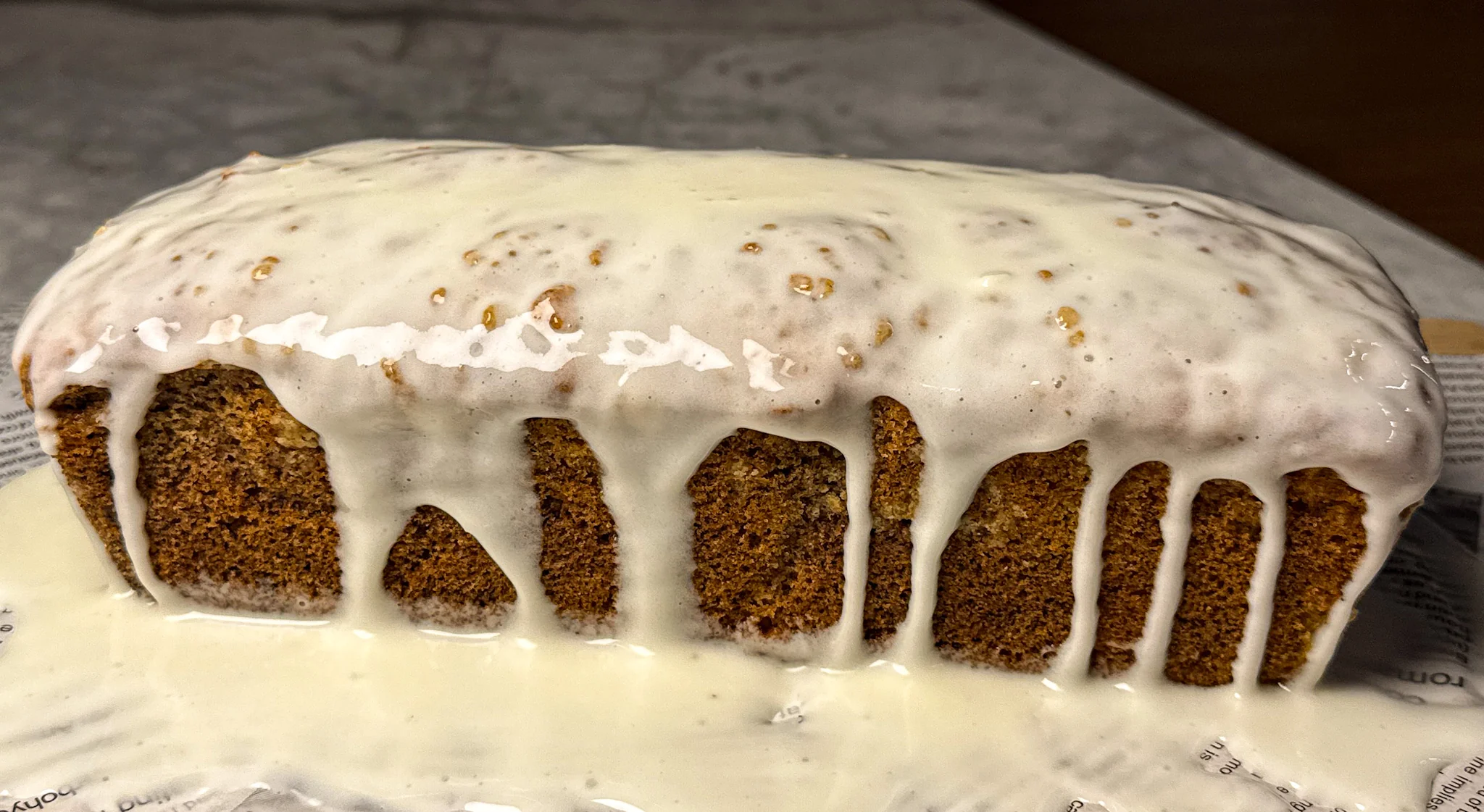
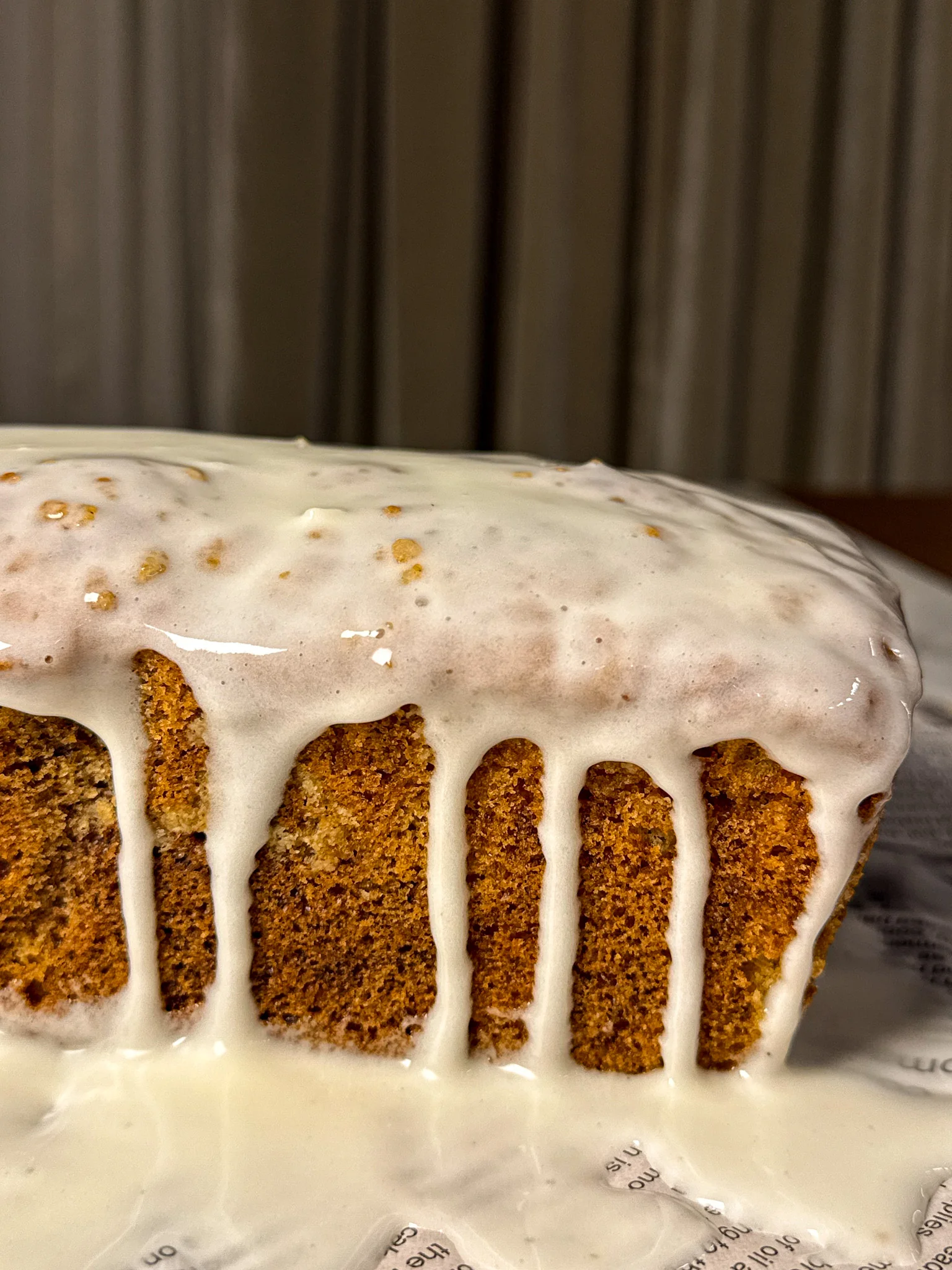
While the loaf cools, make the cream cheese glaze by beating 3 ounces of room-temperature cream cheese until smooth. Add 1 cup of powdered sugar, 1/2 teaspoon of vanilla extract, and 2 to 3 tablespoons of milk, and whisk until the glaze is smooth and pourable. Drizzle it generously over the fully cooled loaf, allowing it to run down the sides slightly. Let the glaze set for 10 minutes before slicing.
Professional Tips for Perfect Results
Tip 1: Do Not Rush the Creaming Step
Beating the butter and sugar together for a full 3 to 4 minutes creates a pale, fluffy mixture that holds air. This incorporated air expands in the oven, contributing to a lighter, more tender crumb in the finished cinnamon swirl loaf cake. Cutting this step short produces a denser loaf that lacks that airy, bakery-quality texture.
Tip 2: Use Cold Butter in the Streusel
The streusel topping should be made with cold butter, not softened. Cold butter mixed with flour and sugar creates distinct crumbly clusters that hold their shape in the oven and crisp beautifully as they bake. Softened or melted butter produces a wet mixture that spreads across the surface of the loaf rather than maintaining those desirable crumbly clusters.
Tip 3: Check Doneness with a Skewer, Not Just Timing
Oven temperatures vary, and a cinnamon swirl loaf cake with a streusel topping can look done on the outside before the interior is fully baked. Always test with a wooden skewer inserted at the center — it should come out with a few moist crumbs but no wet batter. Begin checking at the 50-minute mark and continue in 5-minute intervals as needed.
Tip 4: Cool Completely Before Glazing
The cream cheese glaze will melt off a warm loaf and pool on the wire rack beneath rather than setting attractively on the surface. Allow the cinnamon swirl loaf cake to cool to room temperature — which takes at least 45 minutes to an hour after coming out of the oven — before applying the glaze.
Tip 5: Slice with a Serrated Knife
A smooth-bladed knife can compress the soft crumb of a loaf cake as it cuts, disturbing the streusel topping and the glaze. A serrated bread knife, used with a gentle sawing motion rather than pressing down, produces clean slices that show off the cinnamon swirl beautifully.
This same attention to layered flavor and careful technique is what makes recipes like my Brown Butter Pumpkin Bread so satisfying — another loaf where a few deliberate choices during mixing and baking produce results that go well beyond what the ingredient list might suggest.
Common Mistakes to Avoid
Overmixing the Batter After Adding Flour
This is the most common reason a cinnamon swirl loaf cake turns out dense or rubbery. Once the flour enters the bowl, gluten begins developing with every stroke of the mixer. Overmixing creates an excess of gluten structure that makes the cake tough rather than tender. Add the flour mixture on the lowest mixer speed or fold it in by hand with a rubber spatula, and stop as soon as no dry streaks remain.
Skipping the Parchment Lining
A parchment liner that extends over the sides of the loaf pan makes removing the finished loaf clean and effortless. Without it, streusel clusters tend to stick to the sides of the pan, and the base of the loaf can tear when you try to tip it out. It takes 30 seconds to line the pan and saves significant frustration later.
Over-Swirling the Batter
Three or four passes with a butter knife is enough. More than this blends the cinnamon batter too thoroughly into the vanilla batter, and the finished cinnamon swirl loaf cake will show only a faint marbling rather than the defined ribbons that make this loaf so visually appealing. A light hand during the swirling step is always better than an enthusiastic one.
Using Reduced-Fat Dairy
Both the sour cream in the batter and the cream cheese in the glaze should be full-fat. Reduced-fat versions contain more water and less fat, which affects both the texture of the loaf and the consistency of the glaze in ways that are difficult to correct after the fact.
Glazing Too Soon
Glazing a warm cinnamon swirl loaf cake causes the cream cheese glaze to melt, absorb into the surface, and become invisible rather than sitting as a beautiful, slightly opaque drizzle across the top of the streusel. Patience here is non-negotiable — full room-temperature cooling before glazing produces a far superior final presentation.
Variations to Try
Apple Cinnamon Swirl Loaf
Fold 3/4 cup of peeled, finely diced apple into the batter before layering it into the pan. The apple pieces soften completely during baking and release their juices into the surrounding crumb, adding natural moisture and a subtle fruity sweetness that pairs beautifully with the warm cinnamon swirl. This variation is particularly good in autumn and pairs well with a simple maple glaze in place of the cream cheese version.
Brown Butter Cinnamon Swirl Loaf
Replace the standard melted butter in the batter with browned butter, which has been cooked until the milk solids turn golden and nutty. This single change adds a layer of toasted, caramel-like flavor throughout the loaf that elevates the cinnamon swirl loaf cake from comforting to genuinely complex. Allow the brown butter to cool to room temperature before adding it to the batter.
Espresso and Dark Sugar Swirl
Replace the cinnamon sugar swirl mixture with a blend of dark brown sugar, a teaspoon of instant espresso powder, and half a teaspoon of ground cardamom. This produces a moodier, more sophisticated flavor that reads as deeply warming without being overtly spiced. Pair it with a plain powdered sugar glaze rather than the cream cheese version for a cleaner finish.
If you enjoy experimenting with loaf-format cakes and are looking for your next project, my STRAWBERRY LOAF CAKE is a beautiful contrast to this recipe — bright, fruity, and equally soft, with a completely different flavor character that makes it worth keeping in your regular rotation alongside this cinnamon version.
For something that goes in a completely different direction while still delivering that same satisfying, shareable loaf experience, my Tres Leches Cake Recipe is a crowd-pleasing option that brings rich, soaked texture and a beautifully creamy finish to the dessert table.
Storage and Reheating
Room Temperature
Once glazed and fully set, the cinnamon swirl loaf cake can be stored covered at room temperature for up to two days. Wrap the loaf tightly in plastic wrap or store it in an airtight container to prevent the crumb from drying out. The cream cheese glaze remains stable at room temperature for this duration.
Refrigeration
For longer storage, refrigerate the loaf in an airtight container for up to five days. The cold environment will firm the crumb slightly, but the flavor actually intensifies after the first 24 hours as the cinnamon and brown sugar in the swirl continue to meld with the surrounding batter. Many people find that this cinnamon swirl loaf cake tastes even better on day two than on the day it was baked.
Freezing
This loaf freezes exceptionally well, ideally before the cream cheese glaze is applied. Allow the fully baked loaf to cool completely, then wrap it tightly in two layers of plastic wrap followed by a layer of aluminum foil. Freeze for up to two months. When ready to serve, thaw the wrapped loaf at room temperature for two to three hours, then apply fresh glaze before slicing.
Individual slices can also be frozen separately — wrap each one in plastic wrap and store in a freezer-safe bag. A single slice can be thawed at room temperature in 30 to 45 minutes or warmed gently in the microwave for 20 seconds.
Reheating
To warm a slice of cinnamon swirl loaf cake, place it on a microwave-safe plate and heat for 15 to 20 seconds. The crumb softens immediately, the cinnamon ribbon becomes more aromatic, and the cream cheese glaze warms to a silkier consistency. Alternatively, warm individual slices in a 300°F oven for 5 to 7 minutes, which also helps restore a little of the streusel’s original crunch.
Frequently Asked Questions
What is the difference between a cinnamon loaf cake and coffee cake?
Coffee cake is traditionally baked in a round or square pan and served in squares or wedges, often with a thick streusel topping and no glaze. A cinnamon swirl loaf cake is baked in a loaf pan and sliced like bread, with the cinnamon distributed as a swirl through the interior batter rather than just as a topping. This loaf recipe incorporates elements of both — a streusel topping like a coffee cake and a swirled interior like a cinnamon roll loaf — making it a hybrid that delivers the best of both formats.
How do I get a beautiful, defined swirl in my loaf cake?
The key is restraint. After layering the batters and the cinnamon sugar in the loaf pan, use a butter knife to make no more than three or four slow, deliberate passes through the batter from one end to the other. Run the knife down through the batter at a slight angle rather than just dragging it across the surface. This ensures the cinnamon layer is pulled through multiple depths of the loaf, creating ribbons rather than a single streak. Over-swirling blends the batters together and eliminates the visual contrast.
Can I make this cinnamon swirl loaf cake the night before?
Yes, and I strongly recommend it. The loaf stores covered at room temperature or in the refrigerator overnight, and the flavor improves significantly by the next morning as the cinnamon ribbon infuses more deeply into the surrounding crumb. Apply the cream cheese glaze on the day you plan to serve it, rather than the night before, for the best presentation.
Why did my loaf crack on top?
A crack along the top of a cinnamon swirl loaf cake is completely normal and is actually a sign that the cake rose well in the oven. As the loaf expands upward, the surface sets before the interior has finished rising, causing it to split. This is the same reason pound cakes and banana breads develop a characteristic crack down the center. The streusel topping in this recipe adds visual texture that makes the crack look like an intentional part of the design.
Can I use Greek yogurt instead of sour cream?
Yes, full-fat plain Greek yogurt is a reliable 1:1 substitute for sour cream in this recipe. The tanginess and fat content are similar enough that the cinnamon swirl loaf cake will bake and taste nearly identically. Avoid flavored or low-fat yogurt, which will alter both the flavor and the texture of the finished loaf.
How do I prevent the streusel from sinking into the loaf?
A few things help: keep the streusel butter cold when making the topping, as cold butter holds its crumbly structure better in the oven. Scatter the streusel gently across the top of the loaf rather than pressing it in. And make sure your oven is fully preheated before the loaf goes in — a correctly preheated oven causes the surface of the loaf to set quickly, which supports the streusel weight and keeps it in place as the loaf rises.
Watch the recipe video for more clarity!
See our similar recipes:
People also like these recipes:
Final Thoughts
There is a reason a cinnamon swirl loaf cake never goes out of style. It is the kind of recipe that feels like comfort made edible — the smell of it baking fills the whole house, the texture of the crumb is deeply satisfying, and every slice reveals something beautiful and warm at the center. This is not a recipe that requires a special occasion to justify making it. It is the kind of bake that creates its own occasion.
I hope this cinnamon swirl loaf cake earns a permanent place in your regular baking rotation. Make it on a quiet weekend morning, wrap a few slices for a friend, or serve it sliced at a brunch table where it will inevitably be the first thing gone. The streusel crunch, the warm cinnamon ribbons, and the cream cheese glaze are a combination that is genuinely hard to improve on.
If you give this recipe a try, I would love to hear how it went. Take your time with the swirl, trust the process with the sour cream batter, and let this cinnamon swirl loaf cake show you exactly how good a simple, well-made loaf can be.
Streusel
- 60 g all-purpose flour
- 50 g dark brown sugar
- ½ tsp cinnamon
- 40 g butter
Cake
- 270 g all-purpose flour
- ¾ tsp baking powder
- ½ tsp baking soda
- ½ tsp salt
- 100 g butter
- 200 g sugar
- 2 eggs
- 200 g sour cream
- 30 g vegetable oil
- 1¼ tsp vanilla extract
- 1¼ tbsp cinnamon
Cream Cheese Glaze
- 50 g cream cheese
- 1 tsp vanilla extract
- 35 g powdered sugar
- 3 –4 tsp milk
Preheat oven to 350°F (175°C). Grease and line loaf pan.
Make streusel by mixing flour, brown sugar, cinnamon, and butter until crumbly.
Whisk flour, baking powder, baking soda, and salt together.
Beat butter and sugar until light and fluffy.
Add eggs one at a time.
Mix in half the dry ingredients.
Add sour cream, oil, and vanilla.
Add remaining dry ingredients and mix until combined.
Divide batter in half and mix cinnamon into one portion.
Alternate batters in loaf pan and swirl gently.
Top with streusel.
Bake 60–65 minutes or until toothpick comes out clean.
Cool completely.
Mix glaze ingredients until smooth and drizzle over loaf.
If you've given this recipe a try and it won you over, please share your thoughts by leaving
a rating and comment below! If you have any questions about this recipe, don't hesitate to ask – I'm here to
help and will respond promptly.