Introduction
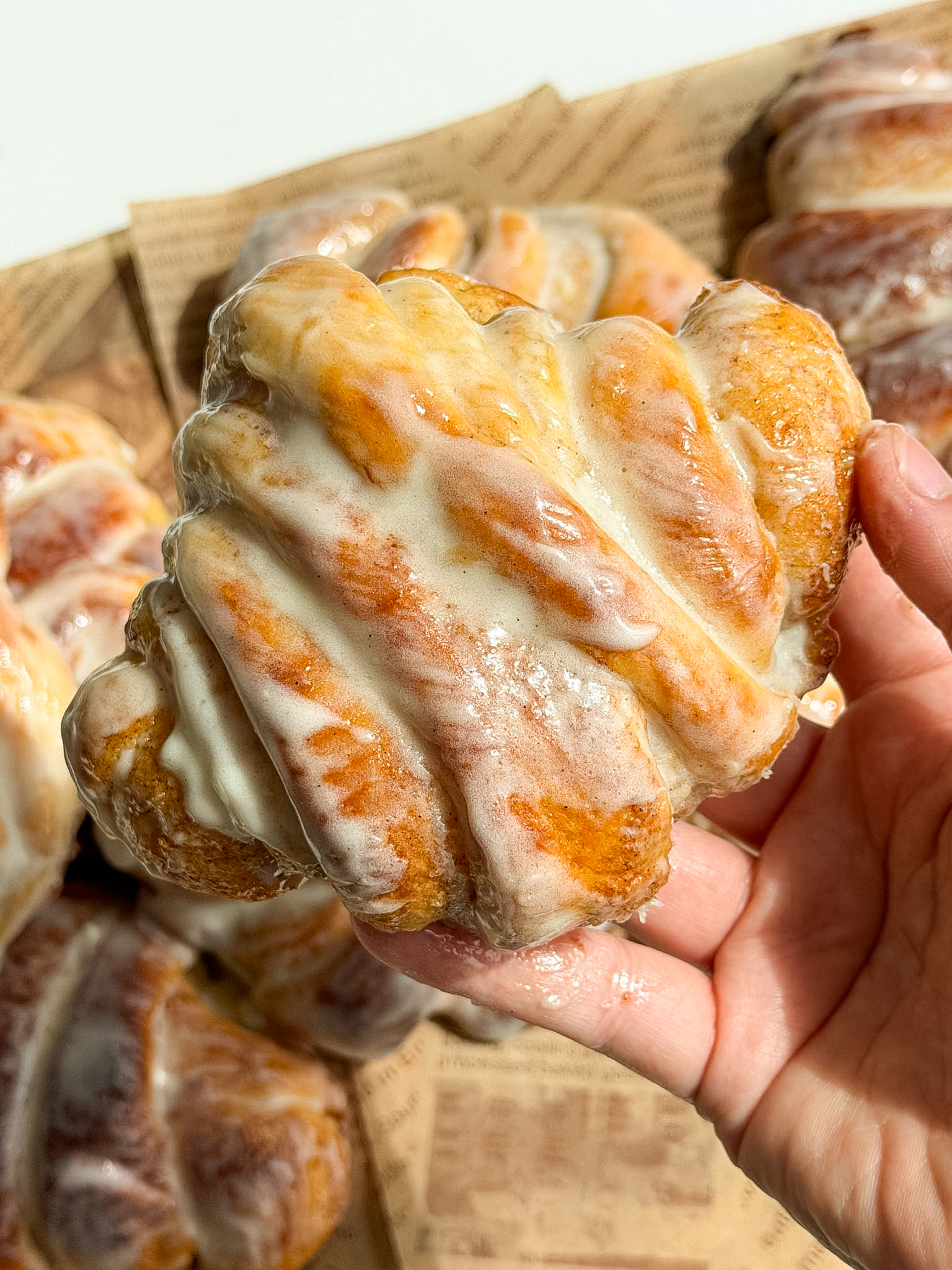
Pumpkin cinnasticks are what happens when you take the best parts of a cinnamon roll — that buttery, spiced, slightly gooey center — and make it accessible on a random Tuesday without any advance planning. No yeast. No waiting for dough to rise. No sourdough starter sitting on your counter for three days. Just a simple, one-bowl dough that comes together in minutes, gets rolled out, topped with brown sugar and cinnamon, baked until golden, and finished with a silky cream cheese glaze that melts into every crevice. The result is soft, tender, warmly spiced, and genuinely impressive despite requiring almost no effort at all.
What makes these pumpkin cinnasticks so special is the way they bridge the gap between convenience and quality. They are the kind of recipe you can make on a slow Sunday morning when you want something special but not complicated, or on a weeknight when the craving for something warm and sweet strikes unexpectedly. The texture lands somewhere between a cinnamon roll and a biscuit — soft and fluffy inside with slightly crisp, caramelized edges from the brown sugar topping. If you love the flavor profile of classic pumpkin baked goods, our PUMPKIN CINNAMON ROLLS are another beautiful option, though they do require yeast and rising time for that traditional pull-apart texture.
This guide covers every step of making perfect pumpkin cinnasticks, from mixing the dough to achieving that ideal soft-yet-structured texture, to glazing them with cream cheese icing that stays glossy and smooth. Whether you are new to fall baking or a seasoned baker looking for a faster alternative to traditional cinnamon rolls, you will find everything you need right here.
Why You Will Love These Pumpkin Cinnasticks
Most cinnamon roll recipes require significant advance planning. You need to activate yeast, wait for multiple rises, punch down dough, allow additional proofing time — the entire process easily stretches to two or three hours. These pumpkin cinnasticks eliminate all of that. The dough is leavened with baking powder and baking soda instead of yeast, which means it needs no rising time whatsoever. You can go from craving to eating in under thirty minutes, which is genuinely transformative if you are someone who loves cinnamon rolls but rarely has the patience or the foresight to commit to a multi-hour baking project.
The texture of these pumpkin cinnasticks is another major point in their favor. Greek yogurt and pumpkin puree work together to create a dough that is impossibly tender and moist without feeling heavy or dense. The yogurt adds a subtle tang that balances the sweetness of the brown sugar topping, while the pumpkin contributes natural moisture, a warm orange hue, and that characteristic earthy-sweet flavor that defines fall baking.
The finished cinnasticks are soft enough to pull apart easily but structured enough to hold their shape when you pick them up. If you enjoy the combination of pumpkin and quick-bake recipes, our PUMPKIN COFFEE CAKE uses a similar no-yeast approach and delivers that same satisfying soft crumb with a streusel topping.
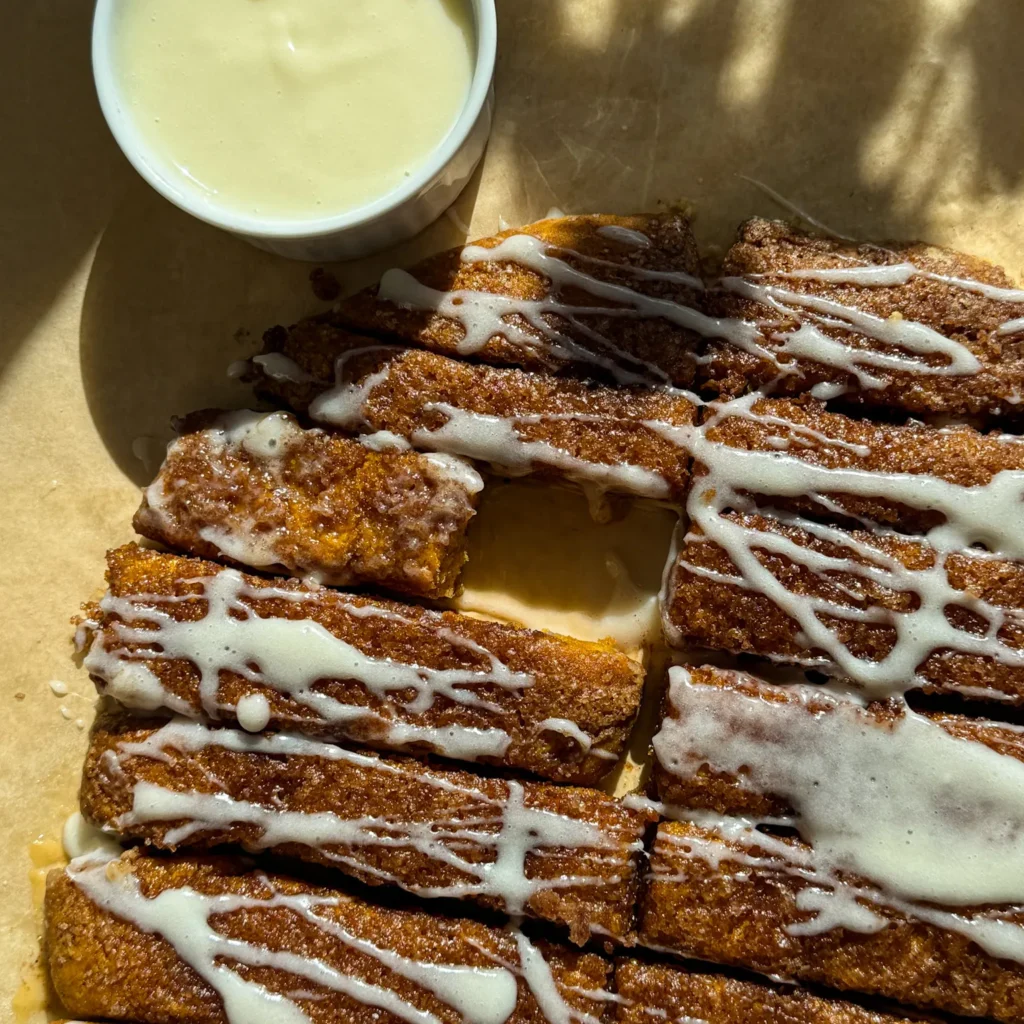
Finally, the cream cheese glaze transforms these pumpkin cinnasticks from a simple breakfast pastry into something genuinely bakery-quality. The glaze is smooth, lightly tangy, and sweet without being cloying. When drizzled over the warm cinnasticks, it melts slightly into the surface, creating pockets of creamy sweetness that contrast beautifully with the spiced, buttery dough underneath.
Key Ingredients Overview
The ingredient list for pumpkin cinnasticks is refreshingly short and everything is likely already in your pantry and refrigerator. But each item plays a specific role in the final texture and flavor, and understanding those roles will help you make confident substitutions if needed.
All-purpose flour provides the structure. The recipe calls for a moderate amount — enough to create a dough that holds together and bakes into something sliceable, but not so much that the cinnasticks become dense or dry. The dough will feel slightly sticky when you first mix it, which is exactly what you want. Resist the urge to add extra flour beyond what is needed for rolling, as too much flour is the most common cause of dry, heavy pumpkin cinnasticks.
Greek yogurt is the secret ingredient that keeps these cinnasticks tender for longer than typical quick-bread recipes. The yogurt adds moisture, fat, and a subtle tang that balances the sweetness of the brown sugar and glaze. Full-fat Greek yogurt produces the richest, most tender result, but low-fat or even non-fat Greek yogurt will work in a pinch — you will simply lose a bit of that luxurious mouthfeel. Sour cream is an acceptable substitute in equal amounts if you do not have Greek yogurt on hand. Our PUMPKIN CREAM CHEESE MUFFINS use a similar dairy-enriched base to achieve that same soft, moist crumb structure.
Pumpkin puree — not pumpkin pie filling — adds moisture, natural sweetness, and the warm orange color that makes these pumpkin cinnasticks so visually appealing. The puree also contributes to the soft texture by adding additional liquid to the dough without making it overly wet. Always use plain pumpkin puree with no added spices or sugar. Pumpkin pie filling contains sugar and pre-mixed spices that will throw off the balance of the recipe entirely.
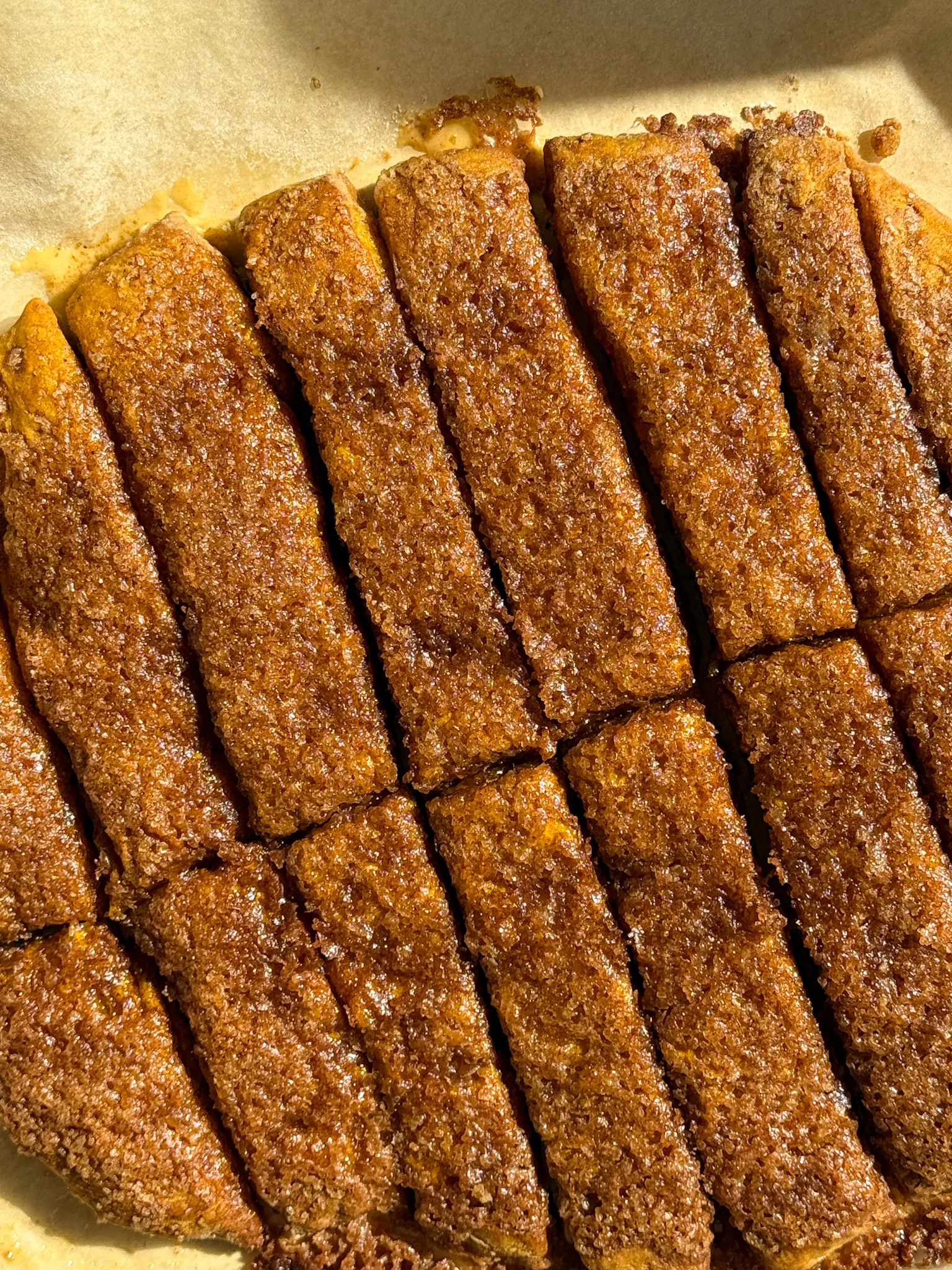
The brown sugar and cinnamon topping is what transforms these from simple biscuits into something genuinely special. The brown sugar melts during baking and caramelizes slightly at the edges, creating a gooey, sticky surface that contrasts beautifully with the soft interior. The cinnamon adds warmth and depth. Together they create that signature cinnamon roll flavor without requiring the time or technique of traditional yeast-based rolls.
Understanding the Science Behind Pumpkin Cinnasticks
How Baking Powder and Baking Soda Create Lift
Unlike yeast, which creates carbon dioxide through fermentation over several hours, baking powder and baking soda produce gas bubbles almost instantly when they come into contact with moisture and heat. Baking soda is a base that reacts with acidic ingredients in the dough — in this case, the Greek yogurt and pumpkin puree — to create carbon dioxide gas. Baking powder contains both an acid and a base and activates in two stages: once when it gets wet and again when it is heated in the oven. This dual-action leavening is what gives pumpkin cinnasticks their light, fluffy texture without requiring any rising time.
The key to success with chemical leaveners is working quickly once the dough is mixed. The gas bubbles begin forming immediately, and if you let the dough sit for too long before baking, those bubbles escape and the cinnasticks end up denser than they should be. This is why the recipe instructs you to preheat the oven before you start mixing the dough — you want to get the pumpkin cinnasticks into the oven as soon as they are shaped and topped.
Why Greek Yogurt Makes the Texture So Tender
Greek yogurt contributes tenderness to pumpkin cinnasticks through two mechanisms. First, its fat content coats the flour proteins and interferes with gluten development, which is what keeps baked goods from becoming tough and chewy. Second, its acidity helps break down some of the gluten strands that do form, further tenderizing the dough. The result is a crumb that is soft and almost cake-like rather than bread-like. This is the same principle behind using buttermilk in biscuits or sour cream in quick breads — the acidity and fat work together to create maximum tenderness.
The Role of Pumpkin Puree in Moisture and Flavor
Pumpkin puree is roughly 90 percent water, which means it adds significant moisture to the dough without requiring additional liquid like milk or water. But unlike plain water, pumpkin also contributes natural sugars, fiber, and subtle flavor compounds that make these pumpkin cinnasticks taste distinctly of fall rather than just tasting sweet. The fiber in the pumpkin also helps the dough retain moisture during baking, which is why these cinnasticks stay soft even the next day rather than drying out like many quick breads do.
How Brown Sugar Caramelizes During Baking
When the brown sugar topping on pumpkin cinnasticks hits the heat of the oven, two things happen simultaneously. First, the sugar begins to melt and liquefy, which is why the surface becomes slightly sticky and gooey. Second, the high heat causes some of the sugar molecules to break apart and recombine into hundreds of new flavor compounds through a process called caramelization. This is what gives the topping that deep, complex sweetness and slight bitterness that plain sugar does not have. The butter in the topping amplifies this process by conducting heat more efficiently and helping the sugar melt evenly.
Choosing the Right Ingredients
Pumpkin Puree vs. Pumpkin Pie Filling
This distinction is critical and bears repeating: you must use plain pumpkin puree in these pumpkin cinnasticks, not pumpkin pie filling. Pumpkin pie filling is a prepared product that already contains sugar, cinnamon, nutmeg, cloves, and sometimes other additives. If you use it in place of plain pumpkin puree, your cinnasticks will be unpleasantly sweet and the spice balance will be completely off. Check the ingredient label carefully — the only ingredient should be pumpkin, or pumpkin and water. Nothing else.
Full-Fat vs. Low-Fat Greek Yogurt
Full-fat Greek yogurt produces the richest, most tender pumpkin cinnasticks because the fat coats the flour proteins and prevents excessive gluten development. Low-fat and non-fat Greek yogurt both work as substitutes, though you will notice a slight difference in richness and moisture. If using non-fat Greek yogurt, consider adding an extra tablespoon of melted butter to the dough to compensate for the missing fat. Regular non-Greek yogurt is too thin and watery to work well in this recipe — the thicker consistency of Greek yogurt is important for the proper dough texture.
Light Brown Sugar vs. Dark Brown Sugar
Either light or dark brown sugar works beautifully in the topping for pumpkin cinnasticks. Light brown sugar has a milder molasses flavor and produces a slightly sweeter, less complex topping. Dark brown sugar contains more molasses, which adds a deeper, more caramel-like flavor with subtle bitter notes that balance the sweetness. Both are equally valid choices — it comes down entirely to personal preference. If you only have white granulated sugar, you can use it in a pinch, though the topping will lack that characteristic molasses depth that makes brown sugar so perfect for fall baking.
Step-by-Step Instructions
Step 1: Prepare and Mix the Dough
Preheat your oven to 375 degrees Fahrenheit (190 degrees Celsius) and line a baking sheet with parchment paper. In a large mixing bowl, whisk together the all-purpose flour, baking powder, baking soda, salt, and your chosen spices (cinnamon, nutmeg, and ginger work beautifully together). In a separate medium bowl, whisk together the Greek yogurt, pumpkin puree, melted butter, granulated sugar, and vanilla extract until smooth and well combined.
Pour the wet ingredients into the dry ingredients and stir gently with a wooden spoon or spatula until just combined. The dough will look shaggy and slightly sticky — this is correct. Do not overmix. Overmixing develops gluten and produces tough, dense pumpkin cinnasticks rather than soft, tender ones. The dough should come together into a cohesive mass that is soft and pliable but still holds its shape.
Step 2: Roll Out the Dough
Turn the dough out onto a lightly floured surface. Lightly flour your hands and the top of the dough, then use a rolling pin to roll it into a rectangle approximately 10 inches by 12 inches and about half an inch thick. Try to keep the thickness as even as possible across the entire rectangle — uneven thickness leads to some cinnasticks baking faster than others.
If the dough sticks to your rolling pin or work surface, dust it very lightly with additional flour. But be conservative with the flour — adding too much at this stage is the most common mistake and results in dry, heavy pumpkin cinnasticks. The dough should be slightly tacky to the touch but not so sticky that it cannot be handled.
Step 3: Add the Butter and Cinnamon Sugar Topping
Brush the surface of the rolled-out dough generously with melted butter, making sure to cover the entire surface edge to edge. The butter serves two purposes: it helps the cinnamon sugar mixture adhere to the dough, and it adds richness and flavor to every bite of the finished pumpkin cinnasticks.
In a small bowl, mix together the brown sugar and ground cinnamon until evenly combined. Sprinkle this mixture generously and evenly over the buttered dough, again covering the surface completely. Use your hands to gently press the cinnamon sugar into the dough so it adheres well and does not fall off during slicing and baking.
Step 4: Slice into Strips
Using a sharp knife or a pizza cutter, slice the dough into strips approximately one inch wide. You should get 8 to 10 strips depending on the exact dimensions of your rolled dough. Place the strips on the prepared baking sheet, spacing them about an inch apart to allow for slight expansion during baking.
The strips do not need to be perfectly straight or uniform — rustic, slightly uneven pumpkin cinnasticks have just as much charm as perfectly precise ones. What matters more is that they are roughly the same thickness so they bake evenly.
Step 5: Bake and Glaze
Bake the pumpkin cinnasticks in the preheated oven for 15 to 18 minutes, until the edges are golden brown and the centers are set but still soft when gently pressed. The tops should look matte and slightly puffed. Do not overbake — these are meant to be soft and tender, and even two or three extra minutes in the oven can dry them out significantly.
While the cinnasticks bake, make the cream cheese glaze by whisking together softened cream cheese, powdered sugar, milk, and vanilla extract until completely smooth with no lumps. The glaze should be thick enough to coat the back of a spoon but thin enough to drizzle easily. Add more milk a teaspoon at a time if it is too thick, or more powdered sugar if it is too thin.
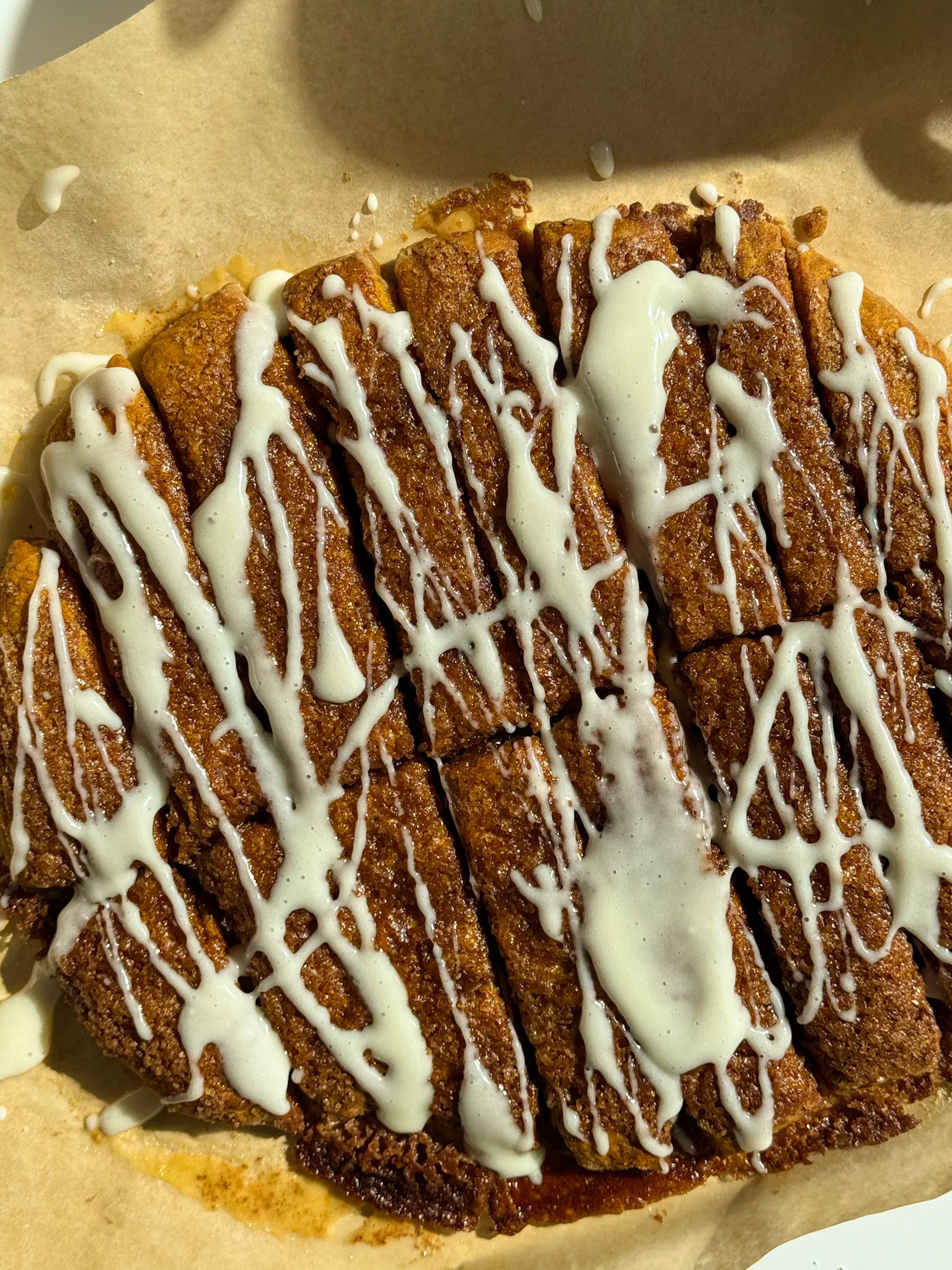
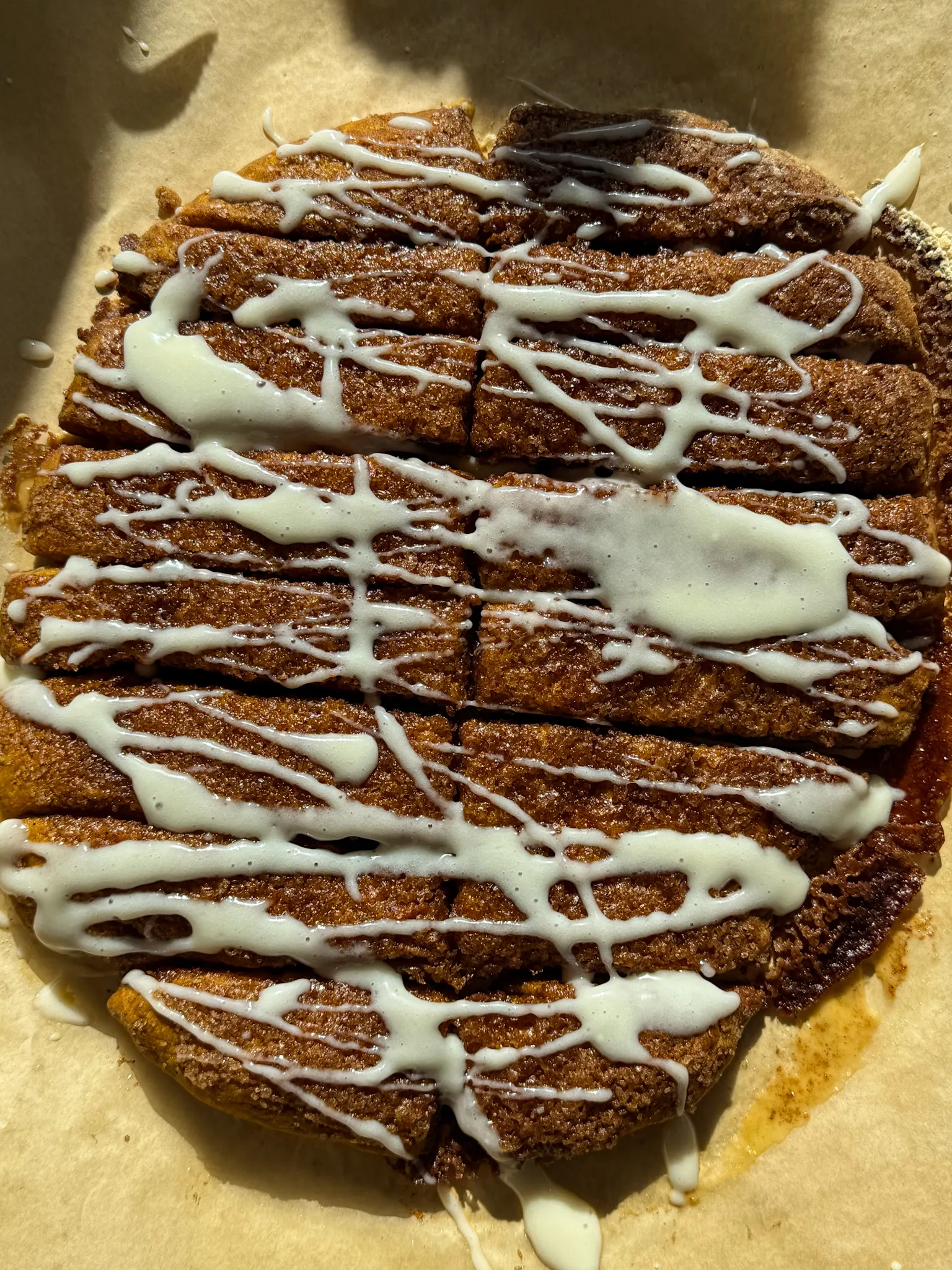
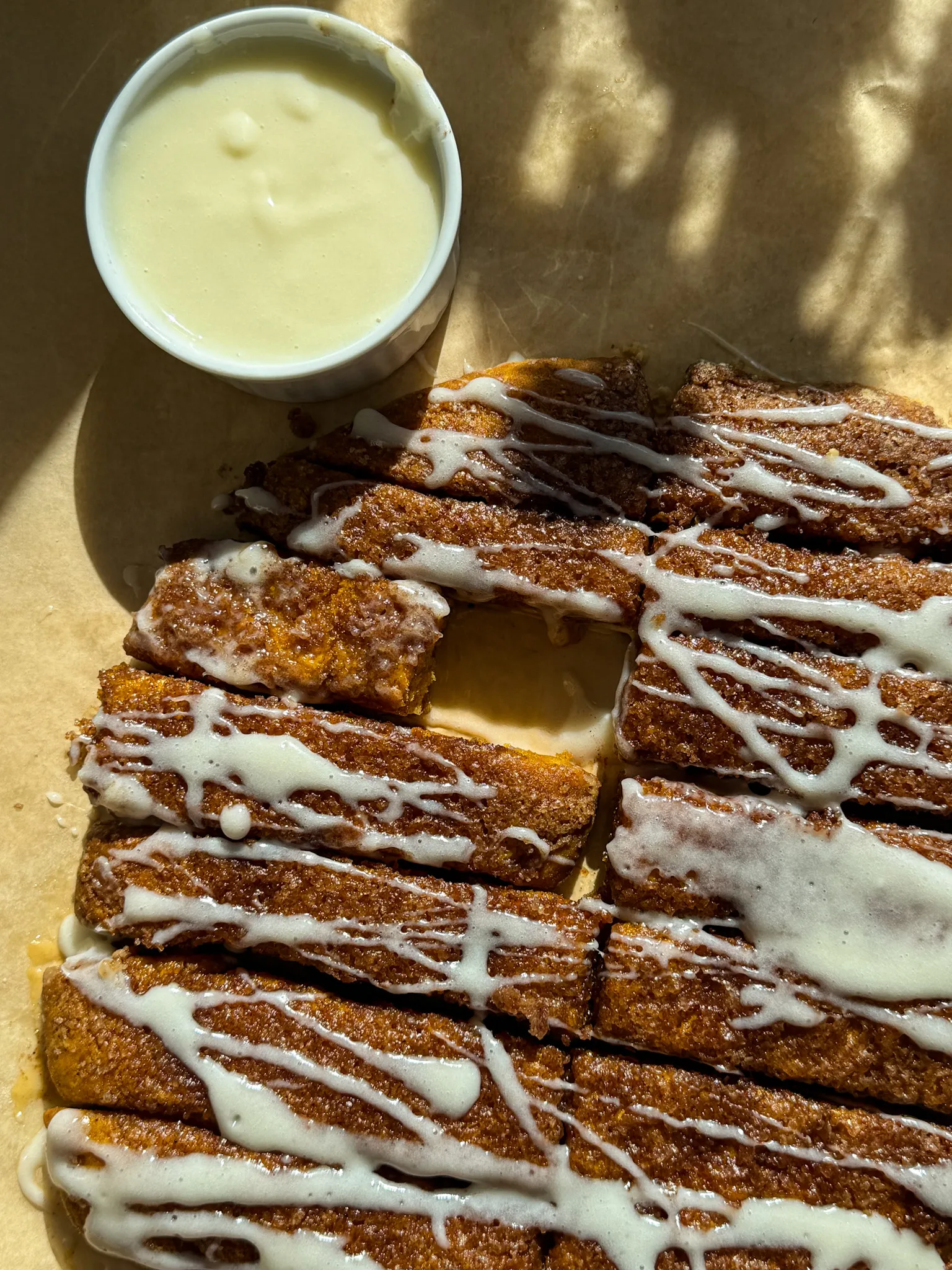
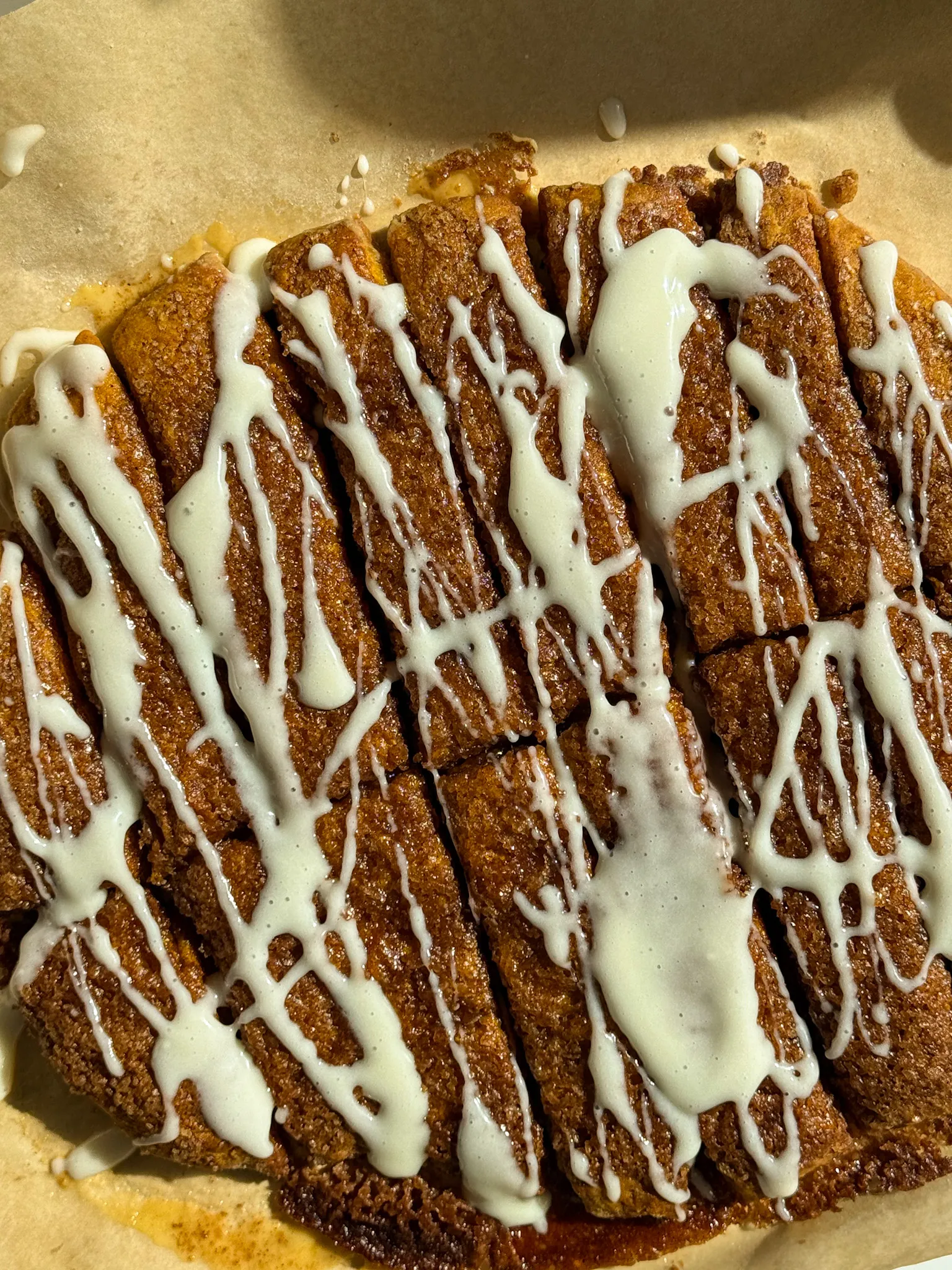
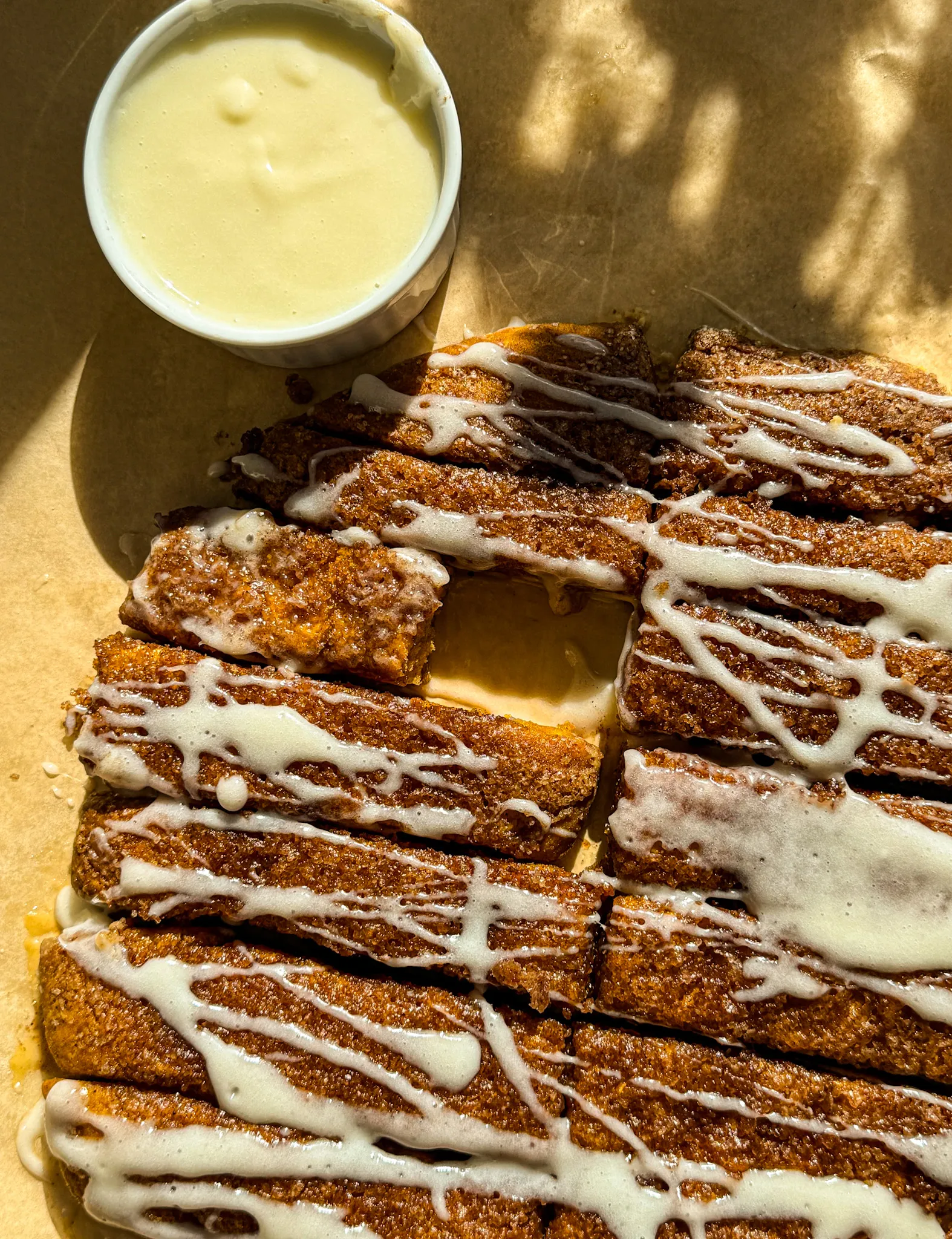
Remove the pumpkin cinnasticks from the oven and allow them to cool on the baking sheet for about five minutes. Drizzle the cream cheese glaze generously over the warm cinnasticks, allowing it to pool in the crevices and melt slightly into the surface. Serve warm.
Professional Tips for Perfect Results
Do Not Overmix the Dough
Overmixing is the single most common mistake when making pumpkin cinnasticks. When you stir the dough too vigorously or for too long, you develop the gluten in the flour, which creates a tough, chewy texture rather than the soft, tender crumb you want. Stir just until the dry ingredients are moistened and the dough comes together — it should still look slightly shaggy and rough. A few small lumps are perfectly fine and will disappear during baking.
Work Quickly After Mixing
Remember that the baking powder and baking soda begin producing gas bubbles the moment they come into contact with the wet ingredients. If you let the dough sit for too long before baking, those bubbles escape and your pumpkin cinnasticks will be denser and less fluffy than they should be. Aim to get the cinnasticks into the oven within 10 to 15 minutes of mixing the dough. This is one reason why preheating the oven before you start is so important.
Press the Cinnamon Sugar Firmly Into the Dough
After sprinkling the cinnamon sugar mixture over the buttered dough, take an extra moment to press it gently but firmly into the surface with your hands. This simple step prevents the topping from falling off when you slice the dough into strips and ensures that every bite of the finished pumpkin cinnasticks is fully coated with that sweet, spiced layer. If you love the combination of cinnamon sugar with tender baked goods, our CINNAMON SUGAR BAKED DONUTS deliver that same satisfying contrast between soft crumb and sweet coating in a donut format.
Check for Doneness Early
These pumpkin cinnasticks are intentionally soft and tender, which means they can go from perfectly baked to overbaked very quickly. Start checking at the 15-minute mark by gently pressing the center of one cinnastick with your fingertip. It should spring back slowly but not leave a deep indent. The edges should be lightly golden but the centers should still look slightly pale and matte. Overbaked cinnasticks become dry and lose that soft, pull-apart texture that makes them so appealing.
Glaze While Still Warm
The cream cheese glaze sets as it cools, so you want to drizzle it over the pumpkin cinnasticks while they are still warm from the oven. The residual heat causes the glaze to melt slightly and seep into all the nooks and crannies rather than just sitting on the surface. This creates pockets of sweet, creamy glaze throughout each cinnastick rather than just a coating on top.
Common Mistakes to Avoid
Adding Too Much Flour
The dough for pumpkin cinnasticks should feel slightly sticky and soft when you first mix it. This stickiness is not a problem that needs to be fixed — it is what creates the tender, moist texture in the finished product. If you add too much flour trying to make the dough less sticky, you end up with cinnasticks that are dry, dense, and bread-like rather than soft and fluffy. Use just enough flour to prevent sticking when rolling, and trust that the slightly tacky dough will bake into something light and tender.
Rolling the Dough Too Thin
If you roll the dough thinner than about half an inch, the finished pumpkin cinnasticks will be crispy and cracker-like rather than soft and fluffy. They need enough thickness to bake up with a tender interior and just slightly crisp edges. Aim for a consistent half-inch thickness across the entire rectangle, and check by pressing your finger into the dough — it should sink about halfway down.
Skipping the Preheat
Because pumpkin cinnasticks rely on chemical leaveners that begin working immediately, they need to go into a fully preheated oven as soon as possible after mixing. If you put them into a cold oven or an oven that has not reached temperature yet, too much of the leavening gas escapes before the structure sets, resulting in cinnasticks that are flat and dense. Always preheat the oven fully before you start mixing the dough.
Overbaking
These pumpkin cinnasticks are meant to be soft, tender, and slightly gooey from the brown sugar topping. Overbaking dries them out and turns them into something closer to a hard cookie than a soft pastry. Remove them from the oven when the edges are just beginning to turn golden and the centers still look slightly underdone — they will continue to set as they cool on the baking sheet. When in doubt, underbake slightly rather than overbake.
Variations to Try
Maple Cream Cheese Glaze
Replace two tablespoons of the milk in the cream cheese glaze with pure maple syrup for a deeper, more complex sweetness with warm, woodsy notes. The maple flavor pairs beautifully with the pumpkin and cinnamon in these cinnasticks and adds a subtle richness that makes them feel even more special.
Toasted Pecan Topping
Sprinkle a quarter cup of finely chopped toasted pecans over the cinnamon sugar layer before baking. The pecans add crunch, nutty depth, and a textural contrast that is especially welcome in a pastry as soft as these pumpkin cinnasticks. Toast the pecans first in a dry skillet over medium heat for three to four minutes until fragrant — toasted nuts always have a richer flavor than raw ones.
Chai Spiced Version
Replace the cinnamon, nutmeg, and ginger in the dough with two teaspoons of chai spice blend for a more complex, aromatic flavor profile. The cardamom, cloves, and pepper in chai spice add warmth and depth that pair beautifully with pumpkin. This variation is particularly well-suited to serving alongside spiced tea or coffee on a cool autumn morning. If you enjoy experimenting with pumpkin and warm spices, our BROWN BUTTER PUMPKIN COOKIES are another excellent canvas for chai spice or other fall spice blends.
Pumpkin Spice Latte Glaze
Add one teaspoon of instant espresso powder and half a teaspoon of cinnamon to the cream cheese glaze for a pumpkin spice latte-inspired topping. The coffee flavor is subtle but adds a sophisticated depth that balances the sweetness beautifully. This variation is especially popular with adults who appreciate a hint of coffee flavor in their baked goods.
Storage and Reheating
Room Temperature
Pumpkin cinnasticks are at their absolute best served warm and freshly glazed. However, they hold reasonably well at room temperature for up to two days when stored in an airtight container or covered tightly with plastic wrap. The texture will become slightly firmer as they cool, but they remain tender and moist thanks to the Greek yogurt and pumpkin in the dough.
Refrigeration
For storage beyond two days, transfer the pumpkin cinnasticks to an airtight container and refrigerate for up to five days. The cream cheese glaze will firm up in the refrigerator, giving the cinnasticks a slightly denser texture than when freshly baked. This is not necessarily a bad thing — chilled pumpkin cinnasticks have a pleasant, almost cheesecake-like quality that some people actually prefer.
Freezing
These pumpkin cinnasticks freeze exceptionally well. For best results, freeze them before glazing. Wrap individual cinnasticks tightly in plastic wrap and then place them in a freezer-safe bag or container. Freeze for up to two months. To serve, thaw overnight in the refrigerator or for a few hours at room temperature, then warm briefly in a 300-degree oven for five to seven minutes. Make fresh cream cheese glaze and drizzle over the warm cinnasticks just before serving.
Reheating
Individual pumpkin cinnasticks reheat beautifully in the microwave for 15 to 20 seconds on medium power. This softens them and brings back that just-baked texture without making the glaze too liquid. For reheating multiple cinnasticks, place them on a baking sheet and warm in a 300-degree oven for five to eight minutes until heated through.
Frequently Asked Questions
Can I make pumpkin cinnasticks without Greek yogurt?
Yes, though the texture will be slightly different. Sour cream is the best substitute and can be used in equal amounts. Regular plain yogurt (not Greek) can work in a pinch, though you may need to reduce the liquid slightly or add a tablespoon or two of extra flour to compensate for its thinner consistency. Buttermilk is another option — use the same amount as the Greek yogurt and expect a slightly tangier, more biscuit-like result.
Can I make the dough ahead of time?
Unlike yeast dough, which benefits from resting, the dough for pumpkin cinnasticks is best baked immediately after mixing because the leavening agents begin working right away. However, you can prepare all of your ingredients in advance — measure out the dry ingredients into one bowl and the wet ingredients into another, then keep them separate until you are ready to bake. When you are ready, simply combine them and proceed with the recipe. The entire process from mixing to baking is so quick that advance prep is rarely necessary.
Why are my pumpkin cinnasticks dense instead of fluffy?
Dense cinnasticks are almost always caused by one of three issues: overmixing the dough, adding too much flour, or letting the dough sit too long before baking. Make sure you are stirring just until the ingredients come together, not beating the dough smooth. Use only enough flour to prevent sticking when rolling. And get the cinnasticks into the oven within 10 to 15 minutes of mixing the dough so the leavening action happens during baking rather than before.
Can I use regular cinnamon instead of ground cinnamon?
Ground cinnamon is what the recipe calls for and what works best in the topping. Cinnamon sticks cannot be used as a direct substitute — they need to be ground into powder first. If you only have cinnamon sticks, you can grind them in a spice grinder or coffee grinder until they become a fine powder, then use that in the recipe. Store-bought ground cinnamon is perfectly fine and far more convenient for most home bakers.
How do I know when the pumpkin cinnasticks are done baking?
The cinnasticks are done when the edges are lightly golden brown and the centers are set but still soft when gently pressed. They should look matte and slightly puffed rather than shiny and flat. The tops should not look wet or underdone, but they also should not be deeply browned or crispy. Start checking at the 15-minute mark and remove them from the oven as soon as they meet these criteria — remember that they will continue to set slightly as they cool.
Can I double the recipe?
Yes, this recipe doubles beautifully. Simply double all of the ingredient quantities and mix two separate batches of dough rather than trying to mix one giant batch. Roll out each batch separately, top with butter and cinnamon sugar, slice, and bake on two separate baking sheets. You may need to bake them in two batches if your oven cannot fit both sheets at once. The baking time remains the same — 15 to 18 minutes at 375 degrees Fahrenheit.
Watch the recipe video for more clarity!
See our similar recipes:
People also like these recipes:
Final Thoughts
Pumpkin cinnasticks are one of those recipes that earns a permanent place in your fall baking rotation the very first time you make them. They deliver all of the warmth, spice, and comfort of traditional cinnamon rolls without requiring any of the patience or advance planning. The combination of soft, pumpkin-enriched dough, buttery brown sugar topping, and tangy cream cheese glaze is genuinely satisfying in a way that feels both nostalgic and new.
What makes these pumpkin cinnasticks so valuable is their accessibility. They are the recipe you reach for on a random Tuesday when you want something special but only have thirty minutes to spare. They are what you make on a Sunday morning when you want to feel productive without committing to a multi-hour project. They are the thing you bake when guests are coming over unexpectedly and you need something impressive that does not require stress or complicated technique.
Save this recipe. Share it with someone who loves pumpkin season. Make a batch this weekend and fill your kitchen with the smell of cinnamon and butter and autumn. These pumpkin cinnasticks are the kind of recipe that makes fall baking feel effortless and joyful rather than overwhelming. Happy baking.
Dough
- 1 ½ cups 213g “00” or all-purpose flour
- 2 tsp 9g baking powder
- ¼ tsp 2g baking soda
- 1 tsp 6g salt
- 1 cup 250g Greek yogurt
- ½ cup 120g pumpkin purée
- Optional: 1 tsp vanilla + ½ tsp cinnamon
Cinnamon Topping
- ¼ cup 58g salted butter, melted
- ½ cup 130g brown sugar
- 1 tbsp 5g cinnamon
Cream Cheese Glaze
- 6 oz cream cheese softened
- 1 cup 145g powdered sugar
- 1 tsp 4g vanilla extract
Preheat oven to 190°C (375°F) and line a baking sheet with parchment paper.
In a large bowl, combine flour, baking powder, baking soda, salt, and optional cinnamon.
Stir in Greek yogurt and pumpkin purée until a soft, slightly sticky dough forms. Do not overmix.
Lightly flour your surface and roll dough into a rectangle about 1–1.5 cm thick.
Brush with melted butter, then sprinkle evenly with brown sugar and cinnamon.
Cut into strips about 2–3 cm wide and place on prepared baking sheet.
Bake for 15–18 minutes, until golden and puffy.
While baking, whisk together cream cheese, powdered sugar, vanilla, and milk until smooth and pourable.
Drizzle glaze over warm cinnasticks and serve immediately.
If you've given this recipe a try and it won you over, please share your thoughts by leaving
a rating and comment below! If you have any questions about this recipe, don't hesitate to ask – I'm here to
help and will respond promptly.