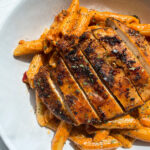
Discover the Bold Flavors of Cajun Chicken Pasta
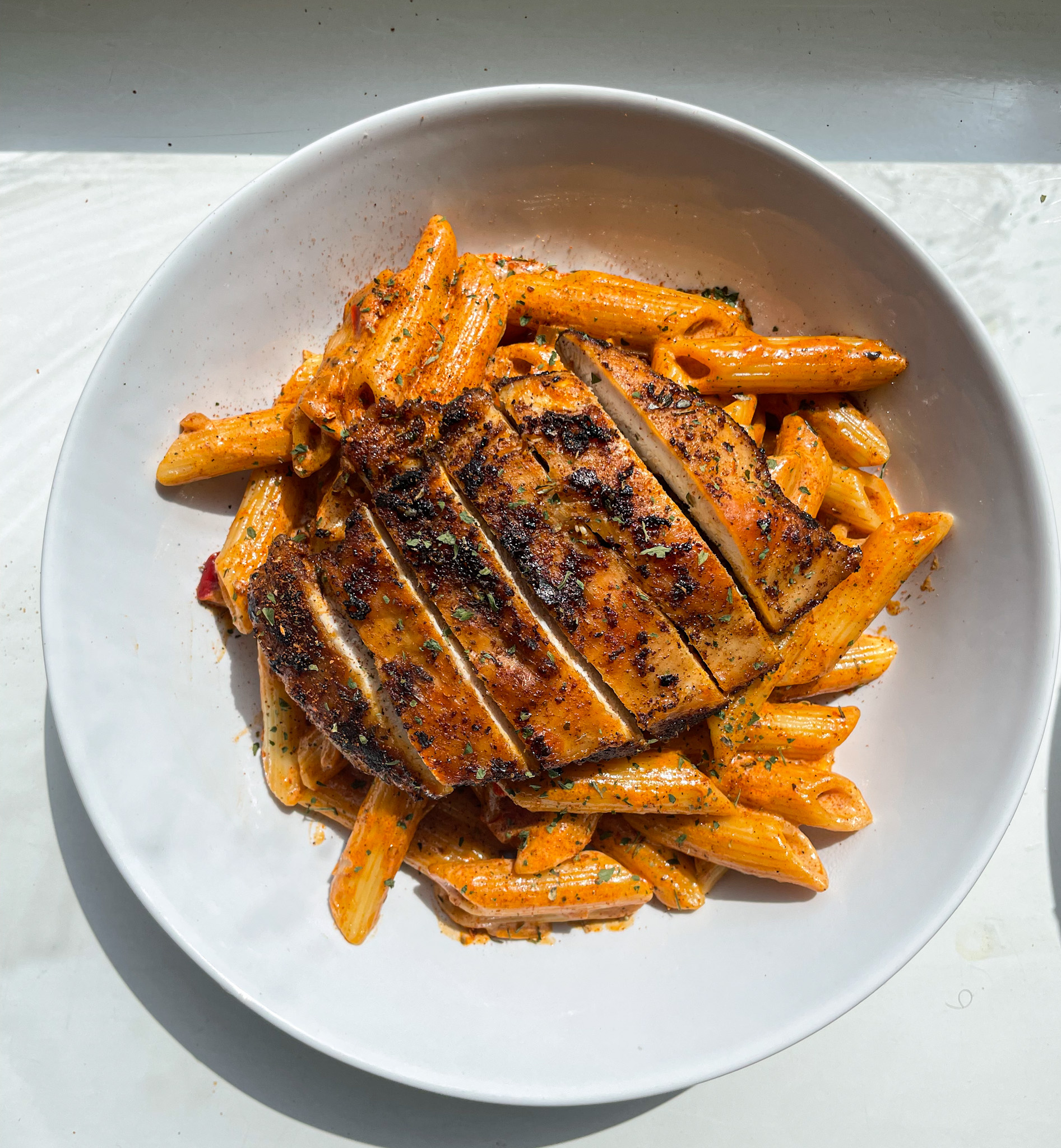
Treat yourself with the simplicity and speed of our Cajun chicken pasta—a perfect choice for busy weekdays when you need dinner on the table fast. This dish brings together seasoned chicken breasts and tender pasta, all swimming in a luscious creamy Cajun sauce that delivers bold, smoky flavor in every bite. Whether you’re cooking for your family or meal prepping for the week ahead, this Cajun chicken pasta will quickly become your go-to comfort food.
Savor the richness of creamy pasta intertwined with tender, juicy Cajun-flavored chicken, all enveloped in a delectable homemade Cajun sauce. Bursting with flavors, this Cajun chicken pasta is a quick-fix delight, ready in under thirty minutes—ideal for those bustling weeknight dinners. This wonderful addition to your collection of swift and delicious meals combines restaurant-quality flavor with home-kitchen convenience.
The beauty of Cajun chicken pasta lies in its perfect balance of heat, creaminess, and smoky depth. The Cajun seasoning brings complex spice notes while the heavy cream mellows the heat into comfortable warmth rather than overwhelming fire. Bell peppers and onions add sweetness and texture that round out each forkful, creating a complete meal that satisfies on every level.
Why You’ll Love This Cajun Chicken Pasta
What makes this Cajun chicken pasta special is how it delivers bold, restaurant-style flavor without requiring hours in the kitchen or a long list of complicated techniques. The dish comes together quickly using simple methods that even novice cooks can master, yet the results taste sophisticated enough to serve to dinner guests.
Bold and flavorful, the Cajun seasoning adds the perfect smoky, spicy kick that transforms ordinary chicken and pasta into something memorable. Creamy and comforting, the sauce is rich and silky, coating every bite of pasta and chicken with luxurious texture. Quick and easy, this Cajun chicken pasta is ready in under thirty minutes from start to finish, making it ideal for busy schedules.
The recipe is highly customizable—make it spicier by adding extra cayenne, lighter by using half-and-half instead of heavy cream, or more vegetable-forward by adding extra bell peppers, mushrooms, or spinach. Best of all, this is essentially a one-pan meal that minimizes cleanup while maximizing flavor, perfect for those nights when you’re too tired to face a sink full of dishes.
Key Ingredients Overview
Creating exceptional Cajun chicken pasta starts with quality ingredients that work together to build layers of flavor. You’ll need boneless chicken breasts or thighs, your choice of pasta shape, and a blend of Cajun spices that form the flavor foundation. Heavy cream creates the luxurious sauce base, while Parmesan cheese adds salty, umami depth.
Aromatic vegetables including onions, garlic, and colorful bell peppers provide sweetness and texture contrast to the rich sauce. Chicken bouillon intensifies the savory notes, while butter adds richness and helps create a silky sauce consistency. Optional cream cheese makes the sauce even more luscious and helps mellow intense spice for those who prefer milder heat.
Understanding Cajun Seasoning and Its Magic
Cajun seasoning is the heart and soul of authentic Cajun chicken pasta. This Louisiana-inspired spice blend combines multiple ingredients to create complex, layered flavor that’s simultaneously smoky, spicy, earthy, and aromatic. Understanding what makes Cajun seasoning special helps you use it effectively in this dish.
What Makes Cajun Seasoning Special
Traditional Cajun seasoning is a blend of paprika, garlic powder, onion powder, cayenne pepper, dried thyme, and dried oregano, creating bold spice that defines this Cajun chicken pasta. The paprika provides smoky sweetness and vibrant red color, while cayenne delivers the characteristic heat. Garlic and onion powders contribute savory depth without the texture of fresh aromatics.
Thyme and oregano add earthy, herbal notes that balance the heat and create complexity. Some blends include additional spices like black pepper, white pepper, or celery salt for extra dimension. The specific proportions vary between brands and homemade versions, allowing you to customize heat levels and flavor profiles to your preferences.
The beauty of Cajun seasoning in this Cajun chicken pasta is how it flavors multiple components—the chicken gets seasoned before cooking, more goes into the sauce, creating consistent flavor throughout the dish. This layered seasoning approach ensures every bite delivers that signature Cajun taste rather than having spice concentrated in just one element.
Homemade Versus Store-Bought Cajun Seasoning
Making homemade Cajun seasoning for your Cajun chicken pasta gives you complete control over salt levels, heat intensity, and flavor balance. Store-bought blends can be extremely salty, sometimes containing more salt than actual spices, which can make your dish too salty if you’re not careful. Reading labels and adjusting your added salt accordingly is crucial when using commercial blends.
Homemade Cajun seasoning is remarkably simple to prepare. Combine two tablespoons paprika, one tablespoon garlic powder, one tablespoon onion powder, one teaspoon cayenne pepper (adjust to taste), one teaspoon dried thyme, one teaspoon dried oregano, one teaspoon black pepper, and one teaspoon salt. Mix thoroughly and store in an airtight container for up to six months.
The advantage of making your own is that you can adjust the heat by increasing or decreasing cayenne, add smoked paprika for deeper smokiness, or include additional spices like white pepper or ground mustard. This customization ensures your Cajun chicken pasta matches your exact preferences rather than settling for whatever balance a commercial blend provides.
Balancing Heat Levels
Getting the spice level right is crucial for enjoyable Cajun chicken pasta. Too much heat overwhelms the other flavors and makes the dish uncomfortable to eat, while too little leaves it tasting flat and missing that characteristic Cajun kick. Start conservatively if you’re unsure about your spice tolerance, as you can always add more heat but cannot remove it once added.
If your Cajun chicken pasta turns out too spicy, several techniques can help mellow the heat. Adding extra heavy cream or stirring in cream cheese dilutes the capsaicin while maintaining creamy texture. Extra Parmesan cheese also helps cool things down while boosting savory flavor. Serving with a dollop of sour cream on top provides cooling relief with each bite.
For those who love heat, increase the cayenne in your Cajun seasoning or add red pepper flakes directly to the sauce. A few dashes of hot sauce stirred in at the end intensifies spice without adding more dry seasoning. Fresh jalapeños or serrano peppers sautéed with the aromatics create fresh, bright heat that differs from dried spice heat.
Choosing Quality Ingredients for Cajun Chicken Pasta
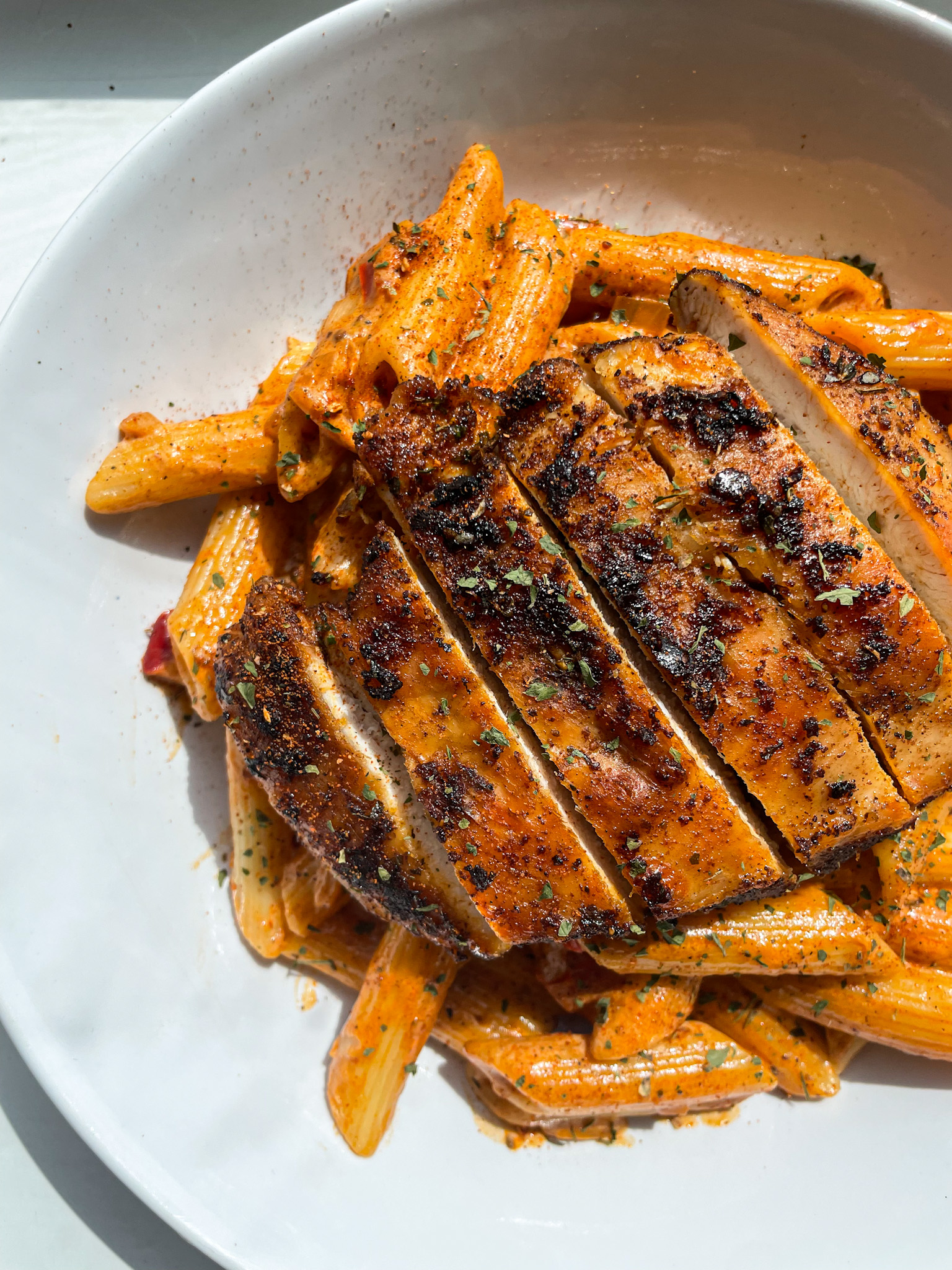
Ingredient quality significantly impacts the final flavor and texture of your Cajun chicken pasta. While this recipe is forgiving and accessible, selecting good ingredients elevates results from good to outstanding.
Selecting the Best Chicken
Boneless, skinless chicken breasts are the traditional choice for Cajun chicken pasta, offering mild flavor and lean protein that takes on the Cajun seasoning beautifully. Choose breasts that are similar in size for even cooking, and look for plump, pinkish meat without dark spots or off odors. Organic or free-range chicken often has better texture and flavor.
Chicken thighs work wonderfully as an alternative, providing more flavor and staying juicier than breasts due to higher fat content. Dark meat is more forgiving of slight overcooking and costs less than breasts in most markets. For this Cajun chicken pasta, boneless, skinless thighs save prep time while delivering superior taste and texture.
Always pat chicken dry before seasoning, as surface moisture prevents proper browning and the development of that flavorful golden crust. Let seasoned chicken sit for five to ten minutes before cooking, allowing the spices to adhere better and penetrate slightly into the meat for more thorough flavoring.
Pasta Shape Selection
The pasta you choose for Cajun chicken pasta affects how well the sauce clings and the overall eating experience. Penne is a classic choice with its tube shape and ridged surface that catches and holds the creamy sauce beautifully. The hollow center fills with sauce, ensuring flavor in every bite.
Fettuccine offers flat, wide ribbons that create an elegant presentation and provide substantial surface area for sauce adhesion. Linguine is similar but slightly narrower, working equally well in this Cajun chicken pasta. Both long pasta shapes create that classic twirled-on-a-fork experience that many people enjoy.
Rigatoni, with its large tubes and ridges, is another excellent option that holds chunky ingredients like sliced chicken and bell peppers. Farfalle or bow-tie pasta adds visual interest with its distinctive shape. Whatever pasta you choose, cook it al dente so it maintains good texture when combined with the sauce rather than becoming mushy.
Heavy Cream Quality
Heavy cream is essential for achieving the luxurious, silky sauce that makes this Cajun chicken pasta so indulgent. Choose heavy whipping cream with at least thirty-six percent fat content for the richest results. Avoid ultra-pasteurized cream when possible, as regular pasteurized cream has better flavor and creates smoother sauces.
For a lighter version of this Cajun chicken pasta, substitute half-and-half for some or all of the heavy cream, though the sauce will be thinner and less rich. Whole milk can work in a pinch but creates much thinner consistency—compensate by reducing it longer or adding a tablespoon of flour to help thicken. Avoid skim or low-fat milk, which produces watery, unsatisfying sauce.
Dairy-free alternatives like coconut cream or cashew cream can create creamy Cajun chicken pasta for those avoiding dairy. Full-fat coconut cream from a can works surprisingly well, providing richness similar to heavy cream. Cashew cream made by blending soaked cashews with water offers neutral flavor and creamy texture without coconut taste.
Parmesan Cheese Selection
Real Parmigiano-Reggiano makes a noticeable difference in this Cajun chicken pasta, offering complex, nutty flavor that pre-grated alternatives cannot match. Look for cheese with the official Parmigiano-Reggiano consortium stamp, and always buy it in wedges rather than pre-grated. Grate it yourself just before using for maximum flavor and smooth melting.
Pre-grated Parmesan contains anti-caking agents that prevent smooth incorporation into sauces, often creating grainy texture instead of silky smoothness. These additives also dilute flavor compared to freshly grated cheese. If Parmigiano-Reggiano exceeds your budget, Grana Padano offers similar characteristics at lower cost and works beautifully in this recipe.
Pecorino Romano can substitute for Parmesan, though it’s sharper and saltier. Mix half Pecorino and half Parmesan for balanced flavor, or use all Pecorino if you prefer pronounced sharpness. Reduce added salt when using Pecorino since it’s naturally saltier than Parmesan cheese.
Fresh Vegetables Matter
Bell peppers add sweetness, crunch, and beautiful color to Cajun chicken pasta. Choose firm peppers with smooth, glossy skin and no soft spots or wrinkles. Red, yellow, or orange bell peppers are sweeter than green, which has a more bitter, vegetal flavor. Mix colors for the most visually appealing dish.
Fresh garlic cloves provide aromatic punch that jarred minced garlic cannot replicate. Look for firm bulbs with tight, papery skin and no green sprouts. Smash cloves with the flat side of a knife before mincing to release more flavorful oils. Yellow or white onions work best in this Cajun chicken pasta, offering sharp flavor that mellows beautifully when cooked.
For the freshest flavor, prep vegetables just before cooking rather than hours in advance. Cut bell peppers into uniform strips or dice for even cooking and professional presentation. Mince garlic finely so it distributes throughout the sauce rather than appearing in large chunks.
Step-by-Step Instructions for Perfect Cajun Chicken Pasta
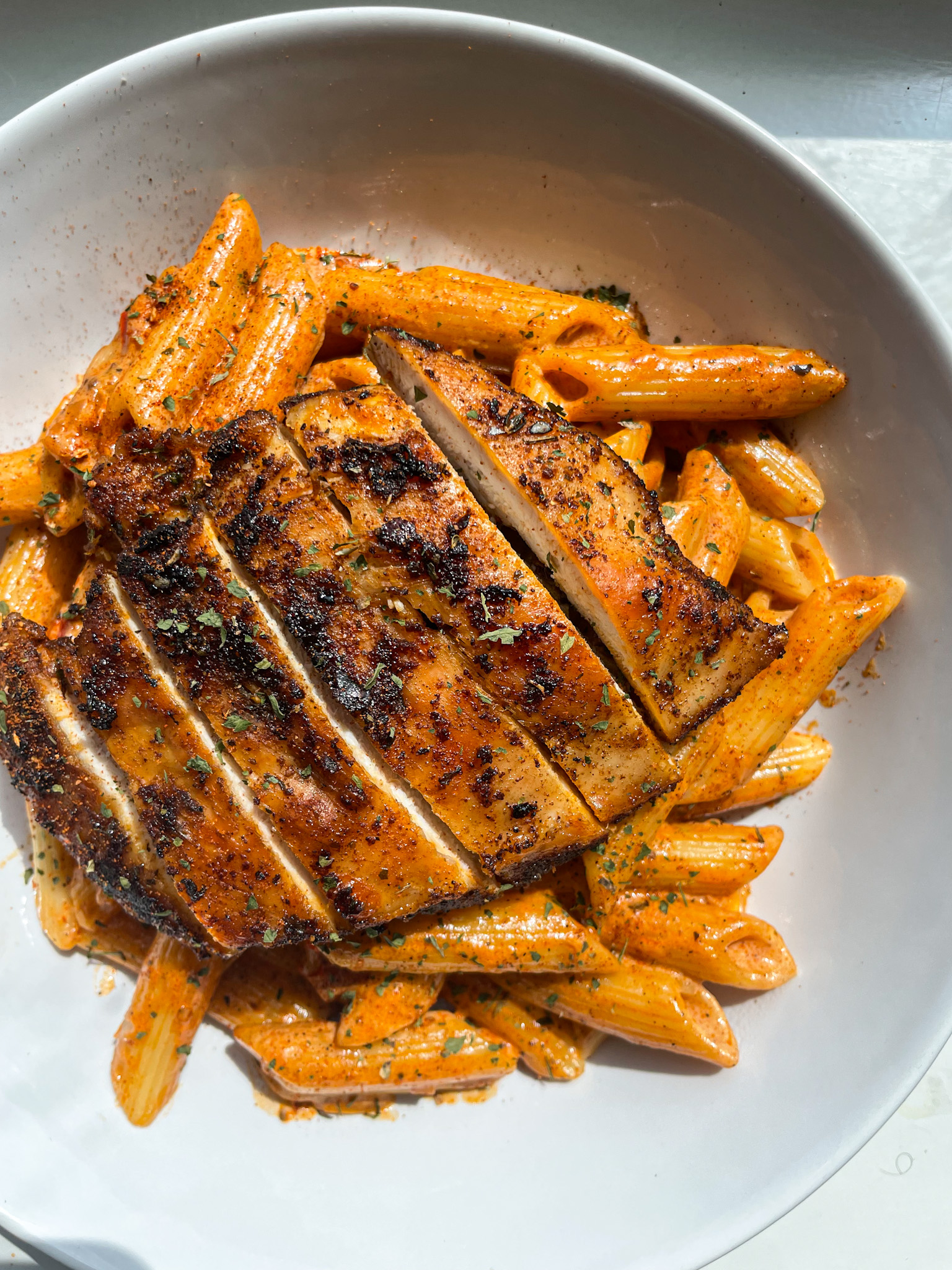
Follow these detailed steps to create flawless Cajun chicken pasta with tender chicken, perfectly cooked pasta, and a sauce that’s creamy, spicy, and absolutely delicious. Attention to each stage ensures restaurant-quality results.
Cooking the Pasta Properly
Begin by bringing a large pot of water to a rolling boil over high heat. Add generous salt—the water should taste like the ocean. This seasons the pasta from within, ensuring your Cajun chicken pasta has flavor in every component rather than just on the surface. Add chicken bouillon to the pasta water for extra savory depth that complements the Cajun sauce.
Add your chosen pasta and stir immediately to prevent sticking, especially in the first minute when starches are released. Set a timer according to package directions but test for doneness one minute before the recommended time. You want al dente pasta—tender on the outside with slight firmness in the center that you can feel when you bite into it.
Before draining, reserve one full cup of pasta cooking water. This starchy liquid is gold for adjusting sauce consistency later. The dissolved starches act as natural emulsifiers, helping create silky sauce that clings to every strand or piece of pasta. Drain the pasta but do not rinse it—the surface starch helps sauce adhere better.
Preparing and Cooking the Chicken
While the pasta cooks, prepare your chicken for maximum flavor and tenderness. If using chicken breasts, pound them to even thickness using a meat mallet or the bottom of a heavy saucepan. This ensures uniform cooking with no thick parts remaining undercooked while thin parts dry out. Aim for about half-inch to three-quarter-inch thickness throughout.
Season both sides of the chicken generously with your Cajun seasoning blend, onion powder, garlic powder, paprika, dried parsley, salt, and black pepper. Press the seasonings into the meat so they adhere well. Let seasoned chicken rest for five to ten minutes, allowing spices to begin penetrating the meat for deeper flavor throughout.
Heat olive oil in a large skillet over medium-high heat until shimmering but not smoking. Add chicken pieces without crowding—work in batches if necessary to avoid lowering pan temperature, which causes steaming instead of searing. Cook undisturbed for five to six minutes until golden brown crust forms on the bottom, then flip and cook another five to six minutes until cooked through.
Check doneness by inserting an instant-read thermometer into the thickest part—it should read one hundred sixty-five degrees Fahrenheit. Alternatively, cut into the thickest part to ensure no pink remains and juices run clear. Transfer cooked chicken to a cutting board, tent loosely with foil, and let rest for five minutes before slicing into strips. Resting allows juices to redistribute throughout the meat for maximum tenderness.
Creating the Creamy Cajun Sauce
Using the same skillet where you cooked the chicken (don’t clean it—those browned bits are flavor), reduce heat to medium and add butter. Once melted and foaming, add diced onions and bell peppers. Sauté for three to four minutes until vegetables soften and onions become translucent. The residual chicken flavor in the pan enhances the vegetables.
Add minced garlic and cook for thirty seconds to one minute until fragrant but not browned—burnt garlic tastes bitter and will ruin your Cajun chicken pasta. Stir constantly during this step to prevent burning. Add tomato paste and cook for another minute, stirring to coat the vegetables. This deepens the tomato flavor and removes any raw taste.
Pour in heavy cream and add chicken bouillon, Cajun seasoning, and a portion of the grated Parmesan cheese. Stir well to combine all ingredients and dissolve the bouillon. Bring to a gentle simmer—not a rolling boil, which can cause cream to break and become grainy. Reduce heat to medium-low and let the sauce simmer for about ten minutes, stirring occasionally.
As the sauce simmers, it will thicken slightly and the flavors will meld together beautifully. If adding cream cheese for extra richness and to mellow heat, cut it into cubes and stir in during the last few minutes of simmering. The cream cheese will melt into the sauce, creating even more luxurious texture. Taste and adjust seasoning with additional Cajun spice, salt, or black pepper as needed.
Combining All Components
Add the drained pasta to the sauce along with the sliced chicken. Toss everything together gently but thoroughly, ensuring every piece of pasta and chicken gets coated in that gorgeous creamy Cajun sauce. If the sauce seems too thick and doesn’t coat everything smoothly, add reserved pasta water one tablespoon at a time until you achieve the perfect consistency.
The sauce should be creamy enough to coat pasta generously without being soupy or watery. It should cling to the pasta rather than pooling at the bottom of the pan. Remember that the pasta will continue absorbing sauce as it sits, so aim for slightly looser consistency than your final desired result.
Fold in the remaining Parmesan cheese, letting it melt into the sauce from the residual heat. This final cheese addition boosts savory flavor and adds extra richness. Toss one more time to distribute everything evenly throughout your Cajun chicken pasta.
Final Touches and Serving
Transfer your completed Cajun chicken pasta to a large serving platter or individual plates while still hot. Garnish generously with freshly grated Parmesan cheese and chopped fresh parsley, which adds bright color and fresh herbal notes that cut through the richness. The visual contrast of green parsley against the creamy, orange-tinted sauce makes the dish more appealing.
For extra brightness and complexity, squeeze fresh lemon juice over the top just before serving. The acidity balances the rich cream and brings all the flavors into focus. A light sprinkle of extra Cajun seasoning or red pepper flakes adds visual interest and signals the dish’s spicy nature to diners.
Serve immediately while the sauce is at its creamiest and the pasta is hot. Cajun chicken pasta is best enjoyed fresh, though leftovers reheat reasonably well. Provide extra Parmesan cheese at the table for those who want more, and consider offering hot sauce for heat lovers who want to intensify the spice level.
Professional Tips for Elevating Cajun Chicken Pasta
These expert techniques transform good Cajun chicken pasta into exceptional restaurant-quality dishes that impress family and guests alike. Professional chefs use these methods to achieve superior flavor, texture, and presentation.
Perfect Chicken Searing Technique
Achieving beautiful golden-brown crust on your chicken is crucial for maximum flavor in Cajun chicken pasta. The browned bits that form on the chicken surface and stick to the pan are packed with concentrated flavor that becomes the foundation of your sauce. This process, called the Maillard reaction, creates hundreds of new flavor compounds.
Ensure your pan is properly preheated before adding chicken—test by flicking a drop of water onto the surface, which should sizzle and evaporate immediately. Don’t move the chicken once placed in the pan; let it cook undisturbed for the full time to develop that crust. Resist the urge to peek or adjust—patience creates the best results.
After cooking chicken, deglaze the pan with a splash of chicken broth or white wine before making your sauce, scraping up all those flavorful browned bits stuck to the bottom. These fond particles dissolve into your liquid, enriching your Cajun chicken pasta sauce with deep, savory notes that add professional-level complexity.
Sauce Consistency Mastery
Achieving perfect sauce consistency separates amateur from professional Cajun chicken pasta. The sauce should be thick enough to coat pasta evenly without being gloppy or heavy, but fluid enough to move freely when you stir. Think of it as somewhere between heavy cream and Alfredo sauce consistency.
If your sauce becomes too thick, thin it gradually with reserved pasta water rather than plain water or additional cream. The starchy pasta water helps maintain silky texture while adjusting consistency. Add just one or two tablespoons at a time, stirring well and assessing before adding more.
If your sauce is too thin, let it simmer uncovered a bit longer to reduce and concentrate. Alternatively, mix one tablespoon of cornstarch with two tablespoons of cold water to make a slurry, then whisk it into the simmering sauce. This quickly thickens without changing flavor, though it’s better to achieve thickness through reduction when time allows.
Flavor Layering Strategy
Building complex flavor in Cajun chicken pasta requires layering seasonings at different stages rather than adding everything at once. Season the chicken before cooking, add more Cajun spice to the vegetables as they sauté, then incorporate additional seasoning into the cream sauce. This creates depth and ensures flavor throughout every component.
Taste your sauce before combining with pasta and chicken, adjusting seasoning at this stage. Remember that Parmesan cheese adds saltiness, so go easy on salt until you’ve added the cheese and can taste the complete sauce. Final seasoning adjustments after combining everything ensure perfect balance.
Don’t forget acid as a finishing touch—a squeeze of lemon juice or splash of white wine vinegar brightens all the flavors and cuts through richness. This final acid addition makes everything taste more vibrant and balanced, preventing the dish from feeling heavy or one-dimensional.
Temperature Management
Maintaining proper cooking temperatures at each stage ensures success with Cajun chicken pasta. High heat sears the chicken and creates flavorful browning, while medium heat sautés vegetables without burning. Low to medium-low heat simmers the cream sauce gently, preventing breaking or graininess.
Never let cream-based sauces boil vigorously, as the high temperature can cause proteins to separate and fat to break out of emulsion, creating grainy, separated sauce instead of smooth creaminess. Keep it at a gentle simmer where small bubbles occasionally break the surface but no vigorous bubbling occurs.
When combining hot pasta with sauce, work quickly while everything is still hot. The residual heat helps cheese melt smoothly and allows flavors to meld together. If components cool too much before combining, they won’t integrate as seamlessly and the final result will be less cohesive.
Common Mistakes to Avoid with Cajun Chicken Pasta
Understanding frequent errors helps you sidestep pitfalls and achieve perfect Cajun chicken pasta on your first attempt. Learning from others’ mistakes is always easier than learning from your own.
Overcooking the Chicken
Dry, tough chicken ruins otherwise excellent Cajun chicken pasta. Overcooking happens easily with lean chicken breasts, which have little fat to keep them moist. Using an instant-read thermometer ensures you remove chicken from heat at exactly one hundred sixty-five degrees Fahrenheit—the perfect doneness point.
Slicing chicken before it rests causes all the juices to run out onto the cutting board instead of staying in the meat. Always let cooked chicken rest for at least five minutes before slicing. This allows muscle fibers to relax and reabsorb juices, resulting in much more tender, flavorful chicken in your Cajun chicken pasta.
Pounding chicken to even thickness before cooking prevents some areas from overcooking while others remain undercooked. Uniform thickness ensures even cooking throughout, eliminating the problem of dried-out thin sections and undercooked thick portions.
Pasta Cooking Errors
Mushy, overcooked pasta absorbs too much sauce and becomes heavy and gummy in your Cajun chicken pasta. Always cook to al dente texture, testing one minute before package directions suggest. Remember that pasta continues cooking slightly from residual heat after draining and when combined with hot sauce.
Using too little water or failing to salt it properly produces bland pasta that doesn’t contribute to overall dish flavor. Use at least four quarts of water per pound of pasta and add enough salt that the water tastes noticeably salty. Properly salted pasta needs less sauce because it’s flavorful on its own.
Rinsing pasta after cooking washes away the surface starch that helps sauce cling to each piece. Never rinse pasta for this Cajun chicken pasta—you want that starchy coating to help create cohesive sauce that doesn’t slide off. The only exception is when making cold pasta salad, which doesn’t apply here.
Sauce Breaking or Separating
Cream sauces can break or separate if handled improperly, resulting in grainy, curdled texture instead of smooth creaminess. This happens most often from excessive heat—always simmer cream sauces gently rather than boiling them vigorously. If your sauce breaks, remove from heat immediately and whisk in a tablespoon of cold cream to help re-emulsify.
Adding cold cream to a very hot pan can also cause breaking. Let your pan cool slightly after sautéing aromatics before adding cream, or warm the cream in the microwave for thirty seconds first. Temperature shock is less likely to cause problems when ingredients are closer in temperature.
Too much acid added too quickly can curdle cream-based sauces. If adding lemon juice or wine, do so gradually and off heat, stirring constantly. A little acid brightens flavor wonderfully, but too much at once causes chemical changes that ruin texture.
Underseasoning
One of the most common mistakes with Cajun chicken pasta is not using enough seasoning, resulting in bland, disappointing food despite the presence of Cajun spices. Remember that cream has a muting effect on strong flavors, so you need more seasoning than you might initially think to achieve proper flavor intensity.
Taste your sauce before combining with pasta and adjust aggressively. It should taste slightly over-seasoned on its own because the bland pasta will dilute it when mixed together. Don’t be afraid to add more Cajun seasoning, salt, or Parmesan until the flavor really pops.
Keep in mind that freshly ground black pepper tastes much more vibrant than pre-ground, and fresh garlic delivers exponentially more flavor than jarred minced garlic. Using fresh, quality ingredients and sufficient quantities ensures your Cajun chicken pasta tastes as bold and exciting as it should.
Delicious Variations of Cajun Chicken Pasta
Once you’ve mastered the basic recipe, explore these creative variations that add new dimensions while maintaining the essential character that makes Cajun chicken pasta so appealing.
Seafood Adaptations
Transform this dish into Cajun shrimp pasta by replacing chicken with large shrimp. Season shrimp with Cajun spices and sauté just until pink and opaque, about two to three minutes per side. Shrimp cooks much faster than chicken, so watch carefully to avoid rubbery texture from overcooking.
For an upscale variation, try Cajun chicken pasta with both chicken and shrimp, or substitute scallops for an elegant twist. Crawfish tails make authentic Louisiana-style pasta when you can find them fresh or frozen. Any seafood works beautifully with Cajun flavors and creamy sauce.
Blackened fish, particularly mahi-mahi, tilapia, or catfish, creates a different but equally delicious version. Cook fish separately, flake it into large pieces, and fold gently into the finished sauce to prevent breaking up. The firm texture of these fish varieties holds up well in saucy pasta dishes.
Vegetable-Forward Options
Boost nutrition and add color by incorporating additional vegetables into your Cajun chicken pasta. Sliced mushrooms sautéed with the onions and peppers add meaty texture and earthy flavor. Zucchini or yellow squash contribute mild flavor and attractive appearance when cut into half-moons and added during the last few minutes of sauce simmering.
Fresh spinach wilted into the sauce at the end adds vibrant green color and nutritional value without changing the fundamental character of the dish. Cherry tomatoes halved and stirred in just before serving provide bursts of fresh acidity and beautiful color contrast. Corn kernels add sweetness that balances spicy heat beautifully.
For a completely vegetarian Cajun pasta, omit the chicken and double the vegetables. Use vegetable broth instead of chicken bouillon, and consider adding white beans or chickpeas for protein and substance. The Cajun cream sauce is so flavorful that you won’t miss the meat.
Different Protein Options
Andouille sausage creates authentic Louisiana flavor in this pasta variation. Slice the sausage into rounds or half-moons and brown it in the skillet before making the sauce. The smoky, spicy sausage renders flavorful fat that enriches the entire dish. You can use sausage alone or combine it with chicken for hearty, satisfying results.
Turkey or pork tenderloin work as chicken substitutes, prepared using the same seasoning and cooking methods. Both take on Cajun flavors beautifully and provide lean protein. Pork stays particularly juicy and offers subtle sweetness that pairs well with spicy cream sauce.
For a quicker version, use rotisserie chicken from the grocery store. Shred or cube the meat and add it directly to the finished sauce just to warm through. This shortcut saves significant time while still delivering satisfying Cajun chicken pasta, perfect for truly busy weeknights.
Lighter Alternatives
Create lighter Cajun chicken pasta by replacing some or all of the heavy cream with Greek yogurt stirred in at the end of cooking, off heat. The yogurt provides creamy tanginess with added protein and less fat. Mix half cream and half yogurt for balance between richness and lightness.
Cauliflower cream makes an excellent lower-calorie, lower-fat base for the sauce. Steam cauliflower until very soft, then blend until completely smooth with a bit of chicken broth. Use this purée in place of some of the cream for a sauce that’s still creamy but significantly lighter.
Substitute whole wheat pasta, chickpea pasta, or lentil pasta for traditional white pasta to increase fiber and protein content. These alternatives have slightly different textures but work well with bold Cajun flavors. Zucchini noodles or spaghetti squash create low-carb versions that are still satisfying when paired with the rich sauce and seasoned chicken.
Storage and Reheating for Best Results
Proper storage techniques ensure your Cajun chicken pasta tastes delicious as leftovers. Follow these guidelines to maintain optimal texture and flavor when enjoying this dish a second time.
Storing Cooked Cajun Chicken Pasta
Allow leftovers to cool to room temperature before refrigerating, but don’t leave them out longer than two hours to prevent bacterial growth. Transfer cooled pasta to airtight containers, pressing plastic wrap directly onto the surface before sealing to minimize air exposure and prevent the top from drying out.
Store Cajun chicken pasta in the refrigerator for up to three to four days maximum. The cream-based sauce makes this dish more perishable than tomato-based pastas, so consume it relatively quickly for best quality and food safety. Label containers with the date so you remember when you made it.
The sauce will thicken considerably as the pasta absorbs liquid during storage, so leftover Cajun chicken pasta will appear much drier and thicker than when freshly made. This is completely normal and easily corrected when reheating by adding liquid to restore creamy consistency.
Freezing Guidelines
While Cajun chicken pasta can be frozen, cream-based sauces sometimes separate or become grainy upon thawing, so results may not be quite as good as fresh. If you plan to freeze it, slightly undercook the pasta by one minute and use slightly less cream to account for texture changes during freezing and reheating.
Cool completely before freezing, then transfer to freezer-safe containers leaving half an inch of headspace for expansion. Alternatively, use heavy-duty freezer bags, pressing out as much air as possible before sealing. Label with contents and date—frozen Cajun chicken pasta keeps for up to two months.
Thaw frozen pasta overnight in the refrigerator rather than at room temperature for food safety. Never refreeze previously frozen and thawed pasta, as this significantly degrades quality and increases food safety risks.
Reheating Methods
The stovetop method produces the best results when reheating Cajun chicken pasta. Place it in a skillet over medium-low heat and add several tablespoons of chicken broth, cream, or milk to restore moisture. Stir frequently as it heats, adding more liquid gradually until you achieve the desired creamy consistency.
Microwave reheating works when you’re short on time. Place pasta in a microwave-safe bowl, add a few tablespoons of liquid, and cover with a damp paper towel to create steam that prevents drying. Heat in thirty-second intervals, stirring between each, until heated through. The microwave can create hot spots, so stir thoroughly to distribute heat evenly.
Oven reheating works well for larger quantities. Transfer pasta to an oven-safe dish, add liquid to loosen the sauce, cover tightly with foil, and heat at three hundred fifty degrees Fahrenheit for twenty to twenty-five minutes until warmed through. Stir halfway through heating for even temperature distribution.
Refreshing Leftover Pasta
When reheating, treat your Cajun chicken pasta as if you’re making a fresh batch of sauce. Add a pat of butter for richness, stir in freshly minced garlic sautéed briefly in olive oil, or add a spoonful of cream cheese to restore luxurious texture. These additions refresh flavors that may have dulled during storage.
Squeeze fresh lemon juice over reheated pasta to brighten flavors and cut through richness. Top with freshly grated Parmesan cheese and chopped parsley to make leftovers feel like a new meal rather than simply reheated food. A pinch of fresh Cajun seasoning also revives the spicy notes that may have mellowed.
Frequently Asked Questions About Cajun Chicken Pasta
These commonly asked questions cover everything from ingredient substitutions to troubleshooting, helping you achieve perfect Cajun chicken pasta every time.
Can I make Cajun chicken pasta ahead of time?
You can prepare components of Cajun chicken pasta in advance to save time. Cook and season the chicken up to two days ahead, storing it refrigerated in an airtight container. Chop vegetables and store them separately. When ready to serve, reheat the chicken gently while making fresh sauce, then combine everything together.
For best results, don’t combine pasta with sauce until just before serving. The pasta continues absorbing sauce as it sits, making the dish dry and requiring excessive liquid addition when reheating. Keep components separate and assemble at serving time for optimal texture and flavor.
What can I substitute for heavy cream?
Several alternatives work in Cajun chicken pasta depending on your dietary needs and preferences. Half-and-half creates a lighter sauce, though it will be thinner and less rich. Evaporated milk provides creaminess with less fat and works surprisingly well. For dairy-free options, try full-fat coconut milk or cashew cream blended from soaked cashews.