Some recipes stay with you not because they were fancy, but because of where you first tasted them. Turkish Cheese Börek is one of those unforgettable dishes that captures the essence of Istanbul’s vibrant food culture. This traditional Turkish Cheese Börek combines crispy golden layers with a rich, creamy cheese filling that melts in your mouth. Whether you’re searching for an authentic Turkish Cheese Börek recipe or simply want to recreate the magic of Istanbul’s bakeries, this guide will walk you through every step of making perfect Turkish Cheese Börek at home.
I still remember the first time I had Turkish Cheese Börek in Istanbul. It wasn’t in a restaurant or a trendy café. It was early in the morning, somewhere near a small bakery, with the smell of fresh bread in the air and trays of golden pastries lined up behind the glass. Warm, flaky börek straight from the oven, served simply, no fuss, and somehow, it was unforgettable.
That moment stayed with me. The crisp top, the soft, cheesy inside, and the way it felt so comforting yet exciting at the same time. Ever since then, this dish has meant more to me than just a pastry. It’s a memory. This recipe is my way of bringing that feeling back into my kitchen, and I hope it does the same for yours.
Why This Recipe is Special
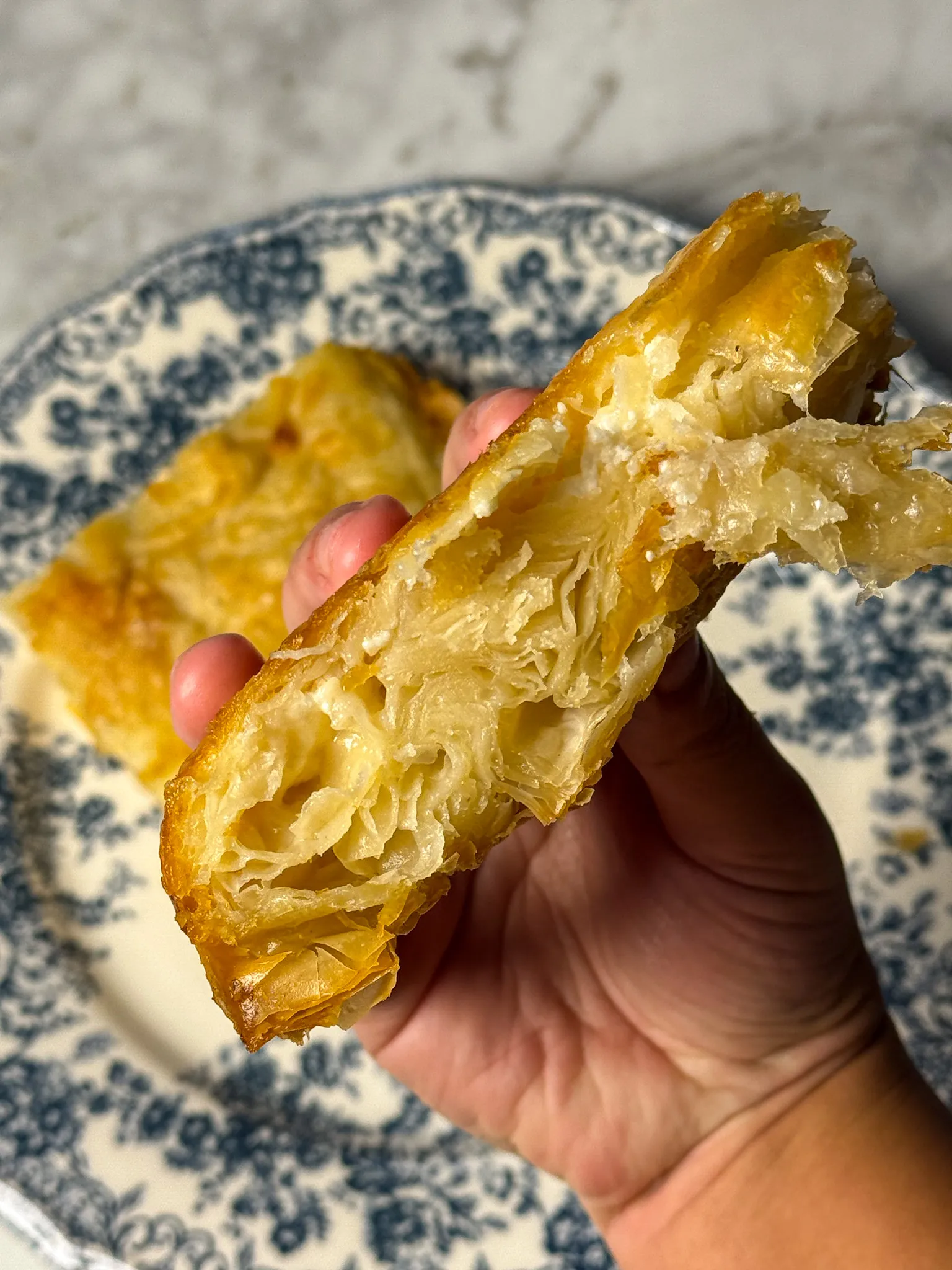
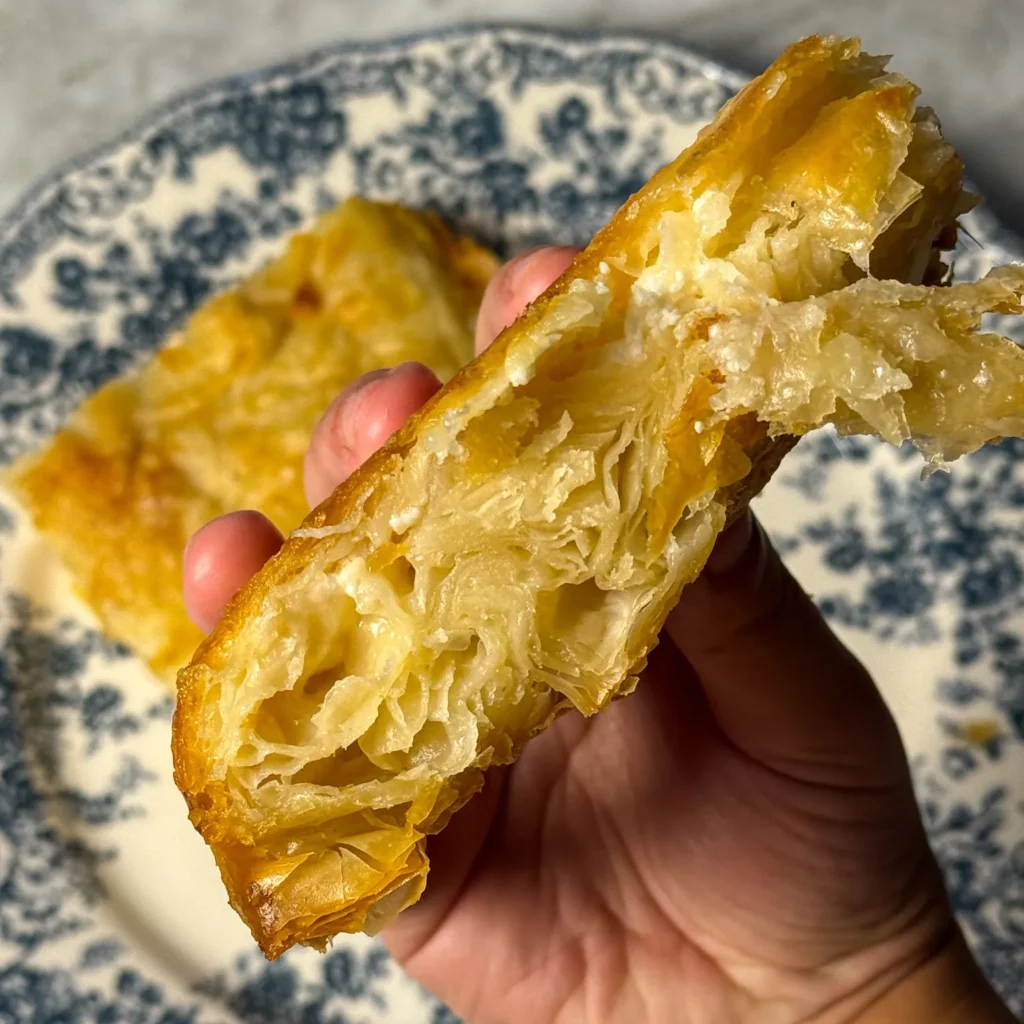
What makes Turkish Cheese Börek truly exceptional is the beautiful contrast it delivers. The outer layers turn crispy and golden during baking, while the interior remains soft and custardy. The salty cheese balances perfectly with the rich dough, creating a harmony of flavors that keeps you reaching for another piece.
This version stays true to the kind of pastry I loved in Istanbul. It’s comforting, generous, and meant to be shared. The recipe doesn’t require complicated folding techniques or perfection. Just layers, good ingredients, and time in the oven. That simplicity is what makes it so approachable for home cooks.
Key Ingredients Overview
The beauty of this Turkish Cheese Börek dish lies in its straightforward ingredient list. You’ll need either filo pastry or lavash bread for the layers, a creamy egg mixture to keep everything moist, and a simple cheese filling made with feta and mozzarella. Each component plays a crucial role in creating the signature texture and flavor that makes this pastry so beloved across Turkey and beyond.
Understanding Turkish Cheese Börek
Turkish Cheese Börek has been a staple of Turkish cuisine for centuries. The word börek refers to a family of baked filled pastries made of thin flaky dough. While variations exist throughout the Mediterranean and Middle East, the Turkish version holds a special place in the region’s culinary heritage.
The Cultural Significance
In Turkey, Turkish Cheese Börek appears at breakfast tables, afternoon tea gatherings, and special celebrations. It’s often eaten slowly, with tea, conversation, and no rush. The act of sharing this dish brings people together, making it more than just food. It represents hospitality, comfort, and tradition.
Street vendors in Istanbul prepare massive trays each morning, cutting generous squares for customers who stop by on their way to work. Home cooks prepare it for weekend brunches. Grandmothers pass down their techniques to younger generations. This continuity keeps the tradition alive and evolving.
Regional Variations
While this Turkish Cheese Börek recipe focuses on the classic cheese version, Turkish cooks prepare countless variations. Some regions prefer meat fillings, others incorporate spinach or potatoes. The dough can be thin and crispy or thicker and more bread-like. Coastal areas might add seafood, while inland regions stick to cheese and herbs.
The Istanbul style tends toward generous cheese fillings and crispy layers. This version of Turkish Cheese Börek captures that approach, emphasizing the contrast between the golden exterior and creamy interior that makes each bite so satisfying.
Choosing the Right Ingredients
Quality ingredients make a significant difference in the final result. While the recipe is forgiving and adaptable, starting with good components ensures success.
The Dough: Filo or Lavash
In Istanbul, Turkish Cheese Börek comes in many forms. Thin and flaky or soft and layered. That’s why this recipe works beautifully with either filo pastry for a lighter, crispier texture or lavash bread for a softer, more rustic feel.
Filo pastry creates those paper-thin, shatteringly crisp layers that many people associate with traditional börek. You can find it in the frozen section of most grocery stores. Thaw it completely before using, and work quickly to prevent drying. Each sheet is delicate, but layering multiple sheets creates strength and structure.
Lavash bread offers a different approach. This soft flatbread produces a more substantial, bread-like texture. It’s easier to work with than filo and doesn’t require as much care. The result is still delicious, just with a different character. Some people actually prefer this heartier version.
Cutting the dough into wide strips makes it easy to layer and gives that classic texture without stress. You don’t need to be precious about perfect rectangles. Rough strips work just fine.
The Creamy Egg Mixture
One of the things that makes Turkish Cheese Börek so irresistible is the way the layers stay soft inside. The egg, yogurt, and sparkling water mixture is the secret behind this magic.
Yogurt adds richness and a subtle tang that complements the cheese. Use full-fat yogurt for the best results. Low-fat versions work, but they won’t create quite the same creamy texture. Greek yogurt is too thick, so stick with regular plain yogurt.
Eggs bind everything together, creating structure as the pastry bakes. They also contribute to that custardy interior texture that makes each bite so satisfying. Room temperature eggs mix more easily into the yogurt base.
Sparkling water keeps everything light and airy. This might seem like an unusual ingredient, but it’s a traditional Turkish technique. The carbonation creates tiny air pockets that keep the layers from becoming dense or heavy. Regular water works in a pinch, but sparkling water produces superior results.
A Simple Cheese Filling Done Right
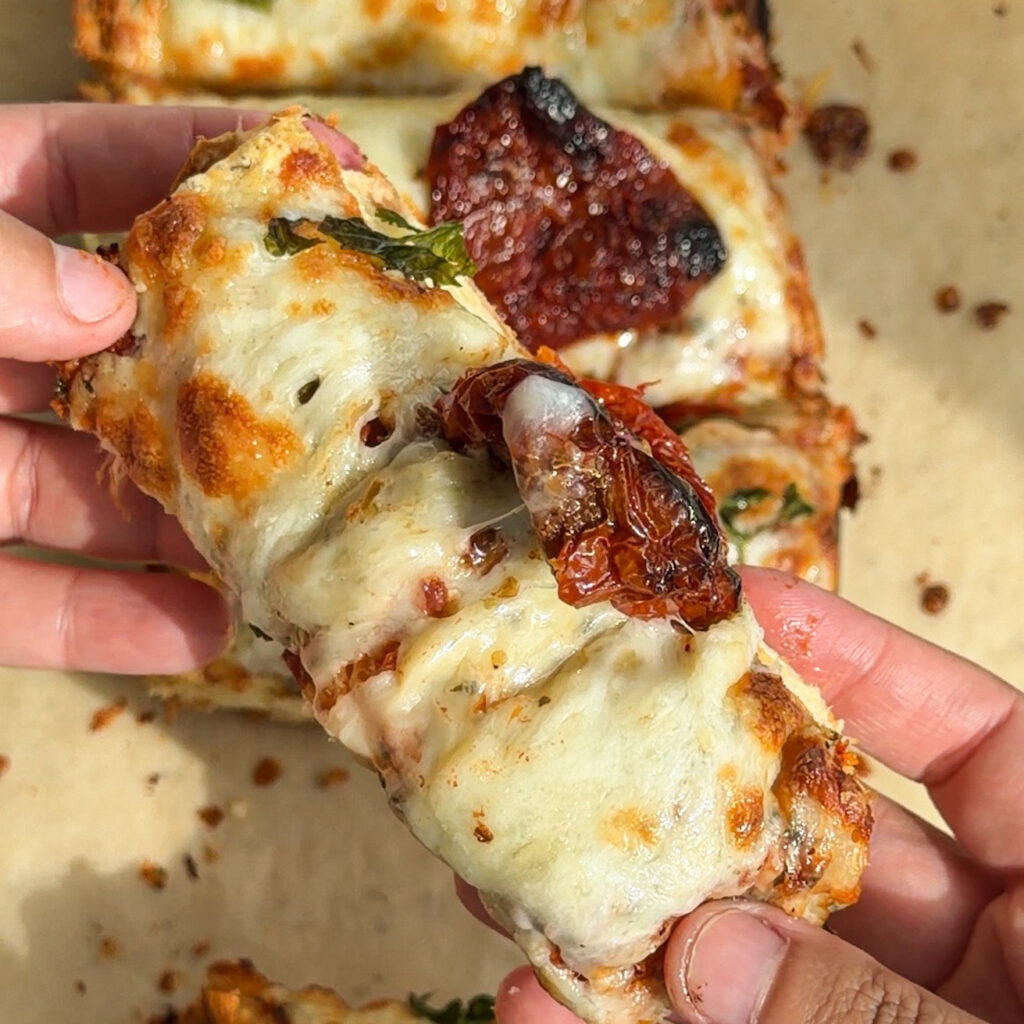
For the filling, I keep Turkish Cheese Börek classic with a combination of feta for saltiness and tang, and mozzarella for melt and stretch. Together, they create a filling that’s rich but balanced, never heavy, never overwhelming.
Feta cheese brings that characteristic salty, tangy flavor that defines Turkish Cheese Börek. Look for Greek or Bulgarian feta packed in brine. These varieties have the right texture and flavor profile. Pre-crumbled feta from packages tends to be drier and less flavorful.
Mozzarella provides the melt factor. As the Turkish Cheese Börek bakes, the mozzarella softens and stretches, creating those appealing cheese pulls when you cut into it. Fresh mozzarella works, but low-moisture mozzarella is easier to work with and less likely to make the pastry soggy.
Some cooks add a small amount of ricotta for extra creaminess. Others mix in fresh herbs like parsley or dill. Feel free to customize based on your preferences, but the feta-mozzarella combination is the foundation.
Step-by-Step Instructions
Making Turkish Cheese Börek at home is more straightforward than you might think. The process involves preparing your ingredients, layering the dough with cheese, adding the egg mixture, and baking until golden.
Preparation
Start by preparing your baking pan. Grease it generously with butter or oil. Don’t be shy with the fat. A well-greased pan prevents sticking and helps create those crispy bottom layers. Use a 9×13 inch baking dish for traditional rectangular pieces.
If using filo pastry, remove it from the freezer and let it thaw completely in the refrigerator overnight. Once thawed, bring it to room temperature for about an hour before working with it. Keep the sheets covered with a damp towel as you work to prevent drying.
For lavash bread, you can use it straight from the package. Cut the bread into strips about three to four inches wide. The exact size doesn’t matter much. You want pieces that will layer nicely in your pan.
Prepare your cheese filling by crumbling the feta into a bowl and adding shredded mozzarella. Mix them together with your hands or a fork. If you’re adding herbs, mix them in now.
Building the Layers
This is where the magic happens. Start by placing a layer of dough strips in the bottom of your greased pan. If using filo, you’ll need several sheets to create a substantial base. If using lavash, one or two pieces should cover the bottom.
Brush this base layer with melted butter. This adds flavor and helps create crispy layers. Be generous but not excessive. You want the dough coated, not swimming in butter.
Add a portion of your cheese mixture, spreading it evenly across the dough. Don’t use all the cheese at once. You’re building multiple layers, so distribute it accordingly.
Continue layering: dough, butter, cheese, dough, butter, cheese. How many layers you create depends on your pan size and how much dough you have. Aim for at least three to four cheese layers. The final top layer should be dough, brushed generously with butter.
Adding the Egg Mixture
In a large bowl, whisk together eggs, yogurt, and sparkling water until smooth. The mixture should be pourable but not too thin. Think of a consistency between heavy cream and pancake batter.
Pour this mixture evenly over the layered dough, focusing on the edges and corners. The liquid will soak down through the layers as the pastry sits. Some people let it rest for fifteen to twenty minutes before baking to ensure even absorption. Others put it straight into the oven. Both approaches work.
The egg mixture is what creates that custardy interior while the top and bottom layers crisp up. It’s a crucial component that differentiates this from other layered pastries.
The Baking Process
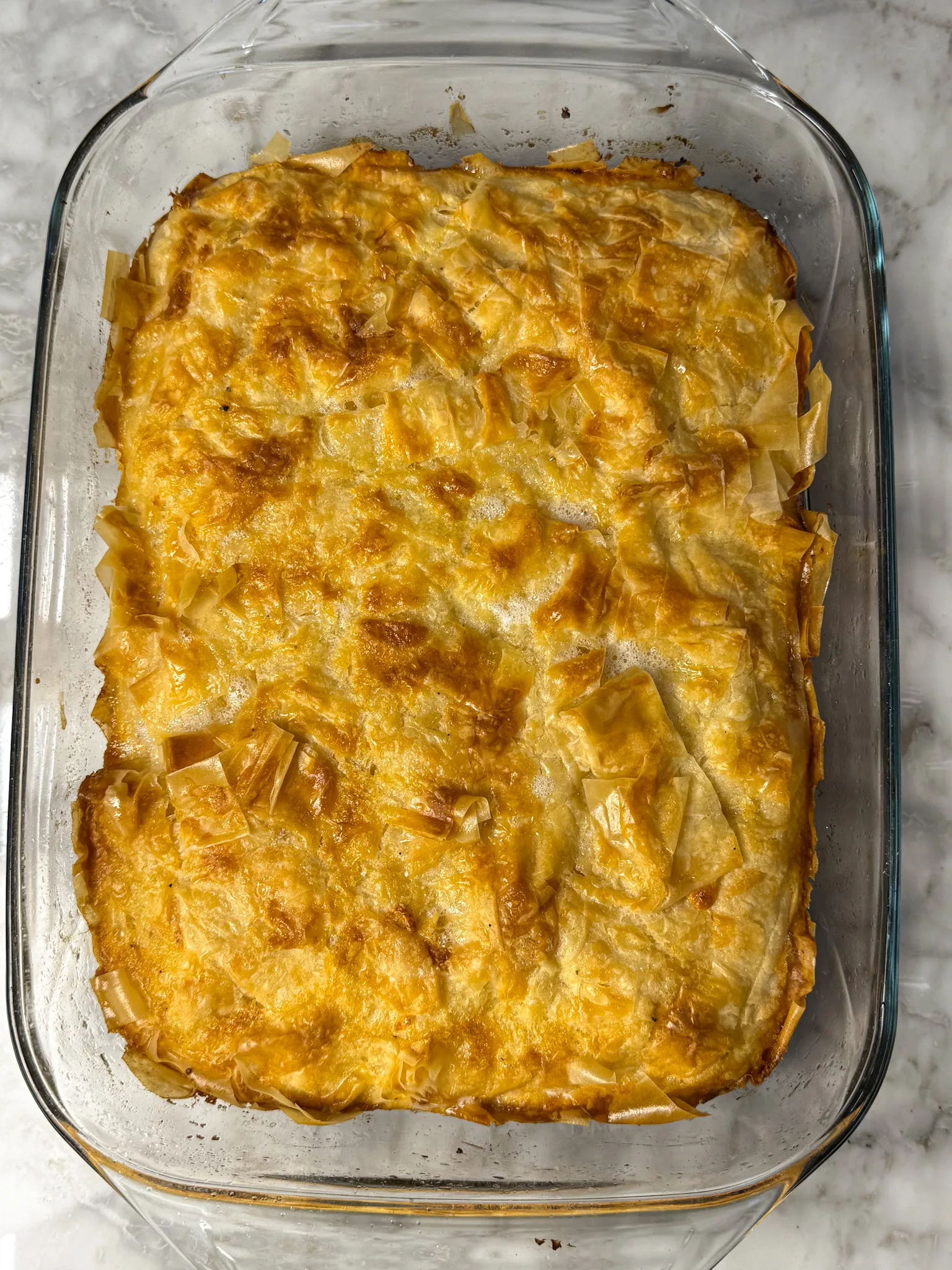
Preheat your oven to 350 degrees Fahrenheit. Place the pan in the center rack for even heat distribution. Bake until the top turns deeply golden brown. This usually takes forty-five to fifty-five minutes, depending on your oven and the thickness of your layers.
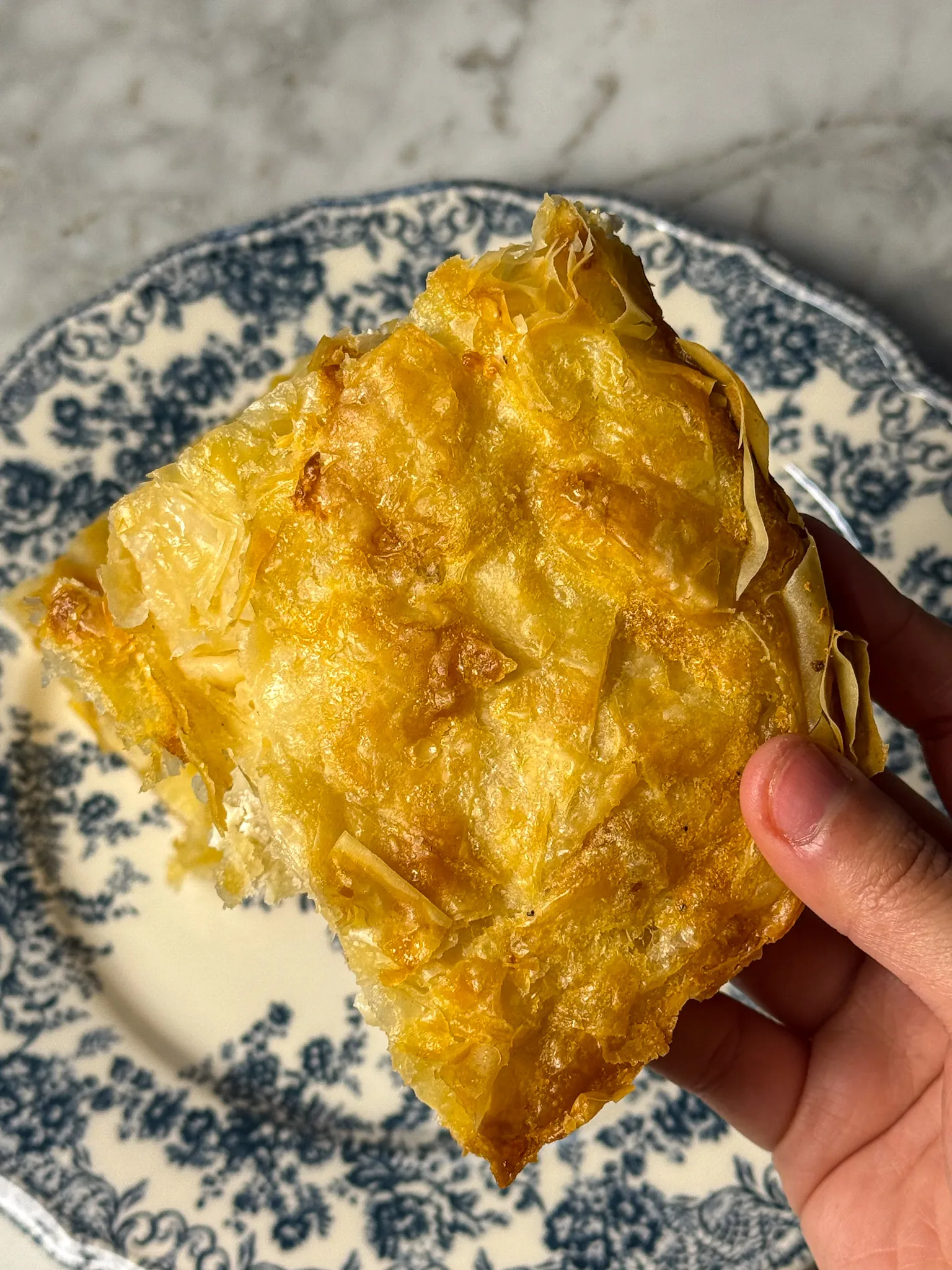
Don’t pull it out too early. Pale börek lacks the flavor and texture of properly baked versions. You want that rich golden color across the entire top surface. The edges should be crispy and slightly darker.
If your top browns too quickly while the inside remains undercooked, cover loosely with aluminum foil and continue baking. An instant-read thermometer inserted into the center should read at least 160 degrees Fahrenheit when done.
Some cooks flip the pastry briefly at the end for extra crispy bottom layers. To do this, place a large cutting board or baking sheet over the pan, flip everything over, then slide the pastry back into the pan upside down. Return to the oven for five to ten minutes. This step is optional but creates an exceptionally crispy result in Turkish Cheese Börek.
Professional Tips for Perfect Turkish Cheese Börek
After making this pastry countless times, I’ve learned some tricks that consistently improve the results.
Temperature and Timing
Let the finished dish rest for at least ten minutes after removing from the oven. This allows the layers to set and makes cutting much easier. If you slice it immediately, the cheese will be molten and everything will fall apart.
Serve it warm rather than hot. The flavors develop more fully at warm temperatures, and the texture is at its peak. You can taste the individual components more clearly, and the cheese has that perfect stretchy consistency without being liquid.
Room temperature ingredients mix more easily and bake more evenly. Take your eggs and yogurt out of the refrigerator thirty minutes before starting.
Texture Techniques
For the crispiest possible layers, brush each dough layer with butter rather than just the top and bottom. This takes more time but creates incredible texture throughout.
If you prefer a softer, more bread-like result, use less butter and more egg mixture. The ratio of liquid to fat determines whether you get crispy or soft layers.
Pricking the top layer with a fork before baking allows steam to escape and prevents bubbling. Some cooks skip this step because they like the rustic appearance of bubbled tops. Either approach works.
Flavor Enhancements
While the classic cheese version of Turkish Cheese Börek is wonderful, small additions can personalize the recipe. A handful of chopped fresh parsley or dill in the cheese mixture adds freshness. A pinch of nigella seeds or sesame seeds sprinkled on top before baking adds visual appeal and subtle flavor.
Some people brush the top with an egg wash instead of butter for extra shine. Others add a few tablespoons of milk to the egg mixture for a creamier result.
Black pepper mixed into the cheese filling adds gentle heat. Red pepper flakes create more pronounced spiciness. Adjust based on your preferences.
Common Mistakes to Avoid
Even simple recipes can go wrong without attention to key details. Here are the most common issues and how to prevent them.
Soggy Börek
The most frequent complaint is soggy layers instead of crispy ones. This happens when you use too much liquid, don’t bake long enough, or don’t grease the pan adequately.
Make sure your oven is fully preheated before the pan goes in. A hot oven creates immediate crisping on the bottom layer. If you put it in a cold oven, the dough absorbs liquid before it has a chance to crisp.
Don’t skip the butter between layers. Fat is what creates crispiness. If you’re trying to reduce fat, this might not be the best recipe for you. The butter is essential to the technique.
Ensure your oven temperature is accurate. Many ovens run hot or cold. An oven thermometer costs a few dollars and prevents countless baking disasters.
Dry or Tough Texture
On the opposite end, some people end up with dry, tough results. This usually happens when there isn’t enough egg mixture or when the pastry bakes too long at too high a temperature.
Make sure the egg mixture fully covers the layers. You should see it pooling slightly around the edges before baking. If it all absorbs immediately, you probably need more liquid.
Cover with foil if the top browns too quickly. This allows the interior to cook through without the exterior burning. Remove the foil for the last ten minutes to ensure a crisp top.
Cheese Leakage
Sometimes the cheese mixture leaks out during baking, creating a mess and leaving the interior sparse. This happens when there’s too much cheese relative to the dough or when the layers aren’t sealed properly.
Don’t overfill each layer. A thin, even distribution works better than thick pockets of cheese. The cheese should enhance every bite rather than dominating.
Make sure your bottom layer is solid with no tears or gaps. If using filo, patch any holes with extra pieces before adding the cheese.
Uneven Cooking
If the center remains undercooked while the edges burn, your oven temperature is too high or your pan is too small. Lower the temperature by twenty-five degrees and use a larger pan for thinner layers that cook more evenly.
Rotate the pan halfway through baking to account for hot spots in your oven. Most ovens have uneven heat distribution, and rotation ensures even browning.
Variations to Try
Once you master the basic version of Turkish Cheese Börek, experimenting with variations keeps things interesting.
Protein Additions
While the cheese version is traditional, adding protein creates a more substantial meal. Cooked ground lamb or beef mixed with onions and spices makes a hearty filling. Brown the meat completely, drain excess fat, and let it cool before layering.
Shredded rotisserie chicken combined with the cheese creates a lighter protein option. Add some sautéed mushrooms for earthiness.
Crumbled cooked sausage brings bold flavor. Choose a variety with seasonings you enjoy, keeping in mind it will flavor the entire dish.
Vegetable Options
Sautéed spinach is a classic börek filling. Squeeze out all excess moisture before mixing with the cheese, or you’ll end up with soggy layers. Season the spinach with garlic, salt, and a pinch of nutmeg.
Caramelized onions add sweetness and depth. Cook them low and slow until deeply golden. Their natural sugars balance the salty cheese beautifully.
Roasted red peppers bring color and subtle sweetness. Chop them finely and pat dry before adding to the cheese mixture.
Sautéed leeks create an elegant variation. Their mild onion flavor pairs particularly well with feta.
Herb and Spice Combinations
Fresh herbs transform the basic recipe into something special. Dill is traditional in Turkish cooking and pairs wonderfully with feta. Parsley adds freshness without competing flavors. Mint brings an unexpected brightness.
Try mixing za’atar into the cheese filling for a Middle Eastern twist. Or add sumac for tartness. Aleppo pepper provides gentle heat with fruity undertones.
Combining fresh oregano and lemon zest with the cheese creates a Greek-inspired version. Add some sun-dried tomatoes for additional complexity.
Storage and Reheating
One of the best things about Turkish Cheese Börek is how well it keeps. You can make it ahead or save leftovers for easy meals throughout the week.
Storing Instructions
Let the Turkish Cheese Börek cool completely before storing. Wrap it tightly in plastic wrap or transfer to an airtight container. It will keep in the refrigerator for up to five days.
The texture changes slightly during storage. The crispy layers soften somewhat as they absorb moisture from the filling. This is normal and doesn’t mean the dish has gone bad. Many people actually prefer the texture after a day or two, finding it more cohesive.
For longer storage, freeze individual portions. Wrap each piece in plastic wrap, then place in a freezer bag. Frozen portions keep for up to three months. Label with the date so you remember when you made it.
Reheating Methods
The best way to reheat and restore crispiness is in the oven. Preheat to 350 degrees Fahrenheit, place the pieces on a baking sheet, and heat for fifteen to twenty minutes until warmed through and the edges crisp up again.
For faster reheating, use a toaster oven. The smaller space heats more quickly and creates excellent results for individual portions.
The microwave works in a pinch but produces soft, steamed-textured results rather than crispy ones. If you use the microwave, heat in thirty-second intervals to avoid overcooking. Place a cup of water in the microwave alongside the food to add moisture and prevent drying.
An air fryer is excellent for reheating if you have one. Set it to 325 degrees Fahrenheit and heat for five to eight minutes. The circulating hot air recreates that fresh-from-the-oven crispiness.
Frequently Asked Questions
Can I make Turkish Cheese Börek ahead of time?
Yes, absolutely. You can assemble the entire Turkish Cheese Börek recipe, cover it tightly, and refrigerate for up to twenty-four hours before baking. This actually allows the layers to absorb the egg mixture more thoroughly, creating an even creamier result. Add five to ten minutes to the baking time if starting from cold.
You can also freeze the assembled unbaked Turkish Cheese Börek. Wrap it extremely well in plastic wrap and aluminum foil. Freeze for up to two months. Bake directly from frozen, adding fifteen to twenty minutes to the cooking time.
What if I can’t find filo or lavash?
You can use puff pastry as a substitute. The result will be different, richer and more French in character than Turkish, but still delicious. Roll out the puff pastry slightly thinner than it comes from the package.
Some cooks make their own dough using a simple combination of flour, water, oil, and salt. This requires more time and skill but produces authentic results.
Flour tortillas are another option. They create a softer, more casual version that works well for weeknight meals.
How do I know when the Turkish Cheese Börek is fully cooked?
The top should be deeply golden brown, not pale yellow. The edges will be darker and crispy. An instant-read thermometer inserted into the center should read at least 160 degrees Fahrenheit.
If you gently shake the pan, the center should be set rather than jiggly. Some movement is fine, but it shouldn’t slosh like liquid.
When you cut into Turkish Cheese Börek after the resting period, you should see distinct layers with the egg mixture cooked throughout, not raw or runny.
Can I use different cheeses?
Definitely. While feta and mozzarella are traditional, many cheeses work well. Goat cheese creates a tangier version. Gruyere adds nutty depth. Kasseri, a Greek sheep’s milk cheese, is traditional in some regions.
Cottage cheese mixed with eggs makes a lighter filling. Ricotta creates creaminess. Some people mix in a small amount of Parmesan for sharpness.
Just make sure to include at least one cheese that melts well to achieve that signature creamy interior.
Is Turkish Cheese Börek healthy?
Turkish Cheese Börek is not a diet food, but it does provide protein from the eggs and cheese, and calcium from the dairy. The exact nutritional content depends on how much butter you use and what type of dough you choose.
You can make lighter versions by using less butter, choosing low-fat dairy, and adding vegetables to the filling. However, some richness is essential to the character of the dish.
Enjoy Turkish Cheese Börek as an occasional treat rather than everyday food. The cultural experience and the pleasure of sharing it with others have value beyond simple nutrition.
What should I serve with it?
In Turkey, this Turkish Cheese Börek pastry is often served with tea, sliced tomatoes, cucumbers, and olives. This combination balances the richness with fresh, crisp elements.
A simple green salad with lemon vinaigrette makes an excellent accompaniment. The acidity cuts through the cheese and butter.
Fresh fruit provides a light, sweet contrast. Watermelon is traditional in summer months. Grapes or figs work beautifully in fall.
For a heartier meal, serve with soup. A simple lentil or tomato soup pairs wonderfully.
Final Thoughts
Learning to make Turkish Cheese Börek at home connects you to a tradition that spans centuries and brings the flavors of Istanbul to your kitchen. This recipe delivers crispy golden layers, creamy cheese filling, and that unforgettable combination of textures that makes this pastry so beloved.
The beauty of Turkish Cheese Börek lies in its simplicity and adaptability. Whether you use filo or lavash, whether you add herbs or keep it classic, whether you serve it for breakfast or dinner, the result is always comforting and satisfying. It’s meant to be shared, enjoyed slowly, and appreciated for the way it brings people together.
Don’t be intimidated by the layers or the unfamiliar ingredients. Turkish Cheese Börek is a forgiving recipe that rewards even imperfect attempts with delicious results. Your first attempt might not look exactly like the ones in Istanbul’s bakeries, but it will taste wonderful and improve with practice.
Make this Turkish Cheese Börek pastry on a weekend morning when you have time to savor the process. Invite friends over and cut generous squares. Brew some strong tea. Sit around the table and enjoy the contrast of crispy and creamy, the salty cheese, the rich buttery flavor, and the satisfaction of creating something meaningful with your own hands.
That’s the real magic of Turkish Cheese Börek. Turkish Cheese Börek is not just about the food itself, but about the experience of making it, sharing it, and creating your own memories around this timeless dish. I hope this recipe helps you do exactly that.
Learn to make authentic Turkish Cheese Börek with crispy layers and creamy filling. This traditional Istanbul-style recipe brings comfort to your kitchen.
Whisk eggs, milk, sparkling water, and salt in a bowl.
Grease a baking dish very well with butter or oil.
Layer half of the dough in the dish.
Pour half of the egg mixture evenly over the dough.
Spread feta and mozzarella evenly on top.
Add the remaining dough.
Pour the rest of the egg mixture evenly over the top.
Bake at 180°C (350°F) for 35–40 minutes, until golden.
For extra crispiness, carefully flip the börek and bake a few more minutes.
Let rest slightly, slice, and serve warm.
If you've given this recipe a try and it won you over, please share your thoughts by leaving
a rating and comment below! If you have any questions about this recipe, don't hesitate to ask – I'm here to
help and will respond promptly.
Learn to make authentic Turkish Cheese Börek with crispy layers and creamy filling. This traditional Istanbul-style recipe brings comfort to your kitchen.
Prep Time
10 mins
Cook Time
10 mins
Marination Time
2 hrs
Total Time
2 hrs 20 mins
Course
Appetizer
Cuisine
American
Servings
6 PIECES
Ingredients
5 sheets filo pastry or lavash bread
2 eggs
1 cup milk
1 cup sparkling water
1 cup melted butter or oil
Pinch of salt
Pinch of black pepper
Feta cheese
Shredded mozzarella cheese
Instructions
Cut the filo or lavash into wide strips.
Whisk eggs, milk, sparkling water, and salt in a bowl.
Grease a baking dish very well with butter or oil.
Layer half of the dough in the dish.
Pour half of the egg mixture evenly over the dough.
Spread feta and mozzarella evenly on top.
Add the remaining dough.
Pour the rest of the egg mixture evenly over the top.
Bake at 180°C (350°F) for 35–40 minutes, until golden.
For extra crispiness, carefully flip the börek and bake a few more minutes.
Let rest slightly, slice, and serve warm.
Keywords: simple green salad, green salad, everyday salad