Discover the Secret to Bakery-Style Soft Rolls
Welcome to the world of Honey Butter Milk Bread, where impossibly soft texture meets rich, buttery flavor in perfect harmony. These extraordinary rolls achieve that elusive bakery-quality softness you thought was unattainable at home. Honey Butter Milk Bread uses the traditional Tangzhong method, a Japanese technique that creates pillowy-soft rolls that stay fresh for days without losing their incredible texture.
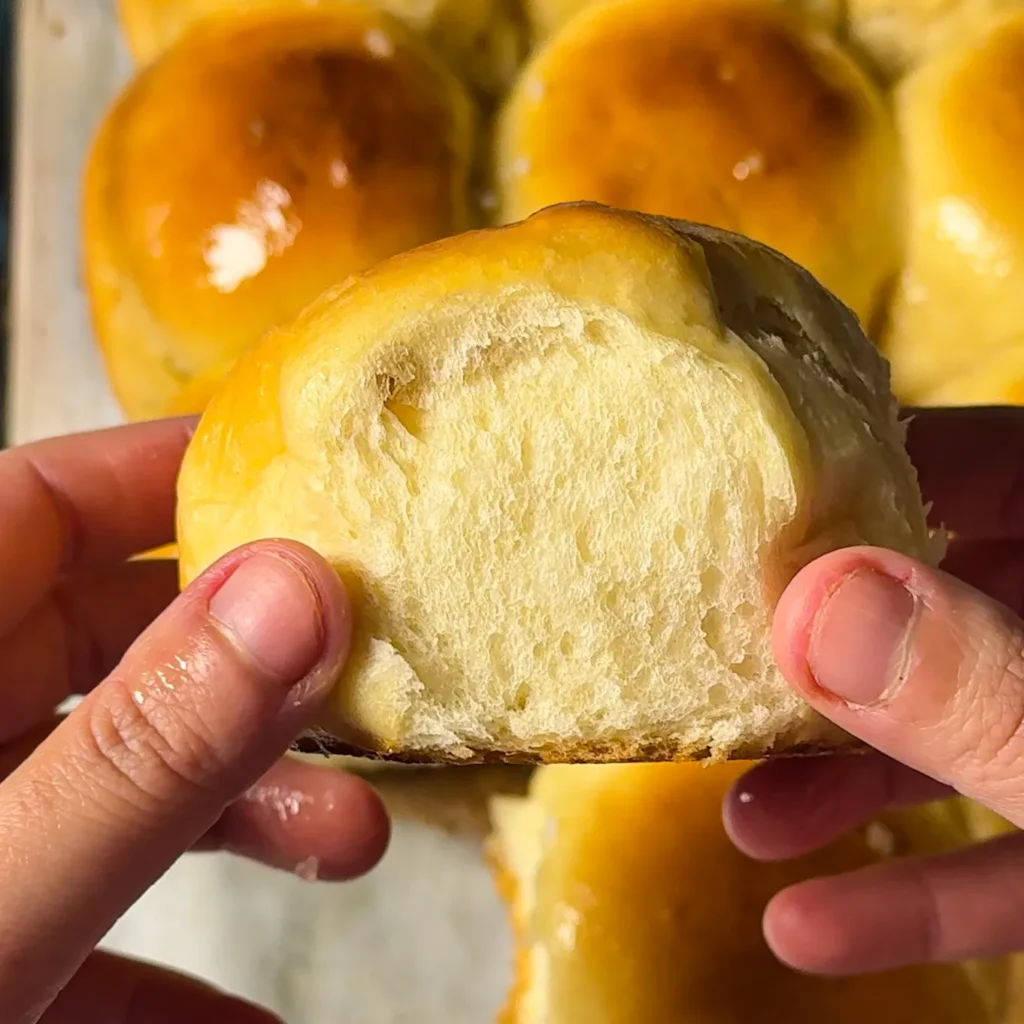
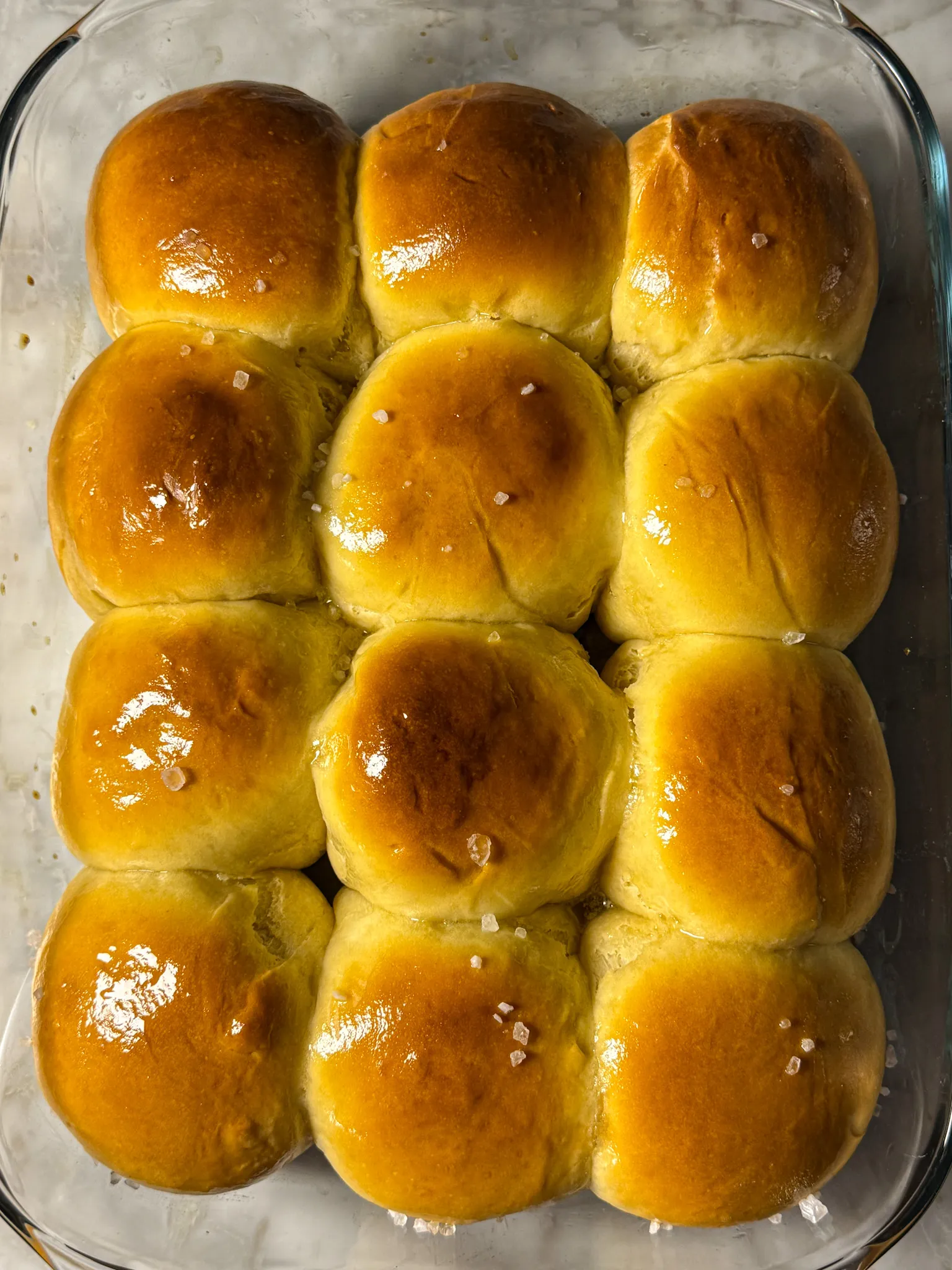
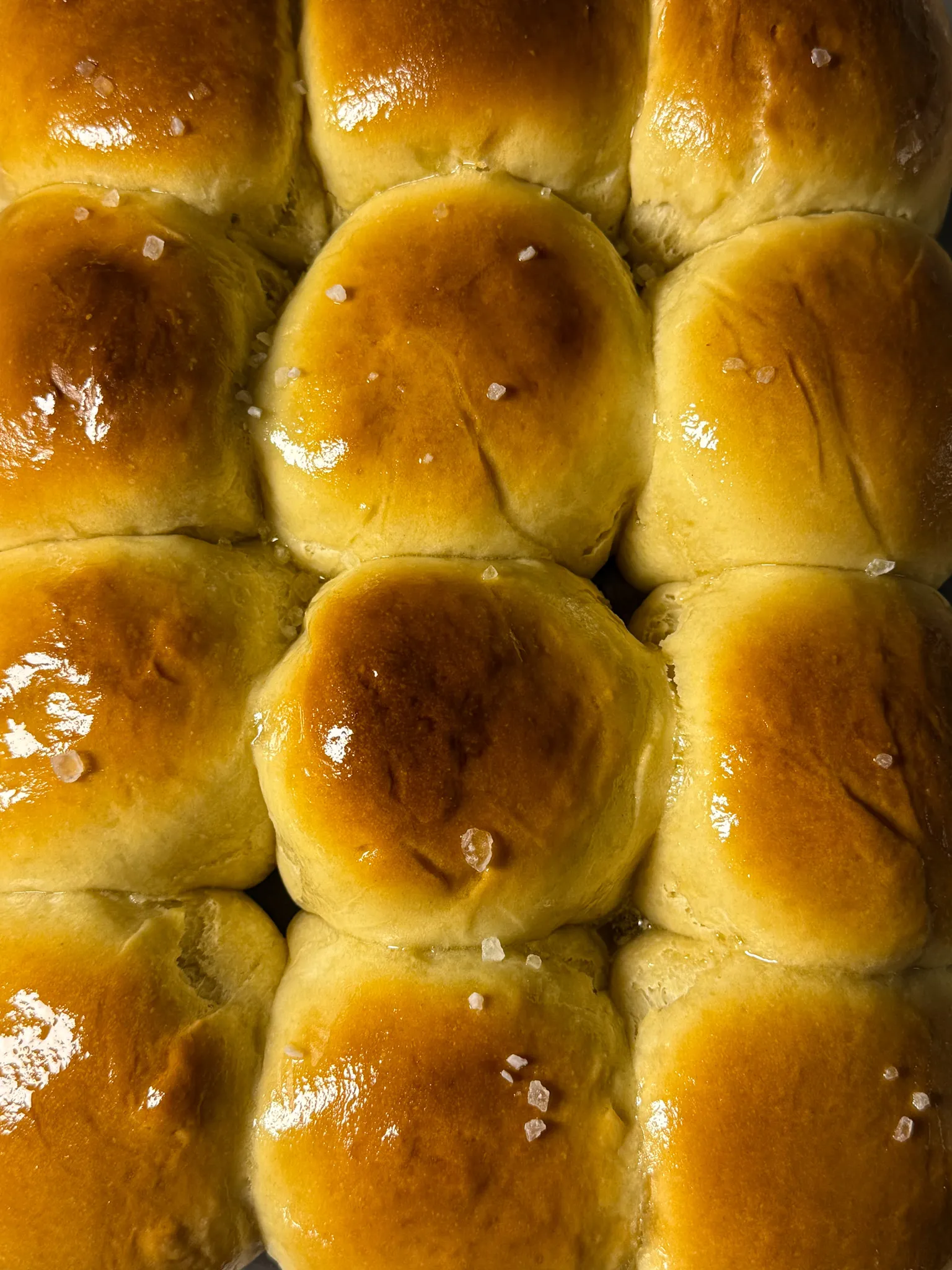
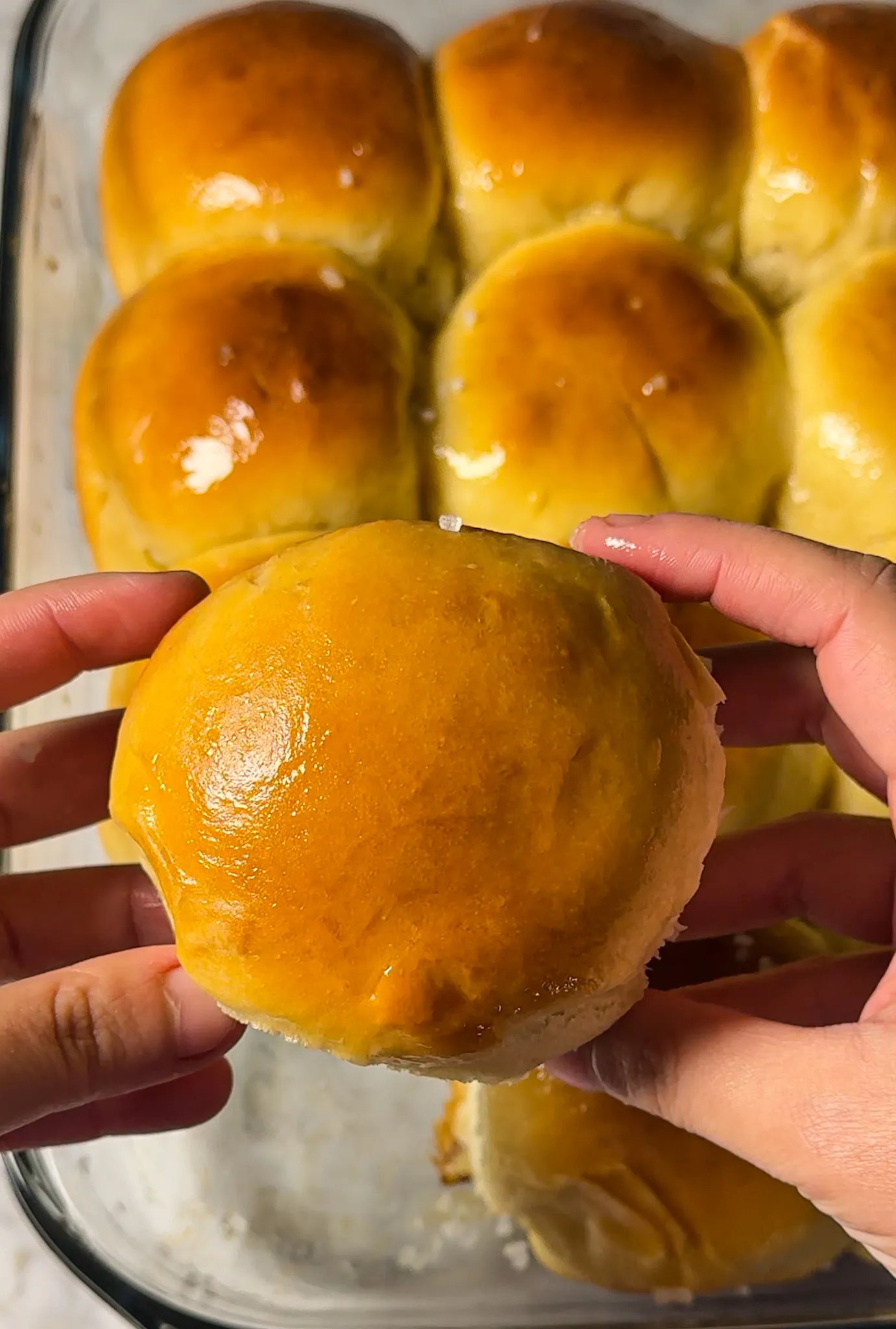
What makes this Honey Butter Milk Bread truly special is the glossy honey butter glaze that melts into every crevice while the rolls are still warm. This finish adds sweetness and shine while keeping the exterior soft and slightly sticky. Honey Butter Milk Bread isn’t just another dinner roll recipe; it’s comfort and nostalgia baked into one pan, creating memories with every pull-apart piece.
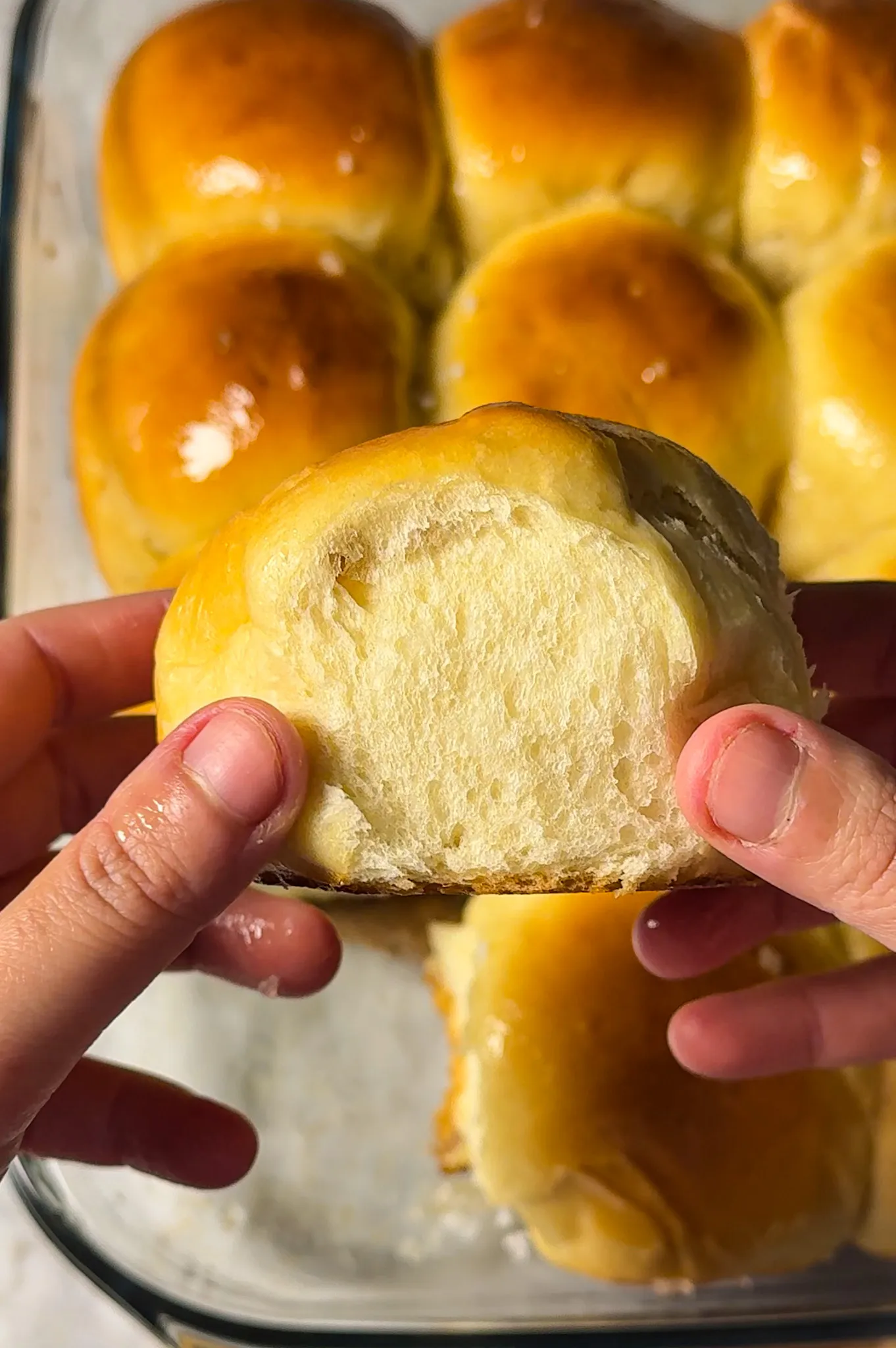
These Honey Butter Milk Bread rolls instantly become part of your regular rotation once you experience their cloud-like texture and gentle sweetness. The combination of whole milk, butter, eggs, and honey creates rich flavor without heaviness. Whether you’re serving them for breakfast, alongside dinner, or simply tearing one apart straight from the oven, these rolls never disappoint.
Why This Recipe is Special
Honey Butter Milk Bread stands apart from ordinary dinner rolls because of the Tangzhong method. This technique involves cooking a small portion of flour with liquid to create a paste that gets incorporated into the dough. The result is bread that retains more moisture, stays softer longer, and develops that signature elastic, tender crumb that defines Asian-style milk bread.
Another reason this Honey Butter Milk Bread is exceptional is its perfect balance of sweetness. The rolls are lightly sweet without being dessert-like, making them versatile enough for any meal. The honey butter glaze adds just enough sweetness to make these rolls special while maintaining their savory application potential.
Key Components Overview
Creating perfect Honey Butter Milk Bread requires understanding several key components. The Tangzhong paste forms the foundation of texture, while whole milk provides richness and moisture. Butter adds flavor and tenderness, eggs contribute structure and color, and honey sweetens while helping achieve that beautiful golden-brown finish.
The honey butter glaze transforms these rolls from excellent to extraordinary. Brushed on while still warm, the glaze melts into the surface, creating a glossy, slightly sticky finish that’s absolutely irresistible. This final touch is what makes Honey Butter Milk Bread look and taste like it came from an artisan bakery.
Understanding the Tangzhong Method
The secret to creating incredibly soft Honey Butter Milk Bread lies in the Tangzhong method, a water roux technique that originated in Asia. This method involves cooking a small amount of flour with liquid until it forms a thick paste. When incorporated into bread dough, this paste transforms the texture completely.
Tangzhong works by gelatinizing the starches in flour, allowing them to absorb and retain more liquid than they normally could. This increased moisture content in your Honey Butter Milk Bread dough translates to softer, fluffier rolls that stay fresh significantly longer than traditional bread. The science behind this technique is what makes milk bread so distinctive and beloved.
How Tangzhong Transforms Texture
The Tangzhong paste in your Honey Butter Milk Bread creates a tender, elastic crumb that’s impossible to achieve through standard bread-making methods. When flour is cooked with liquid, the starches swell and absorb water, creating a gel-like consistency. This gel then distributes evenly throughout your dough, creating microscopic pockets of moisture.
These moisture pockets in your Honey Butter Milk Bread prevent the bread from drying out quickly. Traditional bread loses moisture as it ages, becoming stale and hard. Tangzhong-enriched bread retains moisture much longer, keeping your rolls soft and fresh for three to five days at room temperature.
Making the Perfect Tangzhong
Creating Tangzhong for your Honey Butter Milk Bread is remarkably simple despite its impressive results. Combine flour with milk and water in a small saucepan. Cook over medium heat while whisking constantly until the mixture thickens to a paste-like consistency. You’ll know it’s ready when your whisk leaves visible trails in the mixture.
The Tangzhong for your Honey Butter Milk Bread should cool to room temperature before adding it to the dough. Hot Tangzhong can kill the yeast and prevent proper rising. Make the paste first, then let it cool while you gather other ingredients. Some bakers prepare Tangzhong ahead and refrigerate it overnight for convenience.
Selecting Quality Ingredients
The quality of ingredients directly impacts the final result of your Honey Butter Milk Bread. Each component plays a specific role in creating the perfect texture, flavor, and appearance. Investing in quality ingredients makes a noticeable difference.
Flour Selection
Bread flour is ideal for Honey Butter Milk Bread because its higher protein content creates better structure and that characteristic chewiness. The extra gluten development from bread flour gives these rolls their stretchy, elastic texture. All-purpose flour works in a pinch but produces slightly less chewy results.
When measuring flour for your Honey Butter Milk Bread, use the spoon-and-level method rather than scooping directly from the bag. Scooping packs flour and leads to using too much, which makes rolls dense and dry. Proper flour measurement is crucial for achieving that cloud-like texture.
Milk Matters
Whole milk is essential for creating rich, flavorful Honey Butter Milk Bread. The fat content in whole milk contributes to tenderness and adds luxurious mouthfeel. Low-fat or skim milk produces less tender results with inferior flavor. The milk should be warmed to lukewarm temperature before using to activate the yeast properly.
Fresh milk makes a difference in your Honey Butter Milk Bread. Check the expiration date and smell the milk before using. Old milk can have off flavors that transfer to your bread. Some bakers prefer whole milk powder mixed with water for even richer flavor and better browning.
Butter Quality
Use real butter, not margarine, for authentic flavor in your Honey Butter Milk Bread. Unsalted butter allows you to control the salt level precisely. European-style butter with higher fat content creates even richer rolls, though standard American butter works beautifully too.
The butter for your Honey Butter Milk Bread should be softened to room temperature for easy incorporation into the dough. Cold butter doesn’t distribute evenly, creating inconsistent texture. Softened butter blends smoothly, creating uniform richness throughout every roll.
Honey Selection
The honey in your Honey Butter Milk Bread contributes subtle sweetness and helps achieve beautiful golden-brown color. Mild-flavored honey like clover or wildflower works best, allowing the milk bread flavor to shine. Strong-flavored honey like buckwheat can overpower the delicate taste.
Honey also helps keep your Honey Butter Milk Bread moist because it’s hygroscopic, meaning it attracts and retains moisture from the air. This property extends the freshness of your rolls even further. Use liquid honey rather than crystallized for easy mixing.
Yeast Considerations
Active dry yeast or instant yeast both work for Honey Butter Milk Bread. Instant yeast can be mixed directly with dry ingredients, while active dry yeast should be dissolved in warm liquid first. Check the expiration date on your yeast; old yeast loses potency and prevents proper rising.
Proof your yeast before making Honey Butter Milk Bread if you’re unsure about its freshness. Mix yeast with warm water and a pinch of sugar; it should foam within five to ten minutes. If nothing happens, the yeast is dead and needs replacing.
Step-by-Step Instructions
Creating bakery-quality Honey Butter Milk Bread at home requires following proper technique through each stage. This step-by-step guide ensures success even for novice bread bakers.
Preparing the Tangzhong
Begin your Honey Butter Milk Bread by making the Tangzhong. In a small saucepan, whisk together three tablespoons of bread flour, quarter cup of water, and quarter cup of whole milk. Cook over medium heat while whisking constantly until the mixture thickens to a paste that reaches 65°C or 149°F.
Transfer the Tangzhong to a small bowl and cover with plastic wrap pressed directly onto the surface to prevent skin formation. Let it cool to room temperature while you prepare other ingredients for your Honey Butter Milk Bread. This cooling period takes about 30 minutes at room temperature.
Mixing the Dough
In the bowl of a stand mixer fitted with the dough hook, combine two and three-quarter cups bread flour, quarter cup sugar, one teaspoon salt, and two and a quarter teaspoons instant yeast. Add the cooled Tangzhong, one large egg, and half cup warmed whole milk to create your Honey Butter Milk Bread dough.
Mix on low speed until ingredients come together for your Honey Butter Milk Bread. Increase to medium speed and knead for five minutes. Add four tablespoons of softened butter one tablespoon at a time, waiting for each addition to incorporate before adding more. Continue kneading for another five to seven minutes.
Kneading to Perfection
Proper kneading is crucial for developing the gluten structure in your Honey Butter Milk Bread. The dough should become smooth, elastic, and slightly tacky but not sticky. Test the dough by stretching a small piece; it should form a thin, translucent membrane without tearing easily.
If mixing by hand, knead your Honey Butter Milk Bread dough on a lightly floured surface for 15 to 20 minutes. The dough will be sticky initially but becomes smoother as gluten develops. Resist adding too much flour; slightly sticky dough creates softer rolls than dry dough.
First Rise
Place the kneaded dough in a lightly greased bowl, turning once to coat all sides. Cover with plastic wrap or a damp towel. Let your Honey Butter Milk Bread dough rise in a warm, draft-free location for one to one and a half hours, or until doubled in size.
The ideal temperature for rising Honey Butter Milk Bread dough is around 75 to 80°F. If your kitchen is cool, place the bowl in the oven with just the light on, or near a warm spot. Proper fermentation develops flavor while the dough develops structure.
Shaping the Rolls
Once doubled, punch down the dough to release air. Turn it out onto a lightly floured surface and divide into twelve equal pieces for your Honey Butter Milk Bread rolls. Weigh the pieces for uniformity; each should weigh approximately 65 to 70 grams.
Shape each piece into a smooth ball by pulling the edges underneath and rolling against the work surface with your palm. Place the shaped rolls in a greased 9×13-inch baking pan, spacing them evenly. The rolls for your Honey Butter Milk Bread should be close but not touching initially.
Second Rise
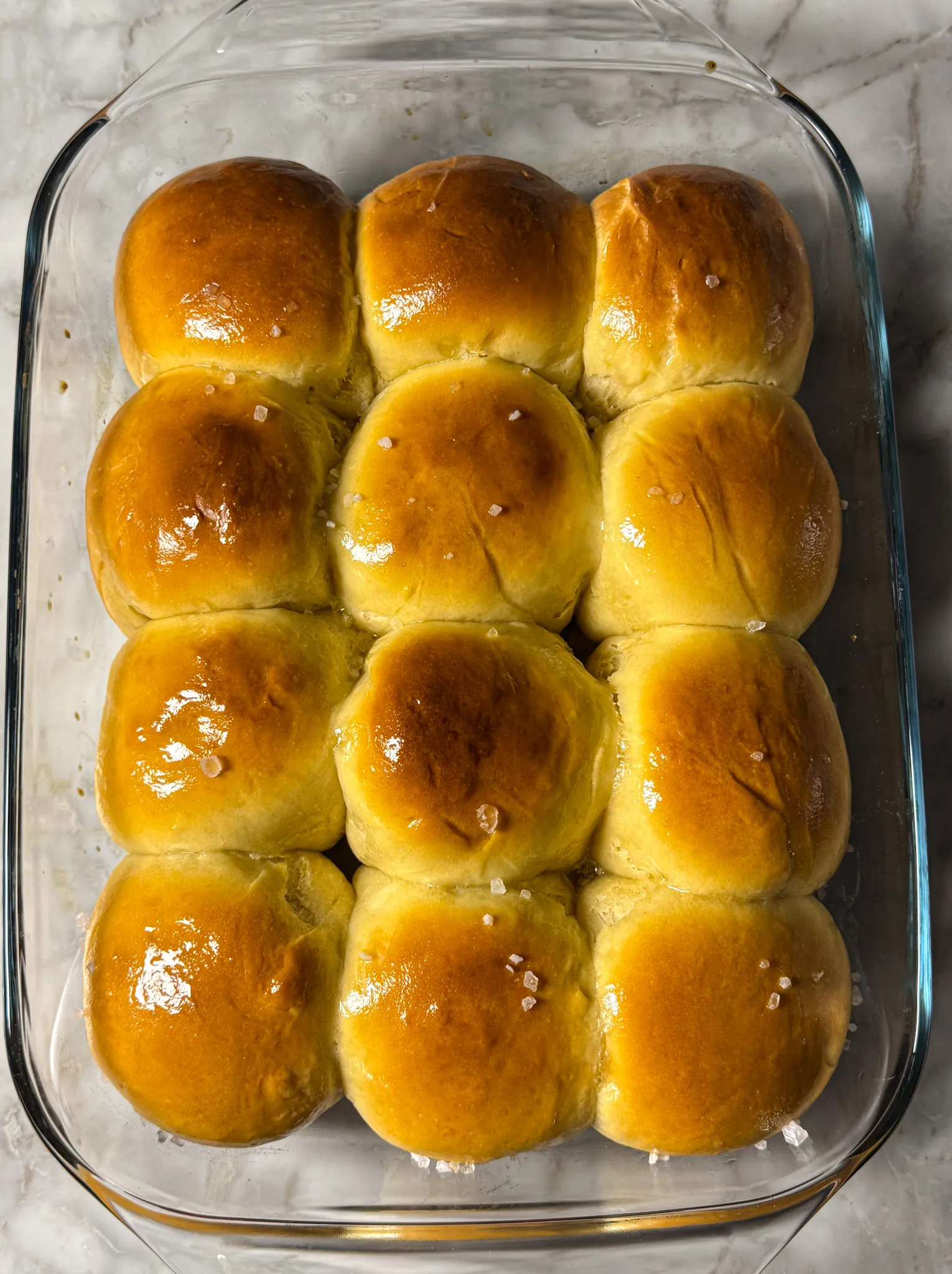
Cover the pan loosely with plastic wrap or a clean towel. Let your Honey Butter Milk Bread rolls rise for 45 to 60 minutes until puffy and nearly doubled. They should be touching each other and filling the pan. This second rise is crucial for achieving that pull-apart texture.
Don’t skip or rush the second rise for your Honey Butter Milk Bread. Underproofed rolls are dense and tight. The rolls are ready to bake when they spring back slowly when gently pressed. If they spring back quickly, they need more time.
Baking to Golden Perfection
Preheat your oven to 350°F while the rolls complete their second rise. Brush the tops of your Honey Butter Milk Bread rolls gently with an egg wash made from one beaten egg mixed with one tablespoon of milk. This creates that beautiful golden-brown color and glossy finish.
Bake your Honey Butter Milk Bread for 25 to 30 minutes until the tops are deeply golden brown. The internal temperature should reach 190°F when measured with an instant-read thermometer. The rolls will be soft to the touch; don’t expect them to feel crusty.
Applying the Honey Butter Glaze
While your Honey Butter Milk Bread bakes, prepare the honey butter glaze. Melt three tablespoons of butter with two tablespoons of honey in a small saucepan or microwave. Stir until completely combined and smooth.
Immediately after removing your Honey Butter Milk Bread from the oven, brush the hot rolls generously with the honey butter glaze. The glaze should soak into the surface, creating that signature glossy, slightly sticky finish. Apply the glaze while rolls are piping hot for best absorption.
Professional Tips for Success
Achieving bakery-quality results with your Honey Butter Milk Bread requires attention to detail and professional techniques. These insider tips ensure perfect rolls every time.
Temperature Control
Maintaining proper temperature throughout the process is crucial for your Honey Butter Milk Bread. Yeast activates best between 105 to 115°F; hotter temperatures kill it while cooler temperatures slow fermentation. Use an instant-read thermometer to check liquid temperatures accurately.
Room temperature ingredients blend more smoothly in your Honey Butter Milk Bread dough. Cold eggs and butter don’t incorporate well and can shock the yeast, slowing rising. Plan ahead to bring refrigerated ingredients to room temperature before starting.
Humidity Considerations
Flour absorbs moisture from the air, meaning dough consistency varies with weather. On humid days, you may need slightly less liquid in your Honey Butter Milk Bread. On dry days, you might need a bit more. The dough should be soft and slightly tacky but not sticky.
If your Honey Butter Milk Bread dough seems too dry, add milk one tablespoon at a time until the proper consistency is reached. If too wet, add flour one tablespoon at a time. Small adjustments make a significant difference in the final texture.
Kneading Indicators
Properly kneaded Honey Butter Milk Bread dough passes the windowpane test. Stretch a small piece of dough between your fingers; it should form a thin, translucent membrane without tearing. This indicates sufficient gluten development for optimal texture.
Under-kneaded dough produces dense rolls, while over-kneaded dough becomes tough. Your Honey Butter Milk Bread dough is ready when it’s smooth, elastic, and springs back when poked. The surface should look satiny and feel soft.
Rising Environment
Create an ideal rising environment for your Honey Butter Milk Bread by placing the bowl in a warm, draft-free location. An oven with just the light on maintains perfect temperature. Some bakers place a pan of hot water on the bottom rack to create humidity.
Don’t let your Honey Butter Milk Bread dough over-rise. Over-proofed dough collapses during baking, creating dense texture. The dough should double in size, not triple. Use the poke test: if the indentation fills back slowly, it’s ready.
Achieving Even Browning
For evenly browned Honey Butter Milk Bread, position the baking pan in the center of the oven. If your oven has hot spots, rotate the pan halfway through baking. Tent the rolls with foil if they’re browning too quickly while the interior remains underdone.
The egg wash creates beautiful color on your Honey Butter Milk Bread. Apply it gently to avoid deflating the risen rolls. A light touch with a soft pastry brush prevents damage. For extra shine, apply a second coat of egg wash after the first dries.
Common Mistakes to Avoid
Even experienced bakers encounter problems when making Honey Butter Milk Bread. Learning to recognize and avoid these common errors helps ensure success.
Using Hot Tangzhong
Adding hot Tangzhong to your Honey Butter Milk Bread dough kills the yeast and prevents rising. The Tangzhong must cool to room temperature or below before mixing with other ingredients. Patience during this cooling period is essential for successful bread.
If you’re in a hurry with your Honey Butter Milk Bread, spread the Tangzhong in a thin layer on a plate to cool faster. You can also refrigerate it for quicker cooling. Just ensure it’s no warmer than lukewarm before proceeding.
Incorrect Liquid Temperature
Water or milk that’s too hot kills yeast in your Honey Butter Milk Bread, preventing the dough from rising. Liquid that’s too cold slows yeast activity dramatically, meaning much longer rising times. The ideal temperature is lukewarm, around 105 to 110°F.
Test liquid temperature for your Honey Butter Milk Bread with an instant-read thermometer or your finger. It should feel warm but not hot, similar to comfortable bath water. This simple check prevents the common problem of dead yeast.
Under-kneading
Under-kneaded dough doesn’t develop sufficient gluten structure for your Honey Butter Milk Bread. The result is dense, heavy rolls that lack that characteristic soft, elastic texture. Proper kneading is essential; don’t rush this crucial step.
Your Honey Butter Milk Bread dough needs adequate kneading time whether using a stand mixer or hand kneading. Follow the timing guidelines provided, but also check for proper texture and elasticity. The windowpane test is the best indicator of readiness.
Skipping the Second Rise
The second rise is crucial for your Honey Butter Milk Bread texture. Skipping this step results in dense, tight rolls rather than fluffy, pull-apart softness. This proofing period allows the shaped rolls to relax and develop final texture.
Be patient with your Honey Butter Milk Bread during the second rise. While it’s tempting to rush into baking, proper proofing makes the difference between good rolls and exceptional ones. The wait is always worth it.
Overbaking
Overbaked Honey Butter Milk Bread becomes dry and loses that signature soft texture. Start checking for doneness at the minimum baking time. The rolls should be deeply golden but not dark brown. An instant-read thermometer reading 190°F confirms they’re done.
Remember that your Honey Butter Milk Bread continues cooking slightly from residual heat after removal from the oven. Pulling them just before they seem completely done prevents dryness. The honey butter glaze also adds moisture to the surface.
Delicious Variations
Once you’ve mastered basic Honey Butter Milk Bread, experimenting with variations keeps things exciting. These modifications maintain the signature soft texture while adding new flavors.
Cinnamon Swirl Version
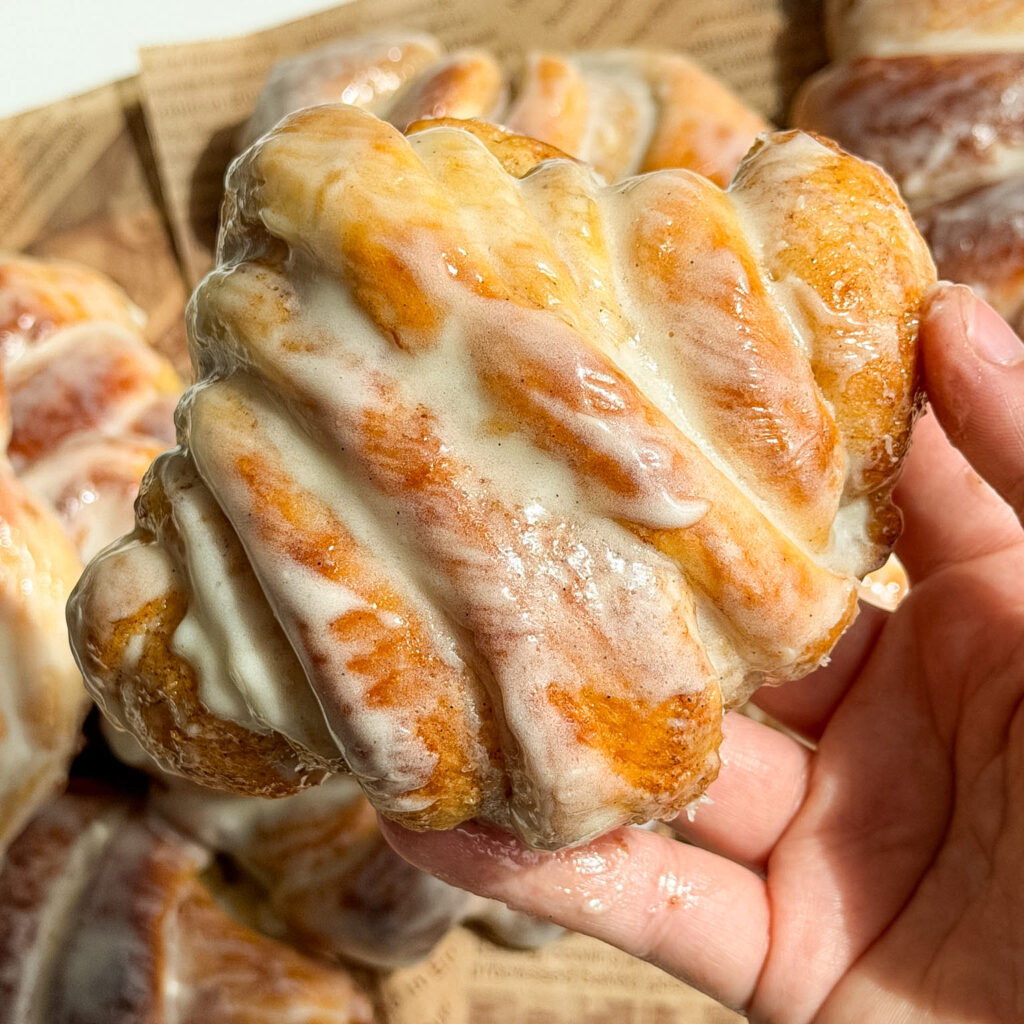
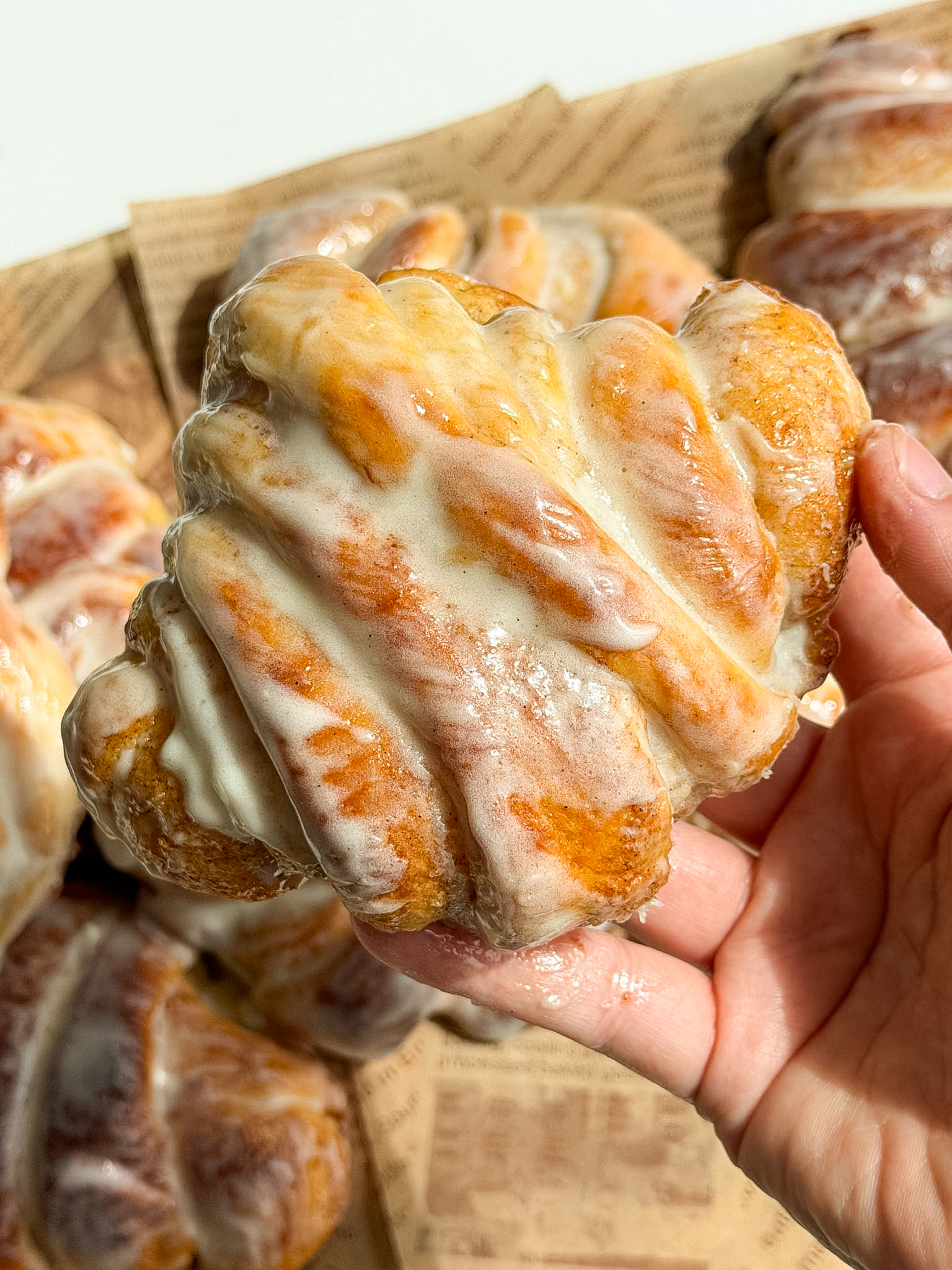
Transform your Honey Butter Milk Bread into sweet breakfast rolls by adding a cinnamon swirl. After the first rise, roll the dough into a rectangle. Spread softened butter over the surface, then sprinkle generously with cinnamon sugar. Roll tightly and cut into pieces.
These cinnamon swirl Honey Butter Milk Bread rolls need the same second rise and baking time. The honey butter glaze complements the cinnamon perfectly. Drizzle with simple icing made from powdered sugar and milk for extra sweetness.
Garlic Herb Butter
Create savory Honey Butter Milk Bread by replacing the honey butter glaze with garlic herb butter. Mix softened butter with minced garlic, dried herbs like parsley and thyme, and a pinch of salt. Brush this mixture on hot rolls instead of honey butter.
These savory rolls pair beautifully with pasta dishes, soups, and stews. The soft, rich texture of Honey Butter Milk Bread provides perfect contrast to hearty savory meals. Sprinkle with coarse sea salt before baking for extra flavor.
Chocolate Chip Addition
Add chocolate chips to your Honey Butter Milk Bread for an indulgent treat. Fold one cup of mini chocolate chips into the dough after kneading. Shape and bake as directed. The chocolate melts slightly, creating pockets of richness throughout.
These chocolate chip Honey Butter Milk Bread rolls work wonderfully for breakfast or dessert. The combination of soft, slightly sweet bread with melted chocolate is irresistible. Use the regular honey butter glaze or try a chocolate glaze for extra decadence.
Individual Dinner Rolls
Shape your Honey Butter Milk Bread dough into traditional dinner roll shapes for elegant presentation. Try cloverleaf rolls by placing three small balls in each muffin cup, or create knot rolls by rolling pieces into ropes and tying them.
Individual Honey Butter Milk Bread rolls bake slightly faster than pan rolls, usually 18 to 22 minutes. Space them on a baking sheet with room between each for all-over browning. They’re perfect for special dinners or holiday meals.
Storage and Reheating
Proper storage ensures your Honey Butter Milk Bread stays soft and delicious for as long as possible. The Tangzhong method naturally extends freshness beyond typical bread.
Room Temperature Storage
Store Honey Butter Milk Bread at room temperature in an airtight container or zip-top bag for up to five days. The rolls stay remarkably soft thanks to the Tangzhong. Place a paper towel in the container to absorb any excess moisture from the honey butter glaze.
Keep your Honey Butter Milk Bread away from direct sunlight and heat sources. A cool, dark pantry or cupboard is ideal. The rolls maintain their soft texture without refrigeration, which actually speeds staling in bread.
Freezing Instructions
Honey Butter Milk Bread freezes beautifully for up to three months. Let the rolls cool completely after baking and glazing. Wrap the entire pan tightly in plastic wrap, then cover with aluminum foil. Alternatively, wrap individual rolls in plastic wrap and place in a freezer bag.
To thaw frozen Honey Butter Milk Bread, leave it at room temperature for two to three hours. You can also thaw individual rolls in the microwave for 30 to 45 seconds. Refresh thawed rolls by warming them in a 300°F oven for five minutes.
Reheating Methods
Reheat Honey Butter Milk Bread in a 300°F oven for five to seven minutes to restore the just-baked texture. Cover the rolls loosely with foil to prevent excessive browning. You can also microwave individual rolls for 10 to 15 seconds, though this method softens rather than crisps them.
For extra freshness when reheating Honey Butter Milk Bread, brush the rolls with additional melted butter before warming. This adds moisture and enhances flavor. The rolls taste nearly as good as fresh from the oven when properly reheated.
Frequently Asked Questions
Can I make this dough by hand?
Yes, you can make Honey Butter Milk Bread by hand without a stand mixer. The kneading time increases to 15 to 20 minutes, but the results are equally good. Hand kneading gives you better feel for dough development and can be quite therapeutic.
Why is my dough too sticky?
Sticky Honey Butter Milk Bread dough usually means too much liquid or insufficient kneading time. Add flour one tablespoon at a time until the dough is tacky but not sticky. The dough should be soft; slightly sticky dough creates softer rolls than stiff dough.
Can I use all-purpose flour?
You can substitute all-purpose flour in Honey Butter Milk Bread, though bread flour produces superior texture. All-purpose flour has less protein, resulting in slightly less chewy rolls. The texture will still be good, just not quite as elastic and stretchy.
How do I know when the dough has risen enough?
Your Honey Butter Milk Bread dough has risen enough when it’s doubled in size. Use the poke test: gently press your finger into the dough. If the indentation slowly fills back in, it’s ready. If it springs back quickly, it needs more time.
Can I add mix-ins?
Yes, you can add mix-ins to Honey Butter Milk Bread like raisins, dried fruit, or nuts. Fold them in after kneading. Don’t add more than one cup of mix-ins total, as too much interferes with gluten development and structure.
Why didn’t my rolls rise?
If your Honey Butter Milk Bread didn’t rise, the yeast was likely dead or the liquid temperature was wrong. Always check yeast expiration dates and proof it if uncertain. Water that’s too hot kills yeast; water that’s too cold won’t activate it properly.
Can I make these dairy-free?
Making dairy-free Honey Butter Milk Bread is challenging because milk is essential to the recipe. You can try plant-based milk alternatives, but the texture and flavor will differ. Full-fat coconut milk works better than other alternatives for richness.
How long do these rolls stay soft?
Thanks to the Tangzhong method, Honey Butter Milk Bread stays soft for three to five days at room temperature. The rolls maintain their pillowy texture much longer than traditional bread. Proper storage in an airtight container maximizes freshness.
Final Thoughts
These Honey Butter Milk Bread rolls represent the pinnacle of soft, fluffy bread with their cloud-like texture and rich, buttery flavor. The Tangzhong method transforms simple ingredients into extraordinary results that rival any bakery. The glossy honey butter glaze adds the perfect finishing touch, creating rolls that look as impressive as they taste.
The beauty of Honey Butter Milk Bread lies in its versatility and remarkable staying power. These rolls work for any meal, from breakfast to dinner, and maintain their soft texture for days. The pull-apart quality makes them perfect for sharing, while the slightly sweet flavor appeals to everyone.
Don’t be intimidated by the bread-making process. This Honey Butter Milk Bread recipe guides you through each step, ensuring success even if you’re new to baking with yeast. The results are so impressive that people will think you spent all day at a specialty bakery.
Gather your ingredients and experience the magic of creating bakery-quality Honey Butter Milk Bread at home. Your kitchen will smell incredible, and every soft, buttery bite will remind you why homemade bread is worth the effort. Make these rolls part of your regular baking rotation today.
Watch the recipe video for more clarity

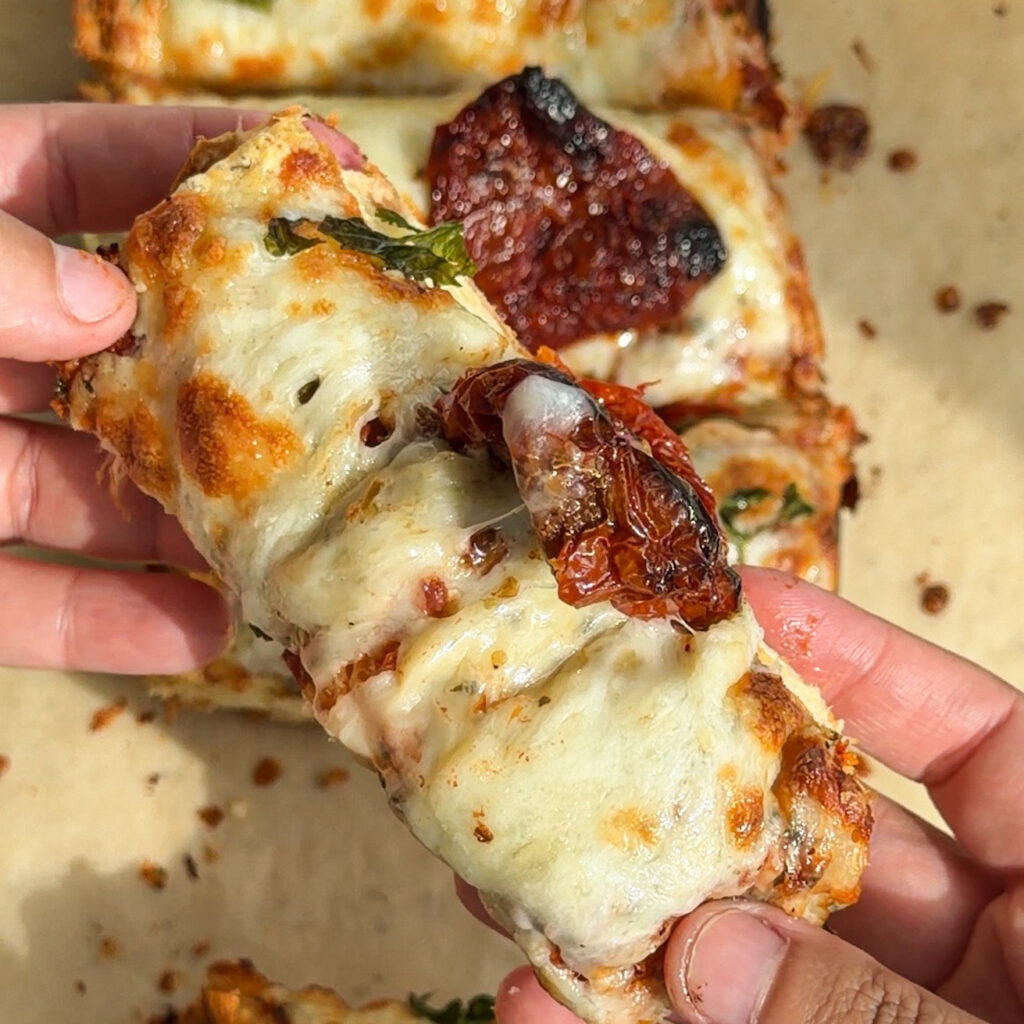
People also like our Pepperoni Garlic Bread Recipe
- 585 g bread flour
- 70 g sugar
- 3 g salt (½ tsp)
- 10 g active dry yeast (2¾ tsp)
- 245 ml whole milk (1 cup) warm
- 1 egg
- 1 egg yolk
- 57 g unsalted butter softened (¼ cup / 4 tbsp)
- 60 g water (4 tbsp)
- 61 g milk (4 tbsp)
- 18 g bread flour (2 tbsp)
- 57 g unsalted butter melted (¼ cup)
- 85 g g honey (¼ cup)
Make the Tangzhong
In a small saucepan over medium heat, whisk water, milk, and flour until it thickens into a smooth paste. Remove from heat and let cool.
Activate the yeast
Combine warm milk and 1 tbsp sugar. Sprinkle yeast on top and stir gently. Let sit 5–10 minutes until frothy.
Mix the dough
In a large bowl, combine cooled Tangzhong, yeast mixture, sugar, egg, and egg yolk. Gradually add flour until a soft dough forms. Add salt. Dough should be soft and slightly sticky.
Knead
Turn dough onto floured surface and knead 8–10 minutes until smooth and elastic. Add butter 1 tbsp at a time, kneading in between until fully incorporated.
Stand mixer tip: Knead 6–7 minutes with dough hook until dough passes the windowpane test.
First rise
Shape dough into a ball, place in lightly greased bowl, cover, and let rise 1–1.5 hours until doubled.
Shape the rolls
Punch down dough and divide into 12 pieces (~90 g each). Shape into smooth balls, place in greased 9×13-inch pan or round dish, close together. Cover and rise 30–45 minutes until puffy. Brush with egg wash.
Bake
Preheat oven to 190°C (375°F). Bake 18–20 minutes until golden.
Honey butter finish
Mix melted butter and honey. Brush generously over warm rolls. Sprinkle with coarse salt if desired.
If you've given this recipe a try and it won you over, please share your thoughts by leaving
a rating and comment below! If you have any questions about this recipe, don't hesitate to ask – I'm here to
help and will respond promptly.