The Complete Pasta Al Nero Recipe Guide
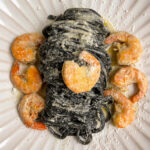
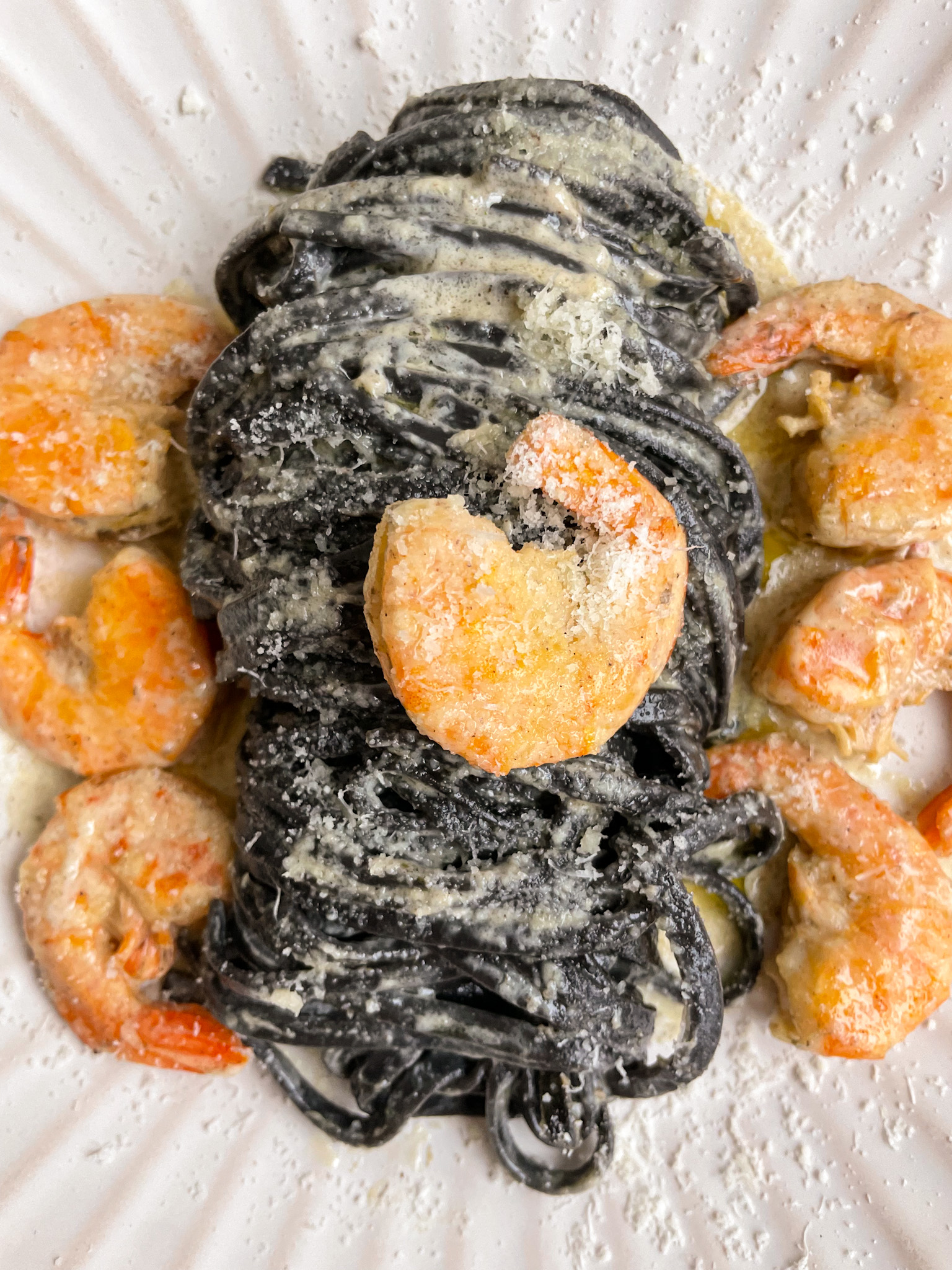
Discover the dramatic elegance of Pasta Al Nero Recipe, a stunning Italian dish that looks like it belongs in a high-end restaurant but comes together in your home kitchen with surprising ease. This Pasta Al Nero Recipe features striking black squid ink pasta paired with succulent shrimp in a luscious, creamy sauce. The combination creates a visually spectacular dish that tastes as incredible as it looks. This Pasta Al Nero Recipe transforms simple ingredients into an unforgettable dining experience in just twenty-five minutes.
Perfect for impressing dinner guests or treating yourself to something special, this recipe delivers restaurant-worthy results without complicated techniques. The jet-black pasta provides a dramatic canvas for plump pink shrimp, creating a color contrast that makes every plate Instagram-worthy. Whether you’re a seafood enthusiast or simply looking to expand your culinary repertoire, this Pasta Al Nero Recipe offers the perfect blend of sophistication and accessibility.
Why This Recipe is Special
This Pasta Al Nero Recipe stands out because it demystifies a dish many consider intimidating or overly complicated. The truth is, creating this Italian coastal classic requires no more skill than making any other pasta dish. The squid ink pasta comes pre-made, eliminating the need for specialized pasta-making equipment or techniques. The sauce builds quickly with just a few quality ingredients working in harmony.
The slight briny, ocean-like flavor from the squid ink pairs naturally with sweet shrimp, creating a taste of the Mediterranean in every bite. Unlike heavy, overly rich seafood pastas, this recipe balances cream and butter with the delicate seafood flavors. The result feels luxurious yet refined, never overwhelming your palate.
Key Ingredients Overview
Success with this Pasta Al Nero Recipe depends on selecting quality ingredients that complement each other perfectly. Squid ink pasta forms the dramatic foundation, available at Italian specialty stores or online. Fresh or frozen shrimp provides the protein component, with their natural sweetness balancing the briny pasta. Butter adds richness and helps build the sauce base.
Fresh garlic contributes aromatic depth that enhances the seafood flavors. Heavy cream creates the signature velvety coating that clings to each strand of black pasta. Salt and freshly ground black pepper season everything to perfection. Pecorino Romano cheese adds sharp, salty complexity that ties all the flavors together. Each ingredient serves a specific purpose in creating this harmonious dish.
Understanding Pasta Al Nero
The Pasta Al Nero Recipe has deep roots in Italian coastal cuisine, particularly in regions like Venice, Sicily, and Sardinia. Fishermen originally created dishes using squid ink as a way to utilize every part of their catch. The ink sacs from cuttlefish or squid were added to pasta dough or sauce, creating distinctive black pasta dishes. The name translates to pasta with black, referring to the dramatic color the ink imparts.
Traditional preparations often featured the squid or cuttlefish that provided the ink, creating a unified dish. Modern versions like this recipe use commercially available squid ink pasta, making the dish accessible to home cooks everywhere. The slight seafood flavor from the ink enhances rather than overpowers the fresh shrimp and creamy sauce.
The History of Squid Ink Pasta
Squid ink has been used in Mediterranean cooking for centuries, valued for both its flavor and visual impact. Venetian cuisine particularly embraced squid ink, creating signature dishes like risotto al nero di seppia. The practice spread throughout coastal Italy as fishermen shared techniques and recipes. In the past, cooks extracted ink directly from fresh squid, a messy but rewarding process. Today, squid ink comes purified and packaged, making it easier to use in both pasta dough and sauces. The tradition continues in modern Italian restaurants, where dishes featuring squid ink pasta command premium prices. This Pasta Al Nero Recipe brings that same restaurant experience to your home kitchen.
What Makes Squid Ink Special
Squid ink contains unique compounds that contribute both flavor and potential health benefits. The ink provides a subtle briny taste reminiscent of the ocean, never fishy or overwhelming. It contains melanin, the same pigment that colors human skin and hair, giving pasta its dramatic black hue. Some research suggests squid ink contains antioxidants and antimicrobial properties, though more studies are needed. From a culinary perspective, the ink adds umami depth that enhances seafood dishes naturally. The flavor is delicate enough to work with cream-based sauces without clashing. The visual impact cannot be overstated, as the jet-black pasta creates stunning plate presentations that impress every diner.
Choosing the Right Ingredients
Selecting quality ingredients elevates this Pasta Al Nero Recipe from good to exceptional. Each component deserves careful consideration for optimal results.
Finding Squid Ink Pasta
Squid ink pasta might seem exotic, but it’s increasingly available in mainstream grocery stores. Check the specialty pasta section or Italian food aisles first. Italian markets and gourmet food shops almost always stock squid ink pasta in various shapes. Online retailers like Amazon, Eataly, and specialty Italian importers offer excellent selections. Brands like Rustichella d’Abruzzo, Morelli, and Mancini produce high-quality squid ink pasta. The pasta typically comes dried, similar to regular pasta, with good shelf stability. Some specialty shops carry fresh squid ink pasta, which cooks faster and has a more delicate texture. For this recipe, linguine or spaghetti shapes work beautifully, though fettuccine also delivers excellent results.
Selecting Fresh Shrimp
Shrimp quality dramatically affects the final outcome of this Pasta Al Nero Recipe. Fresh, never-frozen shrimp from a reputable fishmonger provides the best flavor and texture. Look for shrimp with firm flesh, a mild ocean scent, and translucent appearance. Avoid shrimp with any ammonia smell, which indicates spoilage. If fresh shrimp is unavailable, high-quality frozen shrimp works excellently.
Choose individually quick-frozen shrimp without added preservatives or sodium solutions. Large or extra-large shrimp work best, as they remain juicy and don’t overcook easily. Deveined, peeled shrimp saves preparation time, though shell-on shrimp often has better flavor. Plan on four to six shrimp per serving for a generous portion.
Dairy and Cheese Selection
Heavy cream forms the foundation of the luscious sauce in this Pasta Al Nero Recipe. Choose heavy whipping cream with at least thirty-six percent fat content for the richest, most stable sauce. Avoid ultra-pasteurized cream when possible, as it doesn’t reduce as nicely. For butter, select high-quality unsalted butter to control the salt level precisely. European-style butter with higher fat content creates even richer results. Pecorino Romano cheese provides sharp, salty complexity that complements the seafood beautifully. This aged sheep’s milk cheese has more pronounced flavor than Parmesan, standing up to the briny squid ink. Purchase a wedge and grate it fresh just before cooking. Pre-grated cheese contains anti-caking agents that prevent smooth melting.
Step-by-Step Instructions for Perfect Results
Creating this Pasta Al Nero Recipe requires attention to timing and technique. Follow these detailed steps for consistent success.
Preparation Phase
Begin by organizing all ingredients and equipment before you start cooking. Bring a large pot of water to a rolling boil for the squid ink pasta. You’ll need at least four quarts of water for one pound of pasta. Salt the water generously when it reaches a boil, using about two tablespoons of salt. The water should taste distinctly salty, as this is your only opportunity to season the pasta itself. While the water heats, prepare your shrimp if not already cleaned. Peel and devein the shrimp, leaving the tails on for visual appeal if desired. Pat the shrimp completely dry with paper towels to ensure proper browning. Mince four to five garlic cloves finely. Grate about three-quarters cup of Pecorino Romano cheese. Have your heavy cream measured and ready.
Cooking the Squid Ink Pasta
Add the squid ink pasta to the boiling salted water and stir immediately to prevent sticking. Squid ink pasta cooks similarly to regular pasta but may take slightly less time. Check the package directions but plan to test the pasta two minutes before the suggested cooking time. You want the pasta al dente, with a slight firmness when bitten. The pasta will continue cooking briefly when tossed with the sauce. Stir occasionally during cooking to ensure even results. About one minute before draining, scoop out and reserve at least one cup of the starchy cooking water. This black-tinted pasta water is essential for achieving the perfect sauce consistency. Drain the pasta in a colander but don’t rinse it. The residual starch helps the sauce adhere.
Preparing the Shrimp
While the pasta cooks, focus on perfectly cooking the shrimp. Heat a large skillet over medium-high heat and add two tablespoons of butter. When the butter melts and begins to foam, add the dried shrimp in a single layer. Avoid overcrowding, which causes steaming rather than searing. Cook the shrimp for about ninety seconds without moving them, allowing a light golden color to develop on the bottom. Flip each shrimp and cook for another sixty to ninety seconds. The shrimp should turn pink and opaque, curling into a C shape. Shrimp that curl into tight O shapes are overcooked and will be rubbery. Remove the cooked shrimp to a plate immediately. They’ll finish cooking when combined with the hot pasta and sauce.
Building the Sauce
In the same skillet used for shrimp, reduce heat to medium and add another tablespoon of butter if the pan looks dry. Add the minced garlic and cook for about thirty seconds, just until fragrant. Don’t let the garlic brown, which creates bitter flavors. Pour in one cup of heavy cream and stir to combine with the garlic and any browned bits from the shrimp. Let the cream warm and reduce slightly for about two minutes. Season with a small pinch of salt and generous black pepper. Add half of the grated Pecorino Romano cheese, stirring constantly as it melts into the cream. The sauce should look smooth and unified, coating the back of a spoon lightly.
Final Assembly and Plating
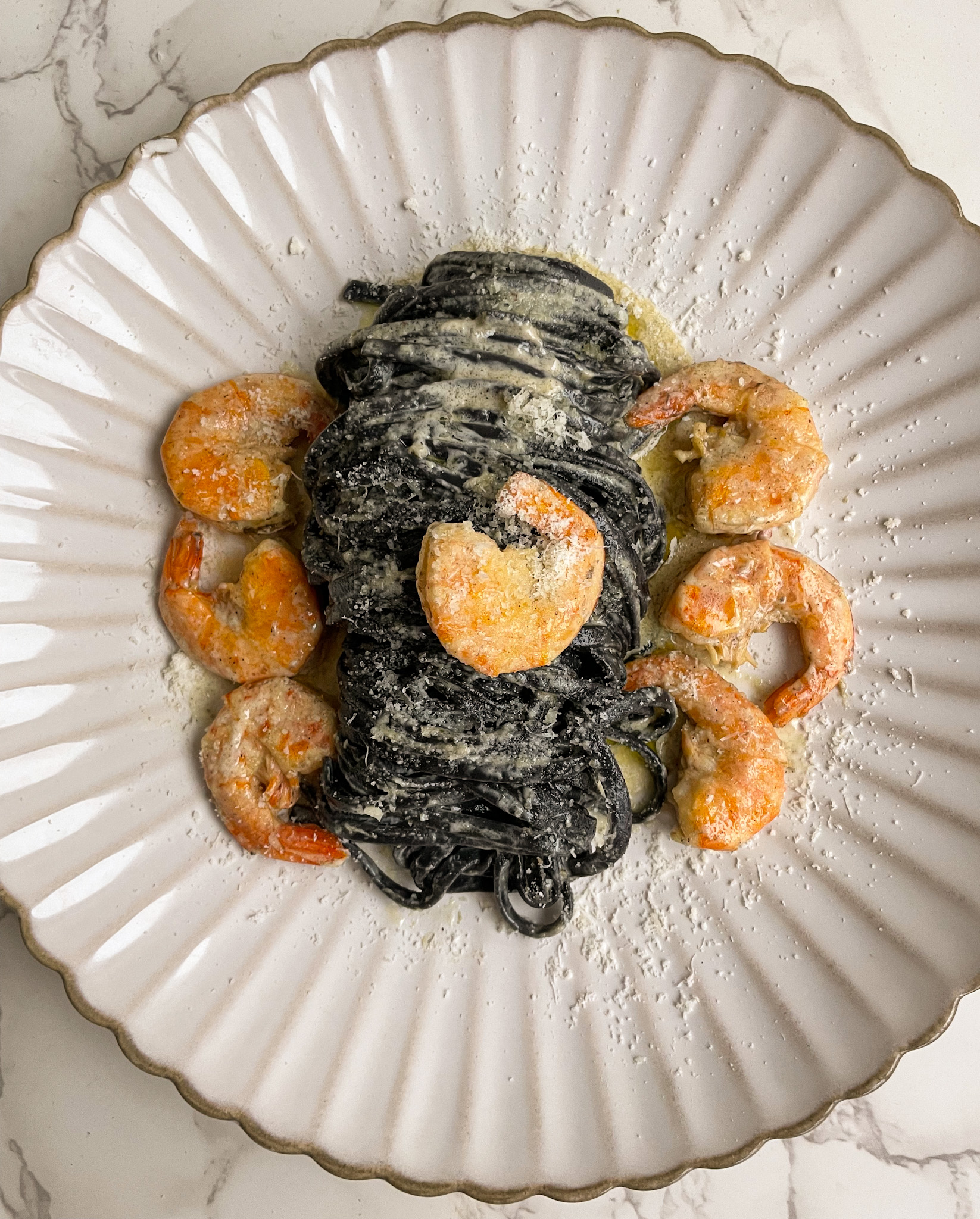
Add the drained squid ink pasta directly to the skillet with the cream sauce. Use tongs to toss and coat every strand thoroughly. The dramatic black pasta should glisten with the creamy white sauce. Add the remaining Pecorino Romano in batches, tossing vigorously between additions. If the sauce seems too thick or isn’t coating the pasta smoothly, add the reserved pasta water a few tablespoons at a time. The starchy water helps emulsify everything into a silky coating. Return the cooked shrimp to the skillet, tossing gently to warm them through and distribute evenly. Continue tossing for about one minute until everything is hot and beautifully combined. Serve immediately in warm bowls, arranging a few shrimp on top of each portion for elegant presentation.
Professional Tips for Restaurant-Quality Results
These expert techniques ensure your Pasta Al Nero Recipe achieves professional standards every time.
Preventing Overcooked Shrimp
Shrimp overcook quickly, transforming from tender and sweet to rubbery and bland. The key is cooking them separately from the pasta and sauce. Remove shrimp from heat when they’re about ninety percent done, as they’ll finish cooking in the residual heat. Look for the moment when shrimp turn from translucent to opaque and curl into a gentle C shape. The entire cooking process takes just three to four minutes total. If you’re nervous about timing, slightly undercook the shrimp during the initial searing. They’ll finish perfectly when tossed with the hot pasta and sauce. Large shrimp are more forgiving than small ones, as they have more mass and don’t overcook as rapidly.
Achieving Perfect Sauce Consistency
The sauce for this Pasta Al Nero Recipe should coat the pasta in a silky layer without pooling at the bottom of the bowl. This texture comes from properly balancing cream, cheese, and pasta water. Start with less pasta water and add gradually as needed. The sauce thickens as it cools, so aim for slightly looser consistency than your ideal final result. If the sauce becomes too thick, pasta water thins it instantly while maintaining proper texture. If it’s too thin, additional cheese and continued tossing over low heat helps it thicken. The starch from the pasta water acts as an emulsifier, binding the butter, cream, and cheese into a cohesive sauce.
Presentation Techniques
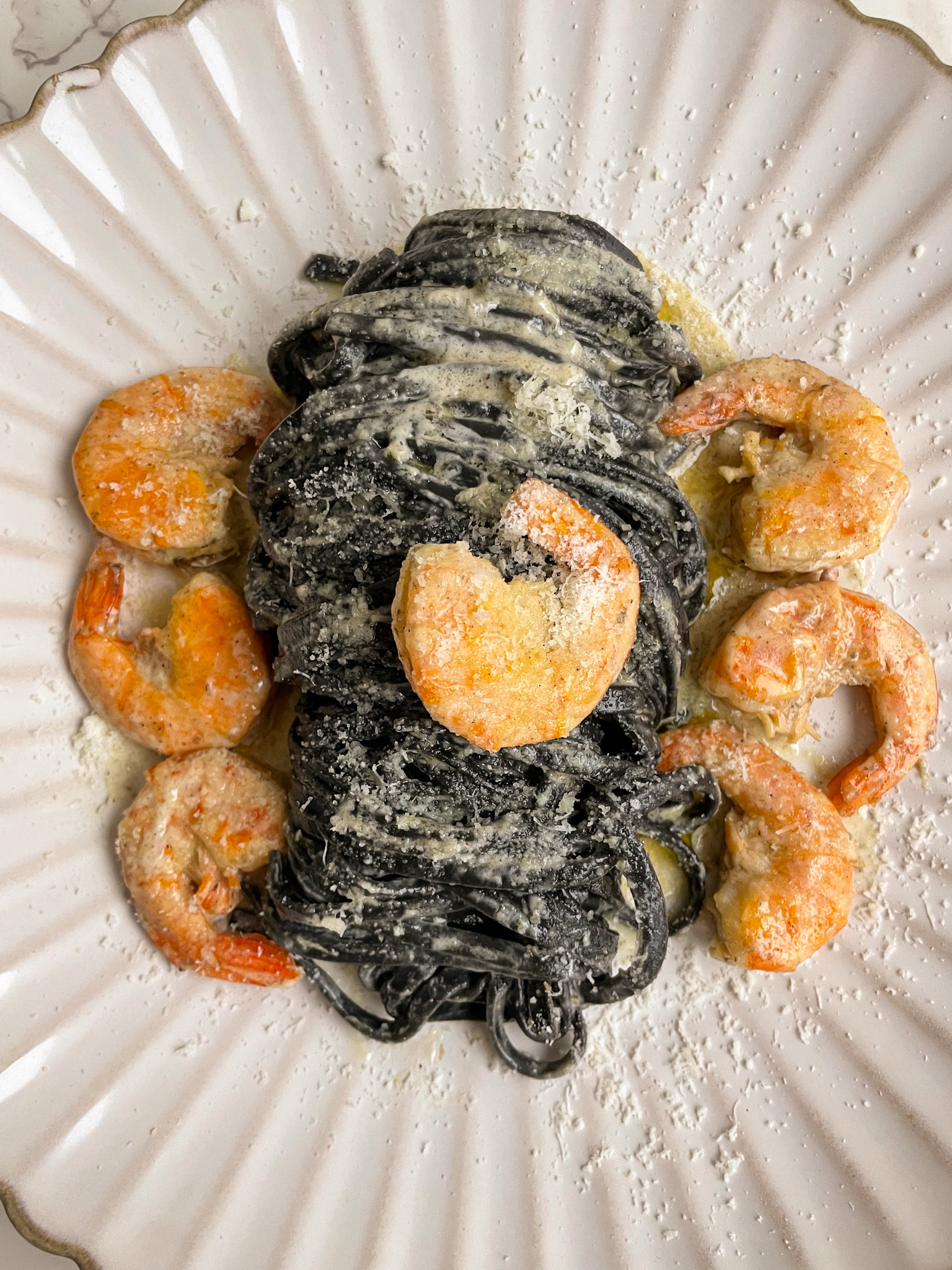
The visual drama of this Pasta Al Nero Recipe deserves thoughtful plating. Use white or light-colored plates to maximize the contrast with the black pasta. Twirl the pasta into neat nests using tongs or a large fork for professional presentation. Arrange three to five shrimp on top of each portion, fanning them slightly for visual appeal. A light sprinkle of fresh Pecorino Romano adds textural contrast. Fresh herbs like parsley or basil provide color pop against the black pasta. A drizzle of high-quality olive oil around the plate adds shine and richness. Serve immediately while the pasta is hot and the colors are most vibrant.
Common Mistakes to Avoid
Understanding potential pitfalls helps you create perfect Pasta Al Nero Recipe results every time.
Using Low-Quality Squid Ink Pasta
Not all squid ink pasta delivers the same quality or flavor. Some brands use minimal squid ink, resulting in gray rather than jet-black Pasta Al Nero Recipe with weak flavor. Others use artificial coloring to achieve the black color without real squid ink. These inferior products lack the subtle briny taste that makes this dish special. Always check the ingredient list to confirm real squid ink appears prominently. The Pasta Al Nero Recipe should be uniformly black, not streaky or gray. Premium Italian brands consistently deliver superior flavor and appearance. While they cost more, the difference in your final dish justifies the investment.
Overcrowding the Pan
When cooking shrimp for this Pasta Al Nero Recipe, overcrowding the pan is a common mistake that prevents proper browning. Shrimp release moisture as they cook, and too many in the pan create steam rather than a sear. This results in pale, rubbery shrimp instead of lightly golden, perfectly cooked ones. Work in batches if necessary, giving each shrimp adequate space. The pan should be hot enough that the shrimp sizzle when they hit the surface. This quick, high-heat cooking develops flavor while keeping the shrimp tender. Patience during this step dramatically improves the final result.
Adding Garlic Too Early
Garlic burns easily, turning bitter and acrid when exposed to high heat for too long. Many home cooks add garlic at the beginning of cooking, then wonder why their sauce tastes harsh. For this recipe, add garlic after removing the shrimp and reducing the heat. Cook it briefly, just thirty seconds to one minute, until fragrant. The garlic should sizzle gently without browning. This timing allows the garlic to infuse the cream with flavor without becoming bitter. If garlic accidentally burns, discard it and start fresh rather than continuing with bitter-tasting pieces.
Rinsing the Pasta
Never rinse pasta after draining, especially for this Pasta Al Nero Recipe. Rinsing washes away the surface starch that helps sauce cling to each strand. It also cools the pasta rapidly, making it harder to achieve the proper final temperature. The pasta should go directly from the boiling water to the sauce, bringing its heat and residual moisture. This heat helps melt the cheese and warm the sauce to the perfect serving temperature. Rinsing is only appropriate for pasta salads served cold, never for hot Pasta Al Nero Recipe dishes like this one.
Variations to Try
Once you master the basic Pasta Al Nero Recipe, these variations add exciting new dimensions to the dish.
Alternative Seafood Options
While shrimp stars in this recipe, other seafood creates equally delicious variations. Fresh scallops bring sweet, delicate flavor that pairs beautifully with squid ink pasta. Pan-sear them using the same technique as shrimp, cooking until golden on both sides. Chunks of firm white fish like halibut or cod offer a heartier option. Mussels or clams transform this into a more rustic coastal dish. Steam them in white wine, then toss with the pasta and use some of the cooking liquid in the sauce. Calamari creates a unified squid-themed dish when combined with squid ink Pasta Al Nero Recipe. Sauté it quickly to keep it tender rather than rubbery.
Lighter Sauce Variations
For a lighter version of this Pasta Al Nero Recipe, reduce or eliminate the heavy cream. Use reserved pasta water and butter to create a simple, elegant coating. The natural starch emulsifies with the butter, creating a light sauce that doesn’t mask the Pasta Al Nero Recipe flavor. Add white wine for acidity and depth, letting it reduce before adding pasta water. Cherry tomatoes, halved and warmed through, add brightness and color. A squeeze of fresh lemon juice at the end cuts through any richness while enhancing the seafood flavors. This lighter approach lets the squid ink Pasta Al Nero Recipe shine as the star.
Spicy Version
Adding heat transforms this Pasta Al Nero Recipe into a bolder, more dynamic dish. Red pepper flakes sautéed with the garlic infuse the sauce with pleasant warmth. Start with half a teaspoon and adjust to your heat preference. Fresh chilies like Calabrian peppers or Thai bird chilies offer more complex heat. Mince them finely and add with the garlic. The cream mellows the heat, creating a balanced spicy-creamy combination. A dash of hot sauce at the end provides adjustable heat for individual preferences. The spice complements the briny squid ink flavor rather than overwhelming it.
Storage and Reheating Guidelines
While this Pasta Al Nero Recipe tastes best immediately after preparation, proper storage preserves quality for leftovers.
Storing Leftover Pasta Al Nero Recipe
Allow the Pasta Al Nero Recipe to cool to room temperature before storing, but don’t exceed two hours at room temperature. Transfer to an airtight container and refrigerate for up to two days maximum. Seafood pasta has a shorter storage life than meat-based dishes due to the delicate nature of shellfish. The sauce will thicken as it cools and the pasta absorbs liquid. The squid ink pasta may release some color into the sauce, creating a grayish appearance. This is normal and doesn’t affect the safety or flavor. Store in a single portion-sized container for easier reheating. The shrimp become slightly firmer when refrigerated but remain edible.
Best Reheating Methods
Reheating seafood pasta requires extra care to prevent tough, rubbery shrimp. The stovetop method works best for this Pasta Al Nero Recipe. Place the pasta in a skillet over medium-low heat and add two to three tablespoons of heavy cream or milk. Stir gently and frequently until everything heats through, about three to four minutes. Don’t use high heat, which toughens the shrimp and causes sauce separation. The microwave works but demands careful attention. Add cream or milk, cover loosely, and heat in thirty-second intervals. Stir between intervals and stop heating the moment everything is warm. Overheating in the microwave makes shrimp rubbery and unpleasant.
Freezing Considerations
Freezing is not recommended for this Pasta Al Nero Recipe. Cream-based sauces separate when frozen and thawed, creating an unappealing texture. Shrimp become mushy and waterlogged after freezing in sauce. The squid ink Pasta Al Nero Recipe itself can become gummy and lose its al dente texture. If you absolutely must freeze leftovers, do so within twenty-four hours of cooking. Use freezer-safe containers and consume within two weeks maximum. Thaw overnight in the refrigerator and expect significant quality loss. The dish will be safe to eat but won’t match the original texture or flavor. For best results, prepare only the amount you plan to serve fresh.
Frequently Asked Questions
Where can I buy squid ink pasta?
Squid ink pasta is increasingly available in well-stocked grocery stores, particularly those with substantial international or Italian sections. Whole Foods, Trader Joe’s, and specialty markets often carry it. Italian import stores and gourmet food shops reliably stock various squid ink pasta shapes. Online retailers provide the widest selection and convenience. Amazon offers multiple brands at competitive prices with quick delivery. Eataly and other Italian specialty online stores provide premium imported options. The pasta keeps well in your pantry for months, so consider ordering multiple packages. Having it on hand makes this impressive dish accessible whenever the craving strikes.
Does squid ink pasta taste fishy?
Contrary to common assumption, quality squid ink pasta does not taste overtly fishy. The flavor is subtly briny and reminiscent of the ocean, similar to oysters or sea salt. This gentle seafood essence enhances dishes without overwhelming other flavors. The taste is more earthy and umami-rich than traditionally fishy. When combined with cream, butter, and cheese in this Pasta Al Nero Recipe, the squid ink flavor becomes background complexity rather than the dominant note. People who dislike strong fish flavors often enjoy squid ink Pasta Al Nero Recipe because of its delicate nature. The visual drama far exceeds the flavor intensity, making it approachable for various palates.
Can I use regular Pasta Al Nero Recipe instead?
While you can substitute regular pasta, you’ll lose the defining characteristic that makes this a Pasta Al Nero Recipe. The squid ink pasta provides the dramatic black color and subtle briny flavor that sets this dish apart. Regular linguine or spaghetti creates a tasty shrimp pasta but not the same memorable experience. However, if squid ink pasta is unavailable and you want to try the flavor combination, regular pasta works fine. The creamy garlic sauce with shrimp tastes delicious regardless of pasta color. Consider it a stepping stone until you can source authentic squid ink pasta for the complete experience.
How do I prevent the sauce from being too salty?
Salt balance requires attention throughout this Pasta Al Nero Recipe due to multiple salty ingredients. The pasta water should be well-salted, but Pecorino Romano is quite salty on its own. Start conservatively when adding salt to the sauce, tasting before adding more. The cheese contributes significant saltiness, so wait until after adding it to assess seasoning needs. If the sauce becomes too salty, adding unsalted pasta water dilutes the salt concentration while maintaining proper consistency. A squeeze of lemon juice can also balance excessive saltiness by adding acidity. When in doubt, under-salt during cooking and let diners adjust at the table.
Can I make this without cream?
You can create a lighter version of this Pasta Al Nero Recipe without heavy cream while maintaining delicious results. Use reserved pasta water and butter to create a simple sauce that coats the Pasta Al Nero Recipe. The starch from the pasta water emulsifies with the butter, creating a light, silky coating. Add white wine for depth and acidity, letting it reduce before adding Pasta Al Nero Recipe water. Extra virgin olive oil can replace some or all of the butter for a more traditional Italian approach. While the sauce won’t be as rich and creamy, it allows the squid ink Pasta Al Nero Recipe and shrimp flavors to shine more prominently.
Final Thoughts
This Pasta Al Nero Recipe demonstrates that restaurant-quality dishes can be surprisingly accessible to home cooks. The dramatic presentation and sophisticated flavors belie the simple preparation that takes just twenty-five minutes. With quality ingredients and proper technique, you create an unforgettable dining experience that impresses every guest. The striking black pasta provides a stunning canvas for sweet pink shrimp and creamy white sauce, creating visual drama that rivals any upscale restaurant.
Once you experience homemade squid ink pasta, you’ll understand why Italian coastal regions treasure this dish. The subtle briny flavor, luxurious texture, and elegant appearance combine to create something truly special. Whether celebrating a special occasion or simply indulging in a weeknight treat, this recipe delivers consistently impressive results. Master the basic technique, then experiment with the variations to suit your preferences and available ingredients.
From romantic date nights to dinner parties that wow your guests, this Pasta Al Nero Recipe becomes your secret weapon for memorable meals. The relatively short cooking time means you spend more time enjoying the food and less time stressing in the kitchen. Gather your ingredients, embrace the drama of jet-black pasta, and prepare to create magic. Your kitchen will smell like an Italian seaside trattoria, and your table will look like a fine dining establishment. This Pasta Al Nero Recipe might just become your signature dish for impressing others and treating yourself to coastal Italian luxury.
Watch the recipe video for more clarity.
See our similar recipes:
People also like our these recipes:
- 230 g squid ink pasta
- 10 king size shrimps
- 2 tbsp unsalted butter
- 2 garlic cloves minced
- 1 cup heavy cream
- Salt and pepper to taste
- 1/8 cup pecorino romano
- 1/2 cup chicken stock
- 1/2 cup pasta water
Bring a large pot of salted water to a boil and cook the squid ink pasta according to package instructions. Reserve 1/4 cup of the pasta water before draining.
Heat 1 tablespoon of olive oil in a large pan over medium heat. Add the shrimps and cook for 2-3 minutes on each side until pink and opaque. Remove and set aside.
In the same pan, add the remaining olive oil. Sauté the garlic and chili (if using) until fragrant (about 1 minute).
Add the stock and let it simmer for 2-3 minutes to reduce slightly.
Stir in the heavy cream, mixing well. Cook for another 2 minutes until the sauce thickens slightly.
Return the cooked shrimps to the pan. Toss in the cooked pasta, adding a splash of reserved pasta water if needed to loosen the sauce.
Season with salt and pepper to taste.
Plate the pasta and garnish with pecorino Romano if desired. Serve immediately.
If you've given this recipe a try and it won you over, please share your thoughts by leaving
a rating and comment below! If you have any questions about this recipe, don't hesitate to ask – I'm here to
help and will respond promptly.