Baking the Perfect Lemon Pound Cake at Home
Treat yourself to a lemon pound cake, just like the one from Starbucks! This cake is incredibly moist with a strong lemon aroma and a rich buttery taste. It’s the perfect companion to your morning coffee or afternoon tea, offering a slice of pure sunshine in every bite. Whether you’re a Starbucks fan or just love lemon desserts, this lemon pound cake is sure to be a hit.
Making lemon pound cake from scratch is surprisingly simple and rewarding. With basic pantry ingredients and fresh lemons, you can create bakery-quality results at home. The process requires no special equipment or advanced techniques, just simple mixing and baking.
This lemon pound cake recipe delivers the iconic Starbucks experience without leaving your kitchen. The dense, moist texture combined with bright citrus flavor creates an unforgettable treat. Once you master this recipe, store-bought versions simply cannot compare to homemade lemon pound cake.
Why This Recipe Works
This lemon pound cake stands out because of its perfect moisture balance. The combination of heavy cream, oil, and eggs creates an incredibly tender crumb. Unlike dry pound cakes, this version stays soft for up to seven days when properly stored.
The vibrant lemon flavor comes from using both zest and juice. Fresh lemon zest contains essential oils that provide intense citrus aroma. The juice adds tartness that balances the sweetness beautifully in this lemon pound cake.
What makes this recipe truly special is its simplicity. No mixer required means less cleanup and easier preparation. The straightforward method ensures consistent results every time you make this lemon pound cake.
Key Ingredients Overview
Fresh lemons are absolutely essential for authentic lemon pound cake flavor. Bottled lemon juice lacks the bright, fresh taste of real fruit. Plan on using two to three medium lemons for adequate zest and juice.
All-purpose flour provides the structure while maintaining tenderness. Cake flour creates too-delicate texture while bread flour makes tough cake. All-purpose strikes the perfect balance for lemon pound cake.
Heavy cream adds richness and moisture that keeps the cake soft for days. The fat content creates luxurious texture throughout. Vegetable oil contributes additional moisture, ensuring your lemon pound cake never dries out.

Understanding Traditional Pound Cake
Classic pound cake gets its name from original proportions: one pound each of butter, sugar, eggs, and flour. This simple formula created rich, dense cakes that kept well. Modern lemon pound cake recipes adapt these ratios for improved texture and flavor.
Traditional pound cakes relied solely on eggs for leavening. Creaming butter and sugar incorporated air that expanded during baking. Contemporary versions often include baking powder for more reliable rise and lighter texture.
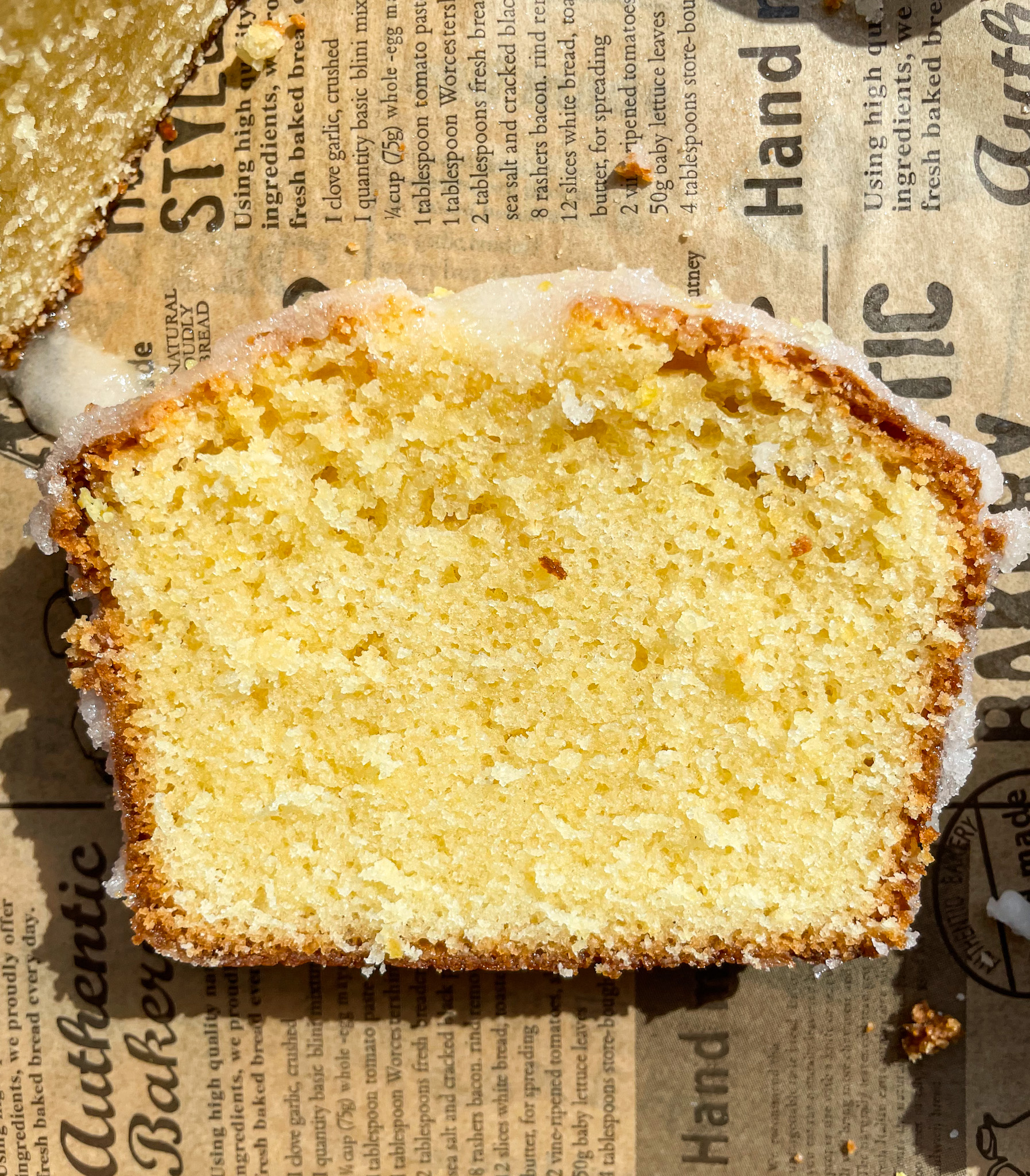
The dense crumb characteristic of lemon pound cake comes from high fat content. Butter and eggs create moisture and richness. This density allows the cake to support glazes and icings without becoming soggy.
The Evolution to Lemon Pound Cake
Adding citrus to pound cake creates bright, refreshing flavor. Lemon became the most popular variation thanks to its universal appeal. The tartness cuts through richness, preventing the cake from tasting heavy.
Lemon pound cake gained popularity in American bakeries during the mid-twentieth century. The combination of familiar cake with citrus twist appealed to broad audiences. Today it remains one of the most beloved cake varieties.
Starbucks elevated lemon pound cake to iconic status through consistent quality. Their version features pronounced lemon flavor with sweet glaze. This recipe recreates that coffeehouse experience at home.
What Makes Pound Cake Different
Pound cake differs from regular cake through ingredient ratios and mixing method. Higher fat content creates denser texture. The ratio of eggs to flour is greater, producing moister crumb.
Lemon pound cake uses the creaming method or simple stirring. Unlike layer cakes that require careful folding, pound cake batter tolerates more mixing. This makes it ideal for beginner bakers.
The texture should be fine-grained and tight. Properly made lemon pound cake slices cleanly without crumbling. The density provides satisfying mouthfeel that lighter cakes cannot match.
Selecting Quality Ingredients
Ingredient quality dramatically affects the final taste of lemon pound cake. Premium components yield superior results worth the modest extra cost. Each ingredient contributes specific properties to the finished cake.
Fresh ingredients always produce better lemon pound cake than old ones. Check expiration dates on dairy products and leavening agents. Stale ingredients compromise both flavor and texture significantly.
Shopping for the best ingredients doesn’t require specialty stores. Most supermarkets carry everything needed for excellent lemon pound cake. Choose carefully and your homemade version rivals any bakery.
Choosing the Right Lemons
Meyer lemons create sweeter, less tart lemon pound cake. These specialty lemons have thinner skins and floral notes. Regular Eureka or Lisbon lemons provide more classic tart flavor.
Look for lemons with smooth, thin skins. Thick-skinned varieties contain less juice and produce less zest. The fruit should feel heavy for its size, indicating good juice content.
Organic lemons are preferable when using zest. Conventional lemons may have wax coating or pesticide residue on peels. Wash all lemons thoroughly before zesting for your lemon pound cake.
Flour and Leavening
All-purpose flour from reputable brands works best for lemon pound cake. Store flour in airtight containers to maintain freshness. Old flour can develop off flavors that affect your cake.
Baking powder should be aluminum-free for best flavor. Check freshness by mixing quarter teaspoon with hot water. Fresh baking powder bubbles vigorously, ensuring proper rise in lemon pound cake.
Measure flour correctly using spoon-and-level method. Scooping directly from the bag compacts flour, adding too much. Excess flour creates dry, tough lemon pound cake.
Dairy and Fat Selection
Heavy cream with at least thirty-six percent fat produces richest lemon pound cake. Light cream or half-and-half won’t provide the same luxurious texture. The extra fat keeps the cake incredibly moist.
Vegetable oil should be neutral-flavored like canola or grapeseed. Strong-flavored oils like olive oil overpower delicate lemon taste. The oil keeps lemon pound cake tender even when refrigerated.
Use large eggs at room temperature for best results. Cold eggs don’t emulsify as well into batter. Let eggs sit out thirty minutes before making lemon pound cake.
Sugar Types
Granulated white sugar creates classic sweet flavor in lemon pound cake. The fine crystals dissolve easily, creating smooth batter. Sugar also tenderizes by interfering with gluten development.
Powdered sugar for the glaze should be sifted before mixing. Lumpy glaze looks unprofessional on your lemon pound cake. Sifting takes seconds but makes significant visual difference.
Some bakers add a tablespoon of lemon zest to the sugar. This intensifies citrus flavor throughout the lemon pound cake. The technique requires no additional ingredients or effort.
Step-by-Step Baking Instructions
Creating lemon pound cake involves straightforward steps that anyone can master. The process flows logically from preparation through baking to glazing. Following these instructions ensures consistent, delicious results every time.
Preparation makes the actual baking process smooth and enjoyable. Gather all ingredients and measure them before starting. Having everything ready prevents scrambling mid-recipe when making lemon pound cake.
Take your time with each stage for best results. Rushing leads to mistakes and inferior cake. The total time from start to finish is under an hour for fresh lemon pound cake.
Preparing Your Pan and Oven
Preheat oven to three hundred fifty degrees Fahrenheit before mixing batter. Proper oven temperature is crucial for even baking. Starting lemon pound cake in cold oven produces uneven texture.
Grease a nine-by-five-inch loaf pan thoroughly with butter or cooking spray. Dust with flour, tapping out excess. This prevents sticking and ensures easy removal of your lemon pound cake.
Line the bottom with parchment paper for extra insurance. Cut parchment to fit pan bottom exactly. This simple step guarantees your lemon pound cake releases perfectly every time.
Mixing the Batter
Zest lemons directly over sugar in a large mixing bowl. Rub zest into sugar with fingertips to release oils. This technique maximizes lemon flavor throughout your lemon pound cake.
Whisk together eggs, heavy cream, vegetable oil, and vanilla extract. Beat until well combined and slightly frothy. This creates the liquid base for your lemon pound cake batter.
Add flour, baking powder, and salt to the lemon-sugar mixture. Pour in wet ingredients and stir gently until just combined. Overmixing develops gluten, creating tough lemon pound cake.
Adding Fresh Lemon Juice
Squeeze fresh lemon juice and measure accurately. Too much juice creates overly wet batter. Too little produces insufficient lemon flavor in your finished lemon pound cake.
Fold lemon juice into batter using gentle strokes. The acid in juice reacts with baking powder, creating lift. This reaction begins immediately, so bake the lemon pound cake promptly after mixing.
The finished batter should be thick but pourable. If it seems too thick, add a tablespoon of cream. Proper consistency ensures even baking throughout the lemon pound cake.
Baking to Perfection
Pour batter into prepared pan, smoothing the top with spatula. Tap pan gently on counter to release air bubbles. This prevents large holes in your finished lemon pound cake.
Bake for fifty to sixty minutes until golden brown. A toothpick inserted in center should emerge with few moist crumbs. Overbaking creates dry lemon pound cake, so check early.
Let cake cool in pan for fifteen minutes before turning out. The structure needs time to set properly. Removing too soon causes the lemon pound cake to break apart.
Creating the Lemon Glaze
Whisk together powdered sugar and fresh lemon juice until smooth. The glaze should be thick but pourable. Too thin and it runs off; too thick and it won’t spread nicely on lemon pound cake.
Add glaze while cake is still slightly warm. The warmth helps glaze soak into the surface slightly. This creates that characteristic Starbucks-style appearance on your lemon pound cake.
Let glaze set completely before slicing, about thirty minutes. Cutting too soon creates messy slices. Patience ensures beautiful presentation of your lemon pound cake.

Professional Baking Tips
These expert techniques elevate homemade lemon pound cake to bakery quality. Small details make significant differences in final results. Professional bakers use these methods for consistent excellence every batch.
Temperature control matters throughout the baking process. Room temperature ingredients blend more smoothly than cold ones. Proper oven temperature ensures even baking of your lemon pound cake.
Practice improves your skills with each cake you make. Don’t be discouraged if first attempts aren’t perfect. Every baker learns through experience creating lemon pound cake.
Achieving Maximum Lemon Flavor
Use microplane grater for finest lemon zest. Large pieces don’t distribute evenly through batter. Fine zest releases more oils, intensifying flavor throughout lemon pound cake.
Zest only the colored part of peel. White pith underneath tastes bitter and unpleasant. Careful zesting ensures pure lemon flavor in your lemon pound cake.
Some bakers add lemon extract for extra intensity. Use one teaspoon along with fresh zest and juice. This creates incredibly lemony lemon pound cake that citrus lovers adore.
Ensuring Moist Texture
Don’t overbake your lemon pound cake. Check doneness five minutes before minimum time. The cake continues cooking slightly after removal from oven.
Brush simple syrup on warm cake before glazing. Mix equal parts sugar and lemon juice, heating until dissolved. This extra step creates supremely moist lemon pound cake.
Store properly to maintain moisture. Wrap cooled cake tightly in plastic wrap. Proper storage keeps lemon pound cake soft for up to one week.
Perfecting the Glaze
Sift powdered sugar before mixing glaze. Lumps create unattractive appearance on your lemon pound cake. Smooth glaze looks professional and appetizing.
Adjust consistency with small amounts of liquid or sugar. Add juice by teaspoonfuls if too thick. Add sugar by tablespoons if too thin. Perfect glaze makes perfect lemon pound cake.
Apply glaze in thin layer first, then add more. Multiple thin coats look better than one thick application. This technique creates that bakery-perfect appearance on lemon pound cake.

Common Mistakes to Avoid
Understanding potential pitfalls helps prevent frustration when making lemon cake. Many issues have simple solutions once identified. Learning what not to do improves success rates significantly.
Most problems stem from ingredient temperatures or oven issues. Getting these elements right solves ninety percent of difficulties. Attention to detail ensures successful lemon cake every time.
Even experienced bakers occasionally face challenges with pound cakes. Don’t let setbacks discourage continued attempts. Each batch teaches valuable lessons about making lemon cake.
Dry or Crumbly Texture
Overbaking is the primary cause of dry lemon cake. Set timer for minimum recommended time. Check doneness and add time in five-minute increments if needed.
Insufficient fat also creates dry texture. Measure oil and cream accurately using liquid measuring cups. Too little fat produces dry, unpleasant lemon cake.
Old baking powder loses effectiveness over time. Replace baking powder every six months for reliable results. Fresh leavening creates tender, moist lemon cake.
Dense or Gummy Center
Underbaking leaves center gummy and wet. Use toothpick test in several spots. The cake should be done throughout, not just at edges.
Overmixing develops too much gluten. Stir batter only until ingredients combine. Excessive mixing creates tough, dense lemon cake.
Incorrect oven temperature causes uneven baking. Use oven thermometer to verify accuracy. Many ovens run hot or cold, affecting your lemon pound cake.
Sunken or Cracked Top
Opening oven door too early causes collapse. Wait until minimum baking time before checking. Sudden temperature changes make lemon pound cake sink in middle.
Overfilling pan leads to overflow and uneven rising. Fill pan only two-thirds full with batter. Proper filling creates evenly risen lemon pound cake.
Cracks on top are actually normal for pound cakes. The dense batter naturally cracks during baking. Don’t worry about cracks on your lemon pound cake; glaze covers them.
Delicious Variations to Try
Once you master basic lemon cake, countless variations await. Different add-ins and flavors keep this recipe exciting. Customization allows endless creativity while maintaining core technique.
Consider your audience when selecting variations. Kids prefer simpler flavors while adults enjoy sophisticated combinations. Having multiple versions makes lemon pound cake suitable for any occasion.
Document successful experiments for future reference. Note what worked and what didn’t. This practice helps develop signature versions of lemon pound cake.
Poppy Seed Lemon Cake
Add two tablespoons poppy seeds to batter for classic combination. The tiny seeds add subtle crunch and visual interest. Poppy seed lemon pound cake is a traditional variation.
Toast poppy seeds briefly before adding for enhanced flavor. Heat them in dry skillet until fragrant. This extra step creates more complex taste in lemon cake.
Some recipes use three tablespoons for more pronounced poppy seed presence. Adjust amount based on personal preference. Either quantity creates delicious lemon cake variation.
Blueberry Lemon Version
Fold one cup fresh or frozen blueberries into batter. Toss berries with tablespoon flour first to prevent sinking. Blueberry lemon cake offers beautiful color and flavor.
Frozen berries work year-round when fresh aren’t available. Don’t thaw them before adding to batter. Frozen berries maintain better shape in finished lemon cake.
Reduce lemon juice slightly when adding berries. The extra moisture from fruit affects batter consistency. Adjust for perfectly textured blueberry lemon cake.
Cream Cheese Swirl
Create cream cheese filling by mixing softened cream cheese, sugar, and egg. Swirl into batter before baking. This creates stunning marbled lemon cake.
Pour half the batter in pan, add cream cheese mixture, then remaining batter. Use knife to create swirls. The tangy cream cheese complements lemon beautifully.
Bake slightly longer when adding cream cheese layer. The extra moisture requires additional time. Check doneness carefully for perfect cream cheese lemon pound cake.
Lavender Lemon Option
Add one tablespoon dried culinary lavender to batter for sophisticated flavor. Grind lavender finely in spice grinder first. Lavender lemon cake tastes elegant and unique.
Use culinary lavender, not decorative varieties. Food-grade lavender ensures safe, pleasant flavor. Too much lavender tastes soapy, so measure carefully.
This variation pairs beautifully with afternoon tea. The floral notes complement citrus perfectly. Lavender lemon cake impresses at special occasions.
Storage and Serving Suggestions
Proper storage maintains quality of lemon cake between servings. While best fresh, stored cake remains delicious for days. Follow these guidelines for optimal results.
Plan consumption timing when making lemon pound cake. This cake actually improves after one day as flavors meld. The texture remains excellent for up to one week properly stored.
Presentation matters when serving lemon cake. Beautiful display enhances enjoyment and shows pride in your baking. Simple touches make big impressions.
Room Temperature Storage
Store lemon cake at room temperature wrapped tightly in plastic wrap. It stays fresh for up to one week this way. The glaze helps seal in moisture.
Place wrapped cake in airtight container for extra protection. This prevents drying and protects from absorbing odors. Properly stored lemon cake maintains quality beautifully.
Keep stored cake away from direct sunlight and heat. Cool, dark locations work best for maintaining texture. Room temperature storage is ideal for lemon pound cake.
Freezing for Longer Storage
Lemon pound cake freezes excellently for up to three months. Wrap tightly in plastic wrap, then aluminum foil. Double wrapping prevents freezer burn.
Freeze whole cake or individual slices for convenience. Pre-slicing allows you to thaw only what you need. Frozen lemon cake provides ready-made treats anytime.
Thaw frozen cake in refrigerator overnight. Bring to room temperature before serving for best texture. Properly frozen and thawed lemon cake tastes freshly baked.
Serving Ideas
Serve lemon pound cake at room temperature for optimal flavor. Cold cake tastes muted compared to room temperature. Let refrigerated slices sit out fifteen minutes before eating.
Dust with additional powdered sugar just before serving. Fresh sugar looks pristine and appetizing. This simple touch makes lemon cake look bakery-professional.
Accompany with fresh berries and whipped cream for elegant dessert. The additions complement without overwhelming citrus flavor. Dressed-up lemon pound cake suits special occasions beautifully.
Beverage Pairings
Hot coffee complements lemon cake perfectly. The slight bitterness balances sweetness nicely. This classic pairing never disappoints at breakfast or afternoon snack.
Earl Grey tea with its bergamot notes echoes citrus theme. The floral tea enhances lemon flavors beautifully. This sophisticated pairing suits afternoon tea perfectly.
Sparkling water with lemon slice provides refreshing accompaniment. The bubbles cleanse palate between bites. This light pairing lets lemon pound cake shine.
Frequently Asked Questions
Common questions arise when making lemon cake for the first time. These answers address frequent concerns and troubleshooting. Understanding these points ensures better success.
Don’t hesitate to experiment based on this guidance. Every kitchen differs and preferences vary. Use this information as foundation then adapt accordingly.
These questions cover technical and practical considerations. Whether wondering about substitutions or solving texture issues, helpful information follows.
Can I use bottled lemon juice?
Fresh lemon juice produces superior lemon cake. Bottled juice lacks bright, fresh flavor of real fruit. The difference is quite noticeable in finished cake.
If you must use bottled, choose refrigerated varieties over shelf-stable. Refrigerated juice tastes fresher than processed versions. Still, fresh is always best for lemon pound cake.
Never substitute bottled juice for zest. The zest provides essential oils that create authentic lemon flavor. Always use fresh lemons for zesting your lemon pound cake.
Why did my cake sink in the middle?
Opening oven door too early causes sinking. The structure hasn’t set yet and cannot support itself. Wait until minimum baking time before peeking at lemon pound cake.
Undermixing or overmixing both cause structural problems. Mix just until ingredients combine uniformly. Proper mixing creates stable lemon pound cake that doesn’t collapse.
Incorrect oven temperature affects rising and setting. Use oven thermometer to verify accuracy. Proper temperature ensures even baking throughout your lemon cake.
Can I make this in a bundt pan?
Yes, bundt pans work beautifully for lemon cake. Grease pan very thoroughly, especially in crevices. Use baking spray with flour for easiest release.
Reduce baking time slightly in bundt pans. The center tube conducts heat, cooking cake faster. Check doneness after forty-five minutes for bundt lemon pound cake.
Let cake cool fifteen minutes before inverting. The structure needs time to set properly. Patience ensures your bundt lemon cake releases cleanly.
How do I know when it’s done?
Toothpick inserted in center should emerge with few moist crumbs. Completely clean means slightly overbaked. Wet batter means needs more time.
The top should be golden brown and spring back when touched lightly. Edges should pull away slightly from pan sides. These visual cues indicate done lemon pound cake.
Internal temperature should reach two hundred to two hundred five degrees. Use instant-read thermometer in center for accuracy. Temperature confirms doneness of your lemon cake.
Can I reduce the sugar?
Reducing sugar affects both sweetness and texture. Sugar tenderizes cake and helps retain moisture. Cutting sugar creates drier, tougher lemon pound cake.
If you must reduce, decrease by no more than one-quarter. Any more significantly compromises texture. The cake needs sugar for proper structure and moisture.
Consider reducing glaze sugar instead of cake sugar. The glaze provides concentrated sweetness. Less glaze keeps lemon cake sweet but reduces overall sugar content.
Final Thoughts on Lemon Pound Cake
Creating homemade lemon cake brings bakery-quality treats into your kitchen. The process is straightforward enough for beginners yet impressive for experienced bakers. This recipe delivers consistent, delicious results every time.
The bright lemon flavor combined with rich, buttery texture creates irresistible appeal. Each slice offers pure sunshine and comfort. Homemade lemon pound cake tastes far superior to any store-bought version.
Don’t be intimidated by pound cake’s reputation. This recipe simplifies the process while maintaining authentic results. With basic ingredients and simple mixing, you’ll create exceptional lemon cake.
The versatility makes this recipe valuable in any baker’s collection. Serve for breakfast, brunch, dessert, or snacks. Lemon cake suits any occasion beautifully.
Share your homemade lemon cake with others for maximum joy. These treats taste even better when enjoyed together. The compliments and requests for the recipe make every minute of baking worthwhile.
Start your lemon pound cake journey today. Gather fresh lemons and basic ingredients. Soon you’ll be slicing golden, glazed perfection that rivals any coffeehouse. Your homemade lemon pound cake will become a beloved staple in your baking repertoire.
Watch the recipe video for more clarity
See our similar recipes:
People also like our these recipes:
FOR THE POUND CAKE
- 330 g white sugar
- 4 large eggs room temperature
- Zest of 2 lemons
- 240 g all-purpose flour
- 1 tsp baking powder
- 1/2 tsp salt
- 85 g vegetable oil
- 160 g heavy cream
- 1 1/2 tbsp lemon juice
- 1 pack vanilla
FOR THE LEMON GLAZE
- 150 g powdered sugar
- 4-5 tsp lemon juice
- ½ tsp heavy cream
Preheat your conventional oven to 160ºC/320ºF and line a 21.5 x 11.5 cm (8.5 x 4.5 inch) loaf pan with parchment paper, leaving enough overhang on each side to easily lift the pound cake out later.
In a mixing bowl, combine granulated sugar and lemon zest, rubbing them together until the mixture resembles wet sand to release the lemon zest's flavor. Add the eggs and whisk until well combined. Pour in the heavy cream, whisking again until smooth.
Place a sieve over the bowl and sift in the all-purpose flour, baking powder, and salt into the batter. Add the vegetable oil, vanilla extract, and lemon juice, gently stirring until the batter is smooth and fully combined.
Pour the cake batter into the prepared loaf pan. To ensure even baking, run a butter knife straight down the center of the batter.
Bake for 75-90 minutes or until a cake tester or toothpick inserted into the center comes out clean. Note: Baking times may vary depending on the size of your loaf pan.
Allow the pound cake to cool in the pan on a wire rack for 10 minutes. Then, using the parchment paper overhang, carefully lift the cake out of the pan and let it cool completely on the wire rack before slicing and serving.
Place the lemon pound cake on a serving dish. Combine all the ingredients for the glaze and pour it over the pound cake. For an extra touch, decorate with lemon slices after the icing has fully set.
If you've given this recipe a try and it won you over, please share your thoughts by leaving
a rating and comment below! If you have any questions about this recipe, don't hesitate to ask – I'm here to
help and will respond promptly.