Making Perfect Brioche Jelly Donuts at Home
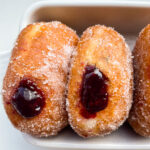
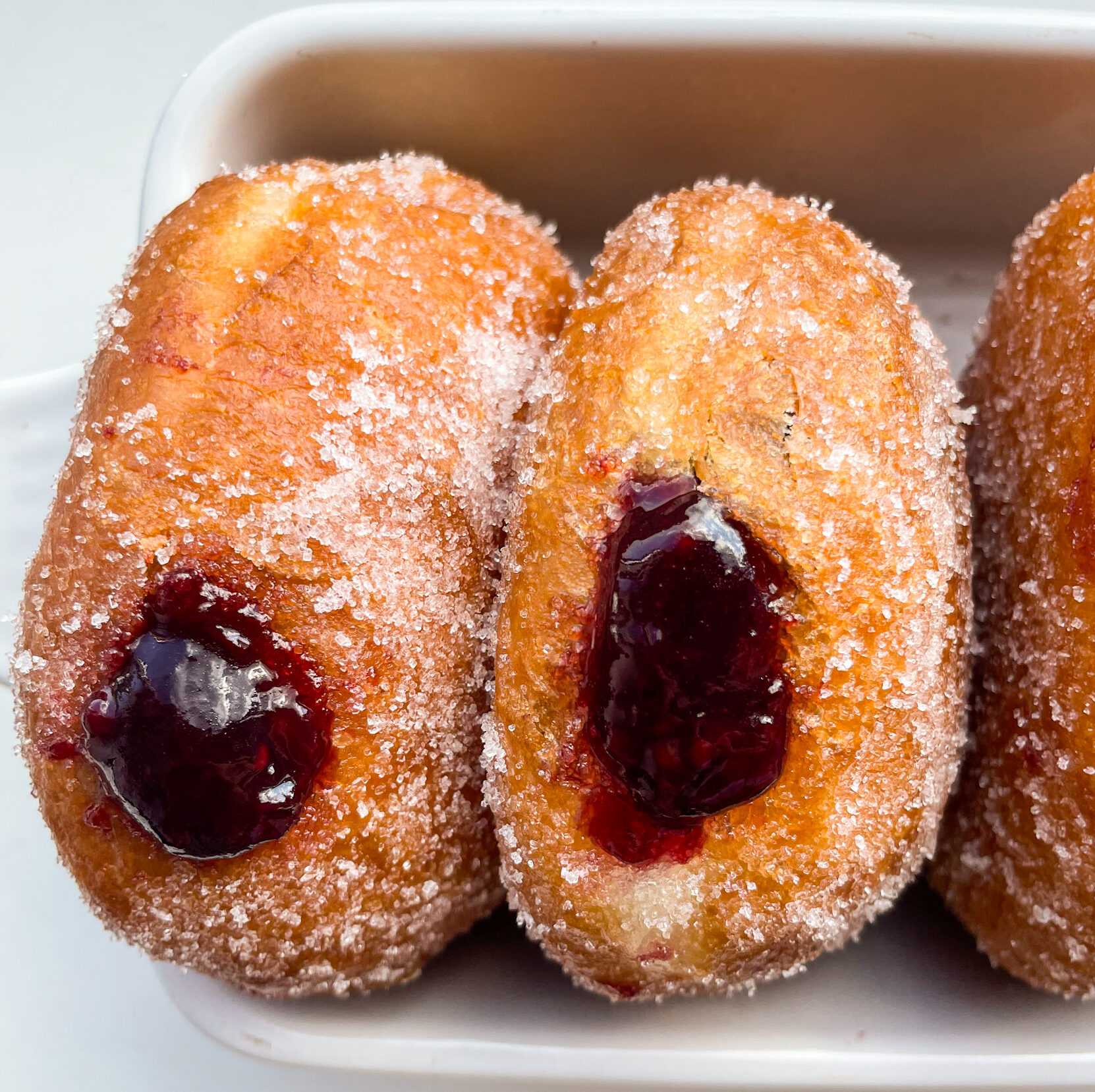
Classic brioche jelly donuts are a delicious dessert that combines the buttery richness of brioche with a burst of sweet jelly inside. These donuts are soft, airy and slightly sweet, perfect for any time of day. Each bite offers a satisfying contrast between the soft brioche dough and the fruit jelly filling. Whether enjoyed with a cup of coffee for breakfast or as an afternoon snack, brioche jelly donuts are sure to put a smile on your face.
Making brioche jelly donuts from scratch might seem challenging, but the process is surprisingly manageable. With basic ingredients and patience, you can create bakery-quality treats in your own kitchen. The aroma of fresh brioche jelly donuts filling your home is absolutely irresistible.
These luxurious donuts stand apart from standard varieties thanks to their enriched dough. The high butter and egg content creates an incredibly tender crumb. Once you taste homemade brioche jelly donuts, store-bought versions simply cannot compare.
Why These Brioche Jelly Donuts Are Special
Traditional brioche jelly donuts use an enriched dough that transforms ordinary donuts into something extraordinary. The butter creates a rich, almost pastry-like texture while eggs provide structure and golden color. This combination elevates brioche jelly donuts above regular cake or yeast donuts.
The contrast between crispy exterior and soft interior defines excellent brioche jelly donuts. Proper frying creates a delicate crust that shatters at first bite. Inside, the tender crumb practically melts on your tongue while sweet jelly provides bursts of fruity flavor.
What makes these brioche jelly donuts truly exceptional is their versatility. Serve them for breakfast, brunch, dessert, or afternoon tea. They work equally well at casual family gatherings and elegant celebrations. Everyone loves these crowd-pleasing treats.
Key Ingredients Overview
Quality ingredients form the foundation of outstanding brioche jelly donuts. All-purpose or bread flour provides necessary structure while maintaining tenderness. Bread flour creates slightly chewier brioche jelly donuts while all-purpose yields softer results.
Butter is absolutely crucial for authentic flavor and texture. Use European-style butter with higher fat content when possible. The extra richness makes a noticeable difference in your finished brioche jelly donuts.
Fresh eggs contribute color, flavor, and structure. They also help create the characteristic golden hue associated with quality brioche jelly donuts. High-quality jam or jelly for filling completes the package with fruity sweetness.
Understanding Brioche Dough
Brioche represents one of the richest yeast doughs in baking. The high proportion of butter and eggs distinguishes it from standard bread dough. This enrichment creates the luxurious texture that makes brioche jelly donuts so special.
Traditional French bakers developed brioche centuries ago. The technique requires patience and proper temperature control. Modern home bakers can successfully create brioche jelly donuts by understanding fundamental principles.
The butter content in brioche dough presents unique challenges. Too warm and the butter melts, creating greasy dough. Too cold and it won’t incorporate properly. Managing temperature is essential for perfect brioche jelly donuts.
The Science Behind Brioche
Gluten development in enriched dough works differently than lean dough. Fat coats flour proteins, slowing gluten formation. This means brioche jelly donuts require longer mixing times to develop proper structure.
Eggs add moisture, fat, and emulsifiers to the dough. Lecithin in egg yolks helps bind ingredients together smoothly. This creates the fine, even crumb structure characteristic of excellent brioche jelly donuts.
Yeast fermentation develops complex flavors over time. Longer rises create more nuanced taste in brioche jelly donuts. The slight tanginess balances the richness beautifully.
Why Brioche Makes Superior Donuts
The tender crumb of brioche jelly donuts comes from high fat content. Butter shortens gluten strands, creating delicate texture. This tenderness persists even after frying, unlike standard donuts that can become tough.
Brioche dough absorbs less oil during frying than lean doughs. The fat in the dough creates a barrier against excessive oil absorption. This results in lighter, less greasy brioche jelly donuts.
The slightly sweet dough complements jelly filling perfectly. Sugar in brioche dough enhances overall flavor without overwhelming. This balance makes brioche jelly donuts satisfying without being cloying.
Selecting Quality Ingredients
Ingredient quality directly impacts the final taste and texture of brioche jelly donuts. Premium components yield superior results worth the investment. Each ingredient plays a specific role in creating perfect donuts.
Fresh ingredients always produce better brioche jelly donuts than old ones. Check expiration dates on dairy products and yeast. Stale ingredients compromise flavor and texture significantly.
Source ingredients from reputable suppliers when possible. Specialty baking stores often carry better quality flour and European butter. These small upgrades make noticeable differences in your brioche jelly donuts.
Choosing the Right Flour
Bread flour contains higher protein than all-purpose, typically twelve to fourteen percent. This extra protein develops more gluten for structure. Bread flour creates brioche jelly donuts with better rise and chewier texture.
All-purpose flour works perfectly fine for softer brioche jelly donuts. The lower protein content yields more tender results. Choose based on your texture preference for the finished product.
Avoid self-rising flour for this recipe. The added leavening agents interfere with yeast activity. Use only plain flour when making brioche jelly donuts for best results.
Butter Quality Matters
Unsalted butter gives you complete control over salt levels in brioche jelly donuts. Different brands contain varying amounts of salt. Starting with unsalted ensures consistent results every batch.
European-style butter contains eighty-two to eighty-six percent fat compared to eighty percent in American butter. This higher fat content creates richer, more flavorful brioche jelly donuts. The extra expense is worth it.
Butter should be at proper temperature before mixing. Too cold and it won’t incorporate smoothly. Too soft and it makes the dough greasy. Room temperature butter blends perfectly into brioche jelly donuts dough.
Fresh Eggs and Dairy
Use large eggs at room temperature for brioche jelly donuts. Cold eggs don’t emulsify as well into the dough. Let eggs sit out thirty minutes before mixing for optimal results.
Whole milk provides necessary moisture and richness. Low-fat milk produces less flavorful brioche jelly donuts. Heavy cream adds extra luxury if you want supremely rich donuts.
Fresh dairy products taste significantly better than older ones. Milk and cream should smell sweet and clean. Any off odors indicate spoilage that will ruin your brioche jelly donuts.
Jelly and Jam Selection
Choose smooth jellies or seedless jams for filling brioche jelly donuts. Seeds can clog piping tips and create texture issues. Smooth fillings pipe easily and taste better.
Fruit preserves with large chunks don’t work well in brioche jelly donuts. The pieces prevent smooth piping and create uneven filling. Stick with uniformly smooth products.
Popular flavors include raspberry, strawberry, grape, and apricot. Choose high-quality preserves with real fruit. Better jam makes better brioche jelly donuts, simple as that.
Step-by-Step Preparation Instructions
Creating brioche jelly donuts involves multiple stages spread over several hours. Each step builds toward the final delicious product. Patience and attention to detail ensure success.
Read through the entire recipe before beginning. Understanding the process helps you plan timing effectively. Brioche jelly donuts require advance preparation, not last-minute rushing.
Set up your workspace with all necessary equipment. Having everything ready streamlines the process significantly. Organization makes creating brioche jelly donuts more enjoyable.
Mixing the Dough
Combine flour, sugar, salt, and instant yeast in a large mixing bowl. Mix dry ingredients thoroughly before adding wet ingredients. This ensures even distribution throughout your brioche jelly donuts dough.
Whisk together eggs, milk, and heavy cream in a separate container. Pour wet ingredients into dry ingredients. Mix on low speed until everything comes together into shaggy dough.
Increase mixer speed to medium and knead for eight to ten minutes. The dough should become smooth and elastic. Properly developed gluten creates the perfect texture in brioche jelly donuts.
Incorporating the Butter
Add softened butter one tablespoon at a time to the dough. Wait until each addition incorporates before adding more. This gradual process prevents greasy dough and ensures proper emulsification.
Continue mixing after all butter is added. The dough will seem messy initially but eventually comes together. Patience during this stage is crucial for successful brioche jelly donuts.
Properly mixed brioche dough should be smooth, elastic, and slightly sticky. It should pull away from bowl sides but remain tacky. This consistency creates ideal brioche jelly donuts.
First Rise
Transfer dough to a lightly greased bowl. Turn to coat all surfaces with oil preventing dry skin formation. Cover bowl with plastic wrap or damp towel.
Let dough rise in a warm, draft-free location for one to two hours. It should double in size during this period. This fermentation develops flavor and structure in brioche jelly donuts.
Alternatively, refrigerate dough overnight for cold fermentation. This slower rise creates more complex flavors. Cold dough is also easier to handle when making brioche jelly donuts.
Shaping the Donuts
Punch down risen dough to release air bubbles. Turn out onto lightly floured surface. Roll dough to approximately half-inch thickness for proper brioche jelly donuts.
Cut rounds using a three-inch cutter. Avoid twisting the cutter as this seals edges and prevents proper rise. Press straight down and lift up cleanly.
Place cut rounds on parchment-lined baking sheets. Space them two inches apart allowing room for expansion. Cover loosely and let rise again until doubled.
Frying to Perfection
Heat frying oil to exactly three hundred fifty degrees Fahrenheit. Use a thermometer for accuracy. Proper temperature is critical for perfect brioche jelly donuts.
Carefully slide risen donuts into hot oil. Fry only two or three at a time to maintain temperature. Crowding drops oil temperature resulting in greasy donuts.
Fry for two to three minutes per side until deep golden brown. Flip once halfway through cooking. Properly fried brioche jelly donuts have even color all around.
Filling with Jelly
Let fried brioche jelly donuts cool slightly until safe to handle. They should still be warm for easiest filling. Hot donuts absorb jelly better than completely cooled ones.
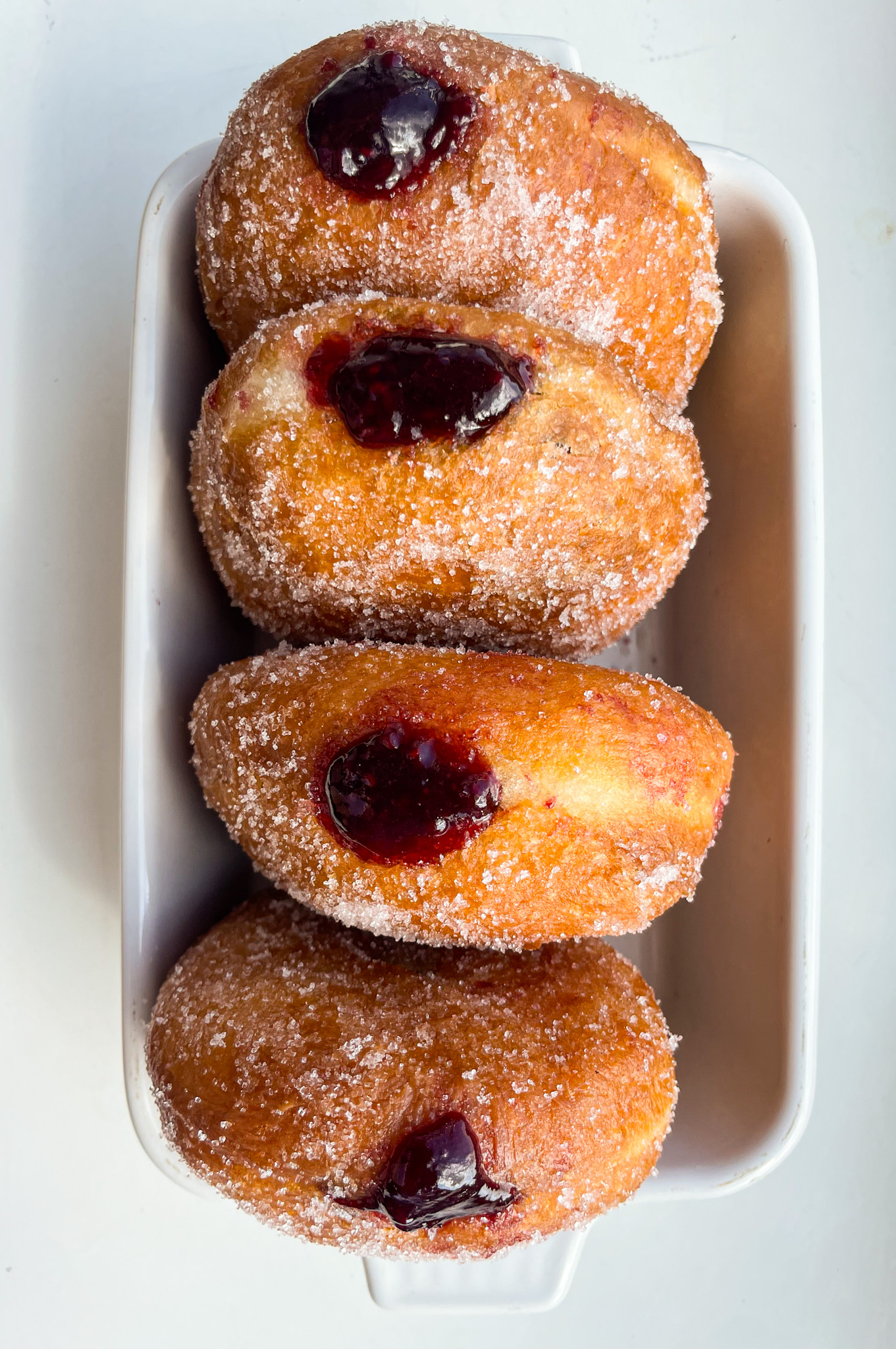
Fill a piping bag fitted with a long, narrow tip with jelly. Insert tip into side of each donut. Gently squeeze to fill interior cavity with jelly.
You’ll feel the donut grow heavier and slightly expand when properly filled. Don’t overfill or jelly will burst out. Properly filled brioche jelly donuts contain generous filling without leaking.
Professional Tips for Success
These expert techniques elevate homemade brioche jelly donuts to bakery quality. Small details make significant differences in final results. Professional bakers use these methods for consistent excellence.
Temperature control matters throughout the entire process. Keep ingredients, dough, and oil at proper temperatures. This attention to detail separates good brioche jelly donuts from exceptional ones.
Practice improves your skills with each batch. Don’t be discouraged if first attempts aren’t perfect. Every baker learns through experience making brioche jelly donuts.
Achieving Light, Airy Texture
Proper gluten development is essential for light brioche jelly donuts. Mix dough long enough for full development. The windowpane test confirms readiness when dough stretches thin without tearing.
Don’t skip rising times even if rushing. Proper fermentation develops flavor and structure. Rushed brioche jelly donuts taste flat and have dense texture.
Fry at correct temperature for optimal rise and texture. Too hot and exteriors burn before interiors cook. Too cool and donuts absorb excess oil becoming greasy.
Temperature Management
Work in a cool kitchen when making brioche dough. High ambient temperature causes butter to melt prematurely. If dough becomes too soft, refrigerate briefly before continuing.
Bring ingredients to proper temperature before mixing. Room temperature eggs and butter blend more smoothly. Cold ingredients create lumpy dough and poor brioche jelly donuts.
Monitor oil temperature constantly while frying. Adjust heat as needed to maintain three hundred fifty degrees. Consistent temperature produces evenly cooked brioche jelly donuts every time.
Filling Techniques
Use a piping bag with proper tip for filling brioche jelly donuts. Bismarck tips work best with their long, narrow shape. These reach donut centers easily without tearing.
Insert tip all the way to donut center before piping. This ensures even distribution of filling throughout. Partially inserted tips create uneven filling in brioche jelly donuts.
Pipe slowly and steadily while monitoring donut expansion. Stop when you feel resistance or see jelly beginning to leak. Perfect brioche jelly donuts have generous filling without overflow.
Common Mistakes to Avoid
Understanding potential problems helps prevent frustration when making brioche jelly donuts. Many issues have simple solutions once identified. Learning what not to do improves success rates significantly.
Most problems stem from temperature issues or rushing. Taking time and monitoring temperatures solves ninety percent of difficulties. Patience truly is virtue when creating brioche donuts.
Even experienced bakers occasionally face challenges with enriched doughs. Don’t let setbacks discourage continued attempts. Each batch teaches valuable lessons about making brioche donuts.
Dough Too Sticky or Greasy
Excessive stickiness usually indicates butter added too quickly. Add butter gradually allowing full incorporation between additions. Rushed butter addition creates greasy brioche jelly donuts dough.
Warm temperatures also cause overly sticky dough. The butter melts creating greasy mess. Refrigerate briefly to firm up butter if dough becomes unmanageable.
Too much flour added during kneading makes tough brioche donuts. Use minimal flour on work surfaces. The dough should remain slightly tacky for best results.
Poor Rise or Dense Texture
Dead yeast prevents proper rising in brioche donuts. Check expiration dates before using. Test questionable yeast by proofing in warm water with sugar.
Insufficient kneading produces weak gluten structure. Knead until dough passes windowpane test. Underdeveloped gluten creates dense, heavy brioche jelly donuts.
Rushing rise times prevents full fermentation. Let dough rise until doubled each time. Proper fermentation is essential for light, airy brioche donuts.
Frying Problems
Oil temperature too low causes greasy brioche donuts. The dough absorbs excessive oil before cooking through. Always maintain three hundred fifty degrees Fahrenheit.
Overcrowding the pot drops oil temperature rapidly. Fry only a few brioche donuts at a time. Maintaining temperature is more important than speed.
Insufficient draining leaves oil on finished donuts. Use wire racks rather than paper towels alone. Proper drainage prevents soggy brioche jelly donuts.
Delicious Variations to Try
Once you master classic brioche jelly donuts, countless variations await exploration. Different fillings and toppings keep this recipe exciting. Customization allows endless creativity.
Consider your audience when selecting variations. Kids prefer simpler flavors while adults enjoy sophisticated options. Having multiple styles makes brioche jelly donuts suitable for any occasion.
Document successful experiments for future reference. Note what worked and what didn’t. This practice helps develop signature versions of brioche jelly donuts.
Alternative Fillings
Pastry cream creates luxurious filled brioche jelly donuts. Vanilla, chocolate, or fruit-flavored creams all work beautifully. These rich fillings pair perfectly with buttery dough.
Lemon curd provides bright, tangy contrast to sweet dough. The citrus cuts through richness nicely. Lemon-filled brioche donuts taste especially refreshing.
Nutella or chocolate ganache appeals to chocolate lovers. These decadent fillings transform brioche donuts into serious desserts. Dust with powdered sugar for elegant presentation.
Coating and Topping Options
Cinnamon sugar creates classic coating for brioche jelly donuts. Roll warm donuts in mixture immediately after frying. The sugar adheres beautifully to still-oily surface.
Vanilla glaze adds sweetness and visual appeal. Simple powdered sugar glaze dries to attractive finish. Glazed brioche donuts look professional and bakery-worthy.
Chocolate glaze satisfies chocolate cravings. Dip tops of filled donuts in melted chocolate. Sprinkle with chopped nuts or sprinkles before chocolate sets.
Flavor Variations
Add citrus zest to dough for bright flavor. Lemon or orange zest complements jelly filling nicely. These aromatic brioche donuts smell absolutely amazing.
Vanilla bean paste creates sophisticated flavor. Split and scrape real vanilla beans for ultimate luxury. Vanilla-enhanced brioche donuts taste extraordinarily good.
Almond extract provides subtle nutty notes. Use sparingly as flavor is quite strong. Almond brioche donuts pair especially well with cherry or apricot filling.
Storage and Serving Suggestions
Proper storage maintains quality of brioche jelly donuts between servings. While best fresh, stored donuts remain enjoyable with proper handling. Follow these guidelines for optimal results.
Plan consumption timing when making brioche donuts. These treats taste best within twenty-four hours of making. The texture gradually declines over time.
Presentation matters when serving brioche donuts. Beautiful display enhances enjoyment and shows respect for your effort. Simple touches make big impressions.
Short-Term Storage
Store brioche jelly donuts at room temperature in airtight containers. They stay fresh for one to two days this way. Don’t refrigerate as cold temperatures accelerate staling.
Place parchment paper between layers preventing sticking. The sugar coating can cause donuts to adhere to each other. Proper separation maintains appearance.
Keep stored brioche donuts away from strong odors. The soft dough absorbs surrounding smells easily. Store separately from pungent foods.
Reheating Methods
Microwave individual brioche donuts for ten to fifteen seconds. This refreshes texture slightly without making them hot. Overheating makes filling dangerously hot.
Low oven heat works for multiple donuts. Warm at two hundred fifty degrees for five minutes. This method restores some freshness to day-old brioche jelly donuts.
Avoid toasting as this dries them out. The delicate texture doesn’t withstand high heat well. Gentle warming produces best results for brioche donuts.
Serving Suggestions
Dust brioche jelly donuts with powdered sugar immediately before serving. Fresh sugar looks pristine and appetizing. Sugar applied too early dissolves into the surface.
Serve on attractive platters or cake stands for visual impact. Beautiful presentation shows pride in your work. Well-displayed brioche donuts look bakery-professional.
Pair with coffee, tea, or cold milk. Hot beverages complement sweet richness nicely. This classic combination never disappoints with brioche donuts.
Frequently Asked Questions
Common questions arise when making brioche jelly donuts for the first time. These answers address frequent concerns and troubleshooting. Understanding these points ensures better success.
Don’t hesitate to experiment based on this guidance. Every kitchen differs and preferences vary. Use this information as foundation then adapt accordingly.
These questions cover technical and practical considerations. Whether wondering about substitutions or solving texture issues, helpful information follows.
Can I bake instead of fry brioche jelly donuts?
Baking produces different results than frying. Baked versions lack the characteristic crispy exterior. They taste good but aren’t traditional brioche jelly donuts.
If you prefer baking, brush shaped dough with melted butter. Bake at three hundred seventy-five degrees for twelve to fifteen minutes. The texture will be more like sweet rolls.
For closest approximation to fried, brush baked brioche donuts with butter immediately after removing from oven. Roll in sugar while still hot. This creates some textural contrast.
How do I know when oil is the right temperature?
Use a deep-fry or candy thermometer for accuracy. Clip it to pot side with bulb submerged in oil. Visual guessing leads to inconsistent brioche jelly donuts.
Test oil by dropping small dough piece into it. Properly heated oil causes immediate sizzling and floating. Too cool and dough sinks briefly before rising.
Maintain temperature by adjusting heat as needed. Adding cold dough drops temperature temporarily. Experienced bakers compensate by slightly increasing heat before frying.
Can I make the dough ahead of time?
Yes, brioche dough actually benefits from overnight refrigeration. Cold fermentation develops superior flavor. Refrigerated dough also handles more easily when shaping brioche jelly donuts.
After first rise, punch down and refrigerate up to twenty-four hours. Let dough come to room temperature before shaping. This takes about one hour depending on kitchen temperature.
Shape and complete second rise before frying. Cold dough won’t fry properly and produces dense brioche donuts. Always bring to room temperature first.
Why are my donuts absorbing too much oil?
Low frying temperature causes excessive oil absorption. The dough must cook quickly forming crust. Maintain three hundred fifty degrees Fahrenheit consistently.
Overly thin dough also absorbs more oil. Roll to half-inch thickness for proper brioche donuts. Thicker dough creates better barrier against oil penetration.
Insufficient draining leaves oil on surface. Use wire racks allowing drainage from all sides. Paper towels alone don’t remove enough oil from brioche jelly donuts.
What’s the best jelly consistency for filling?
Medium-thick jelly works best in brioche donuts. Too thin and it leaks out easily. Too thick and it won’t pipe smoothly through tips.
If jelly seems too thick, microwave briefly to loosen. Stir well and let cool slightly before piping. Warm jelly flows more easily into brioche jelly donuts.
Strain chunky preserves through fine mesh if necessary. Smooth consistency pipes much easier. This extra step improves filling process significantly.
Final Thoughts on Brioche Jelly Donuts
Creating homemade brioche donuts represents a rewarding baking achievement. The process requires time and attention but delivers incredible results. Few treats match the satisfaction of serving fresh brioche donuts.
These luxurious donuts elevate ordinary occasions into special memories. The combination of buttery dough and sweet jelly filling delights everyone. Homemade brioche jelly donuts show genuine care and effort.
Don’t feel intimidated by the multi-step process. Break it into manageable stages over two days. With practice, making brioche donuts becomes enjoyable routine rather than daunting project.
The aroma of fresh brioche donuts creates happiness in any home. That intoxicating scent of butter and fried dough is simply magical. Your kitchen will smell like a French bakery.
Share your brioche donuts with others for maximum joy. These treats taste even better when enjoyed together. The smiles and compliments make every minute of work worthwhile.
Start your brioche donuts journey today. Gather quality ingredients and follow these detailed instructions. Soon you’ll be pulling golden, jelly-filled treasures from your fryer. Your homemade brioche donuts will become legendary among family and friends.
Watch the recipe video for more clarity
See our similar recipes:
People also like our these recipers:
- 540 g bread or all-purpose flour
- 1 cup warm milk
- 2 eggs + 1 egg yolk at room temperature
- 2 tbsp white sugar
- 6 tbsp unsalted butter softened at room temperature
- 7 g instant yeast
- 1/2 tsp salt
- 1 cup white sugar for coating
- 1 cup jam
In a bowl of a stand mixer, add in the warm milk, yeast, sugar, salt and mix well. Let it rest for about 10 minutes until it foams.
Add in the eggs, flour and mix well until a soft dough forms.
Add in the butter and knead for about 6-8 minutes.
Transfer the dough to an oiled boil and cover and let rest for about 1.5- 2 hours.
Punch the dough and divide into 12 equal pieces (85 grams each).
Pinch the edges of the small dough ball into the middle, forming a small pouch. Place the ball, seam side down on a clean work surface, your hand over it and lightly roll into a ball.
Place each ball on parchment paper and cover and let it rest for 30-40 minutes.
Heat the frying oil to 180 degrees Celsius. Place a maximum of 2 donuts at a time, to give it space to rise and puff up. Fry for about 3-4 minutes on each side.
Remove from the oil and let it drain the excess oil on paper towels or a wire rack.
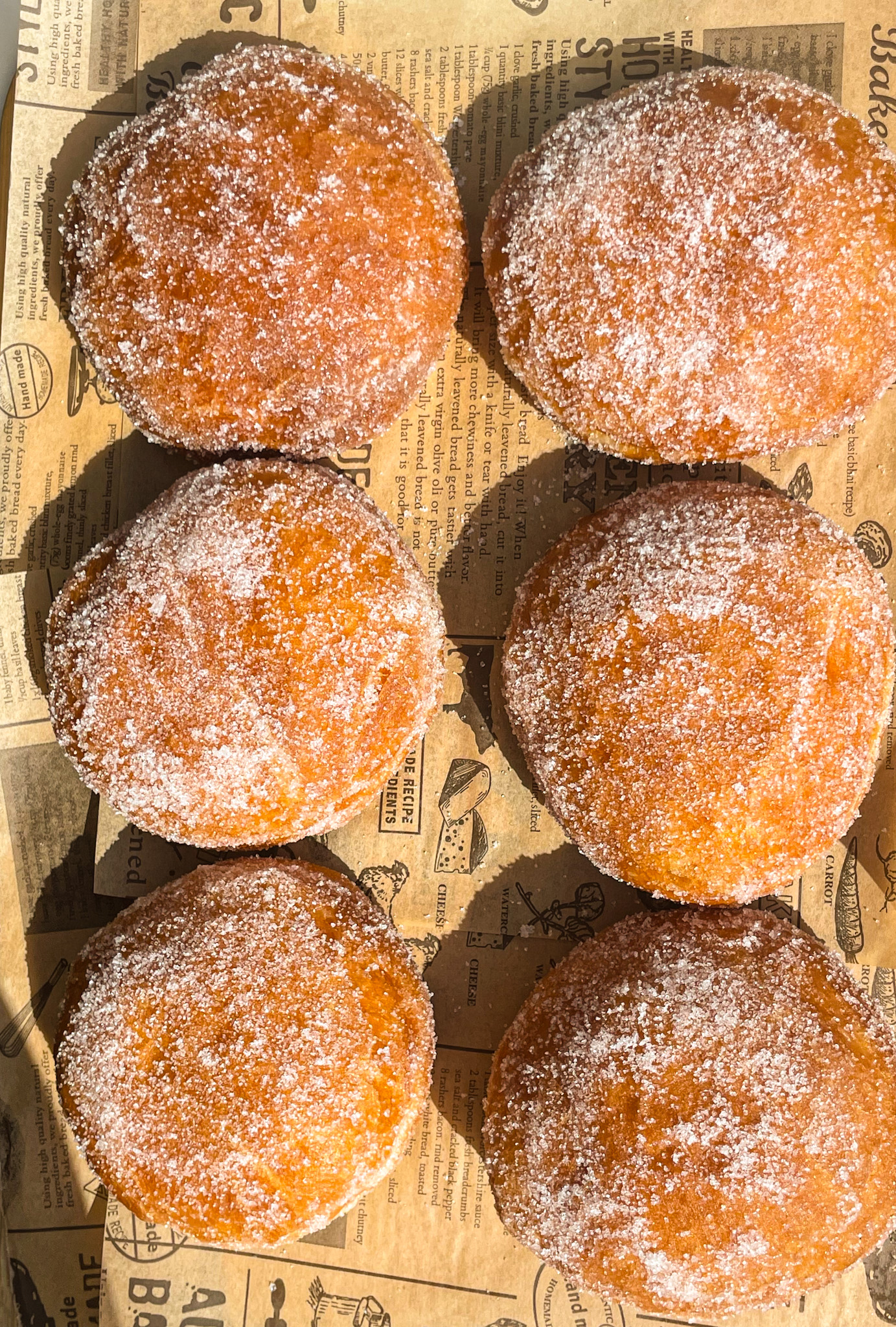
While still warm, toss them in white sugar and make sure they are well covered.
Allow them to cool completely before filling them with jam.
Insert the pastry tip into the side of each donut and firmly squeeze a few tablespoons of jam into the center.
Serve while warm!
If you've given this recipe a try and it won you over, please share your thoughts by leaving
a rating and comment below! If you have any questions about this recipe, don't hesitate to ask – I'm here to
help and will respond promptly.