Quick and Delicious Tomato Pesto Pasta for Busy Weeknights
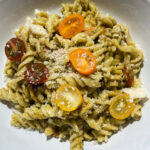
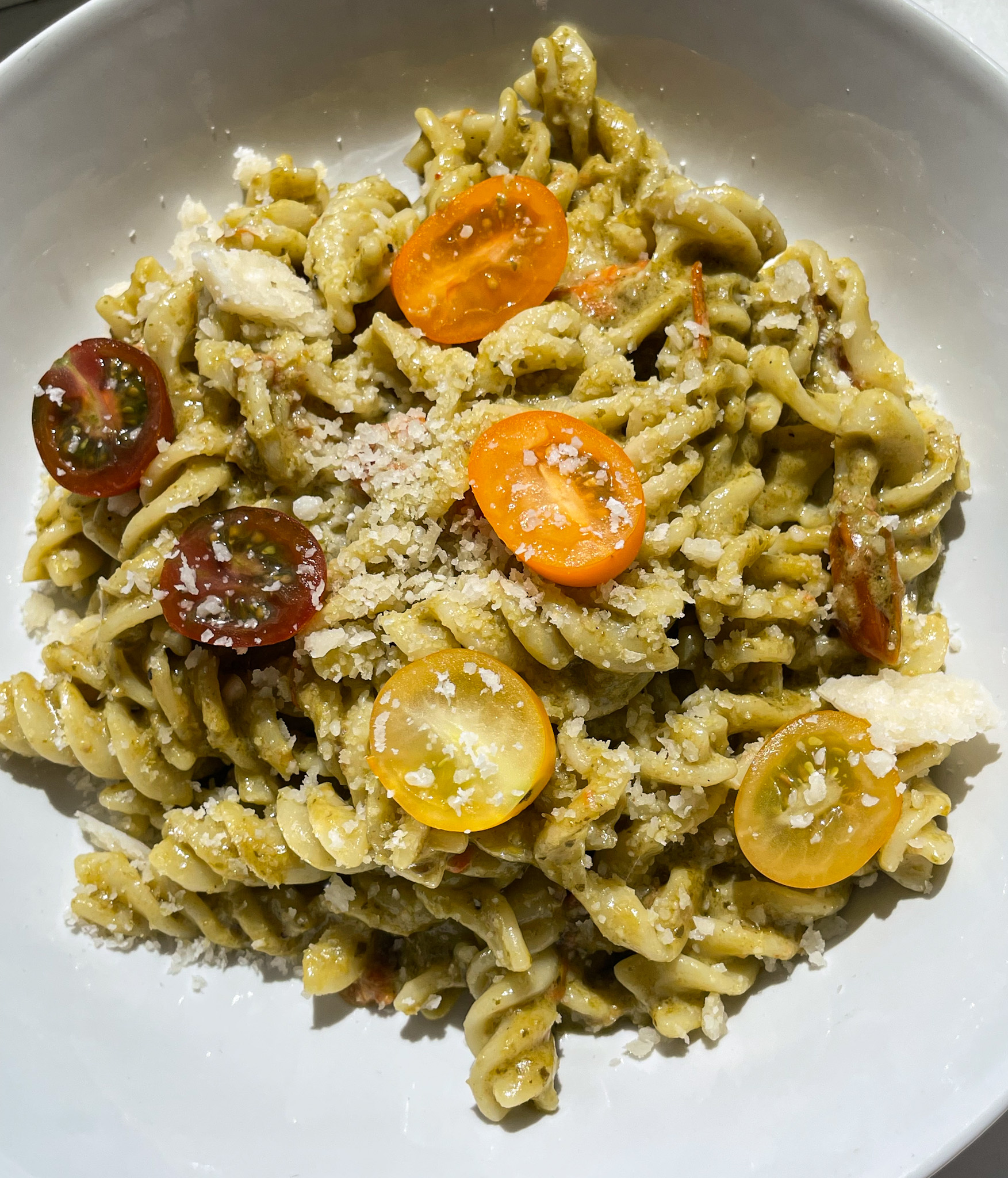
Welcome to your new favorite weeknight dinner solution: Tomato Pesto Pasta that’s ready in just twenty minutes. This Tomato Pesto Pasta combines the vibrant flavors of fresh cherry tomatoes with aromatic basil pesto and a touch of cream for the perfect balance. Whether you’re a novice cook or an experienced home chef, this Tomato Pesto Pasta delivers restaurant-quality results with minimal effort. The beauty of this dish lies in its simplicity – while the pasta cooks, you prepare a luscious sauce that brings together Italian flavors in one harmonious bowl.
This Tomato Pesto Pasta recipe proves that quick meals don’t have to sacrifice flavor or quality. Each forkful delivers the tang of tomatoes, the herbaceous punch of pesto, and the luxurious creaminess that makes this dish so satisfying. Perfect for those hectic evenings when you need something fast but don’t want to compromise on taste.
Why This Tomato Pesto Pasta Recipe Stands Out
This Tomato Pesto Pasta distinguishes itself from typical pasta dishes through its brilliant combination of fresh and prepared ingredients. While many recipes rely solely on jarred sauces, this Tomato Pesto Pasta uses fresh cherry tomatoes that burst and caramelize in the pan, creating a base that’s far superior to any bottled alternative. The addition of store-bought pesto keeps preparation time minimal while ensuring authentic basil flavor permeates every bite.
The secret to exceptional Tomato Pesto Pasta is the layering of flavors. Garlic sautéed in olive oil creates an aromatic foundation. Fresh cherry tomatoes add sweetness and acidity. Pesto contributes herbaceous complexity. Heavy cream rounds everything out with silky richness. Together, these elements create Tomato Pesto Pasta that tastes like you spent hours in the kitchen.
Key Ingredients That Make Perfect Tomato Pesto Pasta
Every ingredient in this Tomato Pesto Pasta serves a specific purpose. The pasta itself provides the vehicle for the sauce – fusilli works beautifully because its spirals capture every drop of the tomato pesto mixture. Cherry tomatoes are preferred over regular tomatoes for this recipe because they’re sweeter, more concentrated in flavor, and cook down quickly to create the perfect sauce consistency.
Quality pesto makes or breaks this Tomato Pesto Pasta. Whether you use store-bought or homemade, ensure it contains fresh basil, good olive oil, pine nuts, garlic, and Parmesan. Heavy cream adds luxurious texture to your Tomato Pesto Pasta without overwhelming the bright tomato and basil flavors. Fresh Parmesan cheese for finishing provides salty, nutty notes that complete the dish.
Understanding the Magic of Tomato Pesto Pasta
The appeal of Tomato Pesto Pasta lies in understanding how Italian cooking principles create maximum flavor with minimum fuss. Traditional Italian cuisine emphasizes quality ingredients prepared simply, and this Tomato Pesto Pasta embodies that philosophy perfectly. The marriage of tomatoes and basil is classic Caprese flavor translated into a warm, comforting pasta dish.
Pesto originated in Genoa, Italy, where fresh basil grows abundantly. Combining this herbaceous sauce with tomatoes creates a flavor profile that’s both familiar and exciting. This Tomato Pesto Pasta takes that classic combination and makes it accessible for weeknight cooking without sacrificing authenticity.
The Science Behind Perfect Pasta Cooking
Achieving ideal texture is crucial for excellent Tomato Pesto Pasta. Cooking pasta to al dente – which means “to the tooth” in Italian – ensures it has a slight firmness when bitten. Overcooked pasta becomes mushy and won’t hold the sauce properly in your Tomato Pesto Pasta. The key is following package directions but testing a minute or two before the suggested time.
Salting your pasta water generously is essential for flavorful Tomato Pesto Pasta. The water should taste like the sea. This is your only opportunity to season the pasta itself. Unseasoned pasta will make your entire Tomato Pesto Pasta dish taste flat, no matter how well-seasoned the sauce is.
Building Layers of Flavor in the Sauce
Great Tomato Pesto Pasta sauce develops through proper layering. Starting with garlic sautéed in olive oil creates an aromatic base that infuses the oil with flavor. When cherry tomatoes hit the hot pan, they begin to blister and release their juices, creating a fresh tomato sauce that forms the foundation of your Tomato Pesto Pasta.
The pesto addition transforms simple tomato sauce into something special. As it heats and mingles with the tomatoes, the basil becomes more aromatic and the cheese in the pesto melts slightly, thickening the sauce. Heavy cream smooths everything together, creating the signature creamy tomato pesto sauce that defines this dish.
Choosing the Right Ingredients for Your Tomato Pesto Pasta
Quality ingredients elevate Tomato Pesto Pasta from ordinary to extraordinary. Let’s explore each component so your dish turns out perfectly every time.
Selecting the Best Pasta Shape
For this Tomato Pesto Pasta, fusilli is the recommended choice because its spiral shape traps the sauce beautifully. However, this recipe is wonderfully flexible. Penne works excellently, with its tube shape holding pools of the creamy tomato pesto sauce. Farfalle adds visual appeal to your Tomato Pesto Pasta with its bow-tie shape.
Rigatoni creates a heartier version of this dish, perfect when you want more substantial Tomato Pesto Pasta. Even spaghetti or linguine work, though they hold less sauce than the short pasta options. Whatever shape you choose, use about twelve ounces for four servings of Tomato Pesto Pasta.
Cherry Tomatoes Versus Regular Tomatoes
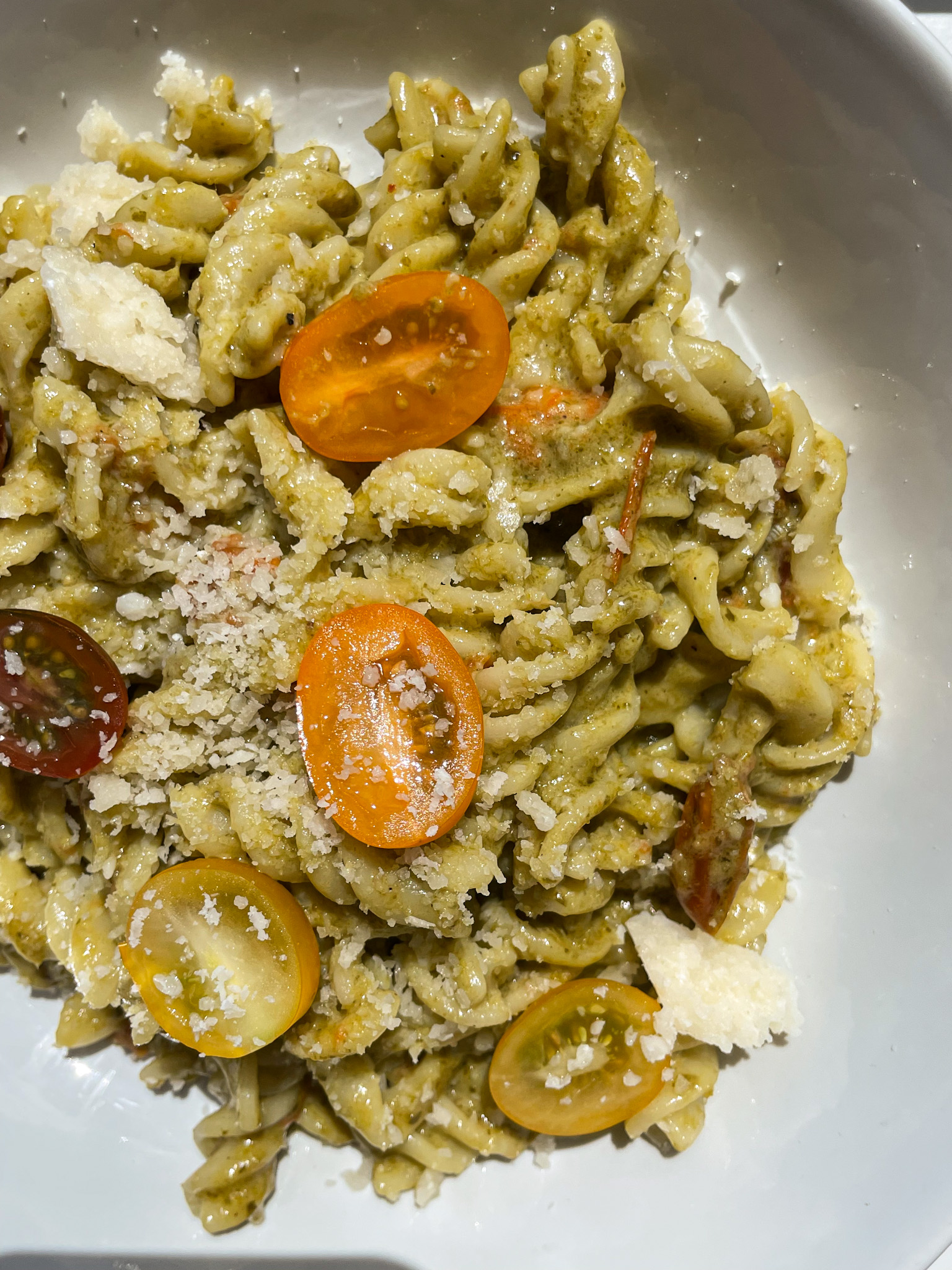
Cherry tomatoes are specified in this Tomato Pesto Pasta for good reason. Their concentrated sweetness and low water content create better sauce consistency than larger tomatoes. When cooked, cherry tomatoes burst and release thick, flavorful juice that coats the pasta beautifully.
Grape tomatoes serve as an excellent substitute in your Tomato Pesto Pasta. They’re similarly sweet and concentrated. If you must use regular tomatoes, choose Roma or plum varieties and dice them small. Remove excess seeds and juice to prevent watery Tomato Pesto Pasta sauce.
Pesto Selection and Quality
The pesto makes or breaks your Tomato Pesto Pasta. Store-bought pesto varies wildly in quality. Look for varieties with basil listed as the first ingredient. Avoid those with excessive oil or fillers that will make your Tomato Pesto Pasta greasy. Refrigerated pesto from the deli section typically offers better flavor than shelf-stable jarred versions.
Homemade pesto elevates this Tomato Pesto Pasta to restaurant quality. Blend fresh basil, toasted pine nuts, garlic, Parmesan, and good olive oil until smooth. Fresh pesto has a vibrant green color and intense basil flavor that commercial versions can’t match. Make extra and freeze it in ice cube trays for quick Tomato Pesto Pasta anytime.
Cream and Cheese Considerations
Heavy cream is essential for the proper consistency in Tomato Pesto Pasta. Half-and-half or milk won’t create the same luxurious texture. The high fat content allows the cream to blend seamlessly with the tomatoes and pesto without breaking or curdling.
Parmesan cheese for finishing should always be freshly grated. Pre-grated varieties contain cellulose to prevent clumping, which affects both flavor and melting properties. Real Parmigiano-Reggiano transforms ordinary Tomato Pesto Pasta into something spectacular with its complex, nutty flavor.
Step-by-Step Instructions for Perfect Tomato Pesto Pasta
Follow these detailed steps to create restaurant-quality Tomato Pesto Pasta in your own kitchen. The entire process takes just twenty minutes from start to finish.
Preparing Your Ingredients
Begin your Tomato Pesto Pasta by bringing a large pot of water to boil. While waiting, gather all ingredients and prepare them. Halve the cherry tomatoes if they’re large, though small ones can remain whole. Mince the garlic finely – large chunks create harsh flavor in the delicate sauce. Measure your pesto and heavy cream so they’re ready when needed.
Grate fresh Parmesan cheese and set aside. Having everything prepared before you start cooking ensures your Tomato Pesto Pasta comes together smoothly without rushing or burning ingredients while you scramble to prep.
Cooking the Pasta Perfectly
Once your water reaches a rolling boil, add a generous tablespoon of salt. The water should taste noticeably salty. Add your chosen pasta and stir immediately to prevent sticking. Set a timer for one minute less than the package directions suggest for al dente Tomato Pesto Pasta.
Before draining, reserve at least half a cup of pasta cooking water. This starchy liquid is crucial for achieving the perfect sauce consistency in your Tomato Pesto Pasta. The starches help bind the sauce to the pasta while adding body. Drain the pasta but don’t rinse it – the surface starch helps the sauce cling.
Building the Tomato Pesto Sauce
While pasta cooks, start the sauce for your Tomato Pesto Pasta. Heat a large skillet over medium heat and add two tablespoons of olive oil. Once the oil shimmers, add the minced garlic. Sauté for thirty to sixty seconds until fragrant but not browned. Burned garlic tastes bitter and will ruin your Tomato Pesto Pasta.
Add the cherry tomatoes to the pan. Season with salt and pepper. Cook for five to seven minutes, stirring occasionally, until the tomatoes begin to blister and burst. Some should collapse completely while others remain partially intact, creating varied texture in your Tomato Pesto Pasta sauce.
Combining Pesto and Cream
Reduce heat to medium-low before adding the pesto to your Tomato Pesto Pasta sauce. Stir it into the tomatoes, allowing it to heat through and become aromatic. This takes about one minute. The basil fragrance should be intense and inviting.
Pour in the heavy cream and stir to combine everything into a cohesive sauce. The cream will turn a beautiful pink-orange color as it mingles with the tomatoes and green pesto. Let the sauce simmer gently for two to three minutes to thicken slightly and allow flavors to meld in your Tomato Pesto Pasta.
Final Assembly and Serving
Add the drained pasta directly to the sauce pan. Using tongs, toss the pasta in the sauce to coat every piece. If the sauce seems too thick, add reserved pasta water a few tablespoons at a time until you achieve the desired consistency for your Tomato Pesto Pasta.
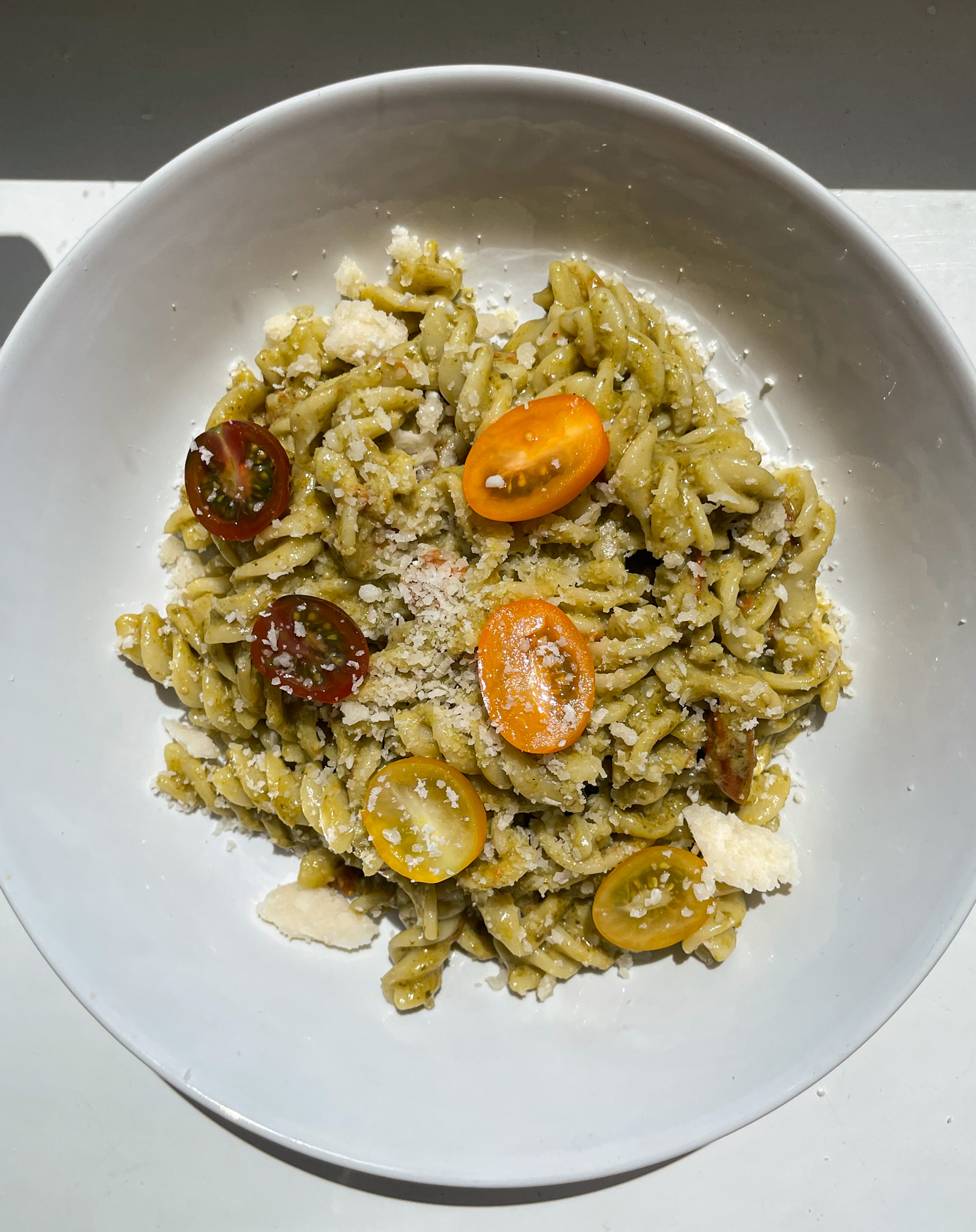
The sauce should cling to the pasta without pooling at the bottom of the bowl. Continue tossing for a minute or two, allowing the pasta to absorb some sauce. Taste and adjust seasoning with salt and pepper. Serve your Tomato Pesto Pasta immediately, topped with freshly grated Parmesan cheese.
Professional Tips for Restaurant-Quality Tomato Pesto Pasta
These expert techniques will elevate your Tomato Pesto Pasta from good to exceptional. Small details make enormous differences in the final result.
Timing and Temperature Management
The key to seamless Tomato Pesto Pasta preparation is coordinating pasta and sauce timing. Start the sauce when the pasta has about seven minutes left to cook. This ensures both components finish simultaneously, preventing the pasta from sitting and sticking or the sauce from overcooking.
Maintain medium heat when cooking the tomatoes for your Tomato Pesto Pasta. Too high and they’ll scorch before releasing their juices. Too low and they’ll stew instead of developing the slightly caramelized flavor that makes this dish special.
Pasta Water: The Secret Ingredient
Many home cooks overlook the importance of pasta water in creating perfect Tomato Pesto Pasta. This starchy liquid acts as a sauce binder and consistency adjuster. Add it gradually – you can always add more but can’t remove excess.
The starches released during pasta cooking create an emulsion when combined with the fats in your Tomato Pesto Pasta sauce. This keeps everything cohesive rather than separated and greasy. Professional chefs always reserve pasta water for this exact reason.
Preventing Common Sauce Issues
If your Tomato Pesto Pasta sauce looks broken or oily, you’ve likely added ingredients at too high a temperature. Always reduce heat before adding pesto and cream. If separation occurs, vigorous stirring while adding pasta water usually brings the sauce back together.
Too-thick sauce in your Tomato Pesto Pasta needs pasta water added gradually. Too-thin sauce requires gentle simmering to reduce excess liquid. The goal is a sauce that coats the pasta like a glaze rather than pooling at the bottom of the serving bowl.
Common Mistakes to Avoid When Making Tomato Pesto Pasta
Understanding what not to do is as important as knowing proper technique. Avoid these pitfalls for perfect Tomato Pasta every time.
Overcooking the Pasta
Mushy pasta ruins even the best Tomato Pesto Pasta sauce. Remember that pasta continues cooking slightly after draining from residual heat. Always test a piece one to two minutes before the package directions suggest. It should have a slight firmness when bitten.
Additionally, pasta that sits after draining becomes gummy and sticky. Drain it just before adding to the sauce so your Tomato Pesto Pasta maintains ideal texture. Never let cooked pasta sit in a colander for more than thirty seconds.
Using Too Much or Too Little Sauce
Balance is crucial in Tomato Pasta. Too much sauce makes the dish soupy and heavy. Too little leaves dry, under-flavored pasta. The sauce should generously coat every piece without excess pooling at the bottom of your bowl.
If you have leftover sauce after tossing, that’s fine – don’t force it all onto the pasta. Your Tomato Pesto Pasta should look glossy and well-coated but not swimming in sauce. Any extra can be saved for another use.
Skipping the Pasta Water Reserve
Forgetting to reserve pasta water before draining is a common error that limits your ability to perfect the sauce consistency. Once that starchy water goes down the drain, you’ve lost your best tool for adjusting your Tomato Pasta texture.
Always set out a measuring cup by the stove as a reminder. Scoop out at least half a cup before draining. You might not need it all, but having it available gives you control over your final sauce consistency.
Adding Cheese Too Early
While Parmesan cheese is essential for finishing Tomato Pasta, adding it during cooking can cause the sauce to become grainy and separated. The pesto already contains Parmesan, so additional cheese should be reserved for sprinkling on individual servings.
Let diners add their preferred amount of freshly grated Parmesan to their Tomato Pesto Pasta. This keeps the sauce smooth and allows everyone to customize their dish according to their taste preferences.
Variations to Try with Your Tomato Pesto Pasta
Once you’ve mastered the basic Tomato Pasta recipe, these variations add exciting new dimensions while maintaining the core appeal.
Protein Additions for Complete Meals
Transform your Tomato Pesto Pasta into a complete meal by adding protein. Grilled chicken pairs beautifully – season chicken breasts with salt, pepper, and Italian herbs, grill until cooked through, slice thinly, and arrange over individual servings of your Tomato Pesto Pasta.
Pan-seared shrimp creates an elegant variation. Season peeled, deveined shrimp with salt and pepper, sauté in butter and garlic until pink and cooked through, then toss into your finished Tomato Pesto Pasta. The sweet shrimp complements the tangy tomatoes perfectly.
Italian sausage offers a heartier option for Tomato Pasta. Remove casings from sweet or spicy Italian sausage, crumble and brown it before starting the sauce. Use the rendered fat as part of your cooking oil for extra flavor throughout the dish.
Vegetable Variations
Fresh spinach adds color and nutrition to Tomato Pasta. Stir several handfuls of baby spinach into the hot sauce just before adding the pasta. The residual heat wilts the greens without overcooking them, creating a more balanced, vegetable-forward dish.
Roasted red peppers contribute sweet, smoky flavor to Tomato Pasta. Dice jarred roasted red peppers and add them with the cherry tomatoes. Their silky texture and concentrated flavor enhance the sauce without requiring additional cooking time.
Zucchini makes a fresh summer variation of Tomato Pasta. Dice one small zucchini and sauté it with the garlic before adding tomatoes. The mild squash absorbs the tomato pesto flavors while adding tender texture and subtle sweetness.
Different Pesto Variations
While traditional basil pesto is classic in Tomato Pasta, other pesto varieties create interesting flavor profiles. Sun-dried tomato pesto intensifies the tomato flavor, creating a deeply savory version. The concentrated tomato taste becomes more prominent throughout the dish.
Arugula pesto adds peppery bite to Tomato Pasta. The slight bitterness of arugula contrasts beautifully with sweet cherry tomatoes and rich cream. This variation appeals to those who enjoy more complex, sophisticated flavors.
Kale pesto creates a more nutritious version while maintaining the herbaceous quality essential to great Tomato Pasta. The heartier greens stand up well to the cooking process and provide earthy undertones that complement the bright tomatoes.
Storage and Reheating Your Tomato Pesto Pasta
Proper storage ensures your Tomato Pesto remains delicious even as leftovers. While this dish tastes best fresh, these tips help maintain quality.
Storing Instructions for Tomato Pesto Pasta
Allow your Tomato Pasta to cool to room temperature before storing, but don’t leave it out for more than two hours. Transfer to an airtight container and refrigerate for up to three days. The pasta will absorb sauce as it sits, which is normal for cream-based pasta dishes.
Store leftover Tomato Pasta in shallow containers rather than deep ones. This allows it to cool quickly and evenly, preventing bacterial growth. Glass containers are ideal as they don’t retain flavors or odors that might affect the delicate pesto taste.
Reheating Methods That Preserve Quality
The stovetop produces the best results when reheating Tomato Pesto Pasta. Place the leftovers in a skillet over medium-low heat. Add a few tablespoons of water, cream, or pasta water to loosen the sauce, which will have thickened overnight. Stir gently until heated through.
Microwave reheating works when you’re pressed for time. Transfer a single serving of Tomato Pesto Pasta to a microwave-safe bowl. Add a tablespoon of water or cream, cover loosely, and heat on fifty percent power in thirty-second intervals, stirring between each. This gentle heating prevents the cream from separating.
Avoid reheating Tomato Pesto Pasta more than once. Each heating cycle degrades texture and flavor. Only reheat the portion you plan to eat immediately, leaving the rest refrigerated.
Frequently Asked Questions About Tomato Pesto Pasta
Can I make Tomato Pesto Pasta ahead of time?
While this dish tastes best fresh, you can prepare components ahead. Cook the sauce up to two days in advance and refrigerate. Cook pasta fresh when ready to serve, reheat the sauce, and combine them. This maintains better texture than making and storing the complete dish.
What if I don’t have heavy cream?
Half-and-half can substitute in your Tomato Pesto Pasta, though the sauce will be slightly thinner and less rich. Whole milk works in a pinch but won’t create the same luxurious texture. For a lighter version, use half the amount of cream and supplement with reserved pasta water.
Can I use sun-dried tomatoes instead of fresh?
Sun-dried tomatoes create a different but delicious variation of Tomato Pesto Pasta. Use oil-packed sun-dried tomatoes, drained and chopped. They won’t break down like fresh cherry tomatoes, so the texture will be chunkier. Reduce the pesto amount slightly as sun-dried tomatoes are more intense.
How do I make this recipe vegetarian or vegan?
The basic Tomato Pesto Pasta is already vegetarian. For vegan adaptation, use dairy-free pesto made with nutritional yeast instead of Parmesan. Replace heavy cream with coconut cream or cashew cream. The flavor profile changes but remains delicious.
Why is my sauce too oily?
Excess oil in Tomato Pesto Pasta usually comes from low-quality pesto that’s mostly oil rather than basil and cheese. Choose better pesto or make your own. If the sauce is already oily, add a bit more pasta water to emulsify the fats back into the sauce.
Can I freeze Tomato Pesto Pasta?
Freezing is not recommended for this particular dish. Cream-based sauces tend to separate when frozen and thawed, and the pasta texture suffers significantly. If you must freeze, freeze the sauce separately from the pasta and cook fresh pasta when ready to serve.
Final Thoughts on Making Perfect Tomato Pesto Pasta
This Tomato Pasta recipe proves that exceptional meals don’t require hours of preparation or complicated techniques. With quality ingredients and proper execution, you can create restaurant-worthy pasta in your own kitchen any night of the week. The combination of fresh cherry tomatoes, aromatic pesto, and creamy sauce delivers satisfaction that belies the simple preparation.
The versatility of Tomato Pasta makes it endlessly adaptable to your preferences and what’s in your pantry. Master the basic technique, then experiment with the variations suggested throughout this guide. Each adaptation offers new flavors while maintaining the essence of what makes this dish so appealing.
Don’t let busy schedules prevent you from enjoying delicious, home-cooked meals. This Tomato Pasta stands ready to become your go-to solution for those hectic weeknights when you need something quick, easy, and deeply satisfying. The bright flavors, creamy texture, and comforting warmth make every bowl a small celebration.
Gather your ingredients, put a pot of water on to boil, and prepare to enjoy one of the easiest yet most delicious pasta dishes you’ll ever make. Your perfect bowl of Tomato Pesto Pasta awaits, ready to transform your weeknight dinner routine forever.
If you’ve given this recipe a try and it won you over, please share your thoughts by leaving a rating and comment below! If you have any questions about this recipe, don’t hesitate to ask – I’m here to help and will respond promptly.
To see more recipes and behind-the-scenes, follow along on Youtube, Instagram &Tiktok!

Watch the recipe video for more clarity

See our latest recipe of EASY GARLIC PESTO BRUSCHETTA
People also like our these recipes:
PESTO MAC AND CHEESE
PESTO ORZO WITH BURRATA
EASY HOMEMADE PESTO CHEESE BREAD
- 250 g pasta
- 1 tbsp olive oil
- 2 garlic cloves finely chopped
- 1 cup cherry tomatoes
- 1 cup pasta water
- 2 tbsp pesto sauce
- 1/4 cup heavy cream
- Salt and pepper to taste
- 1 cup parmesan cheese
Fill a large pot with water and bring it to a boil. Add a pinch of salt to the water; this enhances the flavor of the pasta. Carefully drop the pasta into the boiling water. Pasta will naturally sink to the bottom of the pot but will rise to the surface as they cook. When they float to the top, it's usually an indicator that they're ready. This process typically takes around 6-7 minutes. Use a slotted spoon or strainer to scoop the cooked pasta out of the water.
In a saucepan, add in the olive oil, chopped garlic and let it simmer till fragrant,
Add in the cherry tomatoes and let it cook till softened. Remove the skin and let it sit.
Add in the pasta water and let it simmer till a bit thickened.
Add in the cooked pasta, some parmesan cheese and mix. Add some more pasta water. Season with salt and pepper.
Add in the pesto sauce, heavy cream and mix well.
Top with another layer of parmesan cheese and serve while warm!
If you've given this recipe a try and it won you over, please share your thoughts by leaving
a rating and comment below! If you have any questions about this recipe, don't hesitate to ask – I'm here to
help and will respond promptly.