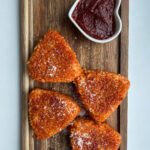
The Ultimate Gochujang Cheese Rice Balls Recipe
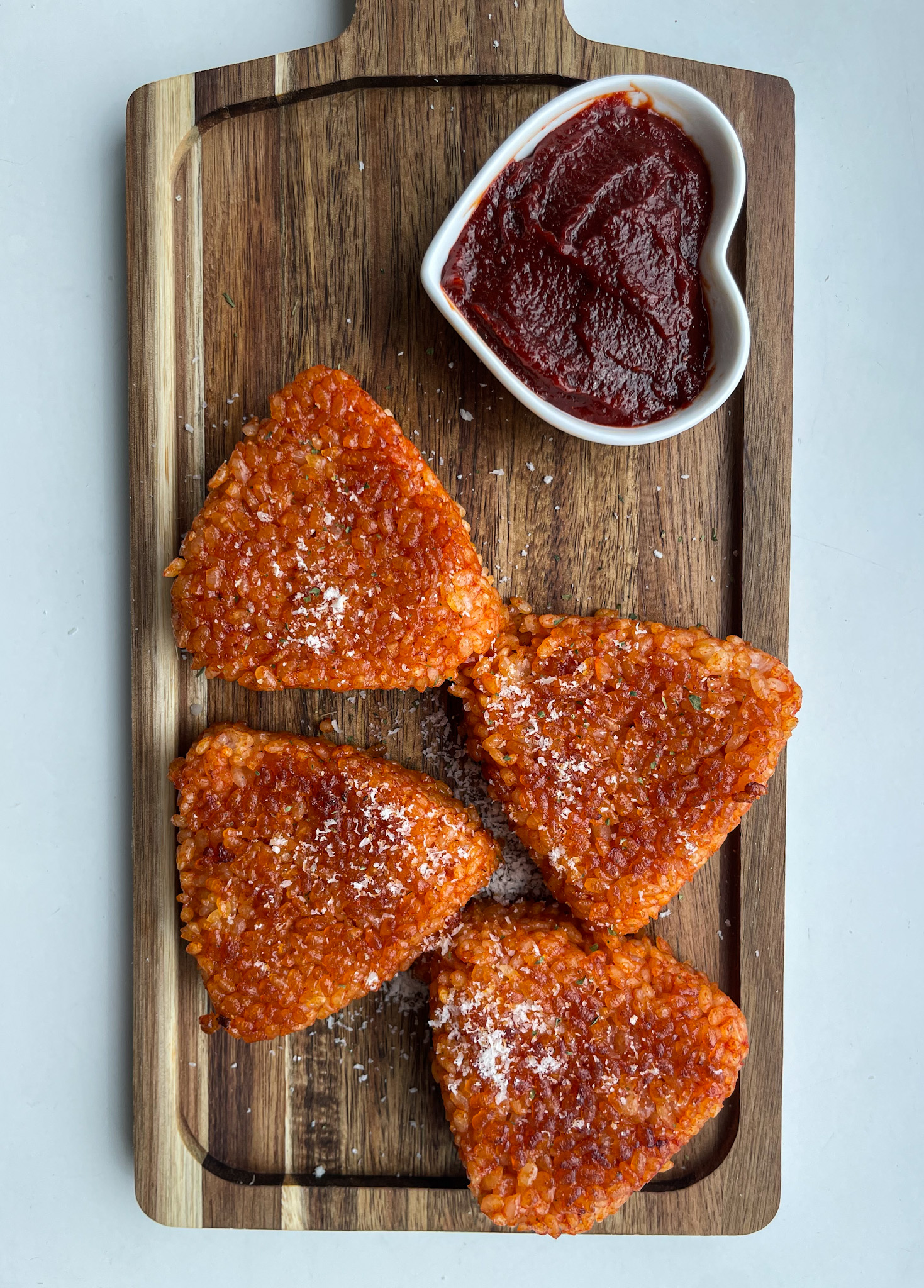
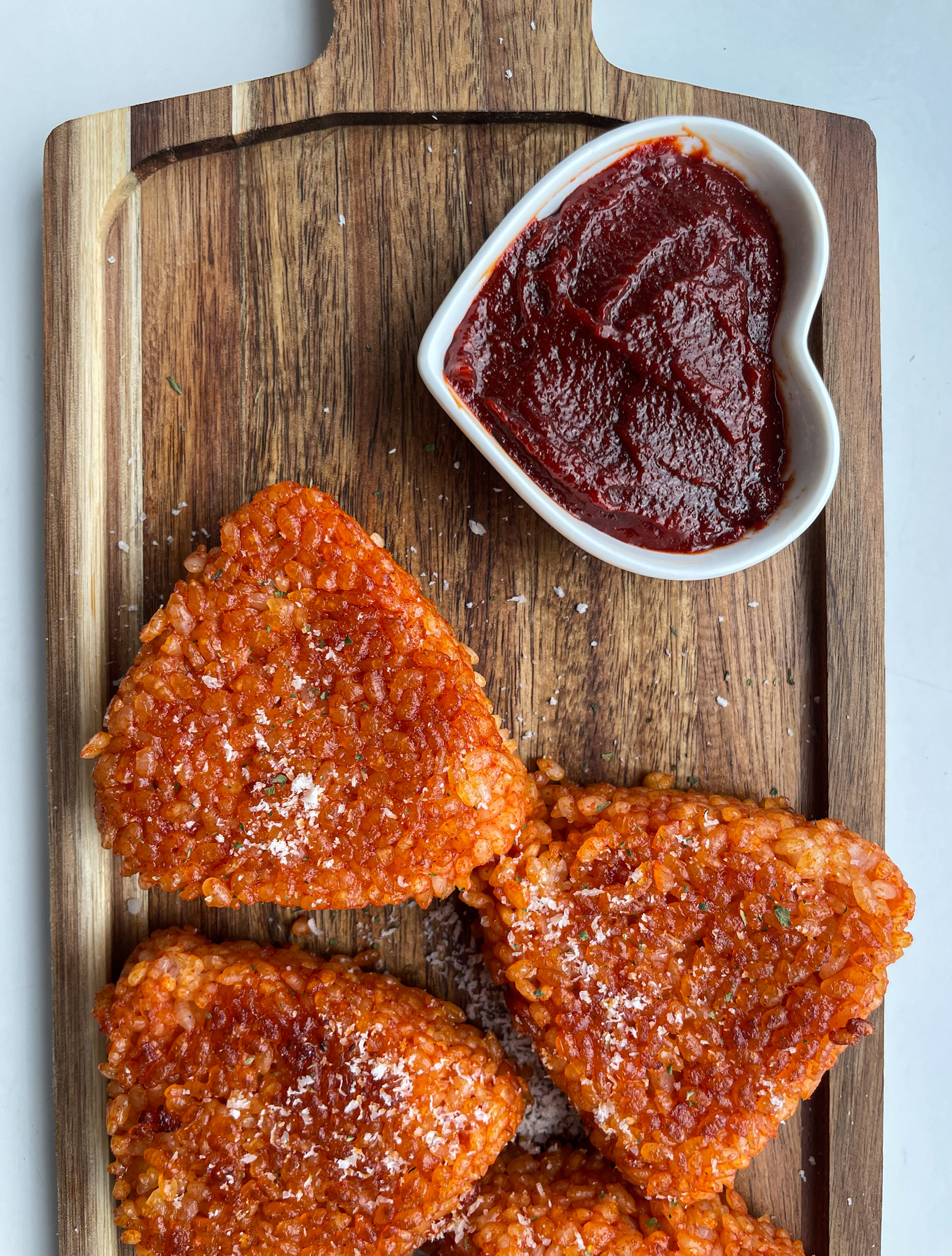
Spicy Gochujang Cheese Rice Balls are a delightful fusion snack that combines the rich, savory flavors of Korean cuisine with a cheesy twist. Imagine a crispy, golden-brown exterior giving way to a warm, gooey center filled with a perfect blend of spicy gochujang paste and melted cheese. These Gochujang Cheese Rice Balls are not only fun to eat but also pack a punch with their bold, tangy taste.
Perfect as an appetizer or a party snack, these Gochujang Cheese Rice Balls offer a unique and delicious way to enjoy the classic flavors of gochujang in a new, exciting form. Whether you’re hosting a gathering or looking for a creative weeknight snack, these Gochujang Cheese Rice Balls deliver restaurant-quality results right from your home kitchen.
The beauty of Gochujang Cheese Rice Balls lies in their contrast of textures and flavors. The crispy exterior shatters to reveal tender rice with pockets of melted mozzarella and spicy gochujang. Each bite of these Gochujang Cheese Rice Balls brings together sweet, spicy, salty, and savory notes in perfect harmony.
Understanding What Makes Gochujang Cheese Rice Balls Special
These Gochujang Cheese Rice Balls are inspired by Yaki Onigiri, a traditional Japanese snack made from seasoned rice shaped into balls or triangles and grilled. Traditional yaki onigiri is brushed with soy sauce or miso before grilling, creating a savory, crispy exterior and a soft, chewy inside. However, these Gochujang Cheese Rice Balls take the concept further by incorporating Korean flavors.
The Fusion Concept
While yaki onigiri is typically enjoyed plain or filled with pickled plums, tuna, or salmon, these Gochujang Cheese Rice Balls add a Korean twist with gochujang paste and stretchy mozzarella cheese. This fusion creates something entirely new while respecting the traditional Japanese technique that makes Gochujang Cheese Rice Balls so satisfying.
Traditional Meets Modern
Traditional onigiri is a popular, quick, and satisfying snack or part of a bento lunchbox in Japan, loved for simple yet delicious flavor and texture. These Gochujang Cheese Rice Balls maintain that accessibility while elevating the flavor profile with bold Korean ingredients that make them perfect for modern fusion cuisine enthusiasts.
Why You Will Love These Gochujang Cheese Rice Balls
These Gochujang Cheese Rice Balls stand out from ordinary rice dishes for several compelling reasons. When you make these Gochujang Cheese Rice Balls, you’re creating a snack that appeals to multiple senses and taste preferences.
Perfect Texture Contrast
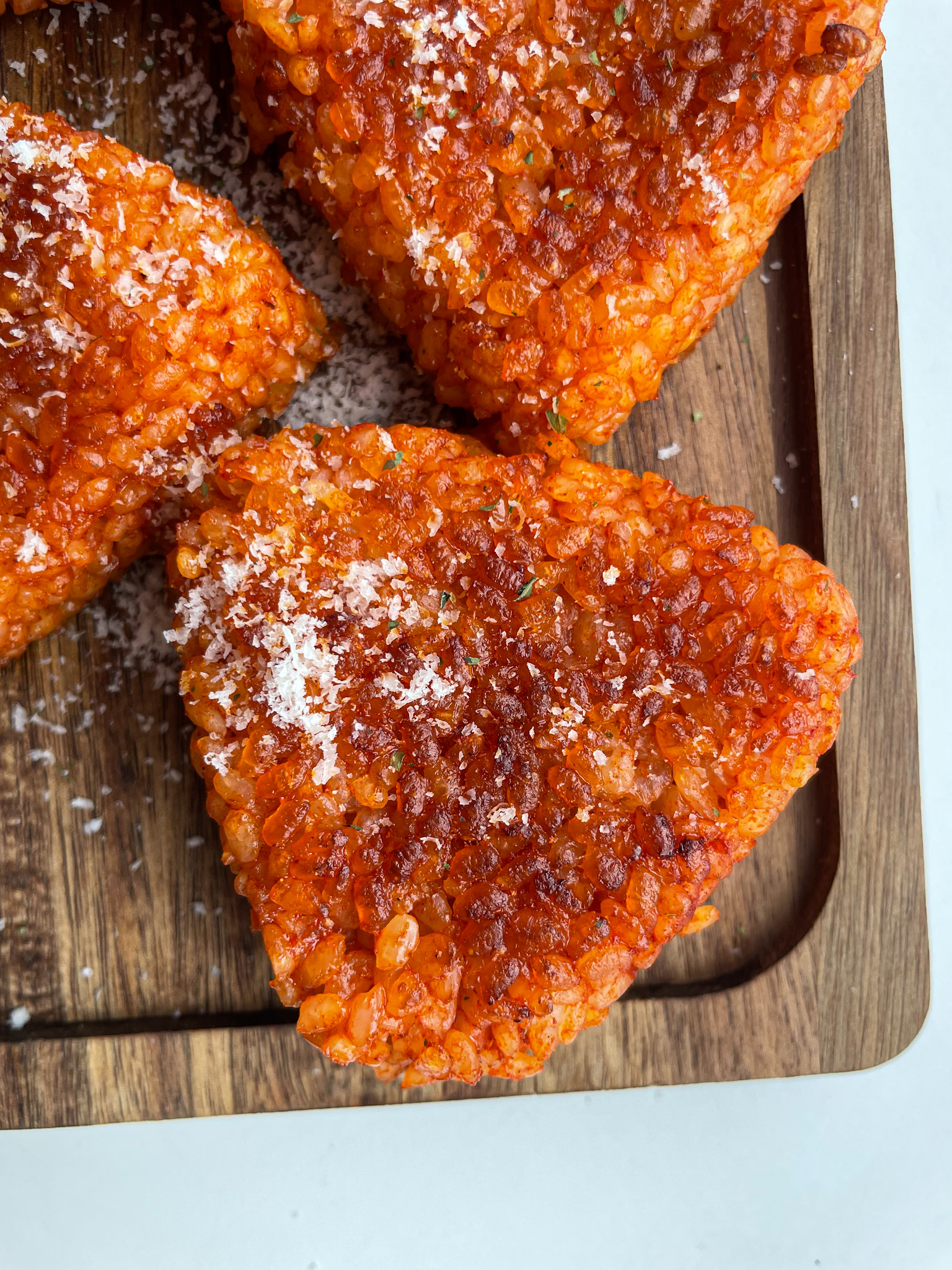
The exterior of these Gochujang Cheese Rice Balls becomes beautifully crispy when pan-fried, while the interior stays soft and tender. The melted mozzarella adds a third texture dimension, creating gooey pockets throughout each rice ball. This textural variety makes every bite of these Gochujang Cheese Rice Balls interesting and satisfying.
Bold Flavor Profile
Gochujang brings a complex flavor to these Gochujang Cheese Rice Balls that combines sweet, spicy, fermented, and umami notes. The mozzarella cheese balances the heat with creamy richness, while soy sauce adds salty depth. Together, these ingredients create Gochujang Cheese Rice Balls with a flavor profile that’s both familiar and excitingly different.
Versatile Serving Options
These Gochujang Cheese Rice Balls work beautifully as appetizers, party snacks, lunch box additions, or even as a unique side dish. They’re equally at home at a casual gathering or a more formal dinner party. The portability of Gochujang Cheese Rice Balls makes them perfect for potlucks and picnics too.
Easy to Make Ahead
You can prepare the rice mixture for these Gochujang Cheese Rice Balls in advance and shape them when ready to cook. This make-ahead capability means these Gochujang Cheese Rice Balls are practical for busy schedules while still delivering impressive results.
Essential Ingredients for Gochujang Cheese Rice Balls
Every ingredient in these Gochujang Cheese Rice Balls serves a specific purpose in creating the perfect balance of flavor and texture. Understanding each component helps you make the best possible version of Gochujang Cheese Rice Balls.
Sushi Rice Selection
Sushi rice is essential for these Gochujang Cheese Rice Balls because of its short grain structure and sticky texture. When cooked properly, sushi rice holds together perfectly, allowing you to shape these Gochujang Cheese Rice Balls without them falling apart. The slight sweetness of sushi rice also balances the spicy gochujang beautifully.
Regular long-grain rice won’t work as well for these Gochujang Cheese Rice Balls because it doesn’t have the same sticky quality. The starch content in sushi rice is what makes it possible to form and hold the ball shape that defines Gochujang Cheese Rice Balls.
Gochujang Sauce Power
Gochujang is a fermented Korean red chili paste that brings depth and complexity to these Gochujang Cheese Rice Balls. It contains red chili powder, glutinous rice, fermented soybeans, and salt, creating a paste that’s simultaneously spicy, sweet, savory, and slightly funky. The fermentation process develops umami flavors that make these Gochujang Cheese Rice Balls incredibly satisfying.
When selecting gochujang for your Gochujang Cheese Rice Balls, look for brands with good balance between heat and sweetness. Different brands vary in spice level, so adjust the amount based on your heat preference.
Mozzarella Cheese Choice
Mozzarella cheese is the perfect choice for these Gochujang Cheese Rice Balls because of its excellent melting properties. Low-moisture mozzarella works best, as it won’t make the rice balls soggy. When the cheese melts inside these Gochujang Cheese Rice Balls, it creates those irresistible cheese pulls that make them so visually appealing.
You can use shredded or cubed mozzarella for your Gochujang Cheese Rice Balls. Cubes create larger pockets of melted cheese, while shredded distributes more evenly throughout the rice.
Soy Sauce Enhancement
Soy sauce adds salty, umami depth to these Gochujang Cheese Rice Balls. It seasons the rice and also creates that beautiful golden-brown color when brushed on the exterior before cooking. Use regular soy sauce or low-sodium if you want more control over the salt level in your Gochujang Cheese Rice Balls.
Olive Oil for Cooking
Olive oil is used to pan-fry these Gochujang Cheese Rice Balls, creating that crispy golden exterior. Olive oil has a suitable smoke point for this cooking method and adds subtle flavor. You can substitute with vegetable oil or avocado oil if preferred.
Rice Mold Benefits
A rice mold helps shape these Gochujang Cheese Rice Balls uniformly, making them look professional and cook evenly. While not absolutely necessary, a mold makes the process easier and faster. If you don’t have a rice mold for your Gochujang Cheese Rice Balls, wet hands work perfectly fine for shaping.
Step-by-Step Instructions for Perfect Gochujang Cheese Rice Balls
Making these Gochujang Cheese Rice Balls requires attention to detail, but the process is straightforward and rewarding. Follow these steps carefully for the best results with your Gochujang Cheese Rice Balls.
Preparing the Sushi Rice
Begin your Gochujang Cheese Rice Balls by cooking sushi rice according to package directions. Rinse the rice thoroughly under cold water until the water runs clear, removing excess starch. This rinsing is important for the proper texture of your Gochujang Cheese Rice Balls.
Cook the rice with the correct water ratio, typically one cup rice to one and one-quarter cups water for sushi rice. Let the rice steam after cooking is complete, keeping the lid on for ten minutes. This steaming ensures every grain is properly cooked for your Gochujang Cheese Rice Balls.
Mixing the Rice and Gochujang
While the rice is still warm but not hot, transfer it to a large bowl. Add gochujang sauce to taste, starting with two tablespoons for every two cups of cooked rice. Mix thoroughly to distribute the gochujang evenly throughout the rice for your Gochujang Cheese Rice Balls.
The rice should turn a beautiful orange-red color from the gochujang. Taste and adjust the seasoning, adding more gochujang for spicier Gochujang Cheese Rice Balls or a touch of soy sauce for more saltiness. The mixture should be flavorful but not overwhelmingly spicy.
Adding the Cheese
Cut mozzarella cheese into small cubes, about one centimeter each, or use pre-shredded mozzarella. You’ll need approximately one tablespoon of cheese per rice ball. Having the cheese ready before shaping makes assembling your Gochujang Cheese Rice Balls much easier.
Keep the cheese cold until you’re ready to use it. Cold cheese is easier to handle and less likely to melt prematurely while shaping your Gochujang Cheese Rice Balls.
Shaping the Rice Balls
Wet your hands or your rice mold with water to prevent sticking when forming Gochujang Cheese Rice Balls. Take about one-third cup of the gochujang rice mixture and flatten it slightly in your palm. Place a cube or tablespoon of mozzarella in the center.
Carefully wrap the rice around the cheese, completely enclosing it. Shape into a ball or triangle, pressing firmly so the rice holds together. The cheese must be completely sealed inside your Gochujang Cheese Rice Balls to prevent leaking during cooking.
If using a mold, fill it halfway with rice, add cheese in the center, then top with more rice. Press firmly with the mold to compact the rice. Release the shaped rice ball carefully. Repeat until all rice is formed into Gochujang Cheese Rice Balls.
Pan-Frying for Crispy Exterior
Heat a large non-stick skillet over medium heat and add olive oil. Once the oil shimmers, carefully place your Gochujang Cheese Rice Balls in the pan, leaving space between each one. Don’t overcrowd the pan or they won’t crisp properly.
Cook the Gochujang Cheese Rice Balls for three to four minutes on the first side without moving them. This allows a golden crust to form. Carefully flip using a spatula and cook for another three to four minutes on the second side.
Applying Soy Sauce Glaze
After flipping the Gochujang Cheese Rice Balls once, brush the cooked side lightly with soy sauce. This creates additional flavor and helps develop that beautiful golden-brown color. Flip again if needed to brush all sides, being gentle to maintain the shape of your Gochujang Cheese Rice Balls.
The soy sauce will sizzle and caramelize slightly, creating a savory crust that makes these Gochujang Cheese Rice Balls irresistible. Cook until all sides are crispy and golden brown.
Finishing and Serving
Remove the Gochujang Cheese Rice Balls from the pan and let them rest for two to three minutes before serving. This brief rest allows the cheese inside to set slightly, making them easier to eat without burning your mouth. The Gochujang Cheese Rice Balls are best served warm when the cheese is still melted and gooey.
Professional Tips for Gochujang Cheese Rice Balls Success
These expert tips will help you achieve restaurant-quality results every time you make Gochujang Cheese Rice Balls.
Rice Temperature Management
Work with warm rice, not hot, when making Gochujang Cheese Rice Balls. Hot rice is difficult to handle and can melt the cheese prematurely. Let the rice cool for about ten minutes after cooking so you can touch it comfortably. Rice that’s too cold becomes hard and difficult to shape for Gochujang Cheese Rice Balls.
Proper Cheese Sealing
The most common problem with Gochujang Cheese Rice Balls is cheese leaking during cooking. Prevent this by ensuring the cheese is completely surrounded by rice with no gaps. Press the rice firmly around the cheese and check for any thin spots before cooking your Gochujang Cheese Rice Balls.
Heat Control During Cooking
Medium heat is ideal for cooking Gochujang Cheese Rice Balls. Too high and the exterior burns before the center warms through. Too low and the rice balls won’t develop that crispy golden crust. Adjust your heat as needed during cooking to maintain steady sizzling without burning.
Oil Amount Matters
Don’t use too much oil when cooking Gochujang Cheese Rice Balls. You want just enough to create a crispy exterior without making them greasy. About one tablespoon of oil per batch is usually sufficient. Add more oil between batches if the pan looks dry.
Creative Variations of Gochujang Cheese Rice Balls
Once you’ve mastered the basic recipe, try these variations to keep your Gochujang Rice Balls exciting.
Protein-Packed Version
Add cooked, shredded chicken, ground beef, or crumbled tofu to the rice mixture before shaping your Gochujang Rice Balls. This turns them into a more substantial snack or even a complete meal. The protein adds texture and makes these Gochujang Rice Balls more filling.
Vegetable-Enhanced Option
Mix finely chopped vegetables like green onions, carrots, or spinach into the rice for added nutrition and color in your Gochujang Rice Balls. The vegetables add freshness and create beautiful flecks throughout the rice. Make sure vegetables are finely chopped so they don’t interfere with shaping.
Extra Spicy Version
For heat lovers, add Korean chili flakes (gochugaru) to the rice mixture or stuff a small piece of fresh chili pepper along with the cheese inside your Gochujang Rice Balls. You can also increase the amount of gochujang for spicier results.
Sesame Coating
Roll the shaped Gochujang Rice Balls in toasted sesame seeds before pan-frying. The sesame seeds add nutty flavor and extra crunch to the exterior. Black sesame seeds create a particularly striking visual presentation on your Gochujang Rice Balls.
Serving Suggestions for Gochujang Cheese Rice Balls
These Gochujang Rice Balls are versatile and pair well with many accompaniments.
Dipping Sauce Options
Serve your Gochujang Rice Balls with a variety of dipping sauces. Soy sauce mixed with a little rice vinegar and sesame oil creates a simple, classic option. Spicy mayo made with mayonnaise and sriracha complements the flavors beautifully. For something different, try a sweet chili sauce that balances the gochujang heat.
Side Dish Pairings
These Gochujang Rice Balls pair wonderfully with Korean-style pickled vegetables like kimchi or cucumber pickles. The acidity and crunch of pickles cut through the richness of the cheese. A simple green salad with sesame dressing also works well alongside these Gochujang Rice Balls.
Presentation Ideas
Arrange your Gochujang Rice Balls on a platter garnished with sliced green onions and sesame seeds. Provide small picks or toothpicks for easy eating at parties. For a more casual presentation, serve these Gochujang Rice Balls in a basket lined with parchment paper.
Storage and Reheating Gochujang Rice Balls
Proper storage maintains the quality of your Gochujang Rice Balls for later enjoyment.
Short-Term Storage
Store leftover Gochujang Rice Balls in an airtight container in the refrigerator for up to three days. The rice will firm up when cold, but the flavor remains delicious. These Gochujang Rice Balls are best eaten within two days for optimal texture.
Freezing Instructions
Freeze uncooked shaped Gochujang Cheese Rice Balls for up to one month. Place them on a baking sheet lined with parchment paper and freeze until solid, then transfer to a freezer bag. Cook from frozen, adding a few extra minutes to the cooking time. This makes Gochujang Rice Balls a convenient make-ahead option.
Reheating Methods
Reheat refrigerated Gochujang Rice Balls in a skillet over medium heat with a little oil for the best results. This restores the crispy exterior while warming the center. Alternatively, reheat in an oven at 180 degrees Celsius or 350 degrees Fahrenheit for about ten minutes. Avoid microwaving if possible, as this makes the Gochujang Cheese Rice Balls soft and loses the crispy texture.
Common Problems and Solutions
Troubleshoot issues you might encounter when making Gochujang Rice Balls.
Rice Balls Falling Apart
If your Gochujang Rice Balls fall apart during cooking, the rice might be too dry or not pressed firmly enough. Make sure you’re using proper sushi rice and cooking it with the correct water ratio. Press the rice balls very firmly when shaping, compacting the rice so it holds together during cooking.
Cheese Leaking Out
Cheese leakage happens when there are gaps in the rice covering or the cheese portion is too large for your Gochujang Rice Balls. Use smaller amounts of cheese and ensure it’s completely surrounded by rice. Check for thin spots before cooking and patch them with additional rice if needed.
Burnt Exterior, Cold Center
This problem occurs when the heat is too high for your Gochujang Rice Balls. Reduce to medium or medium-low heat and cook more slowly. The rice balls need time to warm through to the center while developing that golden crust gradually.
Frequently Asked Questions About Gochujang Cheese Rice Balls
Can I use brown rice instead of sushi rice?
Brown rice doesn’t have the same sticky quality needed for Gochujang Rice Balls to hold their shape well. While you can try it, the results will be less cohesive and the rice balls may fall apart more easily. Stick with sushi rice for the best results with Gochujang Rice Balls.
How spicy are these rice balls?
The spice level of Gochujang Rice Balls depends on the amount and brand of gochujang you use. Most gochujang has moderate heat that’s balanced by sweetness. Start with less gochujang and add more to taste. The cheese helps temper the heat, making these Gochujang Rice Balls accessible to most spice tolerances.
Can I make these without cheese?
Yes, you can make Gochujang Rice Balls without cheese for a vegan or dairy-free version. They’ll still be delicious with just the gochujang-seasoned rice. You can also substitute with vegan cheese alternatives that melt well for similar results.
What can I substitute for gochujang?
While gochujang is essential to the authentic flavor of these Gochujang Rice Balls, you can substitute with a mixture of sriracha and a little miso paste in a pinch. However, the flavor will be different. Gochujang has a unique fermented complexity that’s difficult to replicate perfectly.
Can I bake these instead of pan-frying?
You can bake Gochujang Rice Balls at 200 degrees Celsius or 400 degrees Fahrenheit for about twenty minutes, flipping halfway through. Brush with oil before baking. However, pan-frying creates a crispier, more flavorful exterior that’s characteristic of proper yaki onigiri-style rice balls.
Final Thoughts on Gochujang Cheese Rice Balls
These Gochujang Rice Balls represent the best of Korean-Japanese fusion cuisine. They take the beloved concept of yaki onigiri and elevate it with bold Korean flavors and melted cheese for a snack that’s both comforting and exciting. The crispy exterior, tender rice interior, and gooey cheese center create a textural experience that makes Gochujang Cheese Rice Balls absolutely addictive.
Whether you’re serving these Gochujang Rice Balls at a party, packing them for lunch, or enjoying them as a creative snack, they deliver impressive flavor in a fun, portable format. The combination of spicy gochujang and mild mozzarella creates perfect balance that appeals to a wide range of palates.
The versatility of Gochujang Rice Balls makes them a valuable recipe to have in your repertoire. You can adjust the spice level, add different fillings, or serve them with various sauces to suit any occasion or preference. Once you master the basic technique, these Gochujang Rice Balls become an easy go-to recipe for impressive results.
Make a batch of these Gochujang Rice Balls for your next gathering and watch them disappear. The unique combination of flavors and textures creates something memorable that guests will request again and again. These Gochujang Rice Balls prove that fusion cuisine, when done thoughtfully, creates exciting new favorites.
If you’ve given this recipe a try and it won you over, please share your thoughts by leaving a rating and comment below! If you have any questions about this recipe, don’t hesitate to ask – I’m here to help and will respond promptly.
To see more recipes and behind-the-scenes, follow along on Youtube,Instagram&Tiktok!
Watch the recipe video for more clarity
See our similar recipes:
People also like our these recipes:
- 1 cup sushi rice
- 2 tbsp gochujang sauce
- 1/2 mozzarella cheese ball
- 1 tbsp olive oil for frying
- 2 tbsp soy sauce for brushing
In a cooking pot, drain the rice and and add 1 cup of water. Bring the rice and water to a boil over medium-high heat. Once it starts boiling, reduce the heat to low, cover the pot, and let it simmer for about 15-20 minutes, or until the water is absorbed, and the rice is tender.
Remove the pot from heat and let it sit, covered, for an additional 10 minutes to steam.
In a bowl, add the cooked rice and mix it with the gochujang sauce.
Fill the rice mold halfway with the spicy rice and add one piece of mozzarella inside, then fill with more rice and close it tightly. Repeat till the rice is finished.
In a pan over medium heat, add in the olive oil and place the rice balls and brush with soy sauce. Cook on each side for 3-4 minutes till nice and golden.
Serve while warm!
If you've given this recipe a try and it won you over, please share your thoughts by leaving
a rating and comment below! If you have any questions about this recipe, don't hesitate to ask – I'm here to
help and will respond promptly.