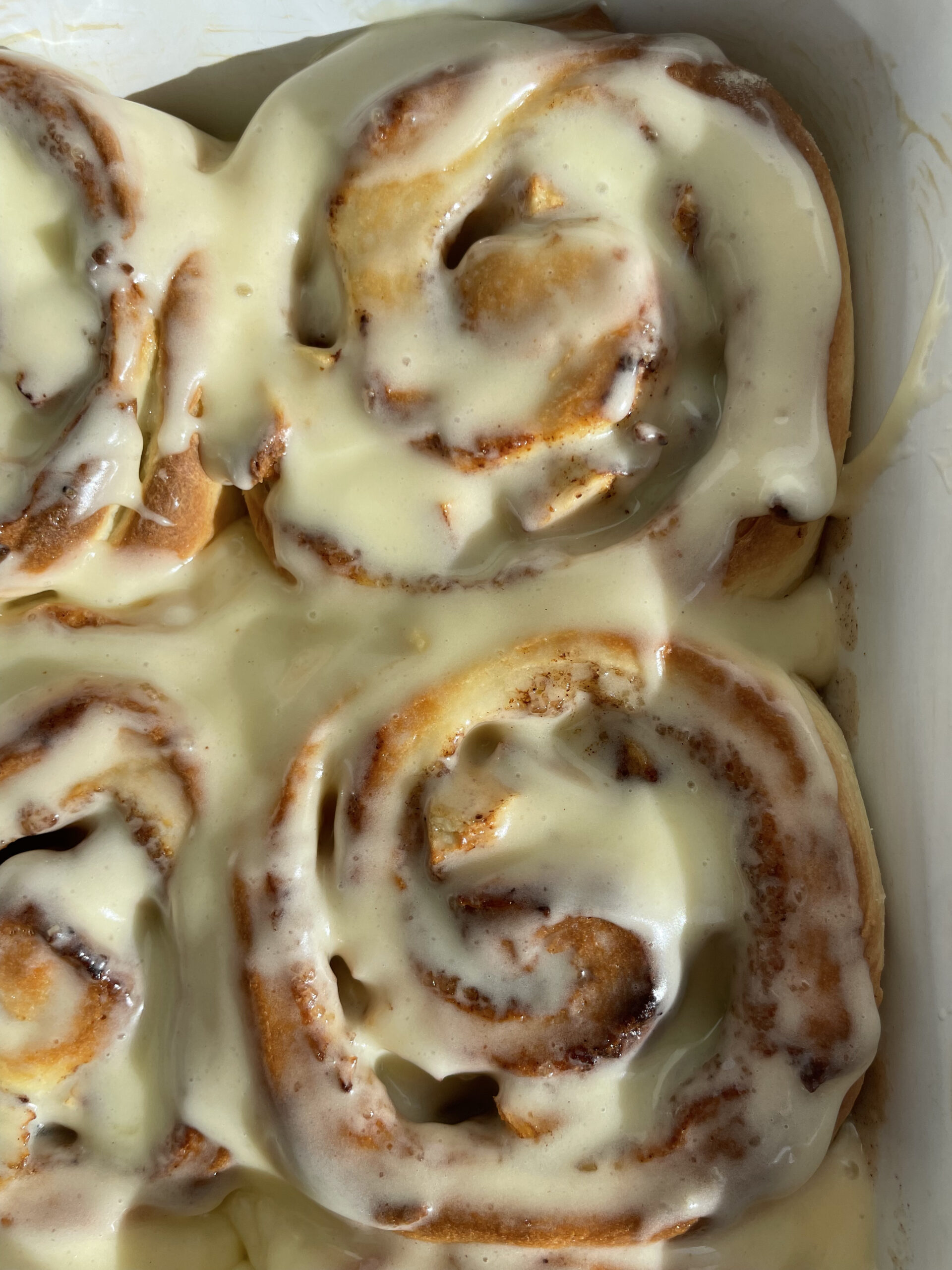
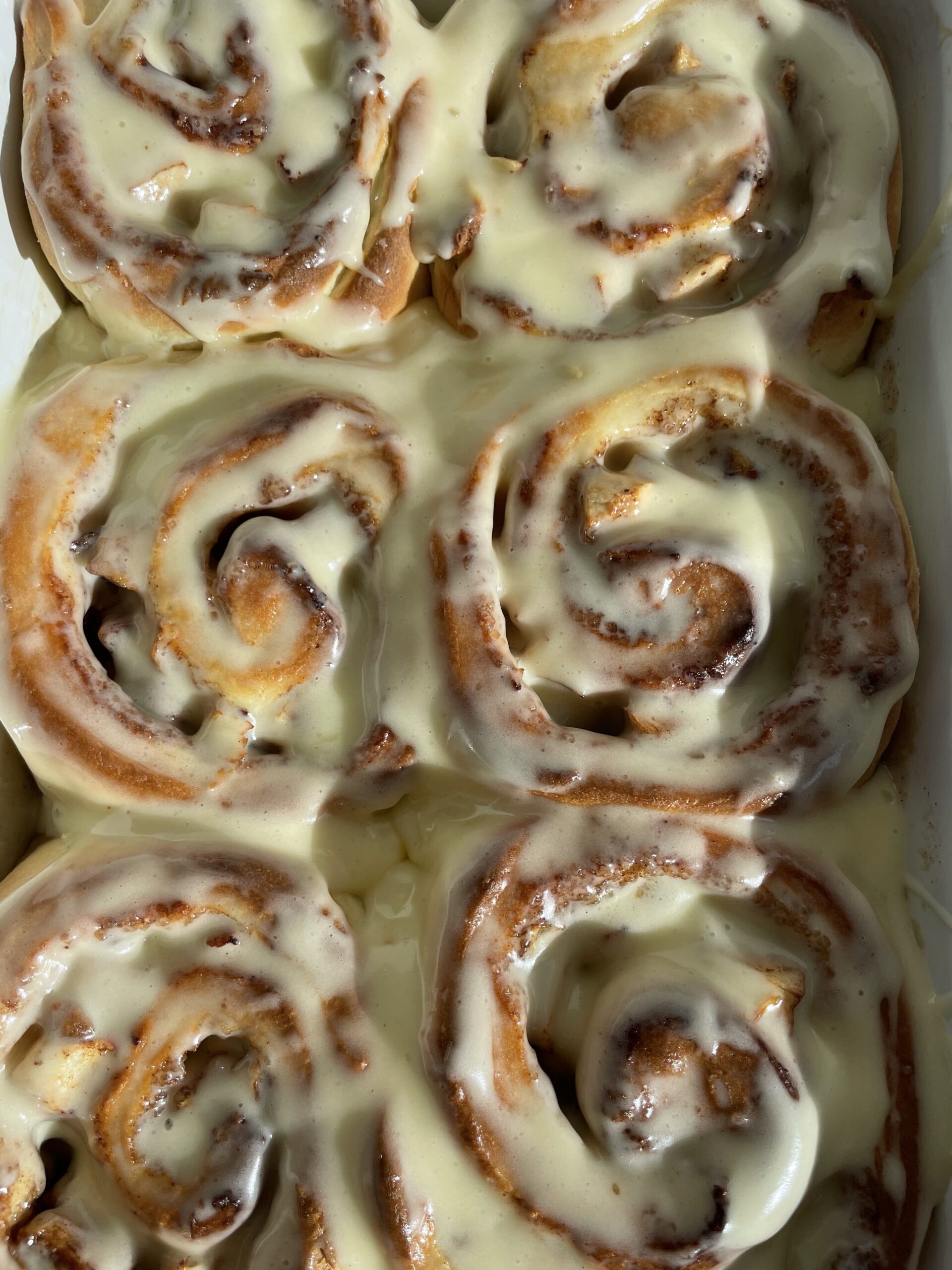
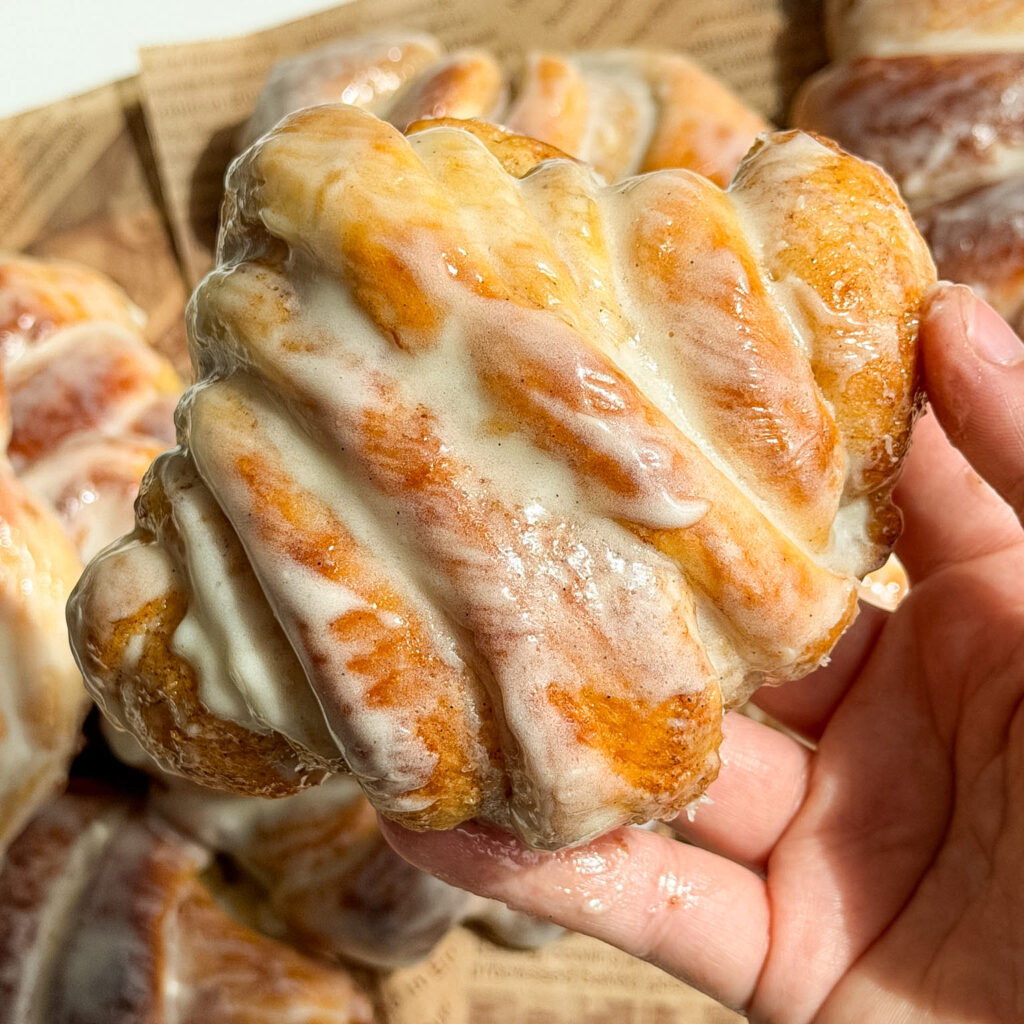
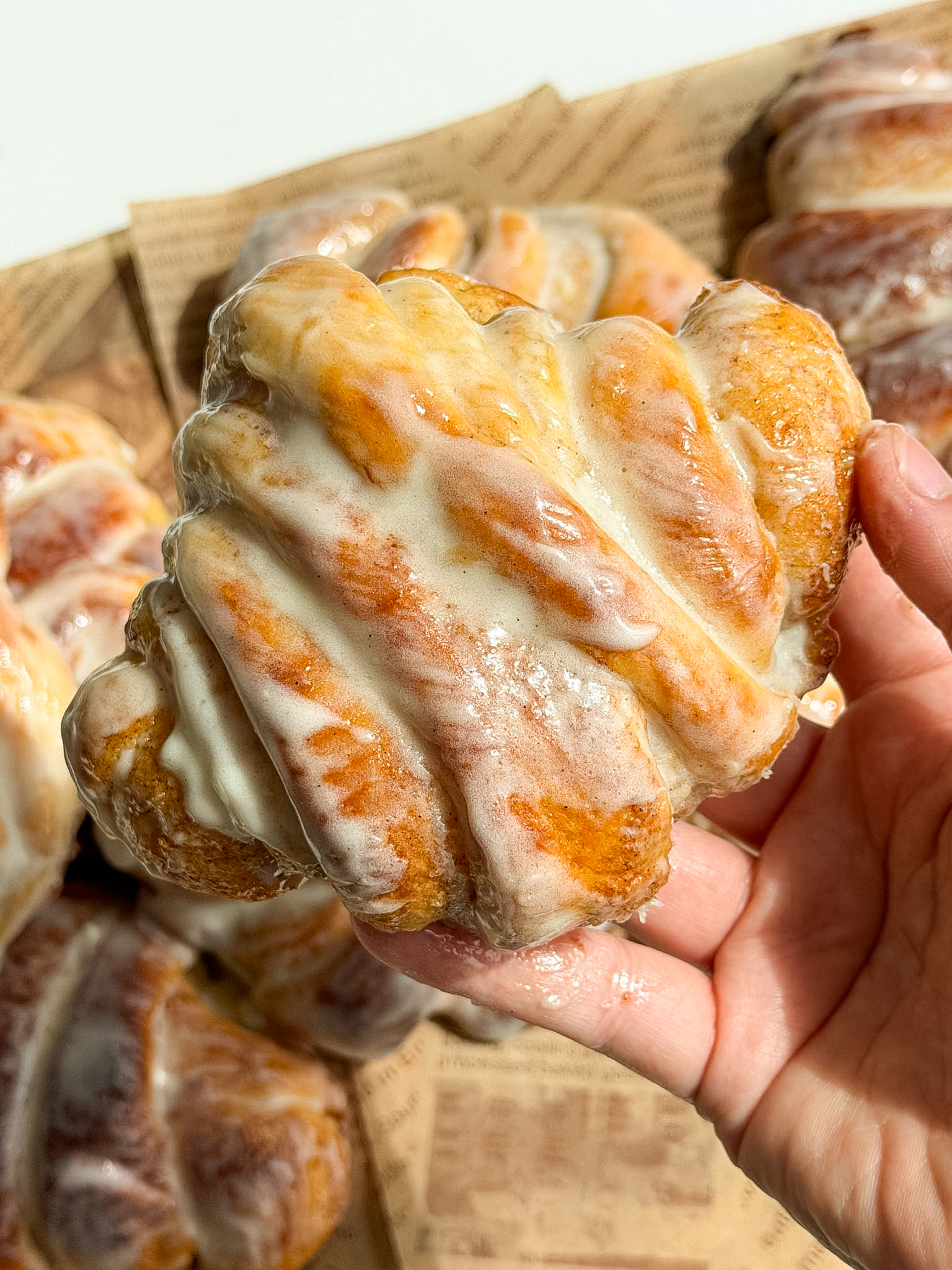
Understanding the Science Behind Perfect Rolls
Creating exceptional Apple Cinnamon Rolls requires understanding how ingredients interact during mixing, rising, and baking. The yeast fermentation process develops flavor and creates the airy texture we associate with quality rolls. When yeast feeds on sugars in the dough, it produces carbon dioxide gas that gets trapped in the gluten network, causing the dough to rise and creating those characteristic soft layers.
The fat content in the dough, from butter and eggs, serves multiple purposes in Apple Cinnamon Rolls. Butter adds richness and flavor while also tenderizing the crumb by coating flour proteins and limiting gluten development. This creates a softer, more delicate texture than lean bread dough. The eggs contribute structure, moisture, and additional fat, while also enriching the flavor and giving the baked rolls a beautiful golden color.
The Role of Gluten Development
Proper kneading develops the gluten structure that gives Apple Cinnamon Rolls their characteristic texture. When flour meets liquid and gets agitated through kneading, proteins glutenin and gliadin link together to form gluten strands. These strands create an elastic network that traps gas bubbles during fermentation, allowing the dough to rise and maintain structure during baking.
However, too much gluten development can make Apple Cinnamon Rolls tough and chewy rather than soft and tender. The balance comes from kneading just enough to create structure, while the enriching ingredients like butter and eggs prevent excessive gluten formation. This is why the dough should feel smooth and elastic but not overly resistant when properly kneaded.
Yeast Activation and Fermentation
The yeast used in Apple Cinnamon Rolls must be properly activated to ensure good rise and flavor development. When you dissolve yeast in warm liquid around 110 degrees Fahrenheit, it becomes active and begins feeding on available sugars. If the liquid is too hot, it will kill the yeast. If too cold, the yeast remains dormant and won’t leaven the dough effectively.
The rising periods in this recipe serve different purposes for your Apple Cinnamon Rolls. The first rise allows the yeast to multiply and develop flavor while relaxing the gluten. After shaping, the second rise gives the rolls their final volume and ensures a light, airy texture when baked. Rushing these steps produces dense, less flavorful results.
Selecting the Right Ingredients
The quality of ingredients directly impacts the final result of your Apple Cinnamon Rolls. Using fresh, high-quality components ensures the best flavor, texture, and appearance. While substitutions are possible, understanding what each ingredient contributes helps you make informed choices that maintain the integrity of the recipe.
Choosing the Best Apples
The apple variety you select significantly affects the taste and texture of your Apple Cinnamon Rolls. Firmer apples that hold their shape during baking work best, as they won’t turn to mush or release excessive moisture. Granny Smith apples provide tartness that balances the sweet dough and cinnamon sugar beautifully. Their firm texture remains intact even after baking, creating pleasant apple pieces throughout the rolls.
Honeycrisp apples offer a sweeter option with excellent texture retention for Apple Cinnamon Rolls. They provide natural sweetness that reduces the need for additional sugar in the filling. Braeburn apples deliver a balance between tart and sweet with a firm flesh that bakes well. Avoid overly soft varieties like Red Delicious or McIntosh, as they become mushy and can make your rolls soggy.
Flour Selection Matters
All-purpose flour provides the ideal protein content for Apple Cinnamon Rolls, creating enough structure without making the dough too tough. The protein percentage in all-purpose flour typically ranges from 10 to 12 percent, which develops sufficient gluten for good structure while allowing the enriching ingredients to keep the crumb tender.
Bread flour contains higher protein and creates more gluten development, which can make Apple Cinnamon Rolls slightly chewier. While this works for some bakers, most prefer the softer texture that all-purpose flour provides. Cake flour has too little protein and won’t provide adequate structure, resulting in rolls that lack proper texture and may collapse.
Butter and Dairy Components
Real butter is essential for authentic-tasting Apple Cinnamon Rolls. The flavor complexity of butter cannot be replicated by margarine or shortening. Use unsalted butter so you can control the salt level in the recipe. The butter should be softened but not melted for incorporating into the dough, as this creates the proper texture.
Whole milk provides the best results in Apple Cinnamon Rolls due to its fat content, which contributes to tenderness and richness. Lower-fat milk works but produces slightly less tender results. The milk should be warmed to the correct temperature for yeast activation, typically around 110 degrees Fahrenheit when combining with yeast.
Fresh Eggs and Yeast
Eggs should be at room temperature when making Apple Cinnamon Rolls, as they incorporate more easily into the dough and don’t cool down the other ingredients. The eggs add structure, richness, and help create the tender crumb characteristic of quality rolls. Large eggs are standard in most baking recipes and work perfectly here.
Active dry yeast or instant yeast both work well for Apple Cinnamon Rolls. Active dry yeast requires dissolving in warm liquid before use, while instant yeast can be mixed directly with flour. Always check the expiration date on your yeast, as old yeast loses potency and won’t provide adequate rise. If unsure about yeast freshness, proof it in warm water with a pinch of sugar to verify it bubbles and foams.