Welcome to the World of Egyptian Bechamel Pasta Recipe
Welcome to the world of Egyptian cuisine, where flavors dance and aromas tantalize the senses! Let’s dive into the delicious world of Egyptian cuisine with a classic favorite through this Egyptian Bechamel Pasta Recipe. Imagine creamy pasta layers baked to perfection—it’s the ultimate comfort food with an Egyptian twist! Join me as we explore the simplicity and deliciousness of this dish together.
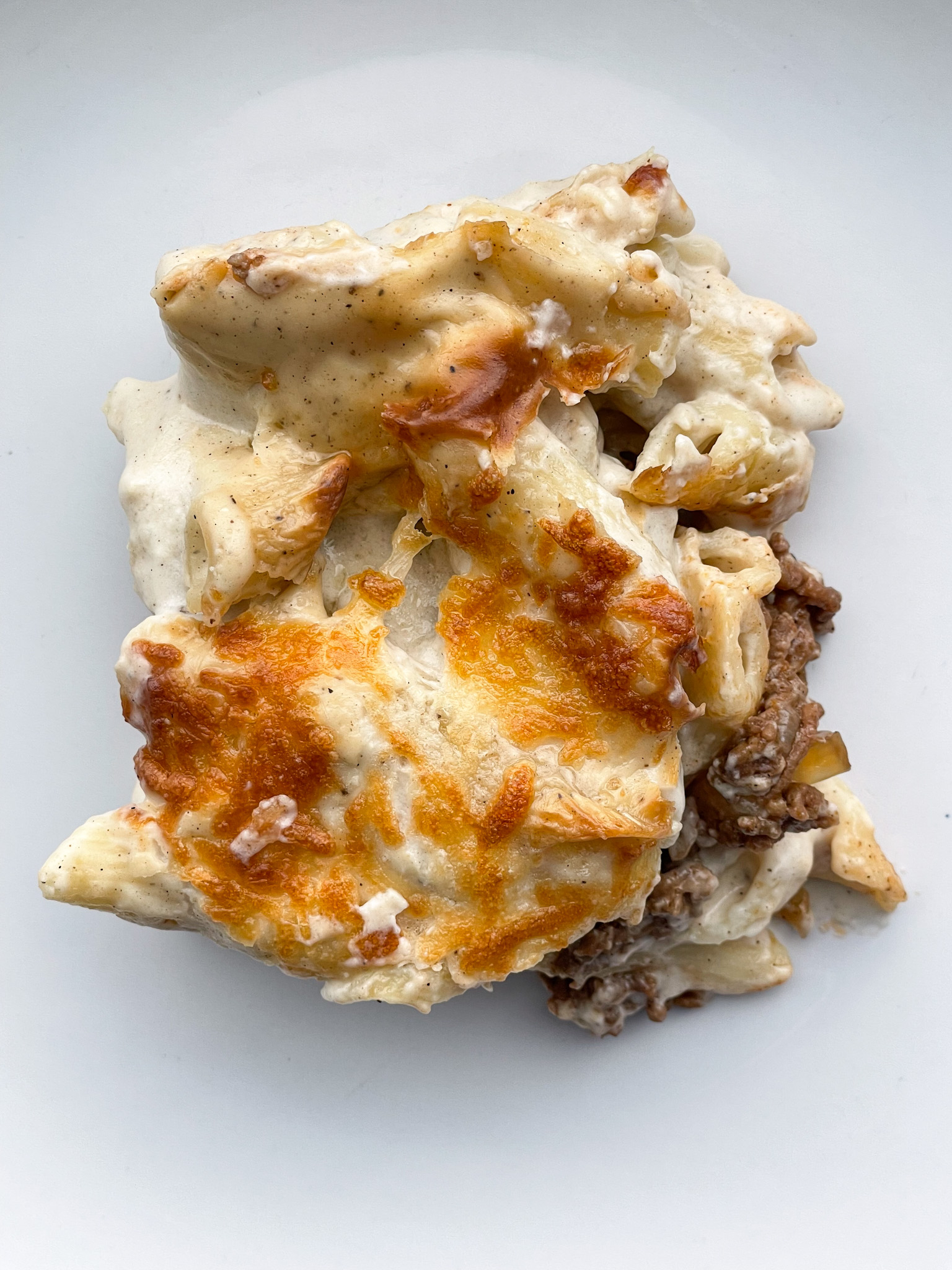
This Egyptian Bechamel Pasta Recipe represents one of the most beloved dishes in Egyptian households, served at family gatherings, celebrations, and Sunday dinners. The combination of tender pasta, savory spiced meat, and silky bechamel sauce creates layers of flavor and texture that make this Egyptian Bechamel Pasta Recipe absolutely irresistible.
What makes this Egyptian Bechamel Pasta Recipe special is the unique spice combination that sets it apart from similar Mediterranean dishes. The addition of cinnamon to both the meat sauce and bechamel gives this Egyptian Bechamel Pasta Recipe its distinctive character, creating warmth and depth that European versions simply don’t have.
Why This Egyptian Bechamel Pasta Recipe is Special
This Egyptian Bechamel Pasta Recipe stands out from other baked pasta dishes for several compelling reasons. First, the layering technique creates distinct strata of flavors and textures that make each bite a complete experience. Unlike mixed pasta casseroles, this Egyptian Bechamel Pasta Recipe maintains separate components that complement rather than blend into each other.
The spice profile in this Egyptian Bechamel Pasta Recipe reflects centuries of Egyptian culinary tradition. Cinnamon appears in both the meat layer and the bechamel sauce, providing aromatic warmth that’s distinctly Middle Eastern. This unexpected spice in a creamy sauce is what makes this Egyptian Bechamel Pasta Recipe uniquely Egyptian rather than Italian or Greek.
The comfort food appeal of this Egyptian Bechamel Pasta Recipe crosses cultural boundaries. Whether you grew up eating this dish or are trying it for the first time, the combination of pasta, meat, and creamy sauce delivers universal satisfaction. This Egyptian Bechamel Pasta Recipe works equally well for weeknight family dinners and special occasion entertaining.
Key Ingredients Overview
The ingredients for this Egyptian Bechamel Pasta Recipe are simple and accessible. Penne pasta forms the foundation, though other short pasta shapes work equally well. The tubular shape of penne holds the meat sauce beautifully and creates structure in the layers of this Egyptian Bechamel Pasta Recipe.
Minced meat, typically beef or lamb, provides the savory protein layer in this Egyptian Bechamel Pasta Recipe. The meat is seasoned with onions, garlic, and that signature cinnamon, along with tomato paste and sauce. These aromatics create a rich, flavorful filling that contrasts beautifully with the creamy bechamel in this Egyptian Bechamel Pasta Recipe.
The bechamel sauce is the crowning glory of this Egyptian Bechamel Pasta Recipe. Made from butter, flour, hot milk, and heavy cream, this velvety sauce coats the pasta and creates a golden crust when baked. The addition of cinnamon to the bechamel is what truly makes this Egyptian Bechamel Pasta Recipe authentic.
Understanding the Rich History of Egyptian Bechamel Pasta Recipe
Bechamel pasta, also known as “pastitsio” in Greece, has its origins in Mediterranean and Middle Eastern cuisine. The dish likely originated in Greece and Egypt, with both countries claiming variations as their own. This Egyptian Bechamel Pasta Recipe represents the Egyptian interpretation, which differs subtly but significantly from Greek versions.
Bechamel sauce itself has French origins, named after the French financier Marquis Louis de Béchamel, who popularized it in the 17th century. However, the combination of pasta, meat sauce, and bechamel in this Egyptian Bechamel Pasta Recipe likely evolved independently in Mediterranean and Middle Eastern cuisines over time.
Today, this Egyptian Bechamel Pasta Recipe is enjoyed in various forms and with regional variations across the globe. Egyptian immigrants have brought this recipe to communities worldwide, where it’s become a beloved representation of Egyptian home cooking and hospitality.
Cultural Significance in Egypt
This Egyptian Bechamel Pasta Recipe holds special significance in Egyptian food culture. It’s often called “macarona bechamel” in Arabic and appears at nearly every celebration, from weddings to holiday gatherings. The dish represents generosity and care because it requires time and attention to prepare properly.
Egyptian mothers and grandmothers guard their versions of this Egyptian Bechamel Pasta Recipe closely, each family adding their own touches to the traditional formula. Some add nutmeg to the bechamel, others include different spices in the meat, but all maintain the essential layered structure that defines this Egyptian Bechamel Pasta Recipe.
The communal aspect of serving this Egyptian Bechamel Pasta Recipe strengthens its cultural importance. Large pans of bechamel pasta appear at gatherings where family and friends share food, creating memories around the dinner table. This Egyptian Bechamel Pasta Recipe brings people together through the universal language of delicious comfort food.
Regional Variations
While this Egyptian Bechamel Pasta Recipe maintains core characteristics, regional variations exist throughout Egypt. In Alexandria, coastal influence means some versions include seafood instead of meat. Cairo-style Egyptian Bechamel Pasta Recipe tends to be heavily spiced with generous cinnamon, while Upper Egyptian versions might include different spice blends.
Greek pastitsio shares similarities with this Egyptian Bechamel Pasta Recipe but typically includes nutmeg and kefalotiri cheese in the bechamel. Italian versions exist as well, though they differ significantly in spicing and preparation. The Egyptian version of this Egyptian Bechamel Pasta Recipe is distinguished by its cinnamon-forward flavor profile.
Lebanese and Syrian cuisines have their own versions similar to this Egyptian Bechamel Pasta Recipe, each with regional tweaks. These Middle Eastern variations demonstrate how beloved this style of baked pasta has become throughout the region, with each country claiming their version as the definitive one.
Choosing the Right Ingredients for Egyptian Bechamel Pasta Recipe
Selecting quality ingredients ensures your Egyptian Bechamel Pasta Recipe turns out perfectly every time. While the ingredient list is straightforward, the quality of each component directly impacts the final result. Understanding what to look for when shopping helps you create the best possible version of this traditional dish.
Fresh, properly stored ingredients make all the difference in this Egyptian Bechamel Pasta Recipe. Since the recipe relies on a balance of pasta, meat, and sauce components, each one should be at peak quality. This doesn’t necessarily mean the most expensive options—it means choosing ingredients that are fresh and appropriate for the dish.
Pasta Selection for Egyptian Bechamel Pasta Recipe
Penne is traditional for this Egyptian Bechamel Pasta Recipe, providing the ideal shape and size for layering. The tubular structure holds meat sauce inside while the ridged exterior helps bechamel adhere. Look for pasta made from 100% durum wheat semolina for the best texture and flavor in your Egyptian Bechamel Pasta Recipe.
Other short pasta shapes work well in this Egyptian Bechamel Pasta Recipe if penne isn’t available. Rigatoni, ziti, or even medium shells all capture the meat sauce effectively and layer beautifully. Avoid long pasta like spaghetti or linguine, which don’t work well in the layered structure of this Egyptian Bechamel Pasta Recipe.
Cook the pasta to al dente perfection for this Egyptian Bechamel Pasta Recipe—it should have slight firmness when bitten. The pasta continues cooking during baking, so undercooking initially prevents mushiness. Properly cooked pasta holds its shape and provides better texture in the finished Egyptian Bechamel Pasta Recipe.
Meat Selection and Preparation
Ground beef is most common for this Egyptian Bechamel Pasta Recipe, though lamb or a combination creates richer flavor. Choose meat with about 15-20% fat content for juiciness without excessive grease. Leaner meat can become dry in this Egyptian Bechamel Pasta Recipe, while fattier meat makes the dish too heavy.
Fresh ground meat produces better results than frozen for this Egyptian Bechamel Pasta Recipe. The texture is finer and the flavor cleaner when using meat that hasn’t been frozen. If you must use frozen meat, thaw it completely in the refrigerator before cooking for your Egyptian Bechamel Pasta Recipe.
Some versions of this Egyptian Bechamel Pasta Recipe use a combination of meats for complexity. Mixing beef and lamb creates depth, with beef providing structure and lamb adding distinctive flavor. Experiment with different ratios to find your preferred blend for this Egyptian Bechamel Pasta Recipe.
Dairy Components
Whole milk creates the best bechamel for this Egyptian Bechamel Pasta Recipe. The fat content provides richness and helps create smooth, velvety sauce. Low-fat or skim milk produces thinner, less luxurious bechamel that doesn’t coat the pasta as beautifully in this Egyptian Bechamel Pasta Recipe.
Heavy cream enriches the bechamel in this Egyptian Bechamel Pasta Recipe, adding extra silkiness and flavor. The combination of milk and cream creates the perfect consistency—thick enough to coat the pasta but fluid enough to pour smoothly. Don’t skip the cream if you want authentic results with this Egyptian Bechamel Pasta Recipe.
Butter is essential for both the meat sauce and bechamel in this Egyptian Bechamel Pasta Recipe. Use real butter rather than margarine for authentic flavor. The butter adds richness and helps create the golden crust that makes baked Egyptian Bechamel Pasta Recipe so visually appealing.
Spices and Aromatics
Cinnamon is the signature spice in this Egyptian Bechamel Pasta Recipe, appearing in both the meat sauce and bechamel. Use fresh, quality cinnamon for the best flavor—ground cinnamon loses potency over time. The warm, sweet-spicy notes of cinnamon define the Egyptian character of this Egyptian Bechamel Pasta Recipe.
Fresh onions and garlic provide aromatic foundation for the meat sauce in this Egyptian Bechamel Pasta Recipe. Yellow or white onions work best, offering sweetness when sautéed. Fresh garlic is non-negotiable—pre-minced garlic in jars cannot replicate the pungent aromatics that make this Egyptian Bechamel Pasta Recipe special.
Salt and black pepper season all components of this Egyptian Bechamel Pasta Recipe. Use kosher or sea salt for better control over seasoning. Freshly ground black pepper provides more vibrant flavor than pre-ground, enhancing both the meat sauce and bechamel in this Egyptian Bechamel Pasta Recipe.

Step-by-Step Instructions for Perfect Egyptian Bechamel Pasta Recipe
Creating exceptional results with this Egyptian Bechamel Pasta Recipe requires following specific steps in the right order. While the process is straightforward, attention to detail and timing ensures the best possible outcome. These comprehensive instructions will guide you through each stage of preparing this beloved Egyptian comfort food.
The entire process for this Egyptian Bechamel Pasta Recipe takes about 90 minutes from start to finish, including prep time, cooking time, and baking. Having all your ingredients measured and ready before you begin makes the cooking process smooth and stress-free for your Egyptian Bechamel Pasta Recipe.
Preparing the Meat Sauce
Begin this Egyptian Bechamel Pasta Recipe by heating a large saucepan over medium heat. Add butter and let it melt completely, swirling to coat the bottom of the pan. The butter should foam slightly but not brown for your Egyptian Bechamel Pasta Recipe.
Add chopped onions to the melted butter for your Egyptian Bechamel Pasta Recipe. Sauté until the onions become translucent and soft, about 5-7 minutes. Stir occasionally to prevent burning. The onions should release their sweetness and create an aromatic base for your Egyptian Bechamel Pasta Recipe.
Add minced garlic to the onions and cook for another minute until fragrant for this Egyptian Bechamel Pasta Recipe. The garlic should just begin to turn golden but not brown, which would make it bitter. This aromatic foundation is crucial for flavorful meat sauce in your Egyptian Bechamel Pasta Recipe.
Browning the Meat
Add the minced meat to the saucepan for your Egyptian Bechamel Pasta Recipe. Break it down with a wooden spoon or spatula, stirring to separate the meat into small pieces. The meat should brown evenly, developing color and flavor through the Maillard reaction.
Continue cooking the meat for this Egyptian Bechamel Pasta Recipe until it’s completely browned and no pink remains, about 8-10 minutes. Break up any large clumps to ensure even cooking. The meat should be in small, uniform pieces that will distribute evenly when layered in your Egyptian Bechamel Pasta Recipe.
Season the browned meat with salt, black pepper, and cinnamon for your Egyptian Bechamel Pasta Recipe. The cinnamon is the signature spice that makes this dish distinctly Egyptian. Use about 1 teaspoon of cinnamon for a traditional flavor profile, or adjust to your preference.
Adding Tomato Components
Stir tomato paste into the meat mixture for your Egyptian Bechamel Pasta Recipe. The paste adds concentrated tomato flavor and helps thicken the sauce. Cook the tomato paste for 2-3 minutes, stirring constantly, to remove any raw taste and deepen the flavor.
Add tomato sauce to the meat for your Egyptian Bechamel Pasta Recipe. The sauce provides moisture and acidity that balances the richness of the meat. Stir well to combine all ingredients, creating a cohesive meat sauce that will layer beautifully in your Egyptian Bechamel Pasta Recipe.
Simmer the meat sauce for 10-15 minutes to allow flavors to meld for your Egyptian Bechamel Pasta Recipe. The sauce should thicken slightly and the flavors should deepen. Taste and adjust seasoning if needed before setting aside to cool slightly.
Making the Bechamel Sauce
In a separate saucepan, melt butter over medium heat for the bechamel in your Egyptian Bechamel Pasta Recipe. Once melted, add flour and whisk vigorously to combine. This creates a roux, the thickening base for your bechamel sauce.
Cook the roux for your Egyptian Bechamel Pasta Recipe for 2-3 minutes, whisking constantly. The mixture should bubble gently and the flour should lose its raw smell. The roux should remain pale blonde—don’t let it brown, which would create unwanted flavor in your Egyptian Bechamel Pasta Recipe.
Slowly add hot milk to the roux for your Egyptian Bechamel Pasta Recipe, whisking constantly to prevent lumps. Add the milk gradually in a steady stream while whisking vigorously. The mixture will thicken as you add more milk, creating smooth, creamy bechamel for your Egyptian Bechamel Pasta Recipe.
Finishing the Bechamel
Add heavy cream to the bechamel for your Egyptian Bechamel Pasta Recipe, whisking to incorporate. The cream enriches the sauce and creates extra silkiness. Continue whisking until the sauce is smooth and velvety, coating the back of a spoon thickly.
Season the bechamel with salt, black pepper, and cinnamon for your Egyptian Bechamel Pasta Recipe. The cinnamon in the bechamel is what makes this authentically Egyptian. Start with 1/2 teaspoon and adjust to taste—the cinnamon should be noticeable but not overwhelming.
Simmer the bechamel gently for 5-7 minutes for your Egyptian Bechamel Pasta Recipe, whisking occasionally. The sauce should thicken to a consistency that coats pasta well but pours smoothly. If too thick, thin with a bit more milk. If too thin, simmer longer to reduce.
Preparing the Pasta
While making the sauces, cook the penne pasta according to package directions for your Egyptian Bechamel Pasta Recipe. Use generously salted water—the pasta should taste seasoned on its own. Cook to al dente, about 1-2 minutes less than package directions since it will bake later.
Drain the pasta for your Egyptian Bechamel Pasta Recipe but don’t rinse it. The starch coating helps the bechamel adhere to the pasta. Transfer the hot pasta to a large bowl and add about one-third of the prepared bechamel sauce.
Mix the pasta and bechamel thoroughly for your Egyptian Bechamel Pasta Recipe. Every piece of pasta should be coated with the creamy sauce. This ensures the pasta layer stays moist and flavorful during baking, creating the perfect texture in your finished Egyptian Bechamel Pasta Recipe.
Assembling the Layers
Prepare your baking dish for the Egyptian Bechamel Pasta Recipe by brushing it with butter. This prevents sticking and adds extra richness. Pour a thin layer of bechamel sauce on the bottom of the dish, spreading it evenly to cover completely.
Add half of the pasta-bechamel mixture to the baking dish for your Egyptian Bechamel Pasta Recipe. Spread it evenly to create a uniform layer. Press down gently to eliminate air pockets and create a compact layer that will hold together when sliced.
Spread all of the meat sauce over the pasta layer for your Egyptian Bechamel Pasta Recipe. Distribute it evenly to the edges of the dish. The meat layer should cover the pasta completely, creating a distinct stratum in your Egyptian Bechamel Pasta.
Add the remaining pasta-bechamel mixture over the meat for your Egyptian Bechamel Pasta. Spread it carefully to avoid disturbing the meat layer below. Create an even top layer that will receive the final bechamel coating.
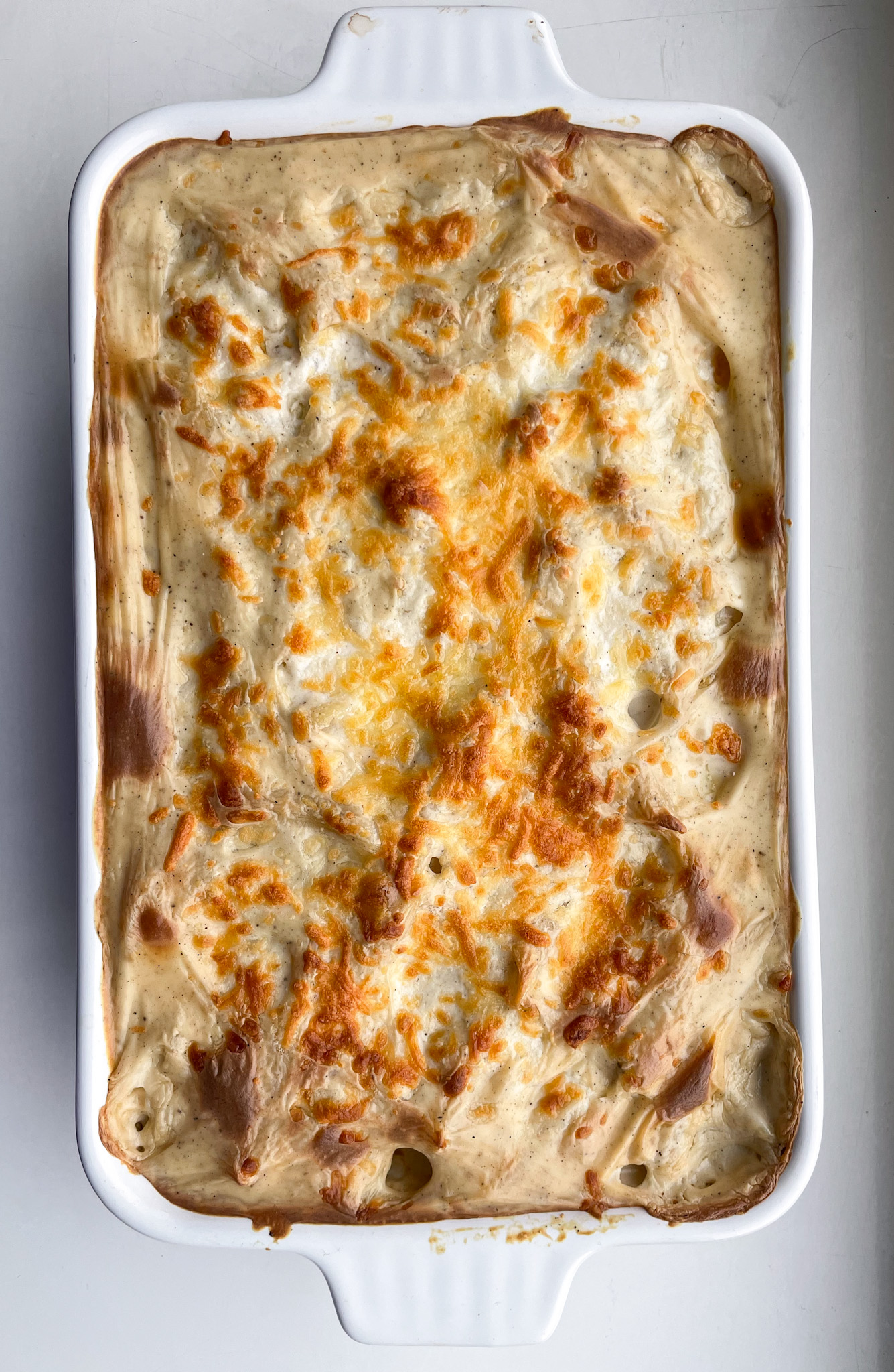
Pour the remaining bechamel sauce over the top pasta layer for your Egyptian Bechamel Pasta. Spread it evenly to cover the entire surface, ensuring no pasta is exposed. The bechamel should coat generously, creating that signature creamy top layer that will brown beautifully.
Baking to Perfection
Preheat your oven to 180 degrees Celsius (350 degrees Fahrenheit) for baking your Egyptian Bechamel Pasta. The oven should be fully preheated before the dish goes in to ensure even cooking and proper browning.
Place the assembled Egyptian Bechamel Pasta in the preheated oven. Bake for 40-45 minutes until the top becomes golden brown and the edges bubble. The bechamel should form a beautiful crust while the layers below heat through completely.
Let your Egyptian Bechamel Pasta Recipe rest for 10-15 minutes after removing from the oven. This resting period allows the layers to set, making the dish easier to cut and serve. The bechamel will thicken slightly as it cools, creating cleaner slices of your Egyptian Bechamel Pasta Recipe.
Professional Tips for Restaurant-Quality Egyptian Bechamel Pasta Recipe
Elevating your Egyptian Bechamel Pasta Recipe from homemade to restaurant-quality requires knowing a few expert tricks. These techniques, used by experienced Egyptian home cooks and professional chefs, make a significant difference in the final result of your baked pasta.
Understanding these tips helps you avoid common pitfalls and ensures consistent success with this Egyptian Bechamel Pasta. Even small adjustments in technique can dramatically improve your results, transforming good bechamel pasta into exceptional Egyptian Bechamel Pasta that rivals the best restaurants.
Bechamel Sauce Mastery
The key to perfect bechamel for this Egyptian Bechamel Pasta Recipe is constant whisking and proper temperature control. Never let the sauce boil vigorously—gentle simmering creates smooth, lump-free bechamel. High heat causes the proteins to seize and creates grainy texture in your Egyptian Bechamel Pasta.
Use hot milk when making bechamel for this Egyptian Bechamel Pasta. Heating the milk before adding to the roux prevents the temperature drop that can cause lumps. Warm milk also incorporates more smoothly, creating silky bechamel for your Egyptian Bechamel Pasta.
Strain your bechamel through a fine-mesh sieve if any lumps form in your Egyptian Bechamel Pasta. This extra step ensures perfectly smooth sauce even if something went wrong during cooking. Professional chefs always strain bechamel for guaranteed silky results.
Meat Sauce Enhancement
Brown the meat properly for maximum flavor in your Egyptian Bechamel Pasta Recipe. Don’t overcrowd the pan—cook in batches if necessary to achieve good browning. Properly browned meat develops deep, savory flavors through caramelization that pale meat cannot provide.
Drain excess fat from the meat sauce if needed for your Egyptian Bechamel Pasta. Too much fat makes the dish greasy and heavy. Tilt the pan and spoon off excess oil, leaving just enough to keep the meat moist and flavorful.
Add a pinch of sugar to the tomato sauce in your Egyptian Bechamel Pasta. This balances the acidity of the tomatoes and creates more complex flavor. Just 1/4 teaspoon is enough to round out the flavors without making the sauce sweet.
Layering Techniques
Create distinct, visible layers in your Egyptian Bechamel Pasta Recipe by being gentle during assembly. Spread each layer carefully without disturbing the ones below. Clean edges and distinct layers make for more impressive presentation when the dish is cut and served.
Press down gently on each pasta layer to remove air pockets in your Egyptian Bechamel Pasta. Air pockets create uneven texture and can cause the dish to collapse when cut. Firmly packed layers hold together better and slice more cleanly.
Ensure the top bechamel layer is generous for your Egyptian Bechamel Pasta. The top should be completely covered with sauce—any exposed pasta will dry out and become tough during baking. A thick bechamel layer creates that beautiful golden crust everyone loves.
Baking and Browning
For extra golden top on your Egyptian Bechamel Pasta Recipe, brush the surface with beaten egg before baking. This creates a beautiful, glossy finish and deeper color. The egg wash is optional but adds professional polish to your presentation.
If the top browns too quickly while baking your Egyptian Bechamel Pasta, tent loosely with aluminum foil. The foil prevents burning while the interior continues cooking. Remove the foil for the last 10 minutes to achieve final browning.
For crispier edges on your Egyptian Bechamel Pasta, use a wider, shallower baking dish. More surface area means more crispy edges, which many people consider the best part. Deeper dishes create softer textures throughout.
Common Mistakes to Avoid with Egyptian Bechamel Pasta Recipe
Even straightforward recipes like this Egyptian Bechamel Pasta Recipe can go wrong if you’re not aware of common pitfalls. Understanding these mistakes helps you avoid them and ensures success every time you make this traditional Egyptian dish.
Many home cooks make the same errors when preparing this Egyptian Bechamel Pasta, but these are all easily preventable. Learning what not to do is just as important as learning the correct techniques for creating perfect bechamel pasta every time.
Lumpy Bechamel Sauce
The most common mistake with this Egyptian Bechamel Pasta Recipe is lumpy bechamel sauce. This happens when cold milk is added to hot roux too quickly, or when the sauce isn’t whisked constantly. Always heat your milk and add it gradually while whisking vigorously for smooth bechamel.
If lumps do form in your Egyptian Bechamel Pasta, don’t panic. Remove the pan from heat and whisk vigorously—sometimes the lumps will smooth out. If not, strain the sauce through a fine-mesh sieve to remove lumps before proceeding with your Egyptian Bechamel Pasta.
Preventing lumps is easier than fixing them in this Egyptian Bechamel Pasta. Use a good whisk, add milk gradually, and maintain constant agitation. These simple precautions ensure smooth, creamy bechamel every time you make this Egyptian Bechamel Pasta.
Overcooked or Undercooked Pasta
Overcooking the pasta ruins the texture of this Egyptian Bechamel Pasta Recipe. Remember that pasta continues cooking during baking, so it should be slightly firmer than al dente when you drain it. Mushy pasta creates an unpleasant texture in the finished Egyptian Bechamel Pasta.
Undercooked pasta in your Egyptian Bechamel Pasta won’t soften enough during baking, resulting in crunchy, unpleasant texture. The pasta should be almost but not quite fully cooked when you drain it—taste a piece to check doneness before draining.
Rinsing pasta after cooking is a mistake for this Egyptian Bechamel Pasta. The starch coating helps bechamel adhere to the pasta and contributes to the overall creaminess. Drain but never rinse the pasta when making this Egyptian Bechamel Pasta.
Dry or Watery Results
Using too little bechamel creates dry Egyptian Bechamel Pasta Recipe. The dish should be creamy and moist throughout, not dry or stiff. Make sure you have enough bechamel to coat the pasta generously and create a thick top layer.
Conversely, too much liquid makes your Egyptian Bechamel Pasta watery and loose. The bechamel should be thick enough to coat the back of a spoon. If your sauce is too thin, simmer longer to reduce and thicken before assembling.
Not letting the Egyptian Bechamel Pasta rest after baking causes it to be runny when cut. The 10-15 minute resting period allows the bechamel to set and the layers to firm up, creating clean slices that hold their shape.
Bland Seasoning
Under-seasoning is a common mistake with this Egyptian Bechamel Pasta Recipe. Each component—pasta water, meat sauce, and bechamel—should be properly seasoned. Taste each element and adjust before assembly for the most flavorful Egyptian Bechamel Pasta.
Forgetting the cinnamon eliminates the signature Egyptian character of this Egyptian Bechamel Pasta. The warm spice in both meat and bechamel is what distinguishes this from Greek or Italian versions. Don’t skip this essential ingredient.
Over-salting the bechamel can ruin your Egyptian Bechamel Pasta. Remember that the meat sauce and cheese (if using) also contribute saltiness. Season the bechamel lightly, knowing that flavors will concentrate during baking.
Variations to Try with Egyptian Bechamel Pasta Recipe
Once you’ve mastered the basic Egyptian Bechamel Pasta Recipe, endless variations allow you to customize this dish to your preferences. These alternatives maintain the essence of traditional bechamel pasta while introducing new flavors and textures.
Experimenting with variations keeps this Egyptian Bechamel Pasta interesting and allows you to adapt it for different occasions or dietary needs. The base technique is forgiving and welcomes creative additions that complement the pasta-meat-bechamel foundation.
Cheese Additions
Adding cheese transforms this Egyptian Bechamel Pasta Recipe into an even richer dish. Mix shredded mozzarella or cheddar into the bechamel before topping the pasta. The melted cheese creates extra creaminess and adds savory depth to your Egyptian Bechamel Pasta.
Parmesan sprinkled between layers enhances this Egyptian Bechamel Pasta with nutty, salty flavor. The hard cheese doesn’t melt completely, instead creating pockets of intense flavor throughout the dish. Use about 1 cup of grated Parmesan distributed between the layers.
A cheese crust tops some variations of this Egyptian Bechamel Pasta beautifully. Sprinkle shredded mozzarella over the final bechamel layer before baking. The cheese browns and creates a golden, stretchy top that’s absolutely irresistible.
Vegetable Additions
Sautéed mushrooms add earthiness to this Egyptian Bechamel Pasta Recipe. Cook sliced mushrooms until golden, then layer them with the meat sauce. The mushrooms provide additional texture and umami that complements the beef beautifully.
Bell peppers mixed into the meat sauce create a more colorful Egyptian Bechamel Pasta. Dice peppers finely and sauté them with the onions. The sweet pepper flavor balances the savory meat and adds nutritional value to your Egyptian Bechamel Pasta.
Spinach between layers makes this Egyptian Bechamel Pasta more nutritious. Sauté fresh spinach until wilted, squeeze out excess moisture, then layer it with the meat. The spinach adds color, vitamins, and a slight earthiness to the dish.
Spice Variations
Additional spices customize this Egyptian Bechamel Pasta to your taste. Nutmeg in the bechamel adds warm, slightly sweet notes that complement the cinnamon. Use it sparingly—just a pinch enhances without overwhelming the other flavors.
Allspice or seven-spice blend (baharat) in the meat creates a more complex Egyptian Bechamel Pasta. These spice mixes add depth and authenticity, reflecting traditional Egyptian cooking. Use about 1/2 teaspoon to enhance without overpowering.
For spicier Egyptian Bechamel Pasta, add cayenne pepper or red pepper flakes to the meat sauce. The heat contrasts nicely with the creamy bechamel. Start with 1/4 teaspoon and adjust to your heat preference.
Storage and Reheating Egyptian Bechamel Pasta Recipe
Properly storing this Egyptian Bechamel Pasta extends its life and maintains quality for later enjoyment. While this dish is delicious fresh from the oven, it actually improves after a day in the refrigerator as flavors meld together.
Bechamel pasta like this Egyptian Bechamel Pasta stores exceptionally well, making it perfect for meal prep or advance preparation for gatherings. Following specific storage and reheating methods helps maintain the best possible texture and flavor.
Storing Instructions
Allow your Egyptian Bechamel Pasta Recipe to cool to room temperature before storing, but don’t leave it out for more than two hours. Cover the baking dish tightly with aluminum foil or plastic wrap, or transfer to an airtight container before refrigerating.
Store this Egyptian Bechamel Pasta in the refrigerator for up to 4 days. The bechamel sauce actually helps preserve the dish, creating a protective barrier that keeps the pasta moist. Many Egyptians believe bechamel pasta tastes even better the next day as flavors develop.
Freezing is possible for this Egyptian Bechamel Pasta. Cut into portions, wrap each tightly in plastic wrap then aluminum foil, and freeze for up to 2 months. Frozen bechamel pasta maintains quality remarkably well, making this Egyptian Bechamel Pasta perfect for batch cooking.
Reheating Methods
The oven produces the best results for reheating this Egyptian Bechamel Pasta Recipe. Preheat to 180 degrees Celsius (350 degrees Fahrenheit), cover with foil, and heat for 20-25 minutes until warmed through. Remove foil for the last 5 minutes to re-crisp the top.
For microwave reheating of individual portions of this Egyptian Bechamel Pasta , use 50% power and heat in 2-minute intervals. Cover loosely to prevent drying out. The microwave won’t recreate the crispy top, but it effectively reheats the dish for quick meals.
Reheat frozen Egyptian Bechamel Pasta by thawing overnight in the refrigerator first. Once thawed, reheat using the oven method. Alternatively, reheat from frozen by adding 10-15 extra minutes to the baking time, keeping the dish covered until the last 10 minutes.
Frequently Asked Questions About Egyptian Bechamel Pasta Recipe
These commonly asked questions about this Egyptian Bechamel Pasta Recipe address concerns that home cooks often have when preparing this traditional dish. Understanding these details helps you make the best possible version of this Egyptian classic.
Can I make Egyptian Bechamel Pasta Recipe ahead of time?
Yes, this Egyptian Bechamel Pasta is perfect for advance preparation. Assemble completely up to 24 hours ahead, cover, and refrigerate. Add 10-15 minutes to the baking time if starting from cold. Many cooks prefer making it ahead as flavors improve overnight.
What can I substitute for the meat?
For vegetarian Egyptian Bechamel Pasta , use lentils, mushrooms, or plant-based ground meat. The texture will differ slightly but can be delicious. Season vegetarian versions generously to compensate for the missing meat flavor.
Can I use a different type of pasta?
Yes, any short pasta works in this Egyptian Bechamel Pasta . Rigatoni, ziti, shells, or even macaroni all create successful results. The pasta shape affects presentation slightly but not flavor. Choose shapes that hold sauce well and layer easily.
Why is my bechamel too thick or too thin?
Bechamel consistency depends on the flour-to-liquid ratio in your Egyptian Bechamel Pasta Recipe. Too thick means too much flour or too little liquid—thin with more milk. Too thin means the opposite—simmer longer to reduce, or add a flour-butter paste to thicken.
Can I make this without heavy cream?
You can make Egyptian Bechamel Pasta with only milk, though the result will be less rich. For best texture, use whole milk and perhaps add a bit more butter to compensate for the missing cream. The bechamel won’t be quite as luxurious but will still be delicious.
How do I get clean slices when serving?
Let your Egyptian Bechamel Pasta rest for 10-15 minutes after baking before cutting. Use a sharp knife and wipe it clean between cuts. The resting period allows the bechamel to set, creating layers that hold together when sliced.
Final Thoughts on Egyptian Bechamel Pasta Recipe
This Egyptian Bechamel Pasta Recipe represents the heart of Egyptian comfort food, bringing together simple ingredients in a dish.
Watch the recipe video for more clarity.


People also like our these recipes:

CREAMY SPINACH LEMON PASTA

Baked Mac and Cheese

PIZZA PASTA

CACIO E PEPE

CHEESY BOLOGNESE

FRENCH ONION PASTA
FOR THE MINCED MEAT
- 2 tbsp unsalted butter
- 1 onion thinly chopped
- 2 garlic cloves minced
- 500 g minced meat
- Salt and pepper
- 1 tbsp tomato paste
- 1/2 cup tomato sauce
FOR THE BECHAMEL SAUCE
- 5 tbsp unsalted butter
- 5 tbsp flour
- 1.5 litres hot milk
- 1/2 cup heavy cream
- Salt and pepper to taste
- 1/2 tsp cinnamon
FOR THE MINCED MEAT
In a saucepan over medium heat, add some butter and sauté some chopped onion and minced garlic until fragrant. Add in the minced meat and break it down till browned. Season with salt, pepper and cinnamon. Add in the tomato paste and tomato sauce and mix. Set aside.
FOR THE BÉCHAMEL SAUCE
In a saucepan, add in the butter, flour and whisk it well. Add slowly in the hot milk and whisk till creamy and slightly thick. Add in the pepper, salt and cinnamon and whisk. Set aside.
ASSEMBLY
In a pot, add in the cooked pasta and add some béchamel sauce to it and mix.
For the assembly, in a baking dish, brush with some butter and some béchamel sauce.
Add in the first layer of the pasta then the minced meat then another layer of pasta, then the béchamel sauce.
Bake at 180 degrees till golden at the top.
If you've given this recipe a try and it won you over, please share your thoughts by leaving
a rating and comment below! If you have any questions about this recipe, don't hesitate to ask – I'm here to
help and will respond promptly.