Discover the Rich Comfort of Garlic Potato Soup
Garlic potato soup represents the ultimate comfort food, combining creamy potatoes with sweet roasted garlic for warming satisfaction that soothes both body and soul. When you master this garlic potato soup recipe, you’re creating a dish that transforms simple ingredients into something magical through roasting technique and thoughtful layering. The secret to exceptional garlic potato soup lies in roasting the garlic until sweet and mellow, cooking potatoes until tender and flavorful, then blending everything into velvety smoothness. Each spoonful delivers rich creaminess balanced by subtle roasted garlic notes, aromatic herbs, and savory depth from quality broth.
Whether you’re seeking warmth on cold winter evenings or creating impressive first course for dinner parties, garlic potato soup delivers elegance and satisfaction with relatively simple preparation. The beauty of this recipe is how roasting transforms harsh raw garlic into sweet, almost nutty essence that elevates ordinary potato soup into something truly special. In this comprehensive guide, I’ll walk you through proper roasting technique, achieving perfect soup consistency, balancing flavors beautifully, and serving your garlic potato soup in ways that showcase its luxurious character.
Why This Recipe is Special
What makes this garlic potato soup stand out from countless other potato soup recipes is the roasting step that fundamentally changes flavor profile. Many potato soups rely on raw garlic added at the end or skip garlic entirely. This recipe makes roasted garlic the star attraction, allowing extended roasting time to develop deep, sweet complexity that permeates every element. The combination of roasted potatoes, roasted onions, and roasted garlic creates depth impossible to achieve through simple stovetop cooking. This is comfort food that actually comforts through genuine flavor development rather than relying solely on cream and salt.
Key Ingredients Overview
Creating exceptional garlic potato soup requires selecting quality ingredients and preparing them properly. You’ll need starchy potatoes like russets or Yukon golds for ideal creamy texture. Multiple heads of fresh garlic provide the signature flavor. Onions add aromatic sweetness when roasted. Quality chicken or vegetable broth forms the flavorful base. Heavy cream contributes luxurious richness. Dried thyme and rosemary provide herbal complexity. Olive oil facilitates roasting and adds its own subtle flavor. Each component serves essential purpose in building complete garlic potato soup experience.
Understanding the Magic of Roasted Garlic
Roasted garlic transforms from sharp and pungent to sweet and mellow, becoming the defining characteristic of exceptional garlic potato soup.
How Roasting Changes Garlic
Raw garlic contains compounds that create characteristic sharpness and bite. When exposed to gentle heat over extended time, these compounds break down and natural sugars caramelize. The result is soft, spreadable garlic with sweet, almost nutty flavor completely different from raw versions. This transformation is essential for garlic potato soup because it provides depth without harshness. The roasted garlic becomes sweet enough to eat straight from the skin, contributing richness rather than aggressive punch to your soup.
Proper Roasting Technique
Cut tops off whole garlic heads to expose the cloves while keeping the bulb intact. Drizzle generously with olive oil and season with salt and pepper. Wrap in aluminum foil or place cut-side down on baking sheet. Roast at 400 degrees Fahrenheit for 30 to 40 minutes until cloves become soft, golden, and fragrant. The garlic should squeeze out easily from skins when pressed. Properly roasted garlic is key to authentic garlic potato soup that tastes complex and developed.
Using Roasted Garlic in Soup
Once roasted and cooled slightly, squeeze garlic cloves from their papery skins directly into your soup pot. The soft garlic will blend seamlessly when you puree the soup, distributing flavor evenly throughout. Some cooks reserve a few roasted cloves for garnish, providing visual appeal and concentrated garlic flavor to certain spoonfuls of your garlic potato soup.
Selecting and Preparing Potatoes
The potato variety you choose affects final texture and flavor of your garlic potato soup significantly.
Best Potato Varieties
Russet potatoes provide high starch content that creates ultra-creamy, smooth garlic potato soup when pureed. The starch breaks down during cooking and blending, contributing to velvety body. Yukon Gold potatoes offer slightly waxy texture with buttery flavor that adds richness. They create soup that’s creamy but retains slight texture if you prefer less-smooth consistency. Red potatoes work acceptably but produce less creamy result due to lower starch content. For classic velvety garlic potato soup, russets or Yukon golds are ideal choices.
Peeling Versus Leaving Skins
For ultra-smooth garlic potato soup, peel potatoes before roasting and pureeing. The skins create slight graininess that some find unappealing in refined soups. However, potato skins contain nutrients and add rustic character. If using thin-skinned varieties like Yukon golds, you can leave skins on for more textured, country-style garlic potato soup. The choice depends on desired sophistication level and personal preference.
Cutting for Even Roasting
Cut potatoes into uniform chunks approximately one to two inches across. Consistent sizing ensures even roasting throughout your garlic potato soup preparation. Pieces that are too large won’t cook through by the time exterior browns. Pieces that are too small may dry out or burn before developing proper flavor. Aim for uniformity so every potato piece finishes cooking simultaneously.
Roasting Vegetables for Maximum Flavor
The roasting step builds foundational flavor that makes garlic potato soup taste developed and complex.
Preparing Vegetables for Roasting
Arrange cut potatoes, halved onions, and prepared garlic on parchment-lined baking sheet. Drizzle everything generously with olive oil, ensuring all surfaces get coated. Season with salt, black pepper, dried thyme, and dried rosemary. The oil facilitates browning while preventing sticking. The seasonings begin flavor development that continues throughout cooking your garlic potato soup.
Roasting Time and Temperature
Roast vegetables at 400 degrees Fahrenheit for initial 30 minutes uncovered. This high heat promotes browning and caramelization that develops deep flavor for your garlic potato soup. After 30 minutes, cover loosely with aluminum foil and continue roasting another 15 to 25 minutes until potatoes are completely tender when pierced with fork. The covering prevents over-browning while allowing vegetables to finish cooking through.
Visual Cues for Doneness
Properly roasted vegetables for garlic potato soup should show golden brown edges with some caramelization. The potatoes should pierce easily with fork, offering no resistance. The onions should be soft and sweet-smelling. The garlic should be golden and spreadably soft. These visual and tactile cues indicate vegetables are ready for the next step.
Building Perfect Soup Base
The liquid component determines whether your garlic potato soup achieves ideal consistency and balanced flavor.
Choosing Your Broth
Quality chicken broth provides savory depth and richness to garlic potato soup. The natural gelatin in good chicken broth contributes body and mouthfeel. Vegetable broth creates lighter, more vegetable-forward version suitable for vegetarians. Homemade broth offers superior flavor to most commercial versions, but quality store-bought broth works perfectly well. Avoid broth with excessive sodium, as you need control over final seasoning of your garlic potato soup.
Broth Quantity Considerations
The amount of broth affects final consistency of your garlic potato soup. More broth creates thinner, more pourable soup. Less broth produces thick, stew-like consistency. Start with conservative amount, typically about four cups for medium batch. You can always thin finished soup with additional broth or cream, but you cannot easily thicken over-thinned soup without cooking it longer or adding more potatoes.
Adding Cream for Richness
Heavy cream transforms garlic potato soup from acceptable to luxurious. Add cream after blending vegetables and broth for best results. The cream contributes fat that creates silky mouthfeel and rounds out flavors. Half-and-half produces lighter result with fewer calories. Whole milk works in a pinch but lacks richness that defines excellent garlic potato soup. For dairy-free versions, coconut cream provides similar richness and body.
Blending to Velvety Perfection
Proper blending technique ensures your garlic potato soup achieves signature smooth, creamy texture.
Immersion Blender Method
Immersion blenders allow you to puree soup directly in the pot, saving time and reducing cleanup for your garlic potato soup. Insert the blender head into soup and blend in circular motion, moving around pot to catch all chunks. Continue blending until completely smooth with no lumps remaining. This method is convenient but may not achieve quite as smooth texture as traditional blender.
Traditional Blender Method
For ultra-smooth garlic potato soup, transfer hot soup in batches to traditional blender. Fill blender no more than halfway to prevent overflow from steam pressure. Remove center cap from blender lid and cover opening with folded kitchen towel. This allows steam to escape while preventing splatters. Blend on high speed until completely smooth and silky. Return blended soup to pot.
Achieving Desired Consistency
If soup seems too thick after blending, thin it with additional broth, cream, or milk until you achieve perfect consistency for your garlic potato soup. The soup should flow smoothly from a ladle but coat the back of a spoon. Too thin means it won’t feel satisfying. Too thick makes it heavy and difficult to eat. Adjust consistency while soup is hot, as it will thicken slightly as it cools.
Seasoning and Finishing
Proper seasoning elevates good garlic potato soup to exceptional status.
Salt and Pepper Balance
Taste your blended garlic potato soup before serving. The soup should taste well-seasoned but not salty. Salt enhances all other flavors, making roasted garlic taste sweeter and potatoes taste richer. Add salt gradually, tasting after each addition. Black pepper provides subtle heat and complexity. The goal is seasoning that highlights ingredients without overwhelming delicate roasted garlic character.
Herbs and Aromatics
Fresh herbs added at the end brighten and freshen garlic potato soup. Chopped fresh parsley or dill contribute color and herbal notes. Fresh thyme echoes the dried thyme used during roasting. Chives add mild onion flavor and elegant appearance. These finishing herbs should complement rather than compete with starring roasted garlic flavor.
Acid for Brightness
A small squeeze of fresh lemon juice or splash of white wine vinegar brightens garlic potato soup without making it taste acidic. The acid balances richness from cream and sharpens overall flavor profile. Add conservatively and taste, as too much acid ruins the soup’s comforting character. The acid should be barely perceptible, simply making other flavors pop.
Creative Garnishing and Presentation
Thoughtful garnishes transform garlic potato soup from simple comfort food to elegant presentation.
Classic Garnish Options
Drizzle high-quality olive oil over each bowl of garlic potato soup for glossy appearance and fruity flavor. Crispy bacon pieces provide salty crunch and smoky notes. Grated cheddar or Gruyère cheese melts slightly in hot soup, adding richness and visual appeal. These classic garnishes enhance both flavor and presentation.
Elegant Finishing Touches
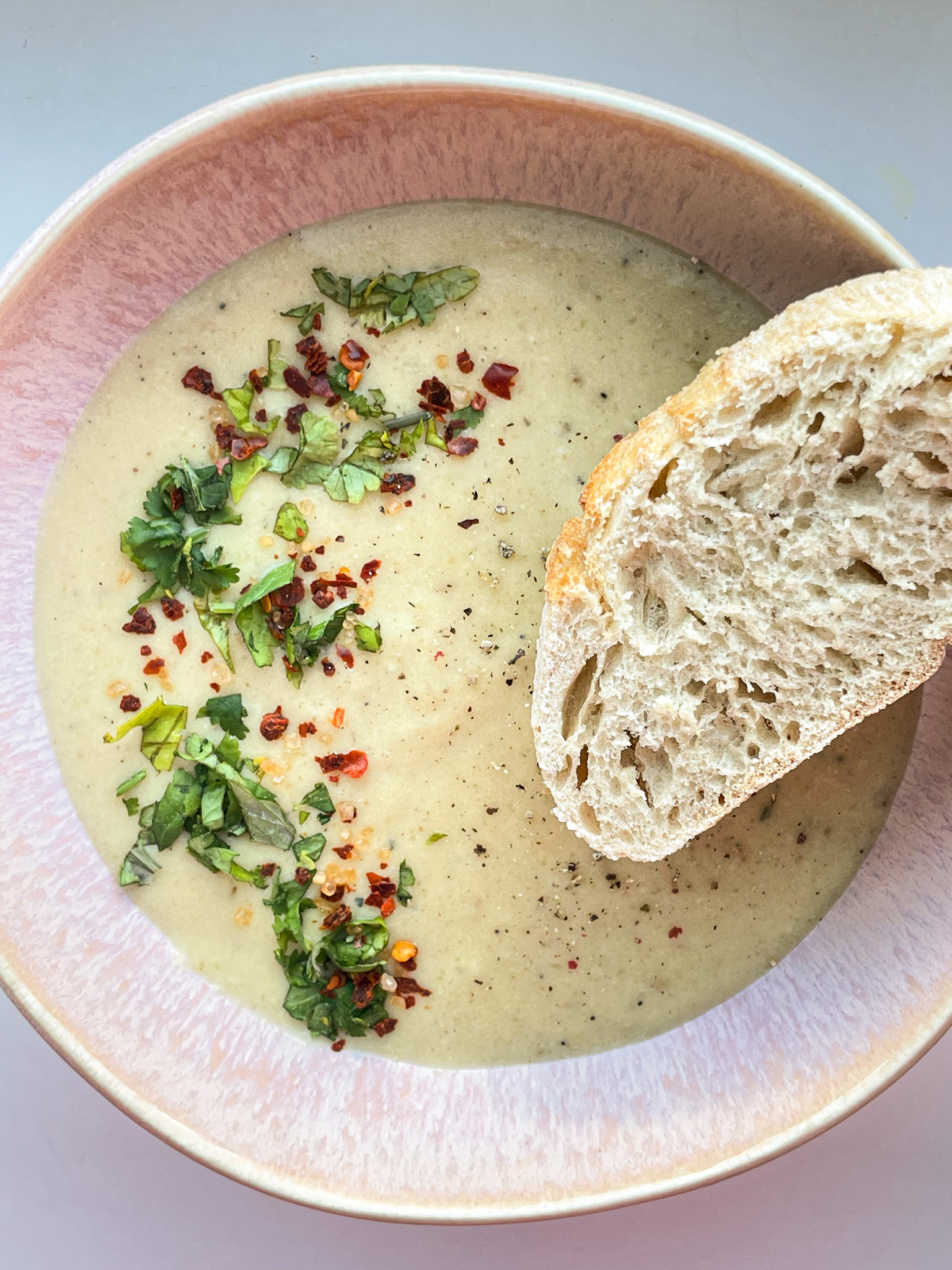
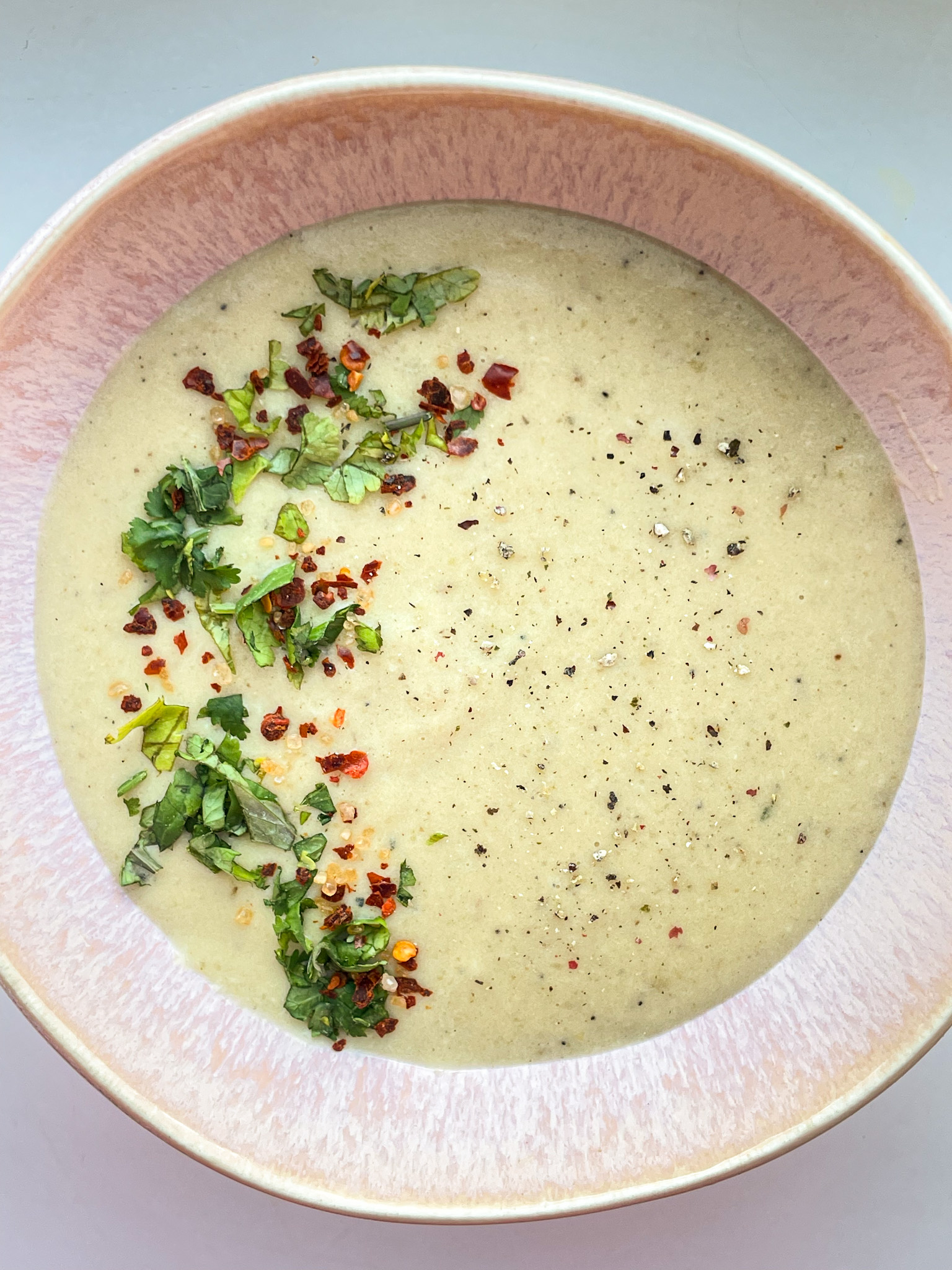
Reserve few perfect roasted garlic cloves for garnish, placing one in center of each bowl of garlic potato soup. Sprinkle fresh chopped herbs like parsley or chives for color and freshness. Add swirl of cream or crème fraîche for sophisticated appearance. Serve with croutons or toasted baguette slices on the side for textural contrast.
Creating Visual Appeal
Serve garlic potato soup in white bowls to showcase the creamy color and garnishes. The pale soup looks elegant against white porcelain. Wide, shallow soup bowls allow garnishes to be seen and appreciated. Warm the bowls slightly before serving to keep soup hot longer. These presentation details make the soup feel special and carefully prepared.
Perfect Serving Suggestions
Garlic potato soup works for various occasions and pairs beautifully with numerous accompaniments.
As First Course
Serve smaller portions of garlic potato soup as elegant first course for dinner parties. The rich, creamy nature makes it perfect starter that impresses guests. Follow with lighter main course like grilled fish or roasted chicken. This progression prevents overwhelming diners with heaviness early in the meal. Garlic potato soup sets sophisticated tone while whetting appetites.
As Main Course
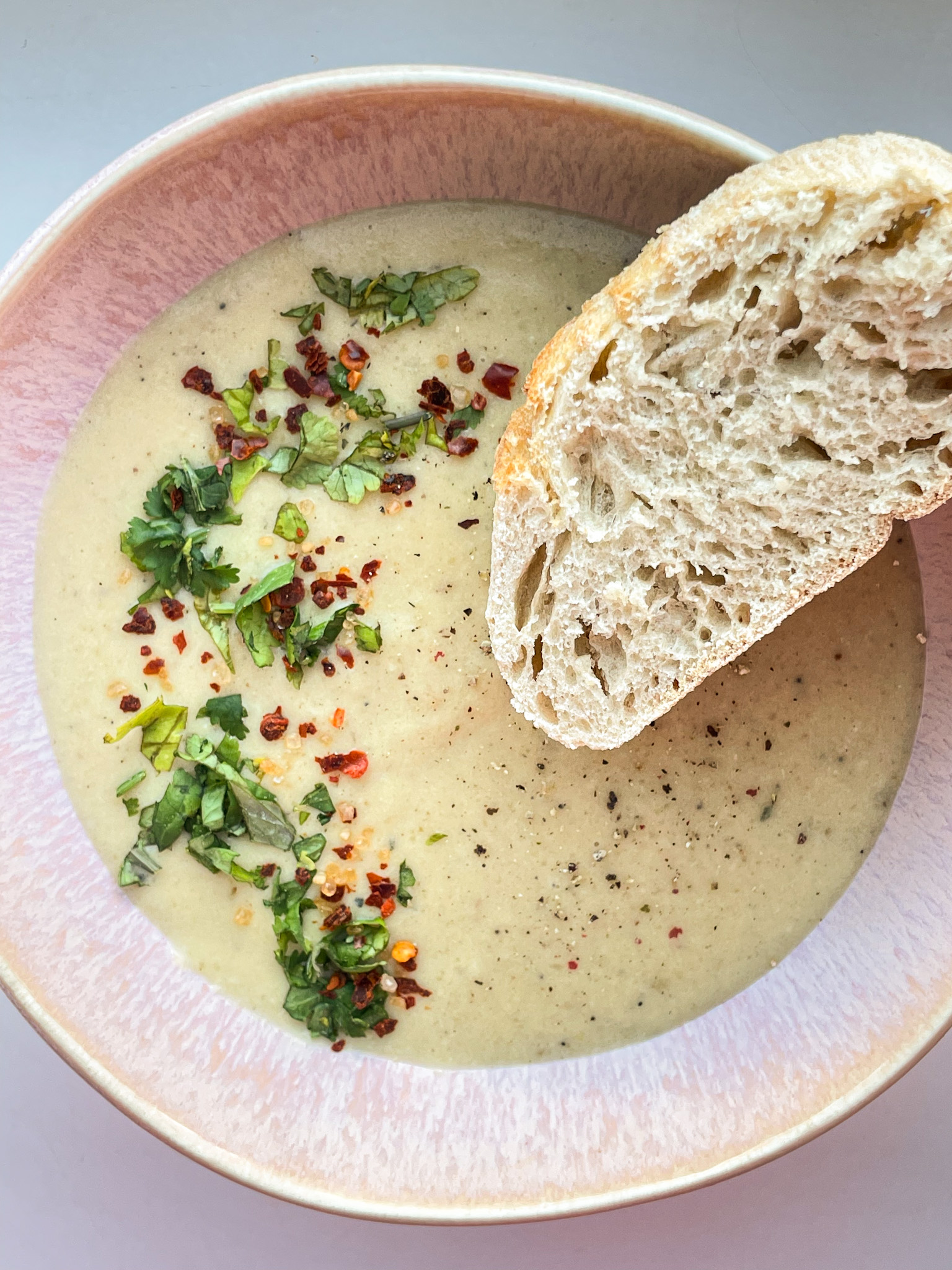
Pair generous bowls of garlic potato soup with fresh salad and crusty bread for complete, satisfying meal. The soup provides warmth and substance while salad adds freshness and crunch. Artisan bread is perfect for sopping up every last drop. This combination works beautifully for lunch or casual dinner, especially during cold weather months.
Accompaniment Ideas
Fresh-baked baguette or sourdough bread complements garlic potato soup perfectly. The bread’s crusty exterior and soft interior provide textural contrast. Simple green salad with vinaigrette balances the soup’s richness. Grilled cheese sandwich turns soup into hearty comfort meal. These pairings enhance the complete dining experience.
Storage and Reheating Guidelines
Proper storage ensures you can enjoy garlic potato soup beyond initial preparation.
Refrigerator Storage
Cool garlic potato soup to room temperature before refrigerating. Store in airtight container in refrigerator for up to 4 days. The soup will thicken considerably during refrigeration as starches continue binding. This is normal and easily corrected during reheating. Label container with date to track freshness.
Reheating for Best Results
Reheat garlic potato soup gently over medium-low heat on stovetop, stirring frequently to prevent scorching. Add splash of broth or cream to restore original consistency, as the soup will have thickened. Microwave reheating works but produces less uniform results. Reheat only amount needed, as repeated heating and cooling degrades quality.
Freezing Considerations
Cream-based soups like garlic potato soup can be frozen, though texture may change slightly. Cool soup completely before transferring to freezer-safe containers, leaving space for expansion. Freeze for up to 3 months. Thaw overnight in refrigerator before reheating. The soup may separate slightly during freezing; whisk or blend briefly to restore smooth consistency.
Customization and Variations
Once you master basic garlic potato soup, these variations keep the recipe interesting and adaptable.
Loaded Baked Potato Version
Transform garlic potato soup into loaded baked potato style by adding crispy bacon pieces, sharp cheddar cheese, sour cream dollop, and sliced green onions. This hearty variation appeals to those who love loaded baked potato flavors in soup form. The toppings add richness and make the soup more substantial.
Lighter, Healthier Version
For lighter garlic potato soup, substitute half-and-half or milk for heavy cream. Use vegetable broth instead of chicken broth. Reduce olive oil during roasting. These modifications significantly reduce calories and fat while maintaining satisfying flavor. The soup won’t be quite as luxurious but remains comforting and delicious.
Adding Vegetables
Incorporate roasted carrots, parsnips, or celery root during the roasting step for more complex garlic potato soup. These vegetables add nutrients, color, and subtle flavor variations. Roasted cauliflower creates ultra-creamy texture when pureed. These additions transform the basic recipe into more elaborate vegetable soup.
Cheese Integration
Stir grated Gruyère, white cheddar, or Parmesan into hot garlic potato soup after blending for cheese potato soup variation. The cheese melts into the soup, creating even richer, more savory result. Use cheese with good melting properties to avoid grainy texture.
Common Mistakes and How to Avoid Them
Learning from these frequent errors ensures your garlic potato soup turns out perfectly every time.
Under-Roasting Garlic
The most common mistake is insufficient roasting time for garlic. Underroasted garlic retains harsh bite that ruins delicate garlic potato soup flavor. Roast garlic until deeply golden, very soft, and sweet enough to eat straight from skin. This patience makes difference between mediocre and exceptional soup.
Over-Blending
While smooth texture is desirable in garlic potato soup, excessive blending can make soup gluey and unappetizing. Potato starch becomes gummy when overworked. Blend just until smooth, then stop. The soup should be velvety, not thick and pasty.
Inadequate Seasoning
Under-seasoned garlic potato soup tastes bland despite quality ingredients. Salt generously, remembering that potatoes absorb significant seasoning. Taste repeatedly during final seasoning, adding salt until flavors bloom properly. Well-seasoned soup tastes balanced and satisfying.
Wrong Potato Variety
Using waxy potatoes like red potatoes creates less creamy garlic potato soup. These varieties don’t break down as smoothly during blending. Stick with starchy russets or all-purpose Yukon golds for best texture. The potato variety genuinely affects final result.
Burning During Roasting
Roasting vegetables too long or at too high temperature creates burned edges that taste bitter in garlic potato soup. Watch carefully during final roasting minutes. Cover with foil if vegetables brown too quickly before cooking through. Gentle roasting develops flavor without bitter notes.
Frequently Asked Questions
Can I make this soup ahead?
Yes, garlic potato soup actually improves when made day ahead as flavors meld and develop. Prepare completely, cool, and refrigerate. Reheat gently before serving, adding liquid to restore consistency. The make-ahead convenience makes this soup excellent for entertaining.
What if I don’t have heavy cream?
Substitute half-and-half, whole milk, or coconut cream for heavy cream in garlic potato soup. Results will be less rich but still delicious. Greek yogurt stirred in at the end provides tanginess and creaminess. Each substitute creates slightly different character while maintaining comfort food appeal.
Can I use pre-roasted garlic?
Store-bought roasted garlic works if you’re short on time for your garlic potato soup. However, freshly roasted garlic tastes significantly better and allows you to roast potatoes and onions simultaneously. If using pre-roasted garlic, roast potatoes and onions separately following same technique.
Why is my soup grainy?
Grainy texture in garlic potato soup usually comes from inadequate blending or using waxy potatoes. Blend longer to break down all chunks. Use high-starch potatoes like russets for smoothest results. Passing soup through fine-mesh strainer removes any remaining chunks for ultra-smooth texture.
Can I make this vegan?
Create vegan garlic potato soup by using vegetable broth and substituting coconut cream or cashew cream for dairy cream. The soup remains rich and satisfying without animal products. Nutritional yeast adds savory depth that mimics cheese flavor if desired.
How do I fix soup that’s too thick?
Thin overly thick garlic potato soup by whisking in hot broth, cream, or milk until you achieve desired consistency. Add liquid gradually, stirring well after each addition. Reheat gently if temperature drops during thinning process. Properly thinned soup flows smoothly from ladle.
Final Thoughts
Mastering garlic potato soup means having elegant comfort food recipe that impresses while requiring relatively simple technique. By understanding how roasting transforms garlic, selecting proper potatoes, blending to velvety smoothness, and seasoning thoughtfully, you can consistently produce soup that rivals fine restaurants. The versatility of garlic potato soup makes it appropriate for casual family dinners and sophisticated entertaining alike. Customize with different garnishes, experiment with vegetable additions, and adjust richness to match preferences.
Whether serving it as first course or main meal, this soup delivers warmth and satisfaction through genuine flavor development rather than relying solely on cream and salt. Once you master the basic technique, you’ll find yourself craving and creating garlic potato soup regularly throughout cold months. The combination of achievable technique, make-ahead convenience, and luxurious results makes this recipe permanent addition to your soup repertoire. Your perfect velvety, roasted garlic-infused bowl awaits.
Watch the recipe video for more clarity
People also like our these recipes:
- 4 medium potatoes peeled and cubed
- 1 onion peeled and halved
- 1 garlic head
- Olive oil
- Salt and pepper
- 1 tsp dried rosemary
- 1 tsp dried thyme
- 1.5 cup chicken broth
- 1/2 cup heavy cream
- Chili flakes and fresh parsley for garnish
- Fresh French baguette to serve with
Preheat your oven to 400°F (200°C). Arrange the diced potatoes, halved onion, and garlic head on a parchment-lined baking sheet. Drizzle generously with olive oil and sprinkle with salt, pepper, thyme, and rosemary.
Roast in the oven for 30 minutes. Then, carefully remove from the oven, cover with foil, and return to bake for an additional 15-25 minutes or until the potatoes are tender and the garlic cloves are soft and golden.
Once roasted to perfection, transfer the vegetables to a large pot. Squeeze the roasted garlic cloves out of their skins and add them to the pot.
Pour in the chicken or vegetable broth and heavy cream. Use a hand blender to blend the mixture until it becomes smooth and creamy. Alternatively, transfer the mixture to a food processor or blender, blend until smooth, then return it to the pot.
Taste the soup and season with salt and pepper to your liking. Warm the soup gently on the stove over medium heat.
When ready to serve, ladle the roasted garlic soup into individual bowls. Garnish with a drizzle of olive oil, chopped parsley, dill, or chili flakes. Pair it with a fresh baguette for a delightful meal. Enjoy every comforting spoonful!
If you've given this recipe a try and it won you over, please share your thoughts by leaving
a rating and comment below! If you have any questions about this recipe, don't hesitate to ask – I'm here to
help and will respond promptly.