Discover the Ultimate Korean Fried Chicken Experience
Korean fried chicken represents one of the most addictive dishes in modern cuisine, combining ultra-crispy texture with complex, flavor-packed sauce. When you master this Korean fried chicken recipe, you’re creating something that rivals the best Korean restaurants while maintaining complete control over spice levels and ingredients. The secret to exceptional Korean fried chicken lies in the cornstarch coating that creates impossibly crispy exterior, combined with rich gochujang sauce that balances sweet, spicy, and umami notes perfectly. Each bite delivers satisfying crunch followed by tender, juicy chicken coated in sticky, flavorful glaze.
Whether you’re a longtime fan of Korean cuisine or discovering these flavors for the first time, this Korean fried chicken will become a recipe you crave and make repeatedly. The beauty of homemade versions is the versatility. Serve your Korean fried chicken alongside steaming rice for complete meal, nestle it into noodles for comfort food perfection, or stuff it into soft bao buns for fusion twist that impresses everyone. In this comprehensive guide, I’ll walk you through understanding gochujang, achieving perfectly crispy coating, creating balanced sauce, and serving your Korean fried chicken in ways that showcase its incredible versatility.
Why This Recipe is Special
What makes this Korean fried chicken stand out from countless other fried chicken recipes is the double flavor approach. Many recipes focus only on coating or only on sauce, but authentic Korean fried chicken demands excellence in both elements. The cornstarch creates lighter, crispier texture than traditional flour coating. The gochujang sauce brings depth and complexity that simple hot sauce or BBQ sauce cannot match. This recipe respects traditional Korean technique while remaining accessible for home cooks using standard equipment. You don’t need specialty fryers or hard-to-find ingredients beyond gochujang, which is increasingly available in regular supermarkets.
Key Ingredients Overview
Creating exceptional Korean fried chicken requires specific ingredients that work together perfectly. You’ll need boneless chicken breasts or thighs cut into bite-sized pieces. Cornstarch forms the crispy coating foundation. Egg white binds everything together. Garlic powder and paprika season the chicken base. Korean gochujang paste provides the signature flavor. Soy sauce adds salty umami depth. Honey balances heat with sweetness. Sesame seeds create authentic garnish. Each component serves essential purpose in building complete Korean fried chicken experience.
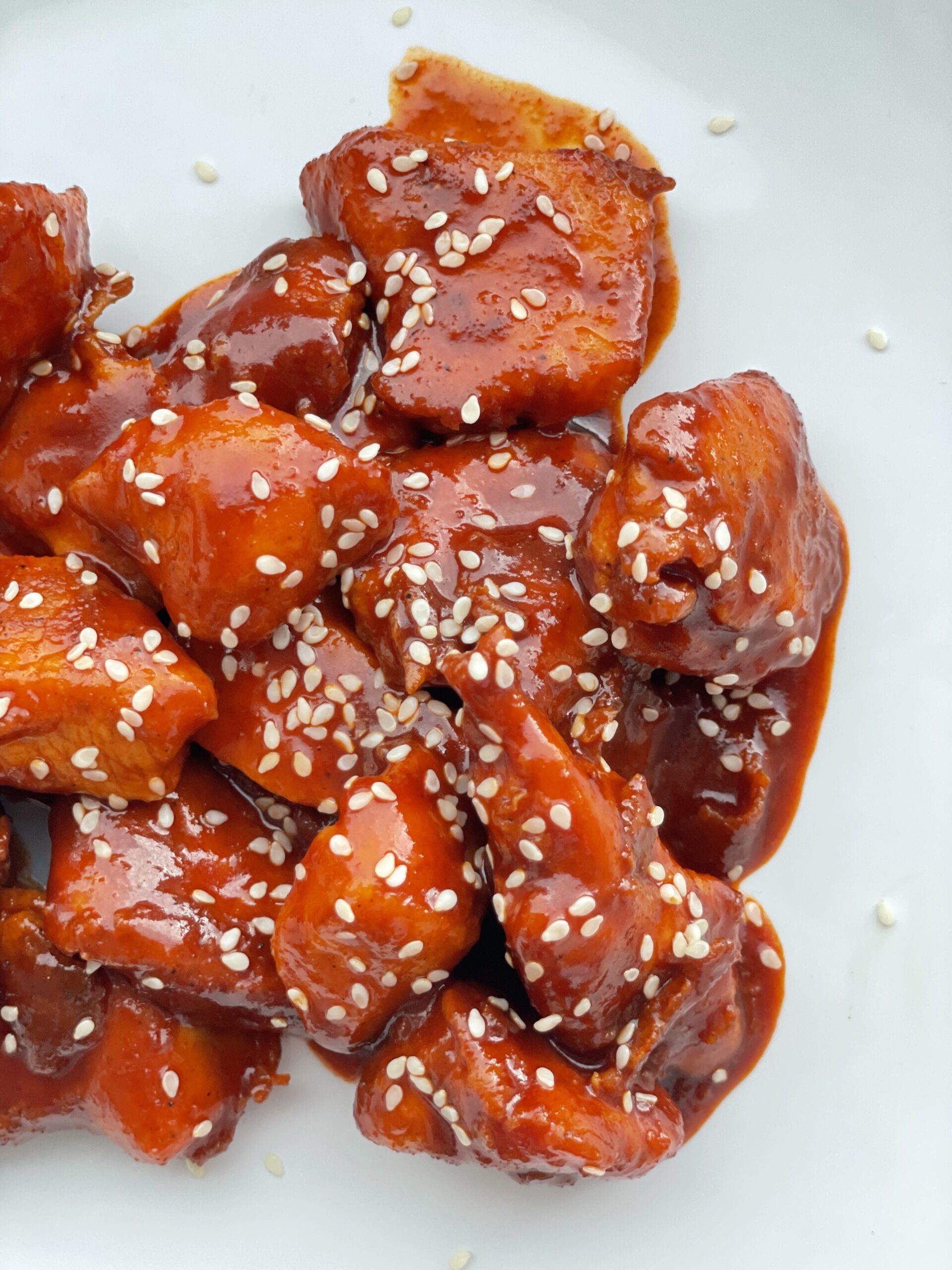
Understanding Gochujang: The Heart of Korean Flavor
Gochujang is the cornerstone ingredient that makes Korean fried chicken taste authentically Korean rather than just spicy fried chicken.
What Makes Gochujang Special
Gochujang is fermented Korean red chili paste made from red chili powder, glutinous rice, fermented soybeans, and salt. The fermentation process creates complex flavor profile that combines heat, sweetness, and deep umami character. Unlike simple hot sauce that provides only heat, gochujang delivers layered taste that’s simultaneously spicy, sweet, savory, and slightly funky in the best way. This complexity is what transforms ordinary fried chicken into Korean fried chicken with distinctive character.
Paste Versus Sauce
Gochujang comes in two main forms for Korean fried chicken. The traditional paste is thick, concentrated, and intensely flavored. It requires diluting or combining with other ingredients to create coating sauce. Gochujang sauce is pre-thinned version that’s ready to use straight from the bottle. For this Korean fried chicken recipe, paste provides better control over final flavor and consistency. You can adjust sweetness, saltiness, and thickness to match your exact preferences.
Finding and Storing Gochujang
Gochujang is increasingly available in regular supermarkets, typically in the international or Asian foods aisle. Korean grocery stores offer wider selection with various heat levels and quality grades. Once opened, gochujang keeps in the refrigerator for many months, making it economical ingredient for your Korean fried chicken adventures. The paste’s thick consistency and high salt content prevent spoilage. Store it in airtight container to maintain flavor and prevent it from absorbing other refrigerator odors.
Preparing Chicken for Perfect Results
Proper chicken preparation ensures your Korean fried chicken achieves ideal texture and flavor absorption.
Choosing Your Chicken Cut
Boneless, skinless chicken breasts provide lean protein that works beautifully for Korean fried chicken. The meat fries quickly and absorbs marinade well. Chicken thighs offer richer flavor and more forgiving texture that’s harder to overcook. Thigh meat stays juicier even if slightly overdone. Wings create authentic Korean fried chicken experience with excellent crispy-to-meat ratio. Choose based on preference, budget, and desired eating experience.
Cutting to Uniform Size
Cut chicken into bite-sized pieces approximately one to two inches across. Uniform sizing ensures even cooking throughout your Korean fried chicken batch. Pieces that are too large won’t cook through by the time exterior crisps. Pieces that are too small dry out before developing proper crust. Consistent sizing means every piece finishes cooking simultaneously, preventing some from overcooking while others remain underdone.
Marinating for Flavor
Coat cut chicken pieces with garlic powder, paprika, cornstarch, egg white, salt, and black pepper. This marinade serves multiple purposes for your Korean fried chicken. The seasonings flavor the meat itself, not just the coating. The egg white helps cornstarch adhere while adding protein that promotes browning. The cornstarch begins creating that signature crispy texture even before frying. Let the chicken sit in this mixture for at least 10 to 15 minutes if time permits, allowing flavors to penetrate.
Achieving Ultra-Crispy Cornstarch Coating
The coating technique determines whether your Korean fried chicken achieves that characteristic shattering crispiness.
Why Cornstarch Works Better
Cornstarch creates lighter, crispier coating than wheat flour for Korean fried chicken. The starch molecules arrange differently during frying, producing delicate, crunchy texture that stays crisp longer. Flour-based coatings can become heavy and lose crispiness as they cool. Cornstarch maintains that satisfying crunch even after sitting. The neutral flavor allows the chicken and sauce to shine without competing flavors from the coating itself.
Coating Technique
Ensure each chicken piece gets thoroughly coated with the cornstarch mixture. Press the coating onto the meat so it adheres well. Shake off any excess that would create thick, doughy spots on your Korean fried chicken. The goal is thin, even coverage that crisps uniformly. Let coated chicken rest for a few minutes before frying if possible. This allows the coating to hydrate slightly from the chicken’s moisture, improving adhesion and preventing the coating from sliding off during frying.
Double Coating Option
For extra-crispy Korean fried chicken, some cooks apply coating in two stages. Coat chicken once, let it rest briefly, then apply second lighter coating. This creates thicker, more substantial crust with even more crunch. The technique takes additional time but produces restaurant-quality results that justify the effort. Experiment to find whether single or double coating better matches your Korean fried chicken preferences.
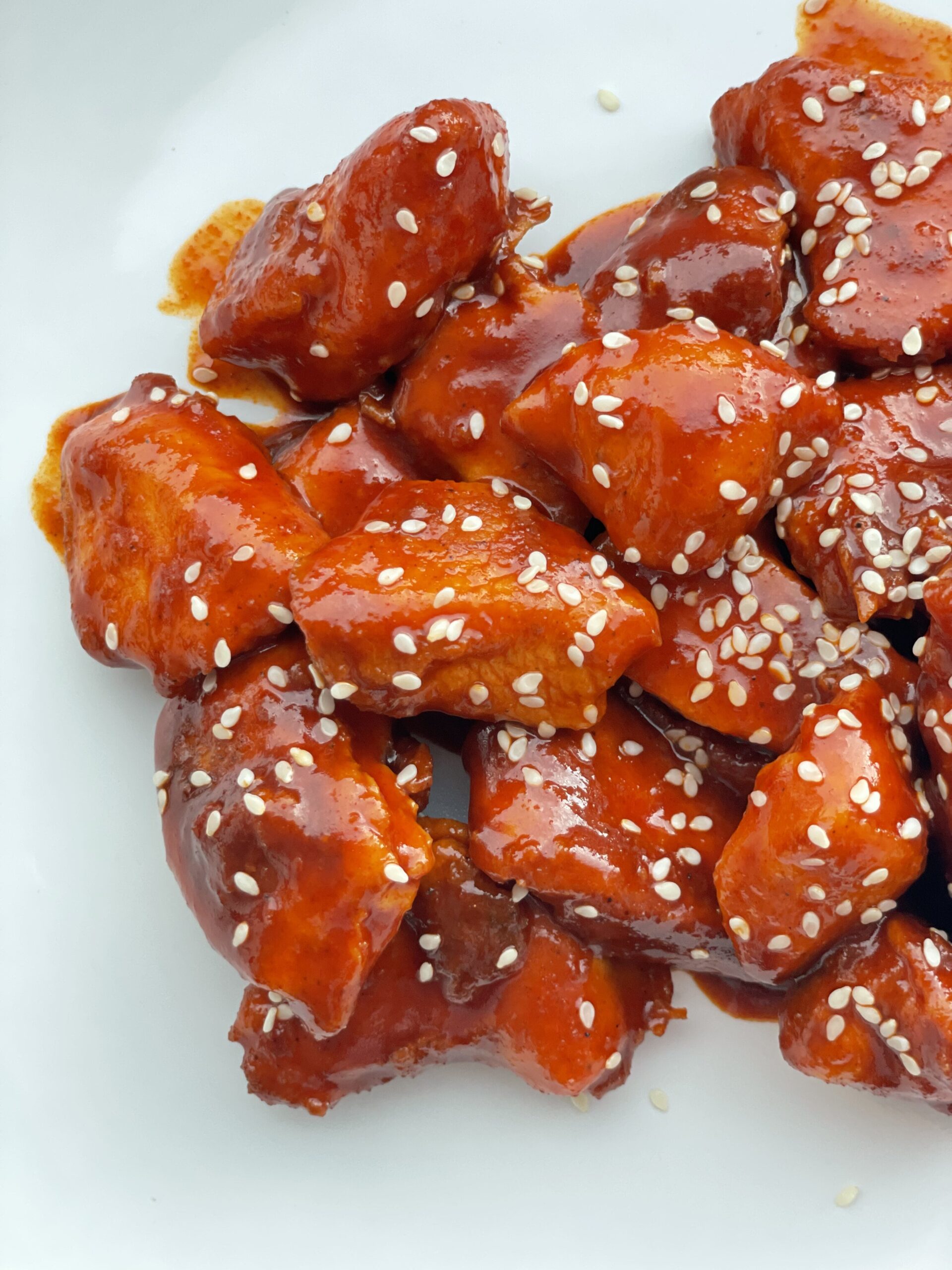
Mastering the Frying Process
Proper frying technique ensures your Korean fried chicken cooks through while developing golden, crispy exterior.
Oil Selection and Temperature
Use neutral oil with high smoke point for frying Korean fried chicken. Vegetable oil, canola oil, or peanut oil all work excellently. Avoid oils with low smoke points like olive oil or butter. Heat oil to approximately 350 to 375 degrees Fahrenheit. This temperature range cooks chicken through while creating crispy exterior without burning. Oil that’s too cool results in greasy, soggy Korean fried chicken. Oil that’s too hot burns the coating before chicken cooks inside.
Frying in Batches
Don’t overcrowd your pan when frying Korean fried chicken. Adding too many pieces at once dramatically drops oil temperature, resulting in oil absorption instead of crisping. The chicken steams rather than fries, creating soft, greasy coating. Work in batches, allowing temperature to recover between additions. This patience produces consistently crispy results across all your Korean fried chicken pieces.
Cooking Time and Doneness
Fry chicken pieces for approximately 6 to 8 minutes, turning occasionally to ensure even browning. The coating should become deeply golden brown and crispy. The chicken should reach internal temperature of 165 degrees Fahrenheit for food safety. Use instant-read thermometer to verify doneness without guessing. Properly cooked Korean fried chicken is crispy outside while remaining juicy inside, never dry or overcooked.
Draining After Frying
Remove finished chicken to wire rack or paper towel-lined plate immediately after frying. The rack is preferable because it allows air circulation around entire piece, preventing steam from softening the bottom. Paper towels work acceptably but trap some steam. Let Korean fried chicken drain briefly while you prepare the sauce, maintaining maximum crispiness before coating.
Creating Perfect Gochujang Sauce
The sauce is what transforms fried chicken into distinctly Korean fried chicken with complex, addictive flavor.
Building the Sauce Base
In the same pan used for frying chicken, add soy sauce, gochujang paste, honey, and water. Using the same pan incorporates any flavorful browned bits left from frying into your sauce. This adds depth and ensures nothing goes to waste. The combination of these four ingredients creates balanced sauce that’s simultaneously spicy, sweet, salty, and rich for your Korean fried chicken.
Balancing Flavors
The ratio of gochujang to honey determines your Korean fried chicken’s final character. More gochujang creates spicier, more intensely flavored sauce. More honey produces sweeter, milder version that appeals to wider audience. Soy sauce adds essential saltiness and umami depth. Water thins the mixture to coating consistency rather than thick paste. Taste and adjust these components to match your exact preferences before adding chicken.
Simmering to Perfect Consistency
Heat the sauce mixture over medium heat, stirring constantly. As it simmers, the sauce will thicken from evaporation and from cornstarch residue in the pan. Continue cooking until the sauce reaches coating consistency that’s thick enough to cling to chicken but thin enough to flow smoothly. This typically takes 3 to 5 minutes. The sauce should coat a spoon and leave a trail when you drag your finger through it. This consistency ensures your Korean fried chicken gets thoroughly glazed without the sauce pooling at the bottom.
Coating the Chicken
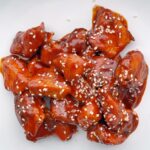
Add fried chicken pieces to the thickened sauce. Toss everything together thoroughly, ensuring every piece gets completely coated with glaze. Work quickly while both chicken and sauce remain hot. The heat helps sauce adhere better and creates that characteristic glossy appearance on your Korean fried chicken. Continue tossing until sauce distributes evenly and begins to set slightly on the chicken’s surface.
Garnishing and Presenting Your Creation
Final touches transform good Korean fried chicken into restaurant-quality presentation.
Sesame Seed Garnish
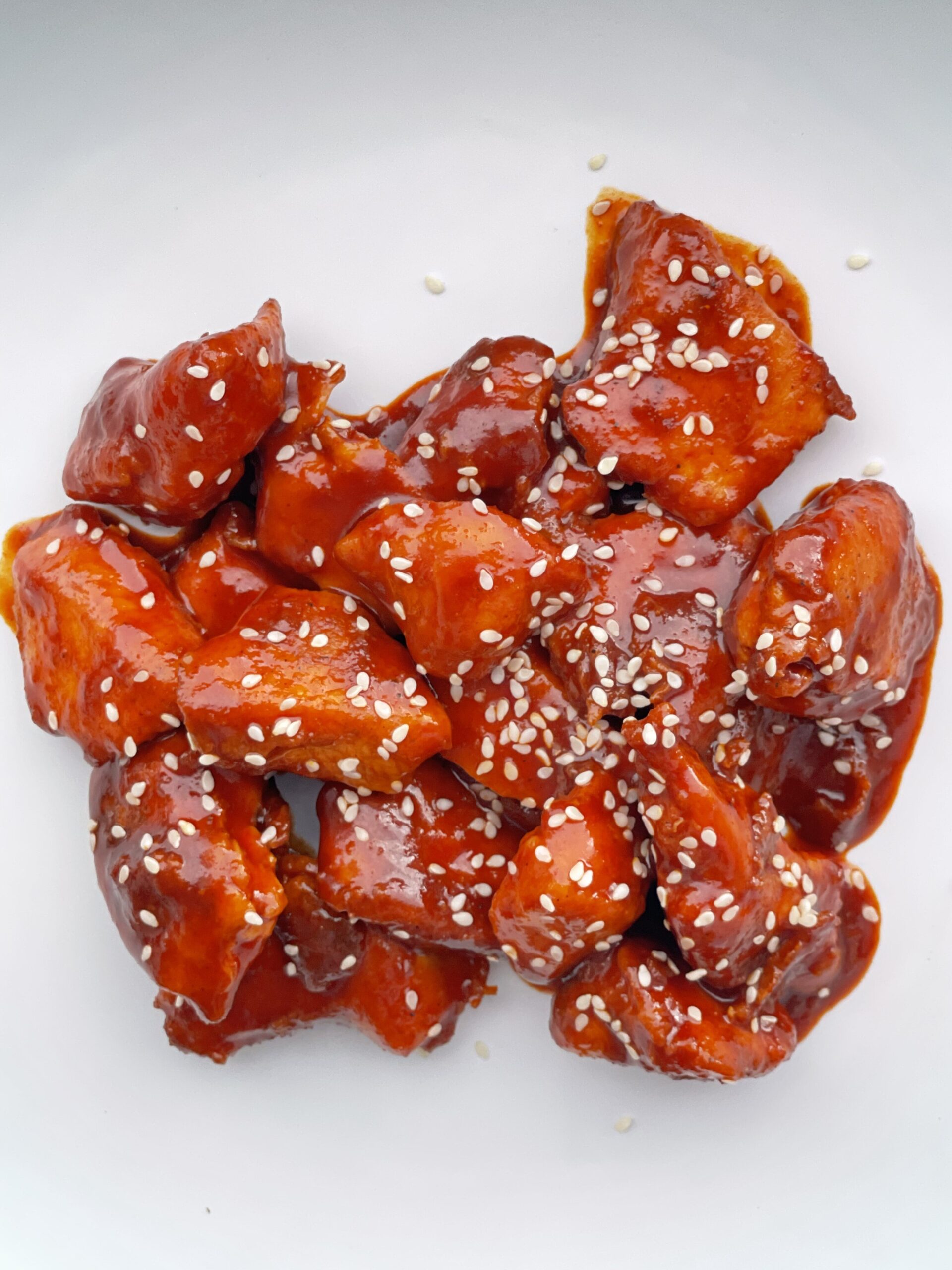
Sprinkle toasted sesame seeds generously over your sauced Korean fried chicken. Sesame seeds add nutty flavor, visual appeal, and authentic touch that signals quality Korean preparation. The seeds also provide slight textural contrast against the sticky glaze. Use either white or black sesame seeds, or combine both for striking visual effect.
Plating Techniques
Arrange your Korean fried chicken on serving platter or individual plates while still hot. The glossy, deep red sauce should coat every piece evenly. Garnish with additional sesame seeds and sliced green onions if desired. Fresh herbs like cilantro add color contrast, though they’re not traditional. The goal is presentation that looks as appealing as the dish tastes, making your Korean fried chicken Instagram-worthy before anyone takes the first bite.
Versatile Serving Suggestions
Korean fried chicken adapts beautifully to various serving styles and occasions.
With Steamed Rice
Serve your Korean fried chicken alongside bowl of steaming white rice for classic, satisfying meal. The rice absorbs extra sauce while providing neutral base that balances the bold flavors. This combination is comfort food at its finest, perfect for weeknight dinners or casual weekend meals. Add simple cucumber salad or kimchi for complete Korean-inspired plate.
Nested in Noodles
Toss your Korean fried chicken with cooked noodles for fusion dish that combines two comfort food favorites. Use thick udon noodles, thin rice noodles, or even spaghetti. The sauce coats both chicken and noodles, creating cohesive dish where every bite delivers flavor. Add vegetables like bok choy, snap peas, or carrots for color, nutrition, and textural variety.
Stuffed in Bao Buns
Create Korean-inspired sliders by stuffing pieces of Korean fried chicken into soft, pillowy bao buns. Add quick-pickled vegetables, cucumber slices, and extra sauce for complete handheld meal. This presentation works beautifully for parties and gatherings where guests appreciate creative, easy-to-eat food. The soft bun contrasts perfectly with crispy chicken while the pickles cut through richness.
As Appetizer or Snack
Serve smaller portions of Korean fried chicken as appetizer or party snack. Provide toothpicks for easy eating and extra sauce on the side for dipping. This approach showcases the dish’s versatility and allows people to enjoy smaller amounts alongside other foods. Korean fried chicken works perfectly for game day, casual entertaining, or any gathering where you want impressive, flavorful finger food.
Customizing Heat Levels
One advantage of homemade Korean fried chicken is complete control over spiciness.
Mild Versions
For milder Korean fried chicken that appeals to wider audience including children, reduce gochujang amount and increase honey proportion. You can also seek out mild or medium gochujang varieties rather than hot versions. The dish will still have distinctive Korean flavor without overwhelming heat. Adding extra soy sauce maintains savory depth even when reducing spicy elements.
Extra Spicy Versions
Heat lovers can amplify spice in Korean fried chicken several ways. Use more gochujang in the sauce. Add Korean chili flakes (gochugaru) directly to the sauce. Include fresh sliced chili peppers as garnish. Mix in hot sauce or chili oil for extra kick. The cornstarch coating and honey in the sauce help temper extreme heat, allowing you to push spice levels higher than you might in other dishes.
Individual Customization
When serving groups with varying spice preferences, prepare Korean fried chicken with moderate sauce, then offer hot sauce and extra gochujang on the side. Guests can customize their individual portions without requiring you to make multiple batches. This approach maximizes satisfaction while minimizing your work.
Storage and Reheating Guidelines
Understanding proper storage helps you enjoy Korean fried chicken beyond initial preparation.
Refrigerator Storage
Store leftover Korean fried chicken in airtight container in refrigerator for up to 3 days. The coating will soften during storage as moisture from sauce and chicken affects crispiness. The flavor remains excellent even if texture changes. Separate any chicken you plan to store before adding sauce if possible, as unsauced fried chicken reheats better than sauced versions.
Reheating for Best Results
Reheat Korean fried chicken in oven at 375 degrees Fahrenheit for 12 to 15 minutes to restore some crispiness. Avoid microwave reheating, which makes coating soggy and rubbery. Oven heat re-crisps the coating while warming chicken through. For extra crispiness, place chicken on wire rack over baking sheet during reheating, allowing air circulation around all surfaces. The texture won’t perfectly match fresh-made, but proper reheating produces acceptable results.
Freezing Considerations
Freeze unsauced fried chicken for up to 2 months in freezer-safe container or bag. The sauce doesn’t freeze well, so prepare fresh sauce when ready to serve. Thaw frozen Korean fried chicken overnight in refrigerator, then reheat in oven and toss with fresh sauce. This method allows you to prepare components ahead for quick assembly later.
Common Mistakes and How to Avoid Them
Learning from these frequent errors ensures your Korean fried chicken turns out perfectly.
Inadequate Oil Temperature
Frying at insufficient temperature is the most common mistake in any fried chicken preparation, including Korean fried chicken. Cold oil produces greasy, soggy coating that never crisps properly. Always use thermometer to verify oil reaches proper temperature before adding chicken. Maintain heat throughout cooking, adjusting burner as needed when oil temperature drops from adding cold chicken.
Overcrowding the Pan
Adding too many chicken pieces simultaneously drops oil temperature dramatically and prevents proper crisping. The chicken steams in crowded conditions rather than frying. This creates soft, oil-logged coating instead of crispy exterior that defines great Korean fried chicken. Work in small batches even though it requires more time. The superior results justify the patience.
Burning the Sauce
Gochujang contains sugars that burn easily if sauce cooks too long or over too-high heat. Watch carefully while simmering and stir constantly to prevent scorching. Burnt sauce tastes bitter and ruins your entire Korean fried chicken batch. Moderate heat and attentive stirring prevent this problem entirely.
Applying Sauce Too Early
Adding chicken to sauce while chicken is still extremely hot from frying can make coating soggy from steam. Let fried chicken cool for 2 to 3 minutes after frying before tossing in sauce. This brief rest allows surface moisture to evaporate while chicken remains hot enough for sauce to adhere well. The result is Korean fried chicken that stays crispier longer.
Skipping Garnish
Sesame seeds might seem like optional decoration, but they add authentic flavor and visual appeal that elevates your Korean fried chicken from homemade to restaurant-quality. The small effort of sprinkling seeds makes noticeable difference in both taste and presentation. Don’t skip this simple final touch.
Frequently Asked Questions
Can I bake instead of frying?
You can bake Korean fried chicken for healthier preparation, though results differ from fried versions. Arrange coated chicken on wire rack over baking sheet, spray with cooking oil, and bake at 425 degrees Fahrenheit for 25 to 30 minutes, flipping halfway through. The coating won’t achieve the same shattering crispiness as deep-fried versions, but baking produces acceptable results with significantly less oil.
What if I can’t find gochujang?
Gochujang is essential for authentic Korean fried chicken flavor. However, if absolutely unavailable, create substitute using equal parts sriracha sauce and miso paste with touch of honey. This won’t replicate gochujang’s complex fermented flavor, but it provides sweet-spicy-umami profile that’s reasonably close. For best results, order gochujang online if local stores don’t stock it.
Can I use bone-in chicken?
Bone-in pieces work for Korean fried chicken but require longer cooking time and more careful temperature monitoring. Wings and drumsticks are traditional choices. Cook bone-in pieces for 12 to 18 minutes depending on size, ensuring internal temperature reaches 165 degrees Fahrenheit. The bones add flavor but make eating messier. Choose boneless for convenience or bone-in for traditional presentation.
How do I make this gluten-free?
Korean fried chicken is naturally gluten-free if you use cornstarch coating and ensure your soy sauce is gluten-free (tamari). Gochujang is typically gluten-free but check labels as some brands include wheat. With these simple substitutions, the recipe works perfectly for gluten-free diets without compromising flavor or texture.
Can I make the sauce ahead?
Yes, prepare gochujang sauce up to 3 days ahead and store it in refrigerator. Reheat gently before tossing with freshly fried chicken. Advance sauce preparation saves time during final assembly of your Korean fried chicken. The flavors actually improve slightly as they meld together during storage.
Why is my coating falling off?
Coating falls off Korean fried chicken when it’s not properly adhered before frying or when oil temperature is incorrect. Ensure you press coating firmly onto chicken and let it rest before frying. Verify oil is hot enough before adding chicken. Don’t move pieces too much during initial minute of frying, allowing coating to set before disturbing it.
Final Thoughts
Mastering Korean fried chicken means having a show-stopping recipe that impresses everyone while remaining approachable for home cooks. By understanding gochujang’s unique character, achieving perfectly crispy cornstarch coating, creating balanced sauce, and presenting beautifully, you can consistently produce results that rival Korean restaurants. The versatility of Korean fried chicken makes it appropriate for casual weeknight dinners and special entertaining alike. Adjust spice levels, experiment with serving styles, and customize to match your preferences.
Whether served over rice, tossed with noodles, or stuffed into bao buns, this dish delivers satisfaction through perfect balance of crispy texture and complex, addictive flavor. Once you master the basic technique, you’ll find yourself craving and creating Korean fried chicken regularly. The combination of achievable technique and spectacular results makes this recipe a permanent addition to your cooking repertoire. Your perfect crispy, spicy, gochujang-glazed chicken awaits.
Watch the recipe video for more clarity.
People also like our these recipes:
FOR THE MARINADE
- 2 chicken breasts cubed
- 1 tsp garlic powder
- 1 tsp paprika
- 2 tbsp cornstarch
- 1 egg white
- Salt and pepper
FOR THE SAUCE
- 2-3 tbsp soy sauce
- 1/4 cup gochujang
- 3 tbsp honey
- 1/3 cup water
- Sesame seeds for garnish
Start by marinating the cubed chicken with garlic powder, paprika, cornstarch, egg white, salt and pepper.
In a frying pan, start cooking the chicken on both sides till golden. Set the chicken aside.
In the same pan, add soy sauce, gochujang sauce, honey and water. Let it simmer till it is thickened.
Add in the chicken and mix well till all is incorporated.
Top with sesame seeds and serve with white rice.
If you've given this recipe a try and it won you over, please share your thoughts by leaving
a rating and comment below! If you have any questions about this recipe, don't hesitate to ask – I'm here to
help and will respond promptly.