Introduction
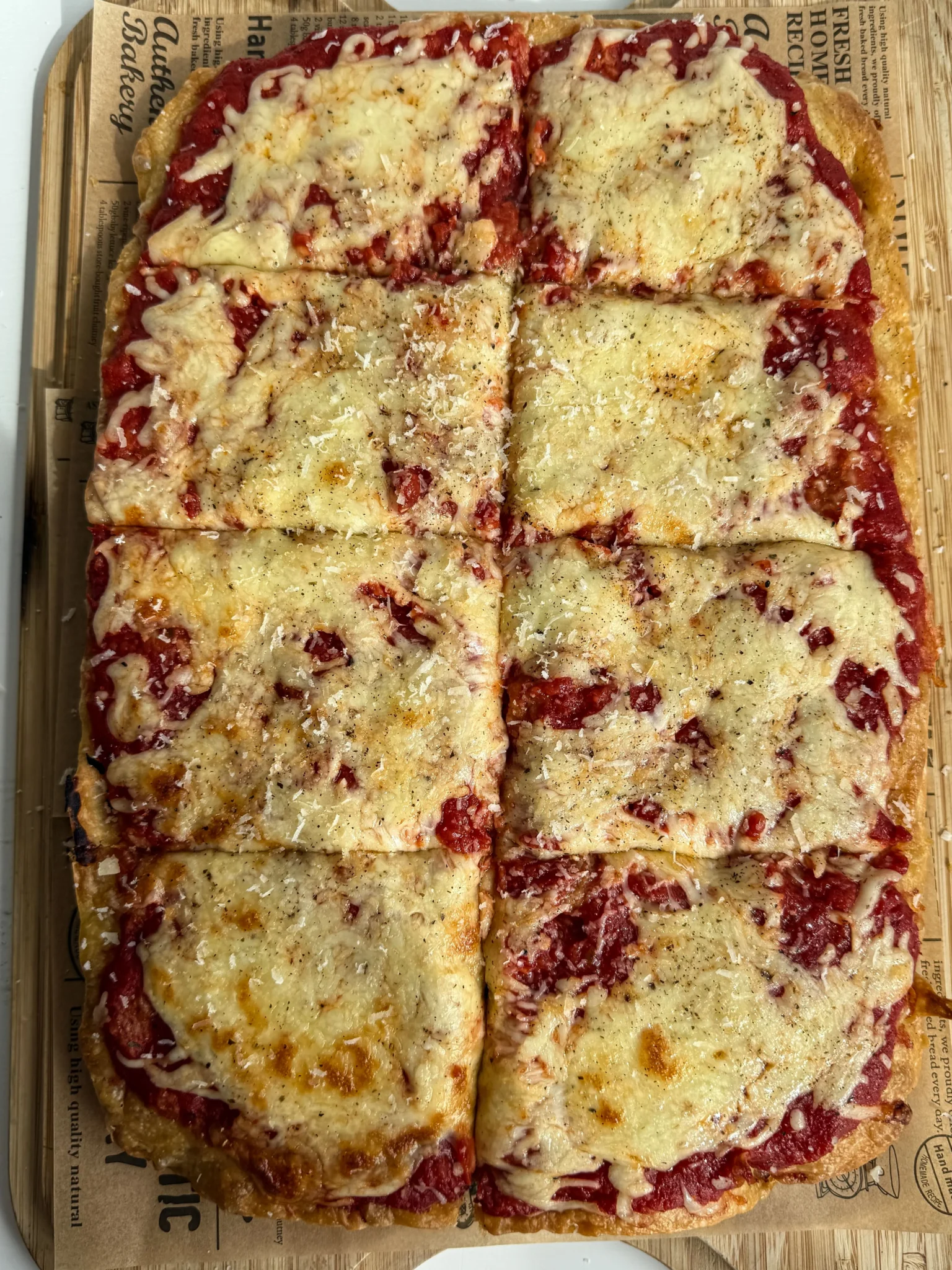
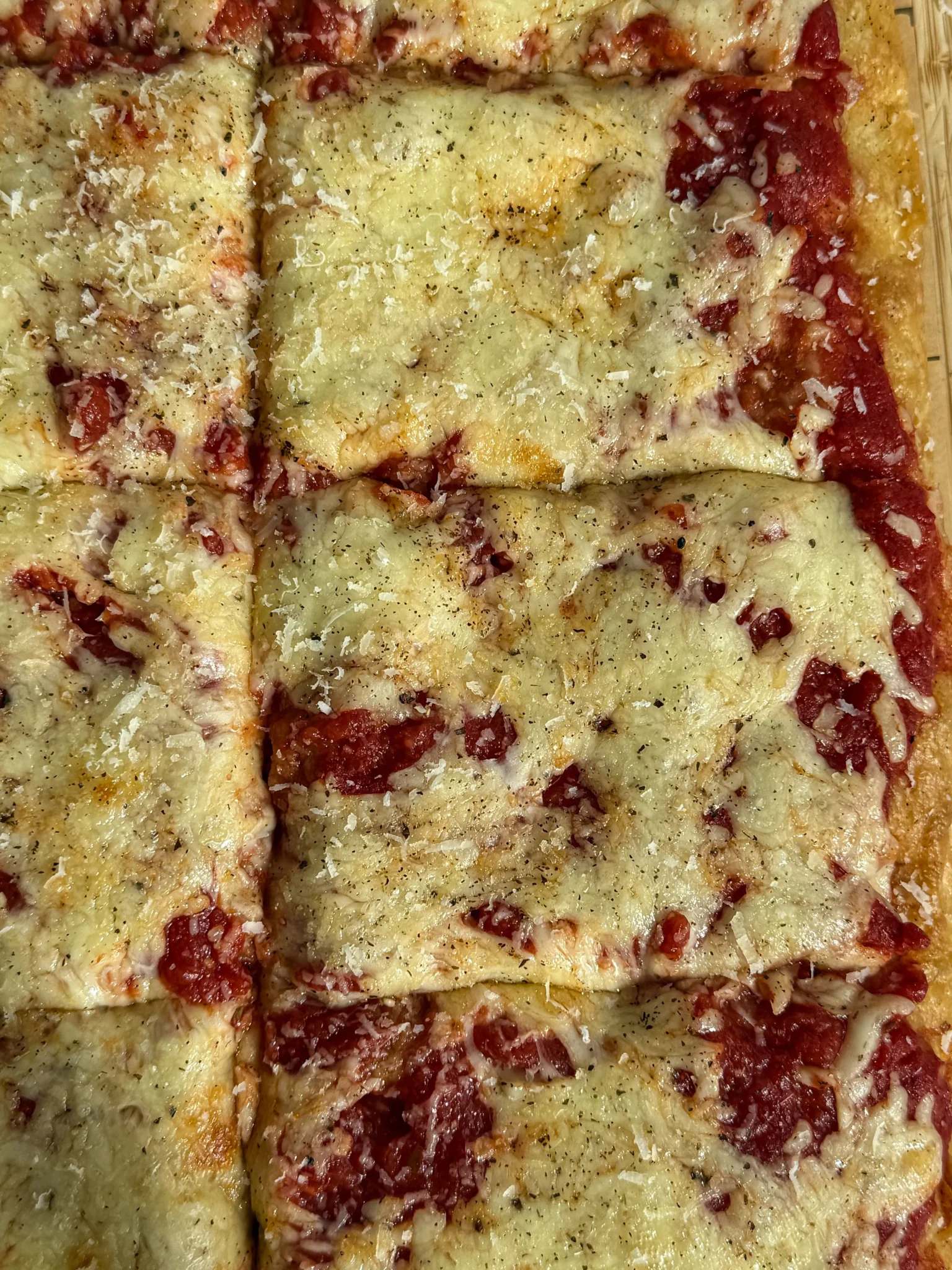
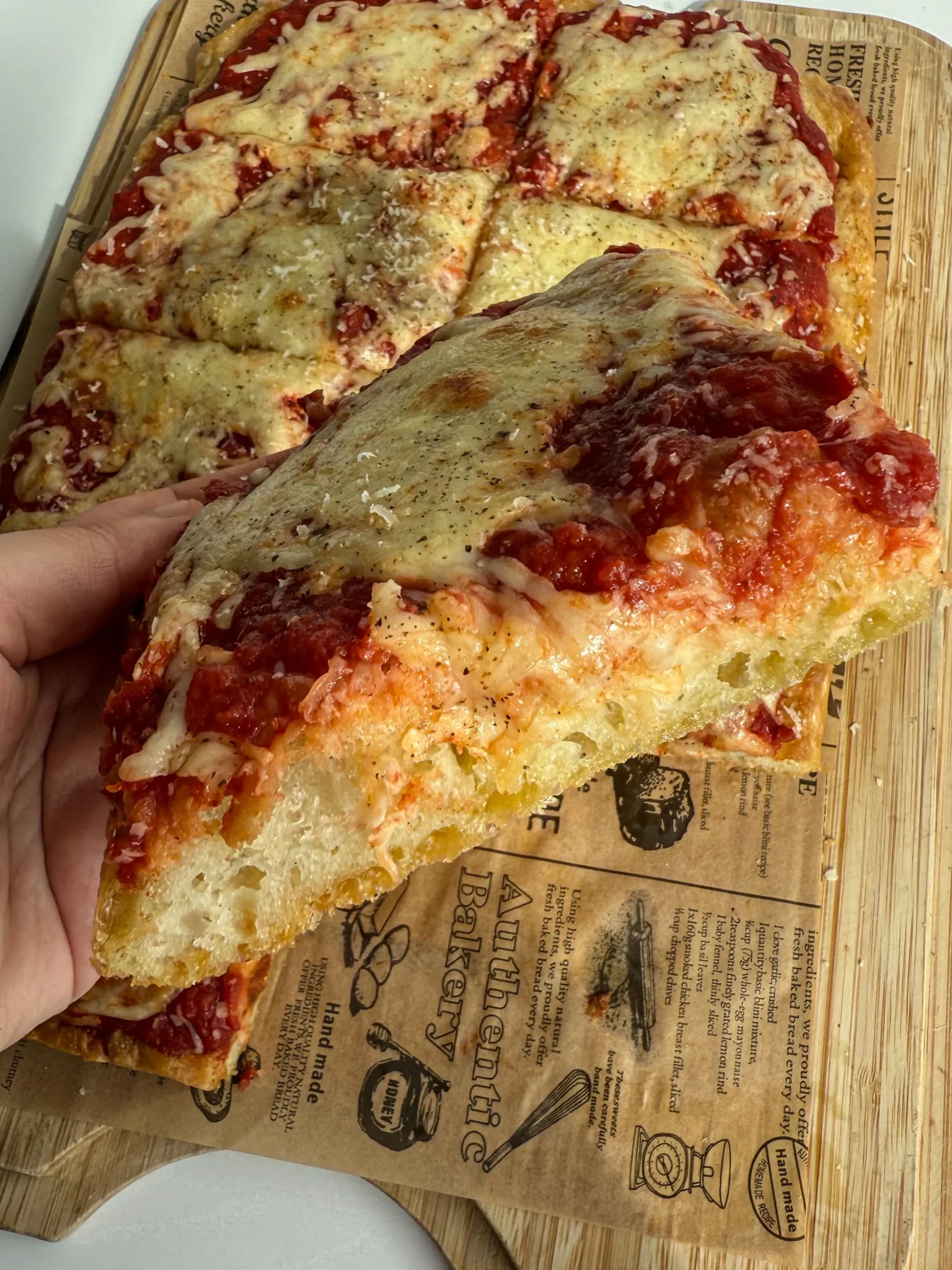
There is something deeply comforting about pulling a Sicilian focaccia pizza out of a hot oven and watching the cheese bubble and the golden edges glisten with olive oil. This is not your average weeknight pizza. Sicilian focaccia pizza is thick, pillowy, and deeply satisfying in a way that thin-crust recipes simply cannot match. The dough is soft inside, lightly crisp underneath, and carries that unmistakable olive oil flavor that makes every bite feel rich and complete.
If you have never made Sicilian focaccia pizza at home, you are in for a genuinely rewarding experience. The process is relaxed and forgiving, and the results are spectacular. Unlike leaner pizza doughs, this recipe embraces high hydration, generous olive oil, and a slow rise that builds incredible flavor. It is rustic, homemade, and honest in the best possible way.
Whether you are planning a weekend dinner, feeding a crowd, or simply craving something warm and homemade, Sicilian focaccia pizza delivers every time. If you enjoy making your own pizza dough from scratch, you will also love thisEASY NO KNEAD PIZZA FOCACCIA, which uses a similar method and is perfect for beginners.
Why This Sicilian Focaccia Pizza Is Special
Sicilian focaccia pizza stands in a category of its own. Most pizza recipes ask you to stretch the dough thin, add toppings, and bake quickly at very high heat. This recipe works completely differently, and that difference is what makes it so memorable.
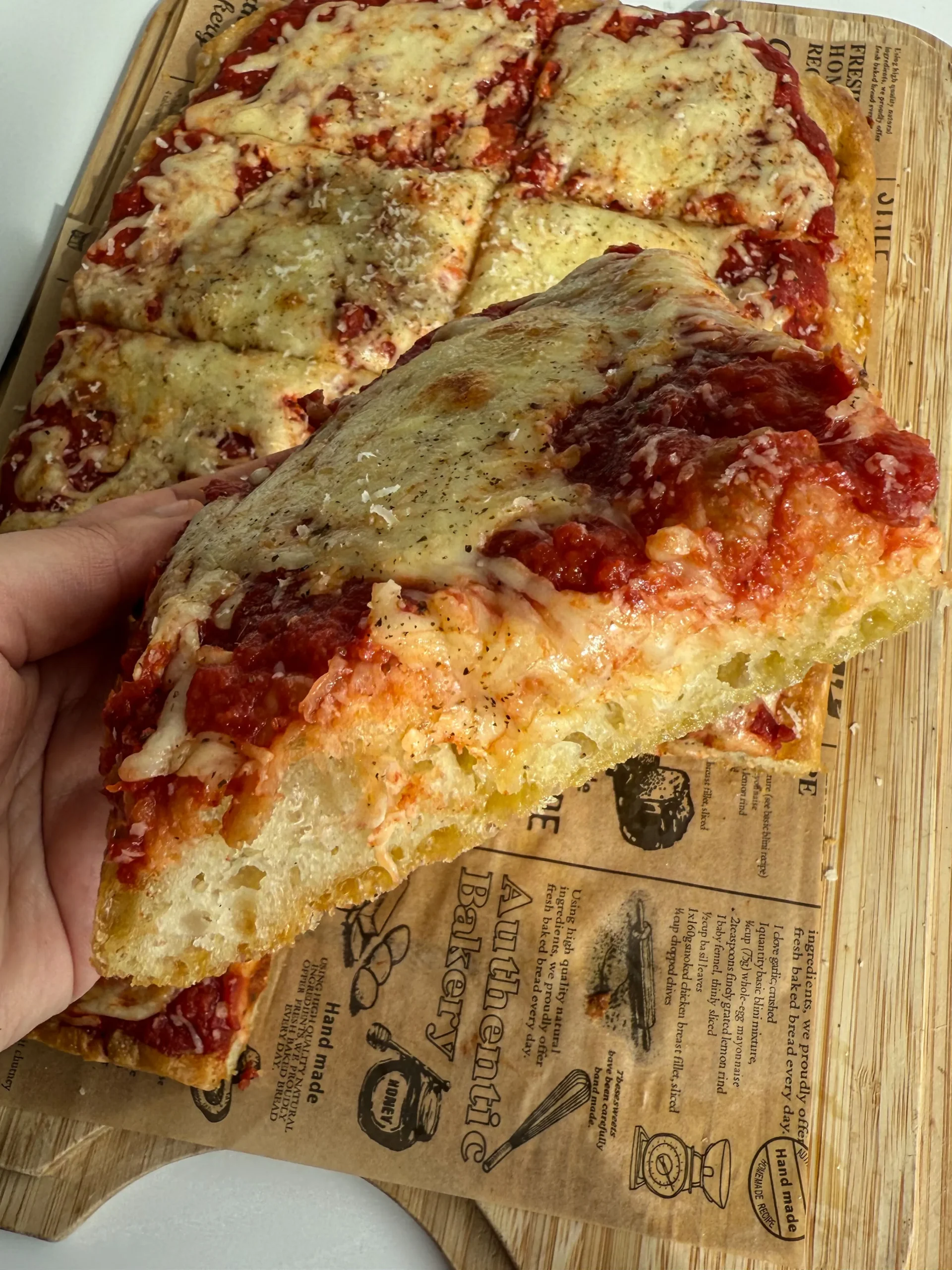
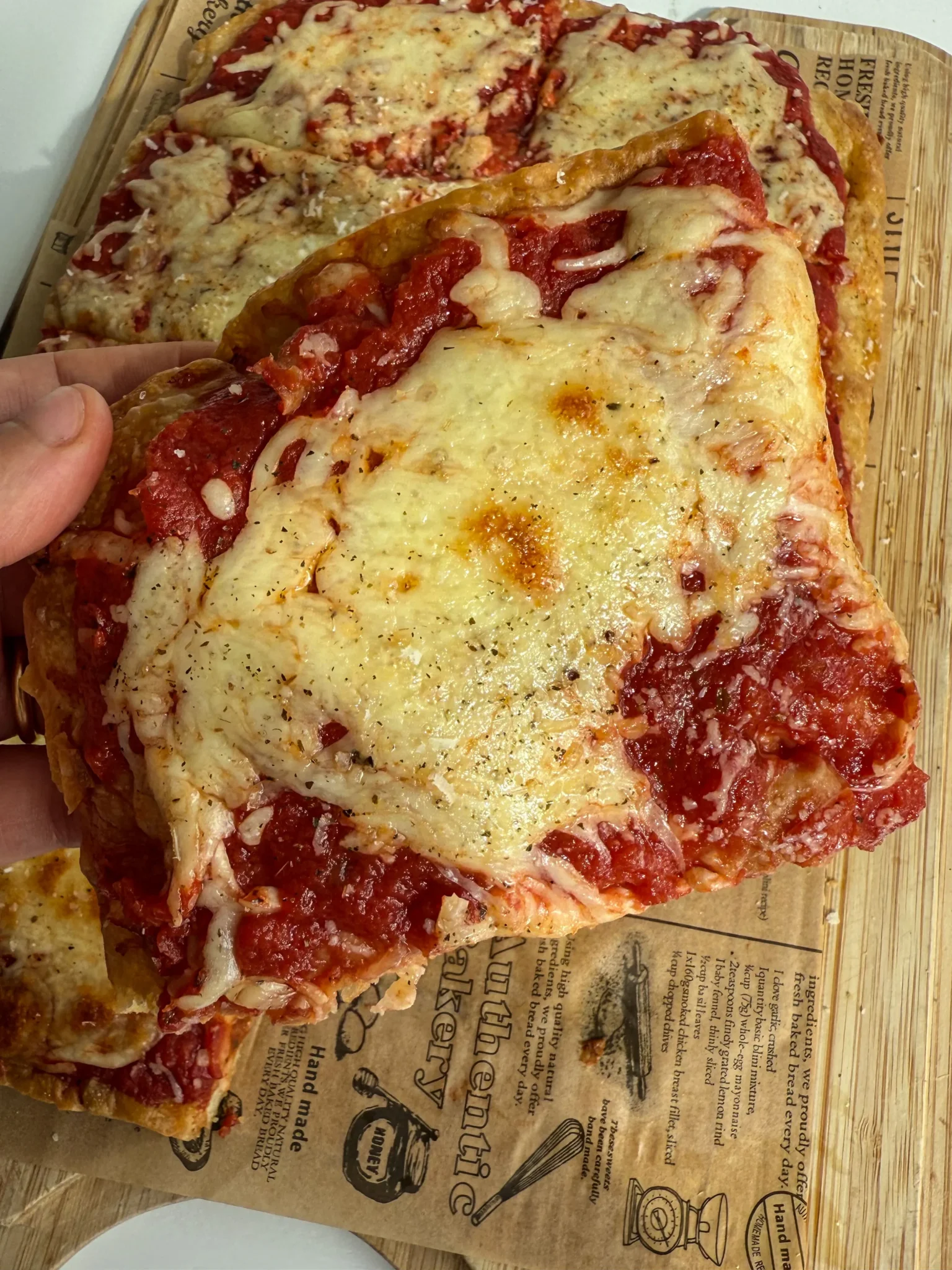
The dough is thick, well-hydrated, and baked in an oiled rectangular pan that gives the bottom crust its characteristic crispness. The interior stays soft and airy, almost bread-like, which is exactly what authentic sfincione-style pizza is all about. When you bite into a slice, you experience real structure and real texture, not just a thin cracker holding toppings together.
Another reason Sicilian focaccia pizza is so special is the toppings-after-baking method used in this recipe. Instead of loading the raw dough with sauce and cheese before it goes into the oven, the focaccia is baked on its own first. This allows the bread to rise and develop a golden crust before the sauce and cheese are added. The result is a slice that stays light, never soggy, and perfectly layered every time.
Finally, this recipe is genuinely approachable. You do not need a pizza stone, a high-temperature oven, or any specialized equipment. A simple rectangular baking pan, good olive oil, and a few quality ingredients are all you need to make something extraordinary.
Key Ingredients Overview
The beauty of Sicilian focaccia pizza lies in its simplicity. Every ingredient plays a clear and essential role, and none of them are exotic or difficult to find.
Bread flour forms the foundation. Its higher protein content allows the dough to develop strong gluten, which traps the air produced during fermentation. The result is a dough that rises beautifully, holds its structure in the oven, and produces that characteristic open, airy crumb. All-purpose flour can be used in a pinch, but bread flour will always deliver a superior result.
Water is equally important. This recipe uses a high ratio of water to flour, which is the defining feature of focaccia-style doughs. More water means more steam in the oven, more air bubbles in the crumb, and a softer, lighter finished texture. The dough will feel stickier than what you might expect, and that is entirely by design.
Extra virgin olive oil appears at multiple stages of this recipe, which sets it apart from standard pizza recipes. It goes into the dough itself for flavor and tenderness, into the baking pan for the crispy bottom, and is drizzled over the surface just before baking to encourage golden color and a slightly crisp top crust.
The tomato sauce used here is intentionally minimal. A good-quality canned tomato sauce, seasoned with salt, oregano, olive oil, and a pinch of sugar, is all you need. The sugar is a small but important touch that balances the acidity of the tomatoes and lets their natural sweetness come through.
Mozzarella and Parmesan serve complementary roles. Mozzarella melts into that creamy, stretchy layer everyone loves, while Parmesan adds sharpness and depth. Fresh basil is added right at the end, after the second bake, to preserve its bright color and fresh aroma. If you enjoy bold Italian flavors, you might also like to browse the HOMEMADE NEW YORK STYLE PIZZA on this site, which uses a different dough style but the same commitment to quality ingredients.
Understanding the Science Behind Sicilian Focaccia Pizza
Making great Sicilian focaccia pizza is much easier when you understand why each step works the way it does. Two concepts are especially important: gluten development and the role of hydration in the final texture.
How Gluten Development Shapes the Dough
Gluten is the protein network that forms when flour is mixed with water. It is what gives bread dough its elasticity and strength. In traditional bread baking, heavy kneading builds this network quickly. In focaccia-style doughs, the same strength is developed more gently over time using a technique called stretch and fold.
Instead of working the dough vigorously, you simply pull one edge upward and fold it across the center, rotating the bowl as you go. This is done a few times during the early stages of fermentation. Each fold adds structure without deflating the air that the yeast is already producing. The result is a dough that is strong enough to hold its shape but still light and airy inside.
Why High Hydration Produces a Better Crumb
The hydration level in this recipe is notably higher than in most standard pizza doughs. Using 390 to 420 milliliters of water for 500 grams of flour creates a wetter, stickier dough that behaves very differently from what many home bakers expect. However, this extra moisture is precisely what produces the open, bubbly crumb texture that defines authentic Sicilian focaccia pizza.
When high-hydration dough bakes, the water converts to steam inside the dough. That steam expands rapidly, pushing against the gluten network and creating large, irregular air pockets throughout the crumb. This is what gives focaccia its signature light and pillowy quality. Resist the urge to add more flour to make the dough easier to handle. Sticky dough is not a mistake. It is the path to the perfect texture.
The Role of Olive Oil in Crust Formation
The generous amount of olive oil in this recipe serves two distinct purposes. Inside the dough, it acts as a tenderizer, coating the gluten strands and keeping the crumb soft. In the pan and on the surface, it conducts heat efficiently, turning the bottom and top of the focaccia a deep, appetizing golden color. This triple application of olive oil is the defining technique of all great focaccia-style breads.
Choosing the Right Ingredients
Choosing Your Flour
Bread flour is the strongest choice for Sicilian focaccia pizza. With a protein content of around 12 to 13 percent, it builds the gluten network needed to trap air and support a tall, airy loaf. If bread flour is unavailable, a high-protein all-purpose flour will work, though the result may be slightly denser. Avoid low-protein cake or pastry flour entirely, as they will produce a crumb that is too soft and fragile to hold up under the toppings.
Selecting the Right Olive Oil
Extra virgin olive oil is non-negotiable for this recipe. It provides not just fat but actual flavor, that grassy, slightly fruity quality that gives focaccia its distinctive taste. A milder, lighter olive oil will still produce a golden crust, but it will lack the depth that makes this pizza so memorable. Use the best olive oil you can reasonably afford, as its flavor is present in every single bite.
Picking the Best Mozzarella
Low-moisture mozzarella is the best choice for this recipe. Fresh mozzarella, while delicious, contains too much water and will release steam during baking that can make the surface of the pizza wet and soggy. Low-moisture mozzarella melts smoothly, browns lightly at the edges, and provides that classic stretchy pull without adding excess moisture to the finished pizza.
The NO KNEAD POTATO ONION FOCACCIA on this site is another excellent example of how simple, quality ingredients transform basic focaccia dough into something truly special.
Choosing Your Tomatoes
Canned whole tomatoes or a good-quality passata are the ideal base for the sauce here. Avoid tomato paste or heavily seasoned jarred pizza sauces, as they tend to overpower the delicate balance of flavors in this recipe. A simple sauce made from crushed tomatoes, salt, oregano, olive oil, and a pinch of sugar will complement the dough and cheese without competing with them.
Step-by-Step Instructions
Preparing the Dough
Combine 500 grams of bread flour with 7 grams of instant yeast and 10 grams of salt in a large mixing bowl. Whisk together briefly to distribute the dry ingredients. Add 390 to 420 milliliters of warm water and 3 tablespoons of extra virgin olive oil. Mix with a wooden spoon or your hands until all the flour is incorporated and no dry patches remain. The dough will look shaggy and rough at this stage. Cover the bowl with plastic wrap or a clean kitchen towel and let the dough rest for 20 minutes. This rest period allows the flour to fully absorb the water, which will make the dough easier to work with and develop better flavor.
Building Strength with Stretch and Fold
After the initial rest, begin the stretch and fold process. Wet your hands slightly to prevent sticking. Grab one side of the dough, stretch it upward until it resists, then fold it over toward the center of the bowl. Rotate the bowl a quarter turn and repeat. Do this around the entire circumference of the dough. Cover and let it rest for another 30 minutes. Repeat this process two to three more times, resting 30 minutes between each set of folds. After the final fold, the dough should feel noticeably smoother and more elastic than when you started.
Transferring to the Pan
Generously coat a 9×13-inch rectangular baking pan with olive oil. Pour the dough directly into the pan and use your fingertips to gently push it toward the corners. Do not force it. If the dough springs back, let it rest for 10 minutes and try again. Once the dough fills most of the pan, cover it and let it rise for 45 to 60 minutes until it looks puffy and full of air bubbles.
Just before baking, dimple the entire surface with your fingertips, pressing firmly all the way down. Drizzle generously with olive oil, making sure it pools in the dimples. Bake in a preheated oven at 220°C (430°F) for 20 to 22 minutes, until the top is golden and the edges are crisp.
Adding the Toppings and Final Bake
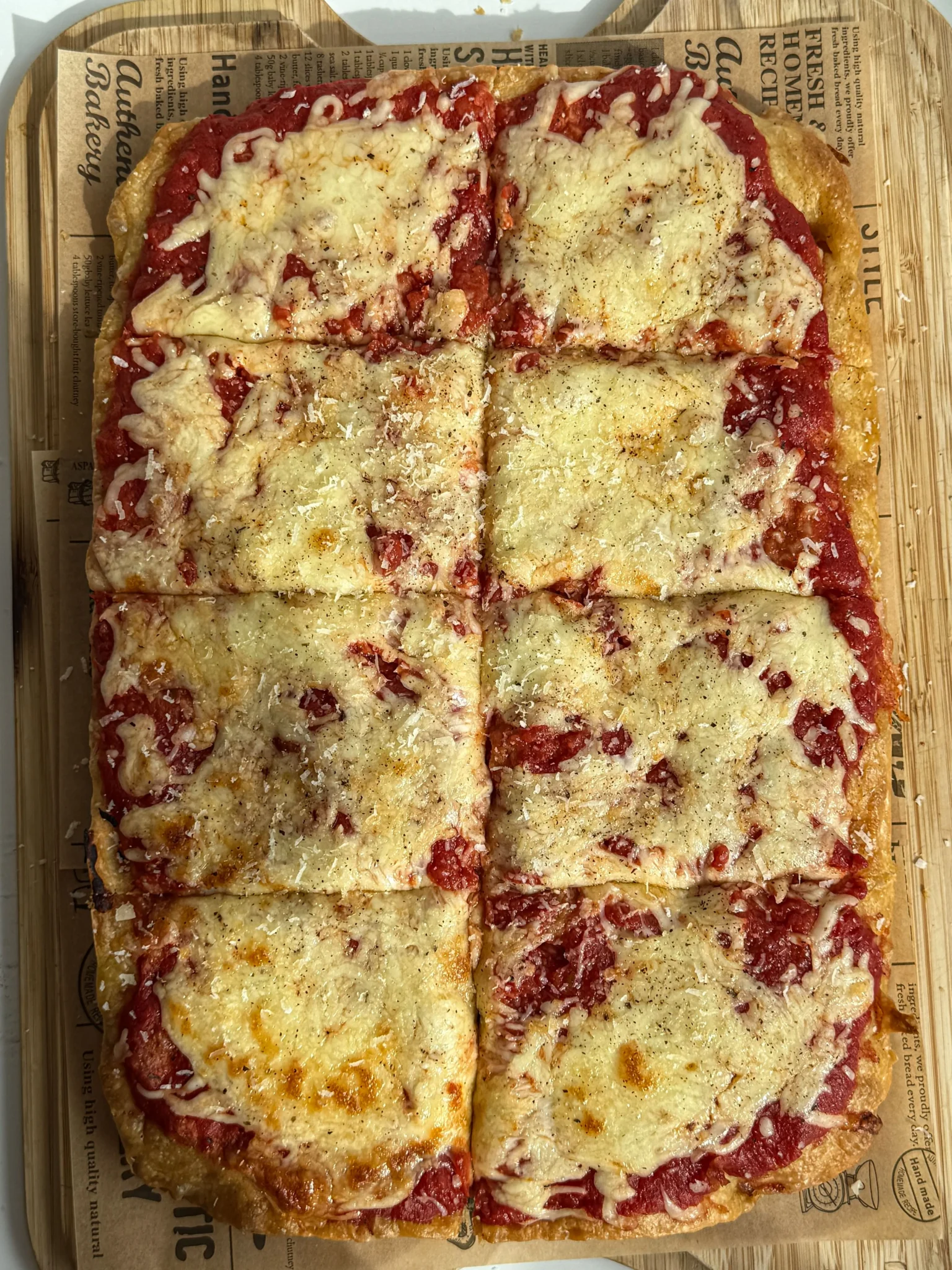
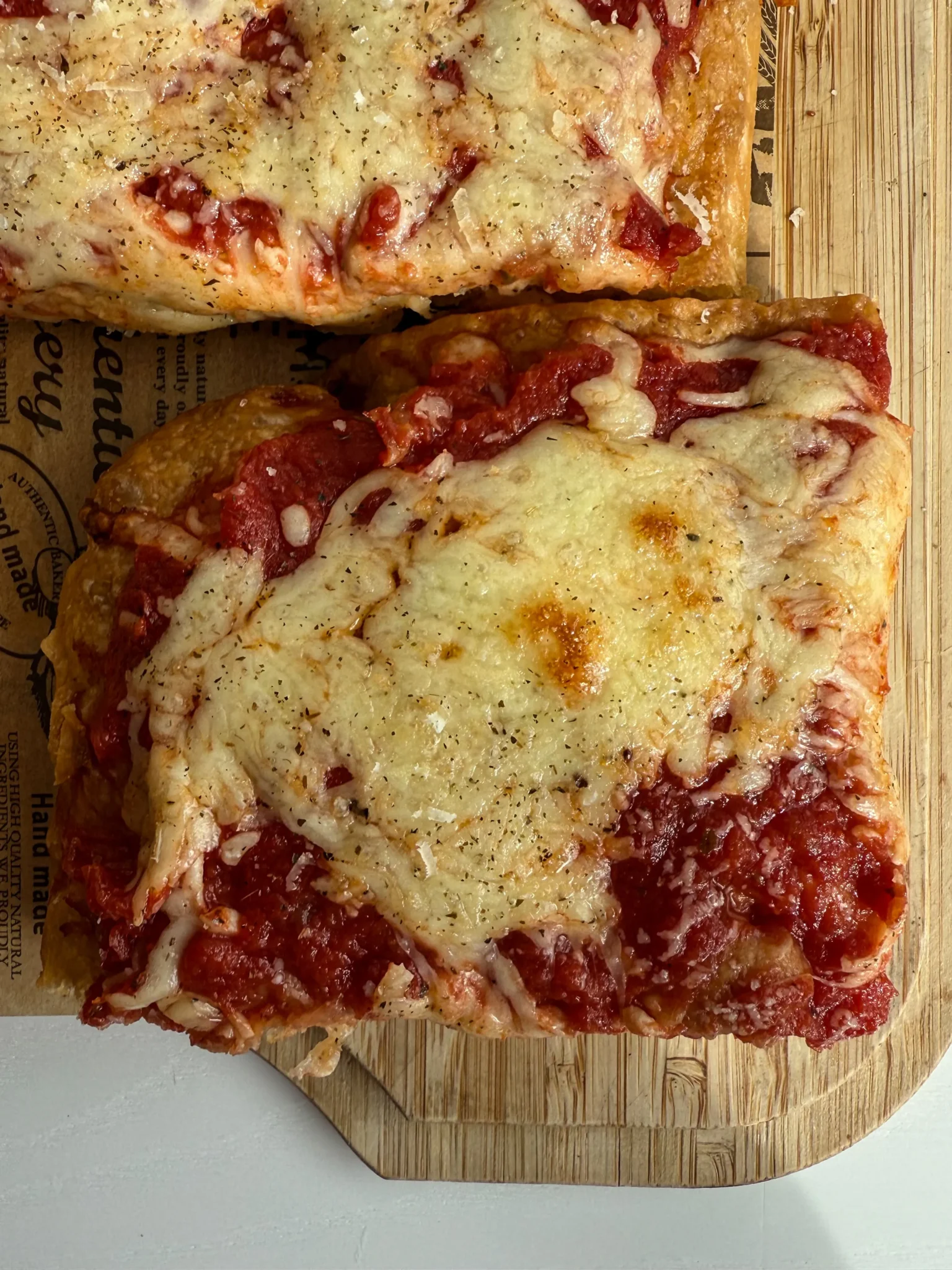
Remove the baked focaccia from the oven and let it cool for just 5 minutes. Spread the tomato sauce evenly over the surface, leaving a small border around the edges. Scatter low-moisture mozzarella evenly across the sauce, then add freshly grated Parmesan. Return the pan to the oven for 10 to 12 minutes, until the cheese is melted and beginning to turn golden at the edges. Remove from the oven and immediately scatter fresh basil leaves across the top. Slice and serve while hot.
Professional Tips for Perfect Results
Control Your Water Temperature
The temperature of the water you use to mix the dough has a direct impact on how quickly the yeast activates. Water that is too cold will slow fermentation significantly, producing a dough that barely rises. Water that is too hot, above 43°C (110°F), can kill the yeast entirely. Aim for water that feels comfortably warm on your wrist, around 38°C (100°F). This will activate the yeast gently and consistently, giving you a reliable and predictable rise every time.
Do Not Rush the Rise
One of the most common mistakes when making Sicilian focaccia pizza at home is cutting the fermentation time short. The rise period is not just about making the dough bigger. It is when the yeast produces carbon dioxide and flavor compounds that make the bread taste complex and satisfying. A properly fermented dough will feel airy, light, and full of bubbles. A rushed dough will bake up dense and bland. Give the process the time it needs.
Embrace the Stickiness
High-hydration focaccia dough is sticky, and that is completely normal. Many home bakers add extra flour when the dough feels too wet, but doing so will make the final crumb denser and less airy. Instead, use wet or lightly oiled hands when handling the dough, and trust the process. The stickiness will reduce significantly after each stretch and fold as the gluten network strengthens.
Season the Pan, Not Just the Dough
Pouring olive oil into the baking pan before adding the dough does more than prevent sticking. It creates a small frying effect on the bottom of the focaccia as it bakes, producing that characteristic golden, slightly crispy crust that distinguishes this style of pizza from all others. Be generous. A proper Sicilian focaccia pizza needs a well-oiled pan.
If you enjoy making different styles of pizza at home, the EASY DETROIT STYLE PIZZA is another pan-based pizza recipe worth exploring. It shares several techniques with this Sicilian version and produces a similarly thick, satisfying crust.
Common Mistakes to Avoid
Over-Handling the Dough After the Final Rise
Once the dough has completed its final rise in the pan and you have dimpled the surface, the job of your hands is essentially done. At this stage, pressing, kneading, or trying to reshape the dough will deflate the air you have been carefully building throughout the process. Trust the dimpling technique to redistribute the dough evenly and let the oven do the rest.
Skipping the First Bake
It is very tempting to add the sauce and cheese before the first bake, especially if you are used to making pizza the traditional way. Resist this. The first bake without toppings is what allows the focaccia to rise to its full height and develop a crust that can support the weight of the sauce and cheese without becoming soggy. Skipping this step almost always results in a flat, wet pizza that lacks the signature airy texture of authentic Sicilian focaccia pizza.
Using Fresh Mozzarella Directly
Fresh mozzarella contains a high percentage of water, and when it bakes, that water releases and pools on the surface of the pizza. This can make the top of the Sicilian focaccia pizza wet and prevent the cheese from browning properly. Always use low-moisture mozzarella as directed, or, if you prefer fresh mozzarella, pat it completely dry with kitchen paper before using it.
Under-Seasoning the Sauce
The tomato sauce in this recipe is intentionally minimal, which means every element of it needs to be properly seasoned. A flat, underseasoned sauce will make the finished pizza taste dull, no matter how good the dough is. Taste the sauce before spreading it and adjust the salt, oregano, and pinch of sugar as needed. The sauce should taste bright, slightly sweet, and herby on its own.
Underoiling the Pan
The olive oil in the pan is responsible for the crispy bottom crust that defines Sicilian focaccia pizza. Many first-time bakers feel uncomfortable with how much oil is called for and reduce the quantity, which results in a pale, soft bottom rather than a properly golden crust. Follow the recipe as written and trust that the result will be worth it.
Variations to Try
Herb and Garlic Sicilian Focaccia Pizza
Before the second bake, instead of using standard tomato sauce, brush the focaccia with a mixture of minced garlic, olive oil, chopped rosemary, and flaky sea salt. Top with only Parmesan and a scattering of whole rosemary needles. This version leans into the focaccia bread side of the recipe and is deeply savory and aromatic. It pairs beautifully with soups, salads, or cheese boards. The Homemade Thin Sliced Pizza for Beginners is another great gateway recipe if you want to build your pizza-making confidence alongside making this one.
Spicy Salami and Olive Version
Add thinly sliced spicy salami and a handful of pitted black olives alongside the mozzarella during the second bake. The salami crisps slightly at the edges and adds a wonderful smoky heat that contrasts with the creaminess of the cheese. A drizzle of hot honey right after the pizza comes out of the oven takes this variation to another level entirely.
White Pizza Style
Skip the tomato sauce entirely and instead spread a mixture of ricotta, garlic, and lemon zest over the baked focaccia base. Top with low-moisture mozzarella and fresh thyme. After baking, add a handful of baby arugula dressed lightly with olive oil and lemon juice. This white pizza version is elegant, fresh, and surprisingly light despite the thickness of the crust. It makes an impressive option for a dinner party or special occasion.
Caramelized Onion and Brie Variation
Replace the standard tomato sauce with a generous layer of slowly caramelized onions. Top with small pieces of brie cheese, fresh thyme, and a drizzle of honey before the second bake. The sweetness of the onions and the richness of the brie are a perfect match for the savory, olive oil-scented focaccia base.
Storage and Reheating
Room Temperature
Sicilian focaccia pizza is best eaten fresh, straight from the oven while the cheese is still melted and the crust is at its crispest. At room temperature, leftover slices can be kept uncovered for up to 4 hours without losing too much quality. Covering them with plastic wrap will preserve moisture but may soften the crust.
Refrigeration
Store leftover Sicilian focaccia pizza in an airtight container or wrapped tightly in plastic wrap in the refrigerator for up to 3 days. The bread will soften slightly as it absorbs moisture from the toppings, but the flavor will remain excellent. Slices can be eaten cold if preferred, though reheating will restore most of the original texture.
Freezing
Sicilian focaccia pizza freezes well for up to 2 months. Allow slices to cool completely before wrapping each one individually in plastic wrap, then placing them in a freezer-safe bag. Thaw overnight in the refrigerator before reheating. For best results, freeze the focaccia base without toppings and add the sauce and cheese fresh when ready to serve.
Reheating
The best way to reheat Sicilian focaccia pizza is in a hot oven at 200°C (400°F) for 6 to 8 minutes. This method restores the crispy bottom crust and re-melts the cheese without drying out the interior. A skillet over medium heat with a small amount of olive oil also works beautifully and crisps the bottom even more than the oven. Avoid the microwave if possible, as it tends to make the crust soft and the cheese rubbery rather than restoring the pizza to its original glory.
Frequently Asked Questions
Can I make the dough ahead of time?
Yes, and in fact it is encouraged. Making the dough the night before and allowing it to ferment slowly in the refrigerator overnight dramatically improves the flavor. A cold, slow fermentation produces more complex flavor compounds and a slightly tangier, more interesting crumb. Simply follow the recipe through the first set of stretch and folds, cover the bowl tightly, and refrigerate overnight. The next day, let the dough come to room temperature for 1 to 2 hours before shaping it in the pan.
Do I need a specific type of pan?
A standard 9×13-inch aluminum or metal baking pan works best. Metal conducts heat efficiently and is key to developing that crispy, golden bottom crust. Dark-colored pans absorb more heat and will produce a slightly darker crust. Lighter pans will give a paler result. Avoid glass or ceramic baking dishes, as they heat more slowly and unevenly and will not give you the same crust quality.
Can I use instant yeast instead of active dry yeast?
Yes. Instant yeast can be added directly to the dry ingredients without being dissolved in water first, which makes it very convenient for this recipe. If using active dry yeast, dissolve it in the warm water and let it sit for 5 to 10 minutes until foamy before adding it to the flour. Either type of yeast will produce excellent results in this recipe.
My dough did not rise. What went wrong?
The most likely culprit is yeast that was either expired or killed by water that was too hot. Always check the expiration date on your yeast before using it. If you are uncertain, dissolve a small amount in warm water with a pinch of sugar and wait 10 minutes. If it foams up, the yeast is active and ready to use. If nothing happens, discard it and start with fresh yeast.
How do I know when the focaccia base is fully baked?
Look for a deep golden color on the top and sides of the dough. Tap the bottom of the pan — a properly baked focaccia will sound slightly hollow. An instant-read thermometer inserted into the center of the bread should read around 93°C (200°F). If the top is browning too quickly before the interior is set, loosely tent the pan with aluminum foil for the remainder of the bake.
Can I make a gluten-free version?
Gluten-free focaccia is possible, though the texture will differ from the original. A high-quality gluten-free bread flour blend that includes xanthan gum will work best. The dough will likely be more of a thick batter than a workable dough, and the stretch and fold technique will not apply. Simply spread the batter into the oiled pan, let it rest for 30 to 45 minutes, dimple the surface, and bake as directed. The result will be softer and less chewy than the original but still delicious with the right toppings.
Watch the recipe video for more clarity!
See our similar recipes:
People also like these recipes:
Final Thoughts
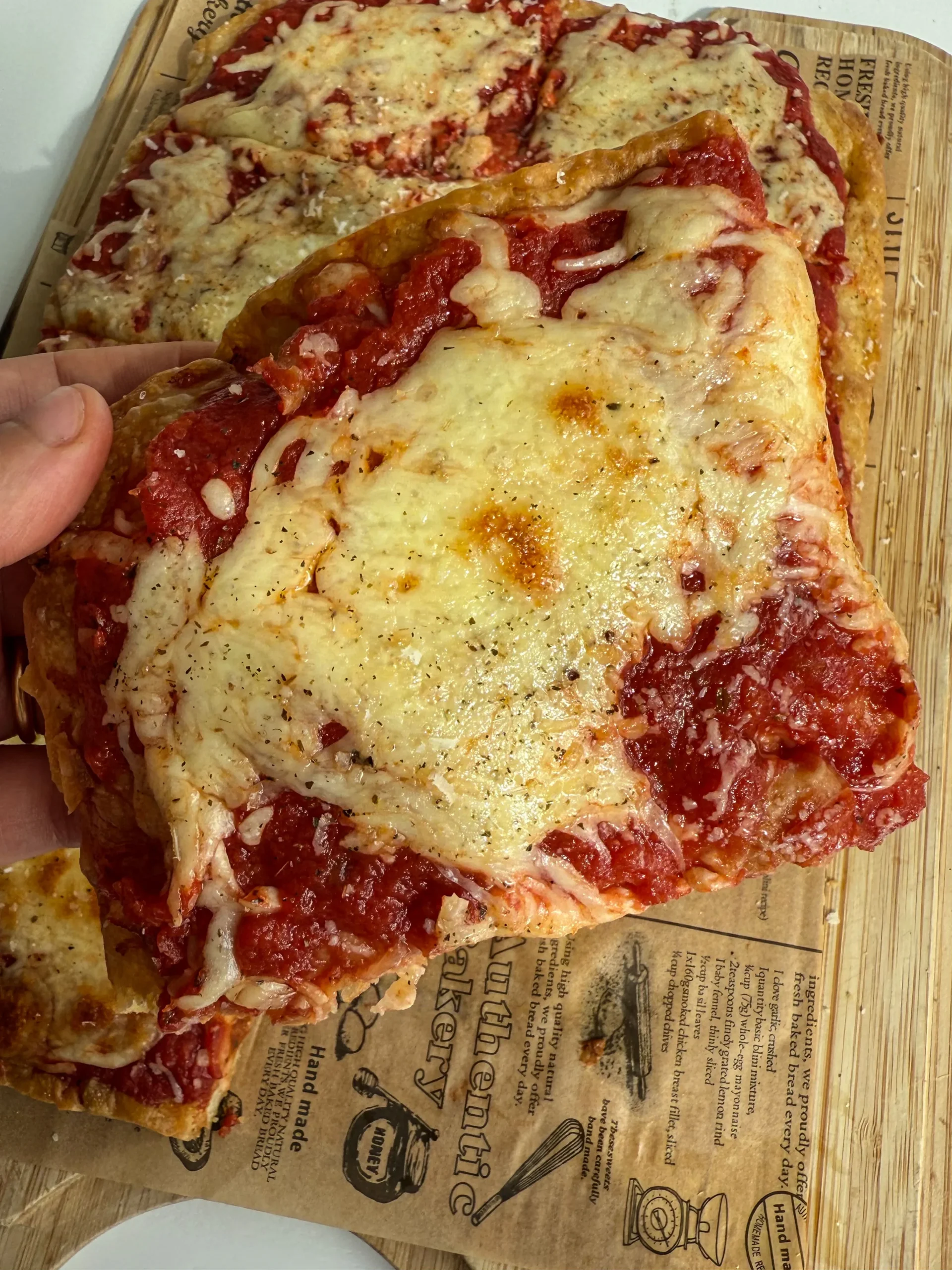
Sicilian focaccia pizza is one of those recipes that rewards every bit of patience you bring to it. From the slow rise of the high-hydration dough to the golden crunch of the first bake, every step is building toward a result that genuinely cannot be rushed and cannot be replicated with shortcuts. When you slice into a properly made Sicilian focaccia pizza and see that airy, open crumb with its crispy golden base and bubbling, fragrant cheese on top, you will understand exactly why this style of pizza has endured for generations.
The recipe is also deeply adaptable. Once you have the base technique mastered, Sicilian focaccia pizza becomes a canvas for nearly any combination of flavors you enjoy. From classic margherita to caramelized onion and brie, from spicy salami to an elegant white pizza with arugula, the thick, pillowy crust handles it all with ease and grace. It is a recipe you will return to repeatedly, tweaking and experimenting as your confidence grows.
Most importantly, Sicilian focaccia pizza is the kind of food that brings people together. Put this in the center of the table, let everyone tear into it while it is still warm, and watch the conversation begin. That is, at the end of the day, exactly what good food is meant to do.
For the Dough
- 500 g bread flour 12% protein or higher
- 400 ml warm water start with 390 ml
- 1 tbsp extra virgin olive oil
- 6 g instant yeast
- 1 tsp honey
- 2 tsp fine sea salt
- Extra virgin olive oil for the pan and topping
- Flaky sea salt
For the Sauce
- Tomato sauce
- Salt
- Oregano
- Pinch of sugar
- Olive oil
Toppings
- Fresh mozzarella
- Fresh Parmesan cheese
- Fresh basil
Mix the Dough
In a large bowl whisk together warm water, olive oil, honey, and yeast.
Add the bread flour and salt.
Mix until a shaggy dough forms.
Cover and let rest for 15 minutes.
Stretch and Fold
Grab one side of the dough and fold it toward the center.
Rotate the bowl and repeat until you have done 8 folds.
Cover and rest another 15 minutes.
Repeat the stretch and fold process one more time.
First Rise
Cover the bowl and let the dough rise at room temperature for 1 to 1½ hours, or until doubled in size.
Transfer to Pan
Line a 9x13 baking tray with parchment paper.
Drizzle generously with olive oil.
Transfer the dough into the pan.
Gently stretch it toward the corners.
Cover and let rise again for 1 to 1½ hours.
Dimple the Dough
Preheat oven to 220°C (430°F).
Drizzle olive oil over the dough.
Press your fingertips into the dough to create dimples.
Sprinkle with flaky sea salt.
Bake the Focaccia
Bake for 15–20 minutes until golden brown.
Add the Toppings
Spread tomato sauce over the warm focaccia.
Add torn mozzarella and freshly grated Parmesan.
Return to the oven for 3–5 minutes until the cheese melts.
Finish and Serve
Top with fresh basil leaves.
Slice into squares and serve warm.
If you've given this recipe a try and it won you over, please share your thoughts by leaving
a rating and comment below! If you have any questions about this recipe, don't hesitate to ask – I'm here to
help and will respond promptly.