Discover the Magic of Vermicelli Pasta Nuts
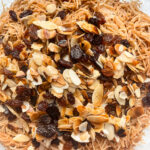
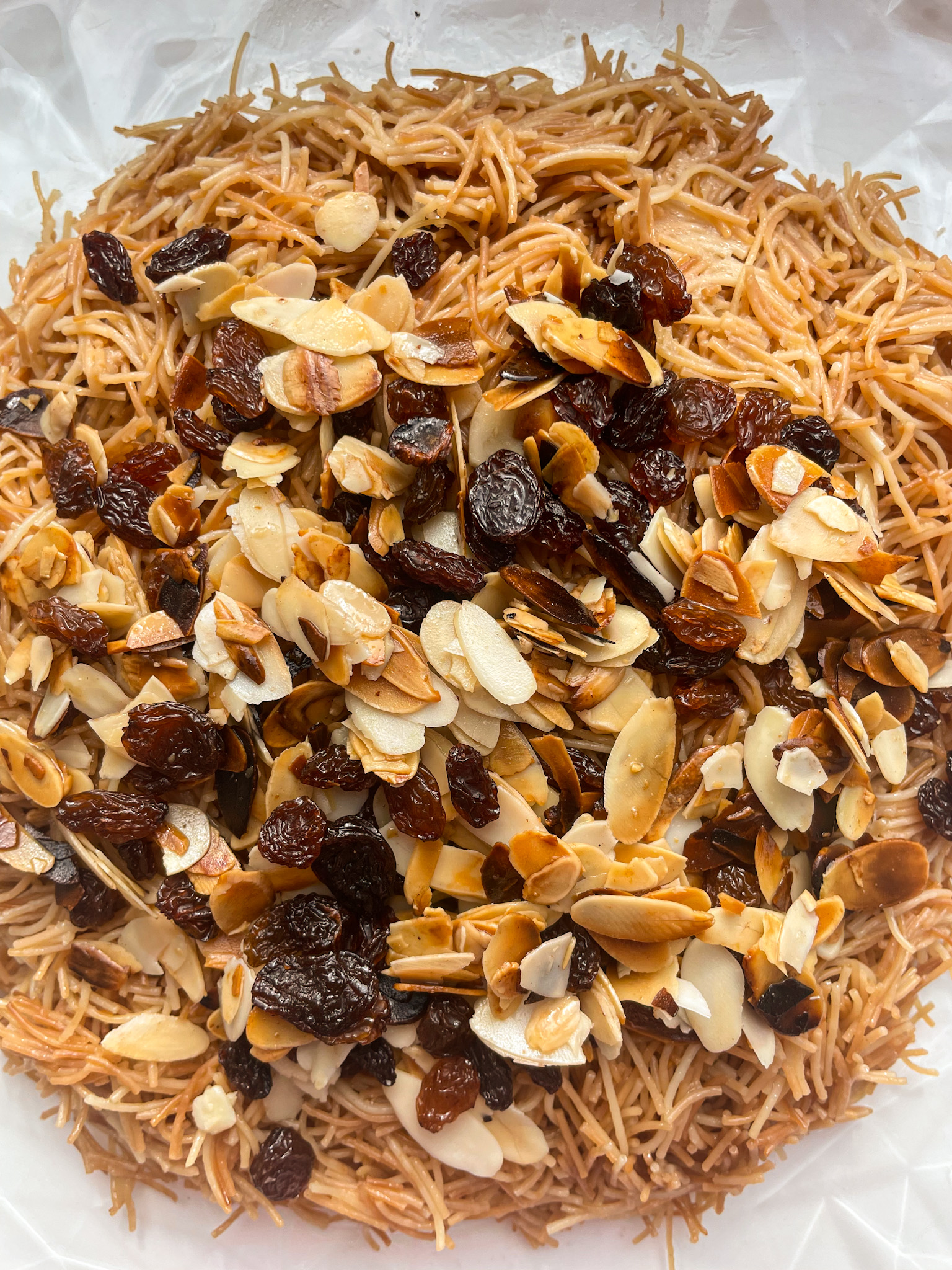
Vermicelli Pasta Nuts is a beloved Middle Eastern dish that brings together crispy golden noodles, crunchy toasted almonds, and sweet raisins in perfect harmony. This traditional recipe has been passed down through generations, gracing tables during festive occasions and everyday family gatherings alike. When you prepare Vermicelli Pasta Nuts, you’re not just making a meal but creating an experience that embodies the warmth and hospitality of Middle Eastern culture.
The beauty of Vermicelli Pasta Nuts lies in its simplicity and versatility. With just a handful of ingredients and straightforward techniques, you can create a dish that’s both impressive and comforting. The delicate vermicelli strands transform into golden, crispy perfection while the nuts add a satisfying crunch that elevates every bite. Whether served as a main course or alongside grilled meats and vegetables, Vermicelli Pasta Nuts never fails to delight.
What sets this dish apart is the harmonious blend of textures and flavors. The pasta provides a tender yet crispy base, while the almonds contribute nutty richness and the raisins offer natural sweetness. Each element plays a crucial role in creating the balanced taste profile that makes Vermicelli Pasta Nuts so irresistible.
Why This Recipe is Special
Vermicelli Pasta Nuts holds a cherished place in Middle Eastern cuisine, particularly in Lebanon, Syria, Palestine, and Jordan. This dish represents more than just sustenance; it symbolizes hospitality, abundance, and the joy of gathering around the table with loved ones. The recipe has remained largely unchanged for decades, testament to its perfect balance of flavors and textures.
The preparation method for Vermicelli Pasta Nuts is what makes it truly unique. Unlike traditional boiled pasta dishes, this recipe calls for frying the vermicelli in butter and oil until it achieves a beautiful golden color. This technique creates a distinctive nutty flavor and crispy texture that you simply cannot replicate with conventional cooking methods.
Another special aspect of Vermicelli Pasta Nuts is its adaptability to various occasions. Serve it during Ramadan, at wedding celebrations, or as a comforting weeknight dinner. The dish fits seamlessly into any setting while maintaining its authentic character and delicious appeal.
Key Ingredients Overview
The ingredients for Vermicelli Pasta Nuts are simple yet essential to achieving authentic flavor. Vermicelli pasta forms the foundation, chosen for its thin strands that crisp beautifully when fried. Butter and vegetable oil work together to create the perfect frying medium, with butter adding richness and oil preventing burning.
Chicken broth infuses the dish with savory depth, while almonds provide the signature crunch that gives Vermicelli Pasta Nuts its name. Golden raisins contribute natural sweetness and chewy texture, creating delightful contrast with the crispy pasta. A touch of salt balances all the flavors harmoniously.
Each ingredient in Vermicelli Pasta Nuts serves a specific purpose, and the quality of these components directly impacts the final result. Fresh ingredients and proper technique ensure that every batch turns out perfectly golden, flavorful, and satisfying.
Understanding Vermicelli Pasta Nuts
The origins of Vermicelli Pasta Nuts trace back centuries in Middle Eastern culinary tradition. This dish emerged as a practical yet delicious way to transform simple ingredients into something extraordinary. Families across the region developed their own variations, but the core concept remained consistent: crispy fried vermicelli enhanced with nuts and sweetness.
In traditional Middle Eastern households, Vermicelli Pasta Nuts often appears during celebrations and special gatherings. The dish symbolizes prosperity and generosity, with the nuts representing wealth and the golden color signifying good fortune. Serving Vermicelli Pasta Nuts to guests demonstrates the host’s desire to provide the best for their visitors.
The cooking technique used in Vermicelli Pasta Nuts differs significantly from Western pasta preparations. Instead of boiling the noodles, this method involves toasting them in fat until they achieve a deep golden hue before adding liquid. This approach creates complex flavors through caramelization and produces the characteristic crispy-tender texture.
Cultural Significance
Throughout the Middle East, Vermicelli Pasta Nuts represents the spirit of sharing and togetherness. Families gather around large platters of this dish, eating communally and enjoying conversation. The act of preparing Vermicelli Pasta Nuts often brings multiple generations together in the kitchen, with elders teaching younger family members the proper techniques.
During Ramadan, Vermicelli Pasta Nuts frequently appears at iftar meals when families break their fast. The combination of carbohydrates, protein from nuts, and natural sugars from raisins provides sustained energy after a long day of fasting. The comforting nature of this dish makes it perfect for these important family gatherings.
Traditional Preparation Methods
Authentic Vermicelli Pasta Nuts requires patience and attention to detail. Traditional cooks emphasize the importance of stirring constantly while frying the vermicelli to ensure even browning. They also stress the need to toast the almonds separately to achieve the perfect level of crispness without burning.
Choosing the Right Ingredients
Selecting quality ingredients is crucial for creating exceptional Vermicelli Pasta Nuts. Each component contributes specific flavors and textures that combine to create the final dish. Understanding what to look for when shopping ensures the best possible results.
Vermicelli Pasta Selection
For authentic Vermicelli Pasta Nuts, choose thin vermicelli noodles, sometimes labeled as angel hair pasta. Middle Eastern markets often carry vermicelli specifically designed for this type of preparation, typically sold in nested bundles. These noodles should be broken into one to two-inch pieces before cooking.
The quality of vermicelli affects the final texture of your dish. Fresh pasta works wonderfully, but dried vermicelli produces excellent results and is more readily available. Avoid thick or wide noodles, as they won’t achieve the characteristic crispy texture that makes Vermicelli Pasta Nuts so appealing.
Butter and Oil Combination
The fat used in Vermicelli Pasta Nuts serves multiple purposes beyond preventing sticking. Butter provides rich, creamy flavor and helps achieve beautiful golden color, while vegetable oil has a higher smoke point that prevents burning during the toasting process. Using both creates the ideal balance.
Unsalted butter is preferable for making Vermicelli Pasta Nuts because it allows you to control the sodium level precisely. High-quality butter with higher fat content produces richer flavor and better browning. For the oil, choose neutral varieties like canola, sunflower, or grapeseed that won’t compete with the other flavors.
Selecting Nuts and Raisins
Almonds are the traditional choice for Vermicelli Pasta Nuts, prized for their delicate flavor and satisfying crunch. Choose whole blanched almonds or slivered almonds depending on your preference. Blanched almonds provide a cleaner appearance, while almonds with skins offer additional nutrition and slightly stronger flavor.
Golden raisins are ideal for Vermicelli Pasta Nuts because they’re plump, sweet, and visually appealing. Their lighter color complements the golden pasta beautifully. If golden raisins are unavailable, regular dark raisins work perfectly well, though they provide slightly different sweetness and appearance.
Broth Quality Matters
Chicken broth forms the cooking liquid for Vermicelli Pasta Nuts, infusing the pasta with savory depth. Homemade broth produces the best flavor, but high-quality store-bought broth works excellently. Look for low-sodium options so you can adjust seasoning to taste.
The broth should be flavorful but not overpowering, as it needs to complement rather than dominate the nutty, sweet elements of Vermicelli Pasta Nuts. Vegetable broth can substitute for chicken broth in vegetarian versions, though the flavor profile will differ slightly.
Step-by-Step Instructions
Creating perfect Vermicelli Pasta Nuts requires following specific steps in proper sequence. Each phase builds upon the previous one, developing layers of flavor and achieving the ideal texture. Take your time and pay attention to visual cues for best results.
Preparation
Begin preparing Vermicelli Pasta Nuts by gathering all ingredients and equipment. Break the vermicelli pasta into one to two-inch pieces, either by hand or cutting with kitchen shears. Measure out your butter, oil, broth, almonds, and raisins so everything is ready when needed.
Toast the almonds separately in a dry skillet over medium heat until fragrant and lightly golden, about three to five minutes. Stir constantly to prevent burning. Once toasted, transfer the almonds to a plate and set aside. This step ensures your nuts achieve perfect crispness for your Vermicelli Pasta Nuts.
If using whole almonds, you can slice or chop them for easier eating, though many traditional recipes for Vermicelli Pasta Nuts use whole or halved nuts. The choice depends on personal preference and presentation style.
Cooking Process
Heat butter and vegetable oil in a large, deep skillet or wide pot over medium heat. Once the butter melts completely, add the broken vermicelli pieces. Stir constantly using a wooden spoon or heat-resistant spatula, ensuring all pasta pieces make contact with the hot fat.
Continue stirring the vermicelli for Vermicelli Pasta Nuts for approximately five to seven minutes, or until the pasta turns deep golden brown. This is the most critical step; the pasta should be evenly colored and fragrant. Watch carefully to prevent burning, adjusting heat as necessary.
Once the vermicelli achieves the desired golden color, carefully add the chicken broth. The mixture will bubble vigorously, so pour slowly and stand back slightly. Stir well to incorporate the liquid, then add salt to taste. Bring the mixture to a boil.
Final Assembly
After the liquid boils, reduce heat to low and cover the pot. Allow the Vermicelli Pasta Nuts to simmer for about ten to twelve minutes, or until the pasta absorbs all the liquid and becomes tender. Avoid stirring during this phase to prevent breaking the delicate strands.
When the liquid is absorbed, remove the pot from heat and let it stand covered for five minutes. This resting period allows the Vermicelli Pasta Nuts to finish cooking through residual heat and helps the flavors meld together beautifully.
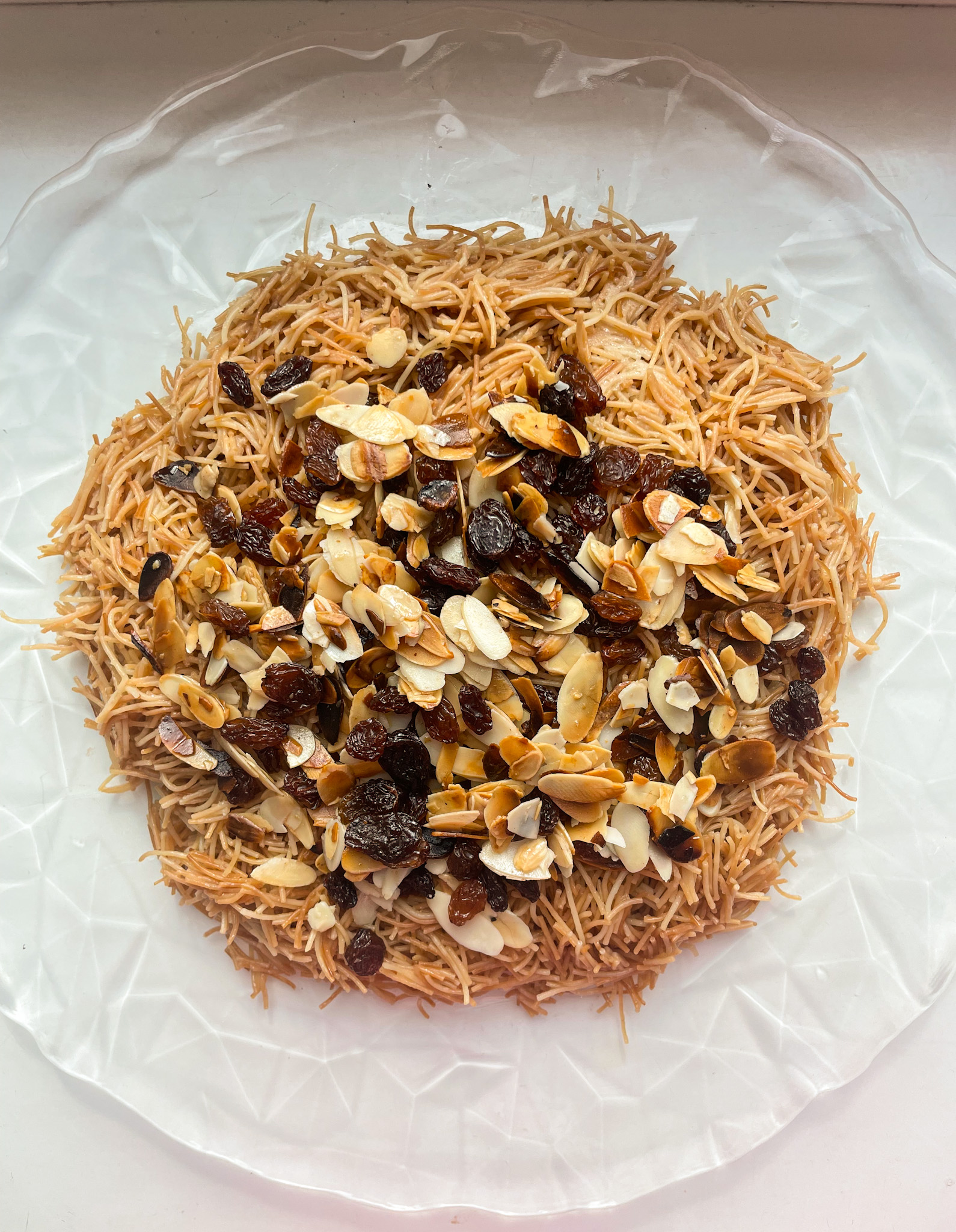
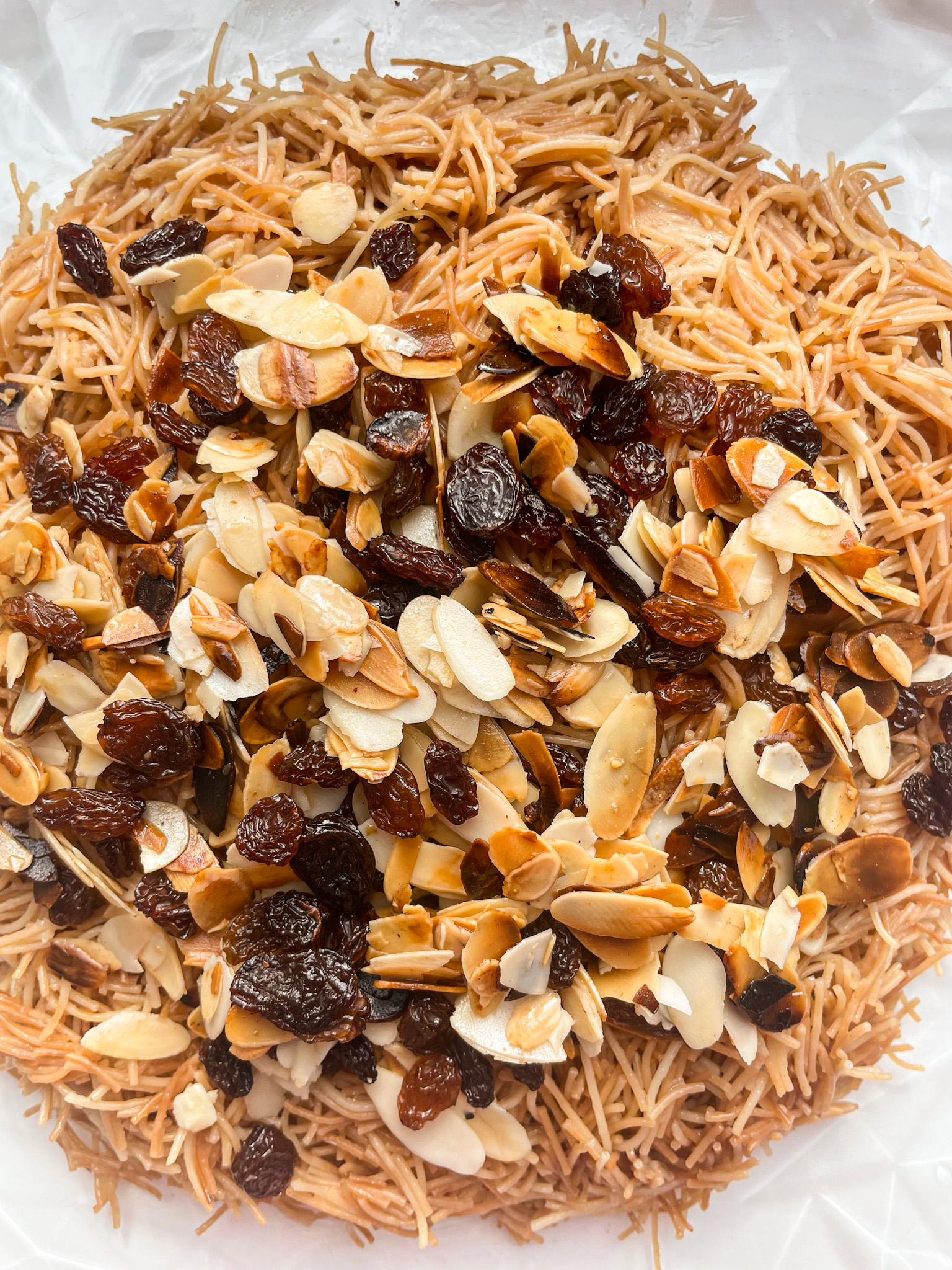
Fluff the pasta gently with a fork, then fold in the toasted almonds and raisins. Mix carefully to distribute the nuts and fruit evenly throughout the dish without breaking the pasta strands. Your Vermicelli Pasta Nuts is now ready to serve.
Professional Tips
Mastering Vermicelli Pasta Nuts requires understanding subtle techniques that elevate the dish from good to exceptional. These professional insights come from generations of cooks who have perfected this beloved recipe.
Achieving Perfect Golden Color
The golden color of Vermicelli Pasta Nuts is its signature characteristic. To achieve consistent browning, break the vermicelli into uniform pieces and spread them evenly in the pan. Stir continuously in sweeping motions that move pasta from the center to the edges and back again.
Temperature control is crucial when making Vermicelli Pasta Nuts. Medium heat works best for most stovetops, but you may need to adjust based on your specific equipment. The butter should sizzle gently without smoking, and the pasta should gradually deepen in color rather than browning too quickly.
If you notice some pieces browning faster than others when making Vermicelli Pasta Nuts, reduce the heat slightly and increase stirring frequency. Patience during this stage pays off with evenly colored, perfectly toasted pasta.
Liquid Ratio Precision
The amount of broth used in Vermicelli Pasta Nuts directly affects the final texture. Too much liquid creates mushy pasta, while too little leaves it undercooked and crunchy. The standard ratio is approximately two cups of broth for every eight ounces of vermicelli.
However, this ratio can vary based on how much moisture evaporated during the toasting phase. If you toasted the vermicelli particularly long for deep color, you might need slightly more broth. Always have extra broth on hand when making Vermicelli Pasta Nuts.
Timing the Nut Addition
Adding almonds at the right moment is important for Vermicelli Pasta Nuts. If you add them too early, they become soggy from the broth. If you wait until serving, they don’t integrate well with the dish. The sweet spot is folding them in immediately after cooking, while the pasta is still hot.
The residual heat from the pasta warms the almonds without making them soft, and the brief mixing period allows their flavor to infuse into the Vermicelli Pasta Nuts. This timing creates the perfect balance of crispy nuts and tender pasta.
Enhancing Flavor Depth
While traditional Vermicelli Pasta Nuts is delicious as written, small additions can enhance complexity. A stick of cinnamon added to the broth infuses subtle warmth throughout the dish. A bay leaf contributes herbal notes. A pinch of black pepper adds gentle heat.
These aromatics should be removed before serving, leaving behind only their essence. When experimenting with flavors in Vermicelli Pasta Nuts, start conservatively. You can always add more seasoning, but you cannot remove excess.
Common Mistakes to Avoid
Even experienced cooks can encounter challenges when preparing Vermicelli Pasta Nuts. Understanding common pitfalls helps you prevent them and achieve perfect results every time.
Insufficient Stirring During Toasting
The most common mistake when making Vermicelli Pasta Nuts is inadequate stirring during the toasting phase. Vermicelli browns quickly and unevenly if left unstirred. Within seconds, parts can go from golden to burnt, creating bitter flavors and unpleasant appearance.
Set a timer when you begin toasting vermicelli for Vermicelli Pasta Nuts, and commit to continuous stirring for the entire duration. Think of it as an active cooking phase that requires your full attention. The effort invested here determines the success of your final dish.
Using High Heat
Another frequent error is cooking Vermicelli Pasta Nuts over excessively high heat. While this might seem like a time-saver, it leads to burning on the outside while leaving the inside undercooked. High heat also causes butter to brown too quickly, creating acrid flavors.
Medium heat allows proper caramelization of the vermicelli’s starches, developing complex flavors in your Vermicelli Pasta Nuts. The slower process gives you better control and produces superior results. If you’re short on time, prepare something else; rushing this dish compromises quality.
Skipping the Resting Period
After cooking, many people immediately serve Vermicelli Pasta Nuts without allowing it to rest. This skipped step results in slightly undercooked pasta and unevenly distributed moisture. The five-minute resting period isn’t optional; it’s essential for texture and flavor.
During resting, residual heat completes the cooking process and excess moisture evaporates, leaving your Vermicelli Pasta Nuts perfectly tender yet not soggy. Covering the pot during this time traps just enough steam to finish cooking without making the pasta wet.
Over-Salting the Dish
Because chicken broth already contains sodium, adding too much additional salt is a common mistake with Vermicelli Pasta Nuts. Always taste the broth before adding salt, and season conservatively. Remember that the raisins add sweetness that balances saltiness, so you need less salt than you might expect.
Start with a small amount of salt when making Vermicelli Pasta Nuts, then taste and adjust after cooking. It’s much easier to add more seasoning at the table than to fix an over-salted dish.
Variations to Try
While traditional Vermicelli Pasta Nuts is wonderful, variations allow you to customize the dish to your preferences or dietary needs. These adaptations maintain the spirit of the original while offering new flavor experiences.
Protein Additions
Transform Vermicelli Pasta Nuts into a complete meal by adding protein. Shredded rotisserie chicken folded into the finished dish creates a hearty one-pot meal. The chicken absorbs the flavors beautifully while adding substance.
Ground lamb or beef, cooked separately with Middle Eastern spices like cumin and coriander, makes an excellent protein addition to Vermicelli Pasta Nuts. Brown the meat first, then prepare the pasta as directed and combine them before serving. This variation is particularly popular in Lebanese cuisine.
For vegetarian protein, consider adding chickpeas to your Vermicelli Pasta Nuts. Canned chickpeas, drained and rinsed, can be warmed with the almonds and raisins before folding into the pasta. They add heartiness and complement the existing flavors perfectly.
Nut Variations
While almonds are traditional in Vermicelli Pasta Nuts, other nuts create delicious variations. Pine nuts, a staple in Middle Eastern cooking, bring buttery richness and delicate texture. Toast them until golden before adding to the dish.
Pistachios offer beautiful green color and distinctive flavor in Vermicelli Pasta Nuts. Use shelled, unsalted pistachios and roughly chop them for easier eating. Walnuts provide earthy depth, though their stronger flavor makes them less traditional.
You can also create a mixed nut version of Vermicelli Pasta Nuts using a combination of almonds, pistachios, and pine nuts. This approach offers varied textures and complex flavor in every bite.
Spice Enhancements
Traditional Vermicelli Pasta Nuts is subtly spiced, but adding aromatics creates new dimensions. Ground cinnamon sprinkled over the finished dish adds warmth without overwhelming the other flavors. Use it sparingly, about one-quarter teaspoon for a full recipe.
Nutmeg provides sweet, slightly peppery notes that complement the raisins in Vermicelli Pasta Nuts. Grate fresh nutmeg directly over the pasta just before serving for the most aromatic impact. A small amount goes a long way.
For a savory twist on Vermicelli Pasta Nuts, add cumin and coriander to the toasting vermicelli. These spices infuse their essence into the pasta as it browns, creating an entirely different but equally delicious version of the dish.
Sweetness Adjustments
The raisins in Vermicelli Pasta Nuts provide natural sweetness, but you can adjust this to taste. Increase the raisin quantity for sweeter results, or reduce them for a more savory profile. Some cooks add a tablespoon of honey or pomegranate molasses for additional sweetness and complexity.
Dried cranberries or chopped dates can replace or complement raisins in Vermicelli Pasta Nuts. These fruits offer different sweetness levels and chewy textures that work beautifully with the crispy pasta and crunchy nuts.
Storage and Reheating
Proper storage ensures your Vermicelli Pasta Nuts maintains quality for several days. Understanding the best methods helps you enjoy leftovers that taste nearly as good as freshly made.
Storing Instructions
Allow Vermicelli Pasta Nuts to cool completely before storing. Warm pasta continues to release moisture, which can create condensation in storage containers and lead to soggy texture. Spread the pasta on a large platter or baking sheet to speed cooling.
Transfer cooled Vermicelli Pasta Nuts to an airtight container. Glass or plastic containers with tight-fitting lids work well. Store in the refrigerator for up to four days. The pasta will lose some crispness during storage, but proper reheating can restore much of the original texture.
For longer storage, Vermicelli Pasta Nuts can be frozen for up to two months. Use freezer-safe containers or heavy-duty freezer bags, removing as much air as possible before sealing. Label with the date to track freshness.
Reheating Methods
The best way to reheat Vermicelli Pasta Nuts is in a skillet on the stovetop. Add a tablespoon of butter or oil to a large pan over medium heat. Add the pasta and stir gently, allowing it to warm through and regain some crispness, about five to seven minutes.
Alternatively, reheat Vermicelli Pasta Nuts in the oven. Spread the pasta in an even layer on a baking sheet, cover loosely with foil, and warm at 325 degrees Fahrenheit for about fifteen minutes. Remove the foil for the last five minutes to restore crispness.
Microwave reheating works in a pinch for Vermicelli Pasta Nuts, though it produces softer texture. Place pasta in a microwave-safe dish, cover loosely, and heat in thirty-second intervals, stirring between each, until warmed through.

Frequently Asked Questions
Common questions about Vermicelli Pasta Nuts help clarify techniques and address concerns that many cooks encounter when preparing this dish.
Can I make Vermicelli Pasta Nuts ahead of time?
Yes, you can prepare Vermicelli Pasta Nuts several hours before serving. Cook it completely, then keep it warm in a low oven at 200 degrees Fahrenheit, covered loosely with foil. For best texture, add the almonds and raisins just before serving rather than including them during the warming period.
What can I serve with Vermicelli Pasta Nuts?
Vermicelli Pasta Nuts pairs beautifully with grilled meats, roasted chicken, lamb kebabs, or fish. It also complements vegetable dishes like roasted eggplant, stuffed grape leaves, or yogurt-based salads. In Middle Eastern meals, it often appears alongside multiple small dishes in a mezze spread.
Why did my Vermicelli Pasta Nuts turn mushy?
Mushy Vermicelli Pasta Nuts results from too much liquid or insufficient toasting of the pasta. Make sure you toast the vermicelli until deeply golden before adding broth. Also verify you’re using the correct liquid ratio and allowing the pasta to absorb all moisture during cooking.
Can I use other types of pasta?
While vermicelli produces the most authentic Vermicelli Pasta Nuts, angel hair pasta works as a substitute. Avoid thicker pasta types like spaghetti or linguine, as they won’t achieve the characteristic crispy texture and require different liquid ratios.
Is Vermicelli Pasta Nuts gluten-free?
Traditional Vermicelli Pasta Nuts contains wheat-based pasta and is not gluten-free. However, you can make gluten-free versions using rice vermicelli or other gluten-free pasta alternatives. Cooking times and liquid absorption may differ, so monitor closely.
How do I know when the vermicelli is toasted enough?
The vermicelli for Vermicelli Pasta Nuts should be deep golden brown, similar to the color of peanut butter. It should smell nutty and toasted, never burnt or acrid. If unsure, err on the side of slightly less toasted rather than risk burning.
Final Thoughts
Vermicelli Pasta Nuts represents the heart of Middle Eastern home cooking: simple ingredients transformed through careful technique into something truly special. This dish proves that you don’t need elaborate preparations or exotic components to create memorable meals. The magic lies in the method and the love you bring to the cooking process.
As you prepare Vermicelli Pasta Nuts, remember that you’re participating in a culinary tradition spanning generations and crossing borders. Each time you stir the golden pasta, fold in the crunchy almonds, and share the finished dish with others, you’re continuing a legacy of hospitality and delicious home cooking.
Don’t be discouraged if your first attempt at Vermicelli Pasta Nuts isn’t perfect. Like any traditional dish, it improves with practice as you develop a feel for the proper toasting time, the right liquid ratio, and the ideal seasoning balance. Each batch teaches you something new.
The beauty of Vermicelli Pasta Nuts extends beyond its taste. It’s a dish that brings people together, sparks conversation, and creates lasting memories. Whether you serve it at a festive gathering or a quiet family dinner, it carries with it the warmth and generosity that define Middle Eastern hospitality.
We encourage you to make Vermicelli Pasta Nuts soon. Experience the satisfaction of watching plain pasta transform into golden perfection, breathe in the aroma of toasted nuts and sweet raisins, and enjoy the delighted reactions when you serve this beautiful dish. Your kitchen will fill with wonderful scents, and your table will overflow with good food and happy faces.
If you’ve given this recipe a try and it won you over, please share your thoughts by leaving a rating and comment below! If you have any questions about this recipe, don’t hesitate to ask – I’m here to help and will respond promptly.
Watch the recipe video for more clarity

People also like our these recipes:
- 250 g vermicelli pasta
- 3 tbsp butter
- 1 tbsp vegetable oil
- 1 tbsp chicken broth
- Water for cooking
- Salt to taste
- 1/4 cup almonds
- 1/4 cup raisins
In a well heated pan, add in 2 tbsp of butter, 1 tbsp of oil and add in the vermicelli pasta. Make sure to break it into small pieces.
Fry it until golden brown.
Add in the chicken broth, salt and water, enough to cover it.
Cover and let it cook for 10 minutes or until all the water has evaporated.
Meanwhile, in a small pan, add in 1 tbsp of butter and add in the almonds. Fry until slightly golden. Then add the raisins and let it cook for 2 minutes.
Serve the pasta and top it with the nuts!
If you've given this recipe a try and it won you over, please share your thoughts by leaving
a rating and comment below! If you have any questions about this recipe, don't hesitate to ask – I'm here to
help and will respond promptly.