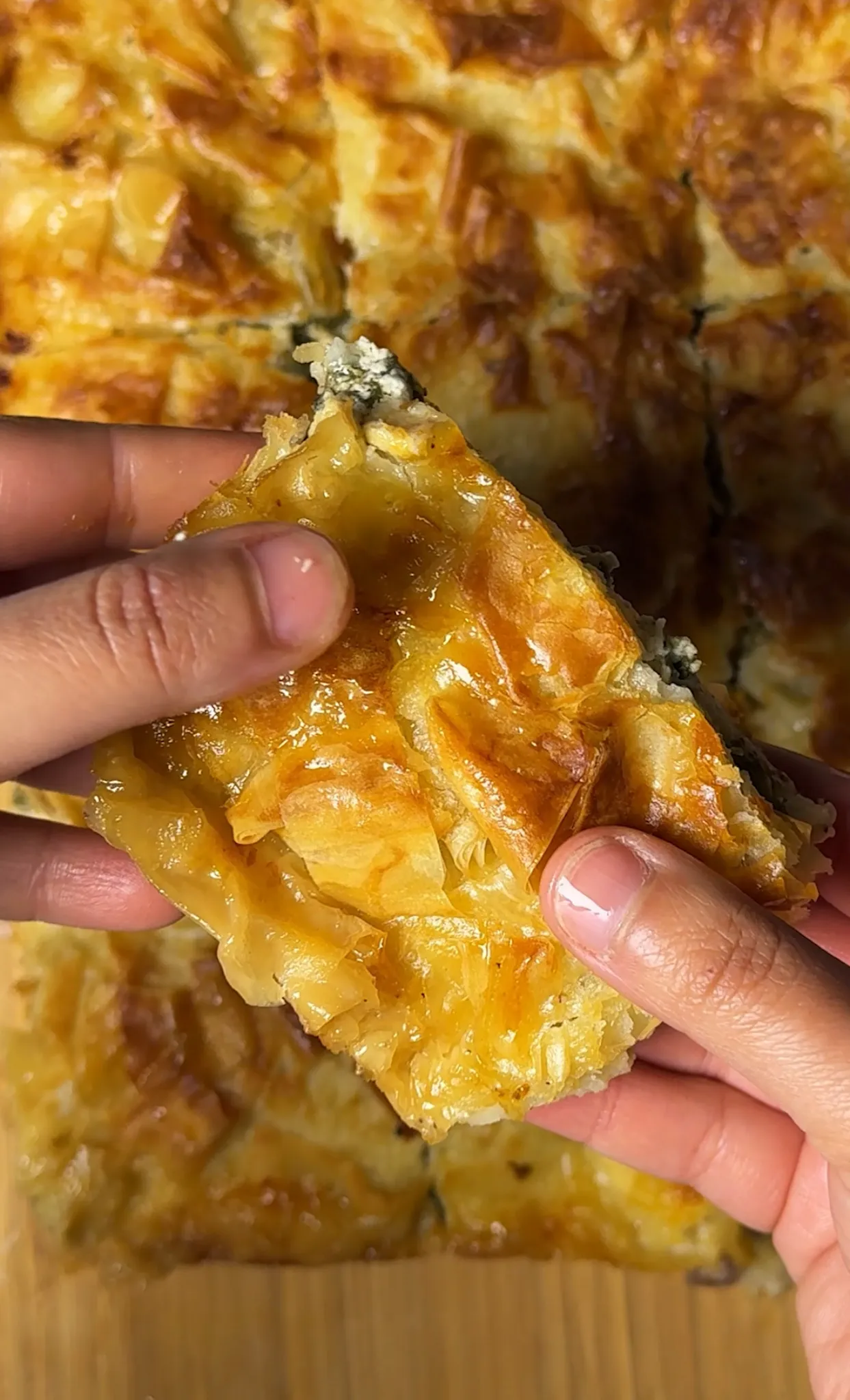
Discover Amazing Potato Cheese Bread
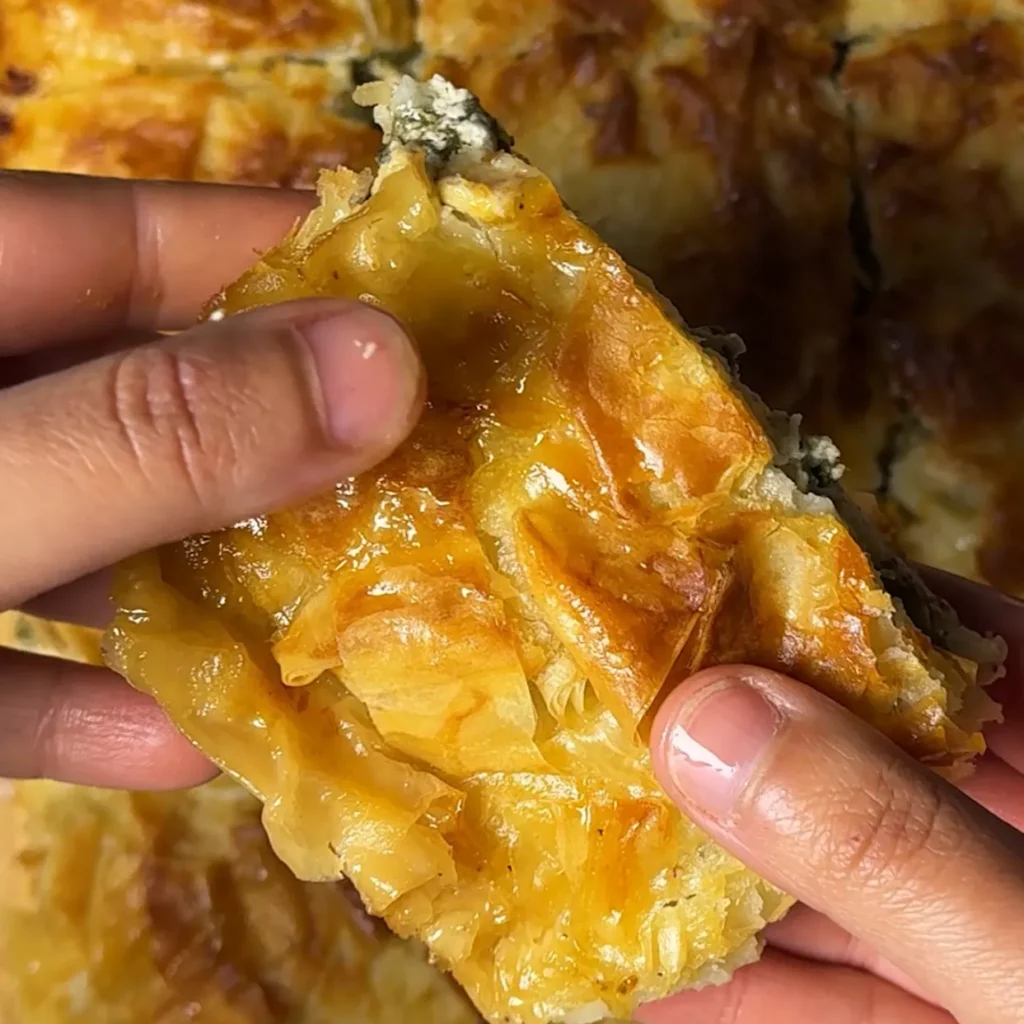
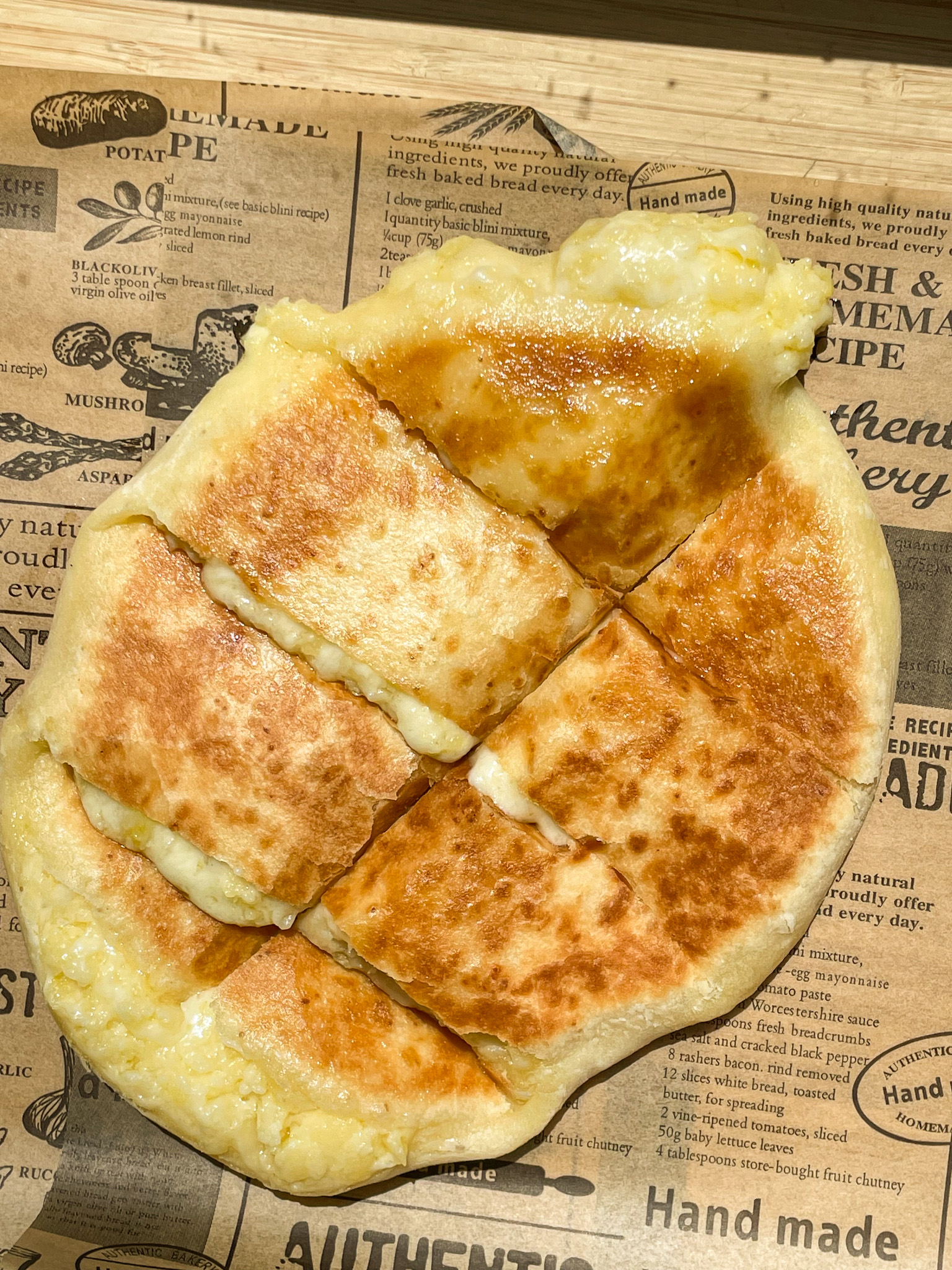
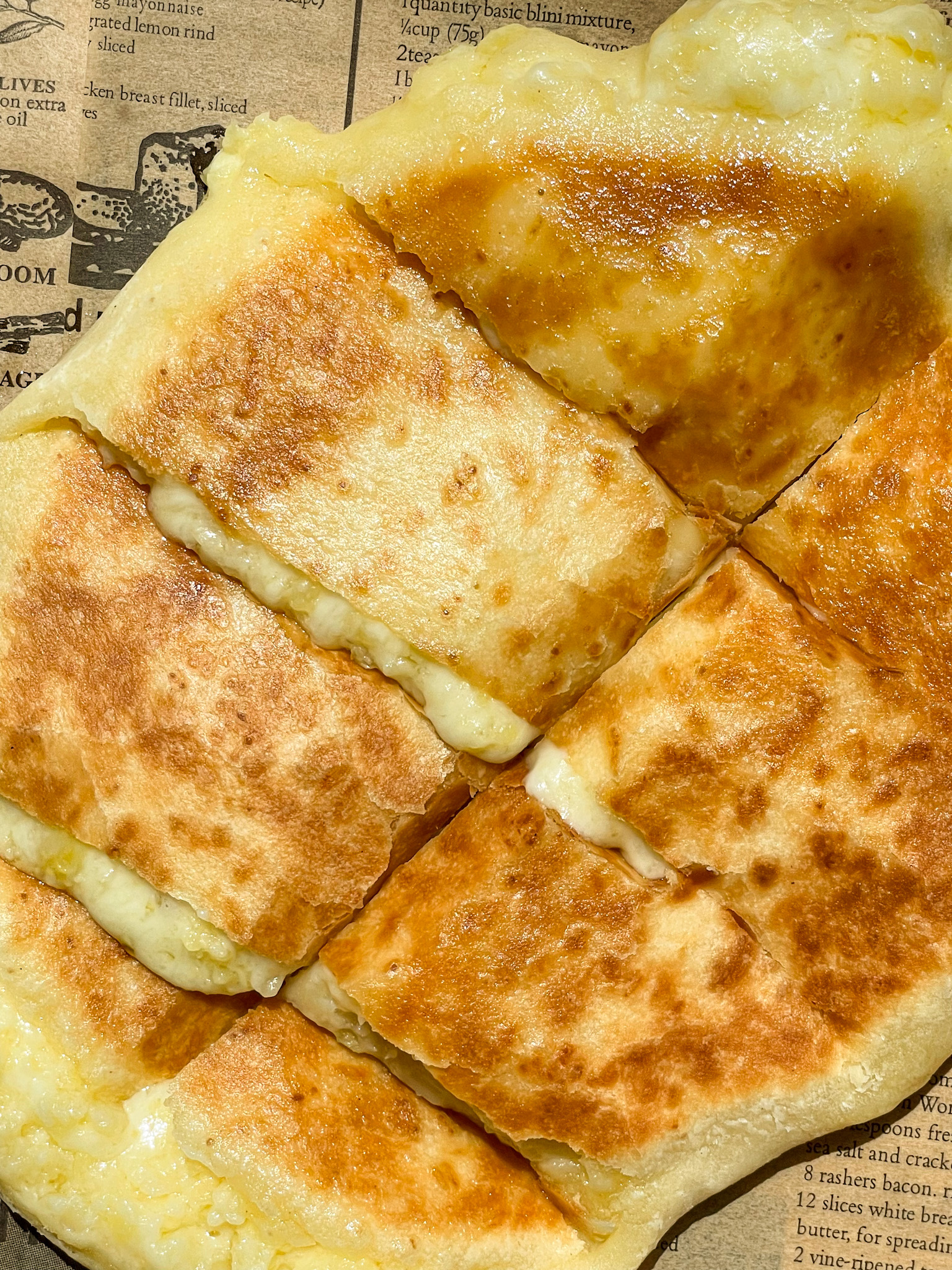
Potato Cheese Bread is an incredible no-bake treat, generously filled with creamy mashed potatoes and gooey mozzarella cheese that creates pure comfort in every bite. Unlike traditional bread recipes that require lengthy oven baking, this innovative version is cooked completely in a skillet instead of the oven, making it a remarkably convenient and delicious option for any occasion. The golden, crispy exterior gives way to a soft, pillowy interior stuffed with savory potato filling and stretchy melted cheese.
When making a sandwich or special bread, potatoes and cheese always go together perfectly, creating a combination that satisfies on every level. Usually, when making bread in most recipes, you probably think that you need an oven for proper baking. But in this revolutionary Potato Cheese Bread recipe, I’ve created something truly special—very delicious potato and mozzarella bread so simple that you can cook it right in a pan on your stovetop. No oven required means anyone can make this, even in kitchens with limited equipment.
Why You Should Make This Potato Cheese Bread
Potato Cheese Bread is a delicious no-bake treat filled with flavorful mashed potatoes and stretchy mozzarella, cooked to golden perfection right in a pan. Here’s why you’ll absolutely love this recipe and want to make it repeatedly:
You don’t need an oven—just cook this Potato Cheese Bread right in a pan on your stovetop, making it accessible to everyone regardless of kitchen equipment. The irresistible combination of seasoned potatoes, creamy mayonnaise, and melted mozzarella creates a flavor profile that’s both comforting and exciting.
It’s incredibly easy to make with straightforward steps that even beginners can master confidently. No yeast or leavening agents are needed to make the dough rise, eliminating the complexity and waiting time associated with traditional bread-making. Plus, you only need a handful of simple ingredients to create this delicious Potato Cheese Bread that tastes like it came from a bakery.
So why not give it a try? This Potato Cheese Bread is perfect for enjoying as a snack, serving to impressed guests, or sharing with family members at home who will request it again and again.
Key Ingredients Overview
Creating exceptional Potato Cheese Bread starts with selecting quality ingredients that work together to deliver ideal flavor and texture. Starchy potatoes provide the creamy filling base that makes this bread so satisfying. All-purpose flour and bread flour combine to create dough with perfect texture—tender yet sturdy enough to hold generous filling.
Whole milk adds richness and helps create soft, pliable dough. Unsalted butter contributes flavor and creates golden, crispy exterior when used for pan-frying. Salt enhances all flavors throughout. Mayonnaise mixed into the potato filling adds creamy tanginess and moisture. Fresh mozzarella cheese provides that irresistible cheese pull and mild, creamy flavor. Each component in this Potato Cheese Bread plays a specific role in creating the final delicious result.
Understanding Potato Cheese Bread
Potato Cheese Bread represents an innovative fusion of bread-making and pan-frying techniques, creating something unique that doesn’t quite fit traditional bread categories. Understanding why this unconventional approach works helps you appreciate the recipe’s brilliance and execute it successfully. The skillet cooking method creates results similar to certain flatbreads while accommodating a generous stuffing.
The success of Potato Cheese Bread depends on creating dough with the right consistency, preparing filling that’s flavorful but not too wet, sealing edges properly to contain filling, and controlling pan temperature for even cooking. When these elements align perfectly, you achieve bread that’s golden and crispy outside with soft, cheesy interior.
The Science of Skillet Bread
Cooking bread in a skillet rather than an oven creates different but equally delicious results. The direct contact with the hot pan creates immediate browning and crisping on the exterior through the Maillard reaction. This creates a different texture than oven-baked bread—crispier on the surface with a softer, more tender interior.
The covered skillet creates a steam environment that helps the Potato Cheese Bread cook through without drying out. This moisture retention is crucial for keeping the interior soft while the exterior crisps. The technique is similar to making certain flatbreads like naan or paratha but adapted to accommodate a filling, creating something entirely unique.
Why No Yeast Works
Traditional bread relies on yeast fermentation to create rise and characteristic texture. This Potato Cheese Bread takes a completely different approach, using the dough’s natural extensibility and the steam created during cooking to achieve soft texture. Without yeast, there’s no rising time, no punching down, no second rise—the entire process is dramatically faster and simpler.
The combination of all-purpose flour and bread flour provides enough gluten development through kneading to create dough that’s pliable and can stretch around filling without tearing. The resting period in the refrigerator allows gluten to relax, making the dough easier to roll without springing back. This yeast-free approach makes Potato Cheese Bread accessible to anyone, regardless of bread-making experience.
Choosing the Right Ingredients
Every ingredient in your Potato Cheese Bread plays a specific role in creating the final flavor and texture. Selecting quality components ensures the best possible results. Understanding why each ingredient matters helps you make informed choices and achieve consistent success.
The beauty of this recipe is its accessibility—common ingredients you likely have at home combine to create something special.
Potato Selection
For the filling in Potato Cheese Bread, choose starchy potatoes like Russets or Yukon Golds that mash smoothly and absorb flavors well. Russets create fluffier, drier mashed potatoes perfect for filling. Yukon Golds offer creamier texture with naturally buttery flavor. Avoid waxy potatoes like red potatoes which don’t mash as smoothly.
The potatoes should be firm, with no green spots, sprouts, or soft areas. For this recipe, you’ll boil them until completely tender, then mash smooth. The quality of mashed potatoes directly impacts your Potato Cheese Bread filling, so choose good potatoes and cook them properly.
Flour Combination
This Potato Cheese Bread uses a combination of all-purpose flour and bread flour for optimal texture. All-purpose flour provides tender crumb and good workability. Bread flour has higher protein content, developing more gluten that creates stronger, more elastic dough capable of stretching around filling without tearing.
The combination delivers best of both worlds—tender texture from all-purpose flour and strength from bread flour. If you only have all-purpose flour, the recipe still works, though dough may be slightly less elastic. Bread flour alone creates dough that’s too tough and chewy for this Potato Cheese Bread.
Mozzarella Quality
Fresh mozzarella provides the best flavor and texture for Potato Cheese Bread, though low-moisture mozzarella (the kind for pizza) works well too. Fresh mozzarella creates creamier filling with superior melting properties. Drain it well and pat dry before using to prevent excess moisture.
Low-moisture mozzarella is more convenient and creates excellent cheese pull without adding much liquid. Avoid pre-shredded mozzarella which contains anti-caking agents that affect melting. Grate or tear cheese just before using for best results in your Potato Cheese Bread.
Butter Considerations
Unsalted butter gives you complete control over salt levels in your Potato Cheese Bread. You’ll use butter both in the dough for richness and tenderness, and for pan-frying to create golden, crispy exterior. Quality butter makes noticeable difference in flavor—European-style butter with higher fat content creates even richer results.
Salted butter works if that’s what you have, but reduce added salt slightly to compensate. The butter should be fresh with sweet, clean flavor. Old butter that smells or tastes off will negatively impact your Potato Cheese Bread.
Step-by-Step Instructions for Perfect Potato Cheese Bread
Creating exceptional Potato Cheese Bread requires following specific steps in the correct order. While the process is straightforward, attention to detail ensures optimal results. Understanding the purpose of each step helps you execute the recipe confidently.
Organization is key—prepare your filling while dough chills for efficient workflow and perfect timing.
Making the Dough
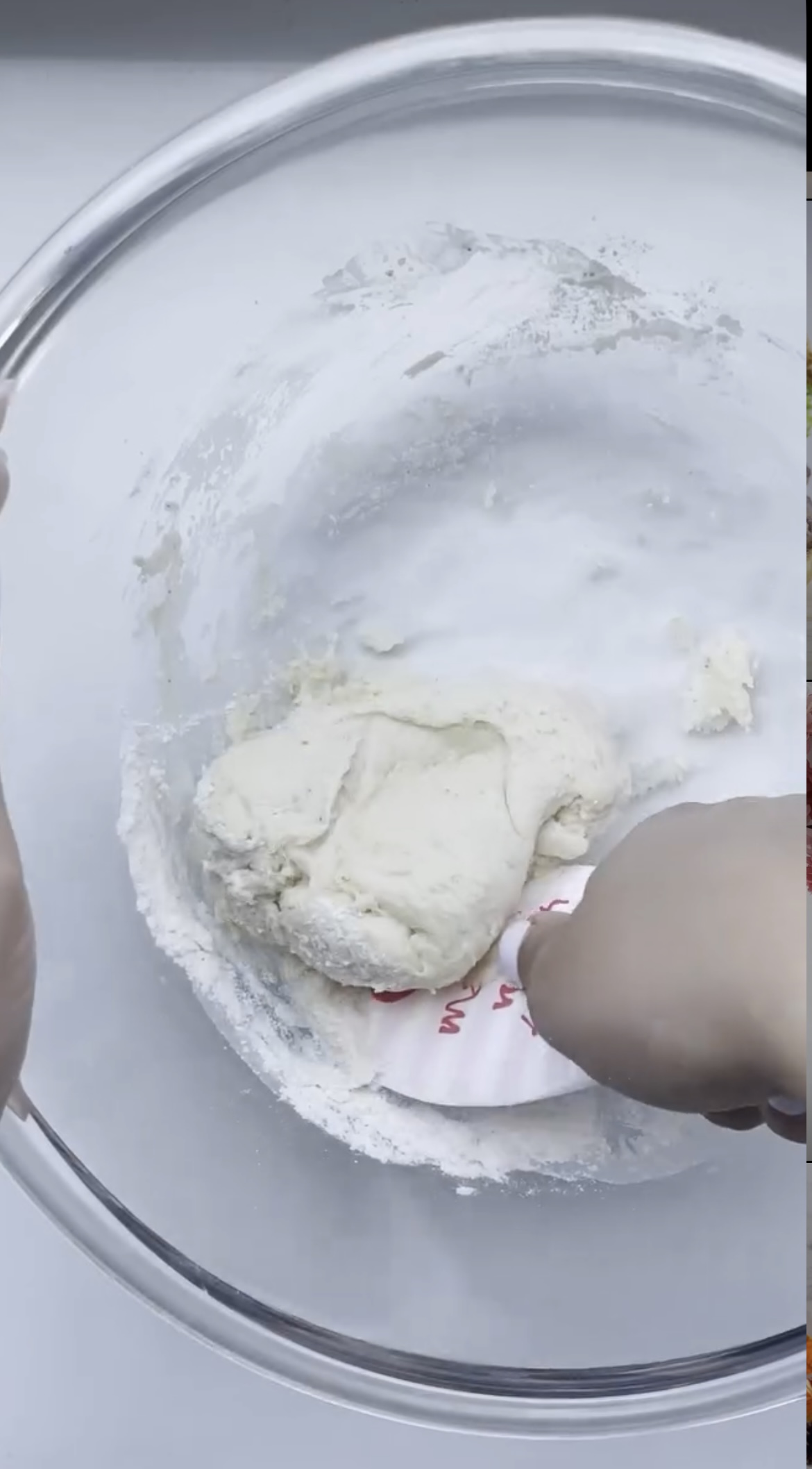
In a large mixing bowl, combine all-purpose flour, bread flour, and salt, whisking to distribute evenly. Create a well in the center and add milk and melted unsalted butter. Using a wooden spoon or your hands, begin mixing ingredients together until a shaggy, lumpy dough forms and no dry flour remains visible in the bowl.
Turn the dough out onto a lightly floured work surface and begin kneading. Push the dough away from you with the heel of your hand, fold it back over itself, rotate 90 degrees, and repeat. Knead for about 5 to 7 minutes until the dough becomes smooth, elastic, and slightly tacky but not sticky. Shape into a ball, place in a lightly oiled bowl, cover tightly with plastic wrap, and refrigerate for at least 1 hour. This chilling period relaxes the gluten, making the dough easier to roll out for your Potato Cheese Bread.
Preparing the Potato Filling
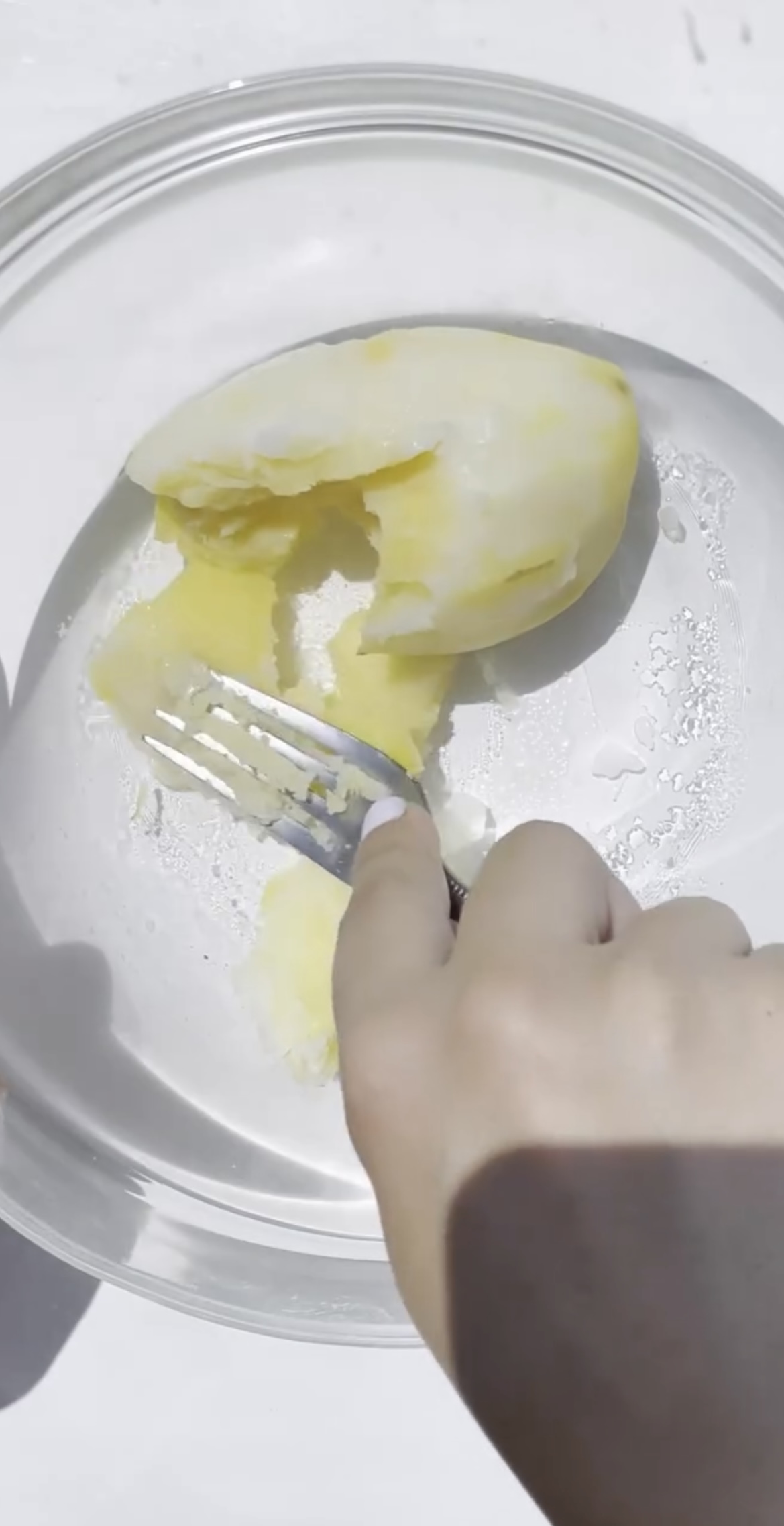
While dough chills, prepare your potato filling. Boil peeled potatoes in salted water until completely tender when pierced with a fork, approximately 15 to 20 minutes depending on size. Drain thoroughly and let cool slightly until you can handle them comfortably. Using a box grater or potato ricer, grate or rice the cooked potatoes into a medium bowl.
Add mayonnaise to the grated potatoes and mix thoroughly until well combined and creamy. The mayonnaise adds moisture, tanginess, and richness to the filling. Season with salt and black pepper to taste—the filling should be well-seasoned on its own. You can prepare this filling several hours ahead and refrigerate until ready to assemble your Potato Cheese Bread.
Rolling and Filling
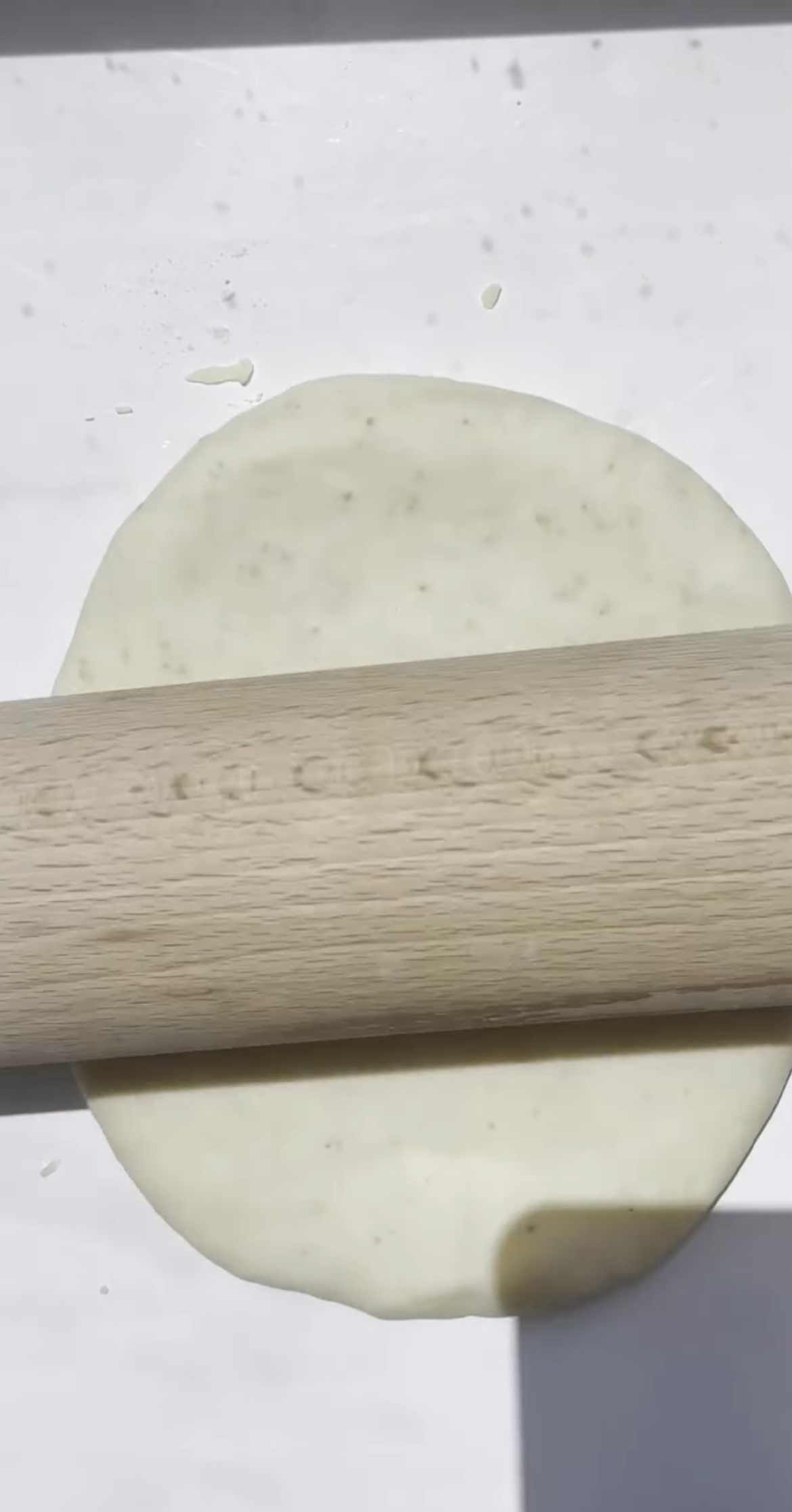
Remove chilled dough from refrigerator and divide into portions based on how many breads you’re making—typically 4 to 6 portions. On a lightly floured surface, roll one dough portion into a circle approximately 8 to 10 inches in diameter and about 1/8 inch thick. Don’t worry about perfect circles—rustic shapes work beautifully.
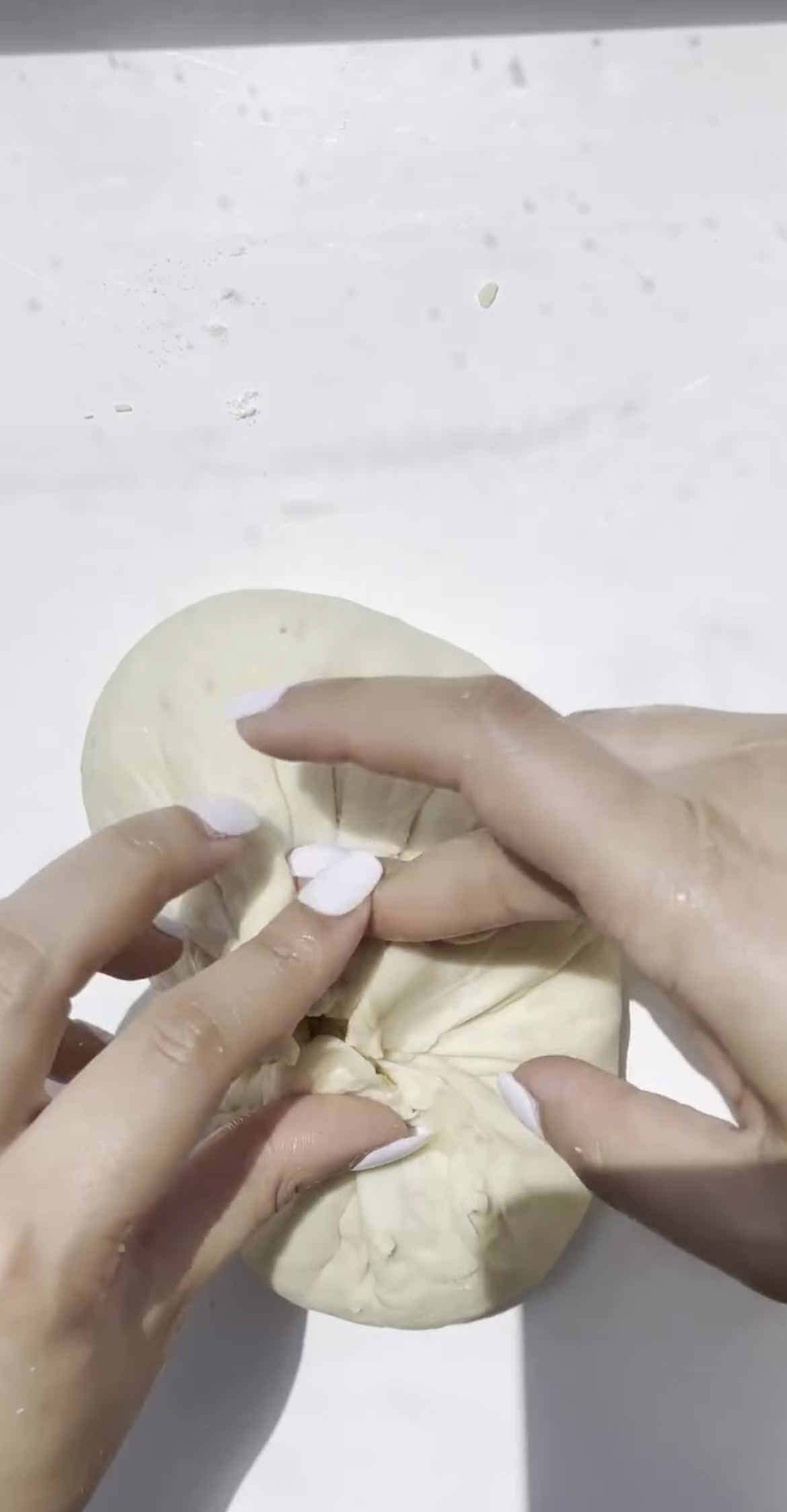
Place a generous amount of shredded or torn mozzarella cheese in the center of the rolled dough circle, leaving a 2-inch border around the edges. Top the cheese with a good spoonful of the potato filling, spreading it slightly but keeping it mounded in the center. Carefully bring the edges of the dough up and over the filling, pleating and pinching to seal completely. Ensure there are no gaps where filling could escape. Gently flip the sealed package seam-side down and very carefully roll it out again with a rolling pin until you have a filled flatbread approximately 6 to 8 inches in diameter.
Pan-Frying to Golden Perfection
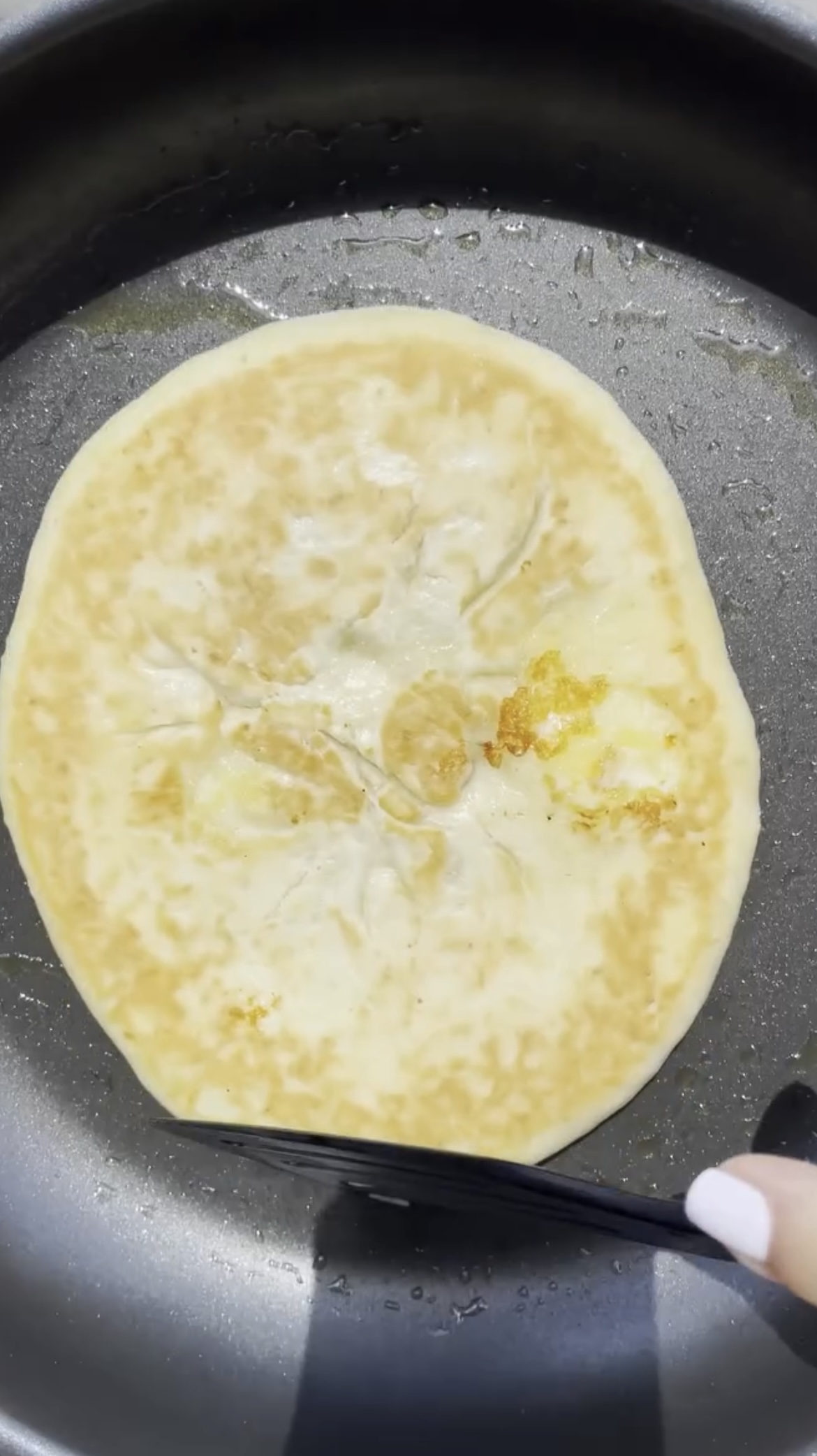
Heat a large, heavy-bottomed skillet or griddle over medium-low heat. Add a small amount of unsalted butter and let it melt, swirling to coat the pan. Carefully place one stuffed and rolled Potato Cheese Bread in the skillet. Cook undisturbed for 3 to 5 minutes until the bottom develops beautiful golden-brown color. Watch the heat carefully—too high and the exterior burns before the interior heats through; too low and you don’t get proper browning.
Using a wide spatula, carefully flip the bread. Immediately brush the just-cooked side with melted butter for extra flavor and golden color. Cook the second side for another 3 to 5 minutes until equally golden brown and the cheese inside has melted completely. The bread should feel hot throughout and the cheese should be gooey when you press gently. Remove to a cutting board and repeat with remaining portions. Serve your Potato Cheese Bread hot while the exterior is crispy and the cheese is at peak meltiness!
Professional Tips for Outstanding Results
Mastering Potato Cheese Bread involves understanding subtle techniques that separate good from exceptional. These professional insights help you achieve consistent, impressive results every time you prepare this unique bread.
Attention to small details makes a significant difference in the final quality and success of your bread.
Preventing Leaks and Tears
The biggest challenge with Potato Cheese Bread is preventing filling from leaking out during cooking. Several techniques help. First, don’t overfill—more is not better here as excessive filling makes sealing impossible. Second, ensure edges are well-sealed with no gaps by pinching and pleating carefully.
Third, when rolling out the filled dough the second time, use gentle pressure and work slowly. Rushing or using too much force tears the dough. Fourth, if you notice a small tear, pinch it closed immediately or patch with a small piece of dough. These precautions keep your filling contained for perfect Potato Cheese Bread.
Achieving Even Cooking
Getting Potato Cheese Bread cooked through evenly without burning the exterior requires careful heat management. Start with medium-low heat rather than high heat—patience creates better results. If the exterior browns too quickly, reduce heat further. The bread should take 3 to 5 minutes per side to develop proper color.
Using a heavy-bottomed pan helps distribute heat evenly and prevent hot spots that burn the bread. Cast iron works excellently. Covering the pan with a lid for part of the cooking time helps steam the interior and melt cheese thoroughly while the bottom crisps. Every stove varies, so adjust heat based on your equipment.
Maximizing Flavor
Simple seasonings dramatically improve Potato Cheese Bread. Season the dough lightly with salt and consider adding dried herbs or garlic powder. Season the potato filling generously—it should taste slightly overseasoned on its own since the dough and cheese are mild.
Consider additions to the filling like chopped fresh herbs, sautéed garlic, crispy bacon bits, or diced jalapeños. A sprinkle of everything bagel seasoning on the exterior before cooking adds visual appeal and flavor. Serving with dipping sauces like marinara, ranch, or garlic butter takes Potato Cheese Bread to the next level.
Perfect Texture Balance
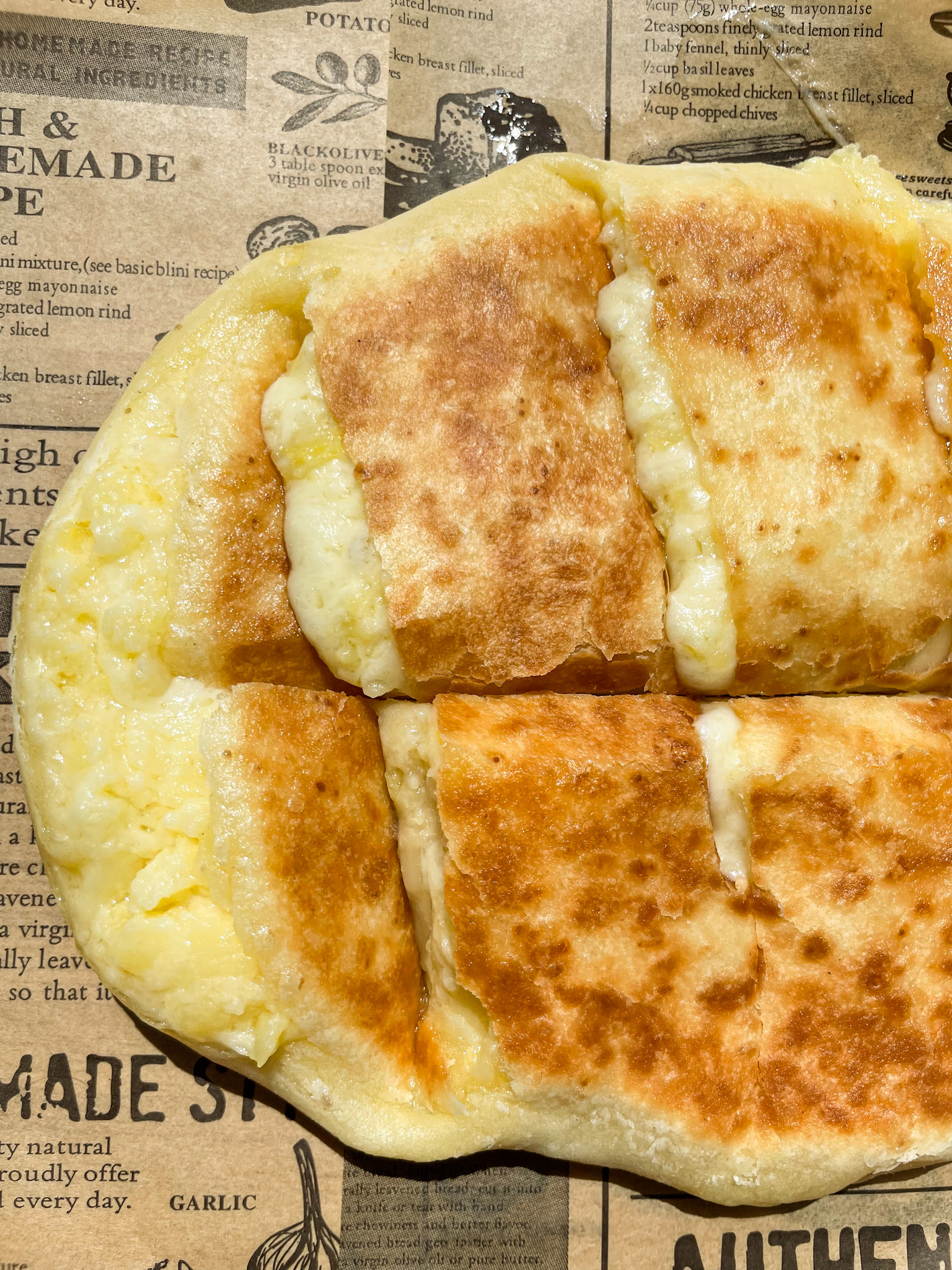
Ideal Potato Cheese Bread has crispy, golden exterior and soft, tender interior with gooey cheese and creamy potato. Achieving this balance requires not rolling the filled dough too thin—if too thin, it becomes crispy throughout rather than maintaining soft interior.
The dough should be substantial enough to protect the filling while remaining tender. Don’t skip the butter brushing between flips—this creates extra-golden, flavorful crust. Serve immediately while contrasts are at their peak for the best Potato Cheese Bread experience.
Common Mistakes to Avoid
Even straightforward recipes like Potato Cheese Bread have potential pitfalls that can compromise your results. Understanding these common mistakes helps you avoid them and achieve perfect bread every time.
Learning what not to do is just as valuable as learning proper technique when mastering any new recipe.
Over-Kneading or Under-Kneading
Dough consistency dramatically affects Potato Cheese Bread results. Under-kneaded dough lacks gluten development, making it tear easily when rolled and unable to contain filling. The dough should be kneaded until smooth and elastic—about 5 to 7 minutes of active kneading.
Over-kneaded dough becomes too tight and springs back excessively when rolled, making it difficult to work with. It may also become tough rather than tender. Pay attention to the dough’s feel—it should be smooth, elastic, and slightly tacky. Stop kneading when you reach this stage for perfect Potato Cheese Bread.
Using Wet Potato Filling
If your potato filling contains too much moisture, it makes sealing difficult and can cause the dough to become soggy or tear. Drain boiled potatoes thoroughly and let them cool slightly to release steam before mashing. Don’t add extra liquid beyond the mayonnaise.
If your filling seems too wet or loose, let it sit for a few minutes to firm up, or add a tablespoon of flour to absorb excess moisture. The filling should be moist but cohesive, not runny or soupy, for successful Potato Cheese Bread.
Cooking at Wrong Temperature
The most common mistake is cooking Potato Cheese Bread over heat that’s too high, burning the exterior before the interior heats through and cheese melts. Medium-low heat is ideal for this recipe—it requires patience but produces superior results with golden exterior and perfectly cooked interior.
If heat is too low, bread takes forever to cook and may become dry or tough. Watch the first bread closely to gauge your stove’s heat and adjust for subsequent batches. Proper temperature control is crucial for perfect Potato Cheese Bread.
Skipping the Refrigeration
Attempting to roll out dough immediately after kneading, without the refrigeration period, results in dough that’s too elastic and springs back constantly. The dough fights you at every step, making rolling frustrating and difficult. The chilling period is not optional.
Refrigeration relaxes the gluten, making dough much easier to work with and less likely to tear. It also firms up the butter in the dough, creating better texture. Always allow the full hour of chilling for manageable dough and better Potato Cheese Bread.
Overfilling
Greed when filling Potato Cheese Bread leads to disaster. Too much filling prevents proper sealing and inevitably leaks out during cooking, creating mess and uneven results. Use restraint—a moderate amount of filling cooks better, seals more easily, and actually creates better eating experience than overstuffed versions.
Properly filled bread has good ratio of dough to filling in each bite rather than being overwhelmed by filling that oozes everywhere. Less is genuinely more here for successful Potato Cheese Bread.
Variations and Customizations
Once you’ve mastered basic Potato Cheese Bread, exploring variations keeps the recipe exciting and allows personalization. These adaptations maintain the core technique while introducing new flavors or accommodating different preferences.
Experimenting with variations helps you understand the recipe’s flexibility and discover your perfect version.
Filling Variations
While potato and mozzarella creates classic Potato Cheese Bread, other fillings work beautifully. Mix crumbled cooked bacon into the potato filling for smoky richness. Add sautéed onions and garlic for more depth. Stir in chopped fresh herbs like chives, parsley, or dill.
Replace mozzarella with cheddar for sharper flavor, or use a blend of cheeses. Add cooked, seasoned ground beef or sausage for heartier, meal-worthy version. Spinach and feta create Greek-inspired variation. These filling modifications keep your Potato Cheese Bread interesting while maintaining the fundamental appeal.
Dough Flavor Additions
Enhance the basic dough with additional flavorings. Mix dried herbs like rosemary, oregano, or Italian seasoning into the flour. Add garlic powder or onion powder for savory depth. A bit of grated Parmesan in the dough itself adds nutty, salty flavor.
Everything bagel seasoning sprinkled on the exterior before cooking creates flavor-packed crust. These simple additions transform plain dough into something more complex and interesting for your Potato Cheese Bread.
Sweet Versions
Surprisingly, the same technique works for sweet Potato Cheese Bread variations. Fill with Nutella and sliced bananas for dessert version. Sweetened cream cheese with cinnamon and sugar creates sweet cheese bread. Apple pie filling makes fruit-filled treat.
Adjust the dough by reducing salt and adding a bit of sugar. These sweet variations work wonderfully for breakfast or dessert, showing the versatility of this cooking technique.
Different Shapes
While circular flatbread shape is traditional, Potato Cheese Bread works in other forms too. Create half-moon shaped turnovers by folding filled dough in half. Make long rectangular shapes for sandwich-style bread. Even small hand-pie sized portions work for individual servings.
Different shapes affect cooking time—smaller pieces cook faster while larger ones need more time. Adjust accordingly while maintaining the same medium-low heat for even cooking throughout.
Baked Version
While skillet cooking is this recipe’s defining feature, you can bake Potato Cheese Bread for different texture. Place filled breads on a parchment-lined baking sheet, brush with butter or egg wash, and bake at 375°F for 20 to 25 minutes until golden brown. Baking creates more uniform texture throughout rather than the crispy-soft contrast of pan-frying.
Storage and Reheating
Proper storage extends the life of your Potato Cheese Bread while maintaining quality. Understanding correct storage and reheating techniques prevents food waste and allows you to enjoy this treat over multiple days.
Potato Cheese Bread tastes best fresh and hot, but leftovers store and reheat reasonably well with proper handling.
Storing Guidelines
Allow leftover Potato Cheese Bread to cool completely before storing, but don’t leave at room temperature longer than 2 hours for food safety. Wrap individual pieces in plastic wrap or aluminum foil, or store in an airtight container with parchment between pieces to prevent sticking.
Refrigerate for up to 3 days. The bread will lose its crispy exterior during storage—this is unavoidable. The flavors remain good and proper reheating can restore some textural appeal. Store any dipping sauces separately in covered containers.
Reheating Methods
The skillet method produces best results when reheating Potato Cheese Bread. Heat a dry skillet over medium-low heat and warm the bread for 2 to 3 minutes per side until heated through and exterior re-crisps slightly. Adding a small amount of butter to the pan creates even better results.
Oven reheating works well too. Place bread on a baking sheet and heat at 350°F for 8 to 10 minutes until warmed through. Avoid microwaving if possible, as it makes the bread soggy and tough. If you must microwave, heat in short 20-second bursts to minimize textural damage.
Freezing Instructions
Potato Cheese Bread freezes well for convenient future meals. Wrap cooled pieces individually in plastic wrap, then place in freezer bags. Freeze for up to 2 months. Thaw overnight in refrigerator before reheating, or reheat from frozen in a 350°F oven for 15 to 20 minutes.
The texture won’t be quite as perfect as fresh, but frozen and reheated Potato Cheese Bread is still delicious and incredibly convenient for quick meals or snacks.
Frequently Asked Questions
These commonly asked questions address concerns and curiosities people have when preparing Potato Cheese Bread. Understanding these details helps ensure success and builds confidence in the kitchen.
Can I make the dough ahead of time?
Yes! The dough can be made up to 24 hours ahead and refrigerated. The extended chilling actually makes it easier to work with. You can also freeze uncooked dough for up to 1 month—thaw in refrigerator overnight before using for your Potato Cheese Bread.
What if I don’t have bread flour?
All-purpose flour alone works fine, though the dough will be slightly less elastic. Use the same total amount of flour, all all-purpose. The Potato Cheese Bread will still be delicious, just handle the dough gently as it may tear more easily without the extra gluten from bread flour.
Can I use instant mashed potatoes?
Fresh mashed potatoes taste better, but instant mashed potatoes work in a pinch for the filling. Prepare according to package directions, making them slightly thicker than usual. Let cool before using in your Potato Cheese Bread. The flavor won’t be quite as good but convenience may be worth it.
How do I know when it’s cooked through?
Potato Cheese Bread is done when both sides are deep golden brown and the bread feels hot throughout when pressed gently. The cheese inside should be completely melted—you might see it starting to ooze slightly at the seams. If exterior browns before interior heats, reduce heat and cook longer.
Can I make mini versions?
Absolutely! Divide dough into smaller portions and create bite-sized Potato Cheese Bread perfect for appetizers. Reduce filling amount proportionally and cook for less time—probably 2 to 3 minutes per side instead of 3 to 5 minutes. These mini versions are great for parties.
What dipping sauces work best?
Marinara sauce, ranch dressing, garlic butter, and sour cream all complement Potato Cheese Bread beautifully. Spicy ketchup or sriracha mayo adds heat. Even plain ketchup works wonderfully. Offer multiple options so everyone can choose their favorite pairing.
Final Thoughts
Potato Cheese Bread represents innovative home cooking at its best—taking familiar ingredients and techniques in an unexpected direction to create something truly special. This recipe proves you don’t need an oven or complicated bread-making knowledge to produce impressive homemade bread. With a skillet, basic ingredients, and careful attention to technique, you’ll create golden, cheesy bread that amazes everyone who tries it.
Whether you’re serving this Potato Cheese Bread as a snack, appetizer, or even light meal, it delivers satisfaction and comfort in every bite. The techniques you learn—dough making, filling, sealing, and pan-frying—transfer to other recipes like dumplings, empanadas, and filled breads, building your overall cooking skills.
The beauty of Potato Cheese Bread lies in its accessibility and crowd appeal. Kids and adults alike love the combination of golden crispy bread, creamy potato filling, and gooey melted cheese. Make it once and it’ll become a regular request from family and friends who can’t get enough.
Don’t be intimidated by the filled bread concept if it’s new to you. The process is more forgiving than it seems, and even imperfect-looking bread tastes amazing. Start with modest filling amounts and practice sealing technique—you’ll improve quickly. Make this Potato Cheese Bread for your next gathering or family dinner and enjoy watching it disappear. Once people taste this unique skillet bread, they’ll be asking for the recipe and requesting you make it again. This is comfort food that brings people together and creates happy memories around the table!