Discover the Magic of Pink Chicken Pasta
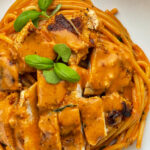
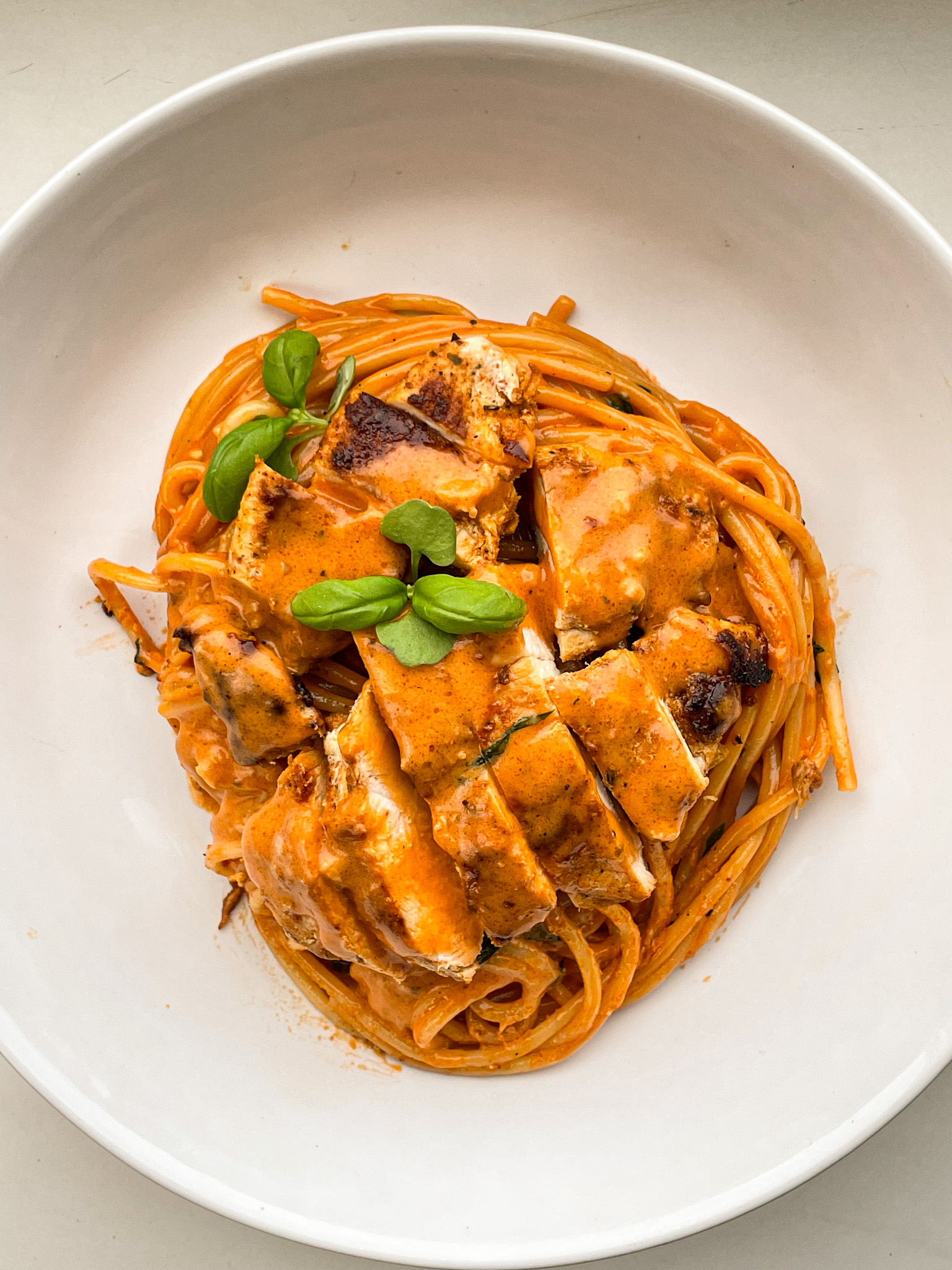
Step into a world where culinary artistry meets everyday comfort with this stunning Pink Chicken Pasta. This dish transforms simple ingredients into something extraordinary, creating a meal that’s as visually appealing as it is delicious. The vibrant pink sauce catches the eye immediately, while the combination of tender chicken, perfectly cooked pasta, and rich creamy tomato sauce delivers satisfaction with every bite. This Pink Chicken Pasta proves that weeknight dinners can be both beautiful and effortless.
What makes Pink Chicken Pasta truly special is how it balances simplicity with sophistication. The signature pink hue comes from the marriage of tomato paste and heavy cream, creating a sauce that’s neither too red nor too white but perfectly pink. This color isn’t just for show; it signals the harmonious blend of tangy tomato and rich cream that defines the dish. Each element works together to create a meal that feels special without requiring advanced cooking skills.
This Pink Chicken Pasta has become a favorite for families and dinner parties alike. Children love the fun color and mild flavor, while adults appreciate the restaurant-quality presentation and sophisticated taste. The dish comes together in about thirty minutes, making it perfect for busy weeknights when you want something impressive without spending hours in the kitchen. One taste and you’ll understand why Pink Chicken Pasta deserves a permanent place in your recipe rotation.
Why This Recipe is Special
The genius of Pink Chicken Pasta lies in its ability to look gourmet while remaining approachable. The vibrant sauce creates immediate visual impact that makes even a simple Tuesday dinner feel like an occasion. Beyond aesthetics, the flavor profile hits all the right notes with tangy tomato, rich cream, savory garlic, and aromatic herbs creating a perfectly balanced sauce.
The marinated chicken in this Pink Chicken Pasta adds another layer of complexity. Paprika, lemon juice, and olive oil infuse the meat with flavor before it even hits the pan. This simple step elevates the chicken from bland protein to a flavorful component that contributes meaningfully to the overall dish rather than just adding bulk.
Key Components Overview
Three essential elements define Pink Chicken Pasta: the seasoned chicken, the perfectly cooked pasta, and the signature pink sauce. The chicken gets marinated with paprika and lemon, creating golden pieces with slightly crispy edges and juicy interiors. This preparation ensures every bite of protein is flavorful and satisfying.
The pasta component of Pink Chicken Pasta serves as the foundation that carries the beautiful sauce. Choosing the right pasta shape matters, as it affects how well the sauce clings to each piece. The pink sauce itself is the star, combining tomato paste for concentrated flavor, heavy cream for richness, and Parmesan for nutty depth. Fresh garlic and Italian herbs round out the flavor profile, creating a sauce worthy of the beautiful presentation.

Understanding the Pink Sauce
Before diving into making Pink Chicken Pasta, understanding what creates that signature color and flavor helps ensure success. The pink sauce is essentially a tomato cream sauce, similar to vodka sauce but without the alcohol. The technique involves balancing tomato and cream in proportions that create the desired hue while maintaining optimal flavor.
The tomato paste in Pink Chicken Pasta provides concentrated tomato flavor without excess liquid that would make the sauce too thin. Using paste rather than crushed tomatoes or sauce gives you better control over consistency and color intensity. The heavy cream tempers the acidity of the tomato while adding luxurious richness that makes the sauce cling to pasta beautifully.
The Science of Cream and Tomato
When you combine cream with tomato in Pink Chicken Pasta, you’re creating an emulsion where fat and water-based liquids blend smoothly. The cream’s fat coats your palate, mellowing the tomato’s acidity while carrying flavors more effectively than water-based sauces. This is why cream sauces often taste richer and more complex than their non-dairy counterparts.
The order of adding ingredients matters for Pink Chicken Pasta. Adding tomato paste to the pan first allows it to cook briefly, removing any raw taste and deepening its flavor. Then incorporating cream creates a smooth emulsion rather than a separated, grainy sauce. This technique ensures your pink sauce has the silky texture that makes this dish so appealing.
Achieving the Perfect Pink
The exact shade of your Pink Chicken Pasta sauce depends on the ratio of tomato paste to cream. More tomato paste creates a deeper coral or salmon color, while more cream lightens it to pale pink. For classic pink sauce, aim for roughly equal volumes of tomato paste and cream, adjusting to your color preference.
Remember that the sauce for Pink Chicken Pasta will lighten slightly when you add Parmesan cheese. Factor this into your color calculations if you want a specific shade. The sauce should be visibly pink when finished, not leaning too red or too beige. That beautiful color is part of what makes this dish special.
Selecting Quality Ingredients
Success with Pink Chicken Pasta starts with choosing quality components that work together harmoniously.
Chicken Considerations
Use boneless, skinless chicken breasts for classic Pink Chicken Pasta. Look for breasts that are similar in size and thickness to ensure even cooking. Organic or free-range chicken typically has better flavor and texture than conventional varieties, though any quality chicken works well in this recipe.
If chicken breasts are very thick for your Pink Chicken Pasta, butterfly them or pound them to even thickness. This prevents the exterior from overcooking while the center reaches safe temperature. Uniformly sized pieces also look more attractive when sliced and plated with your beautiful pink sauce.
Pasta Selection
The pasta shape you choose affects how Pink Chicken Pasta looks and eats. Long pasta like fettuccine, linguine, or pappardelle works beautifully, as the wide noodles provide ample surface for the sauce to cling. Short pasta like penne, rigatoni, or farfalle also works well, with their shapes catching and holding the creamy sauce.
Whatever shape you select for Pink Chicken Pasta, use quality pasta made from durum wheat semolina. Good pasta maintains better texture when cooked and holds up under the sauce without becoming mushy. Fresh pasta cooks faster than dried and has a more delicate texture that some prefer for cream sauces.
Tomato Paste Quality
Not all tomato paste is created equal for Pink Chicken Pasta. Look for paste sold in tubes rather than cans for better freshness and easier storage. Italian or San Marzano tomato paste typically has superior flavor with natural sweetness and lower acidity. Check the ingredient list and choose paste with just tomatoes and perhaps salt.
Double-concentrated tomato paste provides more intense flavor with less volume in your Pink Chicken Pasta. If using regular paste, you may need slightly more to achieve the desired flavor intensity and color. Taste and adjust as needed, remembering that the sauce continues developing flavor as it simmers.
Cream and Cheese
Heavy cream is essential for proper texture in Pink Chicken Pasta. Don’t substitute milk or half-and-half, which don’t have enough fat to create the luxurious mouthfeel that defines this sauce. The high fat content also prevents the sauce from breaking or separating during cooking.
Use freshly grated Parmesan cheese rather than pre-grated for your Pink Chicken Pasta. Fresh Parmesan melts more smoothly and has superior flavor. Pre-grated cheese contains anti-caking agents that can make the sauce grainy and affect the texture. Invest in a block of good Parmesan and grate it yourself for best results.
Marinating and Cooking the Chicken
Proper chicken preparation ensures flavorful, tender meat in your Pink Chicken Pasta.
Creating the Marinade
Combine olive oil, lemon juice, paprika, salt, and pepper for your chicken marinade. The olive oil helps the seasonings adhere while keeping the chicken moist during cooking. Lemon juice adds brightness and helps tenderize the meat slightly. Paprika contributes color and mild, sweet pepper flavor that complements the pink sauce.
Mix the marinade thoroughly before adding chicken for your Pink Chicken Pasta. The oil and lemon juice naturally want to separate, so whisk them together right before coating the chicken. This ensures even distribution of flavors across all the meat.
Marinating Time
For Pink Chicken Pasta, the chicken can be marinated for as little as fifteen minutes or up to four hours. Longer marinating develops more flavor but isn’t strictly necessary if you’re pressed for time. If marinating for more than thirty minutes, refrigerate the chicken to prevent bacterial growth.
Bring marinated chicken to room temperature before cooking your Pink Chicken Pasta. Cold chicken straight from the refrigerator won’t sear properly and may cook unevenly. Let it sit on the counter for about fifteen minutes while you prepare other ingredients.
Cooking Technique
Heat your pan thoroughly before adding chicken for Pink Chicken Pasta. The pan should be hot enough that a drop of water sizzles and evaporates immediately. Add a thin layer of oil if needed, then place chicken pieces in the pan without crowding.
Let the chicken cook undisturbed for four to five minutes on the first side when making Pink Chicken Pasta. This allows a golden crust to develop. Flip and cook the second side for another four to five minutes until the chicken reaches an internal temperature of 165 degrees Fahrenheit.
Resting and Slicing
Remove cooked chicken from the pan and let it rest for five minutes before slicing for your Pink Chicken Pasta. This resting period allows juices to redistribute throughout the meat, ensuring moist, tender chicken when sliced. Cutting too early causes all the juices to run out, leaving dry meat.
Slice the rested chicken against the grain into strips for your Pink Chicken Pasta. Cutting against the grain shortens the muscle fibers, making each bite more tender. The strips should be about half an inch thick, creating attractive pieces that distribute well throughout the pasta.
Preparing the Signature Pink Sauce
The sauce is the heart of Pink Chicken Pasta, requiring attention to technique for perfect results.
Building the Flavor Base
After cooking the chicken, use the same pan for the sauce in your Pink Chicken Pasta. The browned bits left from the chicken add depth and flavor. Add butter and minced garlic to the pan over medium heat. The butter should foam and the garlic should become fragrant but not brown.
Cook the garlic for about one minute for your Pink Chicken Pasta, stirring constantly to prevent burning. Burnt garlic tastes bitter and will ruin the sauce. The goal is to release the garlic’s aromatic oils without caramelizing it. This creates a flavorful foundation for the pink sauce.
Incorporating Tomato Paste
Add tomato paste to the butter and garlic for your Pink Chicken Pasta, stirring to combine. Let the paste cook for about one minute, stirring frequently. This cooking removes the raw, tinny taste that tomato paste can have straight from the tube and deepens its flavor through caramelization.
The tomato paste should darken slightly and become fragrant during this stage of your Pink Chicken Pasta. If it starts to stick or burn, lower the heat slightly. This step is crucial for developing the complex flavor that makes the sauce special.
Adding Cream and Seasonings
Pour heavy cream into the pan with the tomato paste for your Pink Chicken Pasta, whisking constantly to combine smoothly. The mixture should immediately turn that signature pink color. Add salt, black pepper, and Italian herbs, stirring to incorporate all the seasonings evenly.
Bring the sauce to a gentle simmer for your Pink Chicken Pasta, then reduce heat to low. Don’t let it boil vigorously, as high heat can cause the cream to break and become grainy. Gentle simmering allows flavors to meld while the sauce thickens to proper consistency.
Finishing with Parmesan
Stir grated Parmesan into the simmering sauce for your Pink Chicken Pasta. The cheese melts into the cream, adding nutty flavor and helping thicken the sauce. Stir constantly as you add the cheese to ensure it melts smoothly without clumping.
Taste the sauce and adjust seasoning for your Pink Chicken Pasta. It should be well-balanced with noticeable tomato flavor tempered by cream richness. The garlic and herbs should be present but not overwhelming. Add more salt, pepper, or herbs as needed to achieve perfect flavor.

Cooking and Combining the Pasta
Proper pasta preparation ensures your Pink Chicken Pasta comes together perfectly.
Cooking the Pasta
Bring a large pot of salted water to a rolling boil for your Pink Chicken Pasta. Use plenty of water, at least four quarts for a pound of pasta, to prevent sticking and ensure even cooking. Salt the water generously; it should taste like the sea.
Add pasta to the boiling water and stir immediately to prevent sticking when making Pink Chicken Pasta. Cook according to package directions until al dente, typically one to two minutes less than the suggested time. The pasta will continue cooking slightly when combined with the hot sauce.
Reserving Pasta Water
Before draining pasta for your Pink Chicken Pasta, reserve at least one cup of the starchy cooking water. This liquid is invaluable for adjusting sauce consistency. The starch helps bind the sauce to the pasta while adding body without diluting flavor like plain water would.
Drain the pasta but don’t rinse it when making Pink Chicken Pasta. Rinsing washes away the surface starch that helps sauce adhere. The pasta should go directly from the colander into the sauce while still dripping slightly with cooking water.
Combining Components
Add the drained pasta to the pink sauce in the pan. Toss everything together over low heat, ensuring every strand or piece gets coated with the beautiful pink sauce. If the sauce seems too thick for your Pink Chicken Pasta, add reserved pasta water a few tablespoons at a time until you achieve desired consistency.
Add the sliced chicken to the pasta and sauce for your Pink Chicken Pasta, tossing gently to distribute evenly. The chicken should be warmed through from the residual heat of the sauce. Continue tossing until everything is well combined and heated through.
Professional Tips for Perfect Results
These techniques ensure your Pink Chicken Pasta turns out beautifully every time.
Sauce Consistency
The ideal consistency for Pink Chicken Pasta sauce coats the back of a spoon but isn’t thick like gravy. It should cling to the pasta without pooling excessively at the bottom of the bowl. If your sauce is too thick, thin it with reserved pasta water. If too thin, simmer a bit longer to reduce and concentrate.
Remember that the sauce for Pink Chicken Pasta will thicken slightly as it cools. Aim for slightly looser consistency than you want in the final dish. This ensures the pasta remains properly coated even as everything cools to eating temperature.
Color Control
Achieving consistent pink color in your Pink Chicken Pasta requires attention to ratios. If your sauce comes out too red, add more cream gradually until you reach desired color. Too pale, and you need more tomato paste. Make adjustments before adding the pasta so you can see the true color.
Take photos of your Pink Chicken Pasta when you achieve perfect color. This visual reference helps you replicate results in future batches. Different brands of tomato paste and cream can affect the final hue, so keeping notes helps maintain consistency.
Timing Coordination
Create a timeline for your Pink Chicken Pasta to ensure everything finishes simultaneously. Start with marinating the chicken, then begin cooking it. While the chicken cooks, start the pasta water boiling. As the chicken rests, make the sauce. Time the pasta to finish just as the sauce is ready.
This orchestration ensures your Pink Chicken Pasta comes together smoothly without components sitting and cooling. With practice, you’ll develop a rhythm that makes the process feel effortless. Everything should be hot and fresh when you combine and serve.
Common Mistakes to Avoid
Understanding these pitfalls helps ensure success with your Pink Chicken Pasta.
Breaking the Sauce
Cream sauces can separate or break if mishandled when making Pink Chicken Pasta. This usually happens from excessive heat causing the fat to separate from the liquid. Always use gentle heat when cooking cream sauces, never letting them boil vigorously.
If your Pink Chicken Pasta sauce does break, you can sometimes save it by removing from heat and whisking in a tablespoon of cold cream. The cold cream helps re-emulsify the sauce. An immersion blender can also smooth out a broken sauce, though the texture may not be quite as silky as originally intended.
Overcooked Chicken
Dry, tough chicken ruins Pink Chicken Pasta no matter how good the sauce is. Use an instant-read thermometer to ensure accuracy, removing chicken from heat at exactly 165 degrees Fahrenheit. Carryover cooking will raise the temperature a few degrees as the meat rests.
If you accidentally overcook chicken for your Pink Chicken Pasta, slice it thinly and make sure it’s well-coated with sauce. The moisture from the sauce helps compensate for dryness. Learn from the mistake and adjust timing for next time.
Bland Sauce
Underseasoned sauce is disappointing in Pink Chicken Pasta. Taste the sauce before adding pasta and chicken, adjusting salt, pepper, and herbs as needed. The sauce should taste slightly overseasoned on its own, as the pasta and chicken will dilute the intensity.
Different brands of tomato paste and cheese have varying sodium levels, affecting how much salt your Pink Chicken Pasta needs. Always taste rather than blindly following measurements. Trust your palate and season until the sauce tastes balanced and flavorful.
Wrong Pasta Texture
Overcooked, mushy pasta compromises Pink Chicken Pasta. Cook to al dente, which means tender but still firm to the bite. The pasta will soften slightly when combined with hot sauce, so undercooking slightly in the water compensates for this continued cooking.
If you accidentally overcook pasta for your Pink Chicken Pasta, you can’t fix it, but you can minimize the impact. Drain immediately and toss with sauce quickly. Overcooked pasta also benefits from less sauce, as it absorbs liquid readily and can become soggy.
Serving Suggestions
Maximize enjoyment of your Pink Chicken Pasta with thoughtful presentation and accompaniments.
Plating Techniques
For family-style serving, transfer Pink Chicken Pasta to a large, shallow serving bowl. The wide surface allows everyone to see the beautiful pink color. Garnish with fresh parsley and additional Parmesan, adding visual appeal and reinforcing the herb and cheese flavors.
For individual plating of Pink Chicken Pasta, use tongs to twirl long pasta into neat nests on each plate. Arrange chicken slices on top or around the pasta. Drizzle any extra sauce around the plate edges. Garnish each serving with a parsley sprig and Parmesan shavings.
Garnish Options
Fresh parsley adds bright green color that contrasts beautifully with the pink sauce. Chop it finely and sprinkle generously over your Pink Chicken Pasta just before serving. Basil also works wonderfully, providing more assertive herbal flavor. Either herb adds freshness that balances the rich sauce.
Parmesan shavings create an elegant finish for Pink Chicken Pasta. Use a vegetable peeler to create thin curls from a block of Parmesan. These shavings look more sophisticated than grated cheese and add textural interest. A crack of black pepper over the top adds final polish.
Side Dishes
Serve Pink Chicken Pasta with a simple green salad dressed in vinaigrette. The acidic dressing and crisp vegetables provide refreshing contrast to the rich pasta. Keep the salad simple so it complements rather than competes with the main dish.
Garlic bread is a classic pairing with Pink Chicken Pasta, perfect for soaking up extra sauce. Roasted vegetables like broccoli, asparagus, or green beans add color and nutrition to the meal. A light vegetable side balances the richness of the creamy pasta.
Wine Pairings
Pink Chicken Pasta pairs beautifully with medium-bodied white wines. Chardonnay, especially lightly oaked versions, complements the cream sauce while its acidity cuts through richness. Pinot Grigio offers crisp refreshment that cleanses the palate between bites.
For rosé lovers, a dry rosé echoes the pink color of your pasta while providing the wine’s characteristic berry notes and refreshing acidity. Light red wines like Pinot Noir also work, offering enough body to stand up to the sauce without overwhelming the dish.
Storage and Reheating
Proper storage maintains the quality of leftover Pink Chicken Pasta.
Refrigerator Storage
Store leftover Pink Chicken Pasta in an airtight container in the refrigerator for up to three days. Let the pasta cool to room temperature before refrigerating, but don’t leave it out longer than two hours for food safety. The sauce will thicken considerably as it cools.
When storing Pink Chicken Pasta, note that the color may deepen slightly and the sauce will become quite thick. This is normal and doesn’t affect quality. The pasta will also absorb some sauce during storage, so the dish may seem drier than when fresh.
Reheating Methods
Reheat Pink Chicken Pasta gently on the stovetop for best results. Place the pasta in a skillet over medium-low heat and add a splash of cream, milk, or chicken broth to loosen the sauce. Stir frequently until heated through, adding more liquid if needed to achieve proper consistency.
Microwave reheating works for individual portions of Pink Chicken Pasta, though the results aren’t quite as good. Place pasta in a microwave-safe bowl, add a splash of liquid, cover, and heat in one-minute intervals, stirring between each. The pasta may dry out slightly despite added liquid.
Freezing Considerations
While you can freeze Pink Chicken Pasta, the results are less than ideal. Cream sauces sometimes separate when frozen and thawed, and the pasta texture degrades. If you must freeze it, do so in airtight containers for up to two months.
Thaw frozen Pink Chicken Pasta in the refrigerator overnight before reheating. Expect the texture to be softer and the sauce potentially separated. Whisk vigorously while reheating to re-emulsify the sauce. While not as perfect as fresh, properly handled frozen pasta is still edible and flavorful.
Variations to Try
Once you’ve mastered basic Pink Chicken Pasta, these variations offer exciting new flavors.
Protein Alternatives
Swap chicken for other proteins in your pink pasta. Shrimp cooks quickly and pairs beautifully with the tomato cream sauce. Italian sausage, either mild or spicy, adds robust flavor. Even meatballs can replace sliced chicken for a heartier version.
For vegetarian Pink Chicken Pasta, omit the meat entirely or add vegetables like mushrooms, spinach, or roasted red peppers. Sun-dried tomatoes contribute intense tomato flavor and chewy texture. These variations maintain the beautiful pink sauce while adapting to different dietary needs.
Spicy Version
Add red pepper flakes to create spicy Pink Chicken Pasta. Stir them in with the garlic for maximum flavor infusion. Start with half a teaspoon and adjust based on your heat tolerance. The spiciness contrasts nicely with the cream, creating a more complex flavor profile.
Calabrian chili paste offers another option for spicy Pink Chicken Pasta. This Italian condiment provides fruity heat that complements the tomato cream sauce perfectly. Add a teaspoon or two along with the tomato paste for well-integrated heat throughout.
Herb Variations
Experiment with different herbs in your Pink Chicken Pasta. Fresh basil instead of dried Italian seasoning creates more pronounced herbal flavor. Oregano and thyme offer earthy notes. Tarragon provides unexpected anise-like flavor that some find intriguing with cream sauces.
For spring-inspired Pink Chicken Pasta, add fresh dill or chives. These delicate herbs provide brightness without overwhelming the dish. Mix and match herbs to create your signature version that reflects your personal taste preferences.
Vegetable Additions
Incorporate vegetables directly into Pink Chicken Pasta for added nutrition and color. Spinach wilts beautifully into the hot sauce, adding green color and vitamins. Cherry tomatoes, halved and briefly warmed, provide bursts of fresh tomato flavor. Peas add sweetness and pretty pop of green.
Roasted vegetables like bell peppers, zucchini, or eggplant add depth to Pink Chicken Pasta. Roast them separately until caramelized, then stir into the finished dish. The concentrated flavors from roasting complement the creamy sauce without making it watery.
Frequently Asked Questions
Can I use milk instead of cream?
Heavy cream is essential for proper texture in Pink Chicken Pasta. Milk lacks sufficient fat to create the luxurious mouthfeel and can make the sauce thin and watery. Half-and-half works in a pinch but produces a lighter sauce. For best results, stick with heavy cream.
Why is my sauce orange instead of pink?
Orange sauce in Pink Chicken Pasta usually means too much tomato paste relative to cream. Add more cream gradually until you achieve the desired pink color. Conversely, if your sauce is too pale, add more tomato paste a tablespoon at a time.
Can I make this ahead of time?
While Pink Chicken Pasta is best fresh, you can prepare components ahead. Cook and slice the chicken, make the sauce, and cook the pasta separately. Store everything in the refrigerator, then combine and reheat gently when ready to serve. The texture won’t be quite as perfect as fresh but still delicious.
What if I don’t have Italian herbs?
If you lack Italian seasoning for Pink Chicken Pasta, create your own blend with equal parts dried basil, oregano, and thyme. A pinch of rosemary adds nice depth. Fresh herbs work even better if available, though you’ll need about three times as much fresh as dried.
How do I prevent the cream from curdling?
Keep heat moderate when making Pink Chicken Pasta to prevent curdling. Never let the sauce boil vigorously once cream is added. If using acidic additions like lemon juice or wine, add them before the cream. The tomato paste’s acidity is balanced by the cream’s fat, preventing curdling.
Can I use store-bought Alfredo sauce?
While you could mix Alfredo sauce with tomato paste for Pink Chicken Pasta, making the sauce from scratch produces superior results. Store-bought sauces often contain stabilizers and thickeners that affect texture. The homemade version takes only minutes and tastes significantly better.
Final Thoughts
Pink Chicken Pasta represents the perfect marriage of visual appeal and delicious flavor. The stunning color makes everyday dinner feel special, while the straightforward preparation keeps stress levels low. This dish proves that impressive meals don’t require complicated techniques or hours of preparation. With quality ingredients and attention to a few key details, you can create restaurant-worthy pasta at home.
The versatility of Pink Chicken Pasta makes it valuable for various occasions. Serve it for busy weeknight dinners when you need something quick but satisfying. Present it at dinner parties where the beautiful presentation impresses guests. Pack it for lunch where colleagues will ask for the recipe. This adaptability ensures the recipe earns its place in your regular rotation.
We encourage you to make this Pink Chicken Pasta recipe your own through experimentation with the suggested variations. The basic technique remains constant, but you can adjust proteins, add vegetables, or play with herbs to suit your preferences. Master the fundamental recipe first, then let creativity guide you to personalized versions.
Gather your ingredients and prepare to experience the joy of creating this beautiful dish. Your kitchen will soon fill with the aroma of garlic and herbs, and your table with appreciative diners enjoying every bite of this spectacular Pink Chicken Pasta. The combination of stunning presentation and satisfying flavor makes this recipe one you’ll return to again and again.
Watch the recipe video for more clarity

People also like our CHICKEN ALFREDO LASAGNA Recipe
FOR THE CHICKEN
- 2 boneless chicken breasts
- 2 tbsp olive oil
- 1/2 tbsp lemon juice
- Salt and pepper to taste
- 1 tbsp paprika
FOR THE SAUCE
- 250 g pasta
- 2 tbsp unsalted butter
- 2 garlic cloves minced
- 2 tbsp tomato paste
- 1 cup heavy cream
- 1/2 cup parmesan cheese
- 1/2 tsp Italian seasoning
- Salt and pepper to taste
Marinate the chicken with paprika, lemon juice, olive oil, salt and pepper. Cook it in a well heated pan and set aside.
In the same pan, add butter and minced garlic and let it simmer until fragrant.
Add tomato paste, heavy cream, salt, pepper, Italian seasoning and parmesan cheese.
Let it simmer for 10 minutes then add the pasta and chicken.
Top with fresh parsley and parmesan and enjoy while warm!
If you've given this recipe a try and it won you over, please share your thoughts by leaving
a rating and comment below! If you have any questions about this recipe, don't hesitate to ask – I'm here to
help and will respond promptly.