Orange Cake Recipe: A Bright, Buttery Cake That Tastes Like Sunshine
There’s something about orange desserts that feels instantly comforting and refreshing at the same time. They’re warm and cozy, yet light, bright, and uplifting. This Orange Cake Recipe is exactly that kind of dessert. It’s soft, buttery, fragrant with fresh orange zest, and finished with a creamy orange glaze that melts right into the cake.
This is the kind of Orange Cake Recipe you bake when you want your kitchen to smell incredible. As it bakes, the aroma of butter, vanilla, and citrus fills the air with warmth, nostalgia, and invitation. It’s simple, classic, and timeless, yet rich enough to feel special. Whether you’re serving it with afternoon coffee, bringing it to a gathering, or enjoying a quiet slice at home, this Orange Cake Recipe delivers every single time.
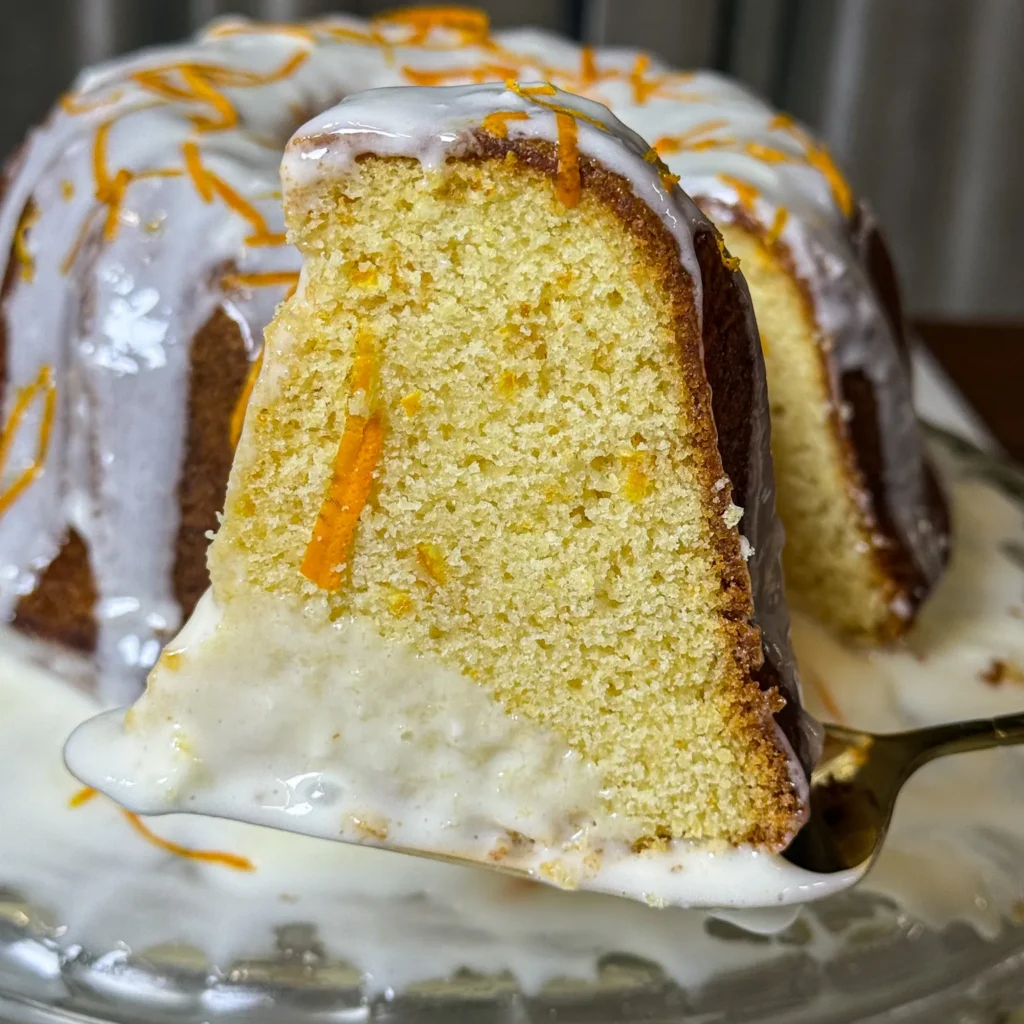
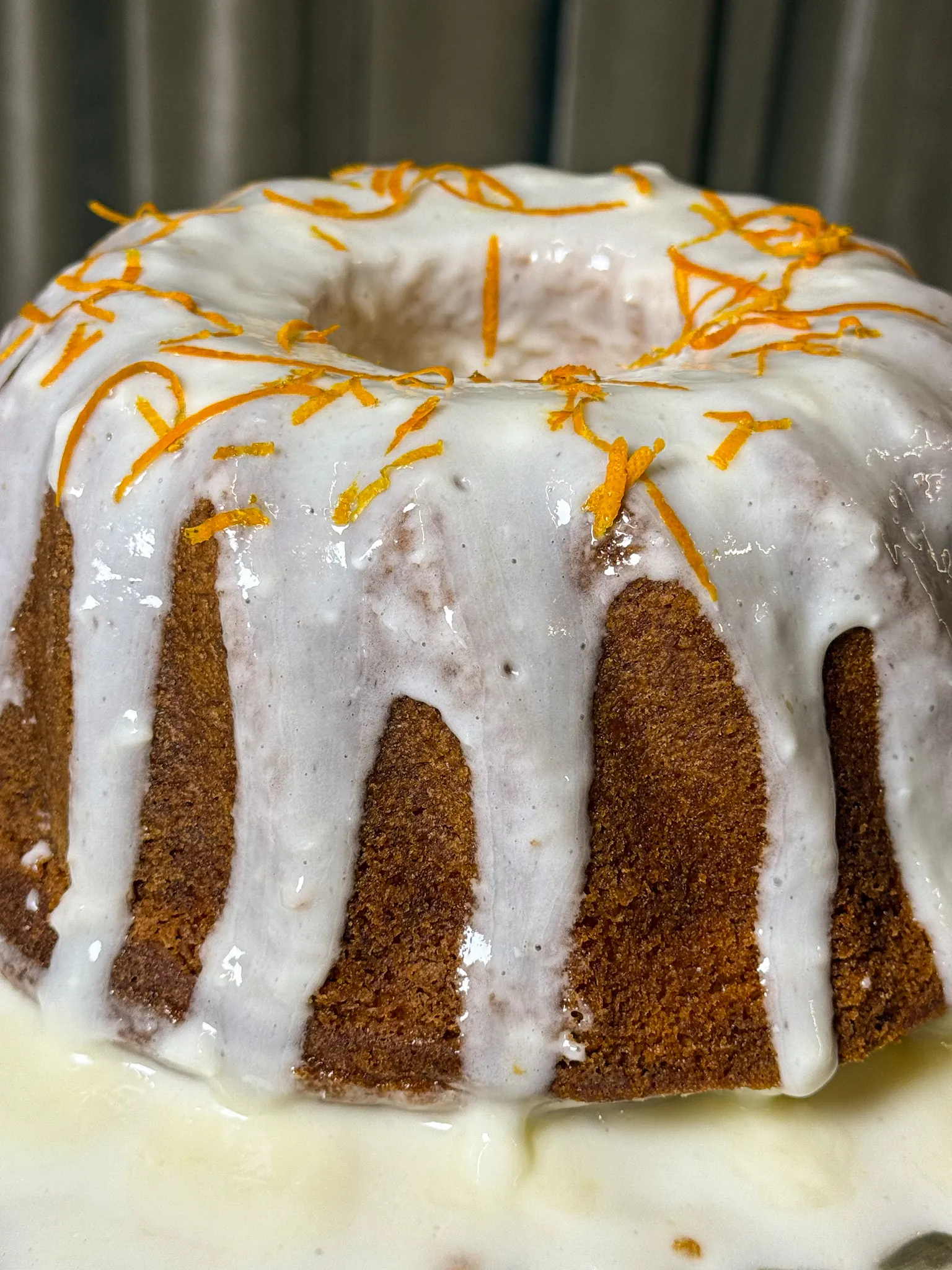
Unlike many citrus cakes that rely on artificial extracts or minimal fresh fruit, this Orange Cake Recipe uses real orange juice and the zest of two whole oranges to create authentic, vibrant flavor. The combination of butter, cream, and eggs produces a tender crumb that stays moist for days. The crowning glory is a cream cheese-based glaze that adds richness and tangy sweetness.
Why This Recipe is Special
This Orange Cake Recipe isn’t just about adding orange juice to a basic cake batter. Every ingredient plays a specific role in creating a cake that’s ultra-moist, soft but rich, balanced between sweet and citrusy, and tender for days after baking. Here’s what makes this Orange Cake Recipe stand out from ordinary citrus cakes.
Using 200 grams of butter gives the cake a rich, classic crumb that feels bakery-style rather than light and airy like oil-based cakes. The mix of milk and heavy cream creates luxurious texture, with milk adding moisture while cream contributes richness and softness. Fresh orange juice brings brightness, while zest from two oranges adds intense citrus aroma without extra liquid.
Five eggs give this Orange Cake Recipe structure while keeping it tender and moist, creating that perfect dense yet soft slice that makes each bite satisfying. The cream cheese glaze provides a tangy, creamy finish that complements rather than overwhelms the delicate orange flavor.
Key Ingredients Overview
The success of this Orange Cake Recipe depends on using fresh, quality ingredients. Fresh oranges are essential, providing both juice and zest for maximum flavor. Real butter creates the rich, tender crumb characteristic of classic pound cakes. Heavy cream adds luxurious moisture that keeps the cake soft for days.
Farm-fresh eggs at room temperature incorporate smoothly into the batter, creating better structure and a finer crumb. Cream cheese in the glaze provides tangy richness that balances the sweetness perfectly. Each component works together to create a cake that’s greater than the sum of its parts.
Understanding What Makes Great Orange Cake Recipe
Creating an exceptional Orange Cake Recipe means understanding how citrus flavors work in baking. Oranges provide both acidity and sweetness, along with aromatic oils in the zest that deliver the most intense flavor. Balancing these elements with butter, sugar, and eggs creates a cake that tastes vibrantly of orange without being sour or one-dimensional.
Many citrus cakes fail because they rely too heavily on juice, which adds liquid but minimal flavor. This Orange Cake Recipe solves that problem by maximizing zest usage while keeping juice in supporting role. The zest contains essential oils that provide authentic orange taste and aroma that juice alone cannot achieve.
The Foundation of Flavor
The foundation of this Orange Cake Recipe starts with proper creaming of butter and sugar. This process incorporates air into the batter, creating a lighter texture despite the richness of the ingredients. Beating butter and sugar together until pale and fluffy takes several minutes but makes enormous difference in the final texture.
Adding eggs one at a time ensures they incorporate fully without curdling the butter. Room temperature eggs blend smoothly, while cold eggs can cause the butter to seize and create a grainy texture. Taking time with these foundational steps sets up everything that follows.
Why Texture Matters
The ideal Orange Cake Recipe produces a tender, moist crumb that’s substantial without being heavy. Achieving this texture requires balancing wet and dry ingredients carefully. Too much liquid makes the cake dense and gummy. Too little creates a dry, crumbly result.
The combination of milk and cream in this recipe provides enough moisture for tenderness while the butter and eggs create structure. The ratio has been tested to produce consistently perfect results, creating a cake that slices cleanly but melts on your tongue.
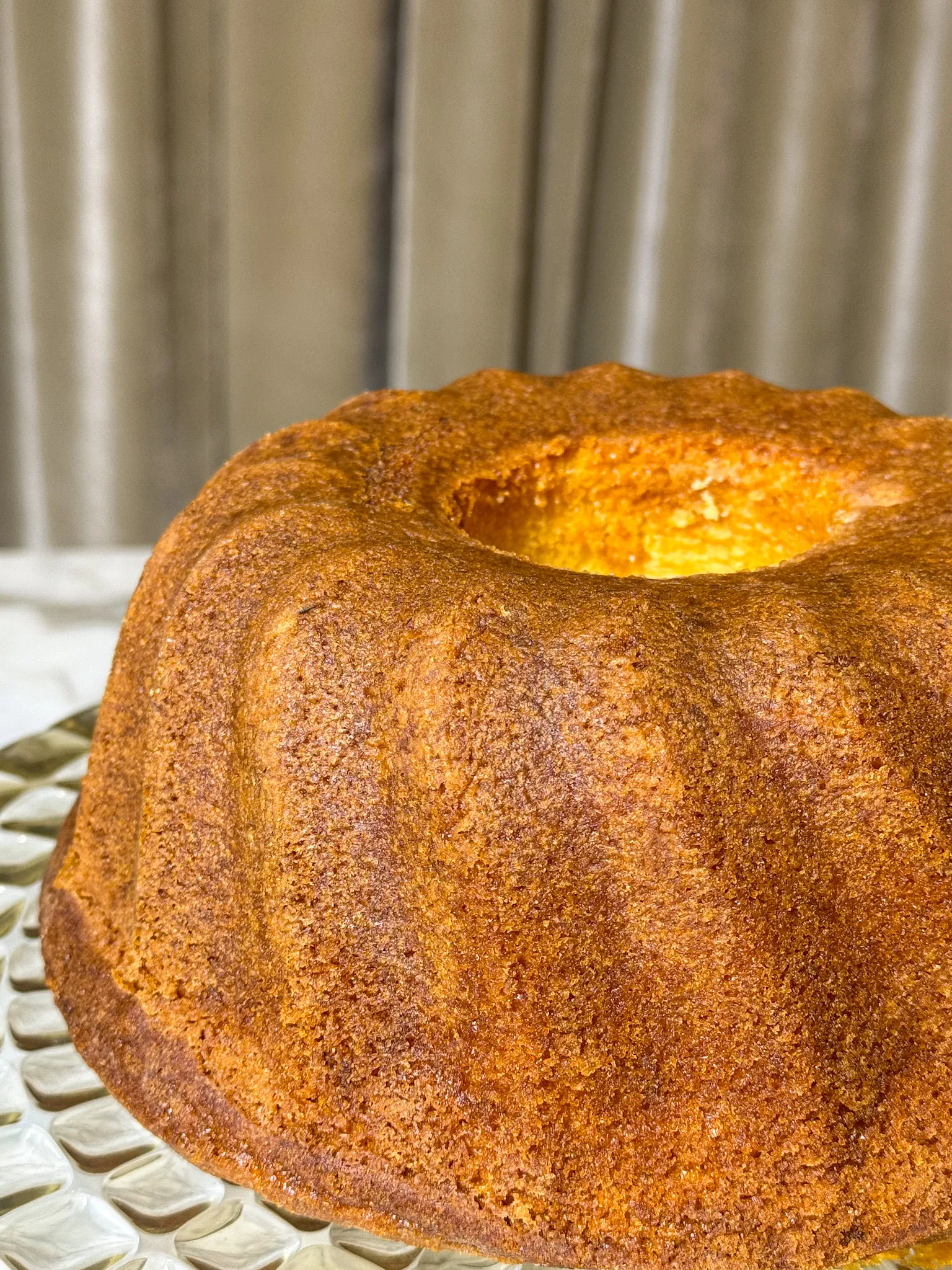
Choosing the Right Ingredients for Orange Cake Recipe
The quality of ingredients directly impacts the final result of your Orange Cake Recipe. Since citrus flavor is delicate and can be easily overwhelmed, using fresh, high-quality components ensures the orange flavor shines through beautifully.
Selecting the Best Oranges
For this Orange Cake Recipe, choose oranges that feel heavy for their size, indicating juiciness. The skin should be bright orange, smooth, and free from soft spots. Navel oranges work beautifully, providing sweet juice and aromatic zest. Valencia oranges are also excellent, especially during their peak season.
Organic oranges are preferable when using zest since you’ll be incorporating the peel into your cake. Non-organic oranges often have wax coatings or pesticide residues on the skin. If using conventional oranges, scrub them thoroughly with warm water and a vegetable brush before zesting.
You’ll need two large oranges for this Orange Cake Recipe. One provides the zest and most of the juice for the cake batter. The second provides additional zest and juice for the glaze. Having extra oranges on hand ensures you have enough juice without running short.
Butter Quality
Use unsalted butter so you can control the salt level in your Orange Cake Recipe precisely. European-style butter with higher fat content creates an even richer, more tender cake, though standard unsalted butter works perfectly well.
The butter must be at room temperature, soft enough to leave an indentation when pressed but not greasy or melted. Properly softened butter creams smoothly with sugar, incorporating air that gives the cake its tender texture. Cold butter won’t cream properly, while melted butter creates a dense, oily cake.
Dairy Components
Heavy cream is essential for the luxurious texture in this Orange Cake Recipe. Don’t substitute half-and-half or light cream, which lack sufficient fat content. The high fat content of heavy cream keeps the cake incredibly moist and adds richness that complements the bright orange flavor.
Whole milk works best, though two percent milk is acceptable. Skim milk doesn’t provide enough fat to create the tender crumb this recipe requires. Both the cream and milk should be at room temperature before adding to the batter.
For the glaze, use full-fat cream cheese, not reduced-fat or whipped varieties. Low-fat cream cheese has different moisture content and won’t create the smooth, creamy glaze this Orange Cake Recipe is known for.
Eggs and Leavening
Use large eggs for this Orange Cake Recipe. Extra-large or jumbo eggs add too much liquid and can make the cake heavy. Let eggs sit at room temperature for at least 30 minutes before baking, or quick-temper them by placing in warm water for five minutes.
Fresh baking powder ensures proper rise. Check the expiration date on your baking powder, as old leavening agents lose potency and result in dense, flat cakes. If your baking powder has been open for more than six months, replace it for best results.
Flour Selection
All-purpose flour creates the perfect texture for this Orange Cake Recipe. Cake flour makes the crumb too delicate and fragile, while bread flour creates a tough, chewy texture. Standard all-purpose flour provides exactly the right amount of structure.
Measure flour correctly by spooning it into your measuring cup and leveling with a knife. Scooping directly from the bag packs the flour and results in too much, creating a dry cake. Proper measuring ensures consistent results every time you make this Orange Cake Recipe.
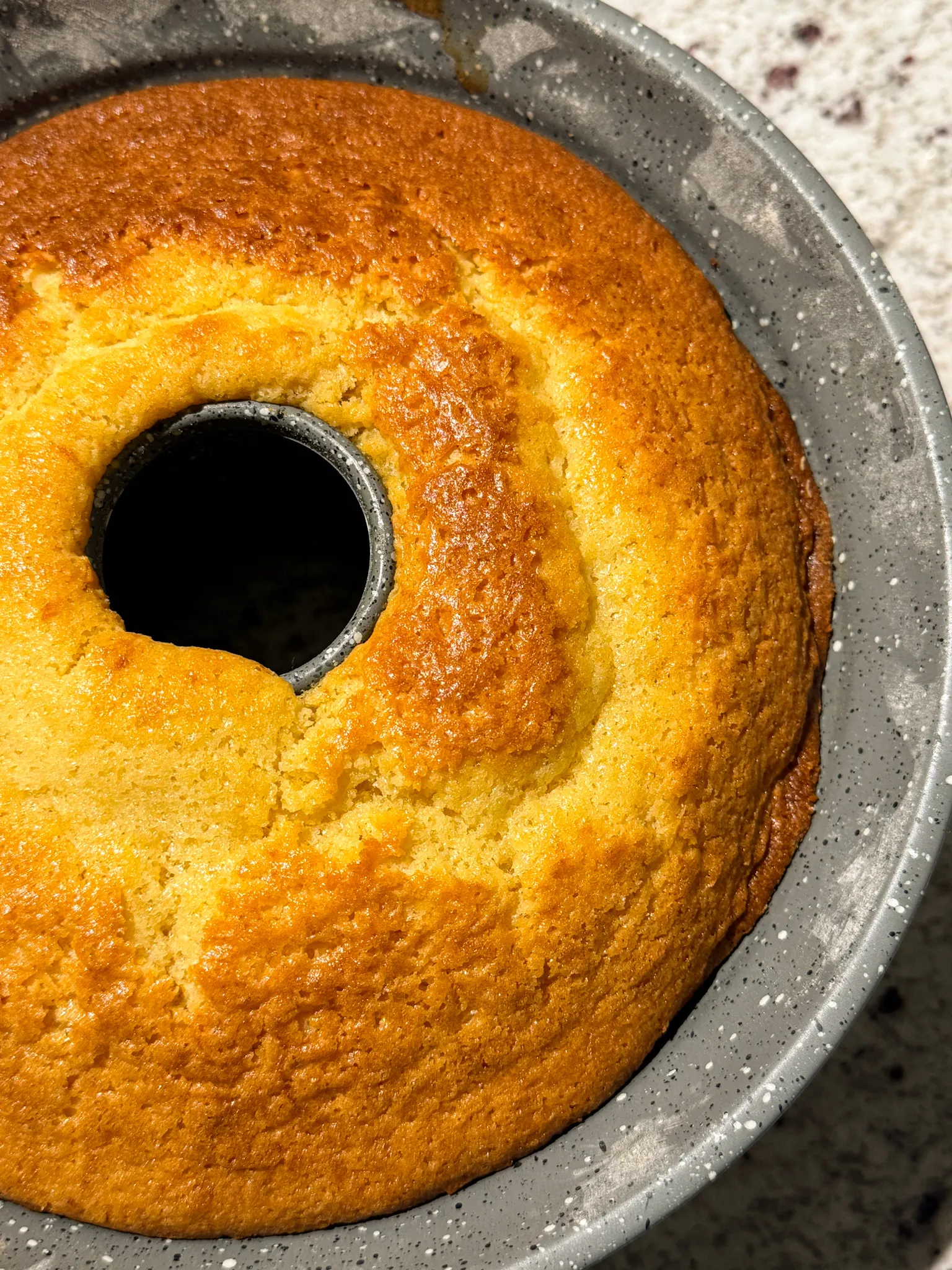
Step-by-Step Instructions for Perfect Orange Cake Recipe
Making this Orange Cake Recipe involves straightforward steps that come together beautifully when executed properly. Following the correct sequence and taking time with each step ensures bakery-quality results.
Preparing Your Kitchen
Start by preheating your oven to 350 degrees Fahrenheit. Grease a standard bundt pan or 9×13 inch baking pan thoroughly with butter or baking spray. For bundt pans, make sure to grease every crevice to prevent sticking.
Zest two oranges using a microplane or fine grater, being careful to grate only the colored portion of the peel. The white pith underneath tastes bitter and should be avoided. Set the zest aside, then juice the oranges to extract their liquid. You’ll need the juice divided between the cake batter and the glaze.
Measure all ingredients and bring butter, eggs, milk, and cream to room temperature. Having everything ready before you start mixing makes the process smooth and prevents mistakes that can ruin your Orange Cake Recipe.
Creaming Butter and Sugar
In a large mixing bowl, combine the softened butter with sugar. Beat with an electric mixer on medium-high speed for four to five minutes until the mixture becomes pale, fluffy, and nearly doubles in volume. This creaming process incorporates air that helps create a light texture in your Orange Cake Recipe.
Don’t rush this step. Properly creamed butter and sugar should look almost white and feel very light when you lift the beaters. If the mixture still looks yellow and grainy, keep beating. The time invested here pays off in the final texture.
Scrape down the sides and bottom of the bowl periodically to ensure even mixing. Butter can cling to the sides and not incorporate fully, creating lumps in the finished batter.
Incorporating Eggs
Add eggs to the creamed butter mixture one at a time, beating well after each addition. Each egg should be fully incorporated before adding the next. This gradual process prevents the batter from curdling or separating.
After all eggs are added, beat for an additional minute until the mixture looks smooth, thick, and glossy. Add the vanilla extract and orange zest, mixing just until combined. The batter for your Orange Cake Recipe should smell beautifully fragrant at this point.
If the mixture looks slightly curdled despite using room temperature eggs, don’t worry. Adding the flour will bring everything back together.
Combining Dry Ingredients
In a separate bowl, whisk together the flour, baking powder, and salt. Whisking distributes the leavening evenly and removes any lumps from the flour. This dry mixture will be added to the wet ingredients in alternating additions with the liquids.
Combine the milk, heavy cream, and orange juice in a measuring cup or small bowl. Having the liquids combined makes the alternating addition process smoother and faster.
Mixing the Batter
Add one-third of the flour mixture to the butter and egg mixture. Mix on low speed just until the flour disappears. Add half of the liquid mixture, mixing until just incorporated. Continue alternating, ending with the final third of flour.
Mix only until you can no longer see dry flour streaks. Overmixing at this stage develops gluten and makes the Orange Cake Recipe tough and dense instead of tender. A few small lumps are fine and will disappear during baking.
Scrape the batter into your prepared pan, smoothing the top with a spatula. Tap the pan gently on the counter a few times to release any large air bubbles.
Baking to Perfection
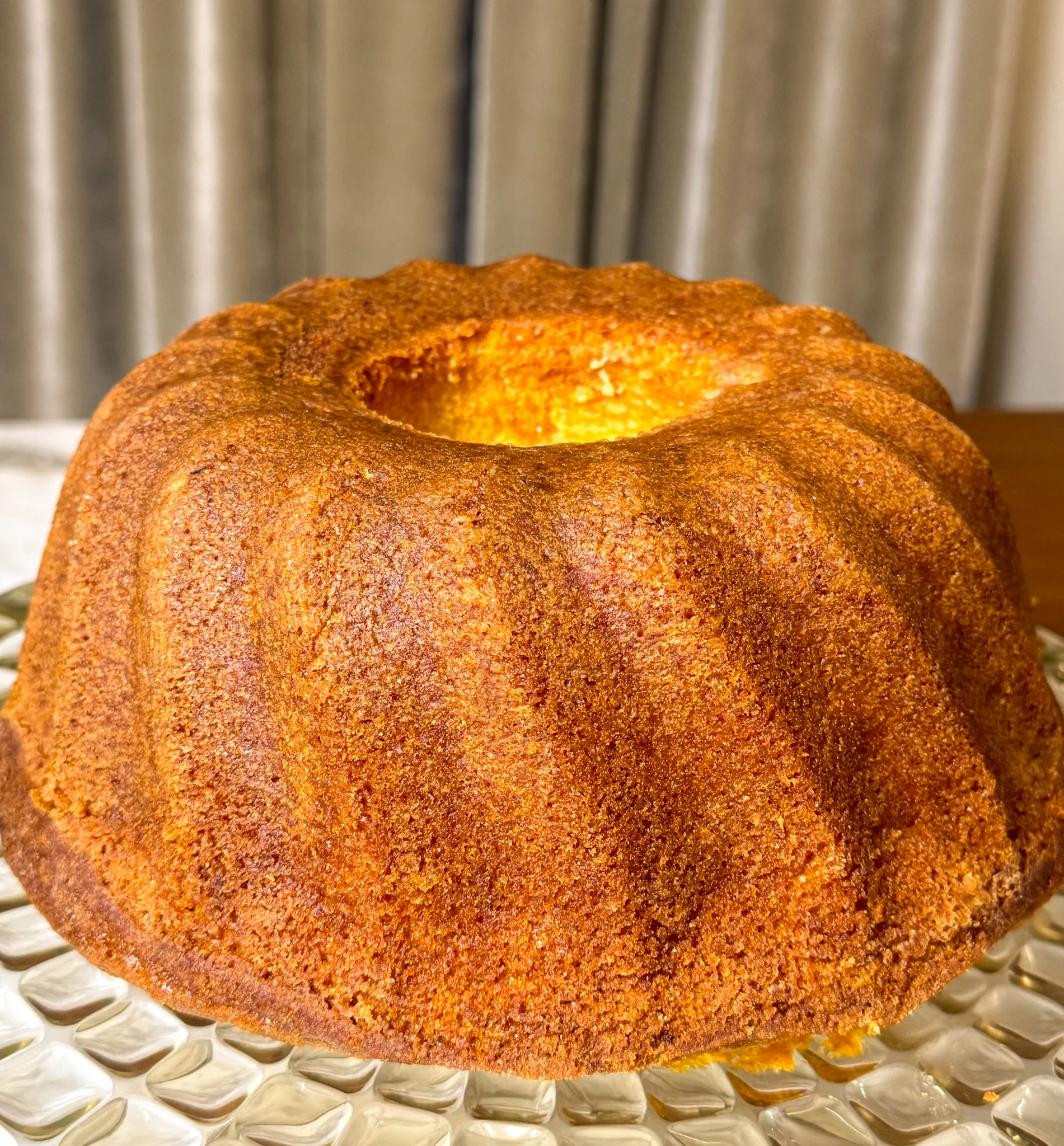
Bake the Orange Cake Recipe for 45 to 55 minutes, depending on your pan choice. Bundt cakes typically take longer than sheet cakes due to their depth. The cake is done when a toothpick inserted into the deepest part comes out clean or with just a few moist crumbs.
The top should be golden brown and spring back when lightly pressed. The edges will pull away slightly from the sides of the pan. Your kitchen will smell absolutely incredible as the butter, vanilla, and orange zest bake together.
Avoid opening the oven door during the first 30 minutes of baking, which can cause the cake to sink in the center. Check for doneness only after 45 minutes have passed.
Cooling and Glazing
Let the cake cool in the pan for 10 to 15 minutes after removing from the oven. This brief rest allows the structure to set, making the cake easier to remove without breaking. If using a bundt pan, run a thin knife around the edges before inverting onto a cooling rack.
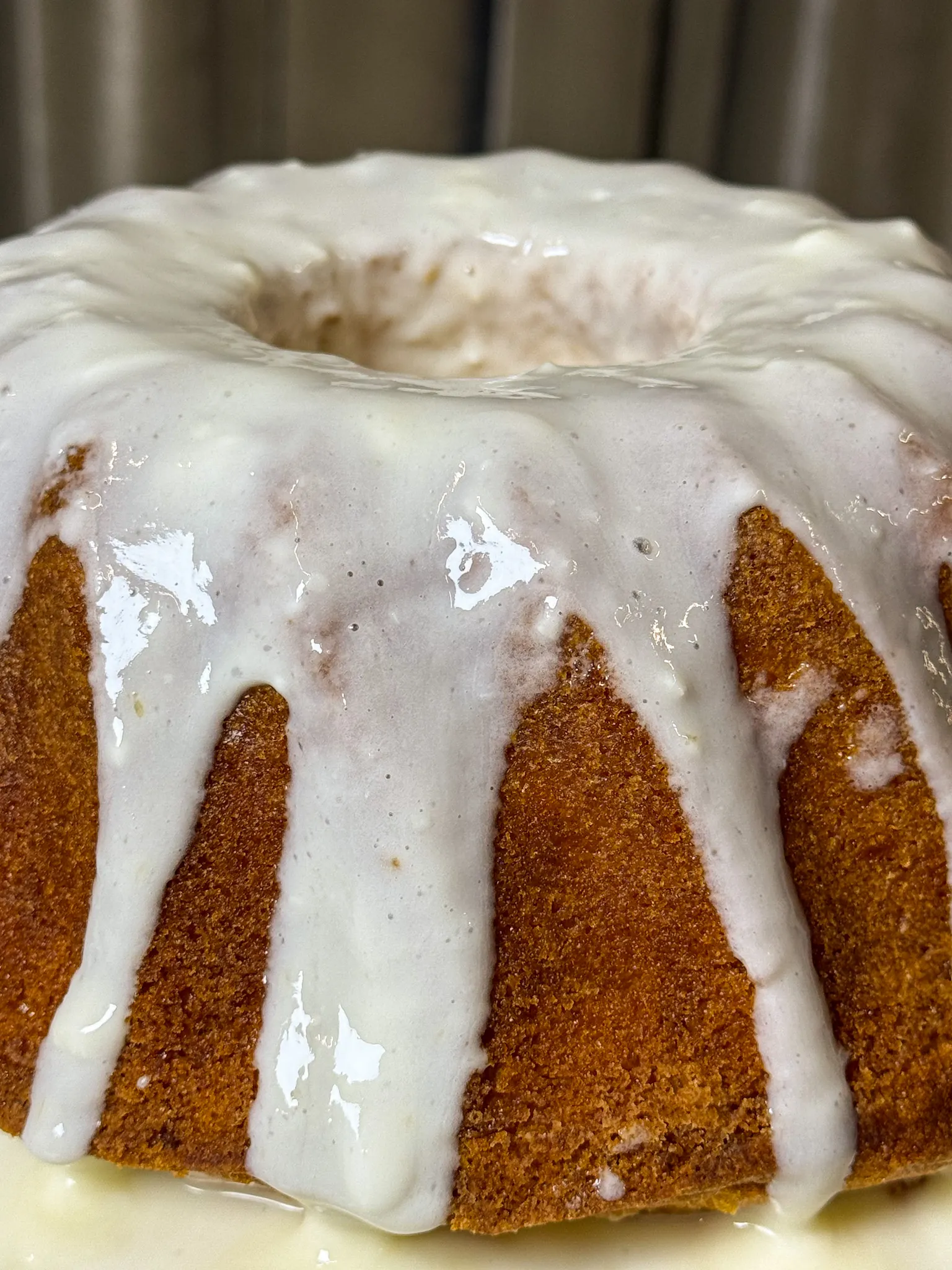
Allow the cake to cool completely before glazing. Applying glaze to a warm cake causes it to melt and run off instead of setting into that beautiful creamy coating this Orange Cake Recipe is known for.
Making the Cream Cheese Glaze
Beat softened cream cheese until smooth and creamy with no lumps remaining. Gradually add powdered sugar, beating after each addition until fully incorporated. Add fresh orange juice and a bit of orange zest, mixing until the glaze reaches a thick but pourable consistency.
The glaze should slowly drip off a spoon but still hold its shape somewhat. If too thick, add orange juice by the teaspoon. If too thin, add more powdered sugar. Drizzle or pour the glaze over the completely cooled cake, letting it drip down the sides naturally.
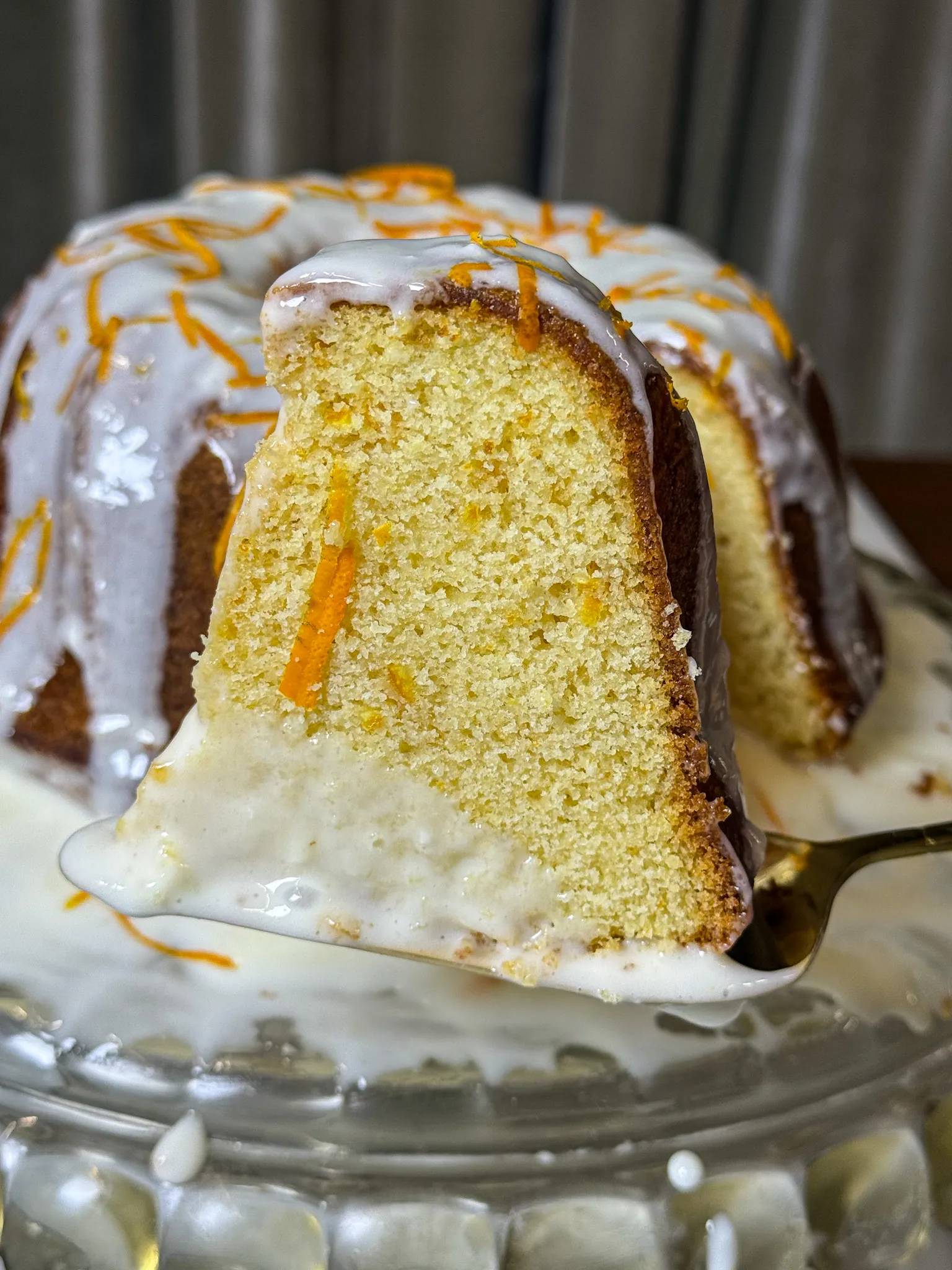
Professional Tips for Outstanding Orange Cake Recipe
Maximizing Orange Flavor
The secret to intense orange flavor in this Orange Cake Recipe lies in the zest. Use a microplane grater to remove the zest in fine shreds that distribute evenly throughout the batter. Larger pieces of zest create pockets of bitter flavor rather than even distribution.
Rub the sugar and orange zest together with your fingers before creaming with the butter. This releases the essential oils from the zest and infuses the sugar with orange flavor, intensifying the overall taste of your Orange Cake Recipe.
For even more orange intensity, add a few drops of pure orange extract along with the vanilla. Avoid imitation extracts, which taste artificial and chemical.
Temperature Control
Room temperature ingredients are crucial for this Orange Cake Recipe. Cold eggs cause the butter to seize and create a curdled appearance. Cold milk and cream prevent proper emulsification. Take ingredients out of the refrigerator 30 to 60 minutes before you plan to start baking.
If you forget, warm cold eggs by placing them in a bowl of warm tap water for five minutes. Microwave cold milk and cream for 15 to 20 seconds, just enough to remove the chill without actually warming them.
Preventing Dryness
Overbaking is the primary cause of dry cake. Check your Orange Cake Recipe five minutes before the minimum baking time. Ovens vary significantly in temperature accuracy, and yours may run hot or cool.
Invest in an oven thermometer to verify your oven’s actual temperature. Many ovens are off by 25 degrees or more, which dramatically affects baking results. Adjust the temperature setting based on what the thermometer reads.
Store the finished cake properly to maintain moisture. Cover tightly with plastic wrap or store in an airtight container. The glaze helps seal moisture into the cake, keeping it fresh for several days.
Pan Preparation
Bundt pans are notorious for cakes sticking, which can ruin the beautiful presentation of your Orange Cake Recipe. Use a baking spray that contains flour, or make your own by mixing equal parts butter, flour, and oil into a paste. Brush this mixture into every groove and crevice of the pan.
Alternatively, use the traditional method of greasing with butter and then dusting with flour. Tap out excess flour, ensuring a thin, even coating that prevents sticking without creating a thick crust.
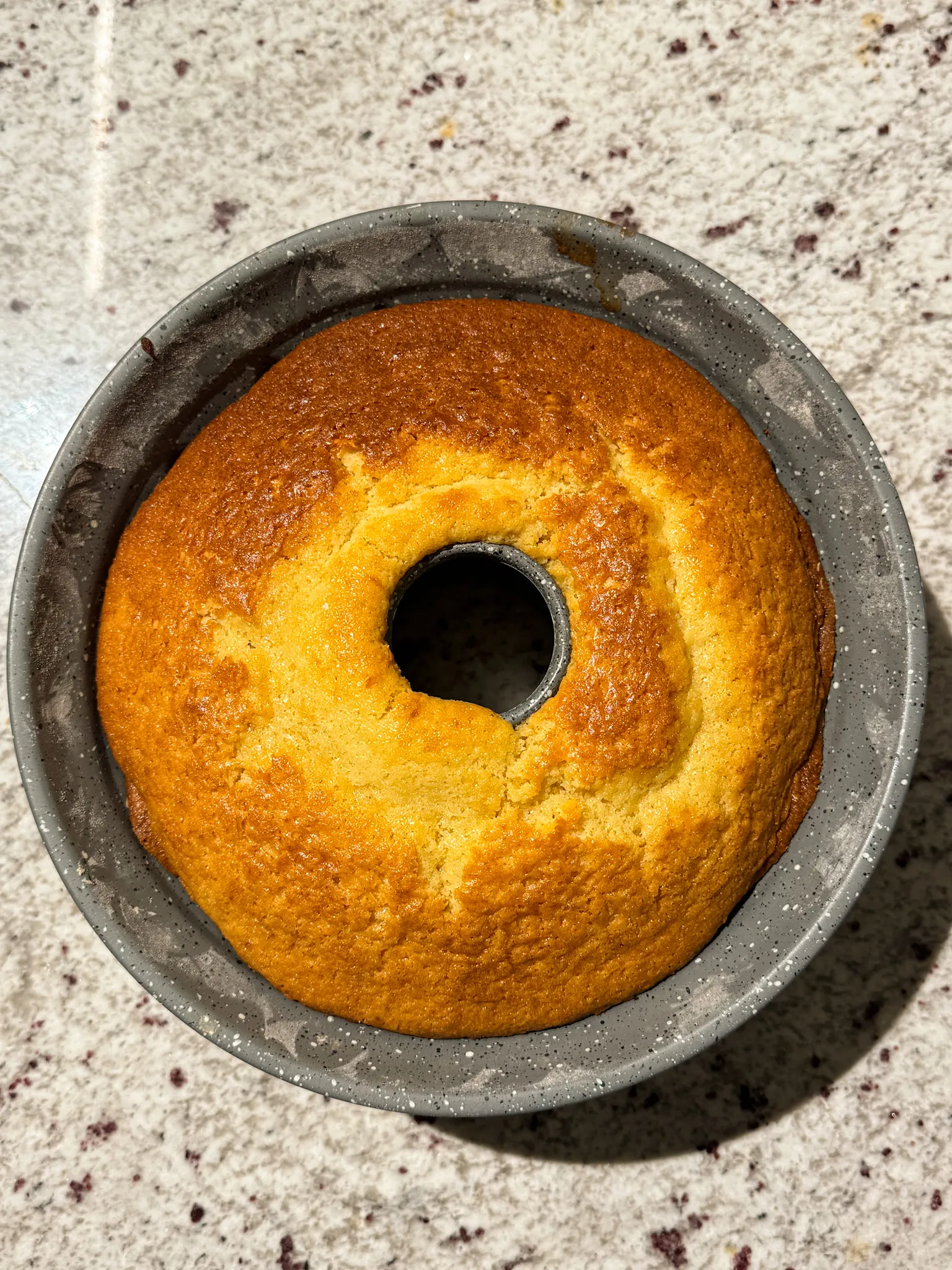
Common Mistakes to Avoid with Orange Cake Recipe
Using Only Orange Juice
One of the biggest mistakes with an Orange Cake Recipe is relying solely on orange juice for flavor. Juice provides liquid and mild flavor but lacks the aromatic oils that make orange taste vibrant and fresh. Always include generous amounts of zest for authentic orange flavor.
The zest is where the essential oils live, and those oils are what make your kitchen smell amazing and your cake taste intensely of orange. Two whole oranges worth of zest isn’t too much for this recipe. It’s exactly right.
Overmixing the Batter
Once you add flour to your Orange Cake Recipe batter, switch to low speed and mix only until just combined. Vigorous or prolonged mixing after adding flour develops gluten strands that make the cake tough and chewy instead of tender.
A few small lumps in the batter are fine. They’ll disappear during baking. Mixing until the batter is completely smooth guarantees overmixing and a dense final texture.
Skipping Room Temperature Ingredients
Cold ingredients don’t emulsify properly, creating a separated batter that bakes into a dense, uneven cake. This is especially true with butter and eggs, which must be at room temperature for your Orange Cake Recipe to have the correct texture.
Plan ahead and remove refrigerated ingredients early. This simple step makes enormous difference in the final result but requires no extra effort, just forethought.
Incorrect Oven Temperature
An oven that’s too hot creates a cake with a dark, thick crust and raw center. Too cool and the cake bakes slowly, drying out before it sets properly. Invest in an oven thermometer and verify that your oven actually heats to the temperature you set.
Position the oven rack in the center position for even heat distribution. Baking too high causes over-browning on top, while too low leaves the bottom too dark.
Removing from Pan Too Soon
Patience is essential when removing your Orange Cake Recipe from the pan. Taking it out too soon causes the cake to break apart or stick. But leaving it too long causes condensation to form, making the cake soggy and difficult to remove.
The sweet spot is 10 to 15 minutes of cooling in the pan. Set a timer to avoid guessing. After that rest period, the cake should release cleanly and maintain its shape perfectly.
Creative Variations of Orange Cake Recipe
Citrus Combinations
While this Orange Cake Recipe is perfect as written, combining citrus flavors creates interesting variations. Replace half the orange juice and zest with lemon for a bright, tart version. Meyer lemons add floral sweetness that pairs beautifully with orange.
Blood oranges create a stunning pink-hued cake with slightly berry-like undertones. Cara cara oranges add subtle cranberry notes. Experiment with different orange varieties when they’re in season to discover new favorite combinations.
Adding Nuts and Mix-Ins
Fold chopped toasted almonds into the batter for an orange almond variation of this Orange Cake Recipe. The nuts add texture and nutty flavor that complements citrus beautifully. Use about half cup of finely chopped nuts to avoid weighing down the batter.
Mini chocolate chips create an orange chocolate version reminiscent of those chocolate oranges. Use about three-quarters cup of mini chips, tossed with a tablespoon of flour to prevent sinking. The chocolate doesn’t overpower the orange but adds richness.
Dried cranberries soaked in orange juice until plump add tart, chewy bursts throughout the cake. This variation is especially lovely during the holiday season.
Glaze Alternatives
While the cream cheese glaze is incredible, this Orange Cake Recipe works with other toppings too. A simple powdered sugar and orange juice glaze creates a thinner, sweeter coating that soaks into the cake.
Whipped cream cheese frosting makes this more like a layer cake. Beat cream cheese with powdered sugar and a touch of cream until fluffy, then spread over the cooled cake.
For a naked cake look, skip the glaze entirely and simply dust with powdered sugar. The cake is delicious enough to stand on its own.
Savory Orange Cake
For a less sweet version suitable for breakfast or brunch, reduce the sugar by one-quarter cup and add a tablespoon of fresh rosemary or thyme. The herbs create a sophisticated, less dessert-like Orange Cake Recipe perfect for serving alongside tea or coffee.
Storage and Serving Your Orange Cake Recipe
Proper Storage Methods
Store this Orange Cake Recipe covered at room temperature for up to two days. After that, refrigerate due to the cream cheese in the glaze. The cake actually stays moist and delicious for up to five days when properly stored in the refrigerator.
Cover tightly with plastic wrap or place in an airtight cake keeper. The glaze helps seal moisture into the cake, preventing it from drying out. Avoid storing in the refrigerator uncovered, which causes the cake to absorb other flavors and dry out quickly.
If you live in a very warm, humid climate, refrigerate the cake immediately due to the dairy components. Food safety is more important than room temperature serving.
Freezing Instructions
This Orange Cake Recipe freezes beautifully without the glaze. Wrap the completely cooled, unglazed cake tightly in plastic wrap, then wrap again in aluminum foil. Freeze for up to two months.
Thaw frozen cake overnight in the refrigerator, still wrapped. Once thawed, bring to room temperature before glazing and serving. The texture remains perfect after freezing, making this ideal for baking ahead for special occasions.
Don’t freeze the glazed cake, as cream cheese glazes can become watery when thawed. Always freeze just the cake, then glaze after thawing.
Serving Suggestions
Bring refrigerated Orange Cake Recipe to room temperature before serving for the best texture and flavor. Cold cake is firmer and the flavors are muted. Room temperature cake is tender, moist, and the orange flavor shines through.
Serve slices with whipped cream for extra indulgence. Fresh berries make a beautiful accompaniment that adds color and tartness. A cup of coffee or tea complements the citrus flavors perfectly.
For an elegant dessert, serve with vanilla ice cream or orange sorbet. The cold, creamy element contrasts beautifully with the tender cake.
Frequently Asked Questions About Orange Cake Recipe
Can I use bottled orange juice instead of fresh?
Fresh orange juice tastes significantly better in this Orange Cake Recipe, but bottled juice works in a pinch. Choose a high-quality, not-from-concentrate variety for best results. Never use orange juice cocktail, which contains added sugar and artificial flavors.
The zest, however, must be fresh. There’s no substitute for fresh orange zest in this recipe, as it provides the majority of the orange flavor.
Why is my cake dense instead of light?
Dense texture in an Orange Cake Recipe usually results from overmixing after adding flour, using cold ingredients, or insufficient creaming of butter and sugar. Make sure to cream butter and sugar for a full five minutes until very pale and fluffy.
Mix the batter on low speed once flour is added, and stop as soon as no dry streaks remain. A few small lumps are fine and preferable to overmixing.
Can I make this as cupcakes?
Absolutely. This Orange Cake Recipe batter makes about 24 standard cupcakes. Fill cupcake liners two-thirds full and bake at 350 degrees for 18 to 22 minutes. Check for doneness with a toothpick.
Glazed orange cupcakes are perfect for parties and easier to serve than sliced cake. The glaze can be piped on for a more finished look.
How do I know when the cake is done?
Your Orange Cake Recipe is done when a toothpick inserted into the thickest part comes out clean or with just a few moist crumbs. The top should spring back when lightly pressed, and the edges will pull away slightly from the pan sides.
For bundt cakes, check in several spots since thickness varies. The center often takes longest to bake through.
Can I make this dairy-free?
Making this Orange Cake Recipe dairy-free is challenging since butter, cream, and milk are central to the texture. However, you could substitute with dairy-free alternatives. Use vegan butter, coconut cream instead of heavy cream, and plant-based milk.
The results will differ from the original, but you can still create a tasty orange cake. The glaze is harder to replicate dairy-free since cream cheese provides its signature texture.
Why did my glaze turn out too thin?
If your glaze is too thin, you likely added too much liquid or the cream cheese wasn’t at the right consistency. Add more powdered sugar a tablespoon at a time until the glaze thickens to the right consistency.
Conversely, if the glaze is too thick, add orange juice by the teaspoon until it reaches pourable consistency. The glaze should flow slowly off a spoon.
Final Thoughts on This Orange Cake Recipe
Creating a memorable Orange Cake Recipe at home fills your kitchen with wonderful aromas and brings bright, cheerful flavors to your table. This recipe proves that simple ingredients treated properly create something truly special. The combination of fresh orange zest, butter, cream, and eggs produces a cake that rivals anything from a high-end bakery.
The versatility of this Orange Cake Recipe makes it valuable for any baker’s repertoire. It works for casual coffee gatherings, elegant dinner parties, holiday celebrations, or quiet moments when you want something sweet and comforting. Few cakes offer this much flexibility while remaining consistently delicious.
Once you master the basic technique, feel free to make this Orange Cake Recipe your own. Try different citrus combinations, add nuts or chocolate, or experiment with the glaze. The fundamental recipe is solid enough to support creative variations while delivering perfect results every time.
Remember the key principles for success. Use fresh orange zest generously, bring all ingredients to room temperature, cream butter and sugar thoroughly, and avoid overmixing once flour is added. Follow these guidelines and your Orange Cake Recipe will become a favorite that gets requested for every gathering.
Gather your oranges, preheat your oven, and prepare to create a cake that tastes like sunshine. This Orange Cake Recipe deserves a permanent place in your baking rotation.
See our latest New York Cheesecake Recipe
People also like our these recipes
Orange Cake
- 200 g unsalted butter softened
- 2 cups sugar
- 5 eggs room temperature
- 1 tsp vanilla extract
- ¾ cup milk
- 1 cup heavy cream
- ¼ cup fresh orange juice
- Zest of 2 oranges
- 3 cups all-purpose flour
- 1 packet baking powder
Orange Glaze
- ⅓ cup 75 g cream cheese, softened
- 1 tbsp 14 g unsalted butter, softened
- ¾ cup powdered sugar
- 3 tbsp orange juice
- Orange zest for decoration
Preheat oven to 350°F (175°C). Grease and line a cake pan.
Cream butter and sugar until light and fluffy.
Add eggs one at a time, mixing well after each addition.
Mix in vanilla extract.
Add milk, heavy cream, orange juice, and orange zest. Mix gently.
Sift in flour and baking powder. Fold until just combined.
Pour batter into prepared pan.
Bake for 45–50 minutes, until a toothpick inserted comes out clean.
Let cake cool completely.
Make the Glaze:
Beat cream cheese and butter until smooth.
Add powdered sugar and orange juice. Mix until creamy.
Spread glaze over cooled cake and decorate with orange zest.
If you've given this recipe a try and it won you over, please share your thoughts by leaving
a rating and comment below! If you have any questions about this recipe, don't hesitate to ask – I'm here to
help and will respond promptly.