Discover the Ultimate Lasagna Soup Recipe
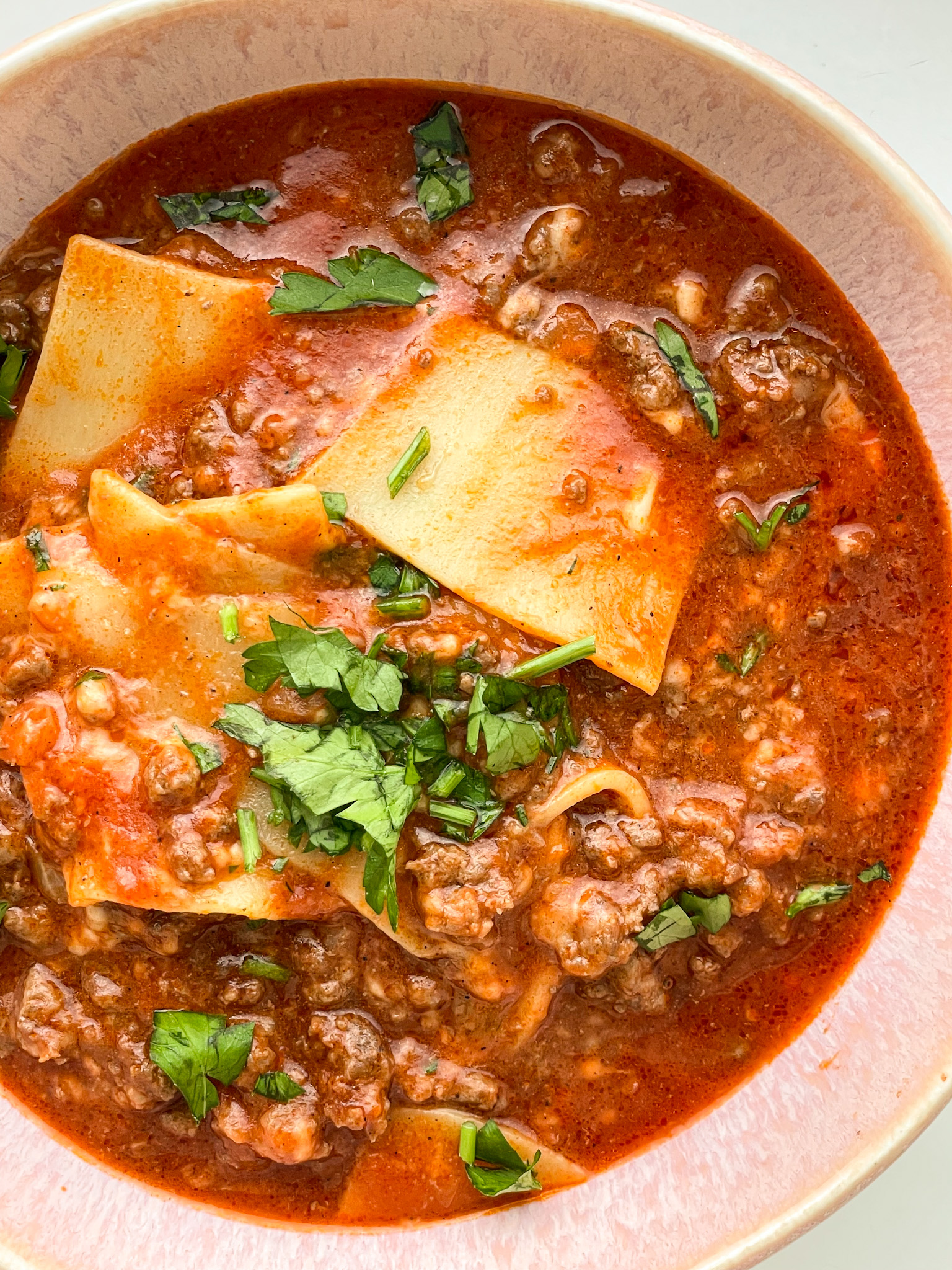
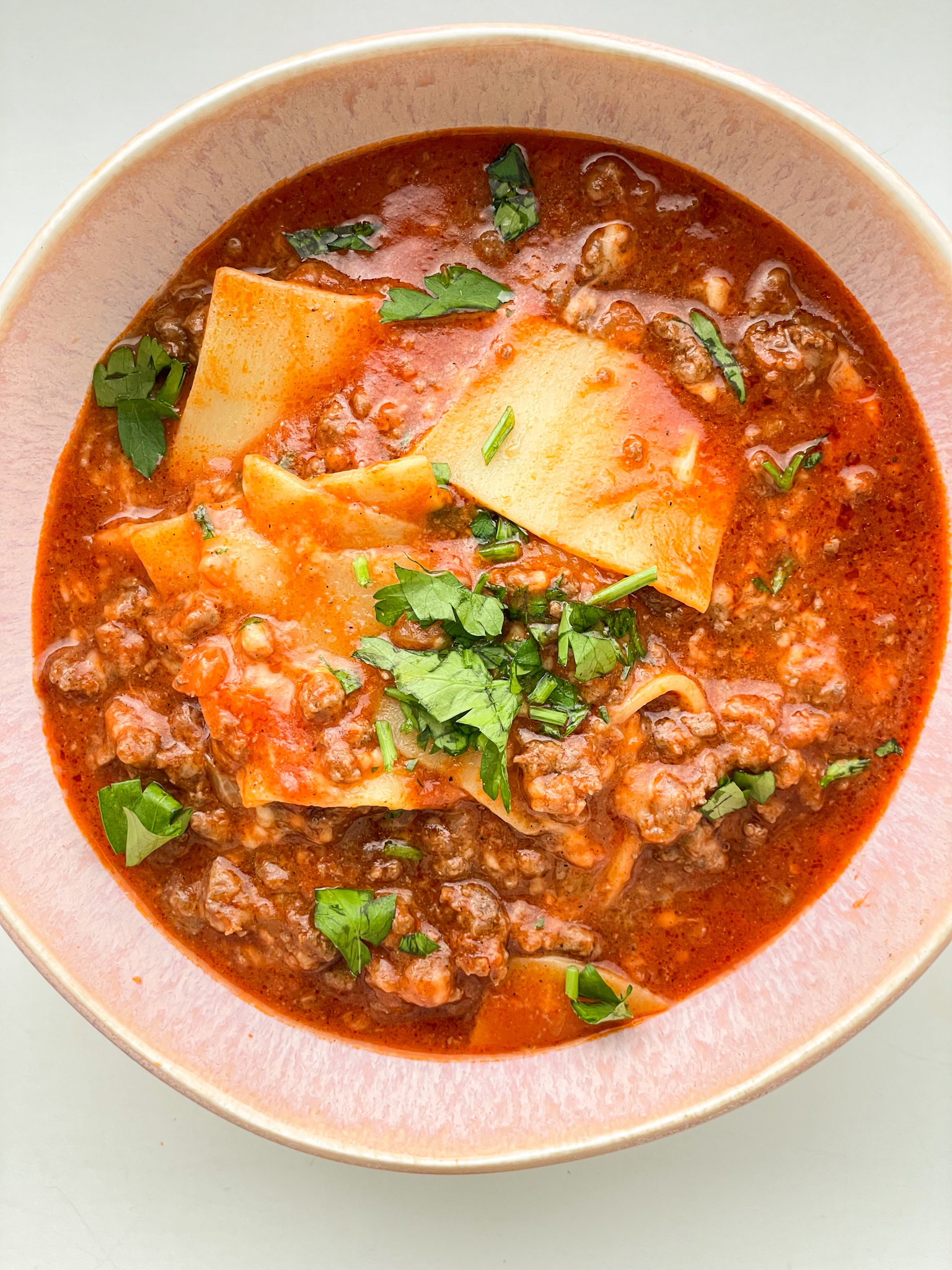
Imagine all the comforting flavors of classic lasagna transformed into a warm, cozy bowl of soup. That’s exactly what this Lasagna Soup Recipe delivers. This ingenious dish captures the essence of traditional lasagna with layers of pasta, rich tomato sauce, savory ground beef, and melty cheese, all combined into one easy-to-make, impossible-to-resist bowl. Whether you’re seeking comfort on a cold day or simply craving Italian flavors without the fuss of layering and baking, this Lasagna Soup Recipe is your answer.
What makes this Lasagna Soup Recipe truly special is how it simplifies a beloved classic without sacrificing any flavor. Instead of spending hours assembling layers and waiting for everything to bake, you can have this soup ready in about thirty minutes. The result is a hearty, satisfying meal that delivers all the taste memories of lasagna with a fraction of the effort.
This Lasagna Soup Recipe has become a favorite for busy families and anyone who loves Italian comfort food. The combination of tender pasta, perfectly seasoned beef, herbaceous tomato broth, and generous amounts of melted cheese creates a meal that’s both nourishing and indulgent. Each spoonful offers the perfect balance of flavors and textures that make lasagna so beloved worldwide.
Why This Recipe is Special
The genius of this Lasagna Soup Recipe lies in its clever approach to deconstructing lasagna. Rather than meticulously layering ingredients, everything simmers together in one pot, allowing flavors to meld beautifully. The broken lasagna noodles cook directly in the savory broth, absorbing all those wonderful flavors while releasing starches that help thicken the soup naturally.
The cheese element in this Lasagna Soup Recipe deserves special mention. Instead of ricotta layers, you’ll add mozzarella directly to the hot soup, where it melts into creamy, stringy perfection. This creates those irresistible cheese pulls that make every bite feel indulgent. The simplicity of preparation combined with restaurant-quality results makes this Lasagna Soup Recipe a true winner.
Key Components Overview
Three main elements define this Lasagna Soup Recipe: the flavorful base, the pasta component, and the cheese finish. The base starts with aromatic vegetables and ground beef, building layers of flavor through proper browning and seasoning. Tomato paste and juice provide the classic lasagna sauce taste, while meat broth adds depth and body to the soup.
Broken lasagna noodles cooked directly in the broth create authentic texture and help thicken the soup as they release starch. The cheese component brings everything together, melting into the hot soup and creating that signature lasagna richness. Fresh herbs brighten the dish, adding color and fresh flavor that balances the hearty components in this Lasagna Soup Recipe.
Understanding What Makes Lasagna Soup Recipe Work
The beauty of this Lasagna Soup Recipe is how it captures the essential flavors of lasagna while adapting them to soup format. Traditional lasagna relies on distinct layers that remain separate during baking. In soup form, those layers intermingle, creating a harmonious blend where each ingredient enhances the others.
The cooking method for this Lasagna Soup Recipe builds flavor progressively. Starting with aromatics creates a foundation, browning the meat adds depth through caramelization, and simmering everything together allows flavors to marry. This technique, borrowed from classic soup-making, ensures every spoonful is packed with taste.
The Science of Flavor Development
When you brown ground beef for this Lasagna Soup Recipe, the Maillard reaction creates hundreds of new flavor compounds. These savory, meaty notes form the backbone of the soup’s taste profile. Properly browning the meat, not just cooking it through, makes a significant difference in the final result.
The tomato components in this Lasagna Soup Recipe provide both acidity and umami. Tomato paste offers concentrated flavor, while tomato juice adds brightness and liquid. Together, they create a balanced tomato base that tastes authentically like lasagna sauce without requiring hours of simmering.
Why Pasta Cooks in the Broth
Cooking lasagna noodles directly in the soup serves multiple purposes in this Lasagna Soup Recipe. The pasta absorbs the flavorful broth, becoming seasoned from the inside out. As the noodles cook, they release starches that naturally thicken the soup, creating a more cohesive, hearty texture.
This technique also saves time and dishes when making this Lasagna Soup Recipe. No need to boil pasta separately in another pot. Everything cooks together, streamlining the process and ensuring the pasta is perfectly integrated into the final dish.
Selecting Quality Ingredients
Using quality ingredients elevates this Lasagna Soup Recipe from good to extraordinary. While the recipe is forgiving and adaptable, starting with fresh, flavorful components ensures the best results.
Choosing Ground Beef
Ground beef with fifteen to twenty percent fat content works best for this Lasagna Soup Recipe. Leaner beef can become dry and lack flavor, while fattier ground beef may make the soup greasy. The moderate fat content provides flavor and moisture without overwhelming the dish.
Look for ground beef with bright red color and minimal liquid in the package. Fresh ground beef should smell clean and slightly sweet, never sour or ammonia-like. For the best Lasagna Soup Recipe results, use the beef within two days of purchase or freeze it immediately if not using right away.
Tomato Product Selection
Both tomato paste and tomato juice play important roles in this Lasagna Soup Recipe. Tomato paste provides concentrated flavor and deep color. Look for paste in tubes rather than cans for easy storage and portion control. Quality tomato paste should list tomatoes as the only ingredient, with no added citric acid or preservatives.
Tomato juice for this Lasagna Soup Recipe should be pure tomato with minimal added salt. Some brands add excessive sodium, which can make your soup too salty when combined with seasoned beef and broth. Read labels carefully and choose products with simple ingredient lists.
Pasta Considerations
Traditional lasagna noodles work perfectly in this Lasagna Soup Recipe. Both regular and no-boil varieties are suitable, though regular noodles have slightly better texture. Break the noodles into roughly two-inch pieces before adding to the soup. Uneven pieces add rustic charm and ensure variety in each spoonful.
If lasagna noodles are unavailable for your Lasagna Soup Recipe, wide egg noodles or pappardelle make excellent substitutes. Avoid using thin pasta like angel hair, as it will overcook and become mushy in the soup. The wide, sturdy pasta shapes hold up better and more closely mimic traditional lasagna texture.
Cheese Selection
Mozzarella is essential for authentic Lasagna Soup Recipe flavor. Use low-moisture mozzarella for best results, as fresh mozzarella contains too much liquid and won’t melt as nicely. Shredded mozzarella melts quickly and evenly throughout the hot soup, creating those desirable cheese pulls.
Consider adding Parmesan cheese as a garnish for your Lasagna Soup Recipe. The sharp, nutty flavor complements the mild mozzarella beautifully. Freshly grated Parmesan offers superior flavor and texture compared to pre-grated varieties, which often contain anti-caking agents that affect melting.
Building the Flavor Base
The foundation of any great soup, including this Lasagna Soup Recipe, is a properly developed flavor base. Taking time to sauté aromatics and brown meat correctly pays dividends in the final taste.
Aromatics Preparation
Dice the yellow onion into small, uniform pieces for your Lasagna Soup Recipe. Consistent sizing ensures even cooking and prevents some pieces from burning while others remain crunchy. Onions should be translucent and softened before adding other ingredients, which typically takes about five minutes over medium heat.
Mince the garlic finely for this Lasagna Soup Recipe. Large garlic pieces can be unpleasant to bite into and don’t distribute flavor as evenly. Add garlic after the onions have softened, cooking for just a minute until fragrant. Garlic burns easily, turning bitter if cooked too long or over too high heat.
Proper Meat Browning
Heat olive oil in your pot before adding ground beef for this Lasagna Soup Recipe. The oil should shimmer but not smoke. Add the beef, breaking it into chunks rather than tiny crumbles initially. Let it sit undisturbed for two to three minutes to develop a brown crust on one side.
Break up the beef and continue cooking until no pink remains for your Lasagna Soup Recipe. Proper browning adds rich, savory depth to the soup. Don’t rush this step by turning the heat too high, as that can cause the exterior to burn before the interior cooks through. The browned bits that stick to the pot bottom will add flavor once you add liquid.
Seasoning Strategy
Season the meat while it cooks for optimal flavor distribution in your Lasagna Soup Recipe. Salt helps draw out moisture and promotes better browning. Add dried herbs like oregano, basil, and Italian seasoning along with garlic powder and onion powder. These dried spices need time to bloom and release their essential oils.
Black pepper adds warmth to this Lasagna Soup Recipe without overwhelming heat. Add it early in the cooking process so its flavor can meld with other ingredients. Taste and adjust seasoning before adding liquids, as it’s harder to correct underseasoned soup once everything is combined.
Adding Tomatoes and Liquids
The liquid components transform the base into soup, creating the characteristic flavor and texture of this Lasagna Soup Recipe.
Incorporating Tomato Paste
Add tomato paste directly to the browned meat and aromatics in your Lasagna Soup Recipe. Stir it around, allowing it to cook for a minute or two. This step caramelizes the paste slightly, deepening its flavor and reducing any raw, tinny taste. The paste should darken slightly and become fragrant.
Tomato paste can stick and burn if left in one spot, so stir frequently during this stage of your Lasagna Soup Recipe. The goal is to coat all the meat and vegetables with the concentrated tomato flavor, creating a flavorful base before adding liquids.
Adding Tomato Juice
Pour in tomato juice gradually, stirring to combine with the tomato paste and meat mixture for your Lasagna Soup Recipe. The liquid will deglaze the pot, picking up all those flavorful browned bits stuck to the bottom. Use a wooden spoon to scrape the bottom, incorporating these bits into the soup.
Bring the mixture to a gentle boil, which helps meld the flavors in your Lasagna Soup Recipe. The tomato juice should be well integrated with the other ingredients before adding broth. This creates a cohesive tomato base that forms the soup’s flavor foundation.
Broth Addition
Add meat broth to your Lasagna Soup Recipe until the mixture is completely covered and reaches your desired soup consistency. Beef broth reinforces the meaty flavor, while chicken broth offers a lighter alternative. Vegetable broth works for those seeking less meat-forward flavor.
Bring everything to a boil, then reduce to a simmer for your Lasagna Soup Recipe. This allows flavors to meld before adding pasta. The broth should taste well-seasoned at this point, as it will flavor the pasta as it cooks. Adjust salt and pepper if needed before proceeding.
Cooking the Pasta
The pasta component is what truly makes this a Lasagna Soup Recipe rather than just a meat and tomato soup.
Breaking the Noodles
Break lasagna noodles into bite-sized pieces, roughly two inches each, for your Lasagna Soup Recipe. The irregular shapes add character and ensure variety in texture. Don’t worry about uniform pieces, as the rustic look adds to the soup’s homemade charm.
Break the noodles over the pot or a large bowl to catch any small pieces for your Lasagna Soup Recipe. These small bits cook faster and help thicken the soup, so don’t discard them. Add all the broken pasta to the simmering soup at once.
Cooking Time and Testing
Cook the pasta in the soup for about ten minutes for this Lasagna Soup Recipe, though exact time varies depending on noodle thickness. Stir occasionally to prevent sticking and ensure even cooking. The pasta should be tender but still have slight bite, similar to al dente in traditional pasta dishes.
Test a piece of pasta before declaring your Lasagna Soup Recipe done. It should be cooked through without being mushy or falling apart. Remember that the pasta will continue softening slightly even after removing from heat, so pull it just before it reaches your ideal texture.
Managing Consistency
As pasta cooks in your Lasagna Soup Recipe, it absorbs liquid and releases starch. The soup will thicken naturally during this process. If it becomes too thick, add more broth or tomato juice to reach your preferred consistency. The soup should be hearty but still liquid enough to eat with a spoon.
For thinner soup in your Lasagna Soup Recipe, add liquid gradually while the pasta cooks. For thicker, stew-like consistency, let it simmer a bit longer uncovered, allowing some liquid to evaporate. The beauty of this recipe is its adaptability to personal preference.
Adding the Cheese
The cheese component transforms this from simple soup into true Lasagna Soup Recipe magic.
Melting Technique
Add shredded mozzarella to the hot soup just before serving your Lasagna Soup Recipe. The residual heat melts the cheese without requiring additional cooking. Stir gently to distribute the cheese throughout, creating pockets of melted goodness in every bowl.
Alternatively, add cheese directly to individual bowls of Lasagna Soup Recipe. This approach allows diners to customize their cheese amount and ensures the cheese is melty and fresh. The hot soup will melt the cheese within seconds of contact.
Cheese Pulls
The signature cheese pulls that make lasagna so satisfying are equally achievable in this Lasagna Soup Recipe. Use low-moisture mozzarella and add it while the soup is very hot. The cheese should be just melted, not fully incorporated, creating those long, stringy pulls when you lift your spoon.
For maximum cheese pull effect in your Lasagna Soup Recipe, place a handful of shredded mozzarella in the center of each bowl before ladling hot soup over it. This creates a cheese pocket that stretches dramatically with each spoonful.
Additional Cheese Options
While mozzarella is traditional for this Lasagna Soup Recipe, other cheeses add interesting variations. Ricotta dollops on top create creamy pockets that recall traditional lasagna layers. Parmesan adds sharp, salty notes that complement the mild mozzarella beautifully.
Provolone or fontina cheese can replace or supplement mozzarella in your Lasagna Soup Recipe. These cheeses melt smoothly and offer slightly different flavor profiles. A four-cheese blend mimics the complexity of traditional lasagna while maintaining the soup format.
Professional Tips for Perfect Results
These techniques ensure your Lasagna Soup Recipe turns out perfectly every time.
Don’t Overcook the Pasta
The most common mistake with this Lasagna Soup Recipe is overcooking the pasta, which makes it mushy and causes it to fall apart. Monitor the pasta closely during the final cooking minutes. Remove the soup from heat as soon as the noodles reach tender-firm texture.
Remember that pasta continues cooking in the hot liquid even after removing from heat. For your Lasagna Soup Recipe, slightly undercooking the pasta prevents it from becoming overly soft. This is especially important if you plan to have leftovers, as the pasta will soften further during storage.
Layer Your Flavors
Building flavors progressively creates depth in this Lasagna Soup Recipe. Don’t rush the aromatics or skip proper meat browning. Each step adds complexity that contributes to the final taste. Taking an extra five minutes to develop these layers makes a noticeable difference.
Season at multiple stages when making your Lasagna Soup Recipe. Season the meat, adjust after adding tomatoes, and taste before adding pasta. This ensures even seasoning throughout rather than trying to correct a bland soup at the end.
Fresh Herb Finish
Add fresh parsley or basil at the very end of cooking your Lasagna Soup Recipe. Heat destroys the delicate compounds that give fresh herbs their characteristic flavor and aroma. Stirring them in just before serving preserves their brightness and adds visual appeal.
Reserve some fresh herbs for garnishing individual bowls of your Lasagna Soup Recipe. This reinforces the herb flavor and makes the presentation more attractive. The contrast between the green herbs and red soup creates an appetizing appearance.
Serving Temperature
Serve this Lasagna Soup Recipe piping hot for best flavor and texture. The cheese needs sufficient heat to melt properly, and the soup’s comforting quality is most apparent when it’s steaming. Warm your serving bowls in advance to help maintain temperature.
If the soup cools while eating your Lasagna Soup Recipe, it can be gently reheated. However, avoid reheating multiple times, as this overcooks the pasta and can break down the texture. Reheat only the portion you plan to eat immediately.
Common Mistakes to Avoid
Understanding these pitfalls helps ensure success with your Lasagna Soup Recipe.
Using Too Much Liquid
Adding excessive liquid creates thin, watery soup that lacks the hearty character this Lasagna Soup Recipe should have. Start with less broth than you think you need, as you can always add more. The pasta releases starch that thickens the soup, so factor this into your liquid calculations.
If your Lasagna Soup Recipe becomes too thin, simmer it uncovered to reduce and concentrate flavors. Alternatively, make a slurry with cornstarch and water, stirring it into the soup to thicken quickly without additional cooking time.
Bland Seasoning
Underseasoned soup is disappointingly flat, no matter how good the other elements are. Taste your Lasagna Soup Recipe multiple times during cooking, adjusting salt, pepper, and herbs as needed. Remember that pasta absorbs seasoning, so the broth should taste slightly overseasoned before adding noodles.
Different brands of broth vary in sodium content, affecting how much additional salt your Lasagna Soup Recipe needs. Always taste rather than blindly following measurements. Trust your palate and season until the soup tastes balanced and flavorful.
Burning the Garlic
Burnt garlic ruins the flavor of your Lasagna Soup Recipe, adding bitter, acrid notes that persist throughout the dish. Add garlic after the onions have softened and cook it briefly, just until fragrant. If the garlic browns significantly, it’s overcooked.
To avoid burning garlic in your Lasagna Soup Recipe, add it later in the process rather than earlier. Some cooks prefer adding minced garlic with the tomato paste, which protects it from direct heat while still extracting its flavor.
Wrong Pasta Timing
Adding pasta too early in your Lasagna Soup Recipe results in overcooked, mushy noodles. Add pasta only after the broth is fully seasoned and at a rolling boil. This ensures the pasta cooks in the shortest time possible, maintaining better texture.
Breaking the noodles too small for your Lasagna Soup Recipe causes them to overcook and disintegrate. Aim for two-inch pieces that provide substantial bites while still being spoon-friendly. Larger pieces are better than too small, as they hold up better during cooking and storage.
Variations to Try
Once you’ve mastered the basic Lasagna Soup Recipe, these variations offer exciting new flavors.
Vegetarian Version
Create a meatless Lasagna Soup Recipe by omitting ground beef and using vegetable broth. Add extra vegetables like diced zucchini, bell peppers, or mushrooms to provide substance. Sauté the vegetables until softened before adding tomatoes and broth.
Plant-based ground meat substitutes work surprisingly well in this Lasagna Soup Recipe. Season them the same way you would beef, browning them to develop flavor. Most diners won’t notice the difference when the soup is loaded with pasta, cheese, and flavorful tomato broth.
Spicy Kick
Add red pepper flakes or diced jalapeños to create a spicy Lasagna Soup Recipe. Stir in the spicy elements when browning the meat, allowing their heat to infuse throughout the soup. The spiciness contrasts nicely with the creamy cheese, creating a more complex flavor profile.
Italian sausage instead of ground beef creates a spicy, more flavorful Lasagna Soup Recipe. Choose hot Italian sausage for significant heat or mild for subtle seasoning. Remove the casings and crumble the sausage as it cooks, treating it like ground beef.
Creamy Version
Stir in heavy cream or half-and-half to create a creamy Lasagna Soup Recipe reminiscent of lasagna with béchamel sauce. Add the cream after the pasta cooks, warming it through without boiling. The cream creates a luxurious, velvety texture that coats the pasta beautifully.
Cream cheese adds tanginess and richness to your Lasagna Soup Recipe. Add cubed cream cheese to the hot soup, stirring until melted and incorporated. This creates a creamy base similar to ricotta filling in traditional lasagna.
Additional Vegetables
Boost nutrition by adding vegetables to your Lasagna Soup Recipe. Spinach, kale, or Swiss chard wilt beautifully into the hot soup, adding color and vitamins. Diced carrots and celery cooked with the onions create a more complex vegetable base.
Roasted vegetables like eggplant or bell peppers add depth to your Lasagna Soup Recipe. Roast them separately until caramelized, then stir into the finished soup. The concentrated, sweet flavors from roasting complement the tomato broth nicely.
Serving Suggestions
Maximize enjoyment of your Lasagna Soup Recipe with thoughtful accompaniments and presentation.
Perfect Bread Pairings
Crusty Italian bread is the ideal accompaniment for this Lasagna Soup Recipe. The sturdy texture holds up well for dipping, soaking up every drop of delicious broth. Garlic bread takes this pairing to the next level, with its buttery, garlicky flavor complementing the soup perfectly.
Focaccia offers a softer alternative to crusty bread for your Lasagna Soup Recipe. Its pillowy texture and olive oil richness pair beautifully with the tomato-based soup. Tear the focaccia into pieces for rustic dipping rather than slicing it uniformly.
Salad Combinations
A simple green salad provides refreshing contrast to the hearty Lasagna Soup Recipe. Dress mixed greens with balsamic vinaigrette, echoing Italian flavors while adding brightness. The acidic dressing cuts through the richness of the soup, cleansing the palate between bites.
Caesar salad is a classic pairing with this Lasagna Soup Recipe. The creamy, garlicky dressing and crunchy croutons complement the soup without competing. The combination creates a complete Italian-inspired meal that satisfies without overwhelming.
Wine Pairings
Medium-bodied red wines pair wonderfully with this Lasagna Soup Recipe. Chianti, with its bright acidity and cherry notes, complements the tomato base beautifully. Sangiovese offers similar characteristics, providing Italian authenticity to match the soup’s origins.
For white wine lovers, Pinot Grigio works surprisingly well with Lasagna Soup Recipe. Its crisp, clean flavor refreshes the palate between bites of rich, cheesy soup. Vermentino offers slightly more body while maintaining the refreshing quality that balances hearty dishes.
Garnish Ideas
Beyond fresh herbs and cheese, other garnishes enhance your Lasagna Soup Recipe presentation. A drizzle of quality olive oil adds richness and visual appeal. Red pepper flakes sprinkled on top allow diners to add heat according to preference.
Toasted pine nuts or slivered almonds add textural contrast to the soft pasta and melted cheese in your Lasagna Soup Recipe. Their nutty flavor and crunchy texture create interesting variation with each spoonful. A small dollop of ricotta in the center of each bowl mimics traditional lasagna layers.
Storage and Reheating
Proper storage techniques maintain quality and extend the life of your Lasagna Soup Recipe.
Optimal Storage Method
Store components separately for best results with leftover Lasagna Soup Recipe. Keep the soup base in one container and cooked pasta in another. This prevents the pasta from absorbing excessive liquid and becoming mushy. Store cheese separately, adding fresh when reheating.
If storing separately isn’t practical for your Lasagna Soup Recipe, at least toss cooked pasta with a small amount of olive oil before combining with soup. This coating helps prevent the pasta from sticking together and absorbing too much liquid. The oil creates a barrier that preserves texture better.
Refrigerator Guidelines
Properly stored, this Lasagna Soup Recipe keeps in the refrigerator for three to four days. Transfer cooled soup to airtight containers promptly, within two hours of cooking. Label containers with the date to track freshness and ensure food safety.
The flavors in your Lasagna Soup Recipe often improve after a day in the refrigerator as they continue melding. However, the pasta texture inevitably suffers somewhat. For this reason, storing components separately is worth the extra effort if you anticipate having leftovers.
Reheating Instructions
Reheat this Lasagna Soup Recipe gently on the stovetop over medium-low heat. Add extra broth or water to restore proper consistency, as the pasta will have absorbed liquid during storage. Stir frequently to ensure even heating and prevent scorching on the bottom.
Microwave reheating works for individual portions of Lasagna Soup Recipe. Place soup in a microwave-safe bowl, cover, and heat in one-minute intervals, stirring between each. Add a splash of broth or water before reheating to compensate for absorbed liquid.
Freezing Guidelines
This Lasagna Soup Recipe freezes reasonably well for up to three months. For best results, freeze the soup base without pasta or cheese. Cook fresh pasta and add fresh cheese when serving the thawed soup. This preserves optimal texture.
If freezing complete soup for your Lasagna Soup Recipe, expect softer pasta texture upon thawing. Freeze in portion-sized containers for easier thawing and reheating. Thaw overnight in the refrigerator rather than at room temperature for food safety.
Frequently Asked Questions
Can I use a different type of pasta?
While lasagna noodles are traditional for this Lasagna Soup Recipe, other wide pasta shapes work well. Pappardelle, fettuccine, or even rotini can substitute successfully. Avoid delicate pasta like angel hair, which becomes mushy. The wider, sturdier shapes better mimic lasagna texture.
How do I make this Lasagna Soup Recipe in a slow cooker?
Brown the meat and aromatics on the stovetop first, then transfer to a slow cooker with tomatoes and broth. Cook on low for four to six hours. Add broken lasagna noodles during the final thirty minutes of cooking. This prevents the pasta from becoming overcooked in the extended cooking time.
Can I make this Lasagna Soup Recipe dairy-free?
Create a dairy-free version by omitting the cheese or using plant-based alternatives. Nutritional yeast adds cheesy flavor without dairy. Cashew cream can replace regular cheese for richness. The soup remains flavorful even without cheese, though it won’t have the same indulgent quality.
Why is my soup too thick?
Overly thick Lasagna Soup Recipe usually results from too much pasta or insufficient liquid. The pasta absorbs broth as it cooks and continues absorbing during storage. Thin the soup by adding more broth, tomato juice, or even water while reheating. Stir well to incorporate the additional liquid.
Can I use ground turkey instead of beef?
Ground turkey works perfectly in this Lasagna Soup Recipe. Use ground turkey with some fat content rather than extra lean, which can be dry. Season the turkey more aggressively than you would beef, as turkey has milder flavor. The final soup will be lighter but equally delicious.
How can I make this Lasagna Soup Recipe healthier?
Increase vegetables, use lean ground beef or turkey, and reduce cheese for a lighter version. Whole wheat lasagna noodles add fiber. Using low-sodium broth allows better control over salt content. These modifications create a healthier Lasagna Soup Recipe while maintaining satisfying flavor.
Final Thoughts
This Lasagna Soup Recipe brilliantly reimagines a beloved classic, making it accessible for busy weeknights while maintaining all the flavors that make lasagna special. The genius lies in its simplicity, transforming what’s typically a labor-intensive dish into something you can have on the table in thirty minutes. Every spoonful delivers comfort and satisfaction, warming you from the inside out.
The versatility of this Lasagna Soup Recipe means it works for various occasions and preferences. Whether you’re feeding a crowd, meal prepping for the week, or simply craving comfort food, this soup delivers. The adaptability allows you to adjust ingredients based on what’s available, dietary needs, or personal taste preferences while maintaining the essential lasagna character.
We encourage you to make this Lasagna Soup Recipe your own through experimentation with the suggested variations. The fundamental technique remains the same, but small adjustments allow you to customize the soup to your exact liking. Gather your ingredients, heat your pot, and prepare to enjoy all the flavors of lasagna in a cozy, convenient bowl. Your kitchen will soon fill with the irresistible aroma of Italian herbs, tomatoes, and cheese, signaling that something wonderful is about to be served. This Lasagna Soup Recipe is destined to become a regular in your meal rotation, bringing smiles and satisfaction with every steaming bowl.
Watch the recipe video for more clarity

People also like our CREAMY PARMESAN RAVIOLI Recipe
- 1 tbsp olive oil
- 200 g minced meat
- 200 g broken lasagna
- 1 onion finely chopped
- 2 garlic cloves finely chopped
- Salt and pepper to taste
- 1 tsp garlic powder
- 1 tsp onion powder
- 1 tbsp tomato paste
- 1 cup tomato juice
- 1 cup meat broth
- 1/2 cup mozzarella cheese
In a saucepan, add some olive oil, onion, garlic and let it simmer until fragrant.
Add the minced meat and let it cook until browned.
Season with salt, pepper, onion powder, garlic powder and tomato paste.
Pour the tomato juice and meat broth until fully covered. Let it simmer.
Add in the broken lasagna and let it simmer for 10 minutes, until the pasta is cooked.
Top with mozzarella cheese and some chopped parsley or basil.
Serve while warm!
If you've given this recipe a try and it won you over, please share your thoughts by leaving
a rating and comment below! If you have any questions about this recipe, don't hesitate to ask – I'm here to
help and will respond promptly.