call

CALL US 5555-00-444

March 15, 2024

KOREAN MAC AND CHEESE

by Bakeanna
Print Recipe Jump to Recipe

Welcome to the Ultimate Korean Mac and Cheese Experience

Welcome to the world of Korean Mac and Cheese, where comfort food meets a delightful Korean twist! This fusion dish takes the beloved classic macaroni and cheese to a whole new level with its irresistible combination of gooey melted cheese, creamy sauce, and a hint of Korean flavors. Picture perfectly cooked macaroni noodles smothered in a velvety cheese sauce infused with ingredients like kimchi, gochujang (Korean chili paste), or even bulgogi beef for an extra punch of flavor.

Whether you’re a cheese connoisseur or a fan of Korean cuisine, Korean Mac and Cheese is sure to satisfy your cravings and leave you wanting more. This Korean Mac and Cheese recipe represents the perfect marriage of Western comfort food and Korean bold flavors, creating something entirely new and utterly delicious. The creamy richness of traditional mac and cheese gets an exciting upgrade with the spicy, umami-packed ingredients that define Korean cooking.

What makes this Korean Mac and Cheese truly special is the balance it achieves between familiar and exotic. The comforting base of pasta and cheese sauce provides a canvas for Korean flavors to shine without overwhelming the dish. Every bite of this Korean Mac and Cheese delivers both the nostalgic satisfaction of childhood comfort food and the exciting complexity of Korean cuisine.

Why This Korean Mac and Cheese is Special

This Korean Mac and Cheese stands out from both traditional mac and cheese and other fusion dishes for several compelling reasons. First, the gochujang adds a unique sweet-spicy-savory depth that transforms ordinary cheese sauce into something extraordinary. The fermented chili paste brings complexity that regular hot sauce simply cannot match in Korean Mac and Cheese.

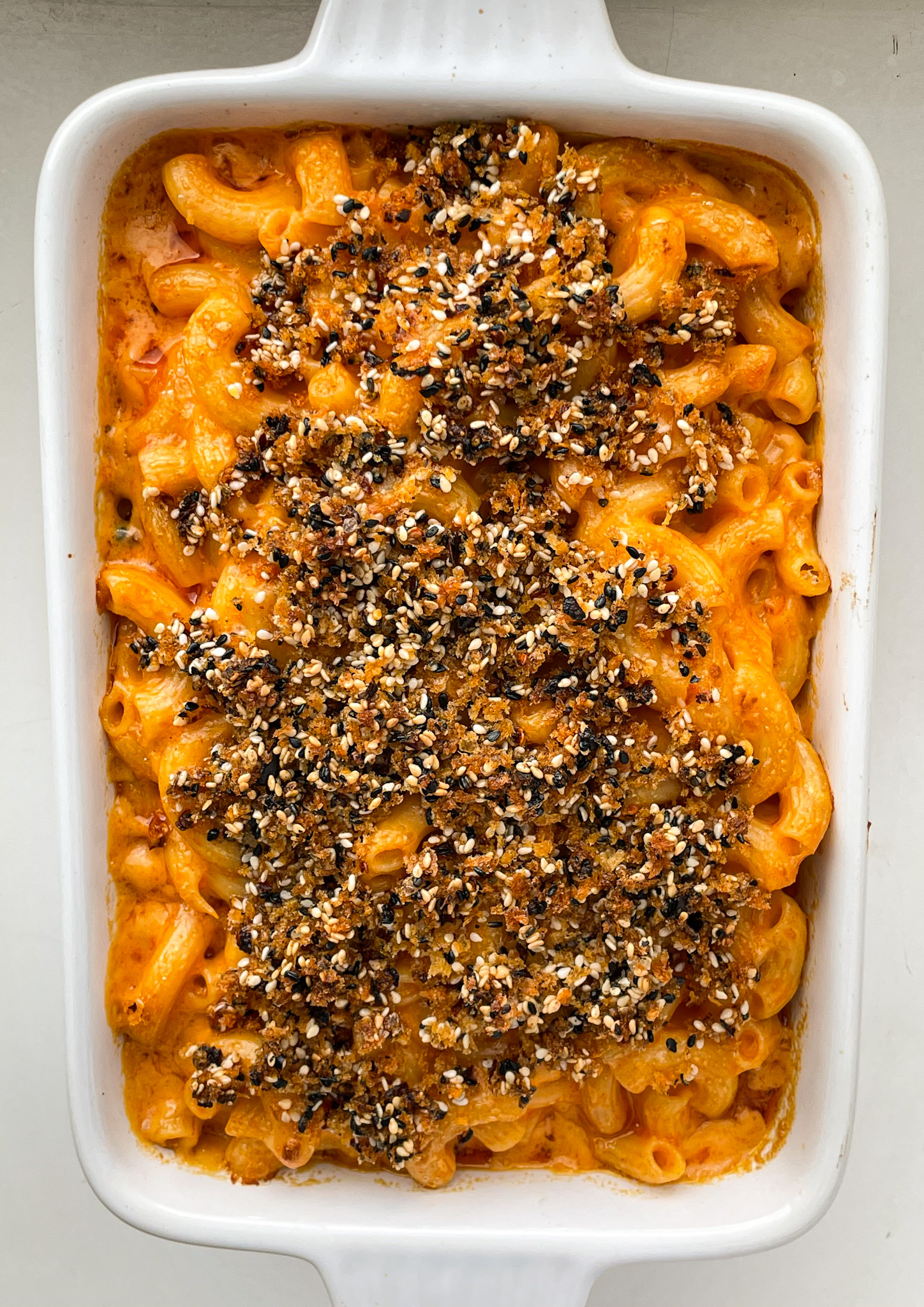
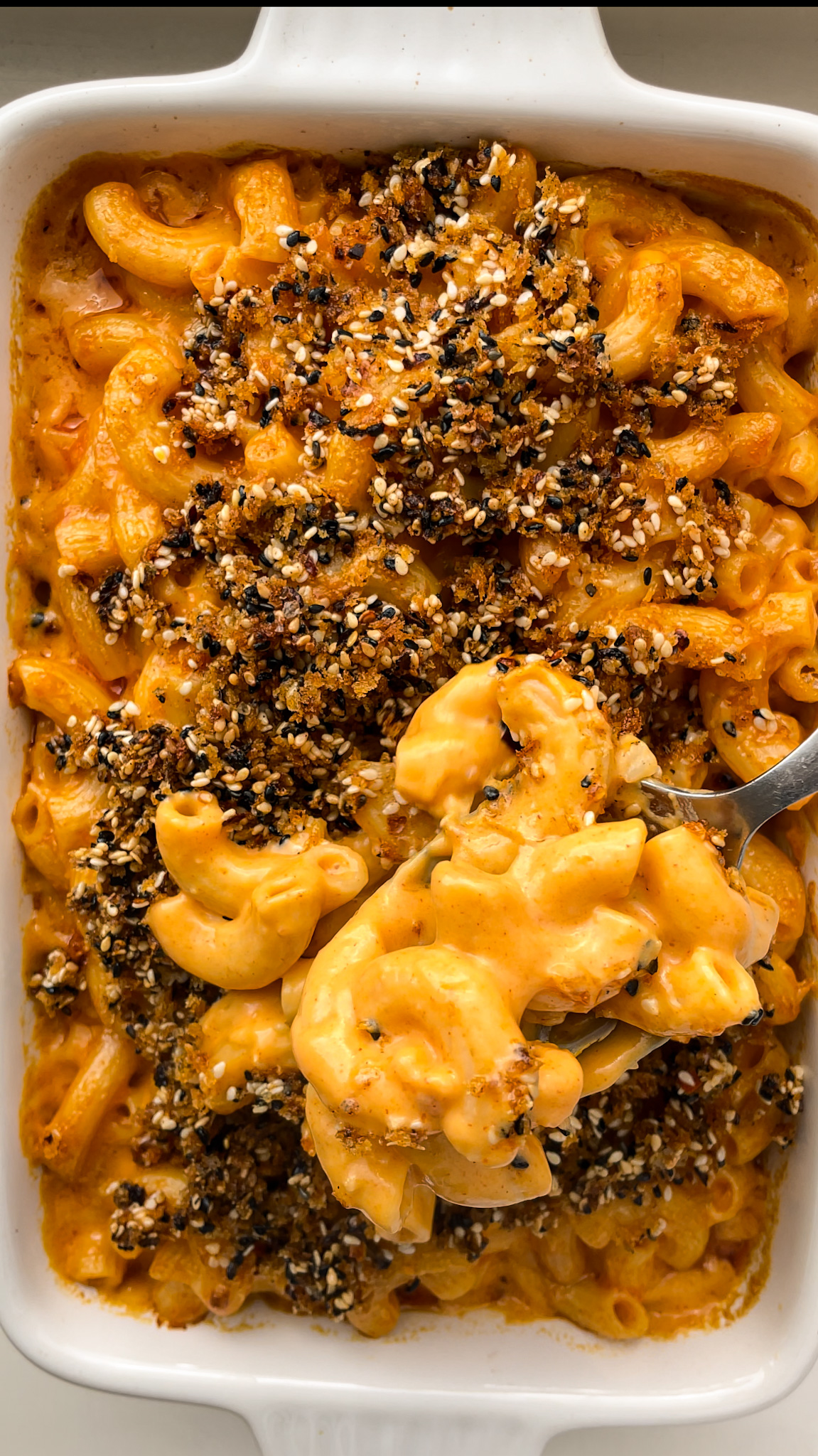
The texture of this Korean Mac and Cheese is another winning feature. The crispy sesame breadcrumb topping provides a delightful crunch that contrasts beautifully with the creamy pasta beneath. The combination of black and white sesame seeds adds visual appeal and nutty flavor that complements the richness of the cheese in this Korean Mac and Cheese.

The versatility of Korean Mac and Cheese makes it perfect for any occasion. Serve it as a main dish for weeknight dinners, bring it to potlucks where it’s guaranteed to disappear first, or elevate it with premium ingredients for special occasions. This Korean Mac and Cheese adapts beautifully to different settings while maintaining its delicious character.

Key Ingredients Overview

The ingredients for Korean Mac and Cheese combine familiar Western staples with Korean pantry essentials. Elbow macaroni forms the pasta base, though you can use any short pasta shape you prefer. The cheese combination of mozzarella and cheddar creates the perfect balance of stretch and sharp flavor in this Korean Mac and Cheese.

Gochujang is the star Korean ingredient in this Korean Mac and Cheese recipe. This fermented chili paste made from red chili peppers, glutinous rice, fermented soybeans, and salt provides complex flavor with moderate heat. The paste adds depth, sweetness, and umami that makes this Korean Mac and Cheese unforgettable.

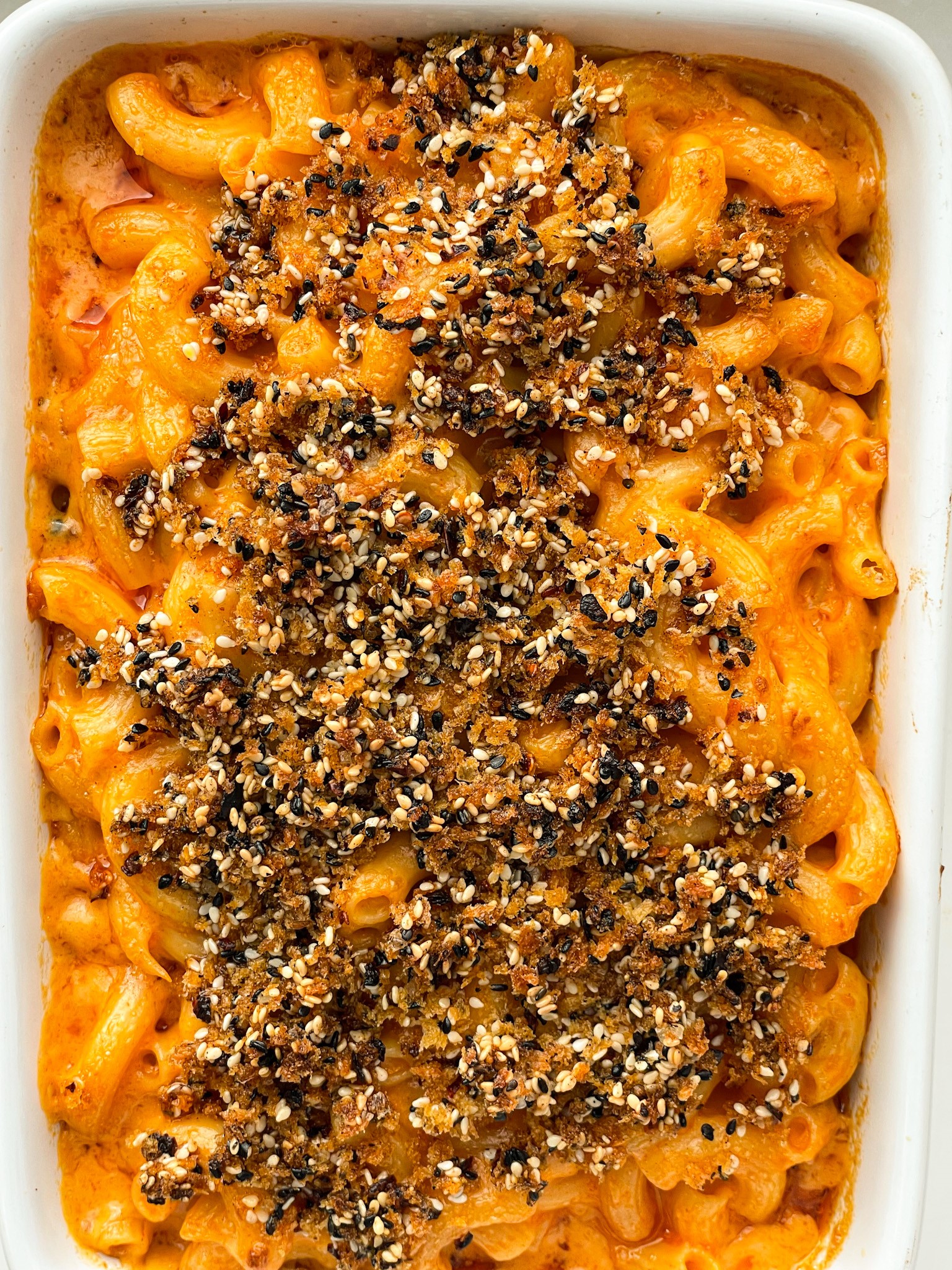
The sesame crust topping distinguishes this Korean Mac and Cheese from traditional baked versions. Panko breadcrumbs mixed with sesame oil, black sesame seeds, white sesame seeds, and chili flakes create a crunchy, aromatic topping that adds Korean character. This finishing touch transforms simple mac and cheese into something spectacular.

Korean Mac and Cheese

Understanding the Fusion Behind Korean Mac and Cheese

Korean Mac and Cheese is a delicious fusion dish that combines the creamy comfort of traditional macaroni and cheese with the bold flavors of Korean cuisine. While there are many variations, the basic concept involves cooking macaroni noodles and then smothering them in a cheese sauce that’s been infused with Korean ingredients and spices.

The fusion food movement has created countless successful combinations, but Korean Mac and Cheese stands out as particularly brilliant. The dish respects both culinary traditions while creating something new that’s greater than the sum of its parts. This Korean Mac and Cheese demonstrates how fusion food, when done thoughtfully, can honor multiple cultures simultaneously.

Some common additions to Korean Mac and Cheese include kimchi, a traditional Korean fermented cabbage dish that adds a tangy kick, and gochujang, a spicy and savory Korean chili paste that adds depth of flavor. Other variations might include bulgogi beef, scallions, garlic, sesame oil, or even crispy bacon for an extra layer of indulgence in your Korean Mac and Cheese.

The Rise of Korean Fusion Cuisine

Korean Mac and Cheese represents a broader trend of Korean fusion cuisine gaining popularity worldwide. Korean flavors have proven remarkably adaptable, working well with dishes from other culinary traditions. The bold, balanced flavors of Korean cooking—sweet, spicy, savory, and umami—enhance rather than overwhelm other cuisines in dishes like Korean Mac and Cheese.

The result of combining these traditions is a creamy, cheesy dish with a unique Korean twist that’s both comforting and packed with flavor. Korean Mac and Cheese has gained popularity both in Korea and abroad, offering a delicious fusion of two beloved culinary traditions. Social media has amplified this popularity, with food bloggers and home cooks sharing their versions of Korean Mac and Cheese.

Young Korean-American chefs have been instrumental in popularizing Korean Mac and Cheese and similar fusion dishes. They grew up eating both traditional Korean food at home and American comfort food at school, making fusion cooking a natural expression of their bicultural experience. This Korean Mac and Cheese embodies that cultural synthesis deliciously.

Cultural Significance of the Ingredients

Gochujang in Korean Mac and Cheese represents centuries of Korean fermentation tradition. This paste takes months to ferment properly, developing complex flavors that instant seasonings cannot replicate. Using gochujang in Korean Mac and Cheese connects the dish to Korean culinary heritage while creating something entirely new.

Sesame seeds and sesame oil are fundamental to Korean cooking, appearing in countless traditional dishes. Their inclusion in the topping of this Korean Mac and Cheese adds authentic Korean character. The nutty aroma and flavor of toasted sesame immediately signals Korean influence in this fusion creation.

The communal aspect of sharing a large dish of Korean Mac and Cheese also reflects Korean dining culture, where many dishes are served family-style for sharing. This Korean Mac and Cheese works perfectly for gatherings, encouraging the social dining experience central to Korean food culture.

Choosing the Right Ingredients for Korean Mac and Cheese

Selecting quality ingredients ensures your Korean Mac and Cheese turns out perfectly every time. While the ingredient list combines familiar and exotic items, the quality of each component directly impacts the final result. Understanding what to look for when shopping helps you create the best possible version of this fusion dish.

Fresh, properly stored ingredients make all the difference in Korean Mac and Cheese. Since the recipe relies on a balance of Western and Korean components, each one should be at peak quality. This doesn’t necessarily mean the most expensive options—it means choosing ingredients that are fresh and appropriate for the dish.

Pasta Selection for Korean Mac and Cheese

Elbow macaroni is traditional for Korean Mac and Cheese, but the pasta world offers many excellent alternatives. The small, curved shape holds sauce beautifully and provides the classic mac and cheese experience. Look for pasta made from 100% durum wheat semolina for the best texture and flavor in your Korean Mac and Cheese.

Short pasta shapes work best for Korean Mac and Cheese because they capture the creamy sauce in their crevices. Shells, cavatappi, or penne all make excellent substitutes for elbow macaroni. Avoid long pasta like spaghetti or linguine, which don’t work well with the thick cheese sauce in Korean Mac and Cheese.

Cook the pasta to al dente perfection for Korean Mac and Cheese—it should have a slight firmness when bitten. The pasta will continue cooking when baked, so slightly undercooking initially prevents mushiness. Al dente pasta also holds its shape better and provides better texture in the finished Korean Mac and Cheese.

Cheese Selection Secrets

The cheese combination makes or breaks Korean Mac and Cheese. Mozzarella provides that satisfying cheese pull and creamy texture, while sharp cheddar adds tangy flavor and helps the sauce coat the pasta. Using both creates complexity that single-cheese versions cannot achieve in Korean Mac and Cheese.

For the best Korean Mac and Cheese, always grate cheese from blocks rather than buying pre-shredded. Pre-shredded cheese contains anti-caking agents that prevent smooth melting and can make your sauce grainy. Freshly grated cheese melts beautifully, creating the silky texture that makes Korean Mac and Cheese irresistible.

Consider the quality of your cheese for Korean Mac and Cheese. Extra-sharp cheddar provides more intense flavor, while mild cheddar creates a gentler taste. Low-moisture mozzarella melts better than fresh mozzarella for this application. Experiment with cheese combinations to find your perfect Korean Mac and Cheese balance.

Understanding Gochujang

Gochujang is the essential Korean ingredient that defines this Korean Mac and Cheese. This fermented red chili paste is available in most Asian grocery stores and increasingly in regular supermarkets. Look for gochujang in red tubs or squeeze bottles, often found in the international foods aisle for your Korean Mac and Cheese.

Not all gochujang is created equal for Korean Mac and Cheese. Check the ingredient list—authentic versions contain red chili pepper, glutinous rice, fermented soybean powder, and salt. Avoid versions with too many additives or artificial ingredients. The fermented complexity is what makes gochujang special in Korean Mac and Cheese.

Gochujang heat levels vary by brand for Korean Mac and Cheese. Some are quite mild while others pack serious spice. Start with less than the recipe calls for if you’re heat-sensitive, tasting and adding more as needed. The beauty of Korean Mac and Cheese is that you can adjust the gochujang to your preference.

Breadcrumb and Sesame Components

Panko breadcrumbs create the perfect crispy topping for Korean Mac and Cheese. These Japanese-style breadcrumbs are larger and flakier than regular breadcrumbs, producing superior crunch when baked. Regular breadcrumbs work in a pinch but won’t give the same texture to your Korean Mac and Cheese topping.

Sesame oil is crucial for authentic flavor in Korean Mac and Cheese. Toasted sesame oil has a rich, nutty aroma that regular sesame oil lacks. Look for bottles labeled “toasted” or with dark amber oil inside. A little goes a long way—too much can overpower the other flavors in Korean Mac and Cheese.

Both black and white sesame seeds add visual interest and flavor to Korean Mac and Cheese. Toast them briefly in a dry pan before using to intensify their nutty taste. Pre-toasted seeds are convenient but freshly toasted seeds provide superior flavor for your Korean Mac and Cheese topping.

Korean Mac and Cheese

Step-by-Step Instructions for Perfect Korean Mac and Cheese

Creating exceptional Korean Mac and Cheese requires following specific steps in the right order. While the recipe is straightforward, attention to detail and timing ensures the best possible outcome. These comprehensive instructions will guide you through each stage of preparing this delicious fusion dish.

The entire process for making Korean Mac and Cheese takes about 40 minutes from start to finish, including prep time, cooking time, and baking. Having all your ingredients measured and ready before you begin makes the cooking process smooth and stress-free for your Korean Mac and Cheese.

Cooking the Pasta Perfectly

Begin your Korean Mac and Cheese by bringing a large pot of generously salted water to a rolling boil. The water should taste like the ocean—well-salted pasta is essential for flavorful Korean Mac and Cheese. Use about 1-2 tablespoons of salt for 4-6 quarts of water.

Add the elbow macaroni to the boiling water for your Korean Mac and Cheese. Stir immediately after adding to prevent sticking, especially important in the first minute of cooking. The pasta should be fully submerged and moving freely in the boiling water as it cooks.

Cook the pasta until al dente according to package directions for Korean Mac and Cheese, typically 7-8 minutes. Taste a piece about 2 minutes before the timer goes off—it should have slight firmness in the center when bitten. Before draining, reserve at least one cup of the starchy pasta cooking water for your Korean Mac and Cheese sauce.

Creating the Gochujang Cheese Sauce

While the pasta cooks, start making the sauce for your Korean Mac and Cheese. In a large saucepan, melt butter over medium heat until it foams. Add minced garlic and cook, stirring constantly, until fragrant—about 1 minute. Be careful not to let the garlic brown or burn, which would make your Korean Mac and Cheese bitter.

Add the gochujang to the garlic butter for your Korean Mac and Cheese, stirring to combine. Let this mixture cook together for about 30 seconds to allow the flavors to meld. The gochujang should be evenly distributed throughout the butter, creating a fragrant base for your Korean Mac and Cheese sauce.

Sprinkle flour over the gochujang mixture for your Korean Mac and Cheese, whisking constantly to prevent lumps. Cook this roux for about 1-2 minutes, whisking continuously. The flour should lose its raw smell and the mixture should be smooth, creating the thickening base for your Korean Mac and Cheese sauce.

Building the Creamy Base

Slowly pour heavy cream into the roux for your Korean Mac and Cheese, whisking constantly as you add it. Add the cream gradually to prevent lumps from forming. The mixture will thicken as it heats, creating a smooth base for the cheese in your Korean Mac and Cheese.

Bring the cream mixture to a gentle simmer for Korean Mac and Cheese, stirring frequently to prevent scorching on the bottom of the pan. The sauce should thicken to coat the back of a spoon. This takes about 3-4 minutes of simmering over medium heat.

Reduce heat to low and add the grated cheeses to your Korean Mac and Cheese sauce. Add the mozzarella and cheddar in batches, stirring after each addition until completely melted before adding more. This gradual addition ensures smooth melting and prevents the sauce from becoming grainy in your Korean Mac and Cheese.

Adjusting Consistency and Combining

Add reserved pasta water to your Korean Mac and Cheese sauce a few tablespoons at a time, stirring between additions. The starchy water helps create a silky texture and adjusts the thickness to perfectly coat the pasta. You want a sauce that’s creamy but not too thick for your Korean Mac and Cheese.

Let the sauce simmer gently for 2-3 minutes after adding the pasta water, allowing it to thicken to the perfect consistency for Korean Mac and Cheese. The sauce should coat the back of a spoon in a thick layer but still flow smoothly. Taste and adjust seasoning if needed.

Add the drained pasta to the cheese sauce for your Korean Mac and Cheese. Stir gently but thoroughly to ensure every piece of pasta gets coated with the gochujang cheese sauce. The pasta should be completely covered, with just a bit of extra sauce visible in the pan.

Preparing the Sesame Crust

In a small bowl, combine all the topping ingredients for your Korean Mac and Cheese. Mix panko breadcrumbs, sesame oil, black sesame seeds, white sesame seeds, and chili flakes until evenly distributed. The sesame oil should coat the breadcrumbs, helping them crisp beautifully when baked.

The toasted sesame oil in your Korean Mac and Cheese crust provides authentic Korean flavor while helping the breadcrumbs brown evenly. Don’t skip this ingredient—it’s what makes the topping distinctly Korean rather than just a basic breadcrumb crust.

The combination of black and white sesame seeds in your Korean Mac and Cheese topping adds visual interest and nutty flavor. The chili flakes provide extra heat and texture, complementing the gochujang in the sauce below. This topping is what transforms ordinary baked mac and cheese into special Korean Mac and Cheese.

Baking to Golden Perfection

Transfer the sauced pasta to a baking dish for your Korean Mac and Cheese. Spread it evenly in the dish, creating a uniform layer that will bake consistently. A 9×13 inch baking dish works well for a standard batch of Korean Mac and Cheese.

Sprinkle the sesame breadcrumb mixture evenly over the top of your Korean Mac and Cheese. Cover the entire surface for maximum crunch in every bite. Press down gently so the topping adheres to the cheese sauce and doesn’t blow around in the oven.

Broil your Mac and Cheese at 180 degrees Celsius (350 degrees Fahrenheit) until the topping becomes slightly golden and crispy. This takes about 8-10 minutes, but watch carefully to prevent burning. The top should be golden brown with visible sesame seeds adding texture and visual appeal to your Mac and Cheese.

Serving Your Korean Mac and Cheese

Let your Korean Mac and Cheese rest for about 5 minutes after removing from the oven. This allows the sauce to set slightly, making it easier to serve without being soupy. The brief rest also lets the flavors meld together beautifully.

Serve your Mac and Cheese while still hot for the best experience. The cheese is at its stretchiest and most indulgent when freshly baked. Garnish with additional sesame seeds or sliced scallions if desired for extra visual appeal and fresh flavor.

This Mac and Cheese works as a main dish or impressive side. Pair it with simple proteins like grilled chicken or serve it alongside other Korean-inspired dishes for a fusion feast. The creamy, spicy, crunchy combination satisfies on every level.

Professional Tips for Restaurant-Quality Mac and Cheese

Elevating your Korean Mac and Cheese from homemade to restaurant-quality requires knowing a few expert tricks. These techniques, used by professional chefs and experienced home cooks, make a significant difference in the final result of your fusion dish.

Understanding these tips helps you avoid common pitfalls and ensures consistent success with Mac and Cheese. Even small adjustments in technique can dramatically improve your results, transforming good mac and cheese into exceptional Mac and Cheese that rivals any restaurant version.

Sauce Temperature Control

Temperature management is crucial for smooth, creamy Mac and Cheese sauce. Keep your heat at medium or medium-low when adding cheese. High heat causes cheese proteins to seize and separate, creating a grainy, broken sauce instead of the silky texture you want in Mac and Cheese.

Add cheese to your Mac and Cheese sauce when it’s hot but not boiling. The sauce should be steaming and very warm, but you shouldn’t see active bubbling. This temperature allows the cheese to melt smoothly without breaking the emulsion that creates creamy sauce.

If your Mac and Cheese sauce does break or become grainy, remove from heat immediately and whisk in a tablespoon of cold cream or pasta water. Sometimes vigorous whisking can bring the sauce back together. Prevention is easier than fixing, so maintain proper temperature throughout cooking.

Gochujang Integration Techniques

Bloom the gochujang in butter before adding other ingredients to your Korean Mac and Cheese. This technique, similar to blooming spices, helps release and develop the complex flavors in the fermented paste. The brief cooking mellows harsh notes while intensifying the desirable savory-sweet-spicy character.

Adjust gochujang levels in your Mac and Cheese to suit your heat preference. Start with less and taste the sauce before adding pasta, then add more if desired. Remember that the cheese and cream will mellow the heat somewhat, so the sauce should taste slightly spicier than you want the final Mac and Cheese.

Balance the gochujang in your Mac and Cheese with a touch of sugar or honey if it tastes too sharp. A small amount of sweetness rounds out the flavors and creates better balance. Many authentic Korean dishes use this technique to achieve their characteristic flavor profile.

Breadcrumb Topping Secrets

Toast the panko breadcrumbs briefly before assembling your Korean Mac and Cheese topping for extra crunch. Toss them in a dry skillet over medium heat until lightly golden, then mix with the other topping ingredients. Pre-toasted breadcrumbs get even crispier when broiled.

Don’t oversaturate the breadcrumbs with sesame oil for your Mac and Cheese. Too much oil makes them soggy rather than crispy. You want just enough to coat the crumbs and help them brown—about 1-2 tablespoons for a standard batch of Mac and Cheese.

Apply the topping to your Mac and Cheese just before baking to maintain maximum crunch. If you assemble the dish hours ahead and refrigerate it, add the breadcrumb topping right before baking. This prevents the moisture from the sauce from softening the breadcrumbs prematurely.

Presentation Excellence

Individual ramekins create an elegant presentation for Korean Mac and Cheese. Divide the pasta and sauce among 4-6 ramekins, top each with breadcrumb mixture, and broil. This plating makes Mac and Cheese suitable for dinner parties or special occasions.

Garnish your Mac and Cheese thoughtfully for visual appeal. Thinly sliced scallions, additional toasted sesame seeds, or a light sprinkle of Korean chili flakes (gochugaru) add color and reinforce the Korean character. Fresh herbs like cilantro can add brightness and freshness.

Serve Mac and Cheese in a beautiful baking dish brought straight to the table. The golden, crispy topping studded with sesame seeds makes an impressive presentation. Family-style serving enhances the communal dining experience and shows off your beautiful creation.

Korean Mac and Cheese

Common Mistakes to Avoid with Korean Mac and Cheese

Even straightforward recipes like Korean Mac and Cheese can go wrong if you’re not aware of common pitfalls. Understanding these mistakes helps you avoid them and ensures success every time you make this delicious fusion dish.

Many home cooks make the same errors when preparing Mac and Cheese, but these are all easily preventable. Learning what not to do is just as important as learning the correct techniques for creating perfect fusion mac and cheese every time.

Overcooking the Pasta

The most common mistake with Mac and Cheese is overcooking the pasta initially. Remember that the pasta continues cooking when mixed with hot sauce and again when baked. Mushy, overcooked pasta cannot hold sauce properly and creates an unpleasant texture in your Korean Mac and Cheese.

Cook pasta to al dente or even slightly firmer for Mac and Cheese. Test it 2-3 minutes before package directions indicate it should be done. The pasta should have a tiny white dot in the center when bitten, indicating it’s almost but not quite fully cooked.

If you accidentally overcook your pasta for Mac and Cheese, there’s no fixing it. Overcooked pasta becomes mushy and waterlogged, unable to provide the proper texture. The only solution is to start over with a fresh batch of pasta, paying closer attention to timing.

Breaking the Cheese Sauce

Adding cheese to sauce that’s too hot causes the proteins to seize and separate, creating a grainy, broken sauce for your Korean Mac and Cheese. Always reduce heat to low before adding cheese, and add it gradually while stirring constantly for smooth results.

Using pre-shredded cheese often leads to grainy Mac and Cheese sauce. The anti-caking agents prevent smooth melting and can make your sauce gritty. Always grate cheese fresh from blocks for the silkiest, creamiest sauce in your Mac and Cheese.

Boiling the sauce after adding cheese is another common mistake that ruins Korean Mac and Cheese. Keep the sauce at a gentle simmer or below. High heat causes the fats to separate from the proteins, creating an oily, broken sauce instead of creamy perfection.

Gochujang Mishaps

Using too much gochujang overwhelms your Mac and Cheese with heat and saltiness. Start conservatively—you can always add more but cannot remove excess. Taste the sauce before combining with pasta and adjust the gochujang level to your preference.

Not mixing the gochujang thoroughly creates pockets of intense spice in your Mac and Cheese. Stir the paste vigorously when adding to ensure even distribution throughout the sauce. Every bite should have consistent flavor rather than random spicy spots.

Substituting regular hot sauce for gochujang fundamentally changes Mac and Cheese. The fermented complexity, sweetness, and umami of gochujang cannot be replicated by simple hot sauce. If you don’t have gochujang, it’s worth making a special trip to get it for authentic Mac and Cheese.

Topping Troubles

Burning the breadcrumb topping ruins otherwise perfect Korean Mac and Cheese. Broilers vary in intensity, so watch carefully during the final browning. The topping should be golden brown, not dark brown or black. Check every minute or two to prevent burning.

Adding the topping too early causes sogginess in Korean Mac and Cheese. If you assemble the dish ahead of time, wait to add the breadcrumb mixture until just before baking. Moisture from the sauce will soften breadcrumbs that sit too long.

Using too little topping on your Korean Mac and Cheese means some bites lack that essential crunch. Distribute the breadcrumb mixture evenly and generously over the entire surface. Every portion should include crispy topping for the complete Korean Mac and Cheese experience.

Variations to Try with Korean Mac and Cheese

Once you’ve mastered the basic Korean Mac and Cheese recipe, endless variations allow you to customize this fusion dish to your preferences. These alternatives maintain the essence of Korean Mac and Cheese while introducing new flavors and textures.

Experimenting with variations keeps Korean Mac and Cheese interesting and allows you to adapt it for different occasions or dietary needs. The base recipe is forgiving and welcomes creative additions that complement the gochujang-cheese foundation.

Protein Additions

Adding bulgogi beef transforms Mac and Cheese into a complete meal. Cook thinly sliced beef in bulgogi marinade (soy sauce, sugar, garlic, sesame oil, and pear juice) until caramelized, then fold into the mac and cheese before baking. The sweet-savory beef complements the spicy cheese sauce beautifully.

Crispy bacon adds smoky richness to  Mac and Cheese. Cook bacon until crispy, crumble it, and fold half into the pasta while sprinkling the rest on top before baking. The combination of bacon, cheese, and gochujang creates an indulgent version of  Mac and Cheese.

Grilled chicken, shredded rotisserie chicken, or Korean fried chicken pieces make Mac and Cheese heartier. The protein additions transform it from side dish to main course while adding textural variety. Dice the chicken small so it distributes evenly throughout the Mac and Cheese.

Vegetable Variations

Kimchi is a natural addition to  Mac and Cheese. Chop kimchi finely and fold it into the pasta before baking. The tangy, fermented flavor adds authentic Korean character and probiotic benefits. Use about 1 cup of well-drained kimchi per standard batch of Korean Mac and Cheese.

Scallions throughout and on top enhance Korean Mac and Cheese with fresh flavor and color. Slice them thinly and stir half into the pasta, reserving the rest for garnish. The mild onion flavor and bright green color make Korean Mac and Cheese more visually appealing and flavorful.

Roasted vegetables like broccoli, cauliflower, or bell peppers add nutrition and texture to Korean Mac and Cheese. Roast until caramelized, then fold into the pasta before baking. The vegetables provide pops of texture and flavor that lighten the rich cheese sauce.

Cheese Variations

While mozzarella and cheddar are recommended for Korean Mac and Cheese, experimenting with other cheeses creates interesting variations. Pepper jack adds extra heat, while Gruyère contributes nutty complexity. Gouda melts beautifully and provides subtle sweetness that balances the gochujang.

Korean corn cheese inspired topping transforms Korean Mac and Cheese. Mix canned corn (drained) with mayonnaise and additional mozzarella, then spread over the top instead of breadcrumbs. This popular Korean appetizer topping creates a different but equally delicious version.

Cream cheese stirred into the sauce makes Korean Mac and Cheese extra creamy and tangy. Add 4-8 ounces of softened cream cheese when adding the other cheeses. The cream cheese creates incredibly smooth sauce and adds subtle tang that complements the gochujang beautifully.

Spice Level Adjustments

For milder Korean Mac and Cheese, reduce the gochujang and use sweet red pepper paste (gochujang’s milder cousin) instead. You can also add extra cream or cheese to mellow the heat while maintaining the Korean flavor profile.

For spicier Korean Mac and Cheese, add Korean chili flakes (gochugaru) to both the sauce and topping. Fresh sliced Korean green chilies folded into the pasta add vegetable texture along with heat. A drizzle of Korean chili oil over the finished dish provides finishing spice.

Balance extreme heat in Korean Mac and Cheese by adding a dollop of sour cream or plain yogurt when serving. The dairy cools the palate while adding tangy contrast. This allows heat-seekers to enjoy spicy versions while others can moderate the intensity.

Storage and Reheating Korean Mac and Cheese

Properly storing Mac and Cheese extends its life and maintains quality for later enjoyment. While this dish is best fresh from the oven, understanding how to store and reheat it means you can make extra or enjoy leftovers without sacrificing too much quality.

Cream-based pasta dishes like Mac and Cheese present special challenges for storage because the sauce can separate or become grainy when reheated. Following specific storage and reheating methods helps minimize these issues.

Storing Instructions

Allow your Mac and Cheese to cool to room temperature before storing, but don’t leave it out for more than two hours. Transfer the mac and cheese to an airtight container or cover the baking dish tightly with plastic wrap or aluminum foil before refrigerating.

Store Mac and Cheese in the refrigerator for up to 4 days. The cheese sauce maintains better quality than plain cream sauces due to the stabilizing proteins in cheese, but quality declines after day three. The pasta will continue absorbing sauce as it sits, so leftovers may seem drier than freshly made Korean Mac and Cheese.

Freezing is possible for Korean Mac and Cheese, though texture changes are inevitable. Freeze in airtight containers for up to 2 months. The cheese sauce may separate slightly when thawed and reheated, but stirring vigorously often brings it back together. The breadcrumb topping loses crispiness when frozen.

Reheating Methods

The oven method produces the best results for reheating Mac and Cheese. Preheat to 350 degrees Fahrenheit, cover the dish with foil, and heat for 20-25 minutes until warmed through. Remove foil for the last 5 minutes to crisp the topping if desired.

For microwave reheating of  Mac and Cheese, use 50% power and heat in 1-minute intervals, stirring between each. Add a splash of cream or milk before heating to prevent dryness. Cover loosely to create steam that helps heat the pasta evenly without drying it out.

Stovetop reheating works well for smaller portions of Mac and Cheese. Place in a skillet over medium-low heat, adding cream or milk to loosen the sauce. Stir frequently until heated through. This method won’t crisp the topping but creates creamy results for the pasta.

Reviving Leftover Korean Mac and Cheese

If your leftover Mac and Cheese seems dry, add liquid to revive it. Milk, cream, or even pasta water stirred in while reheating helps restore the sauce’s creamy consistency. Add liquid gradually while stirring until you achieve the desired texture.

The gochujang flavor may fade slightly in leftover Mac and Cheese. Brighten it with a small amount of fresh gochujang stirred in during reheating. Start with 1/2 teaspoon, taste, and add more if needed to refresh the Korean flavors.

If the sauce has separated in your leftover Korean Mac and Cheese, whisk vigorously while reheating and add a splash of cream. Often the sauce will come back together with gentle heat and agitation, though it may not be quite as smooth as freshly made.

Korean Mac and Cheese

Frequently Asked Questions About Korean Mac and Cheese

These commonly asked questions about Korean Mac and Cheese address concerns that home cooks often have when preparing this fusion dish. Understanding these details helps you make the best possible version of this recipe.

Can I make Korean Mac and Cheese ahead of time?

Yes, assemble Korean Mac and Cheese up to 24 hours ahead without the breadcrumb topping. Cover and refrigerate, then add the topping and bake when ready to serve. Add 5-10 minutes to the baking time if starting from refrigerator temperature.

What can I substitute for gochujang?

While nothing perfectly replicates gochujang in Korean Mac and Cheese, you can approximate it by mixing sriracha with a bit of miso paste and honey. The result won’t have the same fermented complexity but provides similar heat and umami. For best results, purchase actual gochujang.

Is Korean Mac and Cheese very spicy?

The heat level in Korean Mac and Cheese is moderate and customizable. Most people find it pleasantly spicy rather than painfully hot. The cheese and cream mellow the gochujang significantly. Start with less gochujang if you’re heat-sensitive and adjust to taste.

Can I use different types of pasta?

Yes, any short pasta works for Korean Mac and Cheese. Shells, rotini, penne, or cavatappi all capture the sauce well. Avoid long pasta like spaghetti which doesn’t work as well with thick cheese sauce. The pasta shape affects presentation but not flavor.

How do I make this dish vegetarian?

This Korean Mac and Cheese recipe is already vegetarian. For variations that include meat, simply omit the protein additions. The dish is satisfying and complete without meat, as the cheese and gochujang provide plenty of flavor and richness.

Can I make Korean Mac and Cheese dairy-free?

Creating dairy-free Korean Mac and Cheese is challenging but possible. Use plant-based butter, cream, and cheese alternatives. The texture and flavor will differ significantly from traditional versions. Nutritional yeast can add cheesy flavor to dairy-free alternatives.

Korean Mac and Cheese

Final Thoughts on Korean Mac and Cheese

This Mac and Cheese represents the beautiful possibilities of fusion cuisine, creating something extraordinary by thoughtfully combining two culinary traditions. The creamy, cheesy comfort of classic mac and cheese gets an exciting upgrade with the bold, complex flavors of Korean cooking, resulting in a dish that’s both familiar and adventurous.

Mastering Mac and Cheese opens doors to creative experimentation in your kitchen. Once you understand how Korean flavors work with Western comfort food, you can apply similar fusion thinking to other dishes. The techniques you’ve learned—balancing heat and cream, creating flavorful crusts, managing cheese sauces—transfer to countless other recipes.

The versatility of Korean Mac and Cheese makes it perfect for any occasion. Serve it as a show-stopping side dish at holiday gatherings, make it the main event for weeknight dinners, or bring it to potlucks where it’s guaranteed to disappear first. The combination of familiar comfort and exciting Korean flavors appeals to adventurous eaters and picky children alike.

Remember that cooking is about personal preference and experimentation with Mac and Cheese. Adjust the gochujang to your heat tolerance, try different cheese combinations, add your favorite proteins or vegetables, and make this recipe your own. The best version of Mac and Cheese is the one that brings you and your loved ones the most joy.

So gather your ingredients, grate that cheese, and prepare to create a bowlful of Mac and Cheese that will become a regular favorite in your cooking rotation. The fusion of creamy cheese sauce, spicy gochujang, and crunchy sesame topping creates a dish that’s truly greater than the sum of its parts—a perfect example of how food brings cultures together deliciously.

Watch the recipe video for more clarity.


People also like our these recipes:

BROCCOLI MAC AND CHEESE

PINK MAC AND CHEESE

SHRIMP MAC AND CHEESE

BUFFALO MAC AND CHEESE

Baked Mac and Cheese

KOREAN FRIED CHICKEN
Korean Mac and Cheese
Korean Mac and CheeseBakeanna

KOREAN MAC AND CHEESE

Welcome to the world of Korean Mac and Cheese, where comfort food meets a delightful Korean twist! This fusion dish takes the beloved classic macaroni and cheese to a whole new level with its irresistible combination of gooey melted cheese, creamy sauce, and a hint of Korean flavors. Picture perfectly cooked macaroni noodles smothered in a velvety cheese sauce infused with ingredients like kimchi, gochujang (Korean chili paste), or even bulgogi beef for an extra punch of flavor. Whether you're a cheese connoisseur or a fan of Korean cuisine, Korean Mac and Cheese is sure to satisfy your cravings and leave you craving more. Dive into a bowlful of cheesy goodness and experience a taste sensation like no other!
Prep Time 20 minutes
Cook Time 10 minutes
Total Time 30 minutes
Servings: 3 SERVINGS
Course: Main Course
Cuisine: ASIAN, KOREAN
Calories: 450

Ingredients

  • 250 g macaroni
  • 2 tbsp unsalted butter
  • 4 garlic cloves minced
  • 2 tbsp flour
  • 2 tbsp gochujang sauce
  • 300 ml heavy cream
  • 200 g mozzarella cheese
  • 150 g cheddar cheese
FOR THE CRUST
  • 1 tbsp black sesame seeds
  • 1 tbsp white sesame seeds
  • 3 tbsp panko breadcrumbs
  • 1 tbsp chili flakes
  • 1 tbsp sesame oil
  • 1/2 tbsp salt

Method

  1. In the saucepan, add in the butter and minced garlic. Let it simmer until fragrant.
  2. Add in the gochujang sauce and mix. Add in the flour and then the heavy cream. Mix well until all is incorporated.
  3. Add in the cheeses and mix.
  4. Add in the pasta and mix.
  5. To make the crust, in a bowl, add in the sesame oil, sesame seeds, chili flakes and panko breadcrumbs.
  6. In a baking dish, add in the pasta and top with the crust.
  7. Broil at 180 degrees until slightly golden.
  8. Serve while warm!

If you've given this recipe a try and it won you over, please share your thoughts by leaving a rating and comment below! If you have any questions about this recipe, don't hesitate to ask – I'm here to help and will respond promptly.