The Ultimate French Onion Mac Cheese Recipe
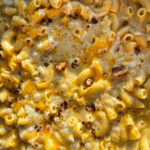
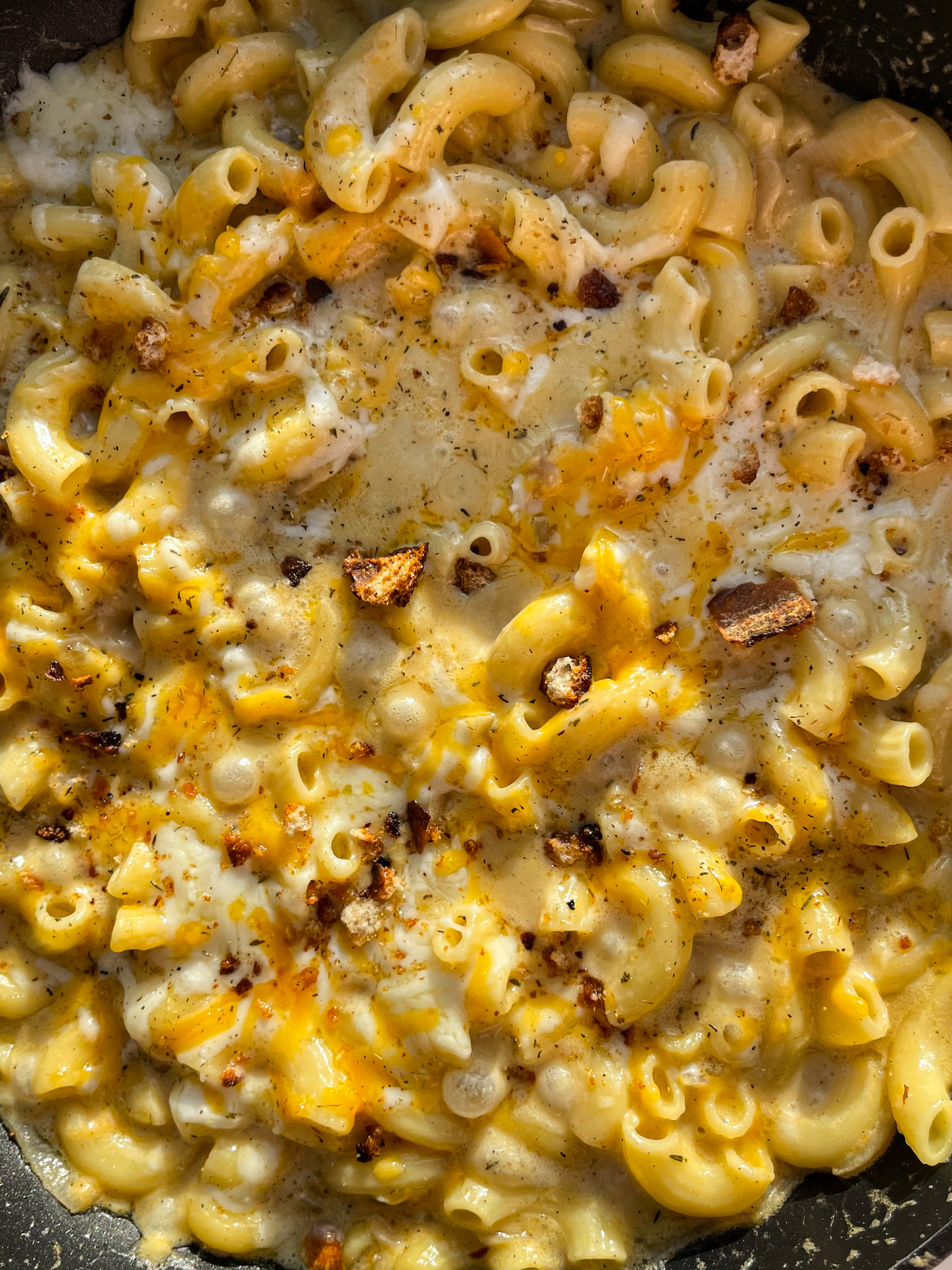
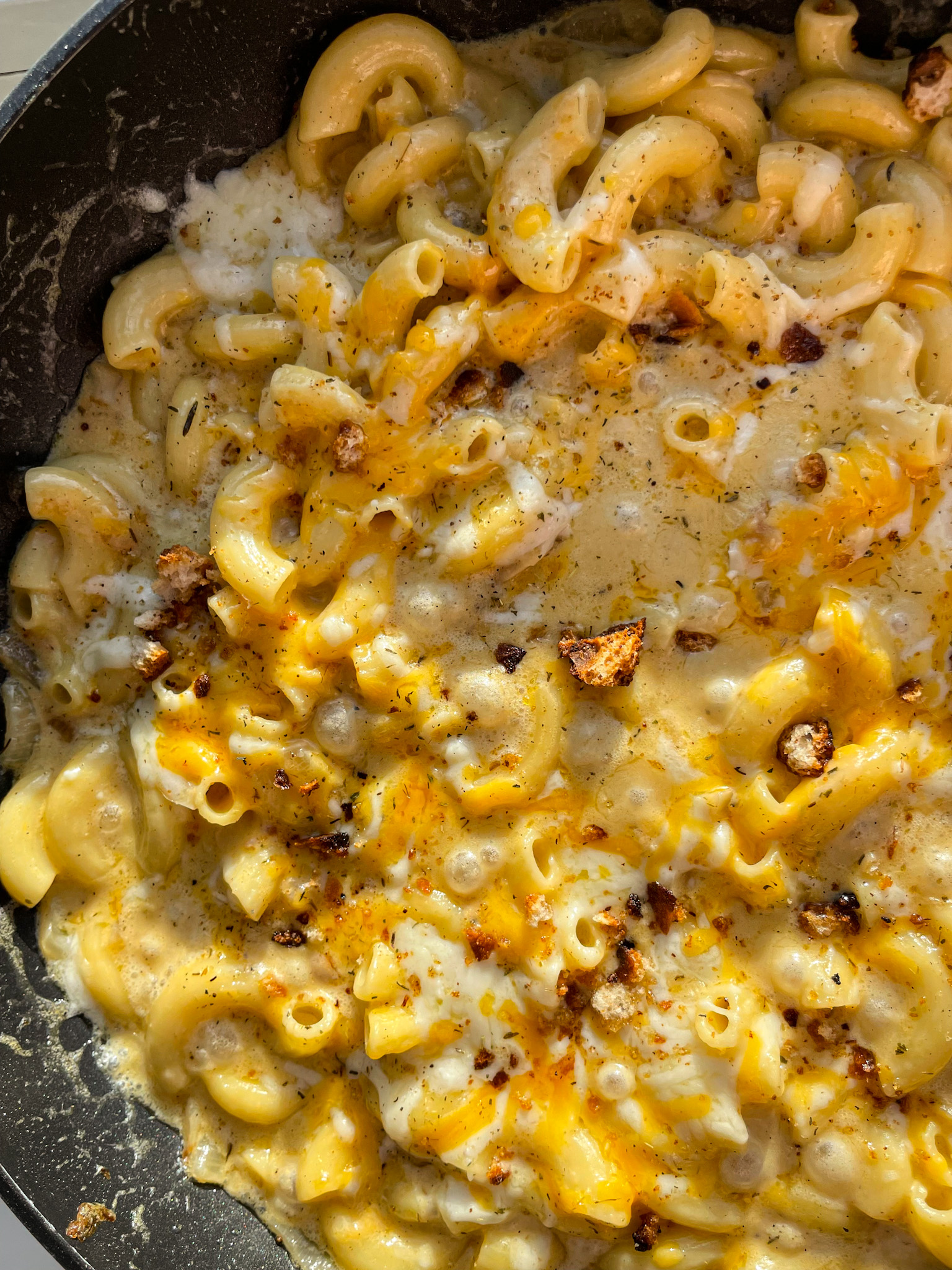
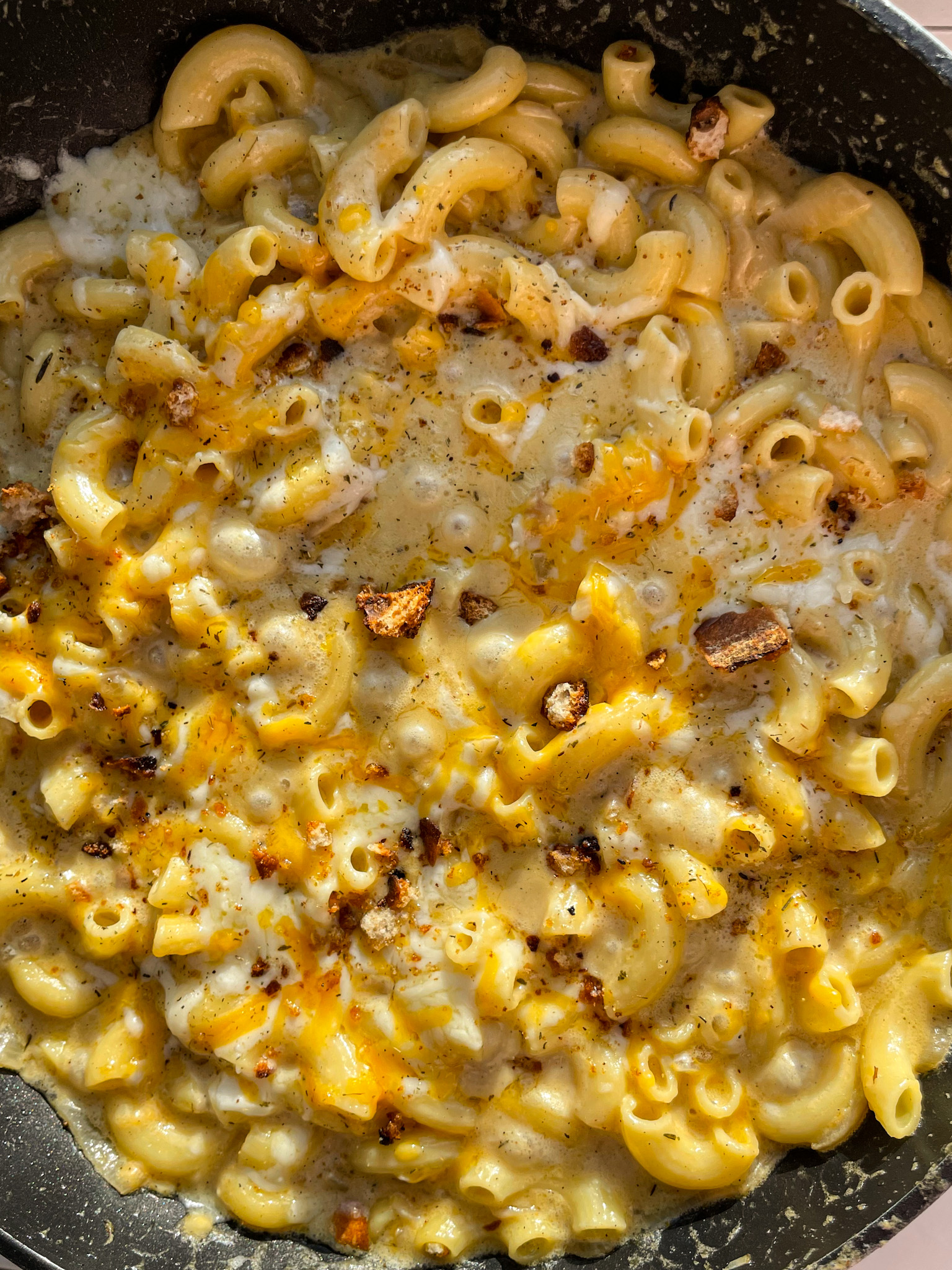
Prepare yourself for the most indulgent comfort food combination you’ve ever experienced with this French Onion Mac Cheese recipe. This brilliant culinary creation merges two beloved classics into one irresistible dish that will have everyone asking for seconds. This French Onion Mac Cheese combines the creamy, cheesy goodness of traditional macaroni and cheese with the rich, savory depth of classic French onion soup. Sweet caramelized onions provide complex flavor while a blend of cheddar and mozzarella creates that perfect stretchy, gooey texture everyone craves. This French Onion Mac Cheese features a crispy, golden-brown top that gives way to creamy pasta underneath, creating textural contrast in every forkful. Perfect for cozy weeknight dinners, potluck contributions, or anytime you need serious comfort food, this recipe delivers restaurant-quality results at home. Whether you’re feeding hungry family members or impressing dinner guests, this French Onion Mac Cheese guarantees satisfied smiles and empty plates every single time.
Why This Recipe is Special
This French Onion Mac Cheese recipe stands out because it elevates ordinary mac and cheese into something truly extraordinary. Most mac and cheese recipes rely solely on cheese for flavor, but this version incorporates deeply caramelized onions that add layers of sweet, savory complexity. The slow-cooked onions develop natural sugars that balance the richness of the cheese sauce perfectly. Fresh thyme and garlic contribute aromatic depth that makes your kitchen smell absolutely incredible. The combination of cheddar and mozzarella creates ideal texture, with cheddar providing sharp flavor while mozzarella delivers that Instagram-worthy cheese pull. Unlike basic boxed mac and cheese, this homemade version uses real ingredients and proper technique to create something memorable. The addition of heavy cream ensures luxurious, velvety sauce that coats every piece of pasta.
Key Ingredients Overview
Success with this French Onion Mac Cheese depends on selecting quality ingredients that work together harmoniously. Yellow or white onions form the flavor foundation, providing sweetness when properly caramelized. Unsalted butter allows you to control salt levels while adding richness to both the onions and cheese sauce. Fresh garlic contributes pungent, aromatic notes that enhance the overall flavor profile. Heavy cream creates the luxurious, velvety base that makes this mac and cheese so indulgent. Your choice of sturdy pasta shapes like elbow macaroni, cavatappi, or shells holds the sauce perfectly. Sharp cheddar cheese delivers bold, tangy flavor that stands up to the sweet onions. Mozzarella cheese adds creaminess and creates those beautiful cheese stretches. Fresh thyme provides earthy, slightly minty notes that complement both the onions and cheese. Smoked paprika adds subtle depth and a hint of color to the finished dish.
Understanding French Onion Soup Heritage
The French Onion Mac Cheese recipe draws inspiration from one of France’s most iconic dishes. French onion soup has roots dating back to Roman times, though the modern version emerged in 18th century Paris. Street vendors sold this affordable, nourishing soup to workers and late-night revelers throughout the city. The dish gained popularity because onions were inexpensive and readily available year-round. Slow cooking transformed humble onions into something rich and satisfying. The traditional preparation involves caramelizing onions until deeply golden, then simmering them in beef broth. A slice of toasted bread topped with melted Gruyère cheese crowns each bowl. The cheese melts into a bubbly, golden crust that mingles with the savory broth. This French Onion Mac Cheese captures those same flavors in pasta form, making it more substantial and family-friendly.
The Art of Caramelization
Caramelizing onions is the most crucial technique in this French Onion Mac Cheese recipe. This process transforms sharp, pungent raw onions into sweet, jammy perfection. The heat breaks down the onions’ natural sugars, causing them to brown and develop complex flavors. Proper caramelization requires patience, as rushing produces different results entirely. Low to medium heat allows the onions to cook slowly without burning. The process typically takes twenty-five to thirty-five minutes of attentive cooking. Onions release moisture first, appearing wet and translucent before beginning to brown. As moisture evaporates, the sugars concentrate and caramelize, creating deep golden color. The finished onions should be soft, sweet, and richly colored without any black or burnt bits.
Why This Combination Works
The marriage of French onion soup flavors with mac and cheese creates perfect balance in this French Onion Mac Cheese. The sweet caramelized onions cut through the richness of the cheese sauce, preventing it from feeling too heavy. The savory depth from properly cooked onions adds complexity that standard mac and cheese lacks. Cheese and onions have natural affinity, as evidenced by countless classic dishes featuring this pairing. The creamy pasta provides a neutral canvas that showcases both the onions and cheese equally. Thyme bridges the flavors, complementing both components while adding its own herbal notes. The result tastes sophisticated yet comforting, fancy yet approachable, indulgent yet somehow balanced.
Choosing the Right Ingredients
Selecting quality ingredients elevates this French Onion Mac Cheese from good to absolutely spectacular.
Selecting Your Onions
Yellow onions work best for this French Onion Mac Cheese due to their ideal balance of sweetness and sharpness. They contain enough sugar to caramelize beautifully while maintaining good onion flavor. White onions offer similar results with slightly sharper taste. Sweet onions like Vidalia or Walla Walla create even sweeter results if you prefer less bite. Red onions work but impart purple color that some find unappealing in this application. Choose onions that feel heavy for their size, indicating high moisture content and freshness. The skin should be papery and dry without soft spots or sprouting. Plan on two to three large onions for proper onion-to-pasta ratio. More onions create more pronounced French onion soup character in the final dish.
Choosing Your Pasta Shape
The pasta shape you select affects how well the sauce coats and how enjoyable each bite feels in this French Onion Mac Cheese. Elbow macaroni offers the classic mac and cheese experience everyone recognizes and loves. Cavatappi, with its spiral tube shape, traps sauce inside while providing visual interest. Shell pasta creates little pockets that fill with creamy cheese sauce. Penne rigate works well, with ridges that grab onto sauce effectively. Avoid delicate pasta like angel hair or thin spaghetti, which can’t handle the heavy, rich sauce. Avoid very large pasta like rigatoni, which creates awkward bite sizes with this dish. Cook the pasta to al dente texture, as it continues cooking when baked with the sauce.
Selecting Your Cheeses
Cheese selection dramatically impacts the final flavor and texture of this French Onion Mac Cheese. Sharp cheddar provides the bold, tangy flavor that defines great mac and cheese. Extra-sharp cheddar delivers even more pronounced taste if you prefer stronger cheese flavor. Block cheese that you grate yourself melts more smoothly than pre-shredded versions. Pre-shredded cheese contains anti-caking agents that prevent optimal melting and create grainy texture. Mozzarella adds stretchiness and mild, creamy flavor that balances the sharp cheddar. Whole milk mozzarella melts better than part-skim versions. Some cooks add Gruyère cheese to enhance the French onion soup connection, though it’s optional. Whatever cheeses you choose, grate them fresh just before cooking for best results.
Dairy and Seasoning Selection
Heavy cream creates the luxurious, velvety base that makes this French Onion Mac Cheese so indulgent. Heavy whipping cream with at least thirty-six percent fat content works best. Avoid substituting milk or half-and-half, which lack the richness and fat content needed for proper sauce. For butter, choose high-quality unsalted butter so you can control salt levels precisely. European-style butter with higher fat content creates even richer results. Fresh thyme provides the best flavor, though dried thyme works in a pinch at one-third the amount. Smoked paprika adds subtle depth and beautiful color without overwhelming other flavors. Fresh garlic always tastes better than pre-minced jarred versions. Quality black pepper freshly ground makes a noticeable difference in the final seasoning.
Step-by-Step Instructions for Perfect Results
Creating this French Onion Mac Cheese requires attention to technique and timing for consistently delicious results.
Preparing Your Onions
Begin by peeling and slicing your onions uniformly for even cooking in this French Onion Mac Cheese. Cut the onions in half from root to stem, then slice them into thin half-moons about one-quarter inch thick. Consistent thickness ensures all pieces caramelize at the same rate. Thinner slices cook faster but can burn more easily. Thicker slices take longer but maintain more texture in the final dish. Heat a large, heavy-bottomed skillet or Dutch oven over medium heat. Add three tablespoons of butter, letting it melt and coat the bottom completely. Add all your sliced onions at once, which may seem like a huge pile. Don’t worry, as they’ll reduce to about one-quarter of their original volume. Sprinkle with a pinch of salt to help draw out moisture.
Caramelizing to Perfection
Cook the onions for this French Onion Mac Cheese with patience, stirring every five minutes or so. The onions will first release moisture and become translucent, which takes about ten minutes. Once they turn translucent, they’ll begin to reduce in volume and start browning. Continue cooking, stirring more frequently as they brown to prevent burning. If the onions start sticking or browning too quickly, reduce the heat slightly. If they’re taking forever to brown, increase the heat a bit. The goal is steady, controlled browning over twenty-five to thirty-five minutes total. When properly caramelized, the onions should be deeply golden brown, jammy in texture, and smell incredibly sweet. Add minced garlic and fresh thyme during the last two minutes of cooking, stirring constantly.
Cooking the Pasta
While the onions caramelize, bring a large pot of water to a rolling boil for the pasta. Use at least four quarts of water for one pound of pasta. Salt the water generously once it boils, using about two tablespoons of salt. The water should taste like the ocean, as this is your only opportunity to season the pasta itself. Add your chosen pasta and cook according to package directions minus two minutes. You want the pasta al dente with a slight firmness, as it will continue cooking in the sauce and during baking. Stir occasionally to prevent sticking and ensure even cooking. Before draining, scoop out and reserve one cup of starchy pasta cooking water. This liquid helps thin the sauce if needed and improves sauce adhesion. Drain the pasta but don’t rinse it, as the surface starch helps sauce cling.
Building the Cheese Sauce
In a large saucepan or the pot used for pasta, melt four tablespoons of butter over medium heat for the French Onion Mac Cheese sauce. Once the butter melts, add two cups of heavy cream and bring to a gentle simmer. Don’t let it boil vigorously, which can cause the cream to break. Season with garlic powder, smoked paprika, salt, and black pepper according to your taste preferences. Start conservatively with salt, as the cheeses add significant saltiness. Remove from heat and add the grated cheddar cheese in three additions, stirring until completely melted between each. Add the mozzarella cheese and stir until smooth and fully incorporated. If the sauce seems too thick, add reserved pasta water a few tablespoons at a time until you achieve a pourable but still creamy consistency.
Combining and Baking
Add the drained pasta to the cheese sauce, stirring gently to coat every piece thoroughly. Fold in the caramelized onions with their garlic and thyme, distributing them evenly throughout. The mixture should look creamy with visible onions throughout. Transfer everything to a greased baking dish, spreading it evenly. For extra indulgence, sprinkle additional shredded cheese over the top. This creates a golden, bubbly crust that adds textural contrast. Bake in a preheated 375-degree Fahrenheit oven for twenty to twenty-five minutes. The top should turn golden brown and the edges should bubble. Let the French Onion Mac Cheese rest for five minutes before serving, allowing the sauce to thicken slightly.
Professional Tips for Restaurant-Quality Results
These expert techniques ensure your French Onion Mac Cheese achieves professional standards every time you prepare it.
Preventing Burnt Onions
Burnt onions ruin the sweet, complex flavor you’re trying to achieve in this French Onion Mac Cheese. Watch your heat carefully throughout the caramelization process, adjusting as needed. If you see any black spots forming, immediately reduce the heat and stir more frequently. Add a splash of water if the pan gets too dry and onions start sticking. The moisture helps loosen the browned bits and prevents burning. Use a heavy-bottomed pan that distributes heat evenly without hot spots. Thin pans create uneven heating that burns some onions while leaving others undercooked. Don’t walk away during caramelization, as the line between perfectly browned and burnt is thin. Stay nearby and stir regularly, especially during the final ten minutes.
Achieving Perfect Sauce Consistency
The sauce for this French Onion Mac Cheese should coat pasta in a creamy layer without being soupy or too thick. If your sauce seems too thin, continue cooking it gently to evaporate excess liquid. If it’s too thick, add reserved pasta water gradually until you achieve the right consistency. Remember that the sauce thickens as it cools and during baking. Aim for slightly thinner than your ideal final consistency when combining with pasta. The starch from pasta water helps the sauce cling better than adding more cream. If you accidentally make the sauce too thin, additional grated cheese helps thicken it while boosting flavor. Work over low heat when adjusting consistency to prevent the cheese from breaking or becoming grainy.
Preventing Grainy Cheese Sauce
Nothing disappoints more than grainy, separated cheese sauce in your French Onion Mac Cheese. This problem occurs when cheese proteins clump together from excessive heat or improper technique. Always remove the cream from heat before adding cheese to prevent overheating. Add cheese gradually in batches, stirring until completely melted before adding more. High heat causes cheese proteins to seize and separate from the fat. If your sauce breaks and becomes grainy, try blending it with an immersion blender to re-emulsify. Adding a splash of cream while blending often saves separated sauce. Using freshly grated cheese instead of pre-shredded prevents this problem, as pre-shredded contains additives that interfere with smooth melting.
Common Mistakes to Avoid
Understanding potential pitfalls helps you create perfect French Onion Mac Cheese results every time you make this dish.
Rushing the Onions
The most common and most damaging mistake is rushing the onion caramelization in this French Onion Mac Cheese. Cooking onions quickly over high heat creates entirely different results from proper caramelization. High heat produces onions that are charred on the outside but still sharp and crunchy inside. True caramelization requires low, slow heat that transforms the onions’ cellular structure completely. The process cannot be rushed without sacrificing flavor and texture. If you’re short on time, consider caramelizing onions in advance and refrigerating them. They keep well for several days and actually develop even deeper flavor overnight. Plan your cooking time to allow for proper onion preparation, as this step defines the entire dish.
Overcooking the Pasta
Mushy pasta ruins even the most perfect cheese sauce and caramelized onions. Remember that pasta continues cooking when mixed with hot sauce and during the baking process. Always cook pasta two minutes less than package directions suggest for al dente texture. Test pasta by tasting a piece starting two minutes before the minimum recommended time. The pasta should have slight resistance when bitten but not taste raw or crunchy. Overcooked pasta becomes waterlogged and can’t properly absorb the creamy sauce. It also breaks apart when stirred, creating an unpleasant mushy texture. Set a timer and test early rather than assuming package times are accurate for this preparation.
Using Pre-Shredded Cheese
Pre-shredded cheese seems convenient but creates inferior results in this French Onion Mac Cheese. Packaged shredded cheese contains cellulose powder or potato starch to prevent clumping in the bag. These anti-caking agents interfere with smooth melting, creating grainy or separated sauce. Pre-shredded cheese also dries out in the package, losing moisture that helps it melt smoothly. The convenience saves only a few minutes but significantly compromises your final result. Always buy blocks of cheese and grate them yourself just before cooking. A box grater works fine, though a food processor makes quick work of large quantities. The minimal extra effort dramatically improves texture and flavor.
Skipping the Baking Step
Some cooks skip baking this French Onion Mac Cheese, serving it straight from the stovetop. While this produces edible results, you miss the textural contrast that makes this dish special. Baking creates a golden, slightly crispy top layer that contrasts beautifully with the creamy pasta underneath. The heat also helps flavors meld together and develop complexity. The edges get slightly crusty and caramelized, adding another dimension of flavor. If you’re in a rush, at least broil the dish for a few minutes to achieve some surface browning. However, the full baking process yields the most satisfying results and presentation.
Variations to Try
Once you master the basic French Onion Mac Cheese, these variations add exciting new dimensions to the classic recipe.
Protein Additions
Transform this side dish into a complete meal by incorporating protein into your French Onion Mac Cheese. Crispy bacon adds smoky, salty crunch that complements the sweet onions perfectly. Cook bacon until crispy, crumble it, and fold it into the pasta or sprinkle on top. Rotisserie chicken, shredded and stirred in, creates a hearty one-dish dinner. Seared mushrooms contribute meaty texture and earthy flavor that echoes the French onion soup theme. Italian sausage, cooked and crumbled, adds spicy, savory notes. Ground beef browned with onions creates a more substantial, casserole-like dish. Pulled pork folded through creates Southern comfort food fusion.
Topping Variations
The crispy top makes or breaks the textural experience of this French Onion Mac Cheese. Panko breadcrumbs mixed with melted butter create extra-crispy golden topping. Crushed French fried onions mirror traditional French onion soup while adding serious crunch. A mixture of Parmesan and panko delivers both crispy texture and nutty cheese flavor. Crushed crackers like Ritz or buttery rounds create rich, flaky topping. Fresh herbs like parsley or chives sprinkled over after baking add color and freshness. Drizzle truffle oil over the top just before serving for luxurious, earthy aroma. Extra cheese broiled until bubbly creates classic gratin-style finish.
Flavor Enhancements
Small additions create big flavor changes in this French Onion Mac Cheese without altering its fundamental character. A splash of white wine added to the caramelized onions and cooked down adds acidic brightness. Dijon mustard stirred into the cheese sauce contributes tangy complexity. Worcestershire sauce adds umami depth that enhances the savory elements. Beef broth added to the sauce in place of some cream creates stronger French onion soup character. Sherry vinegar drizzled over just before serving cuts through richness with bright acidity. Caramelized shallots mixed with or substituted for some onions add subtle sweetness. Fresh cracked black pepper generously applied provides pleasant heat.
Storage and Reheating Guidelines
This French Onion Mac Cheese stores well, making it perfect for meal prep and leftovers that taste almost as good as fresh.
Storing Leftover Mac and Cheese
Allow the French Onion Mac Cheese to cool to room temperature before storing, but don’t exceed two hours at room temperature. Transfer to an airtight container and refrigerate for up to four days maximum. The sauce will thicken considerably as it cools and the pasta absorbs liquid. This is completely normal and expected with dairy-based pasta dishes. The flavors actually develop and deepen overnight, making leftovers particularly delicious. Store in portion-sized containers for easier reheating and to avoid repeatedly warming the entire batch. The crispy top will soften during storage, but you can restore it when reheating. Label containers with the date to track freshness accurately.
Best Reheating Methods
Reheating this French Onion Mac Cheese properly restores most of its original texture and flavor. The oven method yields the best results for larger portions. Place the mac and cheese in an oven-safe dish, add a few tablespoons of cream or milk, and cover with foil. Heat at 350 degrees Fahrenheit for twenty to twenty-five minutes until heated through. Remove the foil for the last five minutes to crisp the top. For individual portions, the microwave works acceptably. Add a splash of milk or cream, cover loosely, and heat in one-minute intervals, stirring between each. The stovetop method works for smaller portions. Heat gently in a skillet over medium-low heat, adding liquid as needed and stirring frequently.
Freezing Considerations
This French Onion Mac Cheese freezes reasonably well for up to three months, though texture changes slightly. Freeze before or after baking, depending on your preference. Cool completely before freezing to prevent ice crystal formation. Use freezer-safe containers or heavy-duty freezer bags, removing as much air as possible. Freeze in portion sizes you’ll actually use to avoid repeated thawing. Thaw overnight in the refrigerator, never at room temperature. Frozen and reheated mac and cheese may have slightly grainy sauce and softer pasta. Adding fresh cream and cheese when reheating improves texture significantly. For best quality, consume frozen portions within two months.
Frequently Asked Questions
Can I make this ahead of time?
Yes, this French Onion Mac Cheese works wonderfully as a make-ahead dish. Prepare everything up to the baking step, cover tightly, and refrigerate for up to two days. When ready to serve, bring to room temperature for thirty minutes, then bake as directed, adding five to ten extra minutes. You can also caramelize the onions up to three days ahead and refrigerate them separately. This makes day-of preparation much faster and easier. The assembled, unbaked dish can also be frozen for up to two months. Thaw completely before baking and add extra time if needed.
What can I use instead of heavy cream?
While heavy cream creates the richest, most luxurious sauce for this French Onion Mac Cheese, substitutions are possible. Half-and-half works but produces a thinner, less rich sauce. Whole milk can replace cream but requires adding a flour-based roux first to create proper thickness. Evaporated milk creates surprising richness with lower fat content. For dairy-free versions, full-fat coconut milk or cashew cream work, though flavor changes significantly. The best substitute is combining milk with butter to increase fat content closer to heavy cream.
Can I use different types of cheese?
Absolutely! This French Onion Mac Cheese works with numerous cheese combinations beyond cheddar and mozzarella. Gruyère cheese enhances the French onion soup connection with its nutty, slightly sweet flavor. Swiss cheese melts beautifully and complements the onions naturally. Fontina adds mild, buttery richness. Gouda contributes slight sweetness and excellent melting properties. Monterey Jack creates milder flavor that kids often prefer. Avoid very hard cheeses like Parmesan as the only cheese, though they work well mixed with softer varieties. Mix three or four different cheeses for complex, layered flavor.
How do I know when the onions are properly caramelized?
Properly caramelized onions for this French Onion Mac Cheese should be deeply golden brown to almost mahogany in color. They should be very soft and jammy in texture, not crunchy or firm. The flavor should be intensely sweet with no sharp, raw onion bite remaining. The onions should reduce to about one-quarter of their original volume. If you taste them, they should be sweet and complex without any bitterness. The entire process typically takes twenty-five to thirty-five minutes over medium to medium-low heat. Trust your senses more than the clock, as stove temperatures vary.
Can I add vegetables to this recipe?
Yes, vegetables add nutrition and texture to this French Onion Mac Cheese without compromising its essential character. Sautéed mushrooms complement the caramelized onions beautifully with earthy flavor. Roasted cherry tomatoes burst with sweetness that contrasts the rich cheese. Steamed broccoli florets add color and nutritional value. Baby spinach wilts nicely when stirred into the hot pasta. Roasted bell peppers contribute sweetness and color. Add vegetables during the combining stage, folding them in gently with the pasta and cheese sauce. Keep vegetable additions moderate so they enhance rather than overwhelm the French onion and cheese flavors.
Final Thoughts
This French Onion Mac Cheese recipe proves that combining two comfort food classics creates something even more extraordinary than either dish alone. The sweet, jammy caramelized onions provide complex flavor depth that elevates basic mac and cheese into something restaurant-worthy. The combination of sharp cheddar and creamy mozzarella delivers perfect cheese flavor and texture in every bite. The crispy, golden top adds textural contrast that makes this dish so satisfying.
Whether serving this as a decadent side dish or protein-enhanced main course, it never fails to impress and satisfy. The patience required for properly caramelizing onions pays off tremendously in the final flavor. Once you experience this fusion of French onion soup and mac and cheese, plain versions of either dish will seem lacking. The recipe works beautifully for weeknight family dinners, holiday gatherings, or potluck contributions. Children and adults alike find the familiar comfort of mac and cheese enhanced by the sophisticated sweetness of caramelized onions.
Master this technique, then experiment with the variations to suit different occasions and preferences. From casual Tuesday dinners to special celebrations, this French Onion Mac Cheese delivers consistently delicious, crowd-pleasing results. Gather your ingredients, embrace the slow onion caramelization process, and prepare to create the ultimate comfort food mashup that might just become your most-requested recipe.
If you’ve given this recipe a try and it won you over, please share your thoughts by leaving a rating and comment below! If you have any questions about this recipe, don’t hesitate to ask – I’m here to help and will respond promptly.
To see more recipes and behind-the-scenes, follow along on Youtube,Instagram&Tiktok!
Watch the recipe video for more clarity.
See our similar recipes:
People also like our these Recipes:
- 3 tbsp unsalted butter
- 4 large onions thinly sliced
- 2 garlic cloves
- 1 1/2 cup heavy cream
- Salt and pepper to taste
- 1 tbsp paprika
- 1 tbsp dried thyme
- 1 tbsp garlic powder
- 1/2 cup cheddar cheese
- 1/2 cup mozzarella cheese
- 400 g pasta uncooked
- 1/2 cup beef stock
In a large skillet, melt the butter over medium heat. Add the sliced onions and a pinch of salt, cooking for 15-20 minutes. Stir occasionally until the onions become soft and golden brown. You can add a little sugar to help with the caramelization if desired.
In the same pan, add in some butter, garlic and let it cook till fragrant. Add in heavy cream, beef stock over medium-low heat. Add in all the spices. Let it simmer till it thickens.
Add in the caramelized onions back with some pasta water, cheese and mix.
Add in the cooked pasta and mix very well.
Top with some toasted bread pieces.
Enjoy while warm!
If you've given this recipe a try and it won you over, please share your thoughts by leaving
a rating and comment below! If you have any questions about this recipe, don't hesitate to ask – I'm here to
help and will respond promptly.