Welcome to the Delicious World of Egyptian Baked Rice
Welcome to the enchanting world of Egyptian cuisine, where flavors blend effortlessly to create delightful dishes that warm the soul. Today, we embark on a flavorful journey through the aromatic streets of Egypt with one of its most beloved staples: Egyptian Baked Rice. This comforting dish represents more than just food; it embodies a celebration of tradition, community, and the irreplaceable warmth of home-cooked meals that bring families together around the dinner table.
Egyptian Baked Rice stands out as a unique culinary treasure that showcases the beautiful simplicity of Egyptian cooking. Unlike standard rice dishes, this recipe transforms humble ingredients into something extraordinary through the magic of slow baking. The combination of creamy milk, rich heavy cream, and butter creates a luxurious texture that melts in your mouth with every spoonful. This Egyptian Baked Rice delivers comfort food at its finest, offering familiar flavors with an exotic twist.
What makes Egyptian Baked Rice truly special is its versatility and accessibility. With just five basic ingredients that you likely already have in your kitchen, you can create an authentic Egyptian dish that impresses everyone who tastes it. The preparation is straightforward, making Egyptian Baked Rice perfect for both novice cooks and experienced chefs who appreciate the elegance of simplicity.
This Egyptian Baked Rice recipe has been passed down through generations of Egyptian families, with each household adding their own loving touches. The dish reflects Egypt’s position at the crossroads of Mediterranean, Middle Eastern, and African culinary traditions. When you prepare Egyptian Baked Rice, you connect with centuries of cooking heritage that celebrates the joy of sharing delicious food with loved ones.
Why This Recipe is Special
This Egyptian Baked Rice recipe stands apart because it transforms ordinary rice into a creamy, golden masterpiece through a unique baking method. While many cultures boil or steam their rice, Egyptian cooks discovered that baking rice with milk and cream creates an incomparable texture and flavor. The slow, even heat of the oven allows the rice to absorb the dairy gradually, resulting in grains that are tender yet distinct, creamy yet not mushy.
The beauty of Egyptian Baked Rice lies in its ability to serve multiple roles on your table. It works wonderfully as a comforting side dish alongside grilled meats or roasted vegetables. Many Egyptian families also enjoy this dish as a light main course, perhaps with a simple salad on the side. Some even serve Egyptian Baked Rice as a special breakfast or brunch item, showcasing its remarkable versatility.
Key Ingredients Overview
The foundation of exceptional Egyptian Baked Rice starts with quality white rice, preferably medium or short grain varieties that absorb liquid beautifully. Fresh whole milk provides the creamy base that defines this dish, while heavy cream adds luxurious richness that elevates each bite. Real butter contributes incomparable flavor and helps achieve the golden crust that makes Egyptian Baked Rice so visually appealing. A touch of salt enhances all the natural flavors, creating perfect balance in every spoonful.
Understanding Egyptian Baked Rice
Egyptian Baked Rice has deep roots in Egypt’s rich culinary history, dating back centuries to a time when home cooks perfected the art of transforming simple ingredients into memorable meals. This dish reflects the country’s diverse cultural influences, blending techniques and flavors from the Mediterranean, Middle Eastern, and African regions that have shaped Egyptian cuisine over millennia.
The development of Egyptian Baked Rice showcases the ingenuity of Egyptian cooks who understood how to maximize flavor while working with accessible ingredients. In a country where rice has been a dietary staple for generations, baking it with dairy represented an innovative approach that created something truly special. Over time, Egyptian families perfected their methods for layering rice with milk and cream, creating the comforting and flavorful dish we enjoy today.
The Cultural Significance
Egyptian Baked Rice represents more than sustenance in Egyptian culture. It embodies the warmth of Egyptian hospitality and the importance of gathering family around shared meals. This dish frequently appears at celebrations, family gatherings, and special occasions, where its creamy comfort brings joy to diners of all ages. The act of preparing Egyptian Baked Rice often becomes a family activity, with recipes and techniques passed from grandmothers to mothers to daughters.
The communal aspect of Egyptian Baked Rice reflects broader values in Egyptian society. Meals are rarely solitary affairs but rather opportunities to strengthen family bonds and create lasting memories. When you prepare Egyptian Baked Rice for your own family, you participate in this beautiful tradition of using food to express love and bring people together.
What Makes It Unique
What sets Egyptian Baked Rice apart from other rice dishes worldwide is its distinctive cooking method and ingredient combination. While many cultures prepare rice pudding as a dessert, Egyptian Baked Rice occupies a different culinary space as a savory side dish or light main course. The baking process creates a unique texture that cannot be achieved through stovetop cooking alone.
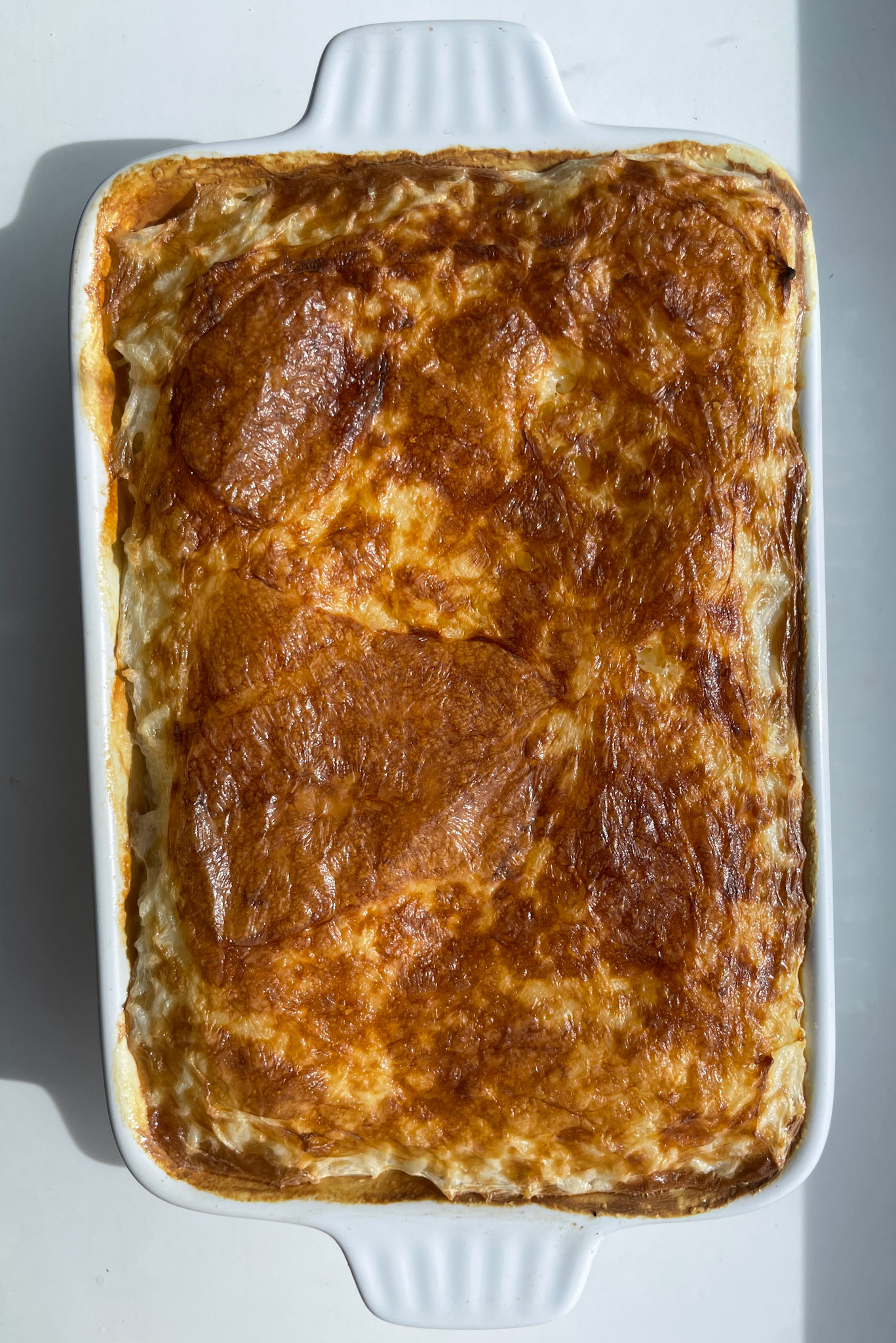
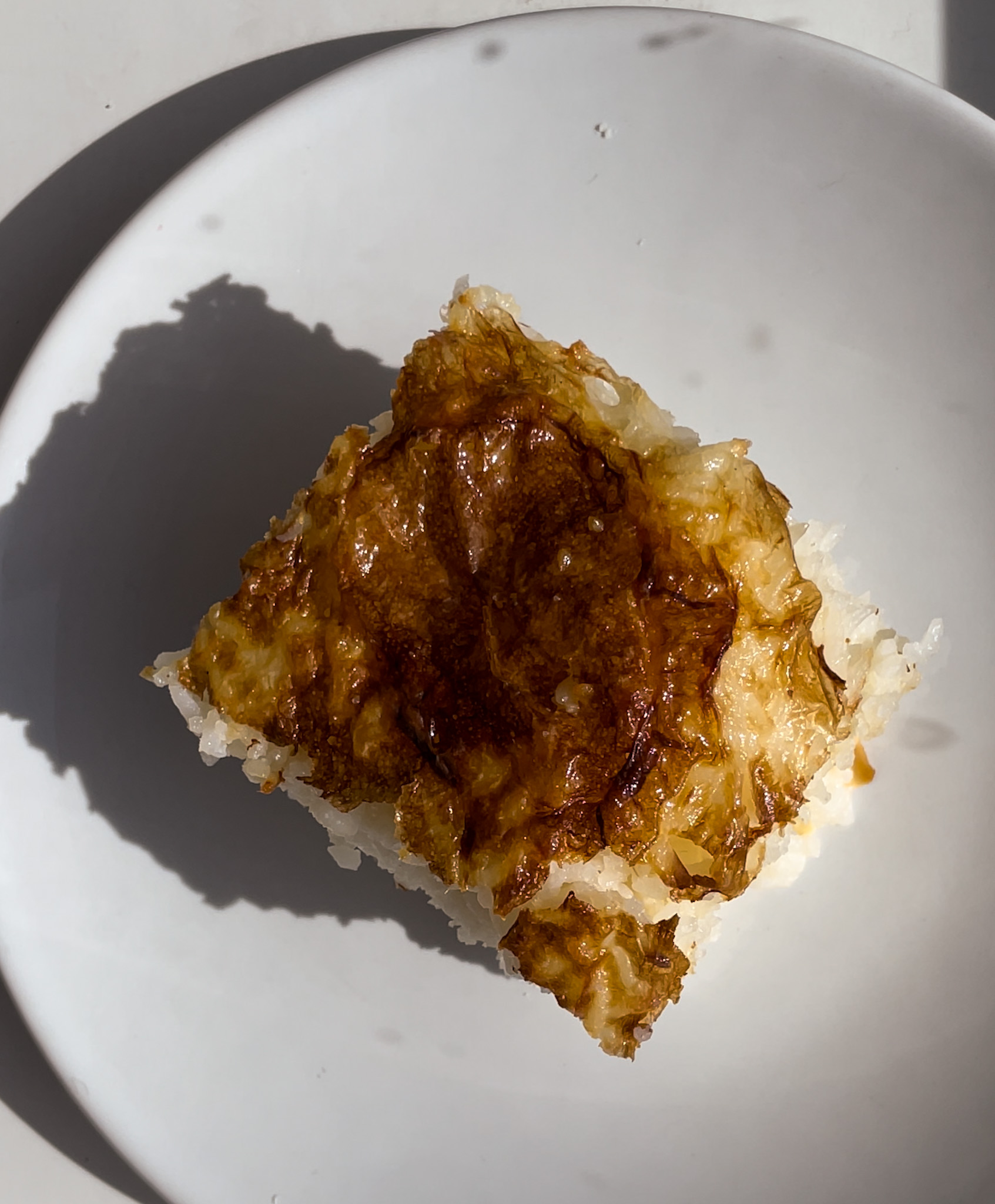
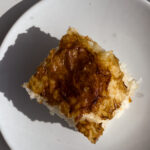
The golden crust that forms on top of Egyptian Baked Rice during baking adds visual appeal and textural contrast that makes each serving special. This caramelized layer provides a slight crunch that gives way to the creamy rice beneath, creating a delightful eating experience. The combination of crispy top and tender interior is what makes Egyptian Baked Rice so memorable and beloved.
Choosing the Right Ingredients
Selecting quality ingredients is essential for creating the best possible Egyptian Baked Rice. Each component plays a crucial role in achieving the authentic flavor and texture that makes this dish so special.
Rice Selection Guide
For the most authentic Egyptian Baked Rice, choose medium-grain white rice such as Egyptian rice or Calrose rice. These varieties have the perfect starch content to create the creamy texture characteristic of this dish while maintaining individual grain integrity. Short-grain rice also works beautifully in Egyptian Baked Rice, producing an even creamier result that some families prefer.
Avoid using long-grain rice like basmati or jasmine for Egyptian Baked Rice, as these varieties remain too separate and do not absorb the dairy mixture as effectively. The goal is rice that becomes tender and creamy while still maintaining enough structure to be scooped and served. Quality medium-grain rice ensures your Egyptian Baked Rice turns out perfectly every time.
When shopping for rice, look for grains that are uniform in size and free from debris. Fresh rice cooks more evenly than rice that has been stored for extended periods. Store your rice in an airtight container in a cool, dry place to maintain its quality until you are ready to prepare your Egyptian Baked Rice.
Dairy Product Selection
The milk you choose significantly impacts the final richness of your Egyptian Baked Rice. Whole milk is essential for achieving the authentic creamy texture and flavor. Low-fat or skim milk will produce a thinner, less satisfying result. Some Egyptian families use a combination of whole milk and evaporated milk for even greater richness in their Egyptian Baked Rice.
Heavy cream elevates Egyptian Baked Rice from ordinary to extraordinary. Look for cream with at least 36 percent milk fat for the best results. The cream adds luxurious body and helps create the signature golden crust during baking. Fresh cream performs better than ultra-pasteurized varieties, though both will work in your Egyptian Baked Rice recipe.
Choose real butter rather than margarine for authentic flavor in your Egyptian Baked Rice. European-style butter with higher fat content creates even richer results, though standard unsalted butter works perfectly well. The butter serves multiple purposes: it prevents sticking, adds flavor, and contributes to the golden color that makes Egyptian Baked Rice so appealing.
Salt and Seasoning Considerations
While traditional Egyptian Baked Rice uses only salt for seasoning, the quality of salt matters. Fine sea salt or kosher salt dissolves easily in the hot water, distributing evenly throughout the dish. Avoid iodized table salt if possible, as it can impart a slightly metallic taste. The amount of salt is adjustable based on personal preference, but remember that the dairy ingredients are naturally low in sodium.
Some modern variations of Egyptian Baked Rice incorporate subtle additional seasonings, though purists prefer the simple, clean flavor of the traditional recipe. A bay leaf added during baking imparts gentle aromatic notes. A pinch of white pepper provides warmth without visible specks. However, the beauty of classic Egyptian Baked Rice lies in allowing the natural flavors of rice and dairy to shine.
Step-by-Step Instructions for Perfect Results
Creating restaurant-quality Egyptian Baked Rice at home is straightforward when you follow these detailed instructions carefully. Each step builds toward the perfect final result.
Preparation Phase
Begin preparing your Egyptian Baked Rice by thoroughly washing two cups of white rice under cold running water. Place the rice in a fine-mesh strainer and rinse, stirring gently with your fingers, until the water runs clear. This crucial step removes excess starch that could make your Egyptian Baked Rice gummy rather than creamy. Washing typically requires three to four rinses for best results.
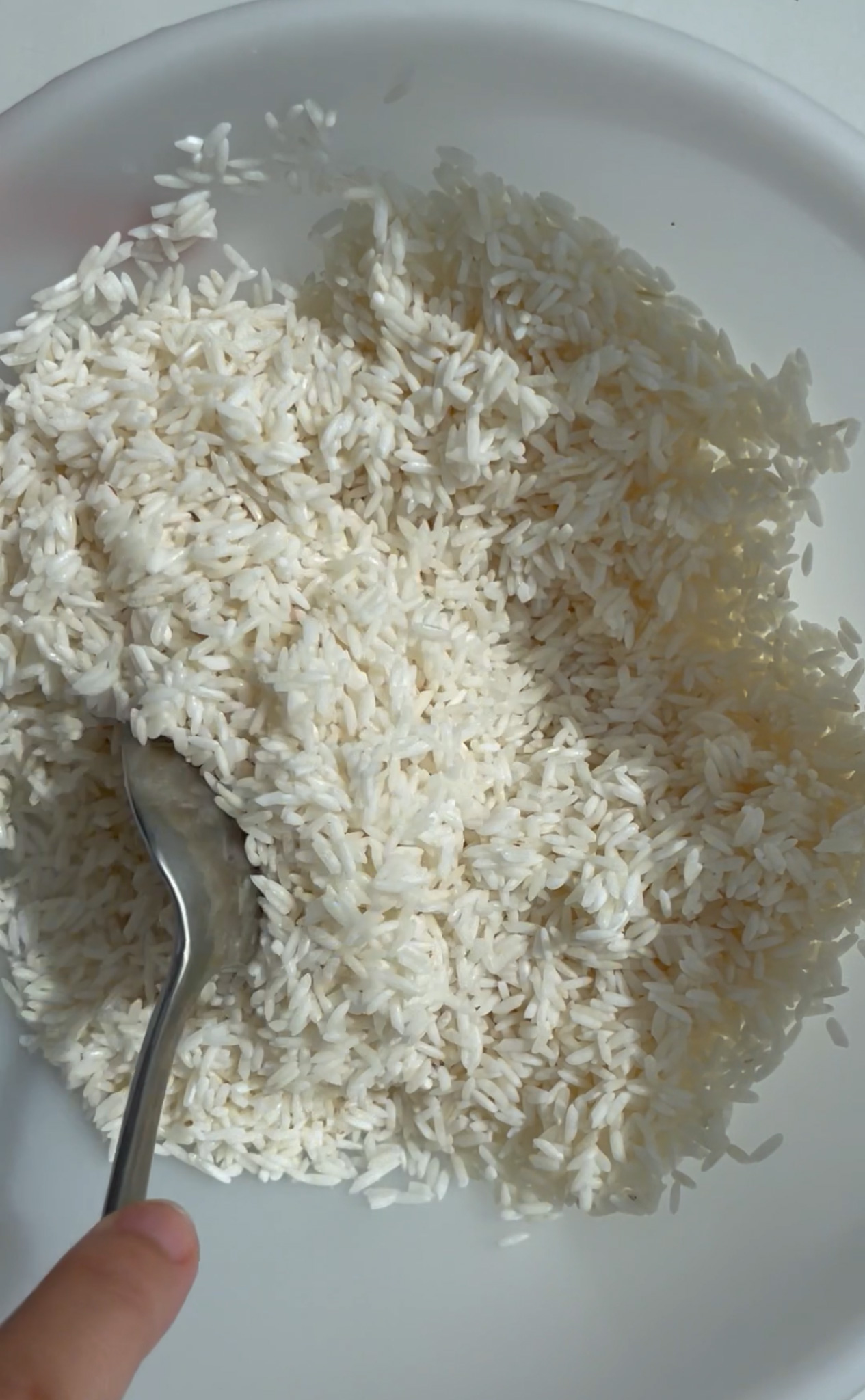
After washing, spread the rice on a clean kitchen towel or paper towels to dry completely. This step is important because dry rice absorbs the dairy mixture more effectively, resulting in better texture in your finished Egyptian Baked Rice. Allow the rice to air dry for at least 15 minutes while you prepare the other components.
Preheat your oven to 180 degrees Celsius, which equals approximately 350 degrees Fahrenheit. This moderate temperature allows the Egyptian Baked Rice to cook evenly without the dairy scorching or the top browning too quickly. Proper oven temperature is essential for achieving the perfect balance of creamy interior and golden crust.
Assembling the Dish
Generously butter a medium-sized baking dish, ensuring you coat the bottom and sides completely. This prevents the Egyptian Baked Rice from sticking and makes serving easier. A nine-by-thirteen-inch baking dish works perfectly for a standard recipe, though you can adjust the size based on your needs. The buttered dish also contributes to the golden color and rich flavor of your Egyptian Baked Rice.
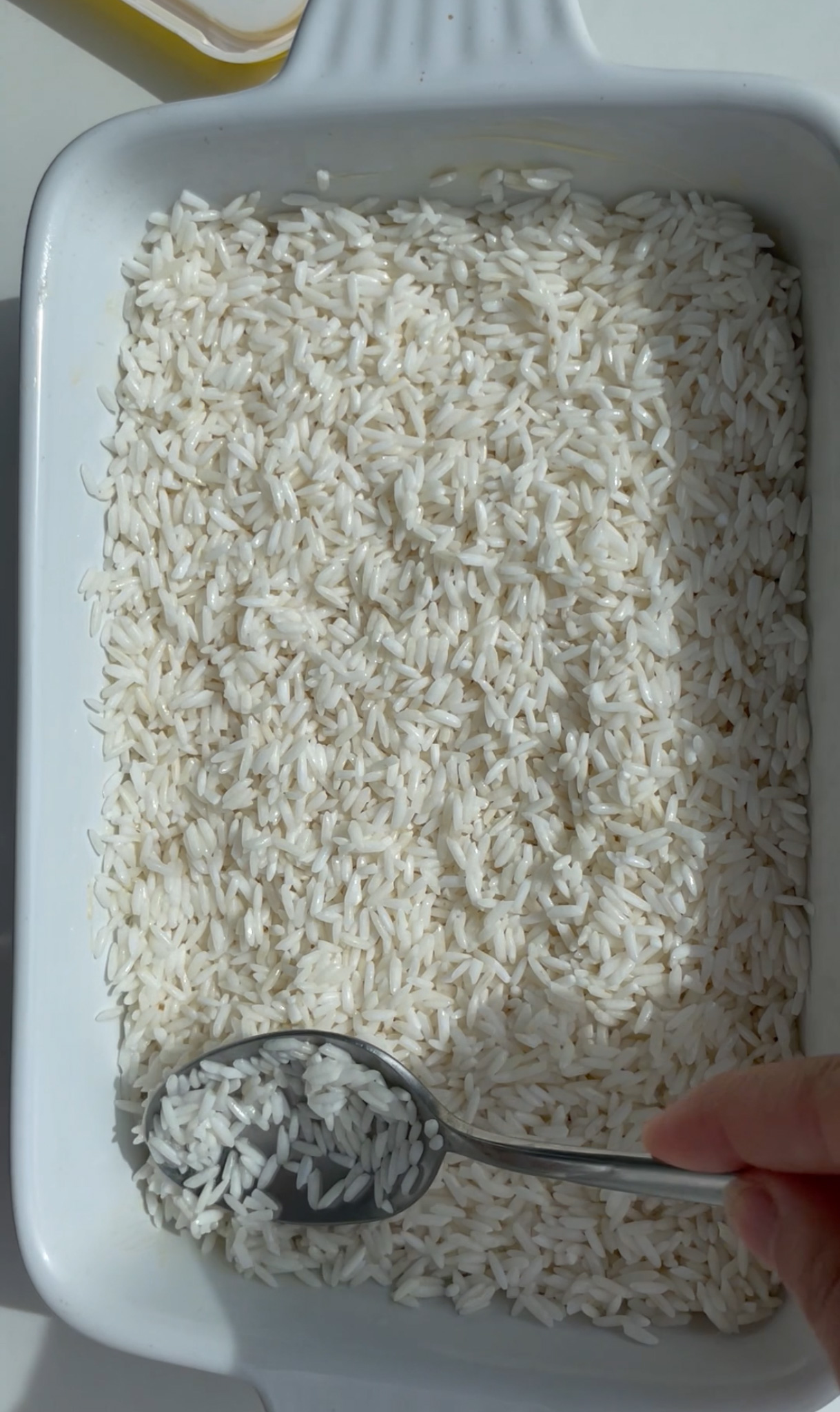
Spread the dried rice evenly across the bottom of your prepared baking dish. The rice layer should be relatively uniform in thickness to ensure even cooking throughout your Egyptian Baked Rice. Gently shake the dish to level the rice without packing it down, as you want the grains to remain loose so they can absorb the liquid properly.
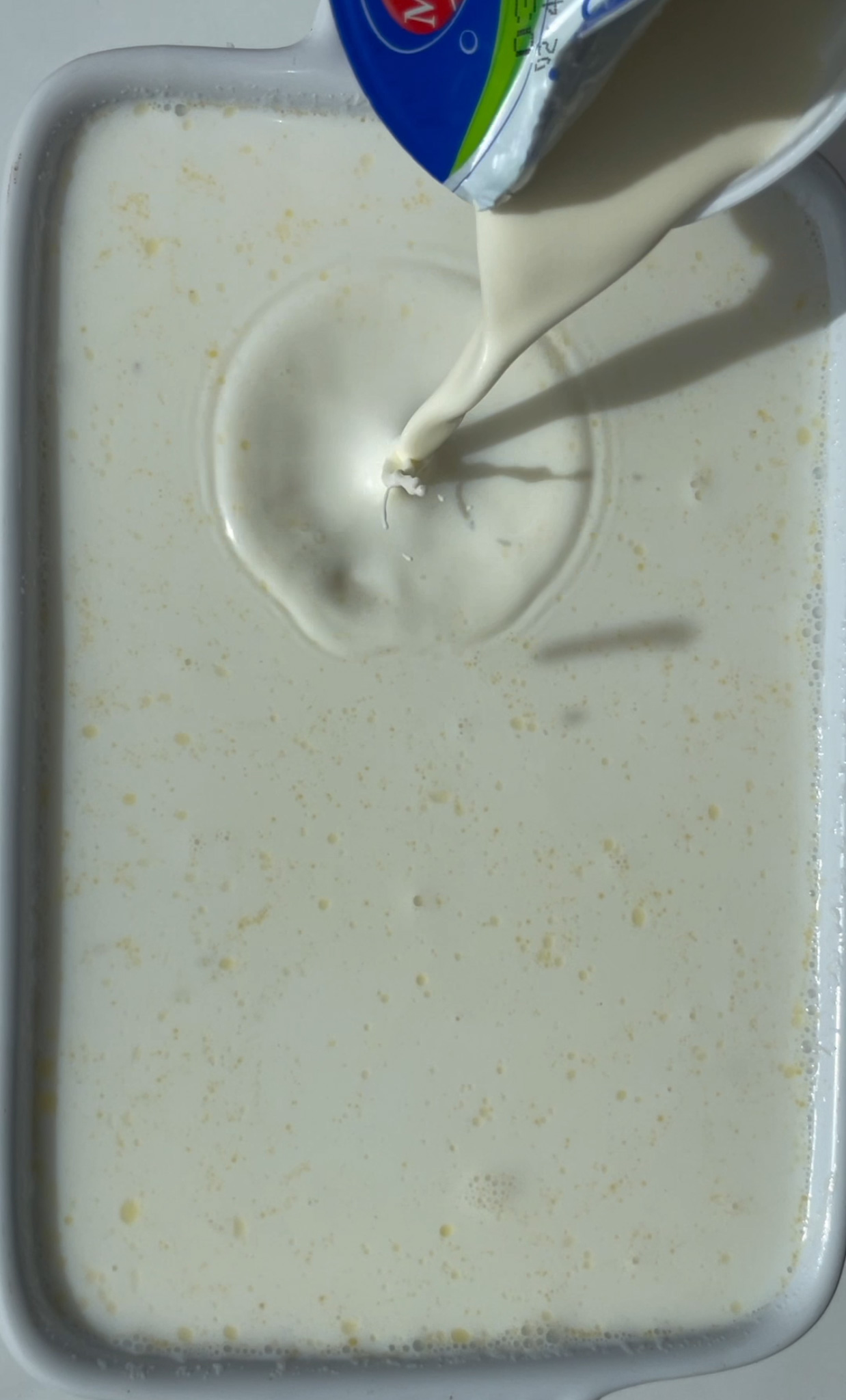
Heat four cups of whole milk until it is hot but not boiling. You can do this on the stovetop over medium heat or in the microwave in two-minute intervals. The milk should be steaming and hot to the touch but not bubbling vigorously. Pour the hot milk carefully over the rice in your baking dish, ensuring it covers the rice completely with about one inch of liquid above the rice level.
Adding Final Components
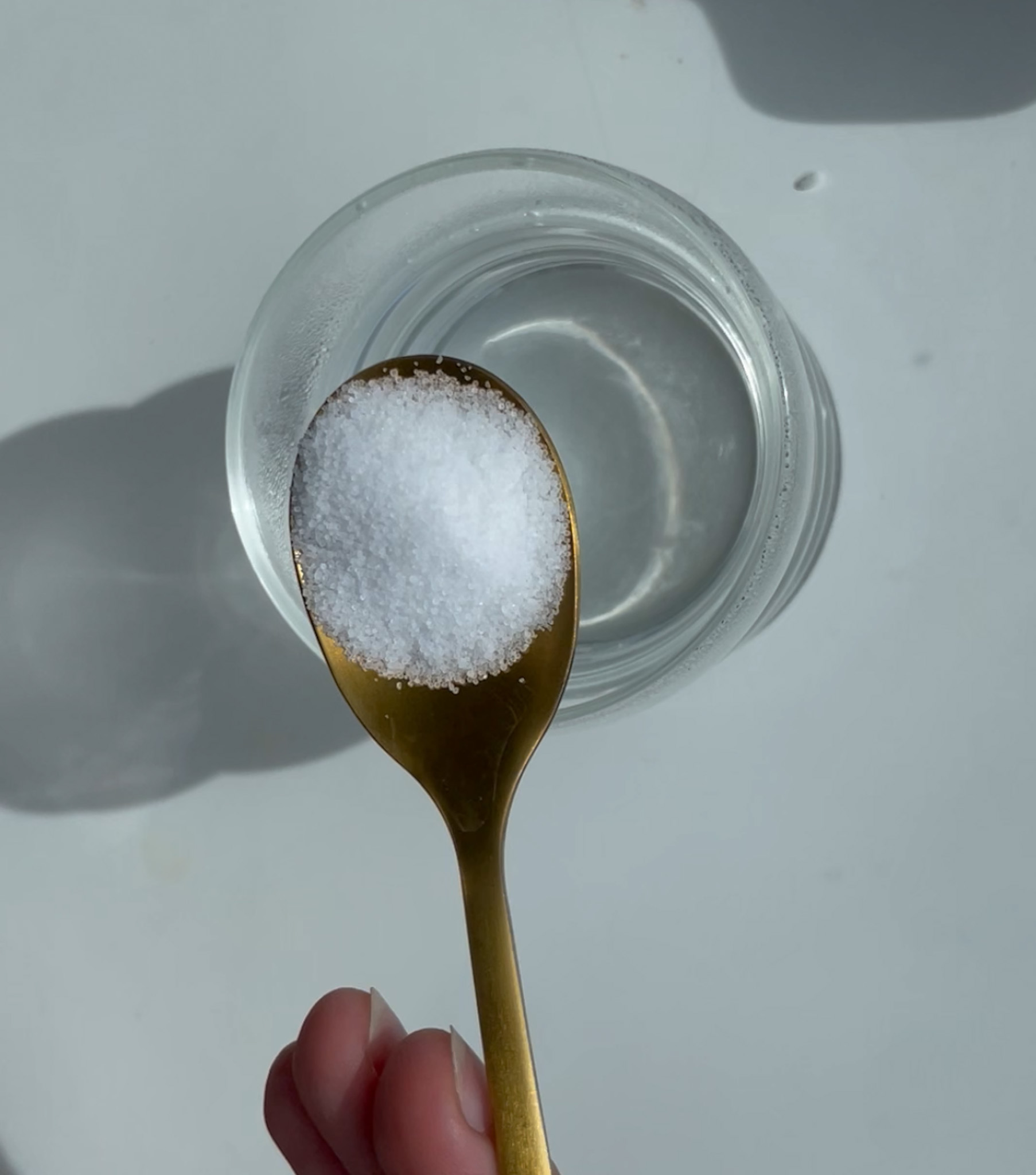
In a separate cup, dissolve one teaspoon of salt in one cup of hot water, stirring until the salt completely disappears. This salted water helps season the Egyptian Baked Rice evenly throughout and provides additional liquid for the rice to absorb during baking. Adjust the salt amount based on your preference, keeping in mind that the dairy ingredients are relatively bland and benefit from proper seasoning.
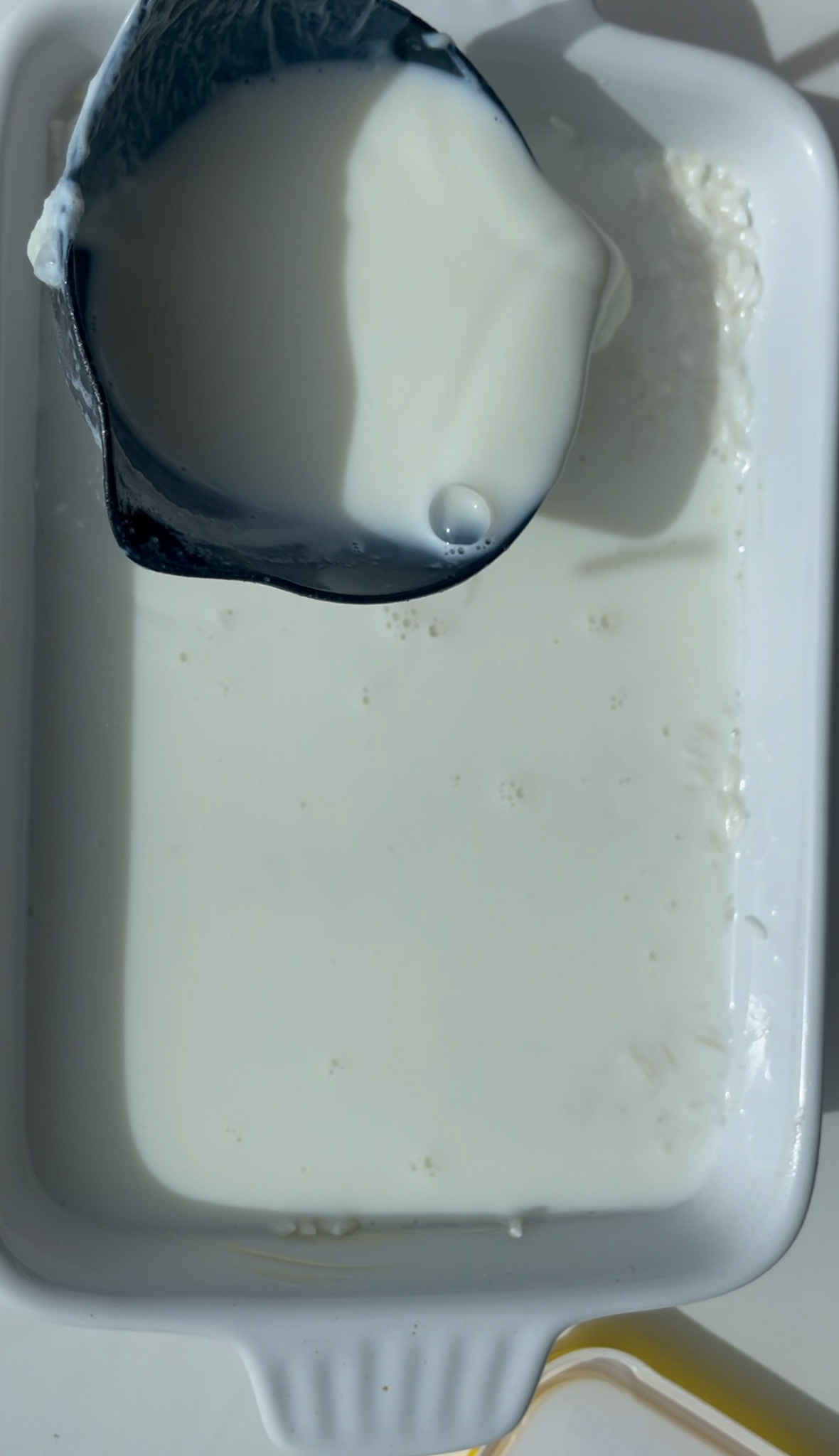
Pour the salted water into the baking dish with the rice and milk. Add one cup of heavy cream to the mixture, pouring it evenly over the surface. Use a fork or spoon to gently stir everything together, ensuring the rice is evenly distributed and the liquids are well combined. Be gentle during this mixing to avoid breaking the rice grains while ensuring your Egyptian Baked Rice ingredients are properly incorporated.
Dot the surface of your Egyptian Baked Rice with small pieces of butter, using about two tablespoons total. These butter pieces will melt during baking and contribute to the golden crust while adding richness throughout the dish. The butter also creates beautiful golden spots on the surface that make your Egyptian Baked Rice visually appealing.
Baking Process
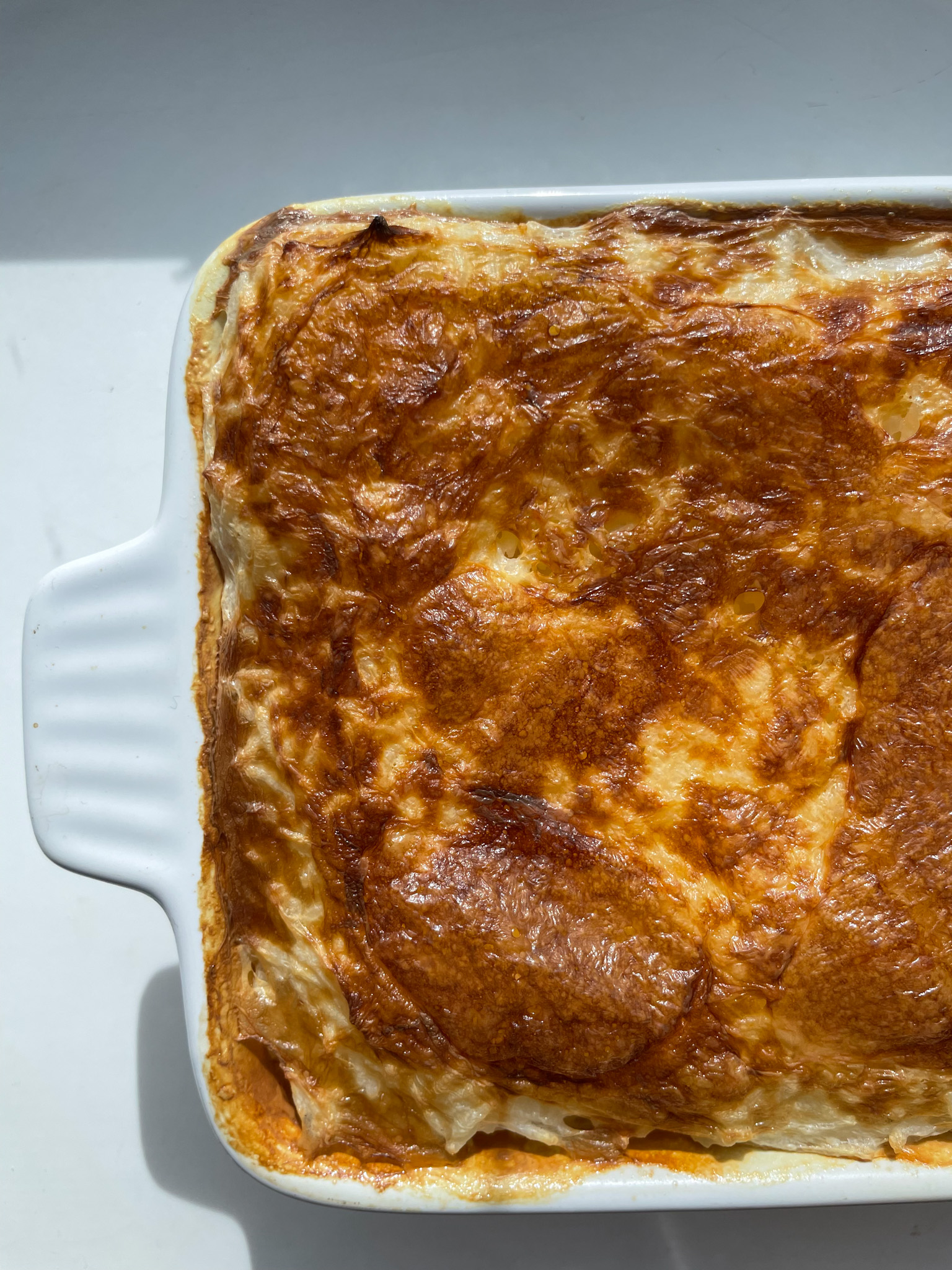
Place your prepared Egyptian Baked Rice in the preheated oven on the center rack. Bake uncovered for approximately 45 to 55 minutes, though exact timing depends on your oven and the depth of your baking dish. The rice should absorb most of the liquid, and the top should turn a beautiful golden brown color. Watch carefully during the final 10 minutes to prevent over-browning.
You will know your Egyptian Baked Rice is done when the top develops a golden crust, the edges are slightly darker and crispy, and a knife inserted into the center reveals rice that is tender and creamy but not soupy. If liquid remains pooled on top after 55 minutes, continue baking in five-minute increments until most moisture is absorbed.
Some families prefer their Egyptian Baked Rice with a lighter color, while others love a deeper golden crust. Adjust your baking time to achieve your preferred level of browning. For a lighter result, remove the dish earlier or tent it with foil during the final minutes. For deeper color, allow it to bake a bit longer, watching carefully to prevent burning.
Final Touches
Remove your finished Egyptian Baked Rice from the oven and allow it to rest for five to 10 minutes before serving. This resting period lets the rice finish absorbing any remaining liquid and allows the texture to settle, making it easier to serve. The dish will continue to thicken slightly as it cools, so do not be concerned if it seems a bit loose when first removed from the oven.
Cut your Egyptian Baked Rice into squares or scoop it with a large spoon onto serving plates. The dish should hold its shape reasonably well while still being creamy and tender. Garnish if desired with a light sprinkle of cinnamon or a drizzle of honey for special occasions, though traditional Egyptian Baked Rice is typically served plain to appreciate its pure, comforting flavors.
Professional Tips for Outstanding Results
Elevate your Egyptian Baked Rice from good to exceptional with these expert techniques that ensure perfect results every time you prepare this beloved dish.
Achieving Perfect Texture
The key to creamy yet distinct rice grains in Egyptian Baked Rice lies in the ratio of liquid to rice. The standard ratio is approximately three cups of total liquid to two cups of rice, but this can vary based on your rice variety and personal preference. If you prefer creamier Egyptian Baked Rice, increase the milk by half a cup. For firmer results, reduce the liquid slightly.
Avoid stirring the Egyptian Baked Rice once it goes into the oven. Stirring during baking releases excess starch and can make the dish gummy rather than creamy. The only mixing should happen before baking, when you initially combine all the ingredients. Trust the oven to work its magic and resist the urge to interfere with your Egyptian Baked Rice as it bakes.
Temperature Control Mastery
Oven temperature consistency is crucial for perfect Egyptian Baked Rice. If your oven runs hot, reduce the temperature by 10 to 15 degrees to prevent the top from browning too quickly before the rice fully cooks. Conversely, if your oven runs cool, increase the temperature slightly or extend the baking time. Consider using an oven thermometer to verify accuracy.
Placing your Egyptian Baked Rice on the center oven rack ensures even heat distribution from all sides. Avoid the top rack, which can cause excessive browning, or the bottom rack, which may result in undercooked rice with a pale top. Proper rack placement contributes significantly to the success of your Egyptian Baked Rice.
Make-Ahead Strategies
While Egyptian Baked Rice is best enjoyed fresh from the oven, you can prepare components ahead for convenience. Wash and dry your rice up to 24 hours in advance, storing it in an airtight container. Butter your baking dish and refrigerate it covered until ready to use. These simple preparations make assembling your Egyptian Baked Rice quick and easy when you are ready to bake.
You can also fully assemble the unbaked Egyptian Baked Rice up to two hours before baking. Cover the dish tightly with plastic wrap and refrigerate. When ready to bake, remove the plastic wrap and allow the dish to sit at room temperature for 15 minutes before placing it in the preheated oven. You may need to add five to 10 minutes to the baking time if the ingredients are cold.
Common Mistakes to Avoid
Understanding what not to do when making Egyptian Baked Rice helps ensure success every time you prepare this traditional dish.
Insufficient Rice Washing
One of the most common mistakes is not washing the rice thoroughly enough before making Egyptian Baked Rice. Unwashed rice releases excess starch during baking, creating a gummy, overly sticky texture rather than the desired creamy consistency. Always rinse your rice until the water runs completely clear, even if it requires five or six rinses. This extra effort makes a tremendous difference in the final quality of your Egyptian Baked Rice.
Equally important is drying the washed rice completely. Wet rice dilutes the dairy mixture and can throw off the liquid ratios in your Egyptian Baked Rice. Spread rinsed rice on towels and allow it to air dry thoroughly. Patience during this step pays off with superior texture in your finished dish.
Incorrect Liquid Temperature
Adding cold milk to rice results in uneven cooking and extended baking time for Egyptian Baked Rice. The rice on the outside absorbs liquid and softens while the center remains hard and undercooked. Always heat your milk until it is hot before pouring it over the rice. This ensures even absorption and consistent texture throughout your Egyptian Baked Rice.
However, avoid using boiling milk, which can curdle when combined with the cream or cause the rice grains to break apart. The ideal temperature is hot enough to steam but not actively bubbling. This temperature sweet spot ensures your Egyptian Baked Rice cooks evenly and develops the perfect creamy texture.
Overbaking Issues
Leaving Egyptian Baked Rice in the oven too long dries it out and can burn the top, creating an unpleasant bitter flavor. Watch your dish carefully during the final 15 minutes of baking. The perfect Egyptian Baked Rice has a golden top with darker edges, but it should never appear black or smell burnt.
If you notice the top browning too quickly before the rice is fully cooked, tent your Egyptian Baked Rice loosely with aluminum foil. This slows surface browning while allowing the interior to continue cooking properly. Remove the foil during the last few minutes if you want to deepen the golden color slightly.
Variations to Try
Once you have mastered classic Egyptian Baked Rice, experiment with these creative variations that honor the traditional recipe while offering exciting new flavors.
Sweet Variations
Transform your Egyptian Baked Rice into a dessert or special breakfast by adding sugar and warm spices. Mix three to four tablespoons of sugar into the milk before pouring it over the rice. Add a teaspoon of vanilla extract and a half teaspoon of ground cinnamon to the mixture for aromatic sweetness. This sweetened version of Egyptian Baked Rice makes a wonderful comfort dessert served warm with a drizzle of honey.
For an even more decadent sweet variation, incorporate raisins or dried cranberries into your Egyptian Baked Rice before baking. The dried fruit plumps up during baking, adding bursts of sweetness throughout the dish. Top the finished creation with toasted nuts like almonds or pistachios for textural contrast and authentic Middle Eastern flair.
Savory Enhancements
Elevate savory Egyptian Baked Rice by adding caramelized onions to the rice before baking. The sweet, golden onions complement the creamy rice beautifully and add depth of flavor. Sauteed mushrooms provide earthy richness that makes your Egyptian Baked Rice more substantial and sophisticated.
For a complete one-dish meal, layer cooked ground meat or shredded chicken between two layers of the rice mixture in your baking dish. Season the meat with traditional Egyptian spices like cumin, coriander, and cinnamon. This creates a heartier version of Egyptian Baked Rice that can serve as a satisfying main course for dinner.
Cheese Additions
Adding cheese to Egyptian Baked Rice creates an incredibly indulgent variation that appeals to cheese lovers. Mix one cup of shredded mozzarella or kashkaval cheese into the rice before baking, reserving a handful to sprinkle on top. The cheese melts into the creamy rice, adding richness and creating beautiful cheese pulls when served.
For a more sophisticated flavor, incorporate crumbled feta cheese into your Egyptian Baked Rice. The tangy, salty feta contrasts beautifully with the sweet cream, creating complex flavors that surprise and delight. This Greek-influenced variation demonstrates how adaptable Egyptian Baked Rice can be while maintaining its essential character.
Storage and Reheating
Proper storage and reheating techniques ensure your Egyptian Baked Rice remains delicious even when prepared ahead or saved as leftovers.
Storing Instructions
Allow your Egyptian Baked Rice to cool to room temperature before storing, but do not leave it out for more than two hours to maintain food safety. Transfer cooled rice to an airtight container or cover the baking dish tightly with plastic wrap or aluminum foil. Properly stored Egyptian Baked Rice maintains its quality for three to four days in the refrigerator.
Egyptian Rice freezes reasonably well for longer storage, though the texture may be slightly less creamy after thawing. Portion the cooled rice into individual servings in freezer-safe containers for convenient future meals. Frozen Egyptian Rice keeps for up to one month. Label containers with the date to track freshness and ensure you use the oldest portions first.
For best results when freezing, slightly undercook your Egyptian Rice so it does not become mushy during reheating. The rice will finish cooking when you reheat it, resulting in better texture than if you froze fully cooked rice.
Reheating Methods
The oven provides the best reheating method for Egyptian Baked Rice, helping restore the creamy texture and golden top. Preheat your oven to 160 degrees Celsius or 325 degrees Fahrenheit. Place the rice in an oven-safe dish, cover with foil to prevent drying, and heat for 15 to 20 minutes until warmed through. Remove the foil during the last five minutes to re-crisp the top slightly.
For quicker reheating, the microwave works adequately for individual portions of Egyptian Baked Rice. Place a serving in a microwave-safe bowl and add one to two tablespoons of milk to restore moisture. Cover with a microwave-safe lid or damp paper towel and heat in one-minute intervals, stirring between each interval, until hot throughout.
The stovetop offers another reheating option for Egyptian Baked Rice. Place the rice in a saucepan with a few tablespoons of milk or cream. Heat over low heat, stirring gently and frequently, until warmed through. This method works well for smaller portions and allows you to adjust the consistency by adding more liquid if needed.
Frequently Asked Questions
Here are answers to the most common questions about preparing and enjoying Egyptian Baked Rice.
Can I use brown rice instead?
While traditional Egyptian Baked Rice uses white rice, you can experiment with brown rice for a healthier variation. However, brown rice requires significant adjustments to the recipe. You will need to increase the liquid by at least one cup and extend the baking time to 75 to 90 minutes, as brown rice takes much longer to become tender. The texture will be chewier and less creamy than traditional Egyptian Rice made with white rice.
Why did my rice turn out mushy?
Mushy Egyptian Rice usually results from using too much liquid, not washing the rice sufficiently, or overbaking. Check your measurements carefully and ensure you rinse the rice until the water runs clear. If you followed the recipe correctly but still experienced mushiness, your rice variety may absorb less liquid than standard medium-grain rice. Reduce the liquid by half a cup next time you prepare Egyptian Baked Rice.
Can I make this dairy-free?
Creating dairy-free Egyptian Rice is possible using plant-based alternatives, though the flavor and texture will differ from the traditional version. Use full-fat coconut milk or unsweetened cashew milk in place of regular milk, and coconut cream instead of dairy cream. Replace butter with coconut oil or vegan butter. The resulting dish will have different flavors but can still be delicious in its own right.
How do I prevent the top from burning?
If the top of your Egyptian Rice browns too quickly, reduce the oven temperature by 10 to 15 degrees or tent the dish loosely with aluminum foil during baking. Position your baking dish on the center oven rack rather than the top rack. These adjustments help achieve the golden crust without burning while ensuring the rice cooks through properly.
What should I serve with it?
Egyptian Baked Rice pairs beautifully with grilled or roasted meats, particularly lamb, chicken, or beef. It also complements vegetable dishes like roasted eggplant or sauteed greens. Many Egyptian families serve this rice alongside salads for a lighter meal. The mild, creamy flavor of Egyptian Baked Rice makes it versatile enough to accompany almost any main dish.
Can I add vegetables?
While traditional Egyptian Baked Rice contains no vegetables, you can certainly add them for extra nutrition and flavor. Finely diced carrots, peas, or corn mixed into the rice before baking work well. Keep vegetable pieces small so they cook through during the baking time. Remember that adding vegetables may require slightly adjusting the liquid amounts in your Egyptian Baked Rice.
Final Thoughts
Egyptian Baked Rice represents the beautiful simplicity and warmth of Egyptian home cooking. This traditional dish transforms humble ingredients into something extraordinary through time-honored techniques passed down through generations. The creamy texture, golden crust, and comforting flavors make Egyptian Baked Rice a treasure worth adding to your cooking repertoire.
Making authentic Egyptian Baked Rice connects you to centuries of culinary tradition while creating memorable meals for your own family. The straightforward preparation welcomes cooks of all skill levels, while the delicious results impress everyone at your table. Each time you prepare Egyptian Baked Rice, you participate in the beautiful tradition of using food to bring people together and create lasting memories.
Do not hesitate to make this recipe your own by experimenting with the variations suggested or creating your own adaptations. The foundation of rice, milk, cream, and butter is endlessly versatile, welcoming your creative touches while maintaining the essential character that makes Egyptian Baked Rice so beloved.
Gather your ingredients and preheat your oven, because once you experience the comfort and flavor of homemade Egyptian Baked Rice, it will become a regular feature in your meal rotation. The combination of creamy interior and golden crust creates a dish that satisfies both body and soul. Try making Egyptian Baked Rice this week and discover why Egyptian families have cherished this simple yet spectacular dish for generations!
Welcome to the world of Egyptian cuisine, where flavors blend effortlessly to create delightful dishes! Today, let's take a flavorful journey through the aromatic streets of Egypt with one of its beloved staples: Egyptian Baked Rice. This dish isn't just about food; it's a celebration of tradition, community, and the warmth of home-cooked meals. So, gather around as we explore the simplicity and friendliness of Egyptian Baked Rice, guaranteed to tantalize your taste buds and leave you craving for more!
Start by washing the white rice quite well and make sure it is dried.
Butter your baking dish then add the white rice to it.
Pour in the hot milk and make sure it covers the rice well.
Add your preferred amount of salt to a hot cup of water and make sure it is well dissolved.
Add the salted water to the baking dish.
Add the heavy cream to the rice and mix them all together.
Bake at 180 Celsius degrees until golden.
Serve while warm!
If you've given this recipe a try and it won you over, please share your thoughts by leaving
a rating and comment below! If you have any questions about this recipe, don't hesitate to ask – I'm here to
help and will respond promptly.
Welcome to the world of Egyptian cuisine, where flavors blend effortlessly to create delightful dishes! Today, let's take a flavorful journey through the aromatic streets of Egypt with one of its beloved staples: Egyptian Baked Rice. This dish isn't just about food; it's a celebration of tradition, community, and the warmth of home-cooked meals. So, gather around as we explore the simplicity and friendliness of Egyptian Baked Rice, guaranteed to tantalize your taste buds and leave you craving for more!
Prep Time
10 mins
Cook Time
10 mins
Marination Time
2 hrs
Total Time
2 hrs 20 mins
Course
Appetizer
Cuisine
American
Servings
6 PIECES
Ingredients
2 1/2 cups white rice
2 1/2 cups hot milk
1/2 cup heavy cream
1 tbsp butter
Salt
1 cup hot water
Instructions
Start by washing the white rice quite well and make sure it is dried.
Butter your baking dish then add the white rice to it.
Pour in the hot milk and make sure it covers the rice well.
Add your preferred amount of salt to a hot cup of water and make sure it is well dissolved.
Add the salted water to the baking dish.
Add the heavy cream to the rice and mix them all together.
Bake at 180 Celsius degrees until golden.
Serve while warm!
Keywords: simple green salad, green salad, everyday salad