Making Dave’s Hot Chicken at Home
Craving the legendary spice and crunch of Dave’s Hot Chicken but can’t make it to the restaurant? You’re in the right place. This Dave’s Hot Chicken copycat recipe delivers everything you love about the viral sensation: crispy double-coated tenders, explosive heat levels, and that addictive flavor that keeps you coming back for more.
Dave’s Hot Chicken has become a cultural phenomenon, with lines wrapping around blocks and social media flooded with videos of people tackling the infamous Reaper level heat. But here’s the secret: you can recreate this restaurant experience right in your own kitchen. With the right technique and ingredients, your homemade Dave’s Hot Chicken will rival the original.
This recipe breaks down every element that makes Dave’s Hot Chicken special. From the buttermilk brine that ensures juicy meat to the double-coating technique that creates maximum crunch, you’ll learn the exact process to achieve restaurant-quality results. Whether you’re a mild heat person or ready to tackle the extreme spice levels, this guide has you covered.
Why This Recipe is Special
What sets Dave’s Hot Chicken apart from other Nashville hot chicken recipes is the perfect balance of heat, flavor, and texture. The chicken isn’t just spicy for the sake of being spicy. Each bite delivers layers of seasoning, a satisfying crunch, and tender, juicy meat underneath.
The magic of Dave’s Hot Chicken lies in its simplicity. Unlike complicated restaurant recipes with dozens of secret ingredients, this version focuses on high-quality basics executed perfectly. The buttermilk marinade tenderizes the chicken while adding tang. The seasoned flour coating creates that signature crispy shell. And the spicy oil blend brings the heat that makes Dave’s Hot Chicken legendary.
Another reason this recipe works so well is its customizability. Not everyone can handle extreme heat, and that’s perfectly fine. You can adjust the spice levels to match your preference, from a mild kick to mouth-numbing intensity. This flexibility means everyone at your table can enjoy Dave’s Hot Chicken tailored to their taste.
Key Ingredients Overview
The beauty of making Dave’s Hot Chicken at home is that most ingredients are probably already in your pantry. Chicken tenders provide the perfect size and texture, cooking quickly while staying juicy. Buttermilk does double duty as both a marinade and coating ingredient, ensuring moisture and tenderness throughout.
All-purpose flour creates the base for that crispy coating, while a carefully balanced spice blend brings the flavor. Paprika adds color and mild sweetness, garlic powder provides savory depth, and cayenne pepper delivers the signature heat. Salt and pepper round out the seasoning, while eggs help the coating adhere perfectly.
The final components are what transform good chicken into Dave’s Hot Chicken. Vegetable oil maintains the high temperature needed for proper frying. Hot sauce mixed with butter creates the iconic spicy glaze that coats each tender. Together, these simple ingredients create magic when combined correctly.
Understanding Nashville Hot Chicken
Nashville hot chicken originated in the 1930s in Nashville, Tennessee, and has since become a culinary icon. The story goes that a scorned woman tried to punish her cheating boyfriend by making his fried chicken unbearably spicy, but he loved it so much he turned it into a restaurant concept. That restaurant, Prince’s Hot Chicken Shack, still operates today.
Dave’s Hot Chicken built upon this Nashville tradition while adding its own innovations. Founded in 2017 by chef Dave Kopushyan and friends, the brand exploded in popularity thanks to celebrity investors and social media buzz. What makes Dave’s Hot Chicken unique is its focus on chicken tenders rather than bone-in pieces, making it more accessible and easier to eat.
The heat levels at Dave’s Hot Chicken range from No Spice to Reaper, with several gradations in between. This system allows diners to choose their adventure, whether they want mild flavor or an extreme challenge. Understanding this heat scale helps you recreate the Dave’s Hot Chicken experience at home with precision.
The Science of Crispy Coating
Achieving that perfect Dave’s Hot Chicken crunch requires understanding how coatings work. The buttermilk marinade contains acids that break down proteins in the chicken, making it tender. When you dredge the chicken in seasoned flour, proteins in the buttermilk interact with starches in the flour, creating a paste-like layer.
During frying, moisture inside this coating layer turns to steam and escapes, leaving behind tiny air pockets. These air pockets create the crispy, crunchy texture that defines Dave’s Hot Chicken. The double-coating technique amplifies this effect, creating more layers and more crunch with every bite.
Temperature control is crucial for proper crisping. If oil temperature drops too low, the coating absorbs grease and becomes soggy. Too high, and the exterior burns before the chicken cooks through. Maintaining 350-375°F ensures the Dave’s Hot Chicken coating crisps perfectly while the meat stays juicy inside.
The Role of Heat and Spice
Capsaicin, the compound that makes peppers spicy, is fat-soluble rather than water-soluble. This is why Dave’s Hot Chicken uses a butter and hot sauce mixture to carry the heat. The fat helps capsaicin adhere to the chicken surface and spread evenly across each piece.
Different peppers provide different types of heat. Cayenne pepper offers a sharp, immediate burn that hits fast. As you increase the amount in your Dave’s Hot Chicken recipe, the intensity grows. Some people add ghost pepper or Carolina Reaper powder for extreme heat levels, mimicking the restaurant’s hottest options.
The perception of spice also depends on what you eat alongside it. This is why Dave’s Hot Chicken is often served with cooling elements like ranch dressing or a simple slice of white bread. These items provide relief between bites, allowing you to enjoy the heat without overwhelming your palate.
Choosing the Right Ingredients
Ingredient quality directly impacts your final Dave’s Hot Chicken results. Starting with fresh, high-quality chicken tenders ensures the best texture and flavor. Look for tenders that are uniform in size so they cook evenly. Avoid frozen tenders if possible, as fresh chicken retains more moisture during frying.
Buttermilk should be full-fat for the best results. The fat content adds richness and helps tenderize the chicken more effectively than low-fat versions. If you can’t find buttermilk, make your own by adding one tablespoon of white vinegar or lemon juice to one cup of regular milk and letting it sit for five minutes.
For flour, standard all-purpose flour works perfectly for Dave’s Hot Chicken. Some recipes call for self-rising flour, but all-purpose gives you more control over the final texture. The starch content in all-purpose flour is ideal for creating that crispy shell without becoming tough or chewy.
Selecting the Perfect Chicken
Chicken tenders, also called chicken tenderloins, are the most tender part of the chicken breast. They’re naturally more succulent than regular breast meat, making them ideal for Dave’s Hot Chicken. Each tender should weigh about two to three ounces and be roughly the same thickness throughout.
Inspect your chicken carefully before purchase. Fresh chicken should have a pink color without any gray patches. The surface should feel slightly moist but not slimy. There shouldn’t be any strong odors. If you notice any of these warning signs, choose a different package.
Some cooks prefer to use chicken breast cut into strips instead of true tenders. While this works in a pinch, genuine tenders have a better texture for Dave’s Hot Chicken. The natural grain and composition of tenderloins creates superior results when fried using this specific technique.
Oil Selection for Frying
Choosing the right oil is essential for perfect Dave’s Hot Chicken. You need an oil with a high smoke point that can maintain 350-375°F without breaking down. Vegetable oil, canola oil, and peanut oil all work excellently for this purpose.
Peanut oil is the traditional choice for southern fried chicken and brings a subtle nutty flavor that complements Dave’s Hot Chicken beautifully. However, be aware of potential peanut allergies when serving guests. Vegetable and canola oils are neutral alternatives that perform just as well without allergy concerns.
Avoid oils with low smoke points like olive oil or butter for the main frying process. These oils break down at high temperatures, creating off-flavors and potentially harmful compounds. Save premium oils for finishing touches, not for the high-heat frying that defines Dave’s Hot Chicken preparation.
Step-by-Step Instructions
Creating restaurant-quality Dave’s Hot Chicken at home requires following each step carefully. The process isn’t complicated, but timing and technique matter. Set up your workspace with all ingredients measured and ready before you start. This mise en place approach ensures smooth execution and prevents mistakes.
Begin by setting out three shallow bowls or dishes. You’ll use these for the dredging process that gives Dave’s Hot Chicken its signature coating. Having everything organized before you start makes the actual cooking much faster and more efficient.
Read through all the instructions before beginning. Understanding the full process helps you anticipate each step and avoid common mistakes. Once you’ve made Dave’s Hot Chicken successfully a few times, the technique will become second nature.
Preparation
Start by trimming any excess fat or connective tissue from your chicken tenders. Pat them dry with paper towels to remove surface moisture. Place the tenders in a large bowl or resealable plastic bag.
Pour buttermilk over the chicken tenders, ensuring each piece is completely submerged. Add one teaspoon of salt and half a teaspoon of black pepper to the buttermilk. Seal the bag or cover the bowl with plastic wrap. Refrigerate for at least four hours, or preferably overnight.
The extended marinating time is crucial for authentic Dave’s Hot Chicken texture. As the chicken sits in buttermilk, the acids gently tenderize the meat while the dairy products add moisture. This step prevents dry, tough chicken even after frying at high temperatures.
Creating the Coating Station
Remove the chicken from the refrigerator thirty minutes before frying. This brings the meat closer to room temperature, which helps it cook more evenly. Cold chicken dropped into hot oil causes the temperature to plummet, resulting in greasy Dave’s Hot Chicken.
Set up your three-bowl dredging station. In the first bowl, combine two cups of all-purpose flour with two tablespoons of paprika, one tablespoon of garlic powder, two teaspoons of cayenne pepper, one tablespoon of salt, and one teaspoon of black pepper. Mix thoroughly to distribute the spices evenly.
In the second bowl, beat three eggs until the yolks and whites are completely combined. The third bowl should contain one cup of buttermilk. This buttermilk provides the moisture needed for the second flour coating to adhere, creating that double-layer crunch that defines Dave’s Hot Chicken.
Coating the Chicken
Remove chicken tenders from the marinade one at a time, letting excess buttermilk drip off. Dredge each tender in the seasoned flour, pressing gently to ensure the coating adheres. Shake off any excess flour.
Dip the floured tender into the beaten egg, coating it completely. Let excess egg drip back into the bowl. Immediately dredge the tender again in the seasoned flour, pressing firmly this time to create a thick, even coating.
Place coated tenders on a wire rack set over a baking sheet. Let them rest for fifteen minutes before frying. This resting period allows the coating to set and adhere better, preventing it from falling off during cooking. Professional Dave’s Hot Chicken restaurants use this exact technique for maximum coating adhesion.
Frying Process
Fill a heavy-bottomed pot or Dutch oven with three inches of vegetable oil. Attach a candy or deep-fry thermometer to the side, ensuring the probe sits in the oil without touching the bottom. Heat the oil to 350°F over medium-high heat.
Working in batches to avoid overcrowding, carefully lower three to four chicken tenders into the hot oil using tongs. Frying too many pieces at once drops the oil temperature, resulting in soggy Dave’s Hot Chicken. Maintain space between each tender for even cooking.
Fry the tenders for six to eight minutes, turning them halfway through cooking. They’re done when the coating is deep golden brown and the internal temperature reaches 165°F. Use the thermometer to check doneness rather than relying on color alone.
Creating the Signature Sauce
While the chicken fries, prepare the spicy butter sauce that gives Dave’s Hot Chicken its final kick. In a small saucepan, melt half a cup of butter over low heat. Add one quarter cup of your favorite hot sauce, adjusting the amount based on your desired heat level.
For mild Dave’s Hot Chicken, use a milder hot sauce like Frank’s RedHot. For medium heat, try Louisiana Hot Sauce or Cholula. For extreme spice levels matching the restaurant’s Reaper option, incorporate ghost pepper or Carolina Reaper hot sauce. You can also add cayenne powder directly to the butter for extra intensity.
Whisk the butter and hot sauce together until completely combined. Keep the mixture warm over very low heat, but don’t let it simmer or boil. The goal is a smooth, pourable sauce that will coat the fried Dave’s Hot Chicken tenders evenly.
Final Assembly
As each batch of chicken finishes frying, transfer the tenders to a clean wire rack to drain excess oil. Let them rest for one minute to allow the coating to firm up slightly. This brief rest prevents the coating from becoming soggy when sauced.
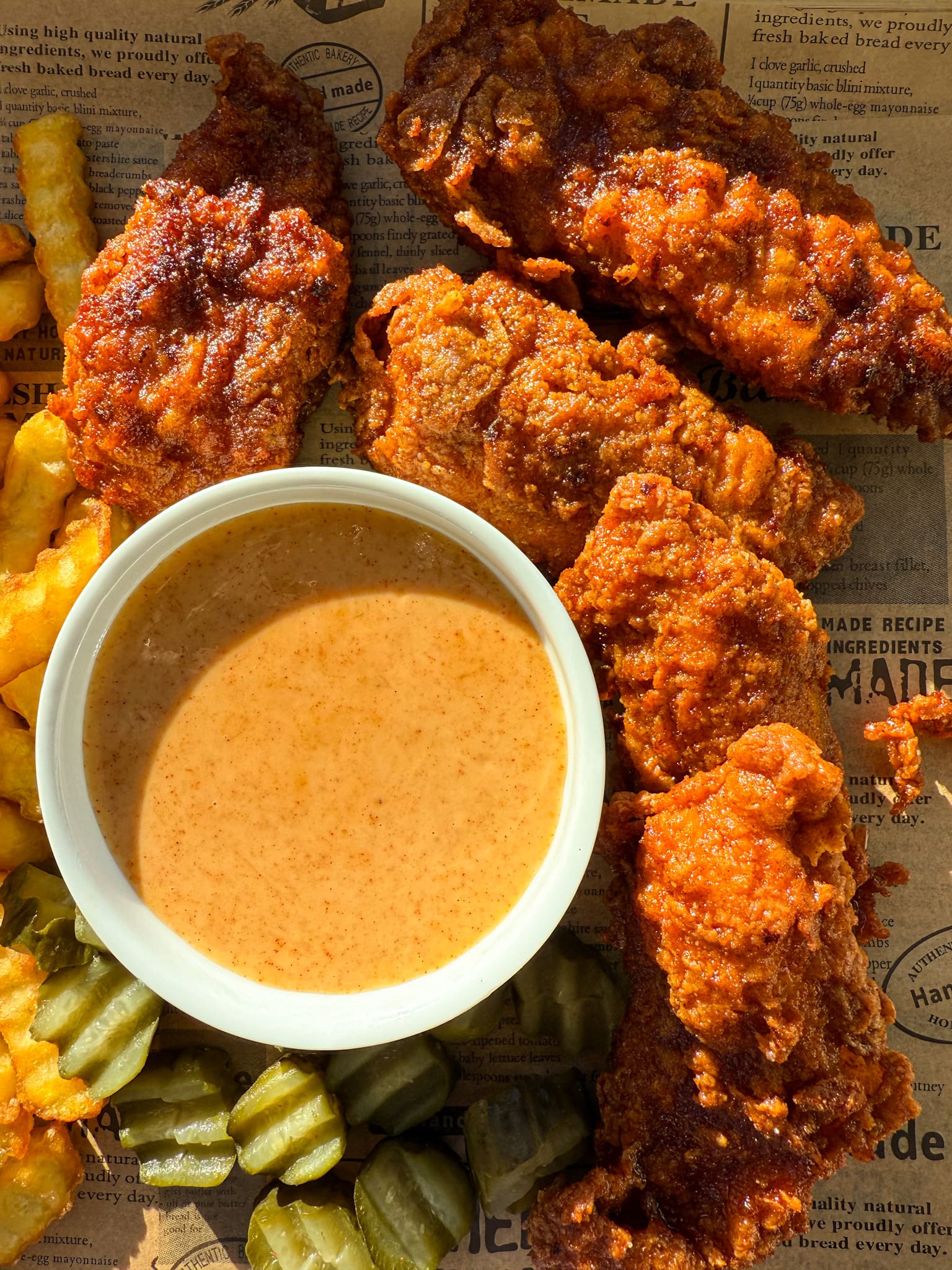
Using a pastry brush or spoon, generously coat each Dave’s Hot Chicken tender with the spicy butter sauce. Make sure to cover all surfaces for consistent flavor and heat. The butter should sizzle slightly when it contacts the hot chicken, releasing aromatic compounds that enhance the overall taste.
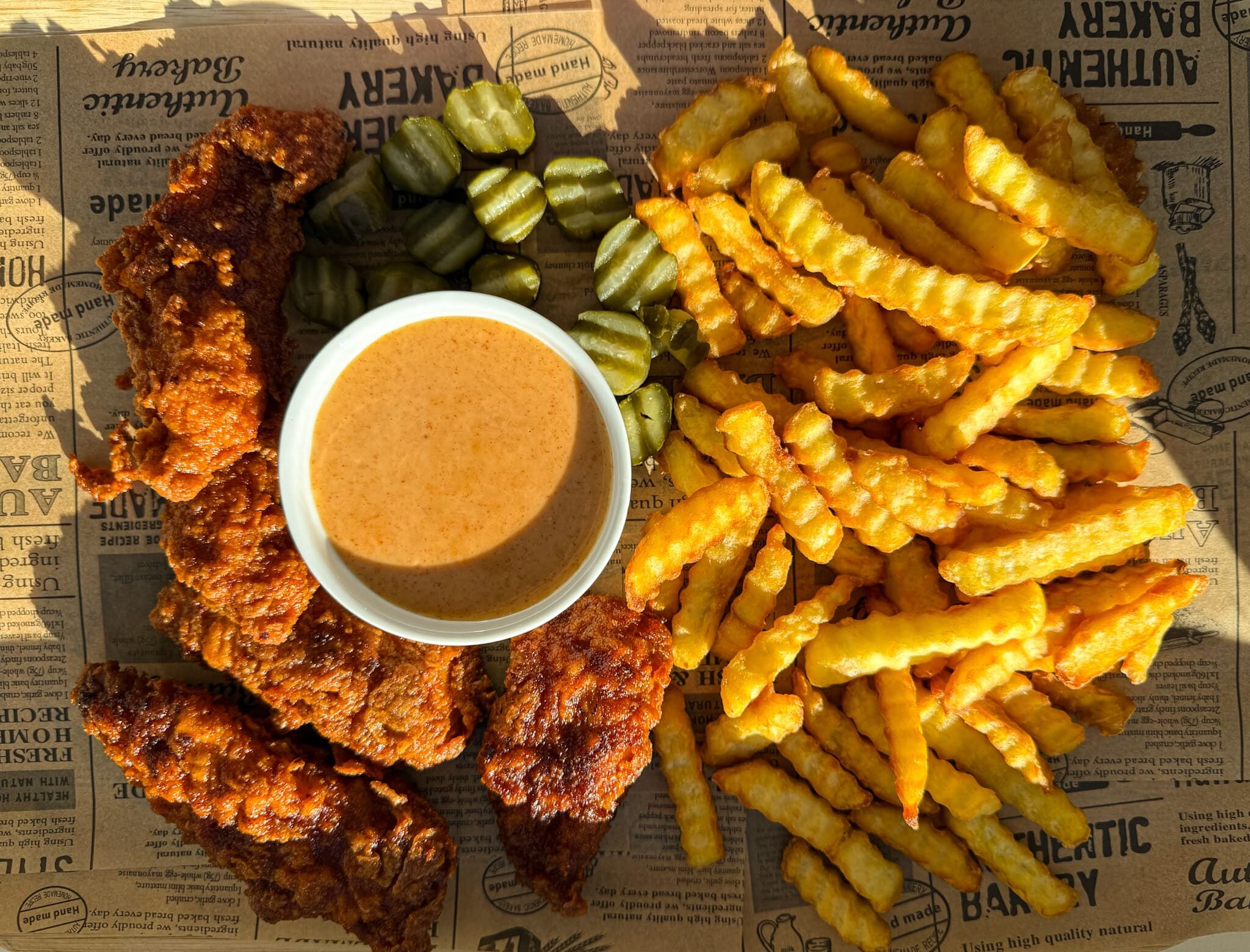
Serve your Dave’s Hot Chicken immediately for the best experience. The contrast between the hot, crispy exterior and the juicy interior is at its peak right after cooking. Pair with classic sides like crinkle-cut fries, coleslaw, and plenty of cooling ranch dressing.
Professional Tips
Creating Dave’s Hot Chicken that rivals the restaurant version requires attention to small details that make a big difference. Professional chefs use specific techniques that home cooks often overlook. Implementing these tips elevates your results from good to exceptional.
Temperature control is the single most important factor in achieving perfect Dave’s Hot Chicken. Invest in a reliable instant-read thermometer and a candy thermometer for monitoring oil temperature. These tools remove guesswork and ensure consistent results every single time.
Don’t skip the resting periods throughout the recipe. Resting the coated chicken before frying, draining it after frying, and letting the finished Dave’s Hot Chicken sit briefly before serving all contribute to superior texture and flavor. Patience pays off in the final product.
Maintaining Oil Temperature
Oil temperature naturally drops when you add cold chicken. To compensate, increase the heat slightly just before adding each batch. Once the chicken is in, adjust the heat to maintain a steady 350-375°F throughout cooking.
Between batches, let the oil return to proper temperature before adding more chicken. This usually takes two to three minutes. Rushing this step results in unevenly cooked Dave’s Hot Chicken with greasy, soggy coatings instead of crispy exteriors.
Use a splatter screen over your pot to reduce mess while maintaining proper heat circulation. The screen catches oil droplets without trapping steam, which would make your Dave’s Hot Chicken coating less crispy. This simple tool makes cleanup much easier while protecting your stovetop.
Achieving Maximum Crispiness
For extra-crispy Dave’s Hot Chicken, add one tablespoon of cornstarch to your seasoned flour mixture. Cornstarch creates an even crunchier coating without changing the flavor profile. This restaurant trick works brilliantly for home cooks seeking professional-level results.
Another pro technique involves adding a few tablespoons of the buttermilk marinade directly into the seasoned flour. Mix it in with your fingers until small, pea-sized clumps form throughout the flour. These clumps create irregular textures on the Dave’s Hot Chicken coating that fry up extra crispy and crunchy.
After frying, resist the temptation to drain Dave’s Hot Chicken on paper towels. Paper towels trap steam underneath the chicken, softening the coating. Always use a wire rack so air can circulate around each piece, keeping the coating crispy on all sides.
Flavor Enhancement Techniques
For deeper flavor in your Dave’s Hot Chicken, add one tablespoon of pickle juice to the buttermilk marinade. The extra acidity tenderizes the meat further while adding a subtle tangy note that complements the spicy coating beautifully.
Toast your spices before adding them to the flour mixture. Heat paprika, garlic powder, and cayenne in a dry skillet for thirty seconds until fragrant. This releases essential oils in the spices, intensifying their flavors in the finished Dave’s Hot Chicken coating.
Create a seasoned salt by mixing kosher salt with a small amount of cayenne and garlic powder. Sprinkle this over the Dave’s Hot Chicken immediately after saucing while it’s still hot. The residual heat will help the seasoning adhere and add an extra pop of flavor.
Common Mistakes to Avoid
Even experienced cooks can encounter problems when making Dave’s Hot Chicken for the first time. Understanding common pitfalls helps you avoid them and achieve perfect results. Most mistakes are easily preventable with proper knowledge and technique.
The most frequent error is overcrowding the frying vessel. When too many chicken pieces compete for heat, oil temperature drops dramatically. This results in greasy Dave’s Hot Chicken that never achieves proper crispiness. Always fry in small batches, even if it takes longer.
Another common mistake is not properly drying the chicken before coating. Excess moisture creates a barrier between the meat and the coating, preventing proper adhesion. Your Dave’s Hot Chicken coating will slide off in patches, leaving bare spots. Always pat chicken thoroughly dry before starting the breading process.
Temperature-Related Issues
Using oil that’s too hot or too cold causes significant problems. Oil above 375°F burns the coating before the chicken cooks through, leaving you with charred exterior and raw interior. Your Dave’s Hot Chicken will be inedible and potentially dangerous.
Conversely, oil below 325°F doesn’t cook the coating properly. Instead of crisping, the breading absorbs oil and becomes heavy and greasy. The Dave’s Hot Chicken ends up soggy with an unpleasant, oily mouthfeel that’s nothing like the restaurant version.
Fluctuating oil temperature between batches is equally problematic. Maintain consistent heat by monitoring your thermometer constantly and adjusting the burner as needed. Steady temperature produces steady, reliable Dave’s Hot Chicken results every single time.
Coating Problems
Skipping the resting period after coating leads to coating that falls off during frying. The flour needs time to absorb moisture from the egg and buttermilk, creating a paste that bonds to the chicken. Without this rest, your Dave’s Hot Chicken loses its signature crispy shell.
Using too much flour creates a thick, doughy coating that never crisps properly. The exterior might look done while the inner coating layers remain pale and undercooked. Shake off excess flour at each dredging step for the right Dave’s Hot Chicken thickness.
Not seasoning the flour adequately results in bland coating even when the sauce is flavorful. The breading should taste good on its own, independent of the sauce. Every component of Dave’s Hot Chicken should contribute flavor, creating a harmonious whole that exceeds the sum of its parts.
Variations to Try
Once you’ve mastered the classic Dave’s Hot Chicken recipe, experimenting with variations keeps things interesting. Different proteins, heat levels, and flavor profiles let you customize this dish for any occasion or preference. The base technique remains the same while opening up countless possibilities.
The modular nature of Dave’s Hot Chicken makes it perfect for customization. You can adjust the marinade, change the coating seasonings, or modify the sauce independently. Each variation creates a unique experience while maintaining the crispy, spicy essence that defines Dave’s Hot Chicken.
Don’t be afraid to get creative with your Dave’s Hot Chicken adaptations. Some of the best restaurant menu items started as experiments. Document what you try and the results so you can replicate successes and learn from less successful attempts.
Protein Variations
While chicken tenders are traditional, this Dave’s Hot Chicken technique works beautifully with other proteins. Boneless chicken thighs offer richer flavor and stay even more moist during frying. Cut them into tender-sized strips and follow the exact same preparation method.
For seafood lovers, try making Dave’s Hot Chicken style shrimp. Use large shrimp, peeled and deveined, and reduce the frying time to three to four minutes. The delicate seafood pairs surprisingly well with the spicy coating and creates an upscale twist on the original.
Pork cutlets pounded thin make an excellent Dave’s Hot Chicken variation. The mild pork flavor provides a neutral canvas for the spicy coating. Cut cutlets into strips similar in size to chicken tenders and proceed with the standard recipe. Frying time may need slight adjustment based on thickness.
Heat Level Adjustments
Creating different heat levels lets everyone enjoy Dave’s Hot Chicken regardless of spice tolerance. For a mild version, reduce cayenne pepper in the flour to one half teaspoon and use a mild hot sauce like Frank’s RedHot in the butter sauce.
Medium heat Dave’s Hot Chicken uses the recipe as written with two teaspoons of cayenne in the flour and standard Louisiana-style hot sauce. This provides noticeable heat without overwhelming most palates, making it the perfect introduction to Nashville hot chicken.
For extreme heat matching the restaurant’s Reaper level, add one tablespoon of ghost pepper powder to the flour mixture. Use a super-hot sauce like Da Bomb or Pure Evil in the butter. Warning: this version of Dave’s Hot Chicken is only for serious spice enthusiasts with high capsaicin tolerance.
Flavor Profile Modifications
Korean-inspired Dave’s Hot Chicken incorporates gochugaru (Korean red pepper flakes) into the flour mixture and gochujang (Korean red pepper paste) into the butter sauce. This creates a sweeter, more complex heat profile while maintaining the crispy texture that makes Dave’s Hot Chicken special.
For a Memphis-style twist, add two tablespoons of brown sugar and one tablespoon of dry mustard powder to the flour mixture. Replace half the hot sauce with barbecue sauce in the butter. This creates a sweet and spicy Dave’s Hot Chicken variation with tangy undertones.
Lemon pepper Dave’s Hot Chicken replaces cayenne with black pepper and adds two tablespoons of lemon zest to the flour. Mix lemon juice into the butter instead of hot sauce. This bright, zesty version offers a completely different flavor experience while keeping the essential crispy texture.
Storage and Reheating
Properly storing leftover Dave’s Hot Chicken maintains quality and food safety. While this dish is best enjoyed fresh, correct storage techniques let you enjoy leftovers that come remarkably close to the original texture and flavor. Following specific guidelines ensures your Dave’s Hot Chicken stays safe to eat and delicious.
The biggest challenge with storing fried chicken is maintaining crispiness. Moisture is the enemy of crispy coatings, so your storage method should minimize condensation. Never store Dave’s Hot Chicken in sealed containers while still hot, as trapped steam will make the coating soggy.
Plan your storage strategy before cooking. If you know you’ll have leftovers, consider frying some tenders without sauce. Plain fried chicken stores and reheats better than sauced Dave’s Hot Chicken, and you can always add fresh sauce when reheating.
Storing Instructions
Let your Dave’s Hot Chicken cool to room temperature before storage, but don’t leave it out longer than two hours total. This prevents bacterial growth while allowing steam to escape, preserving some of the coating’s crispness.
Place cooled Dave’s Hot Chicken in a single layer on a paper towel-lined container. The paper towel absorbs any residual oil without trapping moisture against the coating. Avoid stacking pieces, as this creates pressure that can make the breading soggy.
Store Dave’s Hot Chicken in the refrigerator for up to three days in an airtight container. While the coating won’t be as crispy as when fresh, proper storage prevents it from becoming completely soggy. For longer storage, freeze individual pieces wrapped in plastic wrap, then placed in freezer bags for up to two months.
Reheating Methods
The best way to reheat Dave’s Hot Chicken is in the oven, which restores crispiness better than microwaving. Preheat your oven to 375°F. Place chicken pieces on a wire rack set over a baking sheet, allowing hot air to circulate around each piece.
Bake refrigerated Dave’s Hot Chicken for ten to twelve minutes until heated through and crispy. Frozen pieces need fifteen to twenty minutes. Check the internal temperature reaches 165°F before serving. The oven method comes closest to recreating fresh-fried texture.
For faster reheating, use an air fryer set to 375°F. Cook Dave’s Hot Chicken for five to seven minutes, shaking the basket halfway through. The air fryer crisps the coating beautifully while heating the meat thoroughly. This method works especially well for smaller quantities of leftovers.
Frequently Asked Questions
Many people have similar questions when making Dave’s Hot Chicken for the first time. These frequently asked questions address common concerns and help troubleshoot issues before they occur. Understanding these topics ensures success with your homemade version.
Questions about spice levels dominate Dave’s Hot Chicken discussions. Heat tolerance varies dramatically between individuals, so finding your perfect spice level might take some experimentation. Start mild and work your way up rather than overwhelming yourself with extreme heat immediately.
Technique questions are also common, particularly regarding frying temperature and coating adhesion. These fundamental aspects of Dave’s Hot Chicken preparation determine success or failure. Mastering the basics before attempting variations ensures consistently excellent results.
Can I Bake Instead of Frying?
While frying produces the most authentic Dave’s Hot Chicken texture, baking offers a healthier alternative. Coat the chicken following the same process, then place pieces on a wire rack over a baking sheet. Spray lightly with cooking oil and bake at 425°F for twenty to twenty-five minutes.
Baked Dave’s Hot Chicken won’t achieve the same deep-fried crunch, but it still delivers excellent flavor and satisfying texture. The coating becomes golden and crispy, though lighter than fried versions. For best results, turn pieces halfway through baking and spray again with oil.
You can also try an air fryer for a middle ground between baking and frying. Air fried Dave’s Hot Chicken comes remarkably close to deep-fried texture while using minimal oil. Cook at 400°F for twelve to fifteen minutes, turning pieces halfway through for even browning.
How Do I Control the Heat Level?
Controlling spice in Dave’s Hot Chicken involves adjusting cayenne pepper in the flour and hot sauce in the butter. Each component contributes to overall heat, so modify both for best results. Reducing one but not the other creates unbalanced spice distribution.
For precise heat control, measure cayenne carefully using actual measuring spoons rather than eyeballing amounts. A quarter teaspoon difference significantly impacts Dave’s Hot Chicken spiciness. Keep notes on what you use so you can replicate or adjust in future batches.
Serve cooling elements alongside spicy Dave’s Hot Chicken to help manage heat. Ranch dressing, blue cheese dressing, plain white bread, and cold beverages all provide relief between bites. These accompaniments let you enjoy higher spice levels without overwhelming discomfort.
What Sides Go Best?
Traditional Dave’s Hot Chicken sides include crinkle-cut fries, coleslaw, pickles, and white bread. The fries provide a neutral, starchy component that balances the intense flavors. Coleslaw offers cooling crunch with creamy dressing that soothes heat-affected taste buds.
Pickles add acidity that cuts through the richness of fried chicken while refreshing the palate. Many Dave’s Hot Chicken restaurants serve simple dill pickle chips on the side. The bright, vinegary flavor complements the rich, spicy main dish perfectly.
Other excellent sides include mac and cheese, baked beans, corn on the cob, and potato salad. These comfort food classics pair naturally with Dave’s Hot Chicken’s bold flavors. Choose sides that provide textural and temperature contrast for the most satisfying meal experience.
Final Thoughts
Making Dave’s Hot Chicken at home might seem intimidating at first, but with the right technique and ingredients, you can create restaurant-quality results. The process requires attention to detail, but each step is straightforward and achievable for cooks of any skill level.
The beauty of this Dave’s Hot Chicken recipe lies in its flexibility. Whether you prefer mild warmth or extreme heat, this foundation adapts to your preferences. Experiment with different spice levels, try various proteins, and create your own signature version of this modern classic.
Don’t be discouraged if your first attempt isn’t perfect. Making exceptional Dave’s Hot Chicken takes practice, just like any cooking skill. Each batch teaches you something new about temperature control, coating technique, and flavor balance. Keep refining your approach and you’ll soon be making Dave’s Hot Chicken that impresses everyone who tries it.
Fire up your stove, gather your ingredients, and get ready to create crispy, spicy, absolutely addictive chicken tenders that rival your favorite restaurant. Your homemade Dave’s Hot Chicken adventure starts now.
Watch the recipe video for more clarity!
See our similar recipes:
People also like our these recipes:
For the Chicken:
- 4 boneless chicken tenders
- 1 cup of buttermilk
- 1 cup all-purpose flour
- 1 tsp of salt
- 1 tsp smoked paprika
- 1 tsp garlic powder
- 1 tsp cayenne pepper
- 1/2 tsp black pepper
- 1 egg
- Vegetable oil (for frying)
For the Spicy Coating:
- 1/4 cup hot sauce
- 1 tbsp melted butter
- 1/2 tsp cayenne pepper (adjust for heat preference)
In a bowl, mix buttermilk and egg.
Add chicken tenders and let them marinate for at least 1 hour (or overnight for extra juiciness).
In a separate bowl, combine flour, salt, paprika, garlic powder, cayenne, and black pepper.
Dredge marinated chicken into the flour mixture until fully coated.
Heat oil in a deep fryer to 175°C (350°F) and fry the tenders for 5-7 minutes until golden and crispy.
Drain on paper towels.
Mix hot sauce, melted butter, and cayenne.
Brush or toss the fried chicken in the sauce.
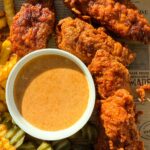
Pair your hot chicken tenders with zigzag fries and a side of creamy sauce for the full Dave’s Hot Chicken experience.
If you've given this recipe a try and it won you over, please share your thoughts by leaving
a rating and comment below! If you have any questions about this recipe, don't hesitate to ask – I'm here to
help and will respond promptly.