Transform Your Holiday Mornings with Candy Cane French Toast
Christmas morning deserves something extraordinary, and this Candy Cane French Toast delivers pure holiday magic on a plate. This isn’t your ordinary French toast. It’s a decadent combination of rich custard-soaked brioche, caramelized sugar topping, and festive crushed candy canes that brings the joy of the season to your breakfast table.
Every bite of this Candy Cane French Toast offers multiple layers of flavor and texture. The crispy, golden exterior gives way to soft, custardy bread inside. The caramelized sugar adds a satisfying crunch reminiscent of classic creme brulee. The candy cane pieces provide refreshing peppermint notes and a beautiful pop of red and white color that screams Christmas.
What makes this recipe truly special is how it elevates a breakfast classic into something memorable. Whether you’re hosting holiday brunch, creating special Christmas morning memories with family, or simply treating yourself to something indulgent, this Candy Cane French Toast transforms an ordinary morning into a celebration.
Why This Candy Cane French Toast Recipe Stands Out
This recipe combines two beloved desserts into one spectacular breakfast dish. The creme brulee element adds sophistication and that signature caramelized sugar crust that cracks satisfyingly under your fork. The candy cane component brings festive flair and a refreshing mint flavor that balances the richness perfectly.
Unlike traditional French toast that can sometimes be one-dimensional, this Candy Cane French Toast offers complexity in every bite. The vanilla-scented custard soaks into thick slices of brioche, creating that perfect custardy interior. The butter caramelizes the exterior to golden perfection. The sugar topping caramelizes under heat, creating a crispy shell. Then the candy cane crunch adds the final festive touch.
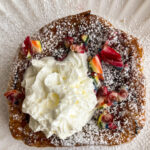
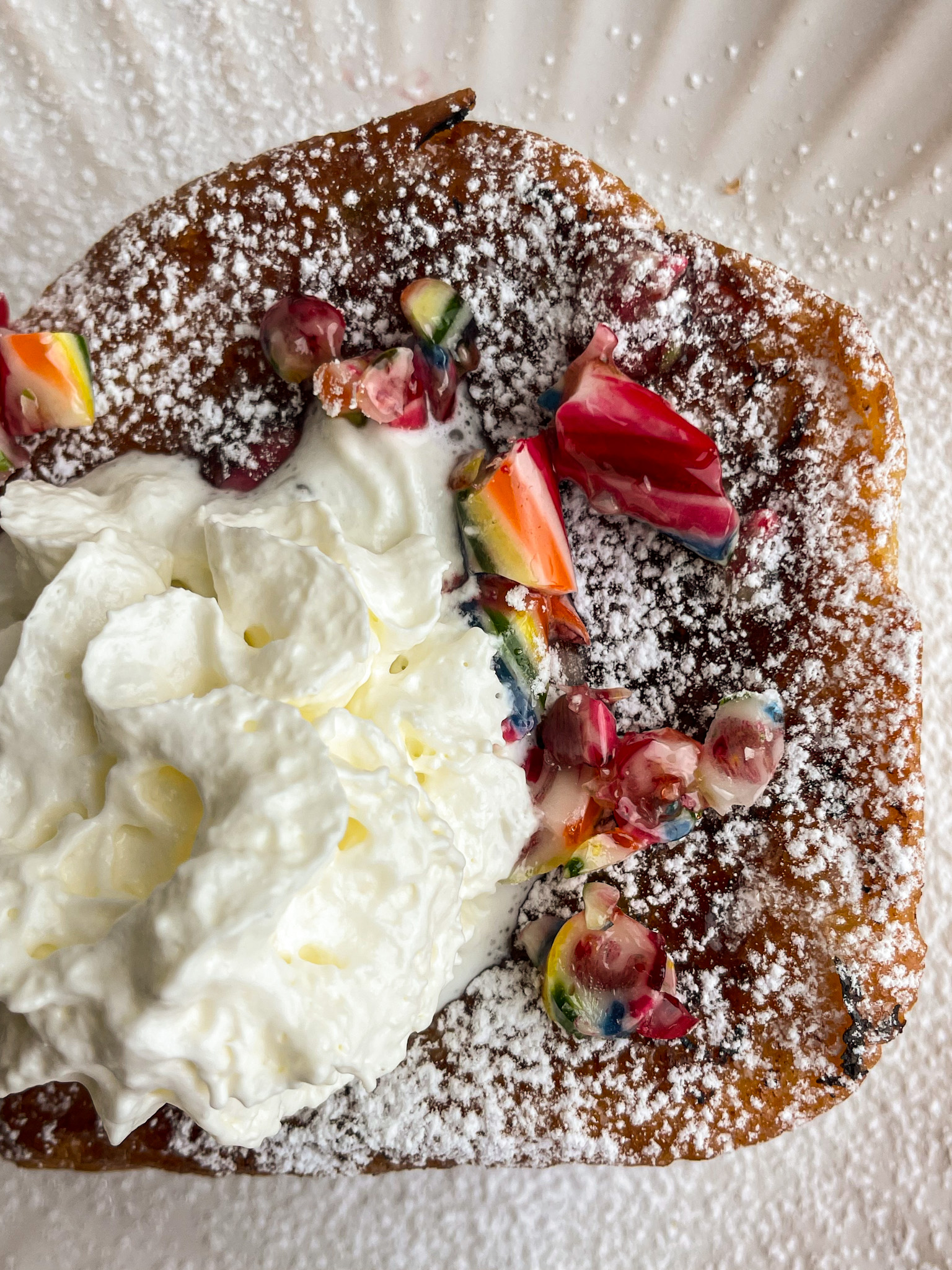
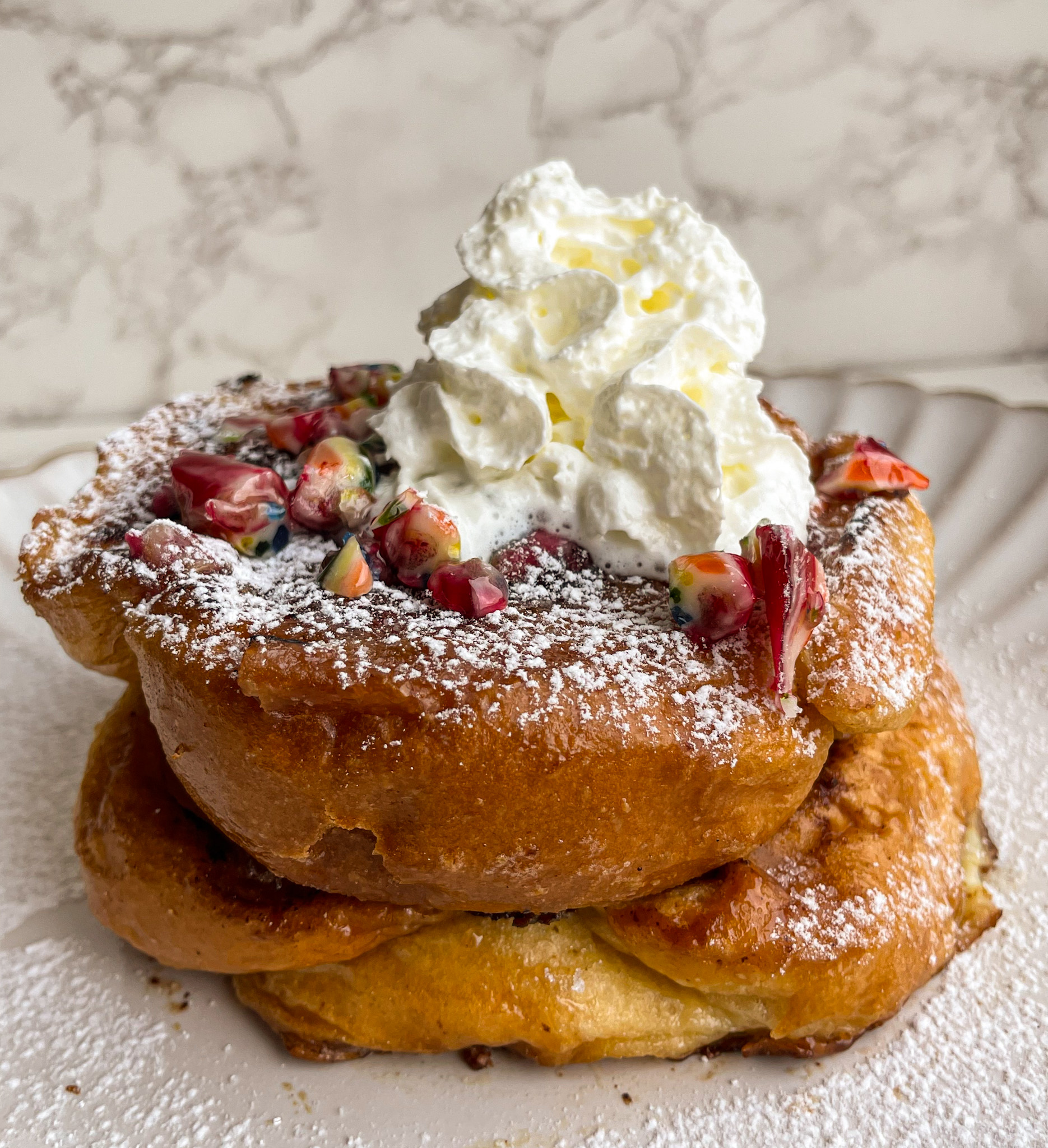
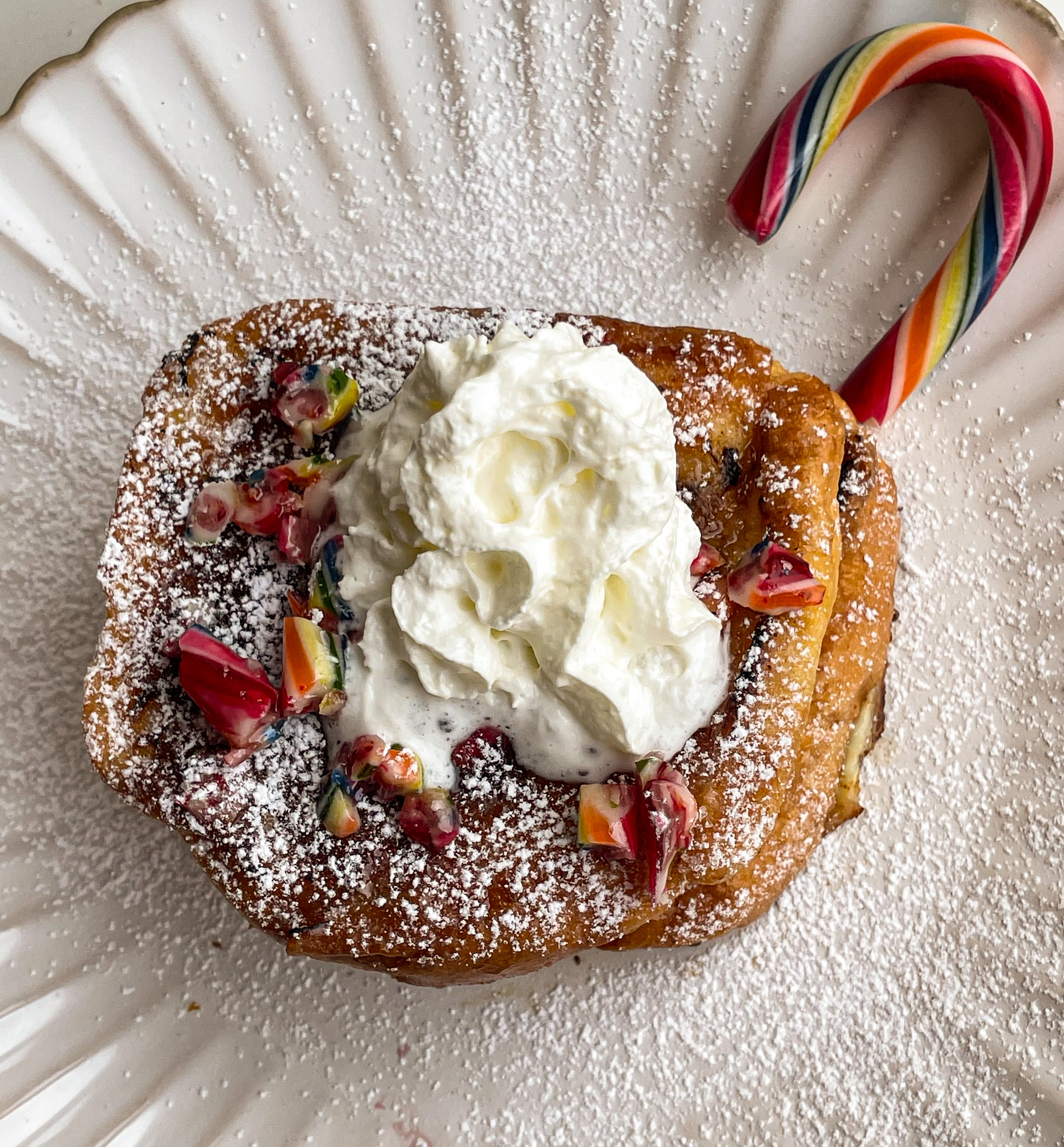
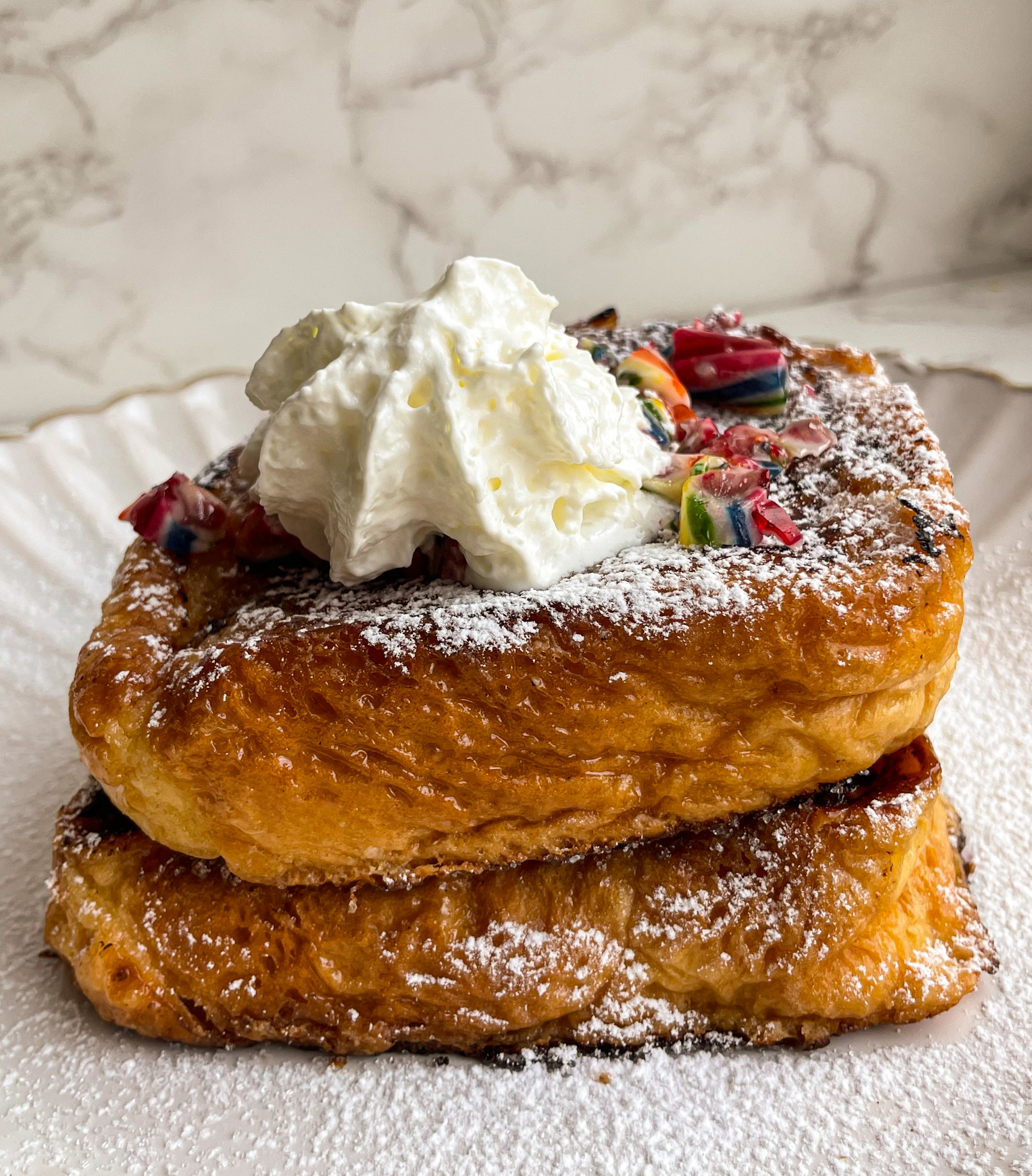
The visual appeal cannot be overstated. The golden-brown toast topped with glistening caramelized sugar and vibrant red and white candy cane pieces looks absolutely stunning on the plate. It’s Instagram-worthy and table-worthy, making your holiday breakfast spread look as good as it tastes.
Perfect Occasions for Serving This Festive Breakfast
This Candy Cane French Toast shines brightest during the holiday season. Christmas morning is the obvious choice, creating a special tradition that family members will look forward to year after year. The festive colors and flavors capture the spirit of the season beautifully.
Holiday brunch gatherings become even more memorable when you serve this dish. Guests will be impressed by the elegant presentation and delighted by the creative flavor combination. This Candy Cane French Toast makes a statement without requiring professional pastry skills.
Don’t limit this recipe to December alone. New Year’s Day brunch, winter birthday celebrations, or simply a cozy weekend morning when you want something special all provide perfect opportunities to make this Candy Cane French Toast and bring a little holiday magic to your table.
Understanding the Components of Candy Cane French Toast
This recipe builds on classic French toast foundations while adding special elements that create something extraordinary. Understanding each component helps you execute the recipe perfectly and appreciate what makes this dish so special.
The base is traditional French toast made with thick-sliced brioche bread soaked in a rich custard mixture. Brioche provides the ideal texture with its buttery, slightly sweet character and sturdy structure that holds up well to soaking. The custard mixture of eggs, milk, and vanilla creates that signature creamy interior.
The creme brulee element comes from the sugar topping that gets caramelized. This isn’t just sprinkled sugar but properly caramelized sugar that creates a glass-like crust. When done correctly, it mimics the signature crackly top of traditional creme brulee, adding textural contrast to your Candy Cane French Toast.
The Role of Candy Canes in This Recipe
Candy canes aren’t just a garnish in this Candy Cane French Toast; they’re an integral flavor component. The peppermint flavor provides a refreshing contrast to the rich, sweet custard and caramelized sugar. This balance prevents the dish from becoming overwhelmingly sweet.
The texture candy canes add is equally important. Crushed into small pieces, they provide pleasant crunch that contrasts beautifully with the soft custard interior. The pieces stay crispy even when placed on the warm toast, maintaining their texture throughout the meal.
Visually, candy canes transform this from simple French toast into a festive celebration. The bright red stripes against the golden toast and white powdered sugar create a color palette that’s unmistakably Christmas. This visual appeal makes your Candy Cane French Toast perfect for holiday photos and presentations.
How This Recipe Differs from Traditional French Toast
Traditional French toast is wonderful in its simplicity, but this Candy Cane French Toast takes the concept to new heights. Standard French toast typically gets a dusting of powdered sugar and perhaps a drizzle of syrup. This version adds multiple layers of flavor and texture that create a more complex eating experience.
The creme brulee topping sets this recipe apart immediately. That caramelized sugar crust requires a different technique than typical French toast preparation. You’re essentially creating a dessert-quality finish on a breakfast dish, elevating the entire experience.
The candy cane addition makes this seasonal and special. While you could make traditional French toast any day, this Candy Cane French Toast feels like an event. It’s a dish that creates memories and becomes part of your holiday traditions.
Choosing the Best Ingredients for Candy Cane French Toast
Ingredient quality directly impacts the final result of your Candy Cane French Toast. While the recipe is forgiving, selecting the right components ensures the best possible outcome. Let’s explore what to look for in each ingredient.
The bread forms the foundation of any French toast, and this recipe is no exception. Brioche is the gold standard for this Candy Cane French Toast because of its rich, buttery flavor and tender yet sturdy crumb. The slight sweetness complements the other flavors without competing with them.
Eggs provide structure and richness to the custard. Use fresh, high-quality eggs for the best flavor and color. The yolks give your custard that beautiful golden hue and create a velvety texture when combined with milk. Room temperature eggs mix more smoothly into the custard for your Candy Cane French Toast.
Selecting the Right Bread
Brioche is the recommended choice for this Candy Cane French Toast, but understanding why helps you make good substitutions if needed. Brioche has a high butter and egg content, making it rich and tender. Its tight, even crumb absorbs custard uniformly without falling apart.
Challah makes an excellent alternative with similar characteristics. This Jewish egg bread has a slightly less rich flavor than brioche but still provides excellent structure and flavor. Its braided texture creates interesting custard pockets in your Candy Cane French Toast.
Texas toast or thick-sliced white bread can work in a pinch, though the results won’t be quite as luxurious. These breads lack the richness of brioche but still create satisfying French toast. Whatever bread you choose for your Candy Cane French Toast, ensure the slices are at least one inch thick.
Candy Cane Selection and Preparation
Not all candy canes are created equal for this recipe. Traditional peppermint candy canes work best for Candy Cane French Toast. Avoid flavored varieties like cherry or watermelon, as they don’t provide the refreshing mint contrast that makes this recipe special.
Fresh candy canes crush more easily and have better flavor than old, stale ones. If your candy canes have been sitting in the cupboard since last Christmas, consider buying fresh ones. The peppermint flavor should be strong and clear, not faded or stale.
Crushing candy canes requires the right technique. Place them in a sealed plastic bag and use a rolling pin or meat mallet to crush them into small pieces. For this Candy Cane French Toast, you want a mix of fine dust and small chunks. The dust dissolves slightly and flavors the dish, while the chunks provide textural interest.
Dairy and Egg Components
The custard mixture makes or breaks your Candy Cane French Toast. Whole milk provides the best balance of richness and lighter texture. Heavy cream creates an even richer custard but can make the dish overly heavy. Half-and-half splits the difference nicely if you want something between the two.
The egg-to-milk ratio matters for proper custard consistency. Too many eggs and your French toast becomes eggy and dense. Too few and the custard won’t set properly, leaving you with soggy bread. The recipe’s proportions are carefully balanced for perfect Candy Cane French Toast.
Vanilla extract enhances all the other flavors without dominating. Use pure vanilla extract rather than imitation for the best flavor. The vanilla should be noticeable but subtle, supporting the other flavors in your Candy Cane French Toast rather than overwhelming them.
Step-by-Step Instructions for Perfect Candy Cane French Toast
Creating this impressive breakfast requires attention to detail and proper technique. Follow these steps carefully for the best results. The process is straightforward, but small details make the difference between good and extraordinary Candy Cane French Toast.
Begin by gathering all ingredients and equipment. You’ll need a shallow dish for the custard, a large skillet or griddle, a kitchen torch or broiler for caramelizing sugar, and serving plates. Having everything ready before you start makes the cooking process smooth and stress-free.
This Candy Cane French Toast takes about 30 minutes from start to finish, including prep time. Most of that is active cooking time, so plan accordingly. You’ll want to serve this immediately after finishing for the best texture and temperature.
Preparing the Custard Mixture
Start by whisking together eggs and milk in a shallow dish. Beat them thoroughly until completely combined with no streaks of egg white visible. This ensures even distribution throughout your custard and creates uniform texture in your Candy Cane French Toast.
Add vanilla extract and a pinch of sugar to the egg mixture. The sugar enhances browning and adds subtle sweetness to balance the peppermint. Whisk everything together until the sugar dissolves completely. The custard should be smooth and homogeneous.
Taste your custard mixture before soaking the bread. It should taste pleasantly eggy with clear vanilla notes. If it seems bland, add a bit more vanilla. This custard will flavor your entire Candy Cane French Toast, so it’s worth getting it right.
Soaking the Brioche
Slice your brioche into thick pieces, about one to one and a half inches thick. Thinner slices won’t create that custardy interior that makes this Candy Cane French Toast special. Thicker slices provide the structure needed to support the caramelized topping.
Dip each slice into the custard mixture, turning to coat both sides. Let the bread soak for about 20-30 seconds per side. You want the custard to penetrate but not completely saturate the bread. Over-soaked bread becomes mushy and won’t cook properly.
If your bread is very fresh, it may need less soaking time. Slightly stale bread can handle more soaking as it’s drier and absorbs liquid more slowly. Adjust based on your bread’s condition to achieve perfect Candy Cane French Toast.
Cooking the French Toast
Heat your skillet or griddle over medium heat and add butter. Let the butter melt completely and begin to foam, but don’t let it brown. The butter should coat the entire cooking surface to prevent sticking and promote even browning on your Candy Cane French Toast.
Place the custard-soaked bread slices in the hot pan, being careful not to overcrowd. Leave space between slices for heat circulation and easy flipping. Overcrowding causes steaming rather than proper browning, resulting in pale, soggy Candy Cane French Toast.
Cook for three to four minutes on the first side until golden brown. You should see the edges setting and the bottom developing a nice caramelized color. Flip carefully using a wide spatula and cook for another three to four minutes on the second side until evenly golden.
Creating the Creme Brulee Topping
Once your French toast is cooked, transfer the slices to a baking sheet or oven-safe plates. Sprinkle a thin, even layer of granulated sugar over the top of each slice. The sugar should cover the surface completely but not pile up in spots.
If using a kitchen torch, hold it a few inches from the surface and move it constantly to caramelize the sugar evenly. The sugar will melt, bubble, and then turn golden brown. This creates that signature creme brulee crust on your Candy Cane French Toast.
Alternatively, place the sugared toast under a preheated broiler for one to two minutes. Watch carefully, as sugar can burn quickly under intense heat. Remove when the sugar has caramelized to a deep golden color with no white spots remaining.
Adding the Festive Finishing Touches
While the caramelized sugar is still slightly warm, sprinkle crushed candy canes over the top. The warmth helps some of the smaller pieces adhere to the surface. Don’t add them too early or they’ll melt completely; don’t wait too long or they won’t stick at all to your Candy Cane French Toast.
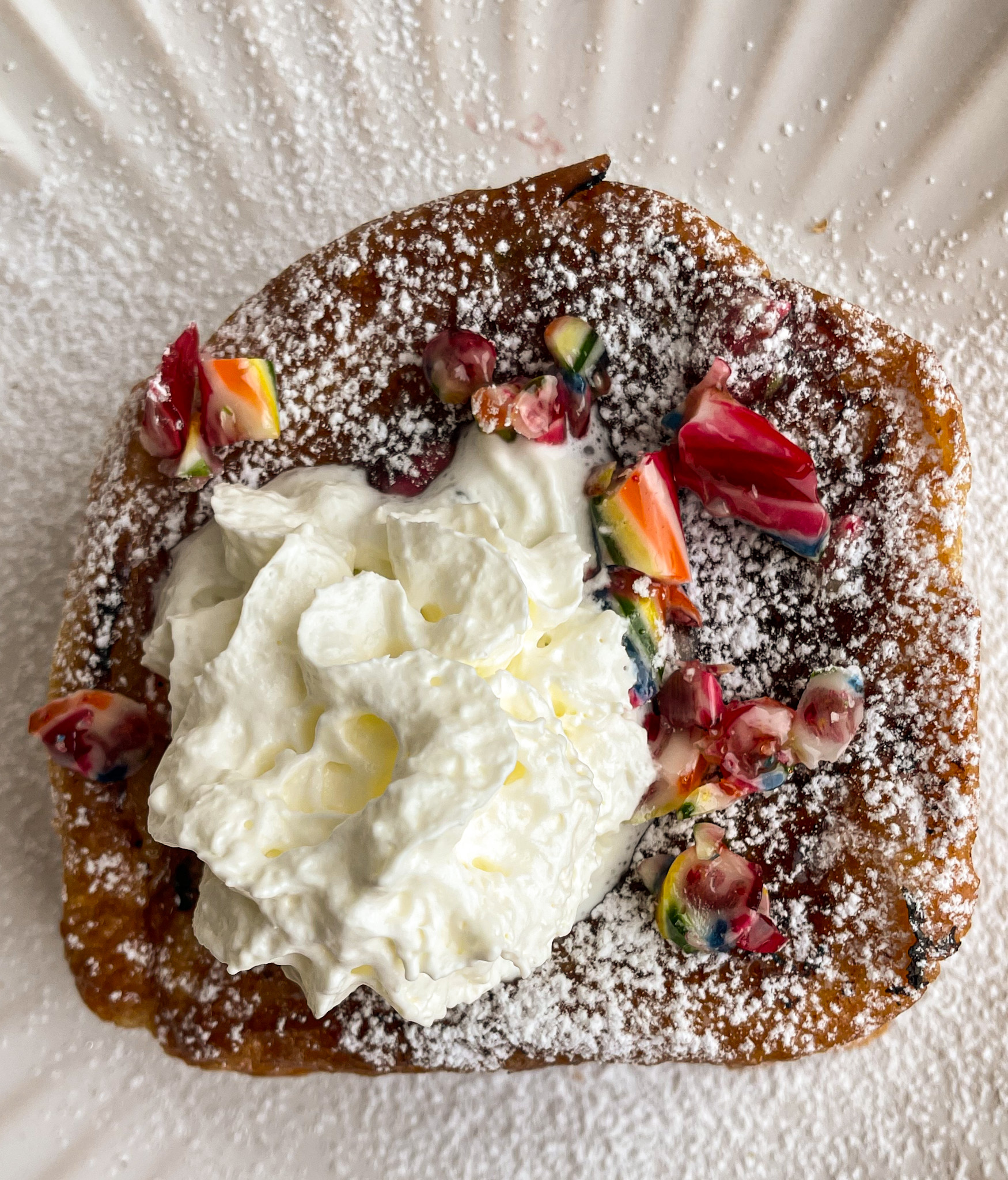
Dust the finished toast with powdered sugar for added sweetness and visual appeal. The white powdered sugar contrasts beautifully with the golden caramelized sugar and colorful candy cane pieces. Use a fine-mesh sieve for even distribution.
Top with a generous dollop of whipped cream just before serving. The cool, creamy whipped cream provides temperature and texture contrast to the warm, crispy Candy Cane French Toast. You can also add fresh berries or a drizzle of maple syrup if desired.
Professional Tips for Outstanding Candy Cane French Toast
Mastering this recipe comes down to understanding key techniques and avoiding common pitfalls. These professional tips ensure your Candy Cane French Toast turns out perfectly every time you make it.
Temperature control throughout the cooking process is crucial. Medium heat allows the bread to cook through without burning the exterior. Too high and you’ll have burnt outsides with raw interiors. Too low and your Candy Cane French Toast will be pale and soggy rather than golden and crispy.
Don’t rush the caramelization step. Properly caramelized sugar creates that satisfying crack when you break through it with your fork. Under-caramelized sugar remains grainy and doesn’t provide the signature creme brulee experience that makes this Candy Cane French Toast special.
Achieving Perfect Custard Absorption
The key to custardy interior without sogginess is proper soaking time. Each type of bread absorbs at different rates. Fresh brioche needs less time than day-old bread. Dense bread needs more time than airy bread. Learn to judge by feel rather than relying solely on timing.
Test a slice before cooking your entire batch. If it falls apart when you lift it from the custard, you’ve soaked too long. If the center remains dry after cooking, you didn’t soak long enough. Adjust accordingly for the remaining slices of your Candy Cane French Toast.
Consider the angle of your soaking. Laying bread flat absorbs custard more evenly than standing it upright. Gentle turning ensures both sides get equal exposure. Handle soaked bread carefully to prevent tearing.
Mastering the Caramelization Technique
Even sugar distribution is essential for uniform caramelization. Use a spoon to spread sugar evenly across the entire surface. Pay special attention to edges, which tend to get less sugar and therefore less caramelization on your Candy Cane French Toast.
When using a kitchen torch, keep it moving constantly in small circles. Holding it in one spot creates burnt spots while leaving other areas under-caramelized. The goal is uniform golden-brown color across the entire surface.
If using a broiler instead of a torch, position the rack close to the heating element but not touching. Four to six inches usually works well. Rotate the pan halfway through if your broiler heats unevenly to ensure all pieces of Candy Cane French Toast caramelize uniformly.
Timing Your Service
This Candy Cane French Toast is best served immediately after assembly. The caramelized sugar maintains its crispy texture for only a short time before it begins to soften from the moisture in the bread. Plan your cooking so the toast finishes just before serving time.
If cooking for a crowd, keep finished pieces warm in a 200-degree oven while you finish the batch. Don’t add the sugar topping or candy canes until ready to serve. Apply those final touches right before bringing to the table for maximum impact.
Consider a family-style presentation where you finish the caramelization at the table using a kitchen torch. This creates drama and excitement while ensuring everyone gets their Candy Cane French Toast at peak crispiness. The torch technique is quick enough to do tableside without significant delay.
Common Mistakes to Avoid with Candy Cane French Toast
Understanding what can go wrong helps you avoid these pitfalls and create perfect results every time. Many home cooks make similar mistakes when attempting this elevated Candy Cane French Toast recipe.
Using bread that’s too thin is perhaps the most common error. Standard sandwich bread slices simply don’t have enough structure to support the custard and toppings. They become soggy and fall apart. Always use thick-sliced bread, preferably at least one inch thick, for successful Candy Cane French Toast.
Over-soaking the bread creates a mushy, unpleasant texture. While you want the custard to penetrate, too much soaking turns the bread into mush that can’t hold its shape during cooking. Brief dipping is sufficient for most breads.
Custard-Related Errors
Making custard too thin by using too much milk relative to eggs creates French toast that lacks richness and structure. The custard should coat the back of a spoon when properly mixed. If it’s too watery, your Candy Cane French Toast won’t have that signature custardy interior.
Forgetting to season the custard is another common mistake. Vanilla is essential for flavor, and a touch of sugar helps with browning. Without these additions, your French toast tastes flat and eggy rather than rich and appealing.
Not mixing the custard thoroughly enough leaves streaks of egg white that create uneven texture. Beat the mixture well until completely homogeneous before soaking your bread for Candy Cane French Toast.
Cooking Temperature Problems
Cooking over too-high heat is a frequent error that results in burnt exteriors and raw interiors. The bread needs time to cook through, which requires moderate heat. Medium or medium-low ensures even cooking throughout your Candy Cane French Toast.
Insufficient butter in the pan causes sticking and uneven browning. The butter provides flavor and helps create that golden, caramelized exterior. Don’t skimp on butter when cooking French toast.
Flipping too early, before the first side is properly set and browned, can cause the custard to seep out and create a mess. Wait until you see golden edges and the bottom is nicely caramelized before flipping your Candy Cane French Toast.
Sugar Caramelization Mistakes
Using too much sugar for the creme brulee topping makes it difficult to caramelize evenly. Thick sugar layers burn on the outside while remaining unmelted underneath. A thin, even layer caramelizes perfectly and creates that glass-like crust on your Candy Cane French Toast.
Not drying the surface before adding sugar can prevent proper caramelization. If the bread surface is too wet, the sugar dissolves into moisture rather than caramelizing. Pat the cooked toast lightly with paper towels before sugaring.
Adding candy canes too early causes them to melt completely and lose their texture. Wait until after caramelizing the sugar, then add the crushed candy canes while the surface is still slightly warm but not blazing hot.
Delicious Variations of Candy Cane French Toast
Once you’ve mastered the basic recipe, experimenting with variations keeps this dish exciting and fresh. These adaptations maintain the essence of Candy Cane French Toast while introducing new flavors and textures.
The foundation of this recipe is flexible enough to support creative changes. You can adjust flavors, add new elements, or modify the presentation while still delivering that festive, indulgent breakfast experience that makes this dish special.
Flavor Variations and Add-Ins
Chocolate lovers can add cocoa powder to the custard mixture for a mocha-peppermint version. Use two tablespoons of cocoa powder whisked into the eggs and milk. This creates a subtle chocolate flavor that pairs beautifully with the peppermint in your Candy Cane French Toast.
Cinnamon and nutmeg add warm spice notes that complement the peppermint. Add half a teaspoon of cinnamon and a quarter teaspoon of nutmeg to your custard. These classic French toast spices create a more traditional flavor profile while maintaining the candy cane element.
Orange zest provides a citrus note that brightens the rich custard. Add the zest of one orange to your custard mixture for a subtle but noticeable flavor boost. Orange and peppermint pair surprisingly well in this Candy Cane French Toast variation.
Alternative Toppings and Presentations
Instead of traditional candy canes, try chocolate peppermint candies for a different take. Crush York Peppermint Patties or similar candies to create a chocolate-mint topping. This variation appeals to those who prefer chocolate with their peppermint.
Fresh berries add color, nutrition, and tart contrast to the sweet Candy Cane French Toast. Strawberries, raspberries, or mixed berries all work beautifully. The fruit’s acidity cuts through the richness and adds visual appeal.
A chocolate or caramel drizzle transforms this from breakfast to dessert. Warm chocolate sauce or salted caramel creates an even more indulgent version of Candy Cane French Toast. This variation works well for special occasion brunches or dessert applications.
Dietary Modifications
Creating a lighter version is possible with some adjustments. Use egg whites instead of whole eggs and skim milk instead of whole milk. The result won’t be quite as rich, but you’ll still get enjoyable Candy Cane French Toast with fewer calories.
For dairy-free requirements, use almond milk or oat milk in place of regular milk. Coconut milk adds richness similar to whole milk. Use dairy-free butter for cooking. The candy canes are naturally dairy-free, so that element remains unchanged in your adapted recipe.
Gluten-free Candy Cane French Toast works well with gluten-free bread. Choose a sturdy, thick-sliced variety that can hold up to soaking. The custard and toppings remain exactly the same, making this an easy adaptation for those with gluten sensitivities.
Storage and Make-Ahead Options for Candy Cane French Toast
While this dish is best served fresh, understanding storage options helps with meal planning and reduces waste. Proper handling extends the life of your Candy Cane French Toast and maintains quality.
The components can be prepared separately ahead of time, which streamlines the final assembly and cooking process. This approach works well when serving this dish for holiday brunch or special occasions when you want to minimize morning stress.
Preparing Components in Advance
The custard mixture can be prepared the night before and stored in the refrigerator in an airtight container. Whisk it well before using, as the eggs and milk may separate slightly during storage. This saves time on busy mornings when you want to make Candy Cane French Toast.
Candy canes can be crushed days ahead and stored in an airtight container at room temperature. Keep them dry to prevent clumping. Having this component ready makes final assembly quick and easy.
The bread can be sliced the night before if you’re using a whole loaf. Store sliced bread in a plastic bag at room temperature. Slightly stale bread actually works better for French toast, so overnight storage can improve your results.
Storing Leftover Candy Cane French Toast
If you have leftovers, store them in an airtight container in the refrigerator for up to two days. Note that the caramelized sugar topping will soften and lose its crispy texture during storage. The candy canes may also dissolve slightly into the bread.
Separate pieces with parchment paper to prevent sticking. Don’t stack them directly on top of each other, as the weight can compress the soft custard interior and damage the texture of your Candy Cane French Toast.
For best results, store the whipped cream separately from the toast. Add it fresh when reheating and serving. Whipped cream deflates and becomes watery when stored on top of warm food.
Reheating for Best Quality
The oven provides the best reheating method for leftover Candy Cane French Toast. Preheat to 350 degrees and place the toast on a baking sheet. Heat for 8-10 minutes until warmed through. The exterior will crisp up slightly, though it won’t match fresh-made texture.
The toaster oven works well for individual portions. Use medium heat and watch carefully to prevent burning. This method restores some crispness to the exterior while warming the interior.
Avoid microwaving if possible, as it makes the bread soggy and ruins any remaining crispness. If you must use a microwave, heat in short 15-second bursts and serve immediately to minimize texture degradation.
Frequently Asked Questions About Candy Cane French Toast
Common questions help clarify the recipe and ensure success for first-time makers.
Can I make Candy Cane French Toast without a kitchen torch?
Yes, the broiler works perfectly well for caramelizing the sugar topping. Place the sugared toast under a preheated broiler for one to two minutes, watching carefully to prevent burning. The broiler creates similar results to a torch for this Candy Cane French Toast, though a torch offers more control.
What if I cannot find candy canes out of season?
Hard peppermint candies like starlight mints work as an excellent substitute. Crush them the same way you would crush candy canes. Peppermint extract can also provide the mint flavor, though you’ll miss the visual appeal and crunchy texture that make Candy Cane French Toast so special.
Is this recipe suitable for children?
Yes, children generally love this festive breakfast. The peppermint flavor is usually mild enough for young palates. You can reduce the candy cane amount if serving to children who might find strong mint overwhelming. Supervise the caramelized sugar portion, as it can be hot when first finished.
Can I prepare this the night before and cook in the morning?
You can soak the bread in custard the night before and refrigerate it covered. In the morning, cook as directed. This creates very custardy Candy Cane French Toast since the bread has more time to absorb. The texture will be softer than the standard method but still delicious.
What bread works best if I cannot find brioche?
Challah is the best alternative to brioche for Candy Cane French Toast. It has similar richness and structure. Texas toast or thick-sliced French bread also work well. Avoid thin sandwich bread, which becomes too soggy and lacks the structure needed.
How do I prevent the candy canes from melting completely?
Add crushed candy canes after the caramelized sugar has cooled for about one minute. The surface should be warm but not hot enough to melt the candy instantly. Smaller pieces will dissolve slightly, while larger chunks maintain their texture and crunch.
Can this be made as a casserole instead of individual slices?
Yes, you can create a Candy Cane French Toast casserole. Layer custard-soaked bread in a baking dish and bake at 350 degrees for 30-35 minutes. Add the sugar topping and candy canes after baking, then caramelize under the broiler. This works well for serving large groups.
Is Candy Cane French Toast appropriate for dessert?
Absolutely! This dish works beautifully as a dessert, especially during holiday dinners. Serve smaller portions and perhaps add a scoop of vanilla ice cream alongside. The combination of warm French toast, cold ice cream, and peppermint creates a memorable dessert experience.
Final Thoughts on This Magical Holiday Breakfast
This Candy Cane French Toast represents the perfect marriage of comfort food and holiday celebration. It takes the familiar, beloved flavors of classic French toast and elevates them into something truly special. The combination of rich custard, caramelized sugar, and festive peppermint creates a dish that tastes as good as it looks.
Making this recipe doesn’t require advanced culinary skills or specialized equipment beyond basic kitchen tools. The techniques are straightforward, and the ingredients are accessible at most grocery stores. What transforms this from simple to spectacular is the attention to detail and the creative combination of flavors.
Whether you’re starting a new holiday tradition, impressing brunch guests, or simply treating yourself to something special, this Candy Cane French Toast delivers. The festive colors, delightful flavors, and impressive presentation make it worth the small extra effort beyond regular French toast.
Don’t wait for the perfect occasion to try this recipe. Make any morning special with this delicious, festive breakfast. Your family will thank you, and you might just create a new tradition that becomes an anticipated part of your holiday celebrations for years to come.
If you’ve given this recipe a try and it won you over, please share your thoughts by leaving a rating and comment below! If you have any questions about this recipe, don’t hesitate to ask – I’m here to help and will respond promptly.
To see more recipes and behind-the-scenes, follow along on Youtube,Instagram&Tiktok!
Watch the recipe video for more clarity.
See our similar recipes:
- 2 thick brioche slices
- 1 large egg
- 1/2 cup milk
- 2 tbsp sugar
- 1 vanilla sugar
- 1/4 cup crushed candy cane
- 2 tbsp Butter for cooking
- Powdered sugar for garnish
- Whipped cream for garnish
Whisk the eggs, milk, sugar, crushed candy canes, and vanilla in a bowl.
Dip the bread slices in the mixture. Add some butter in a pan over medium heat and cook till golden.
Sprinkle sugar on top of each slice and use a kitchen torch to caramelize until golden and crisp.
Add some powdered sugar, candy cane and whipped cream.
Enjoy while warm!
If you've given this recipe a try and it won you over, please share your thoughts by leaving
a rating and comment below! If you have any questions about this recipe, don't hesitate to ask – I'm here to
help and will respond promptly.