Restaurant-Quality Dinner Made at Home
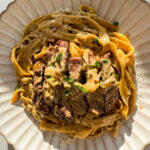
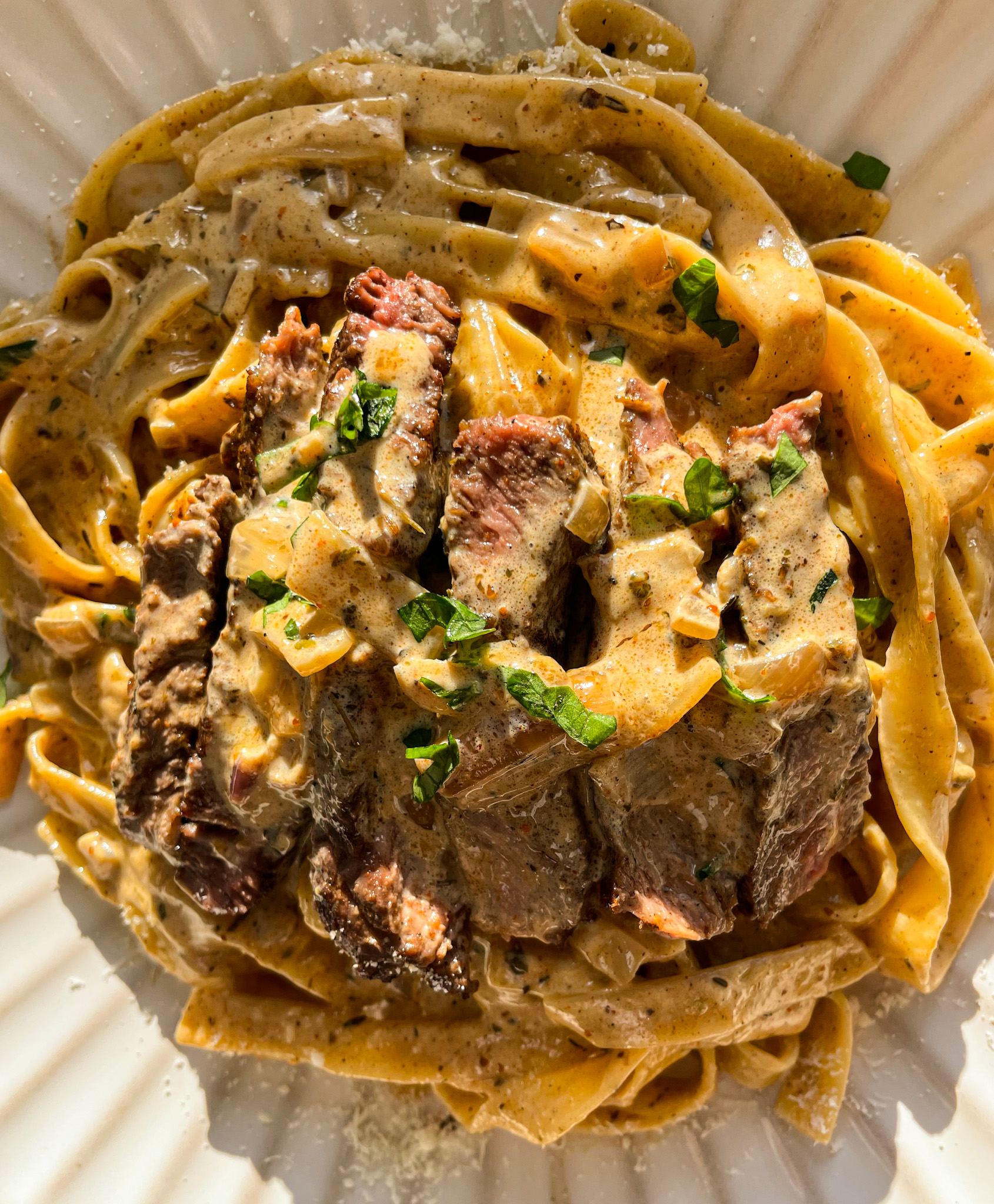
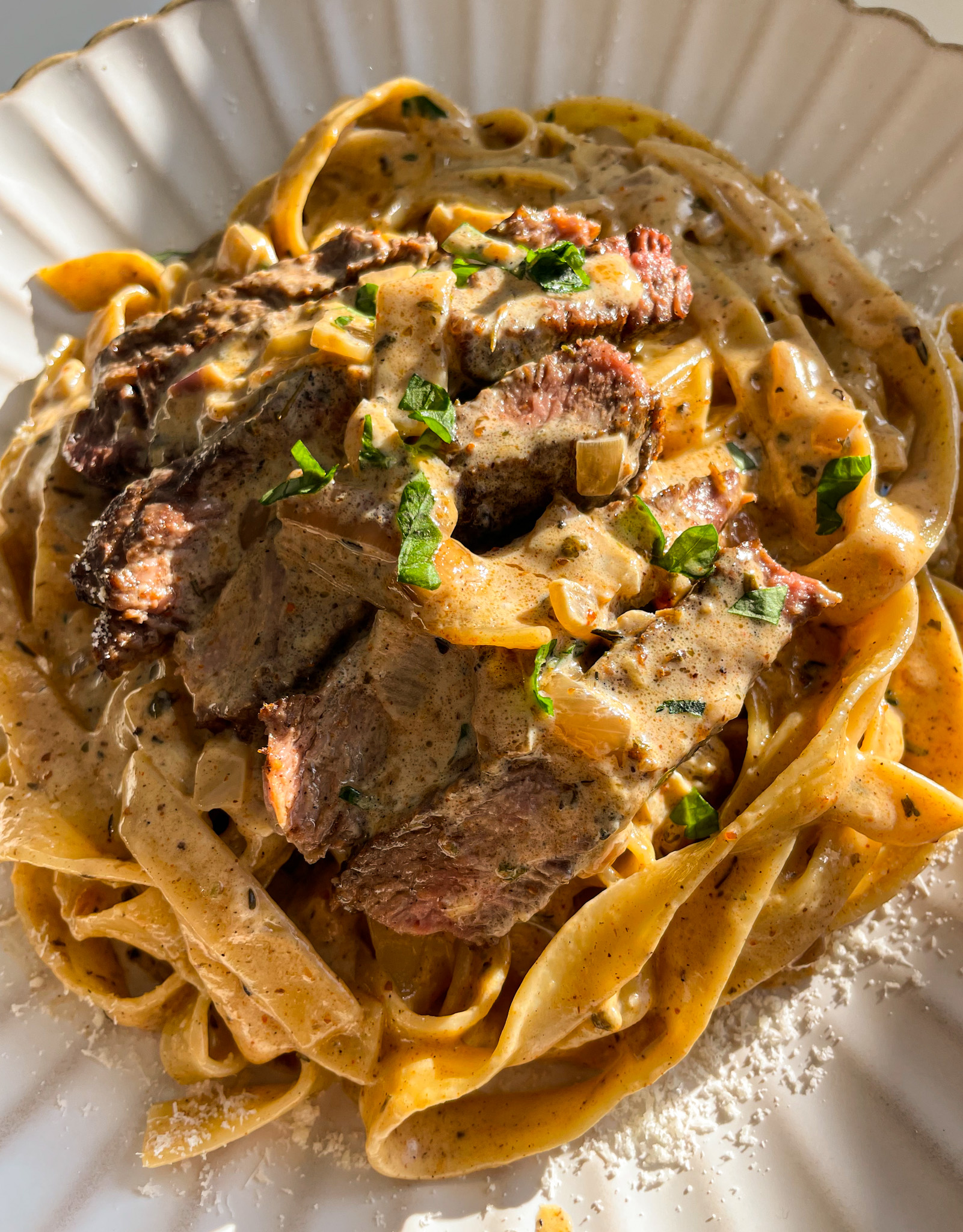
A decadent combination of tender steak, al dente pasta, and a creamy, spicy Cajun sauce, this dish is a showstopper perfect for weeknight dinners or special occasions. Packed with bold flavors and easy to prepare, Creamy Cajun Steak Pasta will quickly become a favorite at your table. The smoky Cajun spices blend seamlessly with the rich cream sauce, creating an unforgettable meal. Each bite delivers perfectly seasoned steak alongside silky pasta coated in luscious sauce. Whether you’re cooking for family or entertaining guests, this recipe impresses without requiring professional chef skills or hours in the kitchen.
Why This Recipe is Special
This Creamy Cajun Steak Pasta stands out for multiple compelling reasons. The bold flavors from smoky Cajun spices perfectly complement the creamy sauce and tender steak. You can create restaurant-quality meals at home that impress family or guests with gourmet-style presentation. The recipe is versatile and customizable, allowing easy swaps of steak for chicken or shrimp, or adjustments to spice levels. Best of all, it’s quick and easy, ready in under an hour, making it ideal for busy evenings. The combination of convenience and sophistication makes this dish exceptional for any occasion.
Key Ingredients Overview
Creating exceptional Creamy Cajun Steak Pasta requires carefully selected ingredients that work in harmony. Ribeye or sirloin steak provides tender, flavorful protein that becomes the star of the dish. Quality pasta serves as the perfect vehicle for the rich sauce. Cajun seasoning delivers the signature smoky, spicy kick that defines this recipe. Heavy cream creates the luxurious, velvety sauce texture. Fresh Parmesan cheese adds nutty depth and helps thicken the sauce. Butter and olive oil contribute richness and help develop flavor. Fresh parsley provides brightness and visual appeal. Each component plays a crucial role in achieving the perfect balance.
Understanding Cajun Flavor Profiles
The magic of Creamy Cajun Steak Pasta lies in understanding authentic Cajun seasoning. Traditional Cajun blends combine paprika, cayenne pepper, garlic powder, onion powder, oregano, and thyme. This mixture creates the characteristic smoky heat with herbal undertones. The spices originated in Louisiana’s Cajun country, where bold flavors reign supreme. Paprika provides the base and beautiful red color. Cayenne delivers heat that can be adjusted to preference. Garlic and onion powders add savory depth. Herbs like oregano and thyme contribute aromatic complexity. Together, these elements create the distinctive taste that makes this dish memorable.
The Balance of Heat and Cream
One of the most appealing aspects of Creamy Cajun Steak Pasta is how cream balances spice. The heavy cream soothes the heat from cayenne and Cajun seasoning. This creates a sauce that’s flavorful without being overwhelmingly spicy. The fat in cream carries flavor compounds throughout the sauce. It also creates a silky texture that coats pasta beautifully. The richness complements the bold spices rather than fighting them. This balance allows you to enjoy complex flavors without excessive heat. The result is a dish that appeals to those who enjoy spice and those who prefer milder flavors.
Choosing the Right Pasta Shape
Pasta selection impacts how well the sauce adheres and the overall eating experience. Penne works excellently because the ridged tubes trap creamy sauce inside. Fettuccine provides wide, flat surfaces that hold sauce beautifully. Rigatoni offers large ridges and hollow centers perfect for thick sauces. Linguine creates elegant presentation with its long, flat shape. Avoid delicate pastas like angel hair, which become overwhelmed by heavy sauce. The pasta should be sturdy enough to support both sauce and steak pieces. Proper shape selection ensures every bite of Creamy Cajun Steak Pasta delivers optimal flavor.
Choosing the Right Ingredients
Steak Selection and Quality
The quality of steak dramatically affects the final result of your Creamy Cajun Steak Pasta. Ribeye offers exceptional marbling that creates tender, juicy results. The fat content adds flavor and prevents the meat from drying out. Sirloin provides leaner option that’s still tender when cooked properly. Strip steak works wonderfully and offers good balance of flavor and texture. Entrecote, popular in European markets, delivers excellent marbling. Look for steaks with good marbling throughout. Bright red color indicates freshness. Avoid gray or brown-tinged meat. USDA Choice or Prime grades ensure superior quality and tenderness.
Cajun Seasoning Components
Store-bought Cajun seasoning offers convenience, but homemade blends allow customization. Quality commercial brands include Tony Chachere’s, Slap Ya Mama, and Zatarain’s. Check ingredient lists to ensure no unwanted additives or excessive salt. For homemade seasoning, combine two tablespoons paprika, one tablespoon garlic powder, one tablespoon onion powder, one tablespoon dried oregano, one tablespoon dried thyme, one teaspoon cayenne pepper, one teaspoon black pepper, and one teaspoon white pepper. Adjust cayenne based on desired heat level. Store in airtight containers away from light and heat. Fresh spices create the boldest flavor in your Creamy Cajun Steak Pasta.
Cream and Cheese Selection
Heavy cream, also called heavy whipping cream, contains at least thirty-six percent milk fat. This high fat content creates the richest, most stable sauce. Half-and-half can substitute but produces thinner sauce. Avoid milk, which lacks the fat needed for proper consistency. The cream should be fresh with no sour smell. For Parmesan cheese, buy blocks and grate fresh rather than using pre-grated varieties. Pre-shredded cheese contains anti-caking agents that affect melting and texture. Parmigiano-Reggiano offers the most authentic, complex flavor. Grana Padano provides similar quality at lower cost. Quality dairy products elevate your Creamy Cajun Steak Pasta significantly.
Fresh Aromatics Importance
Fresh onions and garlic create the aromatic foundation of the sauce. Yellow onions offer balanced sweet and sharp flavors when cooked. White onions provide sharper, more pungent taste. Sweet onions like Vidalia create milder, sweeter base. Choose firm onions without soft spots or sprouting. Garlic should be firm with tight, papery skin. Avoid garlic with green shoots, which indicates age and bitterness. Fresh parsley adds brightness and color to finished dishes. Italian flat-leaf parsley has more robust flavor than curly varieties. These fresh ingredients add layers of flavor impossible to achieve with dried alternatives in Creamy Cajun Steak Pasta.
Step-by-Step Instructions
Preparing the Steak
Remove steak from refrigerator thirty minutes before cooking to bring to room temperature. This ensures even cooking throughout. Pat the steak completely dry with paper towels. Moisture prevents proper searing and browning. Season both sides generously with salt, pepper, and Cajun seasoning. Press the seasonings into the meat so they adhere. Let seasoned steak rest while preparing other ingredients. Heat a large skillet over high heat until very hot. Add olive oil and swirl to coat the pan. The oil should shimmer but not smoke. Place steak in the hot pan without moving it. This allows a proper crust to form on your Creamy Cajun Steak Pasta.
Achieving Perfect Steak Doneness
Cook the steak for three to four minutes on the first side without disturbing it. A golden-brown crust should form. Flip and cook for another three to four minutes for medium-rare. Use a meat thermometer to check internal temperature. Remove at 130°F for medium-rare, 135°F for medium. The temperature rises five degrees during resting. Transfer steak to a cutting board and tent loosely with foil. Let rest for ten minutes to allow juices to redistribute. Cutting immediately causes juices to run out, creating dry meat. After resting, slice against the grain into thin strips. This maximizes tenderness in every bite of your Creamy Cajun Steak Pasta.
Cooking the Pasta
Bring a large pot of salted water to a rolling boil. Use at least four quarts of water for one pound of pasta. Add one tablespoon of salt to the water for proper seasoning. Add pasta and stir immediately to prevent sticking. Cook according to package directions, testing two minutes before the suggested time. Pasta should be al dente, meaning tender but with slight firmness. Drain pasta, reserving one cup of starchy cooking water. Do not rinse the pasta, as the starch helps sauce adhere. The pasta water contains valuable starch for adjusting sauce consistency. Properly cooked pasta is essential for perfect Creamy Cajun Steak Pasta.
Creating the Cajun Cream Sauce
In the same skillet used for steak, reduce heat to medium. Add butter and let it melt completely. Add diced onions and cook until softened and translucent, about five minutes. Stir frequently to prevent burning. The onions should be tender and sweet. Sprinkle in additional Cajun seasoning and stir for thirty seconds until fragrant. Pour in heavy cream and bring to a gentle simmer. Do not boil vigorously, which can cause cream to separate. Add grated Parmesan cheese gradually while stirring constantly. The cheese should melt smoothly into the sauce. Season with salt and pepper to taste. The sauce should coat the back of a spoon.
Final Assembly
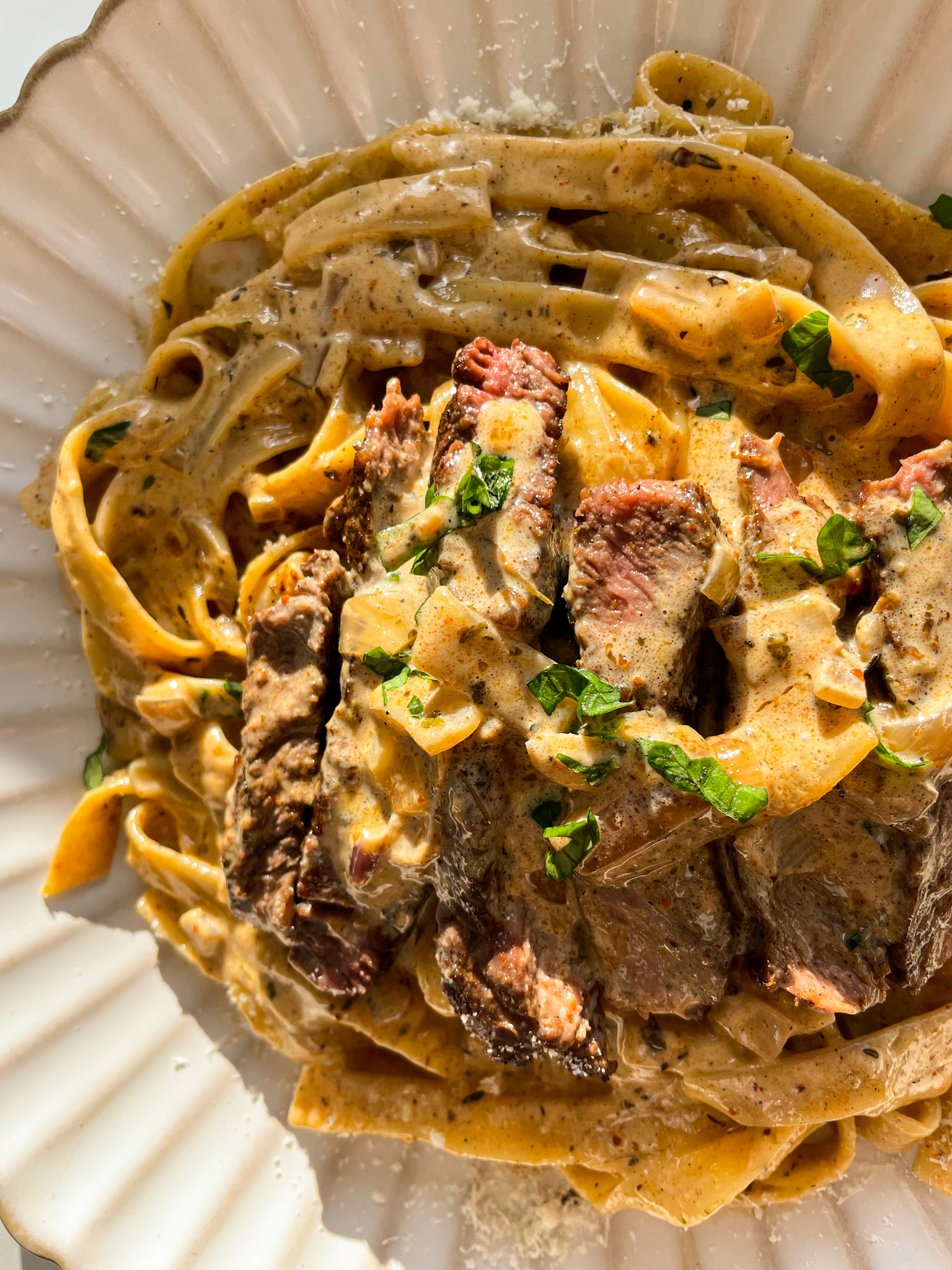
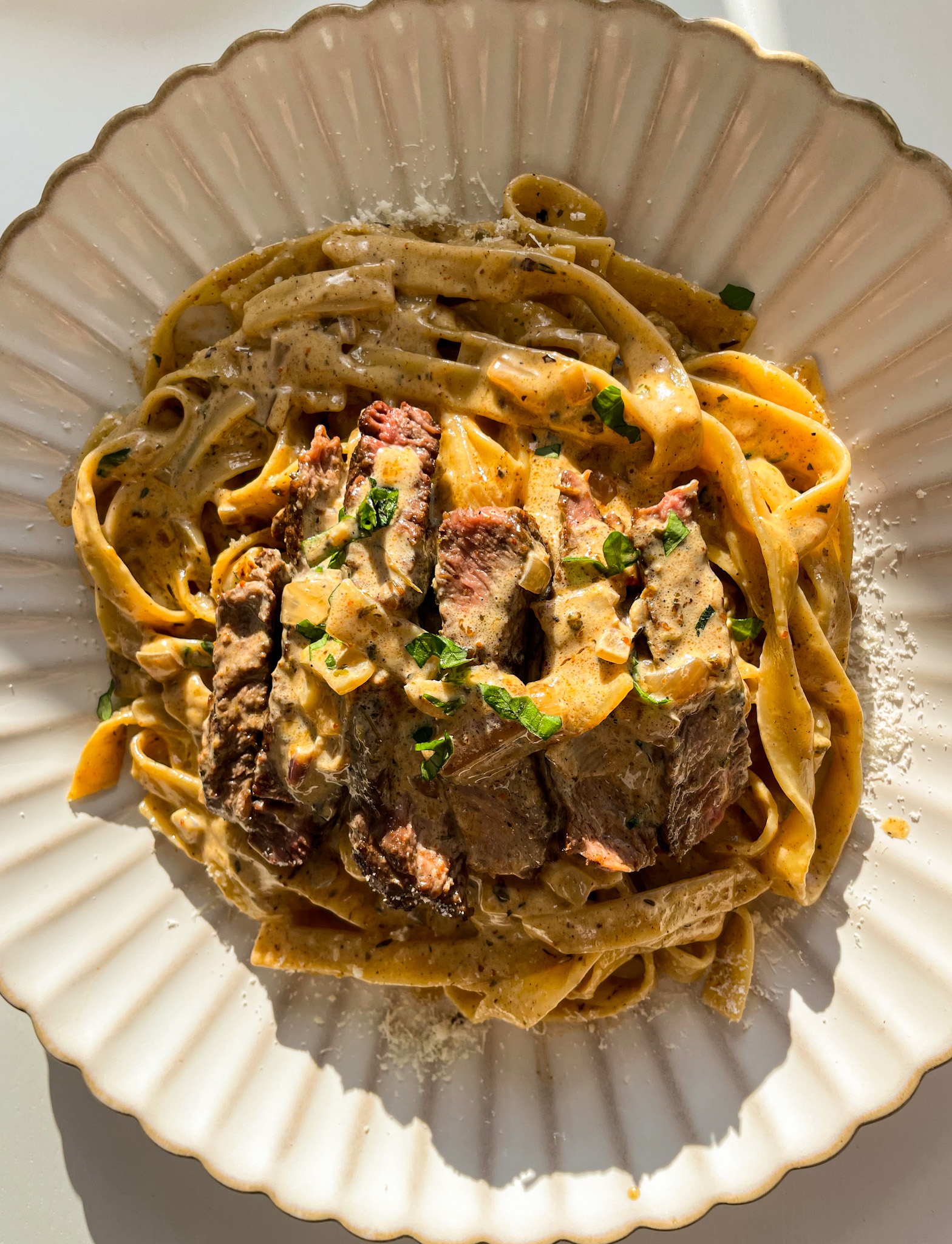
Add cooked pasta directly to the cream sauce in the skillet. Toss to coat every piece thoroughly with the creamy mixture. If the sauce seems too thick, add reserved pasta water one tablespoon at a time. The starchy water helps bind the sauce to pasta. Add sliced steak on top or fold it gently into the pasta. Garnish generously with freshly chopped parsley. The bright green provides beautiful color contrast. Serve immediately while hot. The pasta absorbs sauce as it sits, so prompt serving ensures optimal texture. Each plate of Creamy Cajun Steak Pasta should showcase the perfect balance of components.
Professional Tips for Perfect Results
Searing Steak Like a Pro
Achieving restaurant-quality sear requires high heat and patience. The pan must be extremely hot before adding steak. Test by holding your hand six inches above the surface. You should feel intense heat. Add just enough oil to coat the pan thinly. Too much oil creates greasy results. Place steak away from you to prevent oil splatter. Resist the urge to move or flip the steak prematurely. Let it cook undisturbed for the full time. Moving disrupts crust formation. A proper sear adds flavor and creates beautiful presentation on your Creamy Cajun Steak Pasta.
Spice Level Customization
Cajun seasoning heat varies significantly between brands and homemade blends. Start with less seasoning than you think you need. You can always add more but cannot remove it. Taste the sauce before adding steak and adjust seasoning. For mild version, reduce or omit cayenne pepper entirely. Use only paprika and herbs for smoky flavor without heat. For extra spicy version, add additional cayenne or fresh sliced jalapeños. The cream moderates heat, so account for that when seasoning. Finding your perfect spice level makes Creamy Cajun Steak Pasta enjoyable for your specific preferences.
Sauce Consistency Control
The perfect sauce should be creamy and coat pasta without being too thick or thin. If sauce becomes too thick, add reserved pasta water gradually. The starch in pasta water helps emulsify the sauce. Add one tablespoon at a time while stirring. Stop when you achieve desired consistency. If sauce is too thin, simmer gently to reduce and thicken. Adding extra Parmesan cheese also thickens sauce while boosting flavor. The sauce continues to thicken as it cools and pasta absorbs it. Aim for slightly thinner consistency than desired final result in your Creamy Cajun Steak Pasta.
Timing and Coordination
Coordinating all components to finish simultaneously requires planning. Start by bringing pasta water to boil first, as this takes longest. While water heats, prepare and season steak. Cook steak while pasta water reaches boiling point. Rest steak while pasta cooks. Make sauce while pasta cooks, timing it to finish as pasta drains. This choreography ensures everything stays hot and comes together perfectly. Write down timing if helpful until the process becomes intuitive. Proper timing transforms good Creamy Cajun Steak Pasta into an exceptional dining experience.
Common Mistakes to Avoid
Overcooking the Steak
The most common error is cooking steak beyond desired doneness. Steak continues cooking from residual heat after removal from the pan. Account for this by removing steak five degrees below target temperature. Use a reliable instant-read thermometer rather than guessing. Overcooked steak becomes tough and dry, ruining the dish. Even expensive cuts turn unpleasant when overcooked. If uncertain, err on the side of undercooking. You can always return steak to heat briefly. However, you cannot reverse overcooking. Proper temperature control ensures tender, juicy steak in your Creamy Cajun Steak Pasta.
Burning the Garlic and Spices
Garlic and dried spices burn easily, creating bitter, acrid flavors. Add Cajun seasoning to butter and onions only after onions soften. Cook spices just until fragrant, about thirty seconds maximum. If spices start to smell burnt, discard and start the sauce over. Burnt flavors cannot be masked and will ruin the entire dish. Use medium rather than high heat when making the sauce. Constant stirring prevents hot spots and burning. Attention during this step protects the complex flavors in your Creamy Cajun Steak Pasta.
Using Low-Quality Cream
Low-fat or ultra-pasteurized cream produces inferior sauce texture and flavor. These products lack the fat necessary for rich, stable sauce. They may separate or curdle when heated. Always use heavy cream with at least thirty-six percent fat content. Check expiration dates to ensure freshness. Sour or expired cream ruins the entire dish. The cream is the foundation of the sauce in Creamy Cajun Steak Pasta. Investing in quality cream pays dividends in final results.
Rinsing the Pasta
Rinsing cooked pasta washes away the starch that helps sauce adhere. This starch creates the slightly rough surface that grabs onto sauce. Rinsed pasta produces slippery texture that sauce slides off. The only exception is cold pasta salads, where you want to stop cooking. For hot pasta dishes like this, never rinse. Drain pasta and immediately add to sauce. The residual heat and moisture help sauce coat properly. This simple technique significantly improves your Creamy Cajun Steak Pasta.
Variations to Try
Protein Alternatives
While steak is traditional, other proteins create delicious variations of Creamy Cajun Steak Pasta. Chicken breast or thighs cook quickly and absorb Cajun flavors beautifully. Slice chicken thinly and cook with the same seasoning. Shrimp offers luxurious option that cooks in minutes. Large shrimp work best for this application. Andouille sausage provides authentic Cajun flair with smoky, spicy notes. Slice sausage and brown before adding to sauce. Blackened fish like mahi-mahi or catfish creates lighter version. These proteins maintain the essence while offering variety.
Vegetable Additions
Incorporating vegetables adds nutrition, color, and texture to the dish. Bell peppers, traditional in Cajun cooking, provide sweetness and crunch. Dice red, yellow, or green peppers and sauté with onions. Mushrooms add earthiness and meaty texture. Slice and cook until golden before adding cream. Cherry tomatoes burst with acidity that cuts through richness. Halve and add to finished sauce. Spinach wilts beautifully into the hot sauce, adding color and nutrients. Fresh or frozen corn kernels provide sweetness and texture. These additions enhance Creamy Cajun Steak Pasta nutritionally and visually.
Spice Blend Variations
Experimenting with spice blends creates unique flavor profiles. Creole seasoning is similar to Cajun but includes more herbs. It creates slightly different but equally delicious results. Add smoked paprika for deeper smokiness without extra heat. Include chipotle powder for smoky heat with southwestern flair. Fresh herbs like thyme or oregano brighten the sauce. A splash of hot sauce in the cream adds tangy heat. These variations keep Creamy Cajun Steak Pasta interesting and allow personalization.
Pasta Shape Experiments
Different pasta shapes change the eating experience significantly. Pappardelle, wide ribbon pasta, creates elegant, rustic presentation. Cavatappi, corkscrew-shaped pasta, traps sauce in its spirals. Shells hold pools of creamy sauce in their concave shapes. Orecchiette, small ear-shaped pasta, offers unique texture. Rotini’s tight spirals grab onto chunky elements. Each shape interacts differently with the sauce. Experimenting with shapes keeps your Creamy Cajun Steak Pasta repertoire interesting.
Storage and Reheating
Proper Storage Methods
Store leftover Creamy Cajun Steak Pasta in airtight containers in the refrigerator. Separate steak from pasta if possible to prevent overcooking during reheating. Properly stored, leftovers keep for three to four days. The cream sauce remains safe when refrigerated promptly. Never leave at room temperature for more than two hours. Bacteria multiply rapidly in cream-based sauces. Cool food quickly by spreading in shallow containers. Cover tightly to prevent absorption of refrigerator odors. Label containers with dates for tracking freshness.
Freezing Considerations
Cream-based sauces generally don’t freeze well, as they may separate upon thawing. However, if freezing is necessary, use these techniques for best results. Cool completely before freezing in freezer-safe containers. Leave one inch of headspace for expansion. Freeze for up to two months maximum. Thaw overnight in refrigerator rather than at room temperature. Reheat gently while stirring constantly. Whisk vigorously if sauce appears separated. Add fresh cream or butter to restore smoothness. Freshly made Creamy Cajun Steak Pasta always tastes superior to frozen.
Reheating Techniques
Gentle reheating preserves texture and prevents overcooking the steak. For stovetop method, add pasta to a skillet with splash of cream or milk. Heat over medium-low, stirring frequently until warmed through. This restores moisture lost during refrigeration. For microwave reheating, use fifty percent power to prevent sauce from separating. Cover with damp paper towel to retain moisture. Stir every minute until heated evenly. Add fresh Parmesan and herbs before serving to refresh flavors. Proper reheating makes leftover Creamy Cajun Steak Pasta nearly as good as fresh.
Frequently Asked Questions
Can I Make Creamy Cajun Steak Pasta Ahead of Time?
You can prepare components ahead for easier assembly. Cook steak up to two days in advance and refrigerate. Make Cajun seasoning blend and store in an airtight container. Chop onions and store in sealed containers. However, cook pasta and prepare sauce fresh for best texture. Cream sauces thicken and pasta continues absorbing liquid during storage. If making completely ahead, undercook pasta slightly and make sauce thinner than desired. Reheat gently, adding cream to restore consistency. Freshly assembled Creamy Cajun Steak Pasta always delivers superior results.
What’s the Best Steak Cut for This Recipe?
Ribeye offers the most marbling and flavor, creating exceptionally tender results. The fat content keeps meat juicy and adds richness. Sirloin provides leaner option that’s budget-friendly while remaining tender. Strip steak balances marbling and price beautifully. Flat iron steak is underrated but extremely tender and flavorful. Avoid tough cuts like round or chuck, which require long cooking times. The quick searing method works best with naturally tender cuts. Choose based on budget and fat preference for your Creamy Cajun Steak Pasta.
How Can I Make This Recipe Lighter?
Several modifications reduce calories and fat while maintaining flavor. Substitute half-and-half or whole milk for heavy cream. The sauce will be thinner but still delicious. Use less butter or replace with olive oil. Choose leaner steak cuts like sirloin instead of ribeye. Reduce Parmesan cheese amount or use reduced-fat version. Add more vegetables to increase volume without calories. Use whole wheat pasta for added fiber and nutrients. These adjustments create lighter version of Creamy Cajun Steak Pasta.
Can I Use Pre-Cooked Steak?
Leftover steak works wonderfully in this recipe. Slice cold steak thinly against the grain. Add to the finished sauce just to warm through. Overcooking makes it tough and dry. Pre-cooked rotisserie or grilled steak from another meal repurposes perfectly. This approach saves time and reduces waste. The Cajun cream sauce revitalizes leftover meat. Just ensure the steak is still fresh and properly stored. This flexibility makes Creamy Cajun Steak Pasta excellent for using leftovers.
What Can I Serve with This Dish?
Creamy Cajun Steak Pasta is substantial and filling on its own. However, sides enhance the meal. Garlic bread or crusty French bread soaks up extra sauce. Simple green salad with vinaigrette provides refreshing contrast. Roasted or steamed vegetables like broccoli or green beans add nutrition. Coleslaw offers crunchy, tangy counterpoint to rich pasta. Keep sides simple to avoid overwhelming the main dish. The pasta contains protein, starch, and rich sauce, so light accompaniments work best.
How Spicy Is This Recipe?
Spice level depends entirely on the Cajun seasoning used and amount added. Store-bought blends vary from mild to very spicy. Read labels or taste before using liberally. Homemade seasoning allows precise control over cayenne pepper. Start conservatively and add more to taste. The cream significantly moderates heat, making it milder than expected. Most people find properly seasoned Creamy Cajun Steak Pasta pleasantly spicy rather than burning. Adjust to your heat tolerance for perfect personalization.
Final Thoughts
Creamy Cajun Steak Pasta represents the perfect marriage of bold flavors and comforting richness. This dish transforms simple ingredients into restaurant-quality meals that impress without intimidation. The combination of tender steak, perfectly cooked pasta, and luxurious cream sauce creates memorable dining experiences. Whether preparing weeknight family dinners or hosting special gatherings, this recipe delivers consistent success. The flexibility to adjust spice levels and swap proteins ensures everyone can enjoy their perfect version.
Mastering this recipe opens doors to endless variations and customizations. Once comfortable with the basic technique, experiment with different proteins, vegetables, and spice combinations. The fundamental approach remains the same while flavors evolve with your creativity. Keep notes on successful variations to build your personal recipe collection. Share Creamy Cajun Steak Pasta with loved ones and watch it become a requested favorite. The satisfying combination of flavors and textures appeals to diverse palates.
Don’t hesitate to try making Creamy Cajun Steak Pasta in your own kitchen tonight. Gather quality ingredients and follow the detailed instructions carefully. The process is straightforward and requires no special skills or equipment. Pay attention to timing and temperature for optimal results. Soon you’ll be creating this impressive dish with confidence and ease. The reward of homemade restaurant-quality pasta makes every step worthwhile. Start cooking and discover why this recipe deserves a permanent place in your dinner rotation.
Watch the recipe video for more clarity!
See our similar recipes:
People also like our these recipes:
FOR THE STEAK
- 1 entrecote steak
- 1 tbsp Cajun seasoning
- Salt and pepper
- 5 tbsp butter
- 1 tbsp olive oil
FOR THE PASTA
- 200 g pasta cooked
- 1 onion chopped
- 1 cup heavy cream
- Salt and pepper to taste
- 1 tbsp Cajun seasoning
- 1/2 cup parmesan cheese
- Chopped parsley for garnish
PREPARE THE STEAK
Season the steaks with Cajun seasoning, salt, and pepper on both sides.
Heat olive oil in a skillet over medium-high heat.
Sear steak for 3-4 minutes per side for medium-rare, or adjust the time for your desired doneness.
Remove steak from the pan, cover with foil, and let them rest while preparing the pasta.
COOK THE PASTA
Boil the pasta in salted water according to package instructions. Drain and set aside.
In the same skillet used for the steak, melt butter with olive oil over medium heat.
Sauté onions until fragrant and softened, about 2 minutes.
Stir in heavy cream, Parmesan cheese, Cajun seasoning, smoked, salt, and pepper.
Let the sauce simmer for 3-4 minutes until it thickens slightly.
Toss the cooked pasta into the sauce, coating evenly.
Slice the steak into strips and place on top of the pasta.
Garnish with fresh parsley and an extra sprinkle of Parmesan cheese if desired.
Serve immediately and enjoy!
If you've given this recipe a try and it won you over, please share your thoughts by leaving
a rating and comment below! If you have any questions about this recipe, don't hesitate to ask – I'm here to
help and will respond promptly.