Welcome to the Ultimate Easy Mac Cheese Experience
Welcome to the ultimate comfort food experience – our Easy Mac Cheese Recipe that will revolutionize how you think about this classic dish! Say goodbye to complicated cooking and hello to a bowl of cheesy goodness that’s quick, simple, and absolutely irresistible. Whether you’re a kitchen novice taking your first steps in cooking or a seasoned chef looking for reliable comfort food, this recipe is your shortcut to a warm and satisfying meal that never disappoints.
Creamy, cheesy, and effortlessly delicious, our Easy Mac Cheese is a go-to solution for those cozy nights when you need something comforting or when you want a pick-me-up that warms both body and soul. This recipe delivers restaurant-quality results using straightforward techniques and accessible ingredients you probably already have in your kitchen. The combination of aged cheddar and creamy gouda creates depth and richness that boxed versions simply cannot match, while the homemade cheese sauce ensures every bite is silky smooth.
Let’s dive into the world of easy and delightful homemade mac and cheese – because sometimes, simplicity is the key to a happy belly! This Easy Mac Cheese proves you don’t need culinary school training or hours of preparation to create something truly special. With just a few quality ingredients and proper technique, you’ll produce creamy, dreamy mac and cheese that becomes a family favorite. The best part is that this recipe is foolproof when you follow the simple tips for avoiding grainy sauce and achieving that perfect velvety texture everyone craves.
Why This Easy Mac Cheese Recipe Works
Embrace simplicity with this incredibly Easy Mac Cheese recipe – a family-friendly favorite that even your little ones can enjoy helping you make! The straightforward process makes it perfect for teaching kids basic cooking skills. Let the kids have a blast grating cheese and measuring noodles, turning cooking into a fun family activity that creates memories while producing delicious results. This hands-on involvement gets children excited about homemade food and teaches them valuable kitchen skills.
When it comes to mac and cheese, a smooth and creamy cheese sauce is the key to success, and this recipe has been perfected through trial and error to ensure foolproof results every time. The secret lies in using a proper roux base, controlling temperature carefully, and selecting the right cheese combinations. Join this journey as we share the simple steps to achieve that velvety smooth sauce we all crave in our macaroni. Let’s make cooking an enjoyable experience for the whole family with Easy Mac Cheese that consistently delivers comfort and satisfaction.
Key Ingredients Overview
Creating exceptional Easy Mac Cheese starts with selecting quality ingredients that work together harmoniously. Elbow-shaped pasta is the classic choice, though any short pasta works beautifully. Sharp aged cheddar provides bold, tangy flavor that defines traditional mac and cheese. Gouda contributes creamy smoothness and mild, buttery notes that balance cheddar’s sharpness.
Butter and flour form the roux that thickens your sauce to perfect consistency. Whole milk and heavy cream create rich, luxurious texture that coats pasta beautifully. Simple seasonings including salt, black pepper, paprika, and garlic powder enhance flavors without overwhelming the cheese. Each component plays a specific role in creating Easy Mac Cheese with restaurant-quality results from your home kitchen.
Understanding Easy Mac Cheese
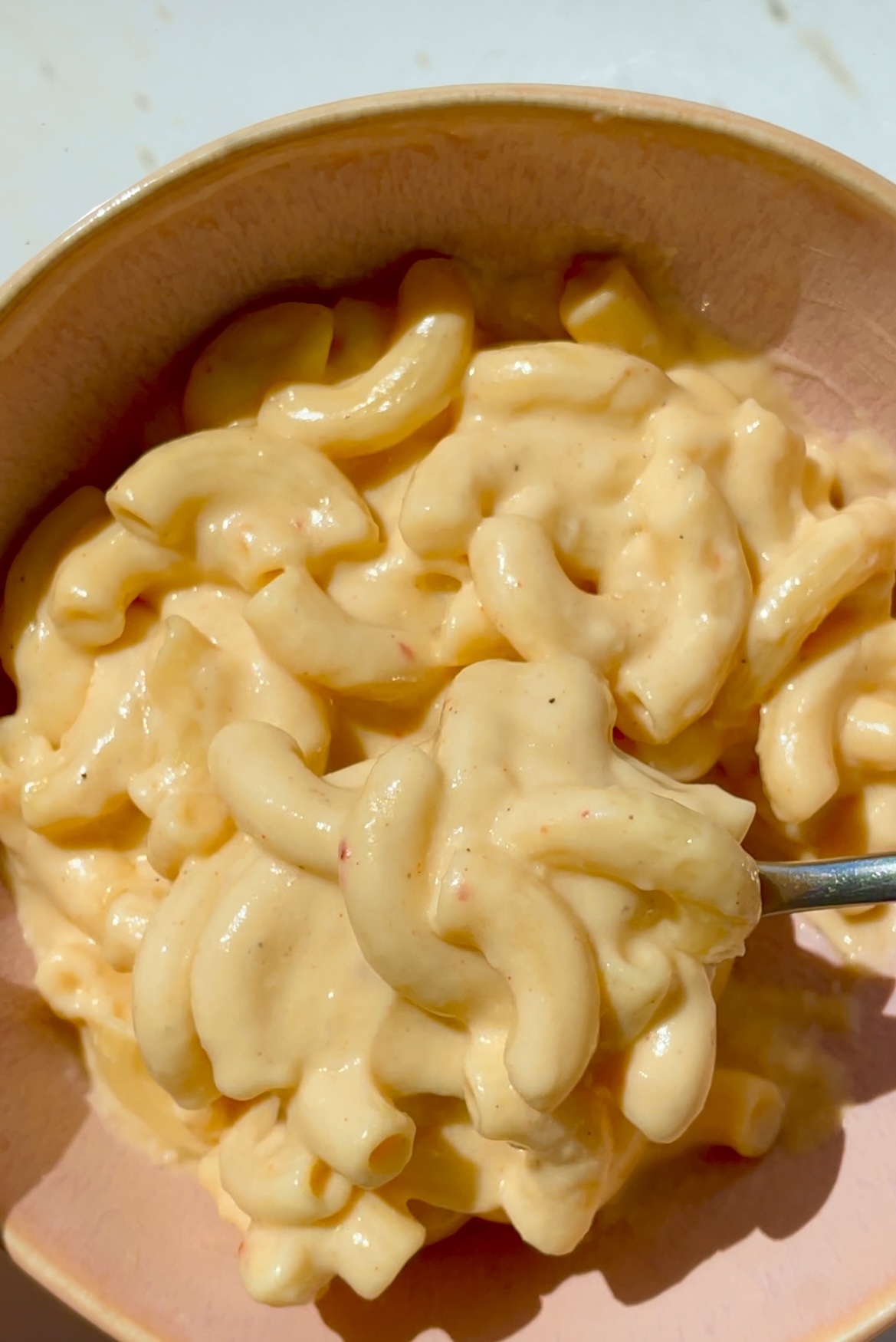
Easy Mac Cheese represents the perfect marriage of comfort food tradition and accessible home cooking. Understanding the fundamental principles behind creating smooth cheese sauce and selecting the right ingredients helps you achieve consistent, excellent results. This classic dish has been adapted and refined over generations, but the core concept remains simple: tender pasta enveloped in rich, creamy cheese sauce.
The success of any Easy Mac Cheese depends on mastering cheese sauce fundamentals. Unlike complicated recipes with dozens of ingredients and steps, this version focuses on technique over complexity. Proper temperature control, gradual cheese incorporation, and quality ingredients are the keys to silky smooth sauce without graininess.
The Science of Smooth Cheese Sauce
Creating smooth cheese sauce for Easy Mac Cheese requires understanding how cheese behaves when heated. Cheese contains proteins and fats that can separate when exposed to excessive heat, resulting in grainy, broken sauce. The roux-based approach used in this recipe provides starch structure that helps stabilize the emulsion, preventing separation and graininess.
Starting with a butter and flour roux creates a base that can hold cheese in suspension. When you gradually add milk and cream to the roux, you create a smooth white sauce called béchamel. This stable foundation allows cheese to melt evenly without breaking. The key is removing the sauce from heat before adding cheese, then stirring gently until melted. This gentle approach preserves the smooth texture that makes Easy Mac Cheese so appealing.
Why Two Cheeses Work Better
Using a combination of cheddar and gouda in your Easy Mac Cheese creates complexity and optimal melting properties you cannot achieve with a single cheese. Sharp cheddar provides bold, tangy flavor and authentic mac and cheese taste. However, aged cheddar alone can become grainy when melted due to its lower moisture content and crystallized proteins.
Gouda balances cheddar beautifully with its superior melting properties and mild, creamy flavor. Young gouda has high moisture content and melts incredibly smoothly, creating that silky texture you want in Easy Mac Cheese. The combination delivers both flavor impact from cheddar and perfect texture from gouda. This two-cheese approach is the secret to achieving professional results at home.
Choosing the Right Ingredients
Every ingredient in your Easy Mac Cheese plays a specific role in creating the final flavor and texture. Selecting quality components ensures the best possible results. Understanding why each ingredient matters helps you make informed choices and achieve consistent success.
The beauty of this recipe is that it uses accessible, affordable ingredients available at any grocery store without requiring specialty shopping or expensive components.
Pasta Selection
Elbow macaroni is the traditional choice for Easy Mac Cheese because its curved shape and hollow center trap cheese sauce perfectly. The compact size ensures every piece gets evenly coated, delivering consistent flavor in each bite. Elbows are also the right size for comfortable eating with a fork or spoon.
If elbow macaroni isn’t available, other short pasta shapes work wonderfully in Easy Mac Cheese. Shells create little pockets that hold extra sauce. Cavatappi’s spiral shape and ridges grip sauce exceptionally well. Penne or rigatoni tubes capture sauce in their centers. Choose shapes with curves, hollows, or ridges that maximize sauce adherence rather than long pasta like spaghetti.
Cheese Quality and Type
The cheese you choose dramatically impacts your Easy Mac Cheese quality. For cheddar, select aged or extra-sharp varieties for maximum flavor. These more mature cheeses have concentrated taste that stands up to dilution from milk and cream. While they can be slightly more expensive, the superior flavor justifies the modest price difference.
Gouda should be young rather than aged for Easy Mac Cheese applications. Young gouda has higher moisture content and melts more smoothly than aged varieties. Look for regular gouda rather than smoked, unless you specifically want that smoky flavor profile. Some cooks substitute Monterey Jack, Gruyère, or fontina for gouda with excellent results – choose any good melting cheese with mild flavor.
Critical: Always grate cheese fresh from blocks. Pre-shredded cheese contains anti-caking agents like cellulose or potato starch that prevent smooth melting, often resulting in grainy, separated Easy Mac Cheese sauce. Taking a few extra minutes to grate cheese yourself dramatically improves final texture and is absolutely worth the minimal effort.
Dairy Components
Whole milk provides the liquid base for your Easy Mac Cheese sauce while contributing richness and body. Avoid skim or low-fat milk, which produces thin, less flavorful sauce. The fat in whole milk is essential for creating proper creamy texture and mouthfeel.
Heavy cream elevates Easy Mac Cheese from good to exceptional, adding luxurious richness and helping create a sauce that clings beautifully to pasta. Some recipes use only milk, but the combination of milk and cream creates superior results. If you must substitute, half-and-half works as a middle ground, though the sauce won’t be quite as rich and indulgent.
Flour and Butter
Unsalted butter gives you complete control over the final salt level in your Easy Mac Cheese. Since cheese contributes significant saltiness, using unsalted butter prevents over-salting. The butter flavor also adds richness that complements cheese beautifully.
All-purpose flour creates the roux that thickens your sauce to proper consistency. The flour-to-butter ratio is crucial – too much flour makes sauce paste-like, while too little results in thin, runny consistency. This recipe uses carefully calculated proportions to achieve that perfect creamy texture that coats pasta without being gloppy or soupy.
Step-by-Step Instructions for Perfect Easy Mac Cheese
Creating exceptional Easy Mac Cheese requires following specific steps in the correct order. While the process is straightforward, attention to detail and proper technique ensures optimal results. Understanding the purpose of each step helps you execute the recipe confidently and troubleshoot if needed.
Organization is essential for smooth workflow. Gather all ingredients before starting and have everything measured and ready. This preparation prevents scrambling mid-recipe and ensures proper timing.
Cooking the Pasta
Bring a large pot of water to a rolling boil for your pasta. Add a generous tablespoon of salt to the water – this is your only opportunity to season the pasta itself. Once water reaches vigorous boil, add elbow macaroni and stir immediately to prevent sticking. Cook according to package directions until pasta reaches al dente texture, typically 7 to 8 minutes.
Al dente means tender but still slightly firm to the bite. This texture is crucial for Easy Mac Cheese because pasta continues softening when combined with hot sauce and during any baking time. Overcooked mushy pasta results in unpleasant texture in the finished dish. Before draining, reserve one cup of starchy pasta cooking water. Drain pasta in a colander but do not rinse it – the residual starch helps sauce adhere better.
Making the Roux
While pasta cooks or immediately after draining it, prepare your cheese sauce. Melt butter in a large saucepan over medium heat, swirling to coat the pan bottom evenly. Once butter melts and begins to foam slightly, add flour all at once. Whisk immediately and constantly to combine, creating a smooth paste without lumps.
Cook this butter-flour mixture for 2 to 3 minutes, whisking constantly. This cooking step removes the raw flour taste while creating the roux base for your Easy Mac Cheese sauce. The roux should bubble gently and smell slightly nutty, though it should remain light blonde in color. Don’t let it brown beyond light golden, as darker roux affects both flavor and thickening power.
Creating the Béchamel
Once your roux is ready, reduce heat to medium-low and begin adding milk gradually while whisking constantly. Add milk in three or four additions, whisking thoroughly between each to ensure smooth incorporation. The mixture will seem very thick initially but will thin as you add more liquid.
Once all milk is incorporated and the mixture is smooth, add heavy cream and continue whisking. Bring the sauce to a gentle simmer and cook for 3 to 5 minutes until it thickens enough to coat the back of a spoon. Stir frequently to prevent scorching on the bottom. Season with salt, black pepper, paprika, and garlic powder, whisking to distribute seasonings evenly throughout your Easy Mac Cheese base.
Incorporating the Cheese
This is the crucial step that determines whether your Easy Mac Cheese sauce is smooth or grainy. Remove the saucepan completely from heat once your béchamel is ready. Let it sit for 30 seconds to cool slightly – adding cheese to extremely hot liquid can cause proteins to seize and separate.
Add grated cheese in three or four additions, stirring gently but thoroughly after each. Don’t whisk vigorously – gentle stirring is sufficient and less likely to break the sauce. Allow each cheese addition to melt completely before adding more. The residual heat from the sauce should melt the cheese perfectly without returning to the stove. If cheese isn’t melting, you can return to very low heat briefly, but remove as soon as melting occurs.
Combining Pasta and Sauce
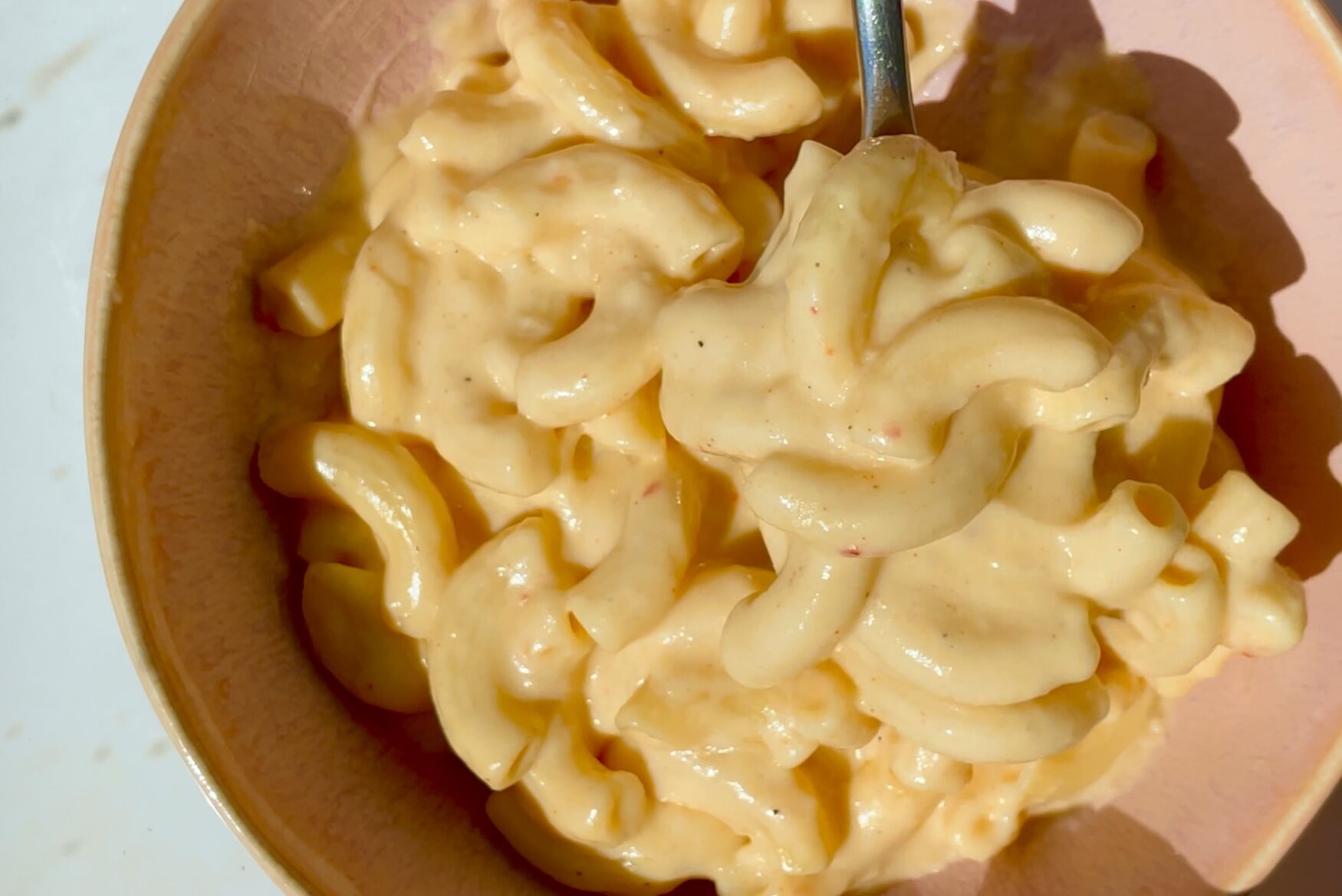
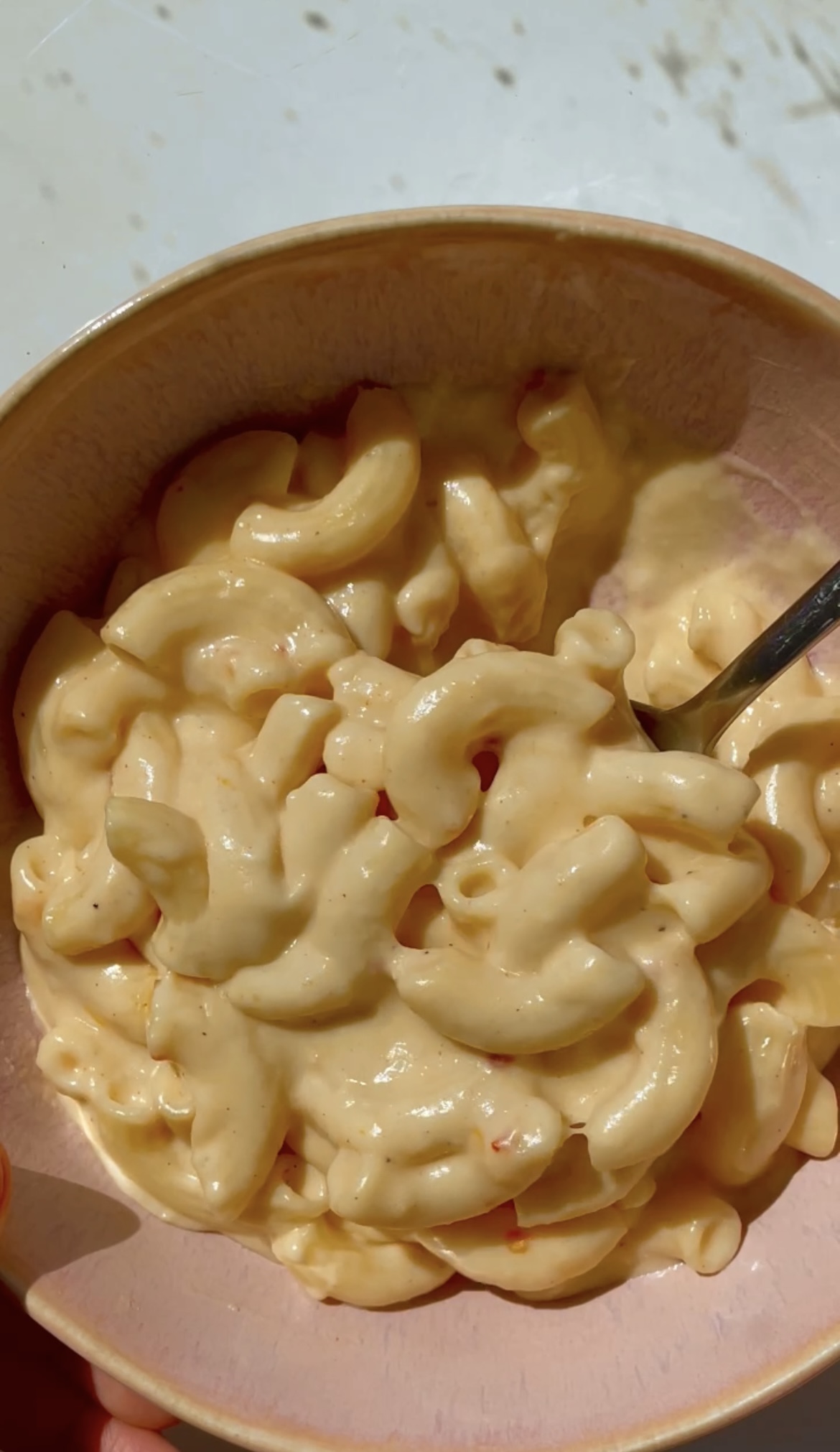
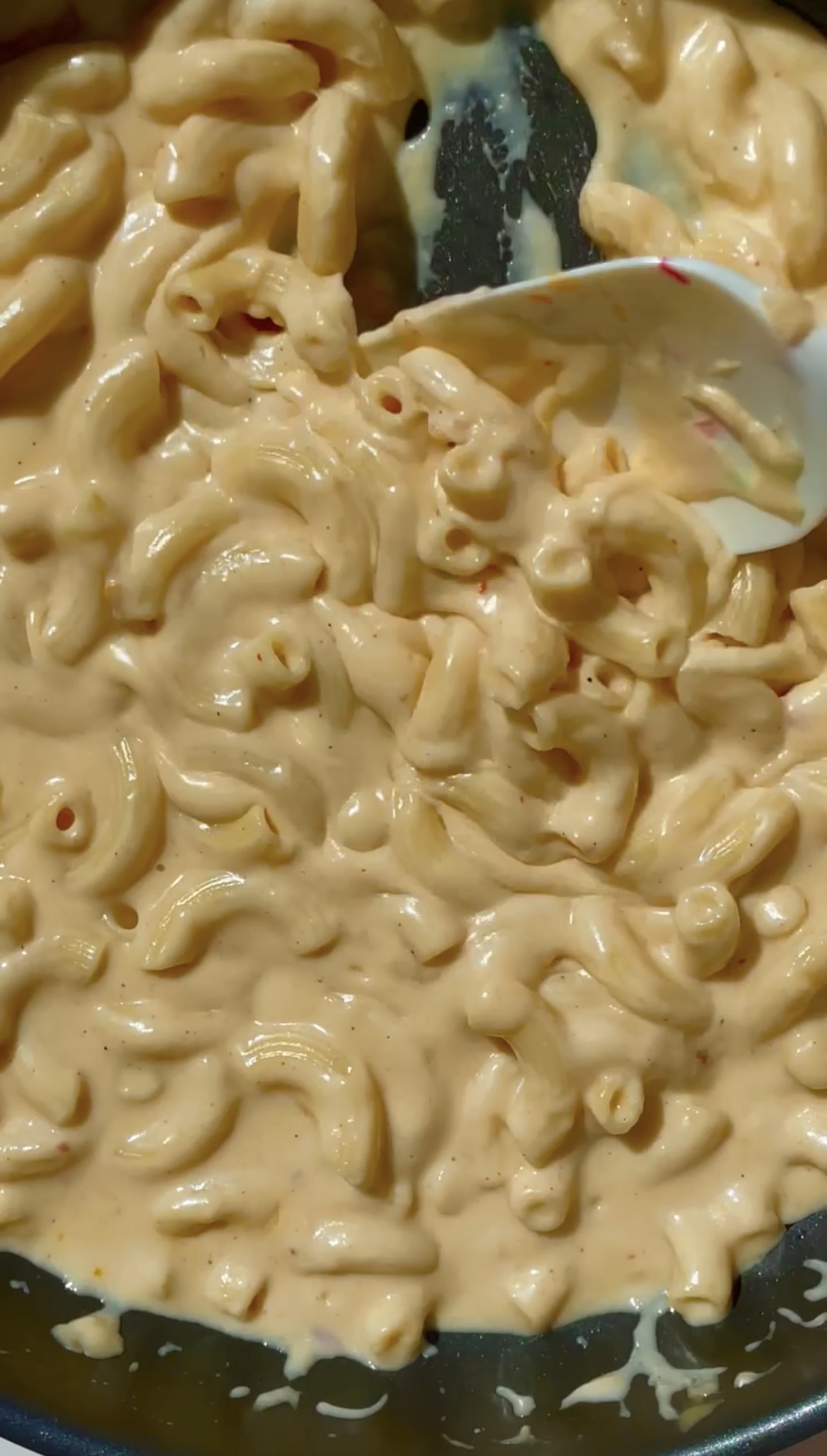
Once all cheese has melted into smooth, velvety sauce, add your drained pasta to the saucepan. Stir gently to coat every piece of pasta with the luxurious cheese sauce. The sauce should cling to pasta without pooling at the bottom of the pan. If sauce seems too thick, add reserved pasta water a tablespoon at a time until you reach ideal consistency.
Your Easy Mac Cheese is now ready to serve directly from the stovetop for creamy, saucy results. Alternatively, transfer to a buttered baking dish, top with extra cheese or breadcrumbs, and bake at 350°F for 20 to 25 minutes for a version with golden, bubbly top. Both approaches produce delicious results with slightly different textures.
Professional Tips for Outstanding Results
Mastering Easy Mac Cheese involves understanding subtle techniques that separate good from exceptional. These professional insights help you achieve restaurant-quality results at home every time you prepare this comfort food classic.
Attention to small details makes a significant difference in the final quality and satisfaction of your mac and cheese.
Temperature Control Mastery
Maintaining proper temperature throughout the cooking process ensures smooth Easy Mac Cheese without graininess. Cook the roux over medium heat – too high causes burning, while too low means it takes forever to cook properly. When making béchamel, keep heat at medium to medium-low for gentle thickening without scorching.
The most critical temperature control happens when adding cheese. Remove the pan completely from heat and let the sauce cool for 30 to 60 seconds before adding any cheese. The residual heat is sufficient to melt cheese perfectly without the proteins seizing from excessive temperature. If you must return to heat, use the lowest setting and remove immediately once cheese melts. This careful temperature management is the key to silky Easy Mac Cheese sauce.
Cheese Preparation Tips
Let freshly grated cheese come to room temperature before adding to your Easy Mac Cheese sauce. Cold cheese straight from the refrigerator doesn’t melt as smoothly and requires more heat, increasing the risk of grainy sauce. Grate cheese 20 to 30 minutes before you need it and let it sit at room temperature.
Grate cheese using the large holes of a box grater for optimal melting. Very finely grated cheese can clump together and become gummy. Coarsely grated cheese melts more evenly and smoothly. Mix your cheddar and gouda together after grating so they’re evenly distributed when you add them to sauce, ensuring consistent flavor throughout your Easy Mac Cheese.
Achieving Perfect Consistency
The ideal Easy Mac Cheese has creamy, flowing consistency that coats pasta without being soupy or dry. The sauce should move slowly when you tilt the pan but shouldn’t be stiff or paste-like. Achieving this perfect texture requires attention to both the béchamel thickness and the final pasta-to-sauce ratio.
If your sauce is too thick, thin it gradually with reserved pasta water or additional milk. Add liquid a tablespoon at a time, stirring between additions. If too thin, simmer gently for a few minutes to reduce and concentrate. Remember that Easy Mac Cheese thickens slightly as it cools, so make sauce slightly looser than your target consistency while still hot.
Preventing Common Issues
Several common problems plague homemade mac and cheese, but they’re all avoidable with proper technique. Grainy sauce results from cheese added to excessively hot liquid or from using pre-shredded cheese with anti-caking agents. Prevent this by controlling temperature and grating fresh cheese.
Separated, oily sauce happens when cheese proteins break down from too much heat or over-stirring. Use gentle heat and minimal stirring once cheese is added. Dry, thick Easy Mac Cheese results from overcooking pasta or insufficient sauce. Cook pasta al dente and ensure adequate sauce quantity. These awareness of potential pitfalls helps you avoid them entirely.
Common Mistakes to Avoid
Even straightforward recipes like Easy Mac Cheese have potential pitfalls that can compromise your results. Understanding these common mistakes helps you avoid them and achieve perfect mac and cheese every time.
Learning what not to do is just as valuable as learning proper technique when mastering any new recipe.
Using Pre-Shredded Cheese
This is the single most common mistake that results in grainy Easy Mac Cheese. Pre-shredded cheese contains anti-caking agents like cellulose, potato starch, or calcium sulfate that prevent clumping in the bag. Unfortunately, these additives also prevent smooth, creamy melting, often resulting in grainy or separated sauce that looks broken.
Always grate cheese fresh from blocks for this recipe. Yes, it takes a few extra minutes, but the superior texture makes this effort absolutely worthwhile. The difference between pre-shredded and freshly grated cheese in Easy Mac Cheese is dramatic and immediately noticeable. Don’t sabotage your efforts by taking this shortcut.
Adding Cheese to Boiling Sauce
Adding cheese directly to sauce that’s still on the heat or actively simmering is a recipe for disaster. The high temperature causes cheese proteins to seize and coagulate, resulting in grainy, stringy, or separated sauce. Cheese needs gentle heat to melt smoothly without breaking.
Always remove your Easy Mac Cheese sauce from heat before adding any cheese. Let it cool for 30 to 60 seconds, then add cheese gradually while stirring gently. The residual heat melts cheese perfectly without the harsh direct heat that causes problems. This simple step is crucial for smooth sauce.
Overcooking the Pasta
Mushy, overcooked pasta ruins Easy Mac Cheese texture even if the sauce is perfect. Pasta continues softening when combined with hot sauce and during any baking time, so it must start at proper al dente texture. Follow package directions but start testing a minute before the recommended time.
Pasta should be tender but still have a slight firmness when you bite it. It should not be crunchy or hard, but it definitely shouldn’t be completely soft either. This ideal texture ensures your Easy Mac Cheese has pleasant mouthfeel rather than mushy, baby-food consistency that disappoints.
Not Seasoning Properly
Under-seasoned Easy Mac Cheese tastes flat and boring despite using quality cheese. Salt is essential at multiple stages – in the pasta water, in the béchamel sauce, and in final adjustments after combining everything. The cheese contributes saltiness, but you still need additional seasoning.
Taste your sauce before adding pasta and adjust seasoning as needed. Black pepper, paprika, and garlic powder add depth and complexity beyond just saltiness. Don’t be afraid to season adequately – under-seasoning is one of the biggest differences between mediocre and exceptional Easy Mac Cheese.
Over-Stirring the Cheese Sauce
Once cheese melts into your sauce, excessive stirring can break the delicate emulsion and cause separation. Vigorous whisking incorporates too much air and agitates proteins unnecessarily. After adding cheese to your Easy Mac Cheese, use gentle folding motions rather than aggressive stirring.
Stir just enough to incorporate cheese and ensure even distribution. Once smooth, stop stirring and add pasta. This gentle approach preserves the silky texture you worked to create. Save vigorous stirring for the roux and béchamel stages, then become gentler once cheese enters the equation.
Variations and Customizations
Once you’ve mastered basic Easy Mac Cheese, exploring variations keeps the recipe exciting and allows personalization. These adaptations maintain the core technique while introducing new flavors, textures, or accommodating dietary needs.
Experimenting with variations helps you understand the recipe’s flexibility and discover your perfect version of mac and cheese.
Cheese Combination Variations
While cheddar and gouda create excellent Easy Mac Cheese, other cheese combinations produce interesting results. Try Gruyère and Emmental for Swiss-inspired version with nutty, complex flavor. Sharp white cheddar and Monterey Jack create milder, creamier interpretation perfect for kids.
Smoked gouda adds subtle smokiness that pairs wonderfully with sharp cheddar. Fontina contributes earthy richness and excellent melting properties. Pepper Jack introduces spicy kick for heat lovers. Mix three or four cheeses for even more complexity in your Easy Mac Cheese. Just ensure at least one is a good melting cheese like gouda, Monterey Jack, or fontina.
Add-In Options
Transform basic Easy Mac Cheese into more substantial meals with protein and vegetable additions. Crispy bacon or pancetta adds smoky, salty richness. Diced ham creates budget-friendly protein boost. Shredded rotisserie chicken makes it a complete meal.
Steamed broccoli florets add nutrition and beautiful color. Sautéed mushrooms contribute earthy umami depth. Peas provide pop and subtle sweetness. Roasted cherry tomatoes offer bright acidity. Caramelized onions add complex sweetness. These additions make Easy Mac Cheese more balanced and substantial without complicating the basic recipe.
Topping Variations
Elevate Easy Mac Cheese with creative toppings before baking. Panko breadcrumbs tossed with melted butter and parmesan create golden, crunchy contrast to creamy interior. Crushed crackers like Ritz or butter crackers add salty crunch. Crushed potato chips provide unexpected textural element.
Extra shredded cheese on top creates bubbly, golden crust. Fresh herbs like parsley or chives add color and brightness. Crumbled bacon contributes smoky crunch. Drizzle with hot sauce or sriracha for spicy kick. These toppings transform simple Easy Mac Cheese into impressive company-worthy dish.
Baked vs. Stovetop
The basic Easy Mac Cheese recipe can be served directly from the stovetop for ultra-creamy, saucy results. This approach is quicker and produces looser, more sauce-forward mac and cheese. For version with textural contrast, transfer to a buttered baking dish and bake at 350°F for 20 to 25 minutes.
Baking concentrates flavors slightly and allows you to add crunchy topping. Some people prefer the firmer, more cohesive texture of baked Easy Mac Cheese. Both approaches are delicious – choose based on your preference and available time. You can even make it stovetop most of the time and bake for special occasions.
Lighter Versions
For slightly healthier Easy Mac Cheese, make strategic substitutions. Use all milk instead of milk and cream combination for fewer calories and less fat. Choose reduced-fat cheese, though full-fat melts better and tastes superior. Use whole wheat pasta for additional fiber and nutrients.
Add vegetables like cauliflower or butternut squash purée to the sauce for nutrition boost that doesn’t compromise creaminess. These modifications create lighter version while maintaining satisfying comfort food character. Don’t expect identical results to the full-fat version, but lighter Easy Mac Cheese can still be quite delicious.
Storage and Reheating
Proper storage extends the life of your Easy Mac Cheese while maintaining quality. Understanding correct storage and reheating techniques prevents food waste and allows you to enjoy leftovers or make the dish ahead for convenient meals.
Like most cream-based pasta dishes, Easy Mac Cheese tastes best when freshly made, but leftovers can be quite good with proper handling.
Storing Guidelines
Allow leftover Easy Mac Cheese to cool to room temperature before storing, but don’t leave it out longer than two hours for food safety. Transfer to an airtight container, pressing plastic wrap directly onto the surface before sealing with the lid. This prevents skin formation and reduces air exposure that causes drying.
Refrigerate promptly and consume within 3 to 4 days for best quality and safety. The pasta will absorb more sauce as it sits, resulting in drier texture when reheated. The cheese sauce may thicken and lose some creaminess when cold, which is normal and improves upon gentle reheating. Store Easy Mac Cheese in portion-sized containers for convenient single servings.
Reheating Methods
The stovetop method produces the best results when reheating Easy Mac Cheese. Place portions in a saucepan over medium-low heat. Add a few tablespoons of milk or cream to help restore creaminess that pasta absorbed during storage. Stir gently but frequently, heating until warmed through completely.
This gentle, moist heat method prevents the cheese sauce from breaking or becoming greasy and keeps pasta from drying out. Avoid high heat, which can cause dairy to separate and creates rubbery texture. The stovetop method takes slightly longer than microwaving but delivers significantly better results that closely match the fresh dish.
Microwave reheating works when time is limited, though results aren’t quite as good. Place portions in a microwave-safe bowl and add a tablespoon or two of milk. Cover with a damp paper towel to create steam and prevent drying. Heat in 1-minute intervals, stirring between each, until hot throughout. This prevents hot spots and ensures even heating of your Easy Mac Cheese.
Oven reheating works well for larger portions. Transfer Easy Mac Cheese to an oven-safe dish, add a splash of milk, and cover tightly with foil. Bake at 350°F for 20 to 25 minutes until heated through, stirring halfway. Remove foil for the last 5 minutes if you want slightly crispy top.
Freezing Instructions
Easy Mac Cheese freezes reasonably well for convenient future meals, though texture won’t be quite as perfect as fresh. The dairy sauce can separate slightly upon thawing, and pasta may become softer. For best results, slightly undercook pasta if you plan to freeze, and make sauce a bit thinner than normal.
Freeze in airtight containers or heavy-duty freezer bags, removing as much air as possible. Label with date and contents. Properly stored Easy Mac Cheese keeps frozen for up to 2 months. Thaw overnight in refrigerator, then reheat using stovetop or oven method, adding milk to restore creaminess. While not identical to fresh, frozen and reheated mac and cheese is still quite tasty.
Frequently Asked Questions
These commonly asked questions address concerns and curiosities people have when preparing Easy Mac Cheese. Understanding these details helps ensure success and builds confidence in the kitchen.
Can I make this ahead of time?
You can prepare Easy Mac Cheese up to one day ahead. Cook it completely, let it cool, then refrigerate in a covered baking dish. When ready to serve, let it come to room temperature for 30 minutes, then bake covered at 350°F for 25 to 30 minutes until hot and bubbly. This approach works wonderfully for entertaining or holiday meals.
Why is my sauce grainy?
Grainy sauce results from cheese added to excessively hot liquid, using pre-shredded cheese with anti-caking agents, or overheating after cheese is added. Always remove sauce from heat before adding freshly grated cheese, stir gently, and avoid returning to high heat. These precautions prevent the protein seizure that causes graininess in Easy Mac Cheese.
Can I use different pasta shapes?
Absolutely! While elbow macaroni is traditional, any short pasta shape works in Easy Mac Cheese. Shells, cavatappi, penne, rigatoni, or rotini all work beautifully. Choose shapes with curves, ridges, or hollows that trap cheese sauce. Avoid long pasta like spaghetti, which doesn’t work as well for this application.
How do I prevent the sauce from being too thick or too thin?
Sauce consistency depends on the roux proportions and cooking time. If too thick, thin gradually with milk or reserved pasta water. If too thin, simmer gently to reduce and concentrate, or add a bit more cheese which will melt and thicken the sauce. Remember Easy Mac Cheese thickens as it cools, so aim slightly looser than desired while hot.
Can I make this without heavy cream?
Yes, you can use all whole milk instead of the milk and cream combination. Your Easy Mac Cheese will be slightly less rich and indulgent but still delicious. For middle ground, use half-and-half. Avoid using skim or low-fat milk, which produces thin, less flavorful sauce that doesn’t coat pasta well.
What’s the best way to get kids involved?
Kids can help make Easy Mac Cheese by measuring pasta, grating cheese (with supervision for older children), stirring the sauce (once away from heat), and mixing pasta with sauce. These tasks teach basic cooking skills while making them invested in the meal. Most children love mac and cheese and enjoy helping create it.
Final Thoughts
Easy Mac Cheese represents comfort food at its absolute best – simple ingredients transformed through proper technique into something that warms both body and soul. This recipe proves you don’t need complicated procedures or hours of cooking to create exceptional mac and cheese. With quality ingredients, careful attention to temperature, and understanding of basic sauce-making principles, anyone can master this classic dish.
Whether you’re preparing weeknight dinner for your family, creating side dish for a potluck, or teaching children basic cooking skills, this Easy Mac Cheese delivers impressive results without requiring culinary school training. The techniques you learn – making roux, creating béchamel, melting cheese properly – transfer to countless other recipes, building your confidence and competence in the kitchen.
The beauty of Easy Mac Cheese lies in its versatility and universal appeal. Follow the recipe exactly for classic comfort, or customize with your favorite cheese combinations, add-ins, and toppings to make it uniquely yours. Serve it stovetop for ultra-creamy results, or bake it with crunchy topping for textural contrast. Each variation showcases the fundamental appeal of tender pasta enveloped in rich, smooth cheese sauce.
Don’t be intimidated by the possibility of grainy sauce or other common pitfalls. Armed with the knowledge in this guide about temperature control, cheese selection, and proper technique, you’ll achieve perfect Easy Mac Cheese every time. This recipe is forgiving and flexible, welcoming experimentation while delivering consistently delicious results. Make it tonight and discover why homemade mac and cheese becomes a cherished family favorite that brings everyone together around the table for pure comfort food happiness.
If you’ve given this recipe a try and it won you over, please share your thoughts by leaving a rating and comment below! If you have any questions about this recipe, don’t hesitate to ask – I’m here to help and will respond promptly.
To see more recipes and behind-the-scenes, follow along on Youtube, Instagram &Tiktok !

Watch the recipe video for more clarity
People also like our Recipes:
- 170 g elbow pasta
- 2 tbsp flour
- 2 tbsp butter
- 300 ml milk
- 1/4 cup heavy cream
- 1/2 cup cheddar cheese
- 1/2 cup gouda cheese
- Salt and pepper to taste
- 1 tsp paprika
- 1 tsp garlic powder
- Chili flakes for garnish ( optional )
In a saucepan, add the butter, flour and whisk them very well.
Slowly add the milk, heavy cream while still whisking.
Season with salt, pepper, garlic powder, paprika and mix.
Add in the cheese and mix it well till all is blended.
Add in the cooked pasta and mix.
Top with chili flakes and enjoy while warm!
If you've given this recipe a try and it won you over, please share your thoughts by leaving
a rating and comment below! If you have any questions about this recipe, don't hesitate to ask – I'm here to
help and will respond promptly.