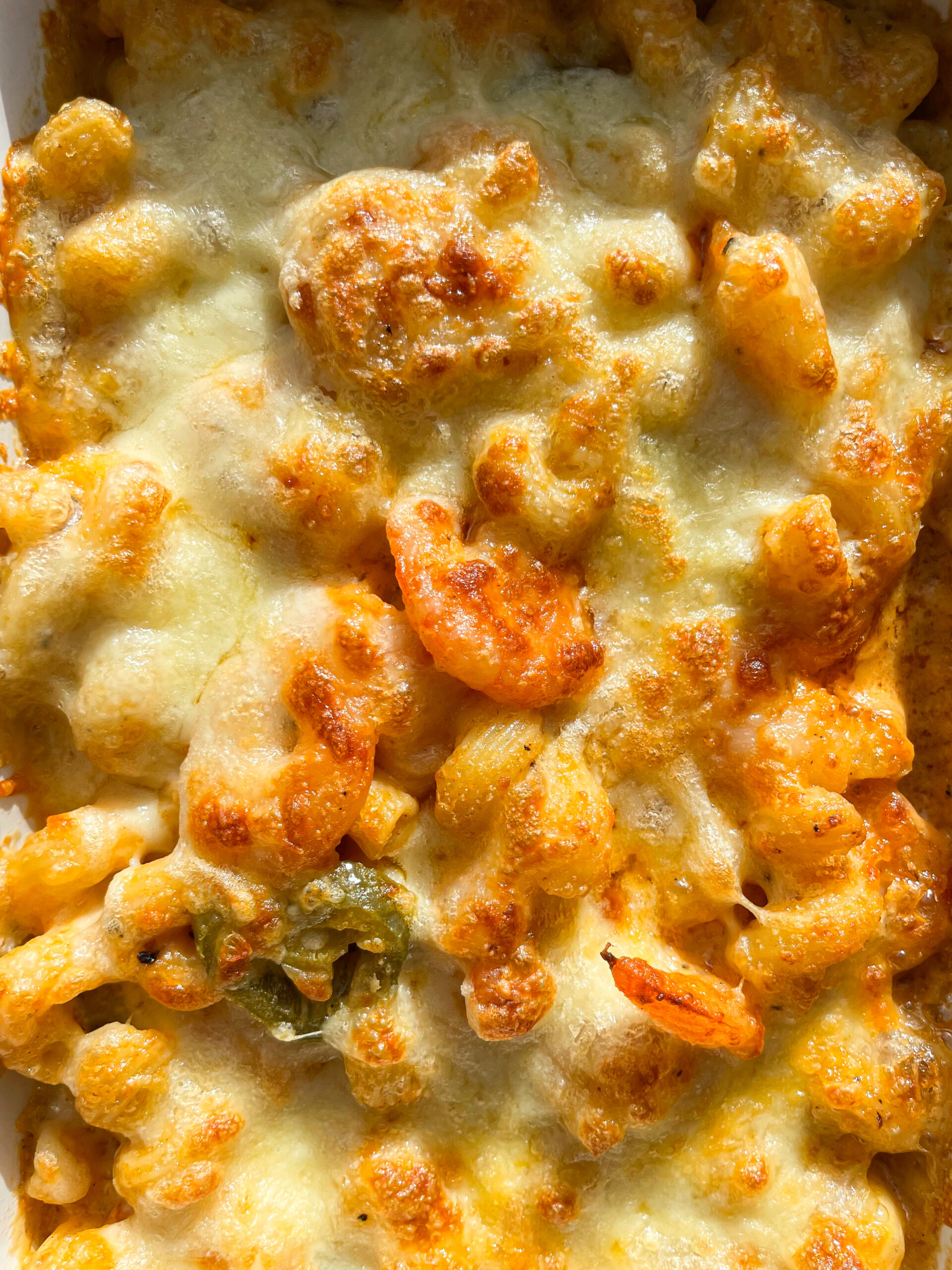
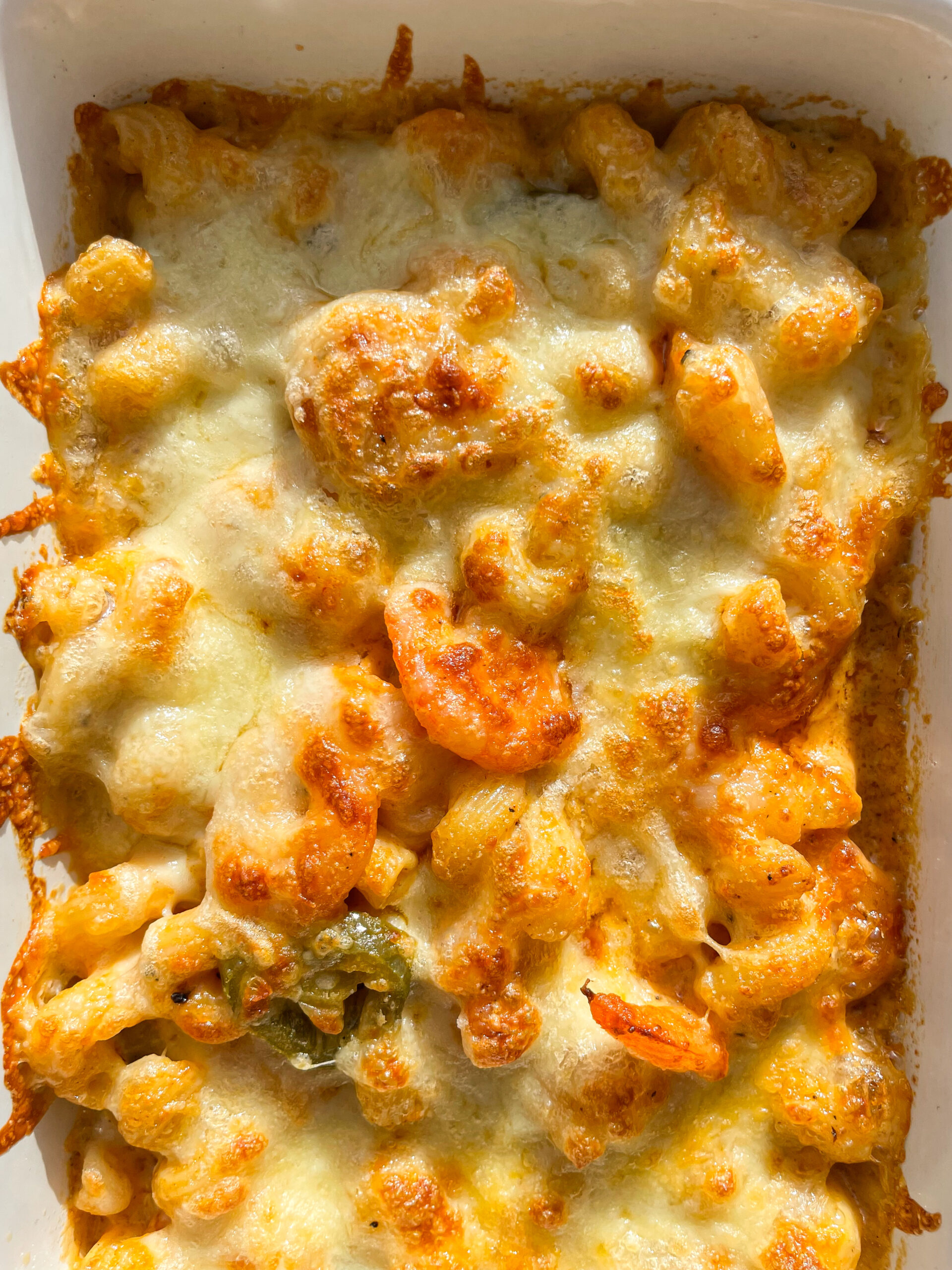
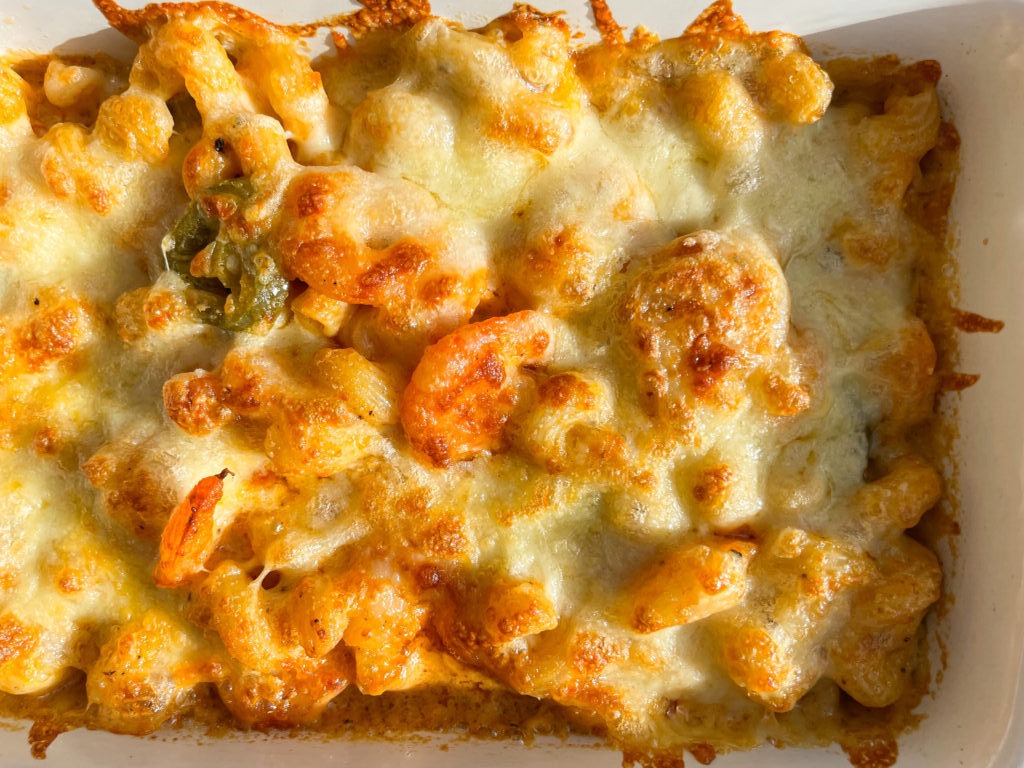
Savor the ultimate experience of comfort food with our Shrimp Mac Cheese. This dish brings together rich, cheesy flavors and tender shrimp, offering a delightful new take on a beloved classic. This winning combination will make you yearn for every cheesy and shrimp-laden morsel. When you combine perfectly cooked pasta with a velvety cheese sauce and succulent shrimp, you create a meal that transcends ordinary comfort food. This Shrimp Mac Cheese recipe delivers restaurant-quality results in your own kitchen, transforming simple ingredients into an extraordinary dining experience.
The beauty of this Shrimp Mac Cheese lies in its perfect balance of flavors and textures. The creamy cheese sauce envelops each piece of pasta while tender shrimp adds a touch of elegance and protein. Whether you’re preparing dinner for your family or impressing guests at a dinner party, this recipe never fails to satisfy. The combination of three different cheeses creates depth and complexity that elevates this dish beyond traditional macaroni and cheese.
Why This Recipe is Special
This Shrimp Mac Cheese recipe stands out because it combines the nostalgic comfort of classic mac and cheese with the sophistication of seafood. The triple cheese blend of Parmesan, mozzarella, and cheddar creates layers of flavor that complement the sweet, delicate taste of shrimp perfectly. Unlike other recipes that might use pre-made cheese sauce, this version builds flavor from scratch using heavy cream, butter, and freshly grated cheeses.
The addition of aromatic spices like garlic powder, onion powder, and paprika adds warmth and depth without overwhelming the delicate shrimp. Optional jalapeños provide a subtle heat that cuts through the richness, making each bite more interesting than the last. This recipe is special because it teaches you proper techniques for cooking both pasta and shrimp to perfection, ensuring consistently excellent results every time you prepare it.
Key Ingredients Overview
The foundation of great Shrimp Mac Cheese starts with selecting quality ingredients. Large, fresh shrimp provide the protein centerpiece, while three types of cheese deliver complexity and creaminess. Heavy cream creates the luxurious sauce base that coats every piece of Shrimp Mac Cheese. Fresh garlic, combined with garlic powder and onion powder, builds aromatic depth throughout the dish.
Cavatappi pasta is the preferred choice for this recipe because its corkscrew shape holds sauce exceptionally well, but penne, ziti, or rigatoni work beautifully too. The butter and olive oil combination provides both richness and helps prevent the garlic from burning. Paprika adds a subtle smokiness and beautiful color, while optional jalapeños offer customizable heat for those who enjoy a spicy kick.
Understanding the Perfect Shrimp Mac Cheese
Creating exceptional Shrimp Mac Cheese requires understanding how each component works together. The Shrimp Mac Cheese must be cooked to the right texture, the cheese sauce needs proper emulsification, and the shrimp requires careful timing to avoid overcooking. When these elements come together harmoniously, you achieve a dish that’s greater than the sum of its parts.
The key to success lies in coordination and timing. While your Shrimp Mac Cheese boils, you can prepare your shrimp and start your sauce, ensuring everything finishes at the same time. This efficiency prevents components from sitting and losing their optimal texture. Understanding these principles transforms cooking from following steps to creating a masterpiece.
The Science of Cheese Sauce
A perfect cheese sauce for your Shrimp Mac Cheese depends on understanding emulsification. Heavy cream provides the fat base that allows cheese to melt smoothly without breaking or becoming grainy. The starch from Shrimp Mac Cheese water helps bind everything together, creating a silky texture that clings to each noodle.
Temperature control is crucial when making cheese sauce. Too much heat causes proteins to seize and separate, resulting in a greasy, broken sauce. Adding cheese gradually while stirring constantly ensures each addition melts completely before adding more. This patient approach rewards you with a sauce that’s smooth, creamy, and absolutely irresistible.
Why Fresh Shrimp Matters
The quality of shrimp directly impacts your final Shrimp Mac Cheese dish. Fresh or properly frozen shrimp have a sweet, clean ocean flavor that dried-out or old shrimp cannot provide. Look for shrimp with firm flesh, clear appearance, and a mild scent. Avoid any shrimp with black spots, ammonia smell, or slimy texture, as these indicate poor quality or spoilage.
Size matters when selecting shrimp for this recipe. Large shrimp provide satisfying bites that stand up to the rich cheese sauce without getting lost. They’re also easier to cook properly without overdoing them. Jumbo or extra-large shrimp work best, typically labeled as 16-20 count or 21-25 count per pound.
Choosing the Right Ingredients
Every ingredient in your Shrimp Mac Cheese plays a specific role in creating the final dish. Selecting quality components ensures the best possible flavor and texture. While you can make substitutions based on availability or preference, understanding why each ingredient matters helps you make informed choices.
The pasta provides structure and substance, the cheeses deliver flavor and creaminess, and the shrimp adds protein and elegance. Aromatics like garlic build savory depth, while spices add complexity. Even the cooking fats contribute to the overall taste and mouthfeel of your finished dish.
Pasta Selection Breakdown
Cavatappi pasta is the top choice for Shrimp Mac Cheese because its spiral shape and hollow center trap sauce beautifully. The ridged exterior provides additional surface area for the cheese sauce to cling to, ensuring every bite is evenly coated. Its substantial texture holds up well under the weight of the creamy sauce and shrimp without becoming mushy.
If Cavatappi isn’t available, several alternatives work wonderfully. Penne rigate offers similar ridges and a tubular shape that catches sauce. Rigatoni provides larger tubes perfect for chunky sauce and shrimp pieces. Ziti delivers a smooth exterior but still captures sauce in its hollow center. Shells or elbows also work, though they may not hold sauce quite as effectively as tubular or spiral shapes.
Cheese Combination Breakdown
The three-cheese blend in this Shrimp Mac Cheese recipe creates complexity you cannot achieve with a single cheese. Cheddar provides sharp, tangy flavor and excellent melting properties. It forms the backbone of your sauce, delivering that classic mac and cheese taste everyone loves. Sharp or extra-sharp cheddar works best for maximum flavor impact.
Mozzarella contributes smooth, creamy texture and exceptional meltability without adding much flavor. Its mild taste allows other ingredients to shine while creating those satisfying cheese pulls everyone loves. Parmesan adds nutty, salty depth and umami richness that elevates the entire dish. Freshly grated Parmesan melts better and tastes superior to pre-grated versions, which often contain anti-caking agents that affect texture.
Selecting Quality Shrimp
Finding excellent shrimp for your Shrimp Mac Cheese starts at a reputable seafood counter or grocery store. If buying frozen shrimp, which is often fresher than “fresh” shrimp that’s been previously frozen and thawed, look for minimal ice crystals and no freezer burn. The package should be tightly sealed with no tears or punctures.
Fresh shrimp should smell like clean ocean water, never fishy or ammonia-like. The shells should be translucent and slightly pink with no black spots along the edges. Firm texture indicates quality, while mushy or soft shrimp suggests age or mishandling. For this recipe, already peeled and deveined shrimp save time, but shell-on shrimp often have better flavor if you don’t mind the extra preparation.
Heavy Cream and Dairy Considerations
Heavy cream is non-negotiable for creating the luxurious sauce that makes this Shrimp Mac Cheese exceptional. Its high fat content prevents curdling when heated and creates a velvety smooth texture. Half-and-half or milk won’t provide the same richness or stability, often resulting in thin or broken sauces.
Unsalted butter gives you control over the final salt level in your dish, while olive oil prevents garlic from burning during the initial cooking stages. The combination of these fats adds flavor complexity and helps create a sauce with perfect consistency. Quality dairy products make a noticeable difference in the final taste and texture of your dish.
Step-by-Step Instructions for Perfect Shrimp Mac Cheese
Creating outstanding Shrimp Mac Cheese requires attention to detail and proper technique. Follow these steps carefully for consistently excellent results. The process is straightforward but benefits from understanding why each step matters.
Organization is key to success. Gather all ingredients before you start cooking, measure everything, and prepare your shrimp by patting them dry. Having everything ready ensures smooth cooking without scrambling to find ingredients mid-recipe.
Preparation Phase
Begin by bringing a large pot of water to a rolling boil for your Shrimp Mac Cheese. Add a generous tablespoon of salt to the water, which seasons the pasta from within. While the water heats, prepare your shrimp by patting them completely dry with paper towels. This crucial step ensures proper browning rather than steaming when they hit the hot pan.
Grate all your cheeses if you haven’t already, keeping them separate. Freshly grated cheese melts more smoothly than pre-shredded varieties. Mince your garlic cloves finely so they distribute evenly throughout the sauce. Measure out your spices and have them ready. This preparation makes the actual cooking process flow smoothly and prevents overcooking while you search for ingredients.
Cooking the Pasta
Once your water reaches a vigorous boil, add the pasta and stir immediately to prevent sticking. Cook the pasta according to package directions until it reaches al dente texture, which means tender but still slightly firm to the bite. This typically takes 8 to 10 minutes for most pasta shapes, but always taste-test to confirm.
Before draining, reserve at least one cup of the starchy pasta cooking water. This liquid gold helps adjust sauce consistency and aids in binding the sauce to the pasta. Drain the pasta in a colander but do not rinse it. The residual starch helps the sauce adhere better. Set the drained pasta aside while you prepare the other components of your Shrimp Mac Cheese.
Cooking the Shrimp Perfectly
Heat a large skillet over medium-high heat and add butter and olive oil. Once the butter melts and begins to foam, add your dried shrimp in a single layer without crowding. Crowding causes steaming instead of searing, so cook in batches if necessary. Season the shrimp with salt, pepper, and a pinch of paprika.
Cook the shrimp for 2 to 3 minutes on the first side without moving them, allowing a light golden crust to develop. Flip each shrimp and cook for another 2 to 3 minutes on the second side. The shrimp are done when they turn pink and opaque throughout with a slight curl. Remove them immediately to a plate to prevent overcooking, as they’ll continue cooking slightly from residual heat.
Building the Cheese Sauce
In the same skillet used for shrimp, reduce heat to medium and add a bit more butter if needed. Add minced garlic and sauté for about 30 seconds until fragrant but not browned. Pour in the heavy cream and bring to a gentle simmer, stirring occasionally. The cream will thicken slightly as it heats.
Once the cream simmers gently, begin adding cheese in small handfuls, stirring constantly after each addition. Start with mozzarella for its superior melting properties, then add cheddar, and finally Parmesan. Stir continuously to ensure smooth melting without clumping. Add garlic powder, onion powder, paprika, and season with salt and pepper to taste. If the sauce seems too thick, add reserved pasta water a tablespoon at a time until you reach desired consistency.
Final Assembly
Add the cooked pasta to the cheese sauce, tossing thoroughly to coat every piece. The sauce should cling to the pasta without pooling at the bottom of the pan. If needed, add more pasta water to achieve a creamy, cohesive consistency. Gently fold in the cooked shrimp, distributing them evenly throughout the Shrimp Mac Cheese.
If using jalapeños, add them now for a spicy kick. Taste and adjust seasoning with additional salt, pepper, or spices as needed. Serve immediately while hot for the best texture and flavor. The dish should be creamy, cheesy, and luxurious with tender shrimp in every serving.
Professional Tips for Exceptional Results
Mastering Shrimp Mac Cheese involves understanding subtle techniques that separate good from exceptional. These professional insights help you achieve restaurant-quality results at home every time you prepare this dish.
Professional chefs pay attention to details that home cooks often overlook. Temperature control, timing, and ingredient quality all contribute significantly to the final product.
Temperature Management
Maintaining proper temperature throughout cooking ensures optimal texture in your Shrimp Mac Cheese. Cook pasta at a rolling boil for even cooking and proper texture development. When making the cheese sauce, reduce heat to medium or medium-low once you add cream. Too much heat causes proteins in dairy to separate, resulting in grainy or broken sauce.
For shrimp, start with high heat to develop color and flavor through the Maillard reaction. The pan should be hot enough that shrimp sizzle immediately when they hit the surface. However, reduce heat slightly if butter begins to brown too quickly or smoke. Proper temperature control requires attention but rewards you with superior results.
Timing Coordination
The secret to serving perfect Shrimp Mac Cheese lies in timing all components to finish simultaneously. Start with pasta since it has the most predictable cooking time. While pasta cooks, prepare and cook your shrimp. Once shrimp are done and removed from the pan, use the same pan to make your sauce, which takes just a few minutes.
This workflow ensures pasta is still hot when combined with sauce, shrimp are warm when folded in, and everything comes together at peak temperature and texture. Nothing sits and deteriorates while waiting for other components. Practice this timing once or twice and it becomes second nature.
Enhancing Flavor Depth
Build layers of flavor in your Shrimp Mac Cheese by using the same pan for multiple components. The browned bits left from cooking shrimp add savory depth to your sauce when you deglaze the pan with cream. This technique, called fond, contributes richness you cannot achieve by cooking everything separately.
Consider finishing your dish with a sprinkle of fresh herbs like parsley or chives for brightness that cuts through richness. A squeeze of fresh lemon juice brightens flavors and complements seafood beautifully. These small additions elevate your dish from home-cooked to restaurant-quality.
Achieving Perfect Consistency
The ideal Shrimp Mac Cheese has a creamy, flowing consistency that coats pasta without being soupy or dry. Pasta water is your secret weapon for achieving this texture. The starch in pasta water helps emulsify the sauce while thinning it to the right consistency.
Add pasta water gradually, a tablespoon or two at a time, stirring between additions. The sauce will seem thin at first but thickens as it cools slightly. Aim for a consistency slightly looser than your target, as the sauce continues to thicken after removing from heat. If the dish sits before serving and becomes too thick, simply stir in a splash of hot water or cream to restore creaminess.
Common Mistakes to Avoid
Even experienced cooks can make errors when preparing Shrimp Mac Cheese. Understanding these common pitfalls helps you avoid them and achieve perfect results every time. Many mistakes are easily preventable with proper knowledge and attention.
Learning what not to do is just as valuable as learning correct techniques. These insights save you from frustration and disappointing results.
Overcooking the Shrimp
The single most common mistake when making Shrimp Mac Cheese is overcooking the shrimp. Overcooked shrimp become rubbery, tough, and lose their sweet, delicate flavor. Shrimp cook incredibly quickly, usually in just 4 to 6 minutes total. They’re done when they turn pink and opaque with a slight C-curve.
To avoid this mistake, remove shrimp from heat as soon as they’re cooked through. Remember they’ll continue cooking slightly from residual heat even after removal from the pan. When in doubt, slightly undercook rather than overcook, as shrimp will finish cooking when combined with hot pasta and sauce. Set a timer and watch carefully, as the difference between perfectly cooked and overcooked is just 30 to 60 seconds.
Using Pre-Shredded Cheese
Pre-shredded cheese contains anti-caking agents like cellulose or potato starch that prevent clumping in the bag. Unfortunately, these additives also prevent smooth melting, resulting in grainy, separated sauce for your Shrimp Mac Cheese. The convenience isn’t worth the sacrifice in quality.
Always grate cheese fresh from a block for this recipe. It takes only a few extra minutes but makes an enormous difference in final sauce texture. Freshly grated cheese melts smoothly, creating that silky, creamy consistency you want. The superior taste and texture justify the minimal extra effort every single time.
Breaking the Cheese Sauce
A broken cheese sauce appears greasy, grainy, or separated rather than smooth and creamy. This happens when cheese is added to liquid that’s too hot, when cheese is added too quickly, or when heat is too high. Dairy proteins seize up under excessive heat, causing separation and graininess.
Prevent this mistake by reducing heat to medium or medium-low before adding cheese. Add cheese gradually in small amounts, stirring constantly and allowing each addition to melt completely before adding more. Be patient during this process. If your sauce does break, sometimes whisking in a tablespoon of cold cream or a splash of pasta water while removing from heat can save it.
Cooking Wet Shrimp
Adding wet shrimp to a hot pan creates steam instead of the flavorful browning that elevates your Shrimp Mac Cheese. Moisture prevents the Maillard reaction, which creates complex flavors and appealing color. The result is bland, gray, boiled-tasting shrimp rather than perfectly seared ones.
Always pat shrimp completely dry with paper towels before cooking. Take the time to dry both sides thoroughly. This simple step ensures beautiful browning and superior flavor development. It takes less than a minute but dramatically improves results.
Rinsing Cooked Pasta
Rinsing pasta after cooking washes away the surface starch that helps sauce adhere. For Shrimp Mac Cheese, you want that starch to help bind the creamy sauce to each piece of pasta. Rinsing also cools the pasta, making it harder to incorporate into hot sauce smoothly.
Simply drain pasta in a colander and add directly to your sauce while still hot. The residual starch and heat help create a cohesive, creamy dish where sauce and pasta become one rather than separate components. This technique is fundamental to authentic Italian cooking and applies perfectly to this recipe.
Variations to Try
Once you’ve mastered the basic Shrimp Mac Cheese recipe, exploring variations keeps the dish exciting and allows customization based on preferences or available ingredients. These adaptations maintain the core concept while introducing new flavors and textures.
Experimenting with variations helps you understand the recipe’s flexibility and develop your own signature version.
Protein Variations
While shrimp is the star of this recipe, other proteins work beautifully in this creamy cheese sauce. Lobster creates an ultra-luxurious version perfect for special occasions. Simply substitute cooked lobster meat for shrimp, folding it in gently at the end to prevent breaking the tender pieces.
Crab meat offers sweet, delicate flavor similar to shrimp with different texture. Use lump crab meat for visual appeal or claw meat for more economical preparation. Scallops provide another elegant seafood option, though they require the same careful cooking as shrimp to avoid toughness. For surf-and-turf lovers, combine shrimp with crispy bacon or pancetta for smoky richness that complements the cheese sauce beautifully.
Vegetable Variations
Adding vegetables to your Shrimp Mac Cheese increases nutrition while introducing color, texture, and flavor complexity. Roasted broccoli or asparagus add pleasant bitterness that balances the rich cheese sauce. Simply roast until slightly charred and fold in with the shrimp.
Sautéed spinach or kale contributes earthiness and vibrant color without overwhelming other flavors. Cherry tomatoes, halved and quickly sautéed, provide bright acidity that cuts through richness. Roasted red peppers add sweetness and beautiful color. Corn kernels contribute pop and sweetness that pairs wonderfully with shrimp. These additions make the dish feel more complete and substantial.
Spice Level Adjustments
The basic recipe includes optional jalapeños for those who enjoy heat. For more aggressive spice, add red pepper flakes to the cheese sauce or use fresh serrano peppers instead of jalapeños. Cajun or Old Bay seasoning on the shrimp introduces complex spice blends that complement seafood beautifully.
For milder versions, omit all hot peppers and reduce or eliminate black pepper. The cheese sauce remains delicious even without heat, letting the cheese and shrimp flavors shine. You can also serve hot sauce on the side, allowing each person to customize their spice level.
Cheese Combination Alternatives
While the three-cheese blend works wonderfully, experimenting with different cheeses creates unique flavor profiles. Gruyère adds nutty sophistication and melts beautifully, perfect for a more elegant Shrimp Mac Cheese. Fontina contributes earthy richness and exceptional creaminess.
Smoked gouda introduces subtle smokiness that complements shrimp wonderfully. White cheddar provides milder flavor than yellow cheddar while maintaining excellent melting properties. Monterey Jack creates ultra-creamy texture with mild flavor. Try combining your favorites while maintaining the principle of using at least one excellent melting cheese and one flavorful, sharper cheese.
Baked Version
Transform your Shrimp Mac Cheese into a baked casserole by transferring the finished dish to a baking dish, topping with extra cheese and breadcrumbs, and broiling until golden and bubbly. This creates textural contrast between creamy interior and crispy top.
Panko breadcrumbs mixed with melted butter and Parmesan create excellent topping. Add fresh herbs to breadcrumbs for additional flavor. Bake at 375°F for 15 to 20 minutes, then broil for 2 to 3 minutes to achieve golden perfection. This variation makes excellent comfort food and reheats well.
Storage and Reheating
Proper storage extends the life of your Shrimp Mac Cheese while maintaining quality. Understanding correct storage and reheating techniques prevents food waste and ensures leftovers taste nearly as good as the fresh dish.
Like most seafood dishes, this recipe tastes best when freshly made, but leftovers can be quite good with proper handling.
Storing Instructions
Allow leftover Shrimp Mac Cheese to cool to room temperature before storing, but don’t leave it out longer than two hours for food safety. Transfer to an airtight container, pressing plastic wrap directly onto the surface before sealing with the lid. This prevents skin formation and reduces air exposure.
Refrigerate promptly and consume within 2 to 3 days for best quality. The cheese sauce may thicken considerably when cold, which is normal. Shrimp texture deteriorates faster than the pasta and sauce, so consume leftovers sooner rather than later for optimal experience.
Freezing is not recommended for this dish. The dairy sauce separates upon thawing, and shrimp become rubbery and waterlogged when frozen in sauce. If you must freeze, freeze only the cheese sauce separately, then prepare fresh pasta and shrimp when ready to serve.
Reheating Methods
The stovetop method produces the best results when reheating Shrimp Mac Cheese. Place leftovers in a skillet or saucepan over medium-low heat. Add a splash of heavy cream, milk, or pasta water to help restore creaminess. Stir gently but frequently, heating until warmed through completely.
This gentle, moist heat method prevents the cheese sauce from breaking and keeps shrimp from overcooking further. Avoid high heat, which causes proteins to seize and creates greasy, separated sauce. The stovetop method takes slightly longer than the microwave but delivers significantly better results.
Microwave reheating works when time is limited, though results aren’t quite as good. Place portions in a microwave-safe bowl and add a tablespoon of cream or milk. Cover with a damp paper towel to create steam and prevent drying. Heat in 30-second intervals, stirring between each, until hot throughout. This prevents hot spots and ensures even heating.
Frequently Asked Questions
These commonly asked questions address concerns and curiosities people have when preparing Shrimp Mac Cheese. Understanding these details helps ensure success and builds confidence in the kitchen.
Can I use frozen shrimp for this recipe?
Absolutely. Frozen shrimp often provides better quality than “fresh” shrimp at most grocery stores, since much seafood is frozen shortly after harvest. Thaw frozen shrimp overnight in the refrigerator or quickly by placing in a colander under cold running water for 10 to 15 minutes. Pat completely dry before cooking for best browning and flavor development.
What size shrimp works best?
Large to jumbo shrimp work best for Shrimp Mac Cheese, typically sized 16-20 count or 21-25 count per pound. These sizes provide satisfying bites that stand up to the rich sauce without getting lost. Smaller shrimp work but may overcook more easily and don’t provide the same visual and textural impact.
Can I make this dish ahead of time?
This dish tastes best when served immediately after preparation. However, you can prepare components separately ahead of time. Cook shrimp and store refrigerated, make cheese sauce and refrigerate, and cook pasta slightly underdone. When ready to serve, reheat sauce with a splash of cream, warm shrimp gently, cook pasta to al dente, and combine everything. This approach maintains better texture than reheating the completed dish.
How do I prevent the sauce from being too thick or too thin?
Sauce consistency depends on the ratio of cheese to liquid and cooking time. If too thick, add reserved pasta water or additional cream one tablespoon at a time until desired consistency is reached. If too thin, simmer gently to reduce, or add a bit more cheese. Remember the sauce thickens as it cools, so aim for slightly thinner than your target consistency while still hot.
Can I substitute the heavy cream?
Heavy cream provides the richness and stability needed for this sauce. Half-and-half produces thinner sauce that may break more easily. Milk creates even thinner results and significantly increases breaking risk. For best results, stick with heavy cream. If you must substitute, use half-and-half with a tablespoon of flour whisked in to add stability, though texture won’t be quite as luxurious.
What pasta shapes work if I can’t find Cavatappi?
Penne rigate, rigatoni, ziti, shells, or even elbow macaroni all work well for Shrimp Mac Cheese. Choose shapes with ridges, curves, or hollows that trap sauce. Avoid delicate shapes like angel hair or very large shapes like lasagna noodles. Medium-sized tubular or spiral pasta shapes deliver the best sauce-to-pasta ratio and eating experience.
How can I tell when shrimp are perfectly cooked?
Properly cooked shrimp are pink and opaque throughout with no translucent gray areas. They form a loose C-shape when cooked correctly. Overcooked shrimp curl into tight O-shapes and feel rubbery. The cooking time is brief, usually 2 to 3 minutes per side for large shrimp. When in doubt, slightly undercook as they continue cooking from residual heat.
Final Thoughts
This Shrimp Mac Cheese recipe combines everything wonderful about comfort food with the elegance of seafood. The creamy three-cheese sauce envelops tender pasta while succulent shrimp adds protein and sophistication. Each component plays an important role in creating a dish that satisfies on every level.
Whether you’re preparing weeknight dinner for your family or creating something special for guests, this recipe delivers impressive results without requiring professional culinary skills. The techniques you learn while making this dish transfer to countless other recipes, building your confidence and competence in the kitchen.
The beauty of Shrimp Mac Cheese lies in its versatility. Follow the recipe exactly for classic comfort, or customize with your favorite variations to make it uniquely yours. Add vegetables for nutrition, adjust spice levels to preference, or experiment with different cheese combinations. Each variation teaches you more about cooking and flavor development.
Don’t be intimidated by combining seafood with cheese sauce. The sweet, delicate flavor of shrimp pairs beautifully with creamy, savory cheese. The key is respecting each ingredient by using proper cooking techniques and quality components. Fresh cheese, properly cooked shrimp, and al dente pasta come together to create something truly special.
Take your time, enjoy the cooking process, and trust the techniques outlined in this guide. Soon you’ll be serving restaurant-quality Shrimp Mac Cheese that will have everyone asking for seconds. The combination of creamy, cheesy pasta with tender shrimp creates pure comfort food magic that brings people together around the table.
Treat yourself to a bowl of this incredible dish today. Once you experience the perfect combination of flavors and textures in this Shrimp Mac Cheese, it will become a regular part of your cooking rotation. Share it with people you love, and watch their faces light up with each delicious bite.
Indulge in the ultimate comfort food experience with our Shrimp Mac and Cheese. Creamy, cheesy goodness meets succulent shrimp for a delightful twist on a classic favorite. It's a mouthwatering combination that'll leave you craving every cheesy, shrimp-filled bite. Dive into a bowl of pure comfort today!
Begin by bringing a generously salted pot of water to a rolling boil. Add the pasta and follow the instructions on the package for cooking time. Before draining, remember to save at least 1/2 cup of the pasta cooking water.
In a saucepan, add the butter, olive oil over medium heat. Add in the shrimps and season with salt and pepper. Cook on both sides for 2-3 minutes. Set aside when cooked.
In the same pan, add in the minced garlic then add in the heavy cream and give it a good stir.
Season with paprika, salt, pepper, onion powder and garlic powder. Let it simmer for a bit.
Lower the heat and add the parmesan cheese, cheddar cheese and mozzarella cheese and mix. You can also add jalapenos for an extra spicy flavor.
Now add in the cooked pasta, along with the pasta water and mix until incorporated.
Add in the cooked shrimps and stir.
In a baking dish, add the pasta and top with extra mozzarella and cheddar cheese.
Bake in a preheated oven at 180 degrees for 5-10 minutes or until it’s nicely golden.
Enjoy while warm!
If you've given this recipe a try and it won you over, please share your thoughts by leaving
a rating and comment below! If you have any questions about this recipe, don't hesitate to ask – I'm here to
help and will respond promptly.
Indulge in the ultimate comfort food experience with our Shrimp Mac and Cheese. Creamy, cheesy goodness meets succulent shrimp for a delightful twist on a classic favorite. It's a mouthwatering combination that'll leave you craving every cheesy, shrimp-filled bite. Dive into a bowl of pure comfort today!
Prep Time
10 mins
Cook Time
10 mins
Marination Time
2 hrs
Total Time
2 hrs 20 mins
Course
Appetizer
Cuisine
American
Servings
6 PIECES
Ingredients
240 g pasta
200 g king size shrimps
4 tbsp butter
1 tbsp olive oil
3 garlic cloves
1 1/2 cup heavy cream
Salt and pepper
1 tsp garlic powder
1 tsp onion powder
2 tsp paprika powder
1 cup mozzarella cheese
1/2 cup parmesan cheese
Chopped jalapenos
Instructions
Begin by bringing a generously salted pot of water to a rolling boil. Add the pasta and follow the instructions on the package for cooking time. Before draining, remember to save at least 1/2 cup of the pasta cooking water.
In a saucepan, add the butter, olive oil over medium heat. Add in the shrimps and season with salt and pepper. Cook on both sides for 2-3 minutes. Set aside when cooked.
In the same pan, add in the minced garlic then add in the heavy cream and give it a good stir.
Season with paprika, salt, pepper, onion powder and garlic powder. Let it simmer for a bit.
Lower the heat and add the parmesan cheese, cheddar cheese and mozzarella cheese and mix. You can also add jalapenos for an extra spicy flavor.
Now add in the cooked pasta, along with the pasta water and mix until incorporated.
Add in the cooked shrimps and stir.
In a baking dish, add the pasta and top with extra mozzarella and cheddar cheese.
Bake in a preheated oven at 180 degrees for 5-10 minutes or until it’s nicely golden.
Enjoy while warm!
Keywords: simple green salad, green salad, everyday salad