Discover the Ultimate Comfort in Every Bite
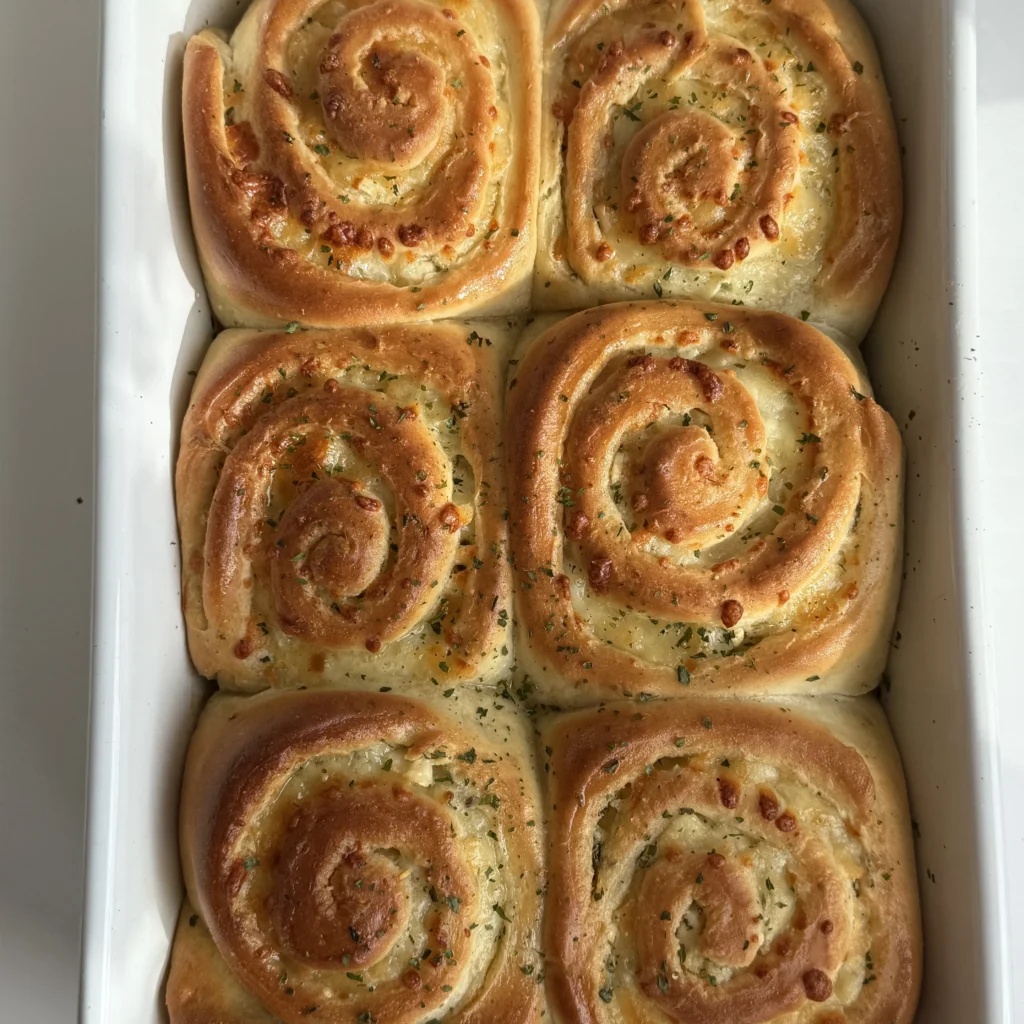
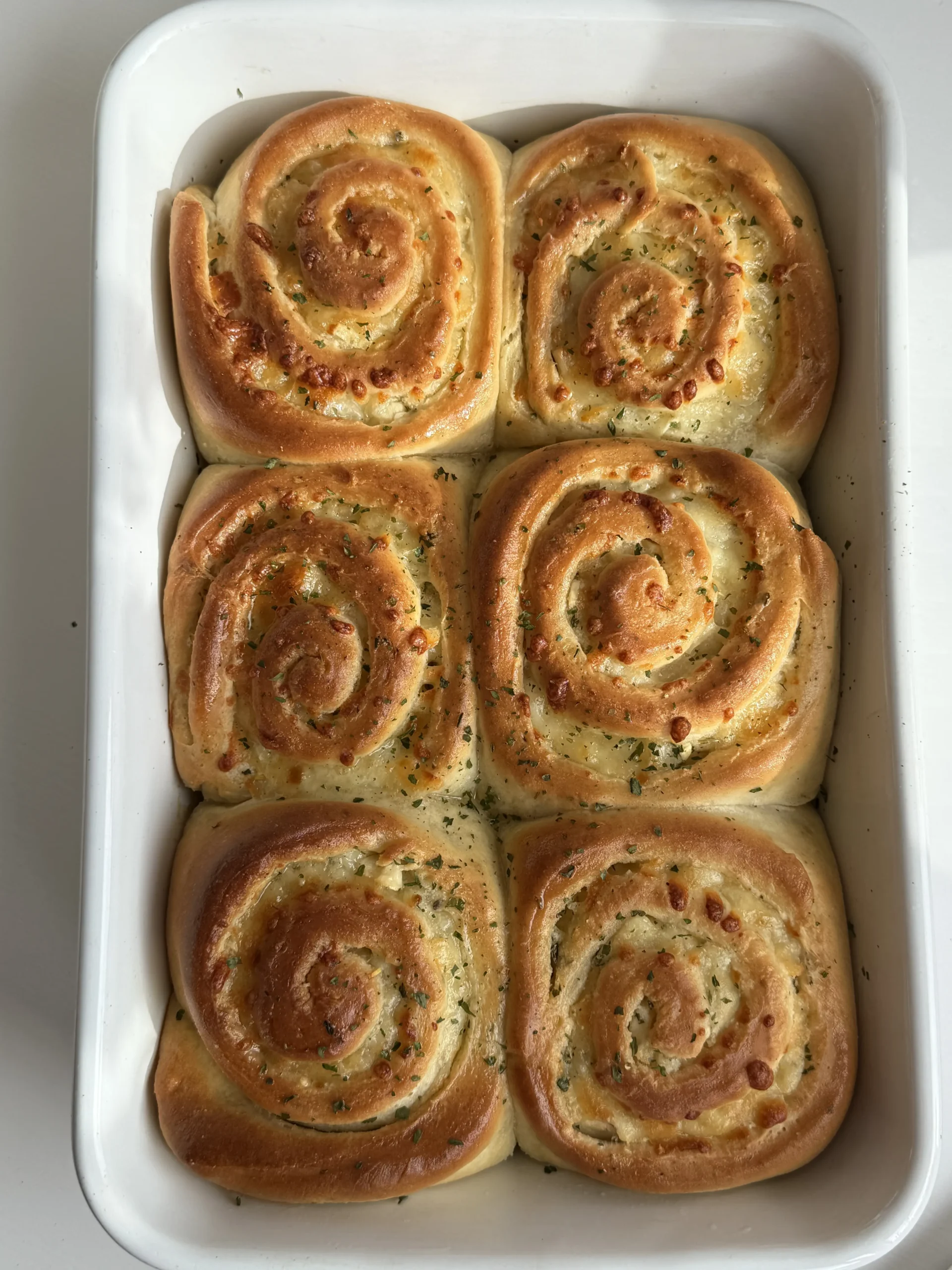
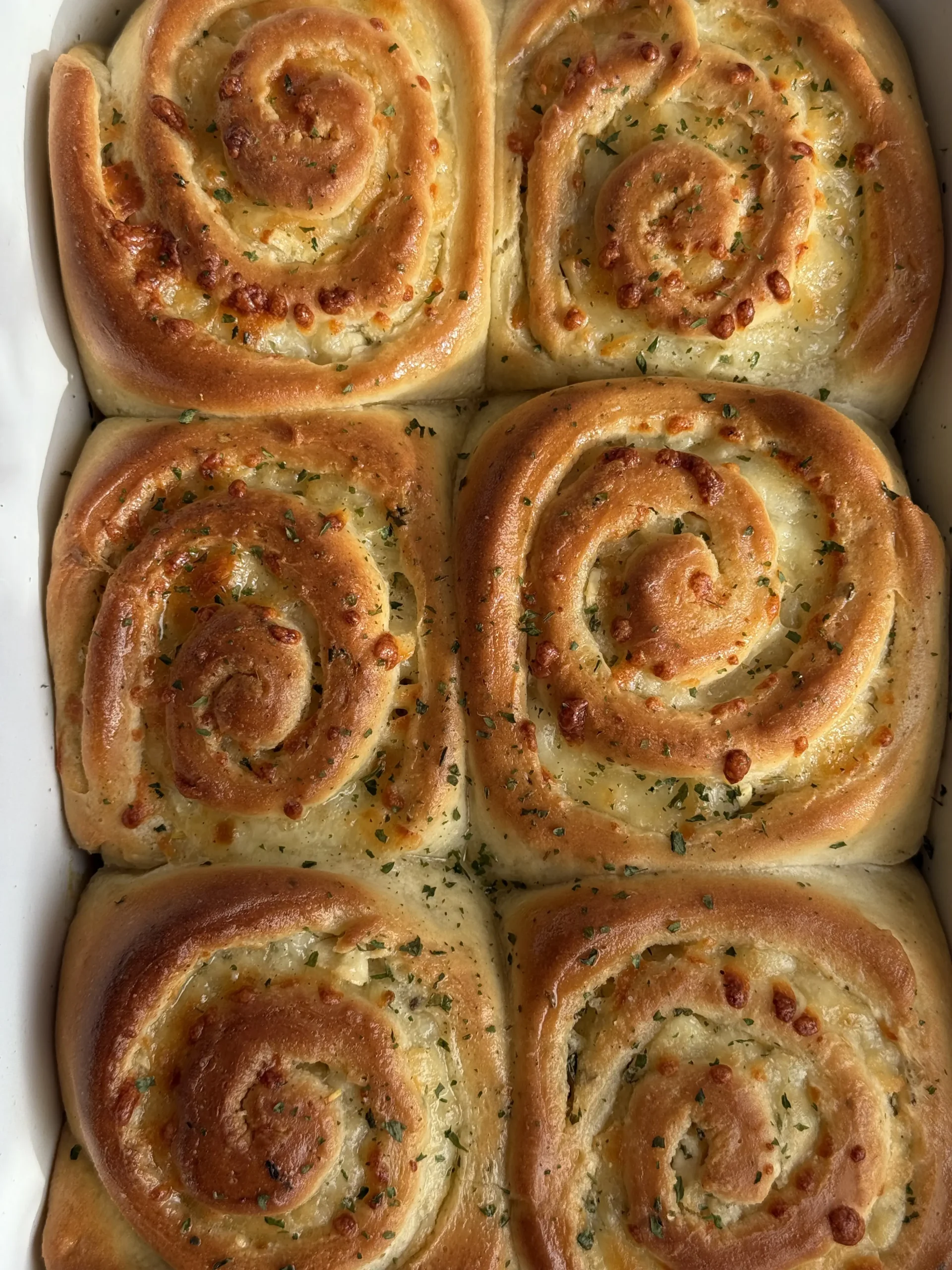
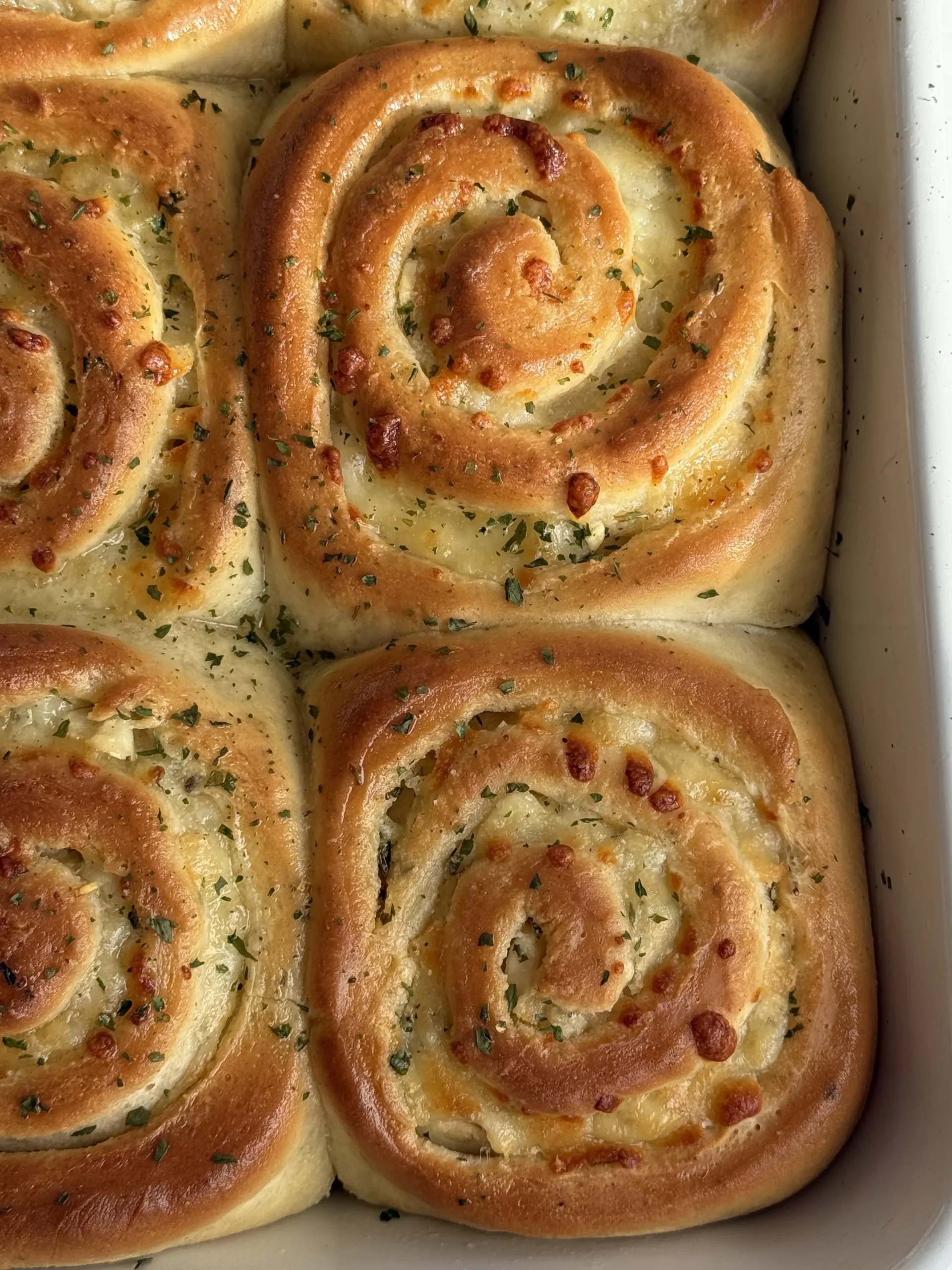
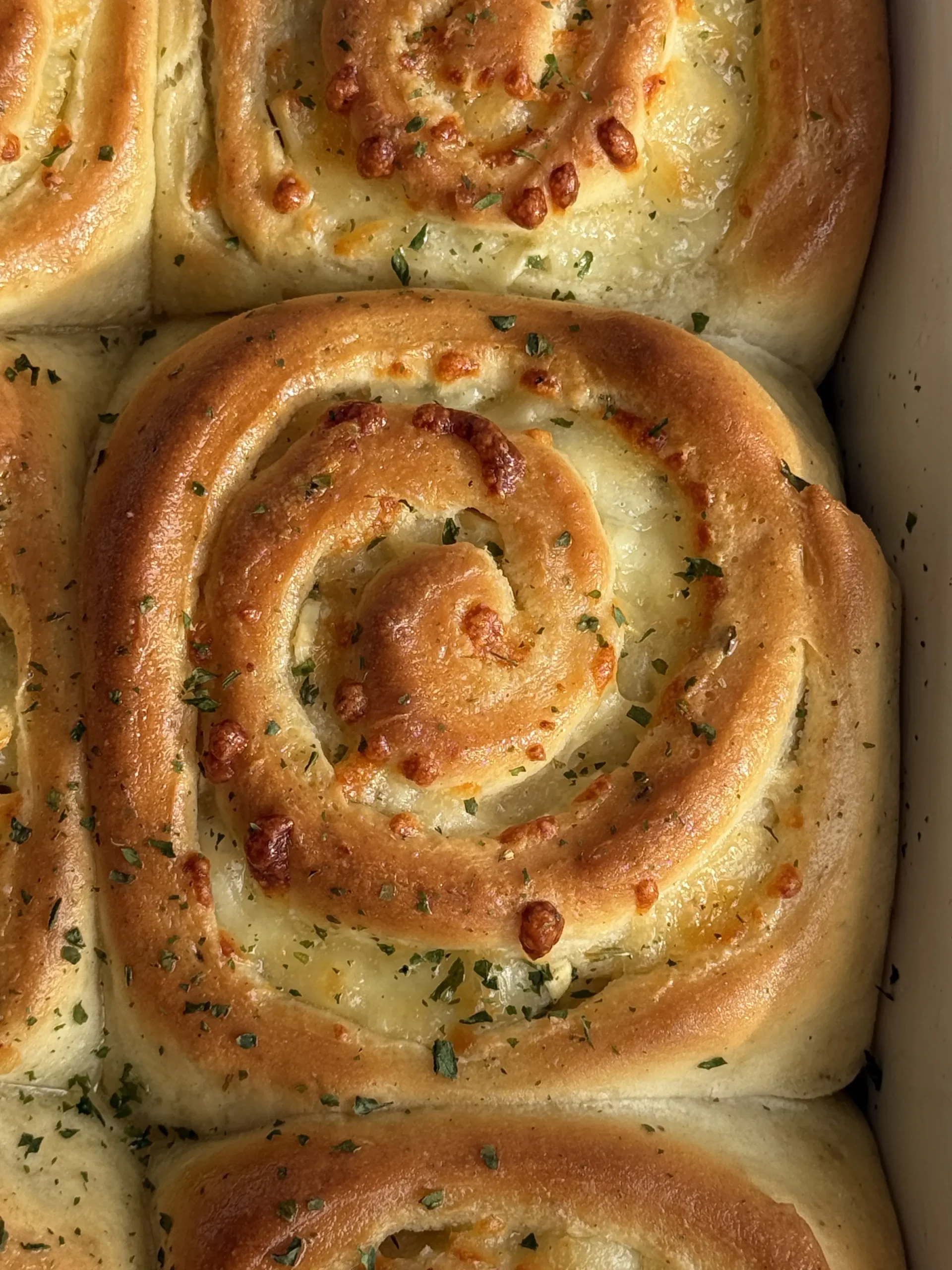
Welcome to the irresistible world of Soft Garlic Cheese Rolls, where fluffy homemade bread meets rich garlic butter and melted cheese in perfect harmony. These extraordinary rolls transform your kitchen into a bakery with their incredible aroma and make your table instantly more inviting. Soft Garlic Cheese Rolls are pillowy on the inside, lightly golden on the outside, and layered with buttery garlic flavor in every single bite.
What makes these Soft Garlic Cheese Rolls truly special is their bakery-quality texture achieved at home. The enriched dough contains eggs, butter, and sugar, creating a tender crumb that stays fluffy even after cooling. Unlike ordinary garlic bread shaped into rolls, these feature garlic butter filling layered inside, ensuring every swirl carries intense flavor. The mozzarella melts gently into the dough, creating pockets of cheesy goodness without becoming greasy.
These Soft Garlic Cheese Rolls balance richness and softness perfectly. They’re indulgent yet light enough that you’ll want more than one. Whether you’re serving them alongside pasta, soup, or a simple salad, or enjoying them warm straight from the pan, these rolls never disappoint. This bakery-style recipe is approachable for home bakers of all skill levels.
Why This Recipe is Special
Soft Garlic Cheese Rolls stand apart from ordinary dinner rolls because of the enriched dough and layered filling technique. Many garlic rolls taste one-dimensional or become dry quickly. These rolls maintain moisture and flavor because the garlic butter isn’t just brushed on top; it’s swirled throughout, creating consistent taste in every bite.
Another reason these Soft Garlic Cheese Rolls are exceptional is the seasoned dough itself. Garlic powder, oregano, basil, and onion powder add subtle background flavor that makes the rolls taste complex and well-rounded. This layering of flavor from dough to filling to topping creates depth that makes these rolls memorable.
Key Components Overview
Creating perfect Soft Garlic Cheese Rolls requires understanding three main elements. The enriched dough provides the foundation of softness through butter, eggs, and proper kneading. The garlic butter filling creates flavor layers and maintains moisture throughout the rolls. The rising process develops structure and that characteristic fluffy texture.
Each ingredient in your Soft Garlic Cheese Rolls plays a specific role. All-purpose flour provides structure without chewiness. Sugar feeds the yeast and keeps the crumb soft. Eggs add richness and tenderness. Butter incorporated after initial mixing creates smooth, elastic dough. Fresh garlic and herbs deliver the signature savory flavor that defines these rolls.
Understanding Enriched Dough
The secret to incredibly soft Soft Garlic Cheese Rolls lies in enriched dough. Unlike lean dough made with just flour, water, yeast, and salt, enriched dough contains fat, eggs, and sugar. These additions transform ordinary bread into something tender, flavorful, and luxurious.
Enriched dough creates Soft Garlic Cheese Rolls with a texture that stays fresh longer than standard bread. The fat coats gluten strands, preventing them from forming tight networks that create chewiness. The result is soft, tender rolls that remain pillowy for days when properly stored.
Flour Selection
All-purpose flour works perfectly for Soft Garlic Cheese Rolls, providing enough structure to hold the rolls together while allowing them to stay tender. Bread flour would create too much gluten development, resulting in chewier rolls than intended. The moderate protein content in all-purpose flour strikes the ideal balance.
Measure flour accurately for your Soft Garlic Cheese Rolls using the spoon-and-level method. Scooping directly from the bag packs flour and leads to using too much, which makes rolls dense and dry. Proper flour measurement is crucial for achieving that cloud-like texture.
Sugar’s Multiple Roles
Sugar does more than add subtle sweetness to your Soft Garlic Cheese Rolls. It feeds the yeast, providing fuel for fermentation and rising. Sugar also helps with browning through caramelization, creating that beautiful golden color. Additionally, sugar keeps the crumb soft by attracting and retaining moisture.
You won’t taste sweetness in your Soft Garlic Cheese Rolls, but you would notice if the sugar were missing. The rolls would lack color, rise less effectively, and become stale faster. Sugar is essential for both function and flavor development.
Yeast Considerations
Instant yeast is ideal for Soft Garlic Cheese Rolls because it can be mixed directly with dry ingredients without proofing. This convenience streamlines the process without sacrificing results. Active dry yeast also works but requires dissolving in warm liquid first.
Check your yeast expiration date before making Soft Garlic Cheese Rolls. Expired yeast loses potency and prevents proper rising, resulting in dense rolls. Store yeast in the refrigerator or freezer to extend its life and maintain effectiveness.
Eggs and Extra Yolk
Eggs enrich the dough for your Soft Garlic Cheese Rolls, adding structure through protein while contributing tenderness through fat. The extra egg yolk increases fat content further, enhancing softness and giving the rolls that signature bakery-style texture and golden color.
Room temperature eggs incorporate more easily into your Soft Garlic Cheese Rolls dough. Cold eggs don’t blend smoothly and can shock the yeast, slowing fermentation. Set eggs out 30 minutes before baking for best results.
Butter Incorporation
Softened butter is kneaded into Soft Garlic Cheese Rolls dough after initial mixing. This timing is crucial; adding butter too early interferes with gluten development. When added after the dough forms, butter creates smooth, elastic texture that bakes into incredibly fluffy rolls.
The butter for your Soft Garlic Cheese Rolls should be soft enough to blend easily but not melted. Melted butter doesn’t incorporate properly and can make the dough greasy. Proper butter temperature makes a significant difference in the final texture.
Seasoning the Dough
What makes Soft Garlic Cheese Rolls especially flavorful is that the dough itself is seasoned. This attention to detail creates depth that distinguishes these rolls from basic bread. The seasonings work subtly in the background, enhancing without overwhelming.
Garlic powder provides savory base notes in your Soft Garlic Cheese Rolls without the moisture that fresh garlic would add. Oregano and basil contribute Italian herb flavors that pair beautifully with cheese and garlic butter. Onion powder adds another layer of savory complexity.
Salt Balance
The salt level in Soft Garlic Cheese Rolls is intentionally moderate. Enough salt enhances all the other flavors without overpowering the garlic butter filling. Salt also strengthens gluten structure and controls yeast activity, preventing over-rising.
Proper salting ensures your Soft Garlic Cheese Rolls taste balanced and well-seasoned throughout. Under-salted dough tastes flat no matter how flavorful the filling. The salt in the dough works with the salt in the butter to create harmonious seasoning.
Mastering the Kneading Process
Proper kneading is crucial for developing the gluten structure in your Soft Garlic Cheese Rolls. This process creates the elastic network that traps gas from yeast fermentation, allowing the dough to rise and creating that characteristic fluffy texture.
The dough for your Soft Garlic Cheese Rolls should be soft, smooth, and slightly tacky but not sticky. When properly kneaded, it pulls away from the bowl sides, feels elastic and stretchy, and passes the windowpane test where a small piece stretches thin without tearing.
Kneading Indicators
Watch for specific signs that your Soft Garlic Cheese Rolls dough is ready. The surface should look smooth and satiny rather than rough or shaggy. When you poke the dough, it should spring back slowly. The texture should feel supple and alive rather than stiff or dense.
Under-kneaded dough produces dense Soft Garlic Cheese Rolls because insufficient gluten development prevents proper gas retention. Over-kneading makes rolls tough by creating too much gluten. Stop kneading once the dough reaches smooth, elastic consistency.
Using a Stand Mixer
A stand mixer simplifies making Soft Garlic Cheese Rolls by doing the kneading work for you. Use the dough hook attachment on medium-low speed. The dough should clean the bowl sides and climb slightly up the hook when ready.
Knead your Soft Garlic Cheese Rolls dough for eight to ten minutes in a stand mixer. Check the texture periodically to avoid over-kneading. The mixer is powerful and can develop gluten quickly, so monitor progress carefully.
Hand Kneading Technique
You can absolutely make Soft Garlic Cheese Rolls by hand without a mixer. Knead on a lightly floured surface for twelve to fifteen minutes. Use a push-fold-turn motion, pressing the dough away with your palms, folding it back, and rotating a quarter turn.
Hand kneading gives you better feel for dough development in your Soft Garlic Cheese Rolls. You’ll know exactly when the texture is right. Hand kneading is also therapeutic and connects you to the baking process in a satisfying way.
The Importance of Rising
The first rise is where your Soft Garlic Cheese Rolls develop flavor and structure. During this time, yeast ferments the sugars, producing gas that makes the dough expand and creating flavor compounds that make the rolls taste complex.
Cover the dough and let your Soft Garlic Cheese Rolls rise in a warm, draft-free location for sixty to ninety minutes, or until doubled in size. The exact timing depends on room temperature; cooler kitchens require longer rising times.
Creating Ideal Rising Conditions
The ideal temperature for rising Soft Garlic Cheese Rolls dough is around 75 to 80°F. If your kitchen is cool, create a warm spot by placing the bowl in an oven with just the light on. Alternatively, place it near a warm appliance or heating vent.
A properly risen dough for your Soft Garlic Cheese Rolls should look puffy, spring back slowly when gently pressed, and show visible air bubbles under the surface. These signs indicate adequate fermentation and gluten development for optimal texture.
Patience Pays Off
Don’t rush the first rise for your Soft Garlic Cheese Rolls. Insufficient rising results in dense, tight crumb with underdeveloped flavor. The dough needs time for yeast to work and gluten to relax. Patience during this stage makes the difference between good rolls and great ones.
If your Soft Garlic Cheese Rolls dough hasn’t doubled after ninety minutes, give it more time rather than proceeding. Slow rising is fine; the rolls will still be excellent. Room temperature variations affect timing significantly, so judge by appearance rather than clock.
Creating the Garlic Butter Filling
The filling is where the magic happens in Soft Garlic Cheese Rolls. This simple mixture of softened butter, fresh garlic, herbs, and cheese creates intense flavor that permeates every layer. The filling isn’t just an afterthought; it’s integral to what makes these rolls special.
Use softened butter rather than melted for your Soft Garlic Cheese Rolls filling. Melted butter soaks into the dough instead of creating distinct layers. Softened butter maintains structure, spreading evenly while staying in place during rolling and baking.
Garlic Preparation
Fresh garlic provides the bold flavor that defines Soft Garlic Cheese Rolls. Mince the garlic finely to avoid harsh bites and ensure even distribution. A garlic press works perfectly, creating tiny pieces that blend smoothly into the butter.
The amount of garlic in your Soft Garlic Cheese Rolls can be adjusted based on preference. More garlic creates stronger flavor, while less makes it milder. Start with the recipe amount, then adjust in future batches to suit your taste.
Herb Selection
Dried herbs work beautifully in the filling for Soft Garlic Cheese Rolls. Oregano and basil provide classic Italian flavor that pairs perfectly with garlic and cheese. Parsley adds freshness and color. The dried herbs distribute evenly without adding moisture.
Fresh herbs can substitute in your Soft Garlic Cheese Rolls if preferred. Use three times as much fresh herbs as dried since fresh herbs are less concentrated. Chop them finely so they incorporate smoothly into the butter.
Cheese Choices
Mozzarella is ideal for Soft Garlic Cheese Rolls because it melts smoothly without releasing excess oil. Use block mozzarella that you shred yourself rather than pre-shredded. Pre-shredded cheese contains anti-caking agents that prevent smooth melting.
Other cheeses can enhance your Soft Garlic Cheese Rolls. Mix in some cheddar for sharper flavor, provolone for smokiness, or Parmesan for nutty saltiness. A combination of cheeses creates more complex taste than mozzarella alone.
Shaping Techniques
Proper shaping ensures your Soft Garlic Cheese Rolls bake evenly and look professional. The goal is creating uniform pieces that rise consistently and have beautiful swirls of filling throughout.
Roll the dough into a rectangle with even thickness for your Soft Garlic Cheese Rolls. Use a rolling pin and work from the center outward. Consistent thickness ensures all parts of the rolls bake at the same rate.
Filling Distribution
Spread the garlic butter filling evenly across the entire surface of your Soft Garlic Cheese Rolls dough, reaching all the edges. Uneven filling distribution creates inconsistent flavor. Some rolls would be bland while others overflow with filling.
Sprinkle mozzarella generously across the butter on your Soft Garlic Cheese Rolls. Don’t skimp on cheese; generous filling ensures every roll is flavorful. Leave a small border at one long edge to help seal the roll when you finish rolling.
Rolling Technique
Roll the dough tightly from the long side for your Soft Garlic Cheese Rolls, creating a firm log. This tight roll helps create beautiful layers and prevents filling from leaking out. Roll evenly without pulling or stretching the dough.
Use a sharp knife or unflavored dental floss to cut your Soft Garlic Cheese Rolls into even pieces. Dental floss creates cleaner cuts without squashing the rolls. Slide the floss under the log, cross the ends over the top, and pull to slice through.
Arranging in the Pan
Place cut Soft Garlic Cheese Rolls in a greased baking pan with space between each piece initially. They’ll expand during the second rise and touch each other, creating those soft sides everyone loves. Proper spacing ensures even rising and baking.
The arrangement affects the texture of your Soft Garlic Cheese Rolls. Rolls that touch have soft sides, while those with space develop crust all around. Most people prefer the pull-apart style with soft sides for maximum tenderness.
The Second Rise
Once shaped, your Soft Garlic Cheese Rolls need a second rise. This allows the dough to relax and expand after the manipulation of rolling and cutting. The second rise is crucial for achieving that ultra-fluffy texture.
Let the rolls rise for thirty to forty minutes for your Soft Garlic Cheese Rolls until they look puffy and touch each other slightly. This rise ensures soft sides, even crumb, and light texture. The rolls should look noticeably larger and feel airy when gently touched.
Visual Cues
Your Soft Garlic Cheese Rolls are ready to bake when they’ve nearly doubled in size and look pillowy. They should touch each other in the pan, filling most of the space. When gently pressed, the indentation should remain visible briefly before slowly filling back in.
Don’t skip or rush the second rise for your Soft Garlic Cheese Rolls. Underproofed rolls are dense and tight with less developed flavor. Proper proofing creates that characteristic light, fluffy texture that makes these rolls irresistible.
Baking to Perfection
Bake your Soft Garlic Cheese Rolls at 350°F or 175°C for twenty to twenty-five minutes. This moderate temperature allows the rolls to bake through without over-browning. The tops should turn lightly golden while the interior cooks completely.
Your Soft Garlic Cheese Rolls are done when the tops are golden, the rolls feel light when lifted, and cheese is melted and bubbling slightly. An instant-read thermometer inserted into the center should read around 190°F for fully baked rolls.
Avoiding Overbaking
Overbaking is the most common mistake that ruins Soft Garlic Cheese Rolls. Dry rolls lose their appeal no matter how flavorful the filling. Start checking at the minimum baking time and remove the rolls as soon as they’re golden.
Remember that your Soft Garlic Cheese Rolls continue cooking slightly from residual heat after removal from the oven. Pulling them just before they seem completely done prevents dryness. The rolls firm up as they cool to perfect texture.
Optional Butter Brush
Brush your Soft Garlic Cheese Rolls with melted butter immediately after removing them from the oven for extra flavor and glossy appearance. This final butter application makes the rolls look bakery-professional and adds moisture to the surface.
Some bakers add garlic powder to the melted butter for your Soft Garlic Cheese Rolls, creating even more garlic flavor. This optional step intensifies the taste for true garlic lovers. Use restraint to avoid overpowering the carefully balanced flavors.
Serving Suggestions
These Soft Garlic Cheese Rolls are best served warm, straight from the oven when the cheese is still melty and the butter is glistening. The aroma alone will draw everyone to the table. Serve them as a side dish or let them shine as the star.
Soft Garlic Cheese Rolls pair beautifully with pasta dishes like spaghetti, fettuccine Alfredo, or lasagna. The garlic and cheese flavors complement Italian cuisine perfectly. Use the rolls to soak up extra sauce for a complete, satisfying meal.
Soup and Stew Pairing
Serve your Soft Garlic Cheese Rolls alongside soups or stews for a comforting meal. Tomato soup, minestrone, or beef stew all benefit from these rich, flavorful rolls. The soft texture contrasts nicely with liquid-based dishes.
The rolls work equally well with lighter fare for your Soft Garlic Cheese Rolls menu. A simple green salad with vinaigrette balances the richness. The rolls add substance to an otherwise light meal without overwhelming it.
Appetizer Option
Soft Garlic Cheese Rolls make an excellent appetizer served with marinara sauce for dipping. The combination of garlic, cheese, and tomato sauce is universally loved. This presentation works beautifully for parties or casual gatherings.
You can also enjoy your Soft Garlic Cheese Rolls on their own as a snack. They’re substantial enough to be satisfying without accompaniment. The layered flavors and tender texture make them crave-worthy any time of day.
Storage and Reheating
Store leftover Soft Garlic Cheese Rolls in an airtight container at room temperature for one day or refrigerated for up to three days. The enriched dough helps them stay soft longer than lean bread, but they’re always best fresh.
Reheat your Soft Garlic Cheese Rolls gently in the oven wrapped in foil to restore softness. Microwave reheating works faster but can make the texture slightly chewy. For best results, use low power and heat in short intervals.
Freezing Instructions
Soft Garlic Cheese Rolls freeze beautifully for up to two months. Let them cool completely after baking, then wrap individually in plastic wrap and place in a freezer bag. Remove as much air as possible to prevent freezer burn.
Thaw frozen Soft Garlic Cheese Rolls at room temperature for two hours or refrigerate overnight. Reheat in a 300°F oven for five to seven minutes to restore the just-baked texture. The rolls taste nearly as good as fresh when properly frozen and reheated.
Common Mistakes to Avoid
Using hot water kills the yeast in your Soft Garlic Cheese Rolls, preventing the dough from rising. Water that’s too hot denatures yeast enzymes, making them inactive. Always use lukewarm water around 105 to 110°F for optimal yeast activity.
Adding butter too early interferes with gluten development in your Soft Garlic Cheese Rolls. The fat coats flour particles, preventing them from absorbing water and forming gluten. Add butter after the initial dough forms for proper structure.
Rising Mistakes
Skipping the second rise results in dense Soft Garlic Cheese Rolls instead of fluffy ones. This proofing period after shaping is crucial for developing final texture. Always allow adequate time for the shaped rolls to rise properly.
Overbaking dries out your Soft Garlic Cheese Rolls and dulls the garlic flavor. Watch the baking time carefully and remove rolls as soon as they’re golden. Slightly underbaked is better than overbaked for maintaining softness.
Cheese Issues
Using pre-shredded cheese in your Soft Garlic Cheese Rolls doesn’t melt as smoothly as freshly shredded. The anti-caking agents prevent proper melting, creating a grainy texture. Always shred cheese from a block for best results.
Why This Recipe Works
This recipe for Soft Garlic Cheese Rolls is built on balance. The enriched dough creates softness, layered filling provides flavor, and proper rising develops structure. Nothing is rushed, and nothing is overly complicated.
The technique of seasoning the dough and layering the filling creates depth in your Soft Garlic Cheese Rolls that single-application methods cannot achieve. Every bite contains multiple flavor layers that work together harmoniously.
This is the kind of recipe you’ll return to repeatedly for dinners, gatherings, or quiet baking days when you want something comforting and homemade. The Soft Garlic Cheese Rolls become a staple once you experience their bakery-quality texture and incredible flavor.
Frequently Asked Questions
Can I make the dough ahead?
Yes, you can make Soft Garlic Cheese Rolls dough ahead and refrigerate it after the first rise. Punch it down, cover tightly, and refrigerate for up to twenty-four hours. Bring to room temperature before shaping, which takes about one hour.
Why didn’t my rolls rise?
If your Soft Garlic Cheese Rolls didn’t rise, the yeast was likely dead or the liquid temperature was wrong. Always check yeast expiration dates and use lukewarm liquid. Water that’s too hot kills yeast; water that’s too cold won’t activate it.
Can I use whole wheat flour?
You can substitute up to half the all-purpose flour with whole wheat flour in your Soft Garlic Cheese Rolls. Using all whole wheat creates dense, heavy rolls. The combination maintains some lightness while adding nutritional value and nutty flavor.
How do I know when they’re done baking?
Your Soft Garlic Cheese Rolls are done when lightly golden on top and they feel light when lifted. An instant-read thermometer should read around 190°F in the center. The cheese should be melted and the rolls should sound slightly hollow when tapped.
Can I add other fillings?
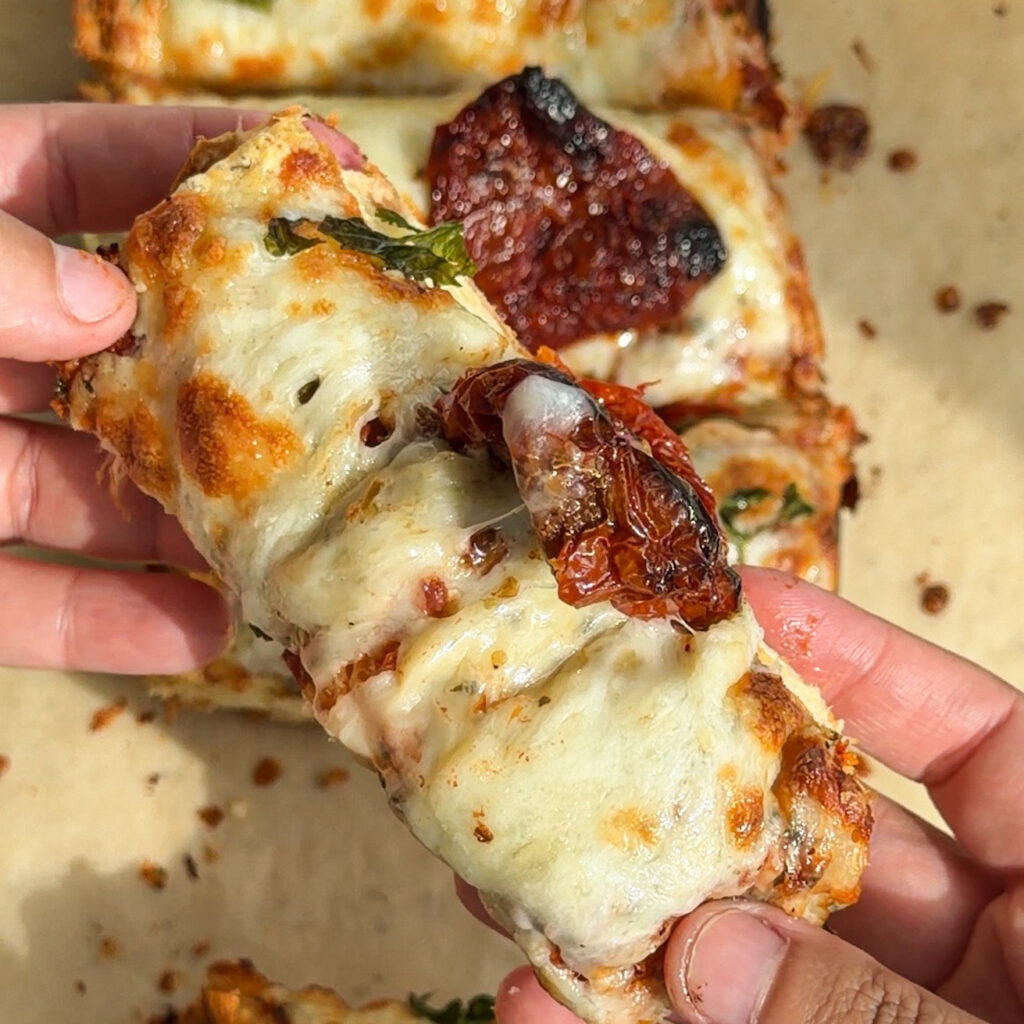
Absolutely! Customize your Soft Garlic Cheese Rolls with additional fillings like cooked bacon, sun-dried tomatoes, or jalapeños. Keep additional fillings minimal to avoid overwhelming the dough or preventing proper sealing of the rolls.
Why are my rolls tough?
Tough Soft Garlic Cheese Rolls typically result from too much flour or over-kneading. Measure flour accurately using the spoon-and-level method. Knead only until the dough is smooth and elastic, not beyond that point.
Can I make these without a mixer?
Yes, you can make Soft Garlic Cheese Rolls entirely by hand. The kneading time increases to twelve to fifteen minutes, but the results are equally good. Hand kneading gives you better feel for dough development.
How long do these stay fresh?
Thanks to the enriched dough, Soft Garlic Cheese Rolls stay fresh for two to three days at room temperature when properly stored. The butter and eggs help maintain moisture longer than lean bread. For longer storage, freeze the rolls.
Final Thoughts
These Soft Garlic Cheese Rolls represent the perfect combination of homemade comfort and bakery-quality results. The fluffy texture, layered garlic butter filling, and melted cheese create an irresistible treat that elevates any meal. Whether served alongside dinner or enjoyed as a snack, these rolls never fail to impress.
The beauty of Soft Garlic Cheese Rolls lies in their approachability. While they taste like they came from an artisan bakery, the recipe guides you through each step with clear instructions. Even novice bread bakers can achieve impressive results by following the techniques outlined.
Don’t be intimidated by yeast baking. These Soft Garlic Cheese Rolls are forgiving and rewarding, teaching you valuable bread-making skills while producing something delicious. The process of creating homemade rolls fills your kitchen with incredible aromas and your table with something special.
Gather your ingredients and experience the satisfaction of baking Soft Garlic Cheese Rolls from scratch. Your kitchen will smell like a bakery, and every pillowy, buttery, cheesy bite will remind you why homemade bread is worth the effort. Make these rolls part of your regular baking repertoire today.
Watch the video recipe for more clarity.

People also like our Butter Ice Cream Brioche Rolls Recipe.
Dough
- 600 g all-purpose flour
- 50 g sugar
- ½ tsp salt
- ½ tsp garlic powder
- ½ tsp dried oregano
- ½ tsp dried basil
- ¼ tsp onion powder
- 240 g lukewarm water
- 7 g instant yeast
- 2 eggs
- 1 egg yolk
- 85 g softened butter
Garlic Butter Filling
- 150 g butter softened
- Pinch of salt
- Whole garlic cloves finely minced
- ¼ tsp dried basil
- ¼ tsp dried oregano
- ½ tsp dried parsley
- Mozzarella cheese shredded
Make the Dough
In a large bowl, mix flour, sugar, salt, garlic powder, oregano, basil, and onion powder. Add yeast, lukewarm water, eggs, and egg yolk. Mix until a dough forms, then knead in the softened butter until smooth and elastic.
First Rise
Cover the dough and let it rise in a warm place for 60–90 minutes, or until doubled in size.
Prepare the Filling
Mix softened butter with minced garlic, salt, basil, oregano, and parsley until well combined.
Shape the Rolls
Roll out the dough into a rectangle. Spread the garlic butter evenly and sprinkle generously with mozzarella cheese. Roll tightly and cut into even pieces.
Second Rise
Place rolls in a greased baking dish, cover, and let rise for 30–40 minutes until puffy.
If you've given this recipe a try and it won you over, please share your thoughts by leaving
a rating and comment below! If you have any questions about this recipe, don't hesitate to ask – I'm here to
help and will respond promptly.