Introduction
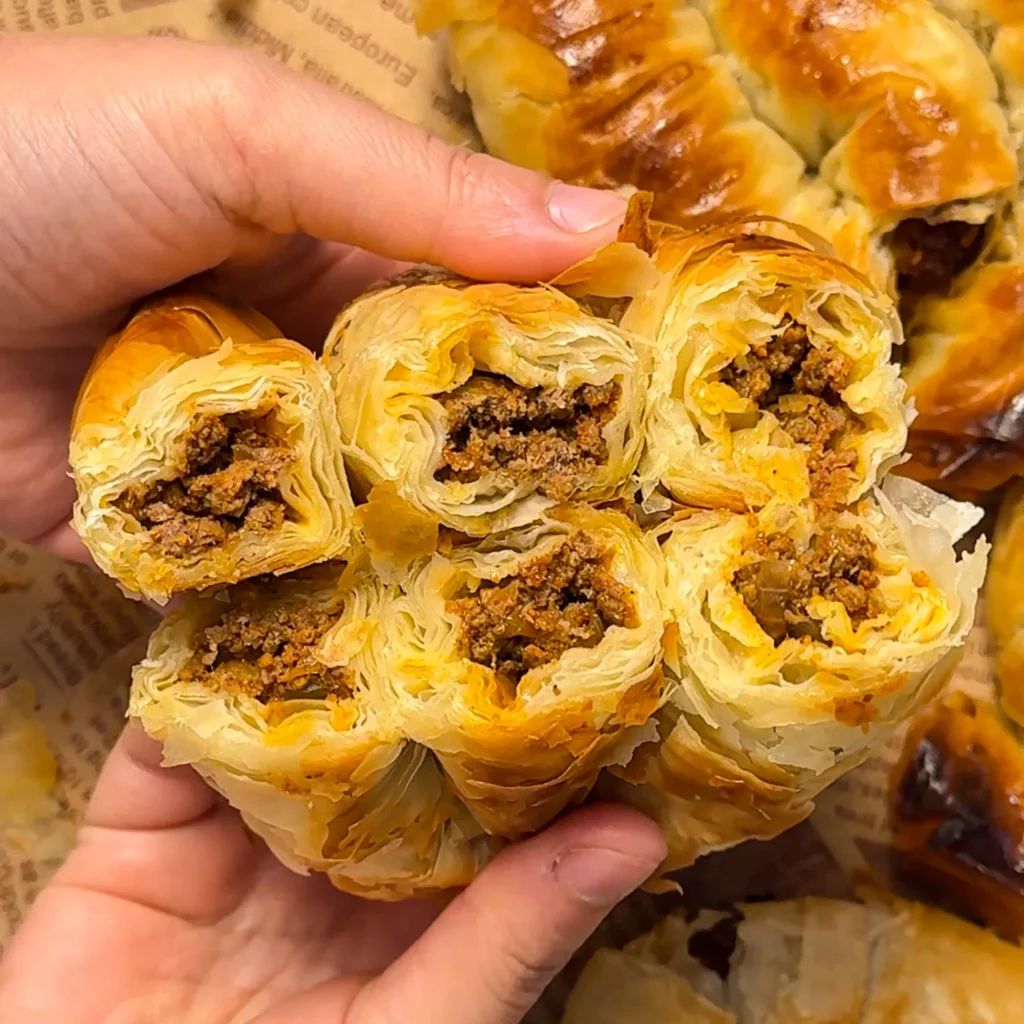
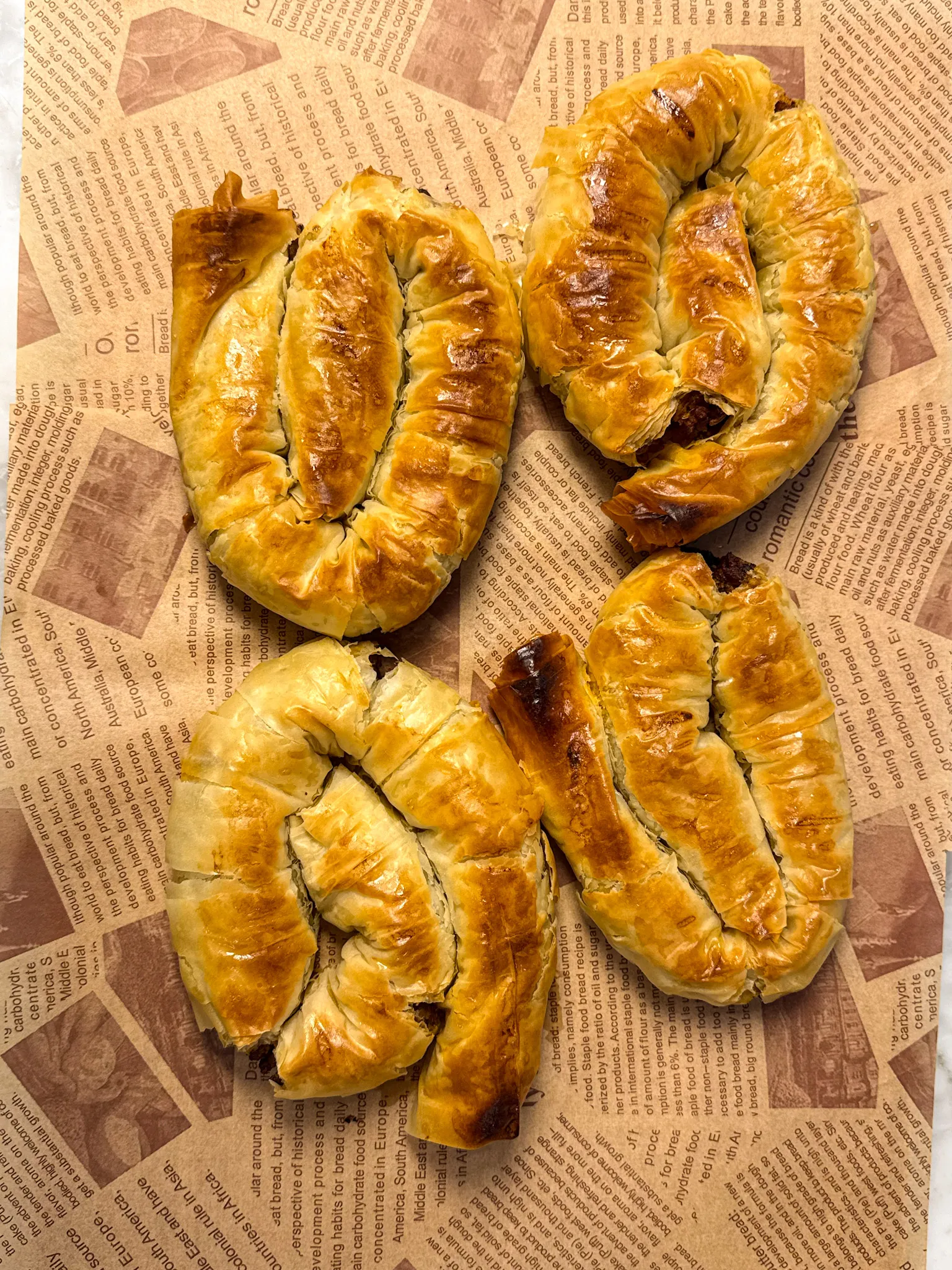
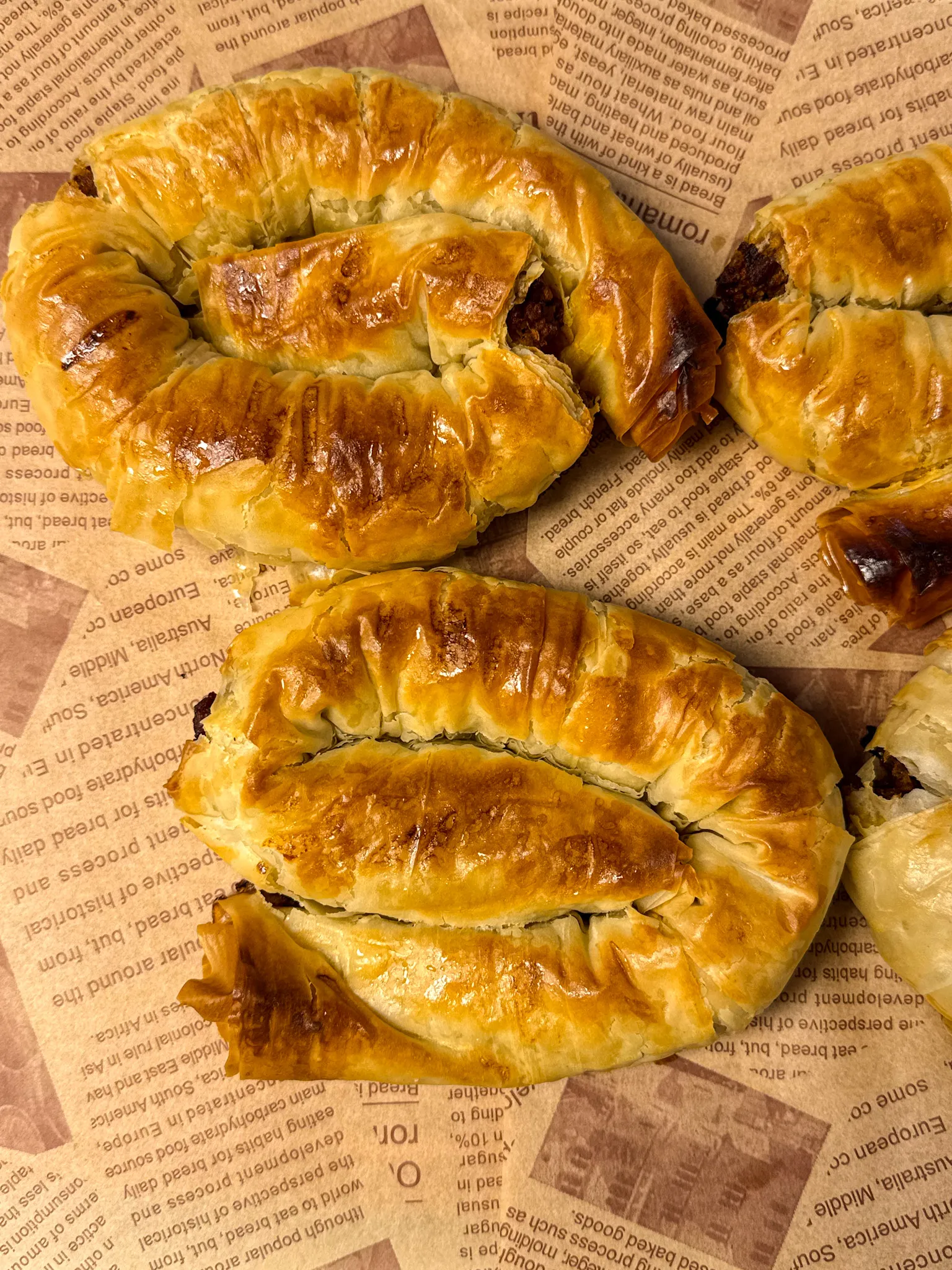
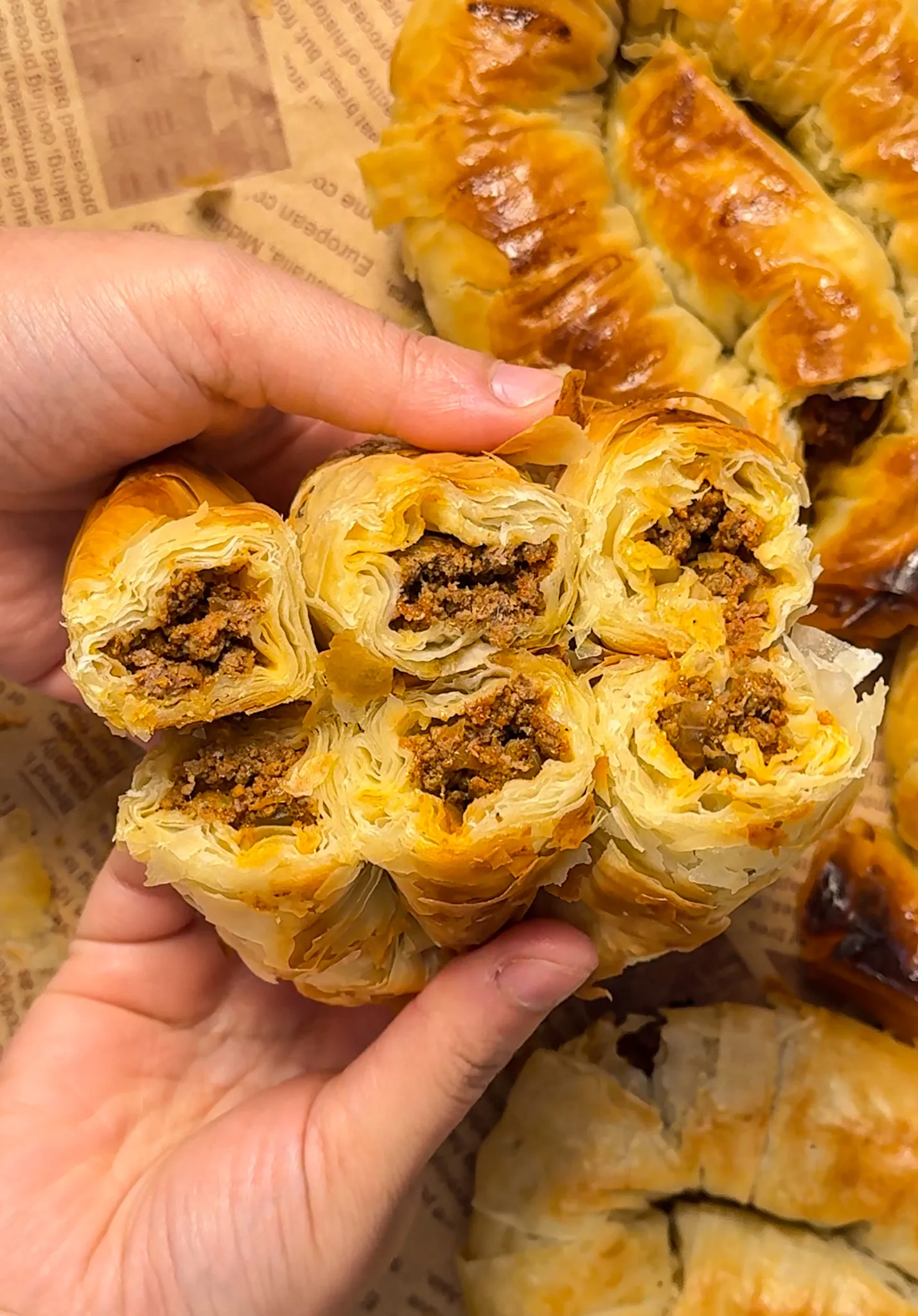
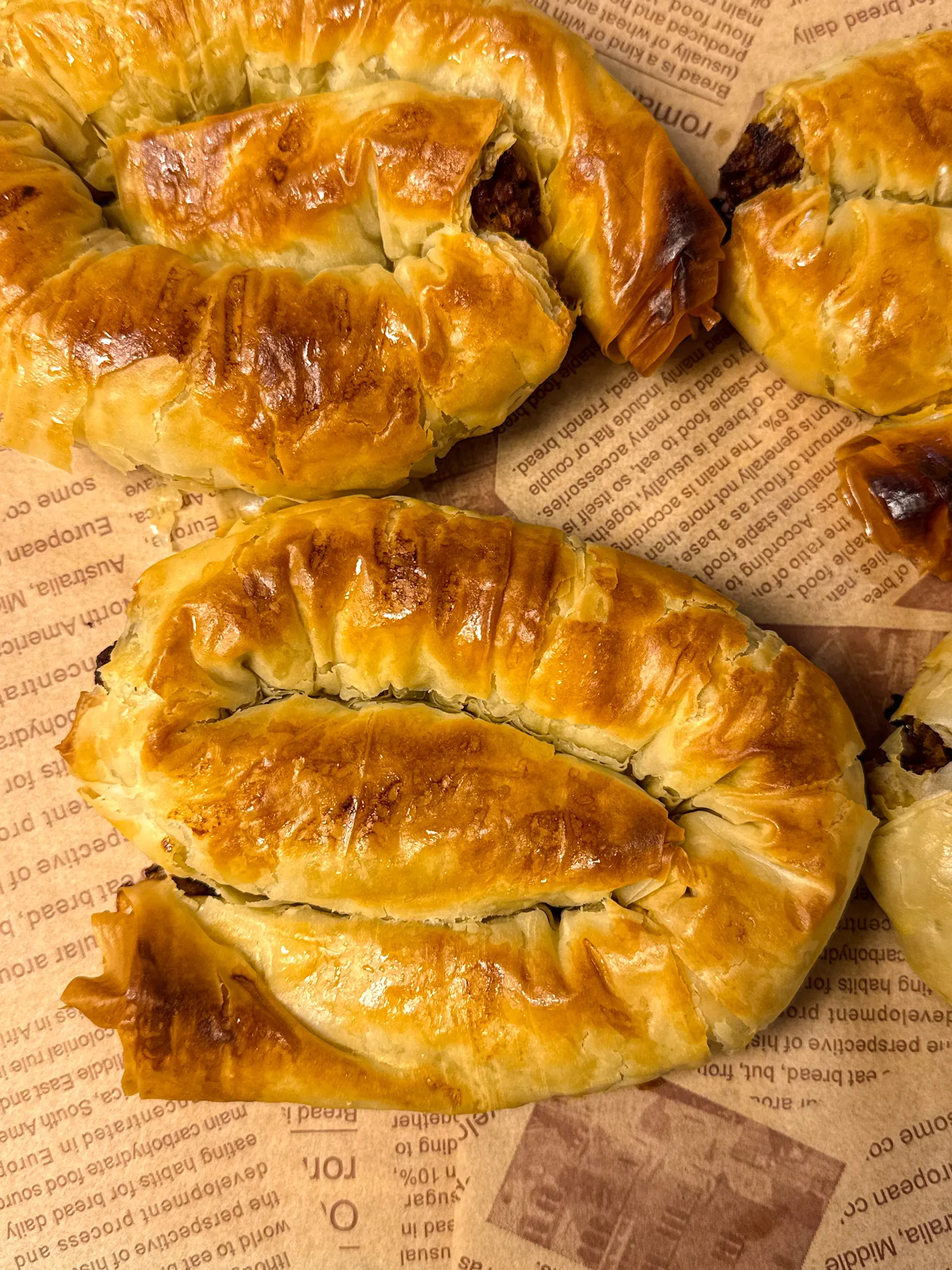
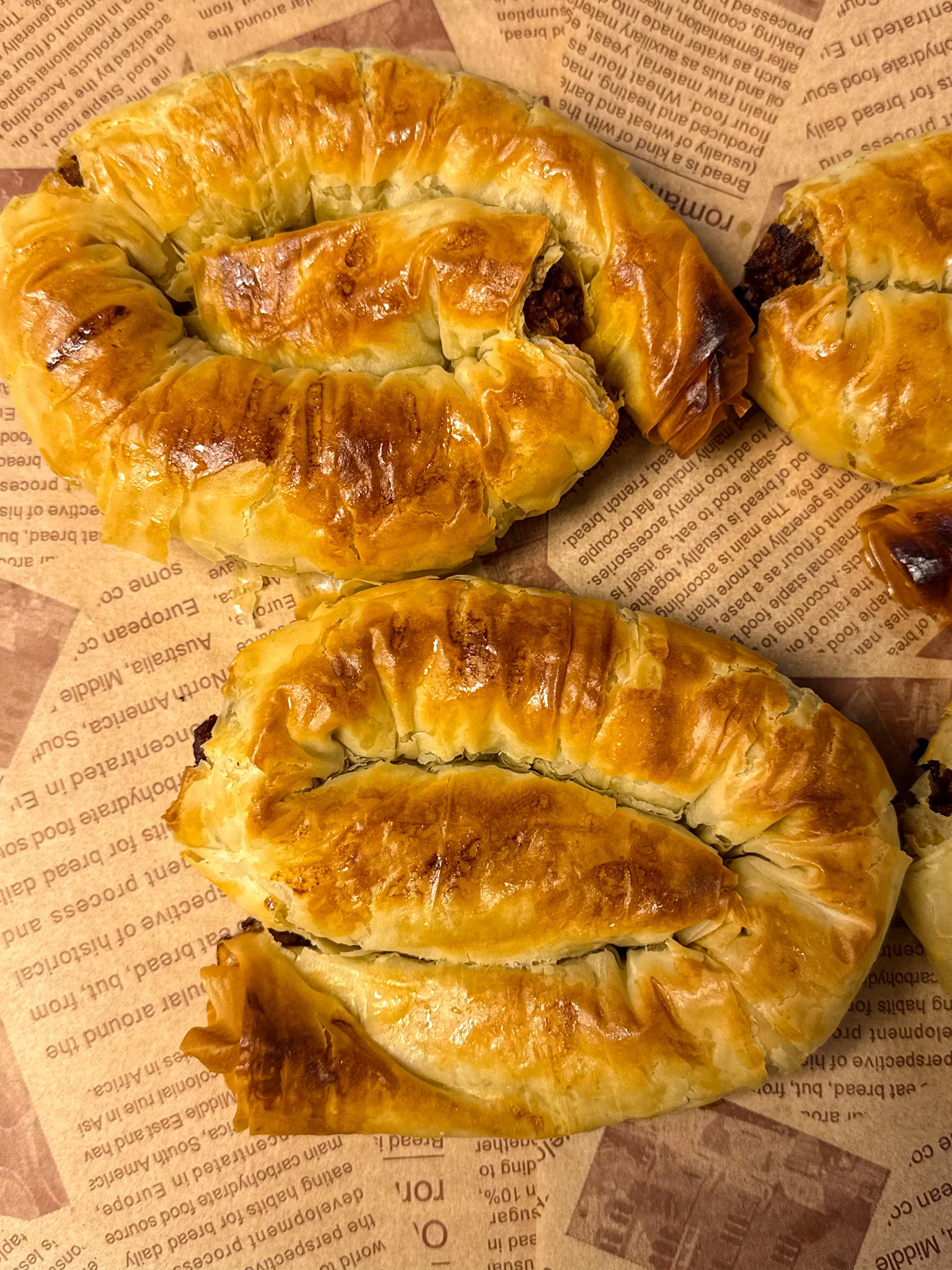
Turkish meat borek is one of those dishes that manages to feel both deeply traditional and genuinely accessible to home cooks everywhere. At its core, this Turkish meat borek is a layered pastry made from delicate phyllo dough, filled with seasoned minced beef, and bound together with an egg and milk mixture that transforms during baking into something that is crispy and golden on top yet tender and almost custardy inside. The contrast in textures is what makes this dish so compelling — each bite offers both the satisfying crack of crisp phyllo and the soft, savory richness of spiced meat filling.
What sets Turkish meat borek apart from other savory pastries is the way the layers are constructed. Rather than simply wrapping filling in dough, the phyllo sheets are brushed with an egg mixture between each layer, which creates structure and moisture without making the pastry soggy. The result is a dish that holds its shape beautifully when sliced but yields easily to a fork, with each layer distinctly textured yet cohesive as a whole. If you enjoy working with phyllo and layered pastries, our Turkish Cheese Börek uses the same technique but with a cheese filling, offering another beautiful option for mastering this style of Turkish baking.
This guide covers every aspect of making perfect Turkish meat borek, from preparing and seasoning the meat filling to working confidently with phyllo dough, to achieving that ideal balance of crispy top and tender interior. Whether you are making this for a Ramadan gathering, a family weekend lunch, or simply because you want to explore the world of savory Turkish pastries, you will find everything you need right here.
Why This Turkish Meat Borek Is Special
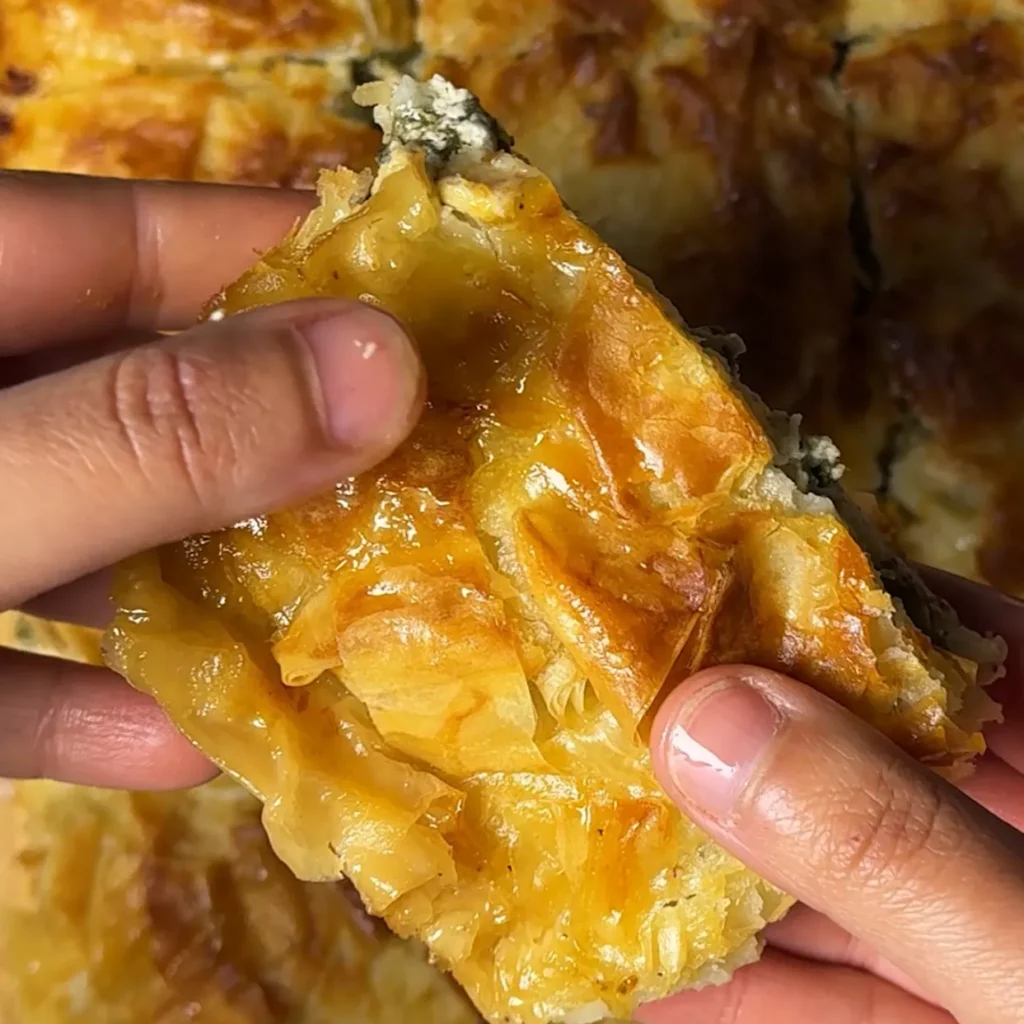
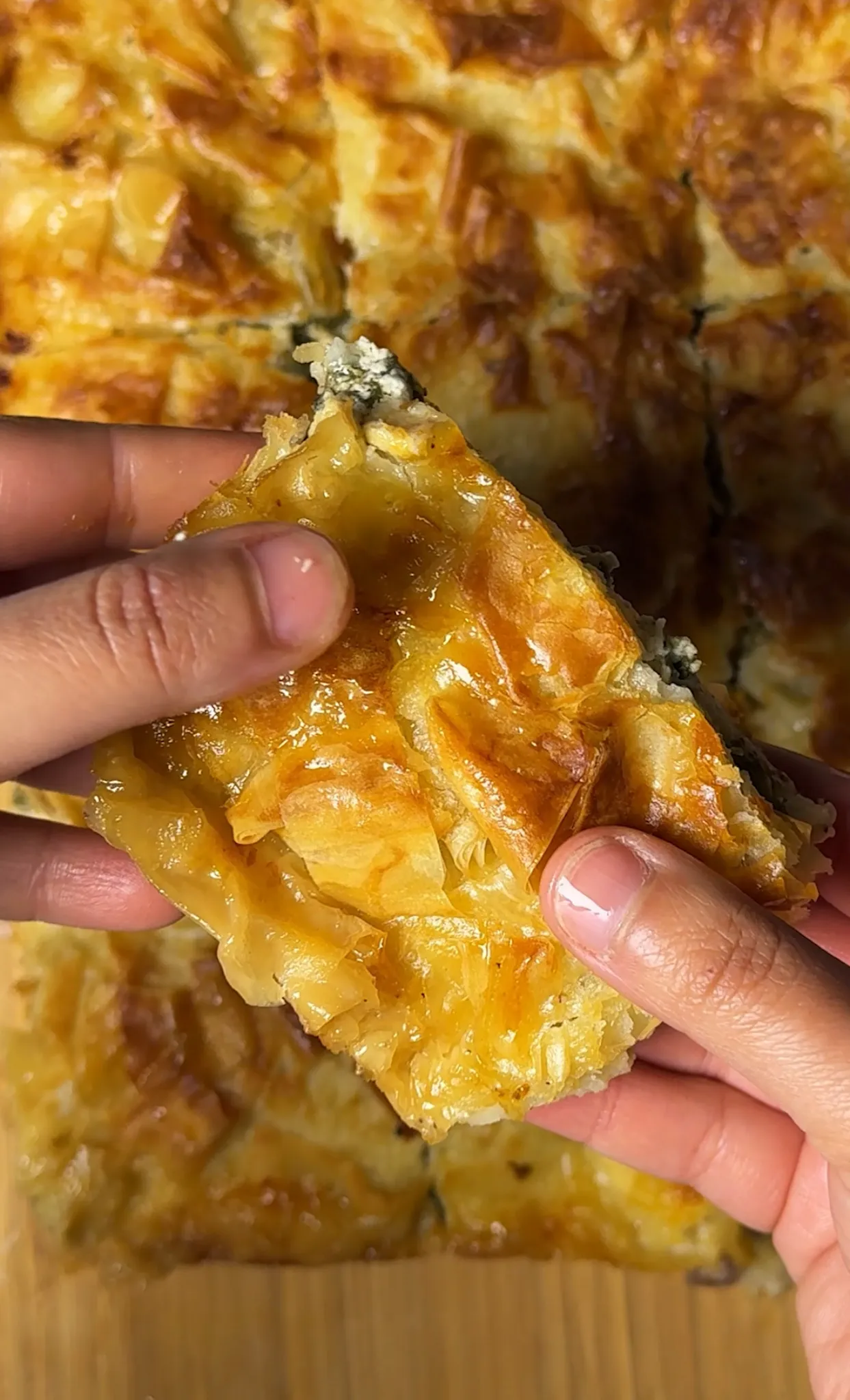
Most savory pastries fall into one of two categories: either they are entirely crispy and flaky throughout, like a French puff pastry tart, or they are soft and bread-like, like a calzone or empanada. Turkish meat borek occupies a different space entirely. The top layers bake into something shattering and golden, with visible browning and audible crispness when you cut through them. The middle and bottom layers, meanwhile, absorb the egg mixture and steam gently during baking, resulting in a texture that is tender, moist, and almost custard-like in its softness. This dual texture is what makes Turkish meat borek so distinctive and so genuinely satisfying to eat.
The meat filling in this Turkish meat borek is intentionally simple and focused. Ground beef is cooked with finely chopped onions, tomato paste, paprika, garlic powder, and just enough salt and pepper to bring everything into balance. The tomato paste adds depth and umami without making the filling taste overtly tomatoey. The paprika contributes warmth and a subtle sweetness. The onions soften completely and release their natural sugars, creating a filling that is juicy but not wet, flavorful but not overwhelming. This restraint in seasoning is characteristic of Turkish home cooking, where the quality of the ingredients and the technique matter more than a long list of spices.
Finally, the egg and milk mixture that gets brushed between the phyllo layers is what truly makes this Turkish meat borek work. This mixture serves multiple purposes: it binds the layers together, prevents them from drying out during baking, and creates steam that softens the interior while the top remains exposed and crisps in the dry oven heat. The result is a pastry that is cohesive, moist, and structurally sound rather than a stack of dry, brittle sheets with filling sandwiched between.
Key Ingredients Overview
The ingredient list for Turkish meat borek is mercifully short, and most items are pantry staples. But each ingredient plays a specific role in the final flavor and texture, and understanding those roles will help you make confident substitutions when needed and troubleshoot any issues that arise.
Phyllo dough — also sold as filo or yufka sheets — is the foundation of this Turkish meat borek. Phyllo is made from wheat flour, water, and a small amount of oil, rolled and stretched into paper-thin sheets that become crispy and flaky when baked. Working with phyllo can feel intimidating at first, but the key is simply keeping the sheets covered with a slightly damp towel while you work to prevent them from drying out and cracking. A small tear here or there is completely fine — the layering process hides imperfections, and once baked, no one will notice.
The ground beef should be somewhere in the range of 80 to 85 percent lean. Beef that is too lean produces a dry filling, while beef that is too fatty releases excess grease during baking and can make the bottom layers of the Turkish meat borek soggy. The fat content in 80/20 or 85/15 ground beef provides flavor and moisture without overwhelming the pastry. If you prefer, ground lamb or a combination of beef and lamb works beautifully in this recipe and adds a slightly richer, more distinctly Middle Eastern flavor profile. Our MEAT STUFFED PITA BREAD (ARAYES) uses a similar spiced meat mixture and is another excellent way to explore the flavors of Turkish and Middle Eastern cooking.
The egg and milk mixture is what transforms a stack of phyllo sheets into cohesive Turkish meat borek. Eggs provide structure and binding. Milk adds moisture and helps the layers soften during baking. A small amount of neutral oil — vegetable or sunflower oil work best — keeps the mixture from drying out and ensures the top layer browns beautifully. This mixture should be well whisked before use so that the eggs are fully incorporated and the liquid is smooth and even.
Tomato paste is used in small quantities but makes a significant flavor contribution. It adds umami, depth, and a subtle acidity that balances the richness of the beef. Make sure to cook the tomato paste for a minute or two with the onions before adding the meat — this step, called blooming, concentrates the flavor and removes any raw, metallic taste. Do not skip it.
Understanding the Science Behind Turkish Meat Borek
How Phyllo Becomes Crispy
Phyllo dough is essentially sheets of very thin, unleavened dough. When exposed to dry oven heat, the small amount of moisture in the phyllo evaporates quickly, causing the sheets to dehydrate and crisp up. The thin layers also allow steam to escape easily, which is why phyllo becomes so shattering and flaky rather than soft and chewy like bread. The butter or egg mixture brushed between the layers adds fat, which further promotes browning and crispness by conducting heat more efficiently than the dough alone.
In Turkish meat borek, only the top few layers are left relatively dry and exposed to direct oven heat, which is why they become deeply golden and crispy. The interior layers are insulated by the layers above them and by the moisture from the egg mixture, so they soften and steam rather than crisping. This is an intentional design choice that creates the characteristic dual texture of borek.
Why the Meat Filling Needs to Be Fully Cooked
The meat filling in Turkish meat borek must be fully cooked before assembly for two reasons. First, raw meat releases significant moisture as it cooks, and that moisture would make the phyllo layers soggy rather than crisp. Second, the baking time for borek — typically 35 to 40 minutes — is designed to cook the phyllo and set the egg mixture, not to cook raw meat from scratch. Trying to bake raw meat inside phyllo would require a longer baking time, which would overcook and dry out the pastry before the meat reached a safe internal temperature. Always cook the filling completely and allow it to cool slightly before assembling the Turkish meat borek.
The Role of the Egg Mixture in Binding
The egg and milk mixture in Turkish meat borek acts as both a binder and a moisture source. As the eggs heat in the oven, their proteins coagulate and set, creating a network that binds the phyllo sheets together into a cohesive structure rather than a loose stack. The milk prevents the eggs from setting too firmly and becoming rubbery, keeping the interior layers tender and custard-like. This is the same principle behind quiche or frittata — eggs set the structure, while dairy keeps the texture soft.
Choosing the Right Ingredients
Fresh vs. Frozen Phyllo Dough
Frozen phyllo dough is far more widely available than fresh and works perfectly well in Turkish meat borek. The key to success with frozen phyllo is proper thawing. Remove it from the freezer and allow it to thaw in the refrigerator overnight, or let it sit at room temperature for about two hours before use. Never try to force-thaw phyllo in the microwave or under hot water — the sheets will stick together and become unusable. Once thawed, bring the phyllo to room temperature before unwrapping, as cold phyllo is more brittle and prone to cracking.
Ground Beef vs. Ground Lamb
Ground beef is the most common choice for Turkish meat borek and produces a filling that is mild, savory, and approachable to most palates. Ground lamb has a richer, more distinctly gamey flavor that is traditional in many Middle Eastern dishes and pairs beautifully with the spices in this recipe. A 50/50 mix of beef and lamb offers a nice balance — enough lamb to add character without overwhelming the dish. Whichever you choose, make sure the meat is not too lean, as fat is essential for flavor and moisture.
Whole Milk vs. Lower-Fat Milk
Whole milk produces the richest, most tender interior in Turkish meat borek because the fat content keeps the egg mixture from becoming too lean and rubbery. Two percent milk is an acceptable substitute with minimal impact on the final result. Skim milk or non-dairy milk alternatives tend to produce a slightly less rich texture and may cause the egg mixture to set more firmly. If you do use a lower-fat milk, consider adding an extra tablespoon of oil to compensate.
Step-by-Step Instructions
Step 1: Prepare the Meat Filling
Heat two tablespoons of olive oil in a large skillet over medium heat. Add one large finely chopped onion and cook, stirring occasionally, until the onion is softened and translucent, about 5 minutes. Add two tablespoons of tomato paste and cook for another minute, stirring constantly, until the paste darkens slightly and becomes fragrant.
Add one pound (450 grams) of ground beef to the skillet. Break it apart with a wooden spoon and cook, stirring occasionally, until the meat is fully browned and no pink remains, about 8 to 10 minutes. Season with one teaspoon of paprika, half a teaspoon of garlic powder, one teaspoon of salt, and half a teaspoon of black pepper. Stir to combine and cook for another two minutes to allow the spices to bloom.
Remove the skillet from heat and allow the filling to cool to room temperature before assembling the Turkish meat borek. This step is critical — hot filling will steam the phyllo sheets and make them soggy before they even go into the oven.
Step 2: Prepare the Egg Mixture
In a medium bowl, whisk together three large eggs, one cup of whole milk, three tablespoons of neutral oil (vegetable or sunflower oil), and a quarter teaspoon each of salt and black pepper. Whisk until the mixture is smooth and fully combined with no streaks of egg white visible. Set aside.
Step 3: Prepare the Baking Dish and Phyllo
Preheat your oven to 350 degrees Fahrenheit (180 degrees Celsius). Lightly grease a 9-by-13-inch baking dish with butter or oil. Remove the phyllo dough from its package and unroll it carefully. Cover the stack of phyllo sheets with a clean, slightly damp kitchen towel to prevent them from drying out while you work.
Step 4: Layer the Bottom Half
Place one sheet of phyllo in the prepared baking dish, allowing any excess to hang over the edges — you will fold these over later. Using a pastry brush or a spoon, lightly coat the phyllo sheet with some of the egg mixture. Do not soak it; a light coating is sufficient.
Add a second sheet of phyllo on top of the first and brush with more egg mixture. Continue layering phyllo sheets and egg mixture until you have used half of your phyllo — typically 6 to 8 sheets depending on the package size.
Step 5: Add the Meat Filling
Spread the cooled meat filling evenly over the layered phyllo, creating a uniform layer that reaches all the way to the edges of the baking dish. Press the filling down gently with the back of a spoon to compact it slightly — this helps the Turkish meat borek hold together when sliced.
Step 6: Layer the Top Half
Continue layering the remaining phyllo sheets over the meat filling, brushing each sheet with the egg mixture as before. For the final top layer, brush the surface more generously with egg mixture to ensure a deeply golden, glossy finish.
If any phyllo sheets are hanging over the edges of the dish, fold them back over the top to create a finished edge. Brush these folded edges with egg mixture as well.
Step 7: Score and Bake
Using a sharp knife, score the top of the Turkish meat borek into squares or diamonds, cutting only through the top few layers of phyllo without reaching the meat filling. This makes it easier to slice and serve after baking and also allows steam to escape, preventing the top from becoming soggy.
Bake in the preheated oven for 35 to 40 minutes, until the top is deeply golden brown and the edges are visibly crisp. The center should be set and not jiggle when you gently shake the pan. Remove from the oven and allow the Turkish meat borek to rest for 10 to 15 minutes before slicing and serving. This resting time allows the layers to firm up and makes slicing much cleaner.
Professional Tips for Perfect Results
Keep Phyllo Covered at All Times
Phyllo dough dries out within minutes when exposed to air, turning brittle and impossible to work with. The single most important tip for success with Turkish meat borek is keeping the phyllo covered with a slightly damp towel while you assemble the dish. Remove one sheet at a time, use it immediately, and return the towel to cover the remaining sheets. This simple habit prevents more frustration than any other single technique.
Do Not Oversaturate the Phyllo
The egg mixture should coat the phyllo sheets lightly, not soak them. Too much liquid makes the layers soggy and prevents the top from crisping properly. Aim for a thin, even layer that moistens the phyllo without pooling anywhere. If you accidentally add too much, simply dab away the excess with a paper towel before adding the next sheet. The goal is moist layers, not wet layers, in your Turkish meat borek.
Cool the Filling Completely Before Assembly
Hot or even warm filling will steam the phyllo and make the bottom layers of the Turkish meat borek soggy rather than tender. Always allow the meat filling to cool to room temperature before you start layering. If you are short on time, spread the filling out on a baking sheet to cool it more quickly — the increased surface area speeds up the process significantly. If you enjoy Turkish breakfast dishes, our TRADITIONAL CILBIR TURKISH EGGS is another beautiful example of Turkish home cooking that balances rich flavors with simple, focused technique.
Score Before Baking, Not After
Scoring the Turkish meat borek before it bakes serves two purposes: it creates portion guidelines that make serving easier, and it allows steam to escape during baking, which helps the top layers stay crisp rather than becoming soggy from trapped moisture. If you wait until after baking to cut, you lose both of these benefits and the borek is more likely to shatter messily rather than cutting cleanly along the scored lines.
Common Mistakes to Avoid
Using Phyllo Straight from the Freezer
Frozen phyllo must be fully thawed before use. Attempting to work with partially frozen phyllo leads to sheets that crack and break apart the moment you try to handle them. Always thaw phyllo overnight in the refrigerator or for at least two hours at room temperature before unwrapping. Once thawed, let it sit at room temperature for 30 minutes before opening the package — this ensures the sheets are pliable and easy to work with.
Adding Raw Meat to the Borek
The meat filling must be fully cooked before assembly. Raw meat releases moisture during cooking that will make the Turkish meat borek soggy, and the baking time is not long enough to cook raw meat safely. Always brown the meat completely on the stovetop, season it properly, and allow it to cool before layering it into the phyllo.
Skipping the Resting Time After Baking
Cutting into Turkish meat borek immediately after it comes out of the oven results in a messy, falling-apart dish. The egg mixture is still very soft and fluid at this stage and needs time to set as it cools. Allow the borek to rest for at least 10 to 15 minutes before slicing — the layers will firm up significantly and the portions will hold their shape beautifully.
Overbaking
Overbaked Turkish meat borek becomes dry and tough rather than tender and custardy inside. Watch the top layers carefully during the final 10 minutes of baking. They should be deeply golden brown but not dark brown or burnt. If the top is browning too quickly before the center sets, tent the dish loosely with aluminum foil to slow down the browning while the interior finishes cooking.
Variations to Try
Spiced Lamb and Pine Nut Filling
Replace the ground beef with ground lamb and add a quarter cup of toasted pine nuts to the filling along with a half teaspoon of ground cumin and a quarter teaspoon of cinnamon. The lamb adds richness and a more distinctly Middle Eastern flavor, while the pine nuts contribute crunch and a buttery, nutty taste. This variation is especially popular for special occasions and holiday gatherings.
Spinach and Meat Combination
Add two cups of finely chopped fresh spinach to the meat filling after the beef is fully cooked. Stir and cook for another two to three minutes until the spinach wilts completely and any moisture evaporates. The spinach adds color, nutrition, and a subtle earthiness that balances the richness of the meat beautifully. This variation of Turkish meat borek is particularly popular during Ramadan when heartier, more vegetable-forward dishes are welcome.
Cheese-Topped Version
Sprinkle one cup of crumbled feta cheese or grated kasseri cheese over the meat filling before adding the top layers of phyllo. The cheese melts during baking and creates pockets of creamy, salty richness throughout the Turkish meat borek. This variation bridges the gap between the meat version and the cheese version and is especially appealing to those who love both.
Herb-Infused Egg Mixture
Add two tablespoons of finely chopped fresh parsley and one tablespoon of chopped fresh dill to the egg mixture before brushing it onto the phyllo layers. The herbs add brightness and freshness that cut through the richness of the meat and phyllo beautifully. This is a simple variation that makes a noticeable impact on the final flavor. If you enjoy exploring Middle Eastern desserts and sweets alongside savory dishes, our MIDDLE EASTERN LOKMA BITES are a wonderful companion recipe — sweet, syrup-soaked fritters that round out any Turkish or Middle Eastern meal perfectly.
Storage and Reheating
Room Temperature
Turkish meat borek can sit at room temperature for up to two hours if you are serving it as part of a buffet or bringing it to a gathering. Beyond two hours, food safety guidelines recommend refrigeration. The borek holds its texture reasonably well at room temperature — the top stays crisp while the interior remains tender.
Refrigeration
Store leftover Turkish meat borek covered tightly in the refrigerator for up to three days. The top layers will soften significantly in the refrigerator, but reheating restores much of the crispness. Transfer portions to an airtight container or cover the baking dish tightly with plastic wrap to prevent the borek from drying out or absorbing refrigerator odors.
Freezing
Turkish meat borek freezes exceptionally well. For best results, freeze it after baking rather than before. Allow the baked borek to cool completely, then wrap individual portions tightly in plastic wrap followed by a layer of aluminum foil. Freeze for up to two months. To serve, thaw overnight in the refrigerator and reheat as directed. The texture after freezing and reheating is nearly identical to freshly baked.
Reheating
The best way to reheat Turkish meat borek is in the oven, which restores the crispness of the top layers. Preheat the oven to 325 degrees Fahrenheit (160 degrees Celsius). Place the borek on a baking sheet and heat for 12 to 15 minutes until warmed through and the top is crisp again. Avoid microwaving if possible, as it makes the phyllo soft and chewy rather than crisp. If you must use the microwave, reheat individual portions on medium power for 60 to 90 seconds, then place them under the broiler for a minute to crisp the top.
Frequently Asked Questions
Can I make Turkish meat borek ahead of time?
Yes, and this is actually a great strategy for entertaining. You can assemble the entire Turkish meat borek up to 8 hours in advance, cover it tightly with plastic wrap, and refrigerate until ready to bake. When you are ready, remove it from the refrigerator and let it sit at room temperature for 20 to 30 minutes before baking. You may need to add 5 to 10 minutes to the baking time to account for the cold start. Alternatively, you can bake it completely, refrigerate, and reheat just before serving.
What can I serve with Turkish meat borek?
Turkish meat borek is traditionally served with plain yogurt or ayran (a Turkish yogurt drink) to balance the richness of the pastry. A simple cucumber and tomato salad dressed with lemon juice and olive oil is another classic accompaniment. Pickled vegetables, olives, and fresh herbs also pair beautifully. The borek is substantial enough to serve as a main dish with just a salad on the side, or it can be part of a larger meze spread.
Why is my borek soggy instead of crispy?
Soggy Turkish meat borek is almost always caused by too much moisture somewhere in the process. The most common culprits are: adding the meat filling while it is still hot, using too much egg mixture between the phyllo layers, or not baking long enough to fully crisp the top. Make sure the filling is completely cool, brush the phyllo lightly rather than soaking it, and bake until the top is deeply golden brown.
Can I use puff pastry instead of phyllo?
Puff pastry creates a very different result from phyllo. It will be thicker, richer, and more buttery, with a pastry-like texture rather than the delicate, crispy layers that define traditional Turkish meat borek. If you prefer the convenience of puff pastry or simply do not have access to phyllo, it can work as a substitute, but the final dish will not have the same authentic texture or appearance.
How do I know when the borek is done baking?
The Turkish meat borek is done when the top is deeply golden brown — not pale, not burnt, but a rich, even golden color all across the surface. The edges should be visibly crisp and the center should be set and not jiggle when you gently shake the pan. If you insert a knife into the center, it should come out clean with no liquid egg mixture clinging to it. Start checking at the 35-minute mark and add time in five-minute increments if needed.
Can I make Turkish meat borek without eggs?
The eggs are what bind the layers together and create the custard-like interior texture. Omitting them entirely will result in a borek that is dry and less cohesive. If you need an egg-free version for dietary reasons, you can try using a mixture of milk and melted butter brushed between the layers, but the texture will be different — more like layered phyllo sheets rather than true borek.
Watch the recipe video for more clarity!
See our similar recipes:
People also like these recipes:
Final Thoughts
Turkish meat borek is one of those recipes that earns its place in your regular rotation the moment you taste it for the first time. It is the kind of dish that feels special enough for guests yet approachable enough for a weeknight dinner. The combination of crispy, golden phyllo layers, tender custard-soaked interior, and savory spiced beef filling is deeply satisfying in a way that few other dishes manage to achieve.
What makes this Turkish meat borek so valuable is its versatility. It works beautifully as part of a Ramadan iftar spread, as the centerpiece of a weekend brunch, or as a make-ahead dinner that reheats beautifully. The layering process is meditative and forgiving — even if your phyllo tears or your layers are not perfectly even, the finished Turkish meat borek will still look impressive and taste delicious.
Save this recipe. Share it with someone who loves exploring new cuisines. Make a batch this weekend and discover why borek has been a cornerstone of Turkish home cooking for generations. This Turkish meat borek is the kind of recipe that connects you to a rich culinary tradition while still feeling entirely accessible and rewarding. Happy baking.
Meat Filling
- 500 g minced beef
- 2 medium onions finely chopped
- 2 tbsp tomato paste
- 1/2 tsp garlic powder
- 1 tsp paprika
- Salt and black pepper to taste
- A little oil for cooking
Egg Mixture
- 2 eggs
- 1 cup milk
- 1 cup oil
- Pinch of salt and black pepper
Pastry
- 1 pack phyllo dough goulash sheets
Prepare the meat filling:
Heat oil in a pan.
Sauté onions until soft.
Add minced beef and cook until browned.
Stir in tomato paste, garlic powder, paprika, salt, and pepper.
Cook until fully combined and slightly caramelized.
Remove from heat and let cool.
Prepare the egg mixture:
In a bowl, whisk eggs, milk, oil, salt, and pepper until smooth.
Assemble the börek:
Preheat oven to 180°C (350°F).
Grease a baking dish.
Layer one sheet of phyllo and brush with egg mixture.
Repeat with a few sheets.
Spread some meat filling evenly.
Continue layering phyllo and egg mixture, adding meat in the middle.
Finish with 2–3 layers of phyllo on top and brush with remaining mixture.
Bake:
Bake for 35–40 minutes, until golden brown and crisp on top.
If you've given this recipe a try and it won you over, please share your thoughts by leaving
a rating and comment below! If you have any questions about this recipe, don't hesitate to ask – I'm here to
help and will respond promptly.