Experience the Bold Flavors of Spaghetti all’Assassina
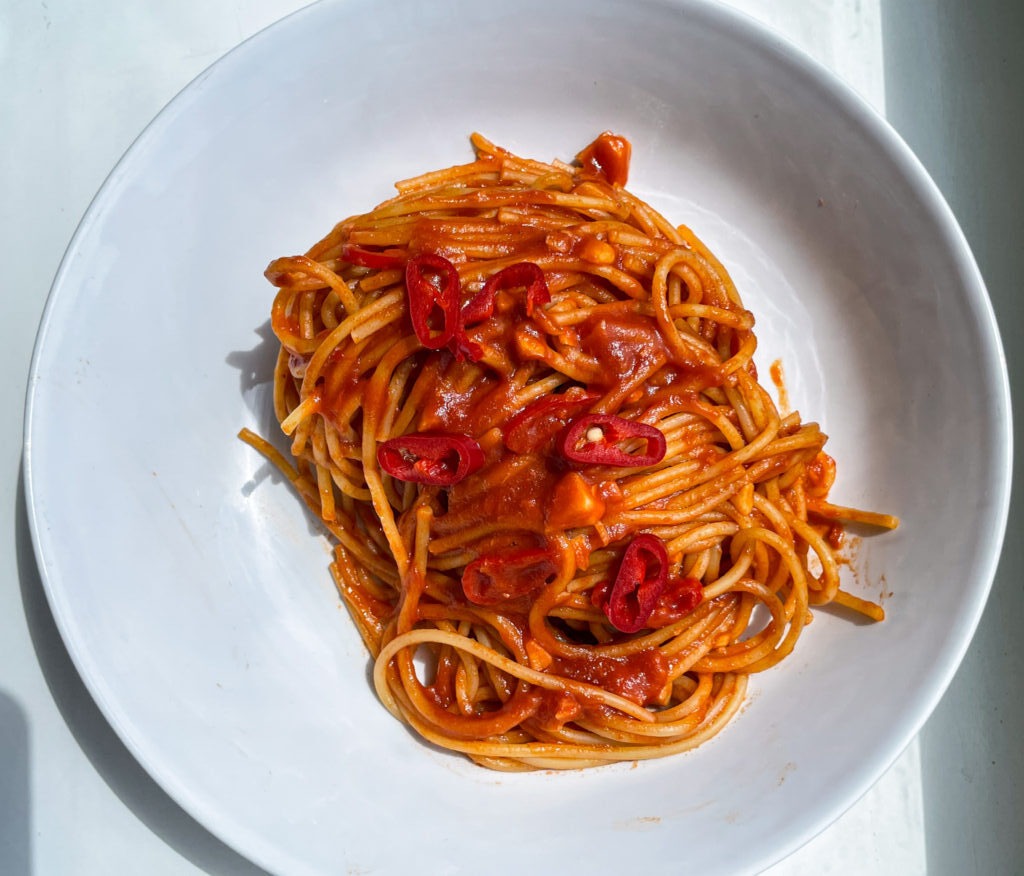
Few Italian dishes command attention quite like Spaghetti, the legendary crispy pasta that translates dramatically as “Killer Spaghetti.” This extraordinary dish from Bari challenges everything you know about traditional pasta preparation. Unlike conventional methods where pasta cooks in abundant boiling water, Spaghetti cooks directly in spicy tomato sauce until it develops a gloriously crispy exterior while maintaining a tender interior. The result is a pasta experience unlike any other, with deeply caramelized flavors and an addictive textural contrast that keeps you reaching for another bite.
The magic of Spaghetti lies in its unconventional cooking technique. As the pasta crisps in the pan, it develops rich, almost burnt flavors that mingle with the tangy tomato sauce and fiery chili peppers. Each strand becomes infused with intense flavor while achieving that signature crispy texture that makes this dish so distinctive. Whether you’re a devoted pasta enthusiast or simply seeking culinary adventure, mastering Spaghetti all’Assassina will add an impressive and memorable dish to your repertoire.
Why This Recipe is Special
What sets Spaghetti all’Assassina apart from other pasta dishes is its bold rejection of traditional cooking methods. This recipe transforms simple ingredients into something extraordinary through technique alone. The pasta doesn’t just absorb sauce; it caramelizes and crisps, creating layers of flavor that standard pasta dishes cannot achieve. Making authentic Spaghetti all’Assassina requires patience and attention, as the cooking process involves careful monitoring and gradual liquid addition to achieve that perfect balance of crispy and tender.
The spicy element of Spaghetti all’Assassina adds another dimension to the dish. The heat from red chili peppers builds gradually, complementing rather than overwhelming the sweet-tart tomato flavors. This isn’t gratuitous spiciness; it’s carefully balanced heat that enhances the overall flavor profile and justifies the dish’s dramatic “killer” nickname.
Key Ingredients Overview
Creating authentic Spaghetti all’Assassina requires quality ingredients and proper preparation. The foundation starts with good spaghetti, preferably a quality Italian brand that holds up well during the extended cooking process. Extra virgin olive oil provides richness and helps achieve that coveted crispy texture. Fresh garlic and red chili peppers deliver the signature bold flavors of Spaghetti all’Assassina. Tomato sauce or puree forms the base, while tomato broth keeps the pasta cooking without making it soggy. Simple seasonings of salt and pepper round out the ingredient list for this deceptively straightforward dish.
Understanding the Origins of Spaghetti all’Assassina
The story behind Spaghetti all’Assassina is as colorful as the dish itself. Created in 1967 by Chef Enzo Francavilla at his restaurant Al Sorso Preferito in Bari, this dish emerged from a simple request for hearty, flavorful pasta. Two Northern Italian customers asked for something substantial, prompting Chef Francavilla to cook spaghetti directly in a spicy tomato sauce using an iron pan. The innovative technique produced unexpected results that impressed the diners so thoroughly that one playfully called the chef a “killer” for creating such intensely flavored pasta. The name stuck, and Spaghetti all’Assassina was born.
The dramatic name perfectly captures the essence of this bold dish. The “assassina” or “killer” designation refers to multiple aspects of the pasta. The spicy chili peppers deliver a fiery kick that can take diners by surprise. The crispy, almost burnt texture represents a radical departure from typical pasta preparations. In Bari, where Spaghetti originated, locals use the name affectionately to describe how this pasta can metaphorically “take your breath away” with its intense flavors and unique character.
The Evolution of Spaghetti all’Assassina
While Chef Francavilla created Spaghetti all’Assassina in the 1960s, the dish remained relatively unknown outside Bari for decades. It was a beloved local specialty, enjoyed by those fortunate enough to visit the region. In recent years, social media has helped Spaghetti gain international recognition. Food enthusiasts and Italian cuisine lovers have embraced this unconventional pasta, sharing recipes and techniques that bring authentic Barese cooking to home kitchens worldwide.
Various origin stories have emerged around Spaghetti all’Assassina, including colorful tales of distracted chefs and happy accidents. However, the documented history traces back to Chef Francavilla’s deliberate innovation in 1967. This authentic origin story adds legitimacy and cultural significance to Spaghetti all’Assassina, connecting modern home cooks to a specific moment in Italian culinary history.
Regional Significance
In Bari and throughout Puglia, Spaghetti represents more than just a pasta dish. It embodies the regional approach to cooking, which emphasizes simple ingredients prepared with skill and creativity. The technique used in making Spaghetti showcases the Italian talent for transforming basic pantry staples into extraordinary meals. This dish demonstrates that innovation and tradition can coexist beautifully in Italian cuisine.
Choosing the Right Ingredients for Spaghetti all’Assassina
Success with Spaghetti begins with selecting appropriate ingredients. While the ingredient list is short, each component plays a crucial role in achieving authentic results. Understanding what to look for when shopping ensures your homemade version rivals the original.
Selecting Quality Pasta
The pasta choice significantly impacts your Spaghetti all’Assassina results. Traditional Italian dried spaghetti works best, as it maintains structure during the unconventional cooking process. Look for bronze-cut pasta, which has a rougher surface that helps sauce cling better and promotes even crisping. Brands like De Cecco, Barilla, or Rustichella d’Abruzzo produce excellent spaghetti suitable for Spaghetti all’Assassina. Avoid fresh pasta for this recipe, as it won’t achieve the necessary crispy texture.
The thickness of your spaghetti matters when making Spaghetti all’Assassina. Standard spaghetti works perfectly, but you can experiment with slightly thicker spaghettoni for more substantial texture. Avoid very thin varieties like spaghettini or angel hair, as they’ll become too crispy and may burn before the interior cooks properly in your Spaghetti all’Assassina.
Tomato Products
Quality tomato sauce or puree forms the flavor foundation of Spaghetti. San Marzano tomatoes, either whole and crushed or as prepared sauce, provide the ideal balance of sweetness and acidity. The tomato product you choose should be smooth rather than chunky, as it needs to distribute evenly across the pasta. Avoid heavily seasoned pasta sauces with added herbs and vegetables, as they’ll interfere with the pure tomato flavor essential to authentic Spaghetti.
For the tomato broth component of Spaghetti, you’ll dilute tomato sauce or puree with water. This creates a flavorful liquid that gradually cooks the pasta without making it soggy. The broth should be thin enough to pour easily but still provide tomato flavor with each addition.
Olive Oil and Seasonings
Extra virgin olive oil is essential for authentic Spaghetti all’Assassina. It provides the fat necessary for crisping while adding fruity, peppery notes that complement the tomatoes. Use a good quality olive oil, though save your most expensive bottles for finishing dishes where the delicate flavors won’t be affected by high heat cooking required for Spaghetti all’Assassina.
Fresh garlic cloves deliver better flavor than pre-minced or powdered alternatives in Spaghetti. The garlic should be thinly sliced or roughly chopped, allowing it to infuse the oil without burning. Red chili peppers provide the signature heat in Spaghetti. Fresh red chilies offer the best flavor, though dried red pepper flakes work perfectly well and are more readily available.
Step-by-Step Instructions for Perfect Spaghetti all’Assassina
Creating authentic Spaghetti requires mastering a unique cooking technique that differs dramatically from traditional pasta preparation. Follow these detailed instructions carefully to achieve the signature crispy exterior and flavorful interior that defines this dish.
Preparing Your Ingredients
Begin your Spaghetti by preparing the tomato broth. Combine tomato sauce or puree with water in a pot using a ratio of roughly one part tomato to three parts water. Heat this mixture and keep it at a gentle simmer throughout the cooking process. Having hot broth ready is crucial for successful Spaghetti all’Assassina, as adding cold liquid will interrupt the crisping process.
Prepare your garlic by slicing it thinly or chopping it roughly. Slice your red chili peppers, removing seeds if you prefer less heat in your Spaghetti. Have all ingredients measured and within reach before you begin cooking, as the process requires constant attention once started.
Starting the Cooking Process
Heat a generous amount of olive oil in a large, wide pan over medium-high heat. A cast iron skillet or heavy-bottomed stainless steel pan works ideally for Spaghetti all’Assassina, as these materials retain heat well and promote even crisping. Add the sliced garlic and chili peppers to the hot oil, allowing them to sizzle for just 30 seconds to infuse their flavors without burning.
Break the dried spaghetti in half if necessary to fit your pan, then add it directly to the oil. This is where Spaghetti all’Assassina diverges from traditional pasta cooking. The dry pasta goes straight into the seasoned oil, where it will begin toasting and developing flavor. Stir the spaghetti to coat each strand with the infused oil.
Building the Base
Once the pasta is coated with oil, add a few ladles of tomato sauce directly to the pan with your Spaghetti all’Assassina. The amount should be enough to barely cover the bottom of the pan and coat the pasta lightly. Allow this initial layer of sauce to cook down and begin caramelizing on the bottom of the pan. This is when the magic of Spaghetti all’Assassina starts happening.
Resist the urge to stir constantly. Let the pasta sit undisturbed for several minutes, allowing the bottom layer to crisp and caramelize. You’ll hear crackling sounds as the sugars in the tomato sauce caramelize against the hot pan. This is exactly what you want for authentic Spaghetti all’Assassina.
The Gradual Cooking Method
The key to perfect Spaghetti lies in the gradual addition of tomato broth. Once the bottom layer has crisped, add a small ladle of hot tomato broth around the edges of the pan rather than directly on top of the pasta. This technique keeps the top layer crispy while providing moisture for continued cooking. The liquid will sizzle and evaporate as it hits the hot pan.
Wait until the underside of your Spaghetti starts to caramelize before carefully flipping sections with a spatula. You want to see dark brown, almost burnt edges on some strands. This deeply caramelized flavor is what makes Spaghetti so distinctive. Let the other side crisp up, then add another ladle of tomato broth around the sides.
Finishing Your Spaghetti all’Assassina
As the pasta softens and approaches al dente, you can stir more frequently with a wooden spoon. Gently move strands that have stuck to the pan bottom, helping the tomato broth distribute and reduce. Continue adding broth gradually, waiting for each addition to be absorbed before adding more. The entire cooking process for Spaghetti takes approximately 15 to 20 minutes, significantly longer than traditional pasta cooking.
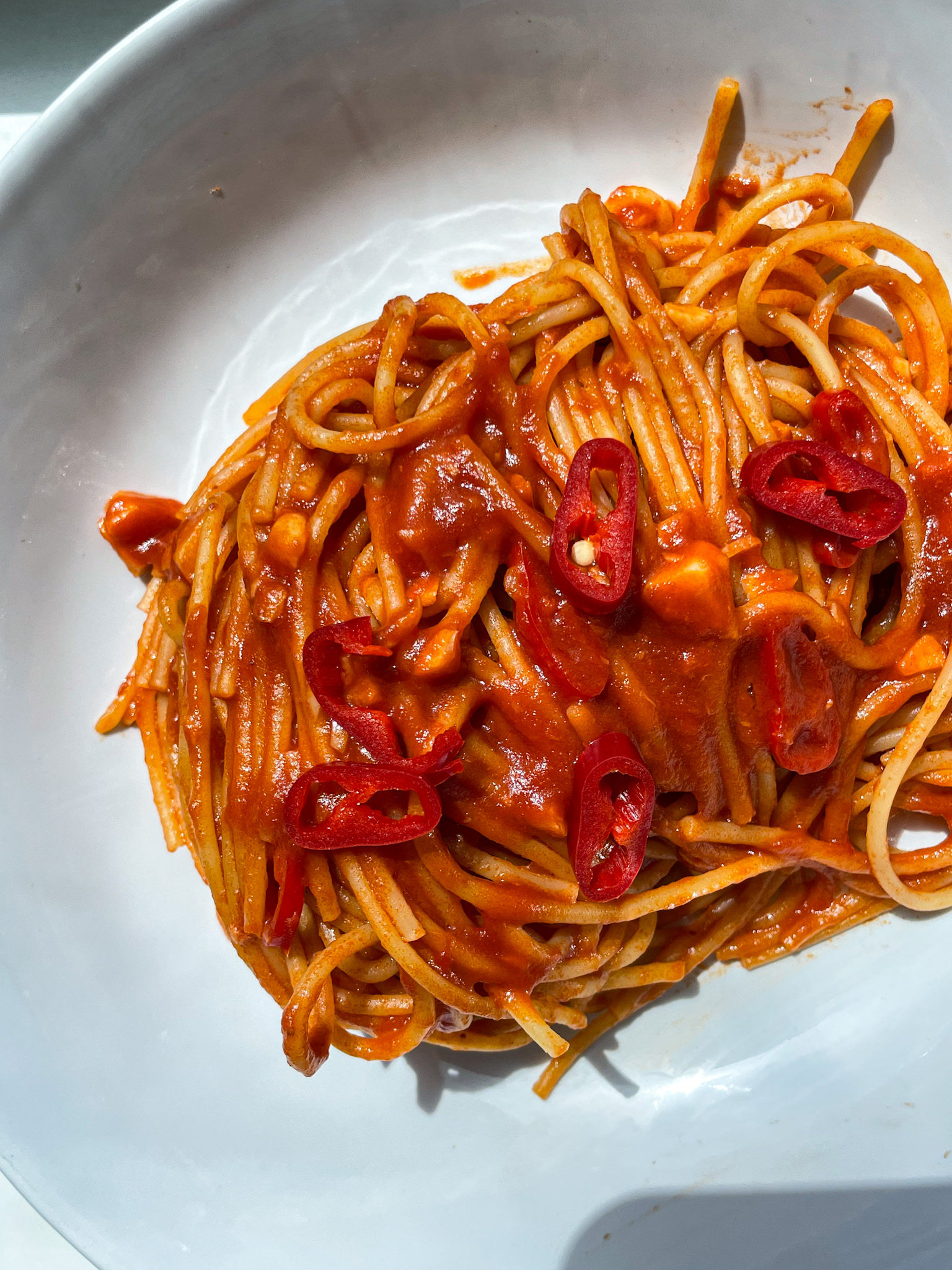
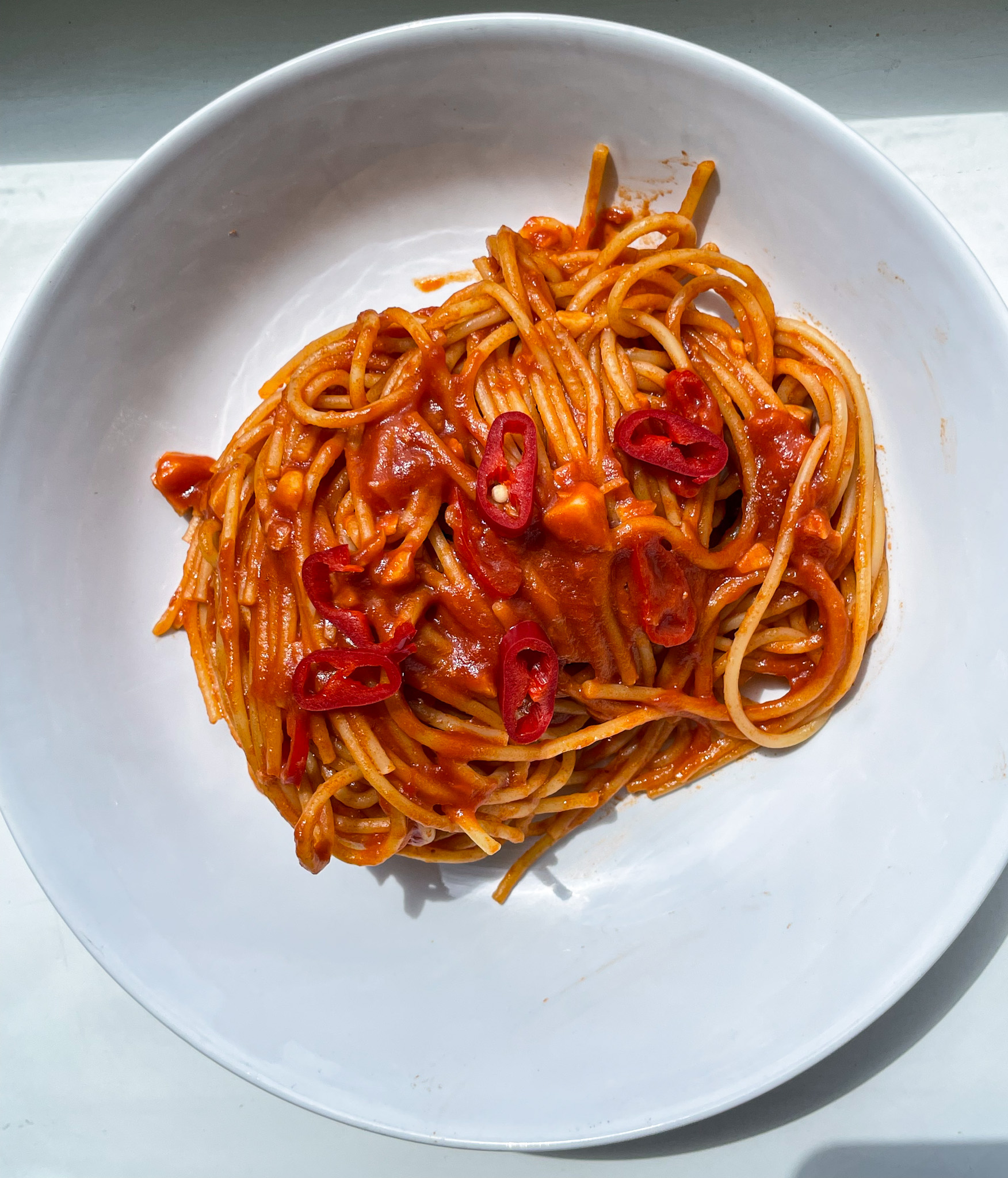
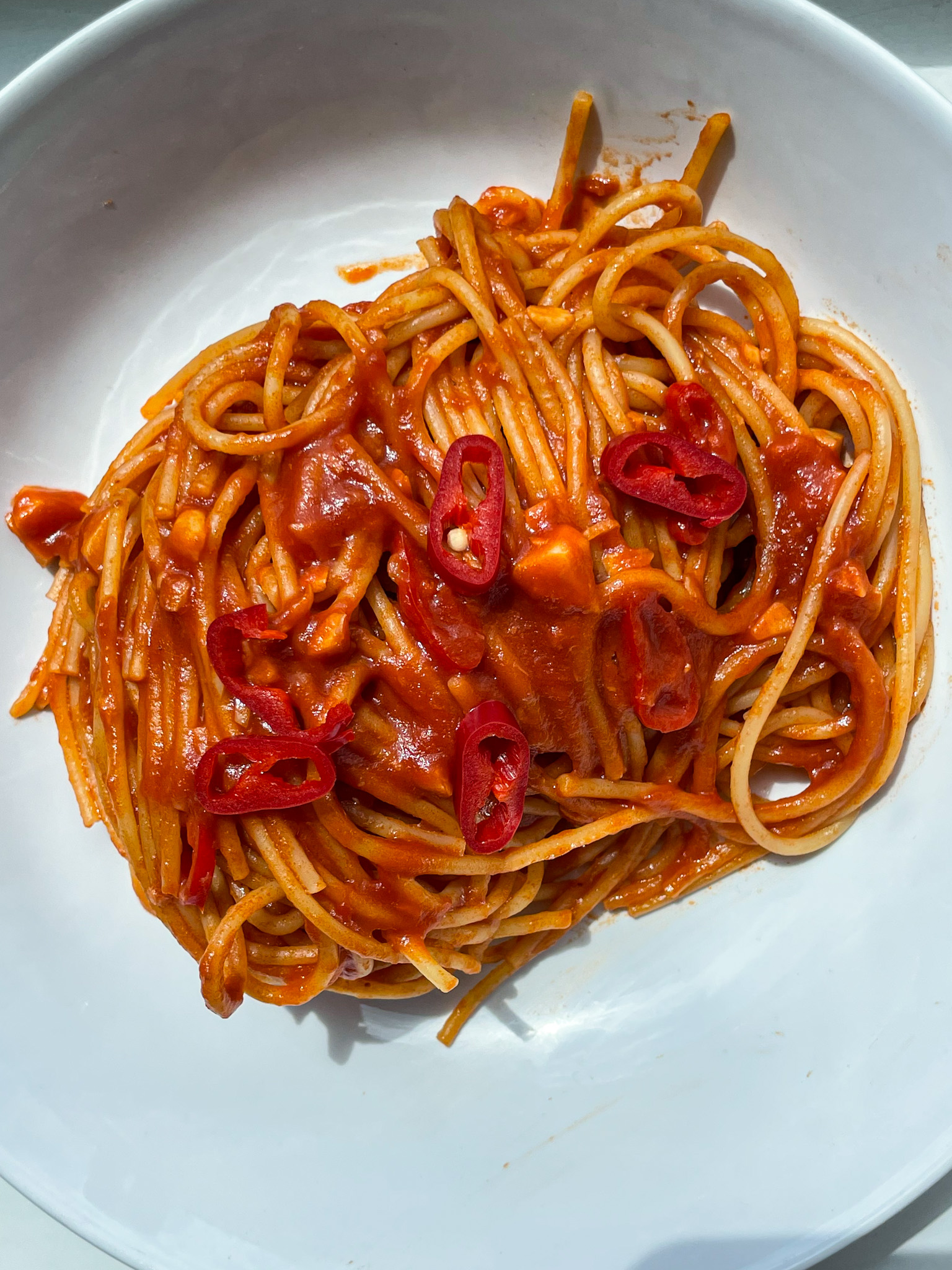
The pasta is ready when it reaches al dente texture with crispy, caramelized bits throughout. Some strands should have dark, almost burnt edges that provide intense flavor. The sauce should be concentrated and coating the pasta rather than pooling in the pan. Your finished Spaghetti should look rustic and deeply colored, nothing like traditional sauced pasta.
Professional Tips for Restaurant-Quality Spaghetti all’Assassina
Elevate your Spaghetti from good to exceptional with these professional techniques. These tips address common challenges and help ensure consistent success with this unique dish.
Heat Management
Controlling heat is crucial when making Spaghetti. The pan needs to be hot enough to crisp and caramelize the pasta but not so hot that it burns before cooking through. Medium-high heat works well initially, but you may need to adjust during cooking. If the pasta is browning too quickly or starting to burn, reduce the heat slightly. If nothing is crisping after several minutes, increase the temperature for your Spaghetti all’Assassina.
Cast iron and carbon steel pans are ideal for Spaghetti because they retain heat exceptionally well. If using stainless steel, be prepared for more sticking, which you can manage with adequate oil and careful monitoring. Avoid nonstick pans for this recipe, as they don’t promote the crisping necessary for authentic Spaghetti.
Achieving Perfect Crispy Texture
The signature texture of Spaghetti all’Assassina comes from patience and proper technique. Don’t add broth too frequently or in excessive amounts. Each addition should be minimal, just enough to continue cooking without making the pasta soggy. Pour the broth around the edges of the pan rather than directly over the pasta to preserve the crispy top layer.
Listen to your Spaghetti as it cooks. The crackling and sizzling sounds indicate proper caramelization. If the pan becomes too quiet, you may be adding too much liquid. Allow periods of intense crackling between broth additions to build those coveted crispy bits throughout your Spaghetti.
Balancing Flavors
The balance between spicy, sweet, and savory defines great Spaghetti all’Assassina. Taste your tomato sauce before beginning and adjust seasoning as needed. The sauce should be well-seasoned, as its flavors will concentrate during the long cooking process. If your tomatoes are particularly acidic, a small pinch of sugar helps balance the flavors in your Spaghetti all’Assassina.
The amount of chili pepper affects not just heat level but overall flavor complexity in Spaghetti all’Assassina. Start conservatively if you’re unsure about heat tolerance, as you can always add more but cannot remove it once added. The spiciness should be noticeable but not overwhelming, allowing the tomato and garlic flavors to shine through.
Presentation Matters
Spaghetti all’Assassina looks rustic and dramatic when properly prepared. The dark, caramelized bits should be visible throughout, creating a striking contrast with the red sauce. Serve immediately while the crispy texture is at its peak. Transfer the pasta to warmed plates and consider finishing with a drizzle of high-quality extra virgin olive oil. Fresh basil leaves or grated Pecorino Romano cheese make excellent garnishes, though traditional Spaghetti all’Assassina needs nothing but itself.
Common Mistakes to Avoid When Making Spaghetti all’Assassina
Learning to recognize and avoid common pitfalls helps you create better Spaghetti from your first attempt. These mistakes can significantly affect the final result, but they’re all preventable with proper knowledge.
Adding Too Much Liquid at Once
The most common error when making Spaghetti is adding too much tomato broth too quickly. This prevents proper crisping and results in pasta that’s more like traditional boiled spaghetti with sauce. Remember that Spaghetti should be almost dry between additions, with the pasta crisping and browning before you add more liquid. Each ladle of broth should be small, just a few tablespoons, added only when the previous addition has been absorbed.
If you accidentally add too much liquid to your Spaghetti, don’t panic. Increase the heat slightly and allow the excess to evaporate before proceeding. The pasta may take longer to cook, but you can still achieve good results with patience.
Not Using Enough Oil
Sufficient oil is essential for authentic Spaghetti all’Assassina. The oil prevents sticking, promotes crisping, and carries flavor throughout the dish. Many home cooks use too little oil, resulting in pasta that sticks excessively and doesn’t develop proper crispy texture. Don’t be shy with the olive oil when making Spaghetti all’Assassina; the pasta should glisten with oil initially.
Stirring Too Frequently
Constant stirring prevents the caramelization that makes Spaghetti all’Assassina special. You need to resist the urge to stir, allowing the pasta to sit undisturbed in the hot pan. Stirring should only happen when flipping sections to crisp the other side or when the pasta has softened enough to benefit from gentle mixing. Trust the process and let your Spaghetti all’Assassina develop those dark, crispy bits without interference.
Using the Wrong Pan
Pan choice significantly affects your Spaghetti all’Assassina results. Small or narrow pans crowd the pasta, preventing even crisping. Deep pans make it difficult to achieve the necessary caramelization. Use a wide, shallow pan that allows pasta to spread in a relatively thin layer. A 12-inch skillet works well for a standard pound of spaghetti when making Spaghetti all’Assassina.
Variations to Try with Your Spaghetti all’Assassina
Once you’ve mastered the traditional technique for making Spaghetti all’Assassina, experiment with these creative variations that maintain the spirit of the original while offering new flavors and experiences.
Protein Additions
While traditional Spaghetti all’Assassina is vegetarian, protein additions create heartier versions. Grilled chicken sliced and added in the final minutes of cooking provides substance without interfering with the crisping process. Sautéed shrimp makes an elegant addition to Spaghetti all’Assassina, complementing the spicy tomato flavors beautifully. Add proteins after the pasta has mostly crisped to ensure they don’t prevent proper texture development.
For a seafood variation of Spaghetti all’Assassina, consider adding clams or mussels. Their briny flavor pairs wonderfully with the spicy tomato base. Add them during the last few minutes of cooking, allowing them to open and release their juices into the pasta.
Adjusting Heat Levels
The heat level in Spaghetti all’Assassina is easily customizable. For milder versions, reduce the amount of chili pepper or remove the seeds, which contain most of the heat. A gentle warmth that builds gradually works well for those less accustomed to spicy food. For extra-spicy Spaghetti all’Assassina, increase the chili peppers or add a dash of hot sauce during cooking. Some cooks include fresh habanero or Thai chilies for intense heat.
Cheese Variations
Traditional Spaghetti all’Assassina typically doesn’t include cheese, but many variations incorporate it successfully. Grated Parmesan or Pecorino Romano stirred in at the end adds savory depth. For a creamy twist on Spaghetti all’Assassina, crumble feta cheese over the finished dish. The tangy cheese contrasts beautifully with the spicy, sweet tomato flavors.
Vegetable Additions
Fresh vegetables can enhance Spaghetti all’Assassina without compromising its essential character. Spinach or kale wilted into the pasta during final cooking adds nutrition and color. Roasted red peppers blended into the tomato sauce create a smoky sweetness that complements the basic Spaghetti all’Assassina flavors. Sliced bell peppers added early in cooking soften and caramelize alongside the pasta.
Storage and Reheating Guidelines for Spaghetti all’Assassina
Understanding proper storage and reheating techniques helps you enjoy Spaghetti all’Assassina at its best, though this dish definitely shines brightest when served immediately after cooking.
Storing Leftover Spaghetti all’Assassina
If you have leftover Spaghetti all’Assassina, store it in an airtight container in the refrigerator for up to three days. Be aware that the crispy texture will soften during storage as the pasta continues absorbing moisture from the sauce. While the flavor remains excellent, the textural contrast that makes Spaghetti all’Assassina special diminishes with refrigeration.
Reheating for Best Results
Reheating Spaghetti all’Assassina requires care to restore as much of the original texture as possible. The stovetop method works best. Heat a bit of olive oil in a pan over medium-high heat, add the leftover pasta, and let it sit undisturbed for several minutes. This recreates some of the crispy texture, though it won’t be quite as pronounced as fresh Spaghetti all’Assassina.
Avoid microwave reheating if possible, as it makes the pasta soft and soggy without any crispy elements. If you must use a microwave for Spaghetti all’Assassina, transfer it to a skillet afterward and crisp it briefly over high heat.
Making Components Ahead
While Spaghetti all’Assassina itself doesn’t store well, you can prepare components in advance. Make the tomato broth ahead and refrigerate it for up to three days. Having this ready streamlines the cooking process. However, the actual pasta preparation must happen immediately before serving to achieve authentic results with your Spaghetti all’Assassina.
Frequently Asked Questions About Spaghetti all’Assassina
Why Is My Spaghetti all’Assassina Not Getting Crispy?
If your Spaghetti all’Assassina isn’t crisping properly, you’re likely adding too much liquid too frequently or your heat is too low. The pan must be hot enough to evaporate liquid quickly and caramelize the sugars. Add broth sparingly and allow proper crisping time between additions. Using a heavy pan that retains heat well also helps achieve the signature texture of Spaghetti all’Assassina.
Can I Use Fresh Pasta for Spaghetti all’Assassina?
Fresh pasta doesn’t work well for Spaghetti all’Assassina. The extended cooking time and minimal liquid would result in mushy, overcooked pasta rather than the crispy-tender combination you want. Dried pasta’s firm texture and ability to withstand longer cooking makes it essential for authentic Spaghetti all’Assassina.
How Spicy Should Spaghetti all’Assassina Be?
The heat level in Spaghetti all’Assassina is flexible based on personal preference. Traditional versions deliver noticeable spiciness that builds gradually without being overwhelming. The heat should enhance rather than dominate the dish. Start with a moderate amount of chili pepper and adjust future batches based on your taste preferences for Spaghetti all’Assassina.
What Kind of Pan Works Best?
Cast iron skillets are ideal for Spaghetti all’Assassina due to their excellent heat retention and natural nonstick properties when properly seasoned. Carbon steel works similarly well. Stainless steel pans are acceptable but require more oil and careful monitoring to prevent excessive sticking when making Spaghetti all’Assassina.
Can I Make Spaghetti all’Assassina for a Crowd?
Making large quantities of Spaghetti all’Assassina can be challenging, as the technique requires a wide pan and careful attention. It’s difficult to properly crisp pasta when the pan is overcrowded. For serving multiple people, consider making several batches or using multiple pans simultaneously rather than trying to cook everything at once.
Is Spaghetti all’Assassina Healthy?
Spaghetti all’Assassina contains healthy ingredients like tomatoes, garlic, and olive oil. The dish is relatively low in fat compared to cream-based pastas, though it does use more oil than traditional boiled pasta. Portion control is key, as with any pasta dish. The high flavor intensity of Spaghetti all’Assassina means a smaller serving can be quite satisfying.
Final Thoughts on Making Spaghetti all’Assassina
Mastering Spaghetti all’Assassina opens up a new dimension of pasta possibilities. This bold dish challenges conventional cooking wisdom and rewards your adventurous spirit with flavors and textures unlike any other pasta preparation. The crispy, caramelized exterior combined with tender pasta interior creates an unforgettable eating experience that justifies the dramatic “killer” name. Making authentic Spaghetti all’Assassina requires patience and practice, but even imperfect early attempts will be delicious.
The beauty of Spaghetti all’Assassina lies in its simplicity and creativity. Basic pantry ingredients transform into something extraordinary through technique alone. This dish embodies the Italian culinary philosophy of respecting ingredients while pushing boundaries. Whether you’re cooking for yourself or impressing guests, Spaghetti all’Assassina delivers impact and satisfaction that belies its humble ingredient list.
Don’t be discouraged if your first batch of Spaghetti all’Assassina doesn’t achieve restaurant-level crispiness. The technique requires practice to perfect, as you learn how your specific stove and pans behave during the cooking process. Each attempt teaches you something new about managing heat, timing liquid additions, and recognizing when the pasta has reached ideal doneness. Even less-than-perfect Spaghetti all’Assassina tastes wonderful with its concentrated tomato flavor and spicy kick.
As you become comfortable making Spaghetti all’Assassina, experiment with the variations suggested in this guide. Try different heat levels, add proteins or vegetables, or play with finishing touches like fresh herbs and cheese. The fundamental technique remains constant, but the flavor possibilities are limited only by your imagination. Share your homemade Spaghetti all’Assassina with friends and family, introducing them to this exciting dish from Bari that’s capturing hearts and palates worldwide.
Watch the recipe video for more clarity.
See our similar recipes:
People also like our these recipes:
- 2 tbsp olive oil
- 5 garlic cloves finely chopped
- 1 tbsp red chili pepper finely chopped
- 1 cup tomato puree
- Salt and pepper to taste
- 230 g spaghetti
Prepare a broth by combining water, ⅔ of the tomato passata/purée (1:1 ratio), tomato paste, and salt. Bring the mixture to a boil, then let it simmer. The broth should be bright red and flavorful but still have a thin, broth-like consistency. Make sure the broth is hot when you add it to the spaghetti; otherwise, it will lower the cooking temperature and affect how the pasta cooks.
In a saucepan, heat the olive oil and garlic cloves. Adjust the amount of red chili pepper based on how spicy you want your spaghetti. Cook the garlic over high heat until it turns golden. Next, pour in the undiluted tomato purée.
Spread the passata evenly over the pan using a wooden spoon, and let it reduce and thicken slightly. Then, place the uncooked spaghetti on top of the sauce, arranging it so that it rests on the surface.
Wait until the underside of the spaghetti begins to caramelize before turning it over. Do this carefully, a little at a time, using a spatula. Allow the other side to crisp up slightly, then pour a ladle of hot tomato broth around the edges of the pan, not directly over the spaghetti. As the spaghetti softens, gently stir it with a wooden spoon to move any strands stuck to the bottom of the pan and help the broth spread. When the broth has reduced and the spaghetti starts to stick again, add more broth as needed.
Continue adding tomato broth and stirring the spaghetti until it’s well-coated with the sauce and cooked through. If you run out of tomato broth, you can add a bit of water.
Serve your Spaghetti all’Assassina immediately, topped with Parmigiano, stracciatella, or simply on its own.
If you've given this recipe a try and it won you over, please share your thoughts by leaving
a rating and comment below! If you have any questions about this recipe, don't hesitate to ask – I'm here to
help and will respond promptly.