Master the Art of Homemade Salmon Sushi Rolls
Nothing compares to the satisfaction of creating your own Salmon Sushi Rolls at home. These delectable rice rolls combine perfectly seasoned sushi rice with a spicy salmon mayonnaise filling that delivers an irresistible kick of flavor. Topped with sweet teriyaki sauce, each Salmon Sushi Rolls piece offers a harmonious balance of spice, sweetness, and umami that will transport your taste buds straight to your favorite sushi restaurant. Whether you’re a sushi enthusiast or a curious beginner, making Salmon Sushi Rolls is easier than you think and requires just a handful of simple ingredients.
The beauty of Salmon Sushi Rolls lies in their versatility and accessibility. You don’t need years of culinary training or expensive equipment to create restaurant-quality rolls in your own kitchen. With fresh salmon, seasoned rice, and a few pantry staples, you’ll be rolling like a pro in no time. This recipe breaks down every step of the process, ensuring your homemade Salmon Sushi Rolls turn out perfect every single time.
Why This Recipe is Special
What sets these Salmon Sushi Rolls apart is the perfect marriage of textures and flavors. The spicy salmon mayonnaise provides a creamy, fiery filling that contrasts beautifully with the mild, slightly sweet sushi rice. The addition of teriyaki sauce adds another layer of complexity, introducing a sweet and savory glaze that ties everything together. Unlike traditional sushi that can be intimidating for home cooks, these Salmon Sushi Rolls are approachable yet impressive enough to serve at dinner parties.
This recipe also offers incredible flexibility. Once you master the basic technique for making Salmon Sushi Rolls, you can customize them endlessly with different toppings, fillings, and sauces. The combination of spicy and sweet flavors makes these rolls particularly appealing to those who might be hesitant about raw fish, as the bold seasonings create an exciting flavor profile that even sushi newcomers will love.
Key Ingredients Overview
The foundation of exceptional Salmon Sushi Rolls starts with quality ingredients. Fresh salmon is essential, providing the protein and rich flavor that defines these rolls. The sushi rice, when properly seasoned with rice vinegar, salt, and sugar, creates the perfect sticky yet fluffy base. Mayonnaise and Sriracha sauce transform the salmon into a spicy, creamy filling that makes these Salmon Sushi Rolls uniquely delicious. Black sesame seeds add visual appeal and a subtle nutty flavor, while teriyaki sauce provides that signature sweet-savory finish.
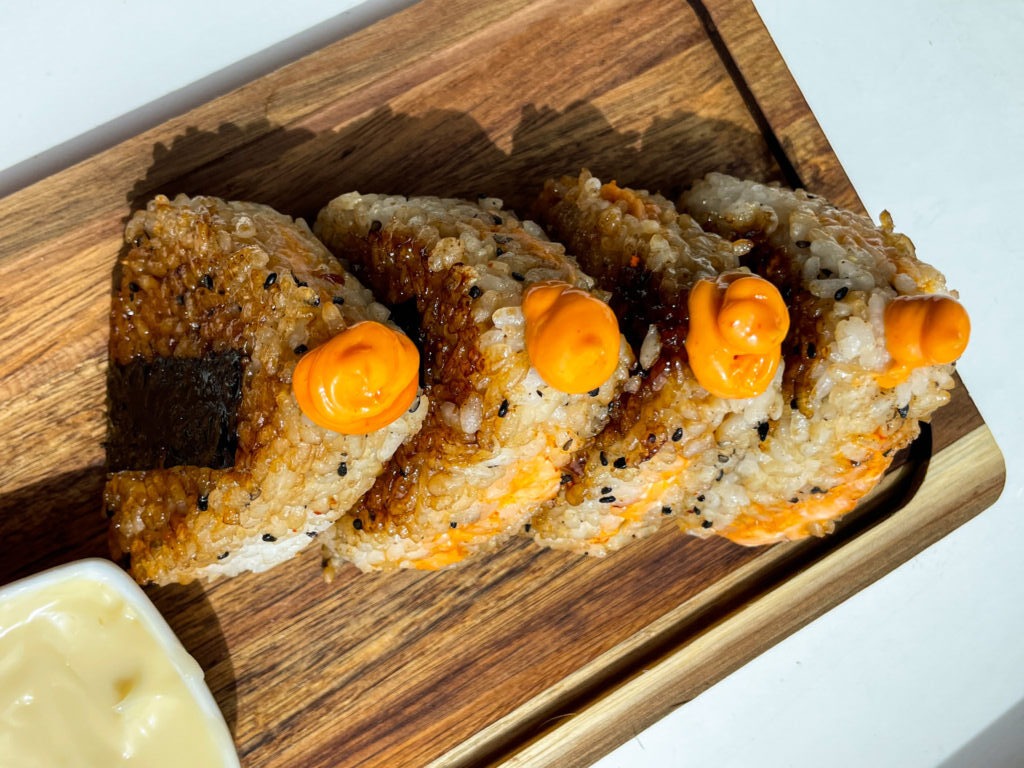
Understanding the Components of Salmon Sushi Rolls
Creating perfect Salmon Sushi Rolls requires understanding each component and how they work together. The rice serves as more than just a wrapper; it’s a crucial element that must be properly prepared and seasoned. The vinegar seasoning gives sushi rice its characteristic tangy flavor and helps it maintain the right texture for rolling. When making Salmon Sushi Rolls, the rice should be sticky enough to hold together but not so wet that it becomes mushy.
The salmon filling is where these Salmon Sushi Rolls truly shine. By mixing fresh salmon with mayonnaise and Sriracha, you create a spicy, creamy mixture that’s reminiscent of spicy tuna rolls but with salmon’s distinct, buttery flavor. This preparation method is forgiving for beginners and ensures every bite of your Salmon Sushi Rolls is packed with flavor.
The Role of Sushi Rice
Sushi rice is the backbone of any great Salmon Sushi Rolls. This short-grain rice variety has a higher starch content than regular rice, which is what gives it that signature sticky quality. When cooked properly, sushi rice for Salmon Sushi Rolls should be tender but still have a slight bite. The grains should stick together without being gummy or overly soft.
The seasoning mixture of rice vinegar, salt, and sugar is what transforms plain cooked rice into proper sushi rice. This combination adds a subtle sweetness and tanginess that complements the spicy salmon filling in your Salmon Sushi Rolls. The vinegar also helps the rice achieve the right texture and makes it easier to work with when forming your rolls.
Creating the Perfect Spicy Salmon Mixture
The spicy salmon component of these Salmon Sushi Rolls is what makes them truly memorable. Fresh, high-quality salmon is essential for the best flavor and texture. When preparing the salmon for your Salmon Sushi Rolls, you’ll want to dice it into small, uniform pieces that will distribute evenly throughout the filling. Mixing the salmon with mayonnaise creates a creamy texture that binds the pieces together, while Sriracha adds that signature spicy kick that makes these rolls so addictive.
Choosing the Right Ingredients for Salmon Sushi Rolls
Selecting quality ingredients is crucial when making Salmon Sushi Rolls at home. Each component plays a specific role in creating the final dish, and using the right products will significantly impact your results. Let’s explore what to look for when shopping for your Salmon Sushi Rolls ingredients.
Selecting Fresh Salmon
The salmon you choose for your Salmon Sushi Rolls should be sushi-grade or sashimi-grade, which indicates it’s been frozen to kill any parasites and is safe to consume raw or lightly prepared. Look for salmon with a bright, vibrant color and a fresh ocean smell. Avoid any fish that smells overly fishy or has dull, discolored flesh. For Salmon Sushi Rolls, you can use Atlantic salmon or Pacific salmon varieties, though Atlantic salmon tends to be fattier and more flavorful.
When purchasing salmon for Salmon Sushi Rolls, buy from a reputable fishmonger who can verify the fish’s freshness and proper handling. If you’re uncertain about the quality, don’t hesitate to ask questions about when the salmon arrived and how it’s been stored.
Choosing Sushi Rice and Vinegar
Short-grain Japanese rice is the only type suitable for making proper Salmon Sushi Rolls. This rice variety, sometimes labeled as sushi rice or Japonica rice, has the necessary starch content to achieve the right sticky texture. Don’t substitute with medium-grain or long-grain rice, as they won’t hold together properly in your Salmon Sushi Rolls.
Rice vinegar is another essential ingredient for authentic Salmon Sushi Rolls. This mild vinegar has a subtle sweetness and lower acidity than white vinegar, making it perfect for seasoning sushi rice. Some brands offer seasoned rice vinegar that already contains salt and sugar, which can simplify your preparation process when making Salmon Sushi Rolls.
Sauce and Seasoning Selection
Teriyaki sauce is the crowning touch for these Salmon Sushi Rolls, adding a sweet and savory glaze that balances the spicy salmon filling. You can use store-bought teriyaki sauce or make your own for a more customized flavor. Quality teriyaki sauce should have a good balance of sweetness, saltiness, and umami depth that complements your Salmon Sushi Rolls without overwhelming them.
Sriracha sauce provides the heat in your spicy salmon mixture. This popular hot sauce offers a moderate spice level with garlic undertones that enhances the salmon’s natural flavor. If you prefer milder Salmon Sushi Rolls, start with less Sriracha and adjust to taste.
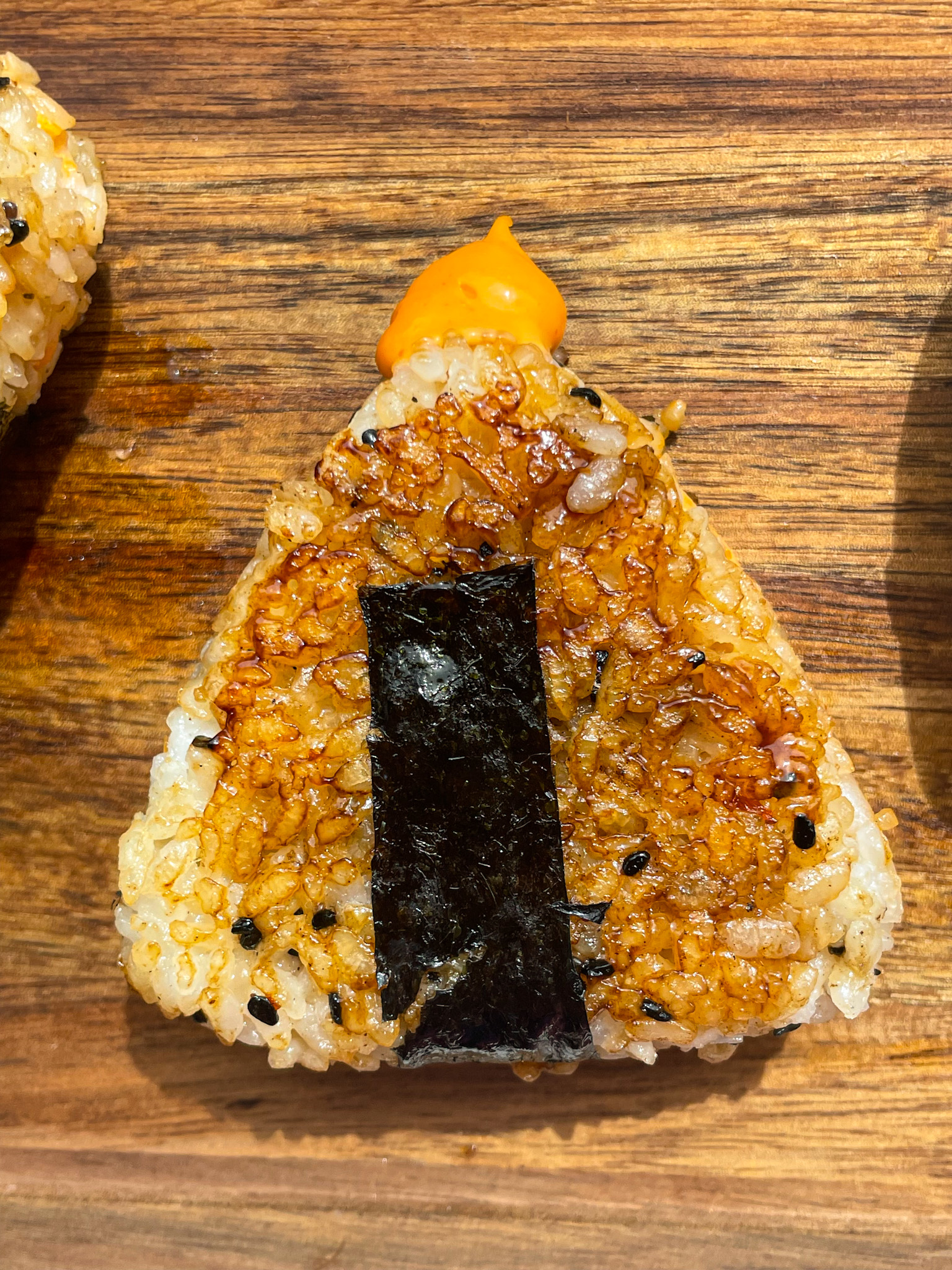
Step-by-Step Instructions for Perfect Salmon Sushi Rolls
Making Salmon Sushi Rolls at home is a rewarding process that becomes easier with practice. Follow these detailed instructions to create professional-looking rolls that taste absolutely delicious. Remember, your first batch of Salmon Sushi Rolls might not be perfect, but they’ll still be tasty.
Preparing the Sushi Rice
Start by rinsing your sushi rice thoroughly under cold water until the water runs clear. This removes excess starch that could make your Salmon Sushi Rolls gummy. Cook the rice according to package directions, typically using a 1:1 ratio of rice to water. Once cooked, transfer the hot rice to a large bowl or traditional wooden sushi tub.
While the rice is still warm, prepare your seasoning mixture by combining rice vinegar, salt, and sugar. Pour this mixture over the rice and gently fold it in using a cutting motion with a rice paddle or wooden spoon. Be careful not to mash the grains, as you want to maintain their individual texture for your Salmon Sushi Rolls. Allow the seasoned rice to cool to room temperature before using it to make your rolls.
Creating the Spicy Salmon Filling
Dice your fresh salmon into small, uniform pieces, roughly the size of a pea. This ensures even distribution throughout your Salmon Sushi Rolls and makes them easier to eat. Place the diced salmon in a bowl and add mayonnaise and Sriracha sauce. The ratio should be approximately two tablespoons of mayonnaise and one teaspoon of Sriracha per eight ounces of salmon, though you can adjust based on your heat preference.
Mix the salmon, mayonnaise, and Sriracha together until well combined. The mixture should be creamy and hold together when scooped. Taste and adjust the seasonings as needed. If you want spicier Salmon Sushi Rolls, add more Sriracha. For a creamier texture, add a bit more mayonnaise. This spicy salmon mixture is the heart of your Salmon Sushi Rolls.
Rolling Technique
To form your Salmon Sushi Rolls, you’ll need a bamboo sushi mat covered with plastic wrap to prevent sticking. Place a sheet of nori seaweed on the mat with the shiny side facing down. With wet hands to prevent sticking, spread a thin, even layer of seasoned sushi rice over the nori, leaving about half an inch bare at the top edge.
Create a horizontal line of your spicy salmon mixture across the center of the rice. Don’t overfill, as this will make your Salmon Sushi Rolls difficult to seal and cut. Using the bamboo mat as a guide, begin rolling from the bottom edge, tucking the nori tightly around the filling as you go. Apply gentle, even pressure to create a compact roll. Once rolled, use the bare nori edge to seal your Salmon Sushi Rolls by moistening it slightly with water.
Slicing Your Salmon Sushi Rolls
Cutting Salmon Sushi Rolls properly is crucial for presentation. Use a very sharp knife and wipe it with a damp cloth between each cut. This prevents the rice from sticking and ensures clean, beautiful slices. Place your completed roll on a cutting board and cut it in half. Then cut each half into thirds or quarters, depending on your preferred size. You should end up with six to eight pieces per roll.
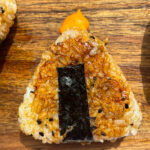
Arrange your sliced Salmon Sushi Rolls on a serving plate with the cut sides facing up to showcase the colorful filling. Drizzle teriyaki sauce over the top in an artistic pattern. Sprinkle black sesame seeds for visual appeal and added flavor. Your homemade Salmon Sushi Rolls are now ready to serve.
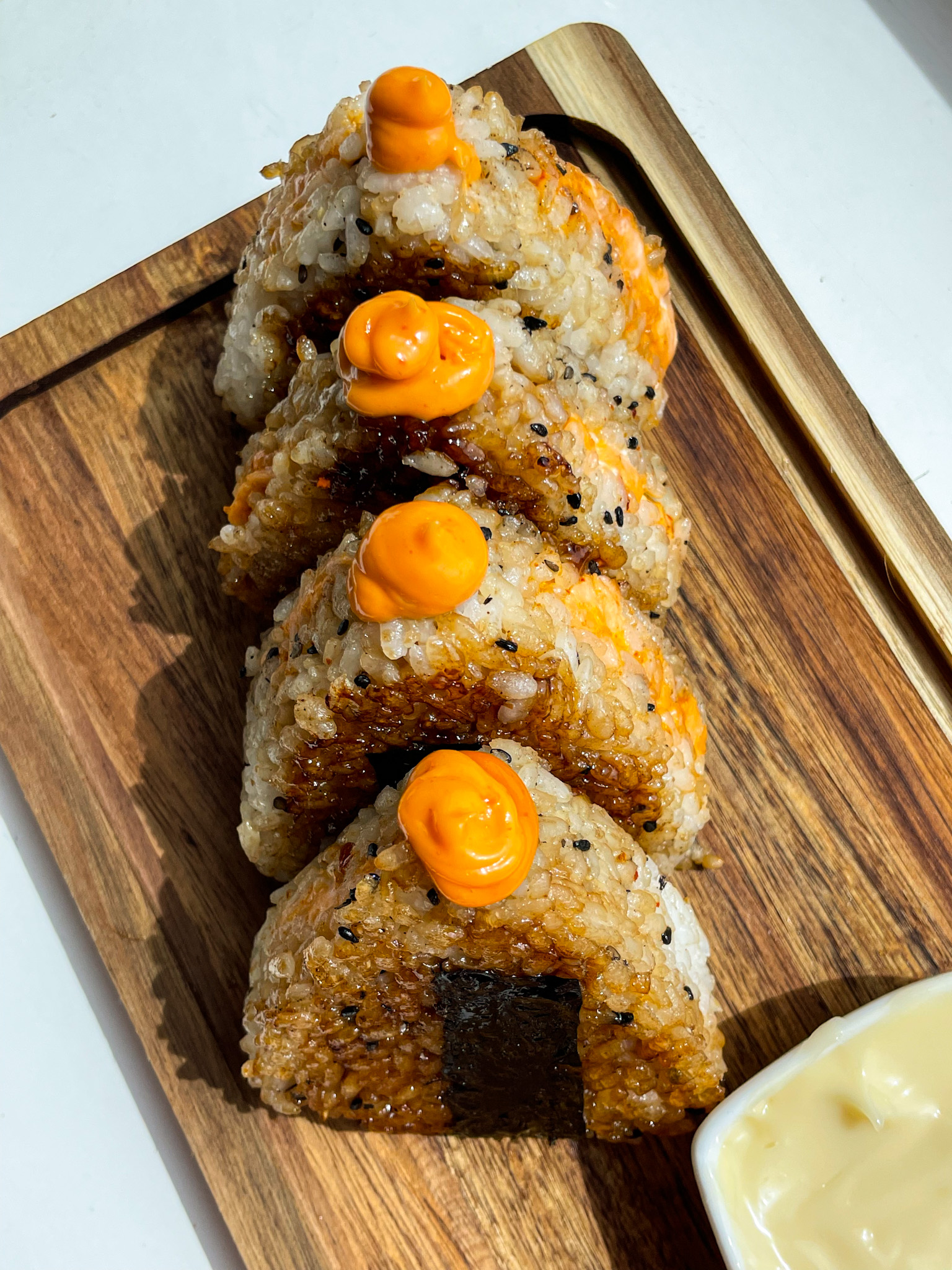
Professional Tips for Restaurant-Quality Salmon Sushi Rolls
Elevate your Salmon Sushi Rolls from good to exceptional with these professional techniques. These tips come from experienced sushi chefs and will help you achieve results that rival your favorite restaurant.
Temperature Control
Temperature plays a crucial role in making great Salmon Sushi Rolls. Your sushi rice should be at room temperature when you start rolling. Rice that’s too hot will make the nori soggy, while rice that’s too cold will be difficult to spread and won’t stick together properly. The salmon should be cold from the refrigerator, which makes it easier to dice and helps it maintain its texture in your Salmon Sushi Rolls.
Keep a bowl of water nearby when working with the rice. Dipping your hands in water prevents the rice from sticking to your fingers, making it much easier to spread evenly over the nori. This simple trick will significantly improve the appearance and consistency of your Salmon Sushi Rolls.
Achieving the Right Rice Texture
The texture of your sushi rice can make or break your Salmon Sushi Rolls. The rice should be sticky enough to hold together but not mushy or wet. If your rice is too wet, it will make the nori soggy and cause your Salmon Sushi Rolls to fall apart. If it’s too dry, the grains won’t stick together and your rolls will be loose and difficult to slice.
To achieve perfect rice texture for your Salmon Sushi Rolls, avoid over-stirring when adding the vinegar mixture. Use a gentle folding motion instead. Also, let the rice cool slightly before using it, as the cooling process helps it reach the ideal consistency for rolling.
Filling Distribution
Even filling distribution is what separates amateur Salmon Sushi Rolls from professional ones. Place your spicy salmon mixture in a straight line across the center of the rice, maintaining consistent thickness from end to end. If the filling is thicker in some areas, your Salmon Sushi Rolls will have an uneven shape and may be difficult to slice cleanly.
Don’t overfill your Salmon Sushi Rolls. It’s tempting to pack in as much filling as possible, but less is more when it comes to rolling technique. A moderate amount of filling is easier to roll tightly and will result in more attractive, uniform pieces.
Presentation Matters
The visual appeal of your Salmon Sushi Rolls is almost as important as their taste. After slicing, arrange the pieces artfully on your serving plate. Consider using a rectangular or square plate for a modern presentation. Drizzle the teriyaki sauce in a zigzag pattern rather than simply pouring it over the rolls. This creates visual interest and ensures each piece gets an appropriate amount of sauce.
Garnish your Salmon Sushi Rolls thoughtfully. Black sesame seeds add contrast and a subtle nutty flavor. You might also consider adding thinly sliced green onions, pickled ginger, or a small mound of wasabi on the side for those who enjoy extra heat.
Common Mistakes to Avoid When Making Salmon Sushi Rolls
Learning from common pitfalls will help you create better Salmon Sushi Rolls from the start. These mistakes can affect the taste, texture, and appearance of your rolls, but they’re all easily avoidable with the right knowledge.
Using Too Much Rice
One of the most frequent errors when making Salmon Rolls is applying too thick a layer of rice. This makes the rolls difficult to close properly and results in a disproportionate rice-to-filling ratio. Your Salmon Rolls should have a balanced amount of rice that complements rather than overwhelms the spicy salmon filling.
When spreading rice on the nori, aim for a layer that’s about a quarter-inch thick. You should still be able to see the nori through the rice in some places. This ensures your Salmon Rolls have the right texture and flavor balance.
Not Wetting Your Knife
Attempting to slice Salmon Rolls with a dry knife is a recipe for disaster. The rice will stick to the blade, crushing and tearing your carefully prepared rolls. Always keep a damp cloth nearby and wipe your knife between each cut. This simple step ensures clean, professional-looking slices of your Salmon Sushi Rolls.
Additionally, make sure your knife is extremely sharp. A dull knife will compress and smash your Salmon Sushi Rolls rather than cutting through them cleanly. Use a sawing motion rather than pressing straight down, which helps maintain the roll’s shape.
Rolling Too Loosely
Loose Salmon Rolls will fall apart when you try to cut them. When rolling, apply firm, even pressure with the bamboo mat to create a tight, compact cylinder. The rice and filling should be compressed enough to hold together but not so tight that the filling squeezes out the sides. Practice finding this balance, as it’s key to successful Salmon Rolls.
Ignoring Ingredient Quality
The quality of your ingredients directly impacts the final result of your Salmon Sushi Rolls. Using old or low-quality salmon will result in fishy-tasting rolls with poor texture. Similarly, using regular rice instead of proper sushi rice will yield disappointing results. Invest in quality ingredients for your Salmon Sushi Rolls, as the relatively simple recipe means each component’s flavor shines through.
Variations to Try with Your Salmon Sushi Rolls
Once you’ve mastered the basic technique for making Salmon Rolls, experiment with these creative variations to keep things interesting. These adaptations maintain the core elements while introducing new flavors and textures.
Protein Variations
While salmon is delicious, you can create similar rolls with other proteins. Try making spicy tuna rolls using the same technique you learned for Salmon Sushi Rolls. Diced cooked shrimp mixed with spicy mayo creates a milder alternative that’s perfect for those who prefer fully cooked seafood. For a unique twist, consider using smoked salmon instead of fresh, which adds a deeper, more complex flavor to your rolls.
Crab meat, either real or imitation, works wonderfully when prepared with the same spicy mayo mixture used in Salmon Sushi Rolls. The sweeter flavor of crab provides an interesting contrast to the heat of the Sriracha.
Vegetable Additions
Enhance your Salmon Rolls by incorporating vegetables into the filling. Thin strips of cucumber add a refreshing crunch that contrasts beautifully with the creamy salmon mixture. Avocado slices introduce a buttery richness that complements the spicy elements. Julienned carrots provide sweetness and color, making your Salmon Rolls even more visually appealing.
For added complexity, consider including pickled vegetables like daikon radish or pickled cucumber. These additions introduce tangy, acidic notes that balance the richness of the salmon and mayonnaise in your Salmon Rolls.
Alternative Toppings
While teriyaki sauce is delicious on Salmon Rolls, don’t hesitate to experiment with other toppings. A spicy mayo drizzle on top of the rolls adds extra creaminess and heat. Eel sauce, with its thick, sweet-savory profile, provides a different but equally delicious alternative to teriyaki. For a fresh twist, try topping your Salmon Sushi Rolls with thinly sliced jalapeños or a squeeze of fresh lime juice.
Crispy tempura flakes sprinkled over Salmon Sushi Rolls add an exciting textural element and a subtle sweetness. This topping is popular in many sushi restaurants and elevates the dish with minimal effort.
Storage and Reheating Guidelines for Salmon Sushi Rolls
Proper storage is essential for maintaining the quality and safety of your Salmon Rolls. While these rolls are best enjoyed fresh, you can store them for a short time if needed.
Storing Leftover Salmon Sushi Rolls
If you have leftover Salmon Rolls, wrap them tightly in plastic wrap to prevent the rice from drying out. Place the wrapped rolls in an airtight container and refrigerate immediately. Properly stored Salmon Sushi Rolls will maintain their quality for up to 24 hours, though they’re definitely best within the first few hours of making them.
The rice in Salmon Rolls tends to harden when refrigerated, and the nori may become slightly chewy. While they’ll still be safe to eat, the texture won’t be quite as pleasant as freshly made rolls. To minimize texture changes, bring refrigerated Salmon Sushi Rolls to room temperature for about 15 minutes before serving.
Freezing is Not Recommended
Freezing Salmon Rolls is not advisable. The rice becomes hard and grainy when frozen and thawed, completely ruining the texture that makes these rolls enjoyable. The raw salmon also changes texture significantly when frozen in already-prepared rolls. If you want to prepare components in advance, freeze the seasoned salmon filling separately and make fresh rolls when you’re ready to eat.
Making Components Ahead
For easier preparation, you can make the components of your Salmon Rolls ahead of time. The spicy salmon mixture can be prepared and refrigerated up to one day in advance. The sushi rice is best made fresh, but if necessary, you can prepare it a few hours ahead and keep it covered at room temperature. Assemble your Salmon Sushi Rolls just before serving for the best texture and flavor.
Frequently Asked Questions About Salmon Sushi Rolls
Can I Use Cooked Salmon in Salmon Sushi Rolls?
Yes, you can absolutely use cooked salmon to make Salmon Rolls if you prefer not to eat raw fish. Poach, bake, or pan-sear the salmon until fully cooked, then allow it to cool completely before dicing and mixing with the mayonnaise and Sriracha. The flavor will be slightly different from traditional Salmon Sushi Rolls, but they’ll still be delicious and much more accessible for those hesitant about raw fish.
How Do I Know If My Salmon is Sushi-Grade?
Sushi-grade salmon has been frozen at specific temperatures to kill parasites, making it safe for raw consumption. Purchase your salmon from reputable fishmongers or grocery stores that specifically label their fish as sushi-grade or sashimi-grade. If you’re unsure, ask the staff about the fish’s handling and whether it’s appropriate for making Salmon Rolls.
Why Do My Salmon Sushi Rolls Fall Apart?
Salmon Sushi Rolls typically fall apart for one of several reasons. The rice may be too wet or not sticky enough, the roll wasn’t compressed tightly enough during rolling, or too much filling was used. Make sure you’re using proper short-grain sushi rice, rolling tightly with the bamboo mat, and not overfilling your Salmon Sushi Rolls. Also, ensure your knife is sharp and wet when cutting.
Can I Make Salmon Sushi Rolls Without a Bamboo Mat?
While a bamboo sushi mat makes rolling Salmon Sushi Rolls much easier, you can manage without one. Use a thick kitchen towel covered with plastic wrap as a substitute. The key is having something that helps you apply even pressure while rolling to create tight, compact Salmon Sushi Rolls.
What Can I Serve with Salmon Sushi Rolls?
Salmon Rolls pair beautifully with traditional sushi accompaniments. Serve them with soy sauce for dipping, pickled ginger to cleanse the palate between bites, and wasabi for those who enjoy extra heat. A simple cucumber salad, miso soup, or edamame makes excellent side dishes that complement your Salmon Rolls.
How Many Salmon Sushi Rolls Should I Make Per Person?
Plan for about 6 to 8 pieces of Salmon Sushi Rolls per person if serving them as a main course. If you’re serving multiple types of sushi or including other dishes, 4 to 6 pieces per person should be sufficient. Salmon Rolls are quite filling due to the rice content, so adjust quantities based on your guests’ appetites.
Final Thoughts on Making Salmon Sushi Rolls
Creating homemade Salmon Rolls is an incredibly rewarding culinary adventure that brings the excitement of Japanese cuisine into your own kitchen. These delicious rolls combine the richness of fresh salmon with the perfect balance of spicy, sweet, and savory flavors. Whether you’re preparing Salmon Rolls for a special dinner party or simply treating yourself to a restaurant-quality meal at home, this recipe delivers impressive results that will have everyone asking for seconds.
The beauty of making your own Salmon Rolls lies not just in the delicious final product but in the process itself. There’s something meditative and satisfying about preparing the rice, mixing the spicy salmon filling, and carefully rolling everything together. With each batch, you’ll become more confident and skilled, developing your own techniques and preferences for these versatile Salmon Rolls.
Don’t be discouraged if your first attempts aren’t picture-perfect. Even imperfectly shaped Salmon Sushi Rolls taste absolutely delicious. The combination of seasoned rice, spicy salmon, and sweet teriyaki sauce creates a flavor experience that’s far greater than the sum of its parts. As you practice, your rolling technique will improve, and soon you’ll be creating Salmon Sushi Rolls that rival those from your favorite sushi restaurant.
Remember, the key to exceptional Salmon Sushi Rolls is using quality ingredients, taking your time with each step, and not being afraid to experiment. Try different spice levels, add vegetables, or play with alternative toppings. These rolls are incredibly versatile and adapt well to various preferences and dietary needs. Most importantly, have fun with the process and enjoy sharing your homemade Salmon Sushi Rolls with friends and family. They’re sure to be impressed by your culinary skills and delighted by the incredible flavors you’ve created.
Watch the recipe video for more clarity
See our similar recipes:
People also like our these recipes:
FOR THE RICE
- 1.5 cups sushi rice
- 2 tbsp rice vinegar
- 1 tbsp salt
- 1 1/2 tsp sugar
- 1 tbsp black sesame seeds
- 1 tsp teriyaki sauce
SALMON FILLING
- 200 g salmon chopped
- 2 tbsp mayonnaise
- 1 tbsp siracha sauce
FOR THE COOKING
- 1 tbsp vegetable oil
- 2 tbsp teriyaki sauce for brushing
COOKING THE RICE
Rinse the rice under cold water, gently swishing it around with your hand. Drain the water and repeat this process 4-5 times until the water runs clear. This removes excess starch and prevents the rice from becoming too sticky.
After rinsing, let the rice soak in cold water for about 30 minutes. This helps the rice grains to absorb water evenly and cook more uniformly.
Drain the soaking water and transfer the rice to a rice cooker. Add 1 1/4 cups of water.
If you don’t have a rice cooker, you can cook the rice in a pot. Combine the rice and water in a heavy-bottomed pot with a tight-fitting lid. Bring it to a boil over medium-high heat.
Once it boils, reduce the heat to low, cover, and simmer for 18-20 minutes. Avoid lifting the lid during this time.
After the cooking time, turn off the heat and let the rice sit, covered, for another 10 minutes to finish steaming.
Transfer the cooked rice to a large, non-metallic bowl (wooden or plastic is ideal).
Add the rice vinegar, sugar, salt, black sesame seeds, teriyaki sauce to the rice.
Spread the seasoned rice out in the bowl to help it cool quickly. You can use a fan to speed up the cooling process. This helps give the rice a shiny appearance and improves its texture.
Once the rice is at room temperature, it’s ready to use for making sushi.
MAKING THE SALMON FILLING
In a bowl, mix in the chopped salmon, mayonnaise and siracha.
FOR THE ASSEMBLY
Fill in the rice mold with one layer of rice, then one layer of salmon, then another layer of rice.
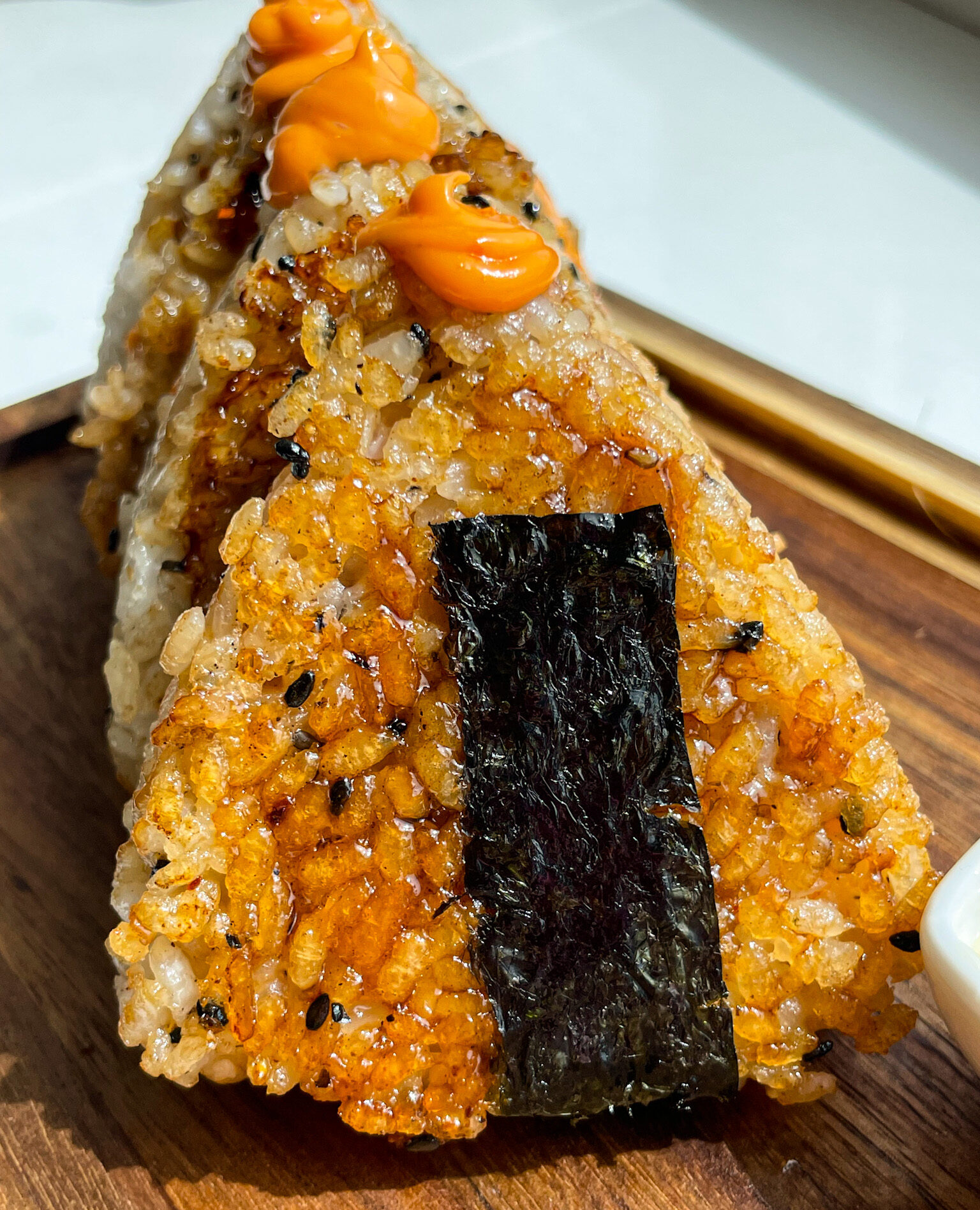
In a pan over medium heat, add in the vegetable oil, rice balls and brush with teriyaki sauce. Cook on both sides till golden.
Top with some spicy mayo and enjoy!
If you've given this recipe a try and it won you over, please share your thoughts by leaving
a rating and comment below! If you have any questions about this recipe, don't hesitate to ask – I'm here to
help and will respond promptly.