Experience the Magic of Pasta alla Norma
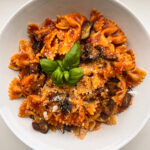
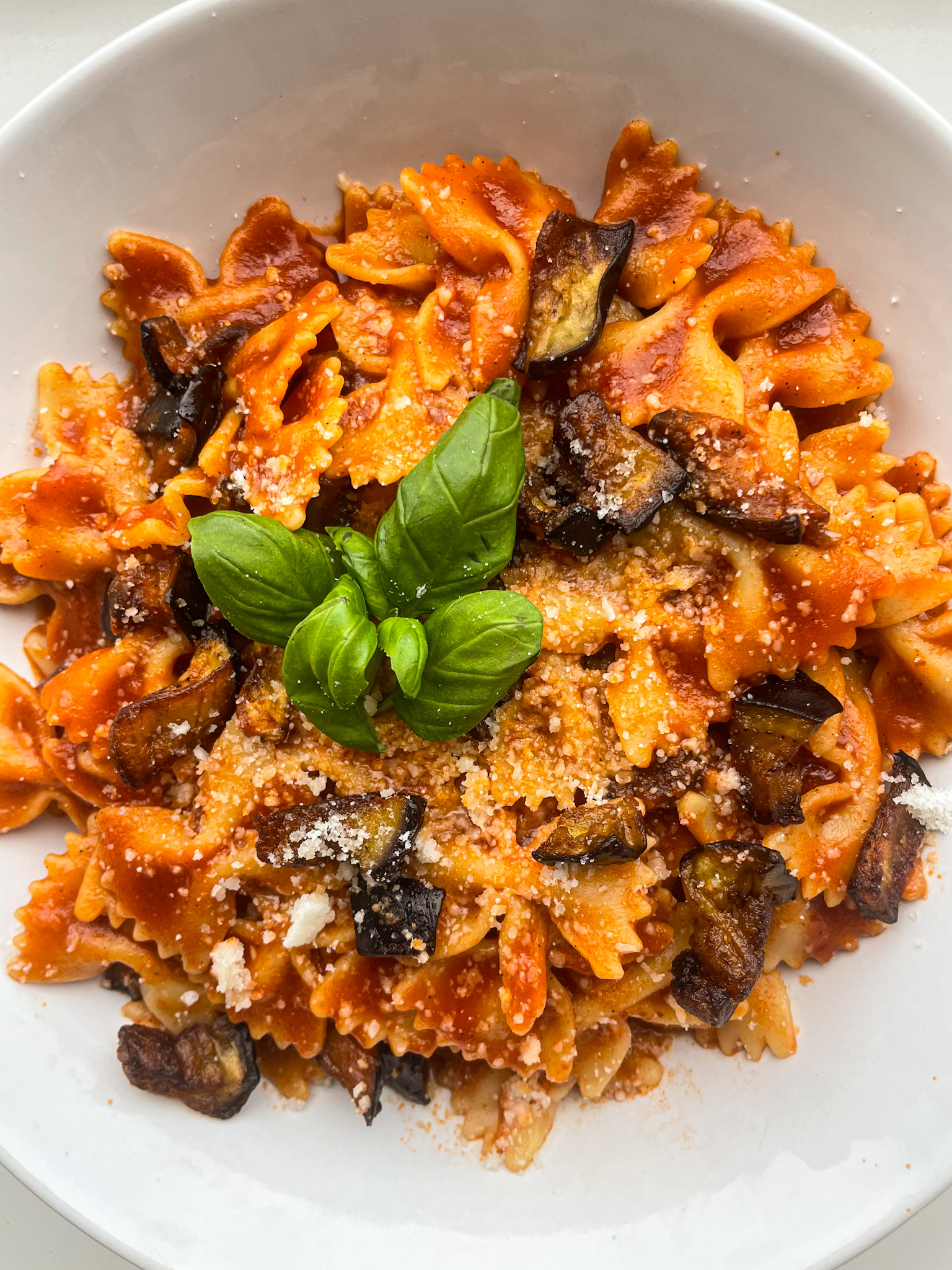
Pasta alla Norma is a cozy Italian classic that’s packed with flavor and celebrates the best of Sicilian cuisine. This dish features tender eggplant, a rich tomato-garlic sauce, and a sprinkle of fresh basil, all tossed with pasta and topped with creamy ricotta salata cheese. It’s the perfect balance of savory, tangy, and comforting—ideal for a quick weeknight meal or a special treat that transports you straight to the sun-soaked island of Sicily.
Easy to make and bursting with authentic Italian goodness, Pasta alla Norma is sure to be a crowd-pleaser at any table. The combination of silky eggplant, bright tomato sauce, and salty cheese creates layers of flavor that make this simple dish feel special. Each component shines individually while working together harmoniously. The dish proves that Italian cooking’s greatest strength lies in letting quality ingredients speak for themselves.
What makes Pasta alla Norma truly special is its rich cultural heritage and timeless appeal. Named after Vincenzo Bellini’s opera, this Sicilian masterpiece has been delighting diners for generations. The recipe celebrates Sicily’s abundant summer produce, particularly the eggplant that grows so beautifully in the Mediterranean climate. When you make this dish, you’re connecting with centuries of Italian culinary tradition while creating something utterly delicious.
Why This Recipe is Special
Traditional Pasta alla Norma represents the essence of Sicilian cooking philosophy. The recipe uses simple, fresh ingredients prepared with care to create extraordinary results. Unlike complicated dishes that require exotic components or advanced techniques, this pasta relies on a few Mediterranean staples transformed through proper cooking methods. The genius lies in how each element enhances the others to create a harmonious whole.
This recipe works wonderfully for cooks of all skill levels. Beginners appreciate the straightforward preparation and forgiving nature of Pasta alla Norma. Experienced cooks enjoy how the dish showcases their ability to coax maximum flavor from minimal ingredients. The techniques you’ll master—salting eggplant, building a tomato sauce, finishing pasta properly—apply to countless other Italian dishes as well.
What sets Pasta alla Norma apart is its remarkable versatility within a traditional framework. While the classic version is perfect, the recipe adapts easily to personal preferences and seasonal availability. You can vary the pasta shape, adjust the eggplant preparation method, or experiment with different cheeses. This flexibility makes it a recipe you’ll return to repeatedly, discovering new nuances each time you prepare it.
Key Ingredients Overview
Quality ingredients make all the difference in Pasta alla Norma. Since the recipe features so few components, each one must be carefully selected. Fresh, firm eggplant provides the substantial, meaty element that makes this vegetarian dish so satisfying. Good quality canned tomatoes or fresh summer tomatoes create the flavorful sauce base. Fresh garlic and basil add aromatic brightness that elevates the entire dish.
The cheese is crucial for authentic Pasta alla Norma. Traditional recipes call for ricotta salata, a firm, salted ricotta cheese with a slightly tangy flavor. Some variations use pecorino Romano for a sharper, more assertive taste. Both options work beautifully, providing the salty, creamy element that balances the sweet tomatoes and rich eggplant. The cheese ties everything together in the final presentation.
Understanding how these ingredients work together helps you achieve perfect results. The eggplant absorbs flavors while contributing its own subtle sweetness and satisfying texture. The tomato sauce provides acidity and brightness that cuts through the richness. The cheese adds salty depth and creamy contrast. Each component plays a specific role in making Pasta alla Norma the beloved classic it has become.
Understanding Pasta alla Norma
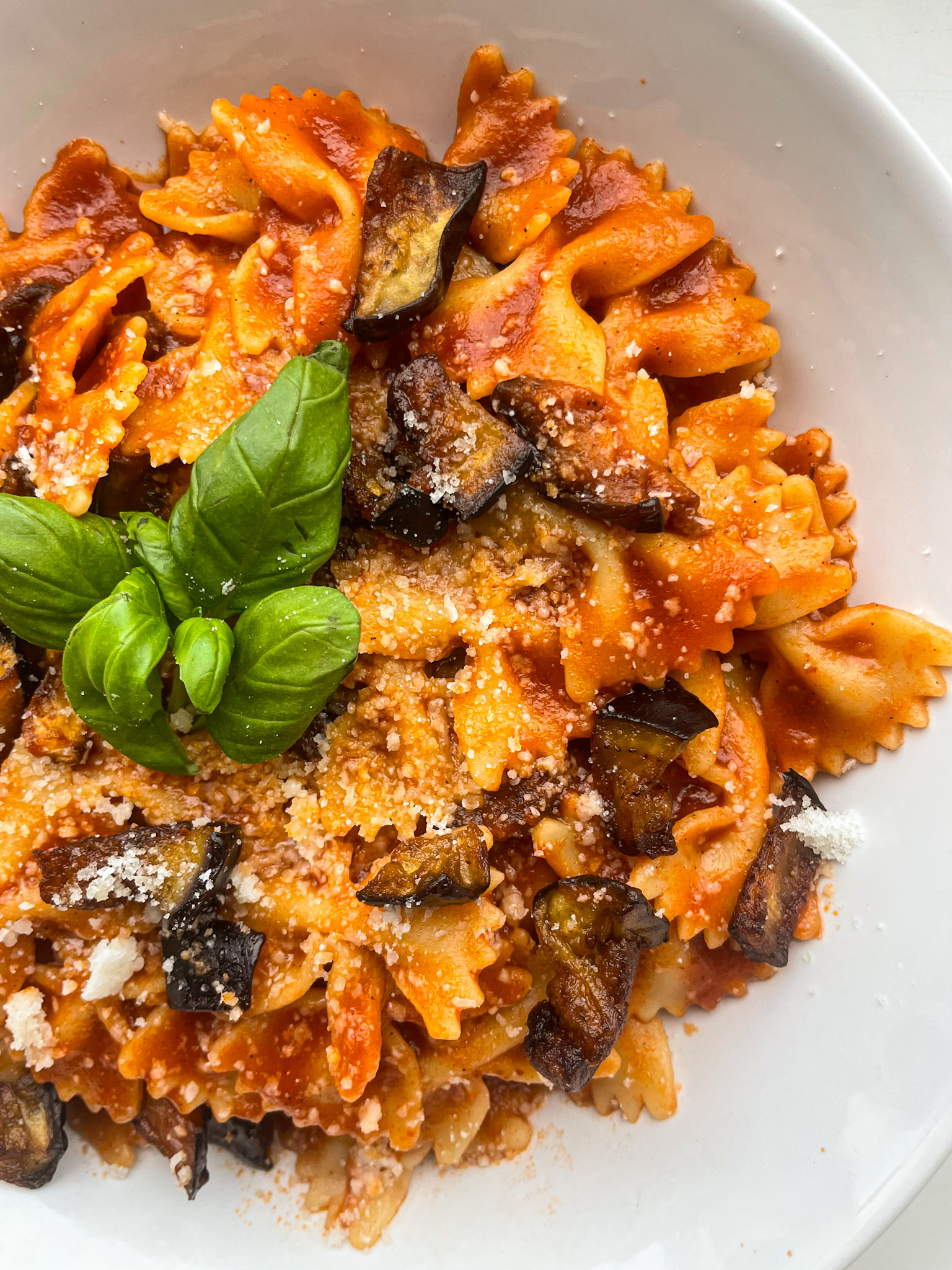
Pasta alla Norma is a classic Italian pasta dish from Sicily, known for its rich, comforting flavors and simple ingredients. Traditionally, it combines spaghetti or another pasta with tender eggplant, a flavorful tomato sauce, fresh basil, and a topping of ricotta salata cheese, which adds a slightly tangy, creamy finish. Some modern variations use pecorino Romano instead of ricotta salata, which adds a sharper, more assertive flavor that works beautifully with the sweet tomatoes.
The eggplant is often sliced, salted, and either fried or roasted to bring out its savory flavor. Once cooked, the eggplant is mixed with a garlicky tomato sauce and tossed with pasta, creating a dish that’s both hearty and light. This balance makes Pasta alla Norma perfect for warm weather dining when you want something satisfying but not heavy. The dish embodies Mediterranean cooking at its finest.
Named in honor of Vincenzo Bellini’s famous opera Norma, this dish celebrates the flavors of Sicily and has become a favorite for its comforting, authentic taste and easy preparation. The name itself tells you something about how Sicilians regard this pasta—it’s considered a masterpiece worthy of comparison to one of opera’s greatest works. This reverence for Pasta alla Norma reflects how deeply food and culture intertwine in Italian life.
The Sicilian Heritage
Sicily’s unique position in the Mediterranean has shaped its distinctive cuisine. The island has been influenced by Greek, Arab, Spanish, and Italian cultures, creating a culinary tradition unlike anywhere else. Pasta alla Norma embodies this heritage, combining Italian pasta with eggplant, which Arabs introduced to Sicily centuries ago. The result is quintessentially Sicilian—familiar yet distinctive.
The city of Catania claims Pasta alla Norma as its signature dish. Legend suggests that the pasta was named when someone tasted it and declared it a “Norma,” comparing it to Bellini’s masterpiece opera. Whether this story is true or not, it captures how Sicilians feel about their beloved pasta. Making authentic Pasta alla Norma connects you with this rich cultural tradition.
Why Eggplant Works Perfectly
Eggplant is the heart of Pasta alla Norma, providing substance and flavor that makes this vegetarian dish completely satisfying. When properly prepared, eggplant becomes silky and almost creamy, absorbing the tomato sauce while contributing its own subtle sweetness. The texture contrasts beautifully with the pasta, creating interest in every bite. Eggplant’s versatility allows it to play a starring role without overpowering other ingredients.
Sicilian eggplants are typically smaller and sweeter than larger varieties, with fewer seeds and less bitterness. When selecting eggplant for Pasta alla Norma, look for specimens that feel heavy for their size with smooth, shiny skin. These characteristics indicate freshness and optimal flavor. The proper preparation of eggplant separates good versions of this dish from great ones.
Selecting Quality Ingredients
Ingredient selection significantly impacts the success of your Pasta alla Norma. Each component contributes specific flavors and textures to the finished dish. Taking time to source quality ingredients pays dividends in taste and authenticity. You don’t need exotic or expensive items, just fresh, well-chosen staples that represent the best of Mediterranean ingredients.
Shopping strategically helps you find everything needed for exceptional Pasta alla Norma. Most grocery stores carry all the necessary ingredients, though you might need to visit an Italian market or specialty cheese shop for authentic ricotta salata. Building relationships with produce managers and specialty food vendors can lead to better selections and helpful recommendations for your cooking.
Choosing Perfect Eggplant
Use fresh, firm eggplants with shiny skin for the best Pasta alla Norma. The skin should be smooth and glossy without wrinkles, soft spots, or brown patches. Press gently on the eggplant—it should feel firm and spring back. Soft or spongy eggplants are past their prime and will taste bitter and have poor texture when cooked.
Smaller, younger eggplants tend to be less bitter and have fewer seeds, making them ideal for Pasta alla Norma. Italian or Asian varieties work particularly well because of their tender flesh and mild flavor. The smaller size also means quicker cooking and more consistent texture. If you can only find large globe eggplants, they work fine but may require more careful preparation to remove bitterness.
Look for eggplants with green, fresh-looking stems. A dried, brown stem indicates the eggplant has been sitting for a while and may have developed bitterness. The weight should feel substantial for the size. Light eggplants can be dry and spongy inside, while properly fresh ones feel dense and heavy. These quality indicators ensure your Pasta alla Norma will have the best possible eggplant flavor and texture.
Tomato Selection
Quality tomatoes are essential for the sauce in Pasta alla Norma. During summer, fresh ripe tomatoes create an incredible sauce with bright, sweet flavor. Look for tomatoes that are deeply colored, fragrant, and give slightly when pressed. San Marzano or Roma tomatoes work particularly well because of their meaty flesh and low moisture content.
In winter or when good fresh tomatoes aren’t available, high-quality canned tomatoes are preferable to mediocre fresh ones. San Marzano tomatoes from Italy are considered the gold standard for Italian cooking and work beautifully in Pasta alla Norma. These tomatoes have sweet, complex flavor and low acidity. Look for whole peeled tomatoes that you can crush by hand for the best texture.
Avoid tomato products with added seasonings or ingredients for your Pasta alla Norma. You want pure tomato flavor that you can season yourself. Check labels for minimal ingredients—just tomatoes, tomato juice or puree, and perhaps salt. The simpler the ingredient list, the better the product usually is. Quality tomatoes make the difference between ordinary tomato sauce and something truly special.
Pasta Options
Traditional Pasta alla Norma uses spaghetti, but several other pasta shapes work beautifully with this sauce. Rigatoni’s ridges and hollow center capture the chunky eggplant and sauce perfectly. Penne provides similar benefits with its tubular shape and diagonal cuts. Mezze rigatoni or sedani offer interesting alternatives that hold sauce well while being easier to eat than long pasta.
Choose pasta made from 100% durum wheat semolina for the best texture and flavor in your Pasta alla Norma. Bronze-die cut pasta has a rough surface that helps sauce cling better than Teflon-die varieties. Italian or Italian-style brands typically offer superior quality and cooking properties. The pasta should hold its shape when cooked al dente and have a pleasant, wheaty flavor.
Short pasta shapes make Pasta alla Norma easier to eat and help distribute the eggplant and sauce evenly throughout the dish. Long pasta looks more elegant and traditional but can be messier to serve and eat. Either choice works wonderfully—select based on your preference and the occasion. The key is using good quality pasta that will properly showcase the delicious sauce.
Cheese Considerations
Ricotta salata is the traditional cheese for Pasta alla Norma, providing authentic Sicilian flavor. This firm, salted ricotta has a slightly tangy taste and crumbly texture that contrasts beautifully with the soft eggplant and pasta. The cheese should be snowy white and feel firm when you press it. Look for it at Italian markets or well-stocked cheese counters at grocery stores.
Pecorino Romano offers a sharper, more assertive alternative to ricotta salata for your Pasta alla Norma. This sheep’s milk cheese has a pronounced salty, tangy flavor that many people prefer. It grates easily and melts slightly when tossed with hot pasta, creating a creamy element. Pecorino Romano is more widely available than ricotta salata, making it a practical substitute.
If you cannot find either traditional cheese, aged ricotta or even Parmesan can work in Pasta alla Norma. While not authentic, these cheeses still provide the salty, savory element the dish needs. Whatever cheese you choose, buy it in a block and grate it fresh for the best flavor and texture. Pre-grated cheese contains anti-caking agents that affect both taste and melting properties.
Step-by-Step Preparation Guide
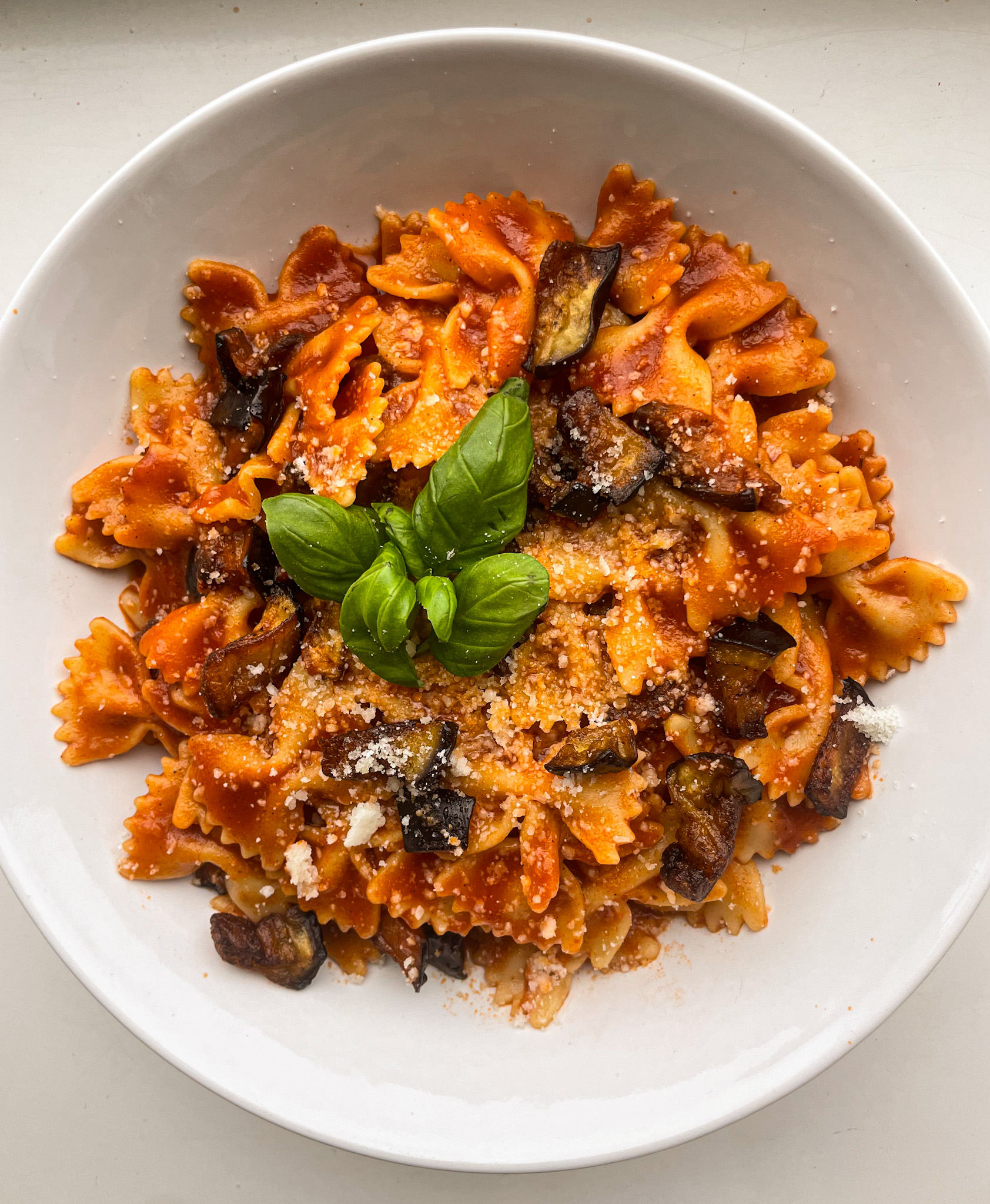
Making perfect Pasta alla Norma requires attention to proper technique for each component. The eggplant needs special preparation to achieve ideal texture and flavor. The tomato sauce should be simple but perfectly seasoned. The pasta must be cooked and finished properly to bind everything together. Following these steps carefully ensures authentic, delicious results every time you make this Sicilian classic.
The cooking process is actually quite straightforward once you understand the basic steps. Everything comes together quickly at the end, so having all your components ready is important. This organized approach prevents rushed scrambling and ensures your Pasta alla Norma comes together smoothly with perfect timing.
Preparing the Eggplant
Slice the eggplant into rounds about half an inch thick or cut it into cubes, depending on your preference. Rounds create a more dramatic presentation while cubes distribute more evenly throughout the Pasta alla Norma. Either way works beautifully. Arrange the eggplant pieces in a single layer on a baking sheet or large plate.
Sprinkle salt generously over the eggplant slices and let them sit for twenty to thirty minutes. This crucial step draws out excess moisture and reduces bitterness, giving you firmer, more flavorful eggplant in your Pasta alla Norma. You’ll see beads of moisture forming on the surface—this is the salt working its magic. The eggplant will also become slightly more compact and less spongy.
After salting, rinse the eggplant under cold water and pat it completely dry with paper towels. Removing the salt prevents the finished dish from being too salty. Drying thoroughly is essential because wet eggplant won’t brown properly when cooked. Take your time with this step—properly prepared eggplant makes all the difference in Pasta alla Norma.
Cooking the Eggplant
Frying gives eggplant a rich, caramelized flavor that’s traditional for Pasta alla Norma. Heat about half an inch of olive oil in a large skillet over medium-high heat. Test the oil temperature by dropping in a small piece of eggplant—it should sizzle immediately. Fry the eggplant in batches without crowding the pan until golden brown on both sides, about three to four minutes per side.
For a lighter option, roast the eggplant slices in the oven with a drizzle of olive oil until golden. Preheat your oven to 425 degrees Fahrenheit and arrange the eggplant in a single layer on baking sheets. Brush both sides with olive oil and roast for twenty-five to thirty minutes, flipping halfway through. The eggplant should be deeply golden and tender for your Pasta alla Norma.
Drain fried eggplant on paper towels to remove excess oil. The pieces should be golden brown and tender but not mushy. Both frying and roasting produce delicious results, though fried eggplant has more traditional flavor while roasted is lighter and healthier. Choose the method that suits your preferences and dietary needs for your Pasta alla Norma.
Building the Tomato Sauce
Heat olive oil in a large skillet or saucepan over medium heat. Add minced garlic and cook for about one minute until fragrant but not browned. Burnt garlic tastes bitter and will ruin your sauce, so watch carefully during this step. The garlic should just begin to sizzle and release its aroma for perfect Pasta alla Norma.
Add your tomatoes to the pan, crushing whole canned tomatoes by hand as you add them or chopping fresh tomatoes. Season with salt and pepper, then let the sauce simmer for fifteen to twenty minutes until it thickens slightly. Stir occasionally to prevent sticking. The sauce should reduce and intensify in flavor while the oil and tomatoes emulsify into a cohesive mixture.
Tear fresh basil leaves and add them to the sauce during the last few minutes of cooking. Basil loses its delicate flavor when cooked too long, so adding it near the end preserves its fresh, aromatic quality. The basil brightens the sauce and adds essential flavor to Pasta alla Norma. Taste and adjust seasoning with salt and pepper as needed.
Cooking and Combining the Pasta
Bring a large pot of water to a rolling boil and salt it generously—it should taste like the sea. This is your only opportunity to season the pasta itself, so don’t be shy with the salt. Add your pasta and cook according to package directions minus one minute. You want it al dente with a slight bite in the center for perfect Pasta alla Norma.
Before draining, scoop out at least one cup of the starchy pasta cooking water. This liquid is essential for helping the sauce coat the pasta properly and creating the right consistency. The starch in the water helps bind everything together and gives the sauce a silky texture. Always reserve more than you think you’ll need for your Pasta alla Norma.
Drain the pasta and add it directly to the pan with the tomato sauce. Toss everything together over medium heat, adding splashes of pasta water as needed to create a silky sauce that coats every piece. Add the cooked eggplant and toss gently to combine. The pasta should be glossy and well-coated, with sauce clinging to every surface of your Pasta alla Norma.
Professional Tips for Exceptional Results
Mastering Pasta alla Norma requires understanding techniques that ensure consistent success. These professional tips come from Italian grandmothers and experienced chefs who have perfected this classic dish. Implementing these suggestions will help you avoid common problems and achieve the authentic flavor and texture that makes Sicilian pasta so beloved around the world.
Small details make significant differences in the final result. Temperature control, timing, and proper technique all contribute to creating exceptional Pasta alla Norma. Pay attention to these professional insights and your pasta will rival anything served in Sicilian trattorias. Even first-time attempts can turn out beautifully when you follow proper methods.
Salt the Eggplant Properly
Salting eggplant is a crucial step that many cooks skip, resulting in bitter, watery vegetables in their Pasta alla Norma. The salt draws out moisture and bitter compounds, creating firmer eggplant with better texture and milder flavor. Don’t rush this process—give the eggplant the full twenty to thirty minutes to release moisture properly.
Use coarse salt like kosher salt for salting eggplant because it distributes more evenly and is easier to rinse off completely. Fine table salt can be harder to rinse thoroughly and may result in overly salty eggplant. Apply the salt generously—you’re going to rinse it off, so don’t worry about using too much for your Pasta alla Norma.
After rinsing, press the eggplant gently between paper towels to remove even more moisture. The drier the eggplant, the better it will brown during cooking. Wet eggplant steams rather than fries or roasts, resulting in mushy texture instead of the tender yet firm pieces you want in Pasta alla Norma.
Reserve Pasta Water Generously
Save at least one cup of starchy pasta cooking water before draining, as this liquid is essential for creating the proper sauce consistency in Pasta alla Norma. The starch in the water acts as an emulsifier, helping the tomato sauce coat the pasta smoothly. It also helps bind the eggplant, sauce, and pasta together into a cohesive dish rather than separate components.
Add the pasta water gradually while tossing the pasta with the sauce. Start with just a few tablespoons and add more as needed to achieve the right consistency. The sauce should be fluid enough to coat the pasta evenly but thick enough to cling rather than pooling at the bottom of the bowl. This balance is key to perfect Pasta alla Norma.
If you accidentally drain the pasta without saving water, you can use plain hot water in a pinch, though it won’t work quite as well. The starch in pasta water is what makes it special. For future batches of Pasta alla Norma, make reserving pasta water an automatic habit whenever you cook pasta.
Toss Everything Together Properly
Combine the pasta with the sauce and eggplant while everything is still hot. This allows the flavors to meld together and helps the pasta absorb the sauce. The heat also helps the cheese melt slightly when you add it at the end, creating a creamy element in your Pasta alla Norma. Don’t just pour sauce over pasta on the plate—proper tossing is essential.
Use tongs or a large spoon to lift and turn the pasta repeatedly, ensuring every piece gets coated with sauce and mixed with eggplant. This motion also helps the pasta water emulsify with the tomato sauce, creating the silky coating you want. Take your time with this step—thirty seconds to a minute of vigorous tossing makes a noticeable difference in the final texture of Pasta alla Norma.
If the mixture seems dry, add more pasta water a little at a time while continuing to toss. If it seems too loose, let it cook over medium heat for another minute to reduce slightly. The goal is pasta that’s evenly coated with a sauce that clings without being dry or soupy. This perfect balance defines excellent Pasta alla Norma.
Finish with Cheese Strategically
Ricotta salata cheese is key for authentic Pasta alla Norma because its tangy, slightly salty flavor complements the eggplant and tomatoes beautifully. Crumble it on top or grate it generously before serving. Add some cheese while tossing the pasta with the sauce, then reserve more for topping individual servings. This layered approach creates more complex cheese flavor throughout the dish.
If using pecorino Romano instead of ricotta salata, grate it finely so it melts more readily when tossed with the hot pasta. The sharp, salty flavor of pecorino stands up beautifully to the sweet tomatoes and rich eggplant. Don’t be shy with the cheese—it’s a key component of Pasta alla Norma and provides essential flavor and textural contrast.
Room temperature cheese melts and distributes more evenly than cold cheese straight from the refrigerator. Take your cheese out about thirty minutes before serving for best results. This small detail helps the cheese integrate more smoothly into your Pasta alla Norma rather than staying in hard, cold clumps.
Common Mistakes and Solutions
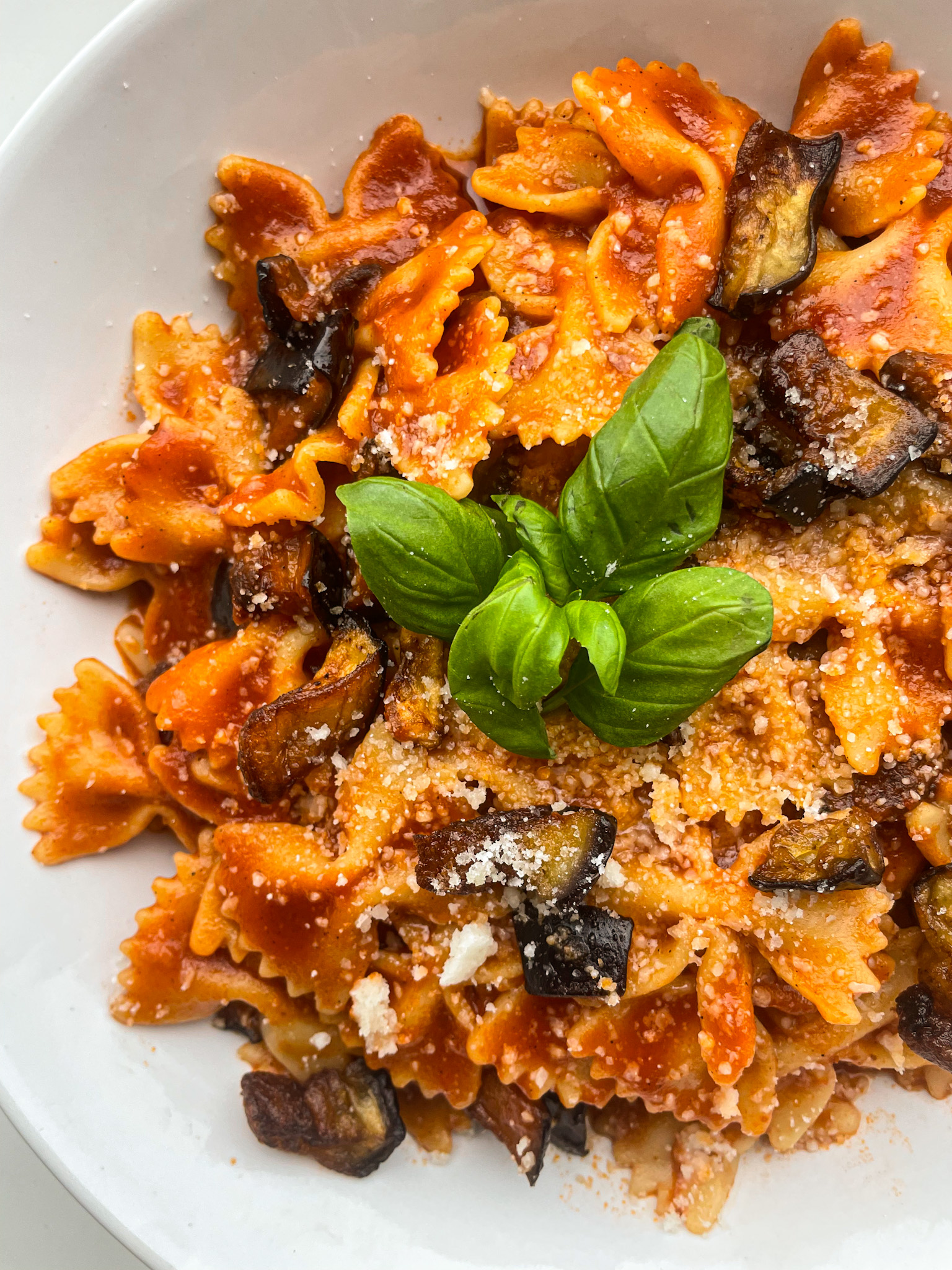
Even experienced cooks sometimes struggle with Pasta alla Norma because it requires proper technique for each component. Understanding common mistakes helps you avoid them and achieve consistent success. Most problems stem from improper eggplant preparation, sauce consistency issues, or poor pasta finishing technique. Learning to recognize and correct these errors ensures delicious results every time.
Bitter or Soggy Eggplant
Eggplant that tastes bitter or has mushy texture ruins Pasta alla Norma completely. Bitterness usually indicates the eggplant wasn’t salted properly or was past its prime when purchased. Always salt eggplant slices for at least twenty minutes before cooking. Choose fresh, firm eggplants with shiny skin and avoid large, seedy specimens that tend toward bitterness.
Soggy eggplant results from inadequate salting and drying before cooking. The salt draws out moisture, but you must rinse and thoroughly dry the eggplant afterward. Wet eggplant steams rather than browns, creating unpleasant mushy texture. Pat the eggplant completely dry with paper towels and don’t crowd the pan when frying or the baking sheet when roasting your Pasta alla Norma.
If you accidentally skip the salting step, you can still salvage the eggplant by cooking it longer over higher heat to drive off excess moisture. The texture won’t be quite as good, but proper browning helps compensate. For future batches of Pasta alla Norma, make salting eggplant a non-negotiable step in your preparation.
Watery Sauce
Tomato sauce that’s too thin and watery doesn’t coat the pasta properly in Pasta alla Norma. This usually happens when the sauce isn’t simmered long enough to thicken and concentrate. Let the sauce cook for at least fifteen to twenty minutes, stirring occasionally, until it reduces and thickens noticeably. The oil and tomatoes should emulsify into a cohesive sauce rather than remaining separate.
Adding too much pasta water can also create overly thin sauce. Add the pasta water gradually, just a few tablespoons at a time, until you achieve the right consistency. Remember that you can always add more liquid but cannot remove it once added. Start conservatively and adjust as needed for your Pasta alla Norma.
If your sauce is too thin, continue cooking it over medium-high heat to reduce excess liquid. The sauce should be thick enough to coat the back of a spoon but still fluid enough to toss easily with pasta. Finding this balance creates the perfect texture for Pasta alla Norma.
Overcooked or Undercooked Pasta
Pasta that’s too soft and mushy or too hard and crunchy ruins the entire dish. Cook the pasta until al dente—tender but with a slight bite in the center. Follow package directions but start testing a minute or two before the recommended time. Remember that the pasta continues cooking slightly when tossed with the hot sauce.
Drain the pasta when it’s just underdone and finish cooking it in the sauce. This technique allows the pasta to absorb flavors while reaching perfect texture. The starchy pasta water you add helps everything come together. This finishing method is traditional for Pasta alla Norma and most Italian pasta dishes.
If your pasta accidentally overcooks, there’s no way to fix the mushy texture. The only solution is to be more careful next time. Set a timer and start testing early to catch the pasta at the perfect moment for your Pasta alla Norma.
Creative Variations to Explore
While traditional Pasta alla Norma is perfect as written, creative variations offer new experiences while respecting the essential character of the dish. These adaptations maintain the core identity—pasta with eggplant, tomato sauce, and cheese—while introducing different flavors or techniques. Each variation brings something unique while honoring the Sicilian heritage of this beloved pasta.
Protein Additions
Add Italian sausage for a heartier version of Pasta alla Norma. Remove the casings and brown the sausage in the pan before making the tomato sauce. The rendered fat adds flavor to the sauce, and the meat provides satisfying substance. This variation transforms the vegetarian classic into something more substantial for meat lovers.
Anchovies dissolved in the olive oil before adding garlic create a deeply savory undertone without making the dish taste fishy. Just two or three anchovy fillets mashed into the oil add incredible umami depth. This Sicilian technique enhances many tomato-based sauces and works beautifully in Pasta alla Norma.
Vegetable Enhancements
Roasted red peppers add sweetness and color to Pasta alla Norma. Cut them into strips and toss with the eggplant for visual appeal and complementary flavor. The peppers’ sweetness balances the tangy tomatoes and salty cheese while adding another dimension to the dish.
Sautéed zucchini or mushrooms can supplement or partially replace the eggplant for different flavor profiles. These vegetables work well with the tomato sauce and maintain the vegetable-forward character of Pasta alla Norma while offering variety. Cook them using the same techniques you’d use for eggplant.
Finishing Touches
Toasted breadcrumbs add textural contrast when sprinkled over Pasta alla Norma. This traditional Sicilian garnish provides crunch against the soft pasta and vegetables. Toast breadcrumbs in olive oil until golden and crispy, then scatter over individual servings for an authentic touch.
A drizzle of high-quality extra virgin olive oil just before serving adds fruity richness and makes the dish feel more luxurious. Use your best oil for maximum impact. The raw oil provides different flavor notes than the cooked oil in the sauce, creating complexity in your Pasta alla Norma.
Storage and Reheating Guidance
Pasta alla Norma keeps reasonably well as leftovers, though the texture won’t be identical to freshly made. The eggplant softens further and the pasta absorbs more sauce as it sits. Understanding proper storage and reheating techniques helps you enjoy leftovers with minimal quality loss. The flavor actually improves slightly as the components meld together overnight in the refrigerator.
Storing Leftovers
Transfer cooled Pasta alla Norma to an airtight container and refrigerate for up to three days. The pasta will continue absorbing sauce, so leftovers will be less saucy than the original dish. If you know you’ll have leftovers, slightly undercook the pasta and keep the sauce a bit looser than ideal. This prevents the reheated version from being too dry.
Store the cheese separately if possible, adding it fresh when you reheat and serve the pasta. Cheese that’s been refrigerated with the pasta can become rubbery and lose its appealing texture. Fresh cheese on reheated Pasta alla Norma tastes much better than cheese that’s been sitting with the pasta for days.
Freezing is not ideal for this dish because the eggplant’s texture suffers significantly when frozen and thawed. The pasta also doesn’t freeze particularly well. If you must freeze Pasta alla Norma, know that the texture will be compromised when reheated, though the flavor remains decent.
Reheating Methods
The stovetop method produces the best results for reheating Pasta alla Norma. Place the pasta in a skillet over medium-low heat and add a few tablespoons of water or broth. Cover and heat gently, stirring occasionally, until warmed through. The added liquid helps reconstitute the sauce and prevents the pasta from drying out during reheating.
Microwave reheating works in a pinch but creates less even heating. Place the pasta in a microwave-safe bowl and add a tablespoon of water. Cover and microwave in one-minute intervals, stirring between each, until hot throughout. The microwave tends to dry out pasta, so the added water is essential for acceptable Pasta alla Norma.
Add a drizzle of fresh olive oil and freshly grated cheese to reheated pasta to refresh the flavors. This simple addition makes leftovers taste closer to freshly made. A few torn basil leaves also brighten reheated Pasta alla Norma and add fresh aromatic notes.
Frequently Asked Questions
Home cooks often have questions when making Pasta alla Norma for the first time. These common queries address frequent concerns about ingredients, techniques, and variations. Understanding these answers helps you approach the recipe with confidence and troubleshoot any issues that arise during preparation.
Can I skip salting the eggplant?
While you can skip salting, it significantly improves the final result in Pasta alla Norma. Salting removes bitterness and excess moisture, creating firmer eggplant with better texture and flavor. The process only takes thirty minutes and requires minimal effort. For the best possible dish, don’t skip this important step even though some modern eggplant varieties are less bitter than older ones.
What if I cannot find ricotta salata?
Pecorino Romano makes an excellent substitute for ricotta salata in Pasta alla Norma. It has a sharper, more pronounced flavor but works beautifully with the sweet tomatoes and rich eggplant. Aged ricotta, Parmesan, or even feta can work in a pinch, though each provides slightly different flavor. The key is using a firm, salty cheese that provides contrast to the other components.
Should I peel the eggplant?
Traditional Pasta alla Norma leaves the skin on the eggplant because it adds color, texture, and nutrients. The skin becomes tender when cooked and helps the eggplant pieces hold their shape. Peeling is unnecessary unless you’re using very large, mature eggplants with tough skin. For most eggplants, keeping the skin on creates better results and easier preparation.
Can I make this dish vegan?
You can create a delicious vegan version of Pasta alla Norma by omitting the cheese or using vegan cheese alternatives. The eggplant and tomato sauce provide plenty of flavor even without cheese. Some cooks add nutritional yeast for a cheese-like savory element. While not traditional, vegan versions can still be delicious and satisfying.
Final Thoughts
Pasta alla Norma proves that simple ingredients prepared with care create extraordinary results. This Sicilian masterpiece celebrates Mediterranean flavors while remaining accessible to home cooks of all skill levels. The combination of tender eggplant, bright tomato sauce, fresh basil, and salty cheese creates comfort food that feels special and sophisticated. Each component shines individually while contributing to a harmonious whole.
Don’t be intimidated by the technique required for perfect eggplant. The salting process is straightforward, and both frying and roasting produce delicious results. Once you master the basic method, Pasta alla Norma becomes a reliable recipe you’ll turn to repeatedly. The dish adapts to different seasons and preferences while maintaining its essential Sicilian character.
The beauty of this pasta lies in its ability to transform simple vegetables into something truly spectacular. Whether serving it for a casual weeknight dinner or a special occasion, Pasta alla Norma never disappoints. The impressive presentation and complex flavors make it seem far more difficult than it actually is, which is perfect for impressing dinner guests.
We encourage you to try this recipe soon and experience the magic of authentic Sicilian cooking. Master the techniques and Pasta alla Norma will become one of your most treasured recipes. The silky eggplant, savory tomato sauce, and salty cheese create layers of flavor that satisfy deeply with every bite. This is comfort food that transports you to Sicily with each forkful.
If you’ve given this recipe a try and it won you over, please share your thoughts by leaving a rating and comment below! If you have any questions about this recipe, don’t hesitate to ask – I’m here to help and will respond promptly.
To see more recipes and behind-the-scenes, follow along on Youtube,Instagram&Tiktok!
See our similar recipes:
People also like our these recipes:
- 1 medium size eggplant
- Olive oil for frying
- 230 g any kind of pasta
- 2 tbsp olive oil
- 3 garlic cloves minced
- 1 cup tomato sauce
- Salt and pepper to taste
- 1/2 cup pasta water
- 1/2 cup pecorino Romano or Ricotta for topping
We'll start by cutting the eggplant into cubes and salt them and leave them for 20 minutes to get rid of any bitterness.
Afterwards, we'll pat dry them very well then fry them in olive oil. Set aside.
In a pan, add in some olive oil, garlic and cook till fragrant.
Add in the tomato sauce, salt, pepper and let it simmer till thickened.
Add in the cooked pasta, some pasta water and let it cook.
Add in the fried eggplant and mix.
Top with some extra eggplant and some ricotta or pecorino Romano.
Enjoy while warm!
If you've given this recipe a try and it won you over, please share your thoughts by leaving
a rating and comment below! If you have any questions about this recipe, don't hesitate to ask – I'm here to
help and will respond promptly.