Create the Perfect New York Cheesecake Every Time
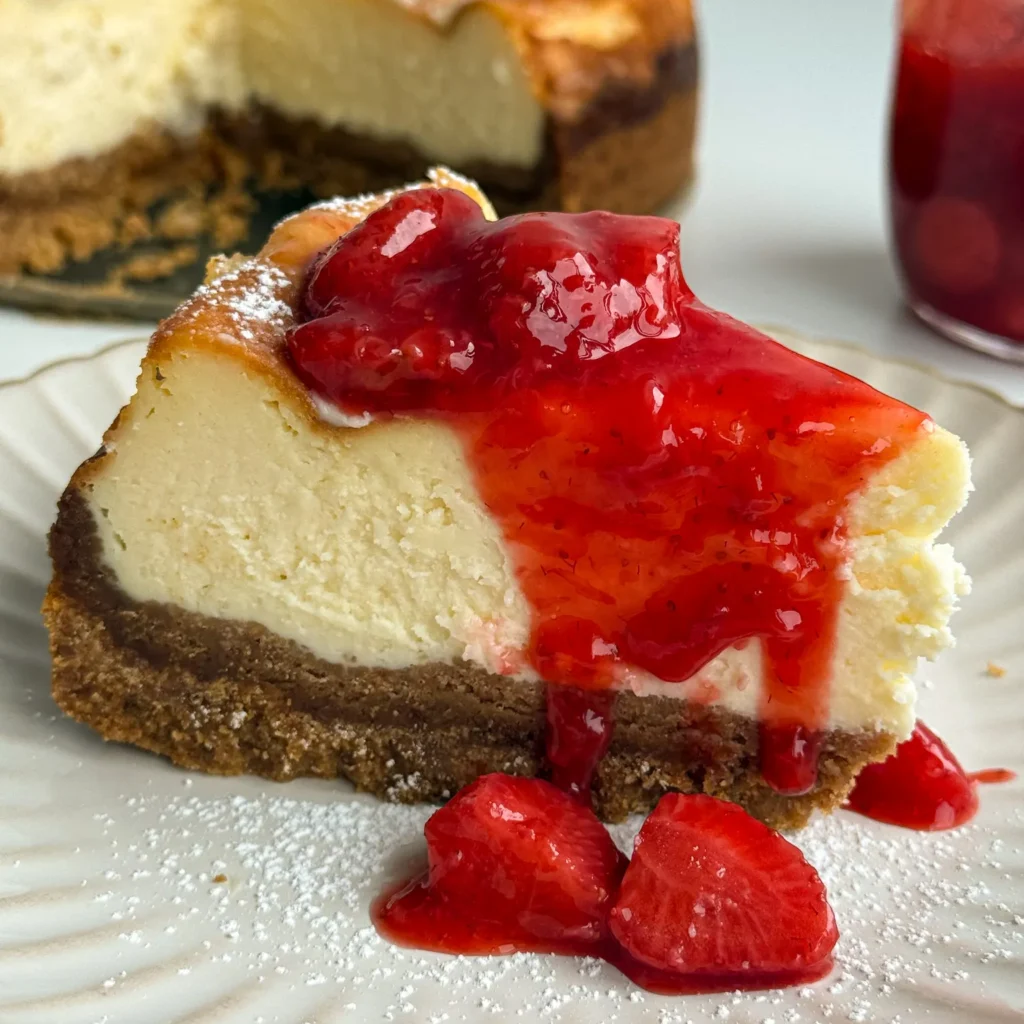
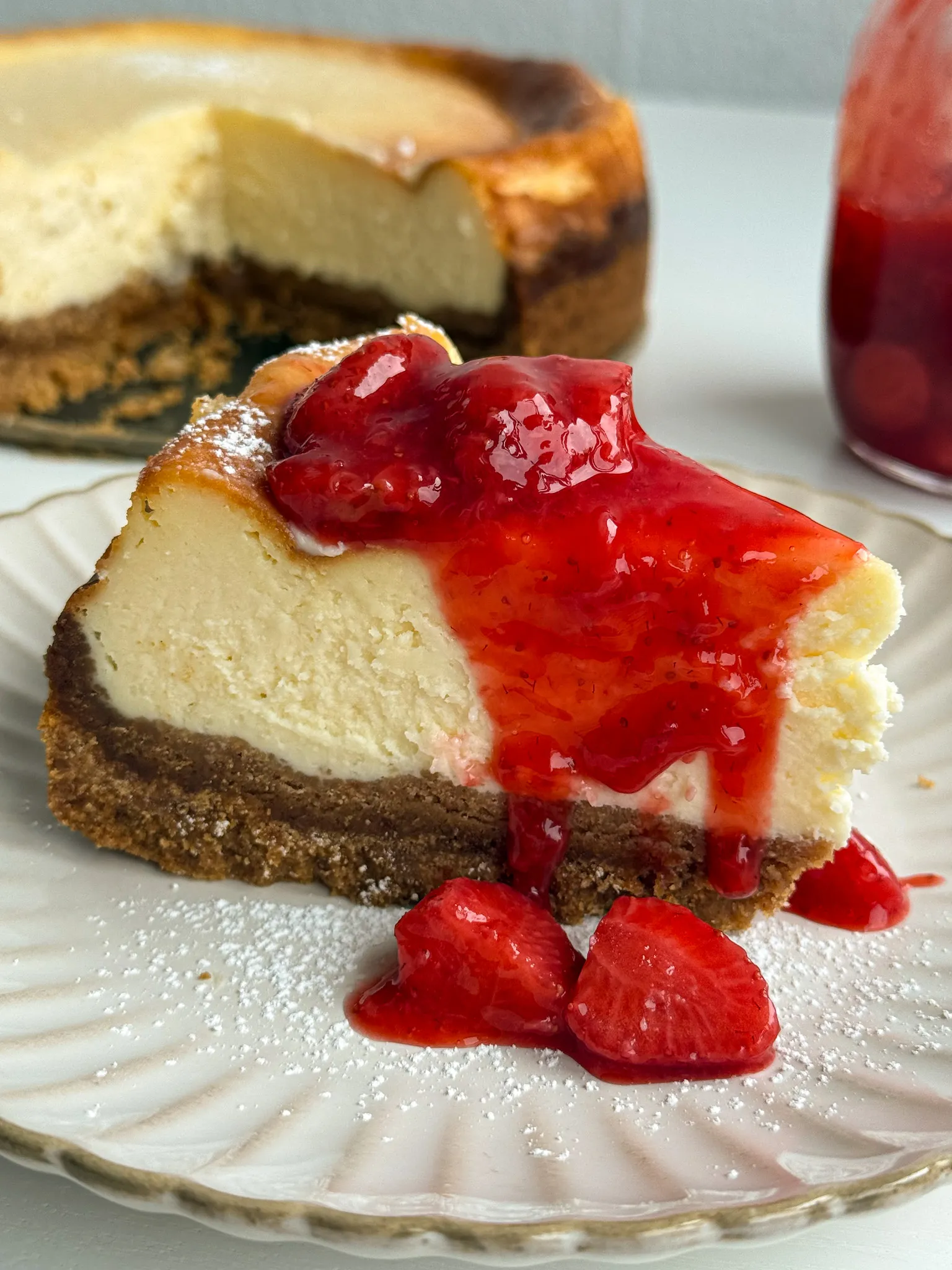
New York cheesecake represents everything a classic dessert should be. Dense yet creamy, rich but perfectly balanced, smooth without being heavy, this iconic dessert has earned its reputation through decades of perfection. When you master New York cheesecake, you’re not following trends or chasing shortcuts. You’re learning a technique that produces consistently spectacular results. This recipe combines a buttery graham cracker crust, ultra-creamy filling made with four blocks of cream cheese, and a vibrant strawberry topping that adds brightness to every slice.
The secret to exceptional New York cheesecake lies in understanding why each step matters. From bringing ingredients to room temperature to baking low and slow, every detail contributes to that signature texture. Whether you’re preparing New York cheesecake for a special celebration or simply craving something truly indulgent, this guide will walk you through every element with clarity and confidence.
Why This Recipe is Special
What makes this New York cheesecake stand out is its commitment to traditional technique combined with clear, detailed instruction. Many cheesecake recipes promise quick results or simplified methods, but authentic New York cheesecake demands patience and precision. This recipe respects those requirements while explaining exactly why each step matters. You’ll understand not just what to do, but why you’re doing it. The result is a cheesecake with that unmistakable New York texture, perfectly smooth and dense, with a fresh strawberry topping that provides exactly the right balance of sweetness and acidity.
Key Ingredients Overview
Creating exceptional New York cheesecake requires selecting quality ingredients and preparing them properly. You’ll need four blocks of full-fat cream cheese, the foundation of that signature density. Granulated sugar sweetens while affecting texture. Cornstarch stabilizes the filling and prevents cracks. Fresh eggs and an extra yolk provide structure and richness. Sour cream adds creaminess and subtle tang. Graham crackers form the buttery crust base. Fresh strawberries create the vibrant topping. Each component serves a specific purpose in building the complete New York cheesecake experience.
Understanding What Makes New York Cheesecake Distinctive
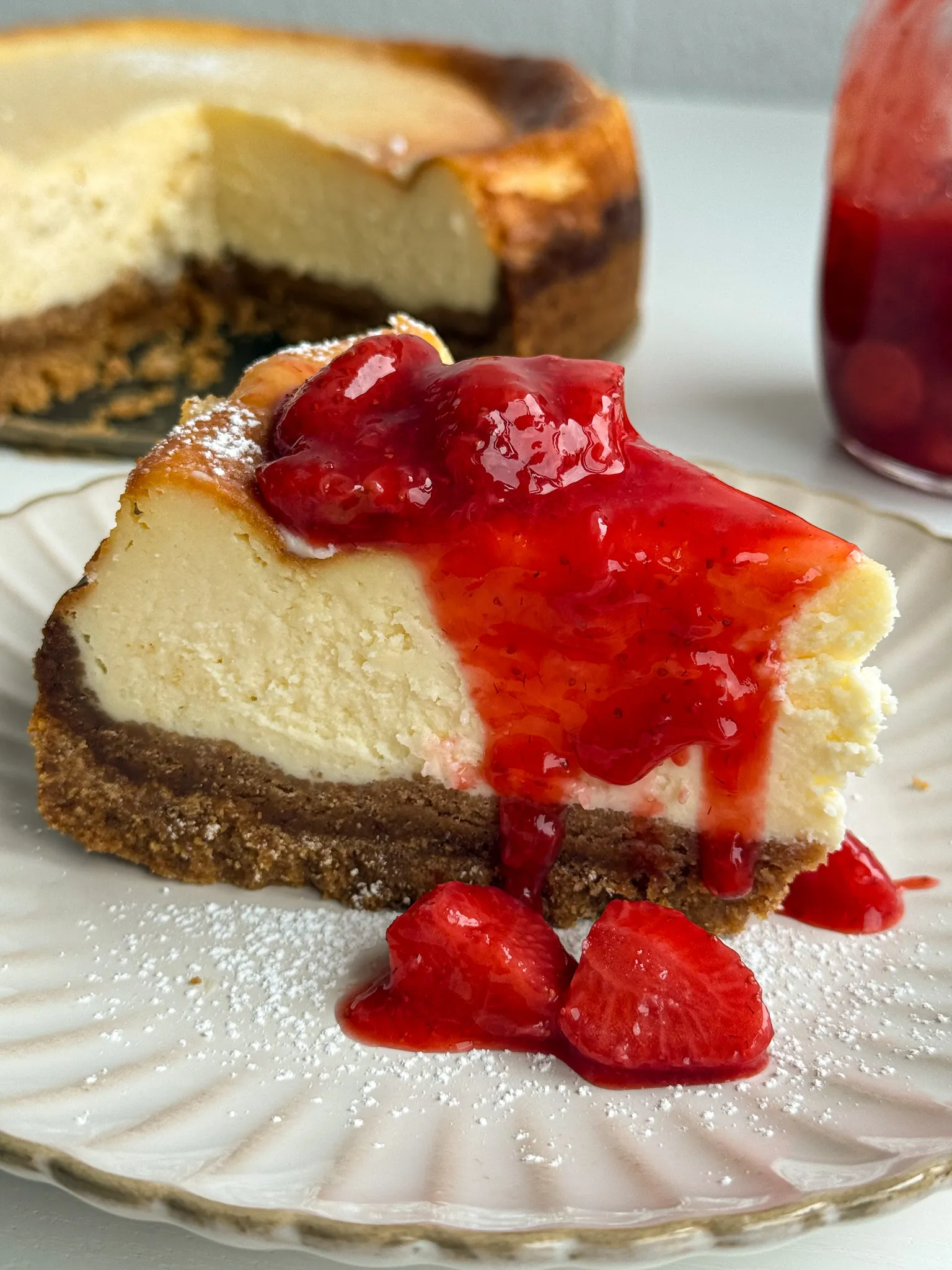
New York cheesecake has earned its iconic status through specific characteristics that set it apart from other cheesecake styles. Unlike lighter, fluffier versions, authentic New York cheesecake prioritizes density and richness. It should slice cleanly, hold its shape beautifully, and deliver that luxurious, almost custard-like mouthfeel. This distinctive texture comes from a high ratio of cream cheese combined with minimal liquid ingredients and careful baking technique.
The Texture Philosophy
When you bite into properly made New York cheesecake, you experience something unique. The texture is dense but never dry. It’s rich but not cloying. The filling should feel smooth and creamy, melting slowly on your tongue rather than dissolving quickly like lighter cheesecakes. This texture results from specific ingredient ratios and mixing methods. Unlike recipes that incorporate whipped cream or extra milk for lightness, traditional New York cheesecake achieves its character through pure cream cheese enriched with eggs and sour cream. Understanding this philosophy helps you avoid modifications that might compromise the authentic result.
Why Technique Matters More Than Ingredients
While quality ingredients are important for New York cheesecake, technique ultimately determines success or failure. You can use premium cream cheese, organic eggs, and the finest vanilla, but if you overmix the batter, bake at too high a temperature, or cool too quickly, cracks and texture problems will result. Conversely, following proper technique with standard supermarket ingredients produces excellent New York cheesecake. This is why understanding each step deeply matters more than ingredient substitutions or creative variations.
Creating the Foundation with Graham Cracker Crust
The crust for New York cheesecake should provide structure and flavor without overwhelming the filling. This graham cracker base delivers exactly that balance.
Selecting and Preparing Graham Crackers
Start with standard honey graham crackers. You’ll need about 10 full crackers to yield the cups of crumbs required. Crush them into fine, even crumbs using a food processor for consistency. If crushing by hand in a sealed bag, work carefully to achieve uniform texture. Large crumb pieces create an uneven crust that won’t press properly. The goal is sand-like consistency that packs firmly when pressed.
Adding Butter, Sugar, and Seasonings
Melted butter binds the crumbs together and adds rich flavor to your New York cheesecake crust. Use unsalted butter so you control the salt level. A small amount of granulated sugar enhances sweetness without making the crust too sweet. Ground cinnamon provides warm, subtle spice that complements the tangy filling beautifully. A pinch of salt balances everything and prevents the crust from tasting flat. Mix these components thoroughly so butter coats every crumb evenly.
Pressing and Pre-Baking the Crust
Transfer your crumb mixture to a 9-inch springform pan. Press it firmly into the bottom, paying special attention to the edges where crumbs tend to be thinner. Use the bottom of a flat glass or measuring cup to create an even, compact surface. This firm pressing ensures your New York cheesecake crust stays together when sliced. Pre-bake the crust at 350 degrees Fahrenheit for about 10 minutes. This step is essential. It sets the butter, crisps the crumbs, and prevents sogginess once you add the wet filling. The crust should look lightly golden and smell toasted when ready.
Building the Ultra-Creamy Filling
The filling is the heart of New York cheesecake, and getting it right requires understanding each ingredient’s role.
Preparing the Cream Cheese
Four blocks of full-fat cream cheese create the foundation for authentic New York cheesecake. Room temperature is absolutely essential. Cold cream cheese forms lumps that never fully smooth out, creating texture problems and requiring overmixing that incorporates too much air. Remove your cream cheese from the refrigerator at least two hours before beginning, or cut it into chunks and let it sit at room temperature for one hour. When properly softened, you should be able to press your finger into the block easily without resistance.
Incorporating Sugar and Cornstarch
Granulated sugar sweetens your New York cheesecake while also affecting texture. Sugar interferes with protein bonding, which helps keep the filling tender rather than rubbery. The amount here provides richness without excessive sweetness. Cornstarch is the secret ingredient many bakers overlook. Just a small amount stabilizes the filling, prevents curdling during baking, and dramatically reduces the likelihood of cracks. It also improves sliceability, helping your New York cheesecake maintain clean edges when served.
Adding Eggs Properly
Eggs provide structure that allows New York cheesecake to set properly. This recipe uses whole eggs plus an additional yolk for extra richness and smooth texture. Add eggs one at a time, mixing just until each disappears into the batter before adding the next. This gradual incorporation prevents excess air from being whipped into the mixture. Too much air causes the cheesecake to puff during baking, then sink and crack as it cools. Beat on low speed and stop mixing as soon as you no longer see streaks of egg.
Enriching with Sour Cream
Sour cream distinguishes great New York cheesecake from merely good versions. It adds creaminess that softens the dense texture slightly without making it fluffy. The subtle tang balances the richness and prevents the filling from tasting one-dimensional. Like your cream cheese, sour cream must be at room temperature. Cold sour cream requires additional mixing to incorporate smoothly, and that extra mixing introduces the air you’re trying to avoid. Add it after your eggs and fold it in gently but thoroughly.
Flavoring with Lemon and Vanilla
Fresh lemon juice brightens the flavor profile of New York cheesecake without making it taste citrusy. It enhances all the other flavors while adding subtle complexity. Pure vanilla extract provides warmth and rounds out the taste. These flavorings should be added last and mixed just until distributed evenly throughout the batter. Your completed filling should be smooth, thick, and pourable, with no lumps or air bubbles visible.
Mastering the Mixing Process
How you mix your New York cheesecake batter matters as much as the ingredients themselves. Proper technique prevents the most common problems bakers encounter.
The Dangers of Overmixing
Overmixing is the primary cause of cracked, sunken, or texture-compromised New York cheesecake. When you beat the batter vigorously or mix for extended periods, you incorporate air bubbles throughout. During baking, these bubbles expand, causing the surface to puff and rise. As the cheesecake cools, the air contracts, creating cracks and sometimes causing the entire surface to collapse. The goal is a dense, smooth batter with minimal air incorporation.
Proper Mixing Technique
Use your mixer on low speed throughout the entire process. Start by beating the softened cream cheese until smooth, scraping down the bowl frequently. Add sugar and cornstarch, mixing just until combined. Add eggs one at a time, stopping the mixer between additions to scrape the bowl. Fold in sour cream gently. Add lemon juice and vanilla, then mix for just a few final seconds. The entire mixing process for New York cheesecake should feel restrained and controlled, never rushed or aggressive.
Ensuring Ingredient Temperature
Every ingredient in your New York cheesecake filling must reach room temperature before mixing. This cannot be emphasized enough. Room temperature ingredients blend smoothly with minimal mixing. Cold ingredients require extended beating to incorporate, which inevitably adds unwanted air. Set out your cream cheese, eggs, and sour cream at least two hours before beginning. This simple step prevents more problems than any other single precaution.
Baking Low and Slow for Perfect Texture
The baking process defines whether your New York cheesecake succeeds or fails. Traditional high-temperature baking methods don’t work for this delicate dessert.
Understanding Temperature Science
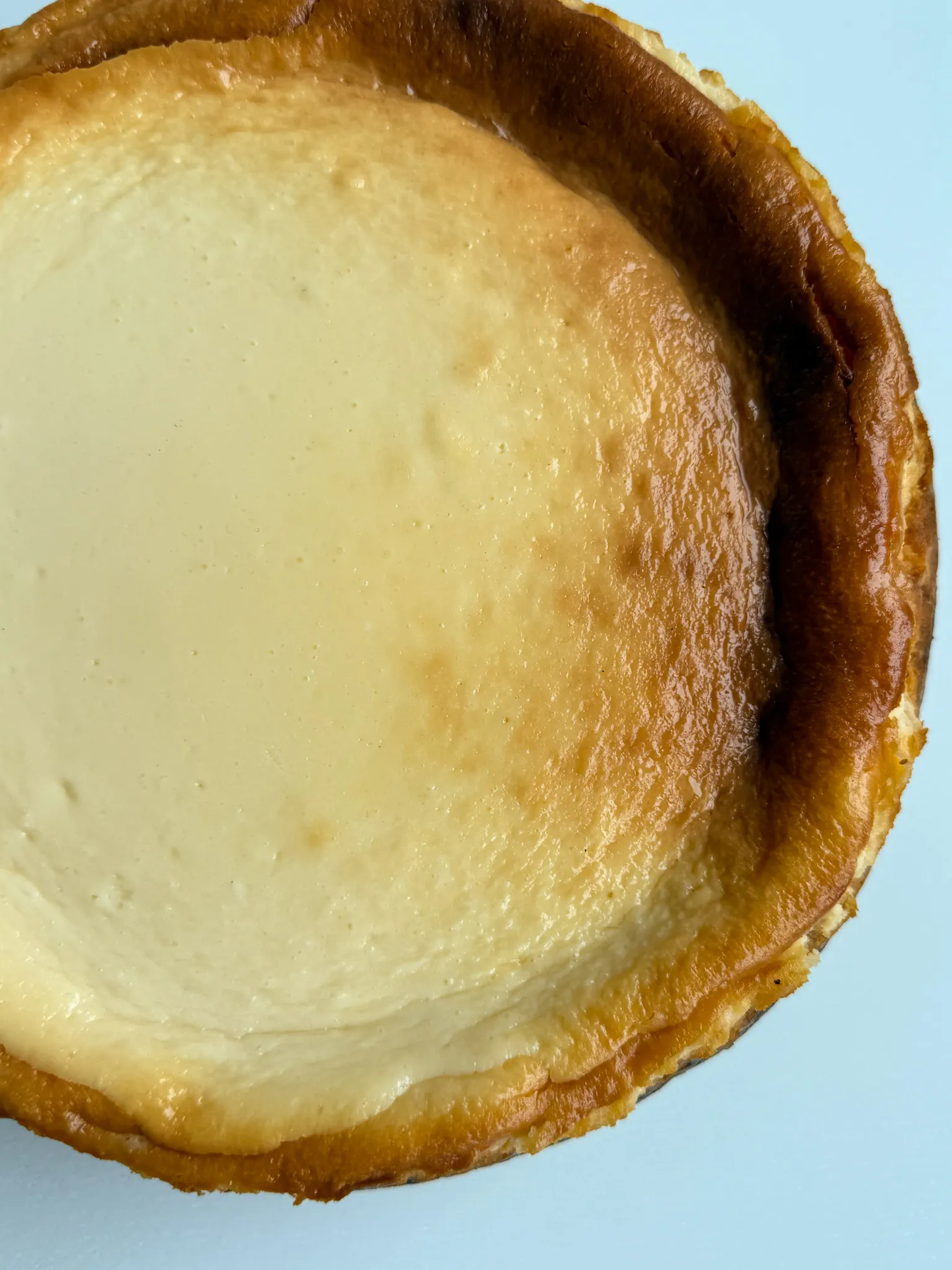
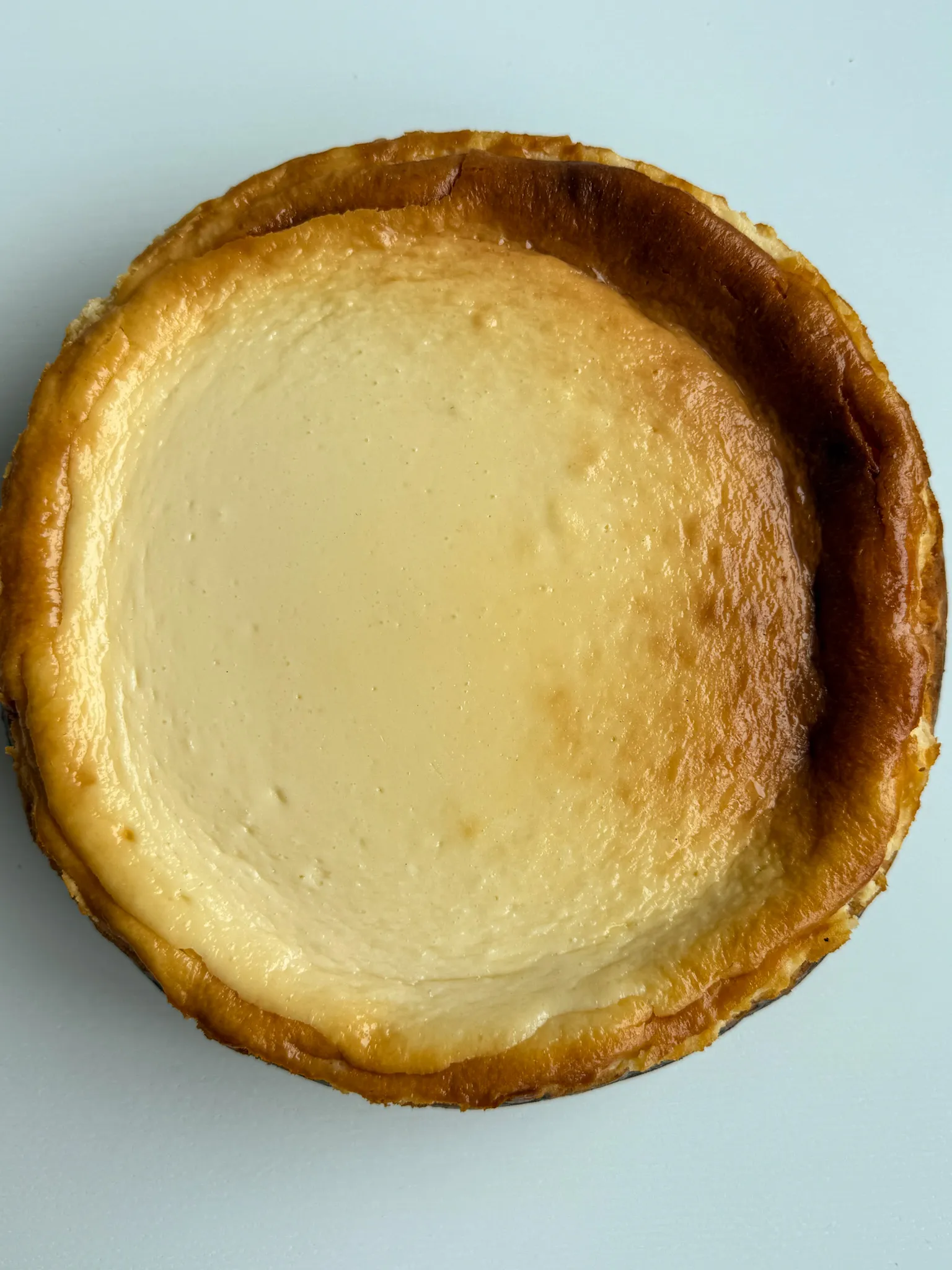
New York cheesecake bakes at 305 degrees Fahrenheit, significantly lower than most cakes. This gentle heat prevents the proteins in eggs and cream cheese from overcooking and tightening. High temperatures cause the edges to set too quickly while the center remains liquid, leading to overbaking as you wait for the middle to cook. Low temperature allows even, gentle cooking throughout, resulting in that signature creamy texture. The entire cheesecake sets at nearly the same rate, preventing the stress that causes cracks.
Creating a Humid Environment
Steam plays a crucial role in preventing surface cracks on New York cheesecake. Dry oven air causes the top to set and dry out before the interior finishes cooking. As the center continues to expand, the rigid surface cracks. Introducing humidity keeps the surface supple and prevents premature setting. Rather than using a traditional water bath that risks water seepage, this recipe places a pan of water on the oven’s bottom rack. The steam creates a humid environment that protects your cheesecake without the complications of wrapping pans in foil.
Recognizing Doneness
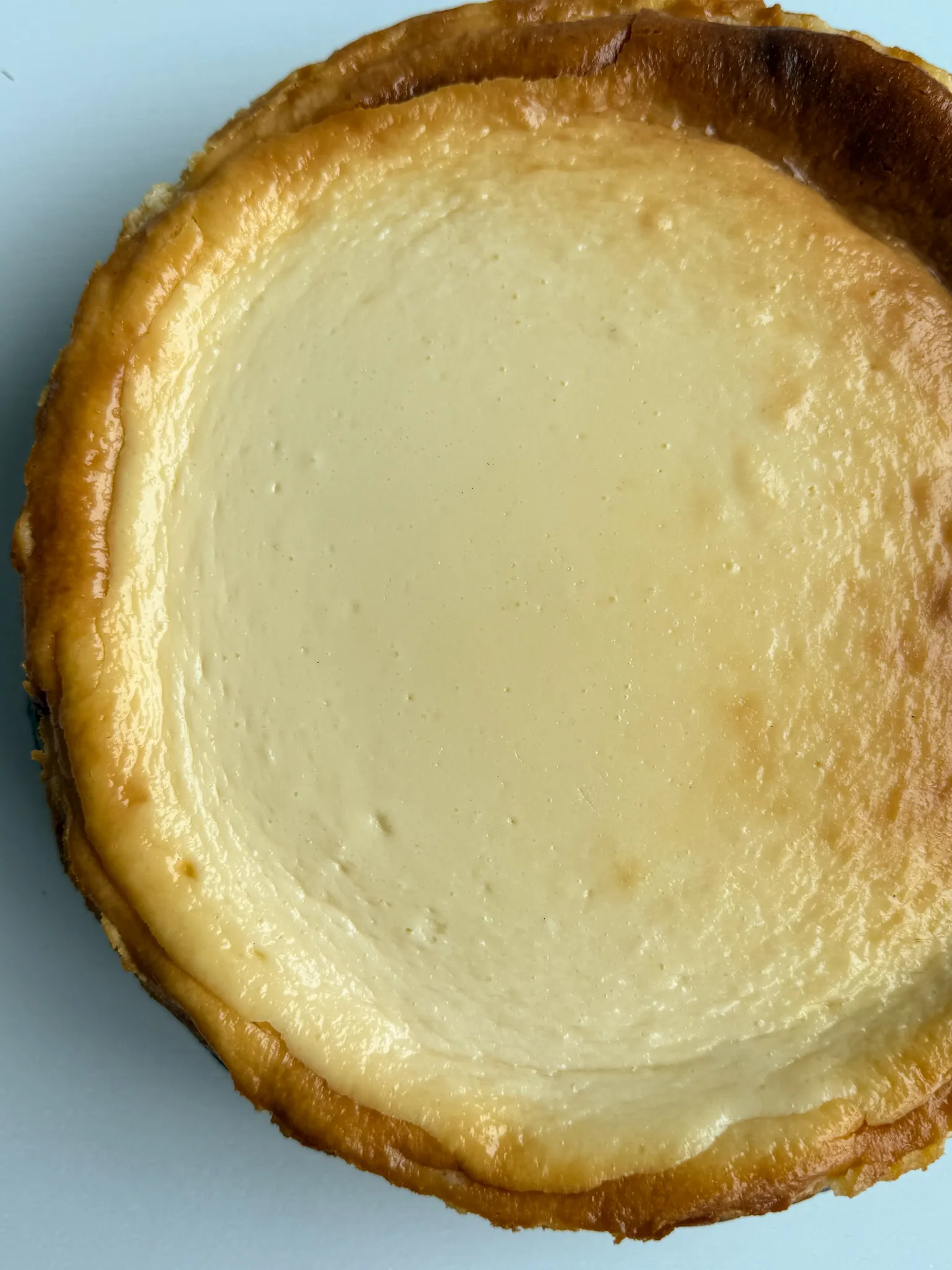
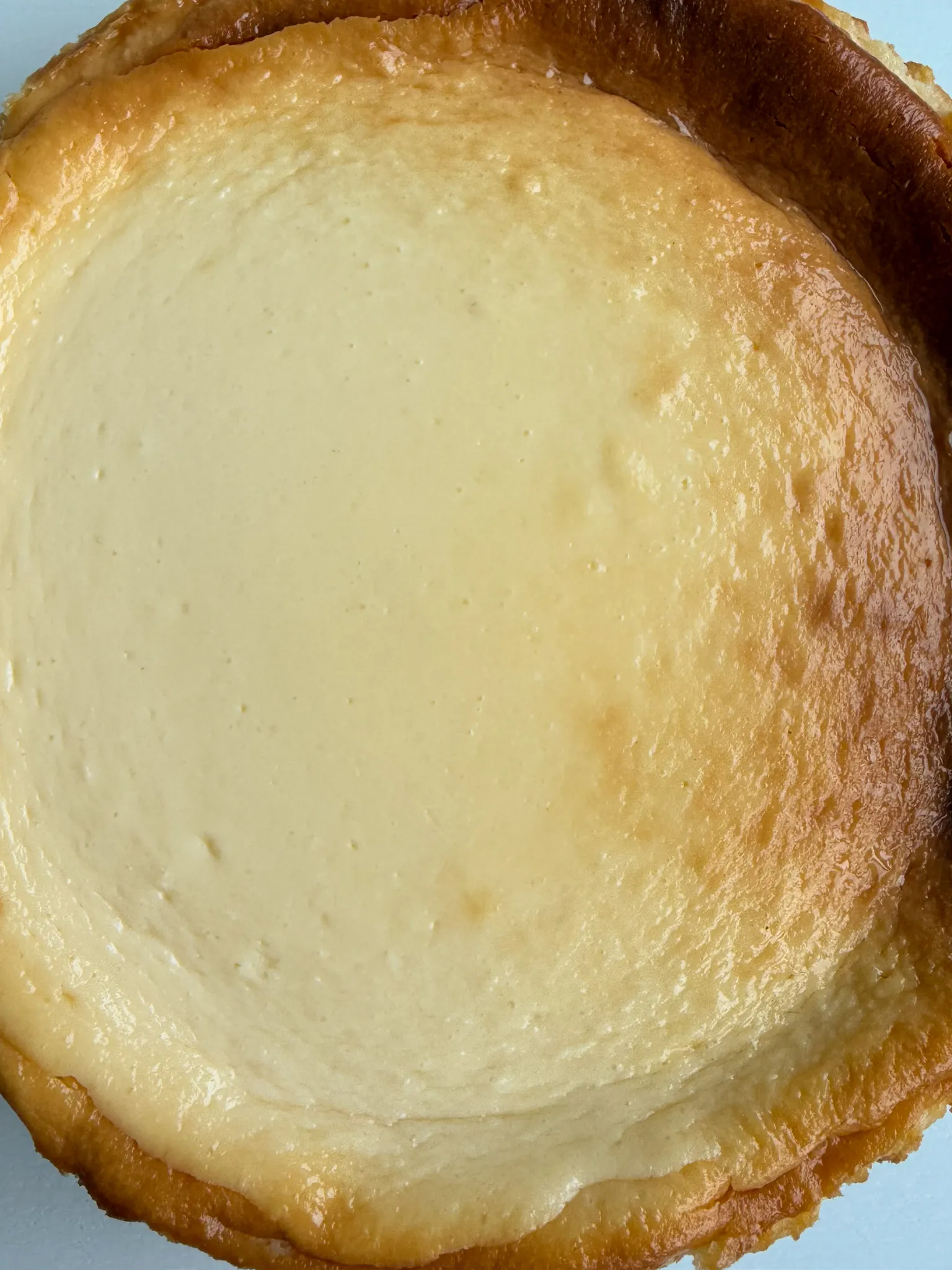
Time provides a guideline, but visual and tactile cues tell you when New York cheesecake is truly ready. After approximately one hour and 40 minutes of baking, check for these signs. The edges should be set and slightly puffed. The center should jiggle gently when you shake the pan, similar to gelatin. The surface should look matte rather than wet or shiny. The cheesecake continues cooking from residual heat after you remove it from the oven, so slightly underdone is better than overdone. Overbaked New York cheesecake becomes grainy and dense rather than creamy.
Cooling Gradually to Prevent Cracks
The cooling process is where many otherwise perfect New York cheesecake attempts fail. Rapid temperature changes cause immediate cracking.
Why Slow Cooling Matters
As New York cheesecake bakes, its structure expands from heat. When you remove it from the oven into cool air, rapid contraction occurs. The surface sets and cools faster than the interior, creating tension. This stress manifests as cracks across the top. Gradual cooling allows the entire cheesecake to contract at a similar rate, preventing that destructive tension.
The Two-Stage Cooling Method
When your New York cheesecake reaches proper doneness, turn off the oven but leave the cheesecake inside. Crack the oven door open slightly. Let it sit in the gradually cooling oven for one hour. This first stage prevents sudden temperature shock. After an hour in the cooling oven, remove the cheesecake to a wire rack at room temperature. Let it cool completely, about two to three hours, before refrigerating. This two-stage approach protects both texture and appearance.
Preparing for Refrigeration
Once your New York cheesecake reaches room temperature, cover it loosely with plastic wrap or aluminum foil. The covering prevents the surface from drying out or absorbing refrigerator odors. Transfer it to the refrigerator for overnight chilling. This extended cold rest is not optional. The filling needs many hours to fully set into that sliceable, creamy texture that defines proper New York cheesecake.
Creating the Fresh Strawberry Topping
The strawberry topping provides essential contrast to rich New York cheesecake. Its brightness balances the dense, creamy filling perfectly.
Selecting Quality Strawberries
Choose ripe, sweet strawberries with deep red color throughout. Avoid berries that are white or green near the stem, as these lack sweetness. Small to medium strawberries often have better flavor than giant berries. Rinse them gently and remove the green tops. For the best topping on your New York cheesecake, strawberries should taste sweet and fragrant on their own.
Preparing the Sauce
This topping combines fresh strawberry flavor with a lightly thickened sauce. Start by blending half the strawberries until smooth. This creates the sauce base. Pour the blended mixture into a saucepan and add granulated sugar, honey, fresh lemon juice, and cornstarch. The sugar and honey provide sweetness with complexity. Lemon juice adds brightness and prevents the topping from tasting flat. Cornstarch thickens the sauce just enough to coat the berries without becoming heavy or gel-like.
Cooking and Finishing
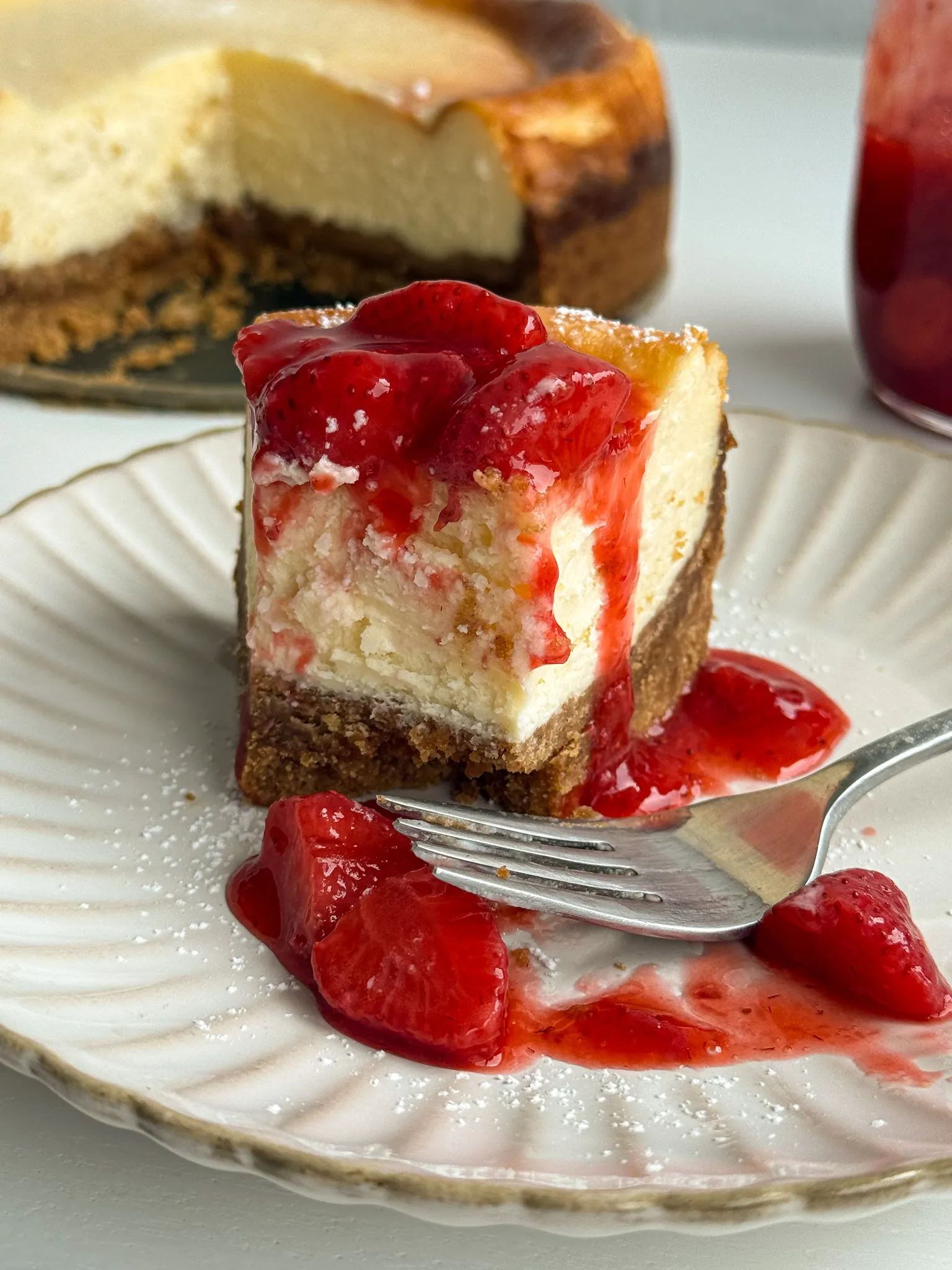
Heat the strawberry mixture over medium heat, stirring constantly. The cornstarch needs heat to activate and thicken properly. Once the sauce reaches a gentle boil, it will thicken noticeably. Remove it from heat and stir in the remaining chopped strawberries. These whole berry pieces provide textural contrast to the smooth sauce. Let the topping cool to room temperature before spooning it over chilled New York cheesecake slices. The combination of smooth sauce and fresh berry chunks creates perfect balance.
Serving Your Masterpiece
Proper slicing and serving techniques ensure your New York cheesecake looks as impressive as it tastes.
Achieving Clean Slices
The key to beautiful New York cheesecake slices is a hot, clean knife. Fill a tall container with very hot water. Dip your knife completely into the water before making each cut. The heat helps the blade glide through the dense filling without dragging or tearing. After each slice, wipe the blade clean with a damp towel, then dip it back into hot water before the next cut. This process takes extra time but produces professional-looking results.
Plating and Presentation
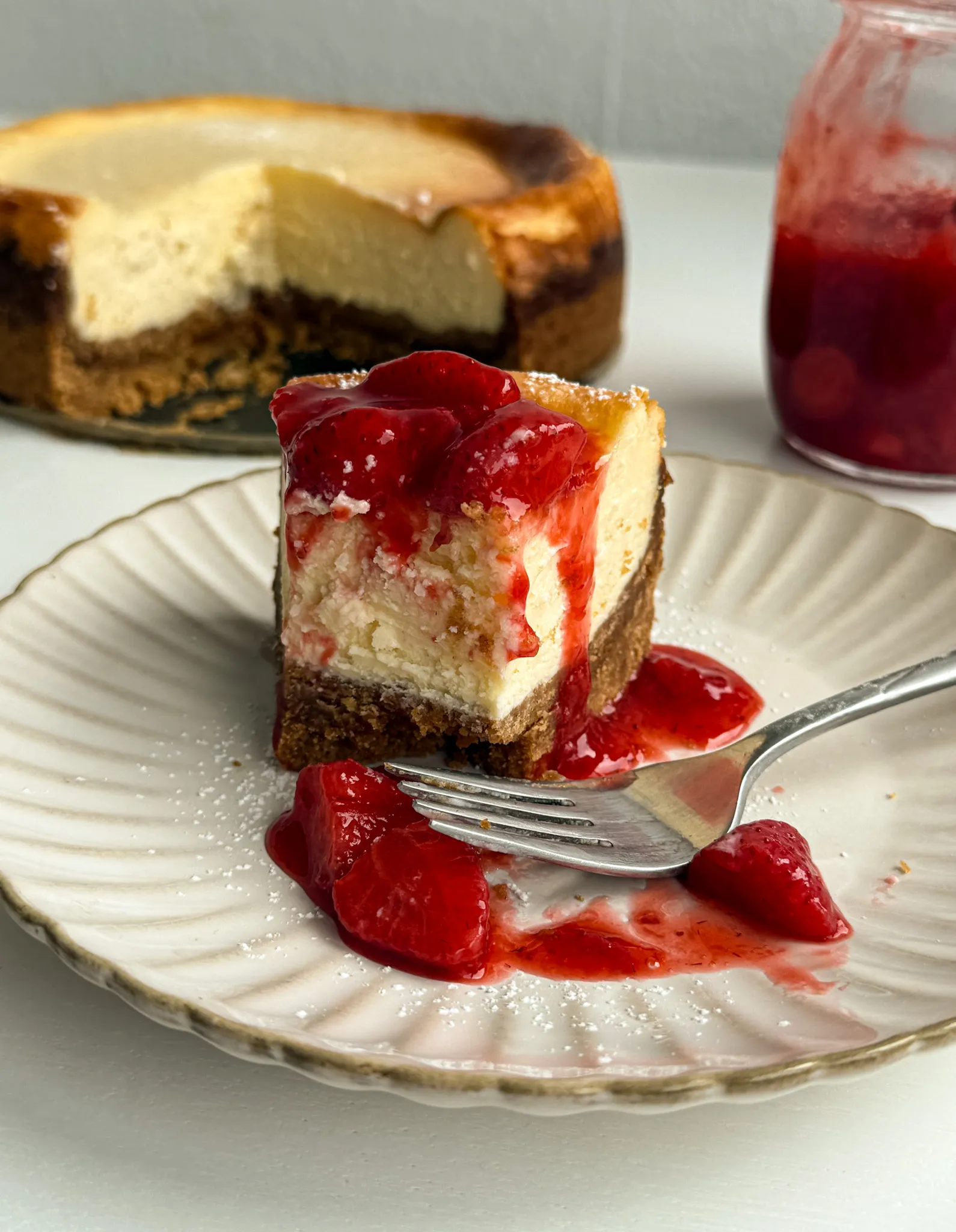
Place each slice on an individual plate using a wide spatula for support. The graham cracker crust should be intact on the bottom. Spoon strawberry topping over each slice just before serving rather than topping the entire cake in advance. This approach keeps the topping fresh and vibrant while preventing the berries from bleeding into the filling. A small mint leaf or additional fresh strawberry slice makes an elegant garnish.
Portion Considerations
New York cheesecake is exceptionally rich. Standard slices should be modest, perhaps one-twelfth to one-sixteenth of the whole cake. These smaller portions allow guests to enjoy the indulgent flavor without feeling overwhelmed. If serving as part of a dessert selection, even smaller portions work well.
Storage and Make-Ahead Tips
Properly stored New York cheesecake maintains quality for several days, and it actually improves in flavor after the first day.
Refrigerator Storage
Cover leftover New York cheesecake tightly with plastic wrap or store it in an airtight container. The covering prevents the surface from drying out and keeps the cake from absorbing other food odors. Properly stored, it remains delicious for up to five days. The texture actually improves during this time as flavors meld and develop. Many bakers find their New York cheesecake tastes even better on day two or three than freshly made.
Freezing Guidelines
New York cheesecake freezes exceptionally well, though you should freeze it without the strawberry topping. Wrap individual slices or the whole cake tightly in plastic wrap, then again in aluminum foil. Freeze for up to one month. When ready to serve, transfer frozen New York cheesecake to the refrigerator and let it thaw slowly overnight. Rushed thawing at room temperature can create condensation that affects texture. Add fresh strawberry topping after thawing for the best results.
Make-Ahead Planning
The overnight chilling requirement actually makes New York cheesecake an ideal make-ahead dessert. Bake it one or even two days before serving. This advance preparation allows flavors to develop fully and removes last-minute stress. Prepare the strawberry topping the same day you plan to serve for optimal freshness and bright flavor.
Troubleshooting Common Problems
Even experienced bakers encounter occasional issues with New York cheesecake. Understanding causes helps prevent future problems.
Preventing and Fixing Cracks
Cracks result from rapid temperature changes, overbaking, or too much air in the batter. Prevent them by following proper mixing technique, baking low and slow, using steam, and cooling gradually. If cracks do appear, remember that the strawberry topping covers them completely. Alternatively, a thin layer of sour cream sweetened with powdered sugar can be spread over the top after cooling, providing coverage while adding complementary flavor to your New York cheesecake.
Addressing Texture Issues
Grainy texture indicates overbaking or overmixing. Dense, rubbery texture suggests too much mixing or cold ingredients that weren’t properly incorporated. Runny, undercooked texture means insufficient baking time or improper cooling. Each texture problem traces back to a specific cause. Review your technique against the instructions to identify where adjustments are needed for your next New York cheesecake attempt.
Solving Crust Problems
Soggy crust results from skipping the pre-baking step or not pressing the crumbs firmly enough. Too-hard crust indicates overbaking or too much butter. Crumbly crust that falls apart suggests insufficient butter or inadequate pressing. The crust on New York cheesecake should provide stable structure that’s firm but never hard, enhancing rather than detracting from each slice.
Frequently Asked Questions
Why must ingredients be at room temperature?
Room temperature ingredients for New York cheesecake blend smoothly with minimal mixing, preventing excess air incorporation that causes cracks and texture problems. Cold cream cheese forms lumps that require extended beating to smooth, inevitably adding unwanted air to your batter. Cold eggs don’t incorporate evenly. Taking time to warm ingredients properly prevents numerous issues and ensures success.
Can I use low-fat cream cheese?
Full-fat cream cheese is essential for authentic New York cheesecake texture and flavor. Low-fat versions contain more water and less fat, resulting in a looser filling that doesn’t set properly. The dense, rich character that defines this style requires the fat content in regular cream cheese. Substituting reduced-fat products fundamentally changes the result and is not recommended.
How do I know when it’s done baking?
Your New York cheesecake is done when the edges are set and slightly puffed while the center jiggles gently like gelatin when you shake the pan. The surface should look matte rather than wet. Internal temperature should reach about 150 degrees Fahrenheit in the center. Remember that residual heat continues cooking after you remove it from the oven, so slightly underdone is better than overdone.
Can I skip the overnight chilling?
Overnight chilling is essential for proper New York cheesecake texture and sliceability. The filling needs extended cold time to fully set. Cutting into warm or insufficiently chilled cheesecake results in messy slices and compromised texture. Plan ahead and allow minimum eight hours, preferably twelve, of refrigeration before serving.
What causes the top to crack?
Cracks in New York cheesecake result from several possible causes. Overmixing incorporates air that expands during baking then contracts during cooling. Baking at too high a temperature sets the edges before the center, creating stress. Rapid cooling causes uneven contraction. Skipping the steam step allows the surface to dry and set prematurely. Following proper technique for each step prevents cracks.
Can I make this without a springform pan?
A springform pan with removable sides is strongly recommended for New York cheesecake. The tall sides accommodate the thick filling, and the removable bottom allows clean release. Regular cake pans make removal extremely difficult without damaging the delicate cake. If absolutely necessary, you could use a deep pie plate, but results won’t match the proper height and appearance of authentic New York cheesecake.
Final Thoughts
Mastering New York cheesecake represents a significant achievement in baking. This iconic dessert rewards patience, precision, and respect for proper technique. By understanding why each step matters, from bringing ingredients to room temperature to cooling gradually, you can consistently create spectacular results. The combination of dense, creamy filling, buttery graham cracker crust, and vibrant strawberry topping delivers balanced indulgence that never goes out of style.
Whether you’re baking New York cheesecake for a special celebration or simply treating yourself to classic elegance, the techniques you’ve learned here will serve you well. This is a recipe you can trust, one that produces the authentic texture and flavor that have made this dessert beloved for generations. Your perfect slice of New York cheesecake awaits, and you now have all the knowledge needed to create it with confidence.
Watch the recipe video for more clarity
People also like our these recipes:
Strawberry Topping
- 1 lb strawberries
- ¼ cup 50g sugar
- 1 tsp cornstarch
- Juice of ½ lemon
- 1 tbsp honey
Graham Cracker Crust
- 2 cups 280g graham cracker crumbs
- ⅓ cup 70g sugar
- ½ tsp cinnamon
- ⅛ tsp salt
- ½ cup 110g butter, melted
New York Cheesecake Filling
- 4 blocks cream cheese room temperature
- 1½ cups 300g sugar
- 3 tbsp cornstarch
- 4 eggs + 1 yolk room temperature
- 2 tsp lemon juice
- 2 tsp vanilla
- 1 cup 250g sour cream (room temperature)
Make the Strawberry Topping
Over medium heat, cook the strawberries with sugar, cornstarch, and lemon juice until thickened. Blend half the mixture, stir back together, add honey, and chill.
Make the Crust
Mix graham cracker biscuits, sugar, cinnamon, salt, and melted butter. Press into a pan and bake at 350°F (175°C) for 10 minutes. Cool slightly.
Make the Cheesecake Batter
Beat cream cheese with sugar and cornstarch until smooth. Add eggs and yolk slowly. Mix in lemon juice and vanilla, then gently fold in sour cream.
Bake
Bake at 305°F (150°C) with steam in the oven for 1 hour 40 minutes. Turn off the oven and let the cheesecake sit inside for 1 hour.
Chill & Serve
Chill overnight. Slice and top with strawberry sauce before serving.
If you've given this recipe a try and it won you over, please share your thoughts by leaving
a rating and comment below! If you have any questions about this recipe, don't hesitate to ask – I'm here to
help and will respond promptly.